Actocortina 373 mg powder for injection solution
Spain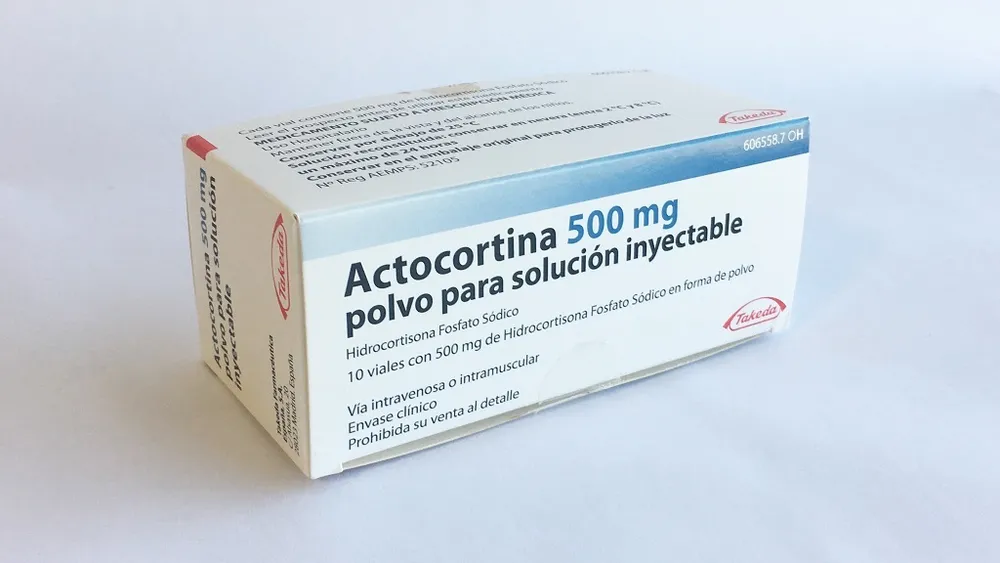
Table of Contents
Package leaflet: Information for the user
Introduction
Package leaflet: information for the user
Actocortina 373 mg powder for injectable solution
hydrocortisone
Read the entire leaflet carefully before starting to use the medicine, as it contains important information for you.
|
Package leaflet
-
What Actocortina is and what it is used for
-
What you need to know before using Actocortina
-
How to use Actocortina
-
Possible side effects
-
Storage of Actocortina
-
Contents of the pack and other information
1. What Actocortine is and what it is used for
Actocortine belongs to a group of hormonal preparations known as systemic corticosteroids, which act as potent anti-inflammatory agents.
Actocortine is used for the treatment of:
- acute exacerbations of asthma
- anaphylactic shock and acute immediate hypersensitivity reactions that are life-threatening (e.g. angioedema, laryngeal edema)
- acute adrenal insufficiency
- treatment of acute organ transplant rejection
- myxedema coma
- necrotizing vasculitis
- rheumatoid arthritis
- tenosynovitis and bursitis
2. What you need to know before using Actocort
Do not use Actocort
- if you are allergic to the active substance, other steroids, or any of the other ingredients of this medicine (listed in section 6).
Except in emergency cases, this medicine should not be used in the following conditions due to the risk of worsening. This decision must be made by your doctor:
- gastric or duodenal ulcers
- known psychiatric disorders, emotional instability, psychosis
- glaucoma
- herpetic keratitis
- lymphadenopathy following tuberculosis vaccination
- infection by amoebae or fungi
- poliomyelitis
- viral diseases such as chickenpox, herpes simplex, herpes zoster
- latent or manifest tuberculosis
- during the pre- and post-vaccination period with live attenuated virus or bacterial vaccines (approximately 8 weeks before and 2 weeks after vaccination)
Warnings and precautions
Talk to your doctor or pharmacist before starting to use Actocort.
You should inform your doctor if you have or have had any of the following disorders:
- renal insufficiency
- cardiac insufficiency
- diabetes mellitus
- osteoporosis
- hypertension
- glaucoma
- epilepsy
- severe psychiatric disorders
- muscle injury caused by steroid treatments
- gastrointestinal diseases such as peptic ulcer, ulcerative colitis, ileitis, diverticulitis
- myasthenia gravis
- poliomyelitis
- hepatic insufficiency
- serious fungal infection
- tuberculosis
- known or suspected infection (viral, bacterial, or amoebic)
- pre-existing lymphoid tumors
- hyperparathyroidism
- if you have overactivity of the thyroid gland (hyperthyroidism)
- hypothyroidism
- cerebral malaria
Contact your doctor if you experience blurred vision or other visual disturbances.
Rapid intravenous injection of high doses of Actocort may sometimes cause acute cardiac problems; therefore, injections should be administered slowly or by infusion.
This medicine increases the risk of developing infections and may increase their severity. It is recommended to rule out infections such as chickenpox or measles before starting treatment. It may also increase the risk of ocular infections.
Live strain vaccines should not be administered to patients undergoing corticosteroid therapy, and the response to other types of vaccines may be reduced.
Long-term systemic therapy with Actocort may cause adrenal insufficiency, Cushing's syndrome, or imbalanced blood sugar levels in your body.
Actocort may cause psychiatric disorders including euphoria, insomnia, mood changes, personality changes, depression, and psychotic tendencies. These may occur at the beginning of treatment or during dose adjustments. The risk may be higher with high-dose regimens. Most reactions resolve after dose reduction.
Treatment with high doses of Actocort may cause benign "steroid diabetes." This is reversible when therapy is discontinued. In diabetic patients, treatment usually causes deregulation, which can be managed by adjusting insulin dosage.
Contact your doctor immediately if you experience muscle weakness, muscle pain, cramps, or stiffness while using hydrocortisone. These may be symptoms of a condition called thyrotoxic periodic paralysis, which may occur in patients with overactive thyroid gland (hyperthyroidism) treated with hydrocortisone. You may require additional treatment to relieve this condition.
Children and adolescents
Growth delay may occur during childhood and adolescence, which may be irreversible.
In premature infants, it may cause hypertrophic cardiomyopathy. If hydrocortisone is administered to a premature newborn, monitoring of heart function and structure may be necessary.
Elderly patients
This medicine may have greater consequences in this patient group, such as osteoporosis, hypertension, hypokalemia, diabetes, increased risk of infections, and skin thinning. Close medical supervision is required to prevent serious adverse reactions.
Other medicines and Actocort
Inform your doctor if you are taking/using, have recently taken/used, or might need to take/use any other medicine.
The following medicines reduce the therapeutic effect of Actocort:
- rifampicin and rifabutin (drugs used in the treatment of mycobacterial infections such as tuberculosis)
- carbamazepine (drug used in the treatment of manic-depressive disorders), barbiturates (phenobarbital, drug used in the treatment of epilepsy)
- phenytoin (drug used in the treatment of seizures and convulsive crises)
- ephedrine (drug with bronchodilator effect)
- aminoglutethimide (drug used in the treatment of adrenal cortex tumors)
- cholestyramine and colestipol (drugs used to treat hypercholesterolemia)
- CYP3A4 inducers (e.g., rifampicin, carbamazepine, phenytoin, dexamethasone)
The following medicines may increase the therapeutic effect of Actocort:
- cyclosporine (immunosuppressive medicine)
- oral contraceptives (e.g., estrogens)
- medicines for the treatment of HIV (ritonavir, cobicistat)
Actocort reduces the effects of the following medicines:
- hypoglycemics (medicines used in the treatment of diabetes, including insulin)
- antihypertensives (medicines used to treat high blood pressure)
- diuretics (medicines to increase urine production)
- anticholinesterases (medicines used to treat muscle weakness and to diagnose gallstones)
Actocort may increase the effects of the following medicines:
- acetazolamide, loop diuretics, amphotericin B, and carbenoxolone (concomitant treatment may lead to subsequent cardiac arrhythmias)
- coumarin anticoagulants (concomitant treatment requires monitoring to prevent spontaneous bleeding)
- cyclosporine (immunosuppressive medicines)
Other drug interactions
Actocort may interact with other medicines, so your doctor will perform careful monitoring if you are taking these medicines.
Actocort increases the toxicity of digitalis glycosides (e.g., digoxin) and the risk of gastrointestinal bleeding and ulceration when used concomitantly with medicines such as aspirin and non-steroidal anti-inflammatory drugs (NSAIDs).
Concomitant use of Actocort with fluoroquinolones (drugs used to treat bacterial infections) may increase the risk of tendon rupture.
Corticosteroids may reduce the effectiveness of certain types of vaccines.
Use of Actocort with food
Licorice may increase the risk of side effects from Actocort.
Pregnancy, breastfeeding, and fertility
If you are pregnant or breastfeeding, think you may be pregnant, or plan to become pregnant, consult your doctor before using this medicine.
Pregnancy
Use of Actocort during pregnancy is not recommended, nor is it recommended in women of childbearing age who are not using contraceptive methods.
Breastfeeding
Actocort is excreted in breast milk. A risk to the newborn or infant cannot be excluded.
Your doctor must decide whether to discontinue breastfeeding or discontinue treatment.
Driving and using machines
No studies have been conducted on the effects on the ability to drive and use machines.
Drug testing/anti-doping control
Athletes are advised that this medicine contains a component that may result in a positive analytical finding in doping control tests.
Actocort contains sodium
This medicine contains 47.29 mg of sodium (main component of table/cooking salt) per vial. This corresponds to 2.4% of the maximum daily sodium intake recommended for an adult.
3. How to use Actocort
Your doctor will decide the injection site, the amount of medication, and the number of injections you need based on the condition being treated and its severity. Your doctor will administer the lowest possible dose for the shortest duration necessary to relieve symptoms.
Your doctor or another healthcare professional will administer the treatment. The contents of the vial must be dissolved with water for injection and administered via intramuscular injection, slow intravenous injection, drop-by-drop intravenous infusion, or continuous perfusion.
The recommended dose is as follows:
Adults
- Intravenous or intramuscular:
Generally, the recommended single dose range, although not limited, varies from a fraction of the vial contents (less than 74.53 mg of hydrocortisone) up to approximately 372.65 mg of hydrocortisone administered by slow intravenous injection over 1 to 10 minutes (for doses of 372.65 mg or higher). This dose may be repeated at intervals of 2, 4, or 6 hours, depending on the condition being treated and the patient's response. Alternatively, this medicine may be administered as an intravenous infusion. A clinical effect is observed within 2 to 4 hours and may last up to 8 hours after intravenous injection. The same dose may be administered by intramuscular injection, but the response may be slower, especially in shock. Daily doses should not exceed 6 g.
- Intra-articular and soft tissues (infiltration limited to one or two sites): The amount administered depends on the site of application (large joints: 19 mg; small joints: 7.5 mg; serous bursae, including hallux valgus: 19–28 mg; tendon sheaths: 4–9 mg; soft tissue infiltration: 19–37.5 mg; ganglia: 9–19 mg).
Use in children
Although the dose of Actocort may be reduced for infants and children, dosing is more dependent on the severity of the condition and the patient's response than on age or body weight. However, the dose should not be less than 25 mg per day.
Elderly patients
If you use Actocort for a prolonged period, your risk of developing diabetes, hypertension, congestive heart failure, osteoporosis, and depression increases.
Close clinical monitoring is required to prevent life-threatening reactions.
Patients with impaired renal function
If you have severe kidney problems, your doctor may monitor you closely, and dose adjustments may be necessary.
Patients with impaired hepatic function
You are more likely to experience serious adverse effects. Dose adjustments may be required.
If you use more Actocort than you should
With prolonged treatment, blood cortisol levels may increase, which resolves within a few days after discontinuation of the medication.
Cases of overdose have not been reported. In case of overdose or accidental ingestion, consult your doctor and/or go to the hospital.
If you forget to use Actocort
Do not take a double dose to make up for missed doses.
If you stop Actocort treatment
Your doctor will determine the duration of your Actocort treatment.
Treatment should not be stopped abruptly. Your doctor will advise you on how to discontinue it, as rapid withdrawal of Actocort after prolonged treatment may lead to serious complications such as acute adrenal insufficiency, hypotension, hormonal disturbances, or death.
A "withdrawal syndrome" may also occur, including fever, myalgia, arthralgia, rhinitis, conjunctivitis, painful/itchy cutaneous nodules, and weight loss.
4. Possible adverse effects
Like all medicines, this medicine can cause adverse effects, although not everybody will experience them.
The adverse effects of Actocortina depend on the dose, timing of administration, and duration of treatment. Adverse reactions can be minimized by using the lowest effective dose for the shortest possible time.
The following adverse drug reactions have been reported with hydrocortisone administered at high doses or for indications other than replacement therapy in adrenal insufficiency, although the frequency is unknown.
Organs/Systems | Frequency | Adverse Effect |
Infections and infestations | Not known | increased risk of infections, Candida fungal infection, worsening of eye infections |
Blood and lymphatic system disorders | Not known | increased white blood cells |
Immune system disorders | Not known | allergic reactions |
Endocrine disorders | Not known | withdrawal syndrome (headache, nausea, dizziness, decreased appetite, weakness, emotional changes, altered level of consciousness, and inappropriate responses to stressful situations), |
Metabolism and nutrition disorders | Not known | increased appetite, decreased levels of potassium and sodium, increased ketone bodies in blood, hyperglycemic hyperosmolar state, tumor lysis syndrome, altered acid-base balance in the body |
Psychiatric disorders | Not known | euphoria, depression, corticosteroid-induced psychotic disorder, insomnia, mood changes, personality changes, mania |
Nervous system disorders | Not known | fat deposition around the spinal cord, increased intracranial pressure in children with papilledema (more frequent upon discontinuation of the drug), worsening of epilepsy, transient tingling sensations in some body areas after intravenous administration, usually resolving within minutes |
Eye disorders | Not known | cataract, glaucoma, papilledema, posterior subcapsular cataracts, corneal or scleral thinning, central serous chorioretinopathy, blurred vision |
Cardiac disorders | Not known | worsening of congestive heart failure, myocardial disorder, arrhythmia, thickening of the heart muscle (hypertrophic cardiomyopathy) in premature newborns |
Vascular disorders | Not known | thromboembolism, hypertension, thrombosis |
Gastrointestinal disorders | Not known | feeling of heaviness after meals, gastric or duodenal ulcer, pancreatitis, gastric mucosal inflammation, upper abdominal pain, abdominal discomfort, nausea |
Skin and subcutaneous tissue disorders | Not known | skin atrophy, bruising, increased hair growth, striae, acne, dermatitis, increased sweating, extensive skin peeling affecting more than 30% of body surface (toxic epidermal necrolysis), widespread blistering rash with skin peeling particularly around mouth, nose, eyes, and genitals (Stevens-Johnson syndrome), redness and itching |
Musculoskeletal and connective tissue disorders | Not known | osteoporosis, bone fractures, muscle disorders, bone necrosis, tendon rupture and inflammation |
Renal and urinary disorders | Not known | need to urinate at night, kidney stones |
Reproductive system and breast disorders | Not known | menstrual irregularities, including absence of menstruation |
General disorders and administration site conditions | Not known | impaired wound healing |
Investigations | Not known | weight gain, decreased blood cells (eosinophils and lymphocytes), increased blood cells (platelets), elevated blood cholesterol, elevated blood triglycerides, increased lipoproteins, increased intraocular pressure, disturbances in diabetes control |
Reporting of adverse reactions
If you experience any type of adverse reaction, consult your doctor, even if it involves possible adverse reactions not listed in this leaflet. You can also report them directly through the Spanish Pharmacovigilance System for Human Medicinal Products: https://www.notificaRAM.es. By reporting adverse reactions, you can help provide more information on the safety of this medicine.
5. Storage of Actocortina
Keep out of the sight and reach of children.
Do not use this medicine after the expiry date stated on the label and the carton. The expiry date is the last day of the month indicated.
Store below 25°C. Keep in the original packaging to protect from light.
After reconstitution, the solution must be stored in the refrigerator (between 2°C and 8°C) and must not be used more than 24 hours after reconstitution.
Medicines must not be disposed of via wastewater or household waste. Return unused medicines and empty containers to the SIGRE collection point at your pharmacy. If you are unsure, ask your pharmacist how to dispose of unused medicines and containers. This will help protect the environment.
6. Contents of the pack and other information
Composition of Actocortin
The active substance is sodium hydrocortisone phosphate. Each vial contains 372.65 mg of hydrocortisone (equivalent to 500 mg of sodium hydrocortisone phosphate).
Appearance of Actocortin and contents of the pack
White to off-white powder. The sterile powder is contained in a 10 ml colourless Type I glass vial.
Each pack contains 10 vials.
Marketing Authorization Holder
CHEPLAPHARM Arzneimittel GmbH
Ziegelhof 24
17489 Greifswald
Germany
Manufacturer
B.BRAUN MEDICAL, S.A.
Ronda de los Olivares
Polígono Industrial Los Olivares
Parcela 11. 23009; Jaén
Spain
Local Representative
Laboratorios Rubió, S.A.
Industria, 29 - Pol. Ind. Comte de Sert
08755 Castellbisbal (Barcelona)
Spain
Date of the most recent review of this leaflet: August 2025
Other sources of information
Detailed and up-to-date information on this medicinal product is available on the website of the Spanish Agency for Medicines and Health Products (AEMPS): http://www.aemps.gob.es
This information is intended for healthcare professionals only:
Dissolve the contents of the vial with water for injection and administer by intramuscular injection, slow intravenous injection, drop-by-drop, or continuous infusion:
- Actocortin 373 mg with 5 ml of water for injection
In the absence of compatibility studies, this medicinal product must not be mixed with other medicinal products.