Acarbose Viatris 50 mg tablets
Spain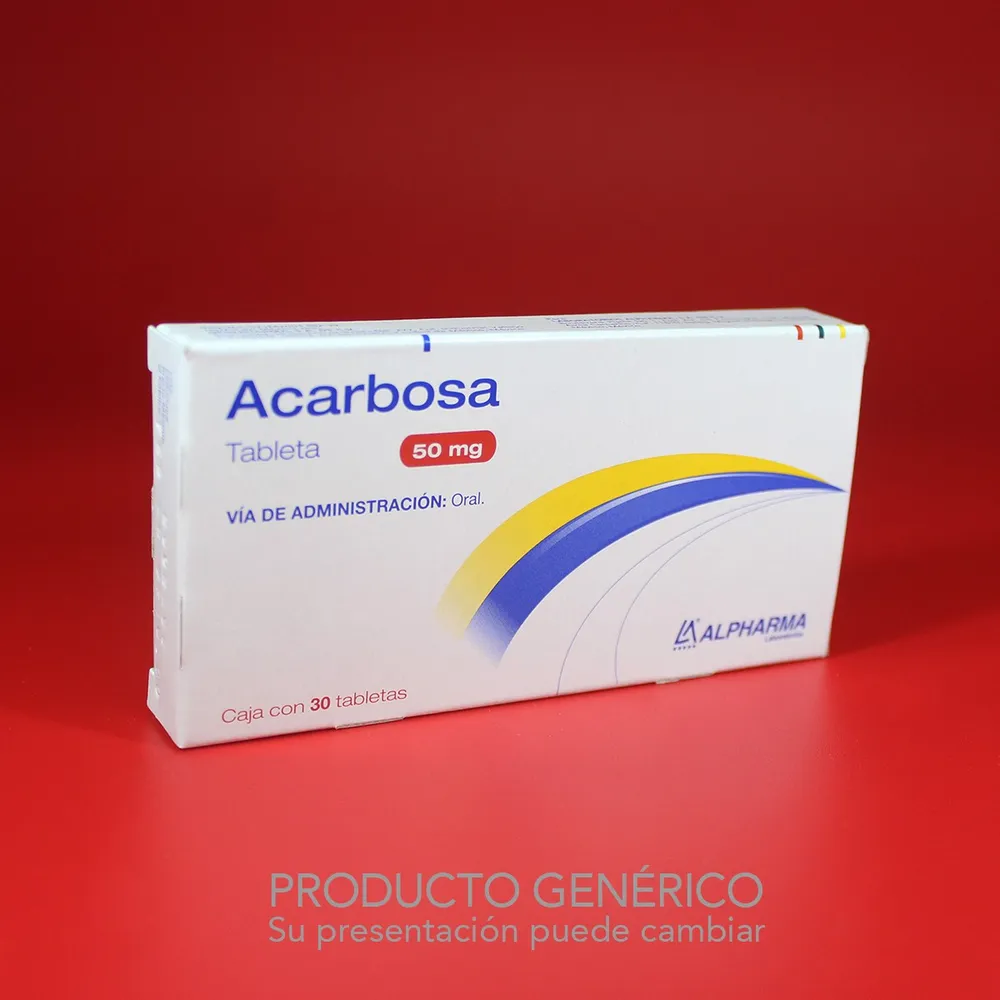
Table of Contents
Package leaflet: Information for the user
Introduction
Package leaflet: Information for the patient
Acarbose Viatris 50 mg tablets
Read the entire leaflet carefully before you start taking this medicine because it contains important information for you.
- Keep this leaflet as you may need to read it again.
- If you have any questions, ask your doctor or pharmacist.
- This medicine has been prescribed for you only; do not pass it on to other people, even if they have the same symptoms as you, because it may harm them.
- If you experience any adverse reactions, consult your doctor or pharmacist, even if they are adverse reactions not listed in this leaflet. See section 4.
Leaflet contents:
- What Acarbose Viatris is and what it is used for
- What you need to know before taking Acarbose Viatris
- How to take Acarbose Viatris
- Possible side effects
- How to store Acarbose Viatris
- Contents of the pack and other information
1. What Acarbosa Viatis is and what it is used for
The active substance of this medicine is acarbose, which belongs to a group of medicines called alpha-glucosidase inhibitors. It is used to treat adults with non-insulin-dependent diabetes mellitus (type 2 diabetes). Your doctor may prescribe acarbose when diet and exercise alone are not sufficient to control blood glucose levels. Acarbose works by slowing down the digestion of carbohydrates (complex sugars) after each meal, thereby reducing blood glucose levels.
2. What you need to know before taking Acarbose Viatris
Do not take Acarbose Viatris:
-
If you are allergic to acarbose or to any of the other components of this medicine (listed in section 6).
-
If you have chronic intestinal disorders associated with impaired digestion and absorption of food.
-
If you have any disease that could worsen due to accumulation of gas in the intestines (e.g. Roemheld syndrome, severe intestinal hernias, intestinal narrowing and ulceration).
-
If you have intestinal inflammation or ulcers.
-
If you have intestinal obstruction or are predisposed to it.
-
If you have severe renal impairment.
-
If you have severe liver problems.
Warnings and precautions
Consult your doctor or pharmacist before taking acarbose if you have undergone gastric resection.
- If you have had a gastrectomy, acarbose may act more rapidly. This should not cause any problems, but if you feel unwell after taking acarbose, you should contact your doctor.
During treatment
If you experience fatigue, nervousness, tremors, rapid heartbeat, cold sweating, and a strong urge to eat while taking this medicine, you may have low blood glucose levels (hypoglycemia). You should take glucose as soon as possible to prevent worsening symptoms. If blood sugar levels continue to drop, you may experience significant mental confusion (delirium), seizures, loss of self-control, shallow breathing, slowed pulse, and possibly loss of consciousness. Because acarbose delays the absorption of sucrose, do not take sucrose or artificial sweeteners. Glucose tablets, syrups, or candies are available at pharmacies.
If you experience persistent constipation, decreased appetite, stomach bloating, and vomiting, you may have intestinal obstruction. You should contact your doctor or go to the nearest emergency service immediately.
You should monitor your blood and urine glucose levels regularly.
Your doctor may need to frequently check your liver function, especially during the first 6–12 months of treatment.
You must continue to follow any dietary recommendations provided by your doctor and ensure you consume carbohydrates regularly throughout the day.
Children and adolescents
Because available data on efficacy and tolerability in children and adolescents under 18 years of age are still insufficient, Acarbose Viatris 50 mg is not recommended for patients under 18 years of age.
Taking Acarbose Viatris with other medicines
Inform your doctor or pharmacist if you are taking, have recently taken, or might need to take any other medicines.
Acarbose may alter the effect of other medicines, or conversely, some medicines may alter the effect of acarbose.
-
Other antidiabetic medicines, e.g. insulin, metformin, or sulfonylureas; dose adjustments may be necessary.
-
Intestinal adsorbents, e.g. activated charcoal.
-
Medicines that aid digestion (including antacids, amylase, and pancreatin).
-
Anti-inflammatory medicines (corticosteroids).
-
Medicines used to treat high cholesterol (cholestyramine).
-
Digoxin (medicines used to treat heart failure).
-
Medicines used to treat high blood pressure or fluid retention (thiazides and diuretics).
-
Thyroid medicines.
-
Female hormones (estrogens), oral contraceptives.
-
Medicines used to treat muscle cramps or schizophrenia (phenytoin, phenothiazines).
-
Medicines that lower elevated blood lipid levels (nicotinic acid).
-
Medicines used to treat high blood pressure or heart disease (calcium antagonists).
-
Medicines used to increase heart rate (sympathomimetics).
-
Medicines used to treat tuberculosis (isoniazid).
-
Neomycin, an antibiotic.
Taking Acarbose Viatris with food and drinks
Sucrose (cane sugar) and foods containing sucrose may cause abdominal discomfort or even diarrhea due to carbohydrate fermentation in the colon during treatment with acarbose.
Pregnancy and breastfeeding
If you are pregnant or breastfeeding, think you may be pregnant, or are planning to become pregnant, consult your doctor or pharmacist before using this medicine.
Do not take acarbose if you are pregnant or breastfeeding.
It is unknown whether acarbose is present in human breast milk.
Driving and use of machines
Taking acarbose alone (monotherapy) does not cause low blood glucose levels (hypoglycemia) and therefore does not affect your ability to drive or operate machinery.
Taking acarbose in combination with other medicines called sulfonylureas, insulin, or metformin for the treatment of diabetes may cause hypoglycemia and therefore may affect your ability to drive and operate machinery or work safely. Do not drive or operate machinery if you feel impaired.
3. How to take Acarbosa Viatris
Follow exactly the instructions for using this medicine as given by your doctor or pharmacist. Consult your doctor or pharmacist if you have any doubts.
Unless otherwise directed by your doctor, the recommended dose is:
Adults
Take one Acarbosa Viatris 50 mg tablet three times a day (corresponding to 150 mg daily).
To reduce the possibility of stomach discomfort, some patients may start with one Acarbosa Viatris 50 mg tablet one or two times a day (corresponding to 50 mg or 100 mg daily). Your doctor may gradually increase the dose if necessary, up to two Acarbosa Viatris 50 mg tablets or one Acarbosa Viatris 100 mg tablet three times a day (corresponding to 300 mg daily). The maximum recommended dose is two 100 mg acarbose tablets three times a day (corresponding to 600 mg per day).
The tablets may be taken whole with a glass of water immediately before meals or chewed together with the first bite of food.
The notch on the 50 mg tablet is intended solely to facilitate splitting the tablet if you have difficulty swallowing it whole.
If you take more Acarbosa Viatris than you should
You may experience adverse effects such as stomach bloating, excessive flatulence, or diarrhea if you have taken acarbose with foods or drinks containing carbohydrates. In this case, do not eat or drink any foods or beverages containing carbohydrates for the next 4 to 6 hours. Contact your doctor, pharmacist, or call the toxicology information service immediately at 91.562.04.20, stating the name of the medicine and the amount taken. It is recommended to bring the medicine's packaging and leaflet to the healthcare professional.
If you forget to take Acarbosa Viatris
Do not take a double dose to make up for missed doses. Take the next dose at your next meal.
If you stop taking Acarbosa Viatris
If you suddenly stop taking Acarbosa Viatris, your blood glucose levels may rise. Speak with your doctor before stopping this medicine.
If you have any further questions about the use of this product, consult your doctor or pharmacist.
4. Possible adverse effects
Like all medicines, this medicine may cause adverse effects, although not everyone experiences them.
If you think you may be experiencing any of the following adverse effects, stop taking this medicine and consult your doctor or go immediately to the nearest hospital:
- Yellowing of the skin or whites of the eyes (jaundice) (rare, may affect up to 1 in 1,000 people).
- Liver inflammation. You may experience nausea, vomiting, loss of appetite, fever, itching, jaundice (see above), pale stools, or dark urine (frequency cannot be estimated from available data).
- Persistent constipation, decreased appetite, stomach swelling, and vomiting (ileus) (frequency cannot be estimated from available data).
- Allergic reactions such as rashes, skin redness, skin eruptions, or skin itching.
Other possible adverse effects:
Very common (may affect more than 1 in 10 people):
|
Frequent (may affect up to 1 in 10 people):
|
These adverse effects usually occur after ingesting foods containing sugar (sucrose). Symptoms can be reduced by avoiding foods and drinks that contain sugar (sucrose, cane sugar). If your diarrhea does not resolve, your doctor will reduce your dose or, in some cases, discontinue treatment. Do not take remedies for indigestion to treat the adverse effects described above, as they could worsen the symptoms.
Uncommon (may affect up to 1 in 100 people):
|
Rare (may affect up to 1 in 1,000 people):
- Swelling of the skin (edema).
Not known (frequency cannot be estimated from the available data)
|
In addition, adverse effects such as hepatic disorder, abnormal liver function, and liver injury have been reported, especially in Japan. Individual cases of a rapidly progressing and fatal type of liver disease have been reported in Japan, but it is unclear whether these are related to acarbose administration.
Reporting of adverse effects
If you experience any type of adverse effect, consult your doctor or pharmacist, even if it is a possible adverse effect not listed in this leaflet. You can also report adverse effects directly through the Spanish Pharmacovigilance System for Human Medicinal Products: https://www.notificaram.es. By reporting adverse effects, you can help provide more information on the safety of this medicine.
5. Storage of Acarbose Viatris
Keep out of the sight and reach of children.
Do not use this medicine after the expiry date stated on the packaging and on the blister, following "EXP". The expiry date refers to the last day of the month indicated.
Do not store above 25°C. Keep in the original packaging to protect from moisture.
Medicines should not be disposed of via wastewater or household waste. Ask your pharmacist how to dispose of medicines and packaging that you no longer need. Deposit unused medicines and their packaging at the SIGRE Point in your pharmacy. This helps protect the environment.
6. Contents of the pack and other information
Composition of Acarbosa Viatris
The active substance is acarbosa. Each tablet contains 50 mg of acarbosa.
The other components are microcrystalline cellulose (E460), corn starch, colloidal anhydrous silica (E551), and magnesium stearate (E572).
Appearance of the product and contents of the container of Acarbosa Viatris
The tablets are white to off-white, round, marked with “AA (score) 50” on one side and “G” on the other.
Acarbosa Viatris is available in blister packs containing 20, 21, 30, 40, 50, 90, 100, 105, 120 and 180 tablets, and multipacks containing 105 tablets (3 packs of 35).
Only certain pack sizes may be commercially available.
Marketing Authorization Holder
Viatris Limited
Damastown Industrial Park
Mulhuddart, Dublin 15
Dublin
Ireland
Manufacturer
McDermott Laboratories Ltd. t/a Gerard Laboratories
35/36 Baldoyle Industrial Estate, Grange Road (Dublin) – 13 – Ireland
or
Mylan Hungary Kft
H-2900 Komárom
Mylan utca 1
Hungary
For further information about this medicinal product, please contact the local representative of the Marketing Authorization Holder:
Viatris Pharmaceuticals, S.L.
C/ General Aranaz, 86
28027 - Madrid
Spain
This medicinal product is authorized in EEA Member States under the following names:
Czech Republic Akarboza Mylan
Germany Acarbose dura 50 mg Tabletten
Hungary Acarbose Mylan 50 mg tabletta
Italy Acarphage
Poland AcarGen
Portugal Acarbosa Mylan
Spain Acarbosa Viatris 50 mg tablets
Date of latest review of this leaflet: February 2018
Detailed and up-to-date information on this medicinal product is available on the website of the Spanish Agency of Medicines and Health Products (AEMPS) http://www.aemps.gob.es/