Zoresan®
Ukraine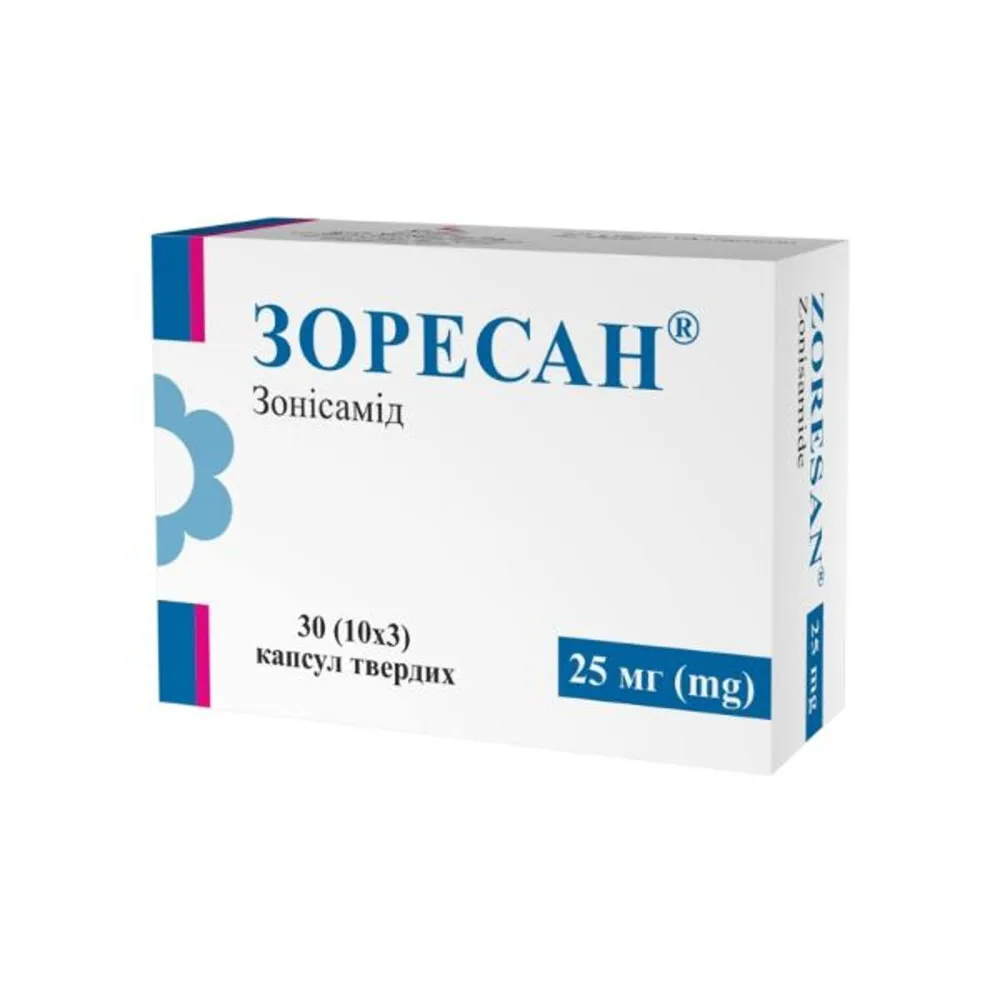
Table of Contents
- INSTRUCTIONS for medical use of the medicinal product ZORESAN® (ZORESAN®)
- Composition:
- Pharmacological properties.
- Clinical characteristics.
- Special precautions for use.
- Dosage and Administration
- Adverse reactions.
- Composition:
- Pharmacological Properties.
- Clinical characteristics.
- Special precautions for use.
- Dosage and Administration
- Adverse reactions.
INSTRUCTIONS for medical use of the medicinal product ZORESAN® (ZORESAN®)
Composition:
Active substance: zonisamide;
1 hard capsule contains zonisamide 25 mg or 50 mg or 100 mg;
Excipients:
microcrystalline cellulose, sodium lauryl sulfate, colloidal anhydrous silicon dioxide, hydrogenated castor oil;
Capsule shell:
for 25 mg or 50 mg hard capsule: gelatin, purified water, iron oxide yellow (E 172), iron oxide black (E 172), titanium dioxide (E 171), sodium lauryl sulfate;
for 100 mg hard capsule: gelatin, purified water, iron oxide red (E 172), titanium dioxide (E 171), sodium lauryl sulfate.
Pharmaceutical form. Hard capsules.
Main physicochemical properties:
25 mg hard capsules: hard gelatin capsule size № 4 with an opaque grey cap and an opaque white body, containing powder from white to almost white;
50 mg hard capsules: hard gelatin capsule size № 3 with an opaque grey cap and an opaque white body, containing powder from white to almost white;
100 mg hard capsules: hard gelatin capsule size № 1 with an opaque red cap and an opaque white body, containing powder from white to almost white.
Pharmacotherapeutic group. Antiepileptic drugs. Other antiepileptic drugs. Zonisamide. ATC code N03AX15.
Pharmacological properties.
Pharmacodynamics.
Zonisamide is an antiepileptic agent, a benzisoxazole derivative. In vitro, it weakly inhibits carbonic anhydrase and is chemically unrelated to other antiepileptic drugs.
Mechanism of action.
The mechanism of action of zonisamide is not fully understood. It is believed to block voltage-sensitive sodium and calcium channels, thereby disrupting synchronized neuronal firing, suppressing seizure development, and preventing further spread of epileptic activity. Zonisamide also exerts a modulating effect on GABA-mediated neuronal inhibition.
Pharmacodynamic effects.
The anticonvulsant activity of zonisamide has been evaluated in various epilepsy models, primarily in groups with induced or inherited seizures, demonstrating zonisamide as a broad-spectrum antiepileptic agent. Zonisamide prevents convulsions induced by maximal electroshock, limits seizure spread—including propagation of excitation from the cerebral cortex to subcortical structures—and suppresses the activity of the epileptogenic focus. Unlike phenytoin and carbamazepine, zonisamide exhibits selective action against seizures originating in the cerebral cortex.
Pharmacokinetics.
Absorption.
Zonisamide is almost completely absorbed after oral administration; Cmax in serum or plasma is reached within 2–5 hours after intake. Presystemic metabolism is considered negligible. Absolute bioavailability is estimated to be approximately 100%. The bioavailability of zonisamide after oral administration is not affected by food intake, although food may delay the time to reach Cmax in plasma or serum.
AUC and Cmax values of zonisamide increased almost linearly after single doses (in the dose range of 100–800 mg) and after multiple doses (in the dose range of 100–400 mg once daily). The increase in these values at steady state slightly exceeds what would be predicted from the administered dose, possibly due to saturable binding of zonisamide to erythrocytes. Steady state is achieved within 13 days. There is slightly greater accumulation than expected compared to single-dose administration.
Distribution.
Zonisamide is 40–50% bound to plasma proteins. In vitro studies have shown that the presence of various antiepileptic drugs (e.g., phenytoin, phenobarbital, carbamazepine, and sodium valproate) does not affect the extent of zonisamide protein binding. The apparent volume of distribution in adults is approximately 1.1–1.7 L/kg, indicating extensive tissue distribution. The erythrocyte/plasma ratio is about 15 at low concentrations and about 3 at higher concentrations.
Biological transformation.
Zonisamide is metabolized via the CYP3A4 isoenzyme. The primary metabolic pathway involves cleavage of the benzisoxazole ring, forming 2-sulfamoyl acetylphenol (SMAP), as well as N-acetylation. Both zonisamide and SMAP may undergo conjugation with glucuronic acid. Metabolites not detectable in plasma lack anticonvulsant activity. There is no evidence that zonisamide induces its own metabolism.
Elimination.
The observed clearance of zonisamide at steady state after oral administration is approximately 0.7 L/h; the terminal half-life is about 60 hours (in the absence of concomitant administration of CYP3A4 isoenzyme inducers). The half-life is independent of dose and repeated administration. Fluctuations in zonisamide plasma or serum concentrations over the dosing interval are low (<30%). The primary route of elimination of metabolites and unchanged zonisamide is via urine. Renal clearance of unchanged zonisamide is relatively low (approximately 3.5 mL/min); about 15–30% of the administered dose is excreted unchanged.
Linearity/non-linearity.
Zonisamide exposure increases over time until steady state is reached, which occurs after approximately 8 weeks. In patients with higher body weight, steady-state serum concentrations of zonisamide are lower, but these differences are minor. Age (≥12 years) and sex have no apparent effect on zonisamide concentrations in patients with epilepsy during the steady-state period. Dose adjustment of zonisamide is not required when used concomitantly with other antiepileptic drugs, including CYP3A4 isoenzyme inducers.
Pharmacokinetic/pharmacodynamic relationship.
Zonisamide reduces the average number of seizures over a 28-day period, and this reduction is proportional to (log-linear relationship) the average concentration of zonisamide.
Special patient groups.
Renal impairment.
In patients with renal impairment, renal clearance of single doses of zonisamide positively correlates with creatinine clearance. AUC of zonisamide in plasma was increased by 35% in patients with creatinine clearance <20 mL/min.
Patients with hepatic impairment.
The pharmacokinetics of zonisamide in patients with hepatic impairment has not been sufficiently studied.
Elderly patients.
No clinically significant differences in the pharmacokinetics of zonisamide have been observed between young (21–40 years) and elderly (65–75 years) patients.
Children (5–18 years).
Limited data indicate that the pharmacokinetics of zonisamide in children is similar to that observed in adults.
Clinical characteristics.
Indications.
Zoresan**®** is indicated as:
- monotherapy in adult patients with partial epileptic seizures with or without secondary generalization, with newly diagnosed epilepsy;
- adjunctive therapy in adults and children aged 6 years and older with partial epileptic seizures with or without secondary generalization.
Contraindications.
Hypersensitivity to the active substance, to any of the excipients, or to sulfonamides.
Interaction with other medicinal products and other forms of interaction.
Effect of zonisamide on cytochrome P450 enzyme system
In vitro studies investigating the effect of zonisamide on hepatic microsomal oxidation in human hepatocytes showed no significant effect (<25%) of the drug on the activity of cytochrome P450 isoenzymes CYP1A2, CYP2A6, CYP2B6, CYP2C8, CYP2C9, CYP2C19, CYP2D6, CYP2E1, and CYP3A4 at plasma concentrations two times or higher than therapeutic levels. Therefore, an effect of zonisamide on the pharmacokinetics of other drugs via mechanisms related to cytochrome P450 is not expected, as demonstrated in vivo for carbamazepine, phenytoin, ethinylestradiol, and desipramine.
Potential effect of zonisamide on other medicinal products.
Antiepileptic drugs.
In patients with epilepsy, long-term administration of zonisamide at therapeutic doses has no clinically significant effect on the pharmacokinetics of carbamazepine, lamotrigine, phenytoin, and sodium valproate.
Oral contraceptives.
In clinical studies involving healthy volunteers, administration of zonisamide at therapeutic doses did not affect serum concentrations of ethinylestradiol or norethisterone contained in combined oral contraceptives.
Carbonic anhydrase inhibitors.
Zonisamide should be used with caution in combination with carbonic anhydrase inhibitors such as topiramate and acetazolamide in adult patients, due to insufficient data to exclude pharmacodynamic interaction between them (see section "Special precautions for use"). Zonisamide should not be administered concomitantly with carbonic anhydrase inhibitors such as topiramate and acetazolamide in children, due to insufficient data to exclude possible pharmacodynamic interaction between them (see section "Special precautions for use").
P-gp substrates.
In vitro study results indicate that zonisamide is a weak inhibitor of P-glycoprotein (P-gp, MDR1) with an IC50 of 267 µmol/L, thus there is a theoretical possibility that zonisamide may affect the pharmacokinetics of medicinal products that are P-gp substrates. Caution is recommended when initiating or discontinuing zonisamide treatment or adjusting its dose in patients who are also taking medicinal products that are P-gp substrates (e.g., digoxin, quinidine).
Potential effect of other medicinal products on zonisamide activity.
Clinical studies have shown that concomitant administration of lamotrigine with zonisamide has no significant effect on the pharmacokinetics of the latter. Concomitant use of zonisamide with medicinal products that may cause urolithiasis increases the risk of kidney stone formation; therefore, simultaneous use should be avoided.
Zonisamide is metabolized via cytochrome CYP3A4 (reductive cleavage), N-acetyltransferases, and glucuronic acid conjugation. Therefore, substances that induce or inhibit these enzymes may affect the pharmacokinetics of zonisamide.
- Enzyme inducers. The effect of zonisamide is reduced when administered concomitantly with medicinal products that increase the activity of cytochrome CYP3A4, such as phenytoin, carbamazepine, and phenobarbital, in patients receiving antiepileptic therapy. These effects are not clinically significant when zonisamide is added to an ongoing treatment regimen; however, clinically significant changes in zonisamide concentration may occur when discontinuing, changing the dosing regimen, or adding other CYP3A4-inducing agents. In such cases, dose adjustment of zonisamide may be required. Rifampicin is a potent CYP3A4 inducer. If concomitant administration with zonisamide is necessary, careful monitoring of the patient is recommended, with dose adjustments of zonisamide and other CYP3A4 substrates as needed.
- CYP3A4 enzyme inhibitors. Clinical study data did not show a significant effect of specific and non-specific CYP3A4 inhibitors on the pharmacokinetic parameters of zonisamide. Administration of ketoconazole (400 mg/day) or cimetidine (1200 mg/day) did not have a clinically significant effect on the pharmacokinetics of a single dose of zonisamide administered to healthy volunteers. Therefore, dose adjustment of zonisamide is not required when administered concomitantly with CYP3A4 inhibitors.
Children.
Drug interaction studies have not been conducted in children.
Special precautions for use.
Skin rash of unknown origin.
Serious rashes, including cases of Stevens-Johnson syndrome, have been reported with zonisamide use.
Zonisamide should be discontinued in patients who develop unexplained rashes. All patients who develop rashes while taking zonisamide should be closely monitored, especially if they are also receiving other antiepileptic drugs known to cause rashes.
Seizures due to treatment withdrawal.
According to current clinical practice, discontinuation of zonisamide in patients with epilepsy should be done gradually by tapering the dose to reduce the likelihood of seizure occurrence. There is insufficient data supporting the discontinuation of concomitant antiepileptic drugs when seizure control is achieved with adjunctive zonisamide therapy aiming to switch to zonisamide monotherapy. Therefore, withdrawal of concomitant antiepileptic drugs should be performed cautiously.
Reactions related to sulfonamide group.
Zonisamide is a benzisoxazole derivative containing a sulfonamide group. Serious immune-related adverse reactions associated with sulfonamide-containing drugs include skin rashes, allergic reactions, and severe hematological disorders, including aplastic anemia, which in very rare cases may lead to fatal outcomes.
Cases of agranulocytosis, thrombocytopenia, leukopenia, aplastic anemia, pancytopenia, and leukocytosis have been reported. There is insufficient information to assess a possible relationship between these events and the dose or duration of zonisamide treatment.
Acute myopia and secondary angle-closure glaucoma.
A syndrome consisting of acute myopia associated with secondary angle-closure glaucoma has been reported in adult and pediatric patients receiving zonisamide. Symptoms include sudden onset of decreased visual acuity and/or eye pain. Ophthalmologic examination may reveal myopia, reduced anterior chamber depth, ocular hyperemia (redness), and elevated intraocular pressure. This syndrome may be related to suprachoroidal effusion, leading to forward displacement of the lens and iris, resulting in secondary angle-closure glaucoma. Symptoms may occur within hours or weeks after starting therapy. Management includes prompt discontinuation of zonisamide as directed by a physician and appropriate measures to reduce intraocular pressure. Elevated intraocular pressure of any etiology, if untreated, may lead to serious consequences, including permanent vision loss. Caution should be exercised when treating patients with a history of eye disorders.
Suicidal thoughts and behavior.
Suicidal thoughts and behavior have been reported in patients treated with antiepileptic drugs for various indications. A meta-analysis of randomized placebo-controlled trials of antiepileptic drugs also showed an increased risk of suicidal ideation and behavior. The mechanism of this risk is unknown, and available data do not exclude the possibility of increased risk with zonisamide use. Therefore, patients should be monitored for the emergence of suicidal thoughts and behavior, and appropriate treatment should be considered. Patients (and caregivers) should be advised to seek medical help if suicidal thoughts or behavior occur.
Nephrolithiasis.
In some patients, particularly those predisposed to nephrolithiasis, there may be an increased risk of kidney stone formation and associated signs and symptoms such as renal colic, kidney pain, or flank pain. Nephrolithiasis may lead to chronic kidney damage. Risk factors for nephrolithiasis include prior kidney stone formation, family history of nephrolithiasis, and hypercalciuria. None of these risk factors reliably predict kidney stone formation during zonisamide treatment. Additionally, patients taking other medications associated with nephrolithiasis may also have an increased risk.
Increased fluid intake and enhanced diuresis may help reduce the risk of kidney stone formation, especially in individuals with risk factors.
Metabolic acidosis.
Hyperchloremic metabolic acidosis without an anion gap (i.e., decreased bicarbonate levels below the reference range in the absence of chronic respiratory alkalosis) has been associated with zonisamide therapy. The development of metabolic acidosis is due to renal bicarbonate loss caused by the inhibitory effect of zonisamide on carbonic anhydrase. This electrolyte imbalance has been observed in placebo-controlled clinical trials and during the post-marketing period. Metabolic acidosis induced by zonisamide typically occurs early in treatment but may develop at any stage. Bicarbonate reduction is usually mild (mean decrease approximately 3.5 mEq/L at a daily dose of 300 mg in adults); however, more significant reductions may occur in rare cases. Conditions or treatments that predispose to acidosis (e.g., kidney disease, severe respiratory disorders, epileptic status, diarrhea, surgery, ketogenic diet, or medications) may exacerbate the bicarbonate-lowering effect of zonisamide.
The risk of zonisamide-induced metabolic acidosis is higher in younger patients, and the condition may be more severe in this population. Appropriate assessment and monitoring of serum bicarbonate levels are necessary in patients receiving zonisamide who have conditions that may increase the risk of acidosis, in those at increased risk of adverse effects from metabolic acidosis, and in those with symptoms suggestive of metabolic acidosis. If persistent metabolic acidosis develops, consideration should be given to reducing the dose or discontinuing zonisamide (with gradual tapering or dose reduction), as osteopenia may develop.
If the decision is made to continue zonisamide therapy in the presence of persistent acidosis, correction of acid-base balance should be considered.
Metabolic acidosis during zonisamide treatment may lead to hyperammonemia (with or without encephalopathy). The risk of hyperammonemia may be increased in patients concurrently taking other drugs that can cause hyperammonemia (e.g., valproate) or in individuals with urea cycle disorders or reduced hepatocyte mitochondrial activity. Patients who develop unexplained lethargy or changes in mental status during zonisamide treatment should be evaluated for possible hyperammonemic encephalopathy, including measurement of blood ammonia levels.
Zonisamide should be used with caution in adult patients who are also receiving carbonic anhydrase inhibitors such as topiramate or acetazolamide, as there is insufficient data to exclude a pharmacodynamic interaction.
Heat stroke.
Cases of decreased sweating and elevated body temperature have been primarily reported in children. Caution should be exercised when prescribing zonisamide to adults who are also taking medications that may promote overheating, including carbonic anhydrase inhibitors and drugs with anticholinergic activity.
Pancreatitis.
Patients who develop clinical signs of pancreatitis while taking zonisamide should be monitored for pancreatic lipase and amylase levels. In confirmed cases of pancreatitis without other obvious causes, discontinuation of zonisamide and initiation of appropriate treatment are recommended.
Rhabdomyolysis.
Patients taking zonisamide who develop severe muscle pain and/or weakness, with or without fever, should be evaluated for markers of muscle injury, including creatine phosphokinase and aldolase levels. If these markers are elevated and no other obvious causes (e.g., trauma or major epileptic seizure) are present, discontinuation of zonisamide and initiation of appropriate treatment are recommended.
Women of childbearing potential.
Women of childbearing potential must use effective contraception during zonisamide therapy and for 1 month after its discontinuation (see section "Use during pregnancy or breastfeeding"). Zonisamide should not be used in women of childbearing potential who are not using effective contraception, except in cases of extreme necessity and only if the potential benefit is considered to outweigh the risks to the fetus. Women of childbearing potential receiving zonisamide therapy should consult a specialist. They must be fully informed about the risks and benefits of zonisamide use and understand the potential impact of therapy on the fetus before treatment initiation. Before starting zonisamide therapy, women of childbearing potential should consider undergoing a pregnancy test. In cases of planned pregnancy, prior to conception and discontinuation of contraception, women should consult their physician regarding review of zonisamide therapy, including the possibility of alternative treatment regimens. If a woman receiving zonisamide therapy becomes pregnant or suspects she may be pregnant, she should immediately seek medical advice.
Physicians prescribing zonisamide must ensure that patients are fully informed about the necessity of using appropriate effective contraceptive methods. They must also ensure that oral contraceptives or their component doses are adequate based on individual assessment of the patient's clinical situation.
Body weight.
Zonisamide therapy may cause weight reduction. Nutritional supplements and increased caloric intake are necessary during treatment of patients with low body weight or weight loss due to zonisamide therapy. If significant weight loss occurs, discontinuation of zonisamide should be considered. Weight reduction in children may be more pronounced.
Children.
The above safety measures also apply to children.
The following precautions in pediatric patients require special attention.
Heat stroke and dehydration.
Prevention of overheating and dehydration in children.
Zonisamide may cause decreased sweating and hyperthermia in children, which, if not promptly addressed, may lead to brain damage and fatal outcomes. Children are at high risk, especially in hot weather conditions.
If a child is taking zonisamide, the following measures should be followed:
- Avoid overheating, especially in hot weather;
- Avoid strenuous physical activity, particularly in hot weather;
- Drink large amounts of cool water;
- Do not use the following medications: carbonic anhydrase inhibitors (such as topiramate and acetazolamide) and anticholinergic drugs (such as clomipramine, hydroxyzine, diphenhydramine, haloperidol, imipramine, and oxybutynin).
If any of the following symptoms occur in a child, seek immediate emergency medical help and take immediate first-aid measures.
Symptoms:
- Hot, dry skin;
- Little or no sweating;
- Confusion;
- Muscle spasms;
- Rapid heartbeat and/or breathing.
Emergency first-aid measures:
- Move the child to a cool, shaded area;
- Wet the child's skin with water to cool it;
- Give the child cool water to drink.
Cases of decreased sweating and elevated body temperature have been primarily reported in children. In some cases, heat stroke was diagnosed, requiring hospitalization. Some cases of heat stroke required hospitalization and resulted in fatal outcomes. Most cases occurred during warm weather. Patients and caregivers should be warned about the potential seriousness of heat stroke, situations in which it may occur, and measures to take if any signs or symptoms appear. Patients or caregivers should be advised to maintain adequate fluid intake, avoid excessive heat, and avoid strenuous physical exertion. Physicians should inform children and their parents/guardians about the recommendations for preventing heat stroke and overheating in children as specified in the instructions for use. If signs or symptoms of dehydration, oligohidrosis, or elevated body temperature occur, discontinuation of zonisamide should be considered.
Zonisamide should not be used in children who are concurrently receiving other drugs that may provoke thermoregulatory disturbances, such as carbonic anhydrase inhibitors and anticholinergic medications.
Body weight.
Worsening general condition and discontinuation of antiepileptic drugs have been associated with weight loss and led to fatal outcomes. Zonisamide is not recommended for children with low body weight or poor appetite. Weight reduction occurs with similar frequency across different pediatric age groups. Due to the potentially serious consequences of weight loss in children, body weight must be monitored throughout therapy.
If a child shows delayed weight gain according to growth charts, nutritional supplements or increased food intake should be implemented. Otherwise, zonisamide should be discontinued.
Data on the use of zonisamide in patients weighing less than 20 kg are limited. Therefore, caution is advised when treating children aged 6 years and older with body weight below 20 kg. The long-term impact of low body weight on a child's growth and development is unknown.
Metabolic acidosis.
The risk of metabolic acidosis due to zonisamide therapy is higher in children, and the condition may be more severe clinically in this age group. Appropriate monitoring of serum bicarbonate levels is required in these patients. The long-term impact of low bicarbonate levels on growth and development is unknown.
Zonisamide should not be used in children concurrently receiving other carbonic anhydrase inhibitors, such as topiramate or acetazolamide.
Nephrolithiasis.
Kidney stone formation (nephrolithiasis) has been observed in pediatric patients. In some patients, particularly those predisposed to nephrolithiasis, there may be an increased risk of kidney stone formation and associated signs and symptoms such as renal colic, kidney pain, or flank pain. Nephrolithiasis may lead to chronic kidney damage. Risk factors for nephrolithiasis include prior kidney stone formation, family history of nephrolithiasis, and hypercalciuria. None of these risk factors reliably predict kidney stone formation during zonisamide treatment.
Increased fluid intake and diuresis may help reduce the risk of kidney stone formation, especially in individuals with risk factors. Ultrasound of the kidneys may be performed at the physician's discretion. If kidney stones are detected, zonisamide should be discontinued.
Liver function impairment.
Elevations in certain liver function parameters, such as alanine aminotransferase (ALT), aspartate aminotransferase (AST), gamma-glutamyl transferase (GGT), and bilirubin, have been observed in pediatric patients during zonisamide therapy. If liver-related adverse events are suspected, liver function should be evaluated and a decision on zonisamide discontinuation should be made.
Cognitive function.
Cognitive impairment in patients with epilepsy may be related to the underlying disease and/or the use of antiepileptic drugs. In a placebo-controlled study using zonisamide in children and adolescents, the proportion of patients with cognitive impairment was quantitatively higher in the zonisamide group compared to the placebo group.
Excipients.
Zoresan**®** contains hydrogenated castor oil, which may cause gastrointestinal discomfort and diarrhea.
Use during pregnancy or breastfeeding.
Women of childbearing potential.
Women of childbearing potential must use effective contraception during zonisamide therapy and for 1 month after its discontinuation (see section "Special precautions for use").
Zonisamide should not be used in women of childbearing potential who are not using effective contraception, except in cases of extreme necessity and only if the potential benefit is considered to outweigh the risks to the fetus. Women of childbearing potential receiving zonisamide therapy should consult a specialist. They must be fully informed about the risks and benefits of zonisamide use and understand the potential impact of therapy on the fetus before treatment initiation. Before starting zonisamide therapy, women of childbearing potential should consider undergoing a pregnancy test. In cases of planned pregnancy, prior to conception and discontinuation of contraception, women should consult their physician regarding review of zonisamide therapy, including the possibility of alternative treatment regimens.
As with therapy using other antiepileptic drugs, abrupt discontinuation of zonisamide in pregnant women should be avoided due to the risk of seizures, which may have serious consequences for both mother and fetus. The risk of congenital malformations in children whose mothers take antiepileptic drugs increases 2–3 times. Most commonly reported malformations include cleft lip, cardiovascular system abnormalities, and neural tube defects. Combination therapy with anticonvulsant drugs is associated with an increased risk of congenital malformations compared to monotherapy.
Pregnancy.
There are limited data on the use of zonisamide in pregnant women. Animal studies have shown reproductive toxicity. The potential risk in humans is unknown.
Reports indicate an increased incidence of low birth weight infants, preterm births, or infants small for gestational age. Registry data from pregnant women have shown that zonisamide use led to an approximately 5%–8% increase in the proportion of low birth weight infants, 8%–10% in preterm births, and 7%–12% in infants small for gestational age (compared to women receiving lamotrigine monotherapy).
Zonisamide should not be used during pregnancy except in cases where, in the physician’s opinion, the potential benefit outweighs the possible risk to the fetus. If zonisamide is prescribed to pregnant women, they must be fully informed about the potential harm of such treatment to the fetus and receive the minimum effective dose under close clinical monitoring.
Period of breastfeeding.
Zonisamide passes into breast milk at concentrations similar to those in plasma. Breastfeeding women may use the drug only if, in the physician’s opinion, the benefit to the mother outweighs the potential risk of discontinuing breastfeeding for the infant. Breastfeeding should be discontinued during treatment. Due to the long elimination half-life of zonisamide, breastfeeding may be resumed no earlier than 1 month after discontinuation of the drug.
Fertility.
There are no available clinical data on the effect of zonisamide on human fertility. Animal studies have demonstrated changes in fertility parameters.
Ability to affect reaction speed when driving or operating machinery.
Studies on the effect of zonisamide on the ability to drive or operate machinery have not been conducted. However, considering that some patients may experience drowsiness or difficulty concentrating, especially at the beginning of therapy or after dose increases, patients should refrain from activities requiring high concentration, such as driving or operating machinery.
Dosage and Administration
Zoresan® should be administered orally, independent of food intake.
Adults.
Dose escalation and maintenance dose.
Zonisamide can be used as monotherapy or as adjunctive therapy. The dosage should be titrated according to clinical response. The recommended dose titration regimen and maintenance dose levels are provided in Table 1. For some patients, particularly those not taking drugs that induce the CYP3A4 isoenzyme, a clinical response may be achieved with lower doses.
Table 1.
Recommended dose escalation regimen and maintenance dose levels in adults
| Treatment regimen |
Dose titration phase |
Maintenance dose |
||
| Weeks 1–2 |
Weeks 3–4 |
Weeks 5–6 |
||
| Monotherapy Adults with newly diagnosed epilepsy |
100 mg/day (once daily) |
200 mg/day (once daily) |
300 mg/day (once daily) |
300 mg/day (once daily) If higher doses are needed: increase by 100 mg every two weeks up to the maximum recommended dose of 500 mg/day |
| Adjunctive therapy
|
Week 1 |
Week 2 |
Weeks 3–5 |
|
| 50 mg/day (in two divided doses) |
100 mg/day (in two divided doses) |
Increase by 100 mg weekly |
300–500 mg/day (in one or two doses). |
|
| Adjunctive therapy
|
Weeks 1–2 |
Weeks 3–4 |
Weeks 5–10 |
|
| 50 mg/day (in two divided doses) |
100 mg/day (in two divided doses) |
Increase by 100 mg every two weeks |
300–500 mg/day (in one or two doses). Some patients may respond to lower doses. |
|
Discontinuation of the drug.
If zonisamide therapy needs to be discontinued, the drug should be withdrawn gradually. The dose should be reduced by 100 mg per week, with simultaneous adjustment of doses of other antiepileptic drugs (if necessary).
Children (aged 6 years and older).
Dose escalation and maintenance dose levels.
Zonisamide should be added to previously prescribed therapy in children aged 6 years and older. The dose should be titrated according to clinical response. The recommended dose titration regimen and maintenance dose levels are presented in Table 2. In some patients, particularly those not taking drugs that induce the CYP3A4 isoenzyme, a clinical response may be achieved with lower doses.
Children, their parents, or caregivers should be advised about specific patient instructions regarding measures to prevent heat stroke (see section "Special precautions").
Table 2.
Recommended dose escalation regimen and maintenance dose levels in children aged
6 years and older.
| Treatment regimen |
Dose titration phase |
Maintenance dose |
||
| Adjunctive therapy
|
1st week |
2–8th weeks |
Patients with body weight from 20 to 55 kg* |
Patients with body weight > 55 kg |
| 1 mg/kg/day (once daily) |
Increase by 1 mg/kg with weekly intervals |
6–8 mg/kg/day (once daily) |
300–500 mg/day (once daily) |
|
| Adjunctive therapy
|
1–2nd weeks |
≥ 3 weeks |
Patients with body weight from 20 to 55 kg* |
Patients with body weight > 55 kg |
| 1 mg/kg/day (once daily) |
Increase by 1 mg/kg with two-week intervals |
6–8 mg/kg/day (once daily) |
300–500 mg/day (once daily) |
|
*To maintain the therapeutic dose, the child's body weight should be monitored and the dose adjusted accordingly if body weight changes (until a body weight of 55 kg is reached). The dosing regimen is 6–8 mg/kg/day up to a maximum dose of 500 mg/day.
The safety and efficacy of zonisamide in children under 6 years of age or children with body weight less than 20 kg have not been established. There are limited data on the use of zonisamide in patients with body weight less than 20 kg. Therefore, children aged 6 years and older with body weight less than 20 kg should be treated with caution.
It is not always possible to achieve the calculated dose precisely using the available doses of Zoresan**®. In such cases, it is recommended to round the calculated dose up or down to the nearest available Zoresan®** dose (25, 50, and 100 mg).
Discontinuation of the drug.
If zonisamide therapy needs to be discontinued, the drug should be withdrawn gradually by reducing the dose by 2 mg/kg once weekly (Table 3).
Table 3.
Recommended dose reduction regimen of zonisamide in children aged 6 years and older.
| Body weight |
Weekly dose reduction: |
| 20–28 kg |
From 25 to 50 mg/day* |
| 29–41 kg |
From 50 to 75 mg/day* |
| 42–55 kg |
100 mg/day* |
| > 55 kg |
100 mg/day* |
*All daily doses are single doses.
Geriatric patients.
Caution should be exercised when prescribing zonisamide to elderly patients due to insufficient data on its use in this patient population. The safety profile of zonisamide should also be taken into account (see section "Adverse reactions").
Patients with renal impairment.
Caution is required when treating patients with renal impairment, as data on the use of zonisamide in this patient group are limited. A slower dose titration of zonisamide may be necessary. Since zonisamide and its metabolites are excreted by the kidneys, the drug should be discontinued in patients who develop acute renal failure or show clinically significant persistent increases in serum creatinine.
In patients with renal impairment, renal clearance of single doses of zonisamide positively correlates with creatinine clearance. Plasma AUC of zonisamide increased by 35% in individuals with creatinine clearance < 20 mL/min.
Patients with hepatic impairment.
The use of zonisamide in patients with hepatic impairment has not been studied. Therefore, the use of the drug in patients with severe hepatic impairment is not recommended. Caution is required when treating patients with mild to moderate hepatic impairment; a slower dose titration may be necessary.
Children.
The drug should be used in children aged 6 years and older and with body weight above 20 kg.
Overdose.
Symptoms.
Cases of accidental and intentional overdose have been reported in adults and children. In some cases, overdose was asymptomatic, especially when gastric lavage and induced vomiting were promptly performed.
In other cases, overdose was accompanied by the following symptoms: somnolence, nausea, gastritis, nystagmus, myoclonus, coma, bradycardia, renal dysfunction, arterial hypotension, and respiratory depression.
A very high plasma concentration of zonisamide (100.1 mcg/mL) was observed approximately 31 hours after overdose with zonisamide and clonazepam. The patient developed coma and respiratory depression. However, after 5 days, the patient regained consciousness and experienced no complications.
Treatment.
There is no specific antidote for the treatment of zonisamide overdose. In cases of confirmed or suspected overdose, perform gastric lavage or induce vomiting, along with standard supportive measures aimed at maintaining airway patency. Supportive therapy should also be administered, including regular monitoring of vital signs and careful observation of the patient's condition. Since zonisamide has a long half-life, symptoms of overdose may be prolonged. As hemodialysis reduces plasma zonisamide concentrations in patients with renal impairment, it may be considered as a treatment option for overdose.
Adverse reactions.
Summary of safety profile
Zonisamide has been studied in over 1200 patients during clinical trials, more than 400 of whom received the drug for at least 1 year. In addition, extensive post-marketing experience with zonisamide has been accumulated in Japan since 1989 and in the United States since 2000.
It should be noted that zonisamide is a benzisoxazole derivative containing a sulfonamide group. Serious immune system-related adverse reactions associated with sulfonamide-containing medicinal products include skin rashes, allergic reactions, and severe hematological disorders, including aplastic anemia, which in very rare cases may lead to fatal outcomes (see section "Special precautions").
The most commonly reported adverse reactions in controlled adjunctive therapy trials were somnolence, dizziness, and anorexia. The most commonly reported adverse reactions in a randomized, controlled monotherapy trial of zonisamide compared to extended-release carbamazepine in patients receiving zonisamide were decreased bicarbonate levels, loss of appetite, and weight loss. The incidence of marked decrease in serum bicarbonate levels (decrease to less than 17 mEq/L and by more than 5 mEq/L) was 3.8%. The incidence of marked weight loss of 20% or more was 0.7%.
Adverse reactions associated with the use of zonisamide, identified from clinical trials and post-marketing surveillance, are listed below. The frequencies are classified according to the following scheme:
Very common ≥1/10
Common from ≥1/100 to <1/10
Uncommon from ≥1/1000 to <1/100
Rare from ≥1/10000 to <1/1000
Very rare <1/10000
Not known Cannot be estimated from available data
Table 4.
Adverse reactions associated with zonisamide, reported during adjunctive therapy clinical trials and post-marketing surveillance.
| System Organ Class |
Very common |
Common |
Uncommon |
Very rare |
| Infections and infestations |
Pneumonia, urinary tract infections |
|||
| Blood and lymphatic system disorders |
Ecchymosis |
Agranulocytosis, aplastic anemia, leukocytosis, leukopenia, lymphadenopathy, pancytopenia, thrombocytopenia |
||
| Immune system disorders |
Hypersensitivity |
Drug reaction with eosinophilia and systemic symptoms (DRESS syndrome), drug-induced hypersensitivity syndrome |
||
| Metabolism and nutrition disorders |
Anorexia |
Hypokalemia |
Metabolic acidosis, renal tubular acidosis |
|
| Psychiatric disorders |
Agitation, irritability, confusion, depression |
Emotional lability, anxiety, insomnia, psychotic disorders |
Anger, aggression, suicidal thoughts and suicide attempts |
Hallucinations |
| Nervous system disorders |
Ataxia, dizziness, memory impairment, somnolence |
Bradyphrenia, attention disturbance, nystagmus, paraesthesia, speech disorder, tremor |
Seizures |
Amnesia, coma, grand mal convulsions, myasthenic syndrome, neuroleptic malignant syndrome, epileptic status |
| Eye disorders |
Diplopia |
Angle-closure glaucoma, eye pain, myopia, blurred vision, decreased visual acuity |
||
| Respiratory, thoracic and mediastinal disorders |
Dyspnoea, aspiration pneumonia, respiratory disorder, pneumonitis related to hypersensitivity |
|||
| Gastrointestinal disorders |
Abdominal pain, constipation, diarrhoea, dyspepsia, nausea |
Vomiting |
Pancreatitis |
|
| Hepatobiliary disorders |
Cholecystitis, cholelithiasis |
Hepatocellular damage |
||
| Skin and subcutaneous tissue disorders |
Rash, pruritus, alopecia |
Anhidrosis, erythema multiforme, Stevens-Johnson syndrome, toxic epidermal necrolysis |
||
| Musculoskeletal and connective tissue disorders |
Rhabdomyolysis |
|||
| Renal and urinary disorders |
Nephrolithiasis |
Urolithiasis |
Hydronephrosis, renal failure, abnormal urine composition |
|
| General disorders and administration site conditions |
Increased fatigue, influenza-like illness, increased body temperature, peripheral oedema |
|||
| Investigations |
Decreased bicarbonate levels |
Decreased body weight |
Increased creatine phosphokinase levels, increased creatinine levels, increased urea levels, abnormal liver function biochemical tests |
|
| Injury, poisoning and procedural complications |
Heat stroke |
In addition, there have been isolated cases of sudden unexpected death in patients with epilepsy receiving zonisamide.
Table 5.
Adverse reactions in the randomized controlled monotherapy study comparing zonisamide with extended-release carbamazepine.
| System organ class |
Very common |
Common |
Uncommon |
| Infections and infestations |
Urinary tract infections, pneumonia |
||
| Blood and lymphatic system disorders |
Leukopenia, thrombocytopenia |
||
| Metabolism and nutrition disorders |
Decreased appetite |
Hypokalemia |
|
| Psychiatric disorders |
Agitation, depression, insomnia, mood swings, anxiety |
Confusion, acute psychosis, aggression, suicidal thoughts, hallucinations |
|
| Nervous system disorders |
Ataxia, dizziness, memory impairment, somnolence, bradyphrenia, attention disturbances, paresthesia |
Nystagmus, speech disorder, tremor, seizures |
|
| Eye disorders |
Diplopia |
||
| Respiratory, thoracic and mediastinal disorders |
Respiratory disturbances |
||
| Gastrointestinal disorders |
Constipation, diarrhea, dyspepsia, nausea, vomiting |
Abdominal pain |
|
| Hepatobiliary disorders |
Acute cholecystitis |
||
| Skin and subcutaneous tissue disorders |
Rash |
Pruritus, ecchymosis |
|
| General disorders and administration site conditions |
Fatigue, fever, irritability |
||
| Investigations |
Decreased bicarbonate levels |
Weight decreased, increased blood creatine phosphokinase, increased alanine aminotransferase, increased aspartate aminotransferase |
Urinalysis abnormal |
Additional information regarding special patient groups
Elderly patients
A pooled analysis of safety data in 95 elderly patients showed a relatively higher incidence of peripheral edema and pruritus compared to younger patients.
A review of post-marketing data in patients over 65 years of age indicates a higher frequency, compared to the general population, of the following events: Stevens-Johnson syndrome and drug reaction with eosinophilia and systemic symptoms (DRESS), and sudden unexpected death in patients with epilepsy.
Pediatric patients
The safety profile of zonisamide in children participating in placebo-controlled clinical trials (aged 6 to 17 years) is consistent with the safety profile of the drug in adults. Among 465 pediatric patients included in the pediatric safety database (including 67 patients who continued in the open-label extension phase of a controlled clinical trial), 7 deaths (1.5%; 14.6/1000 patient-years) occurred: 2 due to status epilepticus, one of which was associated with significant weight loss (10% over 3 months) in a patient with low body weight followed by discontinuation of the drug; 1 due to head trauma/hematoma; and 4 deaths occurred in patients with pre-existing neurological functional deficits of various etiologies (2 cases of sepsis associated with pneumonia/multi-organ failure, 1 case of sudden unexpected death in epilepsy, and 1 case of head trauma). Overall, among 70.4% of patients who received zonisamide in the controlled trial or in the open-label extension phase, serum bicarbonate levels below 22 mmol/L were observed at least once during treatment. Low bicarbonate levels persisted for a prolonged period (median 188 days).
In a pooled analysis of safety data from 420 pediatric patients (183 aged 6 to 11 years and 237 aged 12 to 16 years, with a mean duration of treatment of approximately 12 months), relatively more frequent reports were observed for pneumonia, dehydration, decreased sweating, hepatic biochemistry abnormalities, otitis media, pharyngitis, sinusitis, upper respiratory tract infections, cough, epistaxis, and rhinitis, abdominal pain, vomiting, rash and eczema, and fever (especially in patients under 12 years of age) compared to data in adult patients. Reports of amnesia, increased creatinine levels, lymphadenopathy, and thrombocytopenia were less frequent. The incidence of weight loss of 10% or more was 10.7% (see section "Special instructions"). In some cases, weight loss was associated with delayed progression to the next Tanner stage and delayed bone maturation.
Reporting of adverse reactions
Reporting of adverse reactions after marketing authorization is of great importance. It allows continuous monitoring of the benefit-risk balance of the medicinal product. Medical and pharmaceutical professionals, as well as patients or their legal representatives, should report all suspected adverse reactions and lack of efficacy via the Automated Pharmacovigilance Information System at the following link: https://aisf.dec.gov.ua.
Shelf life.
3 years.
Storage conditions.
Store in the original packaging at a temperature not exceeding 25°C.
Keep out of reach of children.
Packaging.
10 capsules in a blister; 3 or 6 blisters in a cardboard package.
Prescription status.
Prescription only.
Manufacturer.
LLC "GLEDPHARM LTD".
Manufacturer's address and location of its business activity.
54 Davydovskoho Hryhoriia Street, Sumy, Sumy region, 40020, Ukraine.
INSTRUCTION
for medical use of the medicinal product
ZORESAN®
(ZORESAN®)
Composition:
Active substance: zonisamide;
1 hard capsule contains zonisamide 25 mg, or 50 mg, or 100 mg;
Excipients:
microcrystalline cellulose, sodium lauryl sulfate, colloidal anhydrous silicon dioxide, hydrogenated castor oil;
Capsule shell:
for 25 mg or 50 mg hard capsules: gelatin, purified water, iron oxide yellow (E 172), iron oxide black (E 172), titanium dioxide (E 171), sodium lauryl sulfate;
for 100 mg hard capsules: gelatin, purified water, iron oxide red (E 172), titanium dioxide (E 171), sodium lauryl sulfate.
Pharmaceutical form. Hard capsules.
Main physicochemical properties:
25 mg hard capsules: hard gelatin capsule size № 4 with an opaque grey cap and an opaque white body, containing a white to almost white powder;
50 mg hard capsules: hard gelatin capsule size № 3 with an opaque grey cap and an opaque white body, containing a white to almost white powder;
100 mg hard capsules: hard gelatin capsule size № 1 with an opaque red cap and an opaque white body, containing a white to almost white powder.
Pharmacotherapeutic group. Antiepileptic drugs. Other antiepileptic drugs. Zonisamide. ATC code N03AX15.
Pharmacological Properties.
Pharmacodynamics.
Zonisamide is an antiepileptic agent, a derivative of benzisoxazole. In vitro, it weakly inhibits carbonic anhydrase and is chemically unrelated to other antiepileptic drugs.
Mechanism of action.
The mechanism of action of zonisamide is not fully understood. It is believed to block voltage-sensitive sodium and calcium channels, thereby disrupting synchronized neuronal excitation, suppressing seizure development, and preventing further spread of epileptic activity. Zonisamide also has a modulating effect on GABA-mediated neuronal inhibition.
Pharmacodynamic effects.
The anticonvulsant activity of zonisamide has been evaluated in various epilepsy models, primarily in groups with induced or inherited seizures, demonstrating zonisamide as a broad-spectrum antiepileptic agent. Zonisamide prevents seizures induced by maximal electroshock, limits seizure spread—including propagation of the excitation focus from the cerebral cortex to subcortical structures—and suppresses activity of the epileptogenic focus. Unlike phenytoin and carbamazepine, zonisamide has a selective effect on seizures originating in the cerebral cortex.
Pharmacokinetics.
Absorption.
Zonisamide is almost completely absorbed after oral administration; Cmax in serum or plasma is reached within 2–5 hours after intake. Presystemic metabolism is considered negligible. Absolute bioavailability is estimated to be approximately 100%. The bioavailability of zonisamide after oral administration is not affected by food intake, although food may slow the time to reach Cmax in plasma or serum.
AUC and Cmax values of zonisamide increased almost linearly after single doses (in the dose range of 100–800 mg) and after multiple doses (in the dose range of 100–400 mg once daily). The increase in these values at steady state slightly exceeds predictions based on administered dose, possibly due to saturable binding of zonisamide to erythrocytes. Steady state is achieved within 13 days. There is slightly greater accumulation than expected compared to single-dose administration.
Distribution.
Zonisamide is 40–50% bound to plasma proteins. In vitro studies have shown that the presence of various antiepileptic drugs (e.g., phenytoin, phenobarbital, carbamazepine, and sodium valproate) does not affect the extent of zonisamide binding to plasma proteins. The apparent volume of distribution in adults is approximately 1.1–1.7 L/kg, indicating extensive tissue distribution of zonisamide. The erythrocyte/plasma ratio is about 15 at low concentrations and about 3 at higher concentrations.
Biological transformation.
Zonisamide is metabolized via the CYP3A4 isoenzyme. The main metabolic pathway involves cleavage of the benzisoxazole ring, forming 2-sulfamoyl acetylphenol (SMAP), as well as N-acetylation. Zonisamide and SMAP may conjugate with glucuronic acid. Metabolites not detectable in plasma lack anticonvulsant activity. There is no evidence that zonisamide induces its own metabolism.
Elimination.
The observed clearance of zonisamide at steady state after oral administration is approximately 0.7 L/h, with a terminal half-life of about 60 hours (in the absence of concomitant administration of CYP3A4 isoenzyme activity inducers). The elimination half-life is independent of dose and repeated administration. Fluctuations in zonisamide concentration in serum or plasma over the dosing interval are low (<30%). The primary route of elimination of metabolites and unchanged zonisamide is via urine. Renal clearance of unchanged zonisamide is relatively low (approximately 3.5 mL/min); about 15–30% of the administered dose is excreted unchanged.
Linearity/Non-linearity.
Exposure to zonisamide increases over time until steady state is reached, which occurs after approximately 8 weeks. In patients with higher body weight, steady-state serum concentrations of zonisamide are lower, but these differences are minor. Age (≥12 years) and sex have no significant effect on zonisamide concentrations in patients with epilepsy during the steady-state period. Dose adjustment of zonisamide is not required when used concomitantly with other antiepileptic drugs, including CYP3A4 isoenzyme inducers.
Pharmacokinetic/Pharmacodynamic relationship.
Zonisamide reduces the average seizure frequency over a 28-day period, and this reduction is proportional to (log-linear relationship) the average concentration of zonisamide.
Special patient groups.
Renal impairment.
In patients with renal impairment, renal clearance of single doses of zonisamide positively correlates with creatinine clearance. AUC of zonisamide in plasma was increased by 35% in patients with creatinine clearance <20 mL/min.
Patients with hepatic impairment.
The pharmacokinetics of zonisamide in patients with hepatic impairment has not been adequately studied.
Elderly patients.
No clinically significant differences in the pharmacokinetics of zonisamide have been observed between young (21–40 years) and elderly (65–75 years) patients.
Children (5–18 years).
Limited data suggest that the pharmacokinetics of zonisamide in children are similar to those observed in adults.
Clinical characteristics.
Indications.
Zoresan**®** is indicated as:
- monotherapy in adult patients with partial epileptic seizures with or without secondary generalization, with newly diagnosed epilepsy;
- adjunctive therapy in adults and children aged 6 years and older with partial epileptic seizures with or without secondary generalization.
Contraindications.
Hypersensitivity to the active substance, to any of the excipients, or to sulfonamides.
Interaction with other medicinal products and other forms of interaction.
Effect of zonisamide on cytochrome P450 enzyme system
In vitro studies investigating the effect of zonisamide on hepatic microsomal oxidation in human hepatocytes showed no significant effect (<25%) of the drug on the activity of cytochrome P450 isoenzymes CYP1A2, CYP2A6, CYP2B6, CYP2C8, CYP2C9, CYP2C19, CYP2D6, CYP2E1, and CYP3A4 at plasma concentrations that are 2 times or more than the therapeutic levels. Therefore, an effect of zonisamide on the pharmacokinetics of other medicinal products via cytochrome P450-related mechanisms is not expected, as demonstrated in vivo for carbamazepine, phenytoin, ethinylestradiol, and desipramine.
Potential effect of zonisamide on other medicinal products.
Antiepileptic drugs.
In patients with epilepsy, long-term administration of zonisamide at therapeutic doses has no clinically significant effect on the pharmacokinetics of carbamazepine, lamotrigine, phenytoin, and sodium valproate.
Oral contraceptives.
In clinical studies involving healthy volunteers, administration of zonisamide at therapeutic doses did not affect serum concentrations of ethinylestradiol or norethisterone contained in combined oral contraceptives.
Carbonic anhydrase inhibitors.
Zonisamide should be used with caution in combination with carbonic anhydrase inhibitors such as topiramate and acetazolamide in adult patients, due to insufficient data to exclude a pharmacodynamic interaction between them (see section "Special warnings and precautions for use"). Zonisamide should not be prescribed concomitantly with carbonic anhydrase inhibitors such as topiramate and acetazolamide in children, due to insufficient data to exclude a possible pharmacodynamic interaction between them (see section "Special warnings and precautions for use").
P-gp substrates.
In vitro study results indicate that zonisamide is a weak inhibitor of P-glycoprotein (P-gp, MDR1) with an IC50 of 267 µmol/L, thus there is a theoretical possibility that zonisamide may affect the pharmacokinetics of medicinal products that are P-gp substrates. Caution is recommended when initiating or discontinuing zonisamide treatment or changing its dose in patients who are also taking medicinal products that are P-gp substrates (e.g., digoxin, quinidine).
Potentially possible effect of other medicinal products on the action of zonisamide.
Clinical studies have shown that concomitant administration of lamotrigine with zonisamide has no significant effect on the pharmacokinetics of the latter. Concomitant use of zonisamide with medicinal products that may cause urolithiasis increases the risk of kidney stone formation; therefore, simultaneous use should be avoided.
Zonisamide is metabolized via cytochrome CYP3A4 (reductive cleavage) and N-acetyltransferases, as well as through conjugation with glucuronic acid. Therefore, substances that induce or inhibit these enzymes may affect the pharmacokinetics of zonisamide.
- Enzyme inducers. The effect of zonisamide is reduced when administered concomitantly with medicinal products that increase the activity of cytochrome CYP3A4, such as phenytoin, carbamazepine, and phenobarbital, in patients receiving antiepileptic therapy. These effects are not clinically significant when zonisamide is added to an already established treatment regimen; however, clinically significant changes in drug concentration may occur when discontinuing, changing the dosing regimen, or adding other CYP3A4-inducing agents. In such cases, dose adjustment of zonisamide may be required. Rifampicin is a potent inducer of CYP3A4. If concomitant administration with zonisamide is necessary, the patient should be closely monitored, and the dose of zonisamide and other CYP3A4 substrates should be adjusted as needed.
- Inhibitors of CYP3A4 enzymes. Clinical study data have not shown a significant effect of specific and non-specific CYP3A4 inhibitors on the pharmacokinetic parameters of zonisamide. Administration of ketoconazole (400 mg/day) or cimetidine (1200 mg/day) did not have a clinically significant effect on the pharmacokinetics of a single dose of zonisamide administered to healthy volunteers. Therefore, dose adjustment of zonisamide when administered concomitantly with CYP3A4 inhibitors is not required.
Children.
Drug interaction studies have not been conducted in children.
Special precautions for use.
Skin rash of unknown origin.
Serious rashes, including cases of Stevens-Johnson syndrome, have been reported during zonisamide treatment.
Zonisamide should be discontinued if patients develop rashes that cannot be explained by other causes. All patients who develop rashes while taking zonisamide should be closely monitored, especially if they are also receiving other antiepileptic drugs known to cause rashes.
Seizures due to treatment withdrawal.
According to current clinical practice, discontinuation of zonisamide in patients with epilepsy should be performed gradually by tapering the dose to reduce the likelihood of seizure occurrence. There is insufficient data supporting the discontinuation of concomitant antiepileptic drugs when seizure control is achieved with adjunctive zonisamide therapy aiming for monotherapy with zonisamide. Therefore, withdrawal of concomitant antiepileptic drugs should be done cautiously.
Reactions related to sulfonamide group.
Zonisamide is a benzisoxazole derivative containing a sulfonamide group. Serious immune-related adverse reactions associated with drugs containing a sulfonamide group include skin rashes, allergic reactions, and severe hematological disorders, including aplastic anemia, which in very rare cases may lead to fatal outcomes.
Cases of agranulocytosis, thrombocytopenia, leukopenia, aplastic anemia, pancytopenia, and leukocytosis have been reported. There is insufficient information to assess a possible relationship between these events and the dose or duration of zonisamide treatment.
Acute myopia and secondary angle-closure glaucoma.
A syndrome consisting of acute myopia associated with secondary angle-closure glaucoma has been reported in adults and children receiving zonisamide. Symptoms include acute onset of decreased visual acuity and/or eye pain. Ophthalmologic examination may reveal myopia, shallow anterior chamber depth, ocular hyperemia (redness), and elevated intraocular pressure. This syndrome may be related to suprachoroidal effusion leading to forward displacement of the lens and iris, resulting in secondary angle-closure glaucoma. Symptoms may appear within hours or weeks after initiating therapy. Management includes prompt discontinuation of zonisamide as advised by a physician and appropriate measures to reduce intraocular pressure. Elevated intraocular pressure of any etiology, if untreated, may lead to serious consequences, including permanent vision loss. Caution should be exercised when treating patients with a history of ocular disorders.
Suicidal thoughts and behavior.
Suicidal thoughts and behaviors have been reported in patients treated with antiepileptic drugs for various indications. A meta-analysis of randomized placebo-controlled trials of antiepileptic drugs also showed an increased risk of suicidal ideation and behavior. The mechanism of this risk is unknown, and available data do not exclude the possibility of increased risk with zonisamide. Therefore, patients should be monitored for the emergence of suicidal thoughts and behaviors, and appropriate treatment should be considered. Patients (and caregivers) should be advised to seek medical help if suicidal thoughts or behaviors occur.
Nephrolithiasis.
In some patients, particularly those predisposed to nephrolithiasis, there may be an increased risk of kidney stone formation and associated signs and symptoms such as renal colic, flank pain, or kidney pain. Nephrolithiasis may lead to chronic kidney damage. Risk factors for nephrolithiasis include prior kidney stone formation, family history of nephrolithiasis, and hypercalciuria. None of these risk factors reliably predict kidney stone formation during zonisamide treatment. Additionally, patients taking other medications associated with nephrolithiasis may also have an increased risk.
Increased fluid intake and enhanced diuresis may help reduce the risk of kidney stone formation, especially in individuals with risk factors.
Metabolic acidosis.
Hyperchloremic metabolic acidosis without an anion gap (i.e., reduced bicarbonate levels below the reference range in the absence of chronic respiratory alkalosis) has been associated with zonisamide therapy. The development of metabolic acidosis is due to renal bicarbonate loss caused by the inhibitory effect of zonisamide on carbonic anhydrase. This electrolyte imbalance has been observed in placebo-controlled clinical trials and during post-marketing surveillance. Metabolic acidosis induced by zonisamide typically occurs early in treatment but may develop at any stage. Bicarbonate reduction is usually mild (mean decrease approximately 3.5 mEq/L at a daily dose of 300 mg in adults); however, more pronounced reductions may occur in rare cases. Conditions or treatments that predispose to acidosis (e.g., kidney disease, severe respiratory disorders, status epilepticus, diarrhea, surgery, ketogenic diet, or medications) may exacerbate the suppressive effect of zonisamide on bicarbonate levels.
The risk of zonisamide-induced metabolic acidosis is higher in younger patients, and the condition tends to be more severe. Appropriate assessment and monitoring of serum bicarbonate levels are necessary in patients receiving zonisamide who have conditions that may increase the risk of acidosis, in those at higher risk of adverse effects from metabolic acidosis, and in those exhibiting symptoms suggestive of metabolic acidosis. If persistent metabolic acidosis develops, consideration should be given to dose reduction or complete discontinuation of zonisamide (with gradual tapering or dose reduction), as osteopenia may develop.
If the decision is made to continue zonisamide therapy despite persistent acidosis, correction of acid-base balance should be considered.
Metabolic acidosis during zonisamide treatment may lead to hyperammonemia (with or without encephalopathy). The risk of hyperammonemia may be increased in patients concurrently taking other drugs capable of causing hyperammonemia (e.g., valproate) or in individuals with urea cycle disorders or impaired hepatocyte mitochondrial function. Patients who develop unexplained lethargy or changes in mental status during zonisamide treatment should be evaluated for possible hyperammonemic encephalopathy, including measurement of blood ammonia levels.
Zonisamide should be used with caution in adult patients who are also receiving carbonic anhydrase inhibitors such as topiramate or acetazolamide, as there is insufficient data to exclude pharmacodynamic interactions.
Heat stroke.
Cases of decreased sweating and elevated body temperature have been primarily reported in children. Caution should be exercised when prescribing zonisamide to adults concurrently taking medications that may promote overheating, including carbonic anhydrase inhibitors and drugs with anticholinergic activity.
Pancreatitis.
Patients who develop clinical signs of pancreatitis while taking zonisamide should be monitored for pancreatic lipase and amylase levels. In confirmed cases of pancreatitis without other obvious causes, discontinuation of zonisamide and initiation of appropriate treatment are recommended.
Rhabdomyolysis.
Patients taking zonisamide who develop severe muscle pain and/or weakness, with or without fever, should be evaluated for markers of muscle injury, including creatine phosphokinase and aldolase levels. If these markers are elevated and no other obvious causes (e.g., trauma or major epileptic seizure) are identified, discontinuation of zonisamide and initiation of appropriate treatment are recommended.
Women of childbearing potential.
Women of childbearing potential must use effective contraception during zonisamide therapy and for 1 month after discontinuation (see section "Use during pregnancy or breastfeeding"). Zonisamide must not be used in women of childbearing potential who do not use effective contraception, except in cases of extreme necessity and only if the potential benefit is considered to outweigh the risks to the fetus. Women of childbearing potential receiving zonisamide therapy should consult a specialist. They must be fully informed about the risks and benefits of zonisamide use and understand the potential impact of therapy on the fetus before treatment initiation. Before starting zonisamide therapy, women of childbearing potential should consider undergoing a pregnancy test. If pregnancy is planned, prior to conception and discontinuation of contraception, women should consult their physician regarding review of zonisamide therapy, including the possibility of alternative treatment regimens. If a woman receiving zonisamide becomes pregnant or suspects she may be pregnant, she should immediately seek medical advice.
Physicians prescribing zonisamide must ensure that female patients are fully informed about the necessity of using appropriate effective contraceptive methods. They must also ensure that oral contraceptives or their component doses are adequate based on individual clinical assessment.
Body weight.
Zonisamide therapy may cause weight reduction. Nutritional supplements and increased caloric intake are necessary when treating patients with low body weight or those experiencing weight loss during zonisamide treatment. If significant weight loss occurs, discontinuation of zonisamide should be considered. Weight reduction may be more pronounced in children.
Children.
The above safety measures also apply to children.
The following precautions specifically apply to pediatric patients and require special attention.
Heat stroke and dehydration.
Prevention of overheating and dehydration in children.
Zonisamide may cause reduced sweating and overheating in children, which, if not properly managed, may lead to brain damage and fatal outcomes. Children are considered high-risk patients, especially in hot weather conditions.
If a child is taking zonisamide, the following measures should be observed:
- Avoid overheating, especially in hot weather;
- Avoid strenuous physical activity, particularly in hot weather;
- Drink large amounts of cool water;
- Do not use the following medications: carbonic anhydrase inhibitors (such as topiramate and acetazolamide) and anticholinergic drugs (such as clomipramine, hydroxyzine, diphenhydramine, haloperidol, imipramine, and oxybutynin).
If any of the following symptoms occur in a child, immediate emergency medical assistance must be sought, and emergency first-aid measures must be initiated immediately.
Symptoms:
- Hot, dry skin,
- Little or no sweating,
- Confusion,
- Muscle spasms,
- Rapid heartbeat and/or breathing.
Emergency first-aid measures:
- Move the child to a cool, shaded area;
- Moisten the child's skin with water to cool it;
- Give the child cool water to drink.
Cases of decreased sweating and elevated body temperature have been primarily reported in children. In some cases, heat stroke has been diagnosed, requiring hospitalization. Some cases of heat stroke required hospitalization and resulted in fatal outcomes. Most cases occurred during warm weather. Patients and caregivers should be warned about the potential seriousness of heat stroke, situations in which it may occur, and actions to take if any signs or symptoms appear. Patients or caregivers must be advised to consume sufficient fluids, avoid excessive heat, and refrain from strenuous physical exertion. Physicians should inform children and their parents/guardians about recommendations for preventing heat stroke and overheating in children as specified in the instructions for use. If signs or symptoms of dehydration, oligohidrosis, or elevated body temperature occur, discontinuation of zonisamide should be considered.
Zonisamide must not be used in children who are concurrently receiving other medications that may provoke thermoregulatory disturbances, such as carbonic anhydrase inhibitors and anticholinergic drugs.
Body weight.
Worsening general condition and discontinuation of antiepileptic drugs have been associated with weight loss and led to fatal outcomes. Zonisamide use is not recommended in children with low body weight or in children with poor appetite. Weight reduction occurs with similar frequency across different pediatric age groups. Due to the potential seriousness of weight loss in children, body weight must be monitored throughout therapy.
If a child shows delayed weight gain according to growth charts, nutritional supplements or increased food intake should be implemented. Otherwise, zonisamide should be discontinued.
Data on the use of zonisamide in patients weighing less than 20 kg are limited. Therefore, caution is advised when treating children aged 6 years and older weighing less than 20 kg. The long-term impact of low body weight on a child's growth and development is unknown.
Metabolic acidosis.
The risk of metabolic acidosis due to zonisamide therapy is higher in children and tends to be more clinically severe in this age group. Appropriate monitoring and serum bicarbonate level checks are required in these patients. The long-term impact of low bicarbonate levels on growth and development is unknown.
Zonisamide must not be used in children concurrently receiving other carbonic anhydrase inhibitors, such as topiramate or acetazolamide.
Nephrolithiasis.
Kidney stone formation (nephrolithiasis) has been observed in pediatric patients. In some patients, particularly those predisposed to nephrolithiasis, there may be an increased risk of kidney stone formation and associated signs and symptoms such as renal colic, kidney pain, or flank pain. Nephrolithiasis may lead to chronic kidney damage. Risk factors for nephrolithiasis include prior kidney stone formation, family history of nephrolithiasis, and hypercalciuria. None of these risk factors reliably predict kidney stone formation during zonisamide treatment.
Increased fluid intake and diuresis may help reduce the risk of kidney stone formation, especially in individuals with risk factors. Ultrasound of the kidneys may be performed at the physician's discretion. If kidney stones are detected, zonisamide should be discontinued.
Liver function impairment.
During zonisamide therapy in pediatric patients, elevations in certain liver function parameters such as alanine aminotransferase (ALT), aspartate aminotransferase (AST), gamma-glutamyl transferase (GGT), and bilirubin have been observed. If adverse liver events are suspected, liver function should be evaluated and a decision regarding zonisamide discontinuation should be made.
Cognitive function.
Cognitive impairment in patients with epilepsy may be related to the underlying disease and/or antiepileptic drug use. In a placebo-controlled study involving zonisamide use in children and adolescents, the proportion of patients with cognitive impairment was quantitatively higher in the zonisamide group compared to the placebo group.
Excipients.
Zoresan**®** contains hydrogenated castor oil, which may cause gastrointestinal discomfort and diarrhea.
Use during pregnancy or breastfeeding.
Women of childbearing potential.
Women of childbearing potential must use effective contraception during zonisamide therapy and for 1 month after discontinuation (see section "Special precautions for use").
Zonisamide must not be used in women of childbearing potential who do not use effective contraception, except in cases of extreme necessity and only if the potential benefit is considered to outweigh the risks to the fetus. Women of childbearing potential receiving zonisamide therapy should consult a specialist. They must be fully informed about the risks and benefits of zonisamide use and understand the potential impact of therapy on the fetus before treatment initiation. Before starting zonisamide therapy, women of childbearing potential should consider undergoing a pregnancy test. If pregnancy is planned, prior to conception and discontinuation of contraception, women should consult their physician regarding review of zonisamide therapy, including the possibility of alternative treatment regimens.
As with other antiepileptic drugs, abrupt discontinuation of zonisamide in pregnant women should be avoided due to the risk of seizure recurrence, which may have serious consequences for both mother and fetus. The risk of congenital malformations in children whose mothers take antiepileptic drugs is increased 2–3 times. Most commonly reported malformations include cleft lip, cardiovascular anomalies, and neural tube defects. Combination antiepileptic therapy is associated with a higher risk of congenital malformations compared to monotherapy.
Pregnancy.
There are limited data on zonisamide use in pregnant women. Animal studies have shown reproductive toxicity. The potential risk in humans is unknown.
An increased incidence of low birth weight infants, preterm births, or infants small for gestational age has been reported. Registry data from pregnant women showed that zonisamide use was associated with an approximately 5%–8% increase in low birth weight infants, 8%–10% increase in preterm births, and 7%–12% increase in infants small for gestational age (compared to data from women receiving lamotrigine monotherapy).
Zonisamide should not be used during pregnancy except when, in the physician’s opinion, the potential benefit outweighs the possible risk to the fetus. If zonisamide is prescribed to pregnant women, they must be fully informed about the potential harm of such treatment to the fetus and receive the minimum effective dose under careful clinical monitoring.
Breastfeeding period.
Zonisamide passes into breast milk at concentrations similar to those in plasma. The drug may be used during breastfeeding only if, in the physician’s opinion, the benefit to the mother outweighs the potential risk of discontinuing breastfeeding for the infant. Breastfeeding should be discontinued during treatment. Due to the long elimination half-life of zonisamide, breastfeeding may be resumed no earlier than 1 month after discontinuation of the drug.
Fertility.
There are no available clinical data on the effect of zonisamide on human fertility. Animal studies have demonstrated changes in fertility parameters.
Ability to affect reaction speed when driving or operating machinery.
Studies on the effect of zonisamide on the ability to drive or operate machinery have not been conducted. However, given that some patients may experience drowsiness or difficulty concentrating, especially at the beginning of treatment or after dose increases, activities requiring high concentration, such as driving or operating machinery, should be avoided.
Dosage and Administration
Zoresan® should be administered orally, independent of food intake.
Adults.
Dose escalation and maintenance dose.
Zonisamide can be used as monotherapy or as adjunctive therapy. The dosage should be titrated according to clinical response. The recommended dose escalation regimen and maintenance dose levels are presented in Table 1. For some patients, particularly those not taking drugs that induce the CYP3A4 isoenzyme, a clinical response may be achieved with lower doses.
Table 1.
Recommended dose escalation regimen and maintenance dose levels in adults
| Treatment regimen |
Dose titration phase |
Maintenance dose |
||
| Weeks 1–2 |
Weeks 3–4 |
Weeks 5–6 |
||
| Monotherapy Adults with newly diagnosed epilepsy |
100 mg/day (once daily) |
200 mg/day (once daily) |
300 mg/day (once daily) |
300 mg/day (once daily) If higher doses are needed: increase by 100 mg every two weeks up to the maximum recommended dose of 500 mg/day |
| Add-on therapy
|
Week 1 |
Week 2 |
Weeks 3–5 |
|
| 50 mg/day (in two divided doses) |
100 mg/day (in two divided doses) |
Increase by 100 mg weekly |
300–500 mg/day (in one or two doses). |
|
| Add-on therapy
|
Weeks 1–2 |
Weeks 3–4 |
Weeks 5–10 |
|
| 50 mg/day (in two divided doses) |
100 mg/day (in two divided doses) |
Increase by 100 mg every two weeks |
300–500 mg/day (in one or two doses). Some patients may respond to lower doses. |
|
Discontinuation of the drug.
If discontinuation of zonisamide therapy is necessary, the drug should be withdrawn gradually. The dose should be reduced by 100 mg per week, with simultaneous adjustment of doses of other antiepileptic drugs (if needed).
Children (aged 6 years and older).
Dose escalation and maintenance dose levels.
Zonisamide should be added to previously prescribed therapy in children aged 6 years and older. The dose should be titrated according to clinical response. The recommended dose titration regimen and maintenance dose levels are provided in Table 2. In some patients, particularly those not taking drugs that induce the CYP3A4 isoenzyme, a clinical response may be achieved with lower doses.
Children, their parents, or caregivers should be advised about special instructions for patients regarding measures to prevent heat stroke (see section "Special precautions").
Table 2.
Recommended dose escalation regimen and maintenance dose levels in children aged
6 years and older.
| Treatment regimen |
Dose titration phase |
Maintenance dose |
||
| Adjunctive therapy
|
1st week |
2–8th weeks |
Patients with body weight from 20 to 55 kg* |
Patients with body weight > 55 kg |
| 1 mg/kg/day (once daily) |
Increase by 1 mg/kg with weekly intervals |
6–8 mg/kg/day (once daily) |
300–500 mg/day (once daily) |
|
| Adjunctive therapy
|
1–2nd weeks |
≥ 3 weeks |
Patients with body weight from 20 to 55 kg* |
Patients with body weight > 55 kg |
| 1 mg/kg/day (once daily) |
Increase by 1 mg/kg with two-week intervals |
6–8 mg/kg/day (once daily) |
300–500 mg/day (once daily) |
|
*To maintain the therapeutic dose, the child's body weight should be monitored and the dose adjusted accordingly in case of weight changes (until the body weight reaches 55 kg). The dosing regimen is 6–8 mg/kg/day up to a maximum dose of 500 mg/day.
The safety and efficacy of zonisamide in children under 6 years of age or in children with body weight below 20 kg have not been established. There are limited data on the use of zonisamide in patients with body weight below 20 kg. Therefore, children aged 6 years and older with body weight below 20 kg should be treated with caution.
It is not always possible to achieve the calculated dose precisely using the available dosage strengths of Zoresan**®. In such cases, it is recommended to round the calculated dose up or down to the nearest available strength of Zoresan®** (25, 50, and 100 mg).
Discontinuation of the drug.
If discontinuation of zonisamide therapy is required, the drug should be withdrawn gradually by reducing the dose by 2 mg/kg weekly (Table 3).
Table 3.
Recommended dose reduction regimen of zonisamide in children aged 6 years and older.
| Body weight |
Weekly dose reduction: |
| 20–28 kg |
From 25 to 50 mg/day* |
| 29–41 kg |
From 50 to 75 mg/day* |
| 42–55 kg |
100 mg/day* |
| > 55 kg |
100 mg/day* |
*All daily doses are single doses.
Geriatric patients.
Caution should be exercised when prescribing zonisamide to elderly patients due to insufficient data on its use in this patient group. The safety profile of zonisamide should also be taken into account (see section "Adverse Reactions").
Patients with renal impairment.
Caution is required when treating patients with renal impairment, as data on the use of zonisamide in this patient population are limited. A slower dose titration may be necessary. Since zonisamide and its metabolites are eliminated via the kidneys, the drug should be discontinued in patients who develop acute renal failure or exhibit clinically significant persistent increases in serum creatinine.
In patients with renal impairment, renal clearance of single doses of zonisamide positively correlates with creatinine clearance. Plasma AUC of zonisamide increased by 35% in individuals with creatinine clearance < 20 mL/min.
Patients with hepatic impairment.
The use of zonisamide in patients with hepatic impairment has not been studied. Therefore, the use of the drug in patients with severe hepatic impairment is not recommended. Caution should be exercised when treating patients with mild to moderate hepatic impairment, and a slower dose titration may be required.
Children.
The drug should be used in children aged 6 years and older and with body weight exceeding 20 kg.
Overdose.
Symptoms.
Cases of accidental and intentional overdose have been reported in adults and children. In some cases, overdose was asymptomatic, particularly when gastric lavage and induced vomiting were promptly performed.
In other cases, overdose was accompanied by the following symptoms: somnolence, nausea, gastritis, nystagmus, myoclonus, coma, bradycardia, renal dysfunction, arterial hypotension, and respiratory depression.
A very high plasma concentration of zonisamide (100.1 µg/mL) was observed approximately 31 hours after overdose with zonisamide and clonazepam. The patient developed coma and respiratory depression. However, after 5 days, the patient regained consciousness and experienced no complications.
Treatment.
There is no specific antidote for the treatment of zonisamide overdose. In cases of confirmed or suspected overdose, gastric lavage or induced vomiting should be performed, along with standard supportive measures aimed at maintaining airway patency. Supportive therapy should also be administered, including regular monitoring of vital signs and careful observation of the patient's condition. Since zonisamide has a long half-life, symptoms of overdose may be prolonged. As hemodialysis reduces plasma zonisamide concentrations in patients with renal impairment, it may be considered as a treatment option for overdose.
Adverse reactions.
Summary of safety profile
Zonisamide has been administered to over 1200 patients in clinical studies, more than 400 of whom received the drug for at least 1 year. In addition, extensive post-marketing experience with zonisamide has been accumulated in Japan since 1989 and in the United States since 2000.
It should be noted that zonisamide is a benzisoxazole derivative containing a sulfonamide group. Serious immune system-related adverse reactions associated with sulfonamide-containing medicinal products include skin rashes, allergic reactions, and severe hematological disorders, including aplastic anemia, which in very rare cases may lead to fatal outcomes (see section "Special precautions").
The most commonly reported adverse reactions in controlled adjunctive therapy studies were somnolence, dizziness, and anorexia. The most commonly reported adverse reactions in a randomized, controlled monotherapy study comparing zonisamide with extended-release carbamazepine in patients receiving zonisamide were decreased bicarbonate levels, loss of appetite, and weight loss. The incidence of marked decrease in serum bicarbonate levels (decrease to less than 17 mEq/L and by more than 5 mEq/L) was 3.8%. The incidence of significant weight loss of 20% or more was 0.7%.
Adverse reactions associated with the use of zonisamide, reported during clinical studies and post-marketing surveillance, are listed below. Frequencies are classified according to the following convention:
Very common ≥1/10
Common from ≥1/100 to <1/10
Uncommon from ≥1/1000 to <1/100
Rare from ≥1/10000 to <1/1000
Very rare <1/10000
Not known Cannot be estimated from available data
Table 4.
Adverse reactions associated with zonisamide, reported during clinical adjunctive therapy studies and post-marketing surveillance.
| System Organ Class |
Very common |
Common |
Uncommon |
Very rare |
| Infections and infestations |
Pneumonia, urinary tract infections |
|||
| Blood and lymphatic system disorders |
Ecchymosis |
Agranulocytosis, aplastic anemia, leukocytosis, leukopenia, lymphadenopathy, pancytopenia, thrombocytopenia |
||
| Immune system disorders |
Hypersensitivity |
Drug reaction with eosinophilia and systemic symptoms (DRESS), drug-induced hypersensitivity syndrome |
||
| Metabolism and nutrition disorders |
Anorexia |
Hypokalemia |
Metabolic acidosis, renal tubular acidosis |
|
| Psychiatric disorders |
Agitation, irritability, confusion, depression |
Emotional lability, anxiety, insomnia, psychotic disorders |
Anger, aggression, suicidal thoughts and suicide attempts |
Hallucinations |
| Nervous system disorders |
Ataxia, dizziness, memory impairment, somnolence |
Slowed thinking (bradylalia), attention disturbances, nystagmus, paresthesia, speech disorder, tremor |
Seizures |
Amnesia, coma, generalized tonic-clonic seizures, myasthenic syndrome, neuroleptic malignant syndrome, epileptic status |
| Eye disorders |
Diplopia |
Angle-closure glaucoma, eye pain, myopia, blurred vision, decreased visual acuity |
||
| Respiratory, thoracic and mediastinal disorders |
Dyspnea, aspiration pneumonia, respiratory disorder, pneumonitis due to hypersensitivity |
|||
| Gastrointestinal disorders |
Abdominal pain, constipation, diarrhea, dyspepsia, nausea |
Vomiting |
Pancreatitis |
|
| Hepatobiliary disorders |
Cholecystitis, cholelithiasis |
Hepatocellular injury |
||
| Skin and subcutaneous tissue disorders |
Rash, pruritus, alopecia |
Anhidrosis, erythema multiforme, Stevens-Johnson syndrome, toxic epidermal necrolysis |
||
| Musculoskeletal and connective tissue disorders |
Rhabdomyolysis |
|||
| Renal and urinary disorders |
Nephrolithiasis |
Urolithiasis |
Hydronephrosis, renal failure, abnormal urine composition |
|
| General disorders and administration site conditions |
Increased fatigue, influenza-like illness, pyrexia, peripheral edema |
|||
| Investigations |
Decreased bicarbonate levels |
Weight decreased |
Increased creatine phosphokinase levels, increased creatinine levels, increased blood urea levels, abnormal liver function biochemical tests |
|
| Injury, poisoning and procedural complications |
Heat stroke |
In addition, there have been isolated cases of sudden unexpected death in patients with epilepsy receiving zonisamide.
Table 5.
Adverse reactions in the randomized controlled monotherapy study comparing zonisamide with extended-release carbamazepine.
| System organ class |
Very common |
Common |
Uncommon |
| Infections and infestations |
Urinary tract infections, pneumonia |
||
| Blood and lymphatic system disorders |
Leukopenia, thrombocytopenia |
||
| Metabolism and nutrition disorders |
Decreased appetite |
Hypokalemia |
|
| Psychiatric disorders |
Agitation, depression, insomnia, mood swings, anxiety |
Confusion, acute psychosis, aggression, suicidal thoughts, hallucinations |
|
| Nervous system disorders |
Ataxia, dizziness, memory impairment, somnolence, bradypsychia, attention disturbances, paresthesia |
Nystagmus, speech disorder, tremor, seizures |
|
| Eye disorders |
Diplopia |
||
| Respiratory, thoracic and mediastinal disorders |
Respiratory disturbances |
||
| Gastrointestinal disorders |
Constipation, diarrhea, dyspepsia, nausea, vomiting |
Abdominal pain |
|
| Hepatobiliary disorders |
Acute cholecystitis |
||
| Skin and subcutaneous tissue disorders |
Rash |
Pruritus, ecchymosis |
|
| General disorders and administration site conditions |
Fatigue, fever, irritability |
||
| Investigations |
Decreased bicarbonate levels |
Weight decreased, increased blood creatine phosphokinase, increased alanine aminotransferase, increased aspartate aminotransferase |
Abnormal urine composition |
Additional information regarding special patient groups
Elderly patients
A pooled analysis of safety data in 95 elderly patients showed a relatively higher incidence of peripheral edema and pruritus compared to younger patients.
A review of post-marketing data in patients over 65 years of age indicates a higher frequency, compared to the general population, of the following events: Stevens-Johnson syndrome and drug hypersensitivity syndrome, sudden unexpected death in patients with epilepsy.
Pediatric patients
The safety profile of zonisamide in children who participated in placebo-controlled clinical trials (aged 6 to 17 years) is consistent with the safety profile of the drug in adults. Among 465 patients included in the pediatric safety database (including 67 patients who continued into the open-label extension phase of the controlled clinical trial), 7 children (1.5%; 14.6/1000 patient-years) died: 2 cases due to status epilepticus, one of which was associated with significant weight loss (10% over 3 months) in a patient with low body weight, followed by discontinuation of the drug; 1 case due to head injury/hematoma; and 4 deaths occurred in patients with pre-existing neurological functional deficits of various etiologies (2 cases of sepsis associated with pneumonia/multiorgan failure, 1 case of sudden unexpected death in patients with epilepsy, and 1 case of head injury). Overall, in 70.4% of patients who received zonisamide in the controlled trial or in the open-label extension phase, serum bicarbonate levels below 22 mmol/L were observed at least once during treatment. Low bicarbonate levels persisted for a prolonged period (median of 188 days).
In a pooled analysis of safety data from 420 children (183 aged 6 to 11 years and 237 aged 12 to 16 years, with a mean duration of treatment of approximately 12 months), relatively more frequent reports were observed for pneumonia, dehydration, decreased sweating, abnormalities in liver function biochemical parameters, otitis media, pharyngitis, sinusitis, upper respiratory tract infections, cough, epistaxis, and rhinitis, abdominal pain, vomiting, rash and eczema, and fever (particularly in individuals under 12 years of age), compared to data in adult patients. Reports of amnesia, increased creatinine levels, lymphadenopathy, and thrombocytopenia were less frequent. The incidence of weight loss of 10% or more was 10.7% (see section "Special precautions"). In some cases, weight loss was associated with delayed progression to the next Tanner stage and delayed bone maturation.
Reporting of adverse reactions
Reporting of adverse reactions after drug registration is of great importance. It allows continuous monitoring of the benefit-risk balance of the drug. Medical and pharmaceutical professionals, as well as patients or their legal representatives, should report all suspected adverse reactions and lack of efficacy through the Automated Pharmacovigilance Information System at the following link: https://aisf.dec.gov.ua.
Shelf life.
3 years.
Storage conditions.
Store in the original packaging at a temperature not exceeding 25°C.
Keep out of reach of children.
Packaging.
10 capsules in a blister; 3 or 6 blisters in a cardboard box.
Prescription status.
Prescription only.
Manufacturer.
Kusum Healthcare Pvt Ltd.
Manufacturer's address and location of operations.
SP-289 (A), RIICO Industrial area, Chopanki, Bhiwadi, Dist. Alwar (Rajasthan), India.