Zoloft
Ukraine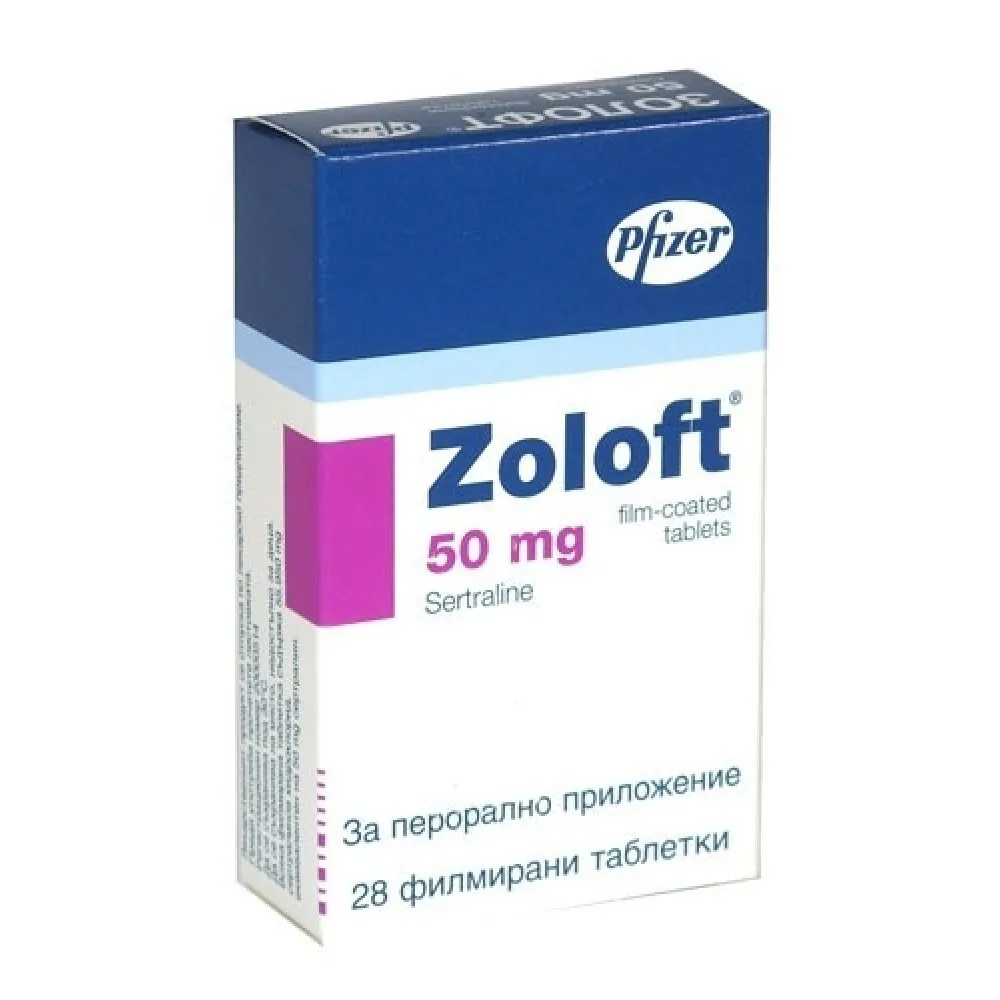
Table of Contents
INSTRUCTIONS FOR MEDICAL USE OF THE MEDICINAL PRODUCT ZOLOFT® (ZOLOFT®)
Composition:
Active substance: sertraline;
one film-coated tablet contains sertraline hydrochloride equivalent to 50 mg of sertraline;
Excipients: calcium hydrogen phosphate dihydrate, microcrystalline cellulose, hydroxypropylcellulose, sodium starch glycolate, magnesium stearate, Opadry White (hydroxypropylmethylcellulose, titanium dioxide (E 171), polyethylene glycol, polysorbate 80), Opadry Clear (hydroxypropylmethylcellulose, polyethylene glycol).
Pharmaceutical form. Film-coated tablets.
Main physicochemical characteristics: white, film-coated, capsule-shaped tablets, embossed with "VLE" on one side and "ZLT 50" on the other. The tablets have a functional score line between the inscriptions "ZLT" and "50".
Pharmacotherapeutic group. Antidepressants. Selective serotonin reuptake inhibitors. ATC code N06AB06.
Pharmacological properties.
Pharmacodynamics.
Mechanism of action
Sertraline is a potent and specific inhibitor of neuronal serotonin (5-HT) reuptake in vitro, which in animal models enhances the effects of 5-HT. Sertraline has only very weak effects on the neuronal reuptake of norepinephrine and dopamine. At clinical doses, sertraline inhibits serotonin reuptake in human platelets. The drug does not exhibit stimulant, sedative, anticholinergic, or cardiotoxic effects in animal experiments. In controlled studies involving healthy volunteers, sertraline did not produce sedative effects and did not impair psychomotor functions. Due to its selective inhibition of 5-HT reuptake, sertraline does not increase catecholaminergic activity. The agent has no affinity for muscarinic (cholinergic), serotonergic, dopaminergic, adrenergic, histaminergic, GABA, or benzodiazepine receptors. Long-term administration of sertraline in animals has been associated with a reduction in the number of brain norepinephrine receptors, a phenomenon also observed with other clinically effective antidepressants and anti-obsessive agents.
Sertraline does not cause medication abuse. In a placebo-controlled, double-blind, randomized study comparing the abuse potential of sertraline, alprazolam, and d-amphetamine in humans, sertraline did not produce positive subjective effects indicative of abuse potential. In contrast, participants receiving either alprazolam or d-amphetamine showed significantly higher scores for abuse liability, euphoria, and potential for medication dependence compared to those receiving placebo. Sertraline did not produce the stimulant effects or feelings of anxiety associated with d-amphetamine, nor the sedative effects or psychomotor impairments associated with alprazolam. Sertraline did not produce a positive stimulus in rhesus monkeys trained to self-administer cocaine, nor did it substitute for the discriminative stimulus of either d-amphetamine or pentobarbital in rhesus monkeys.
Clinical efficacy and safety
Major depressive disorder
Studies were conducted in outpatients with depression who responded to treatment during an initial 8-week open-label phase with sertraline at doses of 50–200 mg/day. These patients (n=295) were randomized to either continue sertraline at 50–200 mg/day or switch to placebo for 44 weeks in a double-blind study. The relapse rate in the group continuing sertraline was statistically significantly lower than in the placebo group. The mean dose among patients who completed the study was 70 mg/day. The percentage of patients who responded to treatment (defined as those without relapse) in the sertraline and placebo groups was 83.4% and 60.8%, respectively.
Post-traumatic stress disorder (PTSD)
Pooled data from a total of patients with PTSD across three studies indicate a lower response rate in men compared to women. In two clinical studies with overall positive results, the percentage of patients who responded to treatment was similar between women and men in the sertraline groups compared to placebo (women: 57.2% vs. 34.5%; men: 53.9% vs. 38.2%). The number of men and women in the total pooled population was 184 and 430, respectively. Responses in women were more consistent, while men had other baseline variables (e.g., higher substance abuse, longer duration of illness, trauma etiology, etc.) that correlated with reduced drug efficacy.
Cardiac electrophysiology
In a thorough QTc interval study at steady state under supratherapeutic exposures in healthy volunteers (receiving a dose of 400 mg/day, twice the maximum recommended daily dose), the upper bound of the two-sided 90% CI for the time-matched mean difference in QTcF between sertraline and placebo, obtained by least squares method (11.666 ms), exceeded the pre-specified threshold of 10 ms at the 4-hour post-dose time point. Exposure-response analysis indicated a weak positive relationship between QTcF and plasma sertraline concentration [0.036 ms/(ng/mL); p < 0.0001]. Based on the exposure-response model, the threshold for clinically significant QTcF prolongation (i.e., >10 ms for the predicted 90% CI) was increased by at least 2.6-fold compared to the average Cmax (86 ng/mL) after administration of the highest recommended dose of sertraline (200 mg/day) (see sections «Special precautions», «Interaction with other medicinal products and other forms of interaction», «Adverse reactions», and «Overdose»).
Obsessive-compulsive disorder (OCD) in pediatric patients
The safety and efficacy of sertraline (50–200 mg/day) were evaluated in the treatment of children (6–12 years) and adolescents (13–17 years) without depression, who were treated as outpatients for obsessive-compulsive disorder (OCD). After a 1-week initial period of single-blind placebo administration, patients were randomized to receive either sertraline or placebo for 12 weeks with flexible dosing. Children (6–12 years) started treatment at a dose of 25 mg. Patients randomized to sertraline showed significantly greater improvement compared to those receiving placebo, as assessed by the Children's Yale–Brown Obsessive Compulsive Scale (CY-BOCS) (p=0.005), the National Institute of Mental Health Global Obsessive-Compulsive Scale (NIMH) (p=0.019), and the Clinical Global Impressions–Improvement scale (CGI-I) (p=0.002). Additionally, patients in the sertraline group showed a trend toward greater improvement on the Clinical Global Impressions–Severity scale (CGI-S) compared to the placebo group (p=0.089). Baseline mean CY-BOCS score and mean change from baseline in the placebo group were 22.25 ± 6.15 and -3.4 ± 0.82, respectively, while in the sertraline group, baseline mean score and mean change from baseline were 23.36 ± 4.56 and -6.8 ± 0.87, respectively. In a post-hoc analysis, the percentage of patients who responded to treatment—defined as those with a ≥25% reduction in CY-BOCS score from baseline to endpoint (primary efficacy parameter)—was 53% in the sertraline group compared to 37% in the placebo group (p=0.03).
Data on long-term clinical studies of efficacy in pediatric patients are lacking.
Children
Data on the use of sertraline in children under 6 years of age are lacking.
Post-marketing safety study SPRITES
An observational post-marketing study involving 941 patients aged 6 to 16 years was conducted to evaluate the long-term safety of sertraline therapy (with and without psychotherapy) compared to psychotherapy alone with respect to cognitive, emotional, physical, and pubertal development, over a duration of up to 3 years. This study was conducted under real-world clinical practice conditions in children and adolescents with primary diagnoses of obsessive-compulsive disorder, depression, or other anxiety disorders, and assessed cognition (evaluated by the Trails B test and BRIEF index), behavioral/emotional regulation (evaluated by the BRIEF Behavioral Regulation Index), and physical/pubertal development (evaluated by standardized height/weight/body mass index (BMI) index and Tanner stage). Sertraline is approved for pediatric use only in patients aged 6 years and older with OCD (see section «Indications»). Standardization of each primary outcome measure based on age- and sex-specific norms showed that overall results were consistent with normal development. No statistically significant differences from baseline were observed except for body weight. Comparative analyses showed statistically significant results for body weight, but the magnitude of change was minimal.
Pharmacokinetics.
Absorption
Following 14 days of sertraline administration at doses of 50–200 mg (orally, once daily) in humans, peak plasma concentrations of sertraline are reached within 4.5–8.4 hours after daily dosing. Food does not significantly alter the bioavailability of sertraline tablets.
Distribution
Approximately 98% of circulating sertraline is protein-bound in plasma.
Biological transformation
Sertraline undergoes extensive presystemic metabolism (first-pass effect) in the liver.
Based on clinical and in vitro studies, sertraline is metabolized via multiple pathways, including those involving the enzymes CYP3A4, CYP2C19, and CYP2B6 (see section «Interaction with other medicinal products and other forms of interaction»). Sertraline and its major metabolite, desmethylsertraline, are also substrates of P-glycoprotein in vitro.
Elimination
The mean elimination half-life of sertraline is approximately 26 hours (ranging from 22 to 36 hours). Based on the terminal half-life, drug accumulation (approximately doubling of levels) occurs until steady-state concentrations are reached after about 1 week of once-daily dosing. The elimination half-life of N-desmethylsertraline is 62–104 hours. Sertraline and N-desmethylsertraline are extensively metabolized in humans, with their final metabolites excreted in equal amounts in feces and urine. Only a very small fraction (<0.2%) of sertraline is excreted unchanged in urine.
Linearity/non-linearity
The pharmacokinetics of sertraline in the dose range of 50–200 mg is dose-dependent.
Pharmacokinetics in specific patient groups
Children with OCD
Pharmacokinetics of sertraline were studied in 29 children aged 6–12 years and 32 adolescents aged 13–17 years. In these patients, the dose was gradually increased by titration up to a daily dose of 200 mg over 32 days, starting from either 25 mg or 50 mg with gradual increments. Tolerability at doses of 25 mg and 50 mg was similar. At steady state with a 200 mg dose, plasma sertraline concentrations in children aged 6–12 years were approximately 35% higher than in those aged 13–17 years and 21% higher than in the reference adult group. No significant differences in clearance were observed between boys and girls. Therefore, for pediatric use, especially in children with low body weight, a low initial dose and gradual dose titration in 25 mg increments are recommended. Adolescents may receive the same doses as adults.
Adolescents and elderly patients
The pharmacokinetic profile of sertraline in adolescents and elderly patients does not differ significantly from that in adults aged 18–65 years.
Hepatic impairment
In patients with hepatic impairment, the elimination half-life of sertraline is prolonged and the area under the pharmacokinetic curve (AUC) is increased threefold (see sections «Dosage and administration» and «Special precautions»).
Renal impairment
In patients with moderate or severe renal impairment, no significant accumulation of sertraline was observed.
Pharmacogenomics
In individuals who are poor metabolizers of CYP2C19, plasma sertraline levels are approximately 50% higher than in those with rapid CYP2C19 metabolism. The clinical significance of this finding is not fully established; therefore, dose titration should be based on individual clinical response.
Clinical characteristics.
Indications.
Sertraline is indicated for the treatment of the following disorders:
- Major depressive episodes. Prevention of relapse of major depressive episodes.
- Panic disorder with or without agoraphobia.
- Obsessive-compulsive disorder (OCD) in adults and children aged 6–17 years.
- Social anxiety disorder.
- Post-traumatic stress disorder (PTSD).
Contraindications.
Hypersensitivity to the active substance or to any of the excipients listed in the section "Composition".
Concomitant use of sertraline with irreversible monoamine oxidase inhibitors (MAOIs) is contraindicated due to the risk of developing serotonin syndrome, which may manifest as agitation, tremor, and hyperthermia. Sertraline therapy must not be initiated within at least 14 days after discontinuation of irreversible MAOI treatment. Sertraline must be discontinued at least 7 days prior to starting therapy with an irreversible MAOI.
Concomitant use of sertraline and pimozide is contraindicated (see section "Interaction with other medicinal products and other types of interactions").
Interaction with other medicinal products and other types of interactions.
Contraindicated
Monoamine oxidase inhibitors (MAOIs)
Irreversible MAOIs (e.g., selegiline)
Concomitant use of sertraline with irreversible MAOIs such as selegiline is contraindicated. Sertraline therapy may be initiated no earlier than 14 days after discontinuation of irreversible MAOI treatment. Sertraline must be discontinued at least 7 days before starting therapy with an irreversible MAOI (see section "Contraindications").
Selective reversible MAO-A inhibitor (moclobemide)
Due to the risk of serotonin syndrome, sertraline should not be used in combination with a selective reversible MAOI such as moclobemide. After discontinuation of a reversible MAOI, the waiting period before starting sertraline therapy may be shorter than 14 days. It is recommended to discontinue sertraline at least 7 days before starting therapy with a reversible MAOI (see section "Contraindications").
Non-selective reversible MAOIs (linezolid)
The antibiotic linezolid is a weak, non-selective reversible MAOI and should not be administered to patients taking sertraline (see section "Contraindications").
Severe adverse reactions have been reported in patients who recently discontinued MAOI therapy (e.g., methylene blue) and started taking sertraline, or who discontinued sertraline shortly before starting MAOI therapy. These reactions included tremor, myoclonus, excessive sweating, nausea, vomiting, flushing, dizziness, and hyperthermia, with symptoms resembling neuroleptic malignant syndrome, seizures, and fatal outcomes.
Pimozide
In a study with single low-dose administration of pimozide (2 mg), an increase in pimozide levels of approximately 35% was observed. This increase in levels was not associated with any changes in ECG parameters. Although the mechanism of this interaction is unknown, concomitant use of sertraline and pimozide is contraindicated due to the narrow therapeutic index of pimozide (see section "Contraindications").
Concomitant use with sertraline not recommended
CNS depressants and alcohol
Concomitant administration of sertraline at a dose of 200 mg daily did not potentiate the effects of alcohol, carbamazepine, haloperidol, or phenytoin on cognitive and psychomotor functions in healthy study participants; however, concomitant use of sertraline with alcohol is not recommended.
Other serotonergic medicinal products
See section "Special precautions for use".
Sertraline should be used cautiously when co-administered with opioids (such as fentanyl, primarily used during general anesthesia and in chronic pain therapy) and other serotonergic agents (including other serotonergic antidepressants, amphetamines, and triptans).
Special precautions for use
Medicinal products that prolong the QT interval
The risk of QTc prolongation and/or ventricular arrhythmias (e.g., torsades de pointes) may be increased when sertraline is used concomitantly with other medicinal products that prolong the QTc interval (e.g., certain antipsychotics and antibiotics) (see sections "Special precautions for use" and "Pharmacodynamics").
Lithium
In a placebo-controlled study involving healthy volunteers, concomitant administration of sertraline and lithium did not significantly alter the pharmacokinetics of lithium, but resulted in increased tremor compared to placebo, indicating a possible pharmacodynamic interaction. Appropriate monitoring of patients is recommended when sertraline and lithium are used concomitantly.
Phenytoin
Results from a placebo-controlled study in healthy volunteers indicate that prolonged administration of sertraline at a dose of 200 mg/day does not lead to clinically significant inhibition of phenytoin metabolism. However, case reports suggest high phenytoin exposure in patients taking sertraline; monitoring of plasma phenytoin concentrations is recommended during the initial phase of sertraline therapy, with appropriate dose adjustments of phenytoin. Additionally, concomitant use of sertraline with phenytoin, a known CYP3A4 inducer, may lead to decreased plasma concentrations of sertraline.
Metamizole
Concomitant use of sertraline with metamizole, an inducer of metabolizing enzymes including CYP2B6 and CYP3A4, may lead to reduced plasma concentrations of sertraline with potential reduction in clinical efficacy. Therefore, caution is recommended when using metamizole and sertraline concomitantly; clinical response and/or drug levels should be monitored as necessary.
Triptans
During post-marketing surveillance, isolated reports have been received of weakness, hyperreflexia, incoordination, confusion, anxiety, and agitation following concomitant use of sertraline and sumatriptan. Serotonin syndrome symptoms may also develop when other drugs of this class (triptans) are used. If concomitant treatment with sertraline and triptans is clinically necessary, appropriate patient monitoring is recommended (see section "Special precautions for use").
Warfarin
Concomitant use of sertraline at a dose of 200 mg/day and warfarin resulted in a minor but statistically significant increase in prothrombin time, which may in rare cases lead to disturbances in the international normalized ratio (INR). Therefore, prothrombin time should be carefully monitored at the beginning of sertraline therapy and upon its discontinuation.
Interaction with other medicinal products, digoxin, atenolol, cimetidine
Concomitant use with cimetidine led to a significant reduction in sertraline clearance. The clinical significance of these changes is not fully established. Sertraline did not affect the beta-blocking properties of atenolol. No interaction was observed when sertraline at a dose of 200 mg/day was administered concomitantly with digoxin.
Medicinal products affecting platelet function
The risk of bleeding may be increased when selective serotonin reuptake inhibitors (SSRIs), including sertraline, are used concomitantly with medicinal products affecting platelet function (e.g., NSAIDs, acetylsalicylic acid, and ticlopidine) or other medicinal products that may increase the risk of bleeding (see section "Special precautions for use").
Neuromuscular blocking agents
SSRIs may reduce cholinesterase activity in plasma, leading to prolonged neuromuscular blockade with mivacurium or other neuromuscular blocking agents.
Medicinal products metabolized by cytochrome P450
Sertraline may act as a weak or moderate inhibitor of the CYP2D6 isoenzyme. Prolonged administration of sertraline at a dose of 50 mg/day resulted in moderate increases (on average by 23–37%) in steady-state plasma concentrations of desipramine (a marker of CYP2D6 activity). Clinically significant interactions may occur with other CYP2D6 substrates that have narrow therapeutic ranges, such as class 1C antiarrhythmics (particularly propafenone and flecainide), tricyclic antidepressants, and typical antipsychotics, especially when sertraline is used at higher doses.
Sertraline is not a clinically significant inhibitor of the CYP3A4, CYP2C9, CYP2C19, or CYP1A2 isoenzymes. This is supported by results from in vivo drug interaction studies using substrates of CYP3A4 (endogenous cortisol, carbamazepine, terfenadine, alprazolam), CYP2C19 (diazepam), and CYP2C9 (tolbutamide, glyburide, and phenytoin). In vitro studies indicate that sertraline has very low or no potential to inhibit CYP1A2.
Daily consumption of three glasses of grapefruit juice increased plasma levels of sertraline by nearly 100% in a crossover study in 8 healthy Japanese subjects. Therefore, grapefruit juice should be avoided during sertraline therapy (see section "Special precautions for use").
Based on the results of the grapefruit juice interaction study, the possibility of even greater increases in sertraline exposure cannot be excluded when sertraline is used concomitantly with potent inhibitors of the CYP3A4 enzyme, such as protease inhibitors, ketoconazole, itraconazole, posaconazole, voriconazole, clarithromycin, telithromycin, and nefazodone. This also applies to moderate CYP3A4 inhibitors, such as aprepitant, erythromycin, fluconazole, verapamil, and diltiazem. The use of potent CYP3A4 inhibitors should be avoided during sertraline therapy.
A decrease in plasma levels of sertraline cannot be excluded under the influence of other inducers of the CYP3A4 enzyme, such as phenobarbital, carbamazepine, St. John's wort, and rifampicin.
In individuals with slow CYP2C19 metabolism, plasma levels of sertraline are increased by approximately 50% compared to individuals with rapid CYP2C19 metabolism (see section "Pharmacokinetics"). A drug interaction cannot be excluded with potent inhibitors of CYP2C19, such as omeprazole, lansoprazole, pantoprazole, rabeprazole, fluoxetine, and fluvoxamine.
Special precautions for use.
Serotonin syndrome (SS) or neuroleptic malignant syndrome (NMS)
Life-threatening syndromes such as SS or NMS have been reported during the use of SSRIs, including sertraline therapy. The risk of developing SS or NMS with SSRIs increases when SSRIs are used concomitantly with other serotonergic agents (including other serotonergic antidepressants, amphetamines, triptans), agents affecting serotonin metabolism (including MAOIs, e.g., methylene blue), antipsychotics, other dopamine antagonists, and opioids. Patients should be monitored for signs and symptoms of SS or NMS (see section "Contraindications").
Switching from SSRIs, antidepressants, or anti-obsessive agents
There are limited data from controlled studies evaluating the optimal time for switching from SSRIs, antidepressants, or anti-obsessive agents to sertraline. Appropriate medical monitoring should be conducted during such treatment changes, especially when switching to sertraline from long-acting agents such as fluoxetine.
Other serotonergic agents, e.g., tryptophan, fenfluramine, and 5-HT agonists
Concomitant use of sertraline with other agents enhancing serotonergic neurotransmission, such as amphetamines, tryptophan, fenfluramine, 5-HT agonists, herbal preparations, or St. John's wort (Hypericum perforatum), should be done with caution, and such combination therapy should be avoided if possible (due to potential pharmacodynamic interactions).
Prolongation of QTc interval/ventricular tachycardia of the "torsades de pointes" type
Cases of QTc interval prolongation and ventricular tachycardia of the "torsades de pointes" type have been reported during post-marketing use of sertraline. Most cases occurred in patients with other risk factors for QTc interval prolongation/ventricular tachycardia of the "torsades de pointes" type. The effect on QTc interval prolongation was confirmed in a QTc study in healthy volunteers with a statistically significant positive exposure-response relationship. Therefore, sertraline should be used with caution in patients with additional risk factors for QTc interval prolongation, such as heart disease, hypokalemia or hypomagnesemia, family history of QTc interval prolongation, bradycardia, or concomitant use of drugs that prolong the QTc interval (see sections "Interaction with other medicinal products and other forms of interaction" and "Pharmacodynamics").
Exacerbation of hypomania or mania
Symptoms of mania/hypomania have been reported in a small percentage of patients receiving approved antidepressants and anti-obsessive agents, including sertraline. Therefore, sertraline should be used with caution in patients with a history of mania/hypomania. Close physician monitoring is required. If signs of a manic episode occur in a patient, sertraline should be discontinued.
Schizophrenia
Psychotic symptoms may worsen in patients with schizophrenia.
Seizures
Seizures may occur during sertraline therapy: sertraline should not be prescribed to patients with unstable epilepsy; in patients with controlled epilepsy, sertraline use requires careful monitoring. The drug should be discontinued in patients who experience seizures.
Suicide/suicidal thoughts/suicide attempts or clinical worsening
Depression is associated with an increased risk of suicidal thoughts, self-harm, and suicide attempts (suicidal behaviors and manifestations). This risk persists until significant remission occurs. Since improvement in patients' condition may not occur during the first few weeks or longer periods of therapy, patients should be closely monitored until improvement occurs. Clinical experience generally indicates that the risk of suicide may increase in the early stages of recovery.
Other psychiatric conditions for which sertraline is prescribed may also be associated with an increased risk of suicidal behaviors and manifestations. In addition, these conditions may coexist with major depressive disorder. Thus, similar precautionary measures applicable to the treatment of patients with major depressive disorder are necessary when treating patients with other psychiatric disorders.
It is known that patients with a history of suicidal behaviors and manifestations or patients who exhibit pronounced suicidal ideation before the start of therapy have a higher risk of developing suicidal thoughts or suicide attempts; therefore, they should be under close supervision during treatment. A meta-analysis of data from placebo-controlled clinical trials using antidepressants in adult patients with psychiatric disorders showed an increased risk of suicidal behavior with antidepressant use in patients under 25 years of age compared to placebo.
Careful monitoring of patients, particularly those at high risk of developing suicidality, is required, especially at the beginning of therapy and after any dosage adjustments. Patients (and caregivers) should be warned to monitor for any signs of clinical worsening, emergence of suicidal behavior or suicidal thoughts, or any unusual changes in behavior, and to seek immediate medical help if these symptoms occur.
Sexual dysfunction
Selective serotonin reuptake inhibitors (SSRIs) may cause symptoms of sexual dysfunction (see section "Adverse reactions"). Reports of persistent sexual dysfunction have been documented, where symptoms continued despite discontinuation of SSRIs.
Use in children
Sertraline should not be used for the treatment of children and adolescents, except for patients with obsessive-compulsive disorder aged 6–17 years. In clinical trials involving children and adolescents receiving antidepressants, suicidal behavior (suicide attempts and suicidal thoughts) and hostility (mainly aggression, oppositional behavior, and anger) were observed more frequently compared to patients receiving placebo. If, based on clinical need, a decision is made to prescribe this medication, careful monitoring for signs of suicidal symptoms is required, especially at the beginning of treatment. Long-term safety regarding cognitive, emotional, physical, and pubertal development in children and adolescents aged 6 to 16 years was evaluated in a long-term observational study lasting up to 3 years (see section "Pharmacological properties"). In the post-marketing period, several cases of delayed growth and delayed sexual maturation have been reported. Clinical significance and causal relationship have not yet been established. Physicians should monitor for deviations from normal growth and development in children undergoing long-term therapy.
Abnormal bleeding/bleeding events
Pathological hemorrhagic events, including skin hemorrhages (ecchymoses and purpura), and other hemorrhagic events such as gastrointestinal or gynecological bleeding, including fatal bleeding, have been reported during SSRIs use. SSRIs/SNRIs may increase the risk of postpartum hemorrhage (see sections "Use during pregnancy or breastfeeding" and "Adverse reactions"). Caution is recommended when using SSRIs in patients, especially when used concomitantly with medicinal products known to affect platelet function (e.g., anticoagulants, atypical antipsychotics, phenothiazines, most tricyclic antidepressants, acetylsalicylic acid, and nonsteroidal anti-inflammatory drugs (NSAIDs)), as well as in patients with a history of bleeding disorders (see section "Interaction with other medicinal products and other forms of interaction").
Hyponatremia
Hyponatremia may develop during therapy with SSRIs or serotonin-norepinephrine reuptake inhibitors (SNRIs), including sertraline. In many cases, hyponatremia is due to the syndrome of inappropriate antidiuretic hormone secretion. Cases of serum sodium levels below 110 mmol/L have been reported.
Elderly patients may be at greater risk of developing hyponatremia when using SSRIs and SNRIs. The risk of this complication may also be increased in patients taking diuretics or in patients with hypovolemia of any origin (see information on use in elderly patients in sections "Dosage and administration" and "Adverse reactions"). In patients with symptomatic hyponatremia, discontinuation of sertraline therapy and implementation of appropriate medical intervention should be considered. Signs and symptoms of hyponatremia include headache, difficulty concentrating, memory impairment, confusion, weakness, and loss of physical balance, which may lead to falls. Signs and symptoms associated with more severe and/or acute episodes of hyponatremia include hallucinations, syncope, seizures, coma, respiratory arrest, and fatal outcome.
Discontinuation symptoms observed upon stopping sertraline therapy
Discontinuation symptoms are a common phenomenon when stopping the drug, particularly in case of abrupt discontinuation (see section "Adverse reactions"). Clinical trial data show that in patients who discontinued sertraline, the frequency of discontinuation reactions was 23% compared to 12% in patients who continued sertraline therapy.
The risk of developing withdrawal syndrome may depend on several factors, including duration of therapy, dosage, and rate of dose reduction. The most commonly reported reactions include dizziness, sensory disturbances (including paresthesia), sleep disturbances (including insomnia and vivid dreams), agitation or feelings of anxiety, nausea and/or vomiting, tremor, and headache. Generally, these symptoms are mild to moderate in severity, although in some patients they may be severe. They usually occur within the first few days after discontinuation of therapy, but in very rare cases, such symptoms have been observed in patients who accidentally missed a dose of the drug. In most cases, these symptoms resolve spontaneously within 2 weeks, although in some patients they may persist longer (2–3 months or more). Therefore, it is recommended to gradually reduce the dose of sertraline when discontinuing the drug over a period of several weeks or months according to patient needs (see section "Dosage and administration").
Akathisia/psychomotor restlessness
Sertraline use is associated with the development of akathisia, characterized by subjectively unpleasant or unrelenting restlessness and a need to move, often accompanied by an inability to sit or stand still. The risk of such complications is highest during the first few weeks of therapy. In patients who develop these symptoms, increasing the dose may be harmful.
Use in hepatic impairment
Sertraline is extensively metabolized in the liver. Pharmacokinetic studies with multiple dosing in patients with stable mild cirrhosis showed a prolonged elimination half-life and an approximately threefold increase in AUC or Cmax compared to individuals with normal liver function. No significant differences in protein binding of the drug in plasma between these two groups of study participants were observed. Caution should be exercised when prescribing sertraline to patients with liver disease. When prescribing sertraline to patients with impaired liver function, consideration should be given to reducing the dose or frequency of administration. Sertraline should not be used in patients with severe hepatic impairment (see section "Dosage and administration").
Use in renal impairment
Sertraline is extensively metabolized; urinary excretion of unchanged compound is a minor elimination pathway. In studies involving patients with mild to moderate (creatinine clearance 30–60 mL/min) or moderate to severe (creatinine clearance 10–29 mL/min) renal impairment, pharmacokinetic parameters (AUC0-24 and Cmax) after multiple dosing were not statistically significantly different from those in the control group. There is no need for dose adjustment based on the degree of renal impairment.
Use in elderly patients
Over 700 elderly patients (aged >65 years) participated in clinical trials. The nature and frequency of adverse reactions in elderly patients were similar to those observed in younger patients.
However, use of SSRIs and SNRIs, including sertraline, has been associated with cases of clinically significant hyponatremia in elderly patients, who may be at greater risk of developing this adverse effect (see "Hyponatremia" in section "Special precautions for use").
Diabetes mellitus
In patients with diabetes mellitus, SSRIs use may affect glycemic control parameters. Insulin and/or oral hypoglycemic agent dosage may require adjustment.
Electroconvulsive therapy (ECT)
No clinical studies have been conducted to evaluate the risks or benefits of combined use of ECT and sertraline.
Grapefruit juice
Concomitant use of sertraline with grapefruit juice is not recommended (see section "Interaction with other medicinal products and other forms of interaction").
Effect on urine screening test results
False-positive results in immunological screening tests for benzodiazepines in urine have been reported in patients taking sertraline. False-positive results are due to the low specificity of the laboratory test and may occur for several days after discontinuation of sertraline therapy. Sertraline can be differentiated from benzodiazepines in urine by confirmatory tests such as gas chromatography/mass spectrometry.
Closed-angle glaucoma
SSRI class drugs, including sertraline, may affect pupil size, leading to mydriasis. This effect may cause narrowing of the eye angle, resulting in increased intraocular pressure and development of closed-angle glaucoma, especially in patients with predisposition. Therefore, sertraline should be used with caution in patients with closed-angle glaucoma or a history of glaucoma.
Information on excipients
This medicinal product contains less than 1 mmol of sodium (23 mg) per tablet, i.e., essentially sodium-free.
Use during pregnancy or breastfeeding.
Pregnancy
There are no well-controlled studies of the drug in pregnant women. However, a substantial amount of data has not shown evidence of fetal congenital malformations due to sertraline use. Animal studies have shown effects on reproductive function, likely due to the toxic effect of the drug on the maternal organism, caused by the pharmacodynamic action of the drug and/or direct pharmacodynamic action on the fetus.
It has been reported that sertraline use during pregnancy may cause symptoms similar to withdrawal reactions in some newborns (whose mothers took sertraline). This phenomenon has also been observed with other SSRIs antidepressants.
Sertraline is not recommended for use during pregnancy, except when the woman's clinical condition indicates that the expected benefits of using the drug outweigh the potential risk.
Observational data indicate an increased (less than 2-fold) risk of postpartum hemorrhage with use of SSRIs/SNRIs within one month before delivery (see sections "Special precautions for use" and "Adverse reactions").
Newborns should be monitored if the mother continues sertraline use in late pregnancy, especially in the third trimester. After sertraline use in late pregnancy, newborns may experience the following symptoms: respiratory distress syndrome, cyanosis, apnea, seizures, temperature instability, feeding difficulties, vomiting, hypoglycemia, hypertonia, hypotonia, hyperreflexia, tremor, syndrome of increased neuromuscular excitability, irritability, lethargy, persistent crying, somnolence, and difficulty falling asleep. These symptoms may be due to either serotonergic effects or withdrawal symptoms. In most cases, these complications develop immediately after delivery or shortly thereafter (within less than 24 hours).
Epidemiological data suggest that use of SSRIs during pregnancy, particularly in late pregnancy, may increase the risk of persistent pulmonary hypertension in newborns. The risk occurs at a frequency of approximately 5 cases per 1000 pregnancies. In the general population, 1–2 cases of persistent pulmonary hypertension in newborns per 1000 pregnancies are observed.
Breastfeeding
Published data on sertraline levels in breast milk indicate that sertraline and its metabolite N-desmethylsertraline are excreted into breast milk in small amounts. Generally, negligible concentrations of the drug or concentrations below the limit of detection were found in infant serum, except for one case where the drug concentration in infant serum was approximately 50% of the concentration in maternal serum (but without any noticeable effect on the infant's health). To date, no adverse effects of the drug on the health of children breastfed by women taking sertraline have been reported, but such risk cannot be excluded. Use of the drug during breastfeeding is not recommended, except when, in the physician's opinion, the benefit of taking the drug outweighs the risk.
Fertility
Data from animal studies did not show any effect of sertraline on fertility parameters.
Reports from human studies using certain SSRIs suggest that effects on sperm quality are reversible. To date, no effect on human fertility has been identified.
Ability to influence reaction speed when driving or operating machinery.
Clinical pharmacological studies indicate no effect of sertraline on psychomotor functions. However, patients should be warned that psychotropic drugs may impair mental or physical reactions required for performing potentially hazardous tasks, such as driving a car or operating machinery.
Dosage and Administration
Route of Administration
Sertraline should be taken once daily (in the morning or evening).
Sertraline tablets may be taken independently of food intake.
Initiation of Treatment
Depression and OCD
Treatment with sertraline should be initiated at a dose of 50 mg/day.
Panic Disorders, PTSD, and Social Anxiety Disorder
Treatment should be initiated at a dose of 25 mg/day. After 1 week, the dose should be increased to 50 mg once daily. This dosing regimen has been shown to reduce the frequency of adverse effects typical of panic disorders at the beginning of treatment.
Dose Titration
Depression, OCD, Panic Disorders, Social Anxiety Disorder, and PTSD
In patients who do not respond to the 50 mg dose, therapeutic effect may be achieved by increasing the dose. Dose adjustments should be made in 50 mg increments at intervals of not less than one week, up to a maximum dose of 200 mg/day. Dose adjustments should not occur more frequently than once per week, considering the 24-hour elimination half-life of sertraline.
Initial signs of therapeutic effect may be observed within 7 days of treatment. However, a longer period is usually required to achieve a full therapeutic response, particularly in patients with OCD.
Maintenance Dose
During long-term therapy, the dosage should be maintained at the lowest effective level, with subsequent adjustments based on therapeutic response.
Depression
Long-term therapy may also be used to prevent relapse of major depressive episodes (MDE). In most cases, the recommended dose for preventing MDE relapse is the same as the dose used during treatment of the depressive episode. Patients with depression should continue therapy for a sufficient duration—of at least 6 months—to ensure complete symptom remission.
Panic Disorders and OCD
For long-term therapy in patients with panic disorders and OCD, regular evaluation of treatment is recommended, as efficacy in preventing relapse has not been demonstrated for these disorders.
Use in Children
Children and Adolescents with Obsessive-Compulsive Disorder (OCD)
Adolescents aged 13–17 years: initial dose is 50 mg once daily.
Children aged 6–12 years: initial dose is 25 mg once daily. After 1 week, the dose may be increased to 50 mg once daily.
If necessary and in case of insufficient response, further dose increases in 50 mg increments may be considered over several weeks. The maximum dose is 200 mg/day. However, when increasing the dose beyond 50 mg, the generally lower body weight of children compared to adults should be taken into account. Dose adjustments should not occur more frequently than once per week.
Efficacy of the drug in children with major depressive disorder has not been demonstrated.
Data on use in children under 6 years of age are lacking (see also section "Special Instructions").
Use in Elderly Patients
Dosage in elderly patients should be carefully titrated, as these patients may be at increased risk of developing hyponatremia (see section "Special Instructions").
Use in Hepatic Impairment
Caution should be exercised when administering sertraline to patients with hepatic disease. In patients with impaired liver function, the dose or frequency of administration should be reduced. Sertraline should not be used in patients with severe hepatic impairment, as clinical data on use in such patients are lacking (see section "Special Instructions").
Use in Renal Impairment
Dosage adjustment is not required in patients with renal impairment (see section "Special Instructions").
Withdrawal Symptoms Observed Upon Discontinuation of Sertraline Therapy
Abrupt discontinuation of the drug should be avoided. When stopping sertraline treatment, the dose should be gradually reduced over at least 1–2 weeks to minimize the risk of withdrawal reactions (see sections "Special Instructions" and "Adverse Reactions"). If intolerable symptoms occur after dose reduction or discontinuation, consideration may be given to resuming treatment at the previously prescribed dose. The physician may then continue tapering the dose, but more gradually.
Children
Sertraline should not be used for the treatment of children, except for children aged 6 years and older with obsessive-compulsive disorder (see section "Dosage and Administration").
Overdose
Toxicity
Sertraline has a safety margin that depends on the patient population and/or concomitant use of other medicinal products. Fatal outcomes have been reported following sertraline overdose, both with sertraline alone and in combination with other agents and/or alcohol. Therefore, every case of overdose requires intensive therapy.
Symptoms
Symptoms of overdose include serotonin-mediated adverse effects such as drowsiness, gastrointestinal disturbances (e.g., nausea and vomiting), tachycardia, tremor, agitation, and dizziness. Coma has been reported less frequently.
Prolongation of the QTc interval/ventricular tachycardia of the "torsades de pointes" type has been reported following sertraline overdose; therefore, ECG monitoring is recommended in all cases of sertraline overdose (see sections "Special Instructions," "Interaction with Other Medicinal Products and Other Forms of Interaction," and "Pharmacodynamics").
Treatment
There is no specific antidote for sertraline. It is recommended to ensure and maintain airway patency and adequate oxygenation and ventilation, if necessary. In the management of overdose, administration of activated charcoal (which may be used with a laxative) may be as effective or more effective than gastric lavage. Induction of emesis is not recommended. Recommended measures include cardiac monitoring (e.g., ECG), monitoring of vital signs, and general symptomatic and supportive therapy. Due to the large volume of distribution of sertraline, interventions such as forced diuresis, dialysis, hemoperfusion, or exchange transfusion are unlikely to be beneficial.
Adverse Reactions
The most commonly observed adverse effect is nausea. In the treatment of social anxiety disorder, sexual dysfunction (ejaculation disorder) was reported in 14% of men taking sertraline, compared to 0% of patients receiving placebo. These adverse effects are dose-dependent and often resolve spontaneously with continued therapy.
The adverse effect profile observed in double-blind, placebo-controlled clinical trials involving patients with OCD, panic disorder, PTSD, and social anxiety disorders was similar to that observed in patients with depression participating in clinical trials.
Below are data on adverse reactions observed during post-marketing surveillance (frequency unknown) and in placebo-controlled clinical trials (in which a total of 2542 patients received sertraline and 2145 patients received placebo) involving patients with depression, OCD, panic disorders, PTSD, and social anxiety disorders.
Some of the adverse reactions listed below may decrease in intensity and frequency with prolonged treatment and usually do not lead to discontinuation of therapy.
The frequency of adverse reactions observed in placebo-controlled clinical trials in patients with depression, OCD, panic disorders, PTSD, and social anxiety disorders is provided below. Combined data from clinical trials and post-marketing surveillance (frequency unknown) are presented.
Adverse reaction frequency is categorized as follows: very common (≥ 1/10); common (≥ 1/100 to < 1/10); uncommon (≥ 1/1000 to < 1/100); rare (≥ 1/10,000 to < 1/1000); very rare (< 1/10,000); frequency not known (cannot be estimated from available data).
Infections and infestations. Common: upper respiratory tract infections, pharyngitis, rhinitis; uncommon: gastroenteritis, otitis media; rare: diverticulitis§.
Benign, malignant and unspecified neoplasms (including cysts and polyps). Uncommon: neoplasm.
Blood and lymphatic system disorders. Rare: lymphadenopathy, thrombocytopenia*§, leukopenia*§.
Immune system disorders. Uncommon: hypersensitivity*, seasonal allergy*; rare: anaphylactoid reaction*.
Endocrine disorders. Uncommon: hypothyroidism*; rare: hyperprolactinemia*§, syndrome of inappropriate antidiuretic hormone secretion*§.
Metabolism and nutrition disorders. Common: decreased appetite, increased appetite*; rare: hypercholesterolemia, diabetes mellitus, hypoglycemia*, hyperglycemia*§, hyponatremia*§.
Psychiatric disorders. Very common: insomnia; common: anxiety*, depression*, agitation*, decreased libido*, restlessness, depersonalization, nightmares, bruxism*; uncommon: suicidal ideation/suicidal behaviour, psychotic disorder*, pathological thinking, apathy, hallucinations*, aggression*, euphoric mood*, paranoia; rare: conversion disorder*§, pyromania*§, drug dependence, sleepwalking, premature ejaculation.
Nervous system disorders. Very common: dizziness, headache*, somnolence; common: tremor, movement disorders (including extrapyramidal symptoms such as hyperkinesia, hypertonia, dystonia, jaw spasms, or gait disturbance), paresthesia*, hypertonia*, attention disturbance, dysgeusia; uncommon: amnesia, hypoesthesia*, involuntary muscle contractions*, syncope*, hyperkinesia*, migraine*, seizures*, postural dizziness, coordination disturbance, speech disorder; rare: coma*, akathisia (see section "Special precautions"), dyskinesia, hyperesthesia, cerebral vasospasm (including transient cerebral vasoconstriction syndrome and Call-Fleming syndrome)*§, psychomotor agitation∗§ (see section "Special precautions"), sensory disturbances, choreoathetosis§; symptoms associated with serotonin syndrome* or neuroleptic malignant syndrome have also been reported, in some cases related to concomitant use of serotonergic agents, such as agitation, confusion, excessive sweating, diarrhea, fever, hypertension, rigidity, and tachycardia§.
Eye disorders. Common: visual disturbance*; uncommon: mydriasis*; rare: scotoma, glaucoma, diplopia, photophobia, hyphema*§, anisocoria*§, visual disorders§, lacrimation disorders; not known: maculopathy.
Ear and labyrinth disorders. Common: tinnitus*; uncommon: ear pain.
Cardiac disorders. Common: palpitations*; uncommon: tachycardia*, cardiac arrhythmia; rare: myocardial infarction*§, torsades de pointes ventricular tachycardia*§ (see sections "Special precautions", "Interaction with other medicinal products and other forms of interaction", and "Pharmacodynamics"), bradycardia, QTc interval prolongation* (see sections "Special precautions", "Interaction with other medicinal products and other forms of interaction", and "Pharmacodynamics").
Vascular disorders. Common: flushing*; uncommon: pathological bleeding (e.g., gastrointestinal bleeding)*, arterial hypertension*, hyperemia, hematuria*; rare: peripheral ischemia.
Respiratory, thoracic and mediastinal disorders. Common: yawning*; uncommon: dyspnea, epistaxis*, bronchospasm*; rare: hyperventilation, interstitial lung disease*§, eosinophilic pneumonia*§, laryngospasm, dysphonia, stridor*§, hypoventilation, hiccups.
Gastrointestinal disorders. Very common: nausea, diarrhea, dry mouth; common: dyspepsia, constipation*, abdominal pain*, vomiting*, flatulence; uncommon: melena, dental disorders, esophagitis, glossitis, hemorrhoids, hypersalivation, dysphagia, belching, tongue changes; rare: oral mucosal ulceration, pancreatitis*§, hematochezia, tongue ulceration, stomatitis; frequency not known: microscopic colitis*.
Hepatobiliary disorders. Rare: liver function abnormalities, serious liver function abnormalities (including hepatitis, jaundice, and liver failure).
Skin and subcutaneous tissue disorders. Common: hyperhidrosis, rash*; uncommon: periorbital edema*, urticaria*, alopecia*, pruritus*, purpura*, dermatitis, dry skin, facial swelling, cold sweat; rare: rare cases of severe skin reactions such as Stevens-Johnson syndrome* and toxic epidermal necrolysis*§, skin reaction*§, photosensitivity§, angioedema, pathological changes in hair texture, unusual skin odor, bullous dermatitis, vesicular rash.
Musculoskeletal and connective tissue disorders. Common: back pain, arthralgia*, myalgia; uncommon: osteoarthritis, muscle twitching, muscle spasms*, muscle weakness; rare: rhabdomyolysis*§, bone injury; frequency not known: trismus*.
Renal and urinary disorders. Uncommon: polyuria, micturition disorder, urinary retention, urinary incontinence*, polyuria, nocturia; rare: micturition disorder*, oliguria.
Reproductive system and breast disorders. Very common: ejaculation disorder; common: irregular menstrual cycle*, erectile dysfunction; uncommon: sexual dysfunction, menorrhagia, vaginal bleeding, female sexual dysfunction; rare: galactorrhea*, atrophic vulvovaginitis, genital discharge, balanoposthitis*§, gynecomastia*, priapism*; frequency not known: postpartum hemorrhage*†.
General disorders. Very common: fatigue*; common: malaise*, chest pain*, asthenia*, pyrexia*; uncommon: peripheral edema*, chills, gait disturbance*, thirst; rare: hernia, drug intolerance.
Investigations. Common: weight gain*; uncommon: increased alanine aminotransferase level*, increased aspartate aminotransferase level*, weight loss*; rare: increased blood cholesterol level*, abnormal clinical laboratory test results, sperm quality disorder, platelet function disorder*§.
Injury, poisoning and procedural complications. Common: injury.
Surgical and medical procedures. Rare: vasodilation procedure.
* Adverse reactions reported during the post-marketing period.
§ Frequency of adverse reactions estimated using the upper bound of the 95% confidence interval calculated by the "rule of three".
† This adverse reaction has been reported for the therapeutic group of SSRIs/SNRIs (see sections "Special precautions" and "Use during pregnancy or breastfeeding").
Discontinuation symptoms observed upon stopping sertraline
Stopping sertraline treatment (especially abrupt discontinuation) usually leads to discontinuation symptoms. The most commonly reported adverse effects include dizziness, sensory disturbances (including paresthesia), sleep disturbances (including insomnia and vivid dreams), agitation or anxiety, nausea and/or vomiting, tremor, and headache. These adverse effects are usually mild or moderate in severity and resolve spontaneously; however, in some patients, they may be severe and/or prolonged. Therefore, when sertraline treatment is no longer required, gradual discontinuation by stepwise dose reduction is recommended (see sections "Dosage and administration" and "Special precautions").
Use in elderly patients
The use of selective serotonin reuptake inhibitors (SSRIs) or serotonin-norepinephrine reuptake inhibitors (SNRIs), including sertraline, has been associated with clinically significant cases of hyponatremia in elderly patients, in whom the risk of developing this adverse effect may be increased (see section "Special precautions").
Use in children
In over 600 children receiving sertraline, the overall adverse reaction profile was generally similar to that observed in adult clinical trials. The following adverse reactions were reported in controlled trials (number of patients receiving sertraline: 281):
Very common (≥ 1/10): headache (22%), insomnia (21%), diarrhea (11%), nausea (15%).
Common (≥ 1/100 to < 1/10): chest pain, mania, pyrexia, vomiting, anorexia, affective lability, aggression, agitation, restlessness, dizziness, hyperkinesia, migraine, somnolence, tremor, visual disturbance, dry mouth, dyspepsia, nightmares, fatigue, urinary incontinence, rash, acne, epistaxis, flatulence. Uncommon (≥ 1/1000 to < 1/100): QT interval prolongation on ECG (see sections "Special precautions", "Interaction with other medicinal products and other forms of interaction", and "Pharmacodynamics"), suicide attempts, seizures, extrapyramidal disorder, paresthesia, depression, hallucinations, purpura, hyperventilation, anemia, liver function disorder, increased alanine aminotransferase level, cystitis, herpes simplex, otitis externa, ear pain, eye pain, mydriasis, malaise, hematuria, pustular rash, rhinitis, injury, weight loss, muscle twitching, unusual dreams, apathy, albuminuria, polyuria, polyuria, breast pain, menstrual cycle disorder, alopecia, dermatitis, skin injury, unusual skin odor, urticaria, bruxism, flushing. Frequency not known: enuresis.
Effects typical of this class of medicinal products
Epidemiological studies, primarily conducted in patients aged 50 years and older, have shown an increased risk of bone fractures in patients receiving SSRIs and tricyclic antidepressants. The mechanism underlying this increased risk is unknown.
Reporting suspected adverse reactions
Reporting suspected adverse reactions after marketing authorization is important. It allows continued monitoring of the benefit-risk balance of the medicinal product. Healthcare professionals are encouraged to report any suspected adverse reactions.
Shelf life. 5 years.
Storage conditions.
Store below 30°C in a place inaccessible to children.
Packaging.
14 tablets in a blister. 2 blisters in a cardboard pack.
Prescription category. Prescription only.
Manufacturer. Pfizer Manufacturing Deutschland GmbH
Manufacturer's address and place of business.
Mooswaldallee 1, 79108 Freiburg im Breisgau, Germany.