Trioforte
Ukraine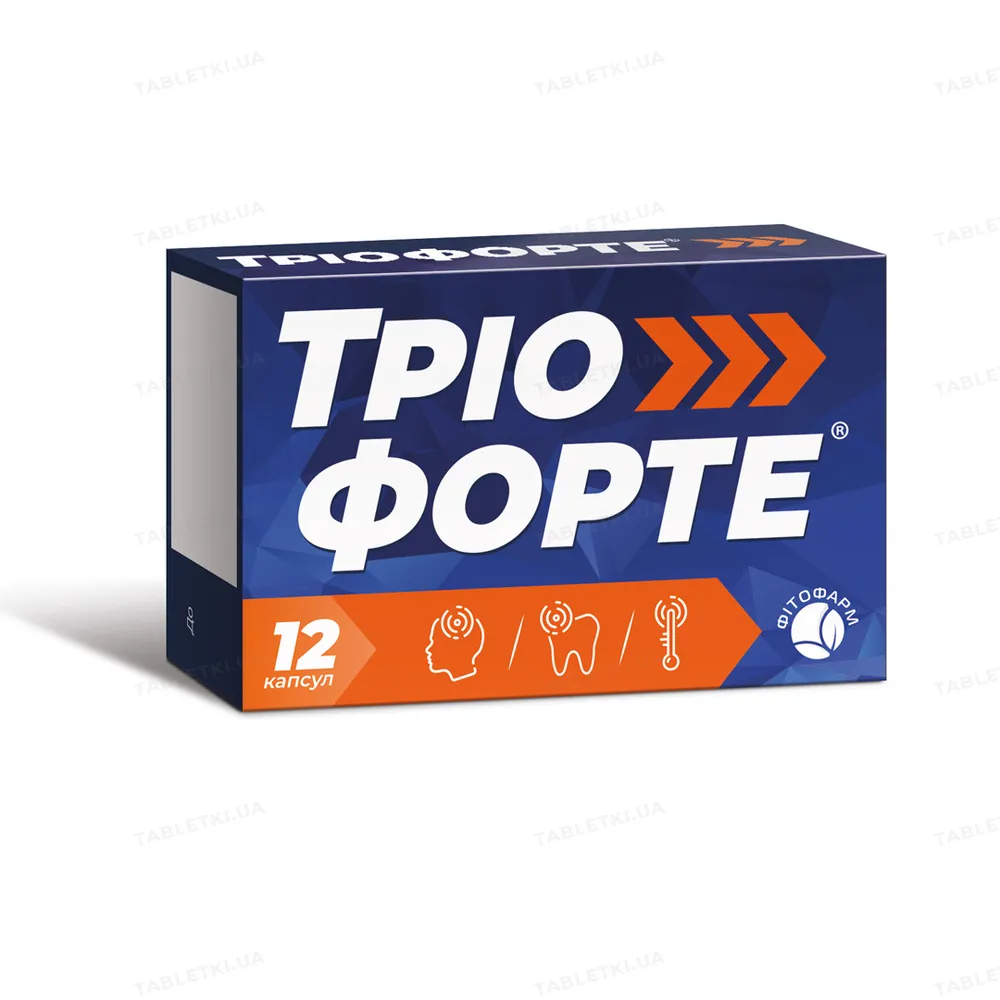
Table of Contents
- INSTRUCTIONS for medical use of the medicinal product TrioForté®
- Composition:
- Pharmacological properties.
- Clinical characteristics.
- Special precautions for use.
- Method of Administration and Dosage.
- Adverse Reactions
- Composition:
- Pharmacological properties.
- Clinical characteristics.
- Special precautions for use.
- Method of Administration and Dosage.
- Adverse Reactions
INSTRUCTIONS for medical use of the medicinal product TrioForté®
Composition:
Active substances: acetylsalicylic acid, paracetamol, caffeine;
1 capsule contains: acetylsalicylic acid 0.32 g; paracetamol 0.24 g; caffeine, recalculated to dry substance, 0.04 g;
Excipients: potato starch; povidone; calcium stearate; citric acid monohydrate; cocoa powder.
Pharmaceutical form. Capsules.
Main physico-chemical properties: hard cylindrical gelatin capsules with light brown body and cap.
The contents of the capsules – light brown mass with the smell of cocoa.
Pharmacotherapeutic group.
Analgesics and antipyretics. Acetylsalicylic acid, combinations without psychotropic agents.
ATC code N02BA51.
Pharmacological properties.
Pharmacodynamics.
Due to the presence of acetylsalicylic acid and paracetamol in the tablet, the drug exerts anti-inflammatory, antipyretic, and analgesic effects.
The components contained in the drug enhance each other's effects.
The antipyretic effect of acetylsalicylic acid is mediated via the central nervous system by inhibiting the synthesis of PGE2 in the hypothalamus in response to the action of endogenous pyrogens. The analgesic effect has both peripheral and central origins: the peripheral effect results from inhibition of prostaglandin synthesis in inflamed tissues; the central effect is due to action on hypothalamic centers. Acetylsalicylic acid also reduces platelet aggregation.
Paracetamol exerts analgesic, antipyretic, and very weak anti-inflammatory effects, which are associated with its action on the thermoregulatory center in the hypothalamus and its weak ability to inhibit prostaglandin synthesis in peripheral tissues.
Caffeine stimulates the central nervous system. Caffeine enhances positive conditioned reflexes, stimulates motor activity, reduces the effects of sedatives and narcotic drugs, and potentiates the action of analgesics and antipyretic agents.
Pharmacokinetics. Not studied.
Clinical characteristics.
Indications.
Mild to moderate pain: headache or toothache, pain associated with primary dysmenorrhea; migraine, arthralgia, neuralgia, particularly inflammatory conditions (frontitis, sinusitis), rheumatic diseases, and conditions accompanied by fever of various etiologies (as an antipyretic agent).
Contraindications.
Hypersensitivity to the components of the drug and to other nonsteroidal anti-inflammatory drugs (NSAIDs).
Acute peptic ulcers of the stomach and duodenum, history of gastrointestinal bleeding, acute pancreatitis, Gilbert's syndrome.
Bronchial asthma, urticaria, or rhinitis induced by salicylates or NSAIDs in medical history.
Disorders of the blood coagulation system: hemorrhagic disorders (hemophilia, hemorrhagic diathesis), hypoprothrombinemia, severe anemia, increased tendency to bleeding.
Bone marrow suppression (leukopenia, anemia, including hemolytic), acute hepatic porphyria.
Severe hepatic and/or renal insufficiency.
Glucose-6-phosphate dehydrogenase deficiency.
Surgical procedures associated with significant bleeding.
Combination with methotrexate at doses of 15 mg per week or higher (see "Interaction with other medicinal products and other forms of interaction").
Combination with monoamine oxidase inhibitors (MAOIs) and use within 2 weeks after discontinuation of MAOIs (see "Interaction with other medicinal products and other forms of interaction").
Increased excitability, insomnia, thrombosis, thrombophlebitis, epilepsy, hyperthyroidism, arterial hypertension, atherosclerosis, organic cardiovascular diseases, decompensated heart failure, cardiac conduction disorders, paroxysmal tachycardia, ischemic heart disease, acute myocardial infarction, portal hypertension, tendency to vascular spasm, prostate hyperplasia, severe forms of diabetes mellitus, advanced age, glaucoma (due to the presence of caffeine in the tablet).
Interaction with other medicinal products and other forms of interaction.
Contraindicated combinations.
Concomitant use of methotrexate at doses of 15 mg per week or higher increases the hematological toxicity of methotrexate (due to reduced renal clearance of methotrexate by anti-inflammatory agents and displacement of methotrexate from plasma protein binding by salicylates).
Simultaneous use of caffeine with monoamine oxidase inhibitors (MAOIs) may cause a dangerous increase in blood pressure.
Combinations requiring caution.
Acetylsalicylic acid. Concurrent use of ibuprofen interferes with the irreversible inhibition of platelets by acetylsalicylic acid. Treatment with ibuprofen in patients at risk of cardiovascular diseases may reduce the cardioprotective effect of acetylsalicylic acid.
Concomitant use of acetylsalicylic acid and anticoagulants increases the risk of bleeding.
Concomitant use of high doses of salicylates with NSAIDs increases the risk of ulcer formation and gastrointestinal bleeding due to synergistic effects.
Simultaneous use with uricosuric agents such as benzbromarone or probenecid reduces the uric acid excretion effect (due to competition for renal tubular excretion of uric acid).
Concomitant use with digoxin increases its plasma concentration due to reduced renal excretion.
Concomitant use of high doses of acetylsalicylic acid with oral antidiabetic sulfonylurea derivatives or insulin enhances the hypoglycemic effect of the latter due to the hypoglycemic effect of acetylsalicylic acid and displacement of protein-bound sulfonylureas from plasma proteins.
Diuretics in combination with high doses of acetylsalicylic acid reduce glomerular filtration due to decreased synthesis of renal prostaglandins.
Systemic glucocorticosteroids (excluding hydrocortisone), used as replacement therapy in Addison's disease, reduce salicylate blood levels during corticosteroid treatment and increase the risk of overdose after discontinuation of therapy.
The risk of gastrointestinal bleeding increases when acetylsalicylic acid is used with corticosteroids.
Acetylsalicylic acid enhances the effect of phenytoin.
Angiotensin-converting enzyme (ACE) inhibitors in combination with high doses of acetylsalicylic acid cause reduced glomerular filtration due to inhibition of vasodilatory prostaglandins and reduced antihypertensive effect.
When used concomitantly with valproic acid, acetylsalicylic acid displaces it from plasma protein binding, increasing its toxicity.
Ethanol promotes damage to the gastrointestinal mucosa and prolongs bleeding time due to the synergistic effect of acetylsalicylic acid and alcohol.
Enhances the effects of heparin, oral anticoagulants (dicoumarol derivatives), reserpine, steroid hormones, and hypoglycemic agents. Concurrent administration with other nonsteroidal anti-inflammatory drugs (ibuprofen), methotrexate, and triiodothyronine increases the risk of adverse effects. Reduces the effectiveness of spironolactone, furosemide, antihypertensive agents, and uricosuric anti-gout drugs.
Selective serotonin reuptake inhibitors: increase the risk of upper gastrointestinal bleeding due to possible synergistic effects.
The drug enhances the effects of agents that reduce blood coagulation and platelet aggregation, the side effects of corticosteroids, sulfonylureas, and methotrexate.
Combinations with barbiturates, anticonvulsants, salicylates, rifampicin, and alcohol should be avoided.
Paracetamol. The absorption rate of paracetamol may increase when used concomitantly with domperidone and decrease when used with cholestyramine. Paracetamol increases the elimination time of chloramphenicol fivefold. Repeated use of paracetamol may enhance the effect of indirect anticoagulants (dicoumarol derivatives). Antacid medicinal products may reduce the extent of absorption and delay this process. Chronic alcohol consumption may increase the hepatotoxicity of paracetamol due to excessive formation of the toxic metabolite—phenacetin (induction of CYP 2E1)—and may also cause depletion of glutathione stores in liver cells. In addition, inducers of CYP 2E1 include carbamazepine, barbiturates, isoniazid, phenytoin, rifampin, ritonavir, etc., which cause the same effect as chronic alcohol consumption. Concomitant use with glucocorticoids (dexamethasone) increases the likelihood of ulcerogenic and hepatotoxic effects of the drug and enhances the risk of gastrointestinal bleeding. Sulfinpyrazone may induce increased formation of phenacetin. Paracetamol may reduce busulfan clearance. Long-term use of paracetamol together with NSAIDs or salicylates increases the risk of toxic nephropathy and cancers of the kidneys and urinary bladder. Paracetamol may interact with coumarin and indandione anticoagulants, enhancing their hypoprothrombinemic response; therefore, dose adjustment may be necessary based on appropriate laboratory monitoring. In high concentrations, paracetamol may inhibit insulin action. Metoclopramide accelerates the absorption of paracetamol.
Antidepressants and other microsomal oxidation stimulants—these drugs increase the production of hydroxylated active metabolites affecting liver function, potentially leading to severe intoxications even with minor overdoses. Paracetamol reduces the effectiveness of diuretics. Coumarin derivatives (warfarin) with long-term use of paracetamol increase the risk of bleeding.
Paracetamol should be used cautiously with flucloxacillin, as concomitant intake has been associated with metabolic acidosis with a high anion gap due to pyroglutamic acidosis, especially in patients with risk factors (see section "Special precautions").
Caffeine. Caffeine enhances the effect (improves bioavailability) of analgesic-antipyretic agents, potentiates the effects of xanthine derivatives, alpha- and beta-adrenergic agonists, and psychostimulants.
Cimetidine, hormonal contraceptives, and isoniazid enhance the effect of caffeine.
Caffeine reduces the effect of opioid analgesics, anxiolytics, hypnotics, and sedatives; it acts as an antagonist of anesthetic agents and other drugs that suppress the central nervous system, and as a competitive antagonist of adenosine and adenosine triphosphate preparations.
Concomitant use of caffeine with ergotamine improves ergotamine absorption in the gastrointestinal tract; with thyroid-stimulating agents, it increases the thyroid effect.
Caffeine reduces lithium blood concentration.
Caffeine is intensively metabolized by liver microsomal enzymes, which is a key factor in caffeine interactions with other medicinal products due to reduced or increased metabolism of these compounds. Certain antibiotics reduce caffeine clearance, thereby increasing the risk of toxic effects. These include primarily ciprofloxacin, enoxacin, norfloxacin, ofloxacin, and erythromycin. Concomitant use of caffeine with barbiturates may reduce their hypnotic and spasmolytic effects. Antiarrhythmic drugs, such as mexiletine, reduce caffeine clearance by approximately 50%, thereby increasing the risk of toxic effects. Concomitant use of caffeine with β-adrenergic blockers may lead to mutual suppression of therapeutic effects. When used concomitantly with lithium, caffeine increases urinary excretion of this compound and thus reduces its therapeutic effect.
The effectiveness of the drug may be reduced when used concomitantly with cholestyramine, cholinolytics, antidepressants, and alkaline substances.
Special precautions for use.
Prior to using the medicinal product, consult a physician.
Do not use the drug with other products containing paracetamol or acetylsalicylic acid.
Do not exceed the recommended dosage. The medicinal product is intended for short-term use only.
Use the drug with caution in patients with a history of gastrointestinal ulcers, including chronic or recurrent peptic ulcer disease or gastrointestinal bleeding; and during concomitant use of anticoagulants.
Patients with impaired kidney or liver function should consult a physician regarding the possibility of using the drug.
In patients with hepatic or renal functional impairment, the dose of "Trio forte®" should be reduced or the dosing interval increased. In cases of impaired kidney or liver function, the interval between doses should be at least 8 hours.
Since acetylsalicylic acid, like all non-selective non-steroidal anti-inflammatory drugs (NSAIDs), irritates the gastrointestinal mucosa, this medicinal product should be taken only after meals, with water, alkaline mineral water, sodium bicarbonate solution (preferably milk).
During prolonged use, check for occult blood in the stool to detect ulcerogenic effects, and perform blood tests (to monitor effects on platelet aggregation and possible anticoagulant activity).
In cases of hyperthermia, the drug should preferably be prescribed only if other analgesic-antipyretic agents are ineffective, due to the risk of Reye's syndrome. If vomiting occurs during treatment, Reye's syndrome should be suspected.
Note that patients with alcoholic liver disease have an increased risk of hepatotoxic effects of paracetamol. The drug may also affect laboratory test results for blood glucose and uric acid levels.
The use of drugs containing acetylsalicylic acid during surgical procedures (including dental surgery) increases the risk of bleeding or increased bleeding due to inhibition of platelet aggregation that persists for some time after administration of acetylsalicylic acid. The drug should be discontinued 5–7 days before surgery to reduce the risk of excessive bleeding.
The patient should inform the physician in advance about taking "Trio forte®".
In patients with allergic complications, including bronchial asthma, allergic rhinitis, urticaria, skin pruritus, mucosal edema, nasal polyposis, or in combination with chronic respiratory infections, and in patients hypersensitive to non-steroidal anti-inflammatory drugs (NSAIDs), bronchospasm or an asthma attack may occur. Therefore, NSAIDs are contraindicated in these patients.
Acetylsalicylic acid, a component of the drug, even in small doses, may reduce the excretion of uric acid from the body, potentially triggering an acute attack of gout in susceptible patients.
Since acetylsalicylic acid irritates the mucosa, the drug should not be used in children due to the risk of Reye's syndrome. In patients with bronchial asthma, allergic diseases, or hypersensitivity to NSAIDs, allergic reactions or exacerbation of the underlying disease may occur.
During treatment with this drug, excessive consumption of caffeinated beverages (e.g., coffee, tea) is not recommended, as this may cause sleep disturbances, tremor, nervous tension, irritability, and discomfort in the chest due to palpitations.
Alcoholic beverages should not be consumed during treatment (increases the risk of gastrointestinal bleeding).
Patients who take analgesics daily for mild forms of arthritis should consult a physician. Consult a physician before using the drug if the patient is taking warfarin or similar drugs with anticoagulant effects.
Do not use in cases of hypersensitivity to analgesic, anti-inflammatory, or antirheumatic agents. Exercise caution when using concomitantly with anticoagulants or in the presence of circulatory disorders (e.g., renal vascular pathology, congestive heart failure, hypovolemia, major surgery, sepsis, or severe bleeding), as acetylsalicylic acid may also increase the risk of impaired kidney function and acute renal failure. Ibuprofen may reduce the inhibitory effect of acetylsalicylic acid on platelet aggregation.
The medicinal product may affect laboratory test results for blood glucose and uric acid levels.
Cases of high anion gap metabolic acidosis (HAGMA) due to 5-oxoproline (pyroglutamic) acidosis have been reported in patients with severe conditions such as severe renal insufficiency and sepsis, or in patients with malnutrition or other sources of glutathione deficiency (e.g., chronic alcoholism) who were treated with therapeutic doses of paracetamol over a prolonged period or with a combination of paracetamol and flucloxacillin. If HAGMA due to pyroglutamic acidosis is suspected, immediate discontinuation of paracetamol is recommended, along with careful monitoring. Measurement of urinary 5-oxoproline levels may be useful in identifying pyroglutamic acidosis as the primary cause of HAGMA in patients with multiple risk factors.
Caution is advised when using paracetamol concomitantly with flucloxacillin due to an increased risk of high anion gap metabolic acidosis, especially in patients with severe renal insufficiency, sepsis, malnutrition, or other causes of glutathione deficiency (e.g., chronic alcoholism), and when maximum daily doses of paracetamol are used. Careful monitoring, including measurement of urinary 5-oxoproline levels, is recommended.
It is not recommended to use the medicinal product for more than 5 days as an analgesic or more than 3 days as an antipyretic without consulting a physician.
If symptoms persist, consult a physician.
If headache becomes persistent, consult a physician.
Contraindicated in patients with bronchial asthma or increased bleeding tendency. Particular caution is required during concomitant therapy with anticoagulants (coumarins and heparin), in patients with impaired liver function or kidney disease, and during concomitant anti-inflammatory therapy.
The medicinal product may alter doping control test results in athletes. It may complicate the diagnosis of "acute abdomen."
Use during pregnancy or breastfeeding.
The medicinal product should not be used during pregnancy. Breastfeeding should be discontinued during treatment with the drug.
Ability to affect reaction speed when driving or operating machinery.
When high doses of the drug are used, avoid driving vehicles or operating machinery due to possible adverse reactions affecting the central nervous system (dizziness, psychomotor agitation, disorientation, and impaired attention).
Method of Administration and Dosage.
Apply "Trio forte®" orally, preferably after meals. Administer to adults and children aged 16 years and older, 1 capsule 2–3 times daily. The drug should not be used for more than 5 days as an analgesic and for more than 3 days as an antipyretic. It may also be administered as a single dose for relief of acute pain – 2 capsules. The maximum daily dose is 6 capsules, divided into 3 doses.
The interval between doses should be at least 4 hours.
Do not exceed the recommended dose.
Do not take together with other medicinal products containing paracetamol.
Children.
Medicinal products containing acetylsalicylic acid should not be used in children with acute respiratory viral infection (ARVI), whether or not accompanied by elevated body temperature. In certain viral diseases, particularly influenza A, influenza B, and varicella, there is a risk of developing Reye's syndrome, which requires urgent medical intervention. The risk may be increased if acetylsalicylic acid is used concomitantly, although a causal relationship has not been established. If these conditions are accompanied by persistent vomiting, this may be a sign of Reye's syndrome.
Due to the above reasons, the use of the medicinal product is contraindicated in children under 16 years of age unless there are specific indications (e.g., Kawasaki disease).
Overdose.
Symptoms of overdose may occur when the medicinal product is used for a prolonged period or in doses many times higher than recommended.
Symptoms of overdose caused by acetylsalicylic acid.
Salicylate toxicity may result from prolonged use of therapeutic doses or from acute intoxication (doses > 100 mg/kg/day for more than 2 days), which can be potentially life-threatening (e.g., accidental ingestion by children or accidental poisoning).
Chronic salicylate poisoning may be asymptomatic, as it lacks specific symptoms. Moderate salicylate intoxication, or salicylism, usually develops only after repeated administration of high doses.
Symptoms: dizziness, tinnitus, hearing loss, increased sweating, nausea, vomiting, headache, and impaired consciousness – may be controlled by reducing the dose. Tinnitus may occur at plasma concentrations of 150–300 mcg/mL. More severe adverse effects occur at concentrations above 300 mcg/mL. The hallmark of acute intoxication is severe disturbance of acid-base balance, which may vary depending on the patient's age and severity of intoxication. The most common sign in children is metabolic acidosis. The severity of intoxication cannot be assessed solely by plasma concentration data. Absorption of acetylsalicylic acid may be delayed due to slowed gastric emptying, formation of gastric concretions, or use of enteric-coated formulations. Emergency management of acetylsalicylic acid poisoning depends on the severity, stage, and clinical symptoms, and follows standard procedures for managing intoxications. Initial measures should focus on accelerating drug elimination and restoring electrolyte and acid-base balance. Due to complex pathophysiological effects, salicylate poisoning may lead to various symptoms and laboratory abnormalities.
Overdose of mild to moderate severity: tachypnea, hyperventilation, respiratory alkalosis, increased sweating, nausea, vomiting. Laboratory findings: alkalosis, alkaline urine reaction.
Severe intoxication: respiratory alkalosis with compensatory metabolic acidosis, hyperpyrexia, tinnitus, hearing loss. Respiratory system: from hyperventilation and non-cardiogenic pulmonary edema to respiratory arrest and asphyxia; laboratory findings: alkalosis, alkaline urine reaction. Cardiovascular system: from cardiac arrhythmias and arterial hypotension to cardiac arrest. Fluid and electrolyte loss: dehydration, oliguria, renal failure. Laboratory findings: hypokalemia, hypernatremia, hyponatremia, impaired kidney function. Glucose metabolism disturbances and ketosis manifest as hyperglycemia, hypoglycemia (especially in children), and elevated ketone bodies. Gastrointestinal tract: gastrointestinal bleeding. Hematological changes: from impaired platelet function to coagulopathies. Laboratory findings: prolonged prothrombin time, hypoprothrombinemia. Neurological: toxic encephalopathy and depression of the central nervous system ranging from lethargy and impaired consciousness to coma and convulsions.
Symptoms of overdose within the first 24 hours caused by paracetamol.
Paracetamol overdose manifests as pallor, loss of appetite, anorexia, nausea, vomiting, abdominal pain, hepatonecrosis, elevated hepatic transaminase activity, and increased prothrombin index.
Signs of liver damage appear 12–48 hours after overdose. Disturbances in glucose metabolism and metabolic acidosis may occur. In severe poisoning, liver failure may progress and lead to toxic encephalopathy with impaired consciousness, hemorrhages, hypoglycemia, coma, and, in some cases, death. Acute renal failure with acute tubular necrosis may present with severe flank pain, hematuria, proteinuria, and may develop even without severe kidney damage. Cardiac arrhythmias and pancreatitis have also been reported.
With prolonged use of the drug in high doses, hematological disorders may include aplastic anemia, pancytopenia, agranulocytosis, neutropenia, leukopenia, and thrombocytopenia. High-dose intake may cause dizziness, psychomotor agitation, and disorientation due to central nervous system effects; nephrotoxicity (renal colic, interstitial nephritis, capillary necrosis) due to urinary system effects.
Liver damage is possible in adults who have ingested 10 g or more of paracetamol, and in children who have ingested more than 150 mg/kg body weight.
In patients with risk factors (prolonged use of carbamazepine, phenobarbital, phenytoin, primidone, rifampicin, St. John's wort, or other drugs inducing liver enzymes; alcohol abuse; glutathione system deficiency, e.g., digestive disorders, HIV infection, fasting, cystic fibrosis, cachexia), ingestion of 5 g or more of paracetamol may lead to liver damage.
In case of overdose, prompt medical assistance is required. The patient should be immediately hospitalized, even if early symptoms of overdose are absent.
In overdose, symptoms such as nausea, vomiting, increased sweating, psychomotor agitation or depression of the central nervous system, drowsiness, impaired consciousness, cardiac arrhythmias, tachycardia, extrasystoles, tremor, hyperreflexia, and seizures may occur, or the severity of overdose or risk of organ damage may not be apparent. Plasma paracetamol concentration should be measured 4 hours or later after ingestion (earlier measurements are unreliable).
Treatment: gastric lavage followed by activated charcoal (if excessive paracetamol dose was taken within 1 hour), symptomatic therapy. The specific antidote for paracetamol overdose is N-acetylcysteine. In the absence of vomiting, oral methionine or intravenous N-acetylcysteine may be used, which is effective within 24 hours, but maximum protective effect is achieved when administered within 8 hours after overdose. The efficacy of the antidote sharply decreases after this period. General supportive measures should also be taken. If necessary, α-adrenoblockers should be used.
Symptoms of overdose caused by caffeine.
Manifested by excitation, dizziness, rapid breathing, vomiting, tremors, convulsions, extrasystoles.
Treatment: gastric lavage, repeated administration of activated charcoal, forced alkaline diuresis, oxygen therapy, hemodialysis in severe cases, fluid and electrolyte infusion. Symptomatic therapy. Diazepam is used for convulsions. The specific antidote for paracetamol overdose is N-acetylcysteine.
Adverse Reactions
When using the medicinal product, adverse reactions characteristic of acetylsalicylic acid, paracetamol, or caffeine may occur in individual patients.
Gastrointestinal system: gastrointestinal disturbances: dyspepsia, heartburn, epigastric pain and abdominal pain, nausea, vomiting; in individual cases – inflammation and erosive-ulcerative lesions of the gastrointestinal tract, which may rarely lead to gastrointestinal hemorrhages and perforations, with corresponding laboratory findings and clinical manifestations; rarely – transient hepatic insufficiency with increased liver enzyme activity, usually without development of jaundice, hepatonecrosis (a dose-dependent effect); impaired liver function.
Hematopoietic system: leukopenia, agranulocytosis, hemolytic anemia, methemoglobinemia, sulfhemoglobinemia; with prolonged use in high doses – aplastic anemia, pancytopenia, neutropenia, thrombocytopenia; hemorrhages, which may lead to acute and chronic post-hemorrhagic anemia/iron-deficiency anemia (due to so-called occult microbleeding), with corresponding laboratory findings and clinical symptoms such as asthenia, pallor of the skin, hypoperfusion.
Allergic reactions: in patients with individual hypersensitivity to salicylates, skin allergic reactions may develop, including symptoms such as skin hyperemia, sensation of warmth, skin and mucous membrane rashes, including generalized and erythematous rashes; urticaria, edema, skin itching, angioneurotic edema. In patients with bronchial asthma, increased frequency of bronchospasm may occur; allergic reactions from mild to moderate severity, potentially affecting the skin, respiratory tract, gastrointestinal tract, and cardiovascular system, manifesting as rashes, urticaria, swelling, itching, non-cardiogenic pulmonary edema. Very rarely, severe reactions have been observed, including anaphylactic shock.
Skin reactions: erythema multiforme (including Stevens-Johnson syndrome), toxic epidermal necrolysis (Lyell's syndrome).
Central and peripheral nervous system: tremor, nervousness, restlessness, dizziness and tinnitus, visual disturbances, which may indicate overdose, insomnia, increased excitability, disorientation.
Urinary and reproductive system: when taking high doses – nephrotoxicity (renal colic, interstitial nephritis, papillary necrosis).
Cardiovascular system: transient tachycardia and increased blood pressure, arrhythmia, palpitations.
Endocrine system: hypoglycemia, up to hypoglycemic coma.
Blood coagulation system: due to the anti-aggregatory effect on platelets and hypocoagulation, acetylsalicylic acid increases the risk of bleeding. Bleeding events observed include intraoperative hemorrhages, hematomas, bleeding from the genitourinary organs, epistaxis, gingival bleeding, purpura; rarely or very rarely – serious bleeding such as gastrointestinal hemorrhages, cerebral hemorrhages (especially in patients with uncontrolled arterial hypertension and/or concomitant use of antihemostatic agents), which in isolated cases were life-threatening.
Metabolism and nutrition disorders:
Metabolic acidosis with high anion gap, frequency "unknown" (cannot be estimated from available data).
Description of individual adverse reactions:
Metabolic acidosis with high anion gap.
Cases of metabolic acidosis with high anion gap as a result of pyroglutamic acidosis have been observed in patients with risk factors who used paracetamol (see section "Special precautions"). Pyroglutamic acidosis may occur as a result of low glutathione levels in these patients.
Shelf life. 2 years.
Storage conditions. Store in original packaging at a temperature not exceeding 25°C.
Keep out of reach of children.
Packaging. 6 capsules per blister, 1 or 2 blisters per carton.
Prescription status. Over-the-counter.
Manufacturer. JSC "FITOFARM" (responsible for batch release, excluding batch control/testing).
Manufacturer's address and location.
17 Chumatska Street, Boryspil, Kyiv region, 08303, Ukraine.
Marketing Authorization Holder. JSC "FITOFARM".
Address of the Marketing Authorization Holder.
7 Verkhovnoi Rady Avenue, Building 7, 3rd floor, Room 18, Kyiv, 02100, Ukraine.
INSTRUCTION
for medical use of the medicinal product
Trio forte®
Composition:
Active substances: acetylsalicylic acid, paracetamol, caffeine;
1 capsule contains: acetylsalicylic acid 0.32 g; paracetamol 0.24 g; caffeine, calculated as dry substance, 0.04 g;
Excipients: potato starch; povidone; calcium stearate; citric acid monohydrate; cocoa powder.
Dosage form. Capsules.
Main physicochemical properties: hard cylindrical gelatin capsules with light brown body and cap.
The capsule contents – a light brown mass with cocoa odor.
Pharmacotherapeutic group.
Analgesics and antipyretics. Acetylsalicylic acid, combinations without psychotropic agents.
ATC code N02B A51.
Pharmacological properties.
Pharmacodynamics.
Due to the presence of acetylsalicylic acid and paracetamol in the tablet, the drug has anti-inflammatory, antipyretic, and analgesic effects.
The components contained in the drug enhance each other's effects.
The antipyretic effect of acetylsalicylic acid is mediated through the central nervous system by inhibition of PGE2 synthesis in the hypothalamus in response to the action of endogenous pyrogens. The analgesic effect has both peripheral and central origins: the peripheral effect results from inhibition of prostaglandin synthesis in inflamed tissues; the central effect is due to its action on hypothalamic centers. Acetylsalicylic acid also reduces platelet aggregation.
Paracetamol exerts analgesic, antipyretic, and very weak anti-inflammatory effects, which are related to its influence on the thermoregulatory center in the hypothalamus and its weak ability to inhibit prostaglandin synthesis in peripheral tissues.
Caffeine stimulates the central nervous system. Caffeine enhances positive conditioned reflexes, stimulates motor activity, reduces the effects of sedatives and narcotic drugs, and potentiates the action of analgesics and antipyretic agents.
Pharmacokinetics. Not studied.
Clinical characteristics.
Indications.
Mild to moderate pain: headache or toothache, pain associated with primary dysmenorrhea; migraine, arthralgia, neuralgia, especially inflammatory conditions (frontal sinusitis, maxillary sinusitis), rheumatic diseases, and conditions accompanied by fever of various etiologies (as an antipyretic agent).
Contraindications.
Hypersensitivity to the components of the drug and to other nonsteroidal anti-inflammatory drugs (NSAIDs).
Active peptic ulcers of the stomach or duodenum, history of gastrointestinal bleeding, acute pancreatitis, Gilbert's syndrome.
Bronchial asthma, urticaria, or rhinitis induced by salicylates or NSAIDs in medical history.
Coagulation disorders: hemorrhagic diseases (hemophilia, hemorrhagic diathesis), hypoprothrombinemia, severe anemia, increased tendency to bleeding.
Bone marrow suppression (leukopenia, anemia, including hemolytic anemia), acute hepatic porphyria.
Severe hepatic and/or renal insufficiency.
Glucose-6-phosphate dehydrogenase deficiency.
Surgical procedures associated with significant bleeding.
Combination with methotrexate at doses of 15 mg per week or higher (see "Interaction with other medicinal products and other forms of interaction").
Combination with monoamine oxidase inhibitors (MAOIs) and use within 2 weeks after discontinuation of MAOIs (see "Interaction with other medicinal products and other forms of interaction").
Hyperexcitability, insomnia, thrombosis, thrombophlebitis, epilepsy, hyperthyroidism, arterial hypertension, atherosclerosis, organic cardiovascular diseases, decompensated heart failure, cardiac conduction disorders, paroxysmal tachycardia, ischemic heart disease, acute myocardial infarction, portal hypertension, predisposition to vascular spasm, prostatic hyperplasia, severe forms of diabetes mellitus, advanced age, glaucoma (due to the presence of caffeine in the tablet).
Interaction with other medicinal products and other forms of interaction.
Contraindicated combinations.
The use of methotrexate at doses of 15 mg per week or higher increases the hematological toxicity of methotrexate (due to reduced renal clearance of methotrexate by anti-inflammatory agents and displacement of methotrexate from plasma protein binding by salicylates).
Concomitant use of caffeine with MAO inhibitors may cause a dangerous increase in blood pressure.
Combinations requiring caution.
Acetylsalicylic acid. Concomitant use of ibuprofen interferes with the irreversible inhibition of platelets by acetylsalicylic acid. Treatment with ibuprofen in patients at risk of cardiovascular diseases may reduce the cardioprotective effect of acetylsalicylic acid.
The simultaneous use of acetylsalicylic acid and anticoagulants increases the risk of bleeding.
Concomitant use of high doses of salicylates with NSAIDs increases the risk of ulcers and gastrointestinal bleeding due to a synergistic effect.
Concomitant use with uricosuric agents such as benzbromarone or probenecid reduces the excretion of uric acid (due to competition for renal tubular excretion of uric acid).
When used concomitantly with digoxin, its plasma concentration increases due to reduced renal excretion.
Concomitant use of high doses of acetylsalicylic acid with oral antidiabetic agents of the sulfonylurea group or insulin enhances the hypoglycemic effect of the latter due to the hypoglycemic effect of acetylsalicylic acid and displacement of protein-bound sulfonylureas from plasma proteins.
Diuretics in combination with high doses of acetylsalicylic acid reduce glomerular filtration due to decreased synthesis of renal prostaglandins.
Systemic glucocorticoids (excluding hydrocortisone) used for replacement therapy in Addison's disease reduce the blood levels of salicylates during corticosteroid treatment and increase the risk of overdose after discontinuation of therapy.
The use of acetylsalicylic acid with corticosteroids increases the risk of gastrointestinal bleeding.
Acetylsalicylic acid enhances the effect of phenytoin.
Angiotensin-converting enzyme (ACE) inhibitors in combination with high doses of acetylsalicylic acid cause reduced glomerular filtration due to inhibition of vasodilatory prostaglandins and reduced antihypertensive effect.
When used concomitantly with valproic acid, acetylsalicylic acid displaces it from plasma protein binding, increasing its toxicity.
Ethanol promotes damage to the gastrointestinal mucosa and prolongs bleeding time due to the synergistic effect of acetylsalicylic acid and alcohol.
Enhances the effects of heparin, oral anticoagulants (dicoumarol derivatives), reserpine, steroid hormones, and hypoglycemic agents. Concomitant administration with other nonsteroidal anti-inflammatory drugs (e.g., ibuprofen), methotrexate, and triiodothyronine increases the risk of adverse effects. Reduces the effectiveness of spironolactone, furosemide, antihypertensive agents, and uricosuric anti-gout drugs.
Selective serotonin reuptake inhibitors: increase the risk of upper gastrointestinal bleeding due to possible synergistic effects.
The drug enhances the effects of agents that reduce blood coagulation and platelet aggregation, the adverse effects of corticosteroids, sulfonylureas, and methotrexate.
Combinations with barbiturates, anticonvulsants, salicylates, rifampicin, and alcohol should be avoided.
Paracetamol. The absorption rate of paracetamol may increase when used concomitantly with domperidone and decrease when used with cholestyramine. Paracetamol increases the elimination time of chloramphenicol fivefold. Repeated use of paracetamol may enhance the effect of indirect anticoagulants (dicoumarol derivatives). Antacid medicinal products may reduce the extent of absorption of the compound and also slow down this absorption. Chronic alcohol consumption may increase the hepatotoxicity of paracetamol due to excessive formation of the toxic metabolite—phenacetin (induction of CYP 2E1)—and may also cause depletion of glutathione stores in liver cells. In addition, inducers of CYP 2E1 include carbamazepine, barbiturates, isoniazid, phenytoin, rifampin, ritonavir, etc., which cause the same effect as chronic alcohol consumption. Concomitant use with glucocorticoids (dexamethasone) increases the likelihood of ulcerogenic and hepatotoxic effects of the drug and enhances the risk of gastrointestinal bleeding. Sulfinpyrazone may induce increased formation of phenacetidin. Paracetamol may reduce the clearance of busulfan. Long-term use of paracetamol together with NSAIDs or salicylates increases the risk of toxic nephropathy and cancers of the kidneys and urinary bladder. Paracetamol may interact with coumarin and indandione anticoagulants, enhancing their hypoprothrombinemic response, thus requiring dose adjustments based on appropriate laboratory monitoring. In high concentrations, paracetamol may inhibit the action of insulin. Metoclopramide accelerates the absorption of paracetamol.
Antidepressants and other microsomal oxidation stimulants—these drugs increase the production of hydroxylated active metabolites affecting liver function, potentially leading to severe intoxications even with minor overdoses. Paracetamol reduces the effectiveness of diuretics. Coumarin derivatives (warfarin) increase the risk of bleeding with long-term use of paracetamol.
Paracetamol should be used with caution concomitantly with flucloxacillin, as simultaneous intake has been associated with metabolic acidosis with a high anion gap due to pyroglutamic acidosis, especially in patients with risk factors (see section "Special precautions").
Caffeine. Caffeine enhances the effect (improves bioavailability) of analgesic-antipyretic agents, potentiates the effects of xanthine derivatives, alpha- and beta-adrenergic agonists, and psychostimulants.
Cimetidine, hormonal contraceptives, and isoniazid enhance the effect of caffeine.
Caffeine reduces the effect of opioid analgesics, anxiolytics, hypnotics, and sedatives; it is an antagonist of anesthetic agents and other drugs that depress the central nervous system, and a competitive antagonist of adenosine and adenosine triphosphate preparations.
Concomitant use of caffeine with ergotamine improves the absorption of ergotamine in the gastrointestinal tract; with thyroid-stimulating agents, it enhances the thyroid effect.
Caffeine reduces blood lithium concentration.
Caffeine is intensively metabolized by liver microsomal enzymes, which is a key factor in caffeine interactions with other medicinal products due to reduced or increased metabolism of these compounds. Certain antibiotics reduce caffeine clearance, thereby increasing the risk of toxic effects of this compound. These include primarily ciprofloxacin, enoxacin, norfloxacin, ofloxacin, and erythromycin. Concomitant use of caffeine with barbiturates may weaken their hypnotic and spasmolytic effects. Antiarrhythmic drugs, such as mexiletine, reduce caffeine clearance by approximately 50%, thereby increasing the risk of toxic effects of this compound. Concomitant use of caffeine with β-adrenergic blockers may lead to mutual suppression of therapeutic effects. Concomitant use with lithium increases the excretion of this compound in urine and thus reduces its therapeutic effect.
The effectiveness of the drug may be reduced when used concomitantly with cholestyramine, cholinolytics, antidepressants, and alkaline substances.
Special precautions for use.
Before using the medicinal product, consult a physician.
Do not use the drug concomitantly with other products containing paracetamol or acetylsalicylic acid.
Do not exceed the recommended dosage. The medicinal product is intended for short-term use only.
Use the drug with caution in patients with a history of peptic ulcers, including chronic or recurrent peptic ulcer disease or gastrointestinal bleeding; and during concomitant use of anticoagulants.
Patients with impaired kidney or liver function should consult a physician regarding the possibility of using the drug.
In patients with hepatic or renal functional insufficiency, the dose of "Trio forte®" should be reduced or the dosing interval increased. In cases of impaired kidney or liver function, the interval between doses should be at least 8 hours.
Since acetylsalicylic acid, like all non-selective non-steroidal anti-inflammatory drugs (NSAIDs), may irritate the gastrointestinal mucosa, this medicinal product should be taken only after food, with water, alkaline mineral water, or sodium bicarbonate solution (preferably with milk).
During prolonged treatment, check for occult blood in the stool to detect potential ulcerogenic effects, and perform blood tests (to monitor effects on platelet aggregation and possible anticoagulant activity).
In cases of hyperthermia, the drug should preferably be prescribed only if other analgesic-antipyretic agents are ineffective, due to the risk of Reye's syndrome. If vomiting occurs during treatment, Reye's syndrome should be suspected.
It should be noted that in patients with alcohol-induced liver damage, the risk of hepatotoxic effects of paracetamol is increased. The drug may also affect laboratory test results for blood glucose and uric acid levels.
The use of drugs containing acetylsalicylic acid increases the risk of bleeding or exacerbation of bleeding during surgical procedures (including dental surgery), due to inhibition of platelet aggregation that persists for some time after acetylsalicylic acid administration. The drug should be discontinued 5–7 days before any surgical intervention to reduce the risk of excessive bleeding.
The patient should inform the physician in advance about the use of "Trio forte®".
Bronchospasm or an asthma attack may occur in patients with allergic complications, including bronchial asthma, allergic rhinitis, urticaria, skin pruritus, mucosal edema, nasal polyposis, or combinations thereof with chronic respiratory infections, and in patients with hypersensitivity to non-steroidal anti-inflammatory drugs. Therefore, NSAIDs are contraindicated in these patient groups.
Acetylsalicylic acid, a component of the medicinal product, even in small doses, may reduce the excretion of uric acid from the body, potentially triggering an acute gout attack in susceptible patients.
Due to the risk of Reye's syndrome, the drug should not be administered to children, as acetylsalicylic acid may irritate the mucous membranes. Allergic reactions or exacerbation of underlying conditions may occur in patients with bronchial asthma, allergic diseases, or hypersensitivity to NSAIDs.
During treatment with the drug, excessive consumption of caffeine-containing beverages (e.g., coffee, tea) is not recommended, as this may cause sleep disturbances, tremor, feelings of tension, irritability, and discomfort behind the sternum due to palpitations.
Alcoholic beverages should not be consumed during treatment (increases the risk of gastrointestinal bleeding).
Patients who take analgesics daily for mild forms of arthritis should consult a physician. Consult a physician before using the drug if the patient is taking warfarin or similar medications with anticoagulant effects.
Do not use in patients with hypersensitivity to analgesic, anti-inflammatory, or antirheumatic agents. Caution is required when using anticoagulants concomitantly and in the presence of circulatory disorders (e.g., renal vascular pathology, congestive heart failure, hypovolemia, extensive surgery, sepsis, or severe bleeding), as acetylsalicylic acid may also increase the risk of impaired kidney function and acute renal failure. Ibuprofen may reduce the inhibitory effect of acetylsalicylic acid on platelet aggregation.
The medicinal product may affect laboratory test results for blood glucose and uric acid levels.
Cases of high anion gap metabolic acidosis (HAGMA) due to 5-oxoproline (pyroglutamic acid) accumulation have been reported in patients with severe conditions such as severe renal insufficiency and sepsis, or in patients with malnutrition or other sources of glutathione deficiency (e.g., chronic alcoholism) who received paracetamol at therapeutic doses for prolonged periods or in combination with flucloxacillin. If HAGMA due to pyroglutamic acidosis is suspected, immediate discontinuation of paracetamol is recommended, along with careful monitoring. Measurement of 5-oxoproline levels in urine may be helpful in identifying pyroglutamic acidosis as the underlying cause of HAGMA in patients with multiple risk factors.
It is not recommended to use the medicinal product for more than 5 days as an analgesic or more than 3 days as an antipyretic without consulting a physician.
If symptoms persist, consult a physician.
If headache becomes persistent, consult a physician.
Contraindicated in patients with bronchial asthma or increased bleeding tendency. Particular caution is required during concomitant therapy with anticoagulants (coumarins and heparin), in cases of liver dysfunction or kidney disease, and during concomitant anti-inflammatory therapy.
The medicinal product may alter the results of doping control tests in athletes. It may complicate the diagnosis of acute abdomen.
Use during pregnancy or breastfeeding.
The medicinal product should not be used during pregnancy. Breastfeeding must be discontinued during treatment with the drug.
Ability to affect reaction speed when driving or operating machinery.
When high doses of the drug are used, avoid driving or operating machinery due to possible adverse effects on the central nervous system (dizziness, psychomotor excitation, and disturbances in orientation and attention).
Method of Administration and Dosage.
Take "Trio forte®" orally, preferably after meals. For adults and children aged 16 years and older, the recommended dose is 1 capsule 2–3 times daily. The drug should not be used for more than 5 days as an analgesic or for more than 3 days as an antipyretic. For relief of acute pain syndrome, a single dose of 2 capsules may also be administered. The maximum daily dose is 6 capsules, divided into 3 doses.
The interval between doses should be at least 4 hours.
Do not exceed the recommended dose.
Do not take together with other medicinal products containing paracetamol.
Children.
Medicinal products containing acetylsalicylic acid should not be used in children with acute respiratory viral infection (ARVI), whether or not accompanied by elevated body temperature. In certain viral diseases, particularly influenza A, influenza B, and varicella, there is a risk of developing Reye's syndrome, which requires urgent medical intervention. The risk may be increased if acetylsalicylic acid is used concomitantly; however, a causal relationship has not been established. If these conditions are accompanied by persistent vomiting, this may be a sign of Reye's syndrome.
Considering the above, the use of this medicinal product is contraindicated in children under 16 years of age unless there are specific indications (e.g., Kawasaki disease).
Overdose.
Symptoms of overdose may occur with prolonged use or when doses many times higher than recommended are taken.
Symptoms of overdose due to acetylsalicylic acid.
Salicylate toxicity may result from prolonged use of therapeutic doses or acute intoxication (doses > 100 mg/kg/day for more than 2 days), which can be potentially life-threatening (e.g., accidental ingestion by children or accidental poisoning).
Chronic salicylate poisoning may be asymptomatic and lacks specific symptoms. Moderate intoxication, or salicylism, usually develops only after repeated administration of high doses.
Symptoms: dizziness, tinnitus, hearing loss, increased sweating, nausea, vomiting, headache, and impaired consciousness—these may be managed by reducing the dose. Tinnitus may occur at plasma concentrations between 150 and 300 mcg/mL. More severe adverse effects occur at concentrations exceeding 300 mcg/mL. The hallmark of acute intoxication is severe disturbance of acid-base balance, which may vary depending on patient age and severity of intoxication. The most common sign in children is metabolic acidosis. The severity of intoxication cannot be assessed based solely on plasma concentration. Absorption of acetylsalicylic acid may be delayed due to delayed gastric emptying, formation of gastric concretions, or use of enteric-coated formulations. Emergency management of acetylsalicylic acid poisoning depends on the severity, stage, and clinical symptoms, and follows standard procedures for managing intoxications. Initial measures should focus on accelerating elimination of the drug and restoring electrolyte and acid-base balance. Due to complex pathophysiological effects of salicylate intoxication, various symptoms and laboratory changes may occur.
Overdose of mild to moderate severity: tachypnea, hyperventilation, respiratory alkalosis, increased sweating, nausea, vomiting. Laboratory findings: alkalosis, alkaline urine reaction.
Severe intoxication: respiratory alkalosis with compensatory metabolic acidosis, hyperpyrexia, tinnitus, hearing loss. Respiratory system: from hyperventilation and non-cardiogenic pulmonary edema to respiratory arrest and asphyxia; laboratory findings: alkalosis, alkaline urine reaction. Cardiovascular system: from cardiac arrhythmias and arterial hypotension to cardiac arrest. Fluid and electrolyte loss: dehydration, oliguria, renal failure. Laboratory findings: hypokalemia, hypernatremia, hyponatremia, impaired kidney function. Glucose metabolism disturbances and ketosis manifest as hyperglycemia, hypoglycemia (especially in children), and elevated ketone bodies. Gastrointestinal tract: gastrointestinal bleeding. Hematological changes: from impaired platelet function to coagulopathies. Laboratory findings: prolonged prothrombin time, hypoprothrombinemia. Neurological: toxic encephalopathy and depression of the central nervous system, ranging from lethargy and impaired consciousness to coma and seizures.
Symptoms of overdose within the first 24 hours due to paracetamol.
Paracetamol overdose manifests as pallor, loss of appetite, anorexia, nausea, vomiting, abdominal pain, hepatonecrosis, elevated liver transaminase activity, and increased prothrombin index.
Signs of liver damage appear 12–48 hours after overdose. Disturbances in glucose metabolism and metabolic acidosis may occur. In severe cases, liver failure may progress, leading to toxic encephalopathy with impaired consciousness, hemorrhages, hypoglycemia, coma, and, in some cases, death. Acute renal failure with acute tubular necrosis may present with severe flank pain, hematuria, proteinuria, and may develop even without severe kidney damage. Cardiac arrhythmias and pancreatitis have also been reported.
With prolonged use of the drug in high doses, blood-forming organs may develop aplastic anemia, pancytopenia, agranulocytosis, neutropenia, leukopenia, or thrombocytopenia. With large doses, central nervous system effects may include dizziness, psychomotor agitation, and disorientation; urinary system effects may include nephrotoxicity (renal colic, interstitial nephritis, capillary necrosis).
Liver damage is possible in adults who have ingested 10 g or more of paracetamol, and in children who have ingested more than 150 mg/kg body weight.
In patients with risk factors (long-term use of carbamazepine, phenobarbital, phenytoin, primidone, rifampicin, St. John's wort, or other drugs inducing liver enzymes; chronic alcohol abuse; glutathione system deficiency, e.g., digestive disorders, HIV infection, fasting, cystic fibrosis, cachexia), ingestion of 5 g or more of paracetamol may lead to liver damage.
In case of overdose, prompt medical assistance is required. The patient should be immediately hospitalized, even if early symptoms of overdose are absent.
In overdose, symptoms such as nausea, vomiting, excessive sweating, psychomotor agitation or depression of the central nervous system, drowsiness, impaired consciousness, cardiac arrhythmias, tachycardia, extrasystoles, tremor, hyperreflexia, and seizures may occur, or the severity of overdose or risk of organ damage may not be apparent. Plasma paracetamol concentration should be measured 4 hours or later after ingestion (earlier measurements are unreliable).
Treatment: gastric lavage followed by activated charcoal (if excessive paracetamol dose was taken within 1 hour), symptomatic therapy. The specific antidote for paracetamol overdose is N-acetylcysteine. If vomiting is absent, oral methionine or intravenous N-acetylcysteine may be used, which is effective within 24 hours, but maximum protective effect is achieved when administered within 8 hours after overdose. The efficacy of the antidote decreases sharply after this time. General supportive measures should also be taken. If necessary, α-adrenoblockers should be used.
Symptoms of overdose due to caffeine.
Symptoms include excitation, dizziness, rapid breathing, vomiting, tremor, seizures, and extrasystoles.
Treatment: gastric lavage, repeated administration of activated charcoal, forced alkaline diuresis, oxygen therapy, hemodialysis in severe cases, fluid and electrolyte infusion. Symptomatic therapy. Diazepam is used for seizures. The specific antidote for paracetamol overdose is N-acetylcysteine.
Adverse Reactions
When using the medicinal product, adverse reactions characteristic of acetylsalicylic acid, paracetamol, or caffeine may occur in individual patients.
Gastrointestinal system: gastrointestinal disturbances: dyspepsia, heartburn, epigastric and abdominal pain, nausea, vomiting; in individual cases – inflammation and erosive-ulcerative lesions of the gastrointestinal tract, which in rare instances may lead to gastrointestinal hemorrhages and perforations, with corresponding laboratory findings and clinical manifestations; rarely – transient hepatic insufficiency with elevated liver enzyme activity, usually without development of jaundice, hepatonecrosis (dose-dependent effect); liver function disorders.
Hematopoietic system: leukopenia, agranulocytosis, hemolytic anemia, methemoglobinemia, sulfhemoglobinemia; with prolonged use in high doses – aplastic anemia, pancytopenia, neutropenia, thrombocytopenia; hemorrhages which may lead to acute and chronic post-hemorrhagic anemia/iron-deficiency anemia (due to so-called occult microbleeding), with corresponding laboratory findings and clinical symptoms such as asthenia, pallor of the skin, hypoperfusion.
Allergic reactions: in patients with individual hypersensitivity to salicylates, allergic skin reactions may develop, including symptoms such as skin hyperemia, sensation of warmth, skin and mucous membrane rashes, including generalized and erythematous rashes; urticaria, edema, pruritus, angioedema. In patients with bronchial asthma, increased frequency of bronchospasm may occur; allergic reactions ranging from mild to moderate severity, potentially affecting the skin, respiratory tract, gastrointestinal tract, and cardiovascular system, manifesting as rashes, urticaria, swelling, itching, non-cardiogenic pulmonary edema. Very rarely, severe reactions have been observed, including anaphylactic shock.
Dermatological reactions: erythema multiforme (including Stevens-Johnson syndrome), toxic epidermal necrolysis (Lyell's syndrome).
Central and peripheral nervous system: tremor, nervousness, restlessness, dizziness and tinnitus, visual disturbances which may indicate overdose, insomnia, increased excitability, disorientation.
Urinary and reproductive system: when taking high doses – nephrotoxicity (renal colic, interstitial nephritis, papillary necrosis).
Cardiovascular system: transient tachycardia and increased blood pressure, arrhythmia, palpitations.
Endocrine system: hypoglycemia, up to hypoglycemic coma.
Coagulation system: due to the antiplatelet and anticoagulant effects of acetylsalicylic acid, the risk of bleeding is increased. Bleeding events observed include intraoperative hemorrhages, hematomas, bleeding from organs of the urinary and reproductive system, epistaxis, gingival bleeding, purpura; rarely or very rarely – serious bleeding such as gastrointestinal hemorrhages, intracranial hemorrhages (particularly in patients with uncontrolled arterial hypertension and/or concomitant use of antihemostatic agents), which in isolated cases may be life-threatening.
Metabolism and nutrition disorders:
Metabolic acidosis with high anion gap, frequency "unknown" (cannot be estimated based on available data).
Description of individual adverse reactions:
Metabolic acidosis with high anion gap.
Cases of metabolic acidosis with high anion gap as a result of pyroglutamic acidosis have been observed in patients with risk factors who used paracetamol (see section "Special precautions"). Pyroglutamic acidosis may occur as a consequence of low glutathione levels in these patients.
Shelf life. 2 years.
Storage conditions. Store in the original packaging at a temperature not exceeding 25°C.
Keep out of reach of children.
Packaging. 6 capsules per blister, 1 or 2 blisters per carton.
Availability. Over-the-counter.
Manufacturer. JSC "FITOFARM".
Manufacturer's address and location of business activity.
2 Sibirtseva Street, Bakhmut, Donetsk region, 84500, Ukraine.
Marketing authorization holder. JSC "FITOFARM".
Address of the marketing authorization holder.
7 Verkhovnoyi Rady Avenue, Kyiv, 02100, Ukraine, floor 3, room 18.