Thiopental
Ukraine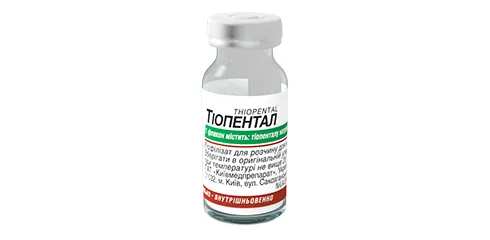
Table of Contents
INSTRUCTIONS FOR MEDICAL USE OF THE MEDICINAL PRODUCT THIOPENTAL
Composition:
Active substance: 1 vial contains sodium thiopental (sodium thiopental and sodium carbonate) 0.5 g or 1.0 g.
Pharmaceutical form. Lyophilisate for solution for injection.
Main physico-chemical properties: dry, porous mass of light yellow or yellowish-green color with a characteristic odor. Hygroscopic.
Pharmacotherapeutic group. General anesthetics. Barbiturates, single preparations. ATC code N01AF03.
Pharmacological Properties
Pharmacodynamics
Sodium thiopental belongs to non-inhalation anesthetics. Under the influence of the drug, the duration of opening of GABA (gamma-aminobutyric acid)-dependent channels in postsynaptic neuronal membranes of the brain is prolonged, increasing the time of chloride ion influx into the nerve cell, resulting in membrane hyperpolarization. It suppresses the excitatory action of amino acids (aspartate and glutamate). At high doses, it exerts a GABA-mimetic effect by directly activating GABA receptors. It exhibits anticonvulsant activity by increasing the neuronal excitation threshold and blocking the transmission and spread of seizure impulses in the brain. It promotes muscle relaxation by suppressing polysynaptic reflexes and slowing conduction through spinal interneurons. It reduces metabolic processes in the brain, as well as cerebral glucose and oxygen utilization. It has a hypnotic effect, manifested by accelerated sleep onset and altered sleep architecture. It depresses the respiratory center and reduces its sensitivity to carbon dioxide. It exerts a negative inotropic effect: decreasing stroke volume, cardiac output, and arterial pressure. It increases venous system capacitance, reduces hepatic blood flow, and decreases glomerular filtration rate.
Pharmacokinetics
After intravenous administration, the drug rapidly penetrates into the brain, skeletal muscles, kidneys, liver, and adipose tissue. The drug concentration in adipose depots is 6 to 12 times higher than in plasma. It binds to plasma proteins by 80–86%. It crosses the placental barrier and is excreted into breast milk. It is primarily metabolized in the liver, forming inactive metabolites; a minor portion is inactivated in the kidneys and brain. The elimination half-life is 10–12 hours. It is excreted predominantly by the kidneys. With proper dosing, induction of anesthesia occurs easily and rapidly—within 40 seconds. The surgical stage of anesthesia is characterized by diminished or absent tendon and corneal reflexes, slight constriction (or normal size) of pupils, immobility or "floating" eye movements, relaxation of pharyngeal musculature with tongue depression, reduced depth of respiration, and decreased arterial pressure. The duration of anesthesia after intravenous administration averages 20 minutes. Upon emergence from anesthesia, the analgesic effect of sodium thiopental ceases with patient awakening. The drug exhibits cumulative effects with repeated administration.
Clinical characteristics.
Indications.
Induction of anesthesia.
As an adjunct to baseline anesthesia (with subsequent use of analgesics and muscle relaxants).
As an adjunct for controlling convulsive states of various etiologies, including those caused by local anesthetics.
For reduction of intracranial pressure in patients with elevated intracranial pressure during mechanical ventilation.
Contraindications.
Hypersensitivity to thiopental and/or other barbiturates, acute intermittent porphyria (in patient’s history or that of close relatives), acute asthma attack, severe circulatory impairment, Addison’s disease, collapse, terminal stage of shock, myotonic dystrophy, febrile conditions.
Caution should be exercised in patients with severe cardiovascular disorders, severe bronchopulmonary diseases, and hypertension of various etiologies.
Barbiturates are contraindicated in dyspnea or airway obstruction, e.g., in acute severe asthma, or when airway patency cannot be assured.
Interaction with other medicinal products and other forms of interactions.
Thiopental enhances the effects of antihypertensive and hypothermic agents. The drug potentiates the central nervous system depressant effects of sedatives and hypnotics, ketamine, neuroleptics, magnesium sulfate, and ethanol. Drug activity is enhanced by H1-adrenoblockers and probenecid; reduced – by analeptics and certain antidepressants, aminophylline. Therefore, thiopental should be used cautiously with the above-mentioned agents.
When thiopental sodium is used concomitantly with sulfafurazole, a reduced initial dose and, if necessary, repeated doses to maintain anesthesia are recommended.
When general anesthetics are used concomitantly with such agents as
β-blockers and calcium channel blockers, ACE inhibitors, α-adrenoblockers, angiotensin II antagonists, phenothiazines, diazoxide, diuretics, methyldopa, moxonidine, nitrates, peripheral vasodilators (hydralazine, minoxidil, nitroprusside), potentiation of their hypotensive effect is possible.
Analgesics.
Data indicate increased activity of sodium thiopental with prior administration of aspirin. Due to the possibility of respiratory depression, sodium thiopental should be used cautiously in combination with narcotic analgesics. Sodium thiopental may reduce the analgesic effect of meperidine.
Opioids potentiate respiratory depression. The effect is enhanced by alcohol, hypnotics, centrally acting muscle relaxants, anxiolytics, antipsychotics, and antihistamines.
Thiopental interacts with opioid analgesics (reduces pain sensitivity) and with sufentanil (reduces the need for barbiturates during anesthesia induction). However, increased doses may be required for patients who abuse alcohol or narcotics.
Antibacterial agents.
Data indicate that general anesthetics may potentiate the hepatotoxicity of isoniazid. Sulfonamides enhance the effects of sodium thiopental. Increased sensitivity and adverse reactions may also occur with concomitant use of sodium thiopental and intravenous vancomycin.
Herbal preparations.
Animal studies indicate that valerian and St. John’s wort may prolong the action of sodium thiopental.
Antidepressants.
Concomitant use with tricyclic antidepressants increases the risk of arrhythmia and hypotension. Concomitant use of sodium thiopental with monoamine oxidase inhibitors (MAOIs) carries a risk of hypotension and hypertension.
Neuroleptics.
In patients receiving phenothiazine antipsychotics, the risk of hypotension may increase. Some phenothiazines, particularly promethazine, may also increase the frequency of involuntary muscle contractions induced by barbiturate anesthetics; cyclizine may have a similar effect. Sodium thiopental may enhance their sedative properties.
Benzodiazepines.
Midazolam potentiates the anesthetic effect of sodium thiopental.
When sodium thiopental is used concomitantly with metoclopramide and droperidol, the dose of sodium thiopental should be reduced.
When other CNS depressants are used concomitantly for premedication, synergistic effects are possible; therefore, lower doses of general anesthetics may be required in some cases.
There are reports of bradycardia occurring during anesthesia induction with sodium thiopental in combination with fentanyl.
Pharmacokinetic interactions.
Concomitant use of barbiturates and quetiapine may lead to reduced serum concentration of quetiapine.
Barbiturates increase, via enzyme induction, the elimination of androgens, certain antiepileptic agents, felodipine, glucocorticoids, metronidazole, oral anticoagulants, and estrogens, thereby reducing plasma concentrations of these substances.
Barbiturates suppress the hypoglycemic effect of oral antidiabetic agents (sulfonylureas).
Barbiturates suppress the action of bronchodilators (aminophylline).
Special precautions for use.
Thiopental may cause dependence; therefore, equipment for endotracheal intubation, oxygen, and resuscitation equipment must be readily available.
It should be noted that achieving and maintaining anesthesia of the required depth and duration depends both on the amount of drug administered and on the patient's individual sensitivity. It should be considered that the drug causes cardiodepression: it reduces stroke volume, cardiac output, and arterial pressure. To prevent reactions associated with increased vagal tone, patients should be premedicated with atropine or metacin prior to anesthesia.
Sodium thiopental should be used with caution in patients with impaired myocardial contractile function.
The use of sodium thiopental as the sole agent for anesthesia during intubation anesthesia is not recommended due to the risk of laryngospasm and coughing. Sodium thiopental causes respiratory depression in patients with cardiovascular diseases, particularly with constrictive pericarditis. Administration of sodium thiopental may lead to acute circulatory failure. Caution should be exercised in patients with severe cardiovascular diseases, severe respiratory tract diseases, and hypertension of various etiologies.
Sodium thiopental should be used with particular caution in patients with: hypovolemia, severe hemorrhage, burns, cardiovascular diseases, myasthenia gravis, adrenal cortex insufficiency (even with controlled cortisol levels), cachexia, increased intracranial pressure, and elevated blood urea levels.
Dosage reduction is required in shock, dehydration, severe anemia, hyperkalemia, toxemia, thyrotoxicosis, myxedema, and diabetes.
Use with caution in patients with increased intracranial pressure or asthma. If administration to such patients is necessary, the drug dose should be reduced and administered slowly.
Use cautiously in patients with potential airway obstruction, for example, in cases of inflammation of the oral cavity, jaw, or throat.
An insufficient concentration of the prepared sodium thiopental solution—less than 2.0%—may cause hemolysis.
Use in hepatic and renal insufficiency.
Sodium thiopental is primarily metabolized in the liver; therefore, dosage reduction is necessary in patients with hepatic insufficiency.
Barbiturates should be used with caution in patients with severe renal insufficiency. Dosage reduction is also required when administering the drug to elderly patients and to patients who have received narcotic analgesics for premedication.
For patients who have been chronically taking drugs such as aspirin, oral anticoagulants, MAO inhibitors, and lithium preparations, dose adjustment or discontinuation of these drugs is required prior to scheduled surgery.
Patients with diabetes mellitus or hypertension require adjustment of their baseline therapy prior to anesthesia.
Increased dosage.
Increased dosage is required for patients with a history of alcohol or drug dependence or addiction. In such cases, additional use of analgesics is recommended.
Extravasation.
Extravascular injections should be avoided. Before intravenous administration of this medicinal product, it must be confirmed that the needle is within the lumen of the vein. Extravascular injection may cause tissue irritation ranging from mild pain to venospasm, extensive necrosis, severe pain, and sloughing. This is primarily due to the high alkaline pH (10–11) of the clinical concentrations of the drug. In case of extravasation, local irritant effects can be reduced by local injection of 1% lidocaine, which relieves pain and promotes vasodilation. Local application of heat may also enhance local circulation and facilitate removal of the infiltrate.
Accidental intra-arterial administration.
Intra-arterial administration may occur inadvertently, especially if an aberrant superficial artery is present on the medial side of the elbow fossa. The site selected for intravenous drug administration should be palpated to detect any underlying pulsating vessel. Accidental intra-arterial injection may cause arterial spasm and severe pain along the course of the artery, accompanied by pallor of the hand and fingers. Immediate corrective measures should be taken to prevent possible gangrene development. Treatment methods depend on the severity of symptoms.
In case of accidental intra-arterial administration of sodium thiopental, the needle should remain in place to allow administration of spasmolytic agents such as papaverine or prilocaine hydrochloride. In such cases, anticoagulant therapy is also recommended to reduce the risk of thrombosis. If necessary, brachial plexus and/or stellate ganglion sympathetic blockade may be performed to relieve pain and promote collateral circulation. Papaverine may be administered into the subclavian artery if needed. Local infiltration of the vasospastic area with an alpha-adrenoblocker such as phentolamine may also be considered. Additional symptomatic treatment may be required as needed.
Use in neurological patients with increased intracranial pressure.
There is a risk of developing refractory hypokalemia during sodium thiopental infusion. Severe rebound hyperkalemia may occur after discontinuation of sodium thiopental infusion. The potential for rebound hyperkalemia should be considered when stopping thiopental therapy.
Sodium thiopental contains sodium (up to 59 mg in 0.5 g vials and up to 118 mg in 1.0 g vials), which should be taken into account in patients on a low-sodium diet.
Use during pregnancy or breastfeeding.
Sodium thiopental readily crosses the placental barrier and is also excreted in breast milk. Therefore, breastfeeding should be temporarily interrupted (for at least 12 hours) or breast milk should be expressed and discarded prior to induction anesthesia. Sodium thiopental has been shown to be usable during pregnancy without adverse reactions, provided that the total dose does not exceed 250 mg. Sodium thiopental may be administered during pregnancy only if the expected benefit outweighs the potential risk.
Fertility
Animal studies have shown reproductive toxicity.
Ability to affect reaction speed when driving vehicles or operating machinery.
Thiopental has a significant effect on the ability to drive vehicles or operate machinery. Although recovery after administration of this drug is rapid, postoperative dizziness, disorientation, and sedative effects may persist for a prolonged period after thiopental use. Therefore, patients should refrain from driving vehicles or performing work requiring heightened attention and rapid psychomotor responses, especially within the first 24–36 hours after drug administration.
Administration and Dosage
Thiopental administration is only permitted under inpatient conditions.
For intravenous use only, administered slowly.
Intravenous injections.
Prepare the solution immediately before use with sterile water for injections. Solutions must be completely clear.
Do not administer cloudy solutions or solutions containing undissolved particles from the vial. Thiopental should be used as a 25 mg/mL solution. In certain cases, Thiopental may be used as a 50 mg/mL solution.
Use in anesthesia.
The dose is always determined by the patient's response; therefore, the data below are provided only as general guidance. In general, the required dose is proportional to the patient's body weight.
For induction of anesthesia, a dose of 100–150 mg of Thiopental is typically administered intravenously slowly over 10–15 seconds. If necessary, a repeat dose of 100–150 mg may be administered after 1 minute.
The dose must be carefully adjusted according to the patient's response to minimize the risk of respiratory depression or overdose. Factors such as age, sex, and body weight should also be taken into account. Sodium thiopental reaches effective concentrations in brain tissue within 30 seconds, and anesthesia usually begins within 1 minute after intravenous administration.
Adults.
The average dose for a 70 kg adult is 200–300 mg (8–12 mL of a 25 mg/mL solution). The maximum dose is 500 mg.
Children.
The average dose of the 25 mg/mL Thiopental solution is 2–7 mg/kg body weight, administered slowly intravenously over 10–15 seconds. If necessary, a repeat dose of 2–7 mg/kg body weight may be administered after 1 minute. The dose must be carefully adjusted based on the patient's response. The maximum dose of Thiopental should not exceed 7 mg/kg.
Elderly patients.
Reduced doses are recommended for adults.
Use in the management of convulsive states.
The average dose is 75–125 mg (3–5 mL of a 25 mg/mL solution). The drug should be administered as soon as possible after the onset of convulsions. Repeat administration may be required to control convulsive episodes caused by local anesthetic agents.
Other treatment regimens, such as intravenous or rectal administration of diazepam, may also be used for the management of convulsive states.
Use in neurological patients for reduction of intracranial pressure. Intermittent bolus injections of the drug at a dose of 1.5–3 mg/kg body weight are used to reduce elevated intracranial pressure during mechanical ventilation.
Children.
The drug may be used from the first days of life (see section "Administration and Dosage").
Overdose.
Overdose may occur with rapid or repeated administration. Rapid administration may cause dangerous hypotension and shock. Respiratory arrest may also occur following fast injection. Symptoms of overdose include respiratory depression up to apnea, laryngospasm, arterial hypotension, collapse, tachycardia, cardiac arrest, pulmonary edema, and post-anesthetic delirium.
Laryngospasm, coughing, and other respiratory disturbances caused by reflex reactions may be signs of either overdose or inadequate dosing.
Treatment. In case of overdose or suspected overdose, administration of the drug must be discontinued immediately. Ensure airway patency. If necessary, monitor and support oxygenation, ventilation, and circulation. Administer the specific antagonist—bemegride. In case of respiratory arrest, apply artificial ventilation of the lungs and 100% oxygen; in case of laryngospasm—muscle relaxants and 100% oxygen under pressure; in case of arterial hypotension—plasma expanders and vasopressor agents.
Adverse Reactions
During induction with thiopental, as with any barbiturate, coughing and sneezing may occur. For this reason, sodium thiopental alone is not recommended for oral endoscopy.
Immune system disorders: Anaphylactoid reactions (urticaria, bronchospasm, hypotension, and angioedema (Quincke's edema)), allergic reactions including skin rash, pruritus, skin hyperemia, chills, anaphylactic shock. There have been reports of hemolytic anemia and renal failure associated with development of antibodies to thiopental, as well as rare cases of radial nerve paralysis.
Gastrointestinal disorders: Hypersalivation, nausea, vomiting.
Metabolism and nutrition disorders: Anorexia, hypo- and/or hyperkalemia may occur.
Nervous system disorders: Muscle hypertonia, drowsiness, headache, confusion, amnesia, dizziness, delayed awakening.
Psychiatric disorders: Delirium may occur in elderly patients.
Respiratory system disorders: Respiratory depression or arrest, laryngospasm, bronchospasm, cough, snoring.
Cardiovascular system disorders: Arterial hypotension, tachycardia, arrhythmia, cardiac failure, reduced myocardial contractility, myocardial depression.
Other: Malaise, increased fatigue, tremor.
Among reactions possibly related to the solvent, method of dissolution, or administration of prepared solutions with sodium thiopental are fever, venous thrombosis or phlebitis at the injection site, and symptoms following extravasation.
Excessive doses cause hypothermia and severe impairment of brain function.
Postoperative vomiting is uncommon, but the drug may cause tremor, persistent drowsiness, confusion, and amnesia.
Local reactions: In case of extravasation of barbiturates (leakage of the drug into surrounding soft tissues during intravenous administration), there is a risk of necrosis and severe pain. Thrombophlebitis may occur when administering a 5% solution. Accidental intra-arterial injection of sodium thiopental causes severe arterial spasm and intense burning pain around the injection site (see section "Special precautions").
Reporting suspected adverse reactions.
Reporting of suspected adverse reactions after marketing authorization is highly important. It allows continuous monitoring of the benefit-risk balance of the medicinal product. Healthcare professionals and pharmacists, as well as patients or their legal representatives, should report all suspected adverse reactions and lack of efficacy via the Automated Pharmacovigilance Information System at the following link: https://aisf.dec.gov.ua.
Shelf life. 2 years.
Storage conditions.
Store in original packaging at a temperature not exceeding 25 °C.
Keep out of reach of children.
Incompatibilities.
Thiopental solution must not be mixed in the same syringe with antibiotics (amikacin, benzylpenicillin, cephalothin), tranquilizers, muscle relaxants (succinylcholine, tubocurarine), analgesics, ephedrine, ascorbic acid, dipyridamole, chlorpromazine, ketamine, meperidine, morphine, promethazine, or with acids and acid salts.
Solutions prepared with thiopental are highly alkaline and incompatible with volume replacement solutions and acidic anesthetic adjuvant solutions, as precipitation may occur, potentially leading to clogging of the injection needle. Chemical changes in the added solution cannot be excluded either.
Packaging.
0.5 g or 1.0 g in vials.
Prescription status. Prescription only.
Manufacturer.
JSC "Kyivmedpreparat".
Manufacturer's address and place of business.
139 Saksaganskogo Street, Kyiv, 01032, Ukraine.