Sibazon
Ukraine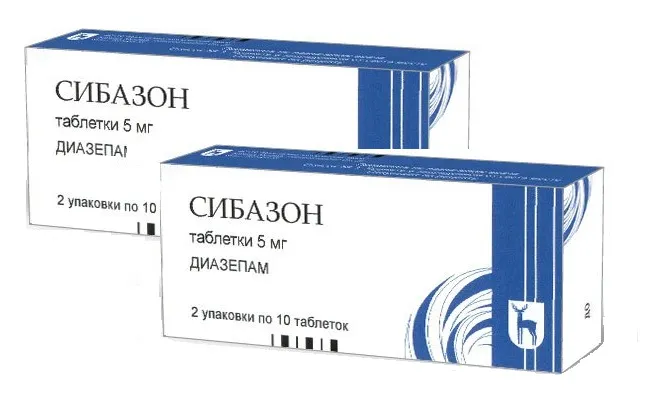
Table of Contents
INSTRUCTION FOR MEDICAL USE OF THE MEDICINAL PRODUCT SIBAZON (SIBAZONE)
Composition:
Active substance: diazepam;
1 tablet contains 5 mg of diazepam;
Excipients: maize starch; lactose monohydrate; magnesium stearate; talc; microcrystalline cellulose.
Pharmaceutical form. Tablets.
Main physicochemical characteristics: white or almost white, round cylindrical tablets with a flat surface and bevelled edges.
Pharmacotherapeutic group.
Anxiolytics. Benzodiazepine derivatives. ATC code N05B A01.
Pharmacological Properties.
Pharmacodynamics.
The action of diazepam is manifested by enhancing the GABA-ergic (GABA – gamma-aminobutyric acid) blockade at the synaptic level, primarily in the limbic system, subcortical structures, thalamus, and hypothalamus. GABA is the main neurotransmitter of the central nervous system. The allosteric site of the GABAA receptor is the binding site for central nervous system depressants, such as benzodiazepines, including diazepam. Benzodiazepine receptor agonists have anxiolytic, anticonvulsant, sedative, hypnotic, and muscle relaxant effects. They do not cause general neuronal blockade.
As a result of benzodiazepines binding to the GABAA receptor, the receptor's sensitivity to GABA increases. Consequently, the chloride ion channels of the receptor complex remain in the activated state for a longer period, allowing a greater number of chloride ions to enter the neuron, thereby enhancing the degree of hyperpolarization of the cell membrane and blocking signal transmission.
Pharmacokinetics.
Diazepam is well and rapidly absorbed from the gastrointestinal tract, reaching peak plasma concentrations within 30–90 minutes. It is highly bound to plasma proteins (approximately 99%), is highly lipophilic, and readily crosses the blood-brain barrier. The main metabolites are N-desmethyldiazepam (nordazepam) and oxazepam. Diazepam and nordazepam are slowly hydroxylated into other active metabolites, such as oxazepam. The longer half-life of nordazepam (approximately 60 hours) prolongs the duration of action of the drug. With prolonged use, there is a relative increase in the amount of nordazepam in the body. Diazepam metabolism in the liver also produces another metabolite, temazepam. The plasma concentration of diazepam decreases in two phases: after an initial rapid elimination phase with a half-life of about 1 hour, a terminal elimination phase lasting approximately 24–48 hours follows, the duration of which is prolonged by metabolites. Diazepam is excreted from the body primarily in urine, mainly as free and conjugated metabolites. In infants, as well as in elderly individuals and in patients with liver or kidney disease, the elimination period may be prolonged several-fold. Diazepam and its metabolites cross the placental barrier and are excreted into breast milk.
Clinical characteristics.
Indications.
Adults.
Anxiety disorders.
Insomnia (benzodiazepines are indicated only for severe disorders, especially in patients with critical pathological conditions).
Relief of muscle spasms associated with cerebral etiology.
As part of complex treatment of epilepsy.
Premedication for minor surgical procedures.
Contraindications.
- Hypersensitivity to benzodiazepines or to other benzodiazepine derivatives, or to any component of the medicinal product.
- Acute angle-closure glaucoma.
- Acute respiratory insufficiency.
- Respiratory depression.
- Sleep apnea syndrome.
- Severe hepatic and renal insufficiency.
- Phobia or obsessive disorders, chronic psychosis.
- Myasthenia gravis.
- Dependence on alcohol, narcotics (except in acute cases of alcohol withdrawal), or other central nervous system depressants.
- Poisoning with psychotropic substances or medicinal products.
- Must not be used as monotherapy for treatment of depression or anxiety associated with depression, as this may lead to suicide. Not prescribed for primary treatment of psychiatric disorders.
- First trimester of pregnancy.
- Breastfeeding period.
Interaction with other medicinal products and other types of interactions.
Pharmacokinetic interactions.
Oxidative metabolism of diazepam occurs with the participation of isoenzymes CYP3A and CYP2C19. Oxazepam and temazepam are further conjugated with glucuronic acid.
Substances that are modulators of CYP3A and/or CYP2C19 may alter the pharmacokinetics of diazepam. Medicinal products such as cimetidine, ketoconazole, itraconazole, fluconazole, fluvoxamine, fluoxetine, and omeprazole inhibit CYP3A and CYP2C19, which may lead to enhanced and prolonged sedative effect. There are data indicating that phenytoin metabolic elimination affects diazepam.
Cisapride may lead to a temporary increase in the sedative effect of benzodiazepines administered orally due to accelerated absorption.
Rifampicin, a hepatic enzyme inducer, accelerates diazepam metabolism (increases diazepam clearance) and reduces the pharmacological effect of the drug. A similar effect on diazepam metabolism may be caused by theophylline and tobacco smoking.
Isoniazid, erythromycin, disulfiram, cimetidine, fluvoxamine, fluoxetine, omeprazole, and oral contraceptives inhibit biotransformation processes of diazepam (reduce diazepam clearance), which may potentiate the pharmacological effect of the drug.
Concomitant use with antacids may delay absorption of diazepam.
Pharmacodynamic interactions.
Increased sedative effect, respiratory depression, and hemodynamic changes may occur when diazepam is used concomitantly with central nervous system depressants such as neuroleptics, tranquilizers/sedatives, antidepressants, monoamine oxidase inhibitors (MAOIs), hypnotics, antiepileptic agents, opioid analgesics, anesthetics, and sedative antihistamines, or ethanol. In addition, opioid analgesics may cause euphoria and thereby contribute to the development of psychological dependence.
Diazepam interacts with levodopa (tending to weaken its effect), with phenytoin, and with drugs that reduce skeletal muscle hypertonia (potentiating their effects).
Alcohol consumption must be avoided during benzodiazepine treatment.
Concomitant use of diazepam with opioids may enhance respiratory depressant effects. When used with other muscle relaxants, outcomes are unpredictable and there is a risk of respiratory arrest.
Diazepam is not recommended for use within 2 weeks after discontinuation of the non-selective MAO inhibitor linezolid, as adverse effects and toxicity may be enhanced.
The drug potentiates the effects of antihypertensive agents.
When diazepam is used concomitantly with alpha-blockers and moxonidine, the sedative effect is enhanced.
The sedative effect of diazepam may also be enhanced by the alpha-agonist lofexidine, the muscle relaxants baclofen or tizanidine, nabilone, and cisapride.
The action of diazepam may also be potentiated by antiviral drugs (amprenavir, ritonavir), increasing the risk of respiratory depression.
Special precautions for use.
Before initiating treatment with the medicinal product Sibazon, the physician should conduct a thorough assessment of existing disorders.
If the patient does not experience improvement within 7–14 days of treatment or if insomnia recurs, this should be reported to the physician.
General information regarding observed effects following treatment with benzodiazepines and other drugs with similar actions, which should be considered when using Sibazon, is provided below.
Concomitant use of alcohol / central nervous system (CNS) depressants.
During treatment with Sibazon, alcohol and/or other CNS depressants must not be consumed. This combination enhances the clinical effects of benzodiazepines, including severe sedation, clinically associated with respiratory and/or cardiovascular depression.
Sibazon should be prescribed with caution to patients with a history of alcohol or drug abuse.
Sibazon is not recommended for patients dependent on CNS depressants or alcohol, except during periods of acute withdrawal syndrome.
Tolerance.
Regular use of benzodiazepines or drugs with similar actions, including diazepam, over several weeks may lead to reduced efficacy of their effects.
The hypnotic effect may disappear after several weeks of repeated benzodiazepine use.
Drug dependence.
Use of benzodiazepines or drugs with similar actions may lead to the development of psychological and physical drug dependence. The risk of developing drug dependence increases with dose and duration of treatment and is higher in patients with alcohol dependence, a history of dependence on other medicinal products, or personality disorders. Such patients require regular monitoring; re-prescription should be avoided, and treatment should be discontinued gradually.
Withdrawal syndrome.
Abrupt discontinuation of benzodiazepines is accompanied by withdrawal syndrome. Characteristic manifestations of withdrawal syndrome include: headache, muscle pain, increased anxiety, agitation, emotional tension, confusion, and irritability. In severe cases, derealization (disturbance in perception of the surrounding world), depersonalization, tactile, acoustic, and light hyperesthesia, tingling and numbness of extremities, hallucinations, or epileptic seizures may occur.
Rebound insomnia and anxiety symptoms.
Sudden discontinuation of diazepam treatment may provoke a rebound phenomenon, characterized by a temporary worsening of symptoms followed by rapid reduction (mood changes, anxiety, or sleep disturbances, restlessness). To prevent the occurrence of rebound phenomenon/withdrawal syndrome, a gradual reduction in the dose of the drug is recommended.
Treatment duration.
Treatment duration should be as short as possible depending on the indication, but should not exceed 4 weeks for insomnia, or 8–12 weeks for anxiety states, including the period of gradual dose reduction. Treatment duration may be extended only after careful evaluation of the patient's condition.
Patients should be informed about the start and duration of treatment and explained the need for gradual dose reduction. Additionally, patients should be warned about the possible occurrence of withdrawal syndrome to reduce anxiety, especially when discontinuing therapy.
To ensure effective and safe use of the drug, patients must be warned not to increase the dose on their own and not to abruptly discontinue the medication without a physician's approval.
Anterograde amnesia.
Diazepam, like benzodiazepines and similar drugs, may cause anterograde amnesia. Anterograde amnesia may occur even at therapeutic doses, with risk increasing at higher doses. This condition most commonly manifests within several hours after oral administration of benzodiazepines; therefore, to reduce the risk, patients should be allowed uninterrupted sleep of 7–8 hours.
Psychiatric and paradoxical reactions.
Diazepam, like benzodiazepines and similar drugs, may cause paradoxical reactions such as restlessness, excitement, irritability, aggression, delirium, anger, nightmares, hallucinations, psychoses, somnambulism, personality disturbances, pronounced insomnia, inappropriate behavior, and other behavioral disorders. These reactions are observed more frequently in elderly patients. If such symptoms occur, the drug should be discontinued immediately.
Special patient groups.
Sibazon should be used with great caution in elderly patients (aged 65 years and older) due to the potential for increased adverse effects, primarily disturbances in orientation and motor coordination (falls, injuries). Dose reduction is required for elderly and debilitated patients.
Benzodiazepines and similar drugs are contraindicated in patients with severe hepatic insufficiency, as these drugs may accelerate the development of hepatic encephalopathy. Doses should be reduced in patients with chronic liver disease.
Diazepam should be used with caution in patients with chronic respiratory insufficiency, since benzodiazepines are known to suppress the respiratory center. Dose reduction may be necessary.
When treating patients with renal impairment of mild to moderate severity, standard precautions should be observed. The drug is contraindicated in severe renal insufficiency.
Benzodiazepines and similar drugs are contraindicated in patients with psychoses.
Use in depression.
Benzodiazepines should not be used as monotherapy for the treatment of depression or anxiety states. Suicidal tendencies may occur in these patients. Due to the risk of intentional overdose, benzodiazepines and similar drugs should be prescribed to such patients in the smallest possible doses.
Patients with symptoms of endogenous depression or depression-related anxiety should be prescribed multiple medications simultaneously. Use of Sibazon alone in patients with depression may lead to worsening of depressive symptoms, including suicidal thoughts.
Benzodiazepines and similar drugs must be used with great caution in patients with a history of alcohol, drug, or substance dependence. Such patients should be under strict supervision during diazepam treatment, as they belong to a high-risk group for developing tolerance and psychological dependence.
Diazepam must be used with caution in patients with porphyria. Administration of diazepam may provoke exacerbation of symptoms of this disease.
Diazepam should be used with caution in patients with muscle weakness, coma, or organic brain lesions (especially atherosclerosis).
The necessity of using diazepam in patients with respiratory disorders and reduced attention should be carefully evaluated due to the risk of respiratory depression.
Use with caution in patients with glaucoma, particularly closed-angle glaucoma.
Hypoalbuminemia may potentiate the effect of diazepam.
In cases of prolonged diazepam treatment, periodic blood tests (morphological analysis with blood smear) and liver function tests are indicated.
The product contains lactose and therefore should not be administered to patients with rare hereditary forms of galactose intolerance, lactase deficiency, or glucose-galactose malabsorption syndrome.
Alcohol consumption is prohibited during diazepam treatment and for 3 days thereafter.
Use during pregnancy or breastfeeding.
The medicinal product should not be used during pregnancy or breastfeeding.
Diazepam passes into breast milk; therefore, if treatment with this drug is necessary, breastfeeding should be discontinued. Women of reproductive age who are prescribed this drug should inform their physician if they become pregnant or suspect they may be pregnant.
Ability to affect reaction speed when driving or operating machinery.
Patients should be warned that during diazepam treatment they should refrain from activities requiring rapid reaction (e.g., operating technical devices, driving vehicles, etc.), as the drug may cause drowsiness, impaired memory, and reduced concentration ability. Alcohol potentiates these effects.
For 3 days after completion of treatment, patients must not drive vehicles, operate mechanical devices, or perform work requiring special attention and rapid reaction.
Dosage and Administration
Dosage and duration of treatment should be individually selected for each patient.
Treatment should be initiated at the lowest effective dose appropriate to the indication.
Tablets should be taken orally.
Duration of treatment.
The duration of treatment should be as short as possible depending on the indication. In the treatment of insomnia, the course should not exceed 4 weeks; in anxiety states – 8–12 weeks, including the period of gradual dose reduction.
At the beginning of treatment, the patient should be informed that therapy will be of limited duration and the scheme of gradual dose reduction should be explained. To reduce anxiety related to the rebound phenomenon, the patient should be aware of the possibility of its occurrence during treatment (see section "Special precautions for use").
It should be noted that when using benzodiazepines with short duration of action, withdrawal symptoms may appear between individual doses, especially when high doses are used. When using long-acting benzodiazepines, they should not be replaced by short-acting benzodiazepines due to the risk of withdrawal syndrome.
Anxiety states |anxiety|: usual adult dose – 5 mg. Maximum dose – up to 30 mg daily in divided doses. The dosing regimen is individually determined by the physician.|milligram-equivalents|
Insomnia associated with anxiety in adults: 5–15 mg|milligram-equivalents| half an hour before bedtime.
The lowest effective doses that relieve symptoms of the disease should be used.
Treatment at full dose should not be continued for longer than 4 weeks.
Prolonged use of the drug is not recommended.
Discontinuation of the drug should be carried out by gradual dose reduction. For patients who have used benzodiazepines for a prolonged period, a longer period may be required for dose tapering. Dose reduction should only be performed by a physician.
Spastic conditions|deficits| of muscles: muscle spasms – 5–15 mg|milligram-equivalents| daily, divided into 5 mg doses 1–3 times daily; cerebral origin spasms in individual cases – 5–60 mg daily in several divided doses.|severe|
Premedication: 5–20 mg.
Elderly patients.
Elderly patients are more sensitive to drugs acting on the central nervous system. Doses used should not exceed half of the dose recommended for adult patients.
Patients with|with| hepatic and/or renal impairment.
Caution should be exercised when treating patients with impaired liver and/or kidney function. Dose reduction may be necessary.
The dose should be individually adjusted for each patient depending on the degree|extent| of organ impairment.
Children.
The medicinal product Sibazon, 5 mg tablets, should not be used in children due to the inability to accurately dose (tablet splitting).
Overdose.
Symptoms: drowsiness, ataxia, dysarthria, and nystagmus. Overdose with this drug rarely causes life-threatening effects but may lead to areflexia, apnea, arterial hypotension, depression of cardiovascular and respiratory systems, and coma. Coma usually lasts several hours but may be prolonged and cyclic, especially in elderly patients. Respiratory depression caused by benzodiazepines in patients with respiratory disorders is more severe.
Benzodiazepines enhance the effects of other central nervous system depressants, including alcohol.
Treatment: monitoring of vital functions. Symptomatic therapy aimed at supporting cardiovascular, respiratory, and central nervous system functions.
Further absorption can be prevented by appropriate treatment measures, for example, administration of activated charcoal within 1–2 hours. If the patient is unconscious, artificial respiration should be performed. Gastric lavage is not a routine procedure for drug elimination. In cases of central nervous system depression, flumazenil – a benzodiazepine antagonist – should be administered. This should be done under hospital conditions. Flumazenil has a short elimination half-life (approximately 1 hour), therefore patients receiving flumazenil require careful monitoring after administration. Flumazenil should be used with caution when administered concomitantly with drugs that lower the seizure threshold (e.g., tricyclic antidepressants).
For further information on the proper use of flumazenil, the instruction for medical use of this drug should be carefully read.
In case of excitement, barbiturates should not be used.
Adverse Reactions
The most commonly observed adverse reactions are increased fatigue, drowsiness, and muscle weakness. In most cases, these symptoms spontaneously resolve after several days of treatment. They can also be avoided by reducing the dose of the drug.
Cardiovascular system: bradycardia, chest pain, arterial hypotension, circulatory failure, heart failure, including cardiac arrest.
Nervous system: headache and dizziness, disorientation, loss of consciousness, tremor, mood deterioration, anger, ataxia, dysarthria, speech disturbances. With increasing therapeutic dose, the risk of developing anterograde amnesia increases. Amnestic effects may be accompanied by abnormal behavior.
Psychiatric disorders: restlessness, excitement, irritability, aggression, delirium, hostility, nightmares, hallucinations, psychosis, insomnia, increased muscle tone, behavioral changes, and other adverse behavioral effects (mainly in children and elderly patients; if these occur, the drug must be discontinued immediately), confusion, emotional blunting, reduced attention, depression, mood deterioration, changes in libido. Anterograde amnesia.
Prolonged use of the drug (even at therapeutic doses) may lead to physical dependence: discontinuation of therapy may result in withdrawal syndrome or rebound phenomenon.
Cases of benzodiazepine abuse have been reported (see section "Special precautions for use").
Blood and lymphatic system disorders: morphological blood abnormalities (leukopenia, granulocytopenia), neutropenia (in isolated cases).
Immune system disorders: anaphylactic reactions, rash, pruritus, urticaria.
Eye disorders: blurred vision, diplopia.
Ear and labyrinth disorders: vertigo.
Gastrointestinal disorders: nausea, loss of appetite, vomiting, dry mouth or hypersalivation, constipation, colic, and other gastrointestinal disturbances.
Renal and urinary disorders: urinary retention, urinary incontinence.
Skin and subcutaneous tissue disorders: skin reactions.
Hepatobiliary disorders: jaundice, hepatic function abnormalities.
Respiratory, thoracic and mediastinal disorders: in patients with respiratory diseases (chronic bronchitis), respiratory impairment may worsen (dyspnea); respiratory depression, including respiratory failure.
Injury, poisoning and procedural complications: increased risk of falls and fractures associated with benzodiazepine use has been reported in elderly patients.
Other: joint pain, muscle spasms, seizures, changes in libido, increased sweating.
Laboratory findings: cardiac arrhythmia; increased blood levels of transaminases and alkaline phosphatase.
Shelf life.
5 years.
Storage conditions.
Store in the original packaging at a temperature not exceeding 25 °C.
Keep out of reach of children.
Packaging.
10 tablets per blister; 2 blisters per carton.
Prescription category.
Prescription only.
Manufacturer.
Limited liability company "Kharkiv Pharmaceutical Enterprise "Zdorov'ya Narodu".
Manufacturer's address and place of business.
41 Kuilikivska Street, Kharkiv, Kharkiv Oblast, 61002, Ukraine.