Spiolto respimat
Ukraine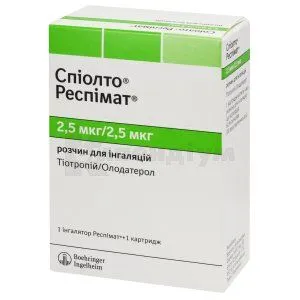
Table of Contents
INSTRUCTIONS FOR MEDICAL USE OF THE MEDICINAL PRODUCT Spiolto® Respimat® (Spiolto® Respimat®)
Composition:
Active substances: tiotropium, olodaterol;
1 inhalation contains 2.5 mcg tiotropium (as monohydrate bromide), 2.5 mcg olodaterol (as hydrochloride);
Excipients: benzalkonium chloride, disodium edetate dihydrate, water for injections, hydrochloric acid 1M.
Pharmaceutical form. Solution for inhalation.
Main physicochemical properties: clear, colorless solution for inhalation.
Pharmacotherapeutic group.
Drugs for treatment of obstructive airway diseases. Adrenergic agents in combination with anticholinergics.
ATC code R03AL06.
Pharmacological properties.
Pharmacodynamics.
Mechanism of action
SPIOLTO RESPIMAT
SPIOLTO RESPIMAT is a fixed-dose combination medicinal product (solution for inhalation) containing two active ingredients: tiotropium — a long-acting muscarinic receptor antagonist, and olodaterol — a long-acting β2-adrenergic agonist (LAMA/LABA), delivered via the liquid inhaler SPIOLTO RESPIMAT.
The two active ingredients provide additive bronchodilator activity through different mechanisms of action. Since muscarinic receptors are considered to predominate in central airways, while β2-adrenergic receptors are more highly expressed in peripheral airways, the combination of tiotropium and olodaterol is expected to provide optimal bronchodilator activity throughout all regions of the lungs.
Tiotropium
Tiotropium bromide is a specific long-acting antagonist of muscarinic receptors. Tiotropium has similar affinity for M1–M5 receptor subtypes. In the airways, tiotropium bromide competitively and reversibly binds to M3 receptors on bronchial smooth muscle, counteracting the cholinergic (bronchoconstrictive) effect of acetylcholine, resulting in relaxation of bronchial smooth muscle. The effect was dose-dependent and lasted more than 24 hours. As tiotropium is a locally acting, bronchially selective, quaternary nitrogen-containing anticholinergic agent, when administered by inhalation it demonstrates an acceptable therapeutic window before systemic anticholinergic effects occur.
Olodaterol
Olodaterol has high affinity and selectivity for human β2-adrenergic receptors.
In vitro studies showed that the agonistic activity of olodaterol at β2-adrenergic receptors was 241 times higher than at β1-adrenergic receptors and 2299 times higher than at β3-adrenergic receptors.
Olodaterol exerts its pharmacological effect by binding to and activating β2-adrenergic receptors following local administration via inhalation.
Activation of β2-adrenergic receptors in the airways stimulates intracellular adenylate cyclase, an enzyme involved in the synthesis of cyclic 3',5'-adenosine monophosphate (cAMP). Increased cAMP levels lead to bronchodilation by relaxing smooth muscle cells in the airways. Based on its preclinical profile, olodaterol is a long-acting selective β2-adrenergic receptor agonist with rapid onset of action and sustained effect for at least 24 hours.
β-adrenergic receptors are divided into three subtypes: β1-adrenergic receptors, predominantly located on cardiac smooth muscle, β2-adrenergic receptors – on smooth muscle of the airways, and β3-adrenergic receptors, present in adipose tissue. β2-agonists cause bronchodilation. Although β2-adrenergic receptors are the predominant adrenergic receptors in airway smooth muscle, they are also present on the surface of many other cells, including lung and heart epithelium and endothelium. The exact function of β2-receptors in the heart is unknown, but their presence suggests the potential for cardiac effects even with highly selective β2-adrenergic agonists.
Effects on cardiac electrophysiology
Tiotropium
In a dedicated QT study involving 53 healthy volunteers, tiotropium administered at doses of 18 mcg and 54 mcg as an inhaled powder (i.e., up to three times the therapeutic dose) for 12 days did not cause significant QT interval prolongation on ECG.
Olodaterol
The effect of olodaterol on QT/QTc interval on ECG was evaluated in 24 healthy subjects of both sexes in a double-blind, randomized, placebo- and active (moxifloxacin)-controlled study. Single doses of olodaterol at 10, 20, 30, and 50 mcg resulted in an increase in QT interval (compared to baseline and placebo) within 20 minutes to 2 hours, which increased on average from 1.6 ms (olodaterol 10 mcg) to 6.5 ms (olodaterol 50 mcg) with increasing dose; however, the upper limit of the two-sided 90% confidence interval was less than 10 ms for all doses with individually corrected QT (QTcI).
The effect of olodaterol at doses of 5 mcg and 10 mcg on heart rate (HR) and cardiac rhythm was assessed using continuous 24-hour ECG recording (Holter monitoring) in a subgroup of 772 patients during 48-week placebo-controlled Phase III trials. No trends in changes in heart rate or frequency and type of extrasystoles were observed related to dose or time. Changes in extrasystoles from baseline to end of treatment did not indicate a significant difference between olodaterol 5 mcg, olodaterol 10 mcg, and placebo.
SPIOLTO RESPIMAT
In two 52-week randomized, double-blind trials of SPIOLTO RESPIMAT, 5162 patients with COPD were enrolled. In a pooled analysis, the proportion of patients with changes in QTcF interval (Fridericia-corrected, baseline-adjusted) >30 msec at 40 minutes post-dose on days 85, 169, and 365 ranged from 3.1%, 4.7%, and 3.6% in the SPIOLTO RESPIMAT group compared to 4.1%, 4.4%, and 3.6% in the olodaterol 5 mcg group and 3.4%, 2.3%, and 4.6% in the tiotropium 5 mcg group, respectively.
Clinical efficacy and safety
The Phase III clinical development program for SPIOLTO RESPIMAT included three randomized, double-blind trials:
- two 52-week parallel-group trials comparing SPIOLTO RESPIMAT with tiotropium 5 mcg and olodaterol 5 mcg (1029 patients received SPIOLTO RESPIMAT) [Study 1 and 2];
- one 6-week crossover trial comparing SPIOLTO RESPIMAT with tiotropium 5 mcg, olodaterol 5 mcg, and placebo (139 patients received SPIOLTO RESPIMAT) [Study 3].
In these studies, the comparator drugs — tiotropium 5 mcg, olodaterol 5 mcg, and placebo — were administered via the RESPIMAT inhaler.
Patient characteristics
The majority of the 5162 patients enrolled worldwide in the 52-week trials [Study 1 and 2] were male (73%), Caucasian (71%) or Asian (25%), with a mean age of 64 years. Mean post-bronchodilator FEV1 was 1.37 L (GOLD 2 [50%], GOLD 3 [39%], GOLD 4 [11%]). Mean β2-agonist reversibility was 16.6% from baseline (0.171 L). Permitted concomitant lung therapies included inhaled corticosteroids [47%] and xanthines [10%].
The 6-week trials [Study 3] were conducted in Europe and North America. The majority of the 219 study participants were male (59%), Caucasian (99%), with a mean age of 61.1 years. Mean post-bronchodilator FEV1 was 1.55 L (GOLD 2 [64%], GOLD 3 [34%], GOLD 4 [2%]). Mean β2-agonist reversibility was 15.9% from baseline (0.193 L). Permitted concomitant lung therapies included inhaled corticosteroids [41%] and xanthines [4%].
Effects on lung function
In the 52-week trials, SPIOLTO RESPIMAT administered once daily in the morning provided clear improvement in lung function parameters within 5 minutes after the first dose compared to tiotropium 5 mcg (mean improvement in FEV1: 0.137 L in the SPIOLTO RESPIMAT group vs. 0.058 L in the tiotropium 5 mcg group [p < 0.0001] and 0.125 L in the olodaterol 5 mcg group [p = 0.16]).
In both studies, significant improvements were observed in AUC0–3h FEV1 and trough FEV1 (trough forced expiratory volume in one second) at 24 weeks (primary efficacy endpoints for lung function) in the SPIOLTO RESPIMAT group compared to the tiotropium 5 mcg and olodaterol 5 mcg groups (Table 1).
Table 1
Difference in AUC0–3h FEV1 and trough FEV1 between the SPIOLTO RESPIMAT group and the tiotropium 5 mcg and olodaterol 5 mcg groups at 24 weeks (Study 1 and 2)
| Reference medicinal product |
AUC0-3h FEV1 parameters |
Minimum FEV1 parameters |
||||||
| Study 1 |
Study 2 |
Study 1 |
Study 2 |
|||||
| n |
Mean value |
n |
Mean value |
n |
Mean value |
n |
Mean value |
|
| SPILTO RESPIRATOR |
522 |
|
502 |
|
521 |
|
497 |
|
| Tiotropium 5 µg |
526 |
0.117 L |
500 |
0.103 L |
520 |
0.071 L |
498 |
0.050 L |
| Olodaterol 5 µg |
525 |
0.123 L |
507 |
0.132 L |
519 |
0.082 L |
503 |
0.088 L |
Pre-treatment FEV1 baseline levels: Study 1 – 1.16 L; Study 2 – 1.15 L.
p ≤ 0.0001 for all comparisons.
n – number of patients.
Patients with a higher degree of reversibility at baseline generally showed a better bronchodilatory response to SPIOLTO RESPIMAT compared to patients with a lower degree of reversibility at baseline.
The enhanced bronchodilatory effect of SPIOLTO RESPIMAT compared to 5 µg tiotropium and 5 µg olodaterol was maintained throughout the 52-week treatment period. SPIOLTO RESPIMAT also improved morning and evening PEF (peak expiratory flow), as measured by daily patient recordings, compared to 5 µg tiotropium and 5 µg olodaterol.
During the 6-week study, SPIOLTO RESPIMAT resulted in significantly greater FEV1 response compared to 5 µg tiotropium, 5 µg olodaterol, and placebo (p < 0.0001) over the entire 24-hour dosing interval (Table 2).
Table 2
Mean difference in FEV1 (L) at 3 hours, 12 hours, and 24 hours, and difference in trough FEV1 (L) for SPIOLTO RESPIMAT compared to 5 µg tiotropium, 5 µg olodaterol, and placebo after 6 weeks (Study 3)
| Comparator drug |
n |
3 h mean value |
n |
12 h mean value |
24 h mean value1 |
Minimum value |
| SPIOLTO RESPIMAT |
138 |
138 |
||||
| Tiotropium 5 mcg |
137 |
0.109 |
135 |
0.119 |
0.110 |
0.079 |
| Olodaterol 5 mcg |
138 |
0.109 |
136 |
0.126 |
0.115 |
0.092 |
| Placebo |
135 |
0.325 |
132 |
0.319 |
0.280 |
0.207 |
Pre-treatment FEV1 level – 1.30 L.
1 Primary endpoint.
p ≤ 0.0001 for all comparisons.
n = number of patients.
Dyspnea
After 24 weeks (Studies 1 and 2), the mean center-adjusted score of the Transition Dyspnea Index (TDI) was 1.98 units in the SPIOLTO RESPMAT group, showing significant improvement compared to the 5 mcg tiotropium group (mean difference 0.36, p = 0.008) and the 5 mcg olodaterol group (mean difference 0.42, p = 0.002).
A greater proportion of patients receiving SPIOLTO RESPMAT achieved a clinically significant improvement in the TDI score, defined as at least 1 unit, compared to the 5 mcg tiotropium group (54.9% vs. 50.6%, p = 0.0546) and the 5 mcg olodaterol group (54.9% vs. 48.2%, p = 0.0026).
Rescue medication use
Patients receiving SPIOLTO RESPMAT used rescue medication (salbutamol) less frequently during both daytime and nighttime compared to patients receiving 5 mcg tiotropium and 5 mcg olodaterol (mean number of daytime rescue medication uses in the SPIOLTO RESPMAT group was 0.76 doses per day compared to 0.97 doses per day in the 5 mcg tiotropium group and 0.87 doses per day in the 5 mcg olodaterol group, p < 0.0001; mean number of nighttime rescue medication uses in the SPIOLTO RESPMAT group was 1.24 doses per day compared to 1.69 doses per day in the 5 mcg tiotropium group and 1.52 doses per day in the 5 mcg olodaterol group, p < 0.0001) (Studies 1 and 2).
Patient Global Evaluation
Patients receiving SPIOLTO RESPMAT reported greater improvement in respiratory status compared to patients receiving 5 mcg tiotropium and 5 mcg olodaterol, as measured by the Patient Global Rating Scale (Studies 1 and 2).
Exacerbations
5 mcg tiotropium has previously demonstrated a clinically significant reduction in the risk of COPD exacerbations compared to placebo. COPD exacerbations were included as a secondary endpoint in the 52-week main studies (Studies 1 and 2). In the pooled data set, the proportion of patients experiencing at least one moderate-to-severe COPD exacerbation was 27.7% in the SPIOLTO RESPMAT group and 28.8% in the 5 mcg tiotropium group (p = 0.39). These studies were not specifically designed to assess the effect of treatment on COPD exacerbation outcomes.
In a one-year, randomized, double-blind, active-controlled, parallel-group clinical trial (Study 9), the effect of SPIOLTO RESPMAT versus 5 mcg tiotropium on COPD exacerbations was compared. Concomitant respiratory medications such as short-acting beta-agonists, inhaled corticosteroids, and xanthines were permitted, except for anticholinergics, long-acting beta-agonists, and their combinations. The primary endpoint was the annual rate of moderate-to-severe COPD exacerbations (3939 patients received SPIOLTO RESPMAT and 3941 patients received 5 mcg tiotropium).
The majority of patients were male (71.4%) and of Caucasian race (79.3%). The mean age was 66.4 years, mean post-bronchodilator FEV1 was 1.187 L (SD 0.381), and 29.4% of patients had clinically significant cardiovascular diseases in their medical history.
Moderate-to-severe COPD exacerbations were defined as "a complex of lower respiratory tract signs/symptoms (worsening or new onset) related to underlying COPD, lasting three or more days, requiring treatment with antibiotics and/or systemic steroids, and/or hospitalization."
Treatment with SPIOLTO RESPMAT resulted in a 7% reduction in the annual rate of moderate-to-severe COPD exacerbations compared to 5 mcg tiotropium (rate ratio (RR) 0.93, 99% confidence interval (CI), 0.85–1.02, p = 0.0498). The study did not achieve p < 0.01 – the pre-specified level of statistical significance.
Health-related quality of life
SPIOLTO RESPMAT improved health-related quality of life as measured by the St. George's Respiratory Questionnaire (SGRQ). After 24 weeks (Studies 1 and 2), there was a statistically significant improvement in the mean total SGRQ score in the SPIOLTO RESPMAT group compared to both the 5 mcg tiotropium group and the 5 mcg olodaterol group (Table 3); improvements were observed across all SGRQ domains. A greater proportion of patients receiving SPIOLTO RESPMAT achieved a clinically significant improvement in the total SGRQ score (Minimal Clinically Important Difference (MCID), defined as a reduction of at least 4 points from baseline) compared to patients receiving 5 mcg tiotropium (57.5% vs. 48.7%, p = 0.0001) and 5 mcg olodaterol (57.5% vs. 44.8%, p < 0.0001).
Table 3
Total SGRQ score after 24 weeks of treatment (Studies 1 and 2)
| n |
Treatment Mean (change from baseline) |
Difference vs. Spiolto Respimat |
||
| Mean (p-value) |
||||
| Total score |
Baseline |
43.5 |
||
| SPIOLTO RESPIMAT |
979 |
36.7 (-6.8) |
||
| Tiotropium 5 mcg |
954 |
37.9 (-5.6) |
-1.23 (p = 0.025) |
|
| Olodaterol 5 mcg |
954 |
38.4 (-5.1) |
-1.69 (p = 0.002) |
|
n ‒ number of patients.
In two additional 12-week placebo-controlled clinical studies (Studies 7 and 8), the total score on the SGRQ was also included as a primary endpoint to assess health-related quality of life.
In the 12-week studies, SPIOLTO RESPIMAT demonstrated improvement compared to placebo at Week 12 in mean total SGRQ score (primary endpoint) of -4.9 (95% CI: -6.9, -2.9; p < 0.0001) and -4.6 (95% CI: -6.5, -2.6; p < 0.0001). In a pooled supportive analysis of the 12-week studies, the proportion of patients achieving a clinically meaningful improvement in total SGRQ score (defined as a decrease of at least 4 units from baseline) at Week 12 was greater in the SPIOLTO RESPIMAT group (52% [206/393]) compared to the tiotropium 5 mcg group (41% [159/384]; odds ratio: 1.56 (95% CI: 1.17, 2.07), p = 0.0022) and placebo (32% [118/370]; odds ratio: 2.35 (95% CI: 1.75, 3.16), p < 0.0001).
Lung volume, dyspnea, and exercise endurance
The effect of SPIOLTO RESPIMAT on lung volume, dyspnea, and maximum symptom-limited exercise endurance was evaluated in three randomized, double-blind studies in patients with COPD:
- Two repeat 6-week crossover studies comparing SPIOLTO RESPIMAT with tiotropium 5 mcg, olodaterol 5 mcg, and placebo during constant-load cycling (450 patients received SPIOLTO RESPIMAT) [Studies 4 and 5];
- One 12-week parallel-group study comparing SPIOLTO RESPIMAT with placebo during cycle ergometry (139 patients received SPIOLTO RESPIMAT) and constant-speed walking (subgroup of patients) [Study 6].
SPIOLTO RESPIMAT significantly improved inspiratory capacity at rest 2 hours after dosing compared to tiotropium 5 mcg (0.114 L, p < 0.0001; Study 4, 0.088 L, p = 0.0005; Study 5), olodaterol 5 mcg (0.119 L, p < 0.0001; Study 4, 0.080 L, p = 0.0015; Study 5), and placebo (0.244 L, p < 0.0001; Study 4, 0.265 L, p < 0.0001; Study 5) at 6 weeks.
In Studies 4 and 5, SPIOLTO RESPIMAT significantly improved endurance time during cycling exercise compared to placebo at 6 weeks (Study 4: geometric mean endurance time was 454 seconds with SPIOLTO RESPIMAT versus 375 seconds with placebo (20.9% improvement, p < 0.0001); Study 5: geometric mean endurance time was 466 seconds with SPIOLTO RESPIMAT versus 411 seconds with placebo (13.4% improvement, p < 0.0001).
In Study 6, SPIOLTO RESPIMAT significantly improved endurance time during cycling exercise compared to placebo at 12 weeks (geometric mean endurance time was 528 seconds with SPIOLTO RESPIMAT versus 464 seconds with placebo (13.8% improvement, p = 0.021).
Paediatric population
The European Medicines Agency has waived the obligation to submit the results of clinical studies with SPIOLTO RESPIMAT in all paediatric subpopulations with chronic obstructive pulmonary disease (COPD) according to a decision on the waiver of the obligation to submit studies (see section "Posology and method of administration").
Pharmacokinetics
General introduction
When tiotropium and olodaterol were administered in combination as an inhalation formulation, the pharmacokinetic parameters of both components were similar to those observed when each active component was administered separately.
Tiotropium and olodaterol exhibit linear pharmacokinetics within the therapeutic range. After repeated once-daily inhalations of the medicinal product, steady-state for tiotropium is reached by Day 7. Steady-state for olodaterol is achieved after 8 days of once-daily inhalations, with a 1.8-fold increase in exposure compared to a single dose.
General characteristics of the active substance after administration of the medicinal product
Absorption
Tiotropium. In healthy young volunteers, urinary excretion data following inhalation show that approximately 33% of the inhaled dose via the RESPIMAT inhaler reaches the systemic circulation. Oral solutions of tiotropium bromide have an absolute bioavailability of 2–3%. Plasma concentrations of tiotropium reach peak levels within 5–7 minutes after inhalation via the RESPIMAT inhaler.
Olodaterol. In healthy volunteers, the absolute bioavailability of olodaterol after inhalation was approximately 30%, whereas the absolute bioavailability of olodaterol after oral administration as a solution was less than 1%. Plasma concentrations of olodaterol typically reach peak levels within 10–20 minutes after inhalation via the RESPIMAT inhaler.
Distribution
Tiotropium is 72% bound to plasma proteins and has a volume of distribution of 32 L/kg. Studies in rats have shown that tiotropium does not significantly cross the blood-brain barrier.
Olodaterol is approximately 60% bound to plasma proteins and has a volume of distribution of 1110 L. Olodaterol is a substrate for P-gp and uptake transporters OAT1, OAT3, and OCT1. Olodaterol is not a substrate for the following uptake transporters: BCRP, MRP, OATP2, OATP8, OATP-B, OCT2, and OCT3.
Biological transformation
Tiotropium. The extent of biotransformation is low. This is confirmed by urinary excretion of 74% of the unchanged drug after intravenous administration. As a quaternary ester, tiotropium undergoes non-enzymatic hydrolysis to alcohol and acid (N-methylscopolamine and dithienylglycolic acid, respectively), neither of which binds to muscarinic receptors. Further in vitro studies using human liver microsomes and hepatocytes show that tiotropium (< 20% of the dose after intravenous administration) is metabolized via cytochrome P450 (CYP) 2D6 and 3A4-dependent oxidation and subsequent glutathione conjugation to various phase II metabolites.
Olodaterol is extensively metabolized primarily by direct glucuronidation and O-demethylation of the methoxylated portion of the molecule, followed by conjugation. Of the six identified metabolites, only one unconjugated demethylated derivative binds to β2-receptors. However, this metabolite is not detectable in plasma after long-term inhalation at the recommended therapeutic dose or at doses four times higher than the therapeutic dose. CYP2C9 and CYP2C8 (and to a minor extent CYP3A4) are involved in the O-demethylation of olodaterol, while uridine diphosphate glucuronosyltransferase (UGT) isoforms UGT2B7, UGT1A1, 1A7, and 1A9 are involved in the formation of olodaterol glucuronides.
Elimination
Tiotropium. Total clearance of tiotropium in healthy volunteers is 880 mL/min. After intravenous administration, tiotropium is primarily excreted unchanged in urine (74%). At steady-state after inhalation in patients with COPD, urinary excretion accounts for 18.6% of the dose, with the remainder being unabsorbed by the intestine and excreted in feces. Renal clearance of tiotropium exceeds the glomerular filtration rate, indicating active renal secretion. The effective half-life of tiotropium after inhalation in patients with COPD ranges from 27 to 45 hours.
Olodaterol. Total clearance of olodaterol in healthy volunteers is 872 mL/min, with renal clearance of 173 mL/min. After intravenous administration of [14C]-labelled olodaterol, 38% of the radioactive dose was recovered in urine and 53% in feces. The amount of unchanged olodaterol recovered in urine after intravenous administration was 19%. After oral administration, only 9% of the radioactive dose (0.7% unchanged olodaterol) was recovered in urine, while the majority was recovered in feces (84%). More than 90% of the administered dose was eliminated within 6 days after intravenous administration and within 5 days after oral administration. After inhaled administration of the medicinal product, excretion of unchanged olodaterol in urine over the dosing interval at steady-state was 5–7% of the dose in healthy volunteers. Plasma concentrations of olodaterol decline in a multi-phasic manner after inhalation; the terminal half-life is approximately 45 hours.
Special populations
Tiotropium. As expected for drugs primarily eliminated by the kidneys, advancing age was associated with reduced renal clearance of tiotropium, decreasing from 347 mL/min in COPD patients under 65 years of age to 275 mL/min in COPD patients aged ≥ 65 years. This factor did not lead to a corresponding increase in AUC0–6,ss or Cmax,ss.
Olodaterol. A pharmacokinetic meta-analysis using data from two controlled clinical trials involving 405 COPD patients and 296 asthma patients showed that dose adjustment based on patient age, gender, or body weight is not required with regard to systemic exposure to olodaterol.
Race
Olodaterol. Comparison of pharmacokinetic data from clinical studies revealed a trend toward higher systemic exposure to olodaterol in Japanese and other Mongoloid race patients compared to Caucasian patients.
In clinical studies of olodaterol administered at doses twice the recommended therapeutic dose for over one year, no safety concerns were identified in Caucasian and Mongoloid race patients.
Renal impairment
Tiotropium. After once-daily inhalation of tiotropium until steady-state in COPD patients with mild renal impairment (CLCR 50–80 mL/min), a slight increase in AUC0–6,ss (increase from 1.8 to 30%) and a similar Cmax,ss were observed compared to patients with normal renal function (CLcr > 80 mL/min). In patients with moderate or severe renal impairment (CLCR < 50 mL/min), intravenous administration of tiotropium resulted in doubling of plasma concentrations (82% increase in AUC0–4h and 52% increase in Cmax) compared to patients with normal renal function, which was confirmed by observations after dry powder inhalation.
Olodaterol. No clinically relevant increase in systemic exposure was observed in patients with renal impairment.
Hepatic impairment
Tiotropium. Hepatic impairment has no significant effect on the pharmacokinetics of tiotropium. Tiotropium is primarily eliminated via the kidneys (74% in healthy young volunteers) and by simple non-enzymatic ester cleavage into pharmacologically inactive products.
Olodaterol. No differences in the elimination (or protein binding) of olodaterol between patients with mild to moderate hepatic impairment and healthy volunteers have been demonstrated. Studies in patients with severe hepatic impairment have not been conducted.
Clinical characteristics.
Indications.
SPIOLTO RESPIMAT is indicated as a maintenance bronchodilator treatment to relieve symptoms in adult patients with chronic obstructive pulmonary disease (COPD).
Contraindications.
Hypersensitivity to the active substances or to any of the excipients of the medicinal product (see section "Composition").
Hypersensitivity to atropine or its derivatives, such as ipratropium or oxitropium, in medical history.
Interaction with other medicinal products and other forms of interaction.
Although specific in vivo interaction studies of SPIOLTO RESPIMAT with other medicinal products have not been conducted, SPIOLTO RESPIMAT has been used concomitantly with other medications used in the treatment of COPD, including short-acting sympathomimetic bronchodilators and inhaled corticosteroids, without clinical evidence of drug interactions.
Anticholinergic agents
Concomitant use of tiotropium bromide, one of the components of SPIOLTO RESPIMAT, with other anticholinergic agents has not been studied and is therefore not recommended.
Adrenergic agents
Concomitant use of other adrenergic agents (alone or as part of combination therapy) may potentiate the adverse effects of SPIOLTO RESPIMAT.
Xanthine derivatives, steroids, diuretics
Concomitant use of xanthine derivatives, steroids, or diuretics (not belonging to the group of potassium-sparing diuretics) may potentiate the hypokalemic effect of adrenergic agonists (see section "Special precautions for use").
Beta-blockers
Beta-adrenergic blockers may attenuate or antagonize the effect of olodaterol. In such cases, cardioselective beta-blockers are preferred, although they should still be used with caution.
MAO inhibitors, tricyclic antidepressants, and medicinal products that may prolong the QT interval
Monoamine oxidase inhibitors, tricyclic antidepressants, or other medicinal products that may prolong the QT interval may potentiate the cardiovascular effects of SPIOLTO RESPIMAT.
Pharmacokinetic interaction
In interaction studies, co-administration of fluconazole, a standard CYP2C9 inhibitor, did not show any relevant effect on the systemic exposure of olodaterol.
Concomitant administration of ketoconazole, a potent P-gp and CYP3A4 inhibitor, resulted in an approximately 70% increase in systemic exposure to olodaterol. Dose adjustment of SPIOLTO RESPIMAT is not required.
In vitro studies have shown that olodaterol does not inhibit CYP enzymes or drug transporters at plasma concentrations achieved in clinical practice.
Special precautions for use.
Asthma
SPIOLTO RESPIMAT should not be used in patients with asthma. The efficacy and safety of SPIOLTO RESPIMAT in asthma have not been studied.
Acute bronchospasm
SPIOLTO RESPIMAT is not intended for the treatment of acute episodes of bronchospasm, i.e., as a rescue medication.
Paradoxical bronchospasm
Use of SPIOLTO RESPIMAT, as with other inhaled medicinal products, may result in paradoxical bronchospasm, which can sometimes be life-threatening. If paradoxical bronchospasm occurs, SPIOLTO RESPIMAT should be discontinued immediately and alternative therapy initiated.
Anticholinergic effects associated with tiotropium
Angle-closure glaucoma, benign prostatic hyperplasia, or bladder neck obstruction
Due to the anticholinergic activity of tiotropium, SPIOLTO RESPIMAT should be used with caution in patients with angle-closure glaucoma, benign prostatic hyperplasia, or bladder neck obstruction.
Ocular symptoms
Patients should be instructed to avoid spraying the aerosol into the eyes, as this may precipitate or worsen angle-closure glaucoma, cause eye pain or discomfort, temporary blurred vision, halos or colored rings around lights, in combination with eye redness due to conjunctival hyperemia or corneal edema. If any of these symptoms occur in any combination, use of SPIOLTO RESPIMAT should be stopped immediately and medical help sought urgently.
Dental caries
Dryness of the oral mucosa observed during treatment with anticholinergic agents may, in the long term, be associated with dental caries.
Patients with renal impairment
Since increased plasma concentrations of tiotropium are observed in patients with moderate to severe renal impairment (creatinine clearance ≤ 50 mL/min), SPIOLTO RESPIMAT should be used only if the expected benefit outweighs the potential risk. Data on long-term use of the drug in patients with severe renal impairment are lacking (see section "Pharmacological properties. Pharmacokinetics").
Cardiovascular effects
Experience with SPIOLTO RESPIMAT in patients with a history of myocardial infarction within the previous year, unstable or life-threatening cardiac arrhythmias, hospitalization for heart failure within the previous year, or diagnosed paroxysmal tachycardia (> 100 beats per minute) is limited, as such patients were excluded from clinical trials. SPIOLTO RESPIMAT should be used with caution in these patients.
Olodaterol, like other β2-adrenergic agonists, may have clinically significant cardiovascular effects in some patients (increased heart rate, elevated blood pressure (BP), and/or related symptoms). If such effects occur, discontinuation of treatment may be necessary. Additionally, β2-adrenergic agonists have been reported to cause ECG changes such as flattening of the T wave and ST segment depression, although the clinical significance of these changes is unknown.
Long-acting β2-adrenergic agonists should be used with caution in patients with cardiovascular disorders, particularly ischemic heart disease, severe heart failure, cardiac arrhythmias, hypertrophic obstructive cardiomyopathy, arterial hypertension and aneurysm, patients with seizure disorders or thyrotoxicosis, and patients with established or suspected QT interval prolongation (e.g., QT > 0.44 sec) or unusual reactions to sympathomimetic amines.
Hypokalemia
β-adrenergic agonists may cause significant hypokalemia in some patients, which may predispose to adverse cardiovascular effects. Serum potassium reduction is usually transient and does not require correction. In patients with severe COPD, hypokalemia may be aggravated by hypoxia and concomitant therapy (see section "Interaction with other medicinal products and other forms of interaction"), which may increase the risk of arrhythmias.
Hyperglycemia
Inhaled administration of high doses of β2-adrenergic agonists may lead to an increase in plasma glucose levels.
Anesthesia
Caution should be exercised during planned surgery involving the use of halogenated hydrocarbon anesthetics due to the increased potential for adverse cardiac effects when using β-agonist bronchodilators.
SPIOLTO RESPIMAT should not be used in combination with any other medicinal product containing long-acting β2-adrenergic agonists.
Patients who frequently use short-acting inhaled β2-adrenergic agonists (e.g., four times daily) should be informed that these medications are used only for relief of acute respiratory symptoms of bronchospasm.
SPIOLTO RESPIMAT should be used no more frequently than once daily.
Increased sensitivity
Immediate-type hypersensitivity reactions may occur after administration of SPIOLTO RESPIMAT, as with any medicinal product.
Excipients
Benzalkonium chloride may cause wheezing and breathing difficulties. Patients with asthma are more susceptible to these adverse effects. The medicinal product contains 0.0011 mg of benzalkonium chloride per dose administered. The delivered dose is the dose available to the patient after passing through the mouthpiece.
For a complete list of excipients, see section "Composition".
Use during pregnancy or breastfeeding.
Pregnancy
Tiotropium
Data on the use of tiotropium in pregnant women are limited. Animal studies have not revealed any direct or indirect adverse effects in terms of reproductive toxicity at clinically relevant doses.
Olodaterol
There are no clinical data on the use of olodaterol during pregnancy. Preclinical data on olodaterol indicate effects typical of β2-adrenergic agonists with repeated administration of therapeutic doses.
As a precautionary measure, use of SPIOLTO RESPIMAT during pregnancy is not recommended.
Like other β2-adrenergic agonists, olodaterol, a component of SPIOLTO RESPIMAT, may inhibit uterine contractility due to its relaxant effect.
Breastfeeding period
There are no clinical data on the effects of tiotropium and/or olodaterol during breastfeeding.
Animal studies have shown that both tiotropium and olodaterol, as well as their metabolites, are excreted in the milk of lactating rats, but it is unknown whether tiotropium and/or olodaterol pass into human breast milk.
The decision on whether to continue/stop breastfeeding or to continue/stop therapy with SPIOLTO RESPIMAT should be made taking into account the benefits of breastfeeding for the child and the benefits of therapy for the mother.
Fertility
There are no clinical data on the effects of tiotropium, olodaterol, or the combination of these components on fertility. Preclinical studies conducted for each component (tiotropium and olodaterol) separately indicate no negative effects on fertility.
Ability to affect reaction speed when driving or operating machinery.
No studies on the ability to affect reaction speed when driving or operating machinery have been conducted.
However, patients should be warned about possible dizziness and blurred vision during treatment with SPIOLTO RESPIMAT.
Therefore, caution should be exercised when driving a car or operating machinery. If patients experience such symptoms, they should avoid potentially hazardous activities such as driving vehicles or operating machinery.
Method of Administration and Dosage
Dosing
The medicinal product is intended for inhalation use only. The cartridge can only be used with the RESPIMAT inhaler device.
Two inhalations using the RESPIMAT inhaler constitute one dose.
Adults
The recommended dose is 5 mcg tiotropium and 5 mcg olodaterol administered as two inhalations once daily using the RESPIMAT inhaler at the same time each day.
The recommended dose should not be exceeded.
Special Patient Populations
Geriatric Patients
Geriatric patients may use SPIOLTO RESPIMAT at the recommended dose.
Hepatic and Renal Impairment
SPIOLTO RESPIMAT contains tiotropium, which is primarily excreted by the kidneys, and olodaterol, which is primarily metabolized in the liver.
Hepatic Impairment
Patients with mild to moderate hepatic impairment may use SPIOLTO RESPIMAT at the recommended dose.
There are no data on the use of olodaterol in patients with severe hepatic impairment.
Renal Impairment
Patients with renal impairment may use SPIOLTO RESPIMAT at the recommended dose.
For use in patients with moderate to severe renal impairment (creatinine clearance ≤ 50 mL/min), refer to the sections "Special Warnings and Precautions for Use" and "Pharmacological Properties".
SPIOLTO RESPIMAT contains olodaterol. Experience with olodaterol use in patients with severe renal impairment is limited.
Children
SPIOLTO RESPIMAT is not recommended for use in children (under 18 years of age).
Method of Administration
This medicinal product is intended for inhalation use only. RESPIMAT is an inhaler that generates a spray for inhalation. It is designed for use by a single patient to deliver doses from one cartridge.
Patients must read the instructions for use of the RESPIMAT inhaler before starting treatment with SPIOLTO RESPIMAT.
To ensure proper use of the medicinal product, a physician or other healthcare professional should demonstrate to the patient how to use the inhaler.
Instructions for Patients on How to Use the RESPIMAT Inhaler
You must use the medicine with the inhaler only ONCE DAILY. Each time you use it, take TWO INHALATIONS.
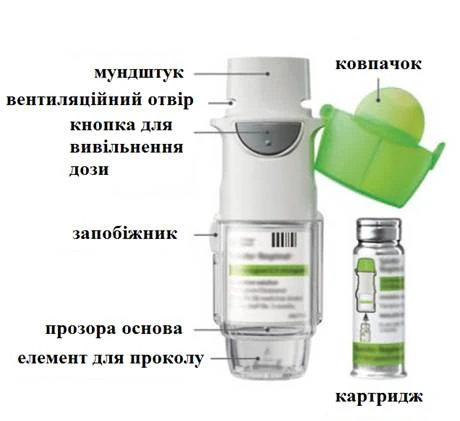
- If SPIOLTO RESPIMAT has not been used for more than 7 days, before use, point the inhaler downward and press the dose-release button once.
- If SPIOLTO RESPIMAT has not been used for more than 21 days, repeat steps 4–6 of "Preparation before First Use" until a spray appears. Then repeat steps 4–6 three more times.
How to Care for the Inhaler for SPIOLTO RESPIMAT
- Clean the mouthpiece, including the metal part inside the mouthpiece, only with a damp cloth or gauze at least once a week.
- Any slight discoloration of the mouthpiece does not affect the functioning of your SPIOLTO RESPIMAT inhaler.
When to Obtain a New SPIOLTO RESPIMAT Medicinal Product
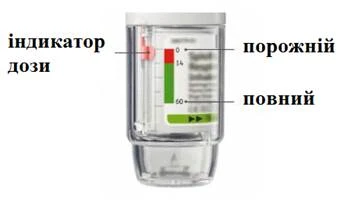
- The RESPIMAT inhaler with SPIOLTO RESPIMAT contains enough medicine for 60 inhalations (30 doses) when used as directed (two inhalations once daily).
- The dose indicator shows the approximate amount of remaining medicine.
- When the indicator reaches the red zone on the scale, approximately 7 days' supply of medicine remains (14 inhalations). At this point, a new SPIOLTO RESPIMAT should be obtained.
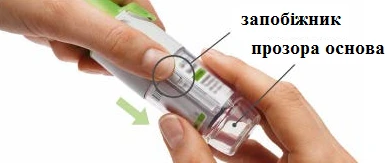
- As soon as the dose indicator reaches the end of the red scale, your SPIOLTO RESPIMAT inhaler will be automatically locked—no more doses can be released. From this point, the transparent base cannot be turned back.
- No later than three months after first use, SPIOLTO RESPIMAT must be discarded, even if not all of the solution has been used.
Preparation before First Use
|
|
|
|
|
|
|
|
|
|
Your inhaler is now ready for use. These steps do not affect the number of doses remaining. After preparation, your inhaler is designed for 60 inhalations (30 doses). |
|
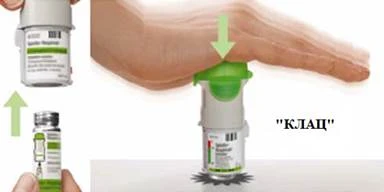
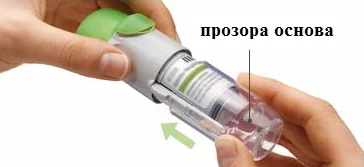
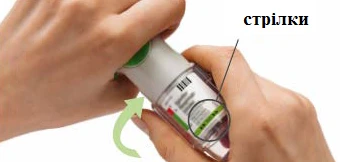
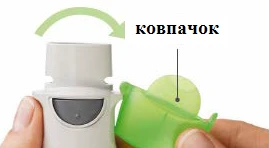
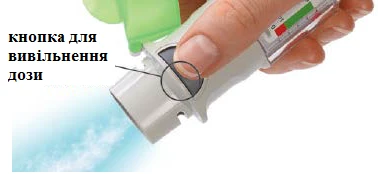
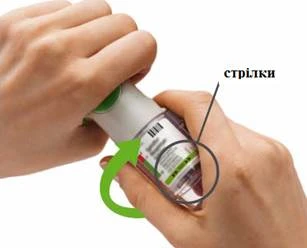
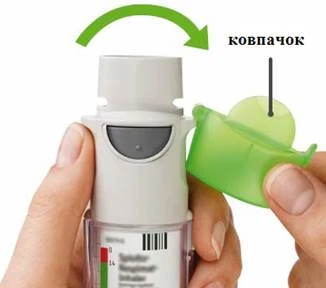
Daily use
| Turn
|
|
| Open
|
|
| Breathe in
|
|
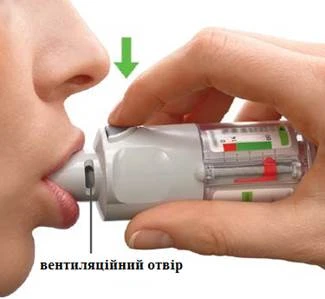
Children.
SPIOLTO RESPIMAT should not be used in children (under 18 years of age).
Overdose.
Experience with overdose of SPIOLTO RESPIMAT is limited. SPIOLTO RESPIMAT has been studied at doses up to 5 μg/10 μg (tiotropium/olodaterol) in patients with COPD and up to 10 μg/40 μg (tiotropium/olodaterol) in healthy subjects; no clinically significant effects were observed. Overdose may lead to pronounced antimuscarinic effects of tiotropium and/or pronounced β2-adrenergic effects of olodaterol.
Symptoms
Overdose of tiotropium with anticholinergic effect
High doses of tiotropium may cause anticholinergic signs and symptoms.
However, no systemic anticholinergic adverse effects were observed in healthy volunteers after a single inhalation of up to 340 μg of tiotropium bromide. Furthermore, apart from obvious reduction in salivary secretion after 7 days of treatment, no significant adverse effects were observed after 14 days of administration at doses up to 40 μg of tiotropium inhalation solution in healthy volunteers, except for dryness of the mucous membranes of the mouth/throat and nasal cavity.
Overdose of olodaterol, a β2-adrenergic agonist
Overdose of olodaterol may lead to pronounced effects typical of β2-adrenergic agonists, such as myocardial ischemia, arterial hypertension or hypotension, tachycardia, arrhythmias, palpitations, dizziness, nervousness, insomnia, restlessness, headache, tremor, dry mouth, muscle spasms, nausea, fatigue, malaise, hypokalemia, hyperglycemia, and metabolic acidosis.
Treatment of overdose
Administration of SPIOLTO RESPIMAT should be discontinued. Supportive and symptomatic therapy is indicated. Hospitalization may be necessary in severe cases. Cardioselective β2-blockers may be used, but only with extreme caution, as their use may provoke bronchospasm.
Adverse reactions.
Summary of product safety information
Many of the adverse reactions listed below can be attributed to the anticholinergic properties of tiotropium bromide or the β2-adrenergic properties of olodaterol, the components of SPIOLTO RESPIMAT.
Summary table of adverse reactions
The frequency of the adverse reactions listed below observed in the group of patients receiving tiotropium 5 mcg/olodaterol 5 mcg (5646 patients) was calculated based on pooled data from eight active or placebo-controlled clinical trials conducted in parallel groups in patients with COPD, with treatment durations ranging from 4 to 52 weeks.
The table includes adverse reactions observed during all clinical studies with SPIOLTO RESPIMAT, as well as all adverse reactions previously reported during treatment with each of the drug's components administered separately.
Criteria for assessing the frequency of adverse reactions: very common (≥ 1/10); common (≥ 1/100 to < 1/10); uncommon (≥ 1/1,000 to < 1/100); rare (≥ 1/10,000 to < 1/1,000); very rare (< 1/10,000); not known (cannot be estimated from the available data).
| System organ class |
Adverse reaction |
Frequency |
||
| Infections and infestations |
Nasopharyngitis |
unknown |
||
| Metabolism and nutrition disorders |
Dehydration |
unknown |
||
| Nervous system disorders |
Dizziness |
uncommon |
||
| Insomnia |
rare |
|||
| Headache |
uncommon |
|||
| Eye disorders |
Blurred vision |
rare |
||
| Glaucoma |
unknown |
|||
| Increased intraocular pressure |
unknown |
|||
| Cardiac disorders |
Atrial fibrillation |
rare |
||
| Tachycardia |
uncommon |
|||
| Palpitations |
rare |
|||
| Supraventricular tachycardia |
rare |
|||
| Vascular disorders |
Arterial hypertension |
rare |
||
| Respiratory, thoracic and mediastinal disorders |
Cough |
uncommon |
||
| Dysphonia |
uncommon |
|||
| Laryngitis |
rare |
|||
| Pharyngitis |
rare |
|||
| Nosebleeds |
rare |
|||
| Bronchospasm |
rare |
|||
| Sinusitis |
unknown |
|||
| Gastrointestinal disorders |
Dry mouth |
uncommon |
||
| Constipation |
rare |
|||
| Oropharyngeal candidiasis |
rare |
|||
| Gingivitis |
rare |
|||
| Nausea |
rare |
|||
| Intestinal obstruction, including paralytic ileus |
unknown |
|||
| Dysphagia |
unknown |
|||
| Gastroesophageal reflux disease |
unknown |
|||
| Glossitis |
unknown |
|||
| Stomatitis |
rare |
|||
| Dental caries |
unknown |
|||
| Skin and subcutaneous tissue disorders, immune system disorders |
Hypersensitivity |
rare |
||
| Angioedema |
rare |
|||
| Urticaria |
rare |
|||
| Pruritus |
rare |
|||
| Anaphylactic reaction |
unknown |
|||
| Rash |
rare |
|||
| Skin infection and skin ulcer |
unknown |
|||
| Skin dryness |
unknown |
|||
| Musculoskeletal and connective tissue disorders |
Arthralgia |
rare |
||
| Back pain1 |
rare |
|||
| Joint swelling |
rare |
|||
| Renal and urinary disorders |
Urinary retention |
rare |
||
| Urinary tract infection |
rare |
|||
| Urinary disorders |
rare |
|||
| 1 Adverse events observed during treatment with SPIOLTO RESPIMAT, not with each component used separately. |
||||
Description of adverse reactions
SPIOLTO RESPIMAT combines anticholinergic and β2-adrenergic properties through its components, tiotropium and olodaterol.
Individual adverse reactions
Profile of anticholinergic adverse reactions
In long-term 52-week clinical trials of SPIOLTO RESPIMAT, the most common anticholinergic adverse reaction was dry mouth, observed in approximately 1.3% of patients receiving SPIOLTO RESPIMAT, compared to 1.7% and 1.0% in the groups receiving tiotropium 5 mcg and olodaterol 5 mcg, respectively. Dry mouth led to discontinuation of the drug in 2 out of 4968 patients (0.04%) treated with SPIOLTO RESPIMAT.
Serious anticholinergic adverse reactions include glaucoma, constipation, intestinal obstruction including paralytic ileus, and urinary retention.
Profile of β-adrenergic adverse reactions
Olodaterol, one of the components of SPIOLTO RESPIMAT, belongs to the therapeutic class of long-acting β2-adrenergic agonists. Therefore, possible adverse effects typical of the entire class of β2-adrenergic agonists, not listed above, should be considered, such as arrhythmia, myocardial ischemia, angina pectoris, arterial hypotension, tremor, nervousness, muscle cramps, fatigue, malaise, hypokalemia, hyperglycemia, and metabolic acidosis.
Other patient categories
The anticholinergic effect may increase with advancing age.
Reporting suspected adverse reactions
Reporting adverse reactions after drug registration is important. It enables continuous monitoring of the benefit-risk balance of the medicinal product. Healthcare and pharmaceutical professionals, as well as patients or their legal representatives, should report all suspected adverse reactions and lack of drug efficacy via the Automated Pharmacovigilance Information System at the following link: https://aisf.dec.gov.ua.
Shelf life. 3 years.
Shelf life after first use – 3 months.
Storage conditions.
Store at temperatures not exceeding 25 °C. Do not freeze! Keep out of reach of children!
Packaging.
4 ml in a cartridge (60 inhalations); 1 cartridge with 1 RESPIMAT inhaler in a cardboard box.
Prescription category.
Prescription only.
Manufacturer.
Boehringer Ingelheim Pharma GmbH & Co. KG.
Manufacturer's address and location of business operations.
Binger Strasse 173, 55216 Ingelheim am Rhein, Germany.