Somavert
UkraineTable of Contents
INSTRUCTIONS FOR MEDICAL USE OF THE MEDICINAL PRODUCT Somavert (Somavert)
Composition:
Active substance: pegvisomant;
1 vial contains 10 mg, 15 mg, 20 mg, or 30 mg of pegvisomant;
Excipients: glycine, mannitol (E 421), sodium hydrogen phosphate anhydrous, sodium dihydrogen phosphate monohydrate.
1 pre-filled syringe with solvent contains water for injections.
Pharmaceutical form. Lyophilisate and solvent for solution for injection.
Main physicochemical properties: lyophilized mass of white to almost white color.
Pharmacotherapeutic group. Other anterior pituitary hormones and their analogues. Pegvisomant. ATC code H01A X01.
Pharmacological Properties
Description
Somavert contains pegvisomant, a modified human growth hormone analogue that has been structurally altered to act as a growth hormone receptor antagonist.
Pegvisomant is a protein produced by recombinant DNA technology, consisting of a 191-amino acid residue to which several polyethylene glycol (PEG) polymers are covalently attached (predominantly 4–6 PEG molecules per protein). The molecular mass of the pegvisomant protein is 21,998 daltons. The molecular mass of the PEG portion of pegvisomant is approximately 5,000 daltons. Thus, the predominant molecular mass of pegvisomant is approximately 42,000; 47,000; and 52,000 daltons. Pegvisomant is produced by a specific strain of Escherichia coli bacteria genetically modified by the addition of a plasmid carrying the gene for the growth hormone receptor antagonist. Biological activity is determined by a cell proliferation bioassay. Binding of Somavert to the growth hormone receptor disrupts the proper binding to a second growth hormone receptor, thereby inhibiting functional receptor dimerization and subsequent intracellular signaling pathways.
Pharmacodynamics
Pegvisomant selectively binds to the growth hormone receptor on the cell surface and shows no cross-reactivity with 19 other cytokine receptors tested, including prolactin. Pegvisomant leads to a reduction in serum concentrations of insulin-like growth factor I (IGF-I), free IGF-I, acid-labile subunit (ALS), and insulin-like growth factor binding protein type 3 (IGFBP-3) (see below "Clinical Studies", Fig. 1).
Mechanism of Action
Pegvisomant selectively binds to growth hormone receptors on the cell surface, blocking the binding of endogenous growth hormone and thereby preventing growth hormone signal transduction.
Inhibition of growth hormone activity results in decreased serum concentrations of IGF-I, as well as other serum proteins sensitive to growth hormone, such as free IGF-I, acid-labile subunit of IGF-I, and IGFBP-3.
Clinical Studies
A total of 112 patients (63 men and 49 women) with acromegaly participated in a 12-week, randomized, double-blind, multicenter study comparing placebo and Somavert. The mean age ± standard deviation (SD) was 48 ± 14 years, and the mean duration of acromegaly was 8 ± 8 years. Ninety-three patients had previously undergone pituitary surgery, of whom 57 also received conventional radiotherapy. Six patients received radiation therapy without surgical intervention, 9 received only medical therapy, and 4 patients had not received any prior therapy. At baseline, the mean ± SD time since the last surgery and/or radiation was 6.8 ± 0.93 years (n = 63) and 5.6 ± 0.57 years (n = 93), respectively.
Patients were eligible for inclusion in the study if their serum IGF-I level, measured after an appropriate washout period, was ≥ 1.3 times the upper limit of the normal range, adjusted for age. At the screening visit, patients were randomly assigned to one of four treatment groups: placebo (n = 32); Somavert 10 mg subcutaneously once daily (n = 26), 15 mg once daily (n = 26), or 20 mg once daily (n = 28). The primary efficacy endpoint was the percentage change in IGF-I concentration from baseline to week 12. Statistically significant (p < 0.01) reductions in serum IGF-I levels were observed in all three Somavert treatment groups compared to the placebo group (Table 1).
Table 1. Mean percentage change in IGF-I concentration from baseline to week 12 in the "as-treated" patient population.
| Parameters |
Placebo n = 31 |
Somavert |
||
| 10 mg/day n = 26 |
15 mg/day n = 26 |
20 mg/day n = 28 |
||
| Mean IGF-1 concentration at baseline visit (ng/mL) (BV) |
670 (288) |
627 (251) |
649 (293) |
732 (205) |
| Mean percent change in IGF-1 concentration from baseline (BV) |
|
|
|
|
| Somavert minus placebo (95% CI for difference between study drugs) |
(–35; –11) |
(–56; –33) |
(–68; –49) |
|
- P < 0.01; n – number of patients; SD – standard deviation.
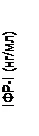
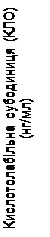
Also, in the groups receiving Somavert, a decrease in serum levels of free IGF-1, IGFBP-3, and ALS was observed compared to the placebo group at all scheduled study visits (Fig. 1).
| SOMAVERT 15 mg/day (n = 24–26) SOMAVERT 20 mg/day (n = 27–28) |
| 800 600 400 200 |
| Placebo (n = 31) SOMAVERT 10 mg/day (n = 25–26) |
| 0 2 4 8 12 Week |
| 0 2 4 8 12 Week |

Fig. 1. Effect of Somavert on serum markers (mean ± standard error of the mean).
After 12 weeks of therapy, normalized IGF-1 concentrations were observed in the percentage of patients indicated below (Fig. 2).
| SOMAVERT 20 mg/day |
| SOMAVERT 15 mg/day |
| SOMAVERT 10 mg/day |

| Placebo |
Fig. 2. Percentage of patients in whom IGF-1 concentrations normalized by week 12 of treatment.
Table 2 shows the effect of Somavert therapy on ring size (standard jewelry sizes converted to a numerical scale from 1 to 63 points) as well as on signs and symptoms of acromegaly. Each individual sign or symptom of acromegaly (soft tissue swelling, arthralgia, headache, sweating, and fatigue) was assessed using a nine-point ordinal scale (0 – absent, 8 – severe and disabling), and the total score for assessment of acromegaly signs and symptoms was calculated as the sum of scores on individual scales. Mean baseline scores were as follows: ring size – 47.1; total score for signs and symptoms – 15.2; soft tissue swelling – 2.5; arthralgia – 3.2; headache – 2.4; sweating – 3.3; and fatigue – 3.7.
Table 2. Mean change in ring size and signs and symptoms of acromegaly at week 12 compared to baseline visit (BV).
| Parameters |
Placebo n = 30 |
Somavert |
||
| 10 mg/day n = 26 |
15 mg/day n = 24–25 |
20 mg/day n = 26–27 |
||
| Ring size |
|
|
|
|
| Total symptom score for acromegaly signs and symptoms |
1.3 (6.0) |
|
|
|
| Soft tissue swelling |
0.3 (2.3) |
|
|
|
| Arthralgia |
0.1 (1.8) |
|
|
|
| Headache |
0.1 (1.7) |
|
|
|
| Sweating |
0.1 (1.7) |
|
|
|
| Increased fatigue |
0.7 (1.5) |
|
|
|
Serum growth hormone concentrations, measured using quantitative assays developed for the study and employing antibodies without cross-reactivity to pegvisomant, increased over the two weeks following initiation of therapy with Somavert. The greatest increase in growth hormone concentration was observed in patients receiving Somavert at a dose of 20 mg/day. This effect is most likely due to reduced inhibition of growth hormone secretion resulting from decreased IGF-1 levels. As shown in Fig. 3, when patients with acromegaly received a loading dose of Somavert followed by fixed daily doses, the increase in growth hormone concentration was inversely proportional to the reduction in IGF-1 levels and typically stabilized by week 2. Serum growth hormone concentration remained stable in patients receiving Somavert for a mean duration of 43 weeks (range 0–82 weeks).

| Placebo |
| Week Week Week Week Week 0 2 4 8 12 |
| 20 mg/day |
| 15 mg/day |
| 10 mg/day |

Fig. 3. Percentage change in serum growth hormone and IGF-1 concentrations.
One hundred and nine patients (including 6 new patients) participated in the open-label extension phase of the clinical study, with a mean duration of treatment of 42.6 weeks (range: 1 day – 82 weeks). Adverse reactions occurred in 93 (85.3%) patients; serious adverse reactions (SARs) were observed in 16 (14.7%) patients, and treatment was discontinued due to adverse reactions in 4 (3.7%) patients (headache, increased levels of liver function biochemical markers, pancreatic cancer, and weight gain). Overall, 100 (92.6%) of the 108 participants with available IGF-1 measurements had normal IGF-1 concentrations at any visit during the study.
In various studies, including the ACROSTUDY, pegvisomant normalized IGF-1 levels in a large proportion of patients (>70%) and significantly reduced fasting plasma glucose (FPG) and fasting plasma insulin (FPI) levels.
Pegvisomant also improves insulin sensitivity, which is likely related to blockade of GH receptors in tissues, primarily in the liver, as well as adipose tissue, kidneys, and skeletal muscles, thereby eliminating the harmful effects of GH on insulin signaling pathways, lipolysis, and gluconeogenesis. However, the precise mechanism of this effect is not fully understood. Diabetic patients with acromegaly may require dose reductions of insulin or hypoglycemic agents (see sections "Special precautions", "Interaction with other medicinal products and other forms of interaction").
Pharmacokinetics.
Absorption. Following subcutaneous administration, peak serum concentrations of pegvisomant are typically achieved no earlier than 33–77 hours after administration. The mean extent of absorption of a subcutaneously administered 20 mg dose is 57% compared to that after intravenous administration of a 10 mg dose.
Distribution. The mean apparent volume of distribution of pegvisomant is 7 L (coefficient of variation 12%), indicating minimal tissue distribution. After single subcutaneous administration, exposure (Cmax, AUC) of pegvisomant increases disproportionately with increasing dose. The mean ± standard error of the mean (SEM) serum concentration of pegvisomant after 12 weeks of daily doses of 10, 15, and 20 mg was 6600 ± 1330, 16,000 ± 2200, and 27,000 ± 3100 ng/mL, respectively.
The relative bioavailability of a single 30 mg dose of pegvisomant was compared to two 15 mg doses in a single-dose study. The AUCinf and Cmax values of pegvisomant following administration as a single 30 mg injection were approximately 6% and 4% higher, respectively, compared to administration as two 15 mg injections.
Metabolism and elimination. The pegvisomant molecule contains covalently bound polyethylene glycol polymers designed to reduce clearance rate. The clearance of pegvisomant after multiple dosing is lower than that observed after single dosing. The mean total systemic clearance of pegvisomant in the body after multiple dosing is estimated to range from 36 to 28 mL/h for subcutaneous doses ranging from 10 to 20 mg daily, respectively. Pegvisomant clearance has been found to increase with body weight. Pegvisomant is eliminated from serum with a mean half-life of 60 to 138 hours after single or multiple dosing. Less than 1% of the administered dose is recovered in urine within 96 hours. The elimination pathways of pegvisomant in humans have not been studied.
Drug interaction studies
In clinical studies, patients receiving opioids often required higher serum concentrations of pegvisomant to achieve adequate IGF-1 suppression compared to patients not receiving opioids. The mechanism of this interaction is unknown (see section "Interaction with other medicinal products and other forms of interaction").
Specific patient groups
Pharmacokinetic studies in patients with renal impairment, hepatic impairment, elderly patients, or pediatric patients have not been conducted. The effect of patient race on the pharmacokinetics of pegvisomant has not been studied. Population pharmacokinetic analysis did not reveal differences in pegvisomant pharmacokinetics based on patient gender.
Immunogenicity
The observed frequency of antibodies to the drug depends largely on the sensitivity and specificity of the analytical method. Differences in analytical methods preclude meaningful comparisons of antibody frequencies across the studies described below and with frequencies observed in other studies, including studies of Somavert or other growth hormone analogs.
In pre-registration clinical trials, approximately 17% of patients receiving Somavert developed low titers of neutralizing antibodies to growth hormone. Although the presence of these antibodies appears not to affect the efficacy of Somavert, the long-term clinical significance of developing these antibodies is unknown. Currently, there are no commercially available diagnostic kits for detecting antibodies to pegvisomant in patients receiving Somavert.
The data above reflect the percentage of patients with positive test results for antibodies to Somavert. The detection of antibody formation depends largely on the sensitivity and specificity of the assay method. Additionally, several factors may influence the observed frequency of positive antibody test results, including sample handling, timing of sample collection, concomitant medications, and underlying disease. Therefore, comparisons of the frequency of antibody formation to Somavert with that of other drugs may lead to misleading conclusions.
Clinical characteristics.
Indications.
Somavert is indicated for the treatment of acromegaly in patients who have had an inadequate response to surgery or radiotherapy, or for whom these therapies are not suitable. The goal of treatment is to normalize serum insulin-like growth factor-1 (IGF-1) levels.
Contraindications.
Somavert must not be used in patients who are allergic to the active substance or to any of the other ingredients of the medicinal product.
Interaction with other medicinal products and other forms of interaction.
Insulin and/or oral hypoglycemic agents
After initiation of Somavert therapy, patients with acromegaly and diabetes mellitus who are receiving insulin and/or oral hypoglycemic agents may require a reduction in the dose of insulin and/or oral hypoglycemic agents (see section "Special warnings and precautions for use").
Opioids
In clinical studies, patients receiving opioids often required higher doses of Somavert to normalize IGF-1 concentrations compared to patients not receiving opioids. The mechanism of this interaction is unknown.
Special precautions for use.
Hypoglycemia associated with decreased growth hormone levels in diabetic patients
Growth hormone counteracts insulin's effects on carbohydrate metabolism by reducing insulin sensitivity. Therefore, in some patients receiving Somavert, glucose tolerance may improve. Patients with diabetes mellitus should be carefully monitored, and if necessary, doses of antidiabetic medications should be reduced to avoid hypoglycemia.
Hepatotoxicity
Prior to initiating therapy with Somavert, baseline assessment of serum alanine aminotransferase (ALT), aspartate aminotransferase (AST), serum total bilirubin, and alkaline phosphatase levels should be performed. Table 3 provides recommendations for initiating Somavert therapy based on liver function test (LFT) results.
Asymptomatic, transient elevations in transaminase levels up to 15 times the upper limit of normal (ULN) were observed in < 2% of patients during two open-label studies (involving a total of 147 patients). These elevated transaminase levels were not accompanied by increased bilirubin levels. Elevated transaminase levels returned to normal over time, most often after temporary interruption of therapy. Post-marketing reports have identified elevations in serum hepatic transaminases exceeding 20 times the ULN, associated with increases in total bilirubin exceeding twice the ULN. In many of these cases, discontinuation of Somavert therapy led to reduction or resolution of abnormal liver parameters.
During treatment, Somavert should be used in accordance with the information on abnormalities in liver function biochemical parameters provided in Table 4.
Table 3. Recommendations for initiating Somavert therapy based on baseline liver function biochemical parameters (LFTs) and for periodic monitoring of LFTs during Somavert therapy
| Baseline liver function tests |
Recommendations |
| Normal |
|
| Elevated but ≤ 3 × ULN |
Somavert may be used; however, liver function tests should be monitored monthly for at least one year after initiation of therapy, then twice yearly for the following year. |
| More than 3 times ULN |
|
If during the treatment with Somavert the patient's IGF-1 level increases or any other signs or symptoms of impaired liver function appear, the management outlined below (Table 4) is recommended.
Table 4. Clinical recommendations based on assessment of liver function biochemical parameters during treatment with Somavert
| ALT level and clinical signs/symptoms |
Recommendations |
| Greater than or equal to 3 × ULN but less than 5 × ULN (without signs/symptoms of hepatitis or other liver injury or without increased serum total bilirubin) |
|
| At least 5 times higher than ULN or transaminase elevation at least 3 times higher than ULN accompanied by any increase in serum total bilirubin (with or without signs/symptoms of hepatitis or other liver injury) |
|
| Signs or symptoms indicating hepatitis or other liver injury (e.g., jaundice, bilirubinuria, increased fatigue, nausea, vomiting, right upper quadrant abdominal pain, ascites, edema of unknown etiology, tendency to bruise) |
|
Patients should have blood drawn to analyze IGF-1 levels and biochemical markers of liver function before and during treatment with Somavert; the dose of the drug may be adjusted based on the results of these tests.
Cross-reactivity with quantitative growth hormone assays
Somavert has significant structural similarity to growth hormone, resulting in cross-reactivity when using quantitative growth hormone assay kits. Since the concentration of Somavert in serum during administration of therapeutically effective doses is typically 100–1000 times higher than the actual concentration of growth hormone in serum of patients with acromegaly, measurements of serum growth hormone levels may yield falsely elevated values.
Growth of growth hormone-secreting tumors
Pituitary tumors producing growth hormone may occasionally grow, leading to serious complications (e.g., visual field defects); therefore, it is important that all patients be closely monitored. If signs of tumor growth occur, alternative procedures may be recommended.
Lipohypertrophy
Cases of lipohypertrophy have been observed in patients receiving Somavert. In a double-blind, 12-week, placebo-controlled study, one case (1.3%) of injection-site lipohypertrophy was reported in a patient receiving 10 mg/day. The condition resolved while continuing therapy. In two open-label studies (involving a total of 147 patients), two patients (both receiving 10 mg/day) developed lipohypertrophy. In one case, the condition resolved during continued therapy; in the other, it led to discontinuation of treatment. To prevent lipohypertrophy, the injection site should be rotated daily (i.e., the drug should be administered at a different site each time).
Renal impairment
Somavert has not been studied in patients with impaired renal function, and the safety and efficacy of the drug in such patients are unknown.
Use in elderly patients
The number of participants aged 65 years and older in clinical studies of Somavert was not sufficient to determine whether their response differs from that of younger patients. In general, dose selection for elderly patients should be cautious, usually starting at the lower end of the dosing range, due to the higher likelihood of decreased hepatic, renal, or cardiac function and the presence of concomitant diseases or use of other medications in this age group.
Sodium content
This medicinal product contains less than 1 mmol of sodium (23 mg) per dose. Patients on a low-sodium diet may be informed that this medicinal product can be considered sodium-free.
Use during pregnancy or breastfeeding
Pregnancy
Overview of risk information
Postmarketing data on the use of Somavert in pregnant women are insufficient to establish a link to major congenital malformations, miscarriage, or adverse maternal or fetal outcomes associated with the use of the drug. The clinical course of acromegaly may improve during pregnancy (see section "Clinical data overview"). In animal reproduction studies, fetotoxicity was observed at a dose six times the maximum recommended human dose based on body surface area, following subcutaneous administration of pegvisomant during organogenesis or the preimplantation period (see section "Data"). The estimated background risk of major congenital malformations and miscarriage in the target population is unknown. In the general U.S. population, the estimated background risk of major congenital malformations and miscarriage in clinically recognized pregnancies is 2–4% and 15–20%, respectively.
Overview of clinical data
Maternal and/or embryo-fetal risks related to the disease
Published data from case reports, case series, and a small interventional study involving pregnant women with acromegaly indicate that the clinical course of acromegaly may improve or stabilize without treatment during pregnancy, particularly if acromegaly was treated prior to pregnancy. In rare cases, acromegaly may worsen during pregnancy. Because hormone levels may change physiologically during pregnancy and interpretation of growth hormone levels in pregnant women with acromegaly may be unreliable, clinical monitoring is recommended. The use of the drug in pregnant women has not been studied; therefore, patients should inform their physician immediately if they become pregnant.
Data
Animal study data
The effect of pegvisomant on early embryonic development and embryo-fetal development was evaluated in two separate studies in pregnant rabbits receiving subcutaneous pegvisomant at doses of 1, 3, and 10 mg/kg/day. There was no evidence of teratogenic effects associated with pegvisomant administration during organogenesis. At the dose of 10 mg/kg/day (six times the maximum therapeutic human dose based on body surface area), a reproducible small increase in post-implantation loss was observed in both studies.
Breastfeeding
Overview of risk information
According to limited clinical case information, published reports indicate that pegvisomant levels in human breast milk are below the level of detection. There is no available information on the effect of the drug on breastfed infants or on milk production. The benefits of breastfeeding for infant development and health, the mother's clinical need for Somavert, and any potential adverse effects of Somavert on the breastfed child or on the underlying maternal condition should be considered.
Patients should inform their physician if they plan to breastfeed.
Women and men of reproductive potential
The possibility of unexpected pregnancy should be discussed with premenopausal patients, as the therapeutic benefits of lowering growth hormone (GH) levels and normalizing insulin-like growth factor 1 (IGF-1) concentrations in women with acromegaly receiving pegvisomant may lead to improved fertility.
Ability to affect reaction speed when driving or operating machinery
No studies have been conducted on the effect of the drug on the ability to drive or operate machinery.
Method of Administration and Dosage
Dosing Information
The recommended loading dose of Somavert is 80 mg administered subcutaneously under medical supervision. Proper instruction on the technique of subcutaneous injection must be provided. Starting the day after administration of the loading dose, the patient should receive daily subcutaneous injections of Somavert at a dose of 10 mg.
The dose should then be titrated to normalize serum IGF-1 levels (serum IGF-1 concentrations should be measured every 4–6 weeks). Dose selection should not be based on growth hormone concentration or signs and symptoms of acromegaly. It is unknown whether patients who still have symptoms after achieving normal IGF-1 levels would benefit from increasing the dose of Somavert.
-
If IGF-1 concentration is elevated, the dose of the drug should be increased by 5 mg every 4–6 weeks.
-
If IGF-1 concentration is below the normal range, the dose of the drug should be reduced by 5 mg every 4–6 weeks.
-
IGF-1 levels should also be monitored when transitioning a patient from a daily regimen of the required dose of Somavert administered as multiple injections to a daily regimen with the required dose administered as a single injection (see section "Pharmacological Properties").
The recommended dosage range is 10 to 30 mg administered subcutaneously once daily; the maximum daily dose is 30 mg administered subcutaneously once daily.
Assessment of Hepatic Function Prior to Initiation of Somavert Therapy
Prior to initiating therapy with Somavert, baseline assessment of liver function tests should be performed (serum alanine aminotransferase [ALT], aspartate aminotransferase [AST], total serum bilirubin [TSB], and alkaline phosphatase). Recommendations for initiating Somavert therapy based on baseline liver function and recommendations for monitoring liver function during Somavert therapy are provided in Table 3 (see section "Special Warnings and Precautions for Use").
Procedure for Administration of the Loading Dose Injection
The instructions below pertain to reconstitution and preparation for administration of the 80 mg loading dose and are intended for healthcare professionals. The healthcare professional must reconstitute the lyophilized powder in 4 vials of Somavert, each containing 20 mg of pegvisomant, using the diluent supplied in the package (4 vials of lyophilized powder and 4 syringes containing 2.25 mL of diluent [sterile water for injection] are required to prepare the 80 mg loading dose). The healthcare professional must also administer 4 injections of the reconstituted Somavert solution at different sites, selecting from the patient's shoulder, upper thigh, abdomen, or buttock (each injection at a different site).
- Approximately 10 minutes prior to the scheduled injection time, remove the first package (1 vial of Somavert lyophilized powder containing 20 mg pegvisomant and 1 syringe containing 2.25 mL of diluent) from the refrigerator.
- Reconstitute the 20 mg pegvisomant lyophilized powder in the first vial using the supplied diluent. When using the 2.25 mL syringe of diluent, slowly inject the contents along the wall of the vial containing the Somavert lyophilized powder. Do not direct the diluent stream directly onto the powder.
- Do not invert or shake the vial, as this may cause denaturation of the pegvisomant protein. Gently mix the solution by swirling to ensure complete dissolution of the lyophilized powder. If foaming occurs in the reconstituted Somavert solution, the solution may be compromised and therefore unsuitable for administration.
- Visually inspect the reconstituted Somavert solution for particulate matter and discoloration prior to administration. The reconstituted solution should be clear. Do not use if the solution is cloudy. After reconstitution, the solution contains 20 mg of pegvisomant in 1 mL.
- Draw up 1 mL of the reconstituted Somavert solution. The solution must be used within 6 hours after reconstitution.
- Administer the first subcutaneous injection of the reconstituted Somavert solution (20 mg/mL) into the patient’s shoulder, upper thigh, abdomen, or buttock at a 90-degree angle.
- Repeat steps (a) through (d) to reconstitute the second, third, and fourth 20 mg doses of Somavert.
- Then administer the second (followed by the third and fourth) subcutaneous injection of the reconstituted Somavert solution (20 mg/mL) into the patient’s shoulder, upper thigh, abdomen, or buttock (select a different site from previous injections) at a 90-degree angle.
- Repeat steps (a) through (d) to reconstitute the second, third, and fourth 20 mg doses of Somavert.
- Administer the first subcutaneous injection of the reconstituted Somavert solution (20 mg/mL) into the patient’s shoulder, upper thigh, abdomen, or buttock at a 90-degree angle.
- Draw up 1 mL of the reconstituted Somavert solution. The solution must be used within 6 hours after reconstitution.
- Visually inspect the reconstituted Somavert solution for particulate matter and discoloration prior to administration. The reconstituted solution should be clear. Do not use if the solution is cloudy. After reconstitution, the solution contains 20 mg of pegvisomant in 1 mL.
- Do not invert or shake the vial, as this may cause denaturation of the pegvisomant protein. Gently mix the solution by swirling to ensure complete dissolution of the lyophilized powder. If foaming occurs in the reconstituted Somavert solution, the solution may be compromised and therefore unsuitable for administration.
- Reconstitute the 20 mg pegvisomant lyophilized powder in the first vial using the supplied diluent. When using the 2.25 mL syringe of diluent, slowly inject the contents along the wall of the vial containing the Somavert lyophilized powder. Do not direct the diluent stream directly onto the powder.
Procedure for Administration of the Maintenance Dose Injection
Instructions for the patient or caregiver on reconstitution and administration of daily doses (from 10 to 30 mg) are provided below in the "Step-by-Step Instructions for Administration of Somavert."
- Approximately 10 minutes prior to the scheduled injection time, remove from the refrigerator one vial of Somavert lyophilized powder containing 10 mg, 15 mg, 20 mg, or 30 mg pegvisomant and one 2.25 mL syringe containing diluent.
- Reconstitute the Somavert lyophilized powder using the diluent. When using the 2.25 mL syringe of diluent, slowly inject the contents along the wall of the vial containing the Somavert lyophilized powder. Do not direct the diluent stream directly onto the powder.
- Do not invert or shake the vial, as this may cause denaturation of the pegvisomant protein. Gently mix the solution by swirling to ensure complete dissolution of the lyophilized powder. If foaming occurs in the reconstituted Somavert solution, the solution may be compromised and therefore unsuitable for administration.
- Visually inspect the reconstituted Somavert solution for particulate matter and discoloration prior to administration. The reconstituted solution should be clear. Do not use if the solution is cloudy. After reconstitution, the solution contains 10 mg, 15 mg, 20 mg, or 30 mg of pegvisomant in 1 mL.
- Draw up 1 mL of the reconstituted Somavert solution. The solution must be used within 6 hours after reconstitution.
Administer the subcutaneous injection of the reconstituted Somavert solution into the shoulder, upper thigh, abdomen, or buttock at a 90-degree angle.
Step-by-Step Instructions for Administration of Somavert
Step 1. Supplies Needed
One package of Somavert contains a vial of Somavert powder, a pre-filled syringe, and a safety needle.
You will also need: a cotton swab, an alcohol wipe, and a sharps container for disposal of used needles.
| finger flange on the syringe |
| flask stopper (with the flask cap removed) |
| needle cap |
| Safety needle |
| Syringe |
| needle protective cap |
| syringe plunger rod |
| syringe tip |
| syringe cylinder |
| syringe cap |
| expiry date |
| flask cap |
| opening in the stopper |
| Vial |
Step 2. Preparation
Before starting:
- Mix Somavert and liquid only when you are ready to administer the dose.
- Remove one package of Somavert from the refrigerator and allow the medication to warm to room temperature in a safe place for at least 10 minutes before use.
- Do not heat the Somavert package using a heat source such as hot water or microwave oven. The medication should warm on its own.
- Wash your hands with soap and water and dry them completely.
- Open the package containing the syringe and safety needle so that each necessary item is easily accessible during preparation for injection.
- Do not use syringes or vials if:
- they are damaged or defective;
- the expiration date has passed;
- they have been frozen, even if they have now thawed (this applies only to syringes).
Step 3. Choosing the injection site
| Selection of injection site |
| Abdomen Stay at least 5 cm away from the navel |
| Thighs |
| Shoulder or lower back Back of the upper arm (only for a healthcare provider or caregiver) |
- For each injection, choose a different site within the injection areas.
- Avoid areas near bones or areas with bruises, redness, pain, or lumps, as well as areas with scars or skin conditions.
- Wipe the injection site with an alcohol swab.
- Allow the injection site to dry.
Step 4. Removing the cap from the vial
| Removing the cap from the vial |
- Remove the cap from the vial.
- Discard the cap. You will not need it anymore.
Caution! Do NOT touch the vial stopper with anything.
Step 5. Removing the syringe cap
| Removing the cap from the syringe |
| Clicking |
- Remove the cap from the syringe, leaving the syringe tip in place. You may need to use more force than it initially appears to remove the cap.
- Discard the syringe cap. You will no longer need it.
- Hold the syringe vertically to prevent leakage of liquid.
Caution! Do not touch the syringe tip to any surfaces once the cap has been removed.
Step 6. Attaching the safety needle
| Attaching a |
- Press and twist the safety needle firmly onto the syringe until it stops.
Step 7. Removing the needle cap
| Removal of the needle cap |
- Remove the protective needle cover from the path of the needle cap.
- Carefully remove the cap from the needle.
- Discard the needle cap. You will not need it anymore.
Caution! Do not touch anything with the needle.
Step 8. Inserting the needle
| Needle insertion |
- Pierce the center of the vial stopper with the needle, as shown in the figure.
- Hold the syringe steady while the needle is inserted in the vial stopper to prevent bending the needle.
Step 9. Adding liquid
| Addition of liquid |
- Tilt the vial and syringe at an angle, as shown in the figure.
- Slowly press the syringe plunger until all the liquid has transferred into the vial.
- Caution! Do not direct the liquid stream directly onto the powder. This may cause foaming, rendering the preparation unsuitable for use.
- Do not remove the needle yet.
Step 10. Mix the solution with circular movements
| Mixing the solution with circular movements |
- Hold the syringe and vial in one hand, as shown in the illustration.
- Carefully and slowly mix the solution by gently rotating the vial in a circular motion on a flat surface.
- Continue mixing the liquid with circular motions until all the powder is completely dissolved.
Note: This may take up to 5 minutes. Do not shake.
Step 11. Checking the solution
| Inspection of the solution |
- Holding the needle in the vial, carefully examine the solution. It should be clear and free of foreign particles.
- Do not use the medication if:
- the solution is cloudy or discolored;
- the solution is colored in any way;
- there are any particles or foam present in the vial.
Step 12. Moving the needle
| Needle movement |
- Turn the vial upside down so that you can see the opening in the stopper, as shown in the figure.
- Keep the needle pointing downward so that the tip of the needle is in the lowest point of the liquid. This will allow you to withdraw as much liquid from the vial as possible.
- Make sure the syringe plunger is not moving. If the syringe plunger has moved, push it back into the syringe. This allows you to remove all air from the syringe before you begin drawing up the dose.
Step 13. Drawing up the dose
| Dose titration |
- Slowly pull back the plunger of the syringe to withdraw as much solution from the vial as possible.
Note. If you see air bubbles in the syringe, tap the syringe barrel gently to allow the bubbles to rise to the top, then carefully expel the air bubbles back into the vial.
- Remove the needle from the vial.
Step 14. Inserting the needle
| Needle insertion |
- Carefully grasp the skin fold at the injection site.
- Insert the needle fully into the skin fold.
Step 15. Administering the medication injection
| Administration of the drug injection |
- Slowly push the syringe plunger down until the syringe barrel is empty.
Note: Make sure you have inserted the needle fully.
- Release the skin fold and withdraw the needle at a right angle.
Step 16. Needle safety
| Click! |
| Needle safety |
- Lower the protective needle cover.
Carefully press down on the cover using a hard surface to return it to its original position.
- Note: You will hear a click when the protective cover locks into place.
Step 17. Disposal
- Place used syringes into a sharps disposal container.
- Do not dispose of (do not throw away) syringes with household waste.
Step 18. After the injection
- If needed, take a clean cotton pad and gently press it against the injection site.
- Do not rub the injection site.
Children
The safety and efficacy of Somavert in children have not been established.
Overdose
During post-marketing clinical experience, one case of acute overdose with Somavert has been reported: a patient self-administered injections at a dose of 80 mg/day (2.7 times higher than the maximum recommended maintenance dose) for seven days. The patient experienced a slight increase in fatigue, without any other complaints or clinically significant abnormalities in laboratory test results.
In the event of overdose, Somavert administration should be discontinued and not resumed until IGF-1 levels return to normal.
Adverse Reactions
Clinically significant adverse reactions mentioned in the section "Special Warnings and Precautions for Use" include:
- hypoglycemia associated with decreased growth hormone levels in patients with diabetes mellitus;
- hepatotoxicity;
- cross-reactivity with immunoassays for growth hormone;
- lipohypertrophy;
- systemic hypersensitivity reactions.
During pre-approval clinical trials, serum levels of ALT and AST increased more than 10 times above the upper limit of normal (ULN) in two patients (0.8%) receiving Somavert. One patient underwent rechallenge with Somavert, after which there was a recurrence of elevated transaminases, indicating a probable causal relationship between drug administration and increased liver enzymes. Liver biopsy results in the second patient were consistent with chronic hepatitis of unknown etiology. In both patients, elevated transaminase levels returned to normal after discontinuation of the drug.
Elevations in ALT and AST were not accompanied by increases in total bilirubin or alkaline phosphatase, except in two patients who had minimal associated increases in alkaline phosphatase (i.e., less than 3 × ULN). Transaminase elevations are likely not dose-dependent and typically occur within 4–12 weeks after initiation of therapy. No biochemical, phenotypic, or genetic predictive factors associated with this phenomenon have been identified.
Clinical Trial Experience
Because clinical trials are conducted under widely varying conditions, the frequency of adverse reactions observed in the clinical trials of one drug cannot be directly compared to that of another drug, and may not reflect the frequency observed in clinical practice.
In a 12-week randomized, placebo-controlled, double-blind, fixed-dose trial of Somavert in patients with acromegaly, 32 patients received placebo and 80 patients received Somavert once daily (see section "Pharmacological Properties" ("Clinical Studies")). Overall, 108 patients (30 in the placebo group, 78 in the Somavert group) completed 12 weeks of therapy.
Overall, eight patients with acromegaly (5.3%) were withdrawn from pre-approval clinical trials due to adverse reactions, including two patients with marked elevations in transaminase levels, one patient with injection-site lipohypertrophy, and one patient with significant weight gain. Most adverse reactions appeared to be non-dose-dependent. Table 5 lists the adverse reactions reported in at least two patients receiving Somavert and occurring at a higher frequency than in the placebo group in the 12-week placebo-controlled study.
Table 5. Adverse Reactions Observed in the 12-Week Placebo-Controlled Study in Patients with Acromegaly*
Adverse reactions |
Placebo n = 32 |
Somavert |
||
| 10 mg/day n = 26 |
15 mg/day n = 26 |
20 mg/day N = 28 |
||
| Infection† |
2 (6 %) |
6 (23 %) |
0 |
0 |
| Pain |
2 (6 %) |
2 (8 %) |
1 (4 %) |
4 (14 %) |
| Nausea |
1 (3 %) |
0 |
2 (8 %) |
4 (14 %) |
| Diarrhea |
1 (3 %) |
1 (4 %) |
0 |
4 (14 %) |
| Liver function test abnormalities |
1 (3 %) |
3 (12 %) |
1 (4 %) |
1 (4 %) |
| Influenza-like syndrome |
0 |
1 (4 %) |
3 (12 %) |
2 (7 %) |
| Injection site reaction |
0 |
2 (8 %) |
1 (4 %) |
3 (11 %) |
| Dizziness |
2 (6 %) |
2 (8 %) |
1 (4 %) |
1 (4 %) |
| Accidental injury |
1 (3 %) |
2 (8 %) |
1 (4 %) |
0 |
| Back pain |
1 (3 %) |
2 (8 %) |
0 |
1 (4 %) |
| Sinusitis |
1 (3 %) |
2 (8 %) |
0 |
1 (4 %) |
| Chest pain |
0 |
1 (4 %) |
2 (8 %) |
0 |
| Peripheral edema |
0 |
2 (8 %) |
0 |
1 (4 %) |
| Arterial hypertension |
0 |
0 |
2 (8 %) |
0 |
| Paresthesia |
2 (6 %) |
0 |
0 |
2 (7 %) |
* The table includes only reactions that were reported in at least 2 patients and occurred more frequently in patients receiving Somavert than in placebo group patients.
† In the group receiving Somavert 10 mg, 6 reactions coded as "infection" were reported: cold symptoms (3), upper respiratory tract infection (1), blisters (1), and ear infection (1). In the placebo group, 2 such reactions were reported: cold symptoms (1) and chest infection (1).
Post-marketing experience
Adverse reactions from post-marketing spontaneous reports
During the post-marketing period of Somavert use, the adverse reactions listed below have been identified. Because these reactions are reported voluntarily from a population of unknown size, it is not always possible to reliably estimate their frequency or establish a causal relationship to drug exposure.
Systemic hypersensitivity reactions, including anaphylactic reactions, laryngospasm, angioneurotic edema, and generalized skin reactions (rash, erythema, pruritus, urticaria), have been reported during the post-marketing period. Some patients required hospitalization. Upon re-challenge, symptoms did not recur in any patient (see section "Special precautions" ("Systemic hypersensitivity reactions")).
Adverse reactions from observational study
ACROSTUDY – an international observational registry collecting long-term safety data from 2221 acromegaly patients treated with Somavert, with a mean treatment duration of 8.5 years. Patients were allowed to receive other acromegaly treatments during the registry period. The dose and regimen were determined at the discretion of each treating physician. Although safety monitoring according to the recommended schedule was required, not all assessments were performed at all time points for every patient. Therefore, comparison of adverse reaction frequencies with those observed in the original clinical trial is not feasible.
Of 1327 patients with normal baseline AST and ALT levels, 20 (1.5%) experienced elevations >3–5 times above ULN, and 22 (1.7%) experienced elevations >5 times above ULN. Lipohypertrophy was reported in 35 (1.6%) patients.
Among 1795 study participants with available baseline and at least one follow-up MRI, MRI results showed increase in 128 (7.1%), decrease in 310 (17.3%), both increase and decrease in 81 (4.5%), and no change in 1276 (71.1%).
Patients (and/or their caregivers) should be informed about the potential development of these adverse reactions.
- The most commonly reported adverse reactions were injection site reactions, increased liver function biochemical parameters, pain, nausea, and diarrhea.
- If patients develop elevated liver function biochemical parameters, they may require more frequent blood testing to monitor liver function and/or discontinuation of Somavert. Inform patients to immediately discontinue therapy and contact their physician if jaundice occurs.
- In patients with acromegaly, growth hormone-secreting tumors may increase in size and should be carefully monitored using magnetic resonance imaging (MRI).
- Subcutaneous injection site reactions may lead to nodularity and potentially lipohypertrophy; rotating injection sites can help prevent or minimize this.
- In patients with diabetes mellitus, careful monitoring may be required, and doses of insulin and/or oral hypoglycemic agents may need to be reduced during Somavert therapy.
- In patients receiving opioids, higher doses of Somavert may be required to achieve adequate IGF-1 suppression.
Reporting suspected adverse reactions
Reporting suspected adverse reactions after medicine authorization is important. It allows ongoing monitoring of the benefit-risk balance of the medicine. Healthcare professionals, pharmacists, patients, and their legal representatives should report all suspected adverse reactions and lack of efficacy through the automated pharmacovigilance information system at: https://aisf.dec.gov.ua.
Shelf life.
3 years.
Storage conditions.
Store vials of lyophilized powder in the original packaging protected from light at 2–8°C in a refrigerator. Do not freeze.
The medicinal product in vials in the original packaging may be stored at temperatures not exceeding 25°C for a single period of up to 30 days. The cardboard box should be marked with the date by which the product must be used (within 30 days from removal from the refrigerator). Vials must be protected from light and must not be returned to the refrigerator. The product must be disposed of if not used within 30 days of storage at room temperature or after the expiry date indicated on the box, whichever comes first.
The solvent in pre-filled syringes should be stored at temperatures not exceeding 30°C or at 2–8°C in a refrigerator. Do not freeze.
The reconstituted solution should be used immediately or within 6 hours after preparation.
Keep out of reach of children.
Packaging.
10 vials of lyophilized powder in an intermediate cardboard box; 3 intermediate cardboard boxes, 30 pre-filled syringes with 1 mL solvent, 30 safety needles in a cardboard box.
Prescription status.
Prescription only.
Manufacturer.
Pfizer Manufacturing Belgium NV.
Manufacturer's location and address of place of business.
Rijksweg 12, Puurs-Sint-Amands, 2870, Belgium / Rijksweg 12, Puurs-Sint-Amands, 2870, Belgium.