Rinza
Ukraine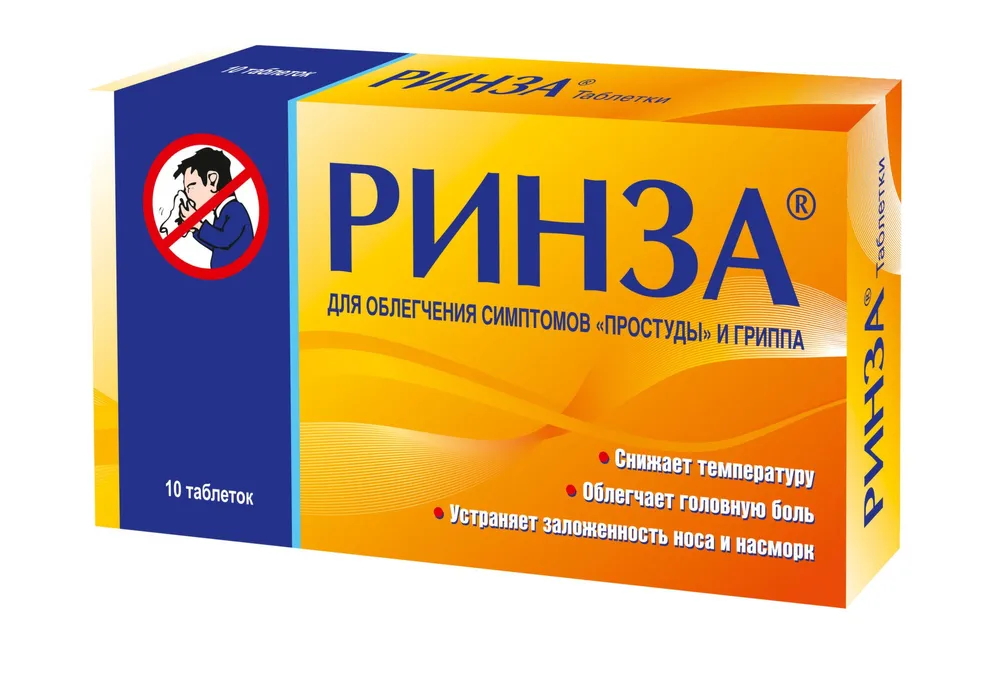
Table of Contents
INSTRUCTIONS FOR MEDICAL USE OF THE MEDICINAL PRODUCT RINZA®
Composition:
Active substances: paracetamol, chlorpheniramine maleate, caffeine, phenylephrine hydrochloride;
1 tablet contains: paracetamol – 500 mg, chlorpheniramine maleate – 2 mg, caffeine – 30 mg, phenylephrine hydrochloride – 10 mg;
Excipients: colloidal anhydrous silicon dioxide, corn starch, sodium starch glycolate (type A), magnesium stearate, talc, povidone (K 30),
colorant Ponceau 4R (E 124).
Pharmaceutical form. Tablets.
Main physico-chemical properties: round, flat, uncoated tablets with beveled edges and a score line on one side, pink in color with dark pink and white speckles.
Pharmacotherapeutic group. Analgesics. Other analgesics and antipyretics. Paracetamol combinations without psychotropic agents. ATC code N02BE51.
Pharmacological properties.
Pharmacodynamics.
A combination drug with analgesic, antipyretic, and anti-inflammatory effects, which are due to the components contained in the medicinal product.
Paracetamol exerts analgesic and antipyretic effects. It reduces pain associated with the common cold, sore throat, headache, muscle and joint pain, and also lowers high body temperature. The analgesic effect is due to inhibition of prostaglandin synthesis. The antipyretic effect is mediated via action on the hypothalamic thermoregulatory center.
Chlorpheniramine maleate is an H1-histamine receptor blocker. Chlorpheniramine exerts an antiallergic effect: it reduces itching of the eyes, nose, and throat, decreases edema and hyperemia of the mucous membranes of the nasal cavity, nasopharynx, and paranasal sinuses, and reduces exudative processes. Caffeine exerts a stimulant effect on the central nervous system, reducing fatigue and drowsiness and increasing mental and physical performance. Phenylephrine hydrochloride stimulates α-adrenergic receptors of vascular smooth muscles. Thus, it causes vasoconstriction, which leads to a reduction in swelling and hyperemia of the mucous membranes of the upper respiratory tract and nasal sinuses.
Pharmacokinetics.
Paracetamol is rapidly and almost completely absorbed from the gastrointestinal tract. Maximum plasma concentrations are reached within 0.5–2 hours, with slightly faster absorption when liquid dosage forms are used. With excessive doses, absorption is completed within 4 hours. Administration of usual analgesic doses results in plasma concentrations ranging from 5 to 20 mcg/mL; the correlation between concentration and analgesic effect is not well established. Plasma protein binding ranges from 25 to 50% at toxic concentrations.
Paracetamol is extensively metabolized and excreted in urine primarily as inactive glucuronide and sulfate conjugates (94%). From 2 to 4% is excreted unchanged. Approximately 4% is metabolized via cytochrome P450 oxidase to a toxic metabolite, which under normal conditions is detoxified mainly by conjugation with cysteine and mercapturic acid. The mean elimination half-life is slightly prolonged in neonates (2.2–5 hours) and in patients with cirrhosis. Prolonged or high-dose use of paracetamol in acute conditions may deplete glutathione reserves, potentially leading to hepatic necrosis.
Chlorpheniramine maleate is well absorbed after oral administration. The drug's effect begins within 15–30 minutes, peak concentrations are reached within 1–2 hours, and the duration of action is 4–6 hours. It is primarily metabolized in the liver. Metabolites with antihistaminic activity, along with a small amount of unchanged drug, are excreted in urine. A small amount may pass into breast milk.
Caffeine is well absorbed orally (99%). Peak plasma concentrations of 5–25 mcg/mL are reached within 15–45 minutes after a 250 mg dose. Protein binding ranges from 15 to 17%. Caffeine rapidly crosses the blood-brain barrier and placenta. Therapeutic plasma concentrations are approximately 6–13 mcg/mL; concentrations above 20 mcg/mL may cause adverse reactions. A plasma concentration exceeding 100 mcg/mL is lethal.
Caffeine is metabolized in the liver. Between 0.5 and 3.5% of the drug is excreted unchanged in urine. Clearance is reduced in alcohol-induced liver disease. In adults, the plasma half-life ranges from 3 to 7.5 hours (average 3.5 hours). The elimination half-life is prolonged in pregnant women (up to 18 hours) and with concomitant use of certain medicinal products.
Clinical characteristics.
Indications.
Symptomatic treatment of colds, influenza, and acute respiratory viral infections (fever, pain, nasal congestion).
Contraindications.
- Hypersensitivity to any component of the drug;
- Severe coronary atherosclerosis;
- Severe cardiovascular diseases, including conduction disorders, severe form of ischemic heart disease; decompensated heart failure;
- Arterial hypertension;
- Predisposition to vascular spasm;
- Thrombosis;
- Thrombophlebitis;
- Severe renal and hepatic function impairment;
- Glucose-6-phosphate dehydrogenase deficiency;
- Congenital hyperbilirubinemia, Gilbert's syndrome;
- Dubin-Johnson syndrome, Rotor syndrome;
- Acute pancreatitis, acute hepatitis;
- Diabetes mellitus;
- Thyroid disorders;
- Pyloroduodenal obstruction;
- Bronchial asthma;
- Chronic obstructive pulmonary disease;
- Emphysema;
- Chronic bronchitis;
- Stevens-Johnson syndrome;
- Pheochromocytoma;
- Hyperthyroidism;
- Phenylketonuria;
- Blood disorders;
- Marked leukopenia;
- Anemia;
- Urinary bladder neck obstruction;
- Prostate hyperplasia with difficult urination, prostatic hyperplasia;
- Increased intraocular pressure;
- Closed-angle glaucoma;
- Hyperexcitability, sleep disturbances;
- Epilepsy;
- Alcoholism;
- Advanced age;
- Hypersensitivity to other xanthine derivatives (theophylline, theobromine);
- Do not use concomitantly with antidepressants;
- Do not use concomitantly with appetite suppressants or appetite stimulants and amphetamine-like psychostimulants;
- Do not use concomitantly with vasodilators;
- Do not use concomitantly with beta-blockers and other sympathomimetics;
- Do not use concomitantly with monoamine oxidase inhibitors (MAOIs) or within 2 weeks after discontinuation of MAOIs.
Interaction with other medicinal products and other forms of interaction.
Concomitant use of this drug with other medicinal products containing paracetamol or other active ingredients present in Rinza® should be avoided.
Rinza® potentiates the effects of MAO inhibitors, β-blockers, sedatives, and ethanol. In addition, MAO inhibitors and furazolidone used concomitantly with Rinza® may cause agitation, hypertensive crisis, and hyperpyrexia (due to chlorpheniramine maleate). When used simultaneously with antidepressants, antiparkinsonian agents, neuroleptics, and phenothiazine derivatives, an anticholinergic-like effect may occur (manifested as dry mouth, urinary retention, constipation).
The risk of developing glaucoma increases when Rinza® is taken concomitantly with glucocorticosteroids. Paracetamol, one of the components of the drug, reduces the effectiveness of diuretics, and increases the risk of hepatotoxic reactions when used concomitantly with barbiturates, phenytoin, carbamazepine, rifampicin, and other microsomal liver enzyme inducers. Anticonvulsant drugs (phenytoin, carbamazepine), which also stimulate hepatic microsomal enzymes, and isoniazid may enhance the hepatotoxicity of paracetamol. Barbiturates reduce the antipyretic effect of paracetamol. The absorption rate of paracetamol may increase when used concomitantly with metoclopramide and domperidone, and decrease when used concomitantly with cholestyramine. The effect of paracetamol is enhanced when combined with codeine, ascorbic acid, scopolamine, chlorphenamine, propyphenazone, and caffeine. Concomitant use of paracetamol with azidothymidine may lead to neutropenia. The anticoagulant effect of warfarin and other coumarins is enhanced with prolonged regular use of paracetamol, increasing the risk of bleeding, whereas occasional use does not have a significant effect. Concurrent use of paracetamol with nonsteroidal anti-inflammatory drugs increases the risk of renal complications. When paracetamol is used concomitantly with hepatotoxic agents, the toxic effect of the drugs on the liver increases.
One of the components of the drug—phenylephrine hydrochloride—exerts an adrenergic effect when used with tricyclic antidepressants; concomitant use with halothane increases the risk of ventricular arrhythmias. Rinza® reduces the hypotensive effect of guanethidine, which, in turn, enhances the α-adrenergic stimulating activity of phenylephrine hydrochloride. Interaction between phenylephrine hydrochloride and digoxin or cardiac glycosides may lead to arrhythmias and infarction. Phenylephrine combined with other sympathomimetics increases the risk of cardiovascular adverse reactions, may reduce the effectiveness of β-blockers and other antihypertensive agents (reserpine, methyldopa), increasing the risk of arterial hypertension and cardiovascular side effects.
Chlorpheniramine maleate may significantly enhance sedative effects when used concomitantly with central nervous system depressants, including hypnotics, barbiturates, sedatives, neuroleptics, tranquilizers, anesthetics, narcotic analgesics, and alcohol. Phenylephrine may also cause adverse reactions when combined with indomethacin and bromocriptine (severe arterial hypertension). Rauwolfia alkaloids reduce the therapeutic effect of phenylephrine. Chlorpheniramine enhances the anticholinergic effect of atropine, spasmolytics, tricyclic antidepressants, MAO inhibitors, and antiparkinsonian agents. Use of chlorpheniramine with MAO inhibitors and furazolidone may lead to hypertensive crisis, agitation, and hyperpyrexia.
Caffeine enhances the effect (improves bioavailability) of analgesic-antipyretic agents, potentiates the effects of xanthine derivatives, α- and β-adrenergic agonists, and psychostimulants. Cimetidine, hormonal contraceptives, and isoniazid enhance the effect of caffeine. Caffeine reduces the effect of opioid analgesics, anxiolytics, hypnotics, and sedatives; it acts as an antagonist of anesthetic agents and other drugs that depress the central nervous system, and as a competitive antagonist of adenosine and ATP drugs. When caffeine is used concomitantly with ergotamine, absorption of ergotamine from the gastrointestinal tract improves; when used with thyrotropic agents, the thyroid effect is enhanced.
Caffeine reduces the blood concentration of lithium. Acute single-dose caffeine intake has been shown to increase renal excretion of lithium, likely secondary to increased sodium excretion observed with caffeine consumption. Furthermore, abrupt cessation of chronic caffeine use is associated with increased serum lithium concentration.
Flucloxacillin. When therapeutic doses of paracetamol and flucloxacillin are used concomitantly, cases of metabolic acidosis with high anion gap (HAGMA) due to pyroglutamic acid (5-oxoprolinemia) have been reported. The highest risk of HAGMA occurs particularly in elderly women with sepsis, impaired renal function, or malnutrition. The condition of most patients improved after discontinuation of one or both drugs. Patients should consult their physician before using this medicinal product if they are taking the antibiotic flucloxacillin.
Special precautions.
Do not exceed the recommended dose. Avoid concomitant use with other medicinal products containing paracetamol or other active ingredients present in Rinza®. This medicinal product is not recommended for simultaneous use with sedatives and hypnotics.
The drug should be prescribed by a physician only after assessing the "risk/benefit" ratio in the following cases: moderate heart disease; cardiac arrhythmias; urinary disorders; liver diseases. Use with caution in patients with productive cough, in patients with congenital prolonged QT interval, or during prolonged use of drugs that may prolong the QT interval.
In patients who have taken paracetamol, serious skin reactions such as acute generalized exanthematous pustulosis, Stevens-Johnson syndrome, and toxic epidermal necrolysis have been reported very rarely. Patients should be informed about the symptoms of serious skin reactions. The use of the drug must be discontinued at the first signs of skin rash or other symptoms of hypersensitivity.
Taking doses exceeding the recommended amounts may lead to liver damage.
Patients with liver disease should consult a physician before taking the drug.
If the drug is used for a prolonged period as directed by a physician, monitoring of liver function and peripheral blood picture is necessary.
Consult a physician before using the drug if you are taking warfarin or similar anticoagulant agents. The drug may affect laboratory test results for blood glucose and uric acid levels.
When using the drug, avoid excessive consumption of coffee, strong tea, other stimulant beverages, alcohol, and using medicinal products containing caffeine, as this may cause sleep problems, tremor, tension, irritability, discomfort in the chest due to palpitations, dizziness, and arrhythmia.
Taking Rinza® may cause drowsiness.
Alcohol consumption should be avoided during treatment.
Rinza® intake may result in a positive analytical finding in doping control tests.
Patients should exercise caution when taking the drug while performing tasks requiring concentration and rapid psychomotor and mental reactions.
If high fever persists for 3 days or longer, or recurs, or if pain continues for more than 5 days, consult a physician.
Use during pregnancy or breastfeeding.
Rinza® is not recommended during pregnancy or breastfeeding.
Ability to affect reaction speed when driving or operating machinery.
During treatment with this drug, driving vehicles and operating potentially hazardous machinery is not recommended.
Method of Administration and Dosage.
Adults and children aged 15 years and older: Rinzu® should be taken at a dose of 1 tablet 3–4 times daily, 1–2 hours after meals. Swallow with an adequate amount of liquid. The single dose must not exceed 1 tablet. Maximum daily dose – 4 tablets. Do not exceed the recommended dose. Use the lowest effective dose for the shortest possible duration. The duration of treatment should not exceed 5 days.
Children: Not recommended for children under 15 years of age.
Overdose.
Symptoms of paracetamol overdose: Toxic effects in adults may occur after ingestion of 10–15 g of paracetamol. Symptoms may include: loss of appetite, pallor, anorexia, nausea, vomiting, diarrhea, epigastric discomfort (within 0–24 hours); increased activity of liver transaminases and lactate dehydrogenase, elevated bilirubin levels, and decreased prothrombin levels (within 24–48 hours); hepatotoxic effect characterized by general symptoms (pain, weakness, adynamia, increased sweating) and specific symptoms (hepatomegaly, jaundice, elevated liver enzymes). Hepatotoxicity may lead to hepatic necrosis and may be complicated by hepatic encephalopathy (impaired thinking, depression of higher nervous activity, agitation, and stupor), DIC syndrome, hypoglycemia, metabolic acidosis, arrhythmia, seizures, respiratory depression, coma, cerebral edema, hypocoagulation, and collapse. Rarely, liver dysfunction may develop rapidly and may be complicated by renal failure. After ingestion of large doses, symptoms such as liver pain, disorientation, agitation, dizziness, sleep disturbances, cardiac arrhythmias, bacterial infection, fungal infection, sepsis, coagulopathy, hypophosphatemia, lactic acidosis, cardiomyopathy, hypotension, respiratory failure, gastrointestinal bleeding, pancreatitis, acute renal failure, acute liver failure, and multiple organ failure may occur. Glucose metabolism disturbances may also occur. With prolonged use of high doses, aplastic anemia, pancytopenia, agranulocytosis, neutropenia, leukopenia, and thrombocytopenia are possible.
In patients with glucose-6-phosphate dehydrogenase deficiency, hemolytic anemia may occur after ingestion of large doses of paracetamol.
Symptoms of overdose related to potentiation of the antihistamine component's anticholinergic effects and phenylephrine's sympathomimetic effects: drowsiness, possibly followed by excitation (especially in children); visual disturbances; nausea, vomiting, headache; circulatory disturbances, coma; seizures; behavioral changes; arterial hypertension; bradycardia; atropine-like psychosis.
Symptoms of phenylephrine hydrochloride overdose: dizziness, altered consciousness, arrhythmias, tachycardia, tremor, hyperreflexia, irritability, restlessness, vomiting, agitation, anxiety, seizures, headache, hypertension, stroke, and paresthesia.
Symptoms of chlorpheniramine maleate overdose: anticholinergic (atropine-like) symptoms may occur: mydriasis, photophobia, dryness and redness of skin and mucous membranes, dry mouth, elevated body temperature, intestinal atony, decreased level of consciousness, increased temperature, urinary retention, tachycardia, hypertension, hypotension, nausea, vomiting, agitated state, confusion, hallucinations, psychiatric disorders, seizure, or arrhythmia. Central nervous system depression may be accompanied by respiratory disorders and cardiovascular disturbances (reduced pulse rate, decreased arterial pressure up to vascular failure). Rhabdomyolysis and renal failure may rarely develop in patients with prolonged agitation, seizures, or in those in coma.
Symptoms of caffeine overdose: headache, tremor, chills, flushing, delirium, rigidity, altered consciousness, hypertension followed by hypotension, supraventricular and ventricular arrhythmias, increased excitability and irritability, cardiac extrasystoles, loss of appetite, weakness, heat sensation, hallucinations, hypokalemia, hyponatremia, elevated blood glucose, metabolic acidosis, acute skeletal muscle necrosis. Large doses of caffeine may cause epigastric pain, vomiting, diuresis, rapid breathing, tachycardia or cardiac arrhythmia, and effects on the central nervous system (dizziness, insomnia, affective state, anxiety, tremor, seizures).
Treatment: activated charcoal, gastric lavage, symptomatic therapy, administration of methionine 8–9 hours after overdose and N-acetylcysteine 12 hours after overdose (as antidotes for paracetamol), monitoring of respiratory and circulatory systems (adrenaline must not be used). In case of seizures, diazepam should be administered.
Adverse Reactions
In most cases, the drug is well tolerated. Adverse effects related to the components of the drug were observed infrequently, usually as a result of prolonged use in high doses.
Gastrointestinal disorders: heartburn, epigastric discomfort, dyspepsia, hypersalivation, decreased appetite, nausea, vomiting, constipation, diarrhea, or flatulence. With long-term use of large doses – epigastric pain.
Hepatobiliary system disorders: impaired liver function, increased hepatic enzyme activity, elevated levels of liver transaminases, usually without development of jaundice; hepatonecrosis (when high doses are used), hepatotoxic effect.
Nutrition and metabolism disorders: hypoglycemia, up to hypoglycemic coma; disturbances in zinc and copper metabolism.
Cardiac disorders: tachycardia, rapid heartbeat, reflex bradycardia, arrhythmia, dyspnea, chest pain. Unlike second-generation antihistamines, the use of pheniramine is not associated with QT interval prolongation or cardiac arrhythmia.
Vascular disorders: increased blood pressure (especially in patients with arterial hypertension).
Nervous system disorders: headache, fear sensation, general weakness, dizziness; psychomotor agitation and disorientation, insomnia, anxiety, restlessness, irritability or nervousness, tremor, confusion, depressive states, tingling and heaviness in limbs, dyskinesia, tinnitus, epileptic seizures, convulsions, coma, paresthesia.
Psychiatric disorders: hallucinations, behavioral changes (restlessness, fear sensation, irritability, sleep disturbances, depressive state), psychotic reactions, insomnia, disorientation, agitation.
Renal and urinary disorders: nephrotoxicity (including renal colic, interstitial nephritis, papillary necrosis), urinary disturbances, dysuria, urinary retention, and stranguria (difficult urination).
Blood and lymphatic system disorders: bruising or bleeding; anemia, hemolytic anemia, methemoglobinemia (cyanosis, dyspnea, chest pain), thrombocytopenia; aplastic anemia, pancytopenia, sulfhemoglobinemia (bruising or bleeding), neutropenia, agranulocytosis, leukopenia.
Respiratory, thoracic and mediastinal disorders: pharyngitis, bronchospasm in patients sensitive to acetylsalicylic acid and other nonsteroidal anti-inflammatory drugs.
Eye disorders: visual disturbances and dry eyes, mydriasis, accommodation disorders, increased intraocular pressure.
Immune system disorders: skin rash, generalized rash, pruritus, urticaria, hyperemia; bronchial obstruction, multiform exudative erythema, Stevens–Johnson syndrome, toxic epidermal necrolysis, acute generalized exanthematous pustulosis; hypersensitivity reactions including anaphylaxis, anaphylactic shock, angioneurotic edema. Allergic-type reactions, including asthma attacks, may occasionally occur in patients with acetylsalicylic acid intolerance.
General disorders and administration site conditions: sleep disturbances, dryness in nose, mouth, or throat; drowsiness, general weakness, increased sweating.
Reporting of Adverse Reactions
Reporting of adverse reactions after drug registration is important. It allows continuous monitoring of the benefit-risk balance of the medicinal product. Healthcare professionals and patients or their legal representatives should report all suspected adverse reactions and lack of efficacy through the Automated Pharmacovigilance Information System at the following link: https://aisf.dec.gov.ua/.
Shelf Life. 3 years.
Storage Conditions. Store at a temperature not exceeding 25 °C, in the original packaging, in a place inaccessible to children.
Packaging. 4 tablets in a blister; 1 blister in a cardboard box.
4 tablets in a blister; 1 blister in a cardboard box; 25 cardboard boxes in a cardboard carton.
10 tablets in a blister; 1 blister in a cardboard box.
Dispensing Category. Without prescription № 4 (4×1), № 10 (10×1).
By prescription № 100 (4×25).
Manufacturer.
Unique Pharmaceuticals Laboratories (a division of "J. B. Chemicals and Pharmaceuticals Ltd.").
Manufacturer's Address and Location of Business Operations.
Plot No. 101/2 and 102/1, Daman Industrial Estate, Airport Road, village Kadayath, Daman – 396 210, India.
Marketing Authorization Holder.
Johnson & Johnson Ukraine LLC.
Address of the Marketing Authorization Holder.
32/2 Ostrizkykh Knyaziv St., Kyiv, 01010, Ukraine.
Tel: +38 (044) 498 0888
Fax: +38 (044) 498 7392