Rixaton 10 mg/ml
Ukraine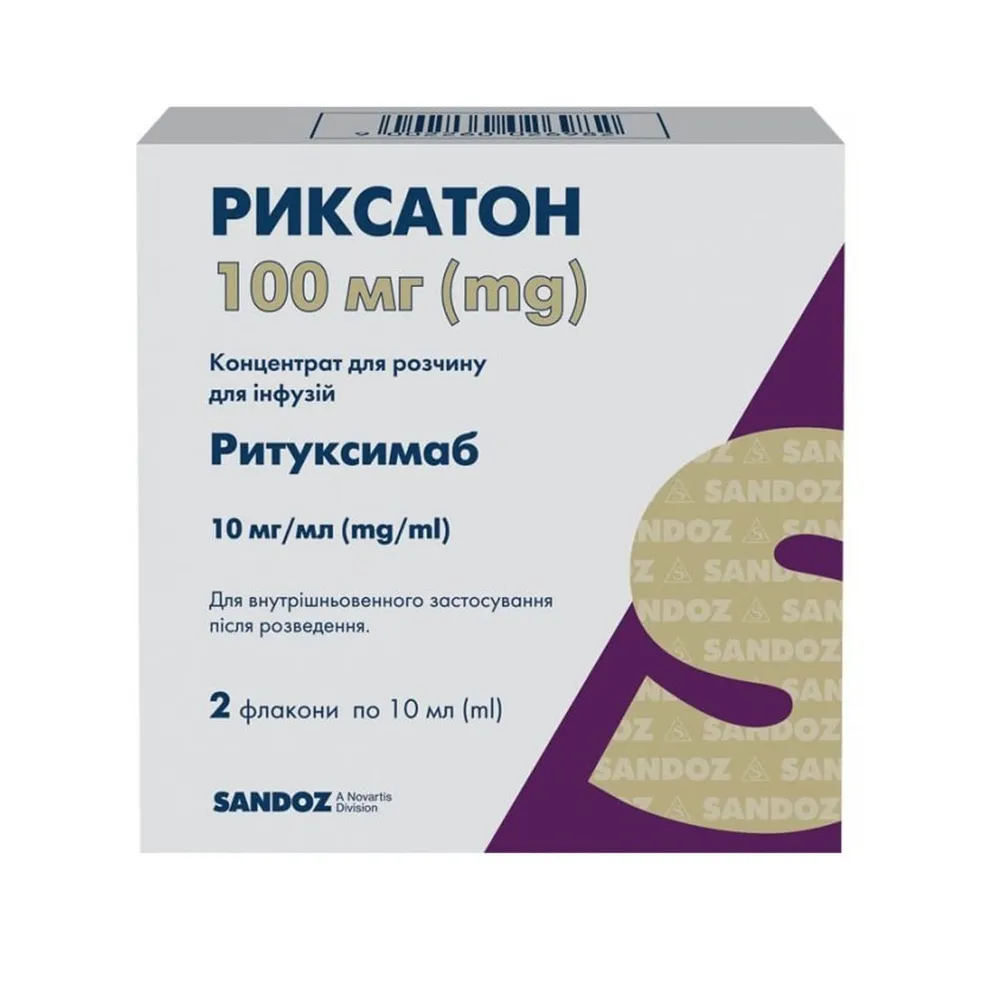
Table of Contents
INSTRUCTIONS FOR MEDICAL USE OF THE MEDICINAL PRODUCT RIXATHON 10 MG/ML
Composition:
Active substance: rituximab;
1 ml of the preparation contains 10 mg of rituximab;
1 vial (10 ml) contains 100 mg of rituximab;
1 vial (50 ml) contains 500 mg of rituximab;
Excipients: sodium citrate, sodium chloride, polysorbate 80, sodium hydroxide, hydrochloric acid, water for injections.
Pharmaceutical form. Concentrate for solution for infusion.
Main physico-chemical properties: colorless or slightly yellowish solution.
Pharmacotherapeutic group. Antineoplastic and immunomodulating agents. Antineoplastic agents. Monoclonal antibodies and antibody-drug conjugates. CD20 (cluster of differentiation 20) inhibitors. Rituximab.
ATC code L01FA01.
Pharmacological Properties
Pharmacodynamics
Rituximab is a genetically engineered chimeric mouse/human monoclonal antibody, a glycosylated immunoglobulin with human IgG1 constant region sequences and variable region heavy and light chain sequences from mouse. The antibodies are produced by a mammalian cell suspension culture (Chinese hamster ovary cells) and purified using affinity chromatography and ion exchange, along with specific viral inactivation and removal procedures.
Rituximab specifically binds to the transmembrane CD20 antigen, a non-glycosylated phosphoprotein expressed on pre-B lymphocytes and mature B lymphocytes. This antigen is expressed in more than 95% of all B-cell non-Hodgkin's lymphomas.
CD20 is present on both normal and malignant B cells, but is absent on hematopoietic stem cells, pro-B cells, normal plasma cells, and normal cells of other tissues. After binding with the antibody, CD20 is neither internalized nor shed into the extracellular environment. CD20 does not circulate in plasma as a free antigen and therefore does not compete with antibody binding.
The Fab domain of rituximab binds to the CD20 antigen on B lymphocytes, while the Fc domain initiates immunological reactions leading to B-cell lysis. Possible mechanisms of cell lysis include complement-dependent cytotoxicity (CDC) due to C1q binding and antibody-dependent cellular cytotoxicity (ADCC), mediated by one or more Fcγ receptors on the surface of granulocytes, macrophages, and NK cells. Additionally, binding of rituximab to the CD20 antigen on B lymphocytes has been shown to induce cell death via apoptosis.
After the first administration of the drug, the number of B cells in peripheral blood decreases below normal levels. In patients treated for hematologic malignancies, B-cell counts begin to recover after 6 months and return to normal within 12 months after completion of therapy; however, in some patients, the recovery period may be longer (on average, 23 months after induction therapy). In patients with granulomatosis with polyangiitis or microscopic polyangiitis, the number of peripheral B cells in blood decreased to <10 cells/μL after two infusions of rituximab at 375 mg/m² administered once weekly and remained at this level in most patients for up to 6 months. Signs of B-cell count recovery to levels >10 cells/μL were observed in most patients: 81% by month 12 and 87% by month 18.
Pharmacokinetics
Non-Hodgkin's Lymphoma
According to population pharmacokinetic analysis in 298 patients with non-Hodgkin's lymphoma receiving rituximab as monotherapy or in combination with CHOP chemotherapy (cyclophosphamide, doxorubicin, vincristine, prednisolone) at doses ranging from 100 to 500 mg/m², the non-specific clearance (CL1), specific clearance (CL2) (likely associated with B cells or tumor burden), and central volume of distribution (V1) were 0.14 L/day, 0.59 L/day, and 2.71 L, respectively. The median terminal half-life of rituximab was 22 days (ranging from 6.1 to 52 days). Baseline CD19-positive cell count and tumor burden influence CL2 of rituximab administered at 375 mg/m² intravenously once weekly for 4 weeks (data from 161 patients). CL2 was higher in patients with higher CD19-positive cell counts or larger tumor burden. However, individual variability in CL2 remains even after adjusting for tumor burden and CD19-positive cell levels. Relatively small changes in V1 depend on body surface area and concomitant CHOP chemotherapy. This variability in V1 (27.1% and 19.0%, respectively, due to fluctuations in body surface area ranging from 1.53 to 2.32 m² and concurrent CHOP therapy) was relatively minor. Age, sex, and WHO performance status had no notable effect on the pharmacokinetics of rituximab. There is no reason to expect significant reduction in rituximab pharmacokinetic parameters due to dose adjustments based on any of the studied covariates.
When rituximab was administered intravenously at 375 mg/m² with weekly intervals (total of 4 doses) to 203 patients with non-Hodgkin's lymphoma who had not previously received rituximab, the mean Cmax after the fourth infusion was 486 μg/mL (range: 77.5 to 996.6 μg/mL). Rituximab was detectable in patient serum 3–6 months after completion of the last treatment course.
When rituximab was administered intravenously at 375 mg/m² with weekly intervals (total of 8 doses) to 37 patients with non-Hodgkin's lymphoma, the mean Cmax increased with each subsequent infusion, rising from a mean of 243 μg/mL (range: 16 to 582 μg/mL) after the first infusion to 550 μg/mL (range: 171 to 1177 μg/mL) after the eighth infusion.
The pharmacokinetic profile of rituximab (6 infusions at 375 mg/m²) administered in combination with 6 cycles of CHOP chemotherapy was practically identical to that observed with monotherapy.
Children with B-AL/BL/LBL/B-NHL
In a clinical study investigating children with B-AL/BL/LBL/B-NHL, pharmacokinetics were evaluated in a subgroup of 35 patients aged 3 years and older. Pharmacokinetics were comparable between the two age groups (≥3 to <12 years vs. ≥12 to <18 years). After two intravenous infusions of 375 mg/m² rituximab in each of two induction cycles (cycles 1 and 2), followed by one intravenous infusion of 375 mg/m² rituximab in each consolidation cycle (cycles 3 and 4), the maximum concentration was observed after the fourth infusion (cycle 2), with a geometric mean value of 347 μg/mL, and then gradually decreased (cycle 4: 247 μg/mL). With this dosing regimen, the following trough levels were maintained: geometric means of 41.8 μg/mL (cycle before dose 2; after 1 cycle), 67.7 μg/mL (cycle before dose 3; after 2 cycles), and 58.5 μg/mL (cycle before dose 4; after 3 cycles). The mean elimination half-life in patients aged 3 years and older was 26 days.
The pharmacokinetic characteristics of rituximab in children with B-AL/BL/LBL/B-NHL were similar to those observed in adult patients with NHL.
There are no pharmacokinetic data available for patients aged ≥6 months to <3 years; however, population pharmacokinetic modeling predictions indicate comparable systemic exposure (area under the concentration-time curve [AUC], Cmin) in this age group compared to patients aged ≥3 years (Table 1). Lower baseline tumor size is associated with higher drug exposure due to reduced time-dependent clearance; however, systemic exposure across varying tumor sizes remains within the range shown to be effective and with an acceptable safety profile.
Table 1. Predicted pharmacokinetic parameters under the rituximab dosing regimen in children with B-AL/BL/LBL/B-NHL
| Age group |
from ≥ 6 months to < 3 years |
from ≥ 3 years to < 12 years |
from ≥ 12 years to < 18 years |
| Cmin (μg/mL) |
47.5 (0.01–179) |
51.4 (0.00–182) |
44.1 (0.00–149) |
| AUC1-4 cycles (μg·day/mL) |
13,501 (278–31,070) |
11,609 (135–31,157) |
11,467 (110–27,066) |
Results are presented as median (min/max); Cmin is pre-dose of cycle 4.
Chronic Lymphocytic Leukemia
Rituximab was administered by intravenous infusion: the first dose of 375 mg/m² was increased to 500 mg/m² in each cycle, with 5 doses given in combination with fludarabine and cyclophosphamide in chronic lymphocytic leukemia. The mean maximum concentration (Cmax) (N = 15) after the fifth infusion of 500 mg/m² rituximab was 408 µg/mL (range: 97–764 µg/mL), and the mean terminal half-life was 32 days (range: 14 to 62 days).
Granulomatosis with Polyangiitis and Microscopic Polyangiitis
Adults
Population pharmacokinetic analysis of data from 97 patients with granulomatosis with polyangiitis and microscopic polyangiitis who received four weekly doses of rituximab at 375 mg/m² showed that the mean terminal half-life was 23 days (range: 9–49 days). The mean clearance of rituximab and volume of distribution were 0.313 L/day (range: 0.116–0.726 L/day) and 4.50 L (range: 2.25–7.39 L), respectively. The maximum concentration during the first 180 days (Cmax), minimum concentration on day 180 (C180), and cumulative area under the concentration-time curve over 180 days (AUC180) were (median [range]) 372.6 (252.3–533.5) µg/mL, 2.1 (0–29.3) µg/mL, and 10302 (3653–21874) µg/mL∙day, respectively.
Children
Population pharmacokinetic analysis of data from 25 children (aged 6–17 years) with GPA and MPA who received four weekly doses of 375 mg/m² rituximab showed a mean terminal half-life of 22 days (range: 11 to 42 days). The mean clearance of rituximab and volume of distribution were 0.221 L/day (range: 0.0996–0.381 L/day) and 2.27 L (range: 1.43–3.17 L), respectively. The maximum concentration during the first 180 days (Cmax), minimum concentration on day 180 (C180), and cumulative area under the concentration-time curve over 180 days (AUC180) were (median [range]) 382.8 (270.6–513.6) µg/mL, 0.9 (0–17.7) µg/mL, and 9787 (4838–20446) µg/mL∙day, respectively. Pharmacokinetic parameters of rituximab in pediatric patients with GPA or MPA were similar to those in adults with GPA or MPA, taking into account the influence of body surface area on clearance and volume of distribution parameters.
Pemphigus Vulgaris
Pharmacokinetic parameters in adult patients with pemphigus vulgaris who received 1000 mg of rituximab on days 1, 15, 168, and 182 are summarized in Table 2.
Table 2. Population pharmacokinetic parameters in adult patients with pemphigus vulgaris from Study VP2
| Parameter |
Infusion cycle |
|
| 1st cycle 1000 mg |
2nd cycle 1000 mg day 168 and day 182 |
|
| Elimination half-life (days) |
21.0 |
26.5 |
| Clearance (L/day) Mean (range) |
391 |
247 |
| Central volume of distribution (L) |
3.52 |
3.52 |
After the first two administrations of rituximab (on day 1 and day 15, corresponding to cycle 1), its pharmacokinetic parameters in patients with pemphigus vulgaris were similar to those in patients with GPA/MPA. After the last two administrations (on day 168 and day 182, corresponding to cycle 2), the clearance of rituximab decreased, while the central volume of distribution remained unchanged.
Rheumatoid arthritis
After two intravenous infusions of rituximab 1000 mg given two weeks apart, the mean terminal half-life was 20.8 days (range: 8.58 to 35.9 days), mean systemic clearance was 0.23 L/day (range: 0.091 to 0.67 L/day), and mean volume of distribution at steady state was 4.61 L (range: 1.7 to 7.51 L). According to population pharmacokinetic analysis, systemic clearance and half-life were 0.26 L/day and 20.4 days, respectively. Population pharmacokinetic analysis indicated that body surface area and patient sex were the most significant covariates explaining inter-individual variability in pharmacokinetic parameters. After dose adjustment for body surface area, male patients had higher volume of distribution and clearance compared to female patients. Sex-related differences in pharmacokinetic parameters were not considered clinically significant, and dose adjustment is not required. There is no information available on pharmacokinetic parameters in patients with hepatic or renal impairment.
Pharmacokinetics of rituximab were evaluated after two intravenous doses of 500 mg and 1000 mg on day 1 and day 15 in four studies. Rituximab pharmacokinetics were dose-proportional within the limited dose range studied. The mean Cmax of rituximab in serum after the first infusion ranged from 157 to 171 µg/mL for two 500 mg doses and from 298 to 341 µg/mL for two 1000 mg doses. After the second infusion, mean Cmax ranged from 183 to 198 µg/mL for two 500 mg doses and from 355 to 404 µg/mL for two 1000 mg doses. The mean terminal half-life ranged from 15 to 16 days with two 500 mg doses and from 17 to 21 days with two 1000 mg doses. Mean Cmax was 16–19% higher after the second infusion compared to the first infusion for both dose levels.
Pharmacokinetics of rituximab were evaluated after two intravenous infusions of two 500 mg doses and two 1000 mg doses during the second treatment course. The mean Cmax of rituximab in serum after the first infusion was 170 to 175 µg/mL for two 500 mg doses and 317 to 370 µg/mL for two 1000 mg doses. Cmax after the second infusion was 207 µg/mL for two 500 mg doses and ranged from 377 to 386 µg/mL for two 1000 mg doses. The mean terminal half-life after the second infusion of the second course was 19 days for two 500 mg doses and ranged from 21 to 22 days for two 1000 mg doses. Pharmacokinetic parameters of rituximab were comparable between the two treatment courses.
Pharmacokinetic parameters in the population of patients who had an inadequate response to tumor necrosis factor inhibitor therapy, after administration of the same treatment regimen (two 1000 mg intravenous infusions two weeks apart), were similar, with a mean serum Cmax of 369 µg/mL and a mean terminal half-life of 19.2 days.
Clinical Characteristics
Indications
Non-Hodgkin's Lymphomas (NHL)
Treatment of adult previously untreated follicular lymphoma stage III–IV, in combination with chemotherapy.
Maintenance therapy for follicular lymphomas following response to induction therapy.
Monotherapy for patients with stage III–IV follicular lymphomas who are refractory to chemotherapy or in second or subsequent relapse after chemotherapy.
Treatment of CD20-positive diffuse large B-cell non-Hodgkin’s lymphoma, in combination with CHOP chemotherapy (cyclophosphamide, doxorubicin, vincristine, prednisolone).
Treatment of children (aged ≥ 6 months to < 18 years) with previously untreated CD20-positive diffuse large B-cell lymphoma (DLBCL), Burkitt’s lymphoma (BL)/Burkitt’s leukemia (mature B-cell acute leukemia) (B-AL), or Burkitt-like lymphoma (BLL), in combination with chemotherapy.
Chronic Lymphocytic Leukemia (CLL)
Treatment of previously untreated and relapsed/refractory chronic lymphocytic leukemia, in combination with chemotherapy. Limited data are available on the efficacy and safety of use in patients previously treated with monoclonal antibodies, including rituximab, or in patients refractory to prior treatment with rituximab plus chemotherapy.
Granulomatosis with Polyangiitis and Microscopic Polyangiitis
Treatment of severe active granulomatosis with polyangiitis (Wegener’s granulomatosis) (GPA) and microscopic polyangiitis (MPA), in combination with glucocorticoids, for induction of remission in adult patients.
Treatment of severe active GPA and MPA, in combination with glucocorticoids, for induction of remission in children (aged ≥ 2 to < 18 years).
Pemphigus Vulgaris
Treatment of moderate to severe pemphigus vulgaris.
Rheumatoid Arthritis
Treatment of severe rheumatoid arthritis (active form) in adults, in combination with methotrexate, when treatment with other disease-modifying antirheumatic drugs, including one or more tumor necrosis factor inhibitors, has been ineffective or not tolerated.
When used in combination with methotrexate, Rixathon 10 mg/mL reduces the rate of progression of joint destruction as assessed by radiographic data and improves physical function.
Contraindications
Contraindications for use in Non-Hodgkin’s Lymphoma and Chronic Lymphocytic Leukemia
Hypersensitivity to the active substance or to mouse proteins or to any of the excipients (see section "Composition").
Active severe infections (see section "Special Warnings and Precautions for Use").
Marked immunodeficiency.
Contraindications for use in Granulomatosis with Polyangiitis and Microscopic Polyangiitis and Pemphigus Vulgaris
Hypersensitivity to the active substance or to mouse proteins or to any of the excipients (see section "Composition").
Active severe infections (see section "Special Warnings and Precautions for Use").
Marked immunodeficiency.
Severe heart failure (NYHA functional class IV) or severe decompensated cardiac disease (see section "Special Warnings and Precautions for Use" regarding other cardiovascular disorders).
Interaction with Other Medicinal Products and Other Forms of Interaction
Data on interactions of rituximab with other medicinal products are currently limited. In patients with CLL, concomitant administration with rituximab did not affect the pharmacokinetics of fludarabine or cyclophosphamide. Also, no apparent effect of fludarabine and cyclophosphamide on the pharmacokinetics of rituximab was observed.
In patients with titers of human anti-mouse antibodies (HAMA) or antibodies to the medicinal product, allergic reactions or hypersensitivity reactions may occur upon administration of other monoclonal antibodies for diagnostic or therapeutic purposes.
Special precautions for use
To improve the traceability of biological medicinal products, the trade name and batch number of the administered product should be clearly documented (or specified) in the patient's medical records.
Progressive multifocal leukoencephalopathy (PML)
All patients receiving Rixathon 10 mg/mL for rheumatoid arthritis (RA), granulomatosis with polyangiitis (GPA), microscopic polyangiitis (MPA), or pemphigus vulgaris (PV) must be provided with patient alert cards at each infusion. The alert cards contain important safety information for patients regarding the risk of infections, including progressive multifocal leukoencephalopathy (PML).
Very rare cases of PML with fatal outcomes have been reported following the use of rituximab for the treatment of rheumatoid arthritis and autoimmune diseases [including systemic lupus erythematosus (SLE) and vasculitis], as well as during post-marketing use of rituximab in NHL and CLL (where most patients received rituximab in combination with chemotherapy or as part of hematopoietic stem cell transplantation). Patients should be regularly monitored for any new or worsening neurological symptoms that may indicate PML. If PML is suspected, treatment should be suspended until PML is ruled out. Clinicians should evaluate the patient to determine whether symptoms suggest neurological dysfunction and, if so, whether these symptoms could indicate PML. Neurological consultation should be considered as clinically indicated.
If there is any uncertainty, consideration should be given to performing additional investigations, including MRI scanning (preferably with contrast), analysis of cerebrospinal fluid for John Cunningham (JC) virus DNA, and repeat neurological evaluation.
Physicians must pay special attention to patients who may have PML symptoms that the patient themselves may not notice (e.g., cognitive, neurological, or psychiatric symptoms). Patients should also be advised to inform their family members and close contacts about their treatment, as these individuals may notice symptoms that the patient has not recognized.
If PML develops, treatment with Rixathon 10 mg/mL must be permanently discontinued.
In patients with PML who had immunosuppression, stabilization or improvement of the condition has been observed after immune system recovery. It is currently unknown whether early detection of PML and discontinuation of rituximab therapy can lead to similar stabilization or improvement.
Cardiac disorders. Cases of angina and cardiac rhythm disturbances, such as atrial fibrillation and flutter, heart failure, and/or myocardial infarction, have been observed during rituximab treatment. Therefore, patients with a history of cardiac disease should be closely monitored (see section "Infusion reactions (IR)" below).
Infections. Given the mechanism of action of rituximab and the important role of B-cells in maintaining normal immune response, patients are at increased risk of developing infections following rituximab treatment (see section "Pharmacological properties"). Serious infections, including fatal cases, may occur during rituximab therapy (see section "Undesirable effects"). Rixathon 10 mg/mL should not be administered to patients with active severe infections (such as tuberculosis, sepsis, and opportunistic infections) or to patients with significantly impaired immunity (e.g., with very low CD4 or CD8 levels) (see section "Contraindications"). Physicians should exercise particular caution when considering the use of rituximab in patients with recurrent or chronic infections in their history or with underlying conditions that may increase susceptibility to serious infections, such as hypogammaglobulinemia (see section "Undesirable effects"). Measurement of immunoglobulin levels is recommended before initiating treatment with Rixathon 10 mg/mL.
Patients who exhibit signs and symptoms of infection after treatment with Rixathon 10 mg/mL should be promptly evaluated and appropriate treatment initiated. Prior to the start of the next treatment course with Rixathon 10 mg/mL, patients should be re-evaluated for any potential risk of developing infections.
Fatal cases of PML have been reported following the use of rituximab for the treatment of RA and autoimmune diseases, including systemic lupus erythematosus (SLE) and vasculitis.
Cases of enteroviral meningioencephalitis, including fatal cases, have been reported following the use of rituximab.
During post-marketing use of rituximab in NHL and CLL, very rare cases of progressive multifocal leukoencephalopathy (PML) have been reported (see section "Undesirable effects"). Most patients received rituximab in combination with chemotherapy or as part of a hematopoietic stem cell transplantation program.
Hepatitis B
Cases of hepatitis B reactivation have been reported in individuals receiving rituximab treatment, including cases of fulminant hepatitis with fatal outcomes. Most of these patients also received cytotoxic chemotherapy. Limited data from one study involving patients with relapsed/refractory CLL suggest that rituximab treatment may also worsen outcomes of primary hepatitis B virus infection. All patients should be screened for hepatitis B virus (HBV) prior to initiating treatment with Rixathon 10 mg/mL. Screening should include at minimum testing for HBsAg and HBcAb, and may be supplemented with testing for other markers according to local guidelines. Rixathon 10 mg/mL should not be used in patients with active hepatitis B. Patients with positive serological test results for hepatitis B virus (HBsAg or HBcAb) should consult with liver disease specialists prior to initiating treatment. Such patients should be monitored and managed according to local medical standards for prevention of hepatitis B virus reactivation.
False-negative serological testing for infections. Due to the risk of false-negative serological test results for infections, consideration should be given to using alternative diagnostic methods for patients with symptoms suggestive of rare infectious diseases, such as West Nile virus and neuroborreliosis.
Skin reactions. Severe skin reactions, such as toxic epidermal necrolysis (Lyell's syndrome) and Stevens-Johnson syndrome (some with fatal outcomes), have been reported (see section "Undesirable effects"). If such skin reactions occur and a possible association with rituximab use is suspected, treatment should be permanently discontinued.
Non-Hodgkin's lymphomas (NHL) and chronic lymphocytic leukemia (CLL)
Infusion reactions
The use of rituximab has been associated with infusion reactions, which may be related to cytokine release and/or other chemical mediators. Cytokine release syndrome may clinically resemble acute hypersensitivity reactions.
This spectrum of reactions, including cytokine release syndrome, tumor lysis syndrome, anaphylactic reactions, and hypersensitivity reactions, is described below.
During the post-marketing period, cases of severe, fatal infusion reactions have been reported following intravenous administration of rituximab, occurring 30 minutes to 2 hours after the start of the first intravenous infusion. These reactions were characterized by pulmonary manifestations, and in some cases, rapid tumor lysis and signs of tumor lysis syndrome were observed in addition to fever, chills, rigors, hypotension, urticaria, angioedema, and other symptoms (see section "Undesirable effects").
Severe cytokine release syndrome is characterized by severe dyspnea, often accompanied by bronchospasm and hypoxia, in addition to fever, chills, rigors, urticaria, and angioedema. This syndrome may be associated with some features of tumor lysis syndrome, such as hyperuricemia, hyperkalemia, hypocalcemia, hyperphosphatemia, acute renal failure, elevated lactate dehydrogenase (LDH) levels, and may also be associated with acute respiratory distress and death. Acute respiratory distress may be accompanied by interstitial infiltration or pulmonary edema, detectable by chest X-ray. The syndrome often manifests within one or two hours after the start of the first infusion. Patients with a history of respiratory insufficiency or pulmonary tumor infiltration are at higher risk of an unfavorable outcome and therefore require heightened caution during treatment. In the event of severe cytokine release syndrome, infusion should be immediately interrupted (see section "Method of administration and dosage") and intensive symptomatic treatment initiated. Because clinical symptoms may worsen after initial improvement, such patients require careful monitoring until tumor lysis syndrome and pulmonary infiltration are ruled out or resolved. Subsequent treatment of patients after complete resolution of symptoms has rarely led to recurrence of severe cytokine release syndrome.
Treatment of patients with high tumor burden or a large number (≥ 25 × 10⁹/L) of circulating malignant cells (e.g., CLL patients), who are at increased risk of particularly severe cytokine release syndrome, should be conducted with extreme caution. Such patients require especially close monitoring throughout the first infusion. If, during the first cycle or any subsequent cycle, the lymphocyte count remains > 25 × 10⁹/L in such patients, consideration should be given to reducing the infusion rate or splitting the dose over two days.
Infusion-related adverse reactions of all types were observed in 77% of patients receiving rituximab treatment (including cytokine release syndrome associated with arterial hypotension and bronchospasm in 10% of patients) (see section "Undesirable effects"). These symptoms are usually reversible upon interruption of rituximab infusion and administration of antipyretics, antihistamines, and, in some cases, oxygen, intravenous saline, bronchodilators, and corticosteroids if necessary. Severe reactions associated with cytokine release syndrome are described above.
Anaphylactic and other hypersensitivity reactions have been reported following intravenous administration of protein-based agents. Unlike cytokine release syndrome, true hypersensitivity reactions usually develop within minutes after the start of infusion. Medications for treating hypersensitivity reactions, such as epinephrine (adrenaline), antihistamines, and corticosteroids, should be readily available for immediate use in case of an allergic reaction during rituximab administration.
Clinical manifestations of anaphylaxis may resemble those of cytokine release syndrome (described above). Hypersensitivity reactions have been reported less frequently than cytokine release-related reactions.
In some cases, additional reactions such as myocardial infarction, atrial fibrillation, pulmonary edema, and acute reversible thrombocytopenia have been reported.
Since arterial hypotension may occur during rituximab infusion, antihypertensive medications should be withheld for 12 hours before infusion of Rixathon 10 mg/mL.
Hematological toxicity. Although rituximab as monotherapy does not cause myelosuppression, the drug should be used with caution in patients with neutrophil counts below 1.5 × 10⁹/L and/or platelet counts below 75 × 10⁹/L, as clinical experience with rituximab in such patients is limited. Rituximab was administered to 21 patients undergoing autologous bone marrow transplantation and other high-risk patient groups with potential bone marrow dysfunction, without causing myelotoxicity.
Complete blood counts, including neutrophil and platelet counts, should be regularly performed during treatment with Rixathon 10 mg/mL.
Immunization. The safety of live viral vaccines after rituximab therapy has not been studied in patients with NHL and CLL; therefore, vaccination with live viral vaccines is not recommended. Patients who have received Rixathon 10 mg/mL may receive non-live viral vaccines. However, the response rate may be reduced when using inactivated vaccines. In a non-randomized study, patients with relapsed low-grade NHL receiving rituximab monotherapy had lower response rates to tetanus toxoid (16% vs. 81%) and the neoantigen keyhole limpet hemocyanin (KLH) (4% vs. 76% when evaluating for antibody titer increase greater than 2-fold) compared to healthy control volunteers. Given the similarity between the two diseases, similar results may be expected in CLL patients, although no corresponding clinical studies have been conducted.
Mean antibody titers against a panel of antigens (Streptococcus pneumoniae, influenza A, mumps, rubella, varicella), measured prior to therapy, were maintained for up to 6 months after rituximab treatment.
Children
Data on treatment of patients under 3 years of age are limited. See section "Pharmacological properties" for additional information.
Rheumatoid arthritis (RA), granulomatosis with polyangiitis (GPA), microscopic polyangiitis (MPA), and pemphigus vulgaris (PV)
RA patient populations who have not previously received methotrexate treatment
The use of rituximab is not recommended in patients who have not previously received methotrexate treatment, as the benefit-risk ratio for this population has not been established.
Infusion reactions (IR)
The use of rituximab is associated with IR, which may be caused by cytokine release and/or other chemical mediators.
During the post-marketing period, fatal severe IR have been observed in RA patients. In RA patients, most IR reported in clinical trials were mild to moderate in severity. The most common symptoms were allergic reactions, manifesting as headache, pruritus, throat irritation, hyperemia, rash, urticaria, arterial hypertension, and hyperthermia. Overall, the number of patients experiencing any infusion reactions was higher after the first infusion than after the second infusion of any treatment cycle. The frequency of infusion reactions decreased with subsequent treatment courses (see section "Undesirable effects"). Such reactions are usually reversible upon slowing or interrupting rituximab infusion and administration of antipyretics, antihistamines, and, in some cases, oxygen, intravenous saline (9 mg/mL [0.9%]), bronchodilators, and corticosteroids if necessary. Close monitoring is required for patients with cardiac disease history and for those who previously experienced cardiopulmonary adverse reactions. Depending on the severity of infusion reactions and the extent of required intervention, temporary interruption or discontinuation of Rixathon 10 mg/mL treatment is recommended. In most cases, once symptoms are fully resolved, infusion may be resumed at a 50% reduced rate (e.g., from 100 mg/hour to 50 mg/hour).
Medications for treating hypersensitivity reactions, such as epinephrine (adrenaline), antihistamines, and corticosteroids, should be readily available for immediate use in case of an allergic reaction during administration of Rixathon 10 mg/mL.
Safety data for the use of rituximab in patients with moderate heart failure (NYHA class III) or severe uncontrolled cardiovascular disease are lacking. In patients receiving rituximab treatment, pre-existing ischemic heart disease has been observed to manifest clinically as angina, as well as atrial fibrillation and flutter. Therefore, the risk of cardiovascular complications due to infusion reactions should be carefully considered before initiating treatment with Rixathon 10 mg/mL in patients with known cardiac disease history or previous cardiopulmonary adverse reactions, and close monitoring of such patients during drug administration should be ensured. Since arterial hypotension may develop during rituximab administration, antihypertensive medications should be withheld for 12 hours before infusion of Rixathon 10 mg/mL.
IR rates in patients with GPA, MPA, and PV were similar to those in RA patients during clinical trials and in the post-marketing period (see section "Undesirable effects").
Late-onset neutropenia
Neutrophil counts should be determined before each treatment course with Rixathon 10 mg/mL and regularly monitored for 6 months after treatment cessation and in case of infection symptoms (see section "Undesirable effects").
Immunization
Prior to initiating treatment with Rixathon 10 mg/mL, physicians should assess the patient's vaccination status, administer all necessary vaccinations, and follow current immunization guidelines. Vaccination should be completed at least 4 weeks before the first administration of Rixathon 10 mg/mL.
The safety of immunization with live viral vaccines after rituximab therapy has not been studied. Therefore, vaccination with live viral vaccines during treatment with Rixathon 10 mg/mL or during reduced peripheral B-cell counts is not recommended.
Patients who have received treatment with Rixathon 10 mg/mL may receive vaccines that do not contain live components. However, the response rate to vaccination may be reduced when using inactivated vaccines. In a randomized study, RA patients receiving rituximab and methotrexate had a similar response rate to tetanus antigen (39% vs. 42%), reduced response to pneumococcal polysaccharide vaccine (43% vs. 82% for at least 2 pneumococcal antibody serotypes), and reduced response to the neoantigen keyhole limpet hemocyanin (KLH) (47% vs. 93%) when vaccinated 6 months after rituximab administration, compared to patients receiving only methotrexate. If vaccination with inactivated vaccines is required during rituximab treatment, it should be completed at least 4 weeks before the start of the next rituximab treatment course.
From overall experience with repeated rituximab treatment over one year in RA, the number of patients with positive antibody titers against S. pneumoniae, influenza, mumps, rubella, varicella, and tetanus was generally similar to baseline levels at the start of treatment.
Concomitant/sequential use of other disease-modifying anti-rheumatic drugs (DMARDs) in rheumatoid arthritis
Concomitant use of Rixathon 10 mg/mL with anti-rheumatic medicinal products other than those specified in sections describing the indication "rheumatoid arthritis (RA)" is not recommended.
Clinical trial data are too limited to fully assess the safety of sequential use of other disease-modifying anti-rheumatic drugs (DMARDs) (including tumor necrosis factor inhibitors and other biological agents) after rituximab treatment (see section "Interaction with other medicinal products and other forms of interaction"). Available data suggest that the frequency of clinically significant infections does not increase in patients previously treated with rituximab; however, such patients should be closely monitored for signs of infection when biological agents and/or DMARDs are used after rituximab therapy.
Malignant neoplasms
Immunomodulatory agents may increase the risk of developing malignant neoplasms. However, available data do not indicate an increased risk of malignant neoplasms with rituximab use in autoimmune diseases beyond the risk already associated with the underlying autoimmune disease.
Excipients
This medicinal product contains 2.3 mmol (or 52.6 mg) of sodium per 10 mL vial and 11.5 mmol (or 263.2 mg) of sodium per 50 mL vial, equivalent to 2.6% (for the 10 mL vial) and 13.2% (for the 50 mL vial) of the WHO recommended maximum daily sodium intake for adults of 2 g.
This medicinal product contains 7.0 mg of polysorbate 80 (E 433) in the 10 mL vial and 35.0 mg of polysorbate 80 (E 433) in the 50 mL vial, equivalent to 0.7 mg/mL. Polysorbates may cause allergic reactions.
Use during pregnancy or breastfeeding
Women of childbearing potential / Contraception in women
Due to the prolonged retention of rituximab in patients with B-cell depletion, women of childbearing potential should use effective contraception during treatment and for 12 months after completion of treatment with Rixathon 10 mg/mL.
Pregnancy
It is known that IgG immunoglobulins cross the placental barrier.
The level of B-lymphocytes in newborns whose mothers received rituximab treatment has not been studied in clinical trials. Adequate and well-controlled data from studies in pregnant women are lacking, although reports have described transient depletion of B-cell pools and lymphopenia in some infants whose mothers received rituximab during pregnancy. Similar effects were observed in animal studies. Therefore, Rixathon 10 mg/mL should not be administered to pregnant women unless the potential benefit of therapy to the woman outweighs the potential risk to the fetus.
Breastfeeding
It is unknown whether rituximab passes into breast milk. However, given that IgG immunoglobulins circulating in maternal blood are known to pass into breast milk and rituximab has been detected in the milk of lactating monkeys, women should not breastfeed during treatment and for 12 months after completion of treatment with Rixathon 10 mg/mL.
Fertility
Animal studies did not reveal a statistically significant effect of rituximab on reproductive organs.
Ability to affect reaction speed when driving or operating machinery
Studies on the effect of rituximab on the ability to drive or operate machinery have not been conducted, although the pharmacological activity and adverse reactions described to date suggest that rituximab has no effect or a negligible effect on the ability to drive or operate machinery.
Method of Administration and Dosage
Infusions should be administered under close supervision by experienced medical personnel in specialized units equipped to provide emergency care (see section "Special Precautions").
Pre-medication and Preventive Measures
For All Indications
Pre-medication with an antipyretic and an antihistamine, such as paracetamol and diphenhydramine, should always be administered prior to each infusion of Rixaton 10 mg/mL.
Non-Hodgkin's Lymphoma (NHL) and Chronic Lymphocytic Leukemia (CLL)
For adult patients with non-Hodgkin’s lymphoma and chronic lymphocytic leukemia, consider pre-medication with corticosteroids if Rixaton 10 mg/mL is not administered in combination with chemotherapy regimens containing corticosteroids.
For adult patients with non-Hodgkin’s lymphoma and chronic lymphocytic leukemia receiving Rixaton 10 mg/mL via 90-minute infusion, consider the use of corticosteroids if Rixaton 10 mg/mL is not administered in combination with chemotherapy containing corticosteroids.
For pediatric patients with NHL, pre-medication with paracetamol and an H1 antihistamine (diphenhydramine or equivalent) should be administered 30–60 minutes prior to the start of rituximab infusion. Additionally, prednisone should be given as specified in Table 3.
For patients with chronic lymphocytic leukemia, prophylaxis with adequate hydration and agents to reduce uric acid levels should be initiated 48 hours prior to therapy initiation to reduce the risk of tumor lysis syndrome. For patients with chronic lymphocytic leukemia and lymphocyte counts exceeding 25 × 10⁹/L, administration of prednisone/prednisolone at a dose of 100 mg intravenously shortly before rituximab infusion is recommended to reduce the frequency and severity of acute infusion reactions and/or cytokine release syndrome.
Rheumatoid Arthritis, Granulomatosis with Polyangiitis (GPA) and Microscopic Polyangiitis (MPA), Pemphigus Vulgaris
For patients with rheumatoid arthritis, GPA, MPA, or pemphigus vulgaris, pre-medication with intravenous methylprednisolone 100 mg should be completed 30 minutes prior to Rixaton 10 mg/mL infusion to reduce the frequency and severity of infusion-related reactions.
Adult patients with GPA or MPA should receive intravenous methylprednisolone at a dose of 1000 mg/day for 1–3 days prior to the first infusion of Rixaton 10 mg/mL (the last dose of methylprednisolone may be administered on the same day as the first dose of Rixaton 10 mg/mL). Subsequently, patients should receive oral prednisone at 1 mg/kg/day (not exceeding 80 mg/day), with dose tapering as rapidly as clinically feasible, during and after the 4-week induction course with Rixaton 10 mg/mL.
If necessary, prophylaxis for Pneumocystis jirovecii pneumonia should be considered in adult and pediatric patients with GPA/MPA or pemphigus vulgaris during or after rituximab therapy, in accordance with local clinical practice guidelines.
For pediatric patients with GPA or MPA, intravenous methylprednisolone at a dose of 30 mg/kg/day (not exceeding 1 g/day) is recommended to prevent severe vasculitis symptoms prior to the first rituximab infusion. Up to three additional daily doses of 30 mg/kg intravenous methylprednisolone may be administered prior to the first rituximab infusion.
After completion of intravenous methylprednisolone administration, patients should receive oral prednisone at 1 mg/kg/day (not exceeding 60 mg/day), with dose tapering as rapidly as clinically feasible.
Dosage
Check the labels on the medicinal product packaging to ensure the correct prescribed dose is administered.
Dose Adjustment During Therapy
Dose reduction of Rixaton 10 mg/mL is not recommended. If Rixaton 10 mg/mL is administered in combination with chemotherapy, standard guidelines for dose reduction of chemotherapeutic agents should be followed.
Non-Hodgkin's Lymphoma
Follicular Non-Hodgkin's Lymphoma
Combination Therapy
The recommended dose of Rixaton 10 mg/mL in combination with chemotherapy for induction treatment of previously untreated patients or patients with relapsed/refractory follicular lymphoma is 375 mg/m² body surface area per cycle, with a total treatment duration of up to 8 cycles.
Rixaton 10 mg/mL should be administered on day 1 of each chemotherapy cycle, after intravenous administration of the glucocorticosteroid component of chemotherapy, if included in the regimen.
Maintenance Therapy
Previously Untreated Follicular Lymphoma
For previously untreated patients who have responded to induction therapy, Rixaton 10 mg/mL should be administered at a dose of 375 mg/m² body surface area every 2 months (2 months after the last dose of induction therapy) until disease progression or for a maximum period of 2 years (a total of 12 infusions).
Relapsed/Refractory Follicular Lymphoma
For patients with relapsed/refractory disease who have responded to induction therapy, Rixaton 10 mg/mL should be administered at a dose of 375 mg/m² body surface area every 3 months (3 months after the last dose of induction therapy) until disease progression or for a maximum period of 2 years (a total of 8 infusions).
Monotherapy
Relapsed/Refractory Follicular Lymphoma
The recommended dose of Rixaton 10 mg/mL as monotherapy for induction treatment of adult patients with stage III–IV follicular lymphoma who are resistant to chemotherapy or in second or later relapse after chemotherapy is 375 mg/m² body surface area, administered via intravenous infusion once weekly for 4 weeks.
The recommended dose for retreatment with Rixaton 10 mg/mL as monotherapy in patients who previously responded to rituximab monotherapy for relapsed/refractory follicular lymphoma is 375 mg/m² body surface area, administered via intravenous infusion once weekly for 4 weeks (see section "Pharmacological Properties").
Diffuse Large B-Cell Non-Hodgkin's Lymphoma in Adults
Rixaton 10 mg/mL should be used in combination with CHOP chemotherapy. The recommended dose is 375 mg/m² body surface area, administered on day 1 of each of 8 chemotherapy cycles, after intravenous administration of the glucocorticosteroid component of the CHOP regimen. The safety and efficacy of rituximab in combination with other chemotherapeutic agents for the treatment of diffuse large B-cell non-Hodgkin’s lymphoma have not been established.
Chronic Lymphocytic Leukemia
The recommended dose of Rixaton 10 mg/mL in combination with chemotherapy for previously untreated patients and patients with relapsed/refractory chronic lymphocytic leukemia is 375 mg/m² body surface area on day 0 of the first cycle, followed by 500 mg/m² body surface area on day 1 of each subsequent cycle for a total of 6 cycles. Chemotherapy should be administered after infusion of Rixaton 10 mg/mL.
Rheumatoid Arthritis
Patients receiving Rixaton 10 mg/mL infusions should be provided with a patient reminder card at each infusion.
The treatment course with Rixaton 10 mg/mL consists of two intravenous infusions of 1000 mg each, administered 2 weeks apart.
The need for further courses should be assessed 24 weeks after the previous course. Re-treatment should be administered if signs of residual disease activity persist; otherwise, re-treatment should be deferred until disease activity resumes.
Available data indicate that clinical response is typically achieved within 16–24 weeks after the initial treatment course. The continuation of therapy should be re-evaluated in patients who show no clear evidence of therapeutic benefit during this period.
Granulomatosis with Polyangiitis and Microscopic Polyangiitis
Prior to each infusion, patients receiving rituximab should be provided with a patient reminder card.
Induction of Remission in Adults
The recommended dose of Rixaton 10 mg/mL for induction of remission in adult patients with GPA or MPA is 375 mg/m² body surface area, administered via intravenous infusion once weekly for 4 weeks (a total of 4 infusions).
Maintenance Therapy in Adults
After induction of remission with rituximab, maintenance therapy in adult patients with GPA or MPA should be initiated within 16 weeks after the last rituximab infusion.
After induction of remission with other standard immunosuppressive therapy, maintenance therapy with rituximab should be initiated within 4 weeks after disease remission.
Rituximab should be administered as two intravenous infusions of 500 mg each, 2 weeks apart, followed by intravenous infusions of 500 mg every 6 months. Patients should receive rituximab for at least 24 months after achieving remission (absence of clinical signs and symptoms). Physicians should consider a longer duration of maintenance therapy with rituximab (up to 5 years) for patients at high risk of disease relapse.
Pemphigus Vulgaris
Prior to each infusion, patients receiving rituximab should be provided with a patient reminder card.
The recommended dose of rituximab for the treatment of pemphigus vulgaris is 1000 mg administered via intravenous infusion, followed by a second dose of 1000 mg administered via intravenous infusion 2 weeks later, in combination with a tapering course of glucocorticoids.
Maintenance Therapy
Maintenance intravenous infusions of 500 mg should be administered at months 12 and 18, and then, if necessary, regularly every 6 months based on clinical assessment.
Treatment of Relapse
In case of relapse, patients may receive 1000 mg intravenously. The healthcare provider should also consider re-initiating or increasing the dose of glucocorticoids based on clinical assessment.
Further infusions may be administered no sooner than 16 weeks after the previous infusion.
Dosage in Special Populations
Children
Non-Hodgkin's Lymphoma
Rituximab should be administered in combination with systemic chemotherapy according to the B-cell malignancy protocol (see Tables 3 and 4) in children aged ≥6 months to <18 years with previously untreated advanced CD20-positive DLBCL/BL/ML/PLL. The recommended dose of rituximab is 375 mg/m² body surface area, administered via intravenous infusion. Dose adjustment of rituximab other than based on body surface area is not required.
The safety and efficacy of rituximab in children aged ≥6 months to <18 years for indications other than previously untreated CD20-positive DLBCL/BL/ML/PLL have not been established. Limited data are available for patients under 3 years of age.
Rituximab should not be used in children from birth to <6 months of age with CD20-positive diffuse large B-cell lymphoma.
Table 3. Dosing of Rituximab in Pediatric Patients with Non-Hodgkin's Lymphoma
| Cycle |
Treatment Day |
Administration Details |
| Preliminary Phase (COP) |
Rituximab is not administered |
- |
| Induction Course 1 (COPDAM1) |
Day -2 (corresponds to day 6 of the preliminary phase) 1st rituximab infusion |
During the 1st induction course, prednisone is administered as part of the chemotherapy regimen given prior to rituximab. |
| Day 1 2nd rituximab infusion |
Rituximab is administered 48 hours after the first rituximab infusion. |
|
| Induction Course 2 (COPDAM2) |
Day -2 3rd rituximab infusion |
Prednisone is not administered during rituximab administration in the second induction course. |
| Day 1 4th rituximab infusion |
Rituximab is administered 48 hours after the third rituximab infusion. |
|
| Consolidation Course 1 (CYM/CYVE) |
Day 1 5th rituximab infusion |
Prednisone is not administered during rituximab administration. |
| Consolidation Course 2 (CYM/CYVE) |
Day 1 6th rituximab infusion |
Prednisone is not administered during rituximab administration. |
| Maintenance Course 1 (M1) |
Day 25–28 of consolidation course 2 (CYVE) Rituximab is not administered |
Initiated after recovery of peripheral B-cell count following consolidation course 2 (CYVE), with ANC > 1.0 × 10⁹/L and platelets > 100 × 10⁹/L |
| Maintenance Course 2 (M2) |
Day 28 of maintenance course 1 (M1) Rituximab is not administered |
- |
| ANC – absolute neutrophil count; COP – cyclophosphamide, vincristine, prednisone; COPDAM – cyclophosphamide, vincristine, prednisolone, doxorubicin, methotrexate; CYM – cytarabine (cytosine arabinoside, Ara-C), methotrexate; CYVE – cytarabine (cytosine arabinoside, Ara-C), etoposide (VP16) |
||
Table 4. Treatment regimen for children with non-Hodgkin lymphoma: concomitant chemotherapy with rituximab
| Treatment plan |
Stage |
Details of administration |
| Group B |
Stage III with high LDH levels (> N × 2), |
Preliminary phase followed by 4 courses: |
| Group C |
Group C1: |
Preliminary phase followed by 6 courses: |
| Group C3: |
||
| Sequential courses should be administered as soon as hematological recovery occurs and the patient's condition allows, except for maintenance courses, which are administered at 28-day intervals. |
||
| B-AL – Burkitt leukemia (mature B-cell acute leukemia); CSF – cerebrospinal fluid; CNS – central nervous system; HD-MTX – high-dose methotrexate; LDH – lactate dehydrogenase |
||
Granulomatosis with polyangiitis (GPA) and microscopic polyangiitis (MPA)
Induction of remission
The recommended dose of rituximab for induction of remission in children with severe active GPA or MPA is 375 mg/m² body surface area administered as an intravenous infusion once weekly for 4 weeks.
The safety and efficacy of rituximab in children aged ≥2 to <18 years for indications other than severe active GPA or MPA have not been established.
Rituximab should not be administered to children under 2 years of age with severe active GPA or MPA due to the potential for inadequate immune response to routine childhood vaccinations (such as measles, mumps, rubella, and polio).
Elderly patients (>65 years of age)
No dose adjustment is required for elderly patients.
Method of administration
All indications
Rixathon 10 mg/ml is intended for intravenous use.
Rixathon 10 mg/ml is administered intravenously by infusion (slowly) through a separate catheter.
The drug must not be administered intravenously as a bolus or by rapid push injection.
Patients must be closely monitored for the development of cytokine release syndrome (see section "Special precautions"). Patients who develop signs of severe reactions, including marked dyspnea, bronchospasm, or hypoxia, require immediate discontinuation of the infusion. After such reactions occur, patients with non-Hodgkin's lymphoma should be evaluated for tumor lysis syndrome, including appropriate laboratory tests, as well as chest X-ray to detect pulmonary infiltrates. Infusions should not be resumed until all symptoms have completely resolved and laboratory parameters and chest X-ray findings have normalized. The infusion may then be resumed at a rate not exceeding half the initial rate. If such severe adverse reactions recur, discontinuation of treatment should be seriously considered in the individual case.
Mild or moderate infusion-related reactions (see section "Adverse reactions") usually resolve with a reduction in the infusion rate. The infusion rate may be increased once symptoms have improved.
Non-Hodgkin's lymphoma in adults, chronic lymphocytic leukemia, rheumatoid arthritis, granulomatosis with polyangiitis, and microscopic polyangiitis
First infusion
The recommended initial infusion rate is 50 mg/hour; after 30 minutes, it may be increased by 50 mg/hour every 30 minutes up to a maximum rate of 400 mg/hour.
Subsequent infusions
Subsequent infusions of Rixathon 10 mg/ml may begin at a rate of 100 mg/hour, increasing by 100 mg/hour every 30 minutes until the maximum rate of 400 mg/hour is reached.
Non-Hodgkin's lymphoma in children
First infusion
The recommended initial infusion rate is 0.5 mg/kg/hour (maximum 50 mg/hour); every 30 minutes, the rate may be increased by 0.5 mg/kg/hour in the absence of hypersensitivity or infusion reactions, up to a maximum rate of 400 mg/hour.
Subsequent infusions
Subsequent rituximab infusions may begin at a rate of 1 mg/kg/hour (maximum 50 mg/hour) and be increased by 1 mg/kg/hour every 30 minutes until the maximum rate of 400 mg/hour is reached.
Non-Hodgkin's lymphoma (NHL) and chronic lymphocytic leukemia (CLL) in adult patients
If patients did not experience grade 3 or 4 infusion-related adverse events during cycle 1, a 90-minute infusion may be administered in cycle 2 in combination with a chemotherapy regimen containing glucocorticoids. The infusion starts at a rate of 20% of the total dose over the first 30 minutes, followed by the remaining 80% over the next 60 minutes. If the 90-minute infusion is well tolerated in cycle 2, the same rate may be used for the remaining treatment cycles (cycles 6 or 8).
Patients with clinically significant cardiovascular diseases, including arrhythmia, or those with prior severe infusion reactions to any previous biological therapy or to rituximab, should not receive infusion at an accelerated rate.
Rheumatoid arthritis
Alternative regimen for subsequent administration with increased infusion rate
If the patient did not experience serious infusion reactions during the first or subsequent infusion of Rixathon 10 mg/ml at a dose of 1000 mg administered according to the standard regimen, the second and subsequent infusions may be administered at an increased rate, using the same concentration as in previous infusions (4 mg/ml in a volume of 250 ml). The drug is administered at a rate of 250 mg/hour for the first 30 minutes and 600 mg/hour for the next 90 minutes. If the patient tolerates the increased infusion rate, this regimen may be used for subsequent administrations.
Patients with clinically significant cardiovascular diseases, including arrhythmia, or those who experienced serious infusion reactions to prior administration of any biological medicinal product or rituximab, should not have the infusion rate increased.
Preparation and storage instructions for the solution
Rixathon 10 mg/ml is supplied in sterile, preservative-free, pyrogen-free single-use vials. A sterile needle and syringe should be used to prepare the Rixathon 10 mg/ml medicinal product solution.
Aseptic technique must be maintained during solution preparation. Preparation should be performed:
- by trained personnel under aseptic conditions in accordance with established standards for aseptic preparation of parenteral solutions;
- in a laminar airflow hood or biological safety cabinet, using standard precautions for safe handling of intravenous medicinal products.
The required amount of Rixathon 10 mg/ml should be aseptically withdrawn and diluted to the calculated rituximab concentration (1–4 mg/ml) in an infusion bag (bottle) containing sterile, pyrogen-free 0.9% sodium chloride solution or 5% glucose solution. To mix the solution, the bag (bottle) should be gently inverted to avoid foaming. Sterility of the prepared solution must be ensured. Since the medicinal product contains no antibacterial preservatives or bacteriostatic agents, aseptic techniques must be strictly followed. The solution should be visually inspected for particulate matter or discoloration prior to administration.
Any unused medicinal product or waste material should be disposed of in accordance with local requirements.
Children
This medicinal product is indicated for the treatment of children (aged ≥6 months to <18 years) with previously untreated CD20-positive diffuse large B-cell lymphoma (DLBCL) at advanced stage, Burkitt lymphoma (BL)/Burkitt leukemia (mature B-cell acute leukemia) (B-AL), or Burkitt-like lymphoma (BLL) in combination with chemotherapy, and for induction of remission in children (aged ≥2 to <18 years) with severe active GPA and MPA in combination with glucocorticoids.
Overdose
Clinical experience with rituximab doses higher than those approved for intravenous administration is limited. The highest intravenous dose of rituximab studied in humans to date is 5000 mg (2250 mg/m²), which was administered in a dose-escalation clinical trial to patients with chronic lymphocytic leukemia. No additional patient safety concerns were identified.
In case of overdose, the infusion should be immediately discontinued and the patient should be closely monitored.
During post-marketing surveillance, five cases of rituximab overdose have been reported. In three cases, no adverse events were reported. In the other two cases, flu-like symptoms were reported after administration of rituximab at a dose of 1.8 g, and respiratory failure with fatal outcome was reported after administration of rituximab at a dose of 2 g.
Adverse Reactions
Hodgkin's Lymphoma and Chronic Lymphocytic Leukemia in Adults
The overall safety profile of rituximab in non-Hodgkin's lymphoma and chronic lymphocytic leukemia is based on data from clinical trials and post-marketing surveillance. Patients received rituximab either as monotherapy (for induction or maintenance therapy following induction) or in combination with chemotherapy.
The most common adverse reactions in patients receiving rituximab were infusion-related reactions, which occurred predominantly during the first infusion. The frequency of infusion-related adverse reactions significantly decreased during subsequent infusions and was less than 1% after the eighth dose of rituximab.
During clinical trials, infections (mainly bacterial and viral) were observed in approximately 30–55% of patients with non-Hodgkin's lymphoma and in 30–50% of patients with chronic lymphocytic leukemia.
The most common serious adverse reactions were infusion-related reactions (including cytokine release syndrome and tumor lysis syndrome); infections; and cardiovascular events (see section "Special Warnings and Precautions for Use").
Other serious adverse reactions included hepatitis B reactivation and progressive multifocal leukoencephalopathy (PML) (see section "Special Warnings and Precautions for Use").
The following adverse reactions were observed during monotherapy with rituximab or in combination with chemotherapy. The following categories are used to describe the frequency of adverse reactions: very common (≥ 1/10), common (≥ 1/100 and < 1/10), uncommon (≥ 1/1000 and < 1/100), rare (≥ 1/10,000 and < 1/1000), very rare (< 1/10,000), frequency not known (cannot be estimated from the available data). Within each frequency group, adverse reactions are listed in order of decreasing severity. Adverse reactions identified only during post-marketing surveillance, for which frequency cannot be estimated, are listed under "frequency not known."
Infections and infestations: very common – bacterial infections, viral infections, bronchitis*; common – sepsis, pneumonia*, febrile infection*, herpes zoster*, respiratory tract infections*, fungal infections, infections of unknown etiology, acute bronchitis*, sinusitis*, hepatitis B1; rare – serious viral infections2, Pneumocystis jirovecii pneumonia; rare – progressive multifocal leukoencephalopathy; frequency not known – enteroviral meningoencephalitis2,3.
Blood and lymphatic system disorders: very common – neutropenia, leukopenia, febrile neutropenia*, thrombocytopenia*; common – anemia, pancytopenia*, granulocytopenia*; uncommon – coagulation disorders, aplastic anemia, hemolytic anemia, lymphadenopathy; rare – transient increase in serum IgM levels4; frequency not known – late-onset neutropenia4.
Immune system disorders: very common – infusion reactions5, angioedema; common – hypersensitivity; rare – anaphylaxis; rare – tumor lysis syndrome, cytokine release syndrome5, serum sickness-like reaction; frequency not known – acute reversible thrombocytopenia associated with infusion5.
Metabolism and nutrition disorders: common – hyperglycemia, weight loss, peripheral edema, facial edema, increased lactate dehydrogenase activity, hypocalcemia.
Psychiatric disorders: uncommon – depression, nervousness.
Nervous system disorders: common – paresthesia, hypoesthesia, anxiety, insomnia, vasodilation, dizziness, restlessness; uncommon – taste disturbance; rare – peripheral neuropathy, facial nerve paralysis6; frequency not known – cranial neuropathy, loss of other sensation6.
Eye disorders: common – lacrimation disorder, conjunctivitis; rare – severe vision loss6.
Ear and labyrinth disorders: common – tinnitus, ear pain; frequency not known – hearing loss6.
Cardiac disorders: common – myocardial infarction5 and 7*, arrhythmia*, atrial fibrillation*, tachycardia*, cardiac disorders*; uncommon – left ventricular dysfunction*, supraventricular tachycardia*, ventricular tachycardia*, angina pectoris*, myocardial ischemia*, bradycardia; rare – severe cardiac disorders5 and 7; rare – heart failure5 and 7.
Vascular disorders: common – arterial hypertension, orthostatic hypotension, arterial hypotension; rare – vasculitis (mainly cutaneous), leukocytoclastic vasculitis.
Respiratory, thoracic and mediastinal disorders: common – bronchospasm5, respiratory disorder, chest pain, dyspnea, increased cough, rhinitis; uncommon – asthma, obliterative bronchiolitis, lung disorder, hypoxia; rare – interstitial lung disease8; rare – respiratory failure5; frequency not known – pulmonary infiltrates.
Gastrointestinal disorders: very common – nausea; common – vomiting, diarrhea, abdominal pain, dysphagia, stomatitis, constipation, dyspepsia, anorexia, throat irritation; uncommon – abdominal distension; rare – gastrointestinal perforation8.
Skin and subcutaneous tissue disorders: very common – pruritus, rash, alopecia*; common – urticaria, sweating, night sweats, skin disorders*; rare – severe bullous skin reactions, Stevens-Johnson syndrome, toxic epidermal necrolysis (Lyell's syndrome)8.
Musculoskeletal and connective tissue disorders: common – muscle hypertonia, myalgia, joint pain, back pain, neck pain, pain.
Renal and urinary disorders: rare – renal failure5.
General disorders and administration site conditions: very common – pyrexia, chills, asthenia, headache; common – tumor pain, hot flushes, malaise, cold-like symptoms, weakness*, tremor*, multi-organ failure5*; rare – infusion site pain.
Investigations: very common – decreased IgG levels.
For each adverse reaction, the frequency was calculated based on reactions of all severity grades (from mild to severe), except for adverse reactions marked with «*», for which the frequency was calculated based only on severe reactions (≥ grade 3 severity according to the National Cancer Institute's Common Terminology Criteria for Toxicity (NCI CTCAE)).
1 Including reactivation and primary infections; frequency observed with R-FC regimen (rituximab-fludarabine and cyclophosphamide) in relapsed/refractory chronic lymphocytic leukemia.
2 See also section "Infections" below.
3 Observed during post-marketing surveillance.
4 See also section "Blood-related adverse reactions" below.
5 See also section "Infusion reactions" below. Rarely, fatal cases were reported.
6 Signs and symptoms of cranial neuropathy. Observed at various times, from several months after completion of rituximab therapy.
7 Observed primarily in patients with pre-existing cardiac conditions and/or cardiotoxic chemotherapy, and were mainly associated with infusion-related reactions.
8 Including fatal cases.
During clinical trials, the following adverse events were reported (with frequency equal to or lower in the rituximab treatment group compared to control groups): hematological toxicity, neutropenic infection, urinary tract infection, sensory disorder, hyperthermia.
During clinical trials, signs and symptoms indicating infusion reactions were observed in more than 50% of patients, predominantly during the first infusion and usually within the first 1–2 hours. These symptoms most commonly included fever, chills, and shivering. Other symptoms included hot flushes, angioedema, bronchospasm, vomiting, nausea, urticaria/rash, fatigue, headache, throat irritation, rhinitis, pruritus, pain, tachycardia, arterial hypertension, arterial hypotension, dyspnea, dyspepsia, asthenia, and signs of tumor lysis syndrome. Severe infusion reactions (such as bronchospasm, arterial hypotension) occurred in approximately 12% of patients.
Additional reactions, such as myocardial infarction, atrial fibrillation, pulmonary edema, and acute reversible thrombocytopenia, were reported in some cases. Exacerbation of pre-existing cardiac conditions (e.g., angina pectoris or congestive heart failure), severe cardiac events (heart failure, myocardial infarction, atrial fibrillation), pulmonary edema, multi-organ failure, tumor lysis syndrome, cytokine release syndrome, renal failure, and respiratory failure were observed at lower or unknown frequencies. The frequency of infusion-related symptoms significantly decreased during subsequent infusions and was < 1% of patients during the eighth treatment cycle including rituximab.
Description of Selected Adverse Reactions
Infections
Rituximab induces B-cell depletion in approximately 70–80% of patients, but only a minority of patients experienced a decrease in serum immunoglobulin levels.
Cases of localized candidiasis and herpes zoster were reported at higher frequencies in patient groups receiving rituximab in randomized trials. Serious infections developed in approximately 4% of patients receiving rituximab as monotherapy. A higher frequency of infections overall, including grade 3 or 4 infections, was observed during rituximab maintenance therapy over a period of up to 2 years compared to the observation group. No cumulative toxicity regarding infections was observed during the two-year treatment period. Additionally, other serious viral infections, both new and reactivated or exacerbated, were reported during rituximab treatment, sometimes with fatal outcomes. Most patients received rituximab in combination with chemotherapy or within hematopoietic stem cell transplantation programs. Examples of such serious viral infections include those caused by herpes viruses (cytomegalovirus, varicella-zoster virus, and herpes simplex virus), John Cunningham virus (JCV) (progressive multifocal leukoencephalopathy (PML)), and hepatitis C virus. Fatal cases of PML occurring after disease progression and retreatment were also observed during clinical trials. Cases of hepatitis B reactivation were reported, most occurring in patients receiving rituximab in combination with cytotoxic chemotherapy. In patients with relapsed/refractory chronic lymphocytic leukemia, the frequency of grade 3/4 hepatitis B (reactivation and primary infection) was 2% with the R-FC regimen (rituximab, fludarabine, cyclophosphamide) compared to 0% with the FC regimen (fludarabine, cyclophosphamide). Progression of Kaposi's sarcoma was observed in patients with pre-existing Kaposi's sarcoma receiving rituximab. These cases occurred with off-label use of the drug, and most patients were HIV-positive.
Blood-related adverse reactions
In clinical trials of rituximab monotherapy administered over 4 weeks, hematological abnormalities were observed in fewer patients and were usually mild and reversible. Severe (grade 3/4) neutropenia occurred in 4.2% of patients, anemia in 1.1%, and thrombocytopenia in 1.7%. During rituximab maintenance therapy over a treatment period of up to 2 years, leukopenia (5% vs. 2%, grade 3/4) and neutropenia (10% vs. 4%, grade 3/4) were reported more frequently than in the observation group. The frequency of thrombocytopenia was low (< 1%, grade 3/4) and did not differ between treatment groups. During treatment courses in trials using rituximab in combination with chemotherapy, grade 3/4 leukopenia (rituximab (R)-CHOP 88% vs. CHOP 79%; R-FC 23% vs. FC 12%), neutropenia (R-cyclophosphamide, vincristine, prednisolone (CVP) 24% vs. CVP 14%; R-CHOP 97% vs. CHOP 88%; R-FC 30% vs. FC 19% in previously untreated chronic lymphocytic leukemia), and pancytopenia (R-FC 3% vs. FC 1% in previously untreated chronic lymphocytic leukemia) were generally observed at higher frequencies than with chemotherapy alone. However, the higher frequency of neutropenia in patients receiving rituximab with chemotherapy was not associated with a higher frequency of infections and infestations compared to patients receiving chemotherapy alone. In trials involving previously untreated patients with CLL and patients with relapsed/refractory CLL, prolonged (i.e., neutrophil count remained below 1 × 10⁹/L between days 24 and 42 after the last dose) or late-onset (i.e., neutrophil count below 1 × 10⁹/L after day 42 following the last dose in patients without a history of prolonged neutropenia or whose neutrophil count had recovered by day 42) neutropenia occurred in 25% of patients receiving the R-FC regimen after treatment with rituximab in combination with the FC regimen. No differences in the frequency of anemia were reported. Isolated cases of late-onset neutropenia developing more than four weeks after the last rituximab infusion were reported. In a first-line CLL trial in patients with Binet stage C, a higher frequency of adverse reactions was observed in the R-FC treatment group compared to the FC group (R-FC 83% vs. FC 71%). In a trial for relapsed/refractory CLL, grade 3/4 thrombocytopenia was observed in 11% of patients in the R-FC group compared to 9% in the FC group.
In trials involving patients with Waldenström's macroglobulinemia, transient increases in serum IgM levels were observed after initiation of treatment, which may be associated with increased blood viscosity and related symptoms. Transiently elevated IgM levels usually returned to at least baseline levels within 4 months.
Cardiovascular adverse reactions
During clinical trials of rituximab monotherapy, cardiovascular events were reported in 18.8% of patients, with the most commonly reported events being arterial hypotension and arterial hypertension. During infusions, cases of grade 3 or 4 arrhythmia (including ventricular and supraventricular tachycardia) and angina pectoris were reported. During maintenance therapy, the frequency of grade 3/4 cardiac disorders was comparable between patients receiving rituximab and those in the observation group. Cardiac events were reported as serious adverse events (including atrial fibrillation, myocardial infarction, left ventricular dysfunction, myocardial ischemia) in 3% of patients receiving rituximab compared to < 1% in the observation group. In trials of rituximab in combination with chemotherapy, the frequency of grade 3 and 4 cardiac arrhythmias, predominantly supraventricular arrhythmias such as tachycardia and atrial flutter/fibrillation, was higher in the R-CHOP group (14 patients, 6.9%) compared to the CHOP group (3 patients, 1.5%). All arrhythmias occurred either during rituximab infusion or were associated with triggering conditions such as fever, infection, acute myocardial infarction, or pre-existing respiratory and cardiovascular conditions. No differences were observed between the R-CHOP and CHOP groups regarding the frequency of grade 3 and 4 cardiac events, including heart failure, myocardial disorders, and manifestations of ischemic heart disease. In CLL, the overall frequency of grade 3 or 4 cardiac disorders was low in both the first-line treatment trial (4% R-FC, 3% FC) and the relapsed/refractory disease trial (4% R-FC, 4% FC).
Respiratory disorders
Cases of interstitial lung disease, some fatal, were reported.
Neurological disorders
During treatment (initial phase as part of R-CHOP therapy, up to 8 cycles), acute thromboembolic cerebrovascular events occurred in four patients (2%) receiving R-CHOP therapy who had cardiovascular risk factors, during the first treatment cycle. No differences were observed between treatment groups regarding the frequency of other thromboembolic events. In contrast, cerebrovascular events occurred in three patients (1.5%) in the CHOP group during the follow-up period. In CLL, the overall frequency of grade 3 or 4 nervous system disorders was low in both the first-line trial (4% R-FC, 4% FC) and the relapsed/refractory disease trials (3% R-FC, 3% FC).
Cases of posterior reversible encephalopathy syndrome (PRES)/posterior reversible leukoencephalopathy syndrome (PRLS) were reported. Signs and symptoms included visual disturbances, headache, seizures, and mental status changes, with or without arterial hypertension. Diagnosis of PRES/PRLS requires confirmation by brain imaging. In reported cases, definite risk factors for PRES/PRLS were present, including the patient's underlying condition, arterial hypertension, immunosuppressive therapy, and/or chemotherapy.
Gastrointestinal disorders
In some patients receiving rituximab for non-Hodgkin's lymphoma, gastrointestinal tract perforation, sometimes fatal, was observed. In most such cases, rituximab was administered in combination with chemotherapy.
IgG levels
In clinical trials of rituximab maintenance therapy in relapsed/refractory follicular lymphoma, the median IgG level was below the lower limit of normal (LLN) (< 7 g/L) after induction therapy in both the observation and rituximab treatment groups. In the observation group, the median IgG level subsequently increased, reaching values above the LLN, but remained unchanged in the rituximab treatment group. The proportion of patients with IgG levels below the LLN was approximately 60% in the rituximab group over the 2-year treatment period, while a decrease was observed in the observation group (36% after 2 years).
In children receiving rituximab treatment, a small number of cases of hypogammaglobulinemia (spontaneous and reported in the literature), sometimes severe and requiring prolonged immunoglobulin replacement therapy, were observed. The consequences of prolonged B-cell depletion in children are unknown.
Skin and subcutaneous tissue reactions
Very rarely, cases of toxic epidermal necrolysis (Lyell's syndrome) and Stevens-Johnson syndrome were reported, some of which were fatal.
Patient Subpopulations (Rituximab Monotherapy)
Elderly (≥ 65 years)
The frequency of adverse reactions of all severity grades and grade 3/4 adverse reactions in elderly patients was similar to that in younger patients (<65 years).
High tumor burden
The frequency of grade 3/4 adverse reactions was higher in patients with high tumor burden compared to those without high tumor burden (25.6% vs. 15.4%). The frequency of adverse reactions of all grades was similar in both patient groups.
Retreatment
The proportion of patients reporting adverse reactions during retreatment with additional rituximab courses was similar to the number of patients reporting adverse reactions during initial treatment (adverse reactions of all grades and grade 3/4).
Patient Subpopulations (Rituximab Combination Therapy)
Elderly (≥ 65 years)
The frequency of grade 3/4 adverse reactions from the blood and lymphatic system in previously untreated or relapsed/refractory CLL was higher in elderly patients compared to younger patients (<65 years).
Rituximab in Pediatric Treatment of DLBCL/BL/ALCL/PTCL
A multicenter, open-label, randomized trial of chemotherapy according to the Lymphome Malin B (LMB) protocol with rituximab was conducted in children (aged ≥ 6 months to < 18 years) with previously untreated, advanced CD20-positive DLBCL/BL/ALCL/PTCL.
Overall, 309 children received rituximab and were included in the safety analysis. Children randomized to the LMB chemotherapy with rituximab group or included in the single-arm part of the study received rituximab at a dose of 375 mg/m² body surface area, with a total of six intravenous infusions of rituximab (two during each of two induction therapy cycles and one during each of two consolidation therapy cycles according to the LMB protocol).
The safety profile of rituximab in children (aged ≥ 6 months to < 18 years) with previously untreated, advanced stage CD20-positive DLBCL/BL/ALCL/PTCL was generally similar in type, nature, and severity of adverse reactions to the known safety profile in adult patients with NHL and CLL. However, adding rituximab to chemotherapy increased the risk of certain adverse reactions, particularly infections (including sepsis), compared to chemotherapy alone.
Rheumatoid Arthritis Treatment Experience
The overall safety profile of rituximab for rheumatoid arthritis is based on data from patients participating in clinical trials and post-marketing surveillance.
The safety profile of rituximab in patients with moderate to severe rheumatoid arthritis (RA) is summarized in the section below. In clinical trials, over 3100 patients received at least one course of treatment and were followed for periods ranging from 6 months to over 5 years; approximately 2400 patients received two or more courses, and over 1000 patients received 5 or more courses. Safety information collected during post-marketing surveillance reflects the expected adverse reaction profile observed in clinical trials of rituximab (see section "Contraindications").
In addition to methotrexate (10–25 mg/week), patients received two courses of 1000 mg rituximab each, administered two weeks apart. Rituximab infusions were given after intravenous infusion of 100 mg methylprednisolone; patients also received oral prednisolone for 15 days.
The following adverse reactions were recorded during clinical trials or post-marketing surveillance in patients with rheumatoid arthritis receiving rituximab. The following categories are used to describe the frequency of adverse reactions: very common (≥ 1/10), common (≥ 1/100 and < 1/10), uncommon (≥ 1/1000 and < 1/100), rare (≥ 1/10,000 and < 1/1000), very rare (< 1/10,000), frequency not known (cannot be estimated from the available data). Within each frequency group, adverse reactions are listed in order of decreasing severity.
The most common adverse reactions to rituximab were infusion reactions (IRs). The overall frequency of IRs in clinical trials was 23% during the first infusion and decreased during subsequent infusions. Serious IRs were uncommon (0.5% of patients) and occurred primarily during the initial treatment course. In addition to adverse reactions observed in clinical trials of rituximab for rheumatoid arthritis, post-marketing surveillance reported progressive multifocal leukoencephalopathy (PML) (see section "Contraindications") and serum sickness-like reactions.
Infections and infestations: very common – upper respiratory tract infections, urinary tract infections; common – bronchitis, sinusitis, gastroenteritis, herpes zoster; rare – PML, hepatitis B reactivation; frequency not known: serious viral infection1,2, enteroviral meningoencephalitis2.
Blood and lymphatic system disorders: common – neutropenia3; rare: late-onset neutropenia4; rare: serum sickness-like reaction.
Immune system disorders, general disorders and administration site conditions: very common – infusion reactions5 (arterial hypertension, nausea, rash, hyperthermia, pruritus, urticaria, throat irritation, hot flushes, arterial hypotension, rhinitis, chills, tachycardia, fatigue, oropharyngeal pain, peripheral edema, erythema); uncommon – infusion reactions5 (generalized edema, bronchospasm, wheezing, laryngeal edema, angioedema, generalized pruritus, anaphylaxis, anaphylactoid reaction).
Metabolism and nutrition disorders: common – hypercholesterolemia.
Psychiatric disorders: common – depression, anxiety.
Nervous system disorders: very common – headache; common – paresthesia, migraine, dizziness, sciatica.
Cardiac disorders: rare – angina pectoris, atrial fibrillation, heart failure, myocardial infarction; rare – atrial flutter.
Gastrointestinal disorders: common – dyspepsia, diarrhea, gastroesophageal reflux, oral ulceration, upper abdominal pain.
Skin and subcutaneous tissue disorders: common – alopecia; rare – toxic epidermal necrolysis (Lyell's syndrome), Stevens-Johnson syndrome7.
Musculoskeletal and connective tissue disorders: common – arthralgia/musculoskeletal pain, osteoarthritis, bursitis.
Investigations: very common – decreased IgM levels6; common – decreased IgG levels6.
1 See also section "Infections" below.
2 Reported during post-marketing surveillance.
3 Frequency category based on laboratory findings collected during routine laboratory monitoring in clinical trials.
4 Frequency category based on post-marketing data.
5 Reactions occurring during or within 24 hours after infusion. See also section "Infusion reactions" below. Infusion reactions may occur due to hypersensitivity and/or related to the mechanism of action of the drug.
6 Includes observations collected during routine laboratory monitoring.
7 Including cases with fatal outcomes.
Multiple treatment courses
The adverse reaction profile with multiple treatment courses is similar to that after the first treatment course. The frequency of all adverse reactions was highest during the first 6 months after the first rituximab treatment course and then decreased. The most commonly observed events were infusion reactions (predominantly during the first treatment course), rheumatoid arthritis flares, and infections; all occurred more frequently during the first 6 months of treatment.
Selected Adverse Reactions
Infusion reactions
The most common adverse reactions after rituximab administration in clinical trials were infusion reactions (IRs). Among 3189 patients receiving rituximab treatment, 1135 (36%) developed at least one IR, and 733 of 3189 (23%) developed an IR after the first infusion or first treatment course. The frequency of IRs decreased with subsequent infusions. In clinical trials, serious IRs occurred in less than 1% (17 of 3189) of patients. No grade 4 IRs according to Common Toxicity Criteria (CTC) and no fatal cases due to IRs occurred during clinical trials. The proportion of grade 3 CTC reactions and IRs leading to treatment discontinuation decreased with each course and became rare starting from the third course. Premedication with intravenous glucocorticoids significantly reduced the frequency and severity of IRs (see sections "Contraindications" and "Special Warnings and Precautions for Use"). In the post-marketing period, serious IRs with fatal outcomes were reported.
In a trial designed to evaluate the safety of rapid rituximab infusion in patients with rheumatoid arthritis (RA), patients with active moderate to severe RA who did not experience serious IRs during or within 24 hours after the first study infusion were allowed to receive the drug as a 2-hour intravenous infusion. Patients with a history of serious IRs to biological agents for RA treatment were excluded from the trial. The frequency, types, and severity of IRs were consistent with previously obtained data. No serious IRs were observed.
Infections
The overall frequency of infections reported during clinical trials was approximately 4 per 100 patient-years in patients receiving rituximab. Most of these infections were mild to moderate in severity and primarily included upper respiratory tract infections and urinary tract infections. The frequency of infections that were serious or required intravenous antibiotics was approximately 4 per 100 patient-years. No significant increase in the frequency of serious infections after multiple rituximab treatment courses was observed. During clinical trials, lower respiratory tract infections (including pneumonia) were reported at similar frequencies in rituximab treatment groups and control groups.
During post-marketing surveillance, serious viral infections were reported in RA patients receiving rituximab.
Fatal cases of progressive multifocal leukoencephalopathy were reported after rituximab use for autoimmune diseases, including rheumatoid arthritis (RA) and non-approved autoimmune conditions such as systemic lupus erythematosus (SLE) and vasculitis.
Cases of hepatitis B reactivation were reported in patients with non-Hodgkin's lymphoma receiving rituximab in combination with cytotoxic chemotherapy (see subsection "Non-Hodgkin's lymphoma"). Isolated cases of hepatitis B infection reactivation were also reported in RA patients receiving rituximab (see section "Special Warnings and Precautions for Use").
Cardiovascular adverse reactions
Serious cardiovascular reactions were reported at a rate of 1.3 per 100 patient-years in patients receiving rituximab treatment compared to 1.3 per 100 patient-years in patients receiving placebo. No increase in the number of patients developing cardiovascular reactions (all or serious) was observed during multiple treatment courses.
Neurological reactions
Cases of posterior reversible encephalopathy syndrome (PRES)/posterior reversible leukoencephalopathy syndrome (PRLS) were reported. Signs and symptoms included visual disturbances, headache, seizures, and mental status changes, with or without hypertension. Diagnosis of PRES/PRLS must be confirmed by brain imaging. In reported cases, definite risk factors for PRES/PRLS were present, including the patient's comorbidities, arterial hypertension, immunosuppressive therapy, and/or chemotherapy.
Neutropenia
Cases of neutropenia were observed during rituximab treatment, most of which were transient and mild to moderate in severity. Neutropenia may occur several months after rituximab administration (see section "Contraindications").
During placebo-controlled periods of clinical trials, severe neutropenia developed in 0.94% (13 of 1382) of patients receiving rituximab treatment and in 0.27% (2 of 731) of patients in the placebo group.
In the post-marketing period, neutropenic events, including severe late-onset neutropenia and persistent neutropenia, were rarely reported, some of which were associated with fatal infections.
Skin and subcutaneous tissue disorders
Very rarely, cases of toxic epidermal necrolysis (Lyell's syndrome) and Stevens-Johnson syndrome were reported, some of which were fatal.
Laboratory abnormalities
Hypogammaglobulinemia (IgG or IgM below the lower limit of normal) was observed in patients with rheumatoid arthritis receiving rituximab. No increase in the overall frequency of infections or serious infections was observed after decreased IgG or IgM levels (see section "Contraindications").
A small number of spontaneous and literature-reported cases of hypogammaglobulinemia were observed in children receiving rituximab. Some of these cases were severe and required prolonged immunoglobulin replacement therapy. The consequences of prolonged B-cell depletion in children are unknown.
Granulomatosis with Polyangiitis (GPA) and Microscopic Polyangiitis (MPA)
The overall safety profile of rituximab in adults and children with GPA/MPA is based on data from patients in three clinical trials and post-marketing surveillance.
Induction of Remission in Adults (GPA/MPA Study 1)
In clinical trial 1 for GPA and MPA, 99 adult patients received treatment for induction of remission of GPA and MPA with rituximab (375 mg/m² once weekly for 4 weeks) and glucocorticoids.
Adverse reactions from GPA/MPA study 1 listed below and classified as "common" or "very common" were those adverse events observed during 6 months in ≥ 5% of adult patients in the rituximab group and with a higher frequency than in the comparison group in GPA/MPA study 1 (rituximab, n = 99) or during post-marketing surveillance.
Adverse reactions identified only during post-marketing surveillance, for which frequency cannot be estimated, are listed below as "frequency not known."
Adverse reactions are grouped by system organ classes according to MedDRA.
Infections and infestations: common: urinary tract infections, bronchitis, herpes zoster, nasopharyngitis; frequency not known: serious viral infection1,2, enteroviral meningoencephalitis1.
Blood and lymphatic system disorders: common: thrombocytopenia.
Immune system disorders: common: cytokine release syndrome.
Metabolism and nutrition disorders: common: hyperkalemia.
Psychiatric disorders: very common: insomnia.
Nervous system disorders: very common: dizziness, tremor.
Vascular disorders: very common: arterial hypertension; common: hot flushes.
Respiratory, thoracic and mediastinal disorders: very common: cough, dyspnea, epistaxis; common: nasal congestion.
Gastrointestinal disorders: very common: diarrhea; common: dyspepsia, constipation.
Skin and subcutaneous tissue disorders: common: acne.
Musculoskeletal and connective tissue disorders: very common: muscle spasms, arthralgia, back pain; common: muscle weakness, muscle and bone pain, limb pain.
General disorders and administration site conditions: very common: peripheral edema.
Investigations: common: decreased hemoglobin levels.
1 Reported during post-marketing surveillance.
2 See also section "Infections" below.
Maintenance Therapy in Adults (GPA/MPA Study 2)
In GPA/MPA study 2, a total of 57 adult patients with severe active GPA and MPA received rituximab treatment for maintenance of remission.
The following adverse reactions occurred in ≥ 5% of adult patients in the rituximab group and had a higher frequency than in the comparison group in GPA/MPA study 2 (rituximab, n = 57) or during post-marketing surveillance.
Infections and infestations: very common: bronchitis; common: rhinitis; frequency not known: serious viral infection1,2, enteroviral meningoencephalitis1.
Respiratory, thoracic and mediastinal disorders: common: dyspnea.
Gastrointestinal disorders: common: diarrhea.
General disorders and administration site conditions: common: pyrexia, influenza-like symptoms, peripheral edema.
Injury, poisoning and procedural complications: very common: infusion reactions3.
1 Reported during post-marketing surveillance.
2 See also subsection "Infections" below.
3 Detailed information on infusion reactions is provided in the section "Description of Selected Adverse Reactions."
The overall safety profile corresponded to the established safety profile of rituximab for approved autoimmune indications, including granulomatosis with polyangiitis and microscopic polyangiitis. Overall, 4% of patients in the rituximab group experienced adverse reactions leading to treatment discontinuation. Most adverse reactions in the rituximab group were mild to moderate in severity. No fatal adverse reactions were recorded in any patient in the rituximab group.
The most common adverse reactions were infusion-related reactions and infections.
Long-term Follow-up (GPA/MPA Study 3)
In a long-term observational safety study, 97 patients with GPA and MPA received rituximab treatment (mean 8 infusions [range 1–28]) over a period of up to 4 years according to standard practice and physician assessment. The overall safety profile corresponded to the established safety profile of rituximab in patients with GPA and MPA. No new adverse reactions were recorded.
Children
An open-label, single-arm study was conducted in 25 children with severe active GPA or MPA. The overall study period consisted of a 6-month remission induction phase with a minimum 18-month observation period, up to 4.5 years. Rituximab was administered at the investigator's discretion during the observation phase (17 of 25 patients received additional rituximab treatment). Concomitant treatment with other immunosuppressive agents was allowed.
Adverse reactions were defined as events occurring with a frequency ≥ 10%, including: infections (17 patients [68%] during remission induction phase; 23 patients [92%] during the overall study period), infusion reactions (15 patients [60%] during remission induction phase; 17 patients [68%] during the overall study period), and nausea (4 patients [16%] during remission induction phase; 5 patients [20%] during the overall study period).
Throughout the entire study period, the safety profile of rituximab corresponded to the established profile during the remission induction phase.
The safety profile of rituximab in children with GPA or MPA corresponded in type, nature, and severity to the known safety profile in adult patients for approved autoimmune indications, including GPA or MPA in adult patients.
Description of Selected Adverse Reactions
Infusion reactions
Infusion reactions in GPA/MPA study 1 (remission induction study in adults) were defined as any adverse reaction developing within 24 hours after infusion and considered by the investigator to be related to the infusion in the safety evaluation population. 99 patients received rituximab treatment, and 12 (12%) developed at least one infusion reaction. All infusion reactions were grade 1 or 2 severity according to CTC criteria. The most common infusion reactions were cytokine release syndrome, hot flushes, throat irritation, and tremor. Rituximab was administered in combination with intravenous glucocorticoids, which may reduce the frequency and severity of infusion reactions.
In GPA/MPA study 2 (maintenance therapy study in adults), at least one infusion reaction was observed in 7 of 57 (12%) patients in the rituximab group. The frequency of infusion reactions was highest during or after the first infusion (9%) and decreased with subsequent infusions (< 4%). All infusion reaction symptoms were mild to moderate in severity, and most involved respiratory, thoracic and mediastinal disorders and skin and subcutaneous tissue disorders.
In the clinical trial with children with GPA or MPA, infusion reactions were reported predominantly during the first infusion (8 patients [32%]), and their frequency decreased over time with each subsequent rituximab infusion (20% during the second infusion, 12% during the third infusion, and 8% during the fourth infusion). The most common infusion reaction symptoms reported during the remission induction phase were: headache, rash, rhinorrhea, and hyperthermia (8% for each symptom). The observed infusion reaction symptoms were similar to those known in adult patients with GPA or MPA receiving rituximab. Most infusion reactions were grade 1 and 2 severity; two non-serious grade 3 infusion reactions were reported, and no grade 4 or 5 infusion reactions were reported. One patient experienced one serious grade 2 infusion reaction (generalized edema, which resolved after treatment).
Infections
In GPA/MPA study 1, the overall frequency of infections was approximately 237 per 100 patient-years (95% CI 197–285) at the 6-month primary endpoint. Most infections were mild to moderate in severity and primarily included upper respiratory tract infections, herpes zoster, and urinary tract infections. The frequency of serious infections was approximately 25 per 100 patient-years. The most common serious infection in the rituximab group was pneumonia with a frequency of 4%.
In GPA/MPA study 2, infections were observed in 30 of 57 (53%) patients in the rituximab group. The frequency of infections of all severity grades was similar in both groups. Infections were predominantly mild to moderate in severity. The most common infections in the rituximab group were upper respiratory tract infections, gastroenteritis, urinary tract infections, and herpes zoster. The frequency of serious infections was similar in both groups (approximately 12%). The most common serious infection in the rituximab group was bronchitis of mild to moderate severity.
In the clinical trial with children with severe active GPA and MPA, 91% of recorded infections were non-serious, and 90% were mild to moderate in severity.
The most common infections during the overall phase were: upper respiratory tract infections (URTI) (48%), influenza (24%), conjunctivitis (20%), nasopharyngitis (20%), lower respiratory tract infections (16%), sinusitis (16%), viral URTI (16%), ear infections (12%), gastroenteritis (12%), pharyngitis (12%), urinary tract infections (12%). Serious infections were recorded in 7 patients (28%) and included influenza (2 patients [8%]) and lower respiratory tract infections (2 patients [8%]), which were most frequently reported.
During post-marketing surveillance, serious viral infections were reported in patients with GPA/MPA receiving rituximab treatment.
Malignant neoplasms
In the remission induction clinical trial, the frequency of malignant neoplasms in patients with granulomatosis with polyangiitis and microscopic polyangiitis receiving rituximab treatment was 2.00 per 100 patient-years at the end of the study (when the last patient completed the observation period). According to the standardized incidence ratio, the frequency of malignant neoplasms was similar to that in patients with antineutrophil cytoplasmic antibody-associated vasculitis.
In the pediatric clinical trial, no cases of malignant neoplasms were recorded during the 54-month observation period.
Cardiovascular adverse reactions
In the remission induction clinical trial, cardiac disorders were observed at a frequency of approximately 273 cases per 100 patient-years (95% CI 149–470) at the 6-month primary endpoint. The frequency of serious cardiac events was 2.1 cases per 100 patient-years (95% CI 3–15). Tachycardia (4%) and atrial fibrillation (3%) were most frequently reported (see section "Special Warnings and Precautions for Use").
Neurological events
Cases of posterior reversible encephalopathy syndrome (PRES)/posterior reversible leukoencephalopathy syndrome (PRLS) were reported in autoimmune diseases. Symptoms included visual disturbances, headache, seizures, and mental status changes with or without hypertension. Diagnosis of PRES/PRLS must be confirmed by brain imaging. In reported cases, recognized risk factors for PRES/PRLS were present, including comorbid conditions, hypertension, immunosuppressive therapy, and/or chemotherapy.
Hepatitis B reactivation
During post-marketing surveillance, cases of hepatitis B reactivation were observed in patients with granulomatosis with polyangiitis and microscopic polyangiitis receiving rituximab, sometimes with fatal outcomes.
Hypogammaglobulinemia
Hypogammaglobulinemia (decreased IgA, IgG, or IgM levels below the lower limit of normal) was observed in adult and pediatric patients with granulomatosis with polyangiitis and microscopic polyangiitis receiving rituximab treatment.
In GPA/MPA study 1, at 6 months, 27%, 58%, and 51% of patients in the rituximab group with normal immunoglobulin levels at baseline had low IgA, IgG, and IgM levels, respectively, compared to 25%, 50%, and 46% in the cyclophosphamide group. The frequency of overall infections and serious infections did not increase after decreased IgA, IgG, or IgM levels.
In GPA/MPA study 2, no clinically significant differences were observed between the two treatment groups or decreased levels of total immunoglobulin, IgG, IgM, or IgA throughout the study.
In the pediatric clinical trial, hypogammaglobulinemia was observed in 3 of 25 (12%) patients throughout the study period, 18 patients (72%) had prolonged decreased IgG levels (i.e., Ig levels below the lower limit of normal for at least 4 months), of which 15 patients also had prolonged decreased IgM levels. Three patients received intravenous immunoglobulin (IV-IG) therapy. Due to limited data, definitive conclusions cannot be drawn about whether prolonged decreased IgG and IgM levels led to an increased risk of serious infections in these patients. The consequences of prolonged B-cell depletion in children are unknown.
Neutropenia
In GPA/MPA study 1, grade 3 or higher neutropenia according to CTC criteria developed in 24% of patients in the rituximab group (one course) and in 23% of patients in the cyclophosphamide group. Neutropenia was not associated with an increased frequency of serious infections in patients receiving rituximab.
In GPA/MPA study 2, the frequency of neutropenia of any grade was 0% in the rituximab group compared to 5% in the azathioprine group.
Skin and subcutaneous tissue reactions
Very rarely, cases of toxic epidermal necrolysis (Lyell's syndrome) and Stevens-Johnson syndrome were reported, some of which were fatal.
Bullous Pemphigoid
The overall safety profile of rituximab in bullous pemphigoid is based on data from patients in two clinical trials and post-marketing surveillance.
Summary of Safety Profile in BP-Study 1 and BP-Study 2
The safety profile of rituximab in combination with short-term low-dose glucocorticoids for the treatment of patients with bullous pemphigoid was evaluated in a randomized, controlled, multicenter, open-label phase 3 trial involving 38 patients with bullous pemphigoid (BP), randomized to the rituximab group (BP-study 1). Patients randomized to the rituximab group received an initial dose of 1000 mg intravenously on day 1 of the study and a second dose of 1000 mg intravenously on day 15 of the study. Maintenance doses of 500 mg intravenously were administered at 12 and 18 months. Patients could receive 1000 mg intravenously at the time of relapse.
In BP-study 2 (a randomized, double-blind, active comparator, multicenter trial evaluating the efficacy and safety of rituximab compared to mycophenolate mofetil (MMF) in patients with moderate to severe BP requiring oral corticosteroids), 67 patients with BP received rituximab (initially 1000 mg intravenously on day 1, then 1000 mg intravenously on day 15, repeated at weeks 24 and 26) over 52 weeks.
The safety profile of rituximab in patients with bullous pemphigoid was consistent with that in patients with granulomatosis with polyangiitis and microscopic polyangiitis.
List of Adverse Reactions
The following adverse reactions from BP-studies 1 and 2, classified as "common" or "very common," are listed below.
The adverse reactions listed below were observed with a frequency ≥ 5% in patients with bullous pemphigoid receiving rituximab, with an absolute frequency difference of ≥ 2% between the rituximab group and the prednisone group up to month 24. No patient discontinued treatment due to adverse reactions. Adverse reactions identified only during post-marketing surveillance, for which frequency cannot be estimated, are listed below as "frequency not known."
Adverse reactions observed in patients receiving rituximab for the treatment of bullous pemphigoid during BP-study 1 up to month 24 and BP-study 2 up to week 52:
Infections and infestations: very common – upper respiratory tract infections; common – herpesvirus infection, herpes zoster, oral mucosal herpes, conjunctivitis, nasopharyngitis, oral candidiasis, urinary tract infections; frequency not known – serious viral infection1,2, enteroviral meningoencephalitis1.
Benign, malignant and unspecified neoplasms (including cysts and polyps): common – skin papilloma.
Psychiatric disorders: very common – persistent depressive disorder; common – major depressive disorder, irritability.
Nervous system disorders: very common – headache; common – dizziness.
Cardiac disorders: common – tachycardia.
Gastrointestinal disorders: common – upper abdominal pain.
Skin and subcutaneous tissue disorders: very common – alopecia; common – pruritus, urticaria, skin disorders.
Musculoskeletal and connective tissue disorders: common – muscle and bone pain, arthralgia, back pain.
General disorders and administration site conditions: common – fatigue, asthenia, pyrexia.
Injury, poisoning and procedural complications: very common – infusion reactions3.
1 Reported during post-marketing surveillance.
2 See also subsection "Infections" below.
3 Infusion reactions in BP-study 1 included symptoms collected during the next scheduled visit after each infusion and adverse reactions observed on the day or the day after infusion. Most common infusion reactions / preferred terms included headache, chills, high blood pressure, nausea, asthenia, and pain.
Most common symptoms of infusion reaction (preferred terms) in study 2 BP included dyspnea, erythema, hyperhidrosis, hot flushes / hot flashes, hypotension / low blood pressure, and rash / itchy rash.
Description of Selected Adverse Reactions
Infusion reactions
During BP-study 1, infusion reactions were common (58%). Almost all infusion reactions were mild to moderate in severity. The number of patients with infusion reactions was 29% (11 patients), 40% (15 patients), 13% (5 patients), and 10% (4 patients) after the first, second, third, and fourth infusion, respectively. No patient discontinued treatment due to infusion reactions. The type and severity of infusion reaction symptoms were similar to those observed in patients with granulomatosis with polyangiitis and microscopic polyangiitis.
In BP-study 2, infusion reactions occurred predominantly during the first infusion, and their frequency decreased with subsequent infusions: 17.9%, 4.5%, 3%, and 3% of patients experienced infusion reactions during the first, second, third, and fourth infusions, respectively.
Infusion reactions, at least one of which was observed in 11/15 patients, were grade 1 or 2 severity.
In 4/15 patients, infusion reactions ≥ grade 3 were reported, leading to discontinuation of rituximab treatment; in 3 of 4 patients, serious (life-threatening) infusion reactions occurred. Serious infusion reactions occurred during the first (2 patients) or second (1 patient) infusion and resolved with symptomatic treatment.
Infections
During BP-study 1, treatment-related infections were recorded in 14 patients (37%) in the rituximab group compared to 15 patients (42%) in the standard-dose prednisone group. The most common infections in the rituximab group included herpes simplex virus and herpesvirus infections, bronchitis, urinary tract infections, fungal infections, and conjunctivitis. In three patients (8%) in the rituximab group, a total of 5 serious infections were recorded (pneumonia caused by Pneumocystis jirovecii, infectious thrombosis, intervertebral discitis, pulmonary infection, staphylococcal sepsis). In one patient (3%) in the standard-dose prednisone group, a serious infection (pneumonia caused by Pneumocystis jirovecii) was recorded.
In BP-study 2, infections occurred in 42 patients (62.7%) in the rituximab group. The most common infections in the rituximab group were upper respiratory tract infections, nasopharyngitis, oral candidiasis, and urinary tract infections. Serious infections were recorded in 6 patients (9%) in the rituximab group.
During post-marketing surveillance, serious viral infections were reported in BP patients receiving rituximab.
Laboratory abnormalities
In BP-study 2, transient decrease in lymphocyte count, due to decreased peripheral T-cell populations, and transient decrease in phosphorus levels after infusion were very commonly observed in the rituximab group. These reactions were considered to be caused by intravenous infusion of methylprednisolone during premedication.
In study 2 BP, decreased IgG levels were commonly observed, and decreased IgM levels were very commonly observed in the rituximab group; however, there was no evidence of increased risk of serious infections after decreased IgG or IgM levels.
Reporting of adverse reactions after marketing authorization is important. It allows ongoing monitoring of the benefit-risk ratio of the medicinal product. Healthcare professionals, pharmacists, and patients or their legal representatives should report all suspected adverse reactions and lack of efficacy through the Automated Information System for Pharmacovigilance at: https://aisf.dec.gov.ua.
Shelf life
3 years.
Shelf life of the reconstituted infusion solution
- After aseptic dilution in sodium chloride solution
The chemical and physical stability of Rixaton 10 mg/mL diluted in 0.9% sodium chloride solution has been demonstrated for 30 days when stored at 2–8 °C and subsequently for 24 hours at room temperature (≤ 25 °C) or for 7 days at ≤ 30 °C in a light-protected place.
- After aseptic dilution in glucose solution
The chemical and physical stability of Rixaton 10 mg/mL diluted in 5% glucose solution has been demonstrated for 24 hours when stored at 2–8 °C and subsequently for 12 hours at room temperature (≤ 25 °C).
From a microbiological point of view, the reconstituted infusion solution should be used immediately. If the reconstituted solution is not used immediately, the shelf life and storage conditions prior to use are the responsibility of the user and should generally not exceed 24 hours when stored at 2–8 °C, except in cases where reconstitution was performed under controlled and validated aseptic conditions.
Storage conditions. Store in a refrigerator at 2–8 °C in the original packaging to protect from light. Store out of reach of children.
The product may be stored at temperatures up to 30 °C for one period of up to 7 days, but not beyond the original expiry date. The new expiry date should be written on the carton. After such a period outside the refrigerator, the product must not be returned to refrigerated storage.
For storage conditions of the medicinal product after reconstitution, see above "Shelf life of the reconstituted infusion solution."
Incompatibilities
No incompatibilities were observed between the medicinal product and polyvinyl chloride or polyethylene bags or infusion sets.
The medicinal product must not be mixed with other medicinal products, except those specified in the section "Dosage and Administration."
Packaging. 10 ml (100 mg) in a vial; 2 vials in a cardboard box or 50 ml (500 mg) in a vial; 1 vial in a cardboard box.
Prescription status. Prescription only.
Manufacturer
Sandoz GmbH – Aseptic Pharmaceutical Division Schaftlach (APD)
or
Lek Pharmaceuticals d.d.
Manufacturer's address and location of operations
Biochemistrasse 10, 6336 Langkampfen, Austria
or
Verovskova 57, Ljubljana 1526, Slovenia.