Paklial
Ukraine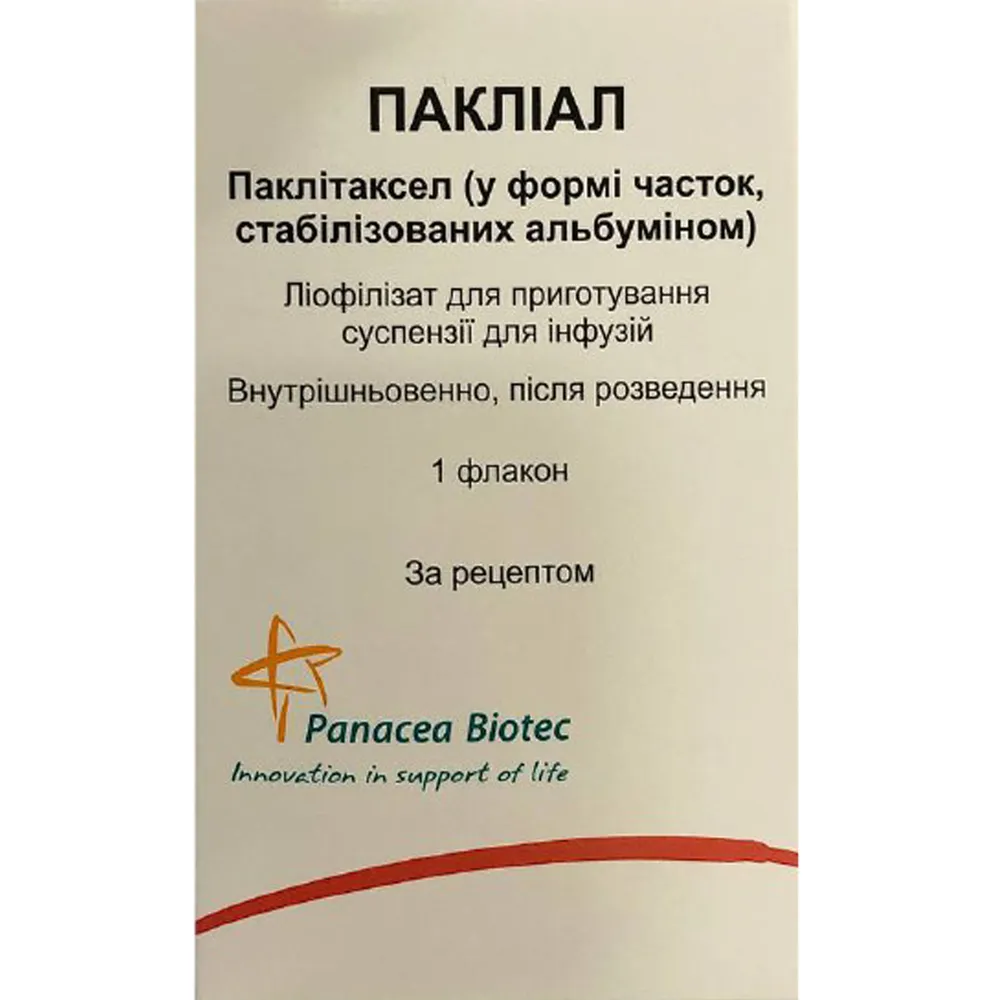
Table of Contents
INSTRUCTIONS FOR MEDICAL USE OF THE MEDICINAL PRODUCT PACLIALL (PACLIALL)
Composition:
Active substance: paclitaxel (in the form of albumin-stabilized nanoparticles);
1 vial contains 100 mg of paclitaxel;
Excipient: human albumin.
Pharmaceutical form. Lyophilisate for preparation of infusion suspension.
Main physicochemical properties: white or almost white lyophilized mass or powder.
Pharmacotherapeutic group. Antineoplastic agents. Taxanes. Paclitaxel.
ATC code L01CD01.
Pharmacological properties.
Pharmacodynamics.
Mechanism of action
Paclitaxel is an antimicrotubule agent that acts on the cellular microtubular apparatus. It promotes the assembly of microtubules from tubulin dimers and stabilizes them by preventing depolymerization. As a result, the normal dynamic reorganization of microtubular networks, essential for cellular functions during interphase and mitosis, is disrupted. In addition, paclitaxel induces the formation of abnormal aggregates or "bundles" of microtubules throughout the cell cycle, as well as multiple microtubule "asters" during mitosis.
Pharmacokinetics.
The pharmacokinetics of paclitaxel were studied in clinical trials involving 30-minute and 180-minute infusions of albumin-stabilized paclitaxel at doses ranging from 80 to 375 mg/m². Paclitaxel exposure parameters (AUC) increased linearly from 2653 to 16736 ng×hour/mL over the dose range of 80 to 300 mg/m².
In studies involving patients with advanced solid tumors, the pharmacokinetic parameters of paclitaxel after a 30-minute intravenous infusion of albumin-stabilized paclitaxel at a dose of 260 mg/m² were compared with those after solvent-based paclitaxel administered at 175 mg/m² over 3 hours. Based on noncompartmental pharmacokinetic analyses, the clearance (43%) and volume of distribution (53%) of paclitaxel were higher for the albumin-stabilized formulation than for the solvent-based formulation. No differences were observed in terminal half-life.
In a multiple-dose study involving 12 patients receiving albumin-stabilized paclitaxel at 260 mg/m², the individual variability in systemic paclitaxel exposure was 19% (range: 3.21–27.7%). No evidence of paclitaxel accumulation was observed with repeated cycles of therapy.
Distribution
After administration of the medicinal product Pakrial to patients with solid tumors, paclitaxel is evenly distributed between blood cells and plasma. Plasma protein binding is 94%.
The binding of paclitaxel to plasma proteins was evaluated by ultrafiltration in a within-patient comparison. The unbound fraction of paclitaxel was significantly higher with albumin-stabilized paclitaxel (6.2%) than with solvent-based paclitaxel (2.3%). This resulted in substantially higher exposure values for the unbound fraction of paclitaxel with the albumin-stabilized formulation compared to the solvent-based formulation, even at comparable total exposure levels. This phenomenon is most likely due to the absence of paclitaxel binding to Cremophor EL micelles, which occurs with solvent-based paclitaxel.
According to published in vitro data, the presence of cimetidine, ranitidine, dexamethasone, or diphenhydramine did not affect the binding of paclitaxel (at concentrations from 0.1 to 50 µg/mL) to human plasma proteins.
Population pharmacokinetic analysis indicated a total volume of distribution of approximately 1741 L, suggesting extensive extravascular distribution and/or tissue protein binding of paclitaxel.
Metabolism and elimination
Published in vitro studies using human liver microsomes and tissue slices have shown that paclitaxel is primarily metabolized to 6α-hydroxypaclitaxel, as well as two additional minor metabolites (3'-n-hydroxypaclitaxel and 6α-3'-n-dihydroxypaclitaxel). The formation of these hydroxylated metabolites is catalyzed by the cytochrome P450 isoenzymes CYP2C8, CYP3A4, and both CYP2C8 and CYP3A4, respectively.
In patients with metastatic breast cancer, after a 30-minute intravenous infusion of albumin-stabilized paclitaxel at 260 mg/m², the mean cumulative urinary excretion of unchanged paclitaxel accounted for 4% of the total administered dose. Less than 1% of the dose was excreted in urine as the metabolites 6α-hydroxypaclitaxel and 3'-n-hydroxypaclitaxel. These findings indicate substantial non-renal clearance of the drug. Paclitaxel is primarily eliminated via hepatic metabolism and biliary excretion.
After administration of the medicinal product at therapeutic doses of 80 to 300 mg/m², the mean plasma clearance of paclitaxel ranged from 13 to 30 L/hour/m², and the mean terminal half-life ranged from 13 to 27 hours.
Hepatic impairment
The effect of hepatic impairment on the pharmacokinetics of paclitaxel was studied in patients with advanced solid tumors. Results showed that mild hepatic impairment (total bilirubin >1 to ≤1.5 × ULN) had no clinically significant effect on paclitaxel pharmacokinetic parameters. In patients with moderate (total bilirubin >1.5 to ≤3 × ULN) and severe hepatic impairment (total bilirubin >3 to ≤5 × ULN), a 22–26% reduction in the maximum elimination rate of paclitaxel and an approximately 20% increase in mean AUC were observed. Hepatic impairment did not affect mean Cmax of paclitaxel. Furthermore, paclitaxel elimination was inversely correlated with total bilirubin levels and directly correlated with plasma albumin concentration.
Pharmacokinetic/pharmacodynamic modeling showed no correlation between hepatic function (based on baseline albumin or total bilirubin levels) and neutropenia, taking into account paclitaxel exposure.
Pharmacokinetic analysis has not been performed in patients with total bilirubin >5 × ULN or in patients with metastatic adenocarcinoma of the pancreas.
Renal impairment
Mild to moderate renal impairment (creatinine clearance ≥30 to <90 mL/min) had no clinically significant effect on the maximum elimination rate or systemic exposure (AUC and Cmax) of paclitaxel. There is insufficient pharmacokinetic data in patients with severe renal impairment, and no data are available for patients with end-stage renal disease.
Elderly patients
The population pharmacokinetic analysis included data from patients aged 24 to 85 years. Results showed that patient age did not significantly affect the maximum elimination rate or systemic exposure (AUC and Cmax) of paclitaxel.
Pharmacokinetic/pharmacodynamic modeling using data from 125 patients with advanced solid tumors indicated that patients aged ≥65 years may be more susceptible to developing neutropenia during the first treatment cycle, although age did not affect plasma paclitaxel exposure.
Other intrinsic factors
Population pharmacokinetic analysis showed that sex, race (Asian vs. Caucasian), and type of solid tumor had no clinically significant effect on systemic exposure (AUC and Cmax) to paclitaxel. The AUC of paclitaxel in patients with a body weight of 50 kg was approximately 25% lower than in patients with a body weight of 75 kg. The clinical significance of these findings is unknown.
Preclinical safety data
The carcinogenic potential of paclitaxel has not been studied. However, published data indicate that paclitaxel is a potentially carcinogenic and genotoxic agent at clinical doses due to its pharmacodynamic mechanism of action. Paclitaxel has been shown to be clastogenic in vitro (chromosomal aberrations in human lymphocytes) and in vivo (micronucleus test in mice).
Paclitaxel has been shown to be genotoxic in vivo (micronucleus test in mice), but it did not induce mutagenicity.
Paclitaxel, at doses lower than therapeutic doses in humans, was associated with reduced fertility and embryotoxic effects in rats. Animal studies demonstrated irreversible toxic effects of paclitaxel on male reproductive organs.
Clinical characteristics.
Indications.
Paclical is indicated for the treatment of adult patients with diagnosed metastatic breast cancer in whom combination chemotherapy of metastases with an anthracycline has been ineffective or in whom disease recurrence occurred within 6 months after completion of adjuvant therapy.
Paclical in combination with gemcitabine is indicated as a first-line treatment for adult patients with metastatic adenocarcinoma of the pancreas.
Paclical in combination with carboplatin is indicated as a first-line treatment for non-small cell lung cancer in adult patients who are not candidates for potentially curative surgery and/or radiotherapy.
Contraindications.
- Hypersensitivity to the active substance or to any of the excipients.
- Breastfeeding.
- Neutropenia (baseline neutrophil count < 1500 cells/mm³).
Special precautions.
General warnings. Paclical is a cytotoxic medicinal product. Therefore, caution should be exercised during its reconstitution and administration. The use of gloves and protective clothing is recommended to prevent skin contact.
Strict adherence to appropriate aseptic techniques is required when handling Paclical medicinal product.
Paclical medicinal product must not be used as a substitute for other medicinal products containing paclitaxel and cannot be replaced by other paclitaxel formulations.
Storage of reconstituted suspension in the vial
The reconstituted suspension should be used immediately after dilution. If necessary, the finished suspension may be stored in the vial at 2–8 °C for up to 24 hours.
Store in the original packaging in a place protected from light.
Proper disposal procedure. Unused medicinal product residues should be disposed of in accordance with local requirements.
Interaction with other medicinal products and other forms of interaction.
Paclitaxel metabolism is partially catalyzed by CYP2C8 and CYP3A4 isoenzymes of the cytochrome P450 system. Therefore, in the absence of pharmacokinetic interaction data, Paclical should be used with caution in combination with inhibitors of CYP2C8 and CYP3A4 isoenzymes (ketoconazole and other imidazole-derived antifungal agents, erythromycin, fluoxetine, gemfibrozil, cimetidine, ritonavir, saquinavir, indinavir, and nelfinavir), as paclitaxel toxicity may increase along with increased paclitaxel exposure. Concomitant administration of paclitaxel and inducers of CYP2C8 and CYP3A4 isoenzymes (including rifampicin, carbamazepine, phenytoin, efavirenz, nevirapine) is not recommended due to the potential for reduced paclitaxel exposure.
Paclitaxel and gemcitabine have different metabolic pathways. Paclitaxel clearance is primarily determined by metabolism catalyzed by CYP2C8 and CYP3A4 isoenzymes, followed by biliary excretion. In contrast, gemcitabine is inactivated by cytidine deaminase, followed by urinary excretion. Pharmacokinetic interaction studies between paclitaxel and gemcitabine in humans have not been conducted.
A pharmacokinetic study on the interaction between paclitaxel and carboplatin was conducted in patients with non-small cell lung cancer. No clinically significant pharmacokinetic interaction between paclitaxel and carboplatin was observed.
Paclical medicinal product is indicated for monotherapy in breast cancer or in combination with gemcitabine for the treatment of adenocarcinoma of the pancreas, or in combination with carboplatin for the treatment of non-small cell lung cancer.
Paclical medicinal product should not be combined with other antineoplastic medicinal products.
Special precautions for use.
Paclical contains in its composition paclitaxel in the form of albumin-stabilized particles, whose pharmacological action may differ significantly from other paclitaxel-based medicinal products. Paclical cannot be substituted with other paclitaxel preparations or other medicinal products.
Severe myelosuppression
Severe myelosuppression (primarily neutropenia) is dose-dependent and represents the main dose-limiting factor of Paclical. According to clinical trial data, grade 3–4 neutropenia occurred in 34% of patients with metastatic breast cancer (MBC), in 47% of patients with non-small cell lung cancer (NSCLC), and in 38% of patients with pancreatic cancer.
Severe neutropenia and thrombocytopenia should be carefully monitored through regular blood tests, including prior to dose administration on day 1 (in MBC) and on days 1, 8, and 15 (in NSCLC and pancreatic adenocarcinoma). Paclitaxel therapy should not be administered to patients with baseline neutrophil counts below 1,500 cells/mm³ (see section "Contraindications").
If severe neutropenia (< 500 cells/mm³ for seven days or longer) develops during paclitaxel therapy, the dose should be reduced in subsequent cycles for patients with MBC or NSCLC.
Patients with MBC should resume treatment with Paclical using 21-day cycles after neutrophil counts recover to > 1,500 cells/mm³ and platelet counts recover to > 100,000 cells/mm³. Patients with NSCLC may resume therapy at reduced doses (both in weekly paclitaxel cycles and in three-weekly carboplatin cycles) after neutrophil counts recover to > 1,500 cells/mm³ and platelet counts recover to > 100,000 cells/mm³ on day 1, or if neutrophil counts are > 500 cells/mm³ and platelet counts > 100,000 cells/mm³ on day 8 or 15 of the treatment cycle (see section "Dosage and administration").
For patients with pancreatic adenocarcinoma, administration of paclitaxel and gemcitabine should be discontinued if neutrophil count is < 500 cells/mm³ or platelet count < 50,000 cells/mm³. The start of the next cycle should be delayed if neutrophil count is < 1,500 cells/mm³ or platelet count < 100,000 cells/mm³ on day 1 of the treatment cycle. Therapy with reduced doses may be resumed according to the patient's condition, following recommendations outlined in the section "Dosage and administration".
Hypersensitivity
Severe hypersensitivity reactions, including very rare anaphylactic reactions with fatal outcomes, have been reported. Therefore, if symptoms of hypersensitivity occur, administration of Paclical should be immediately discontinued without further re-administration. Symptomatic treatment should be initiated.
Neuropathy
Sensory neuropathy has been frequently observed with paclitaxel use, although severe forms are uncommon. Dose reduction is generally not required for grade I or II sensory neuropathy. In case of grade III sensory neuropathy during monotherapy with Paclical, treatment should be withheld until symptoms resolve to grade I–II, and the dose of Paclical should be reduced for all subsequent cycles. In case of grade III or higher sensory neuropathy during combination therapy with paclitaxel and gemcitabine, paclitaxel administration should be delayed while continuing gemcitabine at the same dose.
After symptoms of peripheral neuropathy have improved to baseline or grade I, Paclical should be restarted at a reduced dose.
In case of grade III or higher peripheral neuropathy during combination therapy with paclitaxel and carboplatin, therapy should be suspended until symptoms resolve to baseline or grade I. Subsequent combination therapy should be continued with appropriate dose reductions.
Sepsis
Sepsis occurred in 5% of patients receiving paclitaxel in combination with gemcitabine, regardless of the presence of neutropenia. The main risk factors for sepsis include complications of pancreatic cancer, particularly biliary tract obstruction and the presence of a biliary stent.
If a patient develops fever (regardless of neutrophil count), broad-spectrum antibiotics should be initiated promptly.
In case of febrile neutropenia, administration of Paclical and gemcitabine should be delayed until body temperature normalizes and absolute neutrophil count recovers to ≥ 1,500 cells/mm³. Therapy with both agents should then be resumed at reduced doses.
Pneumonitis
Pneumonitis was observed in 1% of patients receiving paclitaxel monotherapy and in 4% of patients receiving combination therapy with paclitaxel and gemcitabine. Patients should be closely monitored for early signs and symptoms of pneumonitis. After exclusion of infectious etiology and confirmation of pneumonitis diagnosis, therapy with Paclical and gemcitabine should be discontinued (without further re-administration), and appropriate treatment and supportive measures should be initiated immediately.
Hepatotoxicity
Due to increased risk of paclitaxel toxicity in patients with impaired liver function, Paclical should be used with caution in such patients. Because of the higher risk of toxicity, particularly myelosuppression, blood test results should be closely monitored in patients with hepatic impairment.
Paclical should not be administered to patients with bilirubin concentration > 5 × ULN or aspartate aminotransferase (AST) > 10 × ULN. Additionally, Paclical should not be used in patients with metastatic pancreatic adenocarcinoma who have moderate or severe hepatic impairment (total bilirubin > 1.5 × ULN or AST ≤ 10 × ULN).
Cardiotoxicity
Isolated cases of congestive heart failure and left ventricular dysfunction have been reported in patients receiving Paclical. Most of these patients had a history of cardiac disease or prior use of cardiotoxic drugs (e.g., anthracyclines). Therefore, patients receiving paclitaxel therapy should be under continuous cardiac monitoring by a physician.
CNS metastases
The safety and efficacy of Paclical in patients with central nervous system (CNS) metastases have not been evaluated. Generally, CNS metastases are poorly controlled by systemic chemotherapy.
Elderly patients (aged 75 years and older)
In patients aged 75 years and older, no benefit was observed with combination therapy of paclitaxel and gemcitabine compared to gemcitabine monotherapy. When using the combination of paclitaxel and gemcitabine in patients aged 75 years and older, an increased frequency of serious adverse reactions and adverse events leading to premature discontinuation of therapy was observed, including hematological toxicity, peripheral neuropathy, decreased appetite, and dehydration. Patients aged 75 years and older with pancreatic adenocarcinoma should be under close physician supervision for appropriate assessment of outcomes from combination therapy with Paclical and gemcitabine. Particular attention should be paid to the general condition of such patients, comorbidities, and the increased risk of infections.
Viral infections
Paclical contains human albumin derived from human blood. Although effective safety measures in donor selection and strict manufacturing controls are in place, there remains a theoretical risk of transmission of viral infections. There is also an extremely low theoretical risk of transmitting Creutzfeldt-Jakob disease with albumin-containing products. However, to date, there have been no reports of transmission of Creutzfeldt-Jakob disease or other viral infections through medicinal products containing human albumin.
Embryo-fetal toxicity
Based on the mechanism of action of the drug and data from animal studies, administration of paclitaxel during pregnancy is considered to cause substantial harm to the fetus. In reproductive toxicity studies in animals, pregnant rats were administered paclitaxel (in the form of albumin-stabilized particles) at doses lower than the maximum recommended human dose based on body surface area. Administration of reduced doses of paclitaxel in pregnant rats resulted in embryo-fetal toxicity, including intrauterine death, increased resorptions, reduced number of live fetuses, and developmental abnormalities in offspring.
Women of reproductive potential should be informed of the potential risk to the fetus when receiving paclitaxel. Women of reproductive potential should use effective contraception and avoid pregnancy during paclitaxel therapy and for at least six months after the last dose of paclitaxel.
Based on published animal studies on genetic and reproductive toxicity, male patients of reproductive potential should use effective contraception and avoid conception during paclitaxel therapy and for at least three months after the last dose of paclitaxel.
Other
Due to limited data, no clear benefit of combination therapy with Paclical and gemcitabine on overall survival has been demonstrated in patients with pancreatic adenocarcinoma who have normal baseline CA 19-9 levels.
Erlotinib should not be used concomitantly with the combination of Paclical and gemcitabine.
Use during pregnancy or breastfeeding.
Contraception in women and men
Women of reproductive potential must use reliable contraception during treatment and for at least 6 months after completion of therapy with Paclical. Men receiving treatment with Paclical should use reliable contraception during therapy and for 3 months after its completion.
Pregnancy
Available data on paclitaxel use in pregnant women are very limited. Paclitaxel use during pregnancy is considered to cause severe congenital defects. Animal studies have shown reproductive toxicity.
Paclical should not be administered to pregnant women or women who are not using reliable contraceptive methods, except when paclitaxel use is justified by the woman's clinical condition.
Breastfeeding
It is unknown whether paclitaxel is excreted in human breast milk. Due to the potential for serious adverse reactions in breastfed infants, Paclical is contraindicated in women who are breastfeeding. Breastfeeding should be discontinued during paclitaxel therapy and not resumed for at least two weeks after the last dose of paclitaxel.
Fertility
Paclitaxel caused infertility in male rats. Male patients should consult their physician about sperm preservation prior to starting therapy with Paclical due to the risk of irreversible infertility.
Ability to drive and use machines.
Paclitaxel has a negligible or moderate influence on the ability to drive or operate machinery. However, paclitaxel may cause adverse reactions such as fatigue (very common) and dizziness (common), which may affect patients' ability to drive or operate machinery. Patients should be advised to refrain from driving and operating machinery if they experience fatigue or dizziness.
Administration and Dosage
Paklial should be administered exclusively under the supervision of a qualified oncologist and in departments specialized in the use of cytotoxic medicinal agents. This medicinal product cannot be used as a substitute for other medicinal products containing paclitaxel and cannot be interchanged with other formulations of paclitaxel.
Dosage
Breast Cancer
The medicinal product Paklial is recommended to be administered at a dose of 260 mg/m² body surface area as a 30-minute intravenous infusion once every 3 weeks.
Dose Modification in Breast Cancer Therapy
In patients who develop severe neutropenia (absolute neutrophil count less than 500/mm³ for one week or longer) or severe sensory neuropathy during treatment with Paklial, the dose of paclitaxel should be reduced to 220 mg/m² body surface area for all subsequent treatment cycles.
If severe neutropenia or severe sensory neuropathy recurs, the dose should be further reduced to 180 mg/m². Paklial should not be administered until the neutrophil count has recovered to a level > 1500/mm³. In patients with Grade III sensory neuropathy, paclitaxel therapy should be withheld until neuropathic symptoms resolve to Grade I or II, followed by a dose reduction of paclitaxel for all subsequent treatment cycles.
Adenocarcinoma of the Pancreas
The medicinal product Paklial in combination with gemcitabine should be administered at a dose of 125 mg/m² as a 30-minute intravenous infusion on days 1, 8, and 15 of each 28-day cycle. The recommended dose of gemcitabine is 1000 mg/m², to be administered as a 30-minute intravenous infusion immediately after completion of paclitaxel infusion on days 1, 8, and 15 of each 28-day cycle.
Dose Modification in the Treatment of Pancreatic Adenocarcinoma
Table 1
Dose reduction of medicinal products in patients with pancreatic adenocarcinoma
| Dose |
Paclitaxel dose (mg/m2) |
Gemcitabine dose (mg/m2) |
| Full dose |
125 |
1000 |
| First dose reduction |
100 |
800 |
| Second dose reduction |
75 |
600 |
| If further dose reduction is required |
Discontinue administration |
Discontinue administration |
Table 2
Dose adjustment for neutropenia and/or thrombocytopenia at the beginning or during a cycle in patients with pancreatic adenocarcinoma.
| Day of cycle |
Absolute neutrophil count (cells/mm3) |
Platelet count (cells/mm3) |
Paclitaxel dose |
Gemcitabine dose |
|
| Day 1 |
< 1500 |
OR |
< 100,000 |
Delay administration until recovery of the parameter |
|
| Day 8 |
≥ 500 but < 1000 |
OR |
≥ 50,000 but < 75,000 |
Reduce dose by one level |
|
| < 500 |
OR |
< 50,000 |
Withhold administration |
||
| Day 15: if doses scheduled for Day 8 were not modified: |
|||||
| Day 15 |
≥ 500 but < 1000 |
OR |
≥ 50,000 but < 75,000 |
Administer drugs at Day 8 dose, then administer leukocyte growth factors OR Reduce dose by one level from Day 8 dose |
|
| < 500 |
OR |
< 50,000 |
Withhold administration |
||
| Day 15: if doses scheduled for Day 8 were reduced: |
|||||
| Day 15 |
≥ 1000 |
AND |
≥ 75,000 |
Resume Day 1 doses, then administer leukocyte growth factor OR Administer Day 8 doses |
|
| ≥ 500 but < 1000 |
OR |
≥ 50,000 but < 75,000 |
Administer drugs at Day 8 dose, then administer leukocyte growth factors OR Reduce dose by one level from Day 8 dose |
||
| < 500 |
OR |
< 50,000 |
Withhold administration |
||
| Day 15: if administration of Day 8 dose was withheld: |
|||||
| Day 15 |
≥ 1000 |
OR |
≥ 75,000 |
Resume Day 1 doses, then administer leukocyte growth factor OR Reduce Day 1 doses by one level |
|
| ≥ 500 but < 1000 |
OR |
≥ 50,000 but < 75,000 |
Reduce drug doses by one level, then administer leukocyte growth factor OR Reduce Day 1 drug doses by two levels |
||
| < 500 |
OR |
< 50,000 |
Withhold administration |
||
Table 3
Dosage adjustment of medicinal products upon development of other adverse drug reactions in patients with pancreatic adenocarcinoma
| Description of adverse drug reaction |
Paclitaxel dose |
Gemcitabine dose |
| Febrile neutropenia Grade III or IV |
Discontinue drug administration until resolution of fever and neutrophil count recovers to ≥ 1500 cells/mm3; resume therapy at the next lower dose level |
|
| Peripheral neuropathy Grade III or IV |
Discontinue drug administration until neuropathy symptoms improve to ≤ Grade I; resume therapy at the next lower dose level |
Administer the drug at the same dose |
| Skin and subcutaneous tissue toxicity: Grade II or III |
Reduce drug dose to the next lower dose level; discontinue therapy if adverse drug reactions persist |
|
| Gastrointestinal toxicity: mucositis or diarrhea Grade III |
Discontinue drug administration until improvement to ≤ Grade I; resume therapy at the next lower dose level |
|
a See Table 1.
Non-small cell lung cancer.
The medicinal product Paklial is recommended to be administered at a dose of 100 mg/m² as a 30-minute intravenous infusion on days 1, 8, and 15 of a 21-day cycle. Carboplatin at a dose of AUC = 6 mg·min/mL should be administered only on day 1 of the 21-day cycle immediately after completion of paclitaxel infusion.
Dose modification for the treatment of non-small cell lung cancer
Paklial should not be administered on day 1 of the cycle until the absolute neutrophil count has recovered to ≥ 1500 cells/mm³ and platelet count has recovered to ≥ 100,000 cells/mm³. Prior to administering each subsequent dose of paclitaxel within the weekly cycle, the patient’s absolute neutrophil count should be ≥ 500 cells/mm³ and platelet count should be ≥ 50,000 cells/mm³. Otherwise, administration of paclitaxel should be withheld until neutrophil and platelet counts recover to the minimum acceptable levels. After recovery of neutrophil and platelet counts, paclitaxel administration should be resumed at the doses for the next week according to the criteria outlined in Table 4.
Table 4
Dose reduction for hematological toxicity in patients with non-small cell lung cancer
| Hematologic toxicity manifestations |
Frequency of occurrences |
Paclitaxel dose (mg/m2)1 |
Carboplatin dose (AUC mg/min/mL)1 |
| Neutrophil count reduction to < 500/mm3 accompanied by fever > 38 °C OR Delay in administering the next cycle due to chronic neutropenia (neutrophil count < 1500/mm3) 2 OR Neutrophil count remains < 500/mm3 for more than 1 week |
First |
75 |
4.5 |
| Second |
50 |
3.0 |
|
| Third |
Discontinue treatment |
||
| Platelet count remains < 50,000/mm3 for more than 1 week |
First |
75 |
4.5 |
| Second |
Discontinue treatment |
||
1 On day 1 of the 21-day cycle, the doses of paclitaxel and carboplatin should be reduced simultaneously. On day 8 or day 15 of the 21-day cycle, the dose of paclitaxel should be reduced; the dose of carboplatin should be reduced in the subsequent cycle.
2 Up to 7 days after the planned dosing day 1 of the next cycle.
In case of toxicity manifestations, namely: grade II or III skin toxicity, grade III diarrhea, grade III mucositis – therapy should be withheld until toxicity resolves to grade I. Then, therapy should be resumed using the doses described in Table 5. In case of grade III or higher peripheral neuropathy, administration of paclitaxel and carboplatin should be withheld until symptoms resolve to grade I or lower. Therapy may be resumed at the recommended dose level for the next lower dosage regimen in the subsequent cycle, as outlined in Table 5. For any other grade III or IV non-hematological toxicities, combined therapy should be withheld until manifestations resolve to ≤ grade II, after which therapy should be resumed according to the recommendations provided in Table 5.
Table 5
Dose reduction recommendations for non-hematological toxicities in patients with non-small cell lung cancer
| Non-hematological toxicity manifestations |
Frequency of manifestations |
Paclitaxel dose (mg/m2)1 |
Carboplatin dose (AUC mg·min/mL)1 |
| Skin and subcutaneous tissue toxicity grade II or III, diarrhea grade III, mucositis grade III, peripheral neuropathy grade III and higher. Any other grade III toxicity or non-hematological toxicity grade IV |
First |
75 |
4.5 |
| Second |
50 |
3.0 |
|
| Third |
Discontinue treatment |
||
| Skin toxicity, diarrhea or mucositis grade IV |
First |
Discontinue treatment |
|
1 On day 1 of the 21-day cycle, the doses of paclitaxel and carboplatin should be reduced simultaneously. On day 8 or day 15 of the 21-day cycle, the dose of paclitaxel should be reduced; the dose of carboplatin should be reduced in the next cycle.
Special patient groups
Patients with hepatic impairment
Patients with mild hepatic impairment (total bilirubin > 1 to ≤ 1.5 × ULN and AST ≤ 10 × ULN) do not require dose adjustment based on indications. The same doses should be administered as in patients with normal liver function (ULN — upper limit of normal).
Dose adjustment recommendations for patients with moderate or severe hepatic impairment are provided in Table 6.
Table 6
Recommended initial dose of Paclial medicinal product for patients with existing moderate or severe hepatic impairment
| Severity of hepatic impairment |
AST levels |
Total bilirubin levels |
Recommended dose of paclitaxel * |
|||
| MBC |
NSCLC |
Adenocarcinoma of the pancreas |
||||
| Moderate |
< 10 × ULN |
and |
> 1.5 to ≤ 3 × ULN |
200 mg/m²** |
80 mg/m²** |
nr |
| Severe |
< 10 × ULN |
and |
> 3 to ≤ 5 × ULN |
200 mg/m²** |
80 mg/m²** |
nr |
| > 10 × ULN |
or |
> 5 × ULN |
nr |
nr |
nr |
|
AST — aspartate aminotransferase.
MBC — metastatic breast cancer.
NSCLC — non-small cell lung cancer.
ULN — upper limit of normal.
n/r — not recommended, limited data available.
* Dosing recommendations for the first treatment cycle. The need for further dose adjustments in subsequent cycles should be determined based on individual patient tolerance to therapy.
** If a patient tolerates the reduced dose of paclitaxel well over two treatment cycles, consideration should be given to increasing the dose to 260 mg/m² for patients with metastatic breast cancer or to 100 mg/m² for patients with non-small cell lung cancer in subsequent treatment cycles using the medicinal product Pacrial.
There is insufficient data on the dosing regimen for patients with metastatic adenocarcinoma of the pancreas who have moderate or severe hepatic impairment. Therefore, specific recommendations for use in such patients cannot be provided.
There is insufficient data to develop specific dosing recommendations for patients with total bilirubin concentration > 5 × ULN or AST > 10 × ULN, regardless of indication.
Patients with renal impairment
Patients with mild to moderate renal impairment (creatinine clearance ≥ 30 to < 90 mL/min) do not require adjustment of the initial recommended therapeutic dose. There is insufficient data to provide dosing recommendations for patients with severe or end-stage renal impairment (creatinine clearance < 30 mL/min).
Elderly patients
There are no additional warnings regarding dose reduction for patients aged 65 years and older, apart from the warnings applicable to all patients.
In a randomized trial of paclitaxel monotherapy for breast cancer, 229 patients were enrolled, 13% of whom were at least 65 years old and less than 2% were 75 years of age or older. In patients aged 65 years and older receiving paclitaxel, no significantly increased incidence of toxicity was observed compared to the general population. However, a subsequent analysis of data from 981 patients (15% aged ≥65 years and 2% aged ≥75 years) receiving paclitaxel as monotherapy for metastatic breast cancer showed a higher incidence of epistaxis, diarrhea, dehydration, fatigue, and peripheral edema in patients aged 65 years and older.
In a randomized study involving 421 patients diagnosed with pancreatic adenocarcinoma receiving combination therapy with paclitaxel and gemcitabine, 41% of patients were aged 65 years or older and 10% were aged 75 years or older. A higher incidence of serious adverse reactions and adverse reactions leading to discontinuation of treatment was observed in patients aged 75 years and older. Patients diagnosed with pancreatic adenocarcinoma who are 75 years of age or older should undergo careful evaluation before initiating appropriate treatment.
In a randomized study involving 514 patients diagnosed with NSCLC receiving combination therapy with paclitaxel and carboplatin, 31% of participants were aged 65 years or older and 3.5% were aged 75 years or older. Myelosuppression, peripheral neuropathy, and arthralgia occurred more frequently in patients aged 65 years and older compared to younger patients. Experience with combination therapy using paclitaxel and carboplatin in patients over 75 years of age is limited.
Pharmacokinetic/pharmacodynamic modeling using data from 125 patients with solid tumors indicates a higher risk of neutropenia during the first treatment cycle in patients aged 65 years and older.
Use in children
The safety and efficacy of the medicinal product Pacrial in children and adolescents under 17 years of age have not been studied. There are no data on the use of paclitaxel for the treatment of breast cancer, pancreatic adenocarcinoma, or non-small cell lung cancer in children aged 0 to 17 years.
Method of administration
The reconstituted suspension of the medicinal product Pacrial should be administered intravenously using an infusion set equipped with an in-line filter with a pore size of 15 µm. After administration, the line should be flushed with 0.9% sodium chloride solution to ensure delivery of the entire required dose.
Under aseptic conditions, prepare the infusion suspension as follows:
- Remove the protective cap from the vial and disinfect the rubber stopper with alcohol.
- Using a sterile syringe, slowly (over at least 1 minute) inject 20 mL of 0.9% sodium chloride solution into the vial containing Pacrial. The needle should be directed so that the solution flows down the side of the vial.
- To prevent foaming, avoid direct contact of the solution with the lyophilisate.
- After adding all the sodium chloride solution, leave the vial undisturbed for at least 5 minutes to allow uniform dissolution of the lyophilisate.
- Gently rotate and/or invert the vial to achieve complete and uniform reconstitution of the lyophilisate in the added sodium chloride solution, forming a homogeneous suspension. Do not shake. Foaming must be avoided.
- If foam or aggregates of undissolved lyophilisate form, leave the vial for at least 15 minutes until the foam settles completely. Repeat the above procedure if necessary until all aggregates are fully dispersed.
- The ready-to-use medicinal product is a homogeneous, semi-opaque white or off-white suspension, free from visible mechanical particles. Some sedimentation of the reconstituted suspension may occur. Immediately before administration, gently rotate the vial to re-establish a homogeneous suspension. The suspension should be visually inspected for any visible particulate matter. Do not administer if particulates are present.
- Each milliliter of the resulting suspension contains 5 mg of albumin-stabilized paclitaxel. The suspension is ready for use and does not require further dilution.
The total volume of infusion suspension is calculated as follows:
infusion volume (mL) = total dose (mg) / 5 (mg/mL).
- Transfer the required volume of the ready-to-use suspension corresponding to the calculated dose into an empty PVC (or non-PVC) infusion bag. The use of medical devices (syringes, infusion bags) manufactured with silicone oil as a lubricant may lead to the formation of protein "threads." To prevent such protein "threads" from entering the bloodstream, Pacrial infusion must be administered using an infusion set with an in-line filter of 15 µm pore size. This filter removes these particles without altering the physical and chemical properties of the reconstituted suspension.
Using a filter with a pore size smaller than 15 µm may lead to clogging and blockage.
Due to the potential risk of leakage of the medicinal product into surrounding tissues, the administration process should be closely monitored to promptly detect and manage any signs of extravasation at the infusion site.
Limiting the infusion duration to 30 minutes as recommended reduces the risk of infusion site-related adverse reactions.
Children.
The safety and efficacy of the medicinal product Pacrial in children under 17 years of age have not been studied. There are no data on the use of paclitaxel for the treatment of breast cancer, pancreatic adenocarcinoma, or non-small cell lung cancer in children aged 0 to 17 years.
Currently available data are insufficient to establish dosing recommendations for children.
Overdose.
There is no specific antidote for paclitaxel. In case of overdose with Pacrial, symptomatic treatment and close monitoring of the patient should be implemented. Management should focus on the main anticipated complications: myelosuppression, mucositis, and peripheral neuropathy.
Adverse reactions
The most common and clinically significant adverse reactions observed during treatment with paclitaxel were neutropenia, peripheral neuropathy, arthralgia/myalgia, and gastrointestinal disorders.
The frequency of adverse reactions associated with the use of the medicinal product Pacrial is listed below in Table 7 (Pacrial used as monotherapy), Table 8 (Pacrial in combination with gemcitabine), and Table 10 (Pacrial in combination with carboplatin).
Frequency is defined as follows: very common (≥ 1/10); common (≥ 1/100 to < 1/10); uncommon (≥ 1/1,000 to < 1/100); rare (≥ 1/10,000 to < 1/1,000); very rare (< 1/10,000). Adverse reactions within each category are listed in decreasing order of severity.
Breast cancer (Pacrial administered as monotherapy)
List of adverse reactions in tabular form
Table 7 lists adverse reactions associated with paclitaxel administration in clinical trials when paclitaxel was used as monotherapy at various doses and for various indications (N = 789).
Table 7
Adverse reactions reported during administration of paclitaxel as monotherapy
| Infections and infestations |
Common: infections, urinary tract infections, folliculitis, upper respiratory tract infections, candidiasis, sinusitis. Uncommon: oral candidiasis, nasopharyngitis, phlegmon, herpes simplex, viral infections, pneumonia, |
| Benign, malignant and unspecified neoplasms (including cysts and polyps) |
Uncommon: metastatic pain, tumor necrosis. |
| Blood and lymphatic system disorders |
Very common: neutropenia, anemia, leukopenia, thrombocytopenia, lymphopenia, bone marrow suppression. Common: febrile neutropenia. Uncommon: pancytopenia. |
| Immune system disorders |
Uncommon1: hypersensitivity reactions. Rare: severe hypersensitivity reactions. |
| Metabolism and nutrition disorders |
Very common: anorexia. Common: dehydration, decreased appetite, hypokalemia. Uncommon: hypophosphatemia, fluid retention, hypoalbuminemia, polydipsia, hyperglycemia, hypocalcemia, hypoglycemia, hyponatremia. |
| Psychiatric disorders |
Common: insomnia, depression, anxiety. Uncommon: restlessness. |
| Nervous system disorders |
Very common: peripheral neuropathy, neuropathy, hypoesthesia, paresthesia. Common: peripheral sensory neuropathy, headache, dysgeusia, dizziness, peripheral motor neuropathy, ataxia, sensory disturbances, somnolence. Uncommon: polyneuropathy, decreased reflexes, dyskinesia, neuralgia, loss of sensation, syncope, postural dizziness, neuropathic pain, tremor. |
| Eye disorders |
Common: increased lacrimation, blurred vision, dry eye syndrome, dry keratoconjunctivitis, madarosis. Uncommon: eye irritation, eye pain, visual disturbances, reduced visual acuity, conjunctivitis, visual perception disturbances, ear pruritus, keratitis. Rare: cystoid macular edema2. |
| Ear and labyrinth disorders |
Common: vertigo. Uncommon: ear pain, tinnitus. |
| Cardiac disorders |
Common: tachycardia, arrhythmia, supraventricular tachycardia. Rare: bradycardia, cardiac arrest, left ventricular dysfunction, congestive heart failure, atrioventricular block2. |
| Vascular disorders |
Common: flushing, hypertension, lymphedema. Uncommon: hypotension, cold extremities, orthostatic hypotension. Rare: thrombosis. |
| Respiratory, thoracic and mediastinal disorders |
Common: interstitial pneumonitis3, dyspnea, epistaxis, pharyngolaryngeal pain, cough, rhinitis, rhinorrhea. Uncommon: productive cough, exertional dyspnea, nasal mucosal swelling, diminished breathing, pleural effusion, allergic rhinitis, hoarseness, stridor, dryness and nasal congestion, pulmonary artery thromboembolism, pulmonary embolism. |
| Gastrointestinal disorders |
Very common: nausea, diarrhea, vomiting, constipation, stomatitis. Common: abdominal pain, dyspepsia, gastroesophageal reflux disease, hypoesthesia of the oral mucosa. Uncommon: dysphagia, flatulence, glossalgia, dry mouth, gum pain, diarrhea, esophagitis, lower abdominal pain, ulcerative stomatitis, oral pain, rectal bleeding. |
| Hepatobiliary disorders |
Uncommon: hepatomegaly. |
| Skin and subcutaneous tissue disorders |
Very common: alopecia, skin rash. Common: nail disorders, pruritus, dry skin, erythema, nail pigmentation or discoloration, hyperpigmentation of the skin, nail detachment, nail changes. Uncommon: nail bed pain, urticaria, skin pain, photosensitivity reactions, skin pigmentation disorders, pruritic rash, skin disorders, increased sweating, night sweats, onychomadesis (complete nail loss), erythematous rash, generalized rash, dermatitis, hypotrichosis, nail discomfort, generalized pruritus, skin lesions, facial edema. Very rare: Stevens-Johnson syndrome2, toxic epidermal necrolysis2. |
| Musculoskeletal and connective tissue disorders |
Very common: arthralgia, myalgia. Common: limb pain, bone pain, back pain, muscle spasms, pain in distal extremities. Uncommon: chest pain, muscle weakness, neck pain, groin pain, muscle spasm, musculoskeletal pain, flank pain, limb discomfort. |
| Renal and urinary disorders |
Uncommon: dysuria, polyuria, hematuria, nocturia, polyuria, urinary incontinence. |
| Reproductive system and breast disorders |
Uncommon: breast pain. |
| General disorders and administration site conditions |
Very common: fatigue, asthenia, increased body temperature. Common: peripheral edema, mucosal inflammation, pain, chills, swelling, weakness, reduced performance, chest pain, influenza-like syndrome, malaise, lethargy, hyperpyrexia. Uncommon: chest discomfort, gait disturbance, puffiness, injection site reactions. Rare: extravasation. |
| Investigations |
Common: weight loss, increased ALT and AST levels, decreased hematocrit, decreased red blood cell count, increased body temperature, increased gamma-glutamyl transferase levels, increased alkaline phosphatase levels. Uncommon: increased blood pressure, weight gain, increased blood lactate dehydrogenase levels, increased creatinine levels, hyperglycemia, hyperphosphatemia, hypokalemia, elevated bilirubin. |
| Injury, poisoning and procedural complications |
Uncommon: contusion. Rare: anamnestic radiation phenomenon, radiation pneumonitis. |
1 The frequency of hypersensitivity reactions was determined based on one case definitively associated with the use of paclitaxel in a population of 789 patients.
2 According to post-marketing surveillance data for albumin-bound paclitaxel formulations.
3 The incidence of pneumonitis was calculated based on pooled data from 1310 patients enrolled in clinical trials who received albumin-bound paclitaxel as monotherapy for breast cancer and other indications.
Description of selected adverse reactions
The adverse reactions listed below are the most common and clinically significant. Information was derived from 229 patients with metastatic breast cancer who received albumin-bound paclitaxel at a dose of 260 mg/m² once every three weeks in a pivotal Phase III clinical trial.
Blood and lymphatic system disorders
Neutropenia was the most significant manifestation of hematologic toxicity (observed in 79% of patients). Neutropenia was transient and dose-dependent. Leukopenia was reported in 71% of patients. Febrile neutropenia was observed in four patients receiving paclitaxel therapy. Anemia (hemoglobin < 100 g/L) occurred in 46% of patients and was severe (hemoglobin < 8 g/L) in three cases. Lymphopenia was observed in 45% of patients.
Nervous system disorders
Overall, the frequency and severity of neurotoxicity manifestations in patients receiving paclitaxel were dose-dependent. Peripheral neuropathy (mostly sensory neuropathy of Grade 1 or 2) occurred in 68% of patients receiving paclitaxel therapy. Of these, 10% experienced Grade 3 neuropathy, and no Grade 4 cases were reported.
Gastrointestinal disorders
Nausea and diarrhea were reported in 29% and 25% of patients, respectively.
Skin and subcutaneous tissue disorders
Alopecia occurred in more than 80% of patients receiving paclitaxel therapy. Most cases of alopecia occurred within less than one month after starting paclitaxel treatment. Hair loss ≥ 50% is an expected outcome for most patients with alopecia.
Musculoskeletal and connective tissue disorders
Arthralgia was observed in 32% of patients receiving paclitaxel therapy, with severe manifestations in 6% of cases. Myalgia was observed in 24% of patients (7% severe). Symptoms were usually transient, typically appearing about 3 days after starting paclitaxel therapy and resolving within a week.
General disorders and administration site conditions
Asthenia/fatigue was reported in 40% of patients.
Adenocarcinoma of the pancreas (paclitaxel administered in combination with gemcitabine)
Table 8
Adverse reactions reported with paclitaxel in combination with gemcitabine (N = 421)
| Infections and infestations |
Common: sepsis, pneumonia, oral mucosal candidiasis. |
| Blood and lymphatic system disorders |
Very common: neutropenia, anemia, thrombocytopenia. Common: pancytopenia. Uncommon: thrombotic thrombocytopenic purpura. |
| Metabolism and nutrition disorders |
Very common: dehydration, decreased appetite, hypokalemia. |
| Psychiatric disorders |
Very common: insomnia, depression. Common: anxiety. |
| Nervous system disorders |
Very common: peripheral neuropathy, dysgeusia, headache, dizziness. Uncommon: facial nerve paralysis. |
| Eye disorders |
Common: increased lacrimation. Uncommon: cystoid macular edema. |
| Cardiac disorders |
Common: congestive heart failure, tachycardia. |
| Vascular disorders |
Common: hypotension, hypertension. |
| Respiratory, thoracic and mediastinal disorders |
Very common: dyspnea, epistaxis, cough. Common: pneumonitis, nasal congestion. Uncommon: dry throat, dry nasal cavity. |
| Gastrointestinal disorders |
Very common: nausea, diarrhea, vomiting, constipation, abdominal pain, epigastric pain. Common: stomatitis, intestinal obstruction, colitis, dry mouth. |
| Hepatobiliary disorders |
Common: cholangitis. |
| Skin and subcutaneous tissue disorders |
Very common: alopecia, rash. Common: pruritus, dry skin, nail disorders, flushing. |
| Musculoskeletal and connective tissue disorders |
Very common: limb pain, arthralgia, myalgia. Common: muscle weakness, bone pain. |
| Renal and urinary disorders |
Common: acute kidney failure. Uncommon: hemolytic uremic syndrome. |
| General disorders and administration site conditions |
Very common: fatigue, peripheral edema, increased body temperature, asthenia, chills. Common: injection site reactions. |
| Investigations |
Very common: weight decreased, increased ALT levels. Common: increased AST levels, increased blood bilirubin, increased blood creatinine concentration. |
Description of selected adverse reactions
Below are the most common and clinically significant adverse reactions observed in 421 patients with metastatic adenocarcinoma of the pancreas who received combination therapy with paclitaxel (125 mg/m²) and gemcitabine (1000 mg/m²) on days 1, 8, and 15 of each 28-day cycle during a phase III clinical trial.
Blood and lymphatic system disorders
Table 9 shows the frequency and severity of hematological laboratory abnormalities in patients receiving paclitaxel in combination with gemcitabine compared to those receiving gemcitabine alone.
Table 9
Hematological laboratory abnormalities in patients with adenocarcinoma of the pancreas (from various clinical trials)
| Hematological laboratory abnormalities |
Paclitaxel (125 mg/m2)/gemcitabine |
Gemcitabine |
||
| Grade 1–4 (%) |
Grade 3–4 (%) |
Grade 1–4 (%) |
Grade 3–4 (%) |
|
| Anemiaa,b |
97 |
13 |
96 |
12 |
| Neutropeniaa,b |
73 |
38 |
58 |
27 |
| Thrombocytopeniab,c |
74 |
13 |
70 |
9 |
a Data from 405 patients were evaluated in the group receiving combination therapy with paclitaxel/gemcitabine.
b Data from 388 patients were evaluated in the group receiving gemcitabine therapy.
c Data from 404 patients were evaluated in the group receiving combination therapy with paclitaxel/gemcitabine.
Peripheral neuropathy
In patients treated with paclitaxel as part of combination therapy with gemcitabine, the median time to first occurrence of grade 3 peripheral neuropathy was 140 days. The median time to improvement to at least grade 1 severity was 21 days, and the median time to improvement from grade 3 to grade 0 or 1 peripheral neuropathy was 29 days. 44% of patients (31 out of 79) whose treatment was interrupted due to peripheral neuropathy were able to resume paclitaxel at a reduced dose. No patients receiving paclitaxel in combination with gemcitabine experienced grade 4 peripheral neuropathy.
Sepsis
Cases of sepsis were reported with a frequency of 5% in patients with or without neutropenia who received paclitaxel in combination with gemcitabine during a study in patients with pancreatic adenocarcinoma. Complications from the underlying pancreatic cancer, particularly biliary obstruction or the presence of a biliary stent, were identified as significant contributing factors to the development of sepsis. If a patient develops fever (regardless of neutrophil count), broad-spectrum antibiotics should be initiated promptly. In the case of febrile neutropenia, treatment with paclitaxel and gemcitabine should be withheld until fever resolves and the absolute neutrophil count is ≥1500 cells/mm³. After normalization of these parameters, therapy with paclitaxel and gemcitabine may be resumed at reduced doses.
Pneumonitis
Pneumonitis was reported in 4% of cases when paclitaxel was used in combination with gemcitabine. Out of 17 cases of pneumonitis recorded in patients receiving combination therapy with paclitaxel and gemcitabine, 2 were fatal. Patients should be closely monitored for early signs and symptoms of pneumonitis. Upon exclusion of infectious etiology and diagnosis of pneumonitis, treatment with paclitaxel and gemcitabine should be discontinued and appropriate treatment and supportive measures should be initiated immediately.
Non-small cell lung cancer (Paklial is used in combination with carboplatin)
List of adverse reactions in tabular form
Table 10 lists the adverse reactions associated with the use of paclitaxel in combination with carboplatin.
Table 10
Adverse reactions reported with paclitaxel in combination with carboplatin (N = 514)
| Infections and infestations |
Common: pneumonia, bronchitis, upper respiratory tract infections, urinary tract infections. Uncommon: sepsis, oral candidiasis. |
| Blood and lymphatic system disorders |
Very common: neutropenia, thrombocytopenia, anemia, leukopenia. Common: febrile neutropenia, lymphopenia. Uncommon: pancytopenia. |
| Immune system disorders |
Uncommon: drug hypersensitivity, hypersensitivity. |
| Metabolism and nutrition disorders |
Very common: decreased appetite. Common: dehydration. |
| Psychiatric disorders |
Common: insomnia. |
| Nervous system disorders |
Very common: peripheral neuropathy. Common: dysgeusia, headache, dizziness. |
| Eye disorders |
Common: blurred vision. |
| Vascular disorders |
Common: hypotension, hypertension. Uncommon: hot flushes. |
| Respiratory, thoracic and mediastinal disorders |
Very common: dyspnea. Common: hemoptysis, epistaxis, cough. Uncommon: pneumonitis. |
| Gastrointestinal disorders |
Very common: diarrhea, vomiting, nausea, constipation. Common: stomatitis, dyspepsia, abdominal pain, dysphagia. |
| Hepatobiliary disorders |
Common: hyperbilirubinemia. |
| Skin and subcutaneous tissue disorders |
Very common: rash, alopecia. Common: pruritus, nail disorders. Uncommon: skin desquamation, allergic dermatitis, urticaria. |
| Musculoskeletal and connective tissue disorders |
Very common: arthralgia, myalgia. Common: back pain, limb pain, musculoskeletal pain. |
| General disorders and administration site conditions |
Very common: fatigue, asthenia, peripheral edema. Common: pyrexia, chest pain. Uncommon: mucosal inflammation, extravasation at infusion site, infusion site inflammation, infusion site rash. |
| Investigations |
Common: increased ALT, increased AST, increased alkaline phosphatase, decreased body weight. |
In patients with non-small cell lung cancer who received paclitaxel in combination with carboplatin, the median time to first occurrence of grade 3 peripheral neuropathy was 121 days. The median time to improvement from grade 3 peripheral neuropathy associated with combination therapy to grade 1 was 38 days. No patients receiving paclitaxel in combination with carboplatin experienced grade 4 peripheral neuropathy.
Anemia and thrombocytopenia were reported more frequently in the albumin-bound paclitaxel group than in the solvent-based paclitaxel group (54% vs. 28% and 45% vs. 27%, respectively).
Toxicity associated with taxane therapy, as reported by patients, was assessed using the 4-item "Functional Assessment of Cancer Therapy–Taxanes" (FACT-Taxanes) questionnaire. Repeated measures analysis of 3 of the 4 items (peripheral neuropathy, pain in hands/feet, and hearing) showed significantly better outcomes in the paclitaxel plus carboplatin group (p ≤ 0.002). For the fourth item (swelling), no differences between treatment groups were observed.
Post-marketing experience
During post-marketing surveillance of adverse reactions associated with paclitaxel, cases of cranial nerve paralysis, vocal cord paresis, and rarely severe hypersensitivity reactions have been reported.
Rare cases of decreased visual acuity due to cystoid macular edema have also been reported during paclitaxel therapy. Paliel should be discontinued if cystoid macular edema is diagnosed.
In some patients who had previously received capecitabine therapy, cases of hand-foot syndrome (palmar-plantar erythrodysesthesia) were observed during ongoing paclitaxel treatment. Since reports of such complications were spontaneous during clinical use, it is not possible to determine their actual frequency or establish a causal relationship.
Shelf life. 2 years.
Storage conditions.
Store in the original packaging, protected from light, at a temperature not exceeding 25 °C.
Keep out of reach of children.
Reconstituted suspension may be stored in the original packaging at 2–8 °C for up to 24 hours.
Incompatibilities. This medicinal product should not be mixed with other medicinal products except those specified in the section "Dosage and administration."
Packaging.
Lyophilized powder in vials sealed with a rubber stopper and aluminum cap with flip-off component. One vial per cardboard box.
Prescription status.
Prescription only.
Manufacturer. Panacea Biotec Pharma Ltd.
Manufacturer's address. Malpur, Baddi, Tehsil Nalagarh, District Solan, Himachal Pradesh, 173 205, India.