Oftan® catachrom
Ukraine
Table of Contents
INSTRUCTION for medical use of the medicinal product OFTAN® CATACHROM (OFTAN® CATACHROM)
Composition:
Active substances: 1 ml of eye drops contains cytochrome C 0.675 mg, adenosine 2 mg, nicotinamide 20 mg;
Excipients: benzalkonium chloride; sodium succinate hexahydrate; sorbitol (E 420); sodium dihydrogen phosphate dihydrate; sodium hydrogen phosphate dihydrate; water for injections.
Pharmaceutical form. Eye drops.
Main physicochemical characteristics: clear, red solution.
Pharmacotherapeutic group. Ophthalmological agents. ATC code S01XA.
Pharmacological Properties
Pharmacodynamics
Mechanism of Action
Treatment of cataract with the medication Oftan® Catachrom is primarily based on the antioxidant and nutritive effects of its active components. It has been demonstrated that Oftan® Catachrom exerts a beneficial effect on nonspecific, noninfectious inflammatory processes in the anterior segment of the eye.
Cytochrome C is an iron-porphyrin compound with high molecular weight complexed with protein, whose structure is similar to hemoglobin. It plays an essential role in biochemical redox processes in virtually all aerobic organisms.
Pharmacodynamic Effect
Cytochrome C in Oftan® Catachrom ophthalmic drops has the potential to directly neutralize oxygen radicals in the cornea and is degraded into heme-peptide in the intraocular fluid and lens epithelium. Cytochrome C may also act indirectly as an antioxidant by inhibiting cytochrome oxidase in the lens epithelium, thereby preventing radical-induced cataract formation.
Adenosine plays multiple roles in ophthalmic drops. It promotes vasodilation and increases blood perfusion in the eye. It nourishes the lens and cornea while simultaneously facilitating the removal of toxic catabolites by improving the exchange of intraocular fluid. Adenosine suppresses inflammation of the conjunctiva, cornea, and other anterior eye structures. It is a physiologically active substance and endogenous molecule that inhibits inflammation by stimulating A2-receptors on the cell membrane surface. Furthermore, adenosine reduces the release of inflammatory mediators such as calcitonin gene-related peptide.
Adenosine serves as a nutritive substance and a key component in DNA repair and energy metabolism. It plays an indirect role in glutathione regeneration processes in the eye lens, as it is a structural component of the enzyme glutathione reductase and of NADPH (nicotinamide-adenine-dinucleotide phosphate).
Nicotinamide is a structural component of the vital coenzymes NAD (nicotinamide-adenine-dinucleotide) and NADPH (nicotinamide-adenine-dinucleotide phosphate). The inclusion of nicotinamide in Oftan® Catachrom is based on the assumption that cataract development can be prevented or avoided by enhancing the regenerative capacity of lens epithelial cells through metabolic nutrients essential for DNA repair and glutathione system enzyme activity.
Oftan® Catachrom is intended to halt cataract progression. Due to its low toxicity, it can also be used prophylactically. Treatment with Oftan® Catachrom is generally required long-term to achieve significant objective benefits in preventing lens opacification. In a placebo-controlled clinical study, after at least 6–12 months of use, the medication halted lens opacification in cases of senile cataract. However, other studies and empirical clinical experience have demonstrated efficacy within a shorter time period than 6 months.
The effect of Oftan® Catachrom is not limited to the eye lens; the medication also exerts anti-inflammatory, antioxidant, antibacterial, nutritive, disinfecting, and moisturizing effects on the ocular surface. It has been proven to exert a beneficial effect on nonspecific, noninfectious inflammatory processes in the anterior segment of the eye.
Clinical Efficacy and Safety
An open-label study in patients with keratoconjunctivitis confirmed improved visual acuity. 379 patients with inflammatory, traumatic, and metabolic diseases of the cornea and conjunctiva, such as post-herpetic keratopathy, corneal ulceration and dystrophy, dry eye syndrome, chronic keratoconjunctivitis, and chronic blepharoconjunctivitis, showed significantly shorter recovery times when treated with conventional steroid medications in combination with Oftan® Catachrom ophthalmic drops, compared to treatment with steroids alone.
Pharmacokinetics
The active components of Oftan® Catachrom ophthalmic drops are endogenous substances. Cytochrome C consists of heme and one peptide chain (apocytochrome C), while adenosine consists of a purine (adenine) and a sugar (D-ribose). The third active ingredient is nicotinamide.
Absorption
Cytochrome C itself does not penetrate the cornea in large amounts and only penetrates after cleavage of the peptide chain, whereas the heme nonapeptide does penetrate. Adenosine and nicotinamide readily and rapidly penetrate the cornea.
Distribution
The absolute systemic bioavailability of cytochrome C after topical ophthalmic administration is minimal. After penetration into the cornea, heme is distributed into virtually all ocular tissues. Heme itself is lipophilic and quite hydrophobic, but becomes hydrophilic when bound to a peptide or globin (hemoglobin). After local ophthalmic administration, adenosine and nicotinamide are distributed throughout all ocular tissues.
Biotransformation
Cytochrome C is completely metabolized in the body. Apocytochrome C is degraded via amino acid metabolism, and heme is catabolized into bilirubin, which is excreted via bile. Adenosine is metabolized in virtually all body tissues. Its metabolites include inosine, xanthine, and urates, which are excreted by the kidneys. Ribose is metabolized via transketolase into glyceraldehyde-3-phosphate, then into pyruvate, and ultimately oxidized in the Krebs cycle (citric acid cycle). Nicotinamide is partially metabolized in the body by nicotinamidase into nicotinic acid (niacin). Both components are converted into N-methylnicotinamide, which is further degraded in the liver.
Elimination
Heme from cytochrome C is excreted from the body via bile. Adenosine metabolites are excreted in urine, as are unchanged nicotinamide and its metabolites. The plasma half-life of adenosine is less than 1 minute, while that of nicotinic acid is highly variable, typically several hours.
Clinical characteristics.
Indications.
Cataract.
Contraindications.
Hypersensitivity to the active substances or to any of the excipients.
Interaction with other medicinal products and other forms of interaction.
No drug interaction studies have been conducted. No significant interactions with other medicinal products are known in case of their simultaneous local administration into the eye.
Special precautions for use.
Ofтан® Katakrom eye drops are intended for topical use only and must not be used for injection or oral administration.
Benzyldimethylammonium chloride
Benzyldimethylammonium chloride may cause ocular irritation, symptoms of dry eye, and may affect the tear film and corneal surface. Use with caution in patients with dry eye or in those who may have compromised corneal integrity. Patients should be monitored during prolonged use.
Use of contact lenses
Ofтан® Katakrom eye drops contain the preservative benzyldimethylammonium chloride.
Contact lenses must be removed prior to application of this medicinal product and may be reinserted 15 minutes after instillation. It is known that benzyldimethylammonium chloride may change the color of soft contact lenses.
Any remaining solution should be discarded 4 weeks after first opening the bottle.
To avoid contamination of the dropper and solution, do not touch the eyelids, surrounding areas, or other parts of the eye surface with the tip of the dropper.
Keep the bottle tightly closed when not in use.
The eye drops contain phosphates: sodium hydrogen phosphate, dihydrate (4.415 mg/mL) and sodium dihydrogen phosphate, dihydrate (2.847 mg/mL).
For first use of the bottle:
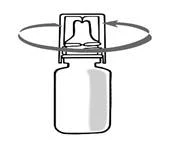
At first use, screw the cap on by turning the closure clockwise until it fits snugly onto the top of the bottle, so that the spike inside the cap creates an opening in the bottle.
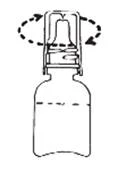
The bottle is ready for use after unscrewing the cap by turning it counterclockwise.
No special requirements for disposal.
Any unused medicinal product or waste material should be disposed of in accordance with local regulations.
Use during pregnancy or breastfeeding.
The effect of Ofтан® Katakrom eye drops during pregnancy or breastfeeding has not been studied. Therefore, the use of this medicinal product is not recommended during these periods.
Ability to affect reaction speed when driving or operating machinery.
Ofтан® Katakrom has no influence on the ability to drive or operate machinery. However, as with any ophthalmic medicinal product, if transient blurred vision occurs after instillation, patients should wait until clear vision is restored before driving or operating machinery.
Method of administration and dosage.
Dosage:
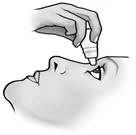
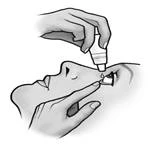
Instill 1–2 drops locally into the eye (eyes) 3 times daily.
Method of administration:
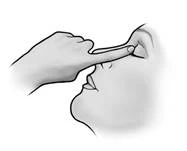
Ophthalmic use.
When using other ophthalmic medications simultaneously, an interval of 5–15 minutes between instillation of each medication is required.
Children.
There are no adequate data on the use of Ofthan® Katahrom in pediatric patients.
Instructions for use
- Open the bottle. Avoid touching any surfaces with the tip of the bottle to prevent contamination of the solution.
|
|
|||
|
|
|||
|
|
Overdose.
Oftan® Katachrom is safe for ophthalmic use. Cases of accidental or intentional oral overdose are unknown. In the event of overdose with Oftan® Katachrom eye drops, symptomatic treatment should be administered.
Adverse Reactions
The adverse reactions listed below are categorized according to the following frequency of occurrence: very common (≥ 1/10); common (≥ 1/100, < 1/10); uncommon (≥ 1/1,000, < 1/100); rare (≥ 1/10,000, < 1/1,000); very rare (< 1/10,000); and frequency not known (cannot be estimated from available data).
The following adverse effects have been reported during clinical studies and post-marketing surveillance with Oftran® Catachrom eye drops. Due to the low doses used in ophthalmic administration, such adverse effects are not expected.
Within each frequency group, adverse reactions are listed in order of decreasing severity.
Ophthalmic
Common: transient eye pain and eye irritation.
Rare: hypersensitivity reactions, including skin rash, pruritus, facial skin hyperemia and swelling; allergic conjunctivitis, including eye pain, hyperemia and itching; contact dermatitis.
Non-ophthalmic
Very rare: adenosine: very transient nausea, dizziness, arterial hypotension, and dyspnea.
Nicotinic acid: flushing, sensation of warmth, syncope, and headache.
Frequency not known: lacrimation, transient eye irritation associated with benzalkonium chloride (preservative).
Very rare cases of corneal deposits have been reported in some patients with significantly damaged corneas, related to the phosphate content of the eye drops.
Reporting of suspected adverse reactions
Reporting suspected adverse reactions after medicinal product authorization is important. It allows continuous monitoring of the benefit-risk balance of the medicinal product.
Healthcare professionals are encouraged to report any suspected adverse reactions.
Shelf life
3 years.
Use within 28 days after opening the bottle.
Storage conditions
Store at a temperature between 2 and 8 °C.
Keep out of reach of children.
Packaging
10 ml in a bottle with dropper. 1 bottle per cardboard box.
Prescription status
Prescription only.
Manufacturer
Santen Oy / Santen AT.
Manufacturer's address
Kelloportinkatu 1, Tampere, 33100, Finland / Kelloportinkatu 1, Tampere, 33100, Finland.