Livazo
Ukraine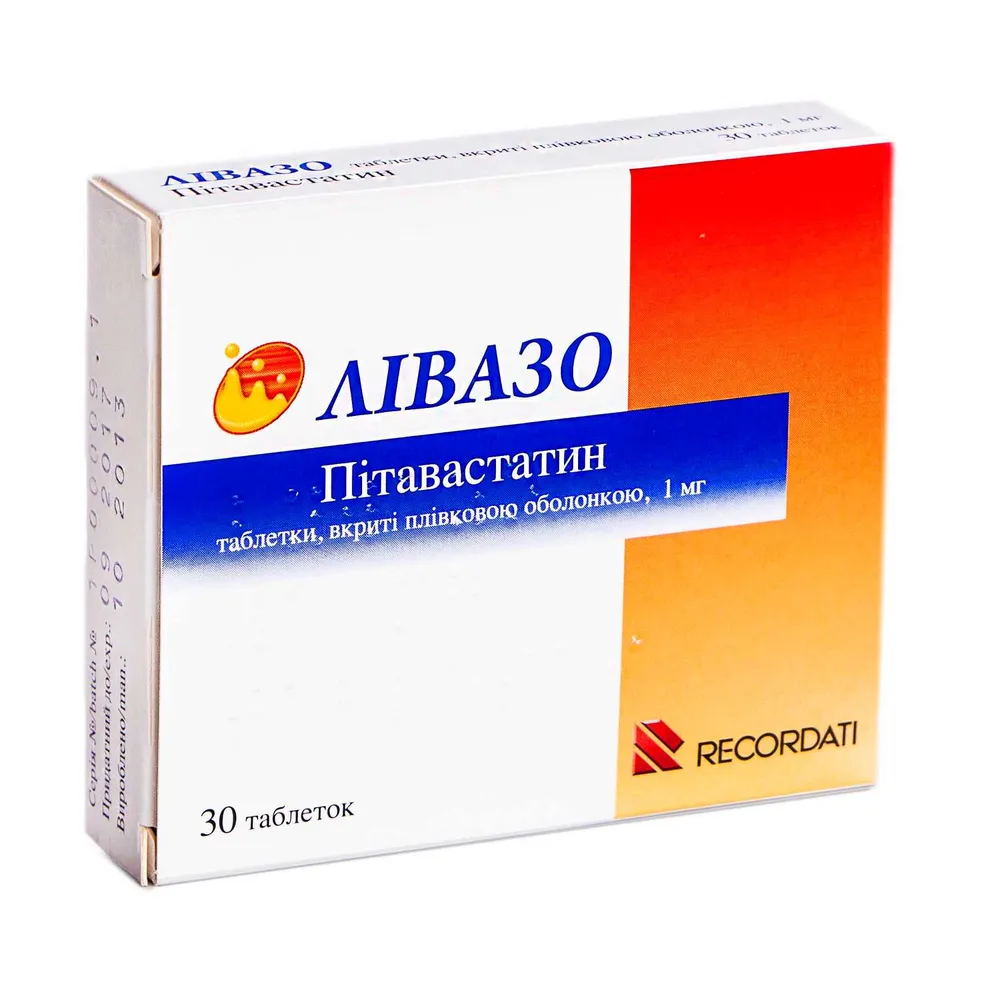
Table of Contents
INSTRUCTIONS FOR MEDICAL USE OF THE MEDICINAL PRODUCT LIVAZO (LIVAZO)
Composition:
Active substance: pitavastatin calcium;
One film-coated tablet contains 1.045 mg of pitavastatin calcium equivalent to 1 mg of pitavastatin, or
One film-coated tablet contains 2.09 mg of pitavastatin calcium equivalent to 2 mg of pitavastatin, or
One film-coated tablet contains 4.18 mg of pitavastatin calcium equivalent to 4 mg of pitavastatin;
Excipients: lactose monohydrate, low-substituted hydroxypropyl cellulose, hypromellose, magnesium aluminum silicate, magnesium stearate, titanium dioxide (E 171), triethyl citrate, colloidal anhydrous silicon dioxide.
Pharmaceutical form. Film-coated tablets.
Main physicochemical properties: white, round film-coated tablets, with the letters "KS" imprinted on one side and "1" (for LIVAZO 1 mg), or "2" (for LIVAZO 2 mg), or "4" (for LIVAZO 4 mg) on the other side.
Pharmacotherapeutic group. Hypolipidemic agents. HMG-CoA reductase inhibitors.
ATC code C10AA08.
Pharmacological properties.
Pharmacodynamics.
Pitavastatin competitively inhibits HMG-CoA reduct enzyme, limiting the rate-limiting step in cholesterol biosynthesis, and inhibits cholesterol synthesis in the liver. As a result, expression of LDL receptors in the liver increases, promoting the uptake of circulating LDL from the blood, thereby reducing total cholesterol (TC) and LDL-cholesterol (LDL-C) levels in the blood. Sustained inhibition of hepatic cholesterol synthesis reduces the secretion of LDL into the bloodstream, lowering plasma triglyceride (TG) levels.
Levazo reduces elevated levels of LDL-C, total cholesterol, and triglycerides, and increases high-density lipoprotein cholesterol (HDL-C) levels. The drug reduces Apo-B and causes variable increases in Apo-A1 (see table below).
Dose-response in patients with primary hypercholesterolemia (adjusted mean percent change from baseline over 12 weeks)
| Dose |
N |
LDL-C |
TC* |
HDL-C |
TG |
Apo-B |
Apo-A1 |
| Placebo |
51 |
-4.0 |
-1.3 |
2.5 |
-2.1 |
0.3 |
3.2 |
| 1 mg |
52 |
-33.3 |
-22.8 |
9.4 |
-14.8 |
-24.1 |
8.5 |
| 2 mg |
49 |
-38.2 |
-26.1 |
9.0 |
-17.4 |
-30.4 |
5.6 |
| 4 mg |
50 |
-46.5 |
-32.5 |
8.3 |
-21.2 |
-36.1 |
4.7 |
*not adjusted
Clinical efficacy
In controlled clinical studies involving a total of 1687 patients with primary hypercholesterolemia and mixed dyslipidemia, Lipitor consistently reduced levels of LDL-C, total cholesterol (TC), non-HDL-C, triglycerides (TG), and apolipoprotein-B, and increased levels of HDL-C and apolipoprotein-A1. The TG/HDL-C and apo-B/apo-A1 ratios were reduced. Lipitor at a dose of 2 mg reduced LDL-C levels by 38–39%, and at a dose of 4 mg – by 44–45%. In most patients receiving 2 mg of Lipitor, the "target value" for LDL-C (according to recommendations of the European Atherosclerosis Society (EAS) < 3 mmol/L) was achieved.
In controlled clinical trials involving 942 patients aged ≥ 65 years with primary hypercholesterolemia and mixed dyslipidemia (mean baseline LDL-C level approximately 4.2 mmol/L), who received Lipitor at doses of 1 mg, 2 mg, or 4 mg, LDL-C levels were reduced by 31%, 39%, and 44.3%, respectively, and approximately 90% of patients in the Lipitor group achieved the target LDL-C value according to EAS recommendations. More than 80% of patients were receiving concomitant medications; however, the incidence of adverse reactions was similar across all treatment groups, and less than 5% of patients were withdrawn from the study due to adverse reactions. Safety and efficacy results were similar in patients across different age subgroups (65–69, 70–74, and ≥ 75 years).
In controlled clinical studies involving 761 patients with primary hypercholesterolemia or mixed dyslipidemia with two or more cardiovascular risk factors (mean baseline LDL-C level approximately 4.1 mmol/L), or mixed dyslipidemia with type 2 diabetes (mean baseline LDL-C level approximately 3.6 mmol/L), approximately 80% of patients in the Lipitor group achieved the target LDL-C value according to EAS recommendations (3 or 2.5 mmol/L, depending on risk level). In these patient groups, LDL-C levels were reduced by 44% and 41%, respectively.
In long-term studies lasting approximately 60 weeks, in patients with primary hypercholesterolemia and mixed dyslipidemia, achievement of EAS target values was supported by consistent and stable LDL-C reduction, while HDL-C levels continued to increase. In a study involving 1346 patients, after 12 weeks of statin therapy resulting in a 42.3% reduction in LDL-C, achievement of EAS target values in 69%, and a 5.6% increase in HDL-C, further treatment with pitavastatin 4 mg for 52 weeks resulted in a 42.9% reduction in LDL-C, achievement of EAS target values in 74%, and a 14.3% increase in HDL-C.
In addition to the two-year observational study (LIVES-01), 6582 patients with hypercholesterolemia receiving pitavastatin treatment (1, 2, or 4 mg) continued treatment for another 3 years (total of 5 years of treatment). Throughout this 5-year study, reduced LDL-C levels (-30.5%) were maintained from 3 months throughout the entire study period, HDL-C levels increased from 1.7% at 3 months to 5.7% over 5 years, with a greater increase observed in patients with lower baseline HDL-C levels (< 40 mg/dL), specifically serum levels increased by 11.9% at 3 months and up to 28.9% after 5 years.
Atherosclerosis
In the JAPAN-ACS study, the effects of 8–12 months of treatment with pitavastatin (4 mg) or atorvastatin (20 mg) on coronary atherosclerotic plaque volume were compared in 251 patients who underwent percutaneous coronary intervention for acute coronary syndrome, using intravascular ultrasound. This study demonstrated approximately 17% reduction in plaque volume in both treatment groups. Efficacy was demonstrated for both pitavastatin and atorvastatin. In both cases, plaque regression was associated with negative vascular remodeling (from 113.0 to 105.4 mm³). In this study, there was no significant correlation between LDL-C reduction and plaque regression, unlike results obtained in placebo-controlled studies.
Positive effects on mortality and morbidity have not yet been evaluated.
Diabetes
In an open-label, prospective, controlled study of 1269 Japanese patients with impaired glucose tolerance selected based on improved quality of life due to Lipitor (1 mg or 2 mg daily) versus a control group not receiving Lipitor, diabetes developed in 45.7% of the control group compared to 39.9% in the Lipitor group over 2.8 years.
A meta-analysis of 4815 non-diabetic patients included in randomized, controlled, double-blind studies lasting at least 12 weeks showed that Lipitor did not affect the risk of developing new-onset diabetes (diabetes developed in 0.98% of the control group and 0.50% of the Lipitor group). 6.5% of the control group received placebo, while the other patients received statins including atorvastatin, pravastatin, and simvastatin.
Children
In a double-blind, randomized, multicenter, placebo-controlled study NK-104-4.01EU involving 106 pediatric patients and adolescents aged ≥ 6 years and < 17 years (48 male and 58 female) at high risk for hyperlipidemia (plasma LDL-C levels ≥ 160 mg/dL (4.1 mmol/L) or LDL-C ≥ 130 mg/dL (3.4 mmol/L) with additional risk factors), who received pitavastatin at doses of 1 mg, 2 mg, 4 mg, or placebo daily for 12 weeks. Most patients had a pre-study diagnosis of heterozygous familial hypercholesterolemia; approximately 41% of patients were aged 6 to 10 years, and approximately 20%, 9%, 12%, and 9% were at Tanner stages II, III, IV, and V, respectively. Mean LDL-C levels were reduced by 23.5%, 30.1%, and 39.3% after administration of pitavastatin at doses of 1, 2, and 4 mg, respectively, compared to a 1.0% reduction in the placebo group.
In a 52-week open-label extension and safety study NK-104-4.02EU (total number of patients – 113, including 87 patients from the 12-week placebo-controlled study, of whom 55 were male and 58 female), involving children and adolescents aged ≥ 6 years and < 17 years at high risk for hyperlipidemia, who received pitavastatin for 52 weeks. All patients initiated pitavastatin treatment at 1 mg daily, with dose escalation up to 2 mg and 4 mg to achieve the optimal treatment goal of LDL-C < 110 mg/dL (2.8 mmol/L), based on LDL-C levels at weeks 4 and 8. Approximately 37% of patients were aged 6–10 years, and approximately 22%, 11%, 12%, and 13% were at Tanner stages II, III, IV, and V, respectively. Most patients (n = 103) had their pitavastatin dose titrated to 4 mg daily. Mean LDL-C levels decreased by 37.8% at week 52. Overall, 47 patients (42.0%) achieved the minimal LDL-C level < 130 mg/dL according to American Heart Association (AHA) recommendations, and 23 patients (20.5%) achieved the optimal LDL-C level < 110 mg/dL according to AHA recommendations at week 52. LDL-C levels at the end of week 52 decreased by 40.2% in patients aged ≥ 6 to < 10 years (n = 42), by 36.7% in patients aged ≥ 10 to < 16 years (n = 61), and by 34.5% in patients aged 16 to 17 years (n = 9). Patient sex did not influence treatment response. Additionally, mean TC levels were reduced by 29.5%, and mean blood TG levels decreased by 7.6% at the 52-week endpoint.
The Paediatric Committee of the European Medicines Agency has waived the obligation to submit results of studies on use in children under 6 years of age and treatment of children of any age with homozygous familial hypercholesterolemia.
HIV-infected patients
The efficacy of pitavastatin and other statins in reducing LDL-C was lower in patients with hypercholesterolemia and concomitant HIV infection or its treatment compared to HIV-negative patients with primary hypercholesterolemia and mixed dyslipidemia.
In the INTREPID study, a total of 252 HIV-infected patients with dyslipidemia (126 patients in each group) were enrolled. After a 4-week run-in period involving diet, patients were randomized to receive either pitavastatin 4 mg once daily or pravastatin 40 mg once daily for 52 weeks. The primary efficacy endpoint was assessed at week 12.
Serum fasting LDL-C levels decreased by 31% and 30% in the pitavastatin group and by 21% and 20% in the pravastatin group at weeks 12 and 52, respectively (treatment difference in mean change was -9.8%, P < 0.0001 at week 12 and -8.4%, P = 0.0007 at week 52). Statistically significant differences in change from baseline in mean secondary efficacy endpoints such as TC, non-HDL-C, and apolipoprotein B were observed at weeks 12 and 52, with greater reductions in the pitavastatin group compared to the pravastatin group for each parameter. No new safety signals or adverse reactions were observed with pitavastatin 4 mg treatment. At week 52, virological failure (defined as HIV-1 RNA viral load > 200 copies/mL and > 0.3-log increase from baseline) was recorded in 4 patients (3.2%) in the pitavastatin group and 6 patients (4.8%) in the pravastatin group, with no statistically significant differences between treatment groups.
Pharmacokinetics.
Absorption: pitavastatin is rapidly absorbed from the upper gastrointestinal tract, and peak plasma concentration is reached within 1 hour after oral administration. Absorption is independent of food intake. The unchanged drug undergoes enterohepatic circulation and is well absorbed from the small and ileal intestine. Absolute bioavailability of pitavastatin is 51%.
Distribution: pitavastatin is more than 99% bound to plasma proteins in humans, primarily to albumin and alpha-1 acid glycoprotein, and the mean volume of distribution is approximately 133 L. Pitavastatin is actively transported into hepatocytes, the site of action and metabolism, by multiple hepatic transporters, including OATP1B1 and OATP1B3. Plasma AUC is variable, with approximately a 4-fold range between highest and lowest values. Studies on SLCO1B1 (the gene encoding OATP1B1) suggest that polymorphism in this gene may explain the large variability in AUC. Pitavastatin is not a substrate for P-glycoprotein.
Metabolism: unchanged pitavastatin is the predominant component of the drug in plasma. The main metabolite is an inactive lactone, formed via the glucuronide conjugate of pitavastatin ether-type by UDP-glucuronosyltransferase (UGT1A3 and 2B7). In vitro studies using 13 human cytochrome P450 (CYP) isoforms show that CYP-mediated metabolism of pitavastatin is minimal; CYP2C9 (and to a lesser extent CYP2C8) is responsible for the metabolism of pitavastatin into minor metabolites.
Elimination: unchanged pitavastatin is rapidly excreted from the liver into bile but undergoes enterohepatic recirculation, contributing to its prolonged duration of action. Less than 5% of pitavastatin is excreted in urine. The plasma elimination half-life ranges from 5.7 hours (single dose) to 8.9 hours (steady state), and the apparent mean geometric oral clearance is 43.4 L/hour after a single dose.
Effect of food: the maximum plasma concentration of pitavastatin decreased by 43% when administered with a high-fat meal, but AUC remained unchanged.
Special patient groups
Elderly patients: pitavastatin AUC is 1.3 times higher in elderly patients aged 65 years and older. This did not affect the safety and efficacy of Lipitor in elderly patients.
Sex: pitavastatin AUC is 1.6 times higher in women. This did not affect the safety and efficacy of Lipitor in women.
Race: no differences were observed in the pharmacokinetic profiles of pitavastatin between healthy volunteers of Mongoloid and Caucasian race.
Children. Limited data are available on pharmacokinetic interactions in children and adolescents. In study NK-104-4.01EU, sparse sampling revealed a dose-dependent effect on plasma pitavastatin concentration 1 hour after administration. It was also found that the 1-hour post-dose concentration was (inversely proportional) related to body weight and may be higher in children than in adults.
Renal impairment: in patients with moderate renal impairment and patients on hemodialysis, AUC increased by 1.8 and 1.7 times, respectively.
Hepatic impairment: in patients with mild (Child-Pugh class A) hepatic impairment, AUC was 1.6 times higher than in healthy volunteers, and in patients with moderate (Child-Pugh class B) hepatic impairment, AUC was 3.9 times higher. Dose limitation is recommended for patients with mild and moderate hepatic impairment. Lipitor is contraindicated in patients with severe hepatic impairment.
Clinical characteristics.
Indications.
For reduction of elevated total cholesterol (TC) and low-density lipoprotein cholesterol (LDL-C) in adult, adolescent, and pediatric patients aged 6 years and older with primary hypercholesterolemia, including heterozygous familial hypercholesterolemia and combined (mixed) dyslipidemia, when response to diet and other nonpharmacological therapy is inadequate.
Contraindications.
- Known hypersensitivity to pitavastatin or to any of the excipients or other statins;
- severe hepatic insufficiency, active liver disease, or persistent elevations in serum transaminases of unknown etiology (more than 3 times the upper limit of normal [ULN]);
- myopathy;
- concomitant therapy with cyclosporine;
- pregnancy, breastfeeding (see section "Use in pregnancy or breastfeeding").
Interaction with other medicinal products and other forms of interaction.
Pitavastatin is actively transported into hepatocytes via multiple pathways (including the organic anion transporting polypeptide, OATP), which may be involved in some of the interactions listed below.
Cyclosporine: concomitant administration of a single dose of cyclosporine with Livazo at steady state resulted in a 4.6-fold increase in pitavastatin AUC. The effect of cyclosporine at steady state on Livazo at steady state is unknown. Livazo is contraindicated in patients receiving cyclosporine.
Erythromycin: concomitant administration with Livazo resulted in a 2.8-fold increase in pitavastatin AUC. Temporary suspension of Livazo therapy is recommended during treatment with erythromycin or other macrolide antibiotics.
Gemfibrozil and other fibrates: monotherapy with fibrates has occasionally been associated with development of myopathy. Concomitant use of fibrates with statins has been associated with an increased risk of myopathy and rhabdomyolysis. Livazo should be administered with caution when used concomitantly with fibrates. In pharmacokinetic studies, concomitant administration of Livazo with gemfibrozil resulted in a 1.4-fold increase in pitavastatin AUC, and a 1.2-fold increase in fenofibrate AUC.
Niacin: interaction studies between Livazo and niacin have not been conducted. Monotherapy with niacin has been associated with development of myopathy and rhabdomyolysis. Therefore, Livazo should be administered with caution when used concomitantly with niacin.
Fusidic acid: the risk of myopathy, including rhabdomyolysis, is increased during concomitant use of systemic fusidic acid and statins. The mechanism of this interaction (pharmacodynamic, pharmacokinetic, or both) is currently unknown. Cases of rhabdomyolysis (including fatal outcomes) have been reported in patients receiving this combination. If fusidic acid therapy is considered necessary, treatment with Livazo should be discontinued for the duration of fusidic acid therapy (see section "Special precautions").
Glecaprevir and pibrentasvir: concomitant administration of glecaprevir/pibrentasvir and an HMG-CoA reductase inhibitor may increase the plasma concentration of the latter. The combination of Livazo with glecaprevir/pibrentasvir has not been studied, but a similar interaction is likely. It is recommended to initiate treatment with Livazo 1 mg tablets at the start of glecaprevir/pibrentasvir therapy; clinical monitoring of patients receiving this combination is required.
Rifampicin: concomitant administration with Livazo resulted in a 1.3-fold increase in pitavastatin AUC due to reduced hepatic uptake.
Protease inhibitors and non-nucleoside reverse transcriptase inhibitors: concomitant administration of lopinavir/ritonavir, darunavir/ritonavir, atazanavir, or efavirenz with Livazo may result in minor changes in pitavastatin AUC.
Ezetimibe and its glucuronide metabolite inhibit intestinal absorption of cholesterol from food and bile. Concomitant administration with Livazo does not affect plasma concentrations of ezetimibe or its glucuronide metabolite, and ezetimibe does not affect plasma concentrations of pitavastatin.
Inhibitors of CYP3A4: interaction studies with itraconazole and grapefruit juice, known inhibitors of CYP3A4, did not reveal any clinically significant effect on plasma concentrations of pitavastatin.
Digoxin, a known P-gp substrate, does not interact with Livazo. No significant changes in plasma concentrations of pitavastatin or digoxin were observed with concomitant administration.
Warfarin: steady-state pharmacokinetic and pharmacodynamic parameters (INR and PT) of warfarin in healthy volunteers were not affected by concomitant administration of Livazo 4 mg daily. However, as with other statins, prothrombin time or international normalized ratio (INR) should be monitored in patients receiving warfarin when initiating Livazo therapy.
Children
Interactions with other medicinal products have been studied only in adults. The extent of interaction in pediatric patients is unknown.
Special precautions for use.
Effect on muscles
As with other HMG-CoA reductase inhibitors (statins), there is a possibility of developing myalgia, myopathy, and less frequently, rhabdomyolysis. Patients should be advised to report any muscle discomfort. Creatine kinase (CK) levels should be measured in any patient reporting muscle pain, tenderness, or weakness, especially if accompanied by malaise or fever.
Creatine kinase should not be measured following strenuous exercise or in the presence of any other condition that may elevate CK levels, as this may confound interpretation of results. In cases of elevated CK concentrations (> 5 times the upper limit of normal), a confirmatory test should be performed within 5–7 days.
Very rarely, immune-mediated necrotizing myopathy (IMNM) has been reported during or after treatment with certain statins. IMNM is clinically characterized by persistent proximal muscle weakness and elevated serum creatine kinase levels that persist despite discontinuation of statin therapy.
Levazo should not be used concomitantly with systemic fusidic acid or within 7 days after stopping fusidic acid treatment. For patients in whom systemic fusidic acid is essential, statin therapy should be discontinued throughout the duration of fusidic acid treatment. Cases of rhabdomyolysis (including fatal cases) have been reported in patients receiving concomitant fusidic acid and statins (see section "Interaction with other medicinal products and other forms of interaction"). All patients should be advised to seek immediate medical attention if they experience symptoms of muscle weakness, muscle pain, or muscle tenderness.
Statins may be restarted 7 days after the last dose of fusidic acid. In exceptional cases where prolonged systemic fusidic acid treatment is required (e.g., for treatment of severe infections), concomitant use of Levazo and fusidic acid should be considered on a case-by-case basis, and the patient must be under close monitoring.
Before starting treatment
As with other statins, Levazo should be prescribed with caution in patients predisposed to developing rhabdomyolysis. Baseline creatine kinase levels should be measured in the following situations:
- Renal impairment;
- Hypothyroidism;
- Personal or family history of hereditary muscle disorders;
- History of muscle toxicity during treatment with a fibrate or another statin;
- History of liver disease or alcohol abuse;
- Elderly patients (aged 70 years or older) with other specific risk factors for rhabdomyolysis.
In such cases, clinical monitoring is recommended, and the benefit-risk ratio of treatment should be carefully evaluated. Initiation of Levazo therapy is not recommended if creatine kinase (CK) levels exceed five times the upper limit of normal.
During treatment
Patients should be advised to report muscle pain, weakness, or cramps immediately upon onset. Creatine kinase (CK) levels should be measured, and treatment should be discontinued if CK levels exceed five times the upper limit of normal. Discontinuation of treatment should be considered if muscle symptoms are severe, even if CK levels do not exceed five times the upper limit of normal. If symptoms resolve and CK levels return to normal, reinitiation of Levazo therapy at a dose of 1 mg with careful monitoring may be considered.
Effect on the liver
As with other statins, Levazo should be prescribed with caution in patients with a history of liver disease or those who regularly consume excessive amounts of alcohol. Liver function tests should be performed before initiating Levazo and periodically during treatment. Levazo therapy should be discontinued in patients with persistent elevations of serum transaminases (ALT and AST) exceeding three times the upper limit of normal.
Effect on the kidneys
Levazo should be prescribed with caution in patients with moderate to severe renal impairment. Dose escalation should only occur with careful monitoring of renal function after gradual dose titration. A dose of 4 mg is not recommended in patients with severe renal impairment.
Diabetes mellitus
Available data suggest that statins as a class may increase blood glucose levels and may induce hyperglycemia in some patients at increased risk of developing diabetes, which may require appropriate management. However, this risk should not be a reason to discontinue statin therapy, given the greater therapeutic benefit of statins in reducing the risk of cardiovascular disease. In patients at increased risk of hyperglycemia (fasting glucose levels of 5.6 to 6.9 mmol/L, body mass index > 30 kg/m², elevated blood triglycerides, arterial hypertension), clinical and biochemical parameters should be monitored according to national guidelines. However, there is no confirmed evidence of increased diabetes risk with pitavastatin based on post-marketing observational safety studies or prospective trials (see section "Pharmacological properties").
Interstitial lung disease
Cases of interstitial lung disease have been reported during treatment with certain statins, particularly with long-term use. Prominent symptoms may include dyspnea, non-productive cough, and deterioration in general health (increased fatigue, weight loss, and fever). If interstitial lung disease is suspected, statin therapy should be discontinued.
Children
Limited data are available on the long-term effects on growth and sexual maturation in pediatric patients aged 6 years and older receiving Levazo. Female adolescents should be informed about appropriate contraceptive measures during Levazo treatment.
Other effects
Temporary interruption of Levazo therapy is recommended during treatment with erythromycin, other macrolide antibiotics, or fusidic acid. Levazo should be prescribed with caution in patients taking medications known to induce myopathy (e.g., fibrates or niacin).
In isolated cases, statins have been reported to re-induce or exacerbate pre-existing myasthenia gravis or ocular myasthenia. If symptoms worsen, treatment with Levazo should be discontinued. Recurrences have been reported upon re-exposure to the same or another statin.
Lactose
The tablets contain lactose. Patients with rare hereditary problems of galactose intolerance, Lapp lactase deficiency, or glucose-galactose malabsorption should not take this medicinal product.
Use during pregnancy or breastfeeding.
Pregnancy. Levazo is contraindicated during pregnancy (see section "Contraindications"). Women of childbearing potential should use appropriate contraceptive measures during treatment with Levazo. Since cholesterol and other products of cholesterol biosynthesis are essential for fetal development, the potential risk of HMG-CoA reductase inhibition outweighs any benefit during pregnancy. Animal studies indicate reproductive toxicity but no teratogenic potential. If pregnancy is planned, treatment should be discontinued at least one month before conception. If pregnancy occurs during treatment with Levazo, therapy should be discontinued immediately.
Breastfeeding. Levazo is contraindicated during breastfeeding (see section "Contraindications"). Pitavastatin passes into the milk of animals. It is unknown whether the drug passes into human breast milk.
Fertility. Currently, no data are available.
Ability to affect reaction speed when driving or operating machinery.
Due to the possibility of dizziness and somnolence during treatment with Levazo, patients should refrain from driving or operating machinery.
Method of Administration and Dosage.
Dosage.
Patients should follow a cholesterol-lowering diet prior to initiating treatment. It is important that patients continue the diet during treatment.
The usual starting dose is 1 mg once daily. Dose adjustments should be made at intervals of 4 weeks or more. Dosage must be individualized according to LDL-C levels, treatment regimen, and patient's condition. The maximum daily dose is 4 mg.
Elderly patients.
No dosage adjustment is required for patients over 70 years of age.
Patients with renal impairment.
In patients with mild renal impairment, dosage adjustment is not required, but pitavastatin should be used with caution. Data on the use of the 4 mg dose in patients with renal impairment ranging from mild to severe are limited. Therefore, the 4 mg dose should be used in patients with mild to moderate renal impairment ONLY with careful monitoring of renal function after gradual dose titration.
The 4 mg dose is not recommended in patients with severe renal impairment.
Patients with mild to moderate hepatic impairment.
The 4 mg dose is not recommended for patients with mild to moderate hepatic impairment. The maximum daily dose of 2 mg may be used with careful monitoring of liver function.
Children
Children aged 6 years and older.
Treatment of children aged 6 years and adolescents should be initiated and maintained only under the supervision of a physician experienced in the treatment of hyperlipidemia, with continuous monitoring of the patient's condition. For children aged 6 years and adolescents with heterozygous familial hypercholesterolemia, the usual starting dose is 1 mg once daily. Dose adjustments should be made at intervals of 4 weeks or more. Doses must be individualized according to LDL-C levels, treatment regimen, and patient's condition. The maximum daily dose for children aged 6 to 9 years is 2 mg. For children aged 10 years and older, the maximum daily dose is 4 mg (see sections "Adverse Reactions", "Pharmacodynamics", "Pharmacokinetics").
Children under 6 years of age.
The efficacy and safety of administration of Livazo to children under 6 years of age have not been studied.
Method of Administration.
For oral use only. The tablet should be swallowed whole. Livazo tablets may be taken independently of food intake. It is preferable that the patient takes the tablet at approximately the same time each day. Statin therapy is generally more effective when administered in the evening, due to the circadian rhythm of lipid metabolism.
If a child or adolescent is unable to swallow the tablet whole, the tablet may, if necessary, be dissolved in a glass of water and taken immediately.
To ensure complete dosage, an additional volume of water should be used to rinse the glass, and the rinse water should be consumed immediately. Tablets should not be dissolved in acidic fruit juices or milk.
Children.
Children aged 6 years and older.
Treatment of children aged 6 years and older with Livazo should be conducted only under the supervision of a physician experienced in the treatment of hyperlipidemia, with continuous monitoring of the patient's condition.
Children under 6 years of age.
The efficacy and safety of administration of Livazo to children under 6 years of age have not been studied.
Overdose.
In case of overdose, symptoms of adverse reactions may be intensified. There is no specific antidote for overdose. Treatment should be symptomatic; supportive therapy should be administered if necessary. Liver function and creatine kinase (CK) levels should be monitored. Hemodialysis is ineffective. No antidote is available.
Adverse Reactions
Based on pooled data from controlled clinical trials, less than 4% of patients receiving LIVAZO at recommended doses were discontinued due to adverse reactions. The most commonly reported adverse reaction following pitavastatin administration during controlled clinical trials was myalgia.
The adverse reactions and their frequencies observed during controlled clinical studies and the post-marketing period with LIVAZO at recommended doses are listed below by system organ classes. Frequencies are defined as follows:
- Very common (≥ 1/10);
- Common (≥ 1/100, < 1/10);
- Uncommon (≥ 1/1,000, < 1/100);
- Rare (≥ 1/10,000, < 1/1,000);
- Very rare (< 1/10,000);
- Frequency not known.
Blood and lymphatic system disorders
Uncommon: Anaemia.
Metabolism and nutrition disorders
Uncommon: Anorexia.
Psychiatric disorders
Uncommon: Insomnia.
Nervous system disorders
Common: Headache.
Uncommon: Dizziness, dysgeusia, somnolence, hypoesthesia.
Frequency not known: Myasthenia gravis.
Eye disorders
Rare: Decreased visual acuity.
Frequency not known: Ocular myasthenia.
Ear and labyrinth disorders
Uncommon: Tinnitus.
Gastrointestinal disorders
Common: Constipation, diarrhoea, dyspepsia, nausea.
Uncommon: Abdominal pain, dry mouth, vomiting.
Rare: Glossodynia, acute pancreatitis.
Very rare: Gastrointestinal discomfort.
Hepatobiliary disorders
Uncommon: Increased transaminase activity (aspartate aminotransferase, alanine aminotransferase).
Rare: Cholestatic jaundice, liver function test abnormalities, liver disease.
Skin and subcutaneous tissue disorders
Uncommon: Itching, rash.
Rare: Urticaria, erythema.
Frequency not known: Angioedema.
Musculoskeletal and connective tissue disorders
Common: Myalgia, arthralgia.
Uncommon: Muscle spasms.
Rare: Myopathy, rhabdomyolysis.
Frequency not known: Lupus-like syndrome, immune-mediated necrotizing myopathy (see section "Special warnings and precautions for use").
Renal and urinary disorders
Uncommon: Polyuria.
Reproductive system and breast disorders
Rare: Gynaecomastia.
General disorders
Uncommon: Asthenia, malaise, increased fatigue, peripheral oedema.
An increase in serum creatine kinase levels > 3 times above the upper limit of normal (ULN) was observed in 49 out of 2,800 (1.8%) patients treated with LIVAZO during controlled clinical trials. Levels ≥ 10 times the ULN, accompanied by muscle symptoms (myalgia, myopathy, and less frequently, rhabdomyolysis), were rare.
Paediatric population
The clinical safety database includes safety data from 142 paediatric patients treated with pitavastatin: 87 patients aged 6 to 11 years and 55 patients aged 12 to 17 years. Overall, 91 patients received pitavastatin for one year, 12 patients for 2.5 years, and 2 patients for 3 years. Less than 3% of patients treated with pitavastatin were discontinued due to adverse reactions. The most commonly reported adverse reactions during the clinical programme were headache (4.9%), myalgia (2.1%), and abdominal pain (4.9%). Based on available data, the frequency, type, and severity of adverse reactions in children and adolescents are expected to be similar to those observed in adults.
Post-marketing experience
In a two-year prospective post-marketing study involving 20,000 Japanese patients, most of whom received 1 mg or 2 mg of pitavastatin, 10.4% of patients experienced adverse events, and 7.4% discontinued therapy due to adverse events. The incidence of myalgia was 1.08%. The majority of adverse events were mild. Over the two-year period, the incidence of adverse events was higher in patients with a history of drug allergy (20.4%) or liver or kidney disease (13.5%).
During post-marketing surveillance, there were two reported cases of rhabdomyolysis requiring hospitalization (0.01% of patients).
Additionally, spontaneous post-marketing reports have been received regarding skeletal muscle effects, including myalgia and myopathy, in patients treated with LIVAZO at all recommended doses. Cases of rhabdomyolysis, with and without acute renal failure, including fatal rhabdomyolysis, have also been reported.
Class-specific effects of statins
The following adverse reactions have been reported with the use of certain statins:
- Sleep disturbances, including nightmares;
- Memory loss;
- Sexual dysfunction;
- Depression;
- Rare cases of interstitial lung disease, particularly with long-term therapy;
- Diabetes mellitus: frequency depends on the presence or absence of risk factors (fasting plasma glucose ≥ 5.6 mmol/L, body mass index > 30 kg/m², elevated triglycerides, history of hypertension).
Shelf life.
5 years.
Storage conditions.
Protect from light: keep the blister in the outer packaging.
Store at temperatures not exceeding 25 °C.
Keep out of the reach of children.
Packaging.
1 mg strength: 7 tablets in a blister, 1 blister per carton; or 14 tablets in a blister, 2 blisters per carton; or 15 tablets in a blister, 2 blisters per carton.
2 mg strength: 7 tablets in a blister, 1 blister per carton; or 14 tablets in a blister, 2 blisters per carton; or 15 tablets in a blister, 2 blisters per carton; or 20 tablets in a blister, 5 blisters per carton.
4 mg strength: 7 tablets in a blister, 1 blister per carton; or 14 tablets in a blister, 2 blisters per carton; or 15 tablets in a blister, 2 blisters per carton.
Prescription status. Prescription only.
Manufacturer of the bulk product.
Pierre Fabre Médicament Production.
Address of manufacturer and site of operation.
Rue du Liguet, 45500 Giènes, France.
Manufacturer responsible for primary and secondary packaging, quality control, and batch release.
Recordati Industria Chimica e Farmaceutica S.p.A.
Address of manufacturer and site of operation.
Via M. Civitali 1, 20148 Milan, Italy.