Concerta
Ukraine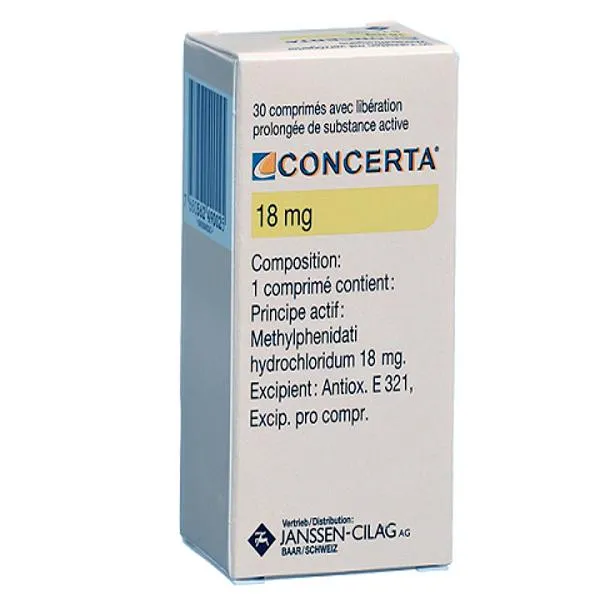
Table of Contents
- INSTRUCTION FOR MEDICAL USE OF THE MEDICINAL PRODUCT CONCERTA®
- Composition:
- Pharmacological Properties.
- Clinical characteristics.
- Special precautions for use.
- Method of administration and dosing.
- Adverse reactions.
- - Frequency calculated based on clinical trial data in adults, not children; may also apply to children.
INSTRUCTION FOR MEDICAL USE OF THE MEDICINAL PRODUCT CONCERTA®
Composition:
Active substance: 1 prolonged-release tablet contains 18 mg, 36 mg, or 54 mg of methylphenidate hydrochloride;
Excipients: polyethylene oxide 200K, polyethylene oxide 7000K, povidone, succinic acid, stearic acid, concentrated phosphoric acid, yellow iron oxide (E 172), black iron oxide (E 172), butylated hydroxytoluene (E 321), sodium chloride, cellulose acetate, poloxamer, hypromellose, carnauba wax, macrogol 400, Opacode black ink, lactose monohydrate, titanium dioxide (E 171), triacetin, (for 54 mg tablets – red iron oxide (E 172)).
Pharmaceutical form: Prolonged-release tablets.
Main physicochemical properties:
18 mg – yellow, capsule-shaped tablets with the imprint «alza 18» on one side;
36 mg – white, capsule-shaped tablets with the imprint «alza 36» on one side;
54 mg – brown-red, capsule-shaped tablets with the imprint «alza 54» on one side.
Pharmacotherapeutic group: Psychoanaleptics and nootropics. Central-acting sympathomimetics. ATC code: N06BA04.
Pharmacological Properties.
Pharmacodynamics.
Mechanism of action.
Methylphenidate hydrochloride is a mild central nervous system (CNS) stimulant. The mechanism of its therapeutic effect in the treatment of attention deficit hyperactivity disorder (ADHD) is not fully understood. Methylphenidate is believed to block the reuptake of norepinephrine and dopamine into presynaptic neurons and to increase the release of these monoamines into the extraneuronal space. Methylphenidate is a racemic mixture of d- and l-isomers. The d-isomer has greater pharmacological activity than the l-isomer.
Pharmacokinetics.
Absorption
Methylphenidate is rapidly absorbed. After oral administration of Concerta®, the outer layer of the tablet beneath the coating is rapidly absorbed, providing an initial peak concentration within 1–2 hours. Methylphenidate contained in the two subsequent inner layers of the tablet is gradually released over several subsequent hours. Maximum plasma concentration of methylphenidate is reached within 6–8 hours, after which it gradually declines. Administration of Concerta® once daily provides minimal fluctuations in plasma methylphenidate concentrations compared to thrice-daily administration of immediate-release methylphenidate formulations. The extent of absorption of Concerta® administered once daily is comparable to that of immediate-release formulations.
After single-dose administration of Concerta® 18 mg once daily in 36 adults, mean pharmacokinetic parameters were as follows: maximum concentration (Cmax) – 3.7 ± 1.0 (ng/mL), time to reach maximum concentration (Tmax) – 6.8 ± 1.8 (hours), area under the concentration-time curve (AUC) – 41.8 ± 13.9 (ng·h/mL), and elimination half-life (t1/2) – 3.5 ± 0.4 (hours).
No differences in pharmacokinetics were observed after first or repeated once-daily administration, confirming the absence of any significant accumulation. The area under the concentration-time curve (AUC) and elimination half-life (t1/2) after repeated once-daily dosing were consistent with those after the first dose of Concerta® 18 mg.
After single oral doses of 18, 36, and 54 mg of Concerta® administered once daily in adults, maximum concentration (Cmax) and area under the concentration-time curve (AUC) of methylphenidate were dose-proportional.
Distribution
Plasma concentrations of methylphenidate in adult and adolescent patients declined biexponentially after oral administration. The elimination half-life of Concerta® in adult and adolescent patients after oral administration was approximately 3.5 hours. The plasma protein binding of methylphenidate and its metabolites is approximately 15%. The apparent volume of distribution of methylphenidate is approximately 13 L/kg.
Metabolism
The primary metabolic pathway of methylphenidate in humans is de-esterification to alpha-phenyl-piperidine acetic acid (PPA, approximately 50-fold higher than unchanged drug), which has weak or no pharmacological activity. In adults receiving Concerta® once daily, the extent of metabolism to PPA is comparable to that in patients receiving methylphenidate formulations three times daily. Metabolism after single and multiple doses of Concerta® is similar.
Elimination
The elimination half-life of Concerta® in adults after oral administration is approximately 3.5 hours. After oral administration, approximately 90% of the dose is excreted in urine and 1–3% in feces as metabolites within 48–96 hours. A negligible amount of methylphenidate (<1%) is reabsorbed from urine. The primary urinary metabolite is alpha-phenyl-piperidine acetic acid (60–90%).
After oral administration of radiolabeled methylphenidate, approximately 90% of radioactivity was recovered in urine (in humans). The major urinary metabolite was PPA, accounting for approximately 80% of the dose.
Effect of Food
No differences in pharmacodynamics or pharmacokinetics of Concerta® were observed after administration with a high-fat meal compared to administration on an empty stomach.
Special Patient Populations
Sex
In healthy adults, mean AUC(0-inf) values for adjusted doses of Concerta® were 36.7 ng·h/mL in males and 37.1 ng·h/mL in females, with no clinically significant differences between the two groups.
Race
In healthy adults, AUC(0-inf) values for adjusted doses of Concerta® were consistent across all ethnic groups; however, the sample size may have been insufficient to detect ethnic variations in pharmacokinetics.
Age
Pharmacokinetics of Concerta® have not been studied in children under 6 years of age. In children aged 7–12 years, pharmacokinetic parameters after administration of 18, 36, and 54 mg were (mean ± SD): Cmax 6.0 ± 1.3, 11.3 ± 2.6, and 15.0 ± 3.8 ng/mL, respectively; Tmax 9.4 ± 0.02, 8.1 ± 1.1, and 9.1 ± 2.5 hours, respectively; AUC – 50.4 ± 7.8, 87.7 ± 18.2, and 121.5 ± 37.3 ng·h/mL, respectively.
Increasing age leads to increased apparent oral clearance (58% higher in adolescents compared to children). These differences may be partially related to differences in body weight between these age groups. Subjects with higher body weight may have lower total methylphenidate concentrations at equivalent doses.
Patients with Renal Impairment
There are no data on the use of Concerta® in patients with renal impairment. After oral administration of radiolabeled methylphenidate, it was extensively metabolized, and approximately 80% of radioactivity was excreted in urine as PPA. Since renal clearance is not a major route of methylphenidate elimination, renal impairment is not expected to have a significant impact on the pharmacokinetics of Concerta®.
Patients with Hepatic Impairment
There is no experience with the use of Concerta® in patients with hepatic impairment.
Clinical characteristics.
Indications
Attention Deficit Hyperactivity Disorder
Concerta® is indicated for the treatment of children aged 6 years and adults up to 65 years of age with attention deficit hyperactivity disorder (ADHD).
Attention deficit hyperactivity disorder implies the presence of symptoms of hyperactivity and impulsivity, as well as inattention, which have caused functional impairment and were present before the age of 7 years. Symptoms must cause clinically significant functional impairment, for example, social, academic, or occupational, and must be present in two or more settings, such as at school (or work) and at home. Symptoms should not be attributable to other psychiatric disorders. For the inattentive type of ADHD, at least 6 of the following symptoms must have been present for at least 6 months: lack of attention to detail/careless mistakes; difficulty sustaining attention; inability to listen to others; inability to complete tasks; poor organization; avoidance of tasks requiring sustained mental effort; losing things; distractibility; forgetfulness. For the hyperactive-impulsive type of ADHD, at least 6 of the following symptoms must have been present for at least 6 months: fidgeting; restlessness; inappropriate running or climbing; difficulty engaging in quiet activities; being constantly in motion; excessive talkativeness; blurting out answers before questions are completed; inability to wait one's turn; intrusiveness. For the combined type of ADHD, symptoms of both inattentive and hyperactive-impulsive types must be present.
The specific etiology of this disorder is unknown, and there is no single diagnostic test. Establishing a diagnosis requires the use of medical, specialized psychological, educational, and social resources. The ability to learn may be either impaired or unimpaired. Diagnosis must be established according to the criteria of the Diagnostic and Statistical Manual of Mental Disorders DSM-IV or the World Health Organization's ICD-10 classification, based on a complete patient history and medical evaluation.
A comprehensive treatment program should include psychological, educational, and psychosocial interventions. Concerta® treatment should not be prescribed to all children and adults diagnosed with ADHD; the decision to use it must be based on a careful assessment of symptom severity and chronicity. Appropriate educational support is essential, and psychosocial interventions are usually also required. Only when non-pharmacological interventions prove insufficient should the decision to prescribe stimulants be based on a thorough evaluation of symptom severity.
Contraindications
- Hypersensitivity to methylphenidate or any of the excipients in the formulation;
- glaucoma;
- pheochromocytoma;
- concomitant use with non-selective, irreversible monoamine oxidase inhibitors (MAOIs), as well as within at least 14 days following their discontinuation (to avoid the risk of hypertensive crisis) (see section "Interaction with other medicinal products and other forms of interaction");
- hyperthyroidism or thyrotoxicosis;
- current or past history of severe depression, anorexia nervosa/anorectic disorders, suicidal tendencies, psychotic symptoms, severe mood disorders, mania, schizophrenia, or neurotic/personality disorders;
- current or past history of severe or episodic bipolar (affective) disorder type I (not adequately controlled);
- history of cardiovascular disorders, such as severe arterial hypertension, heart failure, arterial occlusion, angina pectoris, congenital heart defects with hemodynamic disturbances, cardiomyopathy, myocardial infarction, arrhythmias, and life-threatening channelopathies (disorders caused by ion channel dysfunction);
- existing conditions such as cerebral aneurysm; vascular disorders, such as vasculitis or stroke;
- current or past history of Tourette’s syndrome or motor tics.
Interaction with other medicinal products and other forms of interaction
Pharmacokinetic interaction
It is unknown whether methylphenidate may affect plasma concentrations of concomitantly administered medicinal products. Therefore, caution is advised when combining methylphenidate with other drugs, particularly those with a narrow therapeutic index.
Methylphenidate is not clinically significantly metabolized by the CYP450 system. Therefore, inducers or inhibitors of cytochrome P450 enzymes are not expected to have a clinically relevant effect on methylphenidate pharmacokinetics. Conversely, the d- and l-enantiomers of methylphenidate do not inhibit the cytochrome P450 enzymes 1A2, 2C8, 2C9, 2C19, 2D6, 2E1, or 3A.
There is evidence that methylphenidate may inhibit the metabolism of coumarin anticoagulants, anticonvulsants (e.g., phenobarbital, phenytoin, primidone), and certain antidepressants (tricyclic antidepressants and selective serotonin reuptake inhibitors). Dose adjustments and monitoring of plasma concentrations (or coagulation times for coumarins) may be required when starting or discontinuing methylphenidate.
Pharmacodynamic interaction
Antihypertensive agents
Methylphenidate may reduce the effectiveness of antihypertensive medications.
Agents that increase blood pressure
Methylphenidate should be used with caution in patients taking any medication that increases blood pressure (see also information on cardiovascular and cerebrovascular disorders in the "Special precautions for use" section).
Due to the risk of hypertensive crisis, methylphenidate is contraindicated in patients currently receiving or who have received non-selective, irreversible MAO inhibitors within the previous 14 days (see "Contraindications" section).
Alcohol
Alcohol may potentiate central nervous system (CNS) side effects of psychoactive drugs, including methylphenidate. Therefore, patients are advised to avoid alcohol consumption during treatment.
Serotonergic medicinal products
Cases of serotonin syndrome have been reported following concomitant use of methylphenidate and serotonergic agents. When serotonergic agents are used, it is important to promptly recognize symptoms of serotonin syndrome (see "Special precautions for use" section). If serotonin syndrome is suspected, methylphenidate should be discontinued immediately.
Halogenated anesthetics
There is a risk of sudden increase in blood pressure during surgical procedures. If surgery is planned, methylphenidate should be withheld on the day of the procedure.
Central alpha-2-adrenergic agonists (e.g., clonidine)
The safety of long-term combination use of methylphenidate with clonidine or other central alpha-2-adrenergic agonists has not been thoroughly studied.
Dopaminergic agents
Methylphenidate should be used with caution together with dopaminergic agents, including antipsychotics (neuroleptics). Since the primary action of methylphenidate is to increase extracellular dopamine levels, pharmacodynamic interactions may occur when methylphenidate is used concomitantly with direct and indirect dopamine agonists, including DOPA and tricyclic antidepressants, or with dopamine antagonists, including antipsychotics.
Special precautions for use.
Concerta® should not be prescribed to all patients with ADHD indiscriminately; the decision to use this medication must be based on a thorough assessment of symptom severity and their chronic course.
Long-term use (over 12 months) in children and adolescents.
The safety and efficacy of long-term methylphenidate use in children have not been systematically studied in controlled trials. Methylphenidate treatment should not be indefinite. Treatment with methylphenidate is usually discontinued during or after puberty. Children and adolescents receiving methylphenidate for prolonged periods (over 12 months) should be regularly monitored for cardiovascular status, growth, appetite, and emergence or worsening of pre-existing psychiatric disorders. Psychiatric disorders requiring monitoring include motor or vocal tics, aggressive or hostile behavior, agitation, anxiety, depression, psychosis, mania, delusions, irritability, lack of spontaneity, social withdrawal, and excessive perseveration.
The physician choosing long-term (over 12 months) methylphenidate treatment in children and adolescents with ADHD should periodically reassess the need for continued medication in each individual patient and implement drug-free trial periods to evaluate the patient's condition without pharmacotherapy. It is recommended to interrupt methylphenidate treatment at least once a year to assess the child’s condition (preferably during school holidays). Improvement is considered sustained if the medication can be temporarily or permanently discontinued.
Adults.
The safety and efficacy of treating adults with methylphenidate, either as initial therapy or as continuation beyond age 18, have not been established. If discontinuation of treatment was unsuccessful when the adolescent reached age 18, continuation of treatment into adulthood may be necessary.
The need for continued treatment in these adults should be regularly evaluated. Such evaluations should be conducted annually.
Cases of sudden death, stroke, and myocardial infarction have been reported in adults receiving CNS stimulant therapy for attention deficit hyperactivity disorder. Although the role of stimulants in these cases has not been established, adult patients are more likely than children to have serious cardiac conditions, cardiomyopathy, severe cardiac arrhythmias, coronary artery disease, or other cardiovascular disorders. Stimulant therapy is not recommended in adults with such conditions.
Elderly patients.
Methylphenidate should not be prescribed to elderly patients. The safety and efficacy of the drug have not been studied in this patient population.
Children under 6 years of age.
Methylphenidate should not be used in children under 6 years of age. The safety and efficacy of the drug have not been studied in this patient population.
Cardiovascular disorders.
Before prescribing stimulants to a patient, a careful medical history (including family history of sudden cardiac death, unexplained death, or malignant arrhythmias) and physical examination should be conducted to identify potential cardiac disease. Patients found to have such conditions should undergo thorough evaluation by a cardiologist. Patients experiencing symptoms such as palpitations, chest pain during physical exertion, unexplained loss of consciousness, dyspnea, or other signs of cardiac disease should undergo thorough cardiac evaluation.
Analysis of data from clinical trials of methylphenidate in children with ADHD has shown that patients receiving methylphenidate frequently experience increases in systolic and diastolic blood pressure of more than 10 mm Hg compared to controls. The short- and long-term cardiovascular effects in children are unknown. Complications resulting from these observed changes cannot be ruled out, especially when treatment continues into adulthood. Caution is advised when treating patients whose health may worsen due to increased blood pressure or heart rate. For conditions in which methylphenidate use is contraindicated, see section «Contraindications».
Cardiovascular status should be carefully monitored. Blood pressure and pulse should be recorded at each dose adjustment and subsequently at least every 6 months.
Methylphenidate use in pediatric patients with certain cardiovascular conditions is contraindicated (see section «Contraindications») unless evaluated by a pediatric cardiologist.
Sudden death and pre-existing structural cardiac abnormalities or other serious heart conditions.
Cases of sudden death have been reported in children receiving CNS stimulants at usual doses, particularly in those with structural cardiac abnormalities or serious heart conditions. Although some serious cardiac conditions themselves may increase the risk of sudden death, stimulant use is contraindicated in the treatment of children and adolescents with structural cardiac abnormalities, cardiomyopathy, or a history of serious cardiac arrhythmias due to the increased risk of sympathomimetic effects associated with stimulant use.
Hypertension and other cardiovascular events.
CNS stimulants cause a slight increase in mean arterial pressure (approximately 2–4 mm Hg) and heart rate (approximately 3–6 beats/min), although some patients may experience greater increases. The average changes in blood pressure and heart rate should not be expected to be transient, and all patients should be monitored for larger changes in these parameters. It is contraindicated to prescribe stimulants to patients with a history of elevated blood pressure or heart rate, including those with severe hypertension, heart failure, recent myocardial infarction, or ventricular arrhythmia.
Abuse and cardiovascular disorders.
Misuse of CNS stimulants may be associated with sudden death and other adverse cardiovascular events.
Cerebrovascular disorders.
For cerebrovascular disorders in which methylphenidate use is contraindicated, see section «Contraindications». Patients with additional risk factors (e.g., history of cardiovascular disease, concomitant use of medications that increase blood pressure) should be monitored for neurological symptoms at each physician visit after starting methylphenidate.
Cerebral vasculitis is a very rare specific reaction to methylphenidate. There is insufficient evidence to identify patients at increased risk, and the first appearance of symptoms indicates an existing clinical problem. Early diagnosis with high suspicion allows prompt discontinuation of methylphenidate and early therapeutic intervention. This diagnosis should be considered in any patient who develops new neurological symptoms consistent with cerebral ischemia during methylphenidate treatment. These symptoms may include severe headache, numbness, weakness, paralysis, and disturbances in coordination, vision, speech, language, or memory.
Methylphenidate treatment is contraindicated in patients with hemiplegic cerebral palsy.
Psychiatric disorders.
Psychiatric comorbidities are common in patients with ADHD and should be considered when prescribing CNS stimulants. Methylphenidate should not be used if new psychiatric symptoms emerge or existing psychiatric symptoms worsen, except when the benefits outweigh the risks.
Patients should be monitored for the emergence or worsening of psychiatric disorders at each dose adjustment, subsequently every 6 months, and at each physician visit; discontinuation of treatment may be appropriate.
Worsening of pre-existing psychotic or manic symptoms.
In patients with psychotic disorders, methylphenidate may exacerbate behavioral disturbances and thought disorders.
Emergence of new psychotic or manic symptoms.
Standard doses of methylphenidate may induce psychotic symptoms (visual/tactile/auditory hallucinations and delusions) in patients, including children, without a history of psychosis or mania. If manic or psychotic symptoms occur, they may be related to methylphenidate use, and discontinuation of treatment may be appropriate. In a pooled analysis of short-term, placebo-controlled studies, such symptoms occurred in approximately 0.1% (4 out of 3482 patients receiving methylphenidate or amphetamine for several weeks at standard doses) of patients receiving CNS stimulants, compared to 0% in the placebo group.
Aggressive or hostile behavior.
The onset or exacerbation of aggression or hostility may be caused by stimulant treatment.
Cases of aggression have been reported in patients receiving methylphenidate (see section «Adverse reactions»). The emergence or worsening of aggressive or hostile behavior in patients taking methylphenidate should be monitored at the beginning of treatment, at each dose adjustment, and subsequently at least every 6 months at each physician visit. Physicians should evaluate the need to adjust the treatment regimen in patients with behavioral changes and consider the need to decrease or increase the dose. Discontinuation of treatment may be appropriate.
Suicidal ideation.
Patients who develop suicidal thoughts or behaviors during ADHD treatment should be evaluated immediately by a physician. Exacerbation of pre-existing psychiatric disorders and a possible causal relationship with methylphenidate treatment should be considered. Treatment of existing psychiatric disorders may be necessary, and discontinuation of treatment may be appropriate.
Tics.
Methylphenidate has been associated with the onset or worsening of motor and vocal tics. Worsening of Tourette’s syndrome has also been reported. Family history should be evaluated, and clinical assessment for tics or Tourette’s syndrome in children should precede methylphenidate use. Patients should be regularly monitored for the emergence or worsening of tics during methylphenidate treatment. Monitoring should occur at each dose adjustment and subsequently at least every 6 months or at each physician visit.
Anxiety, agitation, or tension.
Cases of anxiety, agitation, and tension have been reported with methylphenidate use (see section «Adverse reactions»). Methylphenidate use has also been associated with exacerbation of pre-existing anxiety, agitation, or tension. Anxiety has led to discontinuation of methylphenidate in some patients. Patients should be evaluated for anxiety, agitation, or tension before starting methylphenidate, and careful monitoring for the emergence or worsening of these symptoms is required during treatment, at each dose adjustment, and subsequently every 6 months or at each physician visit.
Bipolar disorders.
Methylphenidate is contraindicated for the treatment of ADHD in patients with comorbid bipolar disorder (including uncontrolled bipolar I disorder and other forms of bipolar disorders) due to the risk of mixed/mania episodes in such patients. Before initiating methylphenidate treatment, patients with comorbid depressive symptoms should undergo appropriate evaluation to identify the risk of bipolar disorder; this evaluation should include a detailed psychiatric history, including family history of suicide, bipolar disorder, and depression. Careful monitoring of such patients is essential (see subsection «Psychiatric disorders» above and section «Dosage and administration»). During methylphenidate treatment, patients should be regularly evaluated for symptoms at least every 6 months and at each physician visit.
Growth.
During long-term methylphenidate treatment in children, slowed weight gain and growth delay have been reported.
The effect of methylphenidate on final height and body weight is currently unknown and under investigation.
Physical development—growth, body weight, and appetite—should be monitored during methylphenidate treatment and recorded at least every 6 months, with a growth chart maintained. Discontinuation of treatment should be considered in patients showing signs of growth delay or impaired weight gain.
Seizures.
Methylphenidate should be used with caution in patients with epilepsy, as methylphenidate may lower the seizure threshold in patients with a history of epileptic seizures, EEG abnormalities, rarely in patients with EEG abnormalities without seizures, and rarely in patients with seizures but no EEG abnormalities. If seizure frequency increases or new seizures occur, methylphenidate treatment should be discontinued.
Priapism.
Cases of prolonged and painful erections, sometimes requiring surgical intervention, have been reported with methylphenidate use, including Concerta®, in both adult and pediatric patients. Reports of priapism did not occur at treatment initiation but during prolonged use, often after dose increases. Cases have also occurred during treatment interruption ("drug holidays" or discontinuation). Patients experiencing abnormally prolonged, frequent, or painful erections should seek immediate medical attention.
Use with serotonergic drugs.
Cases of serotonin syndrome have been reported following concomitant use of methylphenidate and serotonergic drugs. When serotonergic drugs are necessary, symptoms of serotonin syndrome should be promptly recognized. These symptoms may include changes in mental status (e.g., agitation, hallucinations, coma), autonomic dysfunction (e.g., tachycardia, blood pressure fluctuations, hyperthermia), neuromuscular abnormalities (e.g., hyperreflexia, incoordination, rigidity), and/or gastrointestinal symptoms (e.g., nausea, vomiting, diarrhea). Methylphenidate should be discontinued as soon as possible if serotonin syndrome is suspected.
Peripheral vascular diseases, including Raynaud’s phenomenon.
The use of stimulants, including Concerta®, for ADHD treatment has been associated with vasculopathy, particularly Raynaud’s phenomenon. Signs and symptoms are usually intermittent and mild. However, complications very rarely include discrete ulcerations or soft tissue breakdown. Cases of peripheral vasculopathy, including Raynaud’s phenomenon, have been observed in post-marketing studies across all age groups at various times and doses during treatment. These signs and symptoms usually resolve with dose reduction or complete discontinuation of the drug. Careful monitoring for discrete changes is necessary during stimulant treatment for ADHD. Further medical monitoring (e.g., referral to a rheumatology department) may be appropriate for certain patients.
Visual disorders.
Cases of accommodation disturbances and blurred vision have been reported during stimulant therapy.
Non-indicated use, abuse, and misuse.
Patients should be carefully monitored for inappropriate use of the medication.
Methylphenidate should be prescribed cautiously to patients with known substance or alcohol dependence.
Chronic abuse of methylphenidate may lead to marked tolerance and psychological dependence with various behavioral disturbances. Severe psychotic episodes may develop, especially with parenteral administration.
The decision to initiate methylphenidate treatment for ADHD should consider patient age, presence of risk factors for substance use disorders (such as comorbid oppositional defiant disorder, conduct disorder, or bipolar disorder), and history of or current inappropriate medication use. The drug should be prescribed cautiously in emotionally unstable patients, such as those with known substance or alcohol dependence, as such patients may increase the dose on their own initiative.
For some patients at high risk of inappropriate medication use, prescribing methylphenidate or other stimulants may be inappropriate; non-stimulant treatment options should be considered.
Discontinuation of the drug.
Discontinuation should be closely monitored, as depression and chronic hyperactivity may occur. Some patients may require prolonged supervision.
Close monitoring is also necessary during discontinuation after abuse, as severe depression may occur.
Fatigue.
Methylphenidate should not be used to prevent or treat normal states of fatigue.
Lactose intolerance.
Concerta® contains lactose. Patients with rare hereditary conditions such as galactose intolerance, Lapp lactase deficiency, or glucose-galactose malabsorption should not take this medication.
Choice of methylphenidate formulation.
The physician should select the methylphenidate formulation based on individual patient characteristics and expected duration of treatment.
Drug screening for narcotics.
Since Concerta® contains methylphenidate, blood tests may yield false-positive results for amphetamines, particularly with immunochemical testing methods.
Renal or hepatic impairment.
There are no data on the use of methylphenidate in patients with renal or hepatic impairment.
Hematological effects.
During long-term therapy, regular complete and differential blood counts and platelet counts are recommended.
Potential for gastrointestinal obstruction.
Since Concerta® tablets do not deform and remain visibly unchanged in the gastrointestinal tract (GI), they should not be prescribed to patients with diagnosed acute GI narrowing (pathological or iatrogenic) or to patients with dysphagia or difficulty swallowing tablets. Isolated cases of obstructive symptoms have been reported in patients with GI strictures receiving non-deformable extended-release formulations.
To ensure prolonged drug action, Concerta® tablets should only be administered to patients capable of swallowing them whole. Patients should be instructed to swallow the Concerta® tablet whole with a small amount of liquid. Tablets must not be chewed, divided, or crushed. The active ingredient is gradually and controllably released from the insoluble shell. The tablet shell is excreted from the body; therefore, patients should not be alarmed if they notice something resembling a tablet in their stool.
Use during pregnancy or breastfeeding.
Pregnancy
Cohort study data from approximately 3400 pregnancies identified in the first trimester do not indicate an increased risk of overall congenital malformations. A slightly increased frequency of cardiac malformations was observed (pooled relative risk 1.3; 95% CI, 1.0–1.6): 3 infants born with congenital heart defects per 1000 women who received methylphenidate in the first trimester, compared to untreated pregnant women.
There have been spontaneous reports of cardiorespiratory toxicity in newborns, particularly fetal tachycardia and respiratory distress.
Animal studies have demonstrated teratogenic effects of methylphenidate when administered at doses toxic to the maternal organism.
Methylphenidate is not recommended during pregnancy except when delaying treatment poses greater risk to the pregnancy.
Breastfeeding
Methylphenidate passes into human breast milk. Based on studies of breast milk samples from 5 women, concentrations in breast milk for the newborn ranged from 0.16% to 0.7% of the dose adjusted for body weight, with a blood-to-milk transfer coefficient ranging from 1.1 to 2.7.
There has been one report of an unexplained decrease in newborn weight during the period when the mother was using methylphenidate, although weight recovered after discontinuation and the infant continued to gain weight. Risk to the breastfed infant cannot be excluded.
A decision must be made regarding whether to discontinue breastfeeding or discontinue the drug, considering the importance of the medication to the mother.
Fertility
No effects on fertility were observed in preclinical studies.
Ability to affect reaction speed when driving or operating machinery.
Methylphenidate may cause dizziness, drowsiness, and visual disturbances, including difficulty with accommodation, diplopia, and blurred vision. These effects may impair the ability to drive a car or operate machinery. Patients should be warned about possible adverse reactions and advised to avoid potentially hazardous activities such as driving or operating machinery.
Method of administration and dosing.
Treatment with the medication should be prescribed and conducted under close supervision of an experienced psychiatrist specializing in pediatric/adolescent behavioral disorders.
Examination prior to initiation of treatment.
Prior to prescribing the medication, a baseline cardiovascular evaluation of the patient should be performed, including blood pressure and heart rate measurements. The patient's history should include concomitant medications, current or past medical or psychiatric disorders or symptoms, family history of sudden cardiac death or unexplained death, and accurate documentation of height and body weight prior to the start of treatment (see sections "Contraindications" and "Special precautions for use").
Monitoring.
Continuous monitoring of growth, psychological and cardiovascular status of the patient is required (see section "Special precautions for use").
- Blood pressure and pulse should be recorded in percentile charts at each dose adjustment and thereafter at least every 6 months.
- Height, body weight, and appetite should be recorded at least every 6 months in the physical development chart.
- Monitoring for emergence or worsening of pre-existing psychiatric disorders should be performed at each dose adjustment, thereafter at least every 6 months, and at every physician visit.
Patients must be monitored for potential drug abuse or misuse.
Dose titration
Careful dose titration of Concerta® is required at the beginning of treatment. Titration should start with the lowest available dose. The dose may be adjusted by increasing it by 18 mg at weekly intervals in patients who do not achieve the desired therapeutic effect. Daily doses higher than 54 mg in children and 72 mg in adolescents and adults have not been studied and are not recommended.
Patients initiating treatment with methylphenidate for the first time.
Clinical experience with Concerta® in patients who are initiating methylphenidate treatment for the first time is limited. Concerta® may not be suitable for all children with ADHD. Low doses of immediate-release methylphenidate may be sufficient for treatment of some patients. Careful dose titration is necessary to avoid unnecessarily high doses of methylphenidate.
The recommended initial dose of Concerta® for patients who have not previously been treated with methylphenidate or who are being treated with other stimulants is 18 mg once daily for children and 18 or 36 mg once daily for adults (see Table 1).
Table 1
| Patient age |
Recommended initial dose |
Dose range |
| Children 6 – 12 years |
18 mg once daily |
18 to 54 mg once daily |
| Children 13 – 17 years |
18 mg once daily |
18 to 72 mg once daily (but not more than 2 mg/kg/day) |
| Adults 18 – 65 years |
18 or 36 mg once daily |
18 to 72 mg once daily |
Long-term use (longer than 12 months) in children and adolescents.
The safety and efficacy of long-term use of methylphenidate have not been sufficiently studied in controlled trials. Specialists who consider long-term (more than 12 months) treatment with Concerta® necessary for patients with ADHD should periodically reassess the continued need for the drug in each individual patient, including periods of drug discontinuation to evaluate the patient’s condition. It is recommended to interrupt methylphenidate therapy at least once a year to assess the child’s condition (preferably during school holidays). Clinical improvement may persist during interruption or discontinuation of treatment.
Dose reduction and discontinuation of the drug
If there is no clinical improvement within one month after appropriate dose adjustment, treatment with the drug should be discontinued. In case of paradoxical worsening of symptoms or other serious adverse reactions, the dose should be reduced or the drug discontinued completely.
Elderly patients.
Methylphenidate should not be used in elderly patients, as safety and efficacy have not been established.
Method of administration
Concerta® tablets must be swallowed whole with liquid; the tablet must not be chewed, divided, or crushed (see section "Special precautions").
Concerta® may be taken independently of food intake.
Concerta® should be taken once daily in the morning.
Children
Methylphenidate is not recommended for use in children under 6 years of age. Safety and efficacy in this patient group have not been established.
Overdose
When assessing the patient and managing overdose, it is important to remember that this is a prolonged-release formulation of the active substance.
Signs and symptoms
Acute overdose, primarily due to excessive stimulation of the central and sympathetic nervous systems, may lead to vomiting, agitation, tremor, hyperreflexia, muscle twitching, seizures (which may precede coma), euphoria, confusion, rhabdomyolysis, hallucinations, delirium, excessive sweating, flushing, headache, hyperthermia, tachycardia, palpitations, cardiac arrhythmia, arterial hypertension, mydriasis, and dryness of mucous membranes.
Treatment
There is no specific antidote for methylphenidate.
General supportive measures should be implemented.
The patient should be protected from potential self-injury and isolated from external stimuli that could worsen existing CNS hyperstimulation. The efficacy of activated charcoal has not been established.
Maintain and support adequate airway patency and ventilation; in cases of hyperpyrexia, cooling measures may be required.
The efficacy of peritoneal dialysis and hemodialysis in methylphenidate overdose has not been established.
Adverse reactions.
Table 2 below lists adverse reactions identified during clinical trials involving children, adolescents, and adults, as well as adverse reactions from post-marketing spontaneous reports of clinical cases associated with the use of Concerta® and other formulations of methylphenidate.
The frequency of adverse reactions is classified as: very common (≥ 1/10), common (≥ 1/100 and < 1/10), uncommon (≥ 1/1,000 and < 1/100), rare (≥ 1/10,000 and < 1/1,000), very rare (< 1/10,000), and not known (cannot be estimated based on available data).
Table 2
System organ classes/frequency |
Adverse reactions |
| Infections and infestations |
|
| Common |
Nasopharyngitis, upper respiratory tract infections#, sinusitis# |
| Blood and lymphatic system disorders |
|
| Very rare |
Anaemia†, leucopenia†, thrombocytopenia, thrombocytopenic purpura |
| Not known |
Pancytopenia |
| Immune system disorders |
|
| Uncommon |
Allergic reactions such as angioedema, anaphylactic reactions, ear swelling, bullous conditions, exfoliative conditions, urticaria, pruritus, rash |
| Metabolism and nutrition disorders |
|
| Common |
Anorexia, decreased appetite†, mild reduction in weight gain and growth during long-term treatment in children* |
| Psychiatric disorders |
|
| Very common |
Insomnia, nervousness |
| Common |
Affective lability, aggression*, agitation*, anxiety*†, depression*#, irritability, behavioural disturbances, mood swings, tics*, primary insomnia#, depressed mood#, decreased libido#, tension#, bruxism, panic attacks# |
| Uncommon |
Psychotic disorders*, auditory, visual and tactile hallucinations*, anger, suicidal ideation*, mood change, restlessness†, tearfulness, exacerbation of pre-existing tics in Tourette’s syndrome*, logorrhea, hyperarousal, sleep disorders |
| Rare |
Mania*†, disorientation, libido disorders, confusion† |
| Very rare |
Suicide attempts (including completed suicide)*†, transient depressed mood*, pathological thinking, apathy†, pathological repetitive behaviour, excessive concentration |
| Not known |
Delusions*†, thought disorders*, dependence. Cases of abuse and dependence have been reported, more frequently with immediate-release formulations. |
| Nervous system disorders |
|
| Very common |
Headache |
| Common |
Dizziness, dyskinesia, psychomotor hyperactivity, somnolence, paraesthesia#, tension headache# |
| Uncommon |
Sedation, tremor†, lethargy# |
| Very rare |
Seizures, choreoathetoid movements, reversible ischaemic neurological deficit, neuroleptic malignant syndrome (reports were inadequately documented; in most cases patients were taking other medications, so the role of methylphenidate is unknown). |
| Not known |
Cerebrovascular disorders*† (including vasculitis, cerebral haemorrhage, stroke, cerebral arteritis, cerebral occlusion), grand mal seizure*, migraine† |
| Eye disorders |
|
| Common |
Accommodation disorders# |
| Uncommon |
Blurred vision†, dry eyes# |
| Rare |
Accommodation complications, visual disturbances, diplopia |
| Not known |
Mydriasis |
| Ear and labyrinth disorders |
|
| Common |
Vertigo# |
| Cardiac disorders |
|
| Common |
Arrhythmia, tachycardia, palpitations |
| Uncommon |
Chest pain |
| Rare |
Angina pectoris |
| Very rare |
Cardiac arrest, myocardial infarction |
| Not known |
Supraventricular tachycardia, bradycardia, ventricular extrasystoles†, extrasystoles† |
| Vascular disorders |
|
| Common |
Arterial hypertension |
| Uncommon |
Flushing# |
| Very rare |
Cerebral arteritis and/or occlusions, coldness in extremities†, Raynaud’s phenomenon |
| Respiratory, thoracic and mediastinal disorders |
|
| Common |
Cough, pharyngolaryngeal pain |
| Uncommon |
Dyspnoea† |
| Gastrointestinal disorders |
|
| Common |
Upper abdominal pain, diarrhoea, nausea†, stomach discomfort, vomiting, dry mouth†, dyspepsia# |
| Uncommon |
Constipation† |
| Hepatobiliary disorders |
|
| Common |
Increased alanine aminotransferase level# |
| Uncommon |
Increased liver enzymes |
| Very rare |
Liver function abnormalities, including acute liver failure and hepatic coma, increased alkaline phosphatase level, increased bilirubin level† |
| Skin and subcutaneous tissue disorders |
|
| Common |
Alopecia, pruritus, rash, urticaria, hyperhidrosis† |
| Uncommon |
Angioedema, bullous rash, exfoliative rash |
| Rare |
Macular rash, erythema |
| Very rare |
Multiform erythema, exfoliative dermatitis, localised drug rash |
| Musculoskeletal and connective tissue disorders |
|
| Common |
Arthralgia, muscle stiffness#, muscle spasms# |
| Uncommon |
Myalgia†, muscle twitching |
| Very rare |
Muscle cramps |
| Not known |
Rhabdomyolysis, trismus |
| Renal and urinary disorders |
|
| Uncommon |
Haematuria, polyuria |
| Not known |
Urinary incontinence |
| Reproductive system and breast disorders |
|
| Common |
Erectile dysfunction# |
| Rare |
Gynaecomastia |
| Not known |
Priapism*, prolonged erection*, increased erection* |
| General disorders and administration site conditions |
|
| Common |
Pyrexia, growth retardation in children during long-term treatment*, fatigue†, irritability#, nervousness#, asthenia#, thirst# |
| Uncommon |
Chest pain |
| Very rare |
Sudden cardiac death* |
| Not known |
Chest discomfort†, hyperpyrexia |
| Investigations |
|
| Common |
Changes in blood pressure and heart rate (usually increases)*, weight loss* |
| Uncommon |
Heart murmur |
| Very rare |
Decreased platelet count, deviations in leukocyte count |
* - See section "Special precautions for use"
- Frequency calculated based on clinical trial data in adults, not children; may also apply to children.
† - Frequency calculated based on clinical trial data; higher frequency reported in clinical trials involving adults compared to children and adolescents.
Shelf life. 3 years.
Storage conditions. Store in the original packaging at a temperature not exceeding 30 °C. Keep out of reach of children.
Packaging.
28 or 30 tablets in a high-density polyethylene bottle closed with a child-resistant cap; 1 bottle in a cardboard box. The bottle contains desiccant packet(s) (silica gel).
Prescription status. Prescription only.
Manufacturer. Responsible for batch release:
Janssen Pharmaceutica NV
Manufacturer's address and place of business.
Turnhoutseweg 30, Beerse, 2340, Belgium / Turnhoutseweg 30, Beerse, 2340, Belgium.