Clopidogrel mylan
Ukraine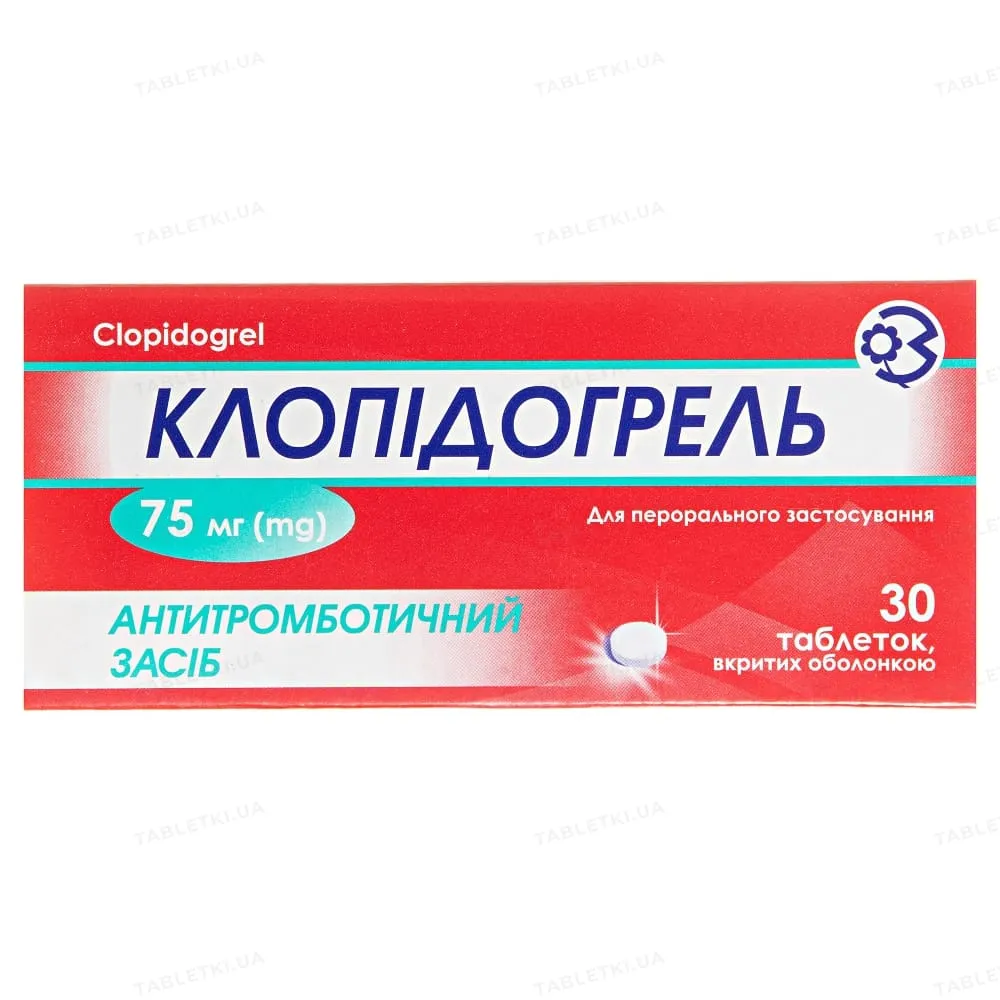
Table of Contents
INSTRUCTION FOR MEDICAL USE OF THE MEDICINAL PRODUCT CLOPIDOGREL MACLEODS (CLOPIDOGREL MACLEODS)
Composition:
Active substance: clopidogrel in the form of clopidogrel hydrogen sulfate;
1 film-coated tablet contains 75 mg of clopidogrel in the form of clopidogrel hydrogen sulfate;
Excipients: lactose monohydrate, hydroxypropylcellulose low-substituted, silicon dioxide, hydrogenated castor oil, dimethicone; coating: Instacoat Universal Pink A05G30176 (hypromellose, macrogol, titanium dioxide (E 171), iron oxide red (E 172)).
Pharmaceutical form. Film-coated tablets.
Main physicochemical properties: pink-colored, round, biconvex film-coated tablets with engraving "L11" on one side and smooth on the other.
Pharmacotherapeutic group. Antithrombotic agents. Antiaggregants.
ATC code B01A C04.
Pharmacological Properties.
Pharmacodynamics.
Mechanism of action. Clopidogrel selectively inhibits the binding of adenosine diphosphate (ADP) to its receptor on the platelet surface and subsequent ADP-mediated activation of the GPIIb/IIIa complex, thereby inhibiting platelet aggregation. Bio-transformation of clopidogrel is required to form the active metabolite responsible for inhibiting platelet aggregation. Clopidogrel also inhibits platelet aggregation induced by other agonists by blocking the amplification of platelet activation caused by released ADP. Clopidogrel irreversibly modifies platelet ADP receptors. Therefore, platelets exposed to clopidogrel are affected for the remainder of their lifespan. Normal platelet function gradually returns at a rate corresponding to platelet turnover.
Pharmacodynamic effects. Significant inhibition of ADP-induced platelet aggregation is observed from the first day of repeated daily doses of 75 mg. This effect progressively increases and stabilizes between days 3 and 7. At steady state, the average level of inhibition with a daily dose of 75 mg ranges from 40% to 60%. Platelet aggregation and bleeding time return to baseline levels within an average of 5 days after discontinuation of treatment.
Clinical efficacy and safety. The safety and efficacy of clopidogrel were evaluated in five double-blind studies involving over 88,000 patients: the CAPRIE study – comparison of clopidogrel with acetylsalicylic acid (ASA); the CURE, CLARITY, COMMIT, and ACTIVE-A studies – comparison of clopidogrel with placebo, both in combination with ASA and other standard therapies.
Recent myocardial infarction (MI), recent stroke, or established peripheral arterial disease (PAD). The CAPRIE study included 19,185 patients with atherothrombosis manifested by recent MI (<35 days prior), recent ischemic stroke (7 days to 6 months prior), or established PAD. Patients were randomized to receive clopidogrel 75 mg once daily or ASA 325 mg once daily, and followed for 1 to 3 years. In the MI subgroup, most patients received ASA in the first few days after MI onset.
Compared to ASA, clopidogrel significantly reduced the incidence of new ischemic events (composite endpoint of MI, ischemic stroke, and cardiovascular death). In the intention-to-treat analysis, there were 939 events in the clopidogrel group and 1,020 events in the ASA group (relative risk reduction (RRR) = 8.7% [95% CI: 0.2–16.4]; p = 0.045). Thus, over a 2-year period, approximately 10 additional patients per 1,000 [CI: 0–20] avoided a new ischemic event. Analysis of overall mortality as a secondary endpoint showed no significant differences between clopidogrel therapy (5.8%) and ASA (6%).
Subgroup analysis by underlying condition (MI, ischemic stroke, PAD) showed the greatest effect (statistically significant at p = 0.003) in patients with PAD (especially those with prior MI) (RRR = 23.7%; CI: 8.9–36.2), while patients with stroke showed a smaller effect not significantly different from ASA (RRR = 7.3%; CI: –5.7 to 18.7 [p = 0.258]). In patients recently post-MI, the effect of clopidogrel was numerically smaller and not statistically different from ASA (RRR = –4%; CI: –22.5 to 11.7 [p = 0.639]). Additionally, subgroup analysis by age indicates that the beneficial effect of clopidogrel was lower in patients aged 75 years and older compared to those under 75.
Since the CAPRIE study was not sufficiently powered to assess efficacy in individual subgroups, it remains unclear whether the differences in relative risk reduction across disease subgroups are real or due to chance.
Acute coronary syndrome. The CURE study included 12,562 patients with acute coronary syndrome without ST-segment elevation (unstable angina or non-Q-wave MI) who experienced chest pain or ischemic symptoms within the previous 24 hours. Patients had ECG changes indicating new ischemia or elevated cardiac enzymes or troponin I or T at least twice the upper limit of normal. Patients were randomized to clopidogrel (loading dose 300 mg, then 75 mg daily, n = 6,259) or placebo (n = 6,303), both in combination with ASA (75–325 mg once daily) and other standard therapies. Treatment duration was up to 1 year. In CURE, 823 (6.6%) patients also received concomitant therapy with a GPIIb/IIIa glycoprotein receptor antagonist. Over 90% of patients received heparin. This concomitant therapy did not significantly affect the relative frequency of bleeding between clopidogrel and placebo groups. The number of patients reaching the primary endpoint [cardiovascular death (CVD), MI, or stroke] was 582 (9.3%) in the clopidogrel group and 719 (11.4%) in the placebo group. RRR = 20% (95% CI: 10–28%; p = 0.00009) for the clopidogrel group (17% with conservative treatment, 29% with percutaneous coronary intervention with or without stent, and 10% with coronary artery bypass grafting). The RRR for preventing new cardiovascular events (primary endpoint) was 22% (CI: 8.6–33.4), 32% (CI: 12.8–46.4), 4% (CI: –26.9 to 26.7), 6% (CI: –33.5 to 34.3), and 14% (CI: –31.6 to 44.2) during months 0–1, 1–3, 3–6, 6–9, and 9–12 of the study, respectively. Thus, beyond 3 months of treatment, the beneficial effect in the clopidogrel + ASA group no longer increased, while the risk of bleeding persisted (see section "Special precautions for use").
During the CURE study, clopidogrel use reduced the need for thrombolytic therapy (RRR = 43.3%; CI: 24.3–57.5%) and GPIIb/IIIa glycoprotein receptor antagonists (RRR = 18.2%; CI: 6.5–28.3%).
The number of patients reaching the combined primary endpoint (CVD, MI, stroke, or refractory ischemia) was 1,035 (16.5%) in the clopidogrel group and 1,187 (18.8%) in the placebo group. RRR = 14% (95% CI: 6–21%, p = 0.0005) in the clopidogrel group. This effect was primarily due to a statistically significant reduction in MI incidence [287 (4.6%) in the clopidogrel group vs. 363 (5.8%) in the placebo group]. No significant change in rehospitalization for unstable angina was observed.
Results across patient subgroups (e.g., unstable angina or non-Q-wave MI, low to high risk, diabetes, need for revascularization, age, sex) were consistent with the primary analysis. In particular, a subgroup analysis of 2,172 patients (17% of the total CURE group) who received a stent (PCI-CURE) showed a significant RRR (26.2%) favoring clopidogrel in preventing the primary endpoint (CVD, MI, stroke), as well as a significant RRR (23.9%) for the second combined primary endpoint (CVD, MI, stroke, or refractory ischemia). Moreover, the safety profile of clopidogrel in this subgroup raised no particular concerns. Thus, the results of this subgroup analysis are consistent with the overall study findings.
The beneficial effect of clopidogrel was demonstrated independently of concomitant use of other cardiovascular medications (heparin/low-molecular-weight heparin, GPIIb/IIIa glycoprotein receptor antagonists, lipid-lowering agents, beta-blockers, and angiotensin-converting enzyme (ACE) inhibitors). The efficacy of clopidogrel was independent of ASA dose (75–325 mg once daily).
In patients with acute ST-segment elevation MI, the safety and efficacy of clopidogrel were evaluated in two randomized, placebo-controlled, double-blind studies – CLARITY and COMMIT.
The CLARITY study included 3,491 patients with ST-segment elevation MI within the previous 12 hours who were scheduled to receive thrombolytic therapy. Patients received clopidogrel (300 mg loading dose, then 75 mg daily, n = 1,752) or placebo (n = 1,739), both in combination with ASA (loading dose 150–325 mg, then 75–162 mg daily), a fibrinolytic agent, and, if needed, heparin. Follow-up lasted 30 days. The primary endpoint was occlusion of the infarct-related artery on angiography before discharge, death, or recurrent MI before coronary angiography. For patients not undergoing angiography, the primary endpoint was death or recurrent MI by day 8 or discharge. The study population included 19.7% women and 29.2% patients aged ≥65 years. Overall, 99.7% received fibrinolytics (fibrin-specific 68.7%, non-fibrin-specific 31.1%), 89.5% heparin, 78.7% beta-blockers, 54.7% ACE inhibitors, and 63% statins.
The primary endpoint occurred in 15% of the clopidogrel group and 21.7% of the placebo group. Thus, the absolute risk reduction was 6.7%, with a 36% relative benefit favoring clopidogrel (95% CI: 24–47%; p < 0.001), primarily due to reduced incidence of occlusion of the infarct-related artery. This benefit was observed across all predefined patient subgroups by age, sex, MI location, and type of fibrinolytic or heparin therapy.
The two-by-two factorial design of the COMMIT study included 45,852 patients with symptoms suggestive of MI within the previous 24 hours, confirmed by ECG abnormalities (e.g., ST-segment elevation or depression, left bundle branch block). Patients received clopidogrel (75 mg daily, n = 22,961) or placebo (n = 22,891) in combination with ASA (162 mg daily) for 28 days or until discharge. Combined primary endpoints were all-cause mortality and first recurrence of MI, stroke, or death. The study population included 27.8% women, 58.4% patients aged ≥60 years (26% aged ≥70 years), and 54.5% patients receiving fibrinolytics.
Clopidogrel significantly reduced the relative risk of all-cause mortality by 7% (p = 0.029) and the relative risk of the composite endpoint (recurrent MI, stroke, or death) by 9% (p = 0.002), with absolute risk reductions of 0.5% and 0.9%, respectively. This effect was consistent across age and sex subgroups and regardless of fibrinolytic use in the first 24 hours.
Atrial fibrillation (AF). The ACTIVE-W and ACTIVE-A studies, part of the ACTIVE program, included patients with AF and at least one risk factor for vascular events. Physicians enrolled patients in ACTIVE-W if they were candidates for vitamin K antagonist (VKA) therapy (e.g., warfarin). ACTIVE-A included patients who could not receive VKA therapy due to contraindications or patient preference.
ACTIVE-W demonstrated that anticoagulant therapy with VKAs was more effective than treatment with clopidogrel and ASA.
ACTIVE-A (n = 7,554) was a multicenter, randomized, double-blind, placebo-controlled study comparing clopidogrel 75 mg daily + ASA (n = 3,772) with placebo + ASA (n = 3,782). The recommended ASA dose was 75–100 mg daily. Patients were treated for up to 5 years.
Patients randomized in the ACTIVE program had documented AF (permanent AF or at least two episodes of paroxysmal AF in the past 6 months) and at least one of the following risk factors: age ≥75 years or age 55–74 years with/without diabetes requiring medication, documented prior MI, documented ischemic heart disease, history of systemic hypertension, prior stroke, transient ischemic attack (TIA), systemic embolism without CNS involvement, left ventricular dysfunction with ejection fraction <45%, or documented peripheral vascular disease. The mean CHADS2 score was 2 (range 0–6).
Key exclusion criteria included documented peptic ulcer disease in the past 6 months; history of intracranial hemorrhage; severe thrombocytopenia (platelet count <50×10⁹/L); need for clopidogrel or oral anticoagulants (OACs); or intolerance to either agent.
73% of patients in ACTIVE-A could not receive VKAs due to physician judgment, inability to monitor international normalized ratio (INR), risk of falls or head injury, or specific bleeding risk factors; 26% were excluded due to patient refusal.
41.8% of patients were women. The mean age was 71 years; 41.6% were aged ≥75 years. Overall, 23% received antiarrhythmics, 52.1% beta-blockers, 54.6% ACE inhibitors, and 25.4% statins.
The number of patients reaching the primary endpoint (time to first occurrence of stroke, MI, systemic embolism without CNS involvement, or death) was 832 (22.1%) in the clopidogrel + ASA group and 924 (24.4%) in the placebo + ASA group (RRR = 11.1%, 95% CI: 2.4–19.1%; p = 0.013), primarily due to a significant reduction in stroke incidence. Strokes occurred in 296 (7.8%) patients in the clopidogrel + ASA group and 408 (10.8%) in the placebo + ASA group (RRR = 28.4%; 95% CI: 16.8–38.3%; p = 0.00001).
Children. In a dose-escalation study involving 86 neonates or infants up to 24 months of age at risk of thrombosis (PICOLO), clopidogrel was administered at sequential doses of 0.01, 0.1, and 0.2 mg/kg to neonates and infants, and at 0.15 mg/kg to neonates only. At a dose of 0.2 mg/kg, the mean platelet aggregation inhibition was 49.3% (5 µM ADP-induced aggregation), comparable to that in adults receiving 75 mg daily.
In a randomized, double-blind, parallel-group study (CLARINET) involving 906 children (neonates and infants) with cyanotic congenital heart disease undergoing palliative systemic-to-pulmonary arterial shunt surgery, patients were randomized to receive clopidogrel 0.2 mg/kg (n = 467) or placebo (n = 439), with concomitant standard therapy, until the second surgical stage. The mean time between shunt surgery and first study drug administration was 20 days. Approximately 88% of patients also received ASA (1–23 mg/kg/day). No significant differences were observed between groups in reaching the primary composite endpoint (death, shunt thrombosis, or cardiac surgery due to thrombosis by day 120) – 89 [19.1%] in the clopidogrel group and 90 [20.5%] in the placebo group (see section "Dosage and administration"). The most common adverse reaction in both groups was bleeding, but no significant differences in bleeding frequency were observed. During long-term follow-up, 26 patients with a functioning shunt at 1 year continued clopidogrel until 18 months of age. The safety profile remained unchanged during this period.
In the CLARINET and PICOLO studies, a reconstituted solution of clopidogrel was used. In a relative bioavailability study in adults, the reconstituted solution showed similar and slightly faster absorption of the main circulating (inactive) metabolite compared to the registered tablet formulation.
Pharmacokinetics.
Absorption. After single and repeated oral doses of 75 mg daily, clopidogrel is rapidly absorbed. The mean peak plasma concentration of unchanged clopidogrel (approximately 2.2–2.5 ng/mL after a single 75 mg oral dose) is reached within about 45 minutes. Absorption is at least 50%, based on urinary excretion of clopidogrel metabolites.
Distribution. Clopidogrel and its main (inactive) circulating metabolite are reversibly bound to human plasma proteins in vitro (98% and 94%, respectively). This binding remains non-saturable in vitro over a wide concentration range.
Metabolism. Clopidogrel is extensively metabolized in the liver. In vitro and in vivo, two major metabolic pathways exist: one involving esterases leading to hydrolysis and formation of an inactive carboxylic acid derivative (accounting for 85% of circulating metabolites), and another involving cytochrome P450 enzymes. Initially, clopidogrel is converted to an intermediate metabolite, 2-oxo-clopidogrel. Further metabolism of 2-oxo-clopidogrel produces a thiol derivative – the active metabolite. This active metabolite is formed predominantly by the CYP2C19 enzyme, with contributions from other CYP enzymes such as CYP1A2, CYP2B6, and CYP3A4. The active metabolite of clopidogrel (thiol derivative), isolated in vitro, rapidly and irreversibly binds to platelet receptors, thereby preventing platelet aggregation.
Excretion. Within 120 hours after administration of radiolabeled ¹⁴C-clopidogrel in humans, approximately 50% of the dose was excreted in urine and 46% in feces. After a single oral dose of 75 mg, the elimination half-life of clopidogrel is approximately 6 hours. The half-life of the main (inactive) circulating metabolite is 8 hours after both single and repeated dosing.
Pharmacogenetics. CYP2C19 is involved in the formation of both the active metabolite and the intermediate metabolite 2-oxo-clopidogrel. The pharmacokinetics of the active metabolite of clopidogrel and antiplatelet effects, measured by ex vivo platelet aggregation, vary depending on CYP2C19 genotype.
The CYP2C19*1 allele corresponds to fully functional metabolism, while CYP2C19*2 and CYP2C19*3 alleles correspond to non-functional metabolism. CYP2C19*2 and CYP2C19*3 alleles constitute the majority of alleles in Caucasian (85%) and Mongoloid (99%) populations with reduced metabolism. Other alleles associated with absent or reduced metabolism are less common: CYP2C19*4, *5, *6, *7, and *8. A patient with reduced metabolism has two non-functional alleles as defined above. Published data indicate that CYP2C19 genotypes associated with reduced metabolism occur in 2% of Caucasians, 4% of African descent, and 14% of Chinese patients. CYP2C19 genotyping tests are currently available.
In a crossover study involving 40 healthy volunteers (10 in each of four CYP2C19 metabolic phenotype groups: ultrarapid, extensive, intermediate, and poor), the pharmacokinetics and antiplatelet effects of a 300 mg loading dose followed by 75 mg daily, and a 600 mg loading dose followed by 150 mg daily, were evaluated. Each treatment regimen was administered for 5 days (to reach steady state). No significant differences in plasma concentrations of the active metabolite or mean platelet aggregation inhibition (PAI) were observed between ultrarapid, extensive, and intermediate metabolizers. In poor metabolizers, plasma concentrations of the active metabolite were reduced by 63–71% compared to extensive metabolizers. After the 300 mg/75 mg regimen, antiplatelet effects in poor metabolizers were less pronounced, with mean PAI (5 µM ADP) of 24% (24 hours) and 37% (day 5), compared to 39% (24 hours) and 58% (day 5) in extensive metabolizers and 37% (24 hours) and 60% (day 5) in intermediate metabolizers. When poor metabolizers received the 600 mg/150 mg regimen, plasma concentrations of the active metabolite were higher than with the 300 mg/75 mg regimen. Furthermore, PAI values were 32% (24 hours) and 61% (day 5), higher than in poor metabolizers receiving 300 mg/75 mg and similar to values in other metabolic groups receiving 300 mg/75 mg. Based on clinical effect studies, the optimal dosing regimen for this patient group has not been established.
Similarly, in a meta-analysis of 6 studies involving 335 patients at steady state receiving clopidogrel, plasma concentrations of the active metabolite were reduced by 28% in intermediate metabolizers and 72% in poor metabolizers; platelet aggregation inhibition (5 µM ADP) was also reduced, with PAI differences of 5.9% and 21.4%, respectively, compared to extensive metabolizers.
The impact of CYP2C19 genotype on clinical outcomes in patients receiving clopidogrel has not been studied in prospective randomized controlled trials. However, several retrospective analyses have been conducted to assess this effect in patients receiving clopidogrel with available genotyping: CURE (n = 2,721), CHARISMA (n = 2,428), CLARITY-TIMI 28 (n = 227), TRITON-TIMI 38 (n = 1,477), and ACTIVE-A (n = 601). Additionally, results from several published cohort studies are available.
In the TRITON-TIMI 38 analysis and three cohort studies (Collet, Sibbing, Giusti), the combined group of intermediate and poor metabolizers had significantly higher rates of cardiovascular events (death, MI, stroke) or stent thrombosis compared to extensive metabolizers.
In the CHARISMA analysis and one cohort study (Simon), poor metabolizers had higher event rates compared to extensive metabolizers.
In the CURE, CLARITY, ACTIVE-A, and one cohort study (Trenk) analyses, cardiovascular event rates did not significantly differ by metabolic phenotype.
None of these analyses included a sufficient number of patients to detect differences in clinical outcomes among poor metabolizers.
Special patient populations. The pharmacokinetics of the active metabolite of clopidogrel have not been studied in the special patient populations listed below.
Renal impairment. With regular administration of 75 mg clopidogrel daily, patients with severe renal impairment (creatinine clearance 5–15 mL/min) showed less pronounced inhibition of ADP-induced platelet aggregation (25%) compared to healthy volunteers, and bleeding time was prolonged similarly to that in healthy volunteers receiving 75 mg clopidogrel daily. Clinical tolerability was good in all patients.
Hepatic impairment. After regular administration of 75 mg clopidogrel daily for 10 days, patients with severe hepatic impairment showed similar inhibition of ADP-induced platelet aggregation compared to healthy volunteers. Mean prolongation of bleeding time was also similar in both groups.
Racial factors. The prevalence of CYP2C19 alleles causing intermediate and poor metabolic activity varies by race/ethnicity (see section "Pharmacogenetics"). Data on Mongoloid patients are limited, making it difficult to assess the clinical significance of genotyping for this CYP.
Preclinical safety data. The most commonly observed adverse effects in preclinical animal studies were liver changes. These occurred at doses approximately 25 times the human therapeutic dose of 75 mg clopidogrel daily and were due to the drug's effect on enzymes involved in hepatic metabolism. No such effect on hepatic metabolic enzymes was observed in humans receiving therapeutic doses of clopidogrel.
Poor gastrointestinal tolerance (gastritis, erosive gastric lesions, and/or vomiting) was observed in animals receiving high doses of clopidogrel.
No evidence of carcinogenicity was found in mice treated for 78 weeks and rats treated for 104 weeks at doses up to 77 mg/kg daily (approximately 25 times the human therapeutic dose of 75 mg clopidogrel daily).
A series of in vitro and in vivo genotoxicity studies on clopidogrel showed no genotoxic effects.
Clopidogrel did not affect reproductive function in male and female rats and showed no teratogenic effects in rats or rabbits. Administration to lactating female rats resulted in slight developmental delay in offspring. Specific pharmacokinetic studies with radiolabeled clopidogrel confirmed that the parent compound and its metabolites are excreted in breast milk. Therefore, both direct (slight toxic effect) and indirect (due to altered milk palatability) effects on offspring cannot be excluded.
Clinical characteristics.
Indications.
Secondary prevention of atherothrombotic events in adults:
- patients who have had myocardial infarction (treatment initiation – within a few days, but no later than 35 days after onset), ischemic stroke (treatment initiation – within 7 days, but no later than 6 months after onset), or diagnosed with peripheral arterial disease (peripheral artery disease and atherothrombosis of lower limb vessels);
- patients with acute coronary syndrome:
- acute coronary syndrome without ST-segment elevation (unstable angina or non-Q-wave myocardial infarction), including patients who have undergone percutaneous coronary intervention with stent placement, in combination with acetylsalicylic acid (ASA);
- acute myocardial infarction with ST-segment elevation, in combination with ASA (in patients receiving standard medical therapy and for whom thrombolytic therapy is indicated).
Prevention of atherothrombotic and thromboembolic events in atrial fibrillation. Clopidogrel in combination with ASA is indicated in adult patients with atrial fibrillation who have at least one risk factor for vascular events, in whom vitamin K antagonist (VKA) therapy is contraindicated and who have a low risk of bleeding, for the prevention of atherothrombotic and thromboembolic events, including stroke.
For additional information, see section "Pharmacological properties".
Contraindications.
Hypersensitivity to the active substance or to any component of the medicinal product. Severe hepatic impairment. Active bleeding (e.g., peptic ulcer or intracranial hemorrhage).
Interaction with other medicinal products and other forms of interaction.
MEDICINAL PRODUCTS ASSOCIATED WITH INCREASED RISK OF BLEEDING. Due to potential additive effects, there is an increased risk of hemorrhagic complications; therefore, concomitant use of such medicinal products with clopidogrel requires caution (see section "Special warnings and precautions for use").
Oral anticoagulants. Concomitant use of Clopidogrel Macleods with oral anticoagulants is not recommended, as this combination may increase the risk and severity of bleeding (see section "Special warnings and precautions for use"). Although administration of clopidogrel 75 mg once daily does not alter the pharmacokinetic profile of S-warfarin or INR in patients on long-term warfarin therapy, concomitant use of clopidogrel and warfarin increases the risk of bleeding due to independent effects on hemostasis.
Glycoprotein IIb/IIIa inhibitors. Clopidogrel should be used with caution in patients receiving glycoprotein IIb/IIIa inhibitors (see section "Special warnings and precautions for use").
Acetylsalicylic acid (ASA). ASA does not affect the inhibitory action of clopidogrel on ADP-induced platelet aggregation, but clopidogrel enhances the effect of ASA on collagen-induced platelet aggregation. However, concomitant administration of 500 mg ASA twice daily for one day did not significantly increase the prolonged bleeding time caused by clopidogrel. Since a pharmacodynamic interaction between clopidogrel and ASA with increased risk of bleeding is possible, concomitant use of these agents requires caution (see section "Special warnings and precautions for use"). Nevertheless, clopidogrel and ASA have been co-administered for up to 1 year (see section "Pharmacological properties").
Heparin. Clinical study data in healthy volunteers indicate that clopidogrel does not require dose adjustment of heparin and does not alter heparin's effect on coagulation. Concomitant administration of heparin did not affect the inhibitory effect of clopidogrel on platelet aggregation. However, since a pharmacodynamic interaction between clopidogrel and heparin with increased risk of bleeding is possible, concomitant use of these agents requires caution.
Thrombolytic agents. The safety of concomitant administration of clopidogrel, fibrin-specific or non-fibrin-specific thrombolytic agents, and heparins was evaluated in patients with acute myocardial infarction. The incidence of clinically significant bleeding was similar to that observed with concomitant use of thrombolytic agents and heparin with ASA (see section "Undesirable effects").
Non-steroidal anti-inflammatory drugs (NSAIDs). In a clinical study in healthy volunteers, concomitant use of clopidogrel and naproxen increased the number of occult gastrointestinal bleeding events. However, due to the lack of interaction studies with other NSAIDs, it is not known whether the risk of gastrointestinal bleeding increases with all NSAIDs. Therefore, caution is required when using NSAIDs, particularly COX-2 inhibitors, concomitantly with clopidogrel (see section "Special warnings and precautions for use").
Selective serotonin reuptake inhibitors (SSRIs). SSRIs should be used concomitantly with clopidogrel with caution, as SSRIs affect platelet activation and increase the risk of bleeding.
Concomitant use of other drugs. Since clopidogrel is partially converted to its active metabolite by CYP2C19, concomitant use of drugs that reduce the activity of this enzyme is likely to result in decreased plasma concentrations of the active metabolite of clopidogrel. The clinical significance of this interaction is not fully established. Therefore, as a precautionary measure, concomitant use of strong and moderate CYP2C19 inhibitors should be avoided (see sections "Pharmacokinetics" and "Special warnings and precautions for use").
Drugs that inhibit CYP2C19 activity include omeprazole, esomeprazole, fluvoxamine, fluoxetine, moclobemide, voriconazole, fluconazole, ticlopidine, carbamazepine, and efavirenz.
Proton pump inhibitors (PPIs). Omeprazole 80 mg once daily, when co-administered with clopidogrel or administered within 12 hours of each other, reduced plasma concentrations of the active metabolite by 45% (loading dose) and by 40% (maintenance dose). This reduction was associated with a 39% reduction in platelet aggregation inhibition (loading dose) and 21% (maintenance dose). A similar interaction with clopidogrel is expected with esomeprazole.
Observational and clinical studies have yielded conflicting data on the clinical consequences of these pharmacokinetic and pharmacodynamic interactions regarding the risk of major cardiovascular events. As a precautionary measure, omeprazole or esomeprazole should not be used concomitantly with clopidogrel (see section "Special warnings and precautions for use").
A less pronounced reduction in metabolite concentration in blood was observed with pantoprazole or lansoprazole.
When pantoprazole 80 mg once daily was co-administered, plasma concentrations of the active metabolite decreased by 20% (loading dose) and 14% (maintenance dose). This reduction was associated with a mean reduction in platelet aggregation inhibition of 15% and 11%, respectively. These results suggest that concomitant use of clopidogrel and pantoprazole is possible.
There is no evidence that other drugs reducing gastric acid secretion, such as H2-receptor antagonists or antacids, affect the antiplatelet activity of clopidogrel.
Combination with other medicinal products. Several clinical studies have been conducted with clopidogrel and other drugs to investigate potential pharmacodynamic and pharmacokinetic interactions. No clinically significant pharmacodynamic interaction was observed when clopidogrel was administered concomitantly with atenolol, nifedipine, or both. Furthermore, the pharmacodynamic activity of clopidogrel remained almost unchanged when co-administered with phenobarbital and estrogen.
The pharmacokinetic properties of digoxin or theophylline were not altered by concomitant administration with clopidogrel.
Antacid agents did not affect the absorption of clopidogrel.
Data from human liver microsome studies indicate that clopidogrel carboxylic acid metabolites may inhibit CYP2C9 enzyme activity. This could potentially increase plasma levels of medicinal products metabolized by CYP2C9, such as phenytoin, tolbutamide, and NSAIDs. Nevertheless, results from the CAPRIE study indicate that phenytoin and tolbutamide can be safely co-administered with clopidogrel.
Drugs that are substrates of CYP2C8 enzyme. Clopidogrel has been shown to increase exposure to repaglinide in healthy volunteers. In vitro studies demonstrated that this increased exposure to repaglinide is due to inhibition of CYP2C8 by the glucuronide metabolite of clopidogrel. Due to the risk of increased plasma concentrations, concomitant use of clopidogrel with medicinal products primarily eliminated via CYP2C8-mediated metabolism (such as repaglinide, paclitaxel) requires caution (see section "Special warnings and precautions for use").
Except for the information on interactions with specific medicinal products mentioned above, interaction studies between clopidogrel and drugs commonly prescribed for atherothrombosis have not been conducted. However, patients in clinical trials of clopidogrel received concomitant medications, including diuretics, beta-blockers, ACE inhibitors, calcium antagonists, lipid-lowering agents, coronary vasodilators, antidiabetic agents (including insulin), antiepileptic drugs, and GPIIb/IIIa antagonists, without evidence of clinically significant adverse interactions.
In HIV-infected patients receiving ritonavir- or cobicistat-boosted antiretroviral therapy (ART), significantly lower levels of the active metabolite of clopidogrel and reduced inhibition of platelet aggregation have been demonstrated. Although the clinical significance of these data is not fully established, spontaneous reports have been received of stent re-occlusion or thrombotic events despite clopidogrel loading dose regimens in HIV-infected patients receiving boosted ART. Clopidogrel concentrations and mean levels of platelet aggregation inhibition may be reduced when co-administered with ritonavir. Therefore, concomitant use of clopidogrel with boosted ART is not recommended.
Special precautions for use.
Bleeding and hematological disorders. Due to the risk of bleeding and hematological adverse reactions, a complete blood count and/or other appropriate tests should be performed immediately if symptoms suggesting possible bleeding occur during treatment with the drug (see section "Adverse reactions"). As with other antiplatelet agents, clopidogrel should be used with caution in patients with an increased risk of bleeding due to trauma, surgical procedures, or other pathological conditions, and also when used concomitantly with ASA, heparin, glycoprotein IIb/IIIa inhibitors, or NSAIDs, including COX-2 inhibitors or SSRIs, or other medicinal products such as pentoxifylline, the use of which is associated with an increased risk of hemorrhagic events (see section "Interaction with other medicinal products and other types of interactions"). Close monitoring for signs of bleeding, including occult bleeding, is required, especially during the first weeks of treatment and/or after invasive cardiac procedures or surgery. Concomitant use of clopidogrel with oral anticoagulants is not recommended, as this may increase the intensity of bleeding (see section "Interaction with other medicinal products and other types of interactions").
In case of planned surgery where the antiplatelet effect is temporarily undesirable, clopidogrel treatment should be discontinued 7 days prior to the procedure. Patients should inform their physician (including dentists) that they are taking clopidogrel before any surgical procedure or before starting a new medicinal product. Clopidogrel prolongs bleeding time; therefore, it should be used with caution in patients with an increased risk of bleeding (particularly gastrointestinal and intraocular bleeding).
Patients should be warned that during treatment with clopidogrel (alone or in combination with ASA), bleeding may stop later than usual, and they should report any episodes of unusual bleeding (in location or duration) to their physician.
Thrombotic thrombocytopenic purpura (TTP). Cases of TTP have been reported very rarely following clopidogrel use, sometimes even after short-term treatment. TTP is characterized by thrombocytopenia and microangiopathic hemolytic anemia, along with neurological symptoms, renal dysfunction, or fever. TTP is a potentially life-threatening condition that may lead to death and requires immediate treatment, including plasmapheresis.
Acquired hemophilia. Cases of acquired hemophilia have been reported following clopidogrel use. In the case of confirmed isolated prolongation of activated partial thromboplastin time (aPTT), with or without bleeding, the possibility of acquired hemophilia should be considered. Patients with confirmed diagnosis of acquired hemophilia should be under medical supervision and receive appropriate treatment; clopidogrel should be discontinued in such patients.
Recent ischemic stroke. Due to insufficient data, clopidogrel is not recommended within the first 7 days after an acute ischemic stroke.
Cytochrome P450 2C19 (CYP2C19). Pharmacogenetics: Patients with genetically reduced CYP2C19 function have lower plasma concentrations of the active metabolite of clopidogrel and a less pronounced antiplatelet effect when standard doses of clopidogrel are administered.
Since clopidogrel is partially converted into its active metabolite via CYP2C19, concomitant use of drugs that reduce the activity of this enzyme will likely result in reduced plasma concentrations of the active metabolite of clopidogrel. However, the clinical significance of this interaction has not been fully established. Therefore, as a precaution, concomitant use of strong and moderate CYP2C19 inhibitors should be avoided (see section "Interaction with other medicinal products and other types of interactions"; list of CYP2C19 inhibitors is provided in section "Pharmacokinetics").
Substrates of the CYP2C8 enzyme. Caution is advised in patients receiving clopidogrel concomitantly with medicinal products that are substrates of the CYP2C8 enzyme (see section "Interaction with other medicinal products and other types of interactions").
Cross-sensitivity of thienopyridines. Patients should be evaluated for history of hypersensitivity to other thienopyridines (such as clopidogrel, ticlopidine, prasugrel), as cross-hypersensitivity among thienopyridines has been reported. Use of thienopyridines may lead to allergic reactions ranging from mild to severe, such as rash, Quincke's edema, or hematological reactions such as thrombocytopenia and neutropenia. Patients with a history of allergic and/or hematological reactions to one thienopyridine may have an increased risk of similar or different reactions to another thienopyridine. Monitoring for signs of hypersensitivity is recommended in patients with known allergy to thienopyridines.
Renal impairment. Experience with clopidogrel use in patients with renal impairment is limited; therefore, the drug should be used with caution in such patients (see section "Posology and method of administration").
Hepatic impairment. Experience with the use of clopidogrel in patients with moderate liver disease and potential for hemorrhagic diathesis is limited; therefore, clopidogrel should be used with caution in these patients (see section "Posology and method of administration").
Excipients. Clopidogrel Macleods tablets contain lactose. Patients with rare hereditary conditions such as galactose intolerance, lactase deficiency, or glucose-galactose malabsorption should not take this medicinal product.
Clopidogrel Macleods tablets also contain hydrogenated castor oil, which may cause gastrointestinal discomfort and diarrhea.
Special precautions for disposal of unused medicine and waste. Any unused medicinal product or waste material should be disposed of in accordance with local requirements.
Use during pregnancy or breastfeeding.
Pregnancy. Due to the lack of clinical data on clopidogrel use during pregnancy, the drug is not recommended for use in pregnant women (precautionary measure).
Animal studies have not shown any direct or indirect adverse effects on pregnancy, embryonic/fetal development, parturition, or postnatal development (see subsection "Preclinical safety data").
Breastfeeding. It is unknown whether clopidogrel is excreted in human breast milk. Animal studies have shown excretion into milk; therefore, breastfeeding should be discontinued during treatment with Clopidogrel Macleods.
Fertility. No adverse effects of clopidogrel on fertility were observed in laboratory animal studies.
Ability to affect reaction speed when driving or operating machinery.
Clopidogrel has no effect or a negligible effect on the ability to drive vehicles or operate machinery.
Method of Administration and Dosage
Adults, including elderly patients: Take Clopidogrel Macleods 75 mg once daily, independently of food intake.
In patients with acute coronary syndrome without ST-segment elevation (unstable angina or non-Q-wave myocardial infarction), treatment with clopidogrel should be initiated with a single loading dose of 300 mg, followed by a maintenance dose of 75 mg once daily (in combination with ASA at a dose of 75–325 mg daily). Since higher doses of ASA increase the risk of bleeding, ASA doses exceeding 100 mg are not recommended. The optimal duration of treatment has not been formally established. Clinical trial data support treatment for up to 12 months, with maximum benefit observed after 3 months of therapy.
In patients with acute myocardial infarction with ST-segment elevation, clopidogrel should be administered at a dose of 75 mg once daily, starting with a single loading dose of 300 mg, in combination with ASA, with or without thrombolytic agents. In patients aged 75 years and older, treatment should be initiated without a loading dose of clopidogrel. Combined therapy should be initiated as early as possible after symptom onset and continued for at least 4 weeks. The benefit of combination therapy with clopidogrel and ASA beyond 4 weeks in this condition has not been studied.
In patients with atrial fibrillation, clopidogrel should be administered at a single daily dose of 75 mg. ASA (at a dose of 75–100 mg daily) should be initiated and continued concomitantly with clopidogrel (see section "Pharmacological Properties").
Missed dose:
- If less than 12 hours have passed since the missed dose was due: the patient should take the missed dose immediately and take the next dose at the usual time;
- If more than 12 hours have passed, the patient should take the next scheduled dose at the usual time and must not double the dose to compensate for the missed dose.
Renal impairment: Therapeutic experience with the use of the drug in patients with renal impairment is limited (see section "Special Warnings and Precautions for Use").
Hepatic impairment: Therapeutic experience with the use of the drug in patients with moderate liver disease and potential for development of hemorrhagic diathesis is limited (see section "Special Warnings and Precautions for Use").
Children:
Clopidogrel should not be used in children, as there are no data on efficacy in this age group (see section "Pharmacodynamics").
Overdose.
In case of clopidogrel overdose, prolonged bleeding time with subsequent complications may occur. If bleeding occurs, symptomatic treatment is recommended.
There is no known antidote for the pharmacological activity of clopidogrel. If immediate correction of prolonged bleeding time is required, the effect of clopidogrel can be reversed by transfusion of platelet concentrate.
Adverse Reactions
Short description of the safety profile.
The safety of clopidogrel has been evaluated in more than 44,000 patients who participated in clinical trials (of whom more than 12,000 received treatment for 1 year or longer). Clinically significant adverse reactions observed in the CAPRIE, CURE, CLARITY, COMMIT, and ACTIVE-A studies are described below. In the CAPRIE study, the effect of clopidogrel 75 mg once daily was generally comparable to that of aspirin (ASA) 325 mg once daily, regardless of patient age, gender, or race.
In addition to data from clinical trials, information on adverse reactions during clinical use of the drug was also considered.
Bleeding was the most commonly reported adverse reaction observed both in clinical trials and in the post-marketing period, with the majority of cases occurring during the first month of treatment.
In the CAPRIE study, the overall incidence of bleeding in patients receiving clopidogrel or aspirin was 9.3%. The incidence of severe bleeding was similar between clopidogrel and aspirin.
In the CURE study, no increase in the incidence of major bleeding was observed with clopidogrel + aspirin combination therapy during the 7 days following coronary artery bypass grafting (CABG) in patients who discontinued treatment more than 5 days prior to surgery. In patients who continued treatment up to 5 days before CABG, the incidence of major bleeding was 9.6% in the clopidogrel + aspirin group versus 6.3% in the placebo + aspirin group.
In the CLARITY study, an overall increased incidence of bleeding was observed in the group receiving clopidogrel + aspirin compared to the placebo + aspirin group. However, the incidence of major bleeding was similar in both groups. This finding remained consistent across subgroups of patients differing by baseline characteristics and type of fibrinolytic or heparin therapy.
In the COMMIT study, the overall incidence of major non-cerebral or cerebral bleeding was low and similar in both treatment groups.
In the ACTIVE-A study, the incidence of major bleeding was higher in the clopidogrel + aspirin group compared to the placebo + aspirin group (6.7% vs. 4.3%). In both groups, major bleeding events were predominantly extracranial (5.3% in the clopidogrel + aspirin group vs. 3.5% in the placebo + aspirin group), mainly gastrointestinal bleeding (3.5% vs. 1.8%). An increased incidence of intracranial bleeding was observed in the clopidogrel + aspirin group compared to the placebo + aspirin group (1.4% vs. 0.8%, respectively). There was no statistically significant difference between the groups in the incidence of fatal bleeding (1.1% in the clopidogrel + aspirin group vs. 0.7% in the placebo + aspirin group) or hemorrhagic stroke (0.8% vs. 0.6%, respectively).
List of adverse reactions in tabular form.
Adverse reactions observed during clinical studies or during clinical use of the medicinal product are listed in the table below. Adverse reactions are categorized by system organ class, and their frequency is defined as follows: common (≥ 1/100 to < 1/10), uncommon (≥ 1/1,000 to < 1/100), rare (≥ 1/10,000 to < 1/1,000), very rare (< 1/10,000), and frequency not known. Within each organ system class, adverse effects are listed in order of decreasing severity.
| System Organ Class |
Common |
Uncommon |
Rare |
Very rare, frequency unknown*? |
| Blood and lymphatic system disorders |
Thrombocytopenia, leukopenia, eosinophilia |
Neutropenia, including severe neutropenia |
TTP (see section "Special precautions"), aplastic anemia, pancytopenia, agranulocytosis, severe thrombocytopenia, acquired hemophilia A, granulocytopenia, anemia |
|
| Cardiac disorders |
Kounis syndrome (vasospastic allergic angina / allergic myocardial infarction) as a result of hypersensitivity reaction to clopidogrel* |
|||
| Immune system disorders |
Serum sickness, anaphylactoid reactions, cross-sensitivity of thienopyridines (such as ticlopidine, prasugrel) (see section "Special precautions")* |
|||
| Psychiatric disorders |
Hallucinations, confusion |
|||
| Nervous system disorders |
Intracranial hemorrhage (in some cases fatal), headache, paresthesia, dizziness |
Alteration in taste perception |
||
| Eye disorders |
Bleeding in the eye area (conjunctival, ocular, retinal) |
|||
| Ear and labyrinth disorders |
Vertigo |
|||
| Vascular disorders |
Hematoma |
Severe hemorrhage, bleeding from surgical wound, vasculitis, arterial hypotension |
||
| Respiratory, thoracic and mediastinal disorders |
Nosebleed |
Bleeding of respiratory tract (hemoptysis, pulmonary hemorrhage), bronchospasm, interstitial pneumonia, eosinophilic pneumonia |
||
| Gastrointestinal disorders |
Gastrointestinal bleeding, diarrhea, abdominal pain, dyspepsia |
Gastric and duodenal ulcer, gastritis, vomiting, nausea, constipation, flatulence |
Retroperitoneal hemorrhage |
Gastrointestinal and retroperitoneal hemorrhages with fatal outcome, pancreatitis, colitis (including ulcerative or lymphocytic), stomatitis |
| Hepatobiliary disorders |
Acute liver failure, hepatitis, abnormal liver function test results |
|||
| Skin and subcutaneous tissue disorders |
Subcutaneous hemorrhage |
Rash, pruritus, intradermal hemorrhages (purpura) |
Bullous dermatitis (toxic epidermal necrolysis, Stevens-Johnson syndrome, erythema multiforme, acute generalized exanthematous pustulosis (AGEP), angioneurotic edema, erythematous rash, urticaria, drug hypersensitivity syndrome, drug reaction with eosinophilia and systemic symptoms (DRESS syndrome), erythematous or exfoliative rashes, eczema, lichen planus |
|
| Reproductive system and breast disorders |
Gynecomastia |
|||
| Musculoskeletal and connective tissue disorders |
Musculoskeletal hemorrhages (hemarthrosis), arthritis, arthralgia, myalgia |
|||
| Renal and urinary disorders |
Hematuria |
Glomerulonephritis, increased blood creatinine levels |
||
| General disorders and administration site conditions |
Bleeding at injection site |
Fever |
||
| Investigations |
Increased bleeding time, decreased neutrophil and platelet counts |
Reporting of suspected adverse reactions.
Reporting of suspected adverse reactions after authorization of the medicinal product by regulatory authorities is an important procedure. It enables continuous monitoring of the benefit-risk ratio of using this medicinal product. Healthcare professionals are requested to report all suspected adverse reactions through national reporting systems.
Shelf life. 4 years.
Storage conditions.
Store at a temperature not exceeding 25 °C in the original packaging.
Packaging. 14 tablets in a blister, 2 blisters in a cardboard box.
Prescription category. Prescription only.
Manufacturer. MACLEODS PHARMACEUTICALS LIMITED.
Manufacturer's address and location of its business operations.
Village Thedda, P.O. Lodhiamaira, Tehsil Baddi, District Solan, Himachal Pradesh, 174101, India.