Flutisal
Ukraine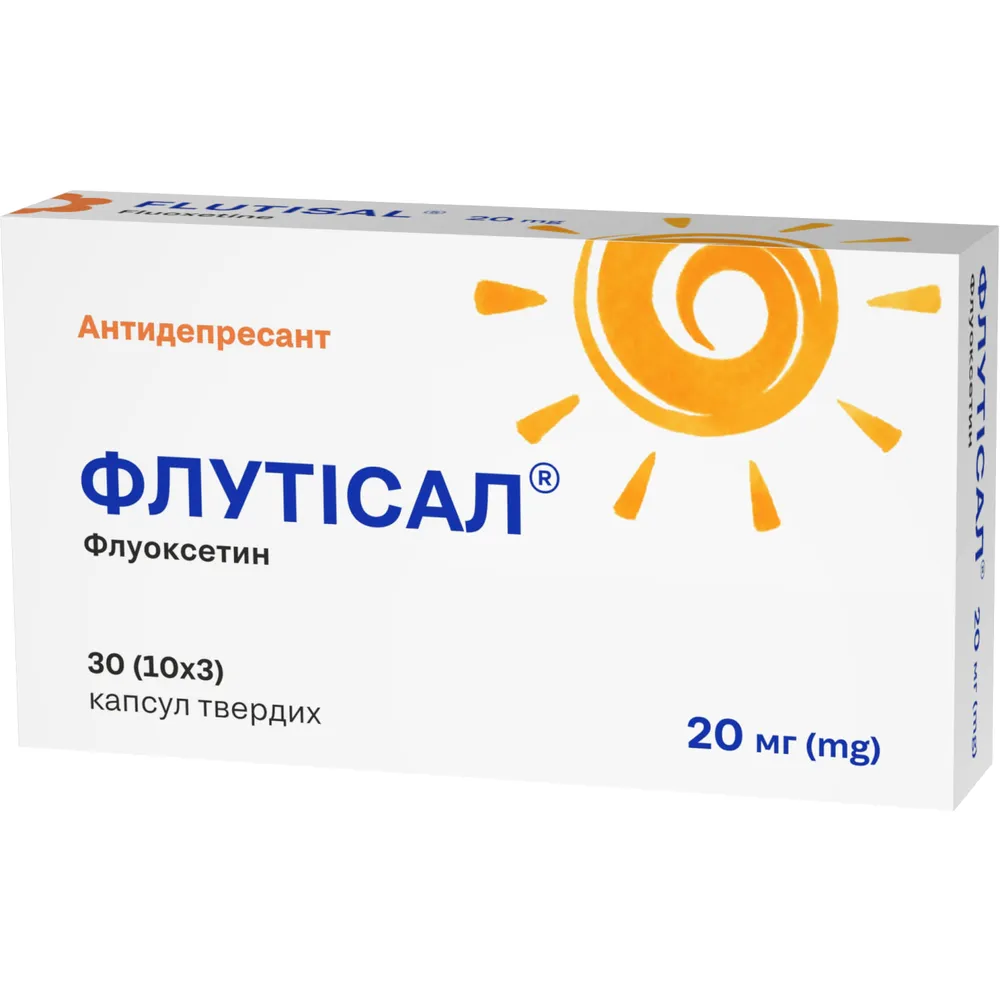
Table of Contents
- INSTRUCTIONS FOR MEDICAL USE OF THE MEDICINAL PRODUCT FLUTISAL® (FLUTISAL®)
- Composition:
- Pharmacological Properties.
- Clinical characteristics.
- Special precautions for use.
- Dosage and Administration
- Adverse Reactions
- Composition:
- Pharmacological Properties.
- Clinical characteristics.
- Special precautions for use.
- Dosage and Administration
- Adverse reactions.
INSTRUCTIONS FOR MEDICAL USE OF THE MEDICINAL PRODUCT FLUTISAL® (FLUTISAL®)
Composition:
Active substance: fluoxetine;
1 hard capsule contains fluoxetine hydrochloride equivalent to fluoxetine 20 mg;
Excipients: maize starch, sodium starch glycolate (type A), talc, magnesium stearate, hard gelatin capsule;
Composition of the coating for hard capsule: titanium dioxide (E 171), yellow iron oxide (E 172), gelatin, purified water.
Pharmaceutical form. Hard capsules.
Main physicochemical properties: hard gelatin capsule size 2 with an opaque yellow cap and an opaque white body, containing granular powder from white to almost white.
Pharmacotherapeutic group. Antidepressants. Selective serotonin reuptake inhibitors. Fluoxetine.
ATC code N06A B03.
Pharmacological Properties.
Pharmacodynamics.
Mechanism of action.
Fluoxetine is a selective inhibitor of neuronal serotonin reuptake, and this likely explains its mechanism of action. Fluoxetine has virtually no affinity for other receptors, such as α1-, α2-, and β-adrenergic, serotonergic, dopaminergic, histaminergic (H1), muscarinic, and GABA receptors.
Pharmacokinetics.
Absorption
Fluoxetine is well absorbed from the gastrointestinal tract following oral administration. Food intake does not affect bioavailability.
Distribution
Fluoxetine is highly bound to plasma proteins (approximately 95%) and widely distributed (volume of distribution: 20–40 L/kg). Steady-state plasma concentrations are achieved after several weeks of administration. Steady-state concentrations following long-term use are similar to those observed at weeks 4–5 of treatment.
Metabolism
Fluoxetine has a non-linear pharmacokinetic profile with a significant first-pass effect in the liver. Maximum plasma concentration is reached within 6–8 hours after administration. Fluoxetine is actively metabolized by the polymorphic enzyme CYP2D6. It is primarily metabolized in the liver to the active metabolite norfluoxetine (desmethylfluoxetine) via demethylation.
Elimination
The elimination half-life of fluoxetine is 4–6 days, and that of norfluoxetine is 4–16 days. These prolonged half-lives account for the persistence of the drug for up to 5–6 weeks after discontinuation of treatment. Fluoxetine is primarily eliminated by the kidneys (approximately 60%). It passes into breast milk.
Special populations
Elderly patients.
Pharmacokinetic parameters do not change in healthy elderly individuals compared to younger individuals.
Hepatic impairment.
In cases of hepatic impairment (alcoholic cirrhosis), the elimination half-life of fluoxetine and norfluoxetine increases to 7 and 12 days, respectively. A lower dose or reduced frequency of administration is required.
Renal impairment.
After a single dose of fluoxetine, pharmacokinetic parameters in healthy volunteers and in patients with mild, moderate, or severe renal impairment (anuria) did not differ. However, with repeated dosing, increased steady-state plasma concentrations may occur.
Clinical characteristics.
Indications.
Major depressive episodes.
Obsessive-compulsive disorder.
Nervous bulimia: fluoxetine is indicated as an adjunct to psychotherapy for reducing binge eating and purging behavior.
Contraindications.
Hypersensitivity to fluoxetine or to any of the other components of the medicinal product.
Fluoxetine is contraindicated in combination with non-selective irreversible monoamine oxidase inhibitors (e.g., iproniazid).
Fluoxetine is contraindicated in combination with metoprolol used in heart failure.
Interaction with other medicinal products and other forms of interaction.
Elimination half-life.
When considering pharmacodynamic or pharmacokinetic interactions of medicinal products (e.g., switching from fluoxetine to other antidepressants), it should be borne in mind that fluoxetine and norfluoxetine have a long elimination half-life (see section "Pharmacological properties").
Contraindicated combinations.
Non-selective irreversible monoamine oxidase inhibitors (e.g., iproniazid). There have been isolated reports of serious and sometimes fatal reactions in patients receiving selective serotonin reuptake inhibitors (SSRIs) in combination with non-selective irreversible monoamine oxidase inhibitors (MAOIs).
These cases were characterized by symptoms resembling serotonin syndrome (which may be confused with or diagnosed as neuroleptic malignant syndrome). Cyproheptadine or dantrolene may be beneficial in patients with such reactions. Symptoms of drug interaction between fluoxetine and non-selective irreversible MAOIs include: hyperthermia, rigidity, myoclonus, autonomic instability with possible rapid fluctuations in vital signs, and mental status changes including confusion, irritability, and extreme agitation progressing to delirium and coma.
Therefore, fluoxetine is contraindicated in combination with non-selective irreversible MAOIs (see section "Contraindications"). Given the two-week washout period, fluoxetine treatment should be initiated only 2 weeks after discontinuation of a non-selective irreversible MAOI. Similarly, there should be an interval of at least 5 weeks between discontinuation of fluoxetine and initiation of treatment with non-selective irreversible MAOIs.
Metoprolol used in heart failure.
The risk of metoprolol adverse effects, including excessive bradycardia, may be increased due to inhibition of its metabolism by fluoxetine (see section "Contraindications").
Not recommended combinations.
Tamoxifen.
Literature reports describe a pharmacokinetic interaction between CYP2D6 inhibitors and tamoxifen, showing a 65–75% reduction in plasma levels of one of the most active metabolites of tamoxifen, endoxifen. In some studies, reduced efficacy of tamoxifen has been reported when co-administered with certain SSRIs. Since a reduction in tamoxifen efficacy cannot be excluded, concomitant use with potent CYP2D6 inhibitors, including fluoxetine, should be avoided if possible (see section "Special precautions for use").
Alcohol.
During clinical studies, fluoxetine did not increase blood alcohol levels nor potentiate the effects of alcohol. However, concomitant use of SSRIs and alcohol is not recommended.
MAOI-A, including linezolid and methylthioninium chloride (methylene blue).
There is a risk of serotonin syndrome, including diarrhea, tachycardia, sweating, tremor, confusion, or coma. If concomitant use of these agents with fluoxetine cannot be avoided, careful clinical monitoring should be performed and co-administered medicinal products should be initiated at the lowest recommended doses (see section "Special precautions for use").
Methadone.
The risk of methadone adverse effects (such as QT interval prolongation) may increase due to inhibition of its metabolism by fluoxetine.
Combinations requiring caution.
Phenytoin.
Changes in phenytoin blood levels have been observed when co-administered with fluoxetine. In some cases, signs of toxicity have occurred. The dose of the concomitant medication should be titrated and patients should be closely monitored clinically.
Serotonergic medicinal products (lithium, tramadol, triptans, tryptophan, selegiline (MAO-B inhibitor), St. John's wort (Hypericum perforatum)).
Cases of moderate serotonin syndrome have been reported with concomitant use of SSRIs and other medicinal products with serotonergic activity. Therefore, concomitant use of fluoxetine with these agents should be undertaken with caution and with more frequent and careful clinical monitoring (see section "Special precautions for use").
QT interval prolongation.
Pharmacokinetic and pharmacodynamic studies of fluoxetine in combination with other medicinal products known to prolong the QT interval have not been conducted. An additive effect of fluoxetine and these medicinal products cannot be excluded. Therefore, concomitant use of fluoxetine with medicinal products that prolong the QT interval, such as class IA and III antiarrhythmics, antipsychotics (e.g., phenothiazine derivatives, pimozide, haloperidol), tricyclic antidepressants, certain antimicrobials (e.g., sparfloxacin, moxifloxacin, intravenous erythromycin, pentamidine), antimalarials, particularly halofantrine, certain antihistamines (astemizole, mizolastine), should be used with caution (see sections "Special precautions for use", "Overdose", and "Adverse reactions").
Medicinal products affecting hemostasis (oral anticoagulants, regardless of mechanism, antiplatelet agents, including aspirin and NSAIDs).
There is a risk of increased bleeding. Clinical monitoring and more frequent INR monitoring are required when fluoxetine is used concomitantly with oral anticoagulants. Dose adjustments may be necessary during and after treatment with fluoxetine (see sections "Special precautions for use" and "Adverse reactions").
Cyproheptadine.
There are isolated reports of reduced antidepressant activity of fluoxetine when used in combination with cyproheptadine.
Medicinal products causing hyponatremia.
Hyponatremia is an adverse effect of fluoxetine. Concomitant use with other medicinal products associated with hyponatremia (e.g., diuretics, desmopressin, carbamazepine, oxcarbazepine) may increase the risk (see section 4.8).
Medicinal products that lower the seizure threshold.
Seizures are an adverse effect of fluoxetine. Concomitant use of fluoxetine with other medicinal products that may lower the seizure threshold (e.g., tricyclic antidepressants, other SSRIs, phenothiazines, butyrophenones, mefloquine, chloroquine, bupropion, tramadol) may increase the risk of seizures.
Other drugs metabolized by CYP2D6.
Fluoxetine is a potent inhibitor of the CYP2D6 enzyme; therefore, concomitant therapy with medicinal products also metabolized by this enzyme system may result in drug interactions, particularly with drugs that are titrated and have a narrow therapeutic index (such as flecainide, propafenone, and nebivolol), as well as with atomoxetine, carbamazepine, tricyclic antidepressants, and risperidone. Therapy with these medicinal products should be initiated at the lowest recommended dose or adjusted accordingly. This also applies when fluoxetine has been administered within the previous 5 weeks.
Special precautions for use.
Suicide/suicidal thoughts or worsening of the disease.
Depression is associated with an increased risk of suicidal thoughts, self-harm, and suicide (suicide-related events). This risk persists until a significant remission occurs. Since improvement may not occur during the first few weeks or longer of treatment, patients should be closely monitored until such improvement occurs. Clinical experience generally shows that the risk of suicide may increase in the early stages of recovery.
Other psychiatric disorders for which fluoxetine is indicated may also be associated with an increased risk of suicide-related events. In addition, these conditions may be comorbid with major depressive disorder. Therefore, the same safety precautions should be followed when treating patients with other psychiatric disorders as are used in treating patients with major depressive disorder.
Patients with a history of suicide-related events and those who demonstrate a significant degree of suicidal ideation prior to treatment initiation are known to have a higher risk of developing suicidal thoughts or suicide attempts. Therefore, they should receive careful monitoring during treatment.
A meta-analysis of placebo-controlled trials of antidepressant drugs in adult patients with psychiatric disorders demonstrated an increased risk of suicidal behavior in patients under 25 years of age taking antidepressants compared to placebo.
During fluoxetine therapy (especially at the beginning of treatment or when the dose is changed), patients should be carefully monitored, particularly those at high risk of suicidal behavior. Patients (and caregivers) should be warned to monitor the patient's condition and to seek immediate medical help if there is any worsening of the condition, emergence of suicidal behavior/thoughts, or unusual changes in behavior.
Cardiovascular effects.
In the post-marketing period, cases of QT interval prolongation and ventricular arrhythmia, including torsades de pointes, have been reported (see sections "Interaction with other medicinal products and other forms of interaction", "Adverse reactions", and "Overdose").
Fluoxetine should be used with caution in the following cases:
- congenital QT interval prolongation,
- family history of QT interval prolongation or other clinical conditions that may lead to arrhythmia (e.g., hypokalemia and hypomagnesemia, bradycardia, acute myocardial infarction, or decompensated heart failure);
- increased fluoxetine concentration (e.g., in hepatic impairment);
- concomitant use with medicinal products known to cause QT interval prolongation and/or torsades de pointes (see section "Interaction with other medicinal products and other forms of interaction").
An ECG should be performed before initiating therapy in patients with stable heart disease. If symptoms of cardiac arrhythmia occur during fluoxetine treatment, fluoxetine should be discontinued and an ECG performed.
Non-selective irreversible monoamine oxidase inhibitors (e.g., iproniazid). Serious and sometimes fatal reactions have been reported in patients receiving selective serotonin reuptake inhibitors (SSRIs) in combination with non-selective irreversible monoamine oxidase inhibitors (MAOIs).
These cases were characterized by symptoms resembling serotonin syndrome (which may be confused with or diagnosed as neuroleptic malignant syndrome). Cyproheptadine or dantrolene may be beneficial for patients with such reactions. Symptoms of drug interaction between fluoxetine and non-selective irreversible MAOIs include: hyperthermia, rigidity, myoclonus, autonomic dysfunction with possible rapid fluctuations in vital signs, and mental status changes including confusion, agitation, and excessive excitation progressing to delirium and coma.
Therefore, fluoxetine is contraindicated in combination with non-selective irreversible MAOIs (see section "Contraindications"). Considering the two-week washout period of the latter, fluoxetine treatment should only be initiated at least 2 weeks after discontinuation of a non-selective irreversible MAOI. Similarly, there should be a minimum interval of 5 weeks between discontinuation of fluoxetine and initiation of treatment with non-selective irreversible MAOIs.
Serotonin syndrome or neuroleptic malignant syndrome-like events.
Rare cases of serotonin syndrome or neuroleptic malignant syndrome-like events associated with fluoxetine treatment, especially when used in combination with other serotonergic agents (including L-tryptophan) and/or neuroleptic drugs, have been reported (see section "Interaction with other medicinal products and other forms of interaction"). Since these syndromes may lead to potentially life-threatening conditions when events characterized by clusters of symptoms such as hyperthermia, rigidity, myoclonus, autonomic instability (with possible rapid fluctuations in vital signs), and mental status changes (including confusion, agitation, excessive excitation progressing to delirium and coma) occur, fluoxetine treatment should be discontinued and supportive symptomatic therapy initiated.
Mania.
Antidepressants should be used with caution in patients with a history of mania or hypomania. As with all antidepressants, if a patient develops signs of a switch to the manic phase of illness, fluoxetine treatment should be discontinued.
Bleeding.
Skin ecchymoses and purpura have been reported during SSRI use. Ecchymoses occurred infrequently during fluoxetine treatment. Other hemorrhagic manifestations (gynecological or gastrointestinal bleeding, skin or mucosal hemorrhages) were also observed rarely. Caution should be exercised in patients taking SSRIs who have a history of bleeding, especially when used concomitantly with oral anticoagulants and agents affecting platelet function (e.g., atypical antipsychotics such as clozapine, phenothiazines, most tricyclic antidepressants, acetylsalicylic acid, non-steroidal anti-inflammatory drugs), or other medicinal products that may increase the risk of bleeding (see section "Interaction with other medicinal products and other forms of interaction").
Seizures.
There is a potential risk of seizures with the use of antidepressants. Therefore, as with other antidepressants, fluoxetine should be used with caution in patients with a history of seizures. Treatment should be discontinued in patients who develop seizures or in whom an increase in seizure frequency is observed. Fluoxetine use should be avoided in patients with unstable seizure disorders/epilepsy. Patients with controlled epilepsy should be closely monitored (see section "Interaction with other medicinal products and other forms of interaction").
Electroconvulsive therapy (ECT).
Prolonged seizures have rarely occurred when ECT was performed in patients taking fluoxetine. Therefore, caution should be exercised in these patients.
Tamoxifen.
Fluoxetine, a potent CYP2D6 inhibitor, may lead to reduced concentrations of endoxifen, one of the most important active metabolites of tamoxifen. Therefore, concomitant use of tamoxifen and fluoxetine should be avoided if possible (see section "Interaction with other medicinal products and other forms of interaction").
Akathisia/psychomotor agitation.
Fluoxetine use has been associated with akathisia, characterized by subjectively unpleasant or distressing restlessness and a need to move, often with inability to stand or sit still. These symptoms are more likely to occur during the first weeks of treatment. Increasing the dose may be dangerous in patients who develop these symptoms.
Diabetes mellitus.
In patients with diabetes mellitus, glycemic control may change during SSRI treatment. Hypoglycemia occurred during fluoxetine treatment. Hyperglycemia developed after discontinuation of the drug. Dose adjustments of insulin and/or oral hypoglycemic agents may be required.
Hepatic/renal function.
Fluoxetine is extensively metabolized in the liver and eliminated by the kidneys. Patients with significant hepatic impairment are recommended to take a lower, e.g., alternative, daily dose. No differences were observed between patients with severe renal impairment (creatinine clearance <10 mL/min) and those with normal renal function regarding plasma levels of fluoxetine or norfluoxetine when treated with fluoxetine 20 mg daily for 2 months.
Skin rashes and allergic reactions.
Cases of skin rashes, anaphylactoid reactions, and progressive systemic symptoms, sometimes serious (involving skin, kidneys, liver, and lungs), have been reported. If skin rashes or other allergic manifestations occur and alternative etiology cannot be established, fluoxetine should be discontinued.
Weight loss.
Weight loss may occur in patients taking fluoxetine, but it is usually proportional to initial body weight.
Withdrawal symptoms observed upon discontinuation of SSRIs.
Withdrawal symptoms upon discontinuation of treatment are common, especially with abrupt cessation (see section "Adverse reactions"). The risk of withdrawal symptoms may depend on several factors, including duration and dose of therapy and the speed of dose reduction. Dizziness, sensory disturbances (including paresthesia), sleep disturbances (including insomnia and vivid dreams), asthenia, agitation or anxiety, nausea and/or vomiting, tremor, and headache are most frequently reported. Withdrawal symptoms are usually mild to moderate in severity but can be severe. They typically occur within the first few days after discontinuation of treatment. These symptoms usually resolve spontaneously within 2 weeks, although in some individuals they may persist for 2–3 months or longer. Therefore, it is recommended to gradually reduce the dose of fluoxetine over at least 1–2 weeks upon discontinuation of treatment, according to patient needs.
Miosis.
Cases of mydriasis have been reported with fluoxetine use; therefore, caution should be exercised when prescribing fluoxetine to patients with elevated intraocular pressure or at risk of acute angle-closure glaucoma.
Sexual dysfunction.
Selective serotonin reuptake inhibitors (SSRIs)/serotonin-norepinephrine reuptake inhibitors (SNRIs) may cause sexual dysfunction symptoms (see section "Adverse reactions"). Persistent sexual dysfunction has been reported, with symptoms continuing despite discontinuation of SSRIs/SNRIs.
Use during pregnancy or breastfeeding.
Pregnancy
Individual epidemiological studies suggest an increased risk of cardiovascular malformations associated with fluoxetine use during the first trimester. The mechanism of their occurrence is unknown. Overall data indicate that the risk of giving birth to a child with cardiovascular abnormalities after maternal fluoxetine use is 2/100, compared to an expected rate of approximately 1/100 in the general population.
Epidemiological data suggest that the use of SSRIs during pregnancy, particularly in late stages, may increase the risk of persistent pulmonary hypertension in newborns (PPHN). The observed risk was approximately 5 cases per 1000 pregnancies. In the general population, 1 to 2 cases of PPHN per 1000 pregnancies are observed.
Fluoxetine should not be used during pregnancy except when the woman's clinical condition requires fluoxetine treatment and justifies the potential risk to the fetus. Abrupt discontinuation of therapy during pregnancy should be avoided (see section "Dosage and administration"). If fluoxetine is used during pregnancy, caution should be exercised, especially in late stages or immediately before delivery, as newborns may exhibit some other effects: irritability, tremor, hypotonia, persistent crying, difficulty with sucking or sleeping. These symptoms may indicate either serotonergic effects or withdrawal syndrome. The onset and duration of these symptoms may be related to the long elimination half-life of fluoxetine (4–6 days) and its active metabolite, norfluoxetine (4–16 days).
Breastfeeding
It is known that fluoxetine and its metabolite norfluoxetine pass into human breast milk. Adverse effects in breastfed infants have been reported. If fluoxetine treatment is considered necessary, the possibility of discontinuing breastfeeding should be considered; however, if breastfeeding continues, the lowest effective dose of fluoxetine should be prescribed.
Fertility
Data from animal studies indicate that fluoxetine may affect sperm quality.
Clinical case reports in humans using individual SSRIs have shown that the effect on sperm quality is reversible.
An effect on human fertility has not been observed to date.
Ability to affect reaction speed when driving or operating machinery.
Fluoxetine has no effect or has a negligible effect on reaction speed when driving or operating machinery. Although it has been demonstrated that fluoxetine does not affect psychomotor performance in healthy volunteers, any psychoactive drug may impair perception or skills. Patients should be advised to avoid driving or operating dangerous machinery until they are sufficiently certain that fluoxetine use does not affect their performance.
Dosage and Administration
Administer orally as a single or divided dose, taken during or between meals.
Major Depressive Episodes
The recommended dose is 20 mg once daily. Dose adjustment should be considered and, if necessary, performed during the first 3–4 weeks of treatment, as well as after clinical response has been evaluated. Although higher doses increase the risk of adverse effects, in some patients who do not respond adequately to 20 mg daily, gradual dose escalation up to the maximum dose of 60 mg daily may be permitted. Dose adjustments should be made cautiously and taking into account individual patient characteristics. Maintenance therapy should be conducted using the lowest effective dose.
Patients with depression should receive treatment for a sufficient duration, at least 6 months, to ensure the absence of disease symptoms.
Obsessive-Compulsive Disorder (OCD)
The recommended dose is 20 mg once daily. Although higher doses increase the risk of adverse effects, in some patients who do not respond adequately to 20 mg after 2 weeks, gradual dose escalation up to the maximum dose of 60 mg daily may be permitted.
If no improvement is observed within 10 weeks of treatment, fluoxetine therapy should be re-evaluated. If an adequate therapeutic response has been achieved, fluoxetine treatment may be continued at an individually adjusted dose. Although there are no specific recommendations on the duration of therapy, given that OCD is a chronic disorder, continuation of treatment beyond 10 weeks should be considered in patients who have shown an adequate clinical response. Dose adjustments should be made cautiously and with consideration of individual patient characteristics. Maintenance therapy should be conducted using the lowest effective dose. The need for ongoing therapy should be reviewed periodically. Concomitant use of behavioral psychotherapy is recommended in patients who respond adequately to pharmacotherapy.
There are no data on long-term efficacy (beyond 24 weeks) in patients with OCD.
Eating Disorder – Bulimia Nervosa
The recommended dose is 60 mg once daily. There are no data on long-term efficacy (beyond 3 months) in patients with bulimia nervosa.
General Recommendations
The recommended dose may be increased or decreased. There are no adequately evaluated data on doses exceeding 80 mg daily.
Elderly Patients
Dose escalation should be performed with caution. The usual daily dose should not exceed 40 mg. The maximum recommended dose is 60 mg daily.
Patients with Hepatic Impairment
In patients with impaired liver function or when concomitant medications that may potentially interact with fluoxetine are used, consideration should be given to using a lower dose or reducing the frequency of administration (e.g., 20 mg every other day).
Withdrawal Symptoms
Abrupt discontinuation of fluoxetine therapy should be avoided. When discontinuation is necessary, the dose should be gradually reduced over at least 1–2 weeks to minimize the risk of withdrawal symptoms. If intolerable symptoms occur after dose reduction or stopping the medication, consideration may be given to resuming treatment at the previously used dose. After a period of time, the physician may resume gradual dose reduction, but with greater caution.
After discontinuation of the drug, the active substance remains in the body for several weeks. This should be taken into account when initiating or discontinuing fluoxetine treatment.
Children
This medicinal product is not recommended for use in children.
Overdose
Symptoms
Overdose with fluoxetine alone is usually mild to moderate. Symptoms may include nausea, vomiting, seizures, cardiovascular disturbances ranging from asymptomatic arrhythmias (including sinus rhythm disturbances and ventricular arrhythmias) or ECG changes indicating QT interval prolongation, up to cardiac arrest (including rare cases of torsades de pointes), respiratory disturbances, and central nervous system (CNS) effects (ranging from agitation to coma). Fatal outcomes due to overdose with fluoxetine alone have been reported very rarely.
Treatment
Monitoring of cardiac and vital functions is recommended, along with standard supportive and symptomatic measures. There is no specific antidote. Forced diuresis, dialysis, hemoperfusion, and blood exchange transfusion are of limited effectiveness. Activated charcoal, which may be used with sorbitol, may be as effective or more effective than emesis or gastric lavage. In managing overdose, the possibility of multiple drug ingestion should be considered. Prolonged and careful medical monitoring may be required for patients who have taken an excessive amount of tricyclic antidepressants, as well as for those who have taken or recently used fluoxetine.
Adverse Reactions
The most commonly reported adverse reactions during fluoxetine treatment were headache, nausea, insomnia, fatigue, and diarrhea. The intensity and frequency of adverse reactions may decrease with continued therapy and generally do not lead to discontinuation of treatment.
The table below lists adverse reactions observed in adult patients treated with fluoxetine. Some of these adverse reactions are common to other SSRIs. The frequency of occurrence is defined as follows: very common (≥1/10), common (from > 1/100 to <1/10), uncommon (from > 1/1000 to <1/100), rare (from > 1/10000 to <1/1000).
| Very common |
Common |
Uncommon |
Rare |
| Blood and lymphatic system disorders |
|||
| Thrombocytopenia Neutropenia Leukopenia |
|||
| Immune system disorders |
|||
| Anaphylactic reactions Serum sickness |
|||
| Endocrine system disorders |
|||
| Inappropriate antidiuretic hormone secretion |
|||
| Metabolism and nutrition disorders |
|||
| Decreased appetite1 |
Hypnatremia |
||
| Psychiatric disorders |
|||
| Insomnia2 |
Anxiety Nervousness Restlessness Tension Decreased libido3 Sleep disturbances Unusual dreams4 |
Depersonalization Elevated mood Euphoric mood Pathological thinking Pathological orgasm5 Bruxism Suicidal thoughts and behavior6 |
Hypomania Mania Hallucinations Akathisia Panic attacks Confusion Dysphemia Aggression |
| Nervous system disorders |
|||
| Headache |
Attention disturbances Dizziness Dysgeusia Lethargy Somnolence7 Tremor |
Psychomotor hyperactivity Dyskinesia Ataxia Coordination disturbances Myoclonus Memory impairment |
Seizures Akathisia Buccoglossal syndrome Serotonin syndrome |
| Eye disorders |
|||
| Blurred vision |
Mydriasis |
||
| Ear and labyrinth disorders |
|||
| Tinnitus |
|||
| Cardiac disorders |
|||
| Palpitations QT interval prolongation on ECG (QTcF ≥450 msec)8 |
Ventricular arrhythmia, including torsades de pointes |
||
| Vascular disorders |
|||
| Flushing9 |
Hypotension |
Vasculitis Vasodilation |
|
| Respiratory, thoracic and mediastinal disorders |
|||
| Yawning |
Dyspnea Nosebleeds |
Pharyngitis Inflammatory processes of various histopathology and/or fibrosis in the lungs10 |
|
| Gastrointestinal disorders |
|||
| Diarrhea Nausea |
Vomiting Dyspepsia Dry mouth |
Dysphagia Gastrointestinal hemorrhage11 |
Esophageal pain |
| Hepatobiliary disorders |
|||
| Idiosyncratic hepatitis |
|||
| Skin and subcutaneous tissue disorders |
|||
| Rash2 Urticaria Pruritus Hyperhidrosis |
Alopecia Increased bruising Cold sweat |
Angioneurotic edema Ecchymosis Photosensitivity reaction Purpura Multiform erythema Stevens-Johnson syndrome Toxic epidermal necrolysis (Lyell's syndrome) |
|
| Musculoskeletal and connective tissue disorders |
|||
| Arthralgia |
Muscle cramps |
Myalgia |
|
| Renal and urinary disorders |
|||
| Frequent urination13 |
Dysuria |
Urinary retention Urinary disorders |
|
| Reproductive system and breast disorders |
|||
| Gynecological bleeding14 Erectile dysfunction Ejaculation disorders15 |
Sexual dysfunction |
Galactorrhea Hyperprolactinemia Priapism |
|
| General disorders and administration site conditions |
|||
| Fatigue16 |
Feeling of uneasiness Chills |
Malaise Abnormal sensations Feeling of cold Feeling of heat |
Mucous membrane bleeding |
| Investigations |
|||
| Weight decreased |
Increased transaminase levels Increased gamma-glutamyltransferase levels |
||
1 Including anorexia.
2 Including early morning awakening, difficulty falling asleep, and intrasomnic disturbances.
3 Including loss of libido.
4 Including nightmares.
5 Including anorgasmia.
6 Including completed suicide, suicidal depression, intentional self-harm, thoughts of self-harm, suicidal behavior, suicidal ideation, suicide attempts, distressing thoughts, and self-injurious behavior. These symptoms may be related to the underlying disease.
7 Including hypersomnia and sedation.
8 Based on ECG findings during clinical trials.
9 Including hot flushes.
10 Including atelectasis, interstitial lung disease, pneumonitis.
11 Including most frequently gingival bleeding, hematemesis, hematochezia, rectal hemorrhage, hemorrhagic diarrhea, melena, and gastric ulcer bleeding.
12 Including erythema, exfoliative rashes, miliaria, skin rashes, erythematous rashes, follicular rashes, generalized rashes, macular rashes, maculopapular rashes, morbilliform rashes, papular rashes, pruritic rashes, vesicular rashes, and periumbilical erythematous rashes.
13 Including pollakiuria.
14 Including cervical bleeding, uterine dysfunction, uterine hemorrhage, genital hemorrhage, menometrorrhagia, menorrhagia, metrorrhagia, polymenorrhea, postmenopausal bleeding, uterine hemorrhages, and vaginal hemorrhages.
15 Including ejaculatory failure, ejaculatory dysfunction, premature ejaculation, delayed ejaculation, and retrograde ejaculation.
16 Including asthenia.
c) Description of selected adverse reactions
Suicidal thoughts/behavior or worsening of the disease.
Cases of suicidal thoughts and suicidal attempts have been reported during fluoxetine therapy or immediately after discontinuation of treatment (see section "Special precautions for use").
Bone fractures.
An increased risk of bone fractures has been observed in patients receiving serotonin reuptake inhibitors and tricyclic antidepressants. The mechanism of this risk is unknown.
Withdrawal symptoms.
Discontinuation of fluoxetine usually leads to withdrawal symptoms. The most commonly reported symptoms include dizziness, sensory disturbances (including paresthesia), sleep disturbances (including insomnia and intense dreams), asthenia, agitation or anxiety, nausea and/or vomiting, tremor, and headache. Generally, these symptoms are mild to moderate in severity and resolve without treatment; however, they may sometimes be severe and prolonged (see section "Special precautions for use"). Therefore, if fluoxetine treatment is no longer required, it is recommended to gradually reduce the dose.
Shelf life.
2 years.
Storage conditions.
Store in the original packaging at a temperature not exceeding 25 °C.
Keep out of reach of children.
Packaging.
10 capsules per blister, 3 or 6 blisters per cardboard pack.
Prescription status.
Prescription only.
Manufacturer.
Kusum Healthcare Pvt Ltd.
Manufacturer's address and location of its business operations.
SP-289 (A), RIICO Industrial Area, Chopanki, Bhiwadi, Dist. Alwar (Rajasthan), India.
INSTRUCTIONS
for medical use of the medicinal product
FLUTISAL®
(FLUTISAL®)
Composition:
Active substance: fluoxetine;
1 hard capsule contains fluoxetine hydrochloride equivalent to fluoxetine 20 mg;
Excipients: maize starch, sodium starch glycolate (type A), talc, magnesium stearate, hard gelatin capsule;
Capsule shell composition: titanium dioxide (E 171), yellow iron oxide (E 172), gelatin, purified water.
Pharmaceutical form. Hard capsules.
Main physicochemical characteristics: hard gelatin capsule size 2 with an opaque yellow cap and an opaque white body, containing granular powder from white to almost white.
Pharmacotherapeutic group. Antidepressants. Selective serotonin reuptake inhibitors. Fluoxetine.
ATC code N06A B03.
Pharmacological Properties.
Pharmacodynamics.
Mechanism of action.
Fluoxetine is a selective inhibitor of neuronal serotonin reuptake, and this likely explains its mechanism of action. Fluoxetine has virtually no affinity for other receptors, such as α1-, α2-, and β-adrenergic, serotonergic, dopaminergic, histaminergic (H1), muscarinic, and GABA receptors.
Pharmacokinetics.
Absorption
Fluoxetine is well absorbed from the gastrointestinal tract following oral administration. Food intake does not affect bioavailability.
Distribution
Fluoxetine is highly bound to plasma proteins (approximately 95%) and widely distributed (volume of distribution: 20–40 L/kg). Steady-state plasma concentrations are achieved after several weeks of dosing. Steady-state concentrations after long-term administration are similar to those observed by the 4th–5th week of treatment.
Metabolism
Fluoxetine has a nonlinear pharmacokinetic profile with a first-pass effect in the liver. Maximum plasma concentration is reached within 6–8 hours after administration. Fluoxetine is actively metabolized by the polymorphic enzyme CYP2D6. It is primarily metabolized in the liver to the active metabolite norfluoxetine (desmethylfluoxetine) via demethylation.
Elimination
The elimination half-life of fluoxetine is 4–6 days, and that of norfluoxetine is 4–16 days. These long half-lives explain the persistence of the drug for up to 5–6 weeks after discontinuation of treatment. Fluoxetine is primarily excreted by the kidneys (approximately 60%). Fluoxetine passes into breast milk.
Special populations
Geriatric patients.
Pharmacokinetic parameters do not change in healthy elderly individuals compared to younger individuals.
Hepatic impairment.
In cases of hepatic impairment (alcoholic cirrhosis), the elimination half-life of fluoxetine and norfluoxetine increases to 7 and 12 days, respectively. A lower dose or reduced dosing frequency is required.
Renal impairment.
After single-dose administration, pharmacokinetic parameters in healthy volunteers and patients with mild, moderate, or severe renal impairment (anuria) did not differ. However, with repeated dosing, an increase in steady-state plasma concentrations may occur.
Clinical characteristics.
Indications.
Major depressive episodes.
Obsessive-compulsive disorder.
Nervosa bulimia: fluoxetine is indicated as an adjunct to psychotherapy to reduce binge eating and purging.
Contraindications.
Hypersensitivity to fluoxetine or to any of the other components of the medicinal product.
Fluoxetine is contraindicated in combination with non-selective, irreversible monoamine oxidase inhibitors (e.g., iproniazid).
Fluoxetine is contraindicated in combination with metoprolol used in heart failure.
Interaction with other medicinal products and other forms of interaction.
Elimination half-life.
When considering pharmacodynamic or pharmacokinetic interactions of medicinal products (e.g., switching from fluoxetine to other antidepressants), it should be borne in mind that fluoxetine and norfluoxetine have a long elimination half-life (see section "Pharmacological properties").
Contraindicated combinations.
Non-selective, irreversible monoamine oxidase inhibitors (e.g., iproniazid). Isolated cases of serious and sometimes fatal reactions have been reported in patients receiving selective serotonin reuptake inhibitors (SSRIs) in combination with non-selective, irreversible monoamine oxidase inhibitors (MAOIs).
These cases were characterized by symptoms resembling serotonin syndrome (which may be confused with or diagnosed as neuroleptic malignant syndrome). Cyproheptadine or dantrolene may be beneficial in patients with such reactions. Symptoms of drug interaction between fluoxetine and non-selective, irreversible MAOIs include: hyperthermia, rigidity, myoclonus, autonomic instability with possible rapid fluctuations in vital signs, and mental status changes including confusion, agitation, and excessive excitation progressing to delirium and coma.
Therefore, fluoxetine is contraindicated in combination with non-selective, irreversible MAOIs (see section "Contraindications"). Given the two-week washout period of the latter, treatment with fluoxetine should only be initiated at least 2 weeks after discontinuation of non-selective, irreversible MAOIs. Similarly, a minimum interval of 5 weeks should elapse between discontinuation of fluoxetine and initiation of treatment with non-selective, irreversible MAOIs.
Metoprolol used in heart failure.
The risk of metoprolol adverse effects, including excessive bradycardia, may be increased due to inhibition of its metabolism by fluoxetine (see section "Contraindications").
Not recommended combinations.
Tamoxifen.
Literature reports describe a pharmacokinetic interaction between CYP2D6 inhibitors and tamoxifen, showing a 65–75% reduction in plasma levels of one of the most active metabolites of tamoxifen, endoxifen. Some studies have reported reduced efficacy of tamoxifen when co-administered with certain SSRIs. Since a reduction in tamoxifen efficacy cannot be excluded, concomitant use of tamoxifen with potent CYP2D6 inhibitors, including fluoxetine, should be avoided if possible (see section "Special warnings and precautions for use").
Alcohol.
During clinical studies, fluoxetine did not increase blood alcohol levels or potentiate the effects of alcohol. However, concomitant use of SSRIs and alcohol is not recommended.
MAO-A inhibitors, including linezolid and methylthioninium chloride (methylene blue).
There is a risk of serotonin syndrome, including diarrhea, tachycardia, sweating, tremor, confusion, or coma. If concomitant use of these active substances with fluoxetine cannot be avoided, careful clinical monitoring is required, and concomitant medications should be initiated at the lowest recommended doses (see section "Special warnings and precautions for use").
Mequitazine.
The risk of mequitazine adverse effects (such as QT interval prolongation) may increase due to inhibition of its metabolism by fluoxetine.
Combinations requiring caution.
Phenytoin.
Changes in phenytoin blood levels have been observed when used concomitantly with fluoxetine. In some cases, signs of toxicity have occurred. The dose of the concomitant drug should be titrated and patients should be closely monitored clinically.
Serotonergic medicinal products (lithium, tramadol, triptans, tryptophan, selegiline (MAO-B inhibitor), St. John's wort (Hypericum perforatum)).
Cases of moderate serotonin syndrome have been reported with concomitant use of SSRIs and other medicinal products with serotonergic activity. Therefore, concomitant use of fluoxetine with these agents should be done with caution and with more careful and frequent clinical monitoring (see section "Special warnings and precautions for use").
QT interval prolongation.
Pharmacokinetic and pharmacodynamic studies with fluoxetine and other medicinal products that prolong the QT interval have not been conducted. An additive effect of fluoxetine and these medicinal products cannot be excluded. Therefore, concomitant administration of fluoxetine with medicinal products that prolong the QT interval, such as Class IA and III antiarrhythmics, antipsychotics (e.g., phenothiazine derivatives, pimozide, haloperidol), tricyclic antidepressants, certain antimicrobials (e.g., sparfloxacin, moxifloxacin, intravenous erythromycin, pentamidine), antimalarials, particularly halofantrine, and certain antihistamines (astemizole, mizolastine), should be used with caution (see sections "Special warnings and precautions for use", "Overdose", and "Undesirable effects").
Medicinal products affecting hemostasis (oral anticoagulants, regardless of mechanism, antiplatelet agents, including aspirin and NSAIDs).
There is a risk of increased bleeding. Clinical monitoring and more frequent INR monitoring are required when fluoxetine is used concomitantly with oral anticoagulants. Dose adjustments may be necessary during and after treatment with fluoxetine (see sections "Special warnings and precautions for use" and "Undesirable effects").
Cyproheptadine.
There are isolated reports of reduced antidepressant activity of fluoxetine when used in combination with cyproheptadine.
Medicinal products causing hyponatremia.
Hyponatremia is an adverse effect of fluoxetine. Concomitant use with other medicinal products associated with hyponatremia (e.g., diuretics, desmopressin, carbamazepine, oxcarbazepine) may increase the risk (see section 4.8).
Medicinal products that lower the seizure threshold.
Seizures are an adverse effect of fluoxetine. Concomitant use of fluoxetine with other medicinal products that may lower the seizure threshold (e.g., tricyclic antidepressants, other SSRIs, phenothiazines, butyrophenones, mefloquine, chloroquine, bupropion, tramadol) may increase the risk of seizures.
Other drugs metabolized by CYP2D6.
Fluoxetine is a potent inhibitor of the CYP2D6 enzyme; therefore, concomitant therapy with drugs also metabolized by this enzyme system may lead to drug interactions, especially with those that are titrated and have a narrow therapeutic index (such as flecainide, propafenone, and nebivolol), as well as with atomoxetine, carbamazepine, tricyclic antidepressants, and risperidone. Therapy with such medicinal products should be initiated at the lowest recommended dose or dose adjustment should be considered. This also applies when fluoxetine has been administered within the previous 5 weeks.
Special precautions for use.
Suicide/suicidal thoughts or worsening of the condition.
Depression is associated with an increased risk of suicidal thoughts, self-harm, and suicide (suicide-related events). This risk persists until significant remission occurs. Since improvement may not occur during the first few weeks or longer of treatment, patients should be closely monitored until such improvement is observed. Overall clinical experience shows that the risk of suicide may increase in the early stages of recovery.
Other psychiatric disorders for which fluoxetine is indicated may also be associated with an increased risk of suicide-related events. In addition, these disorders may be comorbid with major depressive disorder. Therefore, the same safety precautions should be followed when treating patients with other psychiatric disorders as are followed when treating patients with major depressive disorder.
Patients with a history of suicide-related events and those who exhibit a significant degree of suicidal ideation prior to treatment initiation are known to have a higher risk of developing suicidal thoughts or suicide attempts. Therefore, they should be carefully monitored during treatment.
A meta-analysis of placebo-controlled trials of antidepressant use in adult patients with psychiatric disorders demonstrated an increased risk of suicidal behavior in patients under the age of 25 who were taking antidepressants compared to placebo.
During fluoxetine therapy (especially at the beginning of treatment or when changing the dose), patients should be closely monitored, particularly those at high risk of suicidal behavior. Patients (and caregivers) should be warned to monitor the patient's condition and to seek immediate medical help if the condition worsens, suicidal behavior/thoughts emerge, or unusual changes in behavior occur.
Cardiovascular effects.
In the post-marketing period, cases of QT interval prolongation and ventricular arrhythmia, including torsades de pointes, have been reported (see sections "Interaction with other medicinal products and other forms of interaction", "Adverse reactions", and "Overdose").
Fluoxetine should be used with caution in the following cases:
- congenital QT interval prolongation,
- family history of QT interval prolongation or other clinical conditions that may lead to arrhythmia (e.g., hypokalemia and hypomagnesemia, bradycardia, acute myocardial infarction, or decompensated heart failure);
- increased fluoxetine concentration (e.g., in hepatic impairment);
- concomitant use with medicinal products known to cause QT interval prolongation and/or torsades de pointes (see section "Interaction with other medicinal products and other forms of interaction").
An ECG should be performed before initiating therapy in patients with stable heart disease. If symptoms of cardiac arrhythmia occur during fluoxetine treatment, fluoxetine should be discontinued and an ECG should be performed.
Non-selective irreversible monoamine oxidase inhibitors (MAOIs) (e.g., iproniazid). Serious and sometimes fatal reactions have been reported in patients receiving selective serotonin reuptake inhibitors (SSRIs) in combination with non-selective irreversible monoamine oxidase inhibitors (MAOIs).
These cases were characterized by symptoms resembling serotonin syndrome (which may be confused with or diagnosed as neuroleptic malignant syndrome). Cyproheptadine or dantrolene may be beneficial for patients experiencing such reactions. Symptoms of drug interaction between fluoxetine and non-selective irreversible MAOIs include: hyperthermia, rigidity, myoclonus, autonomic instability with possible rapid fluctuations in vital signs, and mental status changes including confusion, agitation, and excessive excitation progressing to delirium and coma.
Therefore, fluoxetine is contraindicated in combination with non-selective irreversible MAOIs (see section "Contraindications"). Considering the two-week washout period, fluoxetine treatment should be initiated only 2 weeks after discontinuation of a non-selective irreversible MAOI. Similarly, there should be a minimum interval of 5 weeks between discontinuation of fluoxetine treatment and initiation of therapy with non-selective irreversible MAOIs.
Serotonin syndrome or neuroleptic malignant syndrome-like events.
Rare cases of serotonin syndrome or neuroleptic malignant syndrome-like events associated with fluoxetine treatment have been reported, especially when used in combination with other serotonergic agents (including L-tryptophan) and/or neuroleptic drugs (see section "Interaction with other medicinal products and other forms of interaction"). Since these syndromes may lead to potentially life-threatening conditions when events characterized by clusters of symptoms such as hyperthermia, rigidity, myoclonus, autonomic instability (with possible rapid fluctuations in vital signs), and mental status changes (including confusion, agitation, excessive excitation progressing to delirium and coma) occur, fluoxetine treatment should be discontinued and supportive symptomatic therapy should be initiated.
Mania.
Antidepressants should be used cautiously in patients with a history of mania or hypomania. As with all antidepressants, if a patient develops signs of a switch to the manic phase of the illness, fluoxetine treatment should be discontinued.
Bleeding.
Cases of ecchymoses and purpura have been reported during SSRI use. Ecchymoses occurred infrequently during fluoxetine treatment. Other hemorrhagic manifestations (gynecological or gastrointestinal bleeding, skin or mucosal hemorrhages) were also observed rarely. Caution should be exercised in patients taking SSRIs who have a history of bleeding, especially when used concomitantly with oral anticoagulants and drugs affecting platelet function (e.g., atypical antipsychotics such as clozapine, phenothiazines, most tricyclic antidepressants, acetylsalicylic acid, nonsteroidal anti-inflammatory drugs), or other medicinal products that may increase the risk of bleeding (see section "Interaction with other medicinal products and other forms of interaction").
Seizures.
There is a potential risk of seizures with the use of antidepressants. Therefore, as with other antidepressants, fluoxetine should be used cautiously in patients with a history of seizures. Treatment should be discontinued in patients who develop seizures or in whom an increase in seizure frequency is observed. The use of fluoxetine should be avoided in patients with unstable seizure disorders/epilepsy. Patients with controlled epilepsy should be closely monitored (see section "Interaction with other medicinal products and other forms of interaction").
Electroconvulsive therapy (ECT).
Prolonged seizures have rarely occurred when ECT was performed in patients taking fluoxetine. Therefore, caution should be exercised in such patients.
Tamoxifen.
Fluoxetine, a potent CYP2D6 inhibitor, may lead to reduced concentrations of endoxifen, one of the most important active metabolites of tamoxifen. Therefore, concomitant use of tamoxifen and fluoxetine should be avoided if possible (see section "Interaction with other medicinal products and other forms of interaction").
Akathisia/psychomotor agitation.
Fluoxetine use has been associated with akathisia, characterized by subjectively unpleasant or distressing restlessness and a need to move, often with an inability to stand or sit still. These symptoms are more likely to occur during the first weeks of treatment. Dose escalation may be dangerous in patients who develop these symptoms.
Diabetes mellitus.
In patients with diabetes mellitus, glycemic control may change during SSRI treatment. Hypoglycemia occurred during fluoxetine treatment. Hyperglycemia developed after discontinuation of the drug. Dose adjustments of insulin and/or oral hypoglycemic agents may be required.
Hepatic/renal function.
Fluoxetine is actively metabolized in the liver and excreted by the kidneys. Patients with significant hepatic impairment are recommended to take a lower, alternative daily dose. No differences were observed between patients with severe renal insufficiency (creatinine clearance <10 ml/min) and patients with normal renal function regarding plasma levels of fluoxetine or norfluoxetine when fluoxetine was administered at a dose of 20 mg daily for 2 months.
Skin rashes and allergic reactions.
Cases of skin rashes, anaphylactoid reactions, and progressive systemic reactions, sometimes serious (involving skin, kidneys, liver, and lungs), have been reported. If skin rashes or other allergic manifestations occur and alternative etiology cannot be established, fluoxetine should be discontinued.
Weight loss.
Weight reduction may be observed in patients taking fluoxetine, but it is usually proportional to initial body weight.
Withdrawal symptoms observed upon discontinuation of SSRIs.
Withdrawal symptoms upon discontinuation of treatment are common, especially with abrupt cessation (see section "Adverse reactions"). The risk of withdrawal symptoms may depend on several factors, including duration and dose of therapy and the speed of dose reduction. Dizziness, sensory disturbances (including paresthesia), sleep disturbances (including insomnia and vivid dreams), asthenia, agitation or anxiety, nausea and/or vomiting, tremor, and headache are most frequently reported. Withdrawal symptoms are usually mild to moderate in severity but may be severe. They typically occur within the first few days after discontinuation of treatment. Usually, these symptoms resolve spontaneously within 2 weeks, although in some individuals they may persist for 2–3 months or longer. Therefore, it is recommended to gradually reduce the dose of fluoxetine over at least 1–2 weeks when discontinuing treatment, according to the patient's needs.
Mydriasis.
Cases of mydriasis have been reported with fluoxetine use; therefore, caution should be exercised when prescribing fluoxetine to patients with elevated intraocular pressure or at risk of developing acute angle-closure glaucoma.
Sexual dysfunction.
Selective serotonin reuptake inhibitors (SSRIs)/serotonin-norepinephrine reuptake inhibitors (SNRIs) may cause sexual dysfunction symptoms (see section "Adverse reactions"). Persistent sexual dysfunction has been reported, with symptoms continuing despite discontinuation of SSRIs/SNRIs.
Use during pregnancy or breastfeeding.
Pregnancy
Individual epidemiological studies suggest an increased risk of cardiovascular malformations associated with fluoxetine use during the first trimester. The mechanism of their occurrence is unknown. Overall data indicate that the risk of giving birth to a child with cardiovascular abnormalities after maternal use of fluoxetine is 2/100 compared to an expected rate of approximately 1/100 in the general population.
Epidemiological data suggest that the use of SSRIs during pregnancy, particularly in late pregnancy, may increase the risk of persistent pulmonary hypertension in the newborn (PPHN). The observed risk was approximately 5 cases per 1000 pregnancies. In the general population, 1 to 2 cases of PPHN per 1000 pregnancies are observed.
Fluoxetine should not be used during pregnancy except in cases where the woman's clinical condition requires treatment with fluoxetine and justifies the potential risk to the fetus. Abrupt discontinuation of therapy should be avoided during pregnancy (see section "Dosage and administration"). If fluoxetine is used during pregnancy, caution should be exercised, especially in late pregnancy or immediately before delivery, as some other effects have been observed in newborns: irritability, tremor, hypotonia, persistent crying, difficulty with sucking or sleeping. These symptoms may indicate either serotonergic effects or withdrawal syndrome. The timing and duration of these symptoms may be related to the long elimination half-life of fluoxetine (4–6 days) and its active metabolite, norfluoxetine (4–16 days).
Breastfeeding
It is known that fluoxetine and its metabolite norfluoxetine pass into human breast milk. Adverse reactions in breastfed infants have been reported. If fluoxetine treatment is considered necessary, the possibility of discontinuing breastfeeding should be considered; however, if breastfeeding continues, the lowest effective dose of fluoxetine should be prescribed.
Fertility
Data obtained from animal studies showed that fluoxetine may affect sperm quality.
Case reports in humans using individual SSRIs indicated that the effect on sperm quality is reversible.
An effect on human fertility has not been observed to date.
Ability to affect reaction speed when driving or operating machinery.
Fluoxetine has no effect or a negligible effect on reaction speed when driving or operating machinery. Although fluoxetine has been shown not to affect psychomotor performance in healthy volunteers, any psychoactive drug may impair perception or skills. Patients should be advised to avoid driving or operating dangerous machinery until they are sufficiently certain that fluoxetine use does not affect their performance.
Dosage and Administration
Administer orally as a single or divided dose, taken during or between meals.
Major Depressive Episodes
The recommended dose is 20 mg once daily. Dose adjustment, if necessary, should be considered during the first 3–4 weeks of therapy and after clinical response has been evaluated. Although higher doses increase the risk of adverse effects, in some patients who do not respond adequately to a 20 mg dose, gradual dose escalation up to the maximum dose of 60 mg daily may be permitted. Dose adjustments should be made cautiously, taking into account individual patient characteristics. Maintenance therapy should be conducted using the lowest effective dose.
Patients with depression should receive treatment for a sufficient duration, at least 6 months, to ensure the absence of disease symptoms.
Obsessive-Compulsive Disorder (OCD)
The recommended dose is 20 mg daily. Although higher doses increase the risk of adverse effects, in some patients who do not respond adequately to a 20 mg dose after 2 weeks, gradual dose escalation up to the maximum of 60 mg daily may be permitted.
If no improvement is observed after 10 weeks of treatment, fluoxetine therapy should be re-evaluated. If an adequate therapeutic response is achieved, fluoxetine treatment may be continued at an individually adjusted dose. Although there are no specific recommendations on the duration of therapy, considering that OCD is a chronic condition, continuation of treatment beyond 10 weeks should be considered in patients who have shown an adequate clinical response. Dose adjustments should be made cautiously and with consideration of individual patient characteristics. Maintenance therapy should be conducted using the lowest effective dose. The need for ongoing therapy should be reviewed periodically. Concomitant use of behavioral psychotherapy is recommended in patients who respond adequately to pharmacotherapy.
There are no data on long-term efficacy (beyond 24 weeks) in patients with OCD.
Neurotic Bulimia
The recommended dose is 60 mg daily. There are no data on long-term efficacy (beyond 3 months) in patients with neurotic bulimia.
General Recommendations
The recommended dose may be increased or decreased. There are no adequately evaluated data on doses exceeding 80 mg daily.
Geriatric Patients
Caution should be exercised when increasing the dose. The usual daily dose should not exceed 40 mg. The maximum recommended dose is 60 mg daily.
Patients with Hepatic Impairment
In patients with impaired liver function or when concomitant medications that may potentially interact with fluoxetine are used, consideration should be given to using a lower dose or reducing the frequency of administration (e.g., 20 mg every other day).
Withdrawal Symptoms
Abrupt discontinuation of fluoxetine therapy should be avoided. When discontinuation is necessary, a gradual dose reduction over at least 1–2 weeks is recommended to minimize the risk of withdrawal symptoms. If intolerable symptoms occur after dose reduction or stopping the medication, reinitiation of treatment at the previously used dose may be considered. After a period of stabilization, the physician may resume gradual dose reduction, but with greater caution.
After discontinuation of the drug, the active substance remains in the body for several weeks. This should be taken into account when initiating or discontinuing fluoxetine treatment.
Children
This medicinal product is not recommended for use in children.
Overdose
Symptoms
Overdose with fluoxetine alone is usually mild. Symptoms may include nausea, vomiting, seizures, cardiovascular disturbances ranging from asymptomatic arrhythmias (including sinus rhythm disturbances and ventricular arrhythmias) or ECG changes indicating QT interval prolongation, up to cardiac arrest (including rare cases of torsades de pointes), respiratory disturbances, and central nervous system (CNS) symptoms (from agitation to coma). Fatal outcomes due to overdose with fluoxetine alone have been reported very rarely.
Treatment
Monitoring of cardiac and vital functions is recommended, along with standard supportive and symptomatic measures. There is no specific antidote. Forced diuresis, dialysis, hemoperfusion, and blood exchange transfusions are poorly effective. Activated charcoal, which may be used with sorbitol, may be as effective or more effective than emesis or gastric lavage. In managing overdose, the possibility of multiple drug ingestion should be considered. Prolonged and careful medical monitoring may be required for patients who have ingested an excessive amount of tricyclic antidepressants, as well as for those who have taken or recently used fluoxetine.
Adverse reactions.
The most commonly reported adverse reactions during fluoxetine treatment were headache, nausea, insomnia, fatigue, and diarrhea. The intensity and frequency of adverse reactions may decrease with continued therapy and usually do not lead to discontinuation of treatment.
The table below lists adverse reactions observed in adult patients treated with fluoxetine. Some of these adverse reactions are common to other SSRIs. The frequency of occurrence is defined as follows: very common (≥1/10), common (from > 1/100 to <1/10), uncommon (from > 1/1000 to <1/100), rare (from > 1/10000 to <1/1000).
| Very common |
Common |
Uncommon |
Rare |
| Blood and lymphatic system disorders |
|||
| Thrombocytopenia Neutropenia Leukopenia |
|||
| Immune system disorders |
|||
| Anaphylactic reactions Serum sickness |
|||
| Endocrine system disorders |
|||
| Inappropriate antidiuretic hormone secretion |
|||
| Metabolism and nutrition disorders |
|||
| Decreased appetite1 |
Hypotension |
||
| Psychiatric disorders |
|||
| Insomnia2 |
Anxiety Nervousness Restlessness Tension Decreased libido3 Sleep disturbances Unusual dreams4 |
Depersonalization Elevated mood Euphoric mood Pathological thinking Pathological orgasm5 Bruxism Suicidal thoughts and behavior6 |
Hypomania Mania Hallucinations Akathisia Panic attacks Confusion Dysphemia Aggression |
| Nervous system disorders |
|||
| Headache |
Attention disturbance Dizziness Dysgeusia Lethargy Somnolence7 Tremor |
Psychomotor hyperactivity Dyskinesia Ataxia Coordination disorder Myoclonus Memory impairment |
Seizures Akathisia Buccoglossal syndrome Serotonin syndrome |
| Eye disorders |
|||
| Blurred vision |
Mydriasis |
||
| Ear and labyrinth disorders |
|||
| Tinnitus |
|||
| Cardiac disorders |
|||
| Palpitations QT interval prolongation on ECG (QTcF ≥450 msec)8 |
Ventricular arrhythmia, including torsades de pointes |
||
| Vascular disorders |
|||
| Flushing9 |
Hypotension |
Vasculitis Vasodilation |
|
| Respiratory, thoracic and mediastinal disorders |
|||
| Yawning |
Dyspnea Nosebleeds |
Pharyngitis Inflammatory processes of various histopathology and/or fibrosis in the lungs10 |
|
| Gastrointestinal disorders |
|||
| Diarrhea Nausea |
Vomiting Dyspepsia Dry mouth |
Dysphagia Gastrointestinal hemorrhage11 |
Esophageal pain |
| Hepatobiliary disorders |
|||
| Idiosyncratic hepatitis |
|||
| Skin and subcutaneous tissue disorders |
|||
| Rash2 Urticaria Pruritus Hyperhidrosis |
Alpecia Increased bruising Cold sweat |
Angioedema Ecchymosis Photosensitivity reaction Purpura Multiform erythema Stevens-Johnson syndrome Toxic epidermal necrolysis (Lyell's syndrome) |
|
| Musculoskeletal and connective tissue disorders |
|||
| Arthralgia |
Muscle cramps |
Myalgia |
|
| Renal and urinary disorders |
|||
| Frequent urination13 |
Dysuria |
Urinary retention Urination disorders |
|
| Reproductive system and breast disorders |
|||
| Gynecological bleeding14 Erectile dysfunction Ejaculation disorders15 |
Sexual dysfunction |
Galactorrhea Hyperprolactinemia Priapism |
|
| General disorders and administration site conditions |
|||
| Fatigue16 |
Feeling of anxiety Chills |
Malaise Abnormal sensations Feeling cold Feeling hot |
Mucosal bleeding |
| Investigations |
|||
| Weight decreased |
Increased transaminase levels Increased gamma-glutamyltransferase levels |
||
1 Including anorexia.
2 Including early morning awakening, insomnia, intrasomnic disturbances.
3 Including loss of libido.
4 Including nightmares.
5 Including anorgasmia.
6 Including completed suicide, suicidal depression, intentional self-harm, thoughts of self-harm, suicidal behavior, suicidal ideation, suicide attempts, distressing thoughts, self-injurious behavior. These symptoms may be related to the underlying disease.
7 Including hypersomnia, sedation.
8 Based on ECG during clinical trials.
9 Including hot flushes.
10 Including atelectasis, interstitial lung disease, pneumonitis.
11 Including most commonly bleeding gums, hematemesis, hematochezia, rectal bleeding, hemorrhagic diarrhea, melena, and gastric ulcer bleeding.
12 Including erythema, exfoliative rashes, miliaria, skin rashes, erythematous rashes, follicular rashes, generalized rashes, macular rashes, maculopapular rashes, morbilliform rashes, papular rashes, pruritic rashes, vesicular rashes, periumbilical erythematous rashes.
13 Including pollakiuria.
14 Including cervical hemorrhage, uterine dysfunction, uterine bleeding, genital hemorrhage, menometrorrhagia, menorrhagia, metrorrhagia, polymenorrhea, postmenopausal bleeding, uterine hemorrhages, vaginal hemorrhages.
15 Including ejaculatory failure, ejaculatory dysfunction, premature ejaculation, delayed ejaculation, retrograde ejaculation.
16 Including asthenia.
c) Description of selected adverse reactions
Suicidal thoughts/behavior or worsening of the disease course.
Cases of suicidal thoughts and suicidal attempts have been reported during treatment with fluoxetine or immediately after discontinuation of therapy (see section "Special precautions for use").
Bone fractures.
An increased risk of bone fractures has been observed in patients receiving serotonin reuptake inhibitors and tricyclic antidepressants. The mechanism of this risk is unknown.
Withdrawal symptoms.
Discontinuation of fluoxetine treatment usually leads to withdrawal symptoms. The most commonly observed symptoms include: dizziness, sensory disturbances (including paresthesia), sleep disturbances (including insomnia and vivid dreams), asthenia, agitation or anxiety, nausea and/or vomiting, tremor, and headache. In general, these symptoms are mild to moderate in severity and resolve without the need for treatment, but may sometimes be severe and prolonged (see section "Special precautions for use"). Therefore, if fluoxetine treatment is no longer required, it is recommended to gradually reduce the dose.
Shelf life.
2 years.
Storage conditions.
Store in the original packaging at a temperature not exceeding 25 °C.
Keep out of the reach of children.
Packaging.
10 capsules in a blister, 3 or 6 blisters in a cardboard box.
Prescription category.
Prescription only.
Manufacturer.
LLC "GLEDPHARM LTD".
Manufacturer's address and place of business.
54 Davydovskoho Hryhoriia Street, Sumy, 40020, Sumy region, Ukraine.