Firmagon
Ukraine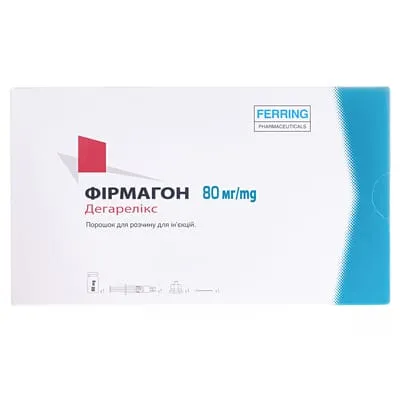
Table of Contents
INSTRUCTIONS FOR MEDICAL USE OF THE MEDICINAL PRODUCT FIRMAGON (FIRMAGON®)
Composition:
Active substance: degarelix;
1 vial contains degarelix (as acetate) 80 mg or 120 mg,
after reconstitution the concentration is 40 mg/mL or 20 mg/mL;
Excipients: mannitol (E 421);
1 pre-filled syringe with solvent contains 4.2 mL or 3.0 mL of water for injections.
Pharmaceutical form. Powder for solution for injection.
Main physicochemical properties:
powder: white or almost white lyophilisate in the form of a cake;
solvent: clear, colorless liquid.
Pharmacotherapeutic group. Hormone antagonists and related agents.
ATC code L02B X02.
Pharmacological properties.
Pharmacodynamics.
Degarelix is a selective gonadotropin-releasing hormone (GnRH) antagonist that competitively and reversibly binds to pituitary GnRH receptors, rapidly reducing the release of gonadotropins, luteinizing hormone (LH) and follicle-stimulating hormone (FSH), and thereby decreasing testosterone secretion by the testes. Prostate carcinoma is androgen-sensitive and responds to treatments that eliminate androgen sources. Unlike GnRH agonists, GnRH blockers do not induce an initial LH surge followed by a testosterone surge/tumor growth stimulation, thus avoiding potential symptom flare at the start of therapy.
A single 240 mg dose of Firmagon, followed by monthly 80 mg maintenance doses, rapidly reduces serum levels of LH, FSH, and consequently testosterone. Serum dihydrotestosterone (DHT) concentrations decrease proportionally to testosterone levels.
Firmagon is effective in achieving and maintaining testosterone suppression below the medical castration level of 0.5 ng/mL. The monthly 80 mg maintenance dose results in sustained suppression of testosterone secretion in 97% of patients for at least one year.
No testosterone "flare" or transient increase after repeated injections has been observed during Firmagon treatment. The mean testosterone level after one year of treatment was 0.087 ng/mL (interquartile range 0.06–0.15), N=167.
Results from a confirmatory phase III study
The efficacy and safety of degarelix were evaluated in an open-label, multicenter, randomized, parallel-group study with an active controlled comparator. The study assessed the efficacy and safety of two different monthly dosing regimens of degarelix, with an initial 240 mg dose (40 mg/mL), followed by monthly subcutaneous injections of either 160 mg (40 mg/mL) or 80 mg (20 mg/mL), compared to monthly intramuscular injections of 7.5 mg leuprorelin in patients with prostate cancer requiring antiandrogen therapy. A total of 620 patients were randomized into one of three treatment groups, of whom 504 (81%) completed the study. In the degarelix 240/80 mg treatment group, 41 patients (20%) discontinued the study compared to 32 (16%) in the leuprorelin group.
Among the 610 treated patients:
- 31% had localized prostate cancer;
- 29% had locally advanced prostate cancer;
- 20% had metastatic prostate cancer;
- 7% had an undefined metastatic status;
- 13% had a history of curative surgery or radiotherapy and had a rising prostate-specific antigen (PSA) level.
Baseline patient characteristics were similar across all groups. The median age was 74 years (range 47 to 98 years). The primary objective was to demonstrate the efficacy of degarelix in achieving and maintaining testosterone suppression below 0.5 ng/mL over 12 months of treatment.
The lowest effective maintenance dose of degarelix, 80 mg, was selected.
Achievement of serum testosterone (T) level ≤ 0.5 ng/mL
Firmagon is effective in achieving rapid testosterone suppression, see Table 1.
Table 1
Percentage of patients achieving serum T level ≤ 0.5 ng/mL after initiation of treatment
| Treatment period |
Degarelix 240/80 mg |
Leuprorelin 7.5 mg |
| Day 1 |
52 % |
0 % |
| Day 3 |
96 % |
0 % |
| Day 7 |
99 % |
1 % |
| Day 14 |
100 % |
18 % |
| Day 28 |
100 % |
100 % |
Avoidance of testosterone fluctuations
Fluctuation was defined as testosterone levels exceeding baseline by ≥ 15% during the first 2 weeks.
No patients receiving degarelix treatment experienced testosterone fluctuations; a mean decrease in testosterone level of 94% was observed on day 3. In contrast, most patients receiving leuprorelin experienced testosterone fluctuations; a mean increase in testosterone level of 65% was observed on day 3. This difference was statistically significant (p < 0.001).
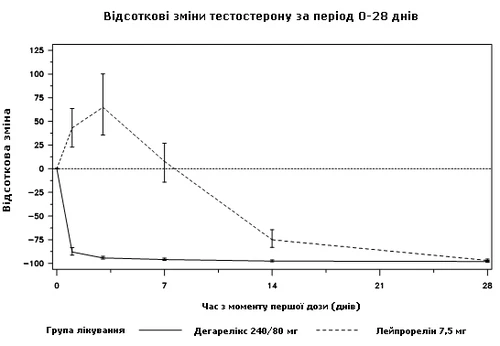
Figure 1. Percentage change in testosterone from baseline in treatment groups up to day 28 (median with interquartile ranges)
The primary endpoint of the study was testosterone suppression levels after one year of treatment with degarelix or leuprorelin. A clinical benefit of degarelix compared to leuprorelin and antiandrogen in the initial treatment phase has not been demonstrated.
Testosterone recovery
A study was conducted in patients with rising PSA levels after local therapy (mainly radical prostatectomy and radiation therapy), who received Firmagon for seven months followed by a seven-month observation period. The median time to testosterone recovery (> 0.5 ng/mL, exceeding castration levels) after treatment discontinuation was 112 days (counted from the start of the observation period, i.e., 28 days after the last injection). The median time to reach testosterone levels > 1.5 ng/mL (exceeding the lower limit of the normal range) was 168 days.
Long-term effects
Successful response during the study was defined as achieving medical castration by day 28 and maintaining it until day 364, with no single testosterone concentration exceeding 0.5 ng/mL.
Table 2
Cumulative probability of achieving testosterone levels ≤ 0.5 ng/mL from day 28 to day 364
| Drug name Number of patients |
Degarelix 240/80 mg N=207 |
Leuprorelin 7.5 mg N=201 |
| Number of patients with clinical response |
202 |
194 |
| Response rate (confidence intervals)* |
97.2 % (93.5; 98.8 %) |
96.4 % (92.5; 98.2 %) |
* Kaplan-Meier estimates within group
Prostate-specific antigen (PSA) reduction
Tumour size was not directly measured during the clinical study, but an indirect response of benign tumours was observed, as indicated by a 95 % reduction in mean PSA levels after 12 months of degarelix treatment.
The mean PSA level at baseline during the study was:
- for the degarelix 240/80 mg treatment group – 19.8 ng/mL (interquartile range: P25 9.4 ng/mL, P75 46.4 ng/mL);
- for the leuprorelin 7.5 mg treatment group – 17.4 ng/mL (interquartile range: P25 8.4 ng/mL, P75 56.5 ng/mL).
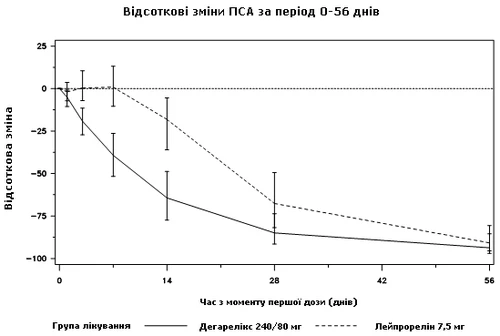
Figure 2. Percentage change in PSA from baseline in treatment groups up to Day 56 (median with interquartile ranges)
This difference was statistically significant (p < 0.001) for the pre-specified variable analysis planned at Day 14 and Day 28.
PSA levels decreased by 64 % two weeks after degarelix administration, by 85 % after one month, by 95 % after three months, and remained suppressed (approximately 97 %) throughout one year of treatment.
From Day 56 to Day 364, there were no significant differences between degarelix and the comparator drug in percentage change from baseline.
Effect on prostate volume
After 3 months of therapy with degarelix (240/80 mg dosing regimen), a 37 % reduction in prostate volume was observed based on measurements obtained by transrectal ultrasound (TRUS) in patients requiring hormonal therapy prior to radiotherapy and in patients eligible for medical castration. The reduction in prostate volume was similar to that achieved with goserelin and antiandrogen protection.
Effect on QT/QTc intervals
During confirmatory studies comparing Firmagon and leuprorelin, ECGs were performed periodically. Both treatment options showed QT/QTc intervals exceeding 450 ms in approximately 20 % of patients. Compared to baseline, the mean change in QTc at the end of the study was 12.0 ms for Firmagon and 16.7 ms for leuprorelin.
Antibodies to degarelix
Development of antibodies to degarelix was observed in 10 % of patients after one year of treatment with Firmagon and in 29 % of patients after treatment with Firmagon for up to 5.5 years. There is no evidence that formation of antibodies affects the efficacy or safety of Firmagon treatment after up to 5.5 years of therapy.
Pharmacokinetics.
Absorption
After subcutaneous administration of 240 mg degarelix at a concentration of 40 mg/mL to patients with prostate cancer, AUC0–28 days was 635 (602–668) day*ng/mL, maximum concentration (Cmax) was 66 (61–71) ng/mL, and was observed at tmax 40 (37–42) hours. Mean minimum values were 11–12 ng/mL after the first dose and 11–16 ng/mL after maintenance doses of 80 mg at a concentration of 20 mg/mL. The Cmax of degarelix in plasma decreases in a biphasic manner with a mean terminal half-life (t1/2) of approximately 29 days for the maintenance dose. The prolonged half-life after subcutaneous administration is due to very slow release of degarelix from the depot formed at the injection sites. Pharmacokinetic parameters of the drug depend on its concentration in the injection solution. Thus, with increasing concentration, Cmax and bioavailability tend to decrease, while half-life increases. Therefore, concentrations other than those prescribed should not be used.
Distribution
The volume of distribution in elderly healthy volunteers was approximately 1 L/kg. Plasma protein binding was approximately 90 %.
Metabolism
Degarelix is subject to normal peptide degradation during passage through the hepatobiliary system, with most of it excreted as peptide fragments in faeces. After subcutaneous administration, no pharmacologically active metabolites were detected in plasma. In vitro studies showed that degarelix is not a substrate for the human cytochrome CYP450 system.
Elimination
In healthy men, approximately 20–30 % of a single intravenous dose of degarelix is excreted by the kidneys. It is assumed that 70–80 % is excreted via the hepatobiliary system. Clearance of degarelix after a single intravenous dose of 0.864–49.4 µg/kg in elderly healthy men was 35–50 mL/h/kg body weight.
Special patient groups
Patients with renal impairment
Pharmacokinetic studies involving patients with renal impairment have not been conducted. Only 20–30 % of the administered dose of degarelix is excreted unchanged by the kidneys. Population pharmacokinetic analysis based on Phase III study data showed that clearance of degarelix is reduced by 23 % in patients with mild to moderate renal impairment; therefore, dose adjustment is not recommended in patients with mild to moderate renal impairment. Data in patients with severe renal impairment are limited; hence, caution should be exercised in such patients.
Patients with hepatic impairment
Degarelix was studied in a pharmacokinetic study involving patients with mild to moderate hepatic impairment. No signs of enhanced effect in patients with hepatic impairment compared to healthy volunteers were observed. Dose adjustment is not required in patients with mild to moderate hepatic impairment. Use in patients with severe hepatic impairment has not been studied; therefore, caution should be exercised in this patient group.
Clinical characteristics.
Indications. Treatment of adult males with advanced hormone-dependent prostate cancer.
Contraindications. Hypersensitivity to degarelix or to any other component of the medicinal product.
Firmagon is not intended for use in women and children.
Interaction with other medicinal products and other forms of interaction.
Studies on interaction with other medicinal products have not been conducted.
Since androgen deprivation therapy may prolong the QTc interval, concomitant administration of Firmagon with medicinal products that prolong the QTc interval or may induce torsades de pointes ventricular tachycardia, such as class IA antiarrhythmics (quinidine, disopyramide) or class III antiarrhythmics (amiodarone, sotalol, dofetilide, ibutilide), as well as methadone, moxifloxacin, and antipsychotic agents, requires careful evaluation.
Degarelix is not a substrate of the human cytochrome CYP450 system and does not activate or inhibit CYP1A2, CYP2C8, CYP2C9, CYP2C19, CYP2D6, CYP2E1, or CYP3A4/5 at any clinically significant levels in vitro.
Therefore, clinically significant pharmacokinetic interactions with other medicinal products metabolized by these isoenzymes are unlikely.
Special precautions for use.
Firmagon is intended for subcutaneous administration only.
Effect on QT interval
Long-term androgen deprivation therapy may cause QT interval prolongation.
During studies comparing Firmagon with leuprorelin, ECGs were performed monthly. With both treatment regimens, QT/QTc intervals exceeding 450 ms were observed in 20% of patients, and exceeding 500 ms in 1% and 2% of patients receiving degarelix and leuprorelin, respectively.
The effect of Firmagon has not been studied in patients with QT intervals greater than 450 ms, in patients with torsades de pointes or at risk of developing it, or in patients receiving concomitant medications that may prolong the QT interval. Therefore, the risk-benefit ratio of using Firmagon in such patients requires careful evaluation.
A detailed QT study demonstrated that degarelix itself has no effect on the QT/QTc interval.
Liver impairment
Patients with known or suspected liver disease were not included in long-term clinical trials of degarelix. Transient, mild elevations in AST and ALT levels, without concomitant increases in bilirubin or clinical symptoms, have been reported. Monitoring of liver function during therapy is recommended in patients with known or suspected hepatic impairment. The pharmacokinetics of degarelix were studied after a single intravenous dose in patients with mild to moderate hepatic impairment.
Renal impairment
Firmagon should be administered with caution in patients with severe renal impairment.
Hypersensitivity
Firmagon has not been studied in patients with a history of severe untreated asthma, anaphylactic reactions, severe urticaria, or angioedema.
Bone density changes
Decreased bone density has been reported in the medical literature for patients who have undergone orchidectomy or received GnRH agonist therapy, indicating the impact of testosterone suppression in men on bone mineral density. Bone density was not measured during treatment with Firmagon.
Glucose tolerance
Reduced glucose tolerance has been observed in patients who have undergone orchidectomy or received GnRH agonist therapy. Development or worsening of diabetes may occur. Therefore, more frequent monitoring of blood glucose levels is necessary in diabetic patients receiving androgen deprivation therapy. The effect of Firmagon on insulin and glucose levels has not been studied.
Cardiovascular diseases
Cardiovascular events such as stroke and myocardial infarction have been reported in the medical literature among patients receiving androgen deprivation therapy. Therefore, all cardiovascular risk factors should be taken into account.
Fertility
Firmagon may suppress male fertility for as long as testosterone secretion remains suppressed.
Use during pregnancy or breastfeeding.
The drug is not intended for use in women.
Ability to affect reaction speed when driving or operating machinery.
Firmagon has no or negligible influence on the ability to drive or operate machinery. Fatigue and dizziness are the most common adverse reactions that could potentially affect the ability to drive or operate machinery.
Method of administration and dosage.
Dosage
| Initial dose |
Maintenance dose once monthly |
| 240 mg as two consecutive subcutaneous injections of 120 mg each |
80 mg as a subcutaneous injection |
The first maintenance dose should be administered 1 month after the initial dose.
The therapeutic effect of Firmagon should be monitored based on clinical parameters and by measuring serum PSA levels. Clinical studies have demonstrated that testosterone (T) suppression occurs immediately after administration of the initial dose: in 96% of patients, serum testosterone levels reach castration levels (T ≤ 0.5 ng/mL) within 3 days, and in 100% of patients within 1 month. Long-term treatment for up to 1 year using maintenance doses has shown that 97% of patients maintain consistently suppressed testosterone levels (T ≤ 0.5 ng/mL).
If the clinical response is inadequate, it is important to confirm that serum testosterone levels are sufficiently reduced.
Since Firmagon does not induce an increase in testosterone levels, there is no need to administer antiandrogenic agents to prevent testosterone surge at the beginning of therapy.
Administration
Firmagon is intended for subcutaneous use only and must not be administered intravenously. Intramuscular administration has not been studied and therefore is not recommended.
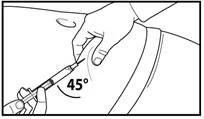
The drug should be administered as subcutaneous injections in the abdominal area. The injection site should be rotated regularly. Injections should be performed in areas not compressed by clothing (specifically avoiding the waistband or belt area) and not too close to the ribs.
Dose adjustment in specific patient populations
Elderly patients and patients with hepatic or renal impairment
Dose adjustment is not required for elderly patients or in cases of mild to moderate hepatic or renal impairment. The use of the drug in patients with severe renal or hepatic impairment has not been studied; therefore, caution should be exercised in such cases.
Instructions for administration of the drug
Administration of concentrations other than those specified is not recommended, as concentration affects depot formation.
The reconstituted solution should be clear and free of particulate matter.
Warning
Do not shake the vials.
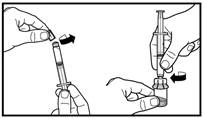
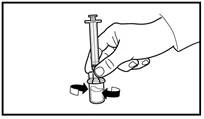
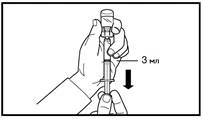
Firmagon 120 mg
Since the package contains 2 vials of powder and 2 pre-filled syringes of solvent, the reconstitution procedure must be repeated twice.
|
|
|
|
|
|
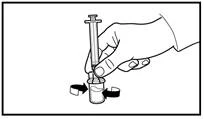
Do not shake the vial to avoid foaming. A ring of small air bubbles on the surface of the liquid is acceptable. The reconstitution process usually takes several minutes but may take up to 15 minutes in some cases. |
|
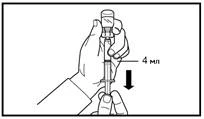
Always check that the correct volume has been drawn and that there are no air bubbles present. |
|
|
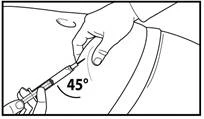
To do this, pinch the skin of the abdomen, gently lift the subcutaneous tissue, and insert the needle deeply at an angle of no less than 45 degrees. Slowly inject 3 ml of Firmagon 120 mg immediately after reconstitution. |
Do not inject directly into a vein. Gently pull back on the plunger to ensure there is no blood in the syringe. If blood appears, the product must not be used. Stop the procedure and dispose of the syringe with needle and medication (reconstitute a new dose for the patient). |
|
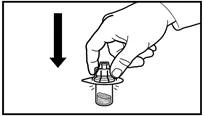
Firmagon 80 mg
The package contains 1 vial with powder and 1 pre-filled syringe with solvent for preparation of solution for subcutaneous injection.
|
|
|
|
|
|
Do not shake the vial to avoid foaming. A ring of small air bubbles on the surface of the liquid is acceptable. The dissolution process usually takes several minutes, but in some cases may take up to 15 minutes. |
|
Always verify the accuracy of the drawn volume and ensure there are no air bubbles. |
|
|
To do this, pinch the skin of the abdomen, gently lift the subcutaneous tissue, and insert the needle deeply at an angle of no less than 45 degrees. Slowly inject 4 mL of Firmacon 80 mg immediately after reconstitution. |
Do not inject directly into a vein. Carefully pull back on the plunger to check for blood in the syringe. If blood appears, do not use the medication further. Stop the procedure, discard the syringe with needle and medication, and prepare a new dose for the patient. |
After reconstitution, the medication should be administered immediately. Chemical and physical stability of the diluted solution is maintained for 2 hours after dilution.
Children. The medication is not used in children.
Overdose.
There is no clinical experience regarding the consequences of acute overdose with Firmagon.
In each case of overdose, the patient should be monitored, and supportive therapy should be administered if necessary.
Side effects.
The side effects most commonly observed during degarelix therapy in the confirmatory Phase III study (N = 409) were either related to the expected physiological effects of testosterone secretion suppression, including hot flushes and increased body weight (reported in 25% and 7% of patients, respectively, receiving treatment for one year), or were injection site reactions. Transient chills, fever, or influenza-like symptoms were reported within several hours after drug administration (in 3%, 2%, and 1% of patients, respectively).
Injection site reactions, primarily manifested as pain and erythema, were observed in 28% and 17% of patients, respectively. Less frequently reported were swelling (6%), induration (4%), and nodule formation (3%). These events occurred most often following the initial dose, whereas during maintenance therapy with 80 mg, the frequency of these events per 100 injections was 3 for pain and < 1 for erythema, swelling, induration, and nodule formation. These reactions were mainly transient, mild to moderate in severity, and very rarely led to treatment discontinuation (< 1%). Serious injection site reactions, such as injection site infections, abscess, or necrosis requiring surgical intervention or drainage, occurred very rarely.
Adverse reactions are classified by system organ class and frequency of occurrence: very common (≥ 1/10); common (≥ 1/100 to < 1/10); uncommon (≥ 1/1000 to < 1/100); rare (≥ 1/10,000 to < 1/1,000). Within each frequency group, adverse reactions are listed in decreasing order of severity.
Frequency of adverse reactions reported in 1,259 patients treated over a total of 1,781 patient-years in Phase II and III studies, and in the post-marketing period.
Blood and lymphatic system disorders. Common: anemia*. Rare: neutropenic fever.
Immune system disorders. Uncommon: hypersensitivity. Rare: anaphylactic reactions.
Metabolism and nutrition disorders. Common: weight gain*. Uncommon: hyperglycemia/diabetes mellitus, increased cholesterol levels, weight loss, decreased appetite, changes in blood calcium levels.
Psychiatric disorders. Common: insomnia. Uncommon: depression, decreased libido*.
Nervous system disorders. Common: dizziness, headache. Uncommon: cognitive decline, paresthesia.
Eye disorders. Uncommon: blurred vision.
Cardiac disorders. Uncommon: cardiac arrhythmias (including atrial fibrillation), palpitations, QT interval prolongation*. Rare: myocardial infarction, heart failure.
Vascular disorders. Very common: hot flushes*. Uncommon: arterial hypertension, vasovagal reaction (including hypotension).
Respiratory, thoracic and mediastinal disorders. Uncommon: dyspnea.
Gastrointestinal disorders. Common: diarrhea, nausea. Uncommon: constipation, vomiting, abdominal pain, abdominal discomfort, dry mouth.
Hepatobiliary disorders. Common: increased liver transaminase levels. Uncommon: increased bilirubin levels, increased alkaline phosphatase levels.
Skin and subcutaneous tissue disorders. Common: hyperhidrosis (including night sweats)*, rash. Uncommon: urticaria, nodular rash, alopecia, pruritus, erythema.
Musculoskeletal and connective tissue disorders. Common: musculoskeletal pain and discomfort. Uncommon: osteoporosis/osteopenia, arthralgia, muscle weakness, muscle spasms, joint swelling/stiffness.
Renal and urinary disorders. Uncommon: polyuria, urgency, dysuria, nocturia, renal failure, urinary incontinence.
Reproductive system and breast disorders. Common: gynecomastia*, testicular atrophy*, erectile dysfunction*. Uncommon: testicular pain, breast pain, pelvic pain, genital irritation, ejaculation disorder.
General disorders and administration site conditions. Very common: injection site reactions. Common: chills, fever, fatigue*, influenza-like illness. Uncommon: malaise, peripheral edema.
*Physiological consequences of testosterone secretion suppression.
Description of selected adverse reactions
Laboratory test abnormalities.
Laboratory test changes were evaluated over one year of treatment in the confirmatory Phase III study (N = 409) and were within a similar range for both degarelix and the GnRH agonist leuprorelin, which was used as the comparator. Significant increases (three times above the upper normal limit) in liver transaminases (ALT, AST, and GGT) during treatment with either drug were observed in 2–6% of patients who had normal baseline values. Significant decreases in hematological parameters—hematocrit (≤ 0.37) and hemoglobin (≤ 115 g/L)—were observed in 40% and 13–15% of patients with normal baseline values, respectively. It is currently unclear to what extent these hematological parameter reductions were due to the presence of prostate cancer versus androgen blockade. Abnormal values for potassium (≥ 5.8 mmol/L), creatinine (≥ 177 µmol/L), and blood urea nitrogen (≥ 10.7 mmol/L) in patients with normal baseline values were observed in 6%, 2%, and 15% of patients receiving degarelix, and in 3%, 2%, and 14% of patients receiving leuprorelin, respectively.
ECG changes.
ECG changes observed over one year of treatment in the confirmatory Phase III study (N = 409) were within a similar range for both degarelix and the GnRH agonist leuprorelin used as comparator. QTcF prolongation ≥ 500 ms was detected in three (< 1%) of 409 patients receiving degarelix and in four (2%) of 201 patients receiving leuprorelin 7.5 mg. Compared to baseline, mean QTcF prolongation at the end of the study was 12 ms for degarelix and 16.7 ms for leuprorelin.
The absence of a direct effect of degarelix on cardiac repolarization (QTcF), heart rate, AV conduction, cardiac depolarization, or T- or U-wave morphology was confirmed in a thorough QT study in healthy volunteers (N = 80) who received a 60-minute intravenous infusion of degarelix, achieving a mean Cmax of 222 ng/mL—approximately 3–4 times higher than the Cmax observed during treatment of prostate cancer.
Shelf life. 3 years.
Do not use after the expiry date stated on the packaging.
Storage conditions. Store in the original packaging at a temperature not exceeding 25 °C. Do not freeze. Keep out of the reach of children.
Incompatibilities.
Due to lack of compatibility studies, this medicinal product should not be mixed with other medicinal products.
Packaging. 1 vial containing 80 mg powder supplied with 1 pre-filled syringe containing 5 mL solvent (water for injections) (marked 4.0 mL, filled volume 4.2 mL), 1 vial adapter, 1 injection needle, and 1 syringe plunger rod in a cardboard carton.
2 vials containing 120 mg powder each supplied with 2 pre-filled syringes containing 5 mL solvent (water for injections) each (marked 3.0 mL, filled volume 3.0 mL), 2 vial adapters, 2 injection needles, and 2 syringe plunger rods in a cardboard carton.
Prescription status. Prescription only.
Manufacturer.
Ferring GmbH, Germany.
Manufacturer's address and place of business.
Wittland 11, 24109 Kiel, Germany.