Dopolo
Ukraine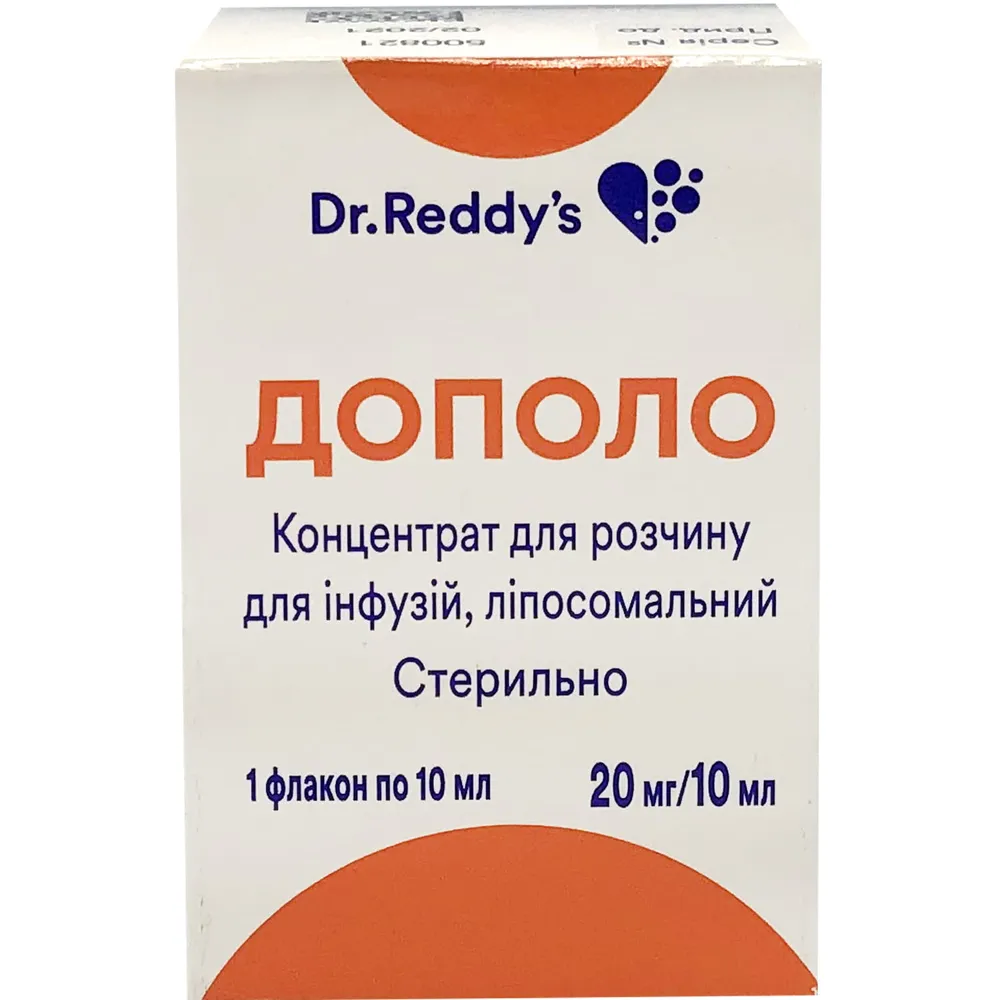
Table of Contents
INSTRUCTIONS FOR MEDICAL USE OF THE MEDICINAL PRODUCT DOPOLO (DOPOLO)
Composition:
Active substance: doxorubicin hydrochloride (doxorubicin);
1 ml of concentrate contains 2 mg of pegylated liposomal doxorubicin hydrochloride, calculated as doxorubicin hydrochloride;
Excipients: cholesterol, fully hydrogenated soy phosphatidylcholine (FHP), N-(carbonyl-methoxypolyethylene glycol 2000)-1,2-distearoyl-sn-glycero-3-phosphoethanolamine sodium salt (MPEG 2000-DSPE), ammonium sulfate, histidine, sucrose, sodium hydroxide, hydrochloric acid, water for injections.
Pharmaceutical form. Concentrate for solution for infusion, liposomal.
Main physicochemical properties: semitransparent liposomal dispersion of red color.
Pharmacotherapeutic group.
Antineoplastic and immunomodulating agents. Anthracyclines and related substances. Doxorubicin. ATC code L01D B01.
Pharmacological properties.
Pharmacodynamics.
Doxorubicin hydrochloride is a cytotoxic anthracycline antibiotic obtained from Streptomyces peucetius var. caesius. The exact mechanism of antitumor action is unknown. Generally, it is believed that most cytotoxic effects are due to inhibition of DNA, RNA, and protein synthesis. This is likely the result of intercalation of the anthracycline between adjacent base pairs of the DNA double helix, thereby preventing its unwinding for subsequent replication.
Studies of cellular structure have shown rapid penetration of the drug into cells and binding to perinuclear chromatin, rapid suppression of mitotic activity, nucleic acid synthesis, and induction of mutagenesis and chromosomal aberrations.
Pharmacokinetics.
Doxil is a pegylated liposomal formulation of doxorubicin hydrochloride that circulates in the bloodstream for an extended period. Pegylated liposomes contain surface-bound segments of the hydrophilic polymer methoxypolyethylene glycol (mPEG). These linear mPEG groups extend beyond the liposome surface, forming a protective coating that reduces interactions between the lipid bilayer membrane and plasma components. This enables doxorubicin-containing liposomes to circulate in the bloodstream for prolonged periods. Direct measurements of liposomal doxorubicin show that at least 90% of the drug remains encapsulated within liposomes in the bloodstream. Pegylated liposomes are sufficiently small (average diameter approximately 100 nm) to pass intact (extravasate) through damaged blood vessels supplying tumors. Evidence of penetration of pegylated liposomes from blood vessels into tumors and their accumulation in tumor tissues has been observed in mice with C-26 colon carcinoma and in transgenic mice with lesions resembling Kaposi's sarcoma. Pegylated liposomes also have a tightly packed lipid matrix and an internal aqueous buffer system, which together retain encapsulated doxorubicin hydrochloride throughout the time the liposome remains in circulation.
The pharmacokinetics of doxorubicin in human plasma differ significantly from those described in the literature for standard doxorubicin hydrochloride formulations. At low doses (10–20 mg/m²), doxorubicin exhibits linear pharmacokinetics; within the dose range of 10 mg/m² to 60 mg/m², it exhibits nonlinear pharmacokinetics. Standard doxorubicin hydrochloride distributes extensively into tissues (volume of distribution: 700–1100 L/m²) and is rapidly eliminated (24–73 L/h/m²). In contrast, the pharmacokinetic profile of doxorubicin indicates that the drug remains predominantly within the vascular compartment, and its plasma clearance depends on the liposomal carrier. Doxorubicin becomes bioavailable following transudation of liposomes and their entry into tissues.
At equivalent doses, plasma concentration and area under the concentration-time curve (AUC) for the drug, primarily represented by pegylated liposomal doxorubicin hydrochloride (accounting for 90% to 95% of measured doxorubicin), are significantly higher than those observed with standard doxorubicin hydrochloride.
Metabolism
Doxorubicinol, the primary metabolite of doxorubicin, has been detected in plasma at concentrations of 0.8–26.2 ng/mL in patients receiving 10 mg/m² or 20 mg/m² of the drug.
Elimination
Plasma clearance of total doxorubicin after administration of liposomal doxorubicin hydrochloride was 0.041 L/h/m² at a dose of 20 mg/m². After administration of conventional doxorubicin hydrochloride, plasma clearance of doxorubicin ranged from 24 to 35 L/h/m².
Doxil should not be used interchangeably with other doxorubicin hydrochloride medicinal products.
Clinical characteristics.
Indications.
- As monotherapy in patients with metastatic breast cancer when there is an increased cardiovascular risk associated with conventional doxorubicin.
- For the treatment of progressive ovarian cancer in women in whom first-line platinum-based chemotherapy has been ineffective.
- For the treatment of multiple myeloma in combination with bortezomib in patients who have not previously received bortezomib therapy and who have received at least one prior therapy, undergone bone marrow transplantation, or for whom transplantation is not indicated.
- For the treatment of AIDS-related Kaposi's sarcoma in patients after failure or intolerance of prior systemic chemotherapy, in patients with low CD4 levels (< 200 CD4 lymphocytes/mm³), and with extensive disease involving mucosal surfaces and skin or internal organs.
Doxorubicin liposomal (Dopolo) may be used as a first-line systemic chemotherapy agent or as a second-line chemotherapy agent in patients with AIDS-related Kaposi's sarcoma whose disease has progressed during therapy, or in patients for whom prior combination systemic chemotherapy including at least two of the following agents—vinca alkaloid, bleomycin, and standard doxorubicin (or another anthracycline)—is not suitable.
Contraindications.
Hypersensitivity to the active substance, peanut, soy, or to any of the excipients of the medicinal product.
The medicinal product should not be used for the treatment of AIDS-related Kaposi's sarcoma that can be effectively managed with local therapy or systemic alpha-interferon.
Should not be used in women during breastfeeding.
Special precautions.
Due to differences in pharmacokinetic profiles and administration regimens, the medicinal product Dopolo should not be used interchangeably with other doxorubicin hydrochloride medicinal products.
Only a single withdrawal of the medicinal product from the vial is permitted.
When handling the medicinal product, standard procedures for handling cytotoxic agents must be followed.
Due to the toxicity of the medicinal product, the following precautions are recommended:
- Personnel must be trained in the proper handling of the medicinal product.
- Pregnant healthcare workers must not handle the medicinal product.
- Protective clothing (disposable gloves, masks, goggles, gowns, caps) must be worn when handling the medicinal product.
- Unused residues of the medicinal product and all equipment and materials used in the preparation of infusion solutions and administration of the medicinal product, including gloves, must be disposed of according to approved procedures for the disposal of cytotoxic waste (all equipment used for administration or cleanup, including gloves, should be placed in high-risk waste bags and incinerated at high temperature (700 °C)).
In case of accidental contact of the solution with skin or eyes, the affected area should be immediately rinsed thoroughly with large amounts of water, soapy water, or sodium bicarbonate solution, and medical advice should be sought.
The required dose of doxorubicin (based on the recommended dose and the patient’s body surface area) should be withdrawn into a sterile syringe. Strict aseptic technique must be maintained, as the medicinal product contains no preservatives or bacteriostatic agents. Prior to administration, the appropriate dose of doxorubicin should be diluted in 5% (50 mg/mL) glucose solution for infusion. If the dose is < 90 mg, dilute in 250 mL; for doses ≥ 90 mg, dilute in 500 mL of solution. The medicinal product should be administered over 60 minutes or 90 minutes (see section "Method of administration and dosage" for details).
The use of any solvent other than 5% (50 mg/mL) glucose solution for infusion, or the presence of any bacteriostatic agents such as benzyl alcohol in the solution, may result in precipitation of doxorubicin.
It is recommended to connect the infusion system for administering the medicinal product via a side port to a 5% glucose solution (50 mL/mg) for intravenous infusion. The medicinal product may be administered into a peripheral vein. Infusion systems with built-in filters must not be used.
Interaction with other medicinal products and other forms of interaction.
No formal studies of interactions between the medicinal product Dopolo and other medicinal products have been conducted.
There are data from phase II trials where the medicinal product was used in combination with conventional chemotherapeutic agents in patients with gynecological malignancies. Caution should be exercised when co-administering medicinal products known to interact with standard doxorubicin hydrochloride. Dopolo may enhance the toxic effects of other antineoplastic agents. In patients with solid tumors (including ovarian cancer) who received concomitant cyclophosphamide or taxanes, no new additive toxicities were observed. In patients with AIDS, exacerbation of hemorrhagic cystitis caused by cyclophosphamide and increased hepatotoxicity of 6-mercaptopurine have been reported with standard doxorubicin hydrochloride. Caution is required when using other cytotoxic agents, especially myelotoxic agents, concomitantly.
Special precautions for use.
To manage adverse reactions such as palmar-plantar erythrodysesthesia (PPE), stomatitis, or hematological toxicity, the dose of the medicinal product may be reduced or administration delayed. Recommendations for dose modifications in the event of such adverse reactions are provided in the section "Dosage and administration".
Patients with hepatic impairment
The pharmacokinetics of liposomal doxorubicin hydrochloride in patients with hepatic impairment has not been adequately studied. Elimination of doxorubicin occurs predominantly via the liver. The dose of liposomal doxorubicin hydrochloride should be reduced when serum bilirubin levels are 1.2 mg/dL or higher.
Until further experience is obtained, in patients with hepatic impairment, the dose of the medicinal product should be reduced based on experience from clinical trials in breast and ovarian cancer treatment as follows: at the beginning of therapy, if bilirubin levels are between 1.2 and 3.0 mg/dL, the first dose should be reduced by 25%. If bilirubin levels are > 3.0 mg/dL, the first dose should be reduced by 50%. If the patient tolerates the first dose without an increase in serum bilirubin or liver enzymes, in the second cycle the dose may be increased to the next level, i.e., if the first dose was reduced by 25%, administer the full dose in the second cycle; if the dose was reduced by 50%, it should be increased to 75% of the full dose in the second cycle. If tolerated, the dose may be increased to the full dose in subsequent cycles. Liver function should be assessed before administration of the medicinal product using conventional clinical and laboratory tests such as measurement of ALT/AST, alkaline phosphatase, and bilirubin.
Patients with renal impairment
Since doxorubicin is primarily metabolized by the liver and excreted via bile, dose adjustment is not required. Population pharmacokinetic data (within the studied range of creatinine clearance: 30–156 mL/min) indicate that renal function status does not affect the clearance of doxorubicin hydrochloride. Pharmacokinetic data in patients with creatinine clearance below 30 mL/min are lacking.
Patients with AIDS-related Kaposi’s sarcoma and splenectomy
Due to lack of experience with the use of Dopolo in patients who have undergone splenectomy, this medicinal product is not recommended for such patients.
Dopolo should not be used for the treatment of AIDS-related Kaposi’s sarcoma that can be effectively managed with local therapy or systemic administration of alpha-interferon.
Elderly patients
Population analysis results indicate that age within the studied range (21–75 years) does not have a significant effect on the pharmacokinetics of the medicinal product.
Cardiotoxicity
All patients receiving Dopolo should undergo regular and frequent monitoring of cardiac function via ECG. Transient ECG changes such as flattening of the T wave, ST segment depression, and benign arrhythmias are not mandatory indications for discontinuation of therapy. However, a decrease in QRS complex voltage is considered a more indicative sign of cardiotoxicity. When this change occurs, endomyocardial biopsy should be considered as the most specific test for anthracycline-induced myocardial damage.
More specific methods than ECG for assessing and monitoring cardiac function include measurement of left ventricular ejection fraction by echocardiography or radionuclide angiography (MUGA). These methods should be used regularly before initiation of therapy, periodically during treatment to detect acute changes, and after completion of therapy to detect delayed cardiotoxicity. Assessment of left ventricular function is mandatory before each additional administration of the medicinal product exceeding a cumulative lifetime anthracycline dose of 450 mg/m².
The above-mentioned tests and procedures for monitoring cardiac function during anthracycline therapy should be applied in the following order: ECG, measurement of left ventricular ejection fraction, endomyocardial biopsy. If test results suggest possible cardiac damage related to the use of the medicinal product, the benefit of continuing therapy versus the risk of myocardial damage should be carefully weighed.
The medicinal product may be administered to patients with pre-existing cardiac disease requiring treatment only if the benefit outweighs the risk to the patient.
Extreme caution is required when administering the medicinal product to patients with cardiac dysfunction.
Doxorubicin hydrochloride may cause myocardial damage, including acute left ventricular failure. In suspected cardiomyopathy—i.e., when left ventricular ejection fraction has significantly decreased compared to pre-treatment values and/or left ventricular ejection fraction is below the prognostically relevant threshold (e.g., < 45%)—myocardial biopsy may be considered, and the benefit of continuing therapy versus the risk of irreversible cardiac damage should be carefully evaluated. The risk of doxorubicin hydrochloride-induced cardiomyopathy is generally proportional to the cumulative exposure to the drug. The relationship between cumulative drug dose and the risk of cardiac toxicity has not been clearly established.
Congestive heart failure due to cardiomyopathy may develop unexpectedly, without preceding ECG changes, and may also occur several weeks after discontinuation of therapy.
Caution is required in patients previously treated with other anthracyclines. When calculating the total dose of doxorubicin hydrochloride, any prior (or concomitant) use of cardiotoxic compounds such as other anthracyclines/anthraquinones or, for example, 5-fluorouracil, must be taken into account. Cardiotoxicity may also occur at cumulative anthracycline doses below 450 mg/m² in patients with prior mediastinal irradiation or those receiving concomitant therapy with cyclophosphamide.
The cardiac safety profile of the dosing regimen recommended for both breast and ovarian cancer (50 mg/m²) is similar to that of the drug administered at 20 mg/m² in patients with AIDS-related Kaposi’s sarcoma.
Myelosuppression
Most patients receiving Dopolo therapy have pre-existing myelosuppression due to factors such as HIV infection, multiple courses of prior or concomitant drug therapy, or tumor involvement of bone marrow. Data show that in women with ovarian cancer treated with a dose of 50 mg/m², myelosuppression was generally mild to moderate in severity, reversible, and not associated with episodes of neutropenic infection or sepsis. In a clinical trial comparing doxorubicin hydrochloride and topotecan, the incidence of drug-related sepsis in the group of women with ovarian cancer treated with doxorubicin hydrochloride was significantly lower than in the topotecan group. A low incidence of myelosuppression was observed in patients with metastatic breast cancer treated with doxorubicin hydrochloride in a first-line clinical trial. In contrast to its use in ovarian cancer patients, myelosuppression appears to be a dose-limiting adverse effect in patients with AIDS-related Kaposi’s sarcoma. Due to the potential for bone marrow suppression during therapy, blood counts should be monitored at least before each dose of the medicinal product.
Persistent severe myelosuppression may lead to superinfection or hemorrhage.
In controlled clinical trials involving patients with AIDS-related Kaposi’s sarcoma, the frequency of opportunistic infections was notably higher with the medicinal product compared to bleomycin/vincristine. Patients and physicians should be aware of this high incidence and take appropriate precautions.
Secondary hematological malignancies
As with other DNA-damaging antineoplastic agents, cases of secondary acute myeloid leukemia and myelodysplastic syndromes have been reported in patients receiving combination therapy containing doxorubicin. Therefore, all patients receiving doxorubicin require hematological monitoring.
Secondary oral malignancies
Cases of secondary oral cancer have been reported in patients after prolonged use (more than 1 year) of doxorubicin hydrochloride or in those who received cumulative drug doses exceeding 720 mg/m². Secondary oral cancers were diagnosed both during treatment with doxorubicin hydrochloride and up to 6 years after the last dose. Patients should be periodically examined for oral ulcers or any oral discomfort that may indicate secondary oral malignancy. Altered pharmacokinetics and selective tissue distribution of liposomal doxorubicin, leading to increased skin toxicity and mucositis compared to free doxorubicin, may play an important role in the development of secondary oral malignancies with long-term use.
Infusion-related reactions
Serious, sometimes life-threatening infusion-related reactions characterized by one or more of the following symptoms: facial flushing, fever, asthma, hyperemia, urticaria, rash, headache, chest pain, hypertension, tachycardia, pruritus, increased sweating, dyspnea, facial swelling, chills, back pain, chest tightness, bronchospasm, apnea, cyanosis, hypotension, syncope, may occur within minutes after starting infusion of the medicinal product. In very rare cases, seizures have also been observed. These symptoms are usually resolved by temporarily stopping the infusion without additional therapy. Medicinal products for treating such symptoms (e.g., antihistamines, corticosteroids, epinephrine, anticonvulsants) and equipment for resuscitation and intensive care should be readily available. For most patients, treatment may be resumed after resolution of all symptoms without recurrence. Infusion reactions rarely occur after the first treatment cycle. To minimize the risk of infusion reactions, the initial dose should be administered at a rate not exceeding 1 mg/min, with subsequent dose escalation if the drug is well tolerated (see section "Dosage and administration"). If severe or life-threatening infusion-related reactions occur, drug administration should be discontinued.
Palmar-plantar erythrodysesthesia (PPE) syndrome
PPE is characterized by painful macular skin eruptions and erythema. Symptoms typically appear after two or three treatment cycles. Improvement usually occurs within 1–2 weeks, although complete resolution may take up to 4 weeks or longer in some cases. Prophylaxis and treatment of PPE may include pyridoxine at a dose of 50–150 mg daily and corticosteroids, although these treatments have not been evaluated in phase III trials. Other preventive and therapeutic measures for PPE include cooling hands and feet with cold water (soaking, baths, or swimming), avoiding excessive heat/hot water, and avoiding tight socks, gloves, or footwear.
PPE is primarily dose-schedule dependent and can be reduced by extending the interval between doses by 1–2 weeks. However, this reaction may be severe and debilitating in some patients and may require discontinuation of treatment.
Interstitial lung disease (ILD)
Cases of ILD, which may have an acute onset (see section "Special precautions for use"), have been observed in patients receiving pegylated liposomal doxorubicin. If patients develop worsening respiratory symptoms such as dyspnea, dry cough, and fever, administration of Dopolo should be discontinued and patients should be immediately evaluated. If ILD is confirmed, the drug should be discontinued and appropriate treatment initiated.
Extravasation
Extravasation of doxorubicin causes severe tissue damage (vesiculation, severe cellulitis) and progressive tissue necrosis. Symptoms of extravasation include pain and/or burning at the site of intravenous administration. In suspected extravasation, doxorubicin infusion should be immediately stopped and restarted in another vein. Pain may be alleviated by cooling the area for 24 hours. Various measures have been reported with variable success: saline irrigation, local injection of corticosteroids or sodium bicarbonate solution (8.4%), and application of dimethyl sulfoxide. Local application of 1% hydrocortisone cream provides beneficial effects. Patients should be closely monitored for several weeks after extravasation. In case of extravasation, consultation with a surgical specialist is recommended to assess the need for wide excision of the affected area.
Diabetes mellitus
It should be noted that each vial of Dopolo contains sucrose and is administered with 5% (50 mg/mL) glucose solution for infusion.
Frequent adverse reactions requiring dose modification or discontinuation of the medicinal product are listed in the section "Adverse reactions".
Patients with hereditary fructose intolerance
This medicinal product contains sucrose. It should not be administered to patients with hereditary fructose intolerance.
Use during pregnancy or breastfeeding.
Pregnancy
It is known that the use of doxorubicin hydrochloride during pregnancy can cause congenital malformations. Therefore, this medicinal product is contraindicated during pregnancy.
Women of reproductive potential / contraception in men and women
Due to the genotoxic potential of doxorubicin hydrochloride, women of reproductive potential and their partners must use effective contraception during treatment with Dopolo and for 8 months after completion of therapy.
Men are advised to use effective contraception and avoid conception during treatment with Dopolo and for 6 months after discontinuation of Dopolo therapy.
Breastfeeding period
It is unknown whether Dopolo passes into human breast milk. Many medicinal products, including anthracyclines, pass into breast milk and may cause serious adverse reactions in infants. Women should discontinue breastfeeding prior to starting Dopolo therapy. Healthcare professionals recommend that HIV-infected women should not breastfeed their infants under any circumstances to prevent HIV transmission.
Infertility
Women. In women of reproductive age, the medicinal product may cause infertility and amenorrhea. Premature menopause may occur during treatment. The return of menstruation and ovulation depends on the woman's age.
Men. The use of the medicinal product may cause damage to spermatozoa and testicular tissue, potentially leading to fetal genetic abnormalities. This drug may cause oligospermia, azoospermia, and permanent loss of fertility. In some men, recovery of sperm count to normal levels has been reported, which may occur several years after completion of therapy.
Ability to affect reaction speed when driving or operating machinery.
Dopolo has no or negligible effect on the ability to drive vehicles or operate machinery. Data indicate that doxorubicin hydrochloride use is infrequently (< 5%) associated with dizziness and somnolence. Patients experiencing these symptoms should avoid driving or operating complex machinery.
Administration and Dosage
Dopolo should only be administered under the supervision of a qualified oncologist experienced in the use of cytotoxic agents.
Dopolo must not be used interchangeably with other doxorubicin hydrochloride medicinal products.
The medicinal product must be administered as an intravenous infusion.
Dopolo must not be administered as a bolus or in undiluted form. It is recommended to connect the infusion system for Dopolo via a side port to a 5% glucose solution (50 mL/mg) for intravenous infusion to ensure further dilution of the medicinal product and minimize the risk of thrombosis and extravasation. The medicinal product may be administered via a peripheral vein. Infusion systems with built-in filters must not be used. Intramuscular or subcutaneous administration of the medicinal product is not permitted.
Preparation of the Solution
The solution must be prepared under aseptic conditions and in accordance with safe handling practices for cytotoxic agents (see section "Special Precautions").
Doses < 90 mg: dissolve Dopolo in 250 mL of 5% (50 mg/mL) glucose solution for infusion.
Doses ≥ 90 mg: dissolve Dopolo in 500 mL of 5% (50 mg/mL) glucose solution for infusion.
The diluted liposomal doxorubicin hydrochloride solution should be stored in a refrigerator at 2 °C to 8 °C (36–46 °F) and used within 24 hours. From a microbiological standpoint, the solution should be used immediately.
Before administration, the prepared solution should be visually inspected for the presence of particulate matter or discoloration. The medicinal product must not be used if precipitates or other particles are observed.
Breast Cancer/Ovarian Cancer/Multiple Myeloma
To minimize the risk of infusion-related adverse reactions, the initial dose of liposomal doxorubicin hydrochloride should be administered at a rate not exceeding 1 mg/min. If no infusion-related adverse reactions occur, subsequent infusions may be administered over 60 minutes.
If an infusion-related adverse reaction occurs in a patient, the infusion regimen should be adjusted as follows: administer 5% of the total dose slowly over the first 15 minutes. If tolerated without adverse reactions, continue administration for another 15 minutes, doubling the infusion rate. If well tolerated, continue the infusion over an additional 1 hour; the total infusion time will then be 90 minutes.
Patients with AIDS-Related Kaposi’s Sarcoma
Dilute Dopolo in 250 mL of 5% (50 mg/mL) glucose solution for infusion and administer intravenously over 30 minutes.
The medicinal product should not be infused too rapidly through the infusion system.
Liposomal doxorubicin hydrochloride must not be mixed with other medicinal products.
Management of Potential Extravasation
Infusion of the medicinal product should be stopped immediately if burning, stinging, or other signs of perivenous infiltration or extravasation are observed. Confirmed or suspected extravasation should be managed as follows:
- Do not remove the needle before attempting to aspirate extravascular fluid.
- Do not flush the infusion system.
- Avoid applying pressure to the affected area.
- Apply ice to the affected area for 15 minutes, 4 times daily, for 3 days.
- If extravasation occurs in a limb, elevate the limb.
Breast Cancer/Ovarian Cancer
Administer the medicinal product intravenously at a dose of 50 mg/m² once every 4 weeks for as long as disease progression is not observed and the patient tolerates treatment.
Multiple Myeloma
Administer Dopolo at a dose of 30 mg/m² on day 4 of a 3-week bortezomib regimen as a 1-hour infusion immediately following bortezomib infusion. The bortezomib regimen consists of 1.3 mg/m² on days 1, 4, 8, and 11 every 3 weeks. The dose should be repeated as long as patients continue to respond and tolerate treatment. On day 4, dosing of both medicinal products may be delayed by up to 48 hours if necessary. Bortezomib doses must be spaced at least 72 hours apart.
AIDS-Related Kaposi’s Sarcoma
The recommended dose of Dopolo is 20 mg/m². Administer the medicinal product intravenously once every 2–3 weeks. Administration intervals shorter than 10 days should be avoided, as drug accumulation and increased toxicity cannot be excluded. To achieve a therapeutic response, administration of the medicinal product for 2–3 months is recommended. Thereafter, the medicinal product should be administered as needed to maintain the therapeutic effect.
All Patients
If early symptoms or signs of infusion reaction occur, administration of the medicinal product should be stopped immediately, appropriate premedication (antihistamines and/or fast-acting corticosteroids) should be administered, and the infusion should be restarted at a slower rate.
Dose modification recommendations in the event of adverse reactions are provided in the tables below.
Toxicity grades in the tables are based on the National Cancer Institute Common Toxicity Criteria (NCI-CTC).
The dose modification schemes for palmar-plantar erythrodysesthesia (see Table 1) and stomatitis (see Table 2) are those used in clinical trials for ovarian cancer treatment (modifications of the recommended 4-week treatment cycle). If such toxic reactions occur in patients with AIDS-related Kaposi’s sarcoma, the recommended 3-week treatment cycle may be modified similarly.
The dose modification scheme for hematologic toxicity (see Table 3) reflects the approach used in clinical trials for breast and ovarian cancer treatment.
Dose Modification Recommendations
Table 1
Palmar-Plantar Erythrodysesthesia
| Week after previous dose of the medicinal product |
|||
| Severity of toxicity at time of current assessment |
Week 4 |
Week 5 |
Week 6 |
| Grade 1 (mild erythema, edema, or desquamation not interfering with daily activities) |
Continue therapy, unless the patient had prior grade 3 or 4 skin toxicity, in which case drug administration should be delayed for another week |
Continue therapy, unless the patient had prior grade 3 or 4 skin toxicity, in which case drug administration should be delayed for another week |
Reduce dose by 25%; return to 4-week interval |
| Grade 2 (erythema, desquamation, or edema affecting but not preventing daily activities; small bullae or ulcers less than 2 cm in diameter) |
Wait another week |
Wait another week |
Reduce dose by 25%; return to 4-week interval |
| Grade 3 (bullae, ulceration, or edema interfering with walking or daily activities; patient cannot wear usual clothing) |
Wait another week |
Wait another week |
Discontinue use of the medicinal product |
| Grade 4 (diffuse or localized process leading to infectious complications, bed rest, or hospitalization) |
Wait another week |
Wait another week |
Discontinue use of the medicinal product |
Table 2
Stomatitis
| Week after previous drug dose |
|||
| Severity of toxicity at time of current assessment |
Week 4 |
Week 5 |
Week 6 |
| Grade 1 (painless ulcers, erythema, or mild pain) |
Continue therapy, except if patient previously experienced grade 3 or 4 stomatitis – in such case, wait another week |
Continue therapy, except if patient previously experienced grade 3 or 4 stomatitis – in such case, wait another week |
Reduce dose by 25%; return to 4-week interval or discontinue drug based on physician's assessment |
| Grade 2 (painful erythema, edema, or ulcers, but patient can eat) |
Wait another week |
Wait another week |
Reduce dose by 25%; return to 4-week interval or discontinue drug based on physician's assessment |
| Grade 3 (painful erythema, edema, or ulcers, patient unable to eat) |
Wait another week |
Wait another week |
Discontinue drug |
| Grade 4 (requires parenteral or enteral nutritional support) |
Wait another week |
Wait another week |
Discontinue drug |
Table 3
Hematological toxicity (impact on ANC (absolute neutrophil count) or platelet count) – management strategy for patients with breast or ovarian cancer
| Grade |
ANC |
Platelets |
Modification of the administration regimen |
| Grade 1 |
1500-1900 |
75000-150000 |
Continue treatment without dose reduction |
| Grade 2 |
1000-< 1500 |
50000-< 75000 |
Wait until ANC ≥ 1500 and platelet count ≥ 75000; continue treatment without dose reduction |
| Grade 3 |
500-< 1000 |
25000-< 50000 |
Wait until ANC ≥ 1500 and platelet count ≥ 75000; continue treatment without dose reduction |
| Grade 4 |
< 500 |
< 25000 |
Wait until ANC ≥ 1500 and platelet count ≥ 75000; reduce dose by 25% or continue treatment at full dose with growth factor support |
If a patient with multiple myeloma receiving the medicinal product in combination with bortezomib develops PPE or stomatitis, the dose of the medicinal agent should be adjusted as outlined in Tables 1 and 2 above. Table 4 below presents the dose modification scheme used in a clinical study evaluating the combination of doxorubicin hydrochloride and bortezomib in patients with multiple myeloma.
Table 4
Dose adjustment of the combination of the medicinal product and bortezomib for patients with multiple myeloma
| Patient condition |
Dophalo |
Bortezomib |
| Fever ≥ 38 °C and ANC <1000/mm3 |
Do not administer the drug in this cycle if the condition occurs before Day 4; if the condition occurs after Day 4, reduce the next dose by 25% |
Reduce the next dose by 25% |
| On any drug administration day after Day 1 of each cycle: Platelet count <25000/mm3 Hemoglobin < 8 g/dL ANC < 500/mm3 |
Do not administer the drug in this cycle if the condition occurs before Day 4; if the condition occurs after Day 4, reduce the next dose by 25% in subsequent cycles if the bortezomib dose has been reduced due to hematologic toxicity* |
Do not administer the drug; if 2 or more doses were not administered in a cycle, reduce the dose by 25% in subsequent cycles |
| Grade 3 or 4 non-hematologic toxicity related to drug administration |
Do not administer the drug until toxicity resolves to < Grade 2; reduce all subsequent doses by 25% |
Do not administer the drug until toxicity resolves to < Grade 2; reduce all subsequent doses by 25% |
| Neuropathic pain or peripheral neuropathy |
Dose adjustment not required |
See bortezomib drug summary |
* For more detailed information on bortezomib dosing and dose adjustments, refer to the bortezomib summary of product characteristics.
Children.
Experience with the use of the medicinal product in children is limited. The medicinal product Dopolo is contraindicated for use in patients under 18 years of age.
Overdose.
Symptoms of acute overdose: increased toxic reactions – mucosal inflammation, leukopenia, and thrombocytopenia. Treatment of acute overdose in patients with severe myelosuppression should be conducted in a hospital setting and includes the use of antibiotics, platelet and granulocyte transfusions, as well as symptomatic treatment of mucositis.
Adverse Reactions
The frequency of adverse reactions is assessed as follows: very common (≥ 1/10); common (≥ 1/100, < 1/10); uncommon (≥ 1/1000, < 1/100).
Table 5
Adverse reactions associated with the use of the medicinal product in the treatment of ovarian cancer.
CIOMS III scale (Council for International Organizations of Medical Sciences)
| Adverse reactions by organ systems |
Ovarian cancer Reactions of any severity grade (≥ 5 %) |
Ovarian cancer Grade 3/4 severe reactions (≥ 5 %) |
Ovarian cancer (1–5 %) |
| Infections and infestations |
|||
| Common |
Pharyngitis |
Infections, oral candidiasis, herpes zoster, urinary tract infections |
|
| Uncommon |
Pharyngitis |
||
| Blood and lymphatic system disorders |
|||
| Very common |
Leukopenia, anemia, neutropenia, thrombocytopenia |
Neutropenia |
|
| Common |
Leukopenia, anemia, thrombocytopenia |
Hypochromic anemia |
|
| Immune system disorders |
|||
| Common |
Allergic reaction |
||
| Metabolism and nutrition disorders |
|||
| Very common |
Anorexia |
||
| Common |
Dehydration, cachexia |
||
| Uncommon |
Anorexia |
||
| Psychiatric disorders |
|||
| Common |
Anxiety, depression, insomnia |
||
| Nervous system disorders |
|||
| Common |
Paresthesia, somnolence |
Headache, dizziness, neuropathy, hypertonia |
|
| Uncommon |
Paresthesia, somnolence |
||
| Eye disorders |
|||
| Common |
Conjunctivitis |
||
| Cardiac disorders |
|||
| Common |
Cardiovascular disorders |
||
| Common |
Vasodilation |
||
| Respiratory system disorders |
|||
| Common |
Dyspnea, increased cough |
||
| Gastrointestinal disorders |
|||
| Very common |
Constipation, diarrhea, nausea, stomatitis, vomiting |
||
| Common |
Abdominal pain, dyspepsia, oral ulcers |
Nausea, stomatitis, vomiting, abdominal pain, diarrhea |
Oral ulcers, esophagitis, nausea and vomiting, gastritis, dysphagia, dry mouth, flatulence, gingivitis, taste disturbance |
| Uncommon |
Constipation, dyspepsia, oral ulcers |
||
| Skin and subcutaneous tissue disorders |
|||
| Very common |
DPN*, alopecia, rash |
DPN* |
|
| Common |
Dry skin, skin discoloration |
Alopecia, rash |
Vesiculobullous rash, pruritus, exfoliative dermatitis, skin lesions, maculopapular rash, sweating, acne, skin ulcers |
| Musculoskeletal and connective tissue disorders |
|||
| Common |
Back pain, myalgia |
||
| Renal and urinary disorders |
|||
| Common |
Dysuria |
||
| Reproductive system and breast disorders |
|||
| Common |
Vaginitis |
||
| General disorders and administration site conditions |
|||
| Very common |
Asthenia, mucosal disorders |
||
| Common |
Fever, pain |
Asthenia, mucosal disorders, pain |
Chills, chest pain, malaise, peripheral edema |
| Uncommon |
Chills |
||
| Investigations |
|||
| Common |
Weight decreased |
||
* Palmar-plantar erythrodysesthesia (palmar-plantar syndrome).
The following adverse reactions were observed in studies of patients with ovarian cancer receiving the medicinal product once every four weeks (with a frequency of 1 to 10%): rectal bleeding, intestinal obstruction, ecchymosis, hyperbilirubinemia, hypokalemia, hyperkalemia, hyponatremia, dizziness, rhinitis, pneumonia, sinusitis, epistaxis, skin color changes, herpes zoster, herpes simplex, fungal dermatitis, furunculosis, dysgeusia, dry eyes, hematuria, vaginal candidiasis.
Table 6
Adverse reactions associated with the use of the medicinal product in the treatment of multiple myeloma.
CIOMS III scale of the Council for International Organizations of Medical Sciences
| Adverse reactions by organ systems |
Reactions of any severity (≥ 5 %) |
Grade 3/4 reactions** (≥ 5 %) |
Reactions of any severity (1–5 %) |
| Infections and infestations |
|||
| Common |
Herpes simplex, herpes zoster |
Herpes zoster |
Pneumonia, nasopharyngitis, upper respiratory tract infections, oral candidiasis |
| Blood and lymphatic system disorders |
|||
| Very common |
Anemia, neutropenia, thrombocytopenia |
Neutropenia, thrombocytopenia |
|
| Common |
Leukopenia |
Anemia, leukopenia |
Febrile neutropenia, lymphopenia |
| Metabolism and nutrition disorders |
|||
| Very common |
Anorexia |
||
| Common |
Decreased appetite |
Anorexia |
Dehydration, hypokalemia, hyperkalemia, hypomagnesemia, hyponatremia, hypocalcemia |
| Uncommon |
Decreased appetite |
||
| Psychiatric disorders |
|||
| Common |
Insomnia |
Anxiety |
|
| Nervous system disorders |
|||
| Very common |
Peripheral sensory neuropathy, neuralgia, headache |
||
| Common |
Peripheral neuropathy, neuropathy, paresthesia, polyneuropathy, dizziness, dysgeusia |
Neuralgia, peripheral neuropathy, neuropathy |
Lethargy, hypoesthesia, syncope, dysesthesia |
| Uncommon |
Headache, peripheral sensory neuropathy, paresthesia, dizziness |
||
| Eye disorders |
|||
| Common |
Conjunctivitis |
||
| Cardiac disorders |
|||
| Common |
Arterial hypotension, orthostatic hypotension, flushing, arterial hypertension, phlebitis |
||
| Respiratory system disorders |
|||
| Common |
Dyspnea |
Cough, epistaxis, dyspnea on exertion |
|
| Uncommon |
Dyspnea |
||
| Gastrointestinal disorders |
|||
| Very common |
Nausea, diarrhea, vomiting, constipation, stomatitis |
||
| Common |
Abdominal pain, dyspepsia |
Nausea, diarrhea, vomiting, stomatitis |
Upper abdominal pain, oral ulcers, dry mouth, dysphagia, aphthous stomatitis |
| Uncommon |
Constipation, abdominal pain, dyspepsia |
||
| Skin and subcutaneous tissue disorders |
|||
| Very common |
DPE*, rash |
||
| Common |
Dry skin |
DPE* |
Pruritus, papular rash, allergic dermatitis, erythema, skin hyperpigmentation, petechiae, alopecia, drug eruption |
| Uncommon |
Rash |
||
| Musculoskeletal and connective tissue disorders |
|||
| Common |
Limb pain |
Arthralgia, myalgia, muscle spasms, muscle weakness, musculoskeletal pain, musculoskeletal chest pain |
|
| Reproductive system disorders |
|||
| Common |
Scrotal erythema |
||
| General disorders and administration site conditions |
|||
| Very common |
Asthenia, fatigue, pyrexia |
||
| Common |
Asthenia, fatigue |
Peripheral edema, chills, influenza-like illness, malaise, hyperthermia |
|
| Uncommon |
Pyrexia |
||
| Investigations |
|||
| Common |
Weight decreased |
Increased aspartate aminotransferase, decreased ejection fraction, increased blood creatinine, increased alanine aminotransferase |
|
* Palmar-plantar erythrodysesthesia (palmar-plantar syndrome).
** Data on grade 3/4 adverse reactions are based on data for adverse reactions of any severity with an overall frequency ≥ 5% (see adverse reactions listed in the first column).
Below are data on adverse reactions (frequency ≥ 10%) obtained during a study in patients with multiple myeloma who received liposomal doxorubicin hydrochloride in combination with bortezomib.
Blood and lymphatic system disorders: neutropenia, thrombocytopenia, anemia.
General disorders and administration site conditions: fatigue, pyrexia, asthenia.
Gastrointestinal disorders: nausea, diarrhea, vomiting, constipation, mucositis/stomatitis, abdominal pain.
Infections and infestations: herpes zoster, herpes simplex.
Metabolism and nutrition disorders: weight decreased, anorexia.
Nervous system disorders: peripheral neuropathy (including peripheral sensory neuropathy, peripheral neuropathy, polyneuropathy, peripheral motor neuropathy, and unspecified neuropathy), neuralgia, paresthesia/dysesthesia.
Respiratory system disorders: cough.
Skin and subcutaneous tissue disorders: rash (including erythematous rash, macular rash, maculopapular rash, pruritic rash, exfoliative rash, and generalized rash), palmar-plantar syndrome.
Clinical trial program using the medicinal product for the treatment of AIDS-related Kaposi's sarcoma
Data are available showing that in patients with AIDS-related Kaposi's sarcoma who received doxorubicin hydrochloride at a dose of 20 mg/m², the most common adverse reaction was myelosuppression, occurring in approximately half of patients.
Leukopenia is the most common adverse reaction occurring with the use of the medicinal product in this population; cases of neutropenia, anemia, and thrombocytopenia have been reported. These reactions may occur early in treatment. Hematologic toxicity may require dose reduction, interruption, or delay of therapy. Temporary discontinuation of the medicinal product is required if the absolute neutrophil count (ANC) is < 1000/mm³ and/or platelet count is < 50,000/mm³. Granulocyte colony-stimulating factor (G-CSF) or granulocyte-macrophage colony-stimulating factor (GM-CSF) may be used as concomitant therapy to support blood cell counts when ANC is < 1000/mm³ in subsequent cycles. Hematologic toxicity in patients with ovarian cancer is less severe than in patients with AIDS-related Kaposi's sarcoma (see section on ovarian cancer patients above).
Respiratory system adverse reactions occurred frequently and were associated with opportunistic infections in the AIDS patient population (see Table 7). Opportunistic infections are observed in patients with Kaposi's sarcoma following administration of the medicinal product and commonly occur in patients with HIV-induced immunodeficiency. The most frequently reported opportunistic infections are candidiasis, cytomegalovirus, herpes simplex, Pneumocystis carinii-induced pneumonia, and Mycobacterium avium complex.
In a study involving patients with information on concomitant use of other medicinal products, 59% of patients received treatment with one or more antiretroviral agents (zidovudine, didanosine, zalcitabine, stavudine); 85% received prophylactic therapy for Pneumocystis pneumonia; 85% received treatment with antifungal agents (fluconazole); 72% received antiviral treatment (acyclovir, ganciclovir, foscarnet); and 48% of patients received therapy with colony-stimulating factors (sargramostim/filgrastim) during treatment cycles. Adverse reactions led to discontinuation of treatment in 5% of patients with AIDS-related Kaposi's sarcoma, including myelosuppression, cardiac adverse reactions, infusion-related reactions, toxoplasmosis, DSS, pneumonia, cough, dyspnea, fatigue, optic neuritis, tumor progression—non-Kaposi's sarcoma, penicillin allergy, and other unspecified causes.
Table 7
Adverse reactions observed in patients with AIDS-related Kaposi's sarcoma
| Infections and infestations |
|
| Common |
Oral candidiasis |
| Blood and lymphatic system disorders |
|
| Very common |
Neutropenia, anemia, leukopenia |
| Common |
Thrombocytopenia |
| Metabolism and nutrition disorders |
|
| Common |
Anorexia |
| Psychiatric disorders |
|
| Uncommon |
Confusion |
| Nervous system disorders |
|
| Common |
Dizziness |
| Uncommon |
Paraesthesia |
| Eye disorders |
|
| Common |
Retinitis |
| Vascular disorders |
|
| Common |
Vasodilation |
| Respiratory system disorders |
|
| Common |
Dyspnea |
| Gastrointestinal disorders |
|
| Very common |
Nausea |
| Common |
Diarrhea, stomatitis, vomiting, mouth ulcers, abdominal pain, glossitis, constipation, nausea and vomiting |
| Skin and subcutaneous tissue disorders |
|
| Common |
Alopecia, rash |
| Uncommon |
Palmar-plantar erythrodysesthesia (PPE) |
| General disorders and administration site conditions |
|
| Common |
Asthenia, fever, acute infusion reactions |
| Investigations |
|
| Common |
Weight decreased |
Other, less common (< 5%) adverse reactions included hypersensitivity reactions, including anaphylactic reactions. Post-marketing reports have occasionally described bullous rash in this population.
Clinically significant laboratory abnormalities were frequently observed (≥ 5%), including elevations in alkaline phosphatase, AST, and bilirubin levels, which were considered to be related to the underlying disease rather than to drug administration. Decreases in hemoglobin levels and platelet counts occurred less frequently (< 5%). Sepsis associated with leukopenia was observed rarely (< 1%). Some of these abnormalities may have been related to the underlying HIV infection rather than to drug administration.
All patients
In patients with solid tumors, infusion-related reactions occurred during drug administration, including allergic reaction, anaphylactoid reaction, asthma, facial edema, hypotension, vasodilatation, urticaria, back pain, chest pain, chills, fever, hypertension, tachycardia, dyspepsia, nausea, dizziness, dyspnea, pharyngitis, rash, pruritus, increased sweating, injection site reaction, and drug interaction. In patients with multiple myeloma receiving the drug in combination with bortezomib, infusion reactions were reported in 3% of cases. In patients with AIDS-related Kaposi's sarcoma, typical manifestations of infusion reactions included flushing, dyspnea, facial edema, headache, chills, back pain, chest tightness and/or throat tightness, and/or hypotension. Seizures associated with infusion reactions have been reported very rarely. In all cases, reactions occurred predominantly during the first infusion. Temporary interruption of the infusion usually resolves these symptoms without further treatment. In nearly all patients, drug administration can be resumed after complete resolution of all symptoms without recurrence. Recurrent infusion reactions are rarely observed after the first treatment cycle.
Myelosuppression, manifested as anemia, thrombocytopenia, and leukopenia, has been reported during treatment with the drug, with febrile neutropenia occurring rarely.
Cases of stomatitis have been reported in patients receiving prolonged infusions of conventional doxorubicin hydrochloride and are commonly observed in patients receiving liposomal doxorubicin hydrochloride. This generally does not interfere with completion of therapy, and dose adjustment is usually not required unless stomatitis affects the patient's ability to eat. In such cases, the dosing interval may be extended by 1–2 weeks or the dose reduced.
The recommended dose of the medicinal product Doxil for patients with AIDS-related Kaposi's sarcoma is 20 mg/m² administered once every 2–3 weeks. To reach a cumulative dose associated with a risk of cardiotoxicity (>400 mg/m²) in patients with AIDS-related Kaposi's sarcoma, more than 20 treatment cycles of Doxil over 40–60 weeks would be required.
Data from the baseline assessment of a phase III comparative study of the drug versus doxorubicin showed that randomized participants met protocol-defined criteria for cardiotoxicity during treatment and/or follow-up. Cardiotoxicity was defined as a decrease in left ventricular ejection fraction (LVEF) of 20 or more percentage points from baseline if the LVEF remained within the normal range, or a decrease of 10 or more percentage points if the LVEF fell below the lower limit of normal. In patients treated with liposomal doxorubicin hydrochloride, cardiotoxicity based on LVEF criteria was not associated with clinical signs or symptoms of congestive heart failure.
In patients with solid tumors, including subgroups with breast cancer and ovarian cancer, treated with the drug at a dose of 50 mg/m²/cycle and cumulative lifetime anthracycline doses up to 1532 mg/m², the incidence of clinically significant cardiac dysfunction was low.
Cases of secondary acute myeloid leukemia and myelodysplastic syndromes have been reported in patients receiving combination therapy with doxorubicin and other DNA-damaging antineoplastic agents. Therefore, all patients receiving doxorubicin require regular hematological monitoring.
Although local necrosis following extravasation has been reported very rarely, the medicinal product Doxil is considered an irritant. Animal studies indicate that administration of liposomal doxorubicin hydrochloride reduces the likelihood of tissue damage due to extravasation. If any signs or symptoms of extravasation occur (e.g., burning sensation, erythema), infusion should be stopped immediately and administration resumed through another vein. Local reaction may be somewhat alleviated by applying ice to the site of extravasation for approximately 30 minutes. The drug must not be administered intramuscularly or subcutaneously.
Recall skin reactions induced by prior radiotherapy have been rarely observed during treatment with the drug.
Post-marketing experience
Adverse reactions identified during the post-marketing use of Doxil are listed in Table 8. Frequencies are defined according to the following criteria: very common (≥ 1/10); common (≥ 1/100 and < 1/10); uncommon (≥ 1/1,000 and < 1/100); rare (≥ 1/10,000 and < 1/1,000); very rare (< 1/10,000, including isolated cases).
Table 8
Adverse reactions identified during post-marketing use of doxorubicin hydrochloride
| Benign, malignant and unspecified neoplasms (including cysts and polyps) |
|
| Very rare |
Secondary neoplasms in the oral cavity1 |
| Cardiovascular system disorders |
|
| Uncommon |
Venous thromboembolism, including thrombophlebitis, venous thrombosis, pulmonary embolism |
| Respiratory, thoracic and mediastinal disorders |
|
| Rare |
Interstitial lung disease (ILD) presenting as dyspnea, dry cough and fever |
| Skin and subcutaneous tissue disorders |
|
| Very common |
Palmar-plantar erythrodysesthesia (PPE) syndrome |
| Uncommon |
Lichenoid keratosis |
| Rare |
Extravasation (may lead to severe cellulitis, blistering, thrombophlebitis, lymphangitis and local tissue necrosis) |
| Very rare |
Multiform erythema, Stevens-Johnson syndrome, toxic epidermal necrolysis |
1 Secondary oral cancer cases have been reported in patients after long-term (more than 1 year) use of the medicinal product Dopolo or in patients who received a cumulative dose of the medicinal product Dopolo exceeding 720 mg/m².
Reporting suspected adverse reactions
Reporting of suspected adverse reactions after medicinal product registration is important. It allows continuous monitoring of the benefit-risk balance of the medicinal product. Healthcare and pharmaceutical professionals, as well as patients or their legal representatives, should report all suspected adverse reactions and lack of efficacy of the medicinal product through the automated pharmacovigilance information system at the following link: http://aisf.dec.gov.ua.
Shelf life.
2 years.
Storage conditions.
Store in a refrigerator at a temperature between 2 °C and 8 °C. Do not freeze.
Keep out of reach of children.
Packaging.
10 ml (20 mg) or 25 ml (50 mg) of concentrate in a vial. 1 vial in a cardboard box.
Prescription status.
Prescription only.
Manufacturer.
NATCO PHARMA LIMITED.
Manufacturer's address and location of operations.
Pharmaceutical Division, Kothur, Rangareddy District, Telangana 509 228, India.