Bepanthen®
Ukraine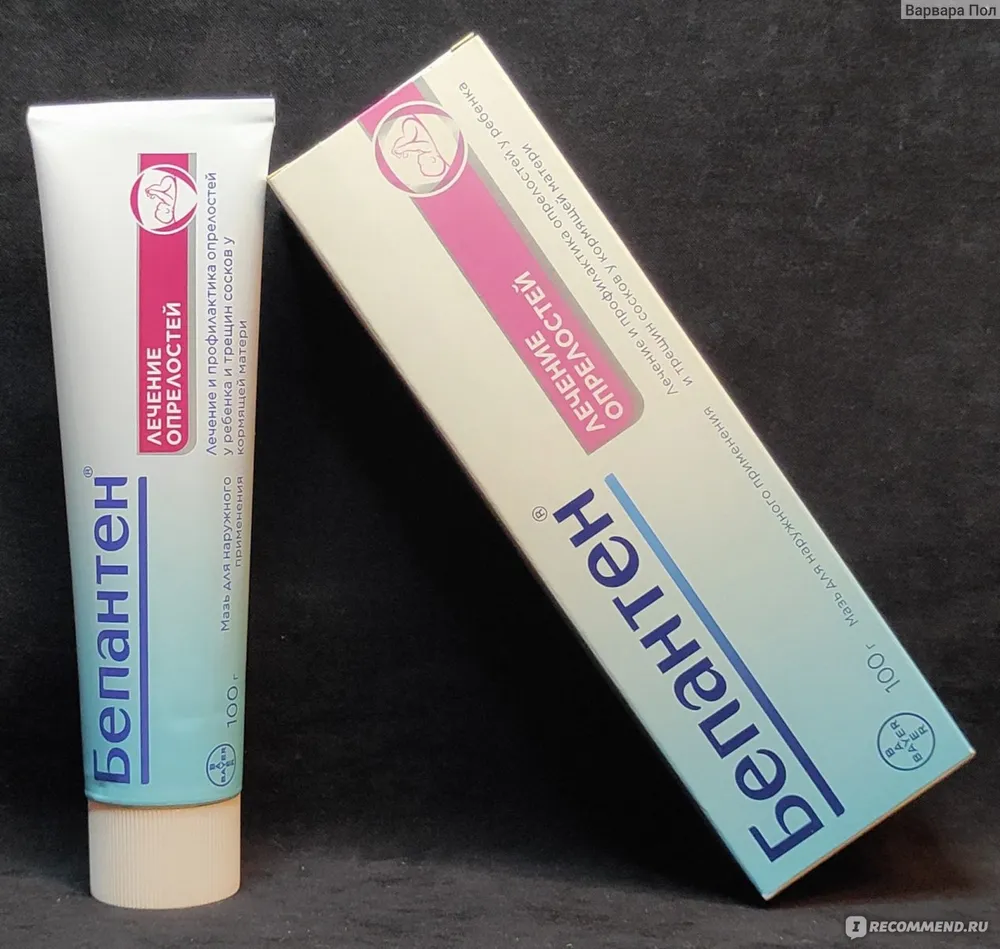
Table of Contents
INSTRUCTION FOR MEDICAL USE OF THE MEDICINAL PRODUCT BEPANTHEN® (BEPANTHEN®)
Composition:
Active substance: dexpanthenol;
1 g of ointment contains 50 mg of dexpanthenol;
Excipients: cetyl alcohol, stearyl alcohol, white wax, lanolin, soft white paraffin, refined almond oil, mineral oil, Protegin H (mineral oil, soft yellow paraffin, ozokerite, glyceryl oleate, lanolin alcohol), purified water.
Pharmaceutical form. Ointment.
Main physicochemical properties: homogeneous ointment of white to creamy color, with a characteristic lanolin odor.
Pharmacotherapeutic group. Agents for treatment of wounds and ulcerative lesions. Agents promoting wound healing (cicatrization). Dexpanthenol.
ATC code D03AX03.
Pharmacological properties.
Pharmacodynamics.
Dexpanthenol, the active ingredient of Bepanthen® ointment, is rapidly converted into pantothenic acid within cells and acts as a vitamin. Dexpanthenol is more readily absorbed than pantothenic acid following topical application.
Pantothenic acid is a component of essential coenzyme A (CoA). Acetyl-coenzyme A (acetyl-CoA) plays a central role in the metabolism of every cell. Thus, pantothenic acid is essential for the recovery and regeneration of damaged skin and mucous membranes.
Pharmacokinetics.
Dexpanthenol is rapidly absorbed through the skin. It is then immediately converted into pantothenic acid and incorporated into the body's internal pool of this vitamin.
In the blood, pantothenic acid binds to plasma proteins (predominantly β-globulins and albumin). In healthy adult patients, concentrations are approximately 500–1000 μg/L and 100 μg/L in whole blood and blood serum, respectively.
Pantothenic acid is not metabolized in the body and is excreted unchanged. After oral administration, 60–70% of the dose is excreted in the urine, the remainder in feces. In adults, 2–7 mg of pantothenic acid is excreted daily in the urine, in children – 2–3 mg.
Clinical characteristics.
Indications.
Bepanthen®, ointment, is indicated in the following cases:
- for accelerating healing and epithelialization of the skin in minor injuries (mild burns and abrasions); in skin irritations (e.g., due to radiotherapy, phototherapy, or ultraviolet radiation); in chronic skin ulcers and pressure sores; anal fissures; cervical erosions; and after skin grafting;
- for prevention and treatment of cracked, rough, or dry skin;
- for regular preventive care of the breasts in breastfeeding women, and for treatment of nipple irritation and cracks;
- for infant care: prevention and treatment of diaper dermatitis;
- for skin care of patients during and after topical application of corticosteroids.
Contraindications.
Hypersensitivity to dexpanthenol or to any of the other components of the medicinal product.
Interaction with other medicinal products and other forms of interaction.
Interactions with other medicinal products are unknown.
Special precautions for use.
When using the product, avoid contact with the eyes.
Cetyl alcohol, stearyl alcohol, and lanolin may cause local skin reactions (e.g., contact dermatitis).
The use of Bepanthen® ointment for wound healing and treatment in the genital or anal area while simultaneously using latex condoms may reduce the strength and reliability of the condoms, as Bepanthen® ointment contains soft white paraffin as an excipient.
Use during pregnancy or breastfeeding.
There are no grounds to consider the use of the product during pregnancy or breastfeeding as risky. During pregnancy, the product should be used only as directed by a physician.
When used for the treatment of cracked nipples during breastfeeding, the product should be washed off before nursing.
Ability to influence reaction speed when driving or operating machinery.
No effect.
Method of Administration and Dosage
Treatment of superficial wounds of any origin and prevention of cracked, dry, or rough skin: apply Bepanthen® ointment 1 or several times daily, as needed.
Care of nipples in breastfeeding women: apply the ointment to the nipples after each breastfeeding session.
Treatment of cervical mucosa defects: apply the ointment 1 or several times daily under medical supervision.
Infant care: apply Bepanthen® ointment after each diaper (nappy) change.
Bepanthen® ointment, containing dexpanthenol as the active ingredient, has a base rich in fat. For weeping wounds, exposed skin areas (face), and hairy areas, Bepanthen® cream—which penetrates the skin more rapidly—is preferable.
Children. The product can be used in children of all age groups, including infants.
Overdose.
The active ingredient of Bepanthen® ointment, dexpanthenol, is non-toxic. Hypervitaminosis has not been reported.
Side effects.
Immune system, skin and subcutaneous tissue disorders. Allergic reactions and allergic skin reactions have been reported: contact dermatitis, allergic dermatitis, pruritus, erythema, eczema, rash, urticaria, skin irritation and vesicles.
Shelf life. 3 years.
Storage conditions.
Store below 25 °C. Keep out of reach of children.
Packaging.
3.5 g, 30 g or 100 g in a tube. 1 tube per cardboard box.
Pharmaceutical category. Over-the-counter (without prescription).
Manufacturer.
GP Grenzach Produktions GmbH.
Manufacturer's address.
Emil-Barell-Strasse 7, 79639 Grenzach-Wyhlen, Germany.