Avanalav
Ukraine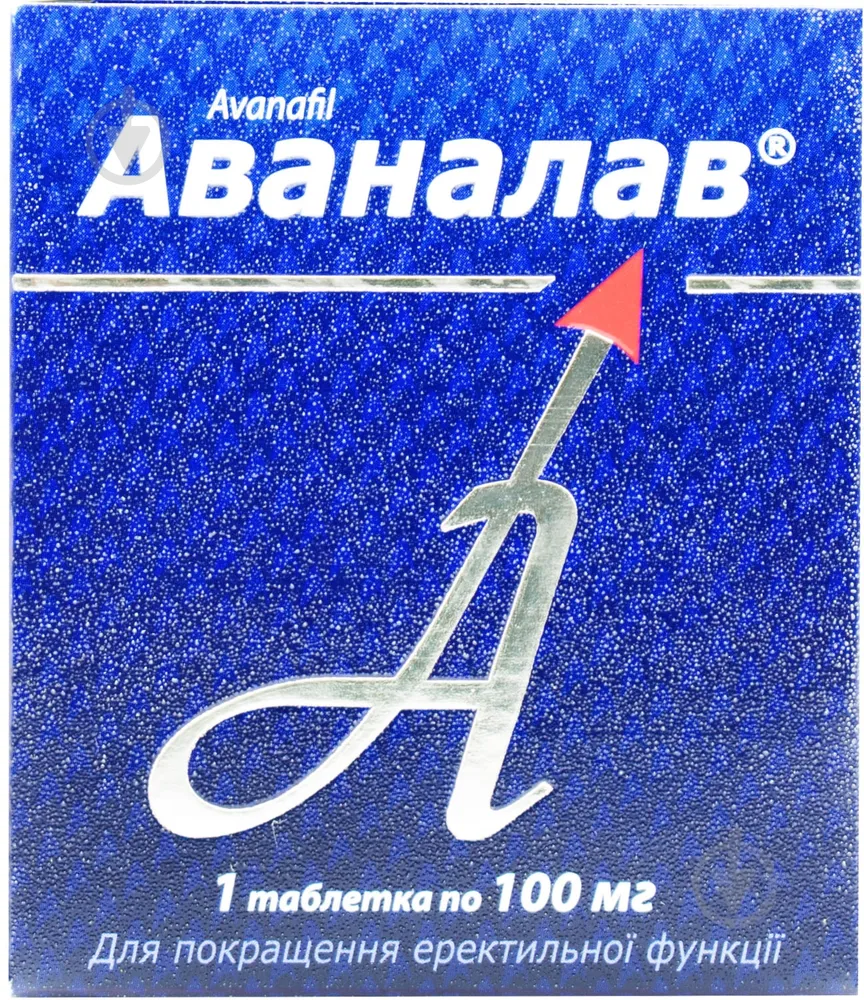
Table of Contents
INSTRUCTION FOR MEDICAL USE OF THE MEDICINAL PRODUCT AVANALAV® (AVANALAV)
Composition:
Active substance: avanafil;
One tablet contains 50 mg or 100 mg of avanafil;
Excipients: mannitol (E 421), fumaric acid, hydroxypropyl cellulose, low-substituted hydroxypropyl cellulose, calcium carbonate, magnesium stearate, iron oxide yellow (E 172).
Pharmaceutical form. Tablets.
Main physico-chemical characteristics: round, biconvex tablets of light yellow color. Specks of almost white color may be present.
Pharmacotherapeutic group. Agents used in urological conditions. Preparations used in erectile dysfunction. Avanafil.
ATC code G04BE10.
Pharmacological properties.
Pharmacodynamics.
Mechanism of action
Avanafil is a highly selective and potent reversible inhibitor of phosphodiesterase type 5 (PDE5), specific for cyclic guanosine monophosphate (cGMP). When sexual stimulation causes local release of nitric oxide, inhibition of PDE5 by avanafil leads to increased levels of cGMP in the corpus cavernosum of the penis. This promotes relaxation of smooth muscles and increased blood flow into penile tissues, resulting in an erection. Avanafil has no effect in the absence of sexual stimulation.
Pharmacodynamic effects
In vitro studies have shown that avanafil is highly selective for PDE5. Its potency against PDE5 is greater than against other known phosphodiesterases (more than 100-fold greater than against PDE6; more than 1,000-fold greater than against PDE4, PDE8, and PDE10; more than 5,000-fold greater than against PDE2 and PDE7; more than 10,000-fold greater than against PDE1, PDE3, PDE9, and PDE11). Avanafil is more than 100 times more potent against PDE5 than against PDE6, which is present in the retina and involved in phototransduction. The selectivity for PDE5, which is approximately 20,000 times more potent than for PDE3 (an enzyme present in the heart and blood vessels), is important given that PDE3 is involved in regulating myocardial contractile function.
In penile plethysmography studies (RigiScan), avanafil at a dose of 200 mg induced an erection considered sufficient for penetration (60% rigidity by RigiScan) in some men as early as 20 minutes after dosing; the overall response of these patients to avanafil was statistically significant compared to placebo within the time interval of 20–40 minutes.
According to available literature, in clinical trials avanafil was evaluated for its effect on the ability of men with erectile dysfunction (ED) to achieve and maintain an erection sufficient for satisfactory sexual activity. Avanafil was assessed in four randomized, double-blind, placebo-controlled, parallel-group studies lasting up to 3 months in the general ED population, in patients with type 1 or 2 diabetes and ED, and in patients with ED following bilateral nerve-sparing radical prostatectomy. A fourth study evaluated the onset of action of avanafil at two doses (100 and 200 mg) in terms of the proportion of subject sexual attempts leading to successful completion of intercourse.
In all studies, statistically significant improvements in all primary efficacy endpoints were observed for all three doses of avanafil compared to placebo. These differences were maintained during long-term treatment (as shown in studies in the general ED population, in diabetics with ED, in men with ED following bilateral nerve-sparing radical prostatectomy, and in an open-label extension study).
In the Time to Onset study, avanafil demonstrated a statistically significant improvement in the primary efficacy variable (mean proportion of successful subject responses over time after dosing, according to Sexual Encounter Profile 3 – SEP3) compared to placebo.
In all pivotal avanafil studies, the percentage of successful intercourse attempts was significantly higher for all avanafil doses compared to placebo across all time intervals after dosing.
Pharmacokinetics.
Avanafil is rapidly absorbed after oral administration, with a median Tmax of 30 to 45 minutes. Its pharmacokinetics are dose-proportional within the recommended dose range. It is primarily eliminated via hepatic metabolism (mainly by the CYP3A4 enzyme). Concomitant use of strong CYP3A4 inhibitors (e.g., ketoconazole and ritonavir) is associated with increased plasma exposure of avanafil, as measured by the area under the concentration-time curve (AUC) (see section "Interaction with other medicinal products and other forms of interaction"). The terminal elimination half-life of avanafil is approximately 6–17 hours.
Absorption. Avanafil is rapidly absorbed. Peak plasma concentration (Cmax) is reached within 0.5–0.75 hours after fasting oral administration. When avanafil is taken with a high-fat meal, the rate of absorption is reduced, with Tmax delayed by an average of 1.25 hours and Cmax decreased by an average of 39% (with a 200 mg dose). However, there was no effect on AUC. The minor changes in Cmax are considered to have minimal clinical significance.
Distribution. Avanafil is approximately 99% bound to plasma proteins. Protein binding is independent of total drug concentration, age, and renal or hepatic function. Avanafil did not show accumulation in plasma when administered at 200 mg twice daily for 7 days. Based on measurements of avanafil content in semen of healthy volunteers 45–90 minutes after dosing, less than 0.0002% of the administered dose may be present in semen.
Biological transformation. Avanafil is primarily eliminated via microsomal liver isoenzymes CYP3A4 (major pathway) and CYP2C9 (minor pathway). The plasma concentrations of the main circulating metabolites, M4 and M16, are approximately 23% and 29% of the parent compound concentration, respectively. Metabolite M4 has a phosphodiesterase selectivity profile similar to avanafil, and its in vitro inhibitory activity against PDE5 is 18% of that of avanafil. Thus, M4 contributes approximately 4% to the total pharmacological activity of the drug. Metabolite M16 was inactive against PDE5.
Elimination. In humans, avanafil is extensively metabolized. After oral administration, avanafil is excreted as metabolites, primarily in feces (approximately 63% of the orally administered dose) and to a lesser extent in urine (approximately 21% of the orally administered dose).
Other specific patient populations
Elderly men. Elderly patients (aged 65 years and older) had drug exposure comparable to that observed in younger patients (18–45 years). However, data in patients aged 70 years and older remain limited.
Renal impairment. In patients with mild (creatinine clearance ≥50 to <80 mL/min) and moderate (creatinine clearance ≥30 to <50 mL/min) renal dysfunction, the pharmacokinetics of avanafil after a single 200 mg dose were not altered. Data in patients with severe renal impairment or end-stage renal disease on hemodialysis are lacking.
Hepatic impairment. After a single 200 mg dose, patients with mild hepatic impairment (Child–Pugh class A) had drug exposure comparable to that observed in subjects with normal hepatic function. Patients with moderate hepatic impairment (Child–Pugh class B) had drug exposure 4 hours after a single 200 mg dose of avanafil comparable to that observed in subjects with normal hepatic function. Maximum concentration and exposure were similar to those observed in subjects with normal hepatic function after a 100 mg effective dose of avanafil.
Clinical characteristics.
Indications.
Treatment of erectile dysfunction in adult men.
For Avanala® to be effective, sexual stimulation is required.
Contraindications.
Hypersensitivity to the active substance or to any of the excipients of the medicinal product.
Concomitant use of any forms of organic nitrates or nitric oxide donors (e.g., amyl nitrite) (see section "Interaction with other medicinal products and other forms of interaction").
Concomitant use of PDE5 inhibitors, including avanafil, with guanylate cyclase stimulators such as riociguat is contraindicated, as this may potentially lead to symptomatic arterial hypotension (see section "Interaction with other medicinal products and other forms of interaction").
Physicians should consider the potential cardiovascular risk associated with sexual activity in patients with cardiovascular disorders before prescribing Avanala®.
Avanafil is contraindicated in the following patient groups:
- Patients who have had myocardial infarction, stroke, or life-threatening arrhythmia within the previous 6 months;
- Patients with arterial hypotension (blood pressure <90/50 mm Hg) or arterial hypertension (blood pressure >170/100 mm Hg) at rest;
- Patients with unstable angina, angina during sexual activity, or chronic heart failure of functional class 2 or higher (according to the New York Heart Association classification).
Severe hepatic impairment (Child–Pugh class C).
Severe renal impairment (creatinine clearance <30 mL/min).
Loss of vision in one eye due to non-arteritic anterior ischemic optic neuropathy (NAION), regardless of whether there was a previous association with PDE5 inhibitors (see section "Special precautions").
Hereditary degenerative retinal disorders.
Concomitant use of strong CYP3A4 inhibitors such as ketoconazole, ritonavir, atazanavir, clarithromycin, indinavir, itraconazole, nefazodone, nelfinavir, saquinavir, and telithromycin (see sections "Interaction with other medicinal products and other forms of interaction", "Special precautions", and "Dosage and administration").
Interaction with other medicinal products and other forms of interaction.
Potential pharmacodynamic interactions with avanafil
Nitrates. It is known that in healthy volunteers, avanafil enhances the hypotensive effects of nitrates compared to placebo. This is believed to be due to the combined effect of nitrates and avanafil on the nitric oxide/cGMP pathway. Therefore, the use of avanafil is contraindicated in patients receiving any form of organic nitrates or nitric oxide donors (e.g., amyl nitrite) (see section "Contraindications"). In a patient who has taken avanafil within the previous 12 hours, the medically justified use of nitrates in a life-threatening condition increases the likelihood of clinically significant and potentially dangerous reduction in blood pressure. Even under such circumstances, nitrates should be used only with careful medical supervision and appropriate hemodynamic monitoring (see section "Contraindications").
Medicinal products that reduce systemic arterial pressure. As a vasodilator, avanafil may reduce systemic arterial pressure. If Avanala® is used in combination with another medicinal product that reduces systemic arterial pressure, additive effects may lead to symptomatic arterial hypotension (e.g., dizziness, lightheadedness, syncope, or near-syncope). Available data from clinical trials indicate no cases of arterial hypotension were observed, but isolated episodes of dizziness were reported (see section "Adverse reactions"). During these trials, one episode of syncope was recorded in the placebo group and one episode in the avanafil 100 mg group.
Patients with left ventricular outflow tract obstruction (e.g., aortic valve stenosis, idiopathic hypertrophic subaortic stenosis) and patients with severe autonomic control disorders of blood pressure may be particularly sensitive to the effects of vasodilators, including avanafil (see section "Special precautions").
Alpha-blockers. Available data indicate that hemodynamic interactions between the drug and doxazosin and tamsulosin were studied in a single cross-over, two-period study in healthy volunteers. In patients receiving stable doxazosin therapy, the mean maximum decrease in systolic blood pressure in the standing and supine positions (placebo-corrected) after avanafil administration was 2.5 mm Hg and 6.0 mm Hg, respectively. Overall, in 7 out of 24 study participants, avanafil administration resulted in a decrease in this parameter from baseline that had potential clinical significance (see section "Special precautions").
It is known that in patients receiving stable tamsulosin therapy, the mean maximum decrease in systolic blood pressure in the standing and supine positions (placebo-corrected) after avanafil administration was 3.6 mm Hg and 3.1 mm Hg, respectively, and in 5 out of 24 study participants, avanafil administration resulted in a decrease in this parameter from baseline that had potential clinical significance (see section "Special precautions").
Other antihypertensive agents, excluding alpha-blockers. Clinical studies have been conducted to evaluate the effect of avanafil on the potentiation of the effects of individual antihypertensive agents (amlodipine and enalapril) on blood pressure reduction. The study results showed that when avanafil was used concomitantly, the mean maximum decrease in blood pressure in the supine position was 2/3 mm Hg compared to placebo in the enalapril group and 1/-1 mm Hg in the amlodipine group.
A statistically significant difference in the maximum decrease in diastolic blood pressure in the supine position compared to placebo was observed only in the group receiving combined enalapril and avanafil, with blood pressure returning to baseline values within 4 hours after avanafil dosing. In both groups, there was one patient in whom blood pressure reduction occurred without symptoms of arterial hypotension, which resolved within 1 hour after onset. Avanafil did not affect the pharmacokinetics of amlodipine, but amlodipine increased the maximum and total exposure to avanafil by 28% and 60%, respectively (see section "Special precautions").
Alcohol. Alcohol consumption in combination with avanafil increases the risk of developing symptomatic arterial hypotension. Available data from a single cross-over study in which healthy volunteers received a single dose of the drug showed that the mean maximum decrease in diastolic blood pressure was statistically significantly greater after avanafil with alcohol compared to avanafil alone (by 3.2 mm Hg) or alcohol alone (by 5.0 mm Hg) (see section "Special precautions").
Other treatments for erectile dysfunction. The safety and efficacy of using avanafil in combination with other PDE5 inhibitors or other treatments for erectile dysfunction have not been studied (see section "Special precautions").
Effects of other substances on avanafil
Avanafil is a substrate of CYP3A4 and is predominantly metabolized by this enzyme. Studies have shown that medicinal products that inhibit CYP3A4 may increase the AUC of avanafil.
CYP3A4 inhibitors. Ketoconazole (400 mg daily), a selective and very potent CYP3A4 inhibitor, increased the Cmax and AUC of avanafil after a single 50 mg dose by 3-fold and 14-fold, respectively, and prolonged the elimination half-life of avanafil to approximately 9 hours. Ritonavir (600 mg twice daily), a very potent CYP3A4 inhibitor that also inhibits CYP2C9, increased the Cmax and AUC of avanafil after a single 50 mg dose by approximately 2-fold and 13-fold, respectively, and prolonged the elimination half-life of avanafil to approximately 9 hours. Other potent CYP3A4 inhibitors (e.g., itraconazole, voriconazole, clarithromycin, nefazodone, saquinavir, nelfinavir, indinavir, atazanavir, and telithromycin) are expected to produce similar effects. Therefore, concomitant use of avanafil with potent CYP3A4 inhibitors is contraindicated (see sections "Contraindications", "Special precautions", and "Dosage and administration").
Erythromycin (500 mg twice daily), a moderate CYP3A4 inhibitor, increased the Cmax and AUC of avanafil after a single 200 mg dose by approximately 2-fold and 3-fold, respectively, and prolonged the elimination half-life of avanafil to approximately 8 hours. Other moderate CYP3A4 inhibitors (e.g., amprenavir, aprepitant, diltiazem, fluconazole, fosamprenavir, and verapamil) are expected to produce similar effects. Therefore, for patients concomitantly taking moderate CYP3A4 inhibitors, the maximum recommended dose of avanafil is 100 mg every 48 hours (see section "Dosage and administration").
Although interactions with specific agents have not been studied, other CYP3A4 inhibitors, including grapefruit juice, are likely to increase the AUC of avanafil. Patients should be advised to avoid grapefruit juice consumption within 24 hours before taking avanafil.
Substrate of CYP3A4. Amlodipine (5 mg daily) increased the Cmax and AUC of avanafil after a single 200 mg dose by approximately 28% and 60%, respectively. These AUC changes are not considered clinically significant. A single dose of avanafil did not affect plasma levels of amlodipine.
Although interactions between avanafil and rivaroxaban or apixaban (both substrates of CYP3A4) have not been specifically studied, such interactions are not expected.
Enzyme inducers of cytochrome P450. The potential effect of enzyme inducers of CYP, particularly CYP3A4 inducers (e.g., bosentan, carbamazepine, efavirenz, phenobarbital, and rifampicin), on the pharmacokinetics and efficacy of avanafil has not been studied. Concomitant use of avanafil with enzyme inducers of CYP is not recommended, as it may reduce the efficacy of avanafil.
Effects of avanafil on other medicinal products
Inhibition of cytochrome P450 enzymes. In vitro studies have shown that avanafil (in human liver microsomes) demonstrated minimal potential for drug interactions mediated by CYP1A1/2, 2A6, 2B6, and 2E1 enzymes. Furthermore, avanafil metabolites (M4, M16, and M27) also showed minimal inhibition of CYP enzymes 1A1/2, 2A6, 2B6, 2C8, 2C9, 2C19, 2D6, 2E1, and 3A4. Based on these data, avanafil is not expected to have a significant effect on other medicinal products metabolized by these enzymes.
Although in vitro data indicated potential interactions mediated by CYP2C19, 2C8/9, 2D6, and 3A4 enzymes, further studies using omeprazole, rosiglitazone, and desipramine did not reveal clinically significant interactions mediated by CYP2C19, 2C8/9, and 2D6 enzymes.
Induction of cytochrome P450 enzymes. Assessment of the potential for induction of CYP1A2, CYP2B6, and CYP3A4 enzymes by avanafil, performed in primary human hepatocytes in in vitro studies, showed no induction potential for these enzymes at clinically relevant concentrations.
Transporters. In vitro study results demonstrated a moderate potential for avanafil to act as a substrate and inhibitor of P-glycoprotein (P-gp) with digoxin as a substrate at concentrations lower than predicted intestinal concentrations. The potential of avanafil to affect transporter-mediated disposition of other medicinal products via P-gp is unknown. Based on in vitro studies, avanafil may act as an inhibitor of BCRP (breast cancer resistance protein) at clinically relevant concentrations. At clinically relevant concentrations, avanafil is not an inhibitor of the transporter proteins OATP1B1, OATP1B3, OCT1, OCT2, OAT1, OAT3, or BSEP.
The effect of avanafil on other transporters is currently unknown.
Riociguat. Preclinical studies have demonstrated an additive effect on systemic arterial pressure reduction when PDE5 inhibitors are used in combination with riociguat. Clinical studies have shown that riociguat enhances the hypotensive effects of PDE5 inhibitors. There is no evidence supporting a favorable clinical effect of this combination in the studied populations. Concomitant use of riociguat and PDE5 inhibitors, including avanafil, is contraindicated (see section "Contraindications").
Special precautions for use.
Before initiating pharmacological treatment, a medical history should be obtained and a general medical examination performed to diagnose erectile dysfunction and identify its possible underlying causes.
Cardiovascular function. Prior to initiating any therapy for erectile dysfunction, physicians should evaluate the cardiovascular status of their patients, as sexual activity carries a certain degree of cardiac risk (see section "Contraindications"). Avanafil has vasodilatory properties, leading to mild, transient reductions in blood pressure (see section "Interaction with other medicinal products and other forms of interaction") and potentiates the hypotensive effect of nitrates (see section "Contraindications"). Patients with left ventricular outflow tract obstruction, such as aortic valve stenosis or idiopathic hypertrophic subaortic stenosis, may be particularly sensitive to the effects of vasodilators, including PDE5 inhibitors.
Priapism. Patients must be instructed to seek immediate medical attention if an erection lasts 4 hours or longer (priapism). If priapism is not treated promptly, it may result in penile tissue damage and irreversible loss of potency. Avanafil should be used with caution in patients with anatomical deformation of the penis (such as angulation, cavernosal fibrosis, or Peyronie’s disease) and in patients with conditions that may predispose to priapism (such as sickle cell anemia, multiple myeloma, or leukemia).
Visual disturbances. Cases of visual disturbances, including central serous chorioretinopathy (CSCR) and non-arteritic anterior ischemic optic neuropathy (NAION), have been reported in association with PDE5 inhibitor use. Patients should be advised to discontinue use of Avanalav® and seek immediate medical advice if sudden visual loss occurs (see section "Contraindications").
Effect on blood coagulation. In vitro studies on human platelets indicate that PDE5 inhibitors do not affect platelet aggregation alone; however, at supratherapeutic concentrations, they potentiate the anti-aggregatory effect of the nitric oxide donor sodium nitroprusside. In humans, PDE5 inhibitors do not affect bleeding time, either as monotherapy or when used concomitantly with acetylsalicylic acid.
There is no safety data on the use of avanafil in patients with coagulation disorders or active peptic ulcer disease. Therefore, avanafil should be administered to such patients only after careful assessment of the benefit-risk ratio.
Worsening or sudden hearing loss. Patients should be advised to discontinue use of PDE5 inhibitors, including avanafil, and seek immediate medical attention if sudden hearing loss or hearing impairment occurs, possibly accompanied by tinnitus or dizziness. Such events have been reported in temporal association with PDE5 inhibitor use. It is not possible to determine whether there is a direct causal relationship between these events and PDE5 inhibitor use, or whether other factors are involved.
Concomitant use of alpha-blockers. Concomitant use of alpha-blockers and avanafil may lead to symptomatic hypotension in some patients due to additive vasodilatory effects (see section "Interaction with other medicinal products and other forms of interaction"). The following considerations should be taken into account:
- Prior to initiating Avanalav® therapy, the patient’s condition should be stabilized if they are already receiving alpha-blocker therapy. Patients who demonstrate hemodynamic instability on alpha-blocker monotherapy are at increased risk of symptomatic hypotension when avanafil is added.
- In patients whose condition is stable on alpha-blocker therapy, avanafil treatment should be initiated at the lowest dose – 50 mg.
- In patients already receiving an optimized dose of Avanalav®, alpha-blocker therapy should be initiated at the lowest dose. Gradual dose escalation of the alpha-blocker while taking avanafil may be associated with additional blood pressure reduction.
- Other factors, including reduced intravascular volume and concomitant use of other antihypertensive agents, may influence the safety of combined use of avanafil and alpha-blockers.
Concomitant use of CYP3A4 inhibitors. Concomitant use of avanafil with strong CYP3A4 inhibitors, such as ketoconazole or ritonavir, is contraindicated (see sections "Contraindications", "Interaction with other medicinal products and other forms of interaction", and "Method of administration and dosage").
Concomitant use of other erectile dysfunction medications. The safety and efficacy of Avanalav® used in combination with other PDE5 inhibitors or other erectile dysfunction treatments have not been studied. Patients should be warned against using Avanalav® in combination with such medicinal products.
Alcohol consumption. Alcohol consumption in combination with avanafil increases the risk of symptomatic hypotension (see section "Interaction with other medicinal products and other forms of interaction"). Patients should be warned that concomitant use of avanafil and alcohol may increase the likelihood of hypotension, dizziness, or syncope. Physicians should also instruct patients on appropriate actions to take if symptoms of postural hypotension occur.
Populations in which the drug effect has not been studied. The efficacy of avanafil has not been studied in patients with erectile dysfunction due to spinal cord injury or other neurological disorders, or in patients with severe renal or hepatic impairment.
Use during pregnancy or breastfeeding.
Pregnancy. The medicinal product Avanalav® is not intended for use in women.
There are no data on the use of avanafil in pregnant women. Animal studies have not shown any direct or indirect harmful effects of the drug on pregnancy, embryonic/fetal development, parturition, or postnatal development.
Breastfeeding. There are no data on the use of avanafil during breastfeeding.
Fertility. After a single oral dose of 200 mg avanafil in healthy volunteers, no effect on sperm motility or morphology was observed. In a clinical study involving healthy volunteers and adult men with mild erectile dysfunction, daily oral administration of 100 mg avanafil for 26 weeks was not associated with any adverse effects on sperm concentration, count, motility, or morphology.
Ability to drive and use machines.
The medicinal product Avanalav® has minor influence on the ability to drive and use machinery. Available data from clinical trials of avanafil include reports of dizziness and visual disturbances; therefore, patients should understand how they respond to Avanalav® before driving a vehicle or operating machinery.
Method of Administration and Dosage.
Dosage
The recommended dose is 100 mg, taken as needed approximately 15–30 minutes before sexual activity. Based on individual efficacy and tolerability, the dose may be increased to the maximum of 200 mg or decreased to 50 mg. The maximum recommended frequency of administration is once daily. Sexual stimulation is required for a response to treatment.
Special Patient Populations
Elderly men (≥65 years of age). Dose adjustment is not required for elderly patients. Data regarding use in patients aged 70 years and older are currently limited.
Renal impairment. Dose adjustment is not required in patients with mild to moderate renal dysfunction (creatinine clearance ≥30 mL/min). Avanafil is contraindicated in patients with severe renal impairment (creatinine clearance <30 mL/min) (see sections “Pharmacological Properties. Pharmacokinetics” and “Contraindications”). A reduced efficacy of Avanaf® has been observed in patients with mild or moderate renal dysfunction (creatinine clearance ≥30 mL/min but <80 mL/min) compared to patients with normal renal function.
Hepatic impairment. Avanafil is contraindicated in patients with severe hepatic impairment (Child–Pugh class C) (see sections “Pharmacological Properties. Pharmacokinetics” and “Contraindications”). In patients with mild or moderate hepatic impairment (Child–Pugh class A or B), treatment should be initiated with the lowest effective dose, with subsequent dose adjustment based on tolerability.
Use in patients with diabetes mellitus. Dose adjustment is not required for patients with diabetes mellitus.
Use in patients taking other medicinal products
Concomitant use of CYP3A4 inhibitors. Concomitant administration of avanafil with strong CYP3A4 inhibitors (such as ketoconazole, ritonavir, atazanavir, clarithromycin, indinavir, itraconazole, nefazodone, nelfinavir, saquinavir, and telithromycin) is contraindicated (see sections “Contraindications”, “Interaction with other medicinal products and other forms of interaction”, and “Special warnings and precautions for use”).
For patients receiving concomitant treatment with moderate CYP3A4 inhibitors (such as erythromycin, amprenavir, aprepitant, diltiazem, fluconazole, fosamprenavir, and verapamil), the maximum recommended dose of avanafil is 100 mg, and a minimum interval of 48 hours between doses must be maintained (see section “Interaction with other medicinal products and other forms of interaction”).
Method of Administration
For oral use. If Avanaf® is taken with food, the onset of action may be delayed compared to administration on an empty stomach (see section “Pharmacological Properties. Pharmacokinetics”).
Children.
Not recommended for use in children (under 18 years of age).
Overdose.
In cases of overdose, standard supportive measures should be implemented as required. Hemodialysis is not expected to accelerate avanafil clearance, as avanafil is highly bound to plasma proteins and is not excreted in urine.
Avanafil has been administered to healthy volunteers in single doses up to 800 mg, and to patients in multiple daily doses up to 300 mg per day. Adverse reactions were similar to those observed with lower doses, but their frequency and severity increased.
Adverse Reactions
Brief description of the safety profile
The most commonly reported adverse reactions in clinical trials were headache, flushing, nasal congestion, sinus congestion, and back pain. Overall, adverse reactions and adverse reactions in patients receiving avanafil were observed more frequently in patients with a body mass index (BMI) <25 (patients with normal BMI).
In long-term clinical studies, the percentage of patients experiencing adverse reactions decreased with increasing duration of exposure.
Adverse reactions observed during placebo-controlled clinical trials are classified by organ system (according to MedDRA) and by frequency of occurrence: very common (≥1/10); common (≥1/100 to <1/10); uncommon (≥1/1,000 to <1/100); rare (≥1/10,000 to <1/1,000); very rare (<1/10,000); frequency not known (cannot be estimated from available data). Within each frequency group, adverse reactions are listed in order of decreasing severity.
Immune system disorders:
Rare – seasonal allergy.
Psychiatric disorders:
Rare – insomnia, premature ejaculation, inappropriate affect.
Nervous system disorders:
Common – headache;
Uncommon – dizziness, somnolence, sinus headache;
Rare – psychomotor hyperactivity.
Eye disorders:
Uncommon – blurred vision.
Cardiac disorders:
Uncommon – palpitations;
Rare – angina pectoris, tachycardia.
Vascular disorders:
Common – hyperemia;
Uncommon – hot flushes;
Rare – arterial hypertension.
Respiratory, thoracic and mediastinal disorders:
Common – nasal congestion;
Uncommon – sinus congestion, dyspnea on exertion;
Rare – rhinorrhea, congestion in upper respiratory tract, epistaxis (nosebleed).
Gastrointestinal disorders:
Uncommon – dyspepsia, nausea, vomiting, stomach discomfort;
Rare – dry mouth, gastritis, lower abdominal pain, diarrhea.
Skin and subcutaneous tissue disorders:
Rare – rash.
Musculoskeletal and connective tissue disorders:
Uncommon – back pain, muscle stiffness;
Rare – flank pain, myalgia, muscle spasms.
Renal and urinary disorders:
Rare – pollakiuria.
Reproductive system and breast disorders:
Rare – penile disorders, spontaneous penile erection, genital pruritus.
Infections and infestations:
Rare – influenza, nasopharyngitis.
Metabolism and nutrition disorders:
Rare – gout.
General disorders and administration site conditions:
Uncommon – fatigue;
Rare – asthenia, chest pain, influenza-like illness, peripheral edema.
Investigations:
Uncommon – increased liver enzymes, abnormal electrocardiogram, increased heart rate;
Rare – increased blood pressure, presence of blood in urine, cardiac murmur, increased prostate-specific antigen (PSA) level, increased body weight, increased blood bilirubin, increased blood creatinine, increased body temperature.
Adverse reactions observed with other PDE5 inhibitors – non-arteritic anterior ischemic optic neuropathy (NAION) and sudden hearing loss – have been reported in a small number of post-marketing and clinical trials with other PDE5 inhibitors. No such cases were reported during clinical trials with avanafil (see section "Special warnings and precautions for use").
Priapism has been reported in a small number of post-marketing and clinical trials with other PDE5 inhibitors. No cases were recorded during clinical trials with avanafil.
Hematuria, hematospermia, and penile bleeding have been reported in a small number of post-marketing and clinical trials with other PDE5 inhibitors.
Cases of arterial hypotension have been reported post-marketing with other PDE5 inhibitors, as well as dizziness, a symptom typically associated with decreased blood pressure, which was reported in clinical trials with avanafil (see section "Interaction with other medicinal products and other forms of interaction").
Reporting suspected adverse reactions
Reporting of suspected adverse reactions after marketing authorization is important. It allows continued monitoring of the benefit-risk balance of the medicinal product. Healthcare professionals and patients, as well as their legal representatives, should report any suspected adverse reactions and lack of efficacy via the Automated Pharmacovigilance Information System at the following link: https://aisf.dec.gov.ua.
Shelf life. 2 years.
Storage conditions.
Store in the original packaging at a temperature not exceeding 25 °C.
Keep out of reach and sight of children.
Packaging.
1 tablet in a blister; 1 blister in a carton.
4 tablets in a blister; 1 blister in a carton.
Prescription status. Prescription only.
Manufacturer. JSC "KYIV VITAMIN PLANT".
Manufacturer's address and location of business activity.
38 Kopilivska St., Kyiv, 04073, Ukraine.
Website: www.vitamin.com.ua