Atoris
Ukraine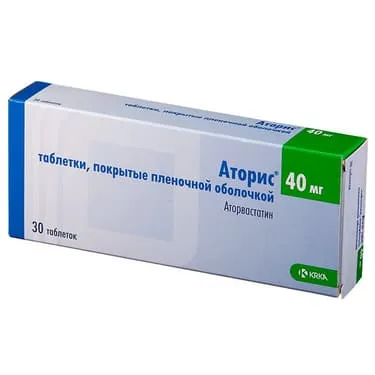
Table of Contents
INSTRUCTIONS FOR MEDICAL USE OF THE MEDICINAL PRODUCT Atoris® (Atoris®)
Composition:
Active ingredient: atorvastatin;
1 tablet contains 30 mg, or 60 mg, or 80 mg of atorvastatin as atorvastatin calcium;
Excipients: lactose monohydrate, microcrystalline cellulose, hydroxypropylcellulose, sodium croscarmellose, crospovidone, polysorbate 80, sodium hydroxide, magnesium stearate;
coating: polyvinyl alcohol, talc, macrogol 3000, titanium dioxide (E 171).
Medicinal form. Film-coated tablets.
Main physicochemical properties:
30 mg: white or almost white, round, slightly convex, film-coated tablets with beveled edges;
60 mg: white or almost white, oval, biconvex, film-coated tablets;
80 mg: white or almost white, capsule-shaped, biconvex, film-coated tablets.
Pharmacotherapeutic group. Hypolipidemic agents. HMG-CoA reductase inhibitors. Atorvastatin. ATC code C10AA05.
Pharmacological properties.
Pharmacodynamics.
Atoris® contains the active substance atorvastatin. Atorvastatin is a selective competitive inhibitor of HMG-CoA reductase — the enzyme that catalyzes the conversion of 3-hydroxy-3-methylglutaryl-coenzyme A to mevalonate, a precursor of sterols, including cholesterol. Triglycerides and cholesterol in the liver are incorporated into very-low-density lipoproteins (VLDL), which enter plasma and are transported to peripheral tissues. Low-density lipoprotein (LDL) is formed from VLDL and is primarily catabolized via interaction with high-affinity LDL receptors (LDL receptors).
Atorvastatin reduces plasma cholesterol and serum lipoprotein concentrations by inhibiting HMG-CoA reductase and hepatic cholesterol biosynthesis, and by increasing the number of hepatic LDL receptors on the cell surface, thereby enhancing the uptake and catabolism of LDL.
Atorvastatin reduces the formation of LDL and the number of LDL particles. Atorvastatin induces a pronounced and sustained increase in LDL receptor activity in combination with favorable changes in the quality of circulating LDL particles. Atorvastatin effectively reduces LDL cholesterol (LDL-C) levels in patients with homozygous familial hypercholesterolemia — a group that has not always responded to therapy with lipid-lowering agents.
In addition to its effects on plasma lipids, atorvastatin has other effects that enhance its antiatherosclerotic action. It inhibits the synthesis of isoprenoids — substances that act as growth factors for vascular smooth muscle cell proliferation — reduces plasma viscosity and the activity of certain coagulation factors, and promotes normalization of blood coagulation processes. Furthermore, HMG-CoA reductase inhibitors affect macrophage metabolism and thereby suppress their activation, reducing the risk of atherosclerotic plaque rupture.
It has been shown that atorvastatin reduces total cholesterol (30–46%), LDL-C (41–61%), apolipoprotein B (34–50%), and triglycerides (14–33%), while causing variable increases in HDL-C and apolipoprotein A levels in dose-response studies. These results are consistent with data from patients with heterozygous familial hypercholesterolemia, non-familial forms of hypercholesterolemia, and mixed hyperlipidemia, including patients with non-insulin-dependent diabetes mellitus.
It has been demonstrated that lowering levels of total cholesterol, LDL-C, and apolipoprotein B reduces the risk of cardiovascular complications and cardiovascular mortality.
Pharmacokinetics.
Absorption
Atorvastatin is rapidly absorbed after oral administration and reaches maximum plasma concentration within 1–2 hours. The extent of absorption and plasma concentration of atorvastatin is dose-dependent. The bioavailability of atorvastatin in tablet form is 95% and 99% compared to solution, respectively. The absolute bioavailability of atorvastatin is approximately 12–14%, and the systemic availability of HMG-CoA reductase inhibitory activity is approximately 30%. The low systemic bioavailability is due to presystemic clearance in the gastrointestinal mucosa and biotransformation during first-pass metabolism through the liver.
Distribution
The mean volume of distribution of atorvastatin is approximately 381 L. Plasma protein binding is > 98%. The blood/plasma concentration ratio of approximately 0.25 indicates poor penetration of the drug into erythrocytes.
Metabolism
Atorvastatin is extensively metabolized, forming ortho- and para-hydroxylated derivatives and various β-oxidation products. In vitro, ortho- and para-hydroxylated metabolites exhibit HMG-CoA reductase inhibitory activity equivalent to that of atorvastatin. The inhibitory effect of the drug on HMG-CoA reductase is approximately 70% attributable to the activity of circulating metabolites.
Elimination
Atorvastatin and its metabolites are primarily eliminated in bile following hepatic and/or extrahepatic biotransformation, but do not undergo enterohepatic recirculation. The mean elimination half-life of atorvastatin in humans is approximately 14 hours. The inhibitory activity against HMG-CoA reductase persists for 20–30 hours due to the presence of active metabolites. Less than 2% of the dose is excreted in urine after oral administration.
Atorvastatin is a substrate for hepatic transporters, organic anion transporting polypeptide 1B1 (OATP1B1) and 1B3 (OATP1B3). Atorvastatin metabolites are substrates for OATP1B1. Atorvastatin is also identified as a substrate for multidrug resistance protein 1 (MDR1) and breast cancer resistance protein (BCRP), which may limit intestinal absorption and biliary clearance of atorvastatin.
Patient populations
Elderly patients
Plasma concentrations of atorvastatin in healthy elderly volunteers (aged > 65 years) are higher than in younger individuals, whereas the lipid-lowering effects are comparable to those observed in younger patients.
Children
Apparent oral clearance of atorvastatin in children was found to be similar to that in adults when scaled allometrically by body weight, as body weight was the only significant covariate in the population pharmacokinetic model of atorvastatin using data that included children with heterozygous familial hypercholesterolemia (aged 6 to 17 years).
Gender
Plasma concentrations of atorvastatin in women differ from those in men (maximum plasma concentration (Cmax) is approximately 20% higher, and area under the curve (AUC) is 10% lower). However, these differences are not clinically significant, and the lipid-lowering effect of the drug is nearly identical in men and women.
Renal impairment
Renal disease does not affect plasma concentrations or lipid-lowering effects of atorvastatin and its active metabolites.
Hemodialysis. Although studies have not been conducted in patients with end-stage renal disease, hemodialysis is not considered to significantly enhance drug clearance, as atorvastatin is highly bound to plasma proteins.
Hepatic impairment
Plasma concentrations of atorvastatin are markedly increased in patients with chronic alcoholic liver disease. Cmax and AUC values are 4-fold higher in patients with Child-Pugh class A liver disease.
In patients with Child-Pugh class B liver disease, Cmax and AUC values are increased approximately 16-fold and 11-fold, respectively (see section «Contraindications»).
Clinical characteristics.
Indications.
Prevention of cardiovascular diseases
For adult patients without clinically evident ischemic heart disease (IHD), but with multiple risk factors for IHD, such as advanced age, smoking, arterial hypertension, low HDL-C levels, or a family history of premature IHD, the medicinal product is indicated for:
- reducing the risk of myocardial infarction;
- reducing the risk of stroke;
- reducing the risk of angina pectoris and the need for myocardial revascularization procedures.
For adult patients with type 2 diabetes mellitus and without clinically evident ischemic heart disease, but with multiple risk factors for IHD development, such as retinopathy, albuminuria, smoking, or arterial hypertension, the medicinal product is indicated for:
- reducing the risk of myocardial infarction;
- reducing the risk of stroke.
For adult patients with clinically evident ischemic heart disease, the medicinal product is indicated for:
- reducing the risk of non-fatal myocardial infarction;
- reducing the risk of fatal and non-fatal stroke;
- reducing the risk of myocardial revascularization procedures;
- reducing the risk of hospitalization due to congestive heart failure;
- reducing the risk of angina pectoris.
Hyperlipidemia
In adult patients
- Primary hypercholesterolemia (heterozygous familial and non-familial) and mixed dyslipidemia (types IIa and IIb according to Fredrickson classification). As an adjunct to diet to reduce elevated total cholesterol (TC), low-density lipoprotein cholesterol (LDL-C), apolipoprotein B, and triglyceride levels, as well as to increase high-density lipoprotein cholesterol (HDL-C) levels.
- Hypertriglyceridemia (type IV according to Fredrickson classification). As an adjunct to diet for the treatment of patients with elevated serum triglyceride levels.
- Primary dysbetalipoproteinemia (type III according to Fredrickson classification). For the treatment of patients when dietary compliance is insufficiently effective.
- Homozygous familial hypercholesterolemia. To reduce TC and LDL-C as an adjunct to other lipid-lowering therapies (e.g., LDL apheresis) or when such therapies are unavailable.
- Heterozygous familial hypercholesterolemia in pediatric patients (aged 10–17 years). As an adjunct to diet to reduce levels of TC, LDL-C, and apolipoprotein B in adolescent boys and girls after onset of menstruation aged 10 to 17 years, if after appropriate dietary therapy the following criteria are met:
a) LDL-C remains ≥ 190 mg/dL (4.91 mmol/L), or
b) LDL-C ≥ 160 mg/dL (4.14 mmol/L) and:
- there is a family history of premature cardiovascular disease, or
- two or more other cardiovascular risk factors are present in the pediatric patient.
Contraindications.
- Hypersensitivity to any component of the medicinal product.
- Active liver disease or persistent elevations (of unknown etiology) in serum transaminase levels by three times or more.
- The medicinal product is contraindicated in pregnant women, breastfeeding women, and women of reproductive potential who are not using appropriate contraceptive methods (see section "Use in pregnancy or lactation").
- Concomitant use with the hepatitis C antiviral agents glecaprevir/pibrentasvir.
Interaction with other medicinal products and other forms of interaction.
Atorvastatin is a substrate of CYP3A4 and transporters (e.g., OATP1B1/1B3, P-gp, or BCRP). Plasma levels of atorvastatin may be significantly increased when coadministered with inhibitors of CYP3A4 and transporters. Table 1 lists medicinal products that may increase exposure to Atoris® and the risk of myopathy and rhabdomyolysis when used concomitantly, along with recommendations for managing and preventing such risks (see sections "Special precautions for use" and "Pharmacological properties").
Table 1
Interaction of Atoris® with other medicinal products that increases the risk of myopathy and rhabdomyolysis with Atoris®.
| Cyclosporine or gemfibrozil |
|
| Clinical effect |
Plasma levels of atorvastatin were significantly increased when Atoris® was coadministered with cyclosporine, an inhibitor of CYP3A4 and OATP1B1 (see section "Pharmacological properties"). Monotherapy with gemfibrozil may cause myopathy. There is an increased risk of developing myopathy and rhabdomyolysis when cyclosporine or gemfibrozil are used concomitantly with Atoris®. |
| Measures |
Concomitant use of cyclosporine or gemfibrozil with Atoris® is not recommended. |
| Antiviral agents |
|
| Clinical effect |
Plasma levels of atorvastatin were significantly increased when Atoris® was coadministered with many antiviral agents that are inhibitors of CYP3A4 and/or transporters (e.g., BCRP, OATP1B1/1B3, P-gp, MRP2, OAT2) (see section "Pharmacological properties"). Cases of myopathy and rhabdomyolysis have been reported with concomitant use of the combination ledipasvir + sofosbuvir and Atoris®. |
| Measures |
|
| Examples |
Tipranavir + ritonavir, glecaprevir + pibrentasvir, lopinavir + ritonavir, simeprevir, saquinavir + ritonavir, darunavir + ritonavir, fosamprenavir, fosamprenavir + ritonavir, elbasvir + grazoprevir, letermovir, nelfinavir, and ledipasvir + sofosbuvir. |
| Specific azole antifungal agents or macrolide antibiotics |
|
| Clinical effect |
Plasma levels of atorvastatin were significantly increased when Atoris® was coadministered with specific azole antifungal agents or macrolide antibiotics due to inhibition of CYP3A4 and/or transporters (see section "Pharmacological properties"). |
| Measures |
In patients receiving clarithromycin or itraconazole, the dose of Atoris® should not exceed 20 mg (see section "Dosage and administration"). The benefit/risk of concomitant use of specific azole antifungal agents or macrolide antibiotics with Atoris® should be evaluated. Signs and symptoms of myopathy should be monitored in all patients, especially at the beginning of therapy and during dose escalation of any drug. |
| Examples |
Erythromycin, clarithromycin, itraconazole, ketoconazole, posaconazole, and voriconazole. |
| Niacin |
|
| Clinical effect |
Cases of myopathy and rhabdomyolysis have been observed with concomitant use of lipid-modifying doses of niacin (>1 g/day of niacin) and Atoris®. |
| Measures |
Consider whether the benefit of concomitant use of lipid-modifying doses of niacin with Atoris® outweighs the increased risk of myopathy and rhabdomyolysis. If a decision is made to use both drugs concomitantly, monitor for signs and symptoms of myopathy, especially at the beginning of therapy and during dose escalation of either drug. |
| Fibrates (except gemfibrozil) |
|
| Clinical effect |
Use of fibrates as monotherapy may cause myopathy. The risk of developing myopathy and rhabdomyolysis increases with concomitant use of fibrates and Atoris®. |
| Measures |
Consider whether the benefit of concomitant use of fibrates with Atoris® outweighs the increased risk of myopathy and rhabdomyolysis. If a decision is made to use both drugs concomitantly, monitor for signs and symptoms of myopathy, especially at the beginning of therapy and during dose escalation of either drug. |
| Colchicine |
|
| Clinical effect |
Cases of myopathy and rhabdomyolysis have been observed during concomitant use of colchicine with Atoris®. |
| Measures |
The benefit/risk of concomitant use of colchicine with Atoris® should be considered. If a decision is made to use both drugs concomitantly, monitor for signs and symptoms of myopathy, especially at the beginning of therapy and during dose escalation of either drug. |
| Grapefruit juice |
|
| Clinical effect |
Consumption of grapefruit juice, especially in large quantities (more than 1.2 liters per day), may lead to increased plasma levels of atorvastatin and increase the risk of myopathy and rhabdomyolysis. |
| Measures |
Avoid consumption of large amounts of grapefruit juice (more than 1.2 liters per day) during treatment with Atoris®. |
Table 2
Interaction with medicinal products that may reduce exposure to the medicinal product Aторis®
| Rifampicin |
|
| Clinical effect |
Concomitant use of the medicinal product Atheros® with rifampicin, a cytochrome P450 3A4 inducer and OATP1B1 inhibitor, may lead to unstable reduction in atorvastatin plasma concentrations. Due to the dual interaction mechanism of rifampicin, delayed administration of the medicinal product Atheros® after rifampicin dosing has been associated with a significant reduction in atorvastatin plasma concentrations. |
| Management |
Concomitant administration of the medicinal product Atheros® and rifampicin is recommended. |
Table 3
Effect of the medicinal product Atoris® on other medicinal products
| Oral contraceptives |
|
| Clinical effect |
Concomitant use of Atoris® and oral contraceptives increased plasma concentrations of norethisterone and ethinylestradiol (see section "Pharmacological properties"). |
| Measures |
This fact should be taken into account when selecting an oral contraceptive for patients taking Atoris®. |
| Digoxin |
|
| Clinical effect |
When multiple doses of Atoris® and digoxin are used concomitantly, steady-state plasma concentrations of digoxin increase (see section "Pharmacological properties"). |
| Measures |
Patients taking digoxin should be appropriately monitored. |
Diltiazem hydrochloride.
Concomitant administration of atorvastatin (40 mg) and diltiazem (240 mg) is associated with increased plasma concentrations of atorvastatin.
Cimetidine.
No evidence of interaction between atorvastatin and cimetidine has been observed in clinical studies.
Antacids.
Concomitant oral administration of atorvastatin and an antacid suspension containing magnesium and aluminium hydroxide results in approximately a 35% reduction in atorvastatin plasma concentration. However, the hypolipidemic effect of atorvastatin remains unchanged.
Azithromycin.
Concomitant administration of atorvastatin (10 mg once daily) and azithromycin (500 mg once daily) was not associated with changes in atorvastatin plasma concentration.
Inhibitors of transport proteins
Inhibitors of transport proteins may increase systemic exposure to atorvastatin (see Table 1). Cyclosporine and letermovir are inhibitors of transporters involved in atorvastatin disposition, including OATP1B1/1B3, P-gp, and BCRP, leading to increased systemic exposure to atorvastatin (see Table 1). The impact of inhibition of uptake transporters on atorvastatin exposure in hepatocytes is unknown. If concomitant use cannot be avoided, dose reduction and clinical monitoring of treatment efficacy are recommended (see Table 1).
Concomitant use of atorvastatin with letermovir in patients also receiving cyclosporine is not recommended (see section "Special precautions for use").
Gemfibrozil/fibric acid derivatives
Use of fibrates as monotherapy has been associated with muscle-related adverse effects, including rhabdomyolysis. The risk of such events may be increased when fibric acid derivatives are used concomitantly with atorvastatin. If concomitant administration cannot be avoided, the lowest necessary dose of atorvastatin should be used to achieve the therapeutic goal, and patients should be appropriately monitored (see section "Special precautions for use").
Ezetimibe
Ezetimibe alone has been associated with muscle-related adverse effects, including rhabdomyolysis. Therefore, the risk of such events may be increased when ezetimibe is used concomitantly with atorvastatin. Appropriate clinical monitoring of such patients is recommended.
Colestipol
Plasma concentrations of atorvastatin and its active metabolites were lower (by approximately 25%) when colestipol was administered concomitantly with atorvastatin. However, lipid-lowering effects were greater when atorvastatin and colestipol were administered together compared to either agent alone.
Fusidic acid
Drug interaction studies between atorvastatin and fusidic acid have not been conducted. As with other statins, muscle-related adverse effects, including rhabdomyolysis, have been observed during concomitant use of atorvastatin and fusidic acid. The mechanism of this interaction is unknown. Close monitoring of patients is recommended, and temporary discontinuation of atorvastatin may be advisable.
Colchicine
Cases of myopathy, including rhabdomyolysis, have been reported with concomitant use of atorvastatin and colchicine. Therefore, atorvastatin should be prescribed with caution when used concomitantly with colchicine.
Daptomycin
Cases of myopathy and/or rhabdomyolysis have been reported with concomitant use of HMG-CoA reductase inhibitors (e.g., atorvastatin) and daptomycin. If concomitant use cannot be avoided, appropriate clinical monitoring is recommended (see section "Special precautions for use").
Effect of atorvastatin on concomitantly administered medicinal products
Digoxin
When atorvastatin was administered concomitantly with digoxin, steady-state digoxin plasma concentrations increased by approximately 20%. Patients receiving digoxin should be appropriately monitored.
Oral contraceptives
Concomitant use of atorvastatin with oral contraceptives increased plasma concentrations of norethisterone and ethinylestradiol. These increases should be considered when selecting an oral contraceptive for women taking atorvastatin.
Warfarin
In a clinical study of patients on long-term warfarin therapy, concomitant administration of 80 mg atorvastatin daily with warfarin resulted in a small decrease (approximately 1.7 seconds) in prothrombin time during the first 4 days of therapy; however, this parameter returned to baseline within the next 15 days of atorvastatin treatment. Although clinically significant anticoagulant interactions have been reported only very rarely, prothrombin time should be monitored frequently at the beginning of atorvastatin therapy in patients taking coumarin anticoagulants to confirm the absence of a significant change. Once a stable prothrombin time has been established, monitoring can continue at intervals normally recommended for patients on coumarin anticoagulants. This monitoring procedure should be repeated if atorvastatin therapy is discontinued or the dose changed. In patients not taking anticoagulants, atorvastatin therapy was not associated with bleeding or changes in prothrombin time.
Special precautions for use.
Myopathy and rhabdomyolysis
The medicinal product may cause myopathy (muscle pain, tenderness or weakness combined with elevated creatine kinase (CK) more than 10 times the upper limit of normal) and rhabdomyolysis (with or without acute renal failure due to myoglobinuria). Rare fatal cases of rhabdomyolysis have been reported with statins, including Atoris®.
Factors increasing the risk of myopathy
Risk factors for developing myopathy include age 65 years or older, uncontrolled hypothyroidism, renal impairment, concomitant use with certain other drugs, and use of higher doses of Atoris® (see section "Interaction with other medicinal products and other forms of interaction").
Measures to avoid or reduce the risk of myopathy and rhabdomyolysis
Exposure to Atoris® may increase due to interactions with other drugs via inhibition of the cytochrome P450 3A4 (CYP3A4) enzyme and/or transporters (e.g., breast cancer resistance protein [BCRP], organic anion transporting polypeptide [OATP1B1/OATP1B3], P-glycoprotein [P-gp]), increasing the risk of myopathy and rhabdomyolysis. Concomitant use of Atoris® with cyclosporine, gemfibrozil, the combination of tipranavir + ritonavir, or glecaprevir + pibrentasvir is not recommended. Dose modification of Atoris® is recommended for patients taking certain antiviral agents, azole antifungals, or macrolide antibiotics (see section "Dosage and administration"). Cases of myopathy/rhabdomyolysis have been reported with concomitant use of atorvastatin and lipid-modifying doses (>1 g/day) of niacin, fibrates, colchicine, or the combination of ledipasvir + sofosbuvir. The benefit-risk balance of using these drugs should be carefully evaluated (see section "Interaction with other medicinal products and other forms of interaction").
Concomitant consumption of large quantities of grapefruit juice (more than 1.2 liters per day) is not recommended in patients taking Atoris® (see section "Interaction with other medicinal products and other forms of interaction").
The medicinal product Atoris® should be discontinued if markedly elevated CK levels are observed or if myopathy is diagnosed or suspected. Muscle symptoms and elevated CK levels resolve after discontinuation of atorvastatin. Atoris® should be temporarily discontinued in patients with acute or serious conditions at high risk of developing renal failure due to rhabdomyolysis (e.g., sepsis; shock; severe hypovolemia; major surgery; trauma; severe metabolic, endocrine, or electrolyte disturbances; uncontrolled epilepsy).
Patients should be informed about the risk of developing myopathy and rhabdomyolysis at the start of treatment or when the dose of Atoris® is increased. Patients should be advised to immediately report any unexplained muscle pain, tenderness, or weakness, especially if accompanied by malaise or fever.
Immune-mediated necrotizing myopathy (IMNM)
Rare cases of immune-mediated necrotizing myopathy (IMNM) have been reported during or after treatment with certain statins. Clinically, IMNM is characterized by persistent proximal muscle weakness and elevated serum creatine kinase levels, which persist despite discontinuation of statin therapy; positive antibodies to HMG-CoA reductase; muscle biopsy showing necrotizing myopathy; and improvement with immunosuppressive therapy. Additional neuromuscular and serological investigations may be required. Immunosuppressive therapy may be needed. The risk of IMNM should be carefully considered before initiating treatment with another statin. If another statin is started, monitoring for signs and symptoms of IMNM is necessary.
Liver effects
Before initiating therapy, liver enzyme tests should be obtained and periodically monitored thereafter. Patients who develop symptoms suggestive of liver injury should have liver function tests performed. Patients with elevated transaminase levels should have liver function monitored until abnormalities resolve. If persistent elevations in serum transaminases occur at 3 times or more above the upper limit of normal (ULN), discontinuation of the medicinal product is recommended (see section "Adverse reactions").
Atorvastatin should be prescribed with caution in patients who consume alcohol excessively and/or have a history of liver disease.
Stroke Prevention by Aggressive Reduction in Cholesterol Levels (SPARCL)
Post hoc analysis of stroke subtypes in patients without ischemic heart disease (IHD) who had recently experienced a stroke or transient ischemic attack (TIA) showed a higher incidence of hemorrhagic stroke with atorvastatin 80 mg compared to placebo. The increased risk was particularly noted in patients with prior hemorrhagic stroke or lacunar infarction at study entry. For patients with prior hemorrhagic stroke or lacunar infarction, the risk-benefit balance of atorvastatin 80 mg is not established; therefore, the potential risk of hemorrhagic stroke should be carefully evaluated before initiating treatment.
Skeletal muscles
Atorvastatin, like other HMG-CoA reductase inhibitors, may in rare cases affect skeletal muscle and cause myalgia, myositis, and myopathy, which may progress to rhabdomyolysis—a potentially life-threatening condition characterized by markedly elevated creatine kinase (CK) (>10 times normal), myoglobinemia, and myoglobinuria, which may lead to renal failure.
Before starting treatment
Atorvastatin should be prescribed with caution in patients predisposed to rhabdomyolysis. Prior to initiating statin therapy in patients predisposed to rhabdomyolysis, CK levels should be measured in the following cases:
- Renal impairment;
- Hypothyroidism;
- Family or personal history of inherited muscle disorders;
- Previous episodes of statin or fibrate-induced myotoxicity;
- Previous liver disease and/or alcohol abuse.
The need for these measures in elderly patients (aged 70 years or older) should be evaluated considering the presence of other risk factors for rhabdomyolysis.
Increased plasma concentrations of the drug may occur, particularly due to interactions (see section "Interaction with other medicinal products and other forms of interaction") and in specific patient groups, including those with inherited disorders (see section "Pharmacokinetics").
In such cases, a careful assessment of the risk-benefit ratio of treatment and clinical monitoring of patients is recommended.
If CK levels are markedly elevated (more than 5 times the ULN) before treatment initiation, therapy should not be started.
Measurement of creatine kinase levels
CK levels should not be measured after strenuous physical exertion or in the presence of any other possible alternative causes of elevated CK, as this may complicate interpretation of results. If markedly elevated CK (exceeding ULN by more than 5 times) is observed at baseline, repeat measurement should be performed after 5–7 days to confirm the result.
During treatment
- Patients should be informed about the need to immediately report muscle pain, cramps, or weakness, especially if accompanied by malaise or fever.
- If these symptoms occur during atorvastatin treatment, CK levels should be measured. If CK levels are markedly elevated (exceeding ULN by more than 5 times), treatment should be discontinued.
- Discontinuation of treatment should also be considered if CK elevation does not reach fivefold ULN but muscle symptoms are severe and cause daily discomfort.
- After symptoms resolve and CK levels normalize, resumption of atorvastatin therapy or initiation of an alternative statin may be considered, using the lowest possible dose and with close monitoring.
- Atorvastatin treatment must be discontinued if clinically significant elevation of CK (exceeding ULN by more than 10 times) occurs or if rhabdomyolysis is diagnosed or suspected.
Concomitant use with other medicinal products
The risk of rhabdomyolysis increases with concomitant use of atorvastatin and certain medicinal products that may increase plasma concentrations of atorvastatin, such as strong CYP3A4 inhibitors or transporter proteins (e.g., cyclosporine, telithromycin, clarithromycin, delavirdine, stiripentol, ketoconazole, voriconazole, itraconazole, posaconazole, letermovir, and HIV protease inhibitors including ritonavir, lopinavir, atazanavir, indinavir, darunavir, tipranavir/ritonavir, etc.). The risk of myopathy may also be increased with concomitant use of gemfibrozil and other fibrinic acid derivatives, antiviral agents for hepatitis C (HCV) (e.g., boceprevir, telaprevir, elbasvir/grazoprevir, ledipasvir/sofosbuvir), erythromycin, niacin, or ezetimibe. Where possible, alternative (non-interacting) therapies should be considered.
If concomitant use of atorvastatin and these agents is necessary, the benefit-risk ratio should be carefully evaluated. If patients are taking drugs that increase atorvastatin plasma concentrations, the dose of atorvastatin should be reduced to the minimum. Additionally, when using strong CYP3A4 inhibitors, a lower initial dose of atorvastatin should be considered, with appropriate clinical monitoring (see section "Interaction with other medicinal products and other forms of interaction").
Atorvastatin should not be used concomitantly with systemic fusidic acid or within 7 days after discontinuation of fusidic acid treatment. In patients for whom fusidic acid treatment is considered essential, statin therapy should be discontinued throughout the duration of fusidic acid treatment. Cases of rhabdomyolysis (including some fatal cases) have been reported in patients receiving fusidic acid and statins concomitantly (see section "Interaction with other medicinal products and other forms of interaction"). Patients should seek immediate medical attention if symptoms of muscle weakness, pain, or tenderness occur.
Statin therapy may be resumed 7 days after the last dose of fusidic acid.
In exceptional cases where prolonged fusidic acid therapy is required, e.g., for treatment of severe infections, the possibility of concomitant use of atoris® and fusidic acid should be considered on a case-by-case basis and under continuous medical supervision.
The risk of myopathy and/or rhabdomyolysis may be increased with concomitant use of HMG-CoA reductase inhibitors (e.g., atorvastatin) and daptomycin (see section "Interaction with other medicinal products and other forms of interaction"). Temporary discontinuation of Atoris® should be considered in patients receiving daptomycin unless the benefit outweighs the risk. If concomitant use cannot be avoided, CK levels should be monitored 2–3 times per week, and patients should be closely monitored for any signs or symptoms suggestive of myopathy.
Interstitial lung disease
Rare cases of interstitial lung disease have been reported with some statins, particularly with long-term treatment (see section "Adverse reactions"). Clinical features may include dyspnea, non-productive cough, and deterioration in general health (fatigue, weight loss, fever). If interstitial lung disease is suspected, statin treatment should be discontinued.
Paediatric population
In a three-year study assessing overall development using the Tanner scale and measurements of height and body weight, no clinically significant effect on overall and sexual development was observed (see section "Adverse reactions").
Diabetes mellitus
Some data suggest that statins as a class may increase HbA1c and fasting glucose levels and may induce hyperglycemia in some patients at high risk of developing diabetes, requiring appropriate diabetes treatment. However, this risk is outweighed by the reduction in cardiovascular risk associated with statin use and therefore should not be a reason to discontinue statin therapy. According to national guidelines, clinical and biochemical monitoring of at-risk patients (fasting glucose 5.6–6.9 mmol/L, BMI >30 kg/m², elevated triglycerides, hypertension) is recommended.
Myasthenia gravis
In isolated cases, statins have been reported to induce de novo or exacerbate pre-existing myasthenia gravis or ocular myasthenia (see section "Adverse reactions"). If symptoms worsen, atorvastatin should be discontinued. Recurrences have been reported upon re-exposure to the same or another statin.
Excipients
The product contains lactose; therefore, it should not be used in patients with congenital galactose intolerance, glucose-galactose malabsorption syndrome, or Lapp lactase deficiency.
Use during pregnancy or breastfeeding.
Women of childbearing potential
Women of childbearing potential should use appropriate contraceptive methods during treatment (see section "Contraindications"). If a patient intends to become pregnant during treatment with atorvastatin, she should discontinue the drug no later than one month before planned pregnancy.
Pregnancy
Atoris® is contraindicated during pregnancy, as safety has not been established and there are no controlled studies of atorvastatin use in pregnant women. Rare reports of congenital anomalies following in utero exposure to HMG-CoA reductase inhibitors have been received. Animal studies have shown toxic effects on reproductive function.
Atorvastatin treatment may reduce intrauterine mevalonate levels, necessary for cholesterol biosynthesis. Atherosclerosis is a chronic process; therefore, interruption of lipid-lowering therapy during pregnancy is not expected to significantly affect long-term outcomes of primary hypercholesterolemia treatment.
Therefore, atorvastatin should not be administered to pregnant women or women who are planning or suspect pregnancy. Treatment with Atoris® should be discontinued during pregnancy or if pregnancy is suspected (see section "Contraindications").
Breastfeeding period
It is unknown whether atorvastatin and its metabolites are excreted in human breast milk; however, it is known that a small amount of atorvastatin or its metabolites can pass into the milk of rats. Due to the potential risk of serious adverse effects, women taking atorvastatin should discontinue breastfeeding (see section "Contraindications").
Atorvastatin is contraindicated during breastfeeding (see section "Contraindications").
Fertility
In animal studies, atorvastatin had no effect on fertility in males or females.
Ability to affect reaction speed when driving or operating machinery.
There are no reports of Atoris® affecting the ability to drive or operate machinery. However, during treatment, some patients may experience dizziness or muscle cramps. Therefore, caution should be exercised when driving or operating machinery during treatment.
Method of Administration and Dosage.
Dosage
Prior to initiating treatment with Atoris®, the degree of hypercholesterolemia should be determined and appropriate dietary measures, physical activity, weight reduction in obese patients, and management of other underlying medical conditions should be implemented. During treatment with Atoris®, the patient should adhere to a standard cholesterol-lowering diet.
Hyperlipidemia and mixed dyslipidemia
The recommended initial dose of atorvastatin is 10 mg or 20 mg once daily. For patients requiring a large reduction in LDL-C levels (more than 45%), therapy may be initiated with a dose of 40 mg once daily.
The dosage range of the medicinal product is from 10 mg to 80 mg once daily. The drug can be taken as a single daily dose at any time, independent of food intake. The initial and maintenance doses should be individually adjusted based on LDL-C levels, treatment goals, and response. Lipid levels should be monitored 2–4 weeks after initiation of therapy and/or dose adjustment, and the dose should be adjusted accordingly.
Heterozygous familial hypercholesterolemia in pediatric patients (aged 10 to 17 years)
The recommended initial dose of atorvastatin is 10 mg/day, with a usual dosage range of 10 mg to 20 mg orally once daily. Doses should be individually adjusted according to treatment goals. Therapeutic response occurs within
2–4 weeks and is maintained during long-term therapy. Dose adjustments should be made at intervals of 4 weeks or longer.
Homozygous familial hypercholesterolemia
The atorvastatin dose for patients with homozygous familial hypercholesterolemia ranges from 10 mg to 80 mg daily (see section "Pharmacodynamics"). Atorvastatin should be used as an adjunct to other lipid-lowering treatment methods (e.g., LDL apheresis) or when other lipid-lowering therapies are unavailable.
Combination lipid-lowering therapy
Atoris® may be taken concomitantly with bile acid sequestrants. Combination therapy with HMG-CoA reductase inhibitors (statins) and fibrates should generally be used with caution (see sections "Special precautions for use", "Interaction with other medicinal products and other forms of interaction").
Prevention of cardiovascular disease
The recommended initial dose is 10 mg/day. Higher doses may be required to achieve target LDL-C levels according to current guidelines.
Renal impairment
Renal disease does not affect plasma concentrations or the reduction in LDL-C levels with the drug; therefore, dose adjustment of the drug in patients with renal impairment is not required (see sections "Special precautions for use", "Pharmacokinetics").
Hepatic insufficiency
Atoris® should be used with caution in patients with hepatic impairment (see sections "Special precautions for use", "Pharmacokinetics"). Atoris® is contraindicated in patients with active liver disease (see section "Contraindications").
Use in combination with other medicinal products
Treatment with the drug should be avoided in patients taking cyclosporine or HIV protease inhibitors (tipranavir + ritonavir), or hepatitis C virus protease inhibitors (telaprevir). Caution is advised in HIV patients receiving lopinavir + ritonavir, and the lowest necessary dose should be used. For patients taking clarithromycin, itraconazole, or HIV patients receiving combinations of saquinavir + ritonavir, darunavir + ritonavir, fosamprenavir, or fosamprenavir + ritonavir, the therapeutic dose of the drug should be limited to 20 mg, and appropriate clinical monitoring is recommended to ensure use of the lowest effective dose. For patients taking the HIV protease inhibitor nelfinavir or the hepatitis C virus protease inhibitor boceprevir, treatment with the drug should be limited to a dose of 40 mg, and appropriate clinical monitoring is recommended to ensure use of the lowest effective dose (see sections "Special precautions for use" and "Interaction with other medicinal products and other forms of interaction").
Elderly patients
For patients aged 70 years and older, the efficacy and safety of atorvastatin at recommended doses should be evaluated considering the presence of other risk factors for the development of rhabdomyolysis.
Concomitant use with other medicinal products
In patients receiving concomitant antiviral therapy for hepatitis C with elbasvir/grazoprevir or letermovir for cytomegalovirus prophylaxis, the atorvastatin dose should not exceed 20 mg/day (see sections "Special precautions for use", "Interaction with other medicinal products and other forms of interaction").
Concomitant use of atorvastatin is not recommended in patients receiving letermovir together with cyclosporine (see sections "Special precautions for use", "Interaction with other medicinal products and other forms of interaction").
Children.
Heterozygous familial hypercholesterolemia
For patients aged 10 years and older with heterozygous familial hypercholesterolemia, the recommended initial dose of atorvastatin is 10 mg daily (see section "Pharmacodynamics"). The dose may be increased up to 80 mg daily according to response and tolerability. Doses should be individually adjusted according to treatment goals. Dose adjustments should be made at intervals of 4 weeks or longer. Titration up to 80 mg daily is supported by data from adult studies and limited clinical data in children with heterozygous familial hypercholesterolemia (see sections "Adverse reactions" and "Pharmacodynamics").
Safety and efficacy data in children aged 6 to 10 years with heterozygous familial hypercholesterolemia are derived from open-label studies. Atorvastatin should not be used for treatment in patients under 10 years of age (see sections "Adverse reactions", "Pharmacodynamics", and "Pharmacokinetics").
Another pharmaceutical form/dosage may be more appropriate for this patient group.
Clinical efficacy of atorvastatin at doses up to 80 mg/day for 1 year has been reported in patients with homozygous familial hypercholesterolemia, including 8 pediatric patients (see section "Homozygous familial hypercholesterolemia").
Overdose.
There is no specific antidote for atorvastatin overdose. In case of overdose, symptomatic and supportive treatment should be administered as needed. Liver function tests should be performed and serum CK levels monitored. Due to the high degree of plasma protein binding of atorvastatin, a significant increase in atorvastatin clearance is not expected with hemodialysis.
Adverse Reactions
Since clinical trials are conducted under widely varying conditions, the adverse reaction rates observed in the clinical trials of a drug cannot be directly compared to those of another drug, and they may not reflect the rates observed in clinical practice.
According to clinical trial data, the most commonly reported adverse reactions leading to discontinuation of atorvastatin treatment, occurring at a higher frequency (> 2%) than in the placebo group, were: myalgia (0.7%), diarrhea (0.5%), nausea (0.4%), increased alanine aminotransferase (ALT) levels (0.4%), and increased liver enzymes (0.4%).
The most frequently reported adverse reactions (≥ 2% compared to placebo), regardless of causality, in patients receiving placebo in the trials (n = 8755), were: nasopharyngitis (8.3%), arthralgia (6.9%), diarrhea (6.8%), limb pain (6.0%), and urinary tract infection (5.7%).
Other adverse reactions reported during placebo-controlled trials include:
General disorders: malaise, pyrexia.
Gastrointestinal system disorders: gastrointestinal discomfort, belching, flatulence, hepatitis, cholestasis.
Musculoskeletal and connective tissue disorders: musculoskeletal pain, increased muscle fatigue, neck pain, joint swelling, tendinopathy (sometimes complicated by tendon rupture).
Metabolism and nutrition disorders: increased transaminases, abnormal liver function tests, increased alkaline phosphatase in blood, increased creatine phosphokinase activity, hyperglycemia.
Nervous system disorders: nightmares.
Respiratory system disorders: nosebleeds.
Skin and subcutaneous tissue disorders: urticaria.
Eye disorders: blurred vision, visual disturbances.
Ear and labyrinth disorders: tinnitus.
Vascular disorders: vasculitis.
Renal and urinary disorders: leukocyturia.
Reproductive system and breast disorders: gynecomastia.
The frequency of adverse reactions was defined as follows: common (> 1/100, < 1/10); uncommon (> 1/1000, < 1/100); rare (> 1/10000, < 1/1000); very rare (< 1/10000).
Nervous system disorders: common: headache; uncommon: dizziness, paraesthesia, hypoaesthesia, dysgeusia, amnesia; rare: peripheral neuropathy; frequency not known: myasthenia gravis.
Eye disorders: frequency not known: ocular myasthenia.
Gastrointestinal disorders: common: constipation; uncommon: pancreatitis, vomiting.
Musculoskeletal and connective tissue disorders: common: joint pain, back pain; rare: myopathy, myositis, rhabdomyolysis, and red-brown discoloration of urine.
General disorders: uncommon: asthenia, chest pain, peripheral edema, fatigue.
Metabolism and nutrition disorders: uncommon: hypoglycemia, weight gain, anorexia.
Hepatobiliary disorders: very rare: liver failure.
Skin and subcutaneous tissue disorders: uncommon: skin rashes, pruritus, alopecia; rare: angioedema, bullous dermatitis (including erythema multiforme), Stevens-Johnson syndrome, toxic epidermal necrolysis, lichenoid drug reaction.
Respiratory, thoracic and mediastinal disorders: common: throat and larynx pain.
Blood and lymphatic system disorders: rare: thrombocytopenia.
Immune system disorders: common: allergic reactions; very rare: anaphylaxis.
Eye disorders: uncommon: blurred vision.
Laboratory test abnormalities: common: abnormal liver function tests, increased blood creatine phosphokinase activity; uncommon: positive test for leukocytes in urine.
As with other HMG-CoA reductase inhibitors, elevations in serum transaminase activity were observed in patients taking atorvastatin. These changes were generally mild, transient, and did not require intervention or treatment. Clinically significant elevations in serum transaminase activity (exceeding ULN by more than 3 times) were observed in 0.8% of patients receiving atorvastatin. This elevation was dose-dependent and reversible in all patients.
Elevations in serum creatine kinase activity exceeding ULN by more than 3 times were observed in 2.5% of patients taking atorvastatin. This is consistent with observations from clinical trials of other HMG-CoA reductase inhibitors. In 0.4% of patients receiving atorvastatin, levels exceeded the upper limit of normal by more than 10 times.
Adverse reactions observed during clinical trials: urinary tract infection, diabetes mellitus, stroke, increased serum transaminase activity (dose-dependent and reversible in all patients), increased serum creatine kinase activity, diabetes mellitus.
Post-marketing experience
The following adverse reactions have been identified during post-marketing use of atorvastatin. Because these reactions are reported voluntarily from a population of unknown size, it is not always possible to reliably estimate their frequency or establish a causal relationship to drug exposure.
Adverse reactions associated with atorvastatin treatment and reported after marketing authorization, regardless of causal assessment, include: anaphylaxis, angioedema, bullous eruptions (including exudative multiform erythema, Stevens-Johnson syndrome, and toxic epidermal necrolysis), rhabdomyolysis, myositis, increased fatigue, tendon rupture, fatal and non-fatal liver failure, dizziness, depression, peripheral neuropathy, and pancreatitis.
Rare cases of immune-mediated necrotizing myopathy associated with statin use have been reported (see section "Special warnings and precautions for use").
Rare post-marketing reports of cognitive disorders (e.g., partial memory loss, forgetfulness, amnesia, memory impairment, confusion) associated with statin use have been received. These cognitive disorders have been reported with all statins. Overall, these reactions were not considered serious adverse events and were reversible upon discontinuation of statin therapy, with variable onset times (from 1 day to several years) and resolution times (median duration of 3 weeks).
With the use of some statins, adverse events such as sexual dysfunction have been described. Rare cases of interstitial lung disease, particularly during long-term treatment, have also been reported.
The following adverse reactions have been reported during post-marketing surveillance.
Blood and lymphatic system disorders: thrombocytopenia.
Immune system disorders: allergic reactions, anaphylaxis (including anaphylactic shock).
Metabolism and nutrition disorders: weight gain.
Nervous system disorders: headache, hypoaesthesia, dysgeusia.
Gastrointestinal disorders: abdominal pain.
Ear and labyrinth disorders: tinnitus.
Skin and subcutaneous tissue disorders: urticaria.
Musculoskeletal and connective tissue disorders: arthralgia, back pain, lupus-like syndrome, muscle rupture.
General disorders: chest pain, peripheral edema, malaise, fatigue.
Laboratory test abnormalities: increased alanine aminotransferase activity, increased blood creatine phosphokinase activity.
Pediatric population
Pediatric patients aged 10 to 17 years receiving atorvastatin had an adverse reaction profile generally similar to that of placebo recipients. In a three-year study assessing overall development using the Tanner scale and measurements of height and body weight, no clinically significant effect on overall or sexual development was observed. The safety and tolerability profile in pediatric patients was similar to the known safety profile of atorvastatin in adult patients.
The clinical safety database includes safety data from 520 pediatric patients who received atorvastatin, including 7 patients under 6 years of age, 121 patients aged 6 to 9 years, and 392 patients aged 10 to 17 years. Based on available data, the frequency, type, and severity of adverse reactions in children are similar to those in adults.
Reporting of suspected adverse reactions.
Reporting suspected adverse reactions after a medicinal product is authorized is important. It allows continued monitoring of the benefit-risk balance of the medicinal product. Healthcare professionals and patients or their legal representatives should report any suspected adverse reactions and lack of efficacy to the State Expert Center of the Ministry of Health of Ukraine via the following link: https://aisf.dec.gov.ua.
Shelf life. 2 years.
Storage conditions.
Store in the original packaging to protect from moisture. Keep out of the reach of children.
Packaging.
10 tablets per blister; 3, 6, or 9 blisters per cardboard box.
Prescription status. Prescription only.
Manufacturer.
KRKA, d.d., Novo mesto, Slovenia.
Manufacturer's address and place of business.
Smarjeska cesta 6, 8501 Novo mesto, Slovenia.