Xylo-pantenol
Poland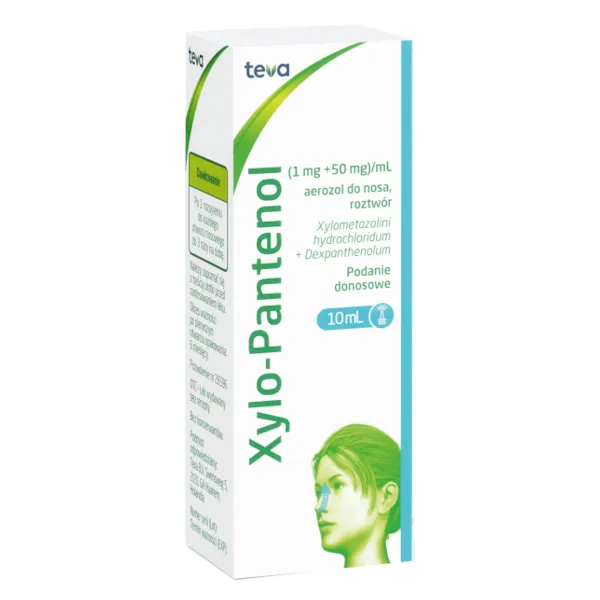
Table of Contents
Package leaflet: information for the patient
Xylo-Pantenol, (1 mg + 50 mg)/mL,
nasal spray, solution
Xylometazolini hydrochloridum + Dexpanthenolum
For use in adults and children over 6 years of age.
Please read carefully all the information in this leaflet before using the medicine, as it contains
important information for the patient.
This medicine should always be used exactly as described in this patient leaflet, or as directed by the
physician, pharmacist, or nurse.
- Keep this leaflet for future reference.
- If advice or additional information is needed, consult a pharmacist.
- If the patient experiences any adverse reactions, including any not listed in this leaflet, inform a doctor or pharmacist. See section 4.
- If there is no improvement after 7 days of treatment, or if symptoms worsen, consult a doctor.
Table of contents of the leaflet
- What Xylo-Pantenol is and what it is used for
- Important information before using Xylo-Pantenol
- How to use Xylo-Pantenol
- Possible side effects
- How to store Xylo-Pantenol
- Contents of the pack and other information
1. What Xylo-Pantenol is and what it is used for
Xylo-Pantenol contains two active substances: xylometazoline hydrochloride and dexpanthenol.
Xylometazoline constricts blood vessels, thereby reducing swelling of the nasal mucosa.
The active substance dexpanthenol is a derivative of pantothenic acid, a vitamin that supports wound healing and has a protective effect on mucous membranes.
Xylo-Pantenol is used to reduce swelling of the nasal mucosa in nasal catarrh and as supportive treatment in healing of skin and mucous membrane lesions, as well as in the treatment of episodic nasal discharge (vasomotor rhinitis) and in the treatment of impaired nasal breathing following nasal surgery.
Xylo-Pantenol is indicated for use in adults and children over 6 years of age.
If there is no improvement after 7 days of treatment, or if the patient feels worse, consult a doctor.
2. Important information before using Xylo-Pantenol
When not to use Xylo-Pantenol:
- if the patient is allergic to xylometazoline hydrochloride, dexpanthenol, or to any of the other ingredients of the medicine (listed in section 6),
- if the patient has atrophic rhinitis (a form of chronic inflammation of the nasal mucosa causing dryness and formation of crusts),
- if the patient has recently undergone neurosurgery (transsphenoidal removal of the pituitary gland or any other surgical procedure exposing the meninges of the brain),
- in children aged 6 years and younger.
Warnings and precautions
Consult a doctor or pharmacist before using Xylo-Pantenol if:
- taking certain antidepressant medicines known as monoamine oxidase inhibitors (MAO inhibitors) or other medicines that may increase blood pressure (e.g. doxapram, ergotamine, oxytocin),
- taking medicines to lower blood pressure (e.g. methyldopa),
- increased intraocular pressure, especially if the patient has narrow-angle glaucoma,
- severe cardiovascular disorders (e.g. long QT syndrome) or high blood pressure (hypertension),
- pheochromocytoma (a tumour of the adrenal medulla),
- metabolic disorders such as hyperthyroidism or diabetes,
- a metabolic disorder called porphyria (a metabolic disorder affecting the skin and/or nervous system),
- benign prostatic hyperplasia (enlargement of the prostate gland).
Use of this medicine in chronic rhinitis should be under medical supervision due to possible damage to the nasal mucosa (tissue inside the nose).
Children
Do not use in children aged 6 years and younger. For children aged 2 to 6 years, an appropriate nasal spray with a lower concentration of xylometazoline hydrochloride (a substance that constricts the mucous membrane) is available.
Prolonged use or use in doses higher than recommended should be avoided, especially in children. Higher doses should only be administered after consultation with a doctor.
Xylo-Pantenol and other medicines
Tell your doctor or pharmacist about all medicines you are currently taking, have recently taken, or plan to take.
Concomitant use of Xylo-Pantenol with certain medicines, such as antidepressants (e.g. tranylcypromine-type monoamine oxidase inhibitors or tricyclic antidepressants), as well as medicines that may potentially increase blood pressure (e.g. doxapram, ergotamine, oxytocin), may lead to increased arterial blood pressure due to effects on the cardiovascular system.
Do not use this medicine simultaneously with medicines that lower blood pressure (e.g. methyldopa), due to the possible vasoconstrictive effect of xylometazoline (which may increase blood pressure).
Pregnancy and breastfeeding
If the patient is pregnant or breastfeeding, suspects she may be pregnant, or is planning to become pregnant, she should consult a doctor or pharmacist before using this medicine.
Due to lack of safety data, this medicine should not be used during pregnancy.
It is unknown whether xylometazoline hydrochloride passes into breast milk; therefore, Xylo-Pantenol should not be used during breastfeeding.
Driving and operating machinery
If Xylo-Pantenol is used according to the recommendations, a negative effect on the ability to drive vehicles or operate machinery is not expected.
3. How to use Xylo-Pantenol
This medicine should always be used exactly as described in this patient leaflet or as directed by a
doctor or pharmacist. If in doubt, consult a doctor or pharmacist.
Recommended dose
Unless otherwise advised by a doctor, adults and children over 6 years of age should use one spray of Xylo-Pantenol
into each nostril, as needed, but a maximum of three times per day.
Dosage depends on individual sensitivity and the patient's response to the medicine.
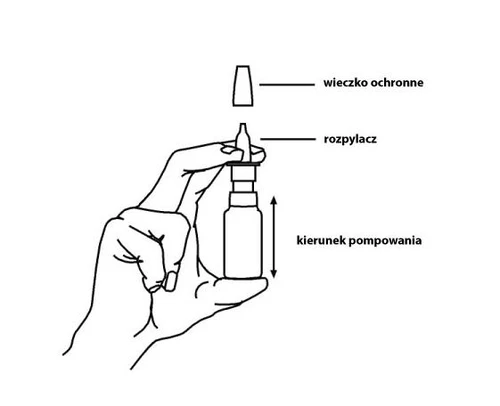 | Route of administration The medicine is intended for nasal use. After removing the protective cap, insert the spray nozzle (applicator) into the nostril and press the pump once. While spraying, breathe gently through the nose. After each use, carefully wipe the spray tip with a clean tissue and replace the protective cap. |
Warning
Before first use, or if the spray has not been used for more than 7 days, press the pump several times until a uniform spray is produced.
For subsequent applications, the metered-dose spray is ready for immediate use.
Before using the nasal spray, gently blow your nose. It is recommended to take the last dose each day before going to bed.
For hygienic reasons and to avoid infection, each bottle with the applicator should be used by only one person.
Duration of use
Do not use Xylo-Pantenol for longer than 7 days unless your doctor has clearly instructed you to continue treatment.
Re-treatment should only be started after a break of several days.
When used in children, always consult a doctor regarding the duration of treatment.
Continuous use of Xylo-Pantenol may lead to chronic swelling and, ultimately, may cause atrophy of the nasal mucosa.
Patients with increased intraocular pressure (glaucoma, particularly narrow-angle glaucoma) should consult their doctor before using this medicine.
If the effect of Xylo-Pantenol is too strong or too weak, consult your doctor or pharmacist.
Use of a higher than recommended dose of Xylo-Pantenol
If a higher than recommended dose of Xylo-Pantenol is used or if the product is accidentally swallowed, the following symptoms may occur:
pupil constriction (miosis), pupil dilation, fever, sweating, pallor, bluish discoloration of the lips (cyanosis), nausea, seizures, cardiovascular disorders such as heart rhythm disturbances (tachycardia, bradycardia, cardiac arrhythmia), circulatory collapse, cardiac arrest, high blood pressure (hypertension); pulmonary complications (pulmonary edema, breathing difficulties), psychiatric disturbances.
Additionally, drowsiness, decreased body temperature, bradycardia, shock-like drop in blood pressure, respiratory arrest, and loss of consciousness (coma) may occur.
If an overdose is suspected, contact a doctor immediately. If necessary, the doctor will initiate appropriate treatment.
Missed dose of Xylo-Pantenol
Do not use a double dose to make up for a missed dose. Continue treatment as described in the instructions.
4. Possible adverse effects
Like all medicines, Xylo-Pantenol can cause adverse effects, although not everyone experiences them.
The frequency of adverse effects is defined according to the following convention:
Very common: may occur in more than 1 in 10 patients,
Common: may occur in less than 1 in 10 patients,
Uncommon: may occur in less than 1 in 100 patients,
Rare: may occur in less than 1 in 1000 patients,
Very rare: may occur in less than 1 in 10,000 patients,
Frequency not known: frequency cannot be estimated from the available data.
Immune system disorders:
Uncommon: allergic reactions (hypersensitivity) – skin and mucosal swelling, skin rash, itching
Psychiatric disorders:
Very rare: restlessness, insomnia, hallucinations (especially in children)
Nervous system disorders:
Very rare: fatigue (drowsiness, sedation), headache, seizures (especially in children)
Cardiac disorders:
Rare: palpitations, increased heart rate (tachycardia)
Very rare: heart rhythm disturbances (arrhythmia)
Vascular disorders:
Rare: increased blood pressure (arterial hypertension)
Respiratory, thoracic and mediastinal disorders:
Very rare: increased nasal mucosal swelling after the medicine wears off, nosebleeds
Frequency not known: burning sensation and dryness of the nasal mucosa, sneezing
Reporting of adverse effects
If any adverse effects occur, including those not listed in this leaflet, inform your doctor or pharmacist. Adverse effects can be reported directly to the Department of Monitoring Adverse Drug Reactions at the Office for Registration of Medicinal Products, Medical Devices and Biocidal Products:
Al. Jerozolimskie 181C, 02-222 Warsaw
Tel.: +48 22 49 21 301, Fax: +48 22 49 21 309
Website: https://smz.ezdrowie.gov.pl
Adverse effects can also be reported to the marketing authorization holder.
Reporting adverse effects helps to provide more information on the safety of the medicine.
5. How to store the medicine Xylo-Pantenol
Keep the medicine out of the sight and reach of children.
Do not use this medicine after the expiry date stated on the carton and label following “Expiry date (EXP)” or “EXP”. The expiry date refers to the last day of the stated month.
No special storage conditions are required for this medicine.
Shelf-life after first opening the container: 6 months.
Medicines should not be disposed of via wastewater or household waste. Ask your pharmacist how to dispose of medicines no longer in use. This will help protect the environment.
6. Contents of the pack and other information
What Xylo-Pantenol contains
The active substances are: xylometazoline hydrochloride + dexpanthenol. One spray
(0.1 mL of solution) contains 0.1 mg of xylometazoline hydrochloride and 5.0 mg of dexpanthenol.
1 mL of solution contains: xylometazoline hydrochloride 1 mg and dexpanthenol 50 mg.
Other components of the medicine are:
- Potassium dihydrogen phosphate
- Disodium hydrogen phosphate heptahydrate
- Water for injections
What Xylo-Pantenol looks like and contents of the pack
One bottle with 10 mL of solution contains no less than 90 single sprays.
Xylo-Pantenol is a clear, almost colourless solution in a 10 mL round plastic bottle containing 10 mL of solution, sealed with a spray pump (applicator) and a protective cap.
Marketing Authorisation Holder:
Teva B.V.
Swensweg 5
2031 GA Haarlem
The Netherlands
Manufacturer:
Merckle GmbH
Ludwig-Merckle-Strasse 3
89143 Blaubeuren
Germany
PLIVA Hrvatska d.o.o.
(PLIVA Croatia Ltd.)
Prilaz baruna Filipovica 25
10000 Zagreb
Croatia
This medicinal product is authorised in the Member States of the European Economic Area under the following names:
Germany: Xylometazolin/Dexpanthenol Teva 1 mg/mL + 50 mg/mL Nasenspray Lösung
Poland: Xylo-Pantenol
For further information about the medicine and its names in other Member States of the European Economic Area, please contact the representative of the Marketing Authorisation Holder:
Teva Pharmaceuticals Polska Sp. z o.o.,
ul. Emilii Plater 53,
00-113 Warsaw,
tel. (22) 345 93 00