Xanax
Poland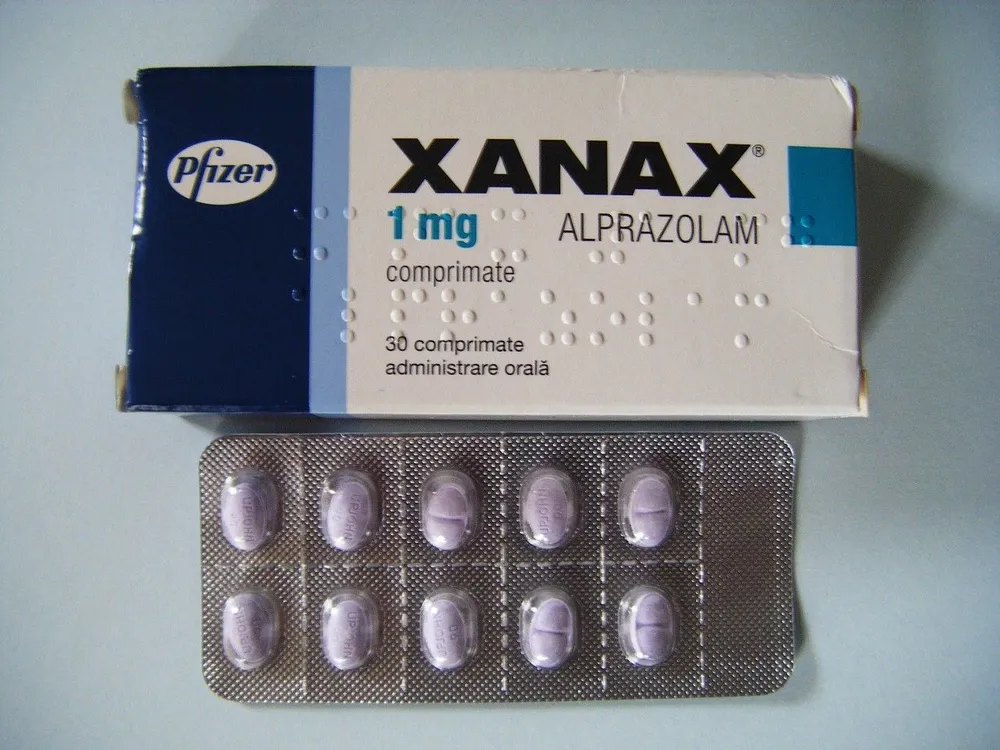
Table of Contents
Package leaflet: Information for the patient
Warning! Keep this leaflet. The information on the immediate packaging is in a foreign language.
Xanax (Xanor)
0.5 mg, tablets
Alprazolamum
Xanax and Xanor are different brand names of the same medicine.
Please read this leaflet carefully before using the medicine, as it contains
important information for the patient.
- Keep this leaflet so that you can read it again if necessary.
- If you have any doubts, consult your doctor or pharmacist.
- This medicine has been prescribed for a specific individual. Do not give it to others. The medicine may harm someone else, even if their symptoms are the same.
- If you experience any adverse reactions, including any adverse reactions not listed in this leaflet, inform your doctor, pharmacist or nurse. See section 4.
Table of contents of the leaflet
- What Xanax is and what it is used for
- What you need to know before taking Xanax
- How to take Xanax
- Possible side effects
- How to store Xanax
- Contents of the pack and other information
1. What Xanax is and what it is used for
The active substance in Xanax is alprazolam. It belongs to a group of medicines called benzodiazepines
(medicines with anxiolytic properties).
Xanax is indicated for the treatment of symptoms of anxiety disorders in adults, but only in
situations where symptoms are severe, impair normal functioning, or are extremely distressing to the patient. This medicine is intended for short-term use only.
2. Important information before using Xanax
When not to use Xanax:
- if the patient is allergic to alprazolam and other benzodiazepines, or to any of the other ingredients of this medicine (listed in section 6);
- if the patient suffers from muscle weakness ( myasthenia gravis ) (a disease characterized by excessive fatigue and muscle weakness);
- if the patient has severe respiratory insufficiency;
- if the patient has sleep apnoea syndrome;
- if the patient has severe hepatic insufficiency.
Xanax must not be used in children and adolescents under 18 years of age.
Warnings and precautions
Before starting treatment with Xanax, discuss the following with your doctor:
- if the medicine is used long-term, as dependence may occur, especially in patients prone to drug or alcohol abuse. The need for continued treatment should be periodically evaluated by the doctor;
Page 1 of 7
- if the dose of the medicine is being reduced or the medicine is suddenly discontinued [withdrawal symptoms may occur (see section 4)];
- if the medicine is used in patients with depression, suicidal thoughts or tendencies;
- if the patient is taking other benzodiazepines (increased risk of dependence);
- if the patient is concurrently taking opioids, hypnotics, sedatives, or consuming alcohol (the effects of these medicines or alcohol may be intensified);
- if restlessness, psychomotor agitation, irritability, aggression, hallucinations, anger, nightmares, illusions, psychosis, inappropriate behaviour or other behavioural disturbances occur. If any of these symptoms appear, treatment should be discontinued and the patient should contact their doctor;
- if the patient has glaucoma;
- if the patient has impaired kidney or liver function. Like other benzodiazepines, Xanax may cause anterograde amnesia, which occurs several hours after taking the medicine. In such a case, the patient should ensure uninterrupted sleep for 7–8 hours. Benzodiazepines and similarly acting substances should be used with caution in elderly patients due to the risk of excessive sedation and (or) muscular-skeletal system impairment, which may lead to falls, often with serious consequences for such patients.
Episodes of hypomania and mania have been reported in connection with the use of Xanax in patients with depression.
Before a planned surgery, inform the doctor about taking Xanax.
Xanax and other medicines
Tell your doctor about all medicines the patient is currently taking or has recently taken, as well as any medicines the patient plans to take.
- Extreme caution should be exercised when using Xanax concomitantly with opioids, as they have a depressant effect on the respiratory system (slowing and shallowing of breathing). This is associated with the risk of excessive sedation, respiratory depression, coma, and even death.
- Xanax may enhance the effects of antipsychotics, hypnotics, anxiolytics, sedatives, antidepressants, narcotic analgesics, anticonvulsants, anaesthetics, and antihistamines.
- In the case of narcotic analgesics, euphoria may be intensified, potentially increasing psychological dependence.
- Alcohol must not be consumed during treatment with Xanax.
- Concomitant use of Xanax with certain systemic antifungal medicines (e.g. ketoconazole, itraconazole, posaconazole, voriconazole) is not recommended.
- Extreme caution should be exercised and dose reduction considered when Xanax is used concomitantly with nefazodone, fluvoxamine, and cimetidine.
- Extreme caution should be exercised when using alprazolam together with fluoxetine, propoxyphene, oral contraceptives, sertraline, diltiazem, and macrolide antibiotics (e.g. erythromycin, clarithromycin or troleandomycin).
- Concomitant use of Xanax and HIV protease inhibitors (e.g. ritonavir) requires dose adjustment or discontinuation of alprazolam.
- Patients taking alprazolam and digoxin concurrently should be closely monitored for objective and subjective signs of digoxin toxicity.
- Theophylline may reduce the effect of benzodiazepines.
Pregnancy and breastfeeding
If the patient is pregnant or breastfeeding, suspects she may be pregnant, or is planning to have a child, she should consult her doctor before using this medicine.
Use of this medicine during pregnancy is not recommended.
Page 2 of 7
If the medicine is used during pregnancy or if the patient becomes pregnant while taking alprazolam, she should be evaluated for potential fetal risk.
If administration of the medicine is necessary during the late stages of pregnancy, high doses should be avoided and the newborn should be closely observed.
Benzodiazepines pass into human milk in small concentrations.
Xanax must not be used during breastfeeding.
Driving and operating machinery
Xanax may impair psycho-motor performance.
Before using Xanax, patients should familiarize themselves with current local traffic regulations.
Patients should not drive or operate machinery while taking Xanax.
Xanax contains monohydrate lactose
If the patient has previously been diagnosed with intolerance to certain sugars, the patient should consult their doctor before taking this medicine.
Xanax contains sodium
This medicine contains less than 1 mmol (23 mg) of sodium per tablet, meaning the medicine is considered "sodium-free".
Xanax contains sodium benzoate
Each tablet of this medicine contains 0.11 mg of sodium benzoate.
3. How to take Xanax
This medicine should always be taken exactly as your doctor has told you.
If in doubt, consult your doctor or pharmacist.
Xanax is available in the following strengths: 0.25 mg, 0.5 mg, 1 mg, and 2 mg.
Treatment should be as short as possible. Your doctor should regularly review your condition and the need for continuing treatment, especially if your symptoms have improved and may no longer require pharmacological treatment. The total duration of treatment should not exceed 2–4 weeks. Long-term treatment is not recommended.
At the start of treatment, your doctor will inform you about the limited duration of therapy, the need for gradual dose reduction when discontinuing the medicine, and the possibility of withdrawal reactions.
When taking benzodiazepines, including Xanax, dependence and emotional or physical dependence may develop. This risk increases with dose and duration of treatment. Therefore, the lowest effective dose should be used for the shortest possible time, and the need for continued treatment should be regularly reviewed with your doctor.
Recommended dose
The dose is determined by the doctor based on the severity of symptoms and the individual patient's response to treatment. If severe adverse effects occur after the initial dose, the doctor may decide to reduce the dose.
Treatment of anxiety symptoms
The recommended initial dose is 0.25 mg or 0.5 mg three times daily.
Your doctor may decide to increase the dose, depending on the patient's needs, up to a maximum daily dose of 4 mg, divided into smaller doses taken throughout the day.
Use in children and adolescents
Page 3 of 7
Xanax should not be used in children and adolescents under 18 years of age.
Use in patients with impaired kidney or liver function
Use in patients with severe liver impairment is contraindicated.
Use in elderly patients
The recommended initial dose is 0.25 mg two or three times daily.
If necessary, the doctor may decide to gradually increase the dose depending on the patient's tolerance to the medicine. If adverse effects occur, the doctor may decide to reduce the initial dose.
Taking more Xanax than recommended
Taking more Xanax than recommended may cause: ataxia (loss of coordination), drowsiness, speech disturbances, coma, and respiratory depression. If any concerning symptoms occur, contact your doctor immediately.
If you miss a dose of Xanax
Do not take a double dose to make up for a missed dose.
Stopping Xanax
Do not stop taking Xanax on your own.
Since treatment is symptomatic, symptoms may return after stopping the medicine.
Your doctor will decide on a gradual reduction of the dose.
If you have any further questions about the use of this medicine, consult your doctor.
4. Possible adverse reactions
Like all medicines, this medicine may cause adverse reactions, although not everybody gets them.
If any of the adverse reactions listed below persist or become troublesome, inform your doctor.
The occurrence of certain adverse reactions depends entirely on individual patient susceptibility and the dose administered. Adverse reactions are usually observed at the beginning of therapy. They subside as treatment continues or when the dose is reduced.
Frequency of adverse reactions observed in clinical trials and after marketing authorization:
Very common – may occur in more than 1 in 10 people:
- depression,
- sedation,
- somnolence,
- ataxia (lack of coordination of movement),
- memory disturbances,
- speech disorders,
- dizziness,
- headache,
- constipation,
- dry mouth,
- fatigue,
- irritability.
Page 4 of 7
Common – may occur in no more than 1 in 10 people:
- decreased appetite,
- confusion,
- disorientation,
- decreased libido (sexual drive),
- increased libido,
- anxiety,
- insomnia,
- restlessness,
- balance disorders,
- impaired coordination,
- difficulty concentrating,
- excessive need for sleep,
- lethargy,
- tremor,
- blurred vision,
- nausea,
- skin inflammation,
- sexual dysfunction,
- decreased body weight,
- increased body weight.
Uncommon – may occur in no more than 1 in 100 people:
- mania,
- hallucinations,
- anger,
- agitation,
- dependence,
- amnesia,
- muscle weakness,
- urinary incontinence,
- irregular menstruation,
- withdrawal syndrome.
Frequency not known (cannot be estimated from available data):
- hyperprolactinaemia (increased prolactin levels),
- hypomania,
- aggressive behaviour,
- hostile behaviour,
- thinking disorders,
- increased psychomotor activity,
- drug abuse,
- autonomic nervous system disorders (which control the function of internal organs, smooth muscles and glands),
- dystonia (muscle tone disorders),
- gastrointestinal disorders,
- hepatitis,
- liver disorders,
- jaundice,
- angioedema,
- photosensitivity reactions,
- urinary retention,
- peripheral oedema (swelling of ankles, feet or fingers),
- increased intraocular pressure.
Additionally, particularly in patients taking other psychotropic medicines, those with psychiatric disorders or those who misuse alcohol, a paradoxical reaction may occur, manifesting as anxiety.
Page 5 of 7
Other adverse reactions observed rarely or very rarely include: motor disturbances, seizures, psychotic symptoms, depersonalization, agranulocytosis (marked decrease in granulocyte count), allergic reactions or anaphylaxis (severe allergic reactions).
Benzodiazepines may cause physical and psychological dependence.
If physical dependence develops, abrupt discontinuation of Xanax may cause withdrawal symptoms: headache, muscle pain, increased anxiety, tension, agitation, disorientation, irritability, altered perception of surroundings or of self, hearing impairment, stiffness and tingling of limbs, hypersensitivity to light, noise and touch, hallucinations and seizures, insomnia and mood changes.
These symptoms are usually more pronounced in patients treated long-term with high doses of benzodiazepines and in cases of abrupt or rapid discontinuation of the medicine.
Reporting of adverse reactions
If any adverse reactions occur, including any adverse reactions not listed in this leaflet, inform your doctor, pharmacist or nurse. Adverse reactions can also be reported directly to the Department of Monitoring Adverse Drug Reactions, Office for Registration of Medicinal Products, Medical Devices and Biocidal Products, Al. Jerozolimskie 181C, 02-222 Warsaw, phone: +48 22 49 21 301, fax: +48 22 49 21 309, website: https://smz.ezdrowie.gov.pl
Reporting adverse reactions helps provide more information on the safety of this medicine.
5. How to store the medicine Xanax
Keep the medicine out of the sight and reach of children.
Do not store above 25°C.
Store in the original packaging to protect from light.
Do not use this medicine after the expiry date stated on the packaging. The expiry date refers to the last day of the stated month.
Medicines must not be disposed of via wastewater or household waste. Ask your pharmacist how to dispose of medicines no longer required. Such measures help protect the environment.
6. Contents of the packaging and other information
What Xanax contains
- The active substance is alprazolam. One tablet contains 0.5 mg of alprazolam.
- The other ingredients are: monohydrate lactose, microcrystalline cellulose, sodium docusate, sodium benzoate, colloidal anhydrous silica, magnesium stearate, corn starch, erythrosine (E 127).
What Xanax looks like and contents of the pack
Pink, elliptical-oval, scored tablets marked with the inscription "Upjohn 55" on one side and a
dividing line on the other side of the tablet.
The pack contains 30, 50 or 100 tablets in PVC blisters packed in a cardboard box.
For more detailed information, please contact the responsible party or parallel importer.
Page 6 of 7
Marketing Authorisation Holder in Austria, country of export:
Upjohn EESV, Rivium Westlaan 142, 2909 LD Capelle aan den IJssel, The Netherlands
Manufacturer:
Pfizer Italia S.r.l., Localita Marino del Tronto, 63100 Ascoli Piceno (AP), Italy
Mylan Hungary Kft., Mylan utca 1., 2900 Komárom, Hungary
Parallel importer:
Delfarma Sp. z o.o., ul. Św. Teresy od Dzieciątka Jezus 111, 91-222 Łódź
Repackaged in:
Delfarma Sp. z o.o., ul. Św. Teresy od Dzieciątka Jezus 111, 91-222 Łódź
Austrian Marketing Authorisation Number, country of export: 1-18639
Parallel Import Licence Number: 447/24
Page 7 of 7