Oftensin
Poland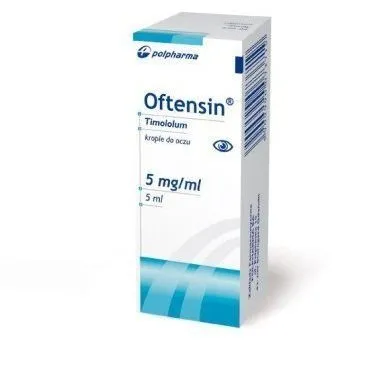
Table of Contents
Patient Information Leaflet
Oftensin, 2.5 mg/ml, eye drops, solution
Oftensin, 5 mg/ml, eye drops, solution
Timolol
Please read this leaflet carefully before using the medicine, as it contains important information for the patient.
- Keep this leaflet, so that you can read it again if necessary.
- If you have any questions, please consult your doctor or pharmacist.
- This medicine has been prescribed for a specific individual. Do not pass it on to others. This medicine may harm someone else, even if their symptoms are the same.
- If you experience any adverse reactions, including any not listed in this leaflet, inform your doctor or pharmacist. See section 4.
Table of Contents
- What Oftensin is and what it is used for
- Important information before using Oftensin
- How to use Oftensin
- Possible side effects
- How to store Oftensin
- Contents of the pack and other information
1. What Oftensin is and what it is used for
The active substance in Oftensin is timolol. Timolol belongs to a group of medicines called β-adrenergic blocking agents.
Timolol reduces intraocular pressure by decreasing the production of aqueous humour in the eyeball and simultaneously increasing its outflow via the uveoscleral pathway. Timolol also exerts a slight effect on episcleral venous pressure.
The medicine does not affect pupil size or accommodation, thus it does not disturb vision.
The effect of the medicine begins approximately 10–30 minutes after instillation, with the maximum reduction in intraocular pressure occurring after 1–2 hours. The effect lasts up to 24 hours after a single dose.
Indications for use include:
Treatment of elevated intraocular pressure in patients with:
- ocular hypertension,
- chronic open-angle glaucoma.
2. Important information before using Oftensin
When not to use Oftensin:
- if the patient is allergic to timolol, β-adrenolytics, or any of the other ingredients of this medicine (listed in section 6);
- if the patient currently has or has previously had bronchial asthma;
- if the patient currently has or has previously had severe chronic obstructive pulmonary disease (a severe lung disease which may cause wheezing, difficulty breathing and/or prolonged cough);
- if the patient has sinus bradycardia;
- if the patient has sick sinus syndrome;
- if the patient has second- or third-degree atrioventricular block;
- if the patient has sinoatrial block;
- if the patient has cardiogenic shock;
- if the patient has overt heart failure.
Warnings and precautions
Before starting treatment with Oftensin, discuss the following situations with your doctor:
- if the patient experiences adverse effects typical of orally administered β-adrenolytic drugs, as timolol administered locally into the conjunctival sac may be absorbed into the bloodstream;
- if the patient is already taking an oral β-adrenolytic drug. Concomitant use of two β-adrenolytic drugs from this group administered locally is also not recommended;
- if the patient has ischaemic heart disease (symptoms may include chest pain or tightness, shortness of breath or angina);
- if the patient has heart failure or low blood pressure;
- if the patient has cardiac arrhythmias, such as slowed heart rate;
- if the patient has respiratory disorders, asthma or chronic obstructive pulmonary disease;
- if the patient has peripheral circulatory disorders (e.g. Raynaud's disease or Raynaud's syndrome);
- if the patient has diabetes (especially unstable diabetes) treated with insulin or oral antidiabetic drugs, as timolol may mask symptoms of hypoglycaemia;
- if the patient has angle-closure glaucoma;
- if the patient has undergone filtration surgery;
- if the patient has hyperthyroidism, as timolol may mask both subjective and objective symptoms.
Risk associated with anaphylactic reaction
While being treated with timolol, patients with atopic disease or a history of severe anaphylactic reactions to various allergens may experience an intensified reaction upon repeated exposure to such allergens, whether accidental or during diagnostic or therapeutic procedures. These patients may not respond to adrenaline doses usually used in the treatment of anaphylactic reactions.
Anaesthesia during surgical procedures
Before undergoing surgical anaesthesia, inform your doctor about using Oftensin, as timolol may alter the effects of certain drugs used during anaesthesia.
Children and adolescents
Timolol in the form of eye drops should be used with caution in children and adolescents. In newborns, infants and small children, timolol should be used with particular caution. If coughing, respiratory sounds, abnormal breathing, or abnormal pauses in breathing (apnoea) occur, treatment with the medicine should be stopped immediately. Contact a doctor as quickly as possible. A portable monitor to detect apnoea may be helpful.
The use of timolol has been studied in infants and children aged from 12 days to 5 years who had elevated intraocular pressure or diagnosed glaucoma. For detailed information, consult your doctor.
Oftensin and other medicines
Tell your doctor or pharmacist about any other medicines the patient is currently taking, has recently taken, or plans to take.
Oftensin may affect the action of other medicines or its effect may be altered by other medicines, including other eye drops used in the treatment of glaucoma. Inform your doctor if the patient is using or intends to use medicines that lower blood pressure, medicines used in heart diseases, or medicines used in the treatment of diabetes.
Some medicines should not be used together with timolol; in other cases, the doctor may adjust the dosage.
Inform your doctor if the patient is using any of the following medicines:
- other β-adrenolytic drugs;
- adrenaline;
- cimetidine, ranitidine, haloperidol, amiodarone, phenothiazine derivatives, reserpine;
- antidepressants, including fluoxetine and paroxetine;
- oral calcium channel blockers (e.g. verapamil, diltiazem, nifedipine);
- cardiac glycosides (e.g. digoxin);
- quinidine;
- guanethidine;
- parasympathomimetics;
- inhaled anaesthetics: enflurane, halothane, isoflurane, methoxyflurane, chloroform, cyclopropane, or trichloroethylene;
- antidiabetic drugs (insulin or oral antidiabetic agents).
Pregnancy and breastfeeding
If the patient is pregnant, suspects she may be pregnant, plans to become pregnant, or is breastfeeding, she should consult a doctor or pharmacist before using this medicine.
Do not use this medicine during pregnancy unless your doctor decides it is necessary.
Do not use this medicine during breastfeeding, as timolol may pass into breast milk.
Driving and operating machinery
When using timolol eye drops, visual disturbances and dizziness may occasionally occur, which may impair psycho-physical performance. If such adverse effects occur, do not drive or operate machinery.
Oftensin contains benzalkonium chloride and phosphates
The medicine contains 0.12 mg of benzalkonium chloride per ml of solution.
Benzalkonium chloride may be absorbed by soft contact lenses and may change their colour. Remove contact lenses before instillation and wait at least 15 minutes before reinserting them. Wearing contact lenses is not recommended if the eye is infected.
Benzalkonium chloride may also cause eye irritation, especially in individuals with dry eye syndrome or corneal disorders (the transparent layer at the front of the eye). If abnormal sensations, stinging or pain in the eye occur after using the medicine, contact your doctor.
Oftensin 2.5 mg/ml contains 12.72 mg of phosphates per ml of solution.
Oftensin 5 mg/ml contains 11.78 mg of phosphates per ml of solution.
In patients with severe damage to the transparent front part of the eye (cornea), phosphates may very rarely cause corneal calcification and clouding during treatment.
Timolol is well tolerated by patients wearing hard contact lenses made of polymethylmethacrylate (PMMA).
3. How to use Oftensin
This medicine should always be used exactly as directed by your doctor or pharmacist. If you are unsure,
you should consult your doctor or pharmacist.
Children and adolescents
Before prescribing timolol, the doctor should perform a detailed medical examination. The doctor will carefully assess the risk-benefit ratio associated with the use of timolol.
If the benefits outweigh the risks, the medicine should be administered at the lowest available concentration once daily.
In children, a 0.1% solution is usually sufficient to reduce intraocular pressure. If this dose does not adequately lower intraocular pressure, administration of the medicine twice daily with a 12-hour interval may be necessary. Children, especially newborns, should be closely observed for one to two hours after the first dose and carefully monitored for adverse effects until surgical intervention is performed.
Duration of treatment
In children and adolescents, this medicine is used for temporary treatment only.
Adults
Recommended dose for adults
Initially, one drop of Oftensin 2.5 mg/ml solution in each affected eye twice daily.
If the treatment response is insufficient, your doctor may recommend using one drop of Oftensin 5 mg/ml solution in each affected eye twice daily.
Intraocular pressure should be monitored regularly.
To reduce intraocular pressure, Oftensin may be used concomitantly with other medicines. However, simultaneous topical administration of two β-adrenergic blocking agents is not recommended (see section 2. Important information before using Oftensin).
Since intraocular pressure stabilization in some patients may occur only after several weeks of timolol treatment, the evaluation of the medicine's effect should be based on intraocular pressure measurements taken approximately 4 weeks after starting treatment.
In many cases, once intraocular pressure has stabilized, your doctor may reduce the dose by recommending administration once daily.
Changing from previous treatment
If the patient has previously been using another β-adrenergic blocking eye drop, on the last day of using that medicine, the patient should instill the usual dose. The next day, discontinue the previous medicine and start using Oftensin 2.5 mg/ml – one drop in each affected eye twice daily. If the treatment response is inadequate, your doctor may increase the dose to one drop of Oftensin 5 mg/ml in each affected eye twice daily.
If the patient has previously been using a non-β-adrenergic blocking anti-glaucoma medicine, continue using that medicine on the same day and add one drop of Oftensin 2.5 mg/ml in each affected eye twice daily. The next day, discontinue the previously used anti-glaucoma medicine and continue treatment with Oftensin.
If a higher dose is required, your doctor may recommend using one drop of Oftensin 5 mg/ml in each affected eye twice daily.
Instructions for use:
- Wash your hands and assume a comfortable sitting or standing position.
- Unscrew the cap.
- Do not touch the dropper tip to any surface.
- Gently pull down the lower eyelid of the affected eye with the fingertip.
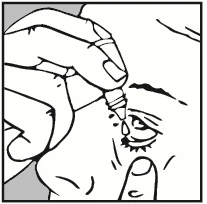
- Hold the upper part of the dropper close to the eye without touching the eye. Gently squeeze the bottle so that one drop enters the eye. Be sure not to squeeze the bottle too hard to prevent more than one drop from entering the eye.
- Release the lower eyelid.
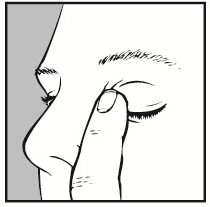
- After applying the medicine, keep the eye closed for as long as possible (3–5 minutes) and press with your finger on the inner corner of the affected eye near the nose. This prevents the medicine from draining into other parts of the body. If the drop did not enter the eye, instill a second drop.
- Close the bottle.
Eye solutions may become contaminated with bacteria due to improper storage or handling, leading to eye infections. Using contaminated solutions may cause serious eye damage and, as a consequence, loss of vision.
Use of a higher than recommended dose of Oftensin
If more medicine has been used than recommended, contact your doctor immediately. The doctor will initiate appropriate treatment.
Symptoms of overdose may include: decreased arterial blood pressure, slowed heart rate, bronchospasm, and acute heart failure.
Missed dose of Oftensin
If a dose is missed, take it as soon as possible. However, if it is almost time for the next dose, do not take the missed dose. Do not use a double dose to make up for a missed dose.
If you have any further questions about the use of this medicine, consult your doctor or pharmacist.
4. Possible adverse reactions
Like all medicines, this medicine can cause adverse reactions, although not everyone will experience them.
Oftensin eye drops are generally well tolerated.
As with other ophthalmic medicines applied locally, timolol is absorbed into the bloodstream. It may cause
the same types of adverse reactions as intravenous and/or orally administered β-adrenergic receptor blocking drugs.
The frequency of systemic adverse reactions following local ocular administration is lower than with oral or injectable administration.
The listed adverse reactions also include those observed across the entire group of β-adrenolytic agents used in ophthalmology.
- Generalised allergic reactions, including subcutaneous tissue swelling, which may occur in areas such as the face and limbs, potentially obstructing airways and causing difficulty in swallowing or breathing; urticaria or itchy rash, localised and generalised rash, pruritus, severe life-threatening allergic reaction.
- Low blood glucose levels.
- Difficulty in falling asleep (insomnia), depression, nightmares, memory loss, hallucination*.
- Fainting, stroke, reduced blood flow to the brain, worsening of objective and subjective symptoms of myasthenia (muscle disorders), dizziness, abnormal sensations such as tingling and numbness, headache.
- Objective and subjective symptoms of eye irritation (e.g. burning, stinging, itching, tearing, redness), blepharitis, keratitis, blurred vision, and serous retinal detachment (separation of the layer beneath the retina containing blood vessels), which may occur after filtration procedures and may lead to visual disturbances; decreased corneal sensitivity, dry eyes, corneal damage and defects (in the anterior layer of the eyeball), drooping of the upper eyelid (eye half-closed), double vision.
- Slowed heart rate, chest pain, palpitations, oedema (fluid accumulation), changes in heart rhythm and rate, congestive heart failure (heart disease with breathlessness and swelling of feet and legs due to fluid accumulation), cardiac arrhythmias, cardiac arrest, heart failure.
- Low blood pressure, Raynaud's phenomenon, cold hands and feet.
- Narrowing of the airways in the lungs (mainly in patients with pre-existing respiratory conditions), breathing difficulties, cough.
- Taste disturbances, nausea, dyspepsia, diarrhoea, dry mouth, abdominal pain, vomiting.
- Hair loss, skin rash with white-silvery appearance (psoriasiform rash) or worsening of psoriasis, skin rash.
- Muscle pain not caused by physical activity.
- Sexual dysfunction, decreased libido.
- Weakness and (or) fatigue.
*Frequency not known (frequency cannot be estimated from available data)
Other adverse reactions reported with the use of eye drops containing phosphates
In patients with severe damage to the transparent, front part of the eye (cornea), phosphates may very rarely cause corneal clouding due to calcium deposits during treatment.
Reporting of adverse reactions
If any adverse reactions occur, including any not listed in this leaflet, inform your doctor, pharmacist, or nurse. Adverse reactions can be reported directly to the Department of Monitoring of Adverse Drug Reactions at the Office for Registration of Medicinal Products, Medical Devices and Biocidal Products
Al. Jerozolimskie 181C
02-222 Warsaw
Tel.: + 48 22 49 21 301
Fax: + 48 22 49 21 309
Website: https://smz.ezdrowie.gov.pl
Adverse reactions can also be reported to the marketing authorisation holder.
Reporting adverse reactions helps provide more information on the safety of the medicine.
5. How to store Oftensin
Keep this medicine out of sight and reach of children.
Store at a temperature not exceeding 25°C and protect from light.
Use within 28 days after first opening the container.
Do not use this medicine after the expiry date stated on the packaging after: EXP.
The expiry date refers to the last day of the stated month.
The marking after the abbreviation EXP indicates the expiry date, and after the abbreviation Lot indicates the batch number.
Medicines must not be disposed of via wastewater or household waste. Ask your pharmacist how to dispose of medicines no longer required. Such measures will help protect the environment.
6. Contents of the packaging and other information
What the medicine Oftensin contains
- The active substance is timolol. Each ml of solution contains 2.5 mg or 5 mg of timolol in the form of timolol maleate.
- Other ingredients are: disodium dihydrogen phosphate dihydrate, disodium phosphate dodecahydrate, benzalkonium chloride, purified water.
What Oftensin looks like and contents of the pack
The pack contains 5 ml of solution.
Marketing Authorisation Holder
Zakłady Farmaceutyczne POLPHARMA S.A.
ul. Pelplińska 19, 83-200 Starogard Gdański
tel. + 48 22 364 61 01
Manufacturer
Warszawskie Zakłady Farmaceutyczne Polfa S.A.
ul. Karolkowa 22/24, 01-207 Warszawa