Ofloxacin-pos
Poland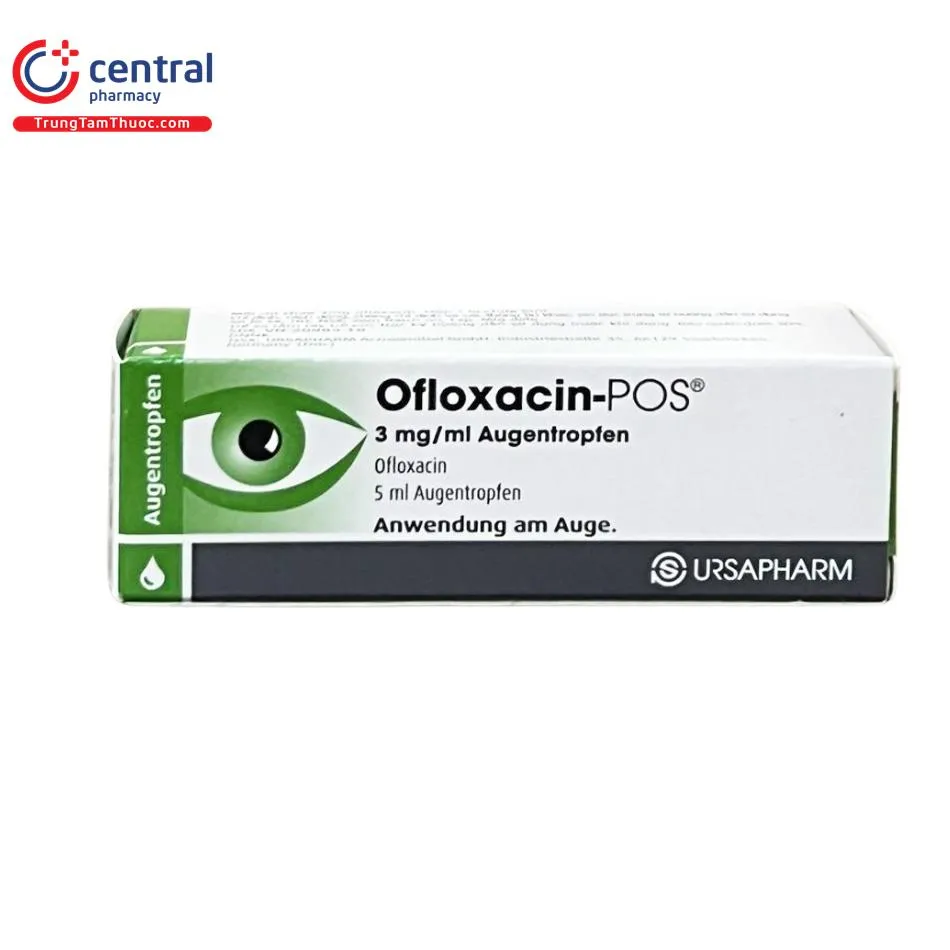
Table of Contents
1.3.1 SPC, labelling and package leaflet
PACKAGE LEAFLET: INFORMATION FOR THE USER
Ofloxacin-POS, 3 mg/ml, eye drops, solution
Ofloxacin
Please read the entire leaflet carefully before using this medicine, as it contains important information for you.
- Keep this leaflet, as you may need to read it again.
- If you have any doubts, consult your doctor.
- This medicine has been prescribed for a specific individual. Do not pass it on to others. This medicine may harm someone else, even if their symptoms are the same.
- If you experience any adverse reactions, including any not listed in this leaflet, inform your doctor or pharmacist. See section 4.
Table of contents of the leaflet:
- What Ofloxacin-POS is and what it is used for
- Important information before using Ofloxacin-POS
- How to use Ofloxacin-POS
- Possible side effects
- How to store Ofloxacin-POS
- Contents of the pack and other information
1. WHAT OFLOXACIN-POS IS AND WHAT IT IS USED FOR
Ofloxacin-POS is an eye drop solution used in adults and children to treat superficial eye infections caused by microorganisms sensitive to ofloxacin, such as bacterial conjunctivitis and keratitis.
Ofloxacin belongs to a group of medicines known as 4-quinolone antibacterial agents.
2. IMPORTANT INFORMATION BEFORE USING OFLOXACIN-POS
POS
Edition 04/2020
1.3.1 SPC, labelling and package leaflet
When not to use Ofloxacin-POS
if the patient is allergic to ofloxacin or to any of the other ingredients of this
medicine (listed in section 6), or to other quinolones.
Warnings and precautions
Before starting treatment with Ofloxacin-POS, discuss the following with your doctor:
- if the patient is hypersensitive to other antibacterial medicines belonging to the quinolone group,
- if the patient has defects or ulceration of the eye surface.
Prolonged use of this medicine may lead to the development of a new bacterial infection resistant to Ofloxacin-POS.
During treatment with eye drops containing ofloxacin, avoid excessive exposure to sunlight or ultraviolet radiation (e.g. quartz lamps, sunbeds, etc.) (potential photosensitivity reactions).
The use of contact lenses is not recommended during treatment of eye infections.
Tendon swelling and tendon rupture have occurred in patients receiving systemic (oral or intravenous) fluorquinolones, particularly in elderly patients and in patients receiving concomitant corticosteroids. Treatment with Ofloxacin-POS should be discontinued if tendon pain or swelling (tendonitis) occurs.
When to exercise particular caution when using Ofloxacin-POS
Important information before using Ofloxacin-POS
Heart conditions
Caution should be exercised when using this type of medicine if the patient or a family member has a prolonged QT interval (visible on ECG, the recording of the heart's electrical activity), if the patient has an electrolyte imbalance (especially low blood potassium or magnesium levels), very slow heart rate (called 'bradycardia'), heart failure, history of myocardial infarction, if the patient is female or elderly, or if the patient is taking other medicines causing abnormal changes on ECG (see section "Use of Ofloxacin-POS with other medicines").
Children and adolescents
This product may be used in children. Safety and efficacy of use in children under 1 year of age have not been established.
Other medicines and Ofloxacin-POS
Inform your doctor about all medicines currently used, recently used, or planned to be used.
Inform your doctor if you are taking other medicines that affect heart rhythm: medicines belonging to the antiarrhythmic group (e.g. quinidine, hydroquinidine, disopyramide, amiodarone, sotalol, dofetilide, ibutilide), tricyclic antidepressants, certain antibacterial medicines (belonging to the macrolide group), certain antipsychotic medicines.
Edition 04/2020
1.3.1 SPC, labelling and package leaflet
If other eye drops/ointments are used in addition to Ofloxacin-POS, a 15-minute interval should be maintained between the administration of each medicine. Eye ointment should always be applied last.
Pregnancy and breastfeeding
If the patient is pregnant or breastfeeding, she should consult her doctor before starting treatment with Ofloxacin-POS. The doctor will decide whether she may use Ofloxacin-POS. The use of Ofloxacin-POS is not recommended in pregnant women.
Before using any medicine, consult a doctor or pharmacist.
Driving and operating machinery
Transient blurred vision may occur for a few minutes after instillation of the eye drops. During this time, patients should not drive, operate machinery, or perform tasks requiring stable footing.
Ofloxacin-POS contains benzalkonium chloride.
The medicine contains 0.125 mg of benzalkonium chloride in each 5 ml, corresponding to 0.025 mg/ml.
Benzalkonium chloride may be absorbed by soft contact lenses and may alter their colour. Contact lenses should be removed before instillation and at least 15 minutes should elapse before reinsertion.
Benzalkonium chloride may also cause eye irritation, particularly in patients with dry eye syndrome or corneal disorders (the transparent layer at the front of the eye). If abnormal sensations, stinging, or pain in the eye occur after using the medicine, contact a doctor.
3. HOW TO USE OFLOXACIN-POS
This medicine should always be used as directed by the physician. In case of doubt,
consult your doctor or pharmacist.
Dosage
For the first two days, the recommended dose is 1 drop of Ofloxacin-POS instilled into the affected eye or both eyes every 2 to 4 hours. Thereafter, the medicine should be administered four times daily. To be effective, Ofloxacin-POS must be used regularly.
Instructions for Administration
- Wash your hands.
- Gently dry the skin around the eyes with a clean, single-use tissue (Fig. 1).
- Unscrew the cap and check that the dropper tip is clean.
- Tilt your head slightly backward and gently pull down the lower eyelid (Fig. 2).
- Instill 1 or 2 drops of the medicine into the conjunctival sac (Fig. 3). Do not touch the eye with the dropper tip.
- Release the eyelid and gently press the inner corner of the eye near the nose (Fig. 4). Then, while continuing to apply pressure with your finger on the nasal side, blink several times gently to distribute the drops over the surface of the eye.
- Gently wipe away any excess medicine with a tissue.
- Repeat the above steps when administering drops to the other eye.
Edition 04/2020
1.3.1 SPC, labelling and package leaflet
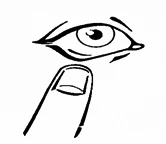
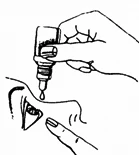
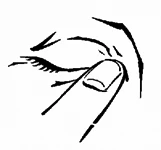
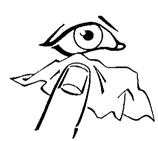
Fig. 1 Fig. 2 Fig. 3 Fig. 4
If the drop misses the eye, try again.
To prevent contamination, avoid contact between the dropper tip and the eye or any other surface.
After each use, replace the cap and tightly close the bottle.
Proper instillation into the eye is very important. Consult your doctor or pharmacist if you have any questions.
Duration of Treatment
Treatment should not last longer than 14 days. If symptoms persist after this time, consult your doctor.
Use in Children
This product may be used in children. The safety and efficacy of Ofloxacin-POS in children under 1 year of age have not been established.
Accidental overdose of Ofloxacin-POS
If more than the recommended dose is used, rinse the eyes thoroughly with clean water. The next dose should be taken at the usual time.
If you have any further questions about the use of this medicine, consult your doctor.
Missed dose of Ofloxacin-POS
If you miss a dose, use the medicine as soon as you remember. However, if it is almost time for the next dose, skip the missed dose and continue with your regular dosing schedule. Do not use a double dose to make up for a missed dose.
Discontinuation of Ofloxacin-POS
Ofloxacin-POS should be used as directed by your physician.
If you have any further questions about the use of this medicine, consult your doctor or pharmacist.
4. POSSIBLE ADVERSE REACTIONS
Like all medicines, this medicine can cause adverse reactions, although not everyone will experience them.
If an allergic reaction occurs (including skin and mucous membrane swelling, neck and/or tongue swelling, difficulty breathing), you should stop using the medicine and contact your doctor immediately.
Edition 04/2020
1.3.1 SPC, labelling and package leaflet
A serious adverse reaction of unknown frequency (which cannot be estimated from available data):
Life-threatening skin rashes (Stevens-Johnson syndrome, toxic epidermal necrolysis) have been reported during the use of ofloxacin eye drops. These initially appear as reddish spots or oval lesions on the trunk, often with blisters in the center.
Eye irritation and a sensation of discomfort in the eye are common adverse reactions (may occur in 1 in 10 people).
The frequency of the following adverse reactions is not known.
Patients should consult their doctor if any of the following adverse reactions cause problems or do not resolve spontaneously:
Eye-related adverse reactions:
eye redness/eye allergy,
itching,
blurred vision,
increased tearing,
dry eyes,
eye pain,
light sensitivity,
swelling around the eyes (including eyelid swelling).
Systemic adverse reactions:
allergic reaction,
dizziness,
numbness,
nausea,
headache,
facial swelling.
Heart disorders
Frequency not specified: Irregular, rapid heartbeat, life-threatening irregular heart rhythm, change in heart rhythm (known as 'QT interval prolongation', visible on ECG, the recording of the heart's electrical activity).
Reporting of adverse reactions
If any adverse effects occur, including any adverse effects not listed in this leaflet, inform your doctor or pharmacist. Adverse reactions can be reported directly to the national reporting system:
Department for Monitoring Adverse Drug Reactions
Office for Registration of Medicinal Products, Medical Devices and Biocidal Products
Al. Jerozolimskie 181C
PL-02 222 Warsaw
Tel.: + 48 22 49 21 301
Fax: + 48 22 49 21 309
e-mail: [email protected]
Edition 04/2020
1.3.1 SPC, labelling and package leaflet
Reporting adverse reactions enables better assessment of the benefit-risk balance of the medicine.
5. HOW TO STORE OFLOXACIN-POS
Keep this medicine out of sight and reach of children.
Do not use this medicine after the expiry date stated on the label and carton after EXP. The expiry date refers to the last day of the specified month.
Dispose of the bottle no later than four weeks after first opening, even if some drops remain.
Do not store above 25°C.
Keep the container in the outer carton to protect from light.
Do not use the medicine if a greenish-yellow discoloration of the solution is observed.
Medicines should not be disposed of via wastewater or household waste. Ask your pharmacist how to dispose of medicines no longer in use. This will help protect the environment.
6. CONTENTS OF THE PACKAGE AND OTHER INFORMATION
What Ofloxacin-POS contains
The active substance is ofloxacin at a concentration of 3 mg/ml.
The other ingredients are: benzalkonium chloride, sodium chloride, hydrochloric acid and sodium hydroxide (for pH adjustment), water for injections.
What Ofloxacin-POS looks like and contents of the pack
Ofloxacin-POS is a clear, slightly yellow or faintly greenish-yellow eye drop solution, supplied in a plastic dropper bottle with a dropper and cap.
Each carton contains one plastic bottle with a capacity of 5 ml.
Marketing Authorisation Holder and Manufacturer
Marketing Authorisation Holder:
URSAPHARM Poland sp. z o.o.
Malarska Street 6,
05-092 Łomianki, Poland
Telephone: 22 732 07 90
Telefax: 22 732 07 99
E-mail: [email protected]
Manufacturer:
URSAPHARM Arzneimittel GmbH, Industriestraße 35, 66129 Saarbrücken, Germany
Edition 04/2020
1.3.1 SPC, labelling and package leaflet
Edition 04/2020