Nilotinib viatris
Poland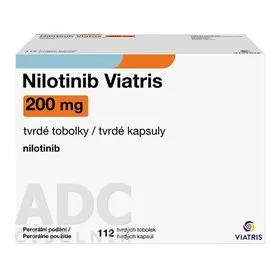
Table of Contents
Package leaflet: Information for the user
Nilotinib Viatris, 50 mg, hard capsules
Nilotinib Viatris, 150 mg, hard capsules
Nilotinib Viatris, 200 mg, hard capsules
Nilotinibum
Please read this leaflet carefully before taking this medicine, because it contains
important information for you.
- Keep this leaflet. You may need to read it again.
- If you have any further questions, ask your doctor or pharmacist.
- This medicine has been prescribed for you personally. Do not pass it on to others. It may harm them, even if their symptoms are the same as yours.
- If you experience any side effects, including any not listed in this leaflet, tell your doctor or pharmacist. See section 4.
Contents of the leaflet
- What Nilotinib Viatris is and what it is used for
- What you need to know before taking Nilotinib Viatris
- How to take Nilotinib Viatris
- Possible side effects
- How to store Nilotinib Viatris
- Contents of the pack and other information
1. What Nilotinib Viatris is and what it is used for
What Nilotinib Viatris is
Nilotinib Viatris is a medicine that contains an active substance called nilotinib.
What Nilotinib Viatris is used for
Nilotinib Viatris is used to treat a type of leukaemia called Philadelphia chromosome-positive chronic myeloid leukaemia (Ph+ CML). CML is a blood cancer that causes the body to produce too many abnormal white blood cells.
Nilotinib Viatris is used to treat adult patients and children and adolescents with newly diagnosed CML, or patients with CML who no longer benefit from prior treatment, including imatinib treatment, or adult patients and children and adolescents who have experienced severe side effects that prevent continuation of prior therapy.
How Nilotinib Viatris works
In patients with CML, a change in DNA (genetic material) leads to a signal that causes the body to produce abnormal white blood cells. Nilotinib Viatris blocks this signal and thereby prevents the formation of these abnormal cells.
Monitoring treatment with Nilotinib Viatris
During treatment, you will have regular tests, including blood tests. These tests will assess:
- the number of blood cells (white blood cells, red blood cells and platelets) in your body, to evaluate how well you tolerate Nilotinib Viatris.
- the function of your pancreas and liver, to evaluate how well you tolerate Nilotinib Viatris.
- the levels of electrolytes in your body (potassium, magnesium), which are important for heart function.
- the levels of sugar and fats in your blood. Your heart rate will also be monitored using a device that measures the electrical activity of the heart (a test called ECG).
Your doctor will regularly assess your treatment response and decide whether you should continue taking Nilotinib Viatris. If you are told to stop treatment with this medicine, your doctor will continue to monitor your CML status and may recommend restarting treatment with Nilotinib Viatris if your condition requires it.
If you have any questions about how Nilotinib Viatris works or why it has been prescribed, please consult your doctor.
2. Important information before using Nilotinib Viatris
You must strictly follow your doctor's instructions. These may differ from the general information contained in this leaflet.
When not to use Nilotinib Viatris
- if you are allergic to nilotinib or any of the other ingredients of this medicine (listed in section 6). If you suspect you may be allergic, you should inform your doctor before starting treatment with Nilotinib Viatris.
Warnings and precautions
Before starting treatment with Nilotinib Viatris, discuss the following with your doctor or pharmacist:
- if you have previously experienced cardiovascular conditions such as heart attack, chest pain (angina), stroke, or reduced blood flow to the legs (claudication), or if you have risk factors for cardiovascular disease, such as high blood pressure (hypertension), diabetes, or abnormal blood lipid levels (dyslipidaemia);
- if you have heart disorders, such as abnormal electrical activity known as "prolongation of the QT interval";
- if you are taking medicines that lower blood cholesterol levels (statins), affect heart function (antiarrhythmics), or affect liver function (see Other medicines and Nilotinib Viatris);
- if you have low levels of potassium or magnesium;
- if you have liver or pancreas disorders;
- if you experience symptoms such as easy bruising, fatigue, shortness of breath, or recurrent infections;
- if you have undergone surgery involving complete removal of the stomach (total gastrectomy);
- if you have ever had or may currently have hepatitis B virus infection; this is because Nilotinib Viatris may cause reactivation of hepatitis B virus, which in some cases can be fatal. Patients will be closely monitored by their doctor for signs of this infection before starting treatment. Inform your doctor if any of the above points apply to you.
During treatment with Nilotinib Viatris
-
if you experience loss of consciousness (fainting) or irregular heartbeat while taking this medicine, you must immediately inform your doctor, as this may be a sign of a serious heart condition. QT interval prolongation or irregular heartbeat may lead to sudden death. Cases of sudden death have been reported, although not frequently, in patients receiving nilotinib.
-
if you experience: sudden rapid heartbeat, severe weakness or muscle paralysis, seizures, or sudden changes in thinking or concentration, you must immediately inform your doctor, as these may be symptoms of tumour lysis syndrome, a condition caused by rapid breakdown of cancer cells. Tumour lysis syndrome has been reported rarely in patients treated with nilotinib.
-
if you experience chest pain or discomfort, numbness or weakness, difficulty walking or speaking, or pain, discolouration, or coldness in a limb, you must immediately inform your doctor, as these may be symptoms of cardiovascular events. Serious cardiovascular events, including reduced blood flow to the legs (peripheral arterial occlusive disease), ischaemic heart disease, and stroke, have been reported in patients receiving nilotinib. Your doctor should measure blood lipid and blood sugar levels before starting and during treatment with Nilotinib Viatris.
-
if you develop swelling of the feet or hands, generalized oedema, or rapid weight gain, inform your doctor, as these may be signs of fluid retention. Cases of fluid retention have been reported, although not frequently, in patients treated with nilotinib. Parents of children treated with Nilotinib Viatris should inform the doctor if any of the above situations apply to their child.
Children and adolescents
Nilotinib Viatris is used in the treatment of children and adolescents with CML. There is no experience with the use of this medicine in children under 2 years of age. There is no experience with the use of Nilotinib Viatris in children under 10 years of age with newly diagnosed disease, and experience is limited in patients under 6 years of age who have lost response to prior CML therapy.
Some children and adolescents taking Nilotinib Viatris may grow more slowly than normal. Your doctor will monitor growth during regular visits.
Nilotinib Viatris and other medicines
Nilotinib Viatris may affect the action of other medicines.
You should tell your doctor or pharmacist about all medicines you are currently taking or have recently taken, as well as any medicines you plan to take. This includes especially:
- antiarrhythmics – used to treat heart rhythm disorders;
- chloroquine, halofantrine, clarithromycin, haloperidol, methadone, moxifloxacin – medicines that may adversely affect the electrical activity of the heart;
- ketoconazole, itraconazole, voriconazole, clarithromycin, telithromycin – used to treat infections;
- ritonavir – a "protease inhibitor" used in the treatment of HIV infection;
- carbamazepine, phenobarbital, and phenytoin – used to treat epilepsy;
- rifampicin – used to treat tuberculosis;
- St John's wort (also known as Hypericum perforatum) – a herbal product used to treat depression and other conditions;
- midazolam – used as a sedative before surgery;
- alfentanil and fentanyl – used to treat pain and as sedatives before and during surgery or medical procedures;
- cyclosporine, sirolimus, and tacrolimus – medicines used to suppress the body's immune response and fight infections, often used to prevent rejection of transplanted organs such as liver, heart, and kidney;
- dihydroergotamine and ergotamine – used to treat dementia;
- lovastatin, simvastatin – used to treat high blood lipid levels;
- warfarin – used to treat blood clotting disorders (such as thrombosis or thromboembolism);
- astemizole, terfenadine, cisapride, pimozide, quinidine, bepridil, or ergot alkaloids (ergotamine, dihydroergotamine).
You should avoid taking the medicines listed above during treatment with Nilotinib Viatris. If you are taking any of these medicines, your doctor may prescribe alternative treatments.
If you are taking a statin (a type of medicine that lowers blood cholesterol), you should talk to your doctor or pharmacist. Nilotinib Viatris taken with certain statins may increase the risk of statin-related muscle problems, which in rare cases may lead to serious muscle breakdown (rhabdomyolysis) causing kidney damage.
Additionally, before taking Nilotinib Viatris, tell your doctor or pharmacist if you are taking any medicines that neutralize stomach acid, such as antacids.
The following medicines should be taken separately from Nilotinib Viatris:
- H--receptor blocking medicines that reduce stomach acid production. H--receptor blockers should be taken approximately 10 hours before and approximately 2 hours after taking Nilotinib Viatris;
- antacids containing aluminium hydroxide, magnesium hydroxide, and simethicone, which neutralize stomach acidity. These should be taken approximately 2 hours before or approximately 2 hours after taking Nilotinib Viatris.
You should also inform your doctor if you are already taking Nilotinib Viatris and have been prescribed a new medicine not previously taken together with Nilotinib Viatris.
Taking Nilotinib Viatris with food and drink
Do not take Nilotinib Viatris with food. Food may increase the absorption of Nilotinib Viatris and raise its blood concentration to potentially harmful levels. Do not drink grapefruit juice or eat grapefruit. These may increase the blood concentration of Nilotinib Viatris, even to harmful levels.
Pregnancy and breastfeeding
- Nilotinib Viatris is not recommended during pregnancy, unless absolutely necessary. If you are pregnant or suspect you may be pregnant, inform your doctor, who will discuss with you whether this medicine should be used.
- Women who can become pregnant should be advised by their doctor to use highly effective contraception during treatment and for at least two weeks after stopping treatment.
- Breastfeeding is not recommended during treatment with Nilotinib Viatris and for two weeks after the last dose. If you are breastfeeding, inform your doctor. If you are pregnant, breastfeeding, think you may be pregnant, or plan to have a child, you should consult your doctor or pharmacist before taking this medicine.
Driving and using machines
If you experience adverse effects after taking this medicine (such as dizziness or visual disturbances) that may affect your ability to drive or operate machinery safely, you should stop performing these activities until the symptoms resolve.
Nilotinib Viatris contains lactose
This medicine contains lactose (also known as milk sugar). If you have previously been diagnosed with intolerance to certain sugars, you should consult your doctor before taking this medicine.
Nilotinib Viatris 50 mg and 150 mg contain sodium
This medicine contains less than 1 mmol (23 mg) of sodium per dose, i.e. the medicine is considered "sodium-free".
3. How to use Nilotinib Viatris
This medicine should always be used as directed by the physician or pharmacist. If in doubt,
consult the physician or pharmacist.
What dose of Nilotinib Viatris to take
Use in adult patients
- Patients with newly diagnosed CML: The recommended dose is 600 mg per day. This dose is achieved by taking two 150 mg hard capsules twice daily.
- Patients who have stopped benefiting from prior CML treatment: The recommended dose is 800 mg per day. This dose is achieved by taking two 200 mg hard capsules twice daily.
Use in children and adolescents
- The dose given to a child depends on the child's body weight and height. The physician will calculate the correct dose and inform you which capsules and how many capsules of Nilotinib Viatris should be given to the child. The total daily dose administered to a child must not exceed 800 mg.
The physician may prescribe a lower dose depending on how the patient responds to treatment.
Elderly patients (65 years of age and older)
Nilotinib Viatris may be administered to patients aged 65 years and older at the same doses as other adults.
When to take Nilotinib Viatris
The hard capsules should be taken:
- twice daily (approximately every 12 hours);
- at least 2 hours after eating any food;
- wait 1 hour after taking the medicine before eating a meal. If in doubt about the timing of taking this medicine, consult the physician or pharmacist. Nilotinib Viatris should be taken at the same time each day, which will help remember to take the hard capsules.
How to take Nilotinib Viatris
- The hard capsules should be swallowed whole with water.
- Do not take the hard capsules with food.
- Do not open the hard capsules. For patients who have difficulty swallowing, including patients in the pediatric and adolescent population who are unable to swallow hard capsules, an alternative medicinal product containing nilotinib should be used instead of Nilotinib Viatris.
How long to take Nilotinib Viatris
Nilotinib Viatris should be taken daily for as long as directed by the physician. Treatment is long-term. The physician will regularly monitor the patient's condition to assess whether the treatment is achieving the desired effects.
The treating physician may consider discontinuing treatment with Nilotinib Viatris based on specific criteria.
If in doubt about the duration of treatment with Nilotinib Viatris, consult the physician.
Taking more than the recommended dose of Nilotinib Viatris
If more than the recommended dose of Nilotinib Viatris has been taken or if the medicine has been taken by accident, contact the physician or go to the hospital immediately. Show the packaging and the leaflet to the physician or hospital staff. Medical assistance may be required.
Missing a dose of Nilotinib Viatris
If a dose is missed, take the next dose according to the prescribed schedule. Do not take a double dose to make up for the missed hard capsules.
Stopping treatment with Nilotinib Viatris
This medicine should be continued until the physician decides to stop treatment. Discontinuing treatment with Nilotinib Viatris without consulting the physician may worsen the patient's condition, which could be life-threatening. If considering stopping treatment with Nilotinib Viatris, discuss this with the physician, nurse, and/or pharmacist.
Physician's recommendation to discontinue treatment with Nilotinib Viatris
The treating physician will regularly evaluate treatment outcomes using specific diagnostic tests and decide whether the patient should continue taking this medicine. If the patient is instructed to discontinue treatment with Nilotinib Viatris, the treating physician will continue to closely monitor the patient's CML status before, during, and after stopping treatment with Nilotinib Viatris and may recommend resuming treatment with Nilotinib Viatris if necessary based on the patient's condition.
If there are any further questions about the use of this medicine, consult the physician or pharmacist.
4. Possible adverse effects
Like any medicine, this medicine can cause adverse effects, although not everyone will experience them.
Most adverse effects are mild to moderate in severity and resolve after a few days or weeks of treatment.
Some adverse effects may be serious.
- musculoskeletal symptoms: joint and muscle pain
- cardiac disorders: chest pain or discomfort, high or low blood pressure, irregular heartbeat (fast or slow), palpitations (feeling of rapid heartbeat), fainting, blue discoloration of lips, tongue or skin
- symptoms of arterial occlusion: pain, discomfort, weakness or cramps in legs, which may be due to reduced blood flow, leg or hand ulcers healing slowly or not at all, and noticeable changes in skin color (blue or paleness) or temperature (cooling) of legs, hands, toes or fingers in affected limbs
- symptoms of hypothyroidism: weight gain, fatigue, hair loss, muscle weakness, feeling cold
- symptoms of hyperthyroidism: rapid heartbeat, protruding eyes, weight loss, swelling in the front of the neck
- symptoms of kidney or urinary tract dysfunction: feeling thirsty, dry skin, irritability, dark urine color, reduced urine output, difficulty or pain when urinating, feeling of constant urge to urinate, blood in urine, abnormal urine color
- symptoms of high blood sugar levels: excessive thirst, increased urine output, increased appetite with weight loss, feeling tired
- dizziness symptoms: dizziness or sensation of spinning
- symptoms of pancreatitis: severe pain in the upper abdomen (middle or left side)
- skin disorders: painful red nodules, skin pain, skin redness, skin peeling or blistering
- fluid retention symptoms: rapid weight gain, swelling of hands, ankles, feet or face
- migraine symptoms: severe headache, often accompanied by nausea, vomiting and sensitivity to light
- blood disorders: fever, easy bruising or unexplained bleeding, severe or frequent infections, unexplained weakness
- symptoms of venous thrombosis: swelling and pain in one part of the body
- nervous system disorders: weakness or paralysis of limbs or face, difficulty speaking, severe headaches, seeing, hearing or feeling something that does not exist, vision changes, loss of consciousness, confusion, disorientation, tremor, tingling sensation, pain or numbness in fingers of hands and feet
- lung disorders: difficulty breathing or pain during breathing, cough, wheezing with or without fever, swelling of feet or legs
- gastrointestinal disorders: abdominal pain, nausea, blood in vomit, black or bloody stools, constipation, heartburn, gastric reflux, abdominal swelling
- liver disorders: yellowing of skin and eyes, nausea, loss of appetite, dark urine
- liver infection symptoms: recurrence (reactivation) of hepatitis B virus infection
- eye disorders: vision disturbances, including blurred vision, double vision or flashes of light, reduced visual acuity or vision loss, blood in the eye, increased sensitivity of eyes to light, eye pain, redness, itching or eye irritation, dry eyes, swelling or itching of eyelids
- electrolyte imbalance symptoms: nausea, shortness of breath, irregular pulse, cloudy urine, fatigue and (or) joint complaints associated with abnormal blood test results (e.g. high potassium, uric acid and phosphorus levels, and low calcium levels).
If any of the above adverse effects occur, contact your doctor immediately.
Some adverse effects occur very commonly (may occur in more than 1 in 10 patients):
- diarrhea
- headache
- lack of energy
- muscle pain
- itching, rash
- nausea
- constipation
- vomiting
- hair loss
- limb pain, bone pain and back pain after completion of treatment with Nilotinib Viatris
- slowed growth rate in children and adolescents
- upper respiratory tract infection, including sore throat, watery nasal discharge or nasal congestion, sneezing
- low blood cell count (red blood cells, platelets) or low hemoglobin concentration
- high blood lipase activity (pancreatic function)
- high bilirubin levels in blood (liver function)
- high alanine aminotransferase activity in blood (liver enzymes)
Some adverse effects occur commonly (may occur in less than 1 in 10 patients):
- pneumonia
- abdominal pain, stomach discomfort after meals, bloating, abdominal swelling or distension
- bone pain, muscle cramps
- pain (including neck pain)
- dry skin, acne, reduced skin sensitivity
- weight loss or weight gain
- insomnia, depression, anxiety
- night sweats, excessive sweating
- general malaise
- nosebleeds
- gout symptoms: joint pain and swelling
- inability to achieve or maintain erection
- influenza-like symptoms
- sore throat
- bronchitis
- ear pain, hearing sounds in the ears (e.g. ringing, buzzing) without external source (also known as tinnitus)
- hemorrhagic nodules
- heavy menstrual periods
- itching of hair follicles
- vaginal or oral fungal infection
- conjunctivitis symptoms: eye discharge accompanied by itching, redness and swelling
- eye irritation, eye redness
- hypertension symptoms: high blood pressure, headache, dizziness
- facial flushing
- peripheral arterial disease symptoms: leg pain, discomfort, weakness or cramps due to reduced blood flow, leg or hand ulcers healing slowly or not at all, noticeable changes in skin color (blue or paleness) or temperature (cooling) of legs or hands (these symptoms may indicate arterial occlusion in the affected leg, hand, toes or fingers)
- shortness of breath
- oral mucositis (mouth ulcers with gum inflammation)
- increased blood amylase activity (pancreatic function)
- increased creatinine levels in blood (kidney function)
- increased alkaline phosphatase or creatine kinase activity in blood
- increased aspartate aminotransferase activity in blood (liver enzymes)
- increased gamma-glutamyl transferase activity in blood (liver enzymes)
- leukopenia or neutropenia symptoms: low white blood cell count
- increased platelet or white blood cell count in blood
- decreased magnesium, potassium, sodium, calcium or phosphorus levels in blood
- increased blood lipid levels (including cholesterol)
- increased uric acid levels in blood
Some adverse effects occur uncommonly (may occur in less than 1 in 100 patients):
- hypersensitivity (allergic reaction to Nilotinib Viatris)
- dry mouth
- breast pain
- pain or discomfort in the side
- increased appetite
- breast enlargement in males
- herpes virus infection
- stiffness of muscles and joints, joint swelling
- sensation of body temperature changes (including hot or cold sensations)
- taste disturbances
- frequent urination
- gastritis symptoms: abdominal pain, nausea, vomiting, diarrhea, abdominal bloating
- memory loss
- skin cysts, skin thinning or thickening, thickening of the outer skin layer, skin discoloration
- psoriasis symptoms: thickened red/silvery skin patches
- increased skin sensitivity to light
- hearing difficulty
- arthritis
- urinary incontinence
- enteritis (also known as inflammation of the small intestine and colon)
- perianal abscess
- swelling of the nipple
- restless legs syndrome symptoms (irresistible urge to move a body part, usually legs, accompanied by unpleasant sensations)
- sepsis symptoms: fever, chest pain, rapid heartbeat, shortness of breath or rapid breathing
- skin infection (subcutaneous abscess)
- skin warts
- increased number of a certain type of white blood cells (called eosinophils)
- lymphopenia symptoms: low white blood cell count
- high parathyroid hormone levels (hormone regulating calcium and phosphorus levels) in blood
- high lactate dehydrogenase levels (enzyme)
- symptoms of low blood sugar: nausea, sweating, weakness, dizziness, tremor, headache
- dehydration
- abnormal blood fat levels
- involuntary tremor
- difficulty concentrating
- unpleasant or abnormal sensation to touch (also known as sensory disturbances)
- fatigue
- numbness or tingling in fingers of hands and feet (also known as peripheral neuropathy)
- facial muscle paralysis
- red spots in the white of the eye due to blood vessel damage (also known as subconjunctival hemorrhage)
- blood in the eyes (also known as ocular hemorrhage)
- eye irritation
- myocardial infarction symptoms (also known as heart attack): sudden, crushing chest pain, fatigue, irregular heartbeat
- heart murmur symptoms: fatigue, chest discomfort, dizziness, chest pain, palpitations
- fungal foot infection
- heart failure symptoms: shortness of breath, difficulty breathing when lying down, swelling of feet or legs
- retrosternal pain (also known as pericarditis)
- hypertensive crisis symptoms: severe headache, dizziness, nausea
- leg pain and weakness caused by walking (also known as intermittent claudication)
- peripheral artery stenosis symptoms: possible high blood pressure, painful cramps in one or both hips, thighs or calves during certain activities such as walking or climbing stairs, numbness or weakness in legs
- bruising (without cause such as injury)
- fat deposits in arteries that may cause blockage (also known as atherosclerosis)
- low blood pressure symptoms (also known as hypotension): dizziness, dizziness or fainting
- pulmonary edema symptoms: shortness of breath
- pleural effusion symptoms: fluid accumulation between the layers of tissue lining the lungs and chest cavity (which in severe cases may reduce the heart's ability to pump blood), chest pain, cough, hiccups, rapid breathing
- interstitial lung disease symptoms: cough, difficulty breathing, pain during breathing
- pleuritic pain symptoms: chest pain
- pleuritis symptoms: cough, pain during breathing
- hoarseness
- pulmonary hypertension symptoms: high blood pressure in the pulmonary arteries
- wheezing
- tooth sensitivity
- inflammation symptoms (also known as gingivitis): bleeding gums, tenderness or enlargement of gums
- high urea levels in blood (kidney function)
- changes in blood protein levels (low globulin levels or presence of paraprotein)
- high unconjugated bilirubin levels in blood
- high troponin levels in blood
Some adverse effects occur rarely (may occur in less than 1 in 1,000 patients):
- redness and (or) swelling and possible peeling of palms and soles (known as hand-foot syndrome)
- oral warts
- feeling of breast hardening or stiffness
- thyroiditis
- mood disturbances or depression
- secondary hyperparathyroidism symptoms: bone and joint pain, excessive urination, abdominal pain, weakness, fatigue
- cerebral artery stenosis symptoms: vision loss affecting part or all of the visual field in both eyes, double vision, dizziness (spinning sensation), numbness or tingling, loss of coordination, dizziness or confusion
- brain edema (possible headache and (or) mental status changes)
- optic neuritis symptoms: blurred vision, vision loss
- cardiac function disorders (reduced ejection fraction): fatigue, chest discomfort, dizziness, pain, palpitations
- low or high insulin levels in blood (hormone regulating blood sugar levels)
- low C-peptide levels in blood (pancreatic function)
- sudden death
The following adverse effects have been reported with unknown frequency (cannot be estimated from
available data):
- cardiac function disorders (ventricular dysfunction): shortness of breath, fatigue at rest, irregular heartbeat, chest discomfort, dizziness, pain, palpitations, excessive urination, swelling of feet, ankles and abdomen.
Reporting of adverse effects
If any adverse effects occur, including any not listed in this leaflet, inform your doctor or pharmacist. Adverse effects can be reported directly to the Department of Monitoring Adverse Drug Reactions of the Office for Registration of Medicinal Products, Medical Devices and Biocidal Products, Al. Jerozolimskie 181C, 02-222 Warsaw, tel.: +48 22 4921 301, fax: +48 22 4921 309, website: https://smz.ezdrowie.gov.pl
Adverse effects can also be reported to the marketing authorization holder.
Reporting adverse effects helps to provide more information on the safety of this medicine.
5. How to store Nilotinib Viatris
- Keep the medicine out of the sight and reach of children.
- Do not use this medicine after the expiry date stated on the cardboard box and blister after: EXP. The expiry date refers to the last day of the stated month.
- Nilotinib Viatris, 50 mg, hard capsules: Do not store above 30°C. Nilotinib Viatris, 150 mg, hard capsules; Nilotinib Viatris, 200 mg, hard capsules: No special storage conditions apply.
- Do not use this medicine if the packaging is damaged or shows signs of prior opening.
- Medicines must not be disposed of via the sewage system or household waste. Ask your pharmacist how to dispose of medicines no longer required. Such measures help protect the environment.
6. Contents of the pack and other information
What Nilotinib Viatris contains
- The active substance is nilotinib.
- Each hard capsule contains 50 mg of nilotinib (as dihydrochloride dihydrate). The other ingredients are:
Capsule contents: monohydrate lactose, crospovidone type A, anhydrous colloidal silicon dioxide, magnesium stearate
Capsule shell: hypromellose, purified water, carrageenan, potassium chloride, erythrosine (E127),
yellow iron oxide (E172), red iron oxide (E172), titanium dioxide (E171)
Printing ink: shellac, propylene glycol, potassium hydroxide, black iron oxide (E172)
See section 2, "Nilotinib Viatris contains lactose and sodium".
-
Each hard capsule contains 150 mg of nilotinib (as dihydrochloride dihydrate). The other ingredients are:
Capsule contents: monohydrate lactose, crospovidone type A, anhydrous colloidal silicon dioxide, magnesium stearate
Capsule shell: hypromellose, purified water, carrageenan, potassium chloride, erythrosine (E127),
yellow iron oxide (E172), red iron oxide (E172), titanium dioxide (E171)
Printing ink: shellac, propylene glycol, potassium hydroxide, black iron oxide (E172)
See section 2, "Nilotinib Viatris contains lactose and sodium". -
Each hard capsule contains 200 mg of nilotinib (as dihydrochloride dihydrate). The other ingredients are:
Capsule contents: monohydrate lactose, crospovidone type A, anhydrous colloidal silicon dioxide, magnesium stearate
Capsule shell: hypromellose, purified water, carrageenan, potassium chloride, yellow iron oxide (E172), titanium dioxide (E171)
Printing ink: shellac, propylene glycol, potassium hydroxide, black iron oxide (E172)
See section 2, "Nilotinib Viatris contains lactose and sodium".
What Nilotinib Viatris looks like and contents of the pack
Nilotinib Viatris 50 mg is a hard capsule (capsule) of size 4 (approximately 14.4 mm in length), with a light yellow opaque body and a red opaque cap, printed in black with "50 mg" marked transversely on the body. The hard capsules are filled with a white to yellowish powder.
Nilotinib Viatris 150 mg is a red opaque hard capsule (capsule) of size 1 (approximately 19.3 mm in length), printed in black with "150 mg" marked transversely on the body. The hard capsules are filled with a white to yellowish powder.
Nilotinib Viatris 200 mg is a light yellow opaque hard capsule (capsule) of size 0 (approximately 21.4 mm in length), printed in black with "200 mg" marked transversely on the body. The hard capsules are filled with a white to yellowish powder.
Nilotinib Viatris 50 mg, hard capsules, is packaged:
In blisters made of PVC/PE/PVdC/Aluminium or OPA/Aluminium/PVC/Aluminium in:
Unit packs containing 112 or 120 hard capsules, or multipacks containing 112 (4 boxes of 28 capsules) or 120 (3 boxes of 40 capsules) hard capsules.
In perforated single-dose blisters made of PVC/PE/PVdC/Aluminium or OPA/Aluminium/PVC/Aluminium in:
Unit packs containing 112 x 1 or 120 x 1 hard capsules, or multipacks containing 112 x 1 (4 boxes of 28 x 1 capsules) or 120 x 1 (3 boxes of 40 x 1 capsules) hard capsules.
Nilotinib Viatris 150 mg, hard capsules, is packaged:
In blisters made of PVC/PE/PVdC/Aluminium or OPA/Aluminium/PVC/Aluminium in:
Unit packs containing 28, 112 or 120 hard capsules, or multipacks containing 112 (4 boxes of 28 capsules) or 392 (14 boxes of 28 capsules) hard capsules.
In perforated single-dose blisters made of PVC/PE/PVdC/Aluminium or OPA/Aluminium/PVC/Aluminium in:
Unit packs containing 112 x 1 or 120 x 1 hard capsules, or multipacks containing 112 x 1 (4 boxes of 28 x 1 capsules) or 392 x 1 (14 boxes of 28 x 1 capsules) hard capsules.
Nilotinib Viatris 200 mg, hard capsules, is packaged:
In blisters made of PVC/PE/PVdC/Aluminium or OPA/Aluminium/PVC/Aluminium in:
Unit packs containing 28, 112 or 120 hard capsules, or multipacks containing 112 (4 boxes of 28 capsules), 120 (3 boxes of 40 capsules) or 392 (14 boxes of 28 capsules) hard capsules.
In perforated single-dose blisters made of PVC/PE/PVdC/Aluminium or OPA/Aluminium/PVC/Aluminium in:
Unit packs containing 112 x 1 or 120 x 1 hard capsules, or multipacks containing 112 x 1 (4 boxes of 28 x 1 capsules) or 392 x 1 (14 boxes of 28 x 1 capsules) hard capsules.
Not all pack sizes may be marketed.
Marketing Authorisation Holder
Viatris Limited
Damastown Industrial Park
Mulhuddart
Dublin 15
DUBLIN
Ireland
Manufacturer
PharOS MT Limited
HF62X, Hal Far Industrial Estate
Birzebbugia, BBG 3000
Malta
| PharOs Pharmaceutical Oriented Services Ltd. | |
| Lesvou Street End, Thesi Loggos, Industrial Zone | |
| 144 52 Metamorfossi | |
| Greece | |
For further information about this medicinal product, contact the local representative of the marketing authorisation holder:
Viatris Healthcare Sp. z o.o.
Tel: +48 22 54 66 400
This medicinal product is authorised for sale in the countries of the European Economic Area under the following names:
| Country | Name |
| Austria | Nilotinib Viatris 50, 150, 200 mg Hard Capsules |
| Belgium | Nilotinib Viatris 50 mg, 150 mg, 200 mg hard capsules Nilotinib Viatris 50 mg, 150 mg, 200 mg gélules Nilotinib Viatris 50 mg, 150 mg, 200 mg Hartkapseln |
| Bulgaria | Nilotinib Viatris 150 mg hard capsules Nilotinib Viatris 200 mg hard capsules |
| Cyprus | Nilotinib/Viatris 150 mg hard capsule Nilotinib/Viatris 200 mg hard capsule |
| Czech Republic | Nilotinib Viatris |
| Denmark | Nilotinib Viatris |
| Estonia | Nilotinib Viatris |
| France | Nilotinib Viatris 50 mg, gélule |
| Nilotinib Viatris 150 mg, gélule Nilotinib Viatris 200 mg, gélule | |
| Germany | Nilotinib Viatris Hard Capsules |
| Greece | Nilotinib/Viatris 150 mg hard capsule Nilotinib/Viatris 200 mg hard capsule |
| Hungary | Nilotinib Viatris 50 mg hard capsule Nilotinib Viatris 150 mg hard capsule Nilotinib Viatris 200 mg hard capsule |
| Iceland | Nilotinib Viatris |
| Italy | Nilotinib Viatris |
| Latvia | Nilotinib Viatris 200 mg hard capsules |
| Lithuania | Nilotinib Viatris 200 mg hard capsules |
| Luxembourg | Nilotinib Viatris 50 mg, 150 mg, 200 mg gélules |
| Malta | Nilotinib/Viatris Capsules hard, 150 mg/cap, 200 mg/cap |
| Norway | Nilotinib Viatris |
| Poland | Nilotinib Viatris |
| Portugal | Nilotinib Mylan |
| Slovakia | Nilotinib Viatris 150 mg, Nilotinib Viatris 200 mg |
| Netherlands | Nilotinib Viatris 150 mg, 200 mg, hard capsules |