Morphine sulfas
Poland
Table of Contents
- Package leaflet: Information for the patient
- 1. What Morphini sulfas WZF is and what it is used for
- 2. Important information before using Morphini sulfas WZF
- 3. How to use Morphini sulfas WZF
- 4. Possible adverse reactions
- 5. How to store Morphini sulfas WZF
- 6. Contents of the packaging and other information
- INFORMATION INTENDED EXCLUSIVELY FOR PROFESSIONAL MEDICAL PERSONNEL
Package leaflet: Information for the patient
MORPHINI SULFAS WZF, 10 mg/ml, solution for injection
MORPHINI SULFAS WZF, 20 mg/ml, solution for injection
Morphini hemisulfas 2,5-hydricus
Please read carefully the entire leaflet before using this medicine, as it contains
important information for the patient.
- Keep this leaflet, as you may need to read it again.
- If you have any doubts, please consult your doctor, pharmacist, or nurse.
- This medicine has been prescribed for a specific individual. Do not pass it on to others. This medicine may harm others, even if their symptoms are the same.
- If you experience any adverse reactions, including any adverse reactions not listed in this leaflet, inform your doctor, pharmacist, or nurse. See section 4.
Table of contents of the leaflet
- What Morphini sulfas WZF is and what it is used for
- Important information before using Morphini sulfas WZF
- How to use Morphini sulfas WZF
- Possible side effects
- How to store Morphini sulfas WZF
- Contents of the pack and other information
1. What Morphini sulfas WZF is and what it is used for
Morphini sulfas WZF contains morphine, a very potent analgesic.
Morphine belongs to a group of medicines called opioid analgesics.
Morphini sulfas WZF is intended for subcutaneous, intramuscular, and intravenous administration.
Upon medical advice, adult patients may receive the medicine orally, after dilution with water.
Morphini sulfas WZF is used in acute and chronic pain of varying intensity, from moderate to severe. Morphine is used in postoperative and chronic pain, most commonly of neoplastic origin, except for pain caused by smooth muscle spasm, e.g. hepatic colic.
2. Important information before using Morphini sulfas WZF
When not to use Morphini sulfas WZF:
- if the patient is allergic to morphine, other opioid medicines, or any of the other ingredients of this medicine (listed in section 6);
- if the patient has difficulty breathing or a condition causing breathing problems, or shortness of breath (known as obstructive upper airway disease);
- if the patient has acute pain in the right upper abdomen under the ribs (which may be a sign of biliary colic);
- if the patient has acute alcohol intoxication;
- if the patient is taking or has taken within the last 2 weeks medicines for depression known as monoamine oxidase inhibitors (MAOIs);
- if the patient has conditions associated with seizures;
- if the patient has suffered a head injury;
- if the patient has acute abdomen syndrome (symptoms: severe abdominal pain with bloating, nausea, vomiting, constipation);
- if the patient has a pheochromocytoma (a tumour located in the glands situated on top of the kidneys);
- if the patient has increased intracranial pressure (symptoms such as headache, disturbances in consciousness and balance, vision problems);
- if the patient is in a coma.
Tolerance, dependence and abuse
This medicine contains morphine, which is an opioid medicine. Repeated use of opioids may
lead to reduced effectiveness of the medicine (the patient becomes accustomed to it, known as
drug tolerance). Repeated use of Morphini sulfas WZF may also lead to dependence, abuse and
addictive use, which could result in life-threatening overdose. The risk of these adverse effects
may increase with increasing dose and prolonged duration of use.
Dependence or addictive use may cause the patient to lose control over how much medicine to
take or how often to take it.
The risk of dependence or addictive use varies between individuals. The risk of becoming
dependent on Morphini sulfas WZF or of addictive use may be higher if:
- the patient or any of their relatives have ever abused or been dependent on alcohol, prescription medicines or drugs ("addiction");
- the patient smokes cigarettes;
- the patient has ever had mood disorders (depression, anxiety disorders or personality disorders) or has been treated by a psychiatrist for other mental illnesses.
If any of the following symptoms occur while taking Morphini sulfas WZF, they may indicate
dependence or addictive use:
- the patient needs to take this medicine for longer than prescribed by the doctor;
- the patient needs to take a higher dose than prescribed;
- the patient uses this medicine for reasons other than those for which the doctor prescribed it, e.g. "to calm down" or "to be able to sleep";
- the patient has made several unsuccessful attempts to stop or control the use of this medicine;
- after stopping the medicine, the patient feels unwell and feels better when taking the medicine again ("withdrawal effect"). If any of these symptoms are observed, the best treatment strategy for the patient should be discussed with the doctor, including when it is appropriate to discontinue treatment and how it can be safely stopped (see section 3 "Discontinuing use of Morphini sulfas WZF").
Warnings and precautions
Before starting to use Morphini sulfas WZF, consult a doctor, pharmacist or nurse.
Cases of acute generalized exanthematous pustulosis (AGEP) have been reported during treatment with Morphini sulfas WZF. Symptoms usually occur within the first 10 days of treatment. Inform the doctor if the patient has ever experienced severe skin rash, skin peeling, blisters and/or oral ulcers after taking Morphini sulfas WZF or other opioids. Morphini sulfas WZF should be discontinued and medical advice sought immediately if the patient notices any of the following symptoms: appearance of blisters, extensive skin peeling or pustular lesions accompanied by fever.
Sleep-related breathing disorders
Morphini sulfas WZF may cause sleep-related breathing disorders such as sleep apnoea (pauses in breathing during sleep) and hypoxemia (low blood oxygen levels). Symptoms may include pauses in breathing during sleep, nocturnal awakenings due to breathlessness, difficulty maintaining sleep or excessive daytime sleepiness. If the patient or someone else notices these symptoms, contact the doctor. The doctor may consider reducing the dose.
Consult the doctor if the patient develops severe upper abdominal pain radiating to the back, nausea, vomiting or fever, as these may be symptoms of pancreatitis or biliary tract disease.
If any of the following symptoms occur during treatment with Morphini sulfas WZF, consult the doctor:
- Increased sensitivity to pain despite increasing the dose of the medicine (hyperalgesia). The doctor will decide whether a dosage change or a stronger analgesic is needed (see section 2).
- Weakness, fatigue, loss of appetite, nausea, vomiting or low blood pressure. These may be symptoms of adrenal insufficiency (insufficient cortisol production), and hormone supplementation may be necessary.
- Loss of libido, impotence, amenorrhea. This may be due to reduced secretion of sex hormones.
- If the patient has previously been dependent on drugs or alcohol. Also inform the doctor if the patient notices signs of dependence on Morphini sulfas WZF during treatment, e.g. if they frequently think about taking another dose even when not needed for pain relief.
- Symptoms of withdrawal or dependence. The most common withdrawal symptoms are listed in section 3. In such cases, the doctor may change the medicine or adjust the dosing interval.
The doctor will exercise particular caution and take appropriate measures when using morphine in patients:
- with reduced thyroid function (hypothyroidism);
- with reduced adrenal cortex function (insufficient hormone production);
- with asthma or other breathing problems, e.g. pulmonary emphysema;
- with benign prostatic hyperplasia or difficulty urinating;
- with low blood pressure;
- in shock (sudden drop in blood pressure and reduced blood flow to body tissues);
- with inflammatory bowel diseases or impaired intestinal patency;
- with muscle weakness (myasthenia gravis);
- with drug abuse;
- who are weakened or debilitated by illness;
- with biliary tract disorders (morphine may worsen pain symptoms);
- with impaired liver function;
- with impaired kidney function;
- of advanced age.
Children and adolescents
Morphini sulfas WZF may be used in children and adolescents (see section 3: "How to use Morphini sulfas WZF"). In case of any doubts, consult the doctor.
Morphini sulfas WZF and other medicines
Inform the doctor or pharmacist about all medicines currently or recently taken, as well as any medicines the patient plans to take.
This is particularly important when using the following medicines:
-
Rifampicin, used in the treatment of, for example, tuberculosis.
-
Concomitant use of Morphini sulfas WZF and sedative medicines, e.g. benzodiazepines or related drugs, increases the risk of drowsiness, breathing difficulties (respiratory depression) or coma, which may be life-threatening. Therefore, combined treatment should only be considered when no other treatment options are available. If Morphini sulfas WZF is used together with sedative medicines, the doctor should limit the dose and duration of concomitant use. The patient should inform the doctor about all sedative medicines they are taking and strictly follow the prescribed dose. It may be helpful to inform a relative or close friend about the possibility of the above-mentioned symptoms. If the described symptoms occur, consult the doctor.
-
Some medicines used to treat blood clots (e.g. clopidogrel, prasugrel, ticagrelor) may have delayed and reduced effects when taken together with morphine.
-
Gabapentin or pregabalin, used in the treatment of epilepsy and nerve-related pain (neuropathic pain), may interact with injectable morphine sulfate, potentially altering their effects significantly.
The following medicines may affect the action of morphine:
- monoamine oxidase inhibitors (antidepressants), e.g. moclobemide, especially if the patient has taken these medicines within the last 2 weeks. Medicines from this group must not be used with morphine – see section 2, subsection: "When not to use Morphini sulfas WZF";
- tricyclic antidepressants, e.g. amitriptyline;
- sleeping medicines, e.g. phenobarbital;
- sedatives, anxiolytics, e.g. diazepam;
- phenothiazine derivatives, e.g. promazine, chlorpromazine;
- blood pressure-lowering medicines;
- smooth muscle relaxants and heart rhythm regulators, e.g. atropine;
- ciprofloxacin (an antibiotic used in bacterial infections);
- medicines accelerating gastrointestinal transit, e.g. cisapride, antiemetics (metoclopramide, domperidone);
- medicines used in Parkinson's disease, e.g. selegiline;
- mexiletine (a medicine for heart rhythm disorders);
- cimetidine (a medicine for gastric or duodenal ulcers). Anaesthetic medicines enhance the sedative effect of morphine. If the patient has recently received such medicines or undergone surgery, they should inform the doctor.
Morphini sulfas WZF and alcohol
Alcohol should be avoided while taking morphine.
Pregnancy and breastfeeding
If the patient is pregnant or breastfeeding, suspects she may be pregnant, or is planning to have a child, she should consult a doctor or pharmacist before using this medicine.
- The decision to use morphine during pregnancy or breastfeeding will be made by the doctor.
- If Morphini sulfas WZF has been used during pregnancy for a prolonged period, there is a risk that the newborn may develop withdrawal symptoms, which should be treated by a doctor.
- Use of Morphini sulfas WZF during labour is not recommended. Newborns born to mothers who have taken morphine long-term may develop withdrawal symptoms – see section 3, subsection: "Discontinuing use of Morphini sulfas WZF".
Driving and operating machinery
Morphine may cause drowsiness and impair psychomotor performance. The patient should not drive or operate machinery while taking this medicine.
Morphini sulfas WZF contains sodium metabisulphite (E 223) and sodium
This medicine contains sodium metabisulphite (E 223), which rarely may cause severe hypersensitivity reactions and bronchospasm (symptoms: breathlessness, wheezing, coughing).
Patients who have previously experienced allergic reactions should inform their doctor.
Morphini sulfas WZF, 10 mg/ml contains 0.148 mmol/ml (3.40 mg/ml) of sodium, i.e. less than 1 mmol (23 mg) of sodium per 1 ml of solution, meaning the medicine is considered "sodium-free".
Morphini sulfas WZF, 20 mg/ml contains 0.130 mmol/ml (2.99 mg/ml) of sodium, i.e. less than 1 mmol (23 mg) of sodium per 1 ml of solution, meaning the medicine is considered "sodium-free".
3. How to use Morphini sulfas WZF
Morphini sulfas WZF is administered by medical personnel.
Before starting treatment and regularly during therapy, the doctor will discuss with the patient what to expect from using Morphini sulfas WZF, when and for how long the medicine should be taken, when to contact the doctor, and when to stop taking the medicine (see also "Discontinuation of Morphini sulfas WZF" in this section).
- The morphine dosage is individually determined by the doctor for each patient.
- Morphini sulfas WZF is administered to adult patients subcutaneously, intramuscularly, or intravenously; the doctor may recommend diluting the ampoule contents with water and oral administration.
- Morphini sulfas WZF may be administered to children and adolescents subcutaneously, intramuscularly, or intravenously. The medicine must not be administered orally to children.
- Newborns and infants must be under constant medical supervision during morphine administration.
- Morphini sulfas WZF should be used systematically, according to the schedule prescribed by the doctor.
Administration of a higher than recommended dose of Morphini sulfas WZF
Morphine is administered by medical personnel, so it is unlikely that a patient will receive more medicine than prescribed.
If a higher than recommended dose of Morphini sulfas WZF has been administered, aspiration pneumonia caused by vomiting or foreign bodies may occur. Symptoms may include shortness of breath, cough, and fever.
After administration of a higher than recommended dose, the following may occur: very strong pupil constriction ("pinpoint pupils"), coma, shallow breathing, cyanosis, cold skin, and flaccidity of limbs. This may lead to breathing difficulties resulting in loss of consciousness, or even death, significant drop in blood pressure with cardiac failure, lowered body temperature, seizures (especially in infants and children), and severe muscle pain.
If such symptoms occur, medical personnel must be informed immediately. They will initiate appropriate management.
Missed dose of Morphini sulfas WZF
Do not administer a double dose to make up for a missed dose.
Discontinuation of Morphini sulfas WZF
Sudden discontinuation of morphine, especially in dependent individuals, may lead to withdrawal symptoms.
Do not stop using Morphini sulfas WZF unless otherwise instructed by a doctor. To discontinue Morphini sulfas WZF, consult the doctor, who will decide how to gradually reduce the dose to avoid withdrawal symptoms. Withdrawal symptoms may include body aches, seizures, diarrhea, stomach pain, nausea, flu-like symptoms, rapid heartbeat, and dilated pupils. Psychological symptoms include intense feelings of dissatisfaction, anxiety, and irritability.
Dependence is rare in patients receiving morphine for medical reasons.
If you have any further doubts regarding the use of this medicine, consult your doctor, pharmacist, or nurse.
4. Possible adverse reactions
Like all medicines, this medicine can cause adverse reactions, although not everyone experiences them.
Treatment should be discontinued and immediate medical advice sought if the patient
experiences:
- severe allergic reactions causing difficulty in breathing or dizziness. Initial symptoms of hypersensitivity may include swelling of the face, lips, tongue, or throat, leading to difficulty in breathing or swallowing. Such symptoms are rare (occurring in fewer than 1 in 1,000 patients) after intravenous administration of morphine.
- severe skin reactions with blistering, extensive peeling of the skin, pustular eruptions accompanied by fever. This may be a condition known as acute generalized exanthematous pustulosis (AGEP).
- breathing difficulties leading to loss of consciousness, usually after administration of a higher than recommended dose of the medicine (see above section "Use of a higher than recommended dose of Morphini sulfas WZF").
- withdrawal symptoms or dependence (symptoms are described in section 3, subsection: "Discontinuation of Morphini sulfas WZF").
Medical advice should be sought in case of adverse reactions whose frequency is unknown
(cannot be estimated from available data), such as:
- profound changes in consciousness (confusional state);
- development of tolerance to the medicine (characterized by progressively diminished effect of the medicine with prolonged use, necessitating dose escalation);
- difficulty in urination, ureteral spasm, and reduced urine volume;
- biliary tract spasm (severe pain on the right side under the ribs);
- slowed heart rate, palpitations, sudden drops in blood pressure upon changing position from lying to standing;
- headache, disturbances in consciousness and balance, vision problems (these may be symptoms of increased intracranial pressure);
- restlessness, mood disturbances, hallucinations;
- nausea, vomiting;
- constipation;
- drowsiness;
- dry mouth;
- sweating;
- facial flushing;
- dizziness;
- decreased body temperature;
- pupillary constriction.
- increased sensitivity to pain;
- headache, disturbances in consciousness and balance, vision problems (these may be symptoms of increased intracranial pressure);
- muscular rigidity (after administration of high doses of morphine);
- urticaria, itching;
- low blood pressure;
- contact dermatitis (a type of allergic reaction);
- sleep apnoea (episodes of breathing cessation during sleep);
- symptoms related to pancreatitis or biliary tract inflammation, e.g. severe upper abdominal pain radiating to the back, nausea, vomiting, or fever;
- pain and irritation at the injection site.
Reporting of adverse reactions
If any adverse reactions occur, including any not listed in this leaflet, inform your doctor, pharmacist, or nurse. Adverse reactions can be reported directly to the Department of Monitoring Adverse Drug Reactions at the Office for Registration of Medicinal Products, Medical Devices and Biocidal Products
Al. Jerozolimskie 181C
02-222 Warszawa
Tel.: +48 22 49 21 301
Fax: +48 22 49 21 309
Website: https://smz.ezdrowie.gov.pl
Adverse reactions may also be reported to the marketing authorization holder.
Reporting adverse reactions helps to provide more information on the safety of this medicine.
5. How to store Morphini sulfas WZF
Store below 25°C. Protect from light. Do not freeze.
Keep the medicine in a place inaccessible and out of sight of children.
After opening the ampoule, the contents should be used immediately.
Do not use this medicine after the expiry date stated on the carton and ampoule. The expiry date refers to the last day of the stated month.
The marking on the packaging following "EXP" indicates the expiry date, and following "Lot" indicates the batch number.
Medicines must not be disposed of via wastewater or household waste. Ask your pharmacist how to dispose of medicines no longer required. This will help protect the environment.
6. Contents of the packaging and other information
What Morphini sulfas WZF 10 mg/ml contains
- The active substance is morphine sulphate 2.5-hydrate. Each ml of solution contains 10 mg of morphine sulphate 2.5-hydrate.
- Other ingredients: sodium chloride, sodium metabisulphite (E 223), disodium edetate, water for injections.
What Morphini sulfas WZF 20 mg/ml contains
- The active substance is morphine sulphate 2.5-hydrate. Each ml of solution contains 20 mg of morphine sulphate 2.5-hydrate.
- Other ingredients: sodium chloride, sodium metabisulphite (E 223), disodium edetate, water for injections.
What Morphini sulfas WZF looks like and contents of the pack
Morphini sulfas WZF is a colourless or pale yellow clear liquid.
Pack sizes: cardboard boxes containing 10 ampoules of 1 ml each.
Marketing Authorisation Holder and Manufacturer
Zakłady Farmaceutyczne POLPHARMA S.A.
ul. Pelplińska 19, 83-200 Starogard Gdański
tel. +48 22 364 61 01
INFORMATION INTENDED EXCLUSIVELY FOR PROFESSIONAL MEDICAL PERSONNEL
MORPHINI SULFAS WZF, 10 mg/ml, solution for injection
MORPHINI SULFAS WZF, 20 mg/ml, solution for injection
Morphini hemisulfas 2,5-hydricus
Please refer to the current Summary of Product Characteristics for Morphini sulfas WZF
Administration instructions for Morphini sulfas WZF
- Dosage must be individually determined by a physician for each patient. The medicinal product is administered subcutaneously, intramuscularly, or intravenously (see section below: "Dosage").
- After opening the ampoule, the contents should be used immediately.
- Morphini sulfas WZF may be administered undiluted or diluted in:
- 0.9% sodium chloride solution for injection
- water for injections, in a 1:10 ratio. The resulting concentration of morphine sulfate after dilution is: 1 mg/ml (Morphini sulfas WZF, 10 mg/ml); 2 mg/ml (Morphini sulfas WZF, 20 mg/ml). Chemical and physical stability has been demonstrated for 24 hours at 25°C. The solution should be prepared immediately before administration. From a microbiological standpoint, the diluted product should be used immediately. If not used immediately, the user is responsible for storage conditions and duration. If necessary, the prepared solution may be stored for up to 24 hours at 25°C, provided dilution is performed under controlled and validated aseptic conditions. Any unused solution remaining after 24 hours must be discarded.
- Morphini sulfas WZF 20 mg/ml may be mixed with midazolam (Midanium 5 mg/ml) (see also "Precautions for use of Morphini sulfas WZF", below) within the following active substance proportions: 10 mg morphine sulfate with midazolam in doses ranging from 1.66 mg to 10 mg. To obtain a mixture of 10 mg morphine sulfate : 1.66 mg midazolam, mix 2.1 ml of Morphini sulfas WZF 20 mg/ml with 1.4 ml of Midanium 5 mg/ml. To obtain a mixture of 10 mg morphine sulfate : 10 mg midazolam, mix 1.0 ml of Morphini sulfas WZF 20 mg/ml with 4.0 ml of Midanium 5 mg/ml. The shelf life of the mixture of Morphini sulfas WZF 20 mg/ml with Midanium 5 mg/ml is 24 hours. Chemical and physical stability has been demonstrated for 24 hours at 25°C. The mixture should be prepared immediately before administration. From a microbiological standpoint, the prepared mixture should be used immediately. If not used immediately, the user is responsible for storage conditions and duration. If necessary, the prepared mixture may be stored for up to 24 hours at 25°C, provided it is prepared under controlled and validated aseptic conditions. Any unused mixture remaining after 24 hours must be discarded. The prepared mixture does not require protection from light.
- For adult patients, the physician may recommend diluting the ampoule contents with water and administering orally. Oral administration of morphine is not recommended in children.
- When administering the medicinal product to neonates or infants, continuous monitoring is recommended.
- The medicinal product should be administered systematically.
- The product must not be administered intrathecally or epidurally.
- Subcutaneous administration is not recommended in patients with poor local skin condition (skin damage, local inflammatory state, lymphatic edema) due to the risk of infection and impaired drug absorption.
- Morphine forms insoluble complexes with heparin. Morphine and heparin solutions must not be mixed in the same syringe.
- Physical-chemical incompatibility (precipitation) has been demonstrated between morphine sulfate solutions and 5-fluorouracil.
Instructions for opening the ampoule
Before opening the ampoule, ensure that all the solution is in the lower part of the ampoule.
Gently shake the ampoule or tap it with a finger to facilitate the solution flowing down.
Each ampoule has a colored dot (see Figure 1) indicating the score line located beneath it.
- To open the ampoule, hold it vertically with both hands, with the colored dot facing inward (see Figure 2). The upper part of the ampoule should be gripped so that the thumb is positioned above the colored dot.
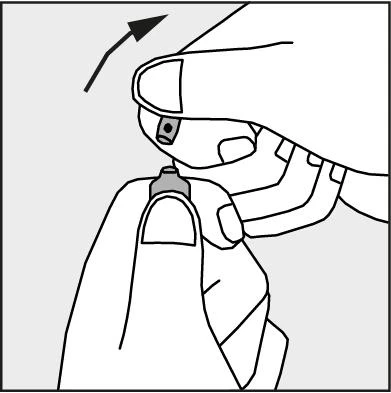
- Press in the direction of the arrow shown in Figure 3. Ampoules are intended for single use only and should be opened immediately before use. Any unused portion of the product must be destroyed in accordance with applicable regulations.
Figure 1.
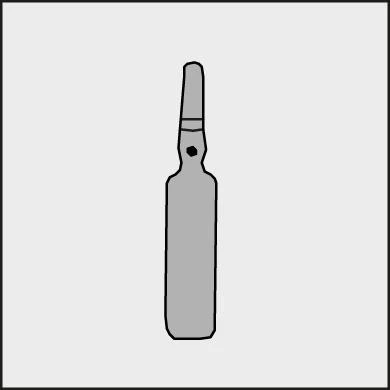
Figure 2.
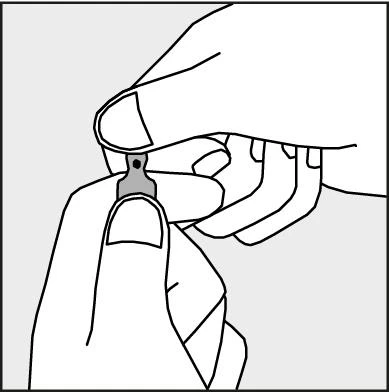
Figure 3.
Precautions for use of Morphini sulfas WZF
- Opioid analgesics should be administered cautiously or in reduced doses to patients with hypothyroidism, adrenal insufficiency, asthma, reduced respiratory reserve, benign prostatic hyperplasia, hypotension, shock, inflammatory or obstructive intestinal disorders, myasthenia gravis, and in patients with a history of drug abuse.
- When midazolam and opioids are used concomitantly, the risk of respiratory depression increases; therefore, such cases require close monitoring.
- Morphine may cause liver function disturbances and spasm of the sphincter of Oddi, leading to increased biliary tract pressure. Therefore, in patients with hepatic colic or other biliary tract disorders, morphine may exacerbate pain symptoms. Morphine administered post-cholecystectomy has been associated with pain occurrence.
- Caution is advised when administering morphine to patients with impaired liver function, as morphine metabolism occurs in the liver.
- In patients with impaired renal function, prolonged and severe respiratory depression has been observed after morphine administration.
- With regular morphine use, dependence may develop rapidly; however, dependence is rare in patients receiving morphine for medical indications. Sudden discontinuation of morphine in a dependent individual may trigger withdrawal symptoms, the severity of which depends on the patient's condition, dose size and frequency, and duration of treatment. Symptoms include: nausea, diarrhea, cough, dysphoria, lacrimation, pupillary dilation, rhinorrhea, insomnia (with persistent yawning), profuse sweating, elevated blood pressure, muscle tremors, piloerection, loss of appetite, slight increase in respiratory rate, generalized body pain, intense drug craving, and hallucinations. Repeated use of Morphini sulfas WZF may lead to opioid use disorder (OUD). Higher doses and longer duration of opioid therapy may increase the risk of OUD. Misuse or intentional inappropriate use of Morphini sulfas WZF may result in overdose and/or death. The risk of OUD is increased in patients with a personal or family history (parents or siblings) of substance use disorders (including alcohol), current tobacco users, or patients with other psychiatric disorders (e.g., severe depression, anxiety disorders, or personality disorders).
- Opioids may cause sleep-related breathing disorders, including central sleep apnea (CSA) and hypoxemia. Opioid use increases the risk of CSA in a dose-dependent manner. In patients with CSA, consideration should be given to reducing the total opioid dose.
- Cases of acute generalized exanthematous pustulosis (AGEP), which may be life-threatening or fatal, have been reported with morphine therapy. Most such reactions occurred within the first 10 days of treatment.
- In elderly and debilitated patients, morphine doses should be reduced.
Dosage
Adults
- For acute pain: usually 10 mg to 15 mg (0.1 to 0.15 mg/kg body weight) administered subcutaneously or intramuscularly, or 2 mg to 8 mg intravenously (at a rate of 2 mg/min). Doses may be repeated every 4 hours if needed.
- For chronic pain: 5 mg to 20 mg orally, subcutaneously, or intramuscularly every 4 hours. In elderly patients, a half dose compared to younger adults is usually administered.
Children and adolescents:
Oral administration of morphine is not recommended.
When administering morphine to neonates and young children, caution is required due to their low body weight, as these patient groups may be more sensitive to opioids.
Continuous monitoring is recommended when administering the medicinal product to neonates or infants.
Subcutaneous and intramuscular administration
- Usually 0.1 to 0.2 mg/kg body weight (100 to 200 micrograms/kg body weight) subcutaneously or intramuscularly, repeated every 4 hours as needed; the dose should not exceed 15 mg per administration;
- In neonates, the recommended dose is 0.1 mg/kg body weight (100 micrograms/kg body weight) subcutaneously, repeated every 4 to 6 hours as needed.
Intravenous administration
Due to the higher risk of respiratory depression associated with continuous intravenous infusions of morphine in children, monitoring of heart rate, respiration, and blood oxygen saturation is recommended.
- Preterm neonates: 0.025 mg/kg body weight (25 micrograms/kg body weight) intravenously via a slow 30-minute infusion. Subsequent doses may be administered every 8 hours. In extremely premature infants, doses may be repeated every 12 hours. Proposed continuous infusion: 0.01–0.02 mg/kg body weight/hour (10–20 micrograms/kg body weight/hour).
- Term neonates: 0.025–0.05 mg/kg body weight (25–50 micrograms/kg body weight) intravenously every 6 hours or continuous infusion of 0.01–0.03 mg/kg body weight/hour (10–30 micrograms/kg body weight/hour).
- Infants up to 6 months of age: 0.05 mg/kg body weight (50 micrograms/kg body weight) intravenously every 4–6 hours or continuous infusion of 0.01–0.03 mg/kg body weight/hour (10–30 micrograms/kg body weight/hour).
- Infants aged over 6 months to 12 months: 0.05–0.1 mg/kg body weight (50–100 micrograms/kg body weight) every 4 hours or continuous infusion of 0.01–0.04 mg/kg body weight/hour (10–40 micrograms/kg body weight/hour).
- Children over 1 year of age and adolescents up to 18 years: 0.05–0.1 mg/kg body weight (50–100 micrograms/kg body weight) intravenously every 2–4 hours or continuous infusion of 0.01–0.04 mg/kg body weight/hour (10–40 micrograms/kg body weight/hour).
Patient-controlled analgesia (PCA) may be used in children aged 6 years and older: intravenous bolus doses of 0.015–0.02 mg/kg body weight (15–20 micrograms/kg body weight), followed by a lockout period of 10 to 15 minutes. A continuous intravenous infusion of 0.005–0.02 mg/kg body weight/hour (5–20 micrograms/kg body weight/hour) may also be administered.
Impaired liver function
Caution is advised when administering morphine to patients with impaired liver function, as morphine metabolism occurs in the liver.
Impaired renal function
A reduced maintenance dose may be necessary in cases of moderate to severe renal impairment. In children, administer 75% of the dose if creatinine clearance is 10–50 ml/min/1.73 m² and 50% if <10 ml/min/1.73 m².
Since pediatric doses below 12 years of age are often based on body weight, the table below is provided to assist in verifying calculated doses. The table uses age-based data based on average body weight values.
NOTE: Calculated data refer to a concentration of 10 mg/ml; when using a concentration of 20 mg/ml, appropriate conversion must be performed.
Dose Age Body weight Dose Dose
(in mg/kg body weight) (approximate) (in kg) (in mg) Volume
(in micrograms/kg body weight) (in ml)
0.05–0.1 mg/kg body weight
(50–100 micrograms/kg body weight)
1 year 10 0.5–1 mg 0.05–0.1 ml
3 years 15 0.75–1.5 mg 0.075–0.15 ml
5 years 18 0.9–1.8 mg 0.09–0.18 ml
7 years 23 1.15–2.3 mg 0.115–0.23 ml
10 years 30 1.5–3 mg 0.15–0.3 ml
12 years 39 1.95–3.9 mg 0.195–0.39 ml
Doses and volumes for children must be calculated, measured, and carefully verified by competent medical personnel to avoid errors. Particular caution is required when measuring very small volumes.
After calculation, the data in the above tables should be used to verify whether the dose and volume are appropriate for the child's specific age and weight.
The medicinal product should be administered systematically. If necessary, the physician may adjust the dosage regimen.