Mirena
Poland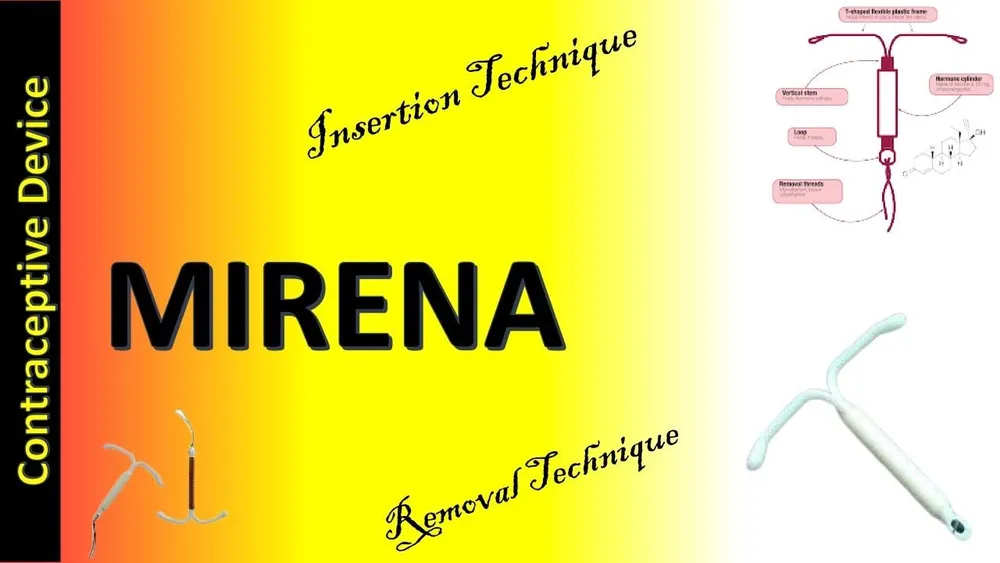
Table of Contents
PACKAGE LEAFLET: INFORMATION FOR THE USER
Warning! Keep the leaflet; information on the immediate packaging in a foreign language!
Mirena (Mирена)
52 mg, 20 micrograms/24 hours, intrauterine delivery system
Levonorgestrelum
Mirena and Mирена are the same brand names of the same medicine written in Polish and Bulgarian.
Please read this leaflet carefully before use, as it contains important information for the patient.
- Keep this leaflet, so you can read it again if necessary.
- If you have any doubts, consult your doctor or pharmacist.
- This medicine has been prescribed for a specific individual. Do not pass it on to others. It may harm someone else, even if their symptoms are identical.
- If you experience any adverse effects, including any not listed in this leaflet, inform your doctor or pharmacist. See section 4.
Contents of the leaflet
1. What Mirena is and what it is used for
2. Important information before using Mirena
3. How to use Mirena
4. Possible side effects
5. How to store Mirena
6. Contents of the pack and other information
1. What Mirena is and what it is used for
Mirena is a T-shaped intrauterine delivery system that releases the hormone levonorgestrel into the uterine cavity after insertion. The T-shape ensures proper fit within the uterine cavity.
The vertical part of the white system contains a reservoir with the active substance, levonorgestrel. Attached to the loop at the lower end of the stem are two brown threads used for removing the system from the uterus.
Mirena is used for contraception and for the treatment of heavy menstrual bleeding (of unknown origin).
Children and adolescents
Mirena is not indicated for use before the onset of menstruation (first menstrual bleeding).
2. Important information before using Mirena
General notes
Before using Mirena, your doctor will ask you several questions about your health and that of your immediate family.
This leaflet describes several situations in which Mirena must be removed or when its effectiveness may be reduced. In such cases, you should either abstain from sexual intercourse or use additional non-hormonal contraceptive methods, such as condoms or other mechanical methods. Do not use the calendar method or temperature monitoring, as these may be ineffective because Mirena affects monthly body temperature changes and cervical mucus patterns.
Like other hormonal contraceptives, Mirena does not protect against HIV (AIDS) or other sexually transmitted infections.
Do not insert Mirena if any of the following apply:
- Hypersensitivity to levonorgestrel or any of the other components of this medicine (listed in section 6)
- Pregnancy or suspected pregnancy
- Hormone-dependent tumours, e.g. breast cancer
- Current or recurrent pelvic inflammatory disease (infections of the female reproductive organs)
- Cervicitis
- Lower genital tract infections
- Postpartum endometritis
- Uterine infection following abortion within the last 3 months
- Conditions predisposing to infection
- Abnormal cervical epithelial cells
- Carcinoma or suspected carcinoma of the cervix or corpus uteri
- Unexplained abnormal uterine bleeding
- Abnormalities of the cervix or uterine cavity, including fibroids, if they distort the uterine cavity
- Active liver disease or liver tumours
Warnings and precautions
Consult your doctor before starting use of Mirena.
Contact your doctor, who will decide whether to remove or retain the Mirena system, if any of the following conditions occur for the first time during use:
- Migraine, asymmetric visual field defects, or other symptoms suggesting transient ischaemic attack (temporary blockage of blood flow to the brain)
- Exceptionally severe headache
- Jaundice (yellowing of the skin, sclera, and/or nails)
- Marked increase in blood pressure
- Severe arterial disease, such as stroke or myocardial infarction
- Acute venous thromboembolic disease
Mirena should be used with caution in women with congenital heart defects or valvular heart disease that increase the risk of endocarditis.
In diabetic women using Mirena, blood glucose levels should be monitored.
Irregular bleeding may mask symptoms and signs of endometrial polyps or cancer, and diagnostic investigations should be considered in such cases.
Medical examination/consultation
The pre-insertion examination may include a cervical smear test and other tests, such as screening for infections, including sexually transmitted infections if necessary, and a pregnancy test. A gynaecological examination should be performed to determine uterine position and cavity size.
Mirena is not suitable for emergency contraception (post-coital contraception).
Infections
The applicator tube helps protect Mirena from microbial contamination during insertion. The Mirena applicator is designed to reduce infection risk. Nevertheless, there is an increased risk of infection immediately after insertion and during the first month following insertion. Pelvic infections in women using Mirena are often associated with sexually transmitted diseases. The risk increases with multiple sexual partners. Pelvic inflammatory diseases must be adequately treated, as they may affect fertility and increase the risk of ectopic pregnancy in the future. Mirena should be removed in cases of recurrent endometritis or pelvic inflammatory disease if severe or persistent symptoms do not resolve within a few days of treatment.
In extremely rare cases, severe infection or sepsis (a very serious infection that may be fatal) may occur shortly after insertion of the intrauterine system.
Seek immediate medical advice if you experience persistent lower abdominal pain, elevated body temperature, pain during sexual intercourse, or abnormal vaginal bleeding.
Spontaneous expulsion
Uterine muscle contractions during menstrual bleeding may sometimes cause displacement or expulsion of the system. This is more likely if the woman is overweight at the time of insertion or has previously had heavy menstrual bleeding. If the system is displaced, it may not function as intended, increasing the risk of pregnancy. Expulsion results in loss of contraceptive protection.
Possible signs of expulsion include vaginal bleeding or lower abdominal pain, but Mirena may also be expelled unnoticed. Since Mirena reduces menstrual flow, increased bleeding may indicate expulsion or displacement.
It is recommended to check manually (e.g. during bathing) whether the threads are in place. See also section 3 "How to use Mirena – Self-checking for correct placement of Mirena". If symptoms suggest expulsion or if threads cannot be felt near the cervical os, use alternative contraceptive methods (such as condoms) and contact your doctor.
Uterine perforation
Perforation or damage to the uterine wall may occur, most commonly during insertion, although it may be detected only later. Mirena located outside the uterine cavity is ineffective for contraception and should be removed as soon as possible. Surgical intervention may be required for removal. The risk of perforation is higher in breastfeeding women and within 36 weeks after childbirth; it may also be increased in women with a persistently retroverted uterus (uterine retroversion). If you suspect uterine perforation, contact your treating doctor and inform them that you have Mirena inserted, especially if it is not the doctor who performed the insertion.
Possible signs and symptoms of perforation may include:
- Severe pain (like menstrual cramps) or pain stronger than expected
- Heavy bleeding (after insertion)
- Pain or bleeding lasting longer than a few weeks
- Sudden change in your periods
- Pain during sexual intercourse
- Inability to feel the Mirena threads (see section 3 "How to use Mirena – Self-checking for correct placement of Mirena")
Ectopic pregnancy
Pregnancy during Mirena use is very unlikely. However, if pregnancy occurs while using Mirena, the probability of ectopic pregnancy is relatively increased. Approximately 1 in 1000 women using Mirena correctly will experience an ectopic pregnancy per year of use. This is fewer than in women not using any contraception (about 3 to 5 per 1000 women per year). Women who have previously had an ectopic pregnancy, tubal surgery, or pelvic infection have an increased risk of ectopic pregnancy. Ectopic pregnancy is a serious condition requiring immediate medical attention. Symptoms suggesting ectopic pregnancy and requiring immediate medical consultation include:
- Cessation of menstrual bleeding, followed by persistent bleeding or pain
- Dull or severe lower abdominal pain
- Typical pregnancy symptoms accompanied by bleeding and dizziness.
Fainting
Some women may experience dizziness after Mirena insertion. This is a normal physiological response. Your doctor may recommend resting briefly after insertion.
Ovarian cysts
The contraceptive effect of Mirena is primarily local, so in women of reproductive age, menstrual cycles are usually ovulatory with follicular rupture. Occasionally, the unruptured follicle does not regress and may enlarge. In most cases, these enlarged follicles are asymptomatic, although they may cause pelvic pain or pain during intercourse. Such enlarged ovarian cysts usually resolve spontaneously but may sometimes require medical intervention.
Psychiatric disorders
Some women using hormonal contraceptives, including Mirena, have reported depression or low mood. Depression can be severe and may sometimes lead to suicidal thoughts. If mood changes or symptoms of depression occur, contact your doctor promptly for further medical advice.
Mirena and other medicines
Since the mechanism of action of Mirena is primarily local, taking other medicines should not increase the risk of pregnancy during use of this system.
However, inform your doctor about all medicines you are currently taking, including those available without a prescription.
Pregnancy, breastfeeding and effects on fertility
Pregnancy
Mirena must not be used during pregnancy or if pregnancy is suspected.
Very rarely, a woman may become pregnant while Mirena is correctly positioned. However, if Mirena becomes displaced, contraceptive protection is reduced, and alternative contraceptive methods should be used until you see your doctor.
During Mirena use, menstrual bleeding may cease in some women after some time. Absence of menstrual bleeding does not always indicate pregnancy. If menstruation stops and other signs of pregnancy occur (e.g. nausea, fatigue, breast tenderness), consult your doctor for examination and a pregnancy test.
If pregnancy occurs during Mirena use, contact your doctor immediately for system removal. Removal may cause miscarriage. However, leaving Mirena in place during pregnancy may increase not only the risk of miscarriage but also the risk of preterm delivery. If Mirena cannot be removed, discuss the benefits and risks of continuing the pregnancy with your doctor. If the pregnancy continues, it should be closely monitored, and you should inform your doctor immediately if symptoms such as abdominal cramps, abdominal pain, or fever occur.
Mirena contains the hormone levonorgestrel, and there are isolated reports of effects on genital organs of female infants exposed to levonorgestrel released from an intrauterine device remaining in the uterine cavity.
Breastfeeding
Mirena may be used during breastfeeding. Levonorgestrel passes into breast milk in small amounts (approximately 0.1% of the levonorgestrel dose may pass into the infant's body via milk). After 6 weeks postpartum, Mirena use has no harmful effect on infant growth and development. Anticonceptive products containing only progestogens have not been shown to affect the quantity or quality of breast milk.
Hormonal contraception is not recommended as a first-choice method during breastfeeding; non-hormonal methods are preferred. Progestogen-only methods, such as Mirena, are considered second-line options. The daily dose and blood concentration of levonorgestrel are lower than with other hormonal contraceptive methods.
Fertility
Removal of Mirena restores normal fertility.
If you are pregnant or breastfeeding, suspect you are pregnant, or plan to become pregnant, consult your doctor or pharmacist before using this medicine.
Driving and using machines
Mirena has no known effect on the ability to drive or operate machinery.
Important information about certain components of Mirena:
The T-shaped frame of Mirena contains barium sulfate, which allows the system to be visualized by X-ray.
3. How to use Mirena
Effectiveness of Mirena
The contraceptive effectiveness of Mirena is equivalent to that of the most effective copper-containing intrauterine devices. In clinical studies, approximately 2 pregnancies per 1000 women were observed during the first year of using Mirena.
In the treatment of heavy menstrual bleeding of unknown origin, bleeding intensity decreases already after 3 months of using Mirena. In some women, menstruation may even stop completely.
When should Mirena be inserted?
Starting use of Mirena
-
Before inserting Mirena, it must be confirmed that the patient is not pregnant.
-
Mirena should be inserted within 7 days from the onset of menstrual bleeding. If Mirena is inserted within this time frame, the system will be effective immediately and will prevent pregnancy.
-
If Mirena cannot be inserted within 7 days from the start of menstrual bleeding, or if menstruation occurs unpredictably, the system may be inserted on any day. In such a case, sexual intercourse without contraception should not occur since the last menstrual bleeding, and a negative pregnancy test must be obtained before insertion. Furthermore, Mirena may not provide reliable contraceptive protection immediately. Therefore, a barrier method of contraception (e.g., condoms) should be used, or sexual intercourse should be avoided during the first 7 days after Mirena insertion.
-
Mirena is not suitable for use as emergency contraception (post-coital contraception).
Starting use of Mirena after childbirth
- Mirena may be inserted after delivery once the uterus has returned to its normal size, but not earlier than 6 weeks postpartum (see section 2: "Important information before using Mirena – Uterine perforation").
- See also "Starting use of Mirena" above for additional information regarding the timing of system insertion.
Starting use of Mirena after miscarriage
Mirena may be inserted immediately after a first-trimester miscarriage, provided there is no genital tract infection. Mirena will then be effective immediately.
Replacing Mirena
Mirena may be replaced with a new system at any time during the menstrual cycle. The new Mirena will be effective immediately.
Switching from another contraceptive method (e.g., combined hormonal contraceptives, implant)
- Mirena may be inserted immediately if there is reasonable assurance that the patient is not pregnant.
- If more than 7 days have passed since the onset of menstrual bleeding, abstinence or additional contraceptive protection should be used for the next 7 days.
Method of inserting Mirena
Mirena should be inserted only by a physician or other healthcare professional experienced in intrauterine device insertion.
After a gynecological examination, a speculum is inserted into the vagina and the cervix is cleaned with an antiseptic solution. The intrauterine system is then placed into the uterus using a thin, flexible plastic tube (the inserter). If necessary, local anesthesia of the cervix may be administered before insertion.
Some individuals may experience pain and dizziness after insertion. If these symptoms do not resolve within half an hour while the patient remains lying down, this may indicate improper placement of the system. An examination should be performed and, if necessary, the system should be removed.
After Mirena insertion, the patient should receive a reminder card from the physician, on which follow-up examination dates are recorded. This card should be brought to every scheduled visit.
When to contact a doctor
The physician should check for the presence of the system 4 to 12 weeks after insertion, and then perform regular checks at least once a year. The physician will determine individually how often and what follow-up examinations are required. The patient reminder card received from the physician should be brought to every scheduled visit. Additionally, contact a doctor if:
- the threads are not felt in the vagina
- the lower part of the system is felt
- pregnancy is suspected
- persistent abdominal pain, fever, or unusual vaginal discharge occurs
- the woman or her partner experiences pain or discomfort during sexual intercourse
- sudden changes in the menstrual cycle occur (e.g., periods become light or stop, then suddenly persistent bleeding or pain occurs, or heavy bleeding starts)
- other health problems occur, such as migraine headaches or recurrent severe headaches, sudden vision problems, jaundice, or increased blood pressure
- any of the conditions listed in section 2 "Important information before using Mirena" occur.
Inform your doctor that you have Mirena inserted, especially if it is not the physician who originally inserted the system.
Duration of use of Mirena
Mirena prevents pregnancy (provides contraceptive effect) for 8 years after insertion. If the patient uses Mirena for this reason, the system should be removed or replaced no later than after 8 years.
Mirena is effective for 5 years after insertion in the treatment of heavy menstrual bleeding (of unknown origin). If the patient uses Mirena for this reason, the system should be removed or replaced when heavy menstrual bleeding returns, or no later than after 8 years. If desired, a new system may be inserted after removal of the previous one.
If Mirena is to be removed to allow pregnancy or for another reason
A physician can easily remove the system at any time, after which pregnancy becomes possible. Removal is usually painless. Fertility returns after Mirena removal.
Continuation of contraception after removal of the system
If pregnancy is not planned, Mirena should not be removed after the 7th day of the menstrual cycle unless another method of contraception (e.g., condoms) is used for at least 7 days before removal. If the woman has irregular menstruation or no menstruation, mechanical contraceptive methods should be used for at least 7 days before removal and until the return of menstrual bleeding. Alternatively, a new system may be inserted immediately after removal of the previous one, in which case additional contraception is not required. If the patient does not wish to continue with the same method, she should consult her doctor about other reliable contraceptive methods.
Can pregnancy occur after stopping use of Mirena?
Yes. Removal of Mirena does not impair fertility. Pregnancy can occur during the first menstrual cycle after Mirena removal.
Does Mirena affect menstrual bleeding?
Mirena affects the menstrual cycle. The system may cause various changes in menstruation, such as spotting (light blood loss), shorter or longer bleeding, light or heavy bleeding, or absence of bleeding.
In many women, during the first 3 to 6 months after Mirena insertion, frequent spotting or slight bleeding may occur in addition to menstrual bleeding. In some women, menstrual bleeding may become heavier or last longer than usual. In such cases, the physician should be informed, especially if these symptoms persist.
Generally, a gradual reduction in the number of bleeding days and the amount of blood lost each month is possible. In some women, menstruation may eventually stop completely. Since menstrual bleeding usually becomes lighter during Mirena use, many women experience an increase in hemoglobin concentration in the blood.
After removal of the system, menstruation returns to normal.
Is absence of bleeding normal?
Yes, when using Mirena. Absence of menstruation is a result of the hormone's effect on the endometrium. Monthly thickening of the endometrium does not occur. Therefore, there is nothing to be shed monthly through menstrual blood. This does not necessarily indicate menopause or pregnancy. Hormone levels remain normal.
In fact, absence of menstruation may be a significant health benefit for women.
Diagnosis of pregnancy
Pregnancy during Mirena use is unlikely, even if menstrual bleeding does not occur.
If menstrual bleeding has not occurred for six weeks and this causes concern, a pregnancy test may be performed. If the result is negative, no further testing is necessary, unless other symptoms of pregnancy are present, such as nausea, fatigue, or breast tenderness.
Can Mirena cause pain or discomfort?
Some women experience pain (similar to menstrual cramps) during the first few weeks after system insertion. A follow-up visit to the doctor or clinic is recommended if severe pain occurs or if pain persists for more than 3 weeks after Mirena insertion.
Effect of Mirena on sexual intercourse
Neither the woman nor her partner should feel the system during sexual intercourse. However, if either does feel it, sexual intercourse should be avoided until a doctor checks whether the system is still in the correct position.
How long after insertion can sexual intercourse occur?
To allow the body to rest, it is advisable to wait approximately 24 hours after insertion before engaging in sexual intercourse. However, Mirena provides immediate protection against pregnancy right after insertion.
Use of tampons or menstrual cups
The use of sanitary pads is recommended. If tampons or menstrual cups are used, they should be changed carefully to avoid pulling on the Mirena threads. If the patient suspects that Mirena has been displaced (see section "When to contact a doctor" for possible symptoms), sexual intercourse should be avoided or mechanical contraception (such as condoms) should be used, and the patient should contact her doctor.
What happens in case of spontaneous expulsion of Mirena
Rarely, but possibly, Mirena may be expelled spontaneously during menstrual bleeding without the patient's knowledge. If menstrual bleeding is heavier than usual, this may indicate that Mirena has been expelled through the vagina. Partial expulsion of Mirena from the uterine cavity is also possible (the woman or her partner may notice this during sexual intercourse). If Mirena is completely or partially expelled, it does not protect against pregnancy.
Self-checking for correct placement of Mirena
A woman can self-check whether the system threads are in the correct position. To do this, insert a finger gently into the vagina and feel for the threads near the cervix.
Do not pull on the threads, as this may inadvertently remove the system. If the threads are not felt, this may indicate expulsion of the system from the uterus or uterine perforation. In such a case, mechanical contraception (e.g., condoms) should be used and the patient should contact her doctor.
4. Possible side effects
Like all medicines, Mirena may cause side effects, although not everybody gets them.
In addition to the possible side effects mentioned in other sections (e.g. section 2, Important information before use of Mirena), the following side effects are listed below according to the parts of the body they affect and their frequency of occurrence:
Very common: may occur in 1 out of every 10 patients
Disorders of the reproductive system and breast
- Uterine or vaginal bleeding including spotting, infrequent menstruation or absence of menstruation
- Benign ovarian cysts (see section 2: "enlarged ovarian follicles")
Common: may occur in 1 to 10 out of every 100 patients
Psychiatric disorders
- Depressed mood or depression
- Nervousness
- Decreased libido
Nervous system disorders
- Headache
Vascular disorders
- Dizziness
Gastrointestinal disorders
- Abdominal pain
- Nausea
Skin and subcutaneous tissue disorders
- Acne
Musculoskeletal, connective tissue and bone disorders
- Back pain
Reproductive system and breast disorders
- Pelvic pain
- Dysmenorrhoea (painful menstruation)
- Vaginal discharge
- Vulvitis or vaginitis
- Breast tenderness
- Breast pain
- Expulsion of the intrauterine system
Investigations
- Weight increase
Uncommon: may occur in 1 to 10 out of every 1000 patients
Nervous system disorders
- Migraine
Gastrointestinal disorders
- Abdominal distension
Skin and subcutaneous tissue disorders
- Hirsutism (excessive hair growth in a male pattern in women)
- Hair loss (alopecia)
- Itching (pruritus)
- Rash (skin inflammation)
- Chloasma (yellow-brown skin patches) or intense skin pigmentation
Reproductive system and breast disorders
- Perforation (puncture) of the uterine wall
- Pelvic inflammatory disease (infection of the upper female genital tract, organs located above the cervix)
- Endometritis (inflammation of the uterine lining)
- Cervicitis - Pap smear class II according to Papanicolaou (inflammation of the cervix)
General disorders and administration site conditions
- Swelling (oedema)
Rare: may occur in 1 to 10 out of every 10,000 patients
Skin and subcutaneous tissue disorders
- Rash
- Urticaria (hives)
If a woman becomes pregnant while using Mirena, there is a risk that the pregnancy will be ectopic (see section 2: "Ectopic pregnancy").
Cases of sepsis (a very severe infection which may be fatal) have been reported after insertion of the intrauterine system.
Reporting of side effects
If any side effects occur, including any not listed in this leaflet, inform your doctor or pharmacist.
Side effects can be reported directly to the Department of Monitoring Adverse Drug Reactions, Office for Registration of Medicinal Products, Medical Devices and Biocidal Products, Al. Jerozolimskie 181C, 02-222 Warsaw, Tel.: +48 22 4921 301, Fax: +48 22 4921 309, website: https://smz.ezdrowie.gov.pl .
Side effects can also be reported to the marketing authorisation holder.
Reporting side effects helps provide more information on the safety of this medicine.
5. How to store Mirena
Keep the medicine out of the sight and reach of children.
Storage: No special storage instructions apply.
Do not insert Mirena after the expiry date stated on the packaging. The expiry date refers to the last day of the month indicated.
Medicines must not be disposed of via wastewater or household waste. Ask your pharmacist what to do with medicines no longer required. This will help protect the environment.
6. Contents of the package and other information
What Mirena contains
- The active substance is levonorgestrel. One intrauterine system contains 52 mg of levonorgestrel.
- Other components of the medicine are: elastomer dimethicone; tubing dimethicone (containing colloidal anhydrous silica); T-body (composed of: polyethylene containing 20–24% barium sulfate); threads (composed of: polyethylene, iron oxides (E 172) below 1%).
What Mirena looks like and contents of the pack
Pack size: one, sterilely packaged intrauterine system for intrauterine use.
For more detailed information, please consult your doctor, the marketing authorisation holder, or the parallel importer.
Marketing Authorisation Holder in Bulgaria, the country of export:
Bayer AG
Kaiser-Wilhelm-Allee 1
51373 Leverkusen
Germany
Manufacturer
Bayer Oy
Pansiontie 47
20210 Turku
Finland
Parallel importer:
Medezin Sp. z o.o.
Zbąszyńska 3 Street
91-342 Łódź
Repackaged in:
Medezin Sp. z o.o.
Zbąszyńska 3 Street
91-342 Łódź
Marketing Authorisation Number in Bulgaria, the country of export: 9800344
Parallel Import Licence Number: 2/24