Metex
Poland
Table of Contents
Package leaflet: Information for the user
Metex, 50 mg/ml, solution for injection in ampoule-syringe
Methotrexatum
Please read all of this leaflet carefully before using this medicine, because it contains
important information for the patient.
- Keep this leaflet, as you may need to read it again.
- If you have any further questions, please ask your doctor or pharmacist.
- This medicine has been prescribed for a specific individual. Do not pass it on to others. It may harm someone else, even if their symptoms are the same.
- If you experience any adverse effects, including any not listed in this leaflet, please inform your doctor or pharmacist. See section 4.
Contents of the leaflet
- What Metex is and what it is used for
- What you need to know before using Metex
- How to use Metex
- Possible side effects
- How to store Metex
- Contents of the pack and other information
1. What Metex is and what it is used for
Metex contains methotrexate as the active substance.
Methotrexate is a substance with the following properties:
- interferes with the growth of certain rapidly dividing cells in the body;
- suppresses the activity of the immune system (the body's own defense mechanism);
- has anti-inflammatory action.
Indications for use of Metex
- active rheumatoid arthritis in adult patients;
- polyarticular forms of severe, active juvenile idiopathic arthritis when response to non-steroidal anti-inflammatory drugs is inadequate;
- severe psoriasis resistant to treatment, with unsatisfactory response to phototherapy, PUVA therapy and retinoids, and severe psoriatic arthritis in adult patients;
- Crohn's disease (Leśniowski-Crohn disease) of mild to moderate severity in adult patients when appropriate treatment with other drugs is not possible.
Rheumatoid arthritis (RA) is a chronic disease classified among the collagenoses,
characterized by inflammation of the synovial membranes lining the joints. These membranes produce fluid
that acts as a lubricant for many joints. Inflammation causes thickening of the membranes and joint swelling.
Juvenile arthritis occurs in children and adolescents under the age of 16. The polyarticular form
is defined by involvement of 5 or more joints within the first 6 months
of the disease.
Psoriatic arthritis is a type of joint inflammation associated with psoriatic
skin and nail changes, particularly affecting the joints of the fingers and toes.
Psoriasis is a common chronic skin disease characterized by red patches covered with thick,
dry, silvery, tightly adherent scales.
Metex modifies and slows the progression of the disease.
Crohn's disease is a type of inflammatory bowel disease that may affect
any segment of the gastrointestinal tract, causing symptoms such as abdominal pain, diarrhea,
vomiting, or weight loss.
2. Important information before using Metex
When not to use Metex
- if the patient is allergic to methotrexate or any of the other ingredients of this medicine (listed in section 6);
- if the patient has severe liver, kidney, or blood disorders;
- if the patient regularly consumes large amounts of alcohol;
- if the patient has severe infections, such as tuberculosis, HIV infection, or other immunodeficiency syndromes;
- if the patient has oral ulcers, or gastric or intestinal ulcers;
- if the patient is pregnant or breastfeeding (see section "Pregnancy, breastfeeding and fertility");
- if the patient is receiving a vaccine containing live microorganisms at the same time.
Warnings and precautions
Before starting treatment with Metex, discuss with your doctor or pharmacist:
- if the patient is elderly, weakened, or in poor general health;
- if the patient has impaired liver function;
- if the patient has dehydration (lack of water in the body);
- if the patient has diabetes and is being treated with insulin.
Special precautions for the use of Metex
Methotrexate temporarily impairs the production of sperm and egg cells; in most cases, this effect is reversible. Methotrexate may cause miscarriage and severe congenital malformations. Women should avoid becoming pregnant during methotrexate treatment and for at least 6 months after treatment ends. Men should avoid impregnating their partner during methotrexate treatment and for at least 3 months after treatment ends. See also section "Pregnancy, breastfeeding and fertility".
Recommended monitoring tests and precautions
Severe adverse reactions may occur even after administration of low doses of methotrexate. To detect them in time, your doctor must perform regular check-ups and laboratory tests.
Before starting treatment
Prior to initiating therapy, a blood test will be performed to check whether the patient has an adequate number of blood cells. Blood tests will also be conducted to assess liver function and to check for hepatitis. Additionally, serum albumin (a blood protein) levels, kidney function, and signs of liver inflammation (liver infection) will be evaluated. The doctor may also decide to perform further liver tests, which may include imaging studies of the liver or a liver biopsy to obtain a small tissue sample for more detailed assessment. Furthermore, the doctor may check for tuberculosis and may perform a chest X-ray or lung function tests.
During treatment
The doctor may perform the following tests:
- examination of the mouth and throat for mucosal changes such as inflammation or ulceration;
- blood tests / blood cell counts and measurement of methotrexate serum concentration;
- blood tests to monitor liver function;
- imaging studies to monitor liver status;
- liver biopsy to obtain a small tissue sample for more detailed assessment;
- blood tests to monitor kidney function;
- respiratory system check-up and, if necessary, lung function tests.
It is very important that the patient attends these scheduled examinations.
If any of these test results show abnormalities, the doctor will adjust the treatment accordingly.
Elderly patients
Elderly patients receiving methotrexate should remain under close medical supervision to detect possible adverse effects as early as possible. Age-related impairments in liver and kidney function, as well as low folate reserves in older individuals, require relatively low dosing of methotrexate.
Other precautions
Cases of acute pulmonary hemorrhage have been reported in patients with underlying rheumatological diseases during methotrexate treatment. If the patient develops hemoptysis (coughing up blood), medical attention should be sought immediately.
Methotrexate may affect the immune system, vaccination responses, and immunological test results. It may lead to reactivation of latent chronic infections (e.g., shingles, tuberculosis, hepatitis B or C). Do not use vaccines containing live microorganisms while taking Metex.
Methotrexate may increase skin sensitivity to sunlight. Exposure to intense sunlight should be avoided, and use of sunbeds or tanning lamps is not recommended without prior consultation with a doctor. To protect the skin from strong sunlight, appropriate clothing should be worn or a high-protection sunscreen filter should be applied.
During methotrexate treatment, radiation-induced dermatitis and sunburn ("recall reaction") may be reactivated. UV radiation exposure during methotrexate therapy may worsen psoriatic skin lesions.
Lymph node enlargement (lymphadenopathy) may occur. In such cases, treatment should be discontinued.
Diarrhea may be a sign of toxic effects of Metex and requires discontinuation of treatment. If the patient develops diarrhea, this should be reported to the doctor.
In cancer patients receiving methotrexate, certain brain function disorders (encephalopathy/leukoencephalopathy) have been reported. Such adverse effects cannot be excluded when methotrexate is used to treat other diseases.
If the patient, their partner, or caregiver notices new onset or worsening of neurological symptoms, including general muscle weakness, visual disturbances, cognitive changes, memory and orientation problems leading to disorientation, or personality changes, immediate medical attention should be sought, as these may be symptoms of a very rare but serious brain infection called progressive multifocal leukoencephalopathy (PML).
Metex and other medicines
Inform your doctor or pharmacist about all medicines currently or recently taken, as well as any medicines the patient plans to take in the future. This includes all prescription and over-the-counter medicines.
Concomitant administration of certain medicines may affect the action of Metex:
- antibiotics, e.g.: tetracyclines, chloramphenicol, non-absorbable broad-spectrum antibiotics, penicillins, glycopeptides, sulfonamides, ciprofloxacin, and cephalothin (medicines used to prevent and treat certain infections);
- non-steroidal anti-inflammatory drugs or salicylates (pain-relieving and/or anti-inflammatory medicines, e.g., acetylsalicylic acid, diclofenac, ibuprofen, or pyrazole);
- metamizole (synonyms: novaminsulfone and dipyrone) (a potent analgesic and/or antipyretic);
- probenecid (used in the treatment of gout);
- weak organic acids such as loop diuretics (diuretic medicines);
- medicinal products that may adversely affect bone marrow function, e.g., trimethoprim-sulfamethoxazole (a bactericidal agent) or pyrimethamine;
- other medicines used in the treatment of rheumatoid arthritis, e.g., leflunomide, sulfasalazine, and azathioprine;
- cyclosporine (an immunosuppressive agent);
- mercaptopurine (a cytostatic medicine);
- retinoids (medicines for psoriasis and other skin diseases);
- theophylline (a medicine for bronchial asthma and other lung diseases);
- certain medicines used for stomach disorders, e.g., omeprazole and pantoprazole;
- hypoglycemic agents [medicines that reduce glucose ("blood sugar") concentration].
Vitamin preparations containing folic acid should only be used if prescribed by a doctor, as they may reduce the effectiveness of methotrexate.
Avoid vaccines containing live microorganisms.
Metex with food, drink, and alcohol
During treatment with Metex, consumption of alcohol, large amounts of coffee, caffeine-containing beverages, and black tea should be avoided.
Pregnancy, breastfeeding and fertility
Pregnancy
Do not use Metex if the patient is pregnant or trying to become pregnant. Methotrexate may cause congenital malformations, harm the unborn child, or cause miscarriage. This is associated with developmental abnormalities of the skull, face, heart and blood vessels, brain, and limbs. Therefore, it is extremely important that women who are pregnant or planning pregnancy do not take methotrexate. If the patient is of childbearing age, pregnancy must be definitively ruled out before starting treatment, using appropriate measures such as a pregnancy test.
The patient should avoid becoming pregnant during methotrexate treatment and for at least 6 months after its completion, using reliable contraception methods throughout this period (see also section "Warnings and precautions").
If the patient becomes pregnant during treatment or suspects she may be pregnant, she should consult her doctor immediately. The patient should seek advice regarding the potential harmful effects of the treatment on the unborn child.
If the patient plans to become pregnant, she should consult her treating physician, who may refer her to a specialist for counseling before planned initiation of treatment.
Breastfeeding
Breastfeeding must be discontinued before starting and during treatment with Metex.
Male fertility
Available evidence does not indicate an increased risk of developmental abnormalities or miscarriages following paternal exposure to methotrexate at doses below 30 mg/week. However, a risk cannot be completely excluded. Methotrexate may be genotoxic, meaning it may cause genetic mutations. Methotrexate may affect sperm and lead to congenital malformations. Therefore, the patient should avoid impregnating his partner and must not donate sperm during methotrexate treatment and for at least 3 months after its completion.
Driving and operating machinery
During treatment with Metex, adverse effects on the central nervous system may occur, such as fatigue and dizziness. Therefore, the ability to drive motor vehicles and/or operate machinery may be impaired in some cases. If the patient feels drowsy or fatigued, driving vehicles or operating machinery should be avoided.
Metex contains sodium
This medicine contains less than 1 mmol (23 mg) of sodium per dose, meaning the medicine is considered "sodium-free".
3. How to use Metex
Important warning regarding dosing of Metex (methotrexate):
In the treatment of rheumatoid arthritis, juvenile idiopathic arthritis, psoriasis, psoriatic arthritis, and Crohn's disease, Metex must be used only once a week. Administration of more frequent doses of Metex (methotrexate) may result in death. Please read section 3 of this leaflet carefully. If you have any questions, consult your doctor or pharmacist before using the medicine.
This medicine should be used exactly as prescribed by your doctor. If in doubt, consult your doctor or pharmacist.
Your doctor will determine the dosage, which is individually adjusted to the patient.
Therapeutic effects are usually observed only after 4–8 weeks.
Metex should be administered by a doctor or healthcare professional, or under their supervision, as subcutaneous injections only once a week. The day for the injection should be agreed upon by the patient and the doctor.
Use in children and adolescents
The doctor will determine the appropriate dose for children and adolescents with polyarticular juvenile idiopathic arthritis.
Metex is not recommended for use in children under 3 years of age due to insufficient experience in this age group.
Method and timing of administration
Metex is administered subcutaneously once a week!
The duration of treatment is determined by the doctor. Treatment with Metex for rheumatoid arthritis, juvenile idiopathic arthritis, psoriasis, psoriatic arthritis, and Crohn's disease is long-term.
At the beginning of treatment, Metex may be administered by healthcare professionals. However, the doctor may decide that the patient is able to perform self-injection of Metex subcutaneously. The patient will be properly trained accordingly.
Never attempt self-injection without prior training.
Please refer to the instructions provided at the end of this leaflet.
The technique of administration and disposal must be consistent with that used for other cytostatic drugs and in accordance with local regulations. Pregnant women must not handle or administer Metex.
Avoid contact of methotrexate with skin surfaces or mucous membranes. In case of contamination, immediately flush the affected area thoroughly with water.
Overdose of Metex
If a patient has administered a higher than recommended dose of Metex, seek immediate medical advice from a doctor.
Missed dose of Metex
Do not administer a double dose to make up for a missed dose.
Stopping treatment with Metex
If treatment with Metex is interrupted, inform your doctor immediately.
If you feel that the effect of Metex is too strong or too weak, consult your doctor or pharmacist.
4. Possible adverse reactions
Like any medicine, this medicine can cause adverse reactions, although not everyone will experience them.
The frequency and severity of adverse reactions depend on the dose and frequency of administration.
Since serious adverse reactions may occur even after administration of small doses, regular medical examinations are necessary. The treating physician should order tests to rule out abnormalities in blood parameters (e.g. low white blood cell count, platelets, and lymphadenopathy) as well as changes in the liver and kidneys.
You should inform the doctor immediately if any of the following symptoms occur in the patient, as they may indicate serious, potentially life-threatening adverse reactions requiring urgent treatment:
- persistent dry cough without sputum, shortness of breath, and fever; these may be symptoms of lung inflammation [common]
- haemoptysis, i.e. coughing up blood-stained sputum; this may be a sign of bleeding from the lungs [frequency unknown]
- signs of liver damage such as yellowing of the skin and whites of the eyes; methotrexate may cause chronic liver damage (liver cirrhosis), scar tissue formation in the liver (liver fibrosis), fatty degeneration of the liver (fatty liver disease) [all uncommon], inflammation of the liver (acute hepatitis) [rare], and liver failure [very rare]
- allergic symptoms such as skin rash, including red, itchy skin, swelling of the hands, feet, ankles, face, lips, mouth, or throat (which may cause difficulty swallowing or breathing), and feeling faint; these may be symptoms of severe allergic reactions or anaphylactic shock [rare]
- signs of kidney damage such as swelling of the hands, ankles, or feet, or changes in frequency of urination, reduced urine volume (oliguria), or absence of urine (anuria); these may be symptoms of kidney failure [rare]
- signs of infection such as fever, chills, malaise, sore throat; methotrexate may increase susceptibility to infections. Severe infections such as a specific type of pneumonia (pneumonia caused by Pneumocystis jirovecii) and blood poisoning (sepsis) may occur [rare]
- symptoms such as weakness on one side of the body (stroke) or pain, swelling, redness, and unusual warmth in one leg (deep vein thrombosis); this may occur if a dislodged blood clot blocks a blood vessel (thromboembolic event) [rare]
- fever and severe worsening of general health or sudden fever accompanied by sore throat or mouth pain, or disturbances in urination; methotrexate may cause acute decrease in the number of certain white blood cells (agranulocytosis) and severe bone marrow suppression [very rare]
- unexpected bleeding, e.g. bleeding gums, blood in urine or vomit, or appearance of petechiae (small red or purple spots on the skin); these may be symptoms of a significant decrease in platelet count due to severe bone marrow suppression [very rare]
- symptoms such as severe headache accompanied by fever, neck stiffness, nausea, vomiting, confusion, and sensitivity to light; these may indicate meningitis (acute aseptic meningitis) [very rare]
- in cancer patients receiving methotrexate treatment, certain brain function disorders (encephalopathy/leukoencephalopathy) have been reported. The occurrence of such adverse reactions cannot be ruled out when methotrexate is used to treat other diseases. Symptoms of such brain function disorders include altered mental state, movement disorders (ataxia), visual and memory disturbances [frequency unknown]
- severe skin rash or blisters on the skin (which may also occur in the mouth, eyes, and genital organs); these may be symptoms of Stevens-Johnson syndrome or toxic epidermal necrolysis (Lyell's syndrome) [very rare]
Other adverse reactions that may occur are listed below:
Very common: may affect more than 1 in 10 people
- inflammation of the mucous membrane of the mouth, indigestion, nausea, loss of appetite, abdominal pain,
- abnormal liver function tests (AST, ALAT, bilirubin, alkaline phosphatase).
Common: may affect up to 1 in 10 people
- ulceration of the mucous membrane of the mouth, diarrhoea,
- skin rash, redness of the skin, itching,
- headache, fatigue, drowsiness,
- reduced production of blood cells leading to decreased number of white and/or red blood cells and/or platelets.
Uncommon: may affect up to 1 in 100 people
- sore throat,
- enteritis, vomiting, pancreatitis, black or tarry stools, bleeding and ulceration of the gastrointestinal tract,
- reactions resembling sunburn due to increased skin sensitivity to sunlight, hair loss, increase in number of rheumatoid nodules, skin ulceration, shingles, vasculitis, herpes-like rash, urticaria,
- onset of diabetes,
- dizziness, confusion, depression,
- decreased serum albumin concentration,
- decreased number of all blood cells and platelets,
- inflammation and ulceration of the bladder or vagina, kidney dysfunction, disturbances in urination,
- joint pain, muscle pain, decreased bone mass.
Rare: may affect up to 1 in 1,000 people
- gingivitis,
- intense skin pigmentation, acne, blue spots on the skin due to bleeding from blood vessels (purpura, petechiae), allergic vasculitis,
- decreased concentration of antibodies in the blood,
- infection (including latent chronic infection), eye redness (conjunctivitis),
- mood changes (mood swings),
- visual disturbances,
- inflammation of the sac surrounding the heart (pericarditis), fluid accumulation in the pericardium, impaired heart filling due to fluid in the pericardial sac,
- low blood pressure,
- formation of scar tissue in the lungs (pulmonary fibrosis), shortness of breath, bronchial asthma, fluid accumulation in the pleural cavity,
- stress fractures,
- electrolyte disturbances,
- fever, impaired wound healing.
Very rare: may affect up to 1 in 10,000 people
- acute toxic dilation of the large intestine (toxic megacolon),
- increased nail pigmentation, inflammation of the nail cuticle (acute paronychia), deep infection of hair follicles (folliculitis), visible enlargement of small blood vessels,
- local tissue damage (formation of sterile abscess, changes in fatty tissue) at the injection site,
- pain, loss of muscle strength, or numbness or tingling sensation, reduced response to stimuli, taste disturbances (metallic taste), seizures, paralysis, meningeal reaction,
- visual impairment, non-inflammatory eye disease (retinopathy),
- decreased libido, impotence, breast enlargement in men, disturbances in sperm production (oligospermia), menstrual disorders, vaginal discharge,
- enlarged lymph nodes (lymphadenopathy),
- lymphoproliferative disorders (overproduction of white blood cells).
Frequency not known: frequency cannot be estimated from the available data
- increased number of certain white blood cells,
- nosebleeds,
- proteinuria,
- feeling of fatigue,
- jaw bone damage (due to overproduction of white blood cells),
- tissue necrosis at the injection site,
- redness and peeling of the skin,
- swelling.
Subcutaneously administered doses of methotrexate are locally well tolerated. Only mild, local skin reactions have been observed, which diminish during treatment.
Reporting of adverse reactions
If any adverse reactions occur, including any adverse reactions not listed in this leaflet, inform your doctor or pharmacist. Adverse reactions can be reported directly to the Department of Monitoring Adverse Drug Reactions of the Office for Registration of Medicinal Products, Medical Devices and Biocidal Products:
Al. Jerozolimskie 181C, PL-02-222 Warsaw, tel.: +48 22 49-21-301, fax: +48 22 49-21-309,
website: ://smz.ezdrowie.gov.pl
Adverse reactions can also be reported to the marketing authorization holder.
By reporting adverse reactions, additional information on the safety of the medicine can be collected.
5. How to store Metex
Keep the medicine out of sight and reach of children.
Do not store above 25°C.
Store pre-filled syringes in the outer cardboard package to protect from light.
Do not use this medicine after the expiry date stated on the carton. The expiry date refers to the last day of the stated month.
Medicines must not be disposed of via wastewater or household waste. Ask your pharmacist how to dispose of medicines no longer required. This will help protect the environment.
6. Contents of the pack and other information
What Metex contains
- The active substance is methotrexate. 1 ml of solution contains methotrexate disodium equivalent to 50 mg of methotrexate.
- The other ingredients are sodium chloride, sodium hydroxide and water for injections.
What Metex looks like and contents of the pack
The Metex pre-filled syringes contain a clear yellowish-brown solution.
The pre-filled syringes are equipped with a safety system designed to protect against needlestick injuries and prevent reuse.
Available pack sizes:
Pre-filled syringes with attached needles for subcutaneous injection, graduated, containing 0.15 ml, 0.20 ml, 0.25 ml, 0.30 ml, 0.35 ml, 0.40 ml, 0.45 ml, 0.50 ml, 0.55 ml or 0.60 ml of solution for injection, packed in blisters in packs of 1, 4, 5, 6, 10, 11, 12 and 24 pre-filled syringes with safety system.
Pre-filled syringes with attached needles for subcutaneous injection, graduated, containing 0.15 ml, 0.20 ml, 0.25 ml, 0.30 ml, 0.35 ml, 0.40 ml, 0.45 ml, 0.50 ml, 0.55 ml or 0.60 ml of solution for injection, packed in calendar blister packs of 6 or 12 pre-filled syringes with safety system.
Not all pack sizes may be marketed.
Marketing Authorisation Holder and Manufacturer
medac Gesellschaft für klinische Spezialpräparate mbH
Theaterstr. 6
22880 Wedel
Germany
Telephone: +49 4103 8006-0
Fax: +49 4103 8006-100
This medicinal product is authorised in the European Economic Area member states under the following names:
Austria, Belgium, Czech Republic, Finland, Greece, Spain, Netherlands, Iceland, Slovakia, Slovenia, Sweden, Hungary: Metoject
Denmark, Estonia, Lithuania, Latvia, Norway, Poland and Portugal: Metex
Germany: metex
Italy: Reumaflex
Instructions for subcutaneous administration
Metex is administered by subcutaneous injection only once a week. Before starting administration, carefully read the instructions below and always follow the injection technique recommended by your doctor, pharmacist or nurse.
If you have any doubts or questions, consult your doctor, pharmacist or nurse.
Preparation
Choose a well-lit, clean, flat working surface.
Wash your hands thoroughly.
Remove the methotrexate pre-filled syringe from its packaging and read the leaflet carefully. The pre-filled syringe should be removed from the packaging at room temperature.
Before use, inspect the Metex syringe for any visible defects (or cracks).
A small air bubble may be visible in the solution, which will not affect the dose and is not harmful.
Injection site
Best sites for injection:
- Upper thigh

subcutaneous injections
- Abdomen, avoiding the area around the navel
- If another person is assisting the patient with the injection, it may also be administered into the upper back of the arm, just below the shoulder
- Always select a different injection site each time
- This helps reduce the risk of irritation at the injection site
- Abdomen
Never inject the medicine into areas that are painful, bruised, red, hardened, scarred or have stretch marks. In patients with psoriasis, do not inject directly into raised, thickened, red or flaky skin areas or into psoriatic skin lesions.
Injecting the solution
Thigh
- Select the injection site and clean the area around it with soap and water or an antiseptic.
- Remove the plastic protective cap. Carefully remove the grey plastic protective cap from the syringe by pulling it straight off.
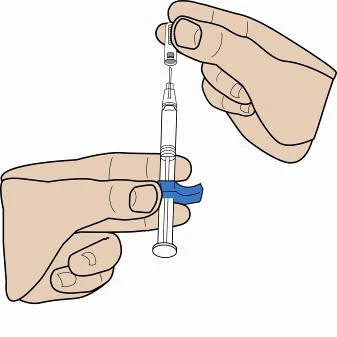
If the cap is difficult to remove, gently rotate it while pulling.
Important: Do not touch the needle of the pre-filled syringe!
Note: The injection must be performed immediately after removing the cap.
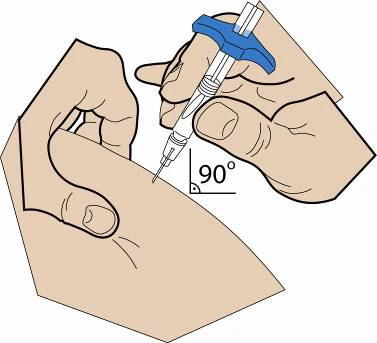
- Inserting the needle
Pinch the skin with two fingers and quickly insert the needle into the skin at a 90-degree angle.
- Injection
Insert the needle completely into the skin fold. Slowly press the plunger of the syringe and inject the fluid under the skin. Hold the skin fold until the injection is complete.
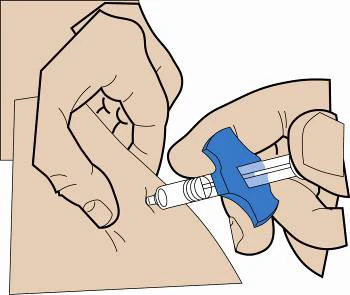
Carefully withdraw the needle from the skin with a straight motion.
- Dispose of the used syringe with needle in a sharps container. Do not dispose of it in household waste.
Methotrexate must not come into contact with skin or mucous membranes. In case of contact, immediately rinse the affected area thoroughly with plenty of water.
In case of a needlestick injury to the patient or another person, seek immediate medical advice and do not use that pre-filled syringe.
Disposal and preparation of the medicine for use
Preparation of the medicine for use and disposal of the medicine and pre-filled syringe must comply with local regulations. Pregnant healthcare personnel should not prepare or (and) administer Metex.
Instructions for subcutaneous administration
Metex is administered by subcutaneous injection only once a week. Before starting administration, carefully read the instructions below and always follow the injection technique recommended by your doctor, pharmacist or nurse.
If you have any doubts or questions, consult your doctor, pharmacist or nurse.
Preparation
Choose a well-lit, clean, flat working surface.
Wash your hands thoroughly.
Remove the methotrexate pre-filled syringe with safety system from its packaging and read the leaflet carefully. The pre-filled syringe should be removed from the packaging at room temperature.
Before use, inspect the Metex syringe for any visible defects (or cracks).
A small air bubble may be visible in the solution, which will not affect the dose and is not harmful.
Injection site
Areas for subcutaneous injections
Best sites for injection:

- Upper thigh
- Abdomen, avoiding the area around the navel
- If another person is assisting the patient with the injection, it may also be administered into the upper back of the arm, just below the shoulder
- Abdomen
- Always select a different injection site each time
- This helps reduce the risk of irritation at the injection site
- Thigh
- Never inject the medicine into areas that are painful, bruised, red, hardened, scarred or have stretch marks. In patients with psoriasis, do not inject directly into raised, thickened, red or flaky skin areas or into psoriatic skin lesions.
Injecting the solution
- Select the injection site and clean the area around it with soap and water or an antiseptic.
- Remove the plastic protective cap. Carefully remove the grey plastic protective cap from the syringe by pulling it straight off.
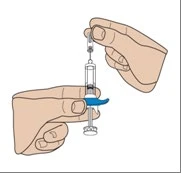
If the cap is difficult to remove, gently rotate it while pulling.
Important: Do not touch the needle of the pre-filled syringe!
Note: The injection must be performed immediately after removing the cap.
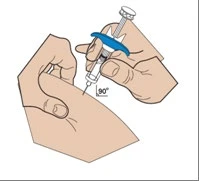
- Inserting the needle
Pinch the skin with two fingers and quickly insert the needle into the skin at a 90-degree angle.
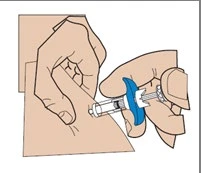
- Injection
Insert the needle completely into the skin fold. Slowly press the plunger of the syringe and inject the fluid under the skin.
- Removing the needle
Hold the skin fold until the injection is complete. Carefully withdraw the needle from the skin with a straight motion.
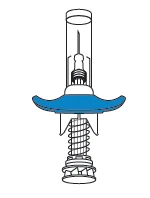
The protective shield will automatically cover the needle.
Note: The safety system activated by releasing the protective shield will only function if the syringe is completely emptied by pressing the plunger fully down to the stop.
- Dispose of the used syringe with needle in a sharps container. Do not dispose of it in household waste.
Methotrexate must not come into contact with skin or mucous membranes. In case of contact, immediately rinse the affected area thoroughly with plenty of water.
In case of a needlestick injury to the patient or another person, seek immediate medical advice and do not use that pre-filled syringe.
Disposal and preparation of the medicine for use
Preparation of the medicine for use and disposal of the medicine and pre-filled syringe must comply with local regulations. Pregnant healthcare personnel should not prepare or (and) administer Metex.