Meprelon
Poland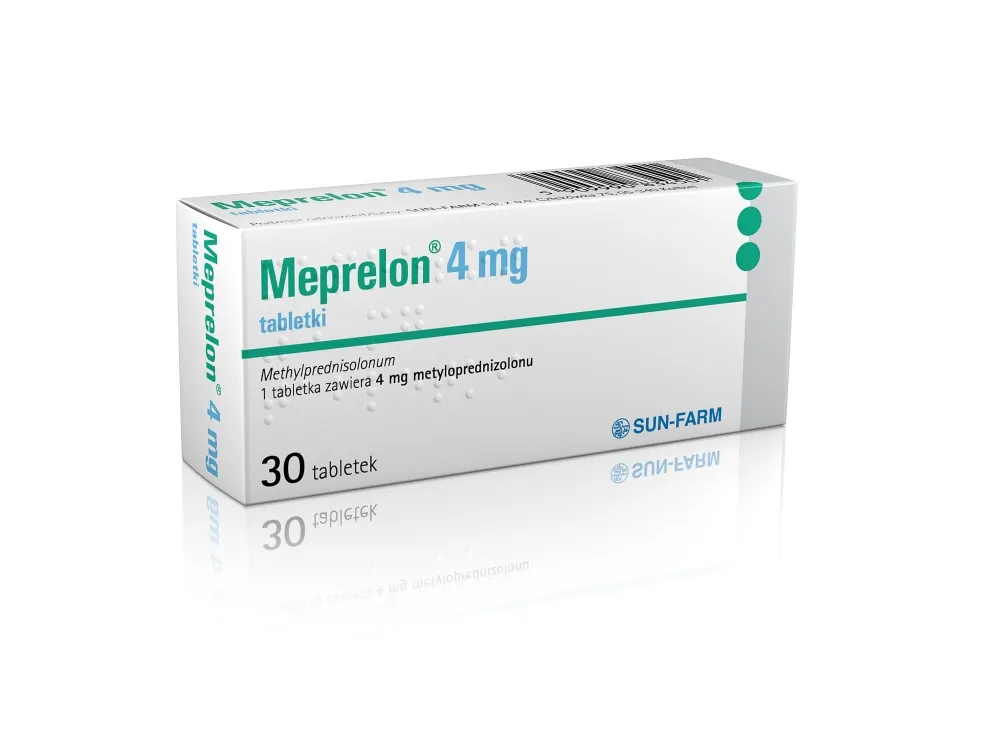
Table of Contents
Package leaflet: Information for the user
Meprelon, 8 mg, tablets
Methylprednisolonum
Please read this leaflet carefully before taking this medicine because it contains important information for you.
- Keep this leaflet so that you can read it again if necessary.
- If you have any questions, please consult your doctor or pharmacist.
- This medicine has been prescribed for a specific individual. Do not pass it on to others. This medicine may harm someone else, even if their symptoms are the same.
- If you experience any adverse reactions, including any adverse reactions not listed in this leaflet, inform your doctor or pharmacist. See section 4.
Table of contents
- What Meprelon is and what it is used for
- Important information before taking Meprelon
- How to take Meprelon
- Possible side effects
- How to store Meprelon
- Contents of the pack and other information
1. What Meprelon is and what it is used for
The active substance in Meprelon is a glucocorticosteroid (a corticosteroid hormone), which affects metabolism (i.e. the body's metabolic processes), water and electrolyte balance, and tissue functions.
Meprelon is used in diseases requiring glucocorticosteroid therapy.
Depending on symptoms and severity, these include, among others: inflammatory and systemic rheumatic diseases, autoimmune disorders, allergic conditions, anaphylactic shock, severe asthma, and transplant rejection.
Rheumatic diseases:
- Progressive rheumatoid arthritis in severe, advancing forms, e.g. with rapid joint destruction, and extra-articular manifestations.
- Juvenile rheumatoid arthritis with severe course involving internal organs (Still's syndrome) or affecting the eyes when local treatment is ineffective (iritis and adjacent structures).
Respiratory diseases:
- Bronchial asthma (concurrent administration of bronchodilators is recommended).
- Exacerbation of chronic obstructive pulmonary disease (recommended treatment duration: up to 10 days).
- Specific lung diseases such as acute alveolitis, pulmonary fibrosis; maintenance treatment of chronic sarcoidosis in stage II and III (with dyspnea, cough, and deterioration of pulmonary function parameters).
- Severe forms of hay fever and allergic rhinitis after failure of treatment with a glucocorticosteroid nasal aerosol.
Skin diseases:
Skin and mucous membrane disorders which cannot be adequately treated with topical corticosteroids due to their severity and/or extent or involvement of internal organs. These include:
- Allergic and allergy-like reactions, infection-related allergic reactions, e.g. urticaria, anaphylactoid reactions.
- Severe skin reactions, sometimes causing skin destruction, drug eruptions, erythema multiforme, toxic epidermal necrolysis (Lyell's syndrome), generalized acute exanthematous pustulosis, nodular erythema, severe febrile neutrophilic dermatosis (Sweet's syndrome), allergic contact dermatitis.
Blood disorders:
- Autoimmune blood disorders: anemia due to red blood cell destruction (acquired [autoimmune] hemolytic anemia).
Gastrointestinal disorders:
- Ulcerative colitis.
- Crohn's disease.
Replacement therapy:
Reduced or absent adrenal cortex function (adrenal insufficiency of any cause, e.g. Addison's disease, adrenogenital syndrome, post-surgical adrenalectomy state, pituitary insufficiency) after cessation of growth (hydrocortisone and cortisone are drugs of choice).
2. Important Information Before Using Meprelon
When Meprelon Must Not Be Used
- If the patient is allergic to methylprednisolone or any of the other ingredients of this medicine (listed in section 6).
- If the patient has systemic fungal infections. Apart from allergic reactions, there are no contraindications to short-term use of Meprelon in acute, life-threatening conditions or in replacement therapy.
Warnings and Precautions
Before starting treatment with Meprelon, discuss this with your doctor or pharmacist if:
- The patient has hyperthyroidism. If treatment with Meprelon is necessary in doses higher than replacement doses (doses used to compensate for deficiency of corticosteroids naturally produced by the human body), Meprelon should be used only if the doctor considers it essential. In certain cases, specific antimicrobial therapy must be administered concomitantly. This applies to the following conditions:
- Acute viral infections (chickenpox, shingles, herpes virus infections, herpes simplex keratitis);
- Acute and chronic bacterial infections;
- Fungal infections involving internal organs;
- Certain parasitic diseases (amebiasis, helminth infections);
- Lymph node disease following tuberculosis vaccination (in patients with a history of tuberculosis, the drug may be used only if administered simultaneously with anti-tuberculosis drugs);
- Hepatitis (chronic active hepatitis with positive HBsAg test);
- Poliomyelitis;
- Approximately 8 weeks before and up to 2 weeks after vaccination with live vaccines.
Meprelon may be used in the following conditions only if the doctor considers it essential, and the disease is treated according to established guidelines:
- Peptic ulcer of the stomach and duodenum;
- Hypertension that is difficult to control;
- Severe diabetes;
- Osteoporosis;
- Psychiatric disorders (including history of);
- Increased intraocular pressure (closed-angle or open-angle glaucoma);
- Corneal injuries and ulcers.
Due to the risk of intestinal perforation and peritonitis, Meprelon may be used only under strict indications and with appropriate monitoring in the following conditions:
- Severe colitis (ulcerative colitis) with risk of perforation, abscesses, or suppurative inflammation;
- Diverticulitis;
- After certain intestinal surgeries (intestinal anastomoses), immediately postoperatively.
In patients receiving high doses of glucocorticoids, symptoms of peritonitis following gastrointestinal perforation may be masked.
Treatment with Meprelon may lead to gas accumulation in the intestinal wall, known as pneumatosis intestinalis (see section 4, "Possible side effects"). Pneumatosis intestinalis may range from a mild condition not requiring treatment to more severe cases that may require immediate intervention.
If symptoms such as nausea, vomiting, and abdominal pain persist or worsen, contact your doctor immediately. The doctor will decide on the need for further diagnostics and treatment.
In the treatment of a specific type of muscle paralysis (myasthenia gravis), symptoms may initially worsen. Therefore, Meprelon should initially be administered in a hospital setting. Especially in cases of severe facial and pharyngeal disorders with breathing difficulties, Meprelon should be introduced gradually.
Meprelon may mask signs of infection, thereby complicating the diagnosis of existing or developing infections. Long-term use of even small doses of methylprednisolone increases the risk of infections caused by microorganisms that usually rarely cause disease.
Vaccination with vaccines containing inactivated (killed) pathogens is generally possible. However, it should be noted that administration of higher doses of Meprelon may reduce the effectiveness of vaccination.
In patients with diabetes, metabolism (material exchange) should be monitored regularly. An increased need for antidiabetic medications (insulin, oral antidiabetics, etc.) should be considered.
Particularly during long-term treatment with relatively high doses of Meprelon, attention should be paid to adequate potassium intake (e.g., vegetables, bananas) and restriction of sodium intake. The doctor should monitor blood potassium levels.
In cases of severe hypertension or severe heart failure, the doctor should carefully monitor the patient, as there is a risk of deterioration.
Before starting treatment with Meprelon, discuss this with your doctor if:
The patient has scleroderma (an autoimmune disorder also known as systemic sclerosis), as doses of at least 12 mg per day may increase the risk of a serious complication called scleroderma renal crisis. Symptoms of scleroderma renal crisis include elevated blood pressure and reduced urine output. The treating physician may recommend regular monitoring of blood pressure and urine output.
Inform your doctor if the patient develops symptoms of tumor lysis syndrome, such as muscle cramps, muscle weakness, confusion, vision loss or disturbances, shortness of breath, seizures, irregular heartbeat, or kidney failure (reduced urine output or darker urine), especially if the patient has a hematological malignancy (see section 4, "Possible side effects").
Cases of pheochromocytoma crisis have been reported after administration of Meprelon (characterized by elevated blood pressure, headache, excessive sweating, palpitations, pallor), which may be fatal. Treatment of patients with suspected or diagnosed adrenal pheochromocytoma should begin only after careful assessment of benefit versus risk.
If the patient experiences blurred vision or other visual disturbances, contact your doctor.
During long-term treatment with Meprelon, regular medical examinations (including ophthalmological) are necessary.
If the patient experiences unusual stress during treatment with Meprelon, such as feverish illnesses, injuries, or surgery, contact the treating physician or inform emergency department staff about ongoing treatment. In some cases, a temporary increase in the daily dose of Meprelon may be necessary.
Depending on the duration of treatment and dosage, a negative effect of the drug on calcium metabolism should be expected. Therefore, osteoporosis prevention is recommended. This particularly applies to individuals with existing risk factors such as family history, advanced age, inadequate protein and calcium intake, heavy smoking, excessive alcohol consumption, postmenopausal status, or lack of physical activity. Prevention includes adequate intake of calcium and vitamin D, as well as physical activity. In cases of existing osteoporosis, additional medication should also be considered.
After discontinuation or interruption of long-term Meprelon treatment, the following risks should be considered: exacerbation or recurrence of the underlying disease, acute adrenal insufficiency (especially under stress conditions, e.g., during infection, after injuries, or increased physical strain), and "steroid withdrawal syndrome" (see section 4, "Possible side effects").
Viral infections may have a particularly severe course in patients treated with Meprelon, especially in immunocompromised children and individuals who have never had measles or chickenpox. In case of exposure to measles or chickenpox during Meprelon treatment, immediate medical consultation is required, and preventive measures may be initiated if necessary.
In cases of untreated hypothyroidism or liver cirrhosis, relatively low or reduced doses may be sufficient, and dosage adjustments should be made in consultation with the doctor.
Seek immediate medical advice if weakness or muscle pain, cramps, and stiffness occur during methylprednisolone treatment. These may be symptoms of a condition called thyrotoxic periodic paralysis, which may occur in patients with hyperthyroidism treated with methylprednisolone. Additional treatment may be necessary to alleviate this condition.
Children
Meprelon should be used in children only under absolute indications due to the risk of growth suppression. The child's growth should be monitored regularly.
Cardiomyopathy (hypertrophic cardiomyopathy) has been observed in preterm infants after systemic glucocorticoid treatment. Therefore, cardiac function should be monitored in infants receiving systemic glucocorticoid therapy.
Elderly Patients
Caution should be exercised in elderly patients due to an increased risk of adverse effects, such as diabetes, osteoporosis, and hypertension.
Misuse of Meprelon as a Doping Agent
Use of Meprelon may lead to positive results in doping tests. Furthermore, using Meprelon as a doping agent may pose serious health risks.
Meprelon and Other Medicines
Inform your doctor about all medicines currently used or recently used, including those available without a prescription.
Medicines That Affect the Action of Meprelon
Medicines That May Enhance the Effect of Meprelon
- Certain medicines may enhance the effect of Meprelon, and the doctor may wish to closely monitor the patient taking such medicines (including some HIV medications: ritonavir, cobicistat).
- Medicines that slow down the metabolism of corticosteroids in the liver, such as certain antifungal drugs (containing ketoconazole, itraconazole), may enhance the effect of Meprelon.
- Specific female sex hormones, e.g., oral contraceptives: the effect of Meprelon may be increased.
Medicines That May Reduce the Effect of Meprelon
- Medicines that accelerate its breakdown in the liver (barbiturates, phenytoin, primidone, carbamazepine – anticonvulsants, rifampicin – antituberculosis drug): the effect of Meprelon may be reduced.
- Medicines containing ephedrine, used to reduce mucosal swelling, may accelerate glucocorticoid metabolism, potentially reducing their effectiveness.
Other Potential Interactions
- Medicines used in heart disease treatment (e.g., diltiazem – calcium channel blocker) may slow down methylprednisolone metabolism. Therefore, initial treatment should be under medical supervision. Dose adjustment of methylprednisolone may be necessary.
- Medicines used to reduce gastric acid production (antacids): in patients with chronic liver disease, an increased dose of Meprelon may be required.
Effect of Meprelon on Other Medicines
Enhanced Effects
- Medicines used in heart failure treatment (cardiac glycosides): due to possible potassium deficiency induced by Meprelon, their effect may be enhanced.
- Diuretics and laxatives: their potassium-excreting effect may be intensified.
- Certain muscle relaxants (non-depolarizing neuromuscular blockers): muscle relaxation may last longer.
Reduced Effects
- Antidiabetic medicines (oral agents, insulin): their effect may be reduced, leading to increased blood glucose levels.
- Anticoagulants (oral anticoagulants, coumarin derivatives): their blood-thinning effect may be weakened.
- Antiparasitic medicines (praziquantel): reduced effectiveness of this medicine is possible.
- Growth hormones (somatotropin): their effect may be reduced, especially during high-dose Meprelon treatment.
- Protirelin (pituitary hormone): the increase in thyroid-stimulating hormone (TSH) concentration is reduced.
Other Potential Interactions
- Anti-inflammatory and antirheumatic medicines (salicylates, indomethacin, and other non-steroidal anti-inflammatory drugs): increased risk of gastrointestinal ulceration or bleeding may occur.
- Certain ophthalmic medicines (atropine) and medicines with similar action (other anticholinergics): intraocular pressure may increase further.
- Medicines against malaria or rheumatic diseases (chloroquine, hydroxychloroquine, mefloquine): increased risk of muscle disorders or cardiomyopathy.
- Cyclosporine (an immunosuppressant): cyclosporine blood levels may increase, thereby increasing the risk of seizures.
- Certain antihypertensive medicines (angiotensin-converting enzyme inhibitors): increased risk of blood dyscrasias.
Effect on Laboratory Tests: Skin reactivity in allergy tests may be reduced.
Pregnancy and Breastfeeding and Effects on Fertility
If the patient is pregnant, breastfeeding, suspects she might be pregnant, or is planning to have a child, she should consult her doctor or pharmacist before using this medicine.
Animal studies have shown that Meprelon impairs fertility. Until adequate human studies on the effects of Meprelon on reproductive processes are conducted, this medicine should not be given to pregnant women unless a careful benefit-risk assessment for both mother and fetus has been performed.
Some corticosteroids readily cross the placental barrier. In one retrospective study, an increased incidence of low birth weight in infants born to mothers taking corticosteroids was observed. In humans, the risk of low birth weight is dose-dependent. This risk may be reduced by using lower corticosteroid doses.
If chronic Meprelon treatment must be discontinued during pregnancy, this should be done gradually. In certain situations (e.g., replacement therapy for adrenal insufficiency), continuation or even dose increase may be necessary. Infants born to mothers who received Meprelon during pregnancy should be carefully observed and examined for signs of adrenal insufficiency.
The effect of Meprelon on labor is unknown.
Cataracts have been observed in infants born to mothers who received Meprelon for a prolonged period during pregnancy.
Meprelon passes into breast milk.
This medicine may be used by breastfeeding women only after a careful benefit-risk assessment for both mother and infant.
Driving and Operating Machinery
Due to certain adverse effects such as impaired visual acuity (due to cataracts or increased intraocular pressure), dizziness, or headache, in rare cases, concentration and reaction ability may be impaired. The patient may not react quickly enough to sudden or unexpected events. This may pose a risk, for example, when driving or operating machinery. The patient may unnecessarily endanger themselves and others. Note that alcohol may increase this risk.
The medicine contains less than 1 mmol (23 mg) of sodium per tablet, meaning the medicine is considered "sodium-free".
3. How to use Meprelon
This medicine should always be used as prescribed by the doctor. In case of doubt, consult your
doctor or pharmacist.
The doctor will determine the dosage individually for each patient depending on the type of illness
and the patient's individual response. It is important to follow these instructions, as otherwise
Meprelon may not work properly. If in doubt, contact your doctor or pharmacist again.
Relatively high initial doses (from 4 mg to 48 mg) are usually used. These must be significantly higher in acute, severe forms of disease than in chronic conditions.
Depending on the course of the disease, the dose may be reduced to the lowest possible maintenance dose (usually 4 to 12 mg of methylprednisolone per day). Particularly in the treatment of chronic diseases, long-term treatment with low maintenance doses is often necessary.
Method of administration
The medicine is taken orally.
Tablets are usually taken (the entire daily dose) before or after breakfast (between 6:00 and 8:00 a.m.), without chewing, with sufficient fluid, e.g., one glass of water. If the clinical condition permits, the doctor may recommend taking the medicine every other day.
Use of a higher than recommended dose of Meprelon
Meprelon is generally well tolerated, even with short-term use at high doses. No special measures are usually required. If severe or unusual adverse effects occur, consult your doctor.
Missed dose of Meprelon
A missed dose may be taken during the same day. The next day, take the medicine as usual. If several doses are missed, the underlying disease may sometimes worsen. In such a case, consult your doctor, who will assess and possibly adjust the treatment.
Do not take a double dose to make up for a missed dose.
Stopping treatment with Meprelon
Follow your doctor's instructions exactly. Do not stop taking Meprelon on your own. Your doctor may instruct you to gradually reduce the dose until treatment is completely discontinued.
In case of sudden discontinuation of Meprelon, the following risks should be considered (see also section 2. "Warnings and precautions"):
- Steroid withdrawal syndrome (see section 4. "Possible side effects"),
- Adrenal insufficiency (low cortisol levels),
- Worsening or recurrence of the underlying disease.
Prolonged use of Meprelon may particularly lead to suppression of the body's own production of glucocorticosteroids. In such cases, significant stress to the body could become life-threatening (adrenal crisis).
If you feel that the effect of Meprelon is too strong or too weak, consult your doctor or pharmacist.
If you have any further questions regarding the use of this medicine, consult your doctor or pharmacist.
4. Possible adverse reactions
Like any medicine, this medicine can cause adverse reactions, although not everyone will experience them.
Adverse reactions have been listed without information on their frequency. Frequency cannot be
determined from the available data.
Replacement therapy:
Low risk of adverse reactions when the recommended dosage is observed.
Treatment of specific diseases, using higher doses than in replacement therapy:
Depending on the duration of treatment and dose, the following adverse reactions may occur:
Blood and lymphatic system disorders
Changes in blood morphology (increased number of white blood cells, red blood cells, platelets in
blood; decreased number of a certain type of white blood cells – eosinophils).
Immune system disorders
Weakened immune system (e.g. increased risk of infections, appearance of infection symptoms in
individuals previously asymptomatic carriers, worsening of infection symptoms), allergic reactions.
Endocrine disorders
Crisis in pheochromocytoma (elevated blood pressure, headache, sweating, palpitations, pallor).
Development of so-called Cushing's syndrome (typical symptoms include moon face, central obesity,
and facial flushing), adrenal cortex insufficiency or atrophy, growth suppression in children, sex
hormone disorders (absence of menstrual bleeding, excessive hair growth, erectile dysfunction).
In cases of sudden discontinuation of the medicine after long-term treatment with Meprelon, the
following adverse reactions have been observed, although they may not occur in everyone:
fever, loss of appetite, nausea, weakness, restlessness, drowsiness, malaise, joint pain, skin
desquamation, hypotension, weight loss.
Metabolism and nutrition disorders
Tumour lysis syndrome has been reported in patients with haematological malignancies. Tumour
lysis syndrome may be diagnosed by a physician based on changes in blood test results causing
elevated levels of uric acid, potassium, or phosphates, and decreased calcium levels. Symptoms
include muscle cramps, muscle weakness, confusion, loss or disturbance of vision, shortness of
breath, seizures, irregular heartbeat, or kidney failure (reduced urine output or darker urine colour).
If such symptoms occur, contact a physician immediately (see section 2 "Warnings and precautions").
Accumulation of fatty tissue in certain parts of the body (supraclavicular, mediastinal or dorsocervical
lipomatosis).
Increased blood glucose levels, diabetes, increased blood lipid levels (cholesterol and triglycerides),
tissue oedema, potassium deficiency due to enhanced potassium excretion (caution regarding heart
rhythm disturbances), increased protein breakdown.
Psychiatric disorders
Depression, irritability, personality changes, euphoria, mood swings, increased drive and appetite,
psychoses, sleep disturbances.
Nervous system disorders
Increased intracranial pressure (especially in children), onset of symptoms of previously undiagnosed
epilepsy and increased susceptibility to seizures in existing epilepsy, dizziness, headaches.
Eye disorders
Increased intraocular pressure (glaucoma), lens opacity (cataract), worsening of corneal ulcers,
exacerbation of infections caused by viruses, bacteria or fungi, blurred vision.
Retinal and choroidal disorders.
Cardiac disorders
Worsening of pulmonary congestion in heart failure, certain myocardial disorders in preterm infants
(see section 2 "Children").
Vascular disorders
Increased arterial blood pressure, increased risk of atherosclerosis and thrombosis, increased blood
coagulability, vasculitis (also as a withdrawal syndrome after long-term treatment).
Gastrointestinal disorders
Gastric or intestinal ulcers with risk of perforation (e.g. peritonitis), bleeding from the stomach or
duodenum, pancreatitis, epigastric discomfort, gas accumulation in the intestinal wall (pneumatosis
intestinalis).
Hepatobiliary disorders
Increased liver enzyme activity.
Skin and subcutaneous tissue disorders
Skin striae, decreased skin thickness ("parchment skin"), skin vessel dilation, tendency to bruising,
petechial or superficial skin haemorrhages, hirsutism, acne, prolonged wound healing, inflammatory
skin changes on the face, especially around the mouth, nose and eyes, skin pigmentation changes,
hypersensitivity reactions, e.g. skin rash.
Musculoskeletal and connective tissue disorders
Muscle weakness and muscle atrophy; in myasthenia (muscle fatigue), reversible worsening of
muscle weakness potentially leading to myasthenic crisis; induction of acute myopathy (muscle
disease) when administered concomitantly with non-depolarizing skeletal muscle relaxants (see also
section 2 "Meprelon with other medicines"); bone atrophy (osteoporosis) occurs depending on
dose and may even occur with short-term use of the medicine; in severe cases, it leads to an
increased risk of bone fractures; other forms of bone atrophy (avascular bone necrosis, e.g. of the
head of the humerus and femur), tendon rupture.
Warning: After rapid dose reduction following long-term treatment, symptoms such as muscle and
joint pain may occur.
Kaposi's sarcoma has been observed in patients receiving corticosteroids.
Renal and urinary disorders
Scleroderma renal crisis in patients with scleroderma (an autoimmune disorder). Symptoms of
scleroderma renal crisis include elevated blood pressure and reduced urine production.
Investigations
Weight gain.
Special recommendations:
If any of the adverse reactions listed in this leaflet occur, or any other adverse reactions during use of
Meprelon, inform your doctor or pharmacist. Do not stop treatment on your own.
In case of gastrointestinal symptoms, back pain, shoulder or hip pain, psychiatric disorders, marked
changes in blood glucose levels, or other disturbances in diabetic patients, contact your doctor
immediately.
Reporting of adverse reactions
If any adverse symptoms occur, including any adverse symptoms not listed in this leaflet, inform your
doctor or pharmacist. Adverse reactions can be reported directly to the Department of Monitoring of
Adverse Drug Reactions, Office for Registration of Medicinal Products, Medical Devices and
Biocidal Products
Al. Jerozolimskie 181C
02-222 Warsaw
Tel.: + 48 22 49 21 301
Faks: + 48 22 49 21 309
Website: https://smz.ezdrowie.gov.pl
Adverse reactions can also be reported to the marketing authorisation holder.
By reporting adverse reactions, more information on the safety of this medicine can be collected.
5. How to store Meprelon
Keep this medicine out of sight and reach of children.
Store below 30°C.
Do not use this medicine after the expiry date stated on the packaging. The expiry date refers to the last day of the specified month.
Medicines must not be disposed of via wastewater or household waste. Ask your pharmacist how to properly dispose of medicines no longer in use. This will help protect the environment.
6. Contents of the package and other information
What Meprelon contains
- The active substance is methylprednisolone. One tablet contains 8 mg of methylprednisolone.
- Other components of the medicine are: mannitol, low-substituted hydroxypropylcellulose, hypromellose (type 2910, 3 mPas), spray-dried mannitol, microcrystalline cellulose, sodium croscarmellose, colloidal anhydrous silica, glycerol dibehenate, magnesium stearate.
What Meprelon looks like and contents of the pack
Meprelon 8 mg is a round, white to slightly yellowish-white tablet with a cross-shaped score line and an oval embossing, approximately 9 mm in diameter.
Pack sizes of 30, 50 and 100 tablets are available.
Not all pack sizes may be marketed.
Marketing Authorisation Holder and Manufacturer
Marketing Authorisation Holder
SUN-FARM Sp. z o.o.
ul. Dolna 21
05-092 Łomianki
tel. +48 22 350 66 69
Manufacturer
mibe GmbH Arzneimittel
Münchener Straße 15
06796 Brehna
Germany