Lorazepam orion
Poland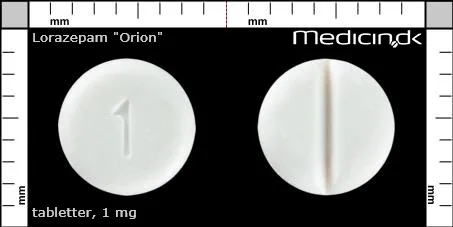
Table of Contents
Patient Information Leaflet
Lorazepam Orion, 0.5 mg, tablets
Lorazepamum
Please read the entire leaflet carefully before taking this medicine, as it contains
important information for the patient.
- Keep this leaflet, so that you can read it again if necessary.
- If you have any questions, please consult your doctor or pharmacist.
- This medicine has been prescribed for a specific individual. Do not pass it on to others. It may harm someone else, even if their symptoms are similar.
- If you experience any adverse effects, including any not listed in this leaflet, tell your doctor or pharmacist. See section 4.
Table of Contents
- What Lorazepam Orion is and what it is used for
- Important information before taking Lorazepam Orion
- How to take Lorazepam Orion
- Possible side effects
- How to store Lorazepam Orion
- Contents of the pack and other information
1. What Lorazepam Orion is and what it is used for
Lorazepam Orion is a tranquilizer and anxiolytic agent. The active substance is lorazepam,
which belongs to a group of medicines called benzodiazepines.
Lorazepam Orion is used for the short-term treatment of severe, disabling anxiety of various origins in adults.
2. Important information before taking Lorazepam Orion
When not to take Lorazepam Orion:
- if the patient is allergic to lorazepam, other benzodiazepines, or any of the other ingredients of this medicine (listed in section 6)
- if the patient has irregular breathing with breathing pauses during sleep (sleep apnoea)
- if the patient has a lung disease causing breathing difficulties
- if the patient suffers from myasthenia gravis (severe muscle weakness)
- if the patient has severe liver failure.
Warnings and precautions
Before starting treatment with Lorazepam Orion, discuss with your doctor:
- if the patient has kidney function disorders
- if the patient has liver function disorders
- if the patient is debilitated or elderly
- if the patient has chronic respiratory disorders
- if the patient has acute narrow-angle glaucoma
- if there are or have been substance abuse, drug abuse, or alcohol abuse
- if the patient has had seizures in the past.
Tolerance
Talk to your doctor if the patient notices that the effect of the tablets has weakened after using them for several weeks (development of tolerance to the drug).
Taking Lorazepam Orion may lead to dependence.
Use of benzodiazepines may lead to physical and psychological dependence. To minimize the risk of dependence, the lowest effective dose of Lorazepam Orion should be used for the shortest possible duration. Treatment usually should not last longer than 4 weeks.
The need for continuing treatment should be evaluated if treatment exceeds 4 weeks, and then regularly, preferably by the same doctor who initiated treatment. The duration of treatment should not exceed 2–3 months at most.
Abuse
A known risk associated with using this type of medicine (benzodiazepines) is abuse (see section 4). Abuse of this medicine may lead to overdose and death.
Always follow your doctor's instructions regarding dosage. This medicine may be sought after by individuals who abuse prescription drugs and should be stored in a secure place inaccessible to others. Any unused medicine leftovers should be returned to a pharmacy which accepts them.
Children and adolescents
Lorazepam Orion must not be used in children and adolescents under 18 years of age.
Lorazepam Orion and other medicines
Tell your doctor or pharmacist about all medicines currently taken or recently taken, as well as any medicines the patient plans to take.
Exercise particular caution if the patient is taking any of the following medicines during treatment with Lorazepam Orion:
- other medicines that depress the central nervous system (e.g. antipsychotics, anxiolytics, antidepressants, hypnotics, sedatives, anaesthetics, opioid analgesics, antihistamines with sedative effects)
- antiepileptic medicines (e.g. phenobarbital, hydantoin, barbiturates, and valproic acid)
- medicines used in addiction therapy (lofexidine and disulfiram)
- medicines used to treat gastrointestinal disorders (cisapride)
- antibiotics (rifampicin)
- muscle relaxants (baclofen and tizanidine)
- anti-asthma medicines (theophylline and aminophylline) and caffeine
- antihypertensive vasodilators and diuretics
- nabilone (an antiemetic medicine)
- probenecid (used in the treatment of gout).
Concomitant use of these medicines with lorazepam may increase or decrease the effect of lorazepam or increase the risk of adverse reactions.
Simultaneous use of Lorazepam Orion with opioids (strong analgesics, medicines used in substitution therapy, and some antitussive medicines) increases the risk of drowsiness, breathing difficulties (respiratory depression), coma, and may be life-threatening. Therefore, concomitant use should only be considered when other treatment options are not possible.
If your doctor has prescribed Lorazepam Orion together with opioids, use the lowest effective dose, and the duration of treatment should be as short as possible.
Inform your doctor about all opioid medicines the patient is taking and strictly follow the doctor's instructions. It may be helpful to inform family members or friends about the possibility of the above-mentioned symptoms occurring in the patient. If such symptoms occur, contact your doctor immediately.
Lorazepam Orion with food, drink, and alcohol
The tablets should be taken with liquid. The medicine can be taken with or without food.
Alcohol:
Do not drink alcohol while taking this medicine, as alcohol may unpredictably alter or intensify the effect of Lorazepam Orion and enhance its sedative effect.
Pregnancy and breastfeeding
If the patient is pregnant or breastfeeding, suspects she may be pregnant, or is planning to have a child, she should consult her doctor before taking this medicine.
Lorazepam Orion must not be used during pregnancy, especially during the first and last trimesters, as lorazepam may seriously affect the unborn child.
If pregnancy occurs during treatment with Lorazepam Orion, inform your doctor immediately so that a decision on changing treatment can be made.
The active ingredient in Lorazepam Orion passes into human milk. Therefore, this medicine should not be used during breastfeeding unless the expected benefits outweigh the potential risks to the infant.
Driving and operating machinery
Lorazepam Orion has a moderate or marked effect on the ability to drive and perform tasks requiring precision, as it impairs reaction ability, causes sedation, drowsiness, and muscle relaxation. In addition, Lorazepam Orion may cause adverse effects such as dizziness and visual disturbances. Do not drive or operate machinery while under the influence of lorazepam.
Lorazepam Orion contains lactose.
This medicine contains 32.1 mg of lactose (monohydrate form). If the patient has previously been diagnosed with intolerance to certain sugars, the patient should consult their doctor before taking this medicine.
3. How to take Lorazepam Orion
This medicine should always be taken as prescribed by your doctor. If you have any doubts,
consult your doctor or pharmacist.
Dosage and duration of treatment are determined individually for each patient.
Recommended dose:
- For the treatment of anxiety states, the average daily dose is 0.5 mg to 3 mg, divided into several doses. However, the maximum daily dose is 7.5 mg. The highest dose should be taken before bedtime.
- For insomnia due to anxiety or transient situational stress, the average dose is 0.5 mg to 2 mg once daily, usually before bedtime.
- In elderly or debilitated patients, the recommended daily dose is 1 mg, divided into two doses. The dose should be carefully adjusted according to the patient's needs and tolerance.
Use in children and adolescents
The safety and efficacy of lorazepam in children and adolescents have not been established. Lorazepam Orion should not be used in children and adolescents under 18 years of age.
Taking more than the recommended dose of Lorazepam Orion
If you take more than the recommended dose or if the medicine is accidentally ingested by a child, contact your doctor or hospital immediately for advice on the risks and actions to be taken.
The following symptoms may occur: drowsiness, confusion, apathy, speech disturbances, unsteady movements, depression, low blood pressure, reduced muscle strength, breathing difficulties, fainting with weak pulse, pallor, and bluish discoloration of lips and nails. In rare cases, coma may occur. In very rare cases, Lorazepam Orion overdose may result in death.
Missed dose of Lorazepam Orion
Do not take a double dose to make up for a missed dose. Skip the missed dose and take the next scheduled dose as planned.
Stopping treatment with Lorazepam Orion
Treatment should only be discontinued or interrupted on the advice of your doctor.
Your doctor may gradually reduce the dose of Lorazepam Orion, especially if high doses have been used or treatment has been prolonged.
If a patient suddenly stops taking Lorazepam Orion, withdrawal symptoms may occur, such as headache, muscle pain, anxiety, tension, restlessness, depression, insomnia, sweating, dizziness, confusion, and irritability. There may also be a temporary return of symptoms that led to the prescription of this medicine (so-called "rebound phenomenon"). Furthermore, after abrupt discontinuation, symptoms previously relieved by Lorazepam Orion may worsen.
If you have any further questions about the use of this medicine, consult your doctor or pharmacist.
4. Possible adverse reactions
Like all medicines, this medicine can cause adverse reactions, although not everyone will experience them.
Important adverse reactions to be aware of:
You should stop taking Lorazepam Orion and contact your doctor immediately
if symptoms of a severe allergic reaction, anaphylactic reaction or angioedema occur, such as:
- rash, itching
- swelling of the face, lips, mouth and throat, which may cause significant difficulty in swallowing and breathing. These are severe, but very rare adverse reactions (may occur in up to 1 in 10,000 people). The patient may require urgent medical attention or hospitalization.
Other possible adverse reactions
Very common ( may occur in more than 1 in 10 people ):
- sedation, fatigue, drowsiness.
Common ( may occur in up to 1 in 10 people ): - ataxia, disorientation, depression, emergence of depression, dizziness
- muscle weakness, asthenia.
Uncommon ( may occur in up to 1 in 100 people ): - headache, reduced alertness, emotional blunting
- visual disturbances (including double vision and blurred vision)
- nausea, gastrointestinal discomfort, change in appetite
- skin reactions
- changes in libido, impotence, diminished orgasm.
Rare ( may occur in up to 1 in 1,000 people ): - blood count abnormalities (reduced number of red blood cells, white blood cells and platelets);
- transient anterograde amnesia and memory disturbances
- increased bilirubin levels, jaundice, increased liver enzyme activity (aminotransferases, alkaline phosphatase).
Very rare ( may occur in up to 1 in 10,000 people ): - hypersensitivity reactions
- syndrome of inappropriate antidiuretic hormone secretion (SIADH), hyponatraemia, hypothermia
- involuntary movement disorders, tremor, dizziness, speech disturbances, seizures, disinhibition, euphoria, coma, suicidal thoughts or attempts, paradoxical reactions including: anxiety, excitement, agitation, hostility, aggression, anger, sleep disturbances/insomnia, increased sexual drive, hallucinations
- reduced concentration, balance disorders
- low blood pressure, decreased blood pressure
- respiratory depression, apnoea, worsening of sleep apnoea, exacerbation of obstructive pulmonary disease
- constipation
- allergic skin reactions, alopecia.
Frequency not known ( frequency cannot be estimated from the available data ):
- misuse of the medicine, drug dependence, withdrawal syndrome
Reporting of adverse reactions
If any adverse reactions occur, including any adverse reactions not listed
in this leaflet, inform your doctor or pharmacist. Adverse reactions can
be reported directly to the Marketing Authorisation Holder or to the Department of Monitoring of Adverse Drug Reactions at the Office for Registration of Medicinal Products, Medical Devices and Biocidal Products
Al. Jerozolimskie 181 C, 02-222 Warsaw
Tel.: +48 22 49 21 301, Fax: +48 22 49 21 309
Website: https://smz.ezdrowie.gov.pl
Adverse reactions can also be reported to the Marketing Authorisation Holder.
Reporting adverse reactions helps to provide more information on the safety of the medicine.
5. How to store Lorazepam Orion
Keep the medicine out of the sight and reach of children.
Do not use this medicine after the expiry date stated on the blister and outer packaging
following: EXP. The expiry date refers to the last day of the stated month.
Store below 30ºC. Keep blisters in the outer packaging to protect from light.
Medicines should not be disposed of via wastewater or household waste. Ask your pharmacist
how to dispose of medicines no longer required. Such measures help protect the
environment.
6. Contents of the pack and other information
What Lorazepam Orion contains
- The active substance is lorazepam. One tablet contains 0.5 mg of lorazepam.
- The other ingredients are: monohydrate lactose, microcrystalline cellulose, polacriline potassium, magnesium stearate, and indigo carmine, lake (E 132).
What Lorazepam Orion looks like and contents of the pack
Light blue, round, biconvex tablets with a diameter of approximately 5 mm, marked with "LZ" on one side and smooth on the other.
Aluminium/PVC-PCTFE foil blisters in cardboard boxes.
Pack sizes: 10, 14, 20, 28, 30, 50, 56, 60, 90 or 100 tablets. Not all pack sizes may be marketed.
Marketing Authorization Holder:
Orion Corporation
Orionintie 1
02200 Espoo
Finland
Manufacturer:
Orion Corporation Orion Pharma
Orionintie 1
02200 Espoo
Finland
Orion Corporation Orion Pharma
Joensuunkatu 7
24100 Salo
Finland
For further information about this medicinal product, please contact the local representative of the Marketing Authorization Holder:
Orion Pharma Poland Sp. z o.o.
[email protected]
This medicinal product is authorized in the European Economic Area countries under the following names:
Finland: Lorazepam Orion 0.5 mg
Poland: Lorazepam Orion
Hungary: Lorazepam Orion 0.5 mg tabletta