Ketonal sprint
Poland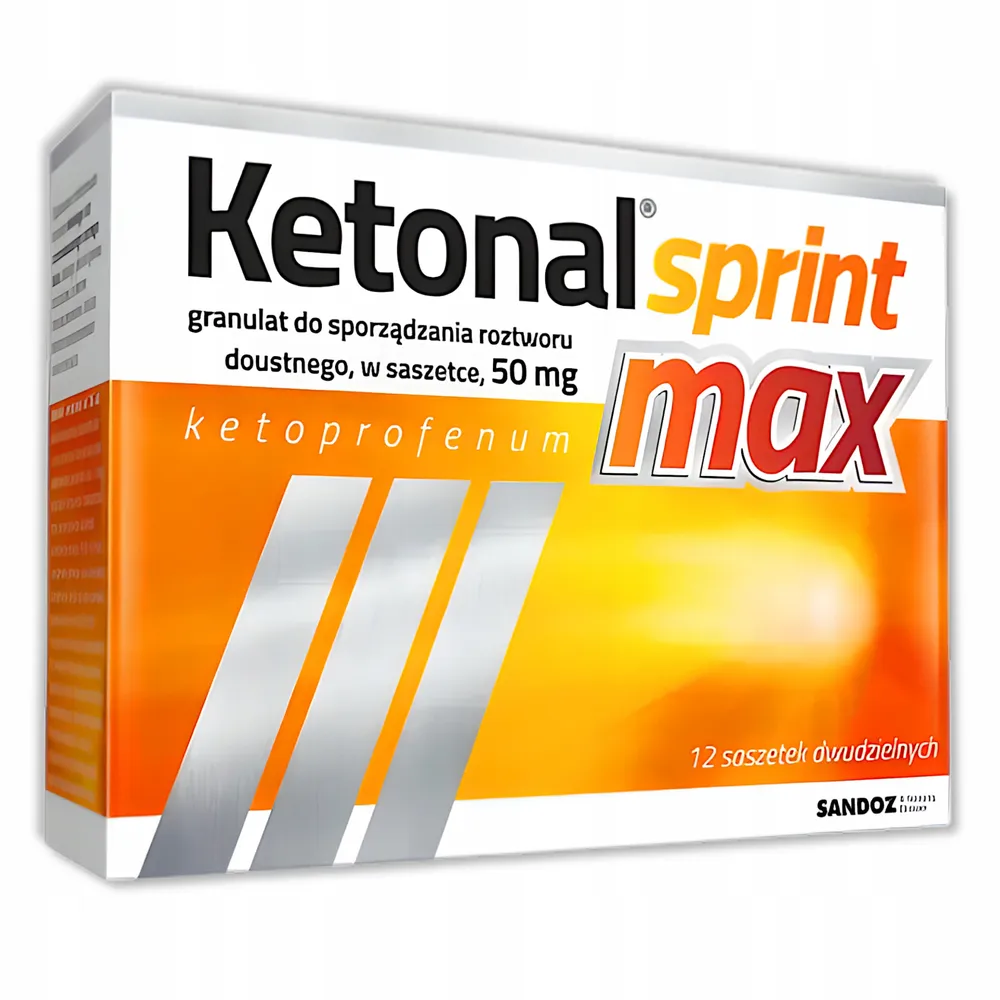
Table of Contents
Package leaflet: Information for the user
Ketonal Sprint, 25 mg, granules for oral solution, in sachet
Ketoprofenum
Please read all of this leaflet carefully before taking this medicine because it contains
important information for you.
This medicine should always be taken exactly as described in this patient information leaflet or as
directed by your doctor or pharmacist.
- Keep this leaflet so that you can read it again if necessary.
- If you need advice or further information, please consult your pharmacist.
- If you experience any adverse reactions, including any possible adverse reactions not listed in this leaflet, inform your doctor or pharmacist. See section 4.
- Contact your doctor if there is no improvement or if your condition worsens:
- adolescents: after 3 days of treatment
- adults: after 3 days of treatment for fever or after 5 days for pain.
Contents of the leaflet
- What Ketonal Sprint is and what it is used for
- What you need to know before taking Ketonal Sprint
- How to take Ketonal Sprint
- Possible side effects
- How to store Ketonal Sprint
- Contents of the pack and other information
1. What Ketonal Sprint is and what it is used for
Ketonal Sprint contains the active substance ketoprofen in the form of ketoprofen lysinate. It belongs to
a group of medicines used to treat pain and inflammation, known as non-steroidal anti-inflammatory
drugs (NSAIDs).
Ketonal Sprint is used in adults and adolescents aged 16 years and older for short-term symptomatic
treatment of mild to moderate acute pain, such as:
headache
toothache
painful menstruation
pain due to minor strains and sprains
Adults: consult your doctor if there is no improvement or if you feel worse after 3 days of treatment for fever or after 5 days for pain.
Adolescents: if there is no improvement or if you feel worse after 3 days of treatment, consult your doctor.
2. Important information before taking Ketonal Sprint
When not to take Ketonal Sprint
- if the patient is allergic to ketoprofen, to other non-steroidal anti-inflammatory drugs (NSAIDs), or to any of the other ingredients of this medicine (listed in section 6);
- if the patient has a history of hypersensitivity reactions (allergy), such as bronchospasm, asthma attack, acute rhinitis, urticaria, nasal polyps, angioedema (swelling of the deep layers of the skin and subcutaneous tissue, which may also involve mucous membranes), or other types of allergic reactions induced by administration of ketoprofen or other substances with a similar mechanism of action (e.g. acetylsalicylic acid or other NSAIDs). In such patients, severe, rarely fatal, anaphylactic reactions have been reported (see section 4 "Possible side effects");
- if the patient suffers from bronchial asthma;
- if the patient has severe heart failure (the heart is unable to pump sufficient blood required by the body);
- if the patient currently has peptic ulcer disease or if the patient has had recurrent peptic ulcer disease or gastrointestinal bleeding in the past (two or more separate, documented episodes of bleeding or ulceration);
- if the patient has previously experienced gastrointestinal bleeding, ulceration, gastrointestinal perforation, or chronic dyspepsia;
- if the patient has previously experienced gastrointestinal bleeding or perforation due to prior treatment with NSAIDs;
- if the patient has leukopenia (low white blood cell count) or thrombocytopenia (low platelet count);
- if the patient has a gastrointestinal disease such as ulcerative colitis or Crohn's disease;
- if the patient has gastritis (inflammation of the stomach lining);
- if the patient has severe liver failure (liver cirrhosis, severe hepatitis, impaired liver function) or severe kidney failure (impaired kidney function);
- if the patient has a bleeding tendency (predisposition to bleeding) or other coagulation disorders;
- if the patient is undergoing intensive diuretic therapy;
- if the patient is in the third trimester of pregnancy.
Warnings and precautions
Before using Ketonal Sprint, discuss this with your doctor or pharmacist:
- if the patient has impaired kidney function, Ketonal Sprint should be administered with caution.
- if the patient has heart failure (a condition in which the heart is weakened), liver function disorders such as liver cirrhosis (severe impairment of liver function), impaired kidney function such as nephropathy (degenerative kidney disease) or chronic kidney failure (impaired kidney function), if the patient is being treated with diuretics (medicines used to increase urine excretion), or if the patient may have low blood volume (hypovolemia), especially if the patient is elderly at the start of treatment, because kidney function must be closely monitored.
- as with all NSAIDs, this medicine may increase certain laboratory test results, such as blood urea nitrogen and serum creatinine levels.
- if the patient has liver diseases or abnormal liver function test results, because liver enzyme activity (aminotransferases) should be periodically assessed, especially during long-term treatment.
- as with other NSAIDs, this medicine may cause slight, transient increases in some liver parameters, as well as significant increases in SGPT/ALT (alanine aminotransferase) and SGOT/AST (aspartate aminotransferase) (liver enzymes) (see section 4 "Possible side effects"). If significant increases in these parameters occur, treatment should be discontinued. Rare cases of jaundice (yellowing of the skin and eyes) and hepatitis (liver disease) have been reported during ketoprofen use. During prolonged treatment, liver and kidney function tests and blood morphology should be monitored.
- if the patient has undergone coronary artery bypass graft surgery (CABG).
- if the patient suffers from uncontrolled hypertension (high blood pressure), congestive heart failure (fluid accumulation in the lungs, abdominal organs, and peripheral tissues due to inadequate blood pumping by the heart), confirmed ischemic heart disease (heart disease occurring due to reduced blood flow caused by narrowing of the coronary arteries), peripheral arterial disease and/or cerebrovascular disease (disease of the brain's blood vessels), because in such cases the patient may use lysine salt of ketoprofen, as with all NSAIDs, only after careful evaluation by a doctor.
- if the patient has a history of heart disease or stroke ("cerebrovascular incident") or believes they may be at risk of developing these conditions (for example, if they have high blood pressure, diabetes, high cholesterol levels, or smoke).
- if the patient has a history (including family history) of hypertension (high blood pressure) and/or mild to moderate congestive heart failure (fluid accumulation in the lungs, abdominal organs, and peripheral tissues due to inadequate blood pumping by the heart), because appropriate monitoring and advice are required. Fluid retention and edema have been reported during NSAID treatment.
- medicines such as ketoprofen may be associated with a small increased risk of myocardial infarction (heart attack) or stroke (cerebrovascular incident). The risk is higher when high doses are used or treatment is prolonged.
- an increased risk of atrial fibrillation (heart rhythm disorder) associated with NSAID use has been reported.
- hyperkalemia (increased potassium levels) may occur, especially if the patient has diabetes, kidney failure and/or is being treated with medicines that promote hyperkalemia (see subsection "Other medicines and Ketonal Sprint"). In such cases, potassium levels should be monitored.
- if the patient has an infection – see section "Infections" below.
- if the patient has or has had symptoms of allergy, the medicine should be administered with caution.
- as with all NSAIDs, use of ketoprofen in patients with bronchial asthma or predisposition to allergy may trigger an asthma attack. If the patient has asthma associated with chronic rhinitis, chronic sinusitis and/or nasal polyps, they are more likely to be allergic to acetylsalicylic acid and/or NSAIDs than the general population. Administration of this medicine may cause asthma attacks or bronchospasm, shock, and other allergic conditions, especially in individuals allergic to acetylsalicylic acid and/or NSAIDs (see subsection "When not to take Ketonal Sprint").
- if the patient has visual disturbances, such as blurred vision, contact a doctor, because treatment should be discontinued.
- if the patient has hematopoietic disorders (which cause changes in blood cell formation and maturation), systemic lupus erythematosus (an autoimmune disease), or mixed connective tissue disease, because Ketonal Sprint should be used cautiously in these cases.
Infections
Ketonal Sprint may mask signs of infection, such as fever and pain. Therefore, Ketonal Sprint may delay appropriate treatment of infection and consequently lead to an increased risk of complications. This has been observed in bacterial pneumonia and bacterial skin infections associated with chickenpox. If the patient takes this medicine during an infection and symptoms persist or worsen, seek immediate medical advice.
Warnings:
Side effects can be minimized by using the lowest effective dose for the shortest duration necessary to control symptoms (see section "How to take Ketonal Sprint" and paragraphs below regarding gastrointestinal and cardiovascular risks).
Avoid concomitant use of Ketonal Sprint with other NSAIDs, including selective cyclooxygenase-2 (COX-2) inhibitors.
During use of all NSAIDs, such as ketoprofen, gastrointestinal bleeding, ulceration, and perforation have been reported, in some cases fatal. These events may occur at any time during treatment, even without warning symptoms or a history of serious gastrointestinal events.
The risk of gastrointestinal bleeding, ulceration, or perforation is higher when high doses are used. It is also higher in patients with a history of peptic ulcer disease, especially complicated by bleeding or perforation, and in elderly patients (see section "When not to take Ketonal Sprint"). Use of ketoprofen, especially at high doses, may be associated with a higher risk of gastrointestinal toxicity.
For patients with the above-mentioned risk factors, and for patients who require concomitant use of low-dose acetylsalicylic acid or other medicines associated with an increased risk of gastrointestinal complications, the doctor may recommend gastroprotective agents (e.g. misoprostol or proton pump inhibitors) (see subsection "Other medicines and Ketonal Sprint").
Exercise caution when using medicines that may increase the risk of ulceration or bleeding, such as oral corticosteroids (medicines used to treat inflammatory conditions), selective serotonin reuptake inhibitors (such as medicines used to treat depression), anticoagulants (blood-thinning medicines, such as warfarin), or antiplatelet agents, such as acetylsalicylic acid (see subsection "Other medicines and Ketonal Sprint").
Elderly patients
The medicine should be used with caution; elderly patients may experience more side effects, especially gastrointestinal side effects, which may lead to death. Treatment should be started at the lowest possible dose, and any unusual symptoms, especially at the beginning of treatment, should be reported.
Children and adolescents
This medicine should not be used in children and adolescents under 16 years of age.
If the medicine is taken by an adolescent aged 16 or older, the doctor may perform more frequent check-ups. Consult a doctor.
If the patient has or has had gastrointestinal diseases in the past, they should be carefully monitored for gastrointestinal disturbances, especially gastrointestinal bleeding.
Treatment with Ketonal Sprint must be stopped immediately upon the first signs of gastrointestinal bleeding or ulceration.
Patients with active or past peptic ulcer disease:
Patients with a history of gastrointestinal disease (ulcerative colitis, Crohn's disease) should exercise caution, as these conditions may recur during NSAID use (see section 4 "Possible side effects").
Ketoprofen may be associated with a higher risk of severe gastrointestinal toxicity compared to other NSAIDs, especially at high doses.
Very rarely, after administration of painkillers such as ketoprofen, severe skin reactions have been reported, with redness and blistering, sometimes fatal, including exfoliative dermatitis, Stevens-Johnson syndrome, and toxic epidermal necrolysis (see section 4 "Possible side effects"). Most cases occur within the first month of treatment. Ketonal Sprint should be discontinued immediately and a doctor contacted upon the first signs of rash, mucosal lesions, or other hypersensitivity symptoms.
If the patient has coeliac disease (gluten intolerance), they may take Ketonal Sprint, as it does not contain gluten.
If the patient has diabetes, they may take Ketonal Sprint, as it does not affect low-calorie or restricted diets.
Ketonal Sprint and other medicines
Tell your doctor or pharmacist about all medicines you are currently taking, have recently taken, or plan to take.
It is not recommended to use Ketonal Sprint if the patient is taking:
- other painkillers, such as:
- medicines similar to ketoprofen, e.g. ibuprofen, diclofenac, naproxen;
- acetylsalicylic acid at doses used to treat pain and inflammation or to reduce fever;
- medicines used to treat pain, inflammation, or rheumatic diseases containing an active substance ending in "-coxib".
- medicines used to inhibit blood clotting, platelet aggregation, or dissolve blood clots, such as acetylsalicylic acid, warfarin, clopidogrel, ticlopidine, heparin, dabigatran, apixaban, rivaroxaban, or edoxaban. NSAIDs may enhance the effect of these medicines (see subsection "Warnings and precautions"), increasing the risk of bleeding. If concomitant use cannot be avoided, the patient should be closely monitored.
- lithium (a medicine used to treat bipolar disorder). NSAIDs may increase lithium blood levels to toxic values.
- methotrexate (a medicine indicated for the treatment of certain autoimmune diseases and some cancers) at doses exceeding 15 mg/week: there may be an increased risk of methotrexate toxicity to blood. At least 12 hours must elapse between stopping or starting ketoprofen treatment and methotrexate administration.
- hydantoin derivatives (e.g. phenytoin) and sulfonamides (e.g. certain antibiotics and other medicines): the toxic effects of these substances may be enhanced.
If concomitant use of Ketonal Sprint and any of the listed medicines is necessary, the doctor should carefully monitor the patient's condition.
Ketonal Sprint and other medicines may also interact and affect each other's actions. Therefore, always consult a doctor or pharmacist before using Ketonal Sprint with other medicines, especially:
-
medicines that increase urine excretion by the kidneys and are used to lower blood pressure (diuretics).
-
methotrexate (a medicine indicated for the treatment of certain autoimmune diseases and some cancers) used at doses less than 15 mg/week: there may be an increased risk of methotrexate toxicity to blood. During the first few weeks of combination therapy, blood morphology should be checked weekly. If the patient is elderly or has impaired kidney function, monitoring should be more frequent.
-
medicines used to lower high blood pressure, e.g. beta-blockers, diuretics, ACE inhibitors, and angiotensin II antagonists: the patient should be adequately hydrated before starting concomitant treatment, and kidney function should be monitored after starting concomitant treatment (see subsection "Warnings and precautions"). NSAIDs may reduce the effectiveness of diuretics.
-
cardiac glycosides: NSAIDs may exacerbate heart failure, reduce glomerular filtration rate, and increase cardiac glycoside levels; however, no pharmacokinetic interactions between ketoprofen and cardiac glycosides have been demonstrated.
-
corticosteroids (medicines used to treat inflammatory conditions): there may be an increased risk of gastrointestinal ulceration or bleeding (see subsection "Warnings and precautions").
-
pentoxifylline (a medicine used to improve blood circulation in the limbs): there may be an increased risk of bleeding. More frequent clinical monitoring may be required.
-
tenofovir (a medicine used to treat certain viral infections): may increase the risk of kidney failure.
-
zidovudine (a medicine used to treat HIV): there may be increased toxicity to blood with severe anemia. Blood tests should be performed after starting NSAID treatment.
-
sulfonylurea derivatives (antidiabetic medicines, e.g. gliclazide): NSAIDs may enhance the hypoglycemic (glucose-lowering) effect of sulfonylurea derivatives.
-
medicines that may increase potassium levels in blood, such as potassium salts, potassium-sparing diuretics, angiotensin-converting enzyme (ACE) inhibitors, angiotensin II receptor antagonists, non-steroidal anti-inflammatory drugs (NSAIDs), heparins (low molecular weight or unfractionated), cyclosporine, tacrolimus, and trimethoprim.
-
nicorandil, used to prevent or reduce chest pain (angina pectoris) associated with certain heart diseases.
Combinations to consider:
antihypertensive medicines (beta-blockers, ACE inhibitors, diuretics): NSAIDs may reduce the effectiveness of antihypertensive medicines.
mifepristone (a medicine used for medical abortion): theoretically, contraceptive effectiveness may be reduced due to NSAID properties.
intrauterine contraceptive devices: device effectiveness may be reduced, which may lead to pregnancy.
cyclosporine, tacrolimus (medicines used after organ transplantation or to treat immune system disorders): increased risk of additional kidney toxicity, especially in elderly patients.
thrombolytic medicines (medicines that facilitate removal of blood clots): increased risk of bleeding.
antiplatelet agents (ticlopidine and clopidogrel) and selective serotonin reuptake inhibitors (SSRIs, e.g. certain antidepressants): increased risk of gastrointestinal bleeding.
probenecid (a medicine used to treat gout): concomitant use of probenecid may increase ketoprofen blood levels.
quinolone antibiotics: possible increased risk of seizures.
phenytoin and sulfonamides: dose reduction may be necessary.
gemeprost (a medicine used in gynecological surgery): reduced effectiveness.
Alcohol consumption should be avoided.
Pregnancy, breastfeeding, and effects on fertility
If the patient is pregnant or breastfeeding, suspects she may be pregnant, or is planning to have a child, she should consult a doctor or pharmacist before using this medicine.
Pregnancy
Ketonal Sprint should not be used during the last three months of pregnancy, as it may harm the unborn child or cause problems during delivery. This medicine may cause kidney and heart problems in the unborn child. It may increase the tendency to bleeding in both the mother and the child and may delay or prolong labor.
Ketonal Sprint should not be used during the first six months of pregnancy unless the doctor considers it absolutely necessary and advisable. If treatment is required during this period or when trying to conceive, the lowest possible dose should be used for the shortest possible time. If Ketonal Sprint is used for longer than a few days after the 20th week of pregnancy, it may cause kidney function disorders in the unborn child. This may lead to low levels of amniotic fluid surrounding the child (oligohydramnios) or narrowing of a blood vessel (ductus arteriosus) in the child's heart. If treatment is required for longer than a few days, the doctor may recommend additional monitoring.
Breastfeeding
Breastfeeding is not recommended during treatment with Ketonal Sprint. It is not known whether ketoprofen passes into breast milk.
If the patient is planning pregnancy or has difficulty conceiving, she should inform her doctor. Medicines such as ketoprofen may make it more difficult to conceive.
Fertility
Use of NSAIDs, including Ketonal Sprint, may reduce female fertility and is not recommended for women trying to conceive.
NSAIDs, including Ketonal Sprint, should be discontinued if there are problems with conception or during fertility investigations.
Driving and operating machinery
Ketonal Sprint generally does not affect the ability to drive or operate machinery. However, if the patient experiences side effects such as dizziness, drowsiness, seizures, or visual disturbances, these activities should not be performed.
Ketonal Sprint contains sodium
This medicine contains less than 1 mmol (23 mg) of sodium per sachet, meaning the medicine is considered "sodium-free".
3. How to take Ketonal Sprint
This medicine should always be taken exactly as described in the patient information leaflet or as directed by a doctor or pharmacist. If in doubt, consult a doctor or pharmacist.
Recommended dose:
Adults and adolescents aged 16 years and older
One sachet up to three times a day.
An interval of at least 8 hours should be maintained between doses.
The lowest effective dose for the shortest necessary duration should be used to relieve symptoms. If symptoms of infection (such as fever and pain) persist or worsen, medical advice should be sought immediately (see section 2).
Use in elderly patients
The dose should be determined by a doctor, who may consider reducing the usual dose. See "Warnings and precautions" in section 2.
Use in patients with hepatic impairment
The lowest daily dose is recommended (see "Warnings and precautions").
Use in patients with mild to moderate renal impairment
A reduced initial dose is recommended, and maintenance treatment should be with the lowest effective dose. Individual dose adjustment may be considered only after good drug tolerance has been established. Urine output and renal function should be monitored (see "Warnings and precautions").
Method of administration
- Open the sachet
- Empty the contents into a glass containing water, using approximately 50 ml of water per sachet.
- Stir thoroughly for about 30 seconds until the granules dissolve completely.
- The resulting oral solution should be taken immediately after preparation, during a meal.
Duration of treatment
Adults: consult a doctor if there is no improvement or if the patient feels worse after 3 days of treatment for fever or after 5 days for pain.
Adolescents: consult a doctor if there is no improvement or if the patient feels worse after 3 days of treatment.
Taking more than the recommended dose of Ketonal Sprint
If more than the recommended dose has been taken, seek immediate medical advice from a doctor or go to the nearest hospital.
In most cases, symptoms of overdose are limited to lethargy, drowsiness, nausea, vomiting, epigastric pain (upper abdominal pain), abdominal pain, headache, dizziness, and diarrhoea.
In cases of severe overdose, hypotension, respiratory depression, and gastrointestinal bleeding have been observed.
The patient should be transferred immediately to a specialist centre for symptomatic treatment.
There is no specific antidote for ketoprofen overdose.
In suspected significant overdose, recommended management includes gastric lavage in combination with symptomatic and supportive treatment. In cases of renal failure, haemodialysis may be useful in removing the drug from the body.
Missed dose of Ketonal Sprint
If a patient forgets to take a dose, it should be taken as soon as remembered. However, if it is almost time for the next dose, the missed dose should be skipped. Do not take a double dose to make up for a missed dose.
If there are any further doubts about the use of this medicine, consult a doctor or pharmacist.
4. Possible adverse effects
Like all medicines, this medicine can cause adverse effects, although not everyone will experience them.
The most commonly observed adverse events are gastrointestinal.
The following adverse effects have been observed during ketoprofen use in adults:
Common (may occur in up to 1 in 10 people):
dyspepsia (indigestion), nausea, abdominal pain, vomiting.
Uncommon (may occur in up to 1 in 100 people):
headache, central dizziness, peripheral dizziness, somnolence,
constipation, diarrhoea, flatulence (presence of gas in the intestines), gastritis, abdominal discomfort,
rash, pruritus (itching),
oedema (fluid accumulation causing swelling), fatigue, peripheral oedema,
chills.
Rare (may occur in up to 1 in 1,000 people):
haemorrhagic anaemia (anaemia due to blood loss),
paraesthesia (abnormal skin sensations, tingling),
blurred vision (see section “Warnings and precautions”),
tinnitus (ringing in the ears),
asthma,
stomatitis (oral ulceration), peptic ulcer (ulceration of the stomach or duodenum), colitis,
hepatitis, increased aminotransferase activity (liver enzymes), increased blood bilirubin concentration (elevated serum bilirubin due to impaired liver function), jaundice,
weight gain.
Very rare (may occur in up to 1 in 10,000 people):
dyskinesia (movement disorder), fainting,
hypotension (low blood pressure),
laryngeal oedema (swelling of the larynx),
haematuria (blood in urine),
asthenia (physical weakness), facial oedema.
Frequency not known (cannot be estimated from available data):
thrombocytopenia (reduced number of blood platelets), agranulocytosis (severe reduction in white blood cells), bone marrow failure (reduced blood cell production), haemolytic anaemia (anaemia caused by abnormal breakdown of red blood cells), neutropenia (reduced number of neutrophil granulocytes);
aplastic anaemia (anaemia due to insufficient blood cell production in the bone marrow), leukocytosis (increased number of leukocytes in blood), thrombocytopenic purpura, leukopenia (reduced number of white blood cells),
anaphylactic reactions (including anaphylactic shock), hypersensitivity,
depression, hallucinations, confusion, mood swings, restlessness, insomnia. In a patient from the paediatric and adolescent group who received a dose twice higher than recommended in the product characteristics, anxiety and behavioural disturbances also occurred.
seizures,
taste disturbances,
tremor, hyperkinesia,
heart failure (weakening of the heart), atrial fibrillation (heart rhythm disorder), palpitations, tachycardia (increased heart rate),
hypertension (high blood pressure), vasodilation, vasculitis (inflammation of blood or lymphatic vessels) (including leukocytoclastic vasculitis),
bronchospasm (especially in patients with known hypersensitivity to acetylsalicylic acid and other NSAIDs), rhinitis, dyspnoea (difficulty breathing), laryngospasm, acute respiratory failure (a single fatal case has been reported in a patient with asthma and hypersensitivity to acetylsalicylic acid).
gastric pain (gastralgia), exacerbation of colitis and Crohn's disease, gastrointestinal bleeding, gastrointestinal perforation (sometimes fatal, especially in elderly patients), heartburn, gastric ulcer, duodenal ulcer, oral oedema, pancreatitis, erosive gastritis, haematemesis or melaena (black, tarry stools due to digested blood), hyperchlorhydria (excess hydrochloric acid in gastric juice), abdominal pain, lingual oedema,
photosensitivity (sensitivity to sunlight or UV lamps), alopecia (hair loss), urticaria, angioedema, vesicular eruptions, including Stevens-Johnson syndrome, Lyell's syndrome and toxic epidermal necrolysis (severe skin reactions), erythema (redness of the skin), exanthema (rash), maculopapular exanthema, purpura, acute generalized exanthematous pustulosis (pustular rash), dermatitis,
acute renal failure, tubulointerstitial nephritis, nephritis or nephritic syndrome, nephrotic syndrome, glomerulonephritis, water and (or) sodium retention with possible oedema, acute tubular necrosis (damage to renal tubular cells), renal papillary necrosis (damage to renal papillae), oliguria (reduced urine output), abnormal kidney function test results,
periorbital oedema (swelling around the eyes),
aseptic meningitis (inflammation of the membranes surrounding the brain not caused by bacteria),
lymphangitis (inflammation of lymphatic vessels),
hyperkalaemia (increased potassium levels in blood), hyponatraemia (reduced sodium levels in blood).
Medicines such as Ketonal Sprint may be associated (especially at high doses and with long-term treatment) with an increased risk of arterial thromboembolic events (formation of blood clots in blood vessels), such as myocardial infarction (heart attack) or stroke (cerebrovascular incident) (see section 2 “Important information before taking Ketonal Sprint”).
Following the recommendations provided in the package leaflet reduces the risk of adverse effects occurring.
Blood tests
Blood test results may indicate impaired liver or kidney function.
Reporting of adverse effects
If any adverse effects occur, including any not listed in this leaflet, inform your doctor, pharmacist, or nurse. Adverse effects can be reported directly to the Department of Monitoring Adverse Drug Reactions of the Office for Registration of Medicinal Products, Medical Devices and Biocidal Products: Al. Jerozolimskie 181C, 02-222 Warsaw
tel.: + 48 22 49 21 301; fax: + 48 22 49 21 309; website: https://smz.ezdrowie.gov.pl
Adverse effects can also be reported to the marketing authorisation holder.
Reporting adverse effects helps to provide more information on the safety of the medicine.
5. How to store Ketonal Sprint
Keep this medicine out of sight and reach of children.
Do not use this medicine after the expiry date stated on the carton and sachet after EXP. The expiry date refers to the last day of the specified month.
The oral solution obtained after dissolving the powder should be used immediately.
No special storage conditions are required.
Medicines must not be disposed of via wastewater or household waste. Ask your pharmacist how to dispose of medicines no longer required. These measures will help protect the environment.
6. Contents of the pack and other information
What Ketonal Sprint contains
- The active substance is ketoprofen. Each sachet contains 25 mg of ketoprofen in the form of ketoprofen lysine salt (40 mg).
- The other ingredients are: mannitol (E 421), povidone K30, peppermint flavour (containing maltodextrin and gum arabic), sodium chloride, sodium saccharin, colloidal anhydrous silica.
What Ketonal Sprint looks like and contents of the pack
White or yellowish granules.
The medicine is packed in paper/aluminium/PE sachets, placed in a cardboard box.
Pack sizes: 12 sachets.
Marketing Authorisation Holder
Sandoz GmbH
Biochemiestrasse 10
6250 Kundl, Austria
Manufacturer
Fine Foods & Pharmaceuticals NTM S.p.A.
Via Grignano 43
24041 Brembate (BG), Italy
Lek Pharmaceuticals d.d.
Verovškova 57
1526 Ljubljana, Slovenia
For further information about this medicine and its trade names in the European Economic Area countries, contact:
Sandoz Polska Sp. z o.o.
ul. Domaniewska 50 C
02-672 Warszawa
tel. 22 209 70 00
Logo of the Marketing Authorisation Holder