Glipizide bp
Poland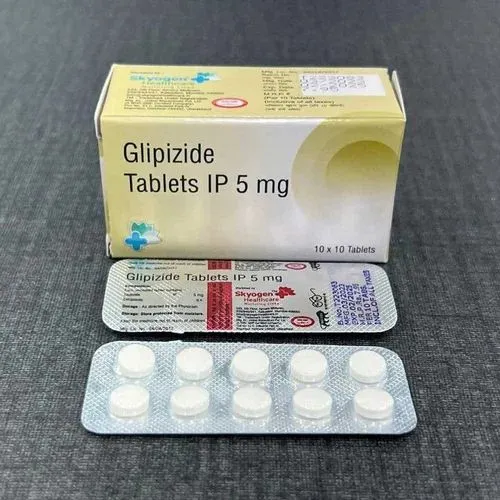
Table of Contents
Package leaflet: Information for the patient
GLIPIZIDE BP
5 mg, tablets
Glipizidum
Please read the entire leaflet carefully before starting to take the drug, as it contains
important information for the patient.
- Keep this leaflet, so that you can read it again if necessary.
- If you have any doubts, please consult your doctor or pharmacist.
- This medicine has been prescribed for a specific individual. Do not pass it on to others. The medicine may harm another person, even if their symptoms of illness are the same.
- If the patient experiences any adverse reactions, including any adverse reactions not listed in this leaflet, inform the doctor or pharmacist. See section 4.
Table of contents of the leaflet
- What Glipizide BP is and what it is used for
- Important information before taking Glipizide BP
- How to take Glipizide BP
- Possible side effects
- How to store Glipizide BP
- Contents of the pack and other information
1. What Glipizide BP is and what it is used for
Glipizide BP contains glipizide, which is a drug belonging to the sulfonylurea derivatives group with a blood glucose-lowering effect.
Indications
Glipizide BP is used in type 2 (insulin-independent) diabetes mellitus, when adequate blood glucose control cannot be achieved by means of appropriate diet and physical exercise.
2. Important information before using Glipizide BP
When not to take Glipizide BP
- if the patient is allergic to glipizide, other sulfonylurea derivatives or sulfonamides, or any of the other ingredients of this medicine (listed in section 6),
- in patients with insulin-dependent diabetes mellitus type 1, diabetic ketoacidosis, or diabetic coma,
- in patients with severe infections accompanied by fever,
- in patients with severe renal or hepatic impairment, thyroid dysfunction, or liver and kidney disease,
- in patients following severe trauma or surgery,
- in the treatment of diabetes in children and adolescents under 18 years of age,
- in pregnant women and breastfeeding women.
Warnings and precautions
Before starting treatment with Glipizide BP, discuss it with your doctor.
All sulfonylurea derivatives, including glipizide, may cause hypoglycaemia, i.e. an excessive decrease in blood glucose concentration. Hypoglycaemia may occur due to delayed meals, insufficient food intake, or failure to follow dietary recommendations.
To maintain proper blood glucose levels, it is necessary to consume carbohydrates regularly and at appropriate times. Renal or hepatic impairment may lead to increased blood levels of glipizide. In such conditions, elevated drug concentrations may result in severe hypoglycaemia with coma, convulsions, or neurological symptoms. This is a condition requiring hospital treatment. The risk of hypoglycaemia is higher when following a low-calorie diet, after intense and prolonged physical exertion, after alcohol consumption, or when using more than one glucose-lowering medicine. Patients most at risk of hypoglycaemia include elderly patients, malnourished patients, and those with adrenal or pituitary insufficiency.
Hypoglycaemia may be difficult to recognize in elderly patients and in patients taking beta-blockers or other sympatholytic drugs.
In case of loss of glycaemic control, the doctor will decide whether Glipizide BP should be discontinued and temporary insulin therapy initiated. Loss of glycaemic control may occur when the patient is exposed to factors such as fever, trauma, infection, or surgical procedures. In many patients, the effectiveness of any oral glucose-lowering medicine, including Glipizide BP, decreases over time.
During treatment, strictly follow dietary recommendations, dosage instructions, and the method of administration of Glipizide BP, and regularly monitor blood glucose levels. Learn to recognize early symptoms of hypoglycaemia, such as headache, irritability, sleep disturbances, tremor, and sweating, so that you can consult a doctor in a timely manner. Usually, immediate intake of carbohydrates (sugar) restores normal blood glucose levels. Family members of patients should be informed that the patient is at risk of hypoglycaemia, about the appropriate actions to take if symptoms of hypoglycaemia occur, and about conditions favouring their occurrence.
Consult your doctor, even if the above warnings refer to situations that occurred in the past.
Children
The safety and efficacy of glipizide in children have not been established.
The use of glipizide in children is not recommended.
Glipizide BP with other medicines
Tell your doctor about all medicines you are currently taking, have recently taken, or plan to take.
The blood glucose-lowering effect of glipizide may be enhanced by the following medicines:
antifungal agents (miconazole, fluconazole, voriconazole), non-steroidal anti-inflammatory drugs, monoamine oxidase inhibitors, angiotensin-converting enzyme inhibitors (e.g. captopril, enalapril), beta-blockers, H\ receptor antagonists, salicylates (acetylsalicylic acid), and drugs highly bound to plasma proteins: sulfonamides, chloramphenicol, probenecid, and coumarin derivatives (warfarin).
The blood glucose-lowering effect of glipizide may be reduced by the following medicines:
phenothiazine derivatives (e.g. chlorpromazine) in high doses, corticosteroids, sympathomimetic agents (e.g. ritodrine, salbutamol, terbutaline), thiazides and other diuretics, thyroid medications, estrogens, progestogens, oral contraceptives, phenytoin, nicotinic acid, calcium channel blockers, and isoniazid.
When glipizide is used concomitantly with these medicines, blood glucose levels should be monitored.
Glipizide BP with food, drink, and alcohol
The medicine should be taken 30 minutes before a meal.
Patients treated with glipizide may experience a disulfiram-like reaction after alcohol consumption (alcohol intolerance).
Pregnancy and breastfeeding
If the patient is pregnant or breastfeeding, suspects she may be pregnant, or is planning to become pregnant, she should consult her doctor before using this medicine.
Insulin is the treatment of choice in pregnant women. Glipizide BP may be used only if the benefits outweigh the risks to the foetus.
Glipizide BP is contraindicated in breastfeeding women.
Driving and operating machinery
There are no data available on the effect of glipizide on the ability to drive or operate machinery.
Due to the risk of hypoglycaemia, caution should be exercised when driving or operating machinery. This is particularly important when adequate blood glucose control has not yet been achieved, for example during changes in antidiabetic therapy or in case of irregular intake of the medicine.
Use of Glipizide BP in patients with renal and/or hepatic impairment
Renal or hepatic impairment may lead to increased blood concentrations of the drug. Patients with impaired renal or liver function should remain under strict medical supervision during dose adjustment, which is necessary to evaluate laboratory results and clinical symptoms.
Use of Glipizide BP in elderly patients
Glipizide should be used with caution in elderly patients, particularly after intense physical exertion, during irregular food intake, and in the presence of renal and/or hepatic impairment.
The medicine contains less than 1 mmol (23 mg) of sodium per tablet, meaning that the medicine is considered "sodium-free".
3. How to use Glipizide BP
This medicine should always be taken exactly as prescribed by your doctor. If in doubt, consult your
doctor.
Recommended dose
Short-term administration of the medicine may be sufficient for patients who have temporarily lost
control of blood glucose levels despite following a proper diet.
To determine the minimum effective dose of glipizide and to detect any drug resistance, your doctor
will recommend regular monitoring of fasting blood glucose levels.
Starting dose
Your doctor will usually recommend starting treatment with a dose of 5 mg glipizide (1 tablet) once
daily, taken 30 minutes before breakfast or a meal during the day. For patients with mild diabetes,
elderly patients, or those particularly at risk of hypoglycaemia, a starting dose of 2.5 mg (1/2 tablet) is
recommended due to the possibility of hypoglycaemia.
Dose adjustment
The dose is usually increased by 2.5 mg to 5 mg glipizide, depending on blood glucose levels.
At least several days should elapse between each dose adjustment.
Maintenance therapy
In some patients, blood glucose control is achieved with a single daily dose of the medicine.
Typically, proper blood glucose levels are maintained with doses ranging from 2.5 mg to 20 mg
glipizide per day. The maximum single dose administered once daily is 15 mg. If the total daily dose
exceeds 15 mg, it should be divided and taken before meals (usually twice daily).
The maximum recommended daily dose is 20 mg.
Elderly patients and those particularly at risk of decreased blood glucose levels
To avoid hypoglycaemia in elderly, debilitated, malnourished patients, those with irregular meal
intake, or patients with impaired liver and/or kidney function, both the starting and maintenance doses
should be reduced.
Patients treated with insulin
In some cases, glipizide reduces the daily insulin requirement. As with other sulfonylurea antidiabetic
medicines, many patients with insulin-independent (type 2) diabetes who are receiving insulin may
safely switch to glipizide. When changing from insulin therapy to Glipizide BP, your doctor should
follow the general principles described below.
If the daily insulin requirement is up to 20 IU, your doctor may discontinue insulin and start treatment
with the recommended dose of glipizide. The dose should be adjusted every few or several days.
If the daily insulin requirement exceeds 20 IU, your doctor should reduce the insulin dose by half and
initiate glipizide at the recommended dose. Further reduction of insulin dosage depends on the
individual patient's response to treatment. The dose should be adjusted every few or several days.
During insulin withdrawal or dose reduction, blood glucose levels should be self-monitored at least
three times daily. Contact your doctor immediately if test results are abnormal. Hospitalization is
recommended when changing therapy for patients receiving more than 40 IU of insulin daily.
Patients previously treated with other oral glucose-lowering medicines
Dosing depends on the patient's clinical condition and prior treatment. Your doctor will usually
recommend starting treatment with a low dose of glipizide (5 mg daily), then gradually increasing it
until proper blood glucose levels are achieved. Patients should remain under close medical
supervision.
When switching from other sulfonylureas to glipizide, a transition period is not necessary. However,
when switching from another sulfonylurea (especially one with a long half-life, e.g. chlorpropamide) to
glipizide, your doctor should carefully monitor the patient for up to 2 weeks.
Patients treated concomitantly with other glucose-lowering medicines
In some patients who do not achieve proper blood glucose control with Glipizide BP alone, or when
treatment becomes ineffective over time, your doctor may add another glucose-lowering medicine to
improve glycaemic control.
If you feel the effect of the medicine is too strong or too weak, consult your doctor.
Method of administration
Oral use.
The medicine should be taken 30 minutes before a meal to achieve maximum reduction of
postprandial hyperglycaemia.
If you take more Glipizide BP than you should
If you take more than the recommended dose, contact your doctor immediately.
Overdose may cause hypoglycaemia, sometimes severe.
A patient with symptoms of severe hypoglycaemia (e.g. coma, seizures, neurological disturbances)
should be admitted to hospital immediately. Treatment involves glucose replacement by any available
means, including intravenous administration, and observation of the patient for at least 48 hours.
If you forget to take Glipizide BP
Do not take a double dose to make up for a missed dose.
4. Possible adverse reactions
Like all medicines, this medicine can cause adverse reactions, although not everyone will experience them.
Adverse reactions are mostly related to the dose of Glipizide BP, are transient in nature, and resolve after dose reduction or discontinuation of the medicine.
Hypoglycaemia (excessively low blood glucose levels) may occur, with symptoms such as: weakness, drowsiness, disorientation, excessive sweating, tremors, hunger, restlessness, nervousness, dizziness, and visual disturbances, difficulty concentrating, feeling cold, and in severe cases, loss of consciousness and hypoglycaemic coma.
Similarly to other sulphonylurea derivatives, severe hypersensitivity reactions may occur, in some cases resulting in death. You should contact your doctor immediately if you experience wheezing, difficulty breathing, swelling of the eyelids, face or lips, rash or itching (especially throughout the body).
The frequency of the adverse reactions listed below is defined as follows:
- very common (affects more than 1 in 10 people),
- common (affects 1 to 10 in 100 people),
- uncommon (affects 1 to 10 in 1,000 people),
- rare (affects 1 to 10 in 10,000 people),
- very rare (affects less than 1 in 10,000 people),
- unknown (frequency cannot be estimated from the available data).
Common:
- hypoglycaemia,
- nausea, diarrhoea, epigastric pain, abdominal pain.
Uncommon:
- dizziness, drowsiness, tremor,
- blurred vision,
- vomiting,
- cholestatic jaundice,
- skin rashes.
Unknown:
- agranulocytosis (lack of granulocytes), leukopenia (reduced white blood cell count), thrombocytopenia (reduced platelet count), haemolytic anaemia, and pancytopenia (reduced count of all blood cells),
- hyponatraemia (low blood sodium levels),
- confusion,
- headache,
- diplopia, visual disturbances, impaired vision,
- constipation,
- impaired liver function, hepatitis,
- skin allergic reactions, including skin and mucosal eruptions, maculopapular rash, urticaria, pruritus, photosensitivity,
- chronic porphyria,
- malaise,
- changes in laboratory test results.
After alcohol consumption, symptoms of alcohol intolerance may occur, such as: abdominal pain, vomiting, headache, facial flushing, hypoglycaemia.
Reporting of adverse reactions
If any adverse reactions occur, including any not listed in this leaflet, inform your doctor or pharmacist. Adverse reactions can be reported directly to the Department of Monitoring Adverse Drug Reactions, Office for Registration of Medicinal Products, Medical Devices and Biocidal Products
Al. Jerozolimskie 181C
02-222 Warszawa
Tel.: +48 22 49 21 301
Fax: +48 22 49 21 309
Website: https://smz.ezdrowie.gov.pl
Adverse reactions can also be reported to the marketing authorization holder.
Reporting adverse reactions helps provide more information on the safety of the medicine.
5. How to store Glipizide BP
Keep in the original packaging.
The medicine should be stored out of the sight and reach of children.
Do not use this medicine after the expiry date stated on the container. The expiry date refers to the last day of the stated month.
Medicines must not be disposed of via wastewater or household waste. Ask your pharmacist how to dispose of medicines no longer required. This will help protect the environment.
6. Contents of the pack and other information
What Glipizide BP contains
- The active substance is glipizide. One tablet contains 5 mg of glipizide.
- The other ingredients (excipients) are: calcium carbonate, corn starch, sodium lauryl sulfate, sodium carboxymethyl starch (type A), talc, magnesium stearate, anhydrous colloidal silicon dioxide.
What Glipizide BP looks like and contents of the pack
Glipizide BP is available in the form of tablets. The tablet is white, round, flat, with bevelled edges and a break line on one side.
Pack size available: 30 tablets.
Aluminum foil and PVC/PVDC film blisters in a cardboard carton.
Marketing Authorisation Holder and Manufacturer
Farmaceutyczna Spółdzielnia Pracy „GALENA”
ul. Dożynkowa 10
52-311 Wrocław
Poland
Tel.: +48 71 710 62 01