Furosemide polfarmex
Poland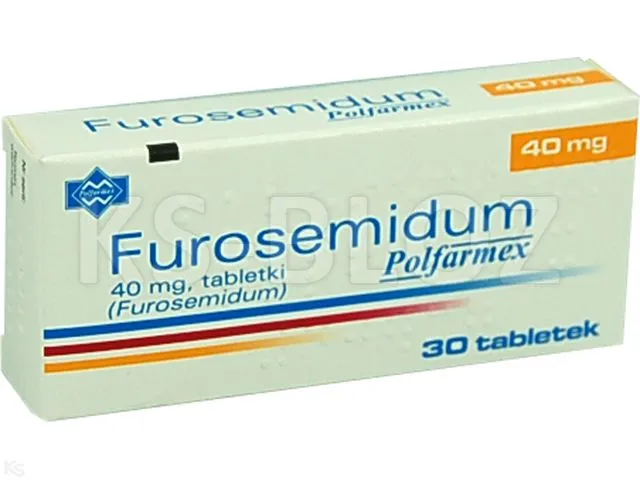
Table of Contents
- Package leaflet: Information for the user
- 1. What Furosemidum Polfarmex is and what it is used for
- 2. Important information before using Furosemidum Polfarmex
- 3. How to use Furosemidum Polfarmex
- 4. Possible adverse effects
- 5. How to store Furosemidum Polfarmex
- 6. Contents of the pack and other information
Package leaflet: Information for the user
Furosemidum Polfarmex, 40 mg, tablets
Furosemidum
Please read all of this leaflet carefully before taking this medicine, because it contains
important information for the patient.
- Keep this leaflet, as you may need to read it again.
- If you have any further questions, please ask your doctor or pharmacist.
- This medicine has been prescribed for a specific individual. Do not pass it on to others. It may harm other people, even if their symptoms are the same.
- If you experience any adverse reactions, including any not listed in this leaflet, tell your doctor or pharmacist. See section 4.
Contents of the leaflet
- What Furosemidum Polfarmex is and what it is used for
- Important information before taking Furosemidum Polfarmex
- How to take Furosemidum Polfarmex
- Possible side effects
- How to store Furosemidum Polfarmex
- Contents of the pack and other information
1. What Furosemidum Polfarmex is and what it is used for
Furosemidum Polfarmex contains furosemide, which is a potent diuretic medicine that also lowers blood pressure.
Your doctor may recommend Furosemidum Polfarmex in the following conditions:
- oedema due to heart disease;
- oedema due to liver disease;
- oedema due to kidney disease;
- mild or moderate hypertension.
2. Important information before using Furosemidum Polfarmex
When not to use Furosemidum Polfarmex:
- if the patient is allergic to furosemide, sulfonamides, or any of the other ingredients of this medicine (listed in section 6);
- if the patient has kidney disease with significantly reduced urine output or anuria;
- if the patient has impaired consciousness with neurological symptoms due to chronic liver damage;
- if the patient has significantly low levels of potassium or sodium in the blood (see section 4);
- if the patient has reduced blood volume or dehydration;
- during breastfeeding.
Warnings and precautions
Before starting treatment with Furosemidum Polfarmex, discuss this with your doctor or
pharmacist.
Your doctor will advise you to exercise particular caution in the following cases:
- if the patient has low blood pressure;
- if the patient has diabetes – blood glucose levels should be monitored regularly;
- if the patient has gout – blood uric acid levels should be monitored regularly;
- if the patient has urinary disorders (e.g. benign prostatic hyperplasia, urethral stricture) – sudden increase in urine flow may lead to urinary retention with excessive bladder distension;
- if the patient has low levels of protein in the blood (e.g. in certain kidney diseases with protein loss in urine);
- if the patient has liver cirrhosis and concomitant kidney failure;
- if a significant drop in blood pressure may lead to myocardial infarction or stroke (e.g. in cases of cerebral circulation disorders or ischemic heart disease);
- if the patient is elderly, taking other antihypertensive drugs, or suffers from other conditions that increase the risk of low blood pressure.
During treatment with Furosemidum Polfarmex, your doctor may recommend regular blood count tests and monitoring of potassium and sodium levels (especially important if vomiting or diarrhoea occur), calcium, bicarbonates, creatinine, urea, uric acid, and glucose.
Weight loss caused by increased urine excretion should not exceed 1 kg per day.
In case of significant dehydration, do not take painkillers, antipyretics, or anti-inflammatory drugs (so-called nonsteroidal anti-inflammatory drugs, NSAIDs) during treatment with Furosemidum Polfarmex, as they may cause acute kidney failure.
To prevent potassium deficiency, a potassium-rich diet is recommended (lean meat, potatoes, bananas, tomatoes, cauliflower, spinach, dried fruits, etc.).
If Furosemidum Polfarmex is taken for a prolonged period, vitamin B (thiamine) deficiency should be corrected. Vitamin B supports heart function.
There is a risk of autoimmune diseases leading to inflammatory changes in all organs (joint pain, skin changes, and kidney disorders are common).
Use of Furosemidum Polfarmex may result in a positive doping test.
Furosemidum Polfarmex and other medicines
Tell your doctor or pharmacist about all medicines you are currently taking or have recently taken, as well as any medicines you plan to take.
Furosemidum Polfarmex may affect the action of other medicines, and other medicines may affect the action of Furosemidum Polfarmex.
Your doctor may recommend adjusting the dose and/or taking additional precautions if you are taking any of the following medicines:
- Nonsteroidal anti-inflammatory drugs (NSAIDs, painkillers, antipyretics, and anti-inflammatory drugs) – may reduce the effect of furosemide. In patients with reduced intravascular volume, NSAIDs may cause acute kidney failure. Furosemide may enhance the harmful effects of salicylates.
- Antiepileptic drugs – co-administration with carbamazepine increases the risk of hyponatremia, while phenytoin may reduce the diuretic effect of furosemide.
- Sucralfate (used in peptic ulcer disease) – reduces furosemide absorption from the intestine. If both medicines are used together, they should be taken at least 2 hours apart.
- Aliskiren – used in the treatment of arterial hypertension.
- Antihypertensive drugs – possible intensification of hypotensive effect. Concurrent use of angiotensin-converting enzyme inhibitors or angiotensin II receptor antagonists (AIIRAs) may lead to a significant drop in blood pressure. Before starting treatment with an ACE inhibitor or AIIRA, your doctor may recommend discontinuing furosemide or reducing its dose.
- Other diuretics – concurrent use may increase diuretic effect. Combined treatment with thiazide diuretics carries a high risk of hypokalaemia. When potassium-sparing diuretics (e.g. amiloride, spironolactone) are used concomitantly, there is a risk of hyperkalaemia.
- Certain anaesthetics and skeletal muscle relaxants with curare-like structure (used to relax skeletal muscles during anaesthesia). Inform the anaesthesiologist about taking Furosemidum Polfarmex.
- Probenecid (used in gout treatment), methotrexate (an immunosuppressant used in rheumatoid and autoimmune diseases), and other drugs excreted by the kidneys like furosemide – Furosemidum Polfarmex may enhance their effects and adverse reactions. Conversely, these drugs may reduce the effect of furosemide.
- Theophylline (used in asthma treatment).
- Corticosteroids (cortisone), carbenoxolone, amphotericin B (an antifungal drug), glycyrrhizin contained in liquorice – combined use with furosemide may lead to increased potassium loss (risk of hypokalaemia).
- Drugs that may cause ECG changes (QT interval prolongation), antiarrhythmics (including amiodarone, disopyramide, flecainide, and sotalol), and cardiac glycosides – increased risk of cardiotoxic effects due to electrolyte disturbances, especially hypokalaemia (low potassium levels in blood).
- Antibiotics – concurrent use of aminoglycosides, polymyxins, or vancomycin increases the risk of ototoxicity. Your doctor will prescribe such combination therapy only if absolutely necessary. Concurrent use of aminoglycosides or cephaloridine increases the risk of nephrotoxicity. Furosemide may reduce vancomycin serum levels in patients after cardiothoracic surgery. Concurrent use of trimethoprim increases the risk of hyponatraemia. Renal function disturbances may occur in patients receiving furosemide and high-dose cephalosporins.
- Cisplatin (an anticancer drug) – concurrent use with furosemide increases the risk of nephrotoxicity and ototoxicity.
- Antidiabetic drugs – furosemide reduces the glucose-lowering effect of these drugs.
- Drugs causing increased blood pressure (e.g. epinephrine, norepinephrine).
- Cyclosporine – risk of hyperkalaemia and arthralgia due to gout.
- Tacrolimus – risk of hyperkalaemia.
- Lithium (used in depression treatment): concurrent use of Furosemidum Polfarmex may intensify lithium's toxic effects on the heart and nervous system. Your doctor may recommend monitoring lithium blood levels.
- Antipsychotics – hypokalaemia caused by furosemide increases the risk of cardiotoxicity. Concomitant use of pimozide should be avoided. Increased risk of ventricular arrhythmias may occur with amisulpride or sertindole, and enhanced hypotensive effect with phenothiazines. When using risperidone, your doctor will consider the benefit-risk ratio of combined treatment with furosemide.
- Vasodilators, nitrates – enhanced hypotensive effect.
- Antidepressants – enhanced hypotensive effect with MAO inhibitors; increased risk of orthostatic hypotension with tricyclic antidepressants. Concurrent use of reboxetine increases the risk of hypokalaemia.
- Antihistamines – hypokalaemia with increased risk of cardiotoxicity.
- Anxiolytics and sedatives – enhanced hypotensive effect.
- Central nervous system stimulants (used in attention deficit hyperactivity disorder - ADHD) – hypokalaemia increases the risk of ventricular arrhythmias.
- Potassium salts.
- Dopaminergic drugs – enhanced hypotensive effect of levodopa.
- Estrogens – reduced diuretic effect.
- Prostaglandins – enhanced hypotensive effect when used with alprostadil.
Furosemidum Polfarmex with food and drink
To prevent significant potassium deficiency, a potassium-rich diet is recommended (lean meat, potatoes, bananas, tomatoes, cauliflower, spinach, dried fruits, etc.).
Large amounts of liquorice combined with Furosemidum Polfarmex may lead to increased potassium loss.
Pregnancy and breastfeeding
If the patient is pregnant or breastfeeding, suspects she may be pregnant, or plans to have a child, she should consult a doctor or pharmacist before using this medicine.
Since furosemide crosses the placenta into the fetal circulation, Furosemidum Polfarmex should be used during pregnancy only for a short period and only if considered necessary by the doctor. Inform your doctor about pregnancy or intended pregnancy.
If furosemide treatment is necessary due to heart failure or chronic kidney disease in a pregnant woman, your doctor will monitor electrolyte levels and haematocrit values and will monitor fetal development.
Furosemide passes into breast milk and inhibits lactation. Therefore, furosemide should not be used during breastfeeding. If necessary, breastfeeding should be discontinued.
Driving and operating machinery
During furosemide treatment, headache, dizziness, and drowsiness may occur, which may impair the ability to drive or operate machinery.
In such cases, do not drive or operate machinery.
These symptoms are especially common at the beginning of treatment, when the dose is increased, or when treatment is changed.
Furosemidum Polfarmex contains lactose
If the patient has previously been diagnosed with intolerance to certain sugars, the patient should consult a doctor before taking this medicine.
This medicine contains 0.0275 g of lactose (0.01375 g glucose and 0.01375 g galactose) per tablet. This should be taken into account in patients with diabetes.
3. How to use Furosemidum Polfarmex
This medicine should always be taken exactly as prescribed by your doctor. If in doubt, consult your
doctor or pharmacist.
For adult and elderly patients (>65 years of age), the following dosage is recommended:
For treatment of oedema due to heart, liver or kidney disease
1 Furosemidum Polfarmex tablet per day.
Your doctor may adjust the dose appropriately.
Treatment is most effective and gentlest when administered intermittently, every other day or for
2–4 consecutive days per week.
For treatment of mild to moderate arterial hypertension
1 Furosemidum Polfarmex tablet per day, either as monotherapy or in combination with other medicines. If during treatment it becomes necessary to start a so-called angiotensin-converting enzyme (ACE) inhibitor, your doctor will recommend discontinuing Furosemidum Polfarmex 2–3 days before initiating the ACE inhibitor.
If this is not possible, your doctor will reduce the dose of Furosemidum Polfarmex.
Use in children and adolescents under 18 years of age
The usual dose is 1–2 mg/kg body weight, up to a maximum of 40 mg (1 Furosemidum Polfarmex tablet per day).
Route of administration
Oral administration.
Tablets should be swallowed whole, before breakfast, with sufficient fluid (e.g. a glass of water). Do not chew the tablets.
Taking more Furosemidum Polfarmex than prescribed
If you take more Furosemidum Polfarmex than prescribed, seek immediate medical advice from your doctor or go to the nearest hospital emergency department.
Symptoms of acute or chronic overdose depend on the degree of fluid and electrolyte depletion.
Overdose may lead to low blood pressure, circulatory disturbances, and electrolyte imbalances (e.g. decreased potassium, sodium and chloride levels) or elevated blood pH.
Significant fluid loss may result in dehydration and, consequently, reduced circulating blood volume, leading to collapse and increased blood viscosity with a tendency to thrombosis.
In case of substantial loss of water and electrolytes, disturbances of consciousness may occur.
Missing a dose of Furosemidum Polfarmex
Do not take a double dose to make up for a missed dose.
Stopping Furosemidum Polfarmex treatment
Do not stop treatment without consulting your doctor. If treatment is discontinued, symptoms of the disease may worsen. The duration of treatment is determined by your doctor.
If you have any further questions about the use of this medicine, consult your doctor or pharmacist.
4. Possible adverse effects
Like all medicines, this medicine can cause adverse effects, although not everyone will experience them.
The frequency of the adverse effects listed below has been defined as follows:
- very common (affects at least 1 in 10 people);
- common (affects less than 1 in 10 people);
- uncommon (affects less than 1 in 100 people);
- rare (affects less than 1 in 1000 people);
- very rare (affects less than 1 in 10,000 people);
- unknown (frequency cannot be estimated from the available data).
Very common
- Electrolyte imbalance (reduced concentrations of sodium, calcium, and magnesium), metabolic alkalosis, dehydration.
- Increased blood creatinine and triglyceride levels.
- Hypotension (low blood pressure).
- Nephrocalcinosis in newborns.
Common
- Increased blood viscosity.
- Electrolyte imbalance (reduced concentrations of chloride and potassium).
- Increased blood LDL cholesterol levels.
- Increased blood urea levels, hyperuricemia, gout.
- Hypovolemia (a condition in which blood vessels contain too little blood, leading to disturbances in cardiovascular function).
- Hepatic encephalopathy in patients with liver failure.
- Increased urine volume.
Uncommon
- Decreased platelet count (thrombocytopenia), causing increased risk of bleeding and bruising, aplastic anemia.
- Increased blood glucose levels, which may unmask latent diabetes mellitus and worsen metabolism in patients with existing diabetes.
- Decreased HDL cholesterol levels.
- Cardiac arrhythmias.
- Dryness of the oral mucosa, thirst, nausea, gastrointestinal motility disorders, vomiting, diarrhoea, constipation.
- Decreased diuresis, urinary incontinence, urinary retention (due to enlarged prostate, bladder emptying disorders, or urethral stricture).
- Visual disturbances (blurred vision, yellow vision, worsening of pre-existing myopia).
- Rash, pruritus, photosensitivity, urticaria, exfoliative dermatitis, bullous dermatitis (Ritter's disease), purpura, erythema multiforme, photosensitivity.
- Deafness, sometimes irreversible.
- Muscle cramps, muscle weakness.
- Fatigue.
Rare
- Bone marrow suppression (requiring discontinuation of the drug).
- Increased number of certain white blood cells (eosinophilia), decreased number of white blood cells (leukopenia).
- Acute kidney failure, interstitial nephritis.
- Toxic epidermal necrolysis.
- Intrahepatic cholestasis (inhibition of bile production), liver function disorders, increased liver enzyme activity.
- Acute pancreatitis.
- Severe hypersensitivity leading to shock (anaphylactic shock). Initial symptoms of shock include, among others, skin reactions such as sudden redness or urticaria, profuse sweating, pallor, restlessness, nausea, headache, and dyspnoea.
- Tingling or numbness of limbs (paresthesia), confusion, headache, lethargy.
- Tinnitus, transient or persistent, hearing disturbances.
- Vasculitis, thrombosis, shock.
- Fever.
- Malaise.
Very rare
- Hemolytic anemia, agranulocytosis.
Unknown
- Tetany, worsening of pre-existing metabolic alkalosis (in cases of decompensated liver cirrhosis), pseudo-Bartter syndrome, and increased potassium excretion, which may cause neurological and muscular symptoms (muscle weakness, paralysis), gastrointestinal symptoms (vomiting, constipation, bloating), renal symptoms (polyuria), and cardiac symptoms. Severe potassium deficiency may lead to paralytic ileus or confusion progressing to coma.
- Increased urinary sodium and chloride levels.
- Severe skin disease with systemic symptoms, formation of painful blisters on the skin, particularly around the mouth, eyes, and genitals; severe skin and mucous membrane disease with blister formation and redness of large areas of skin.
- Inflammatory skin lesions with pustule formation (AGEP - acute generalized exanthematous pustulosis; acute pustular drug eruption with fever).
- Drug rash with eosinophilia and systemic symptoms (DRESS), characterized by skin rash, increased number of specific white blood cells in blood, and worsening of general condition.
- Worsening or activation of systemic lupus erythematosus.
- Dizziness, fainting, or loss of consciousness (caused by symptomatic hypotension).
- Damage (breakdown) of striated muscles, i.e. rhabdomyolysis, often associated with a marked decrease in blood potassium levels (see section 2. “When not to use Furosemidum Polfarmex”).
- Patent ductus arteriosus Botalli, osteoclastic bone damage in newborns.
Reporting of adverse effects
If any adverse effects occur, including any adverse effects not listed in this leaflet, inform your doctor, pharmacist, or nurse. Adverse effects can be reported directly to the Department of Monitoring Adverse Drug Reactions of the Office for Registration of Medicinal Products, Medical Devices and Biocidal Products
Al. Jerozolimskie 181C
02-222 Warsaw
Phone: +48 22 49 21 301
Fax: +48 22 49 21 309
Website: https://smz.ezdrowie.gov.pl
Adverse effects can also be reported to the marketing authorization holder.
Reporting adverse effects helps to provide more information on the safety of the medicine.
5. How to store Furosemidum Polfarmex
Store below 25°C.
Keep in the original packaging to protect from light.
Keep out of sight and reach of children.
Do not use this medicine after the expiry date stated on the blister and carton after "EXP".
The expiry date refers to the last day of the stated month.
Medicines should not be disposed of via wastewater or household waste. Ask your pharmacist how to dispose of medicines no longer required. Such measures help protect the environment.
6. Contents of the pack and other information
What Furosemidum Polfarmex contains
The active substance is furosemide. One tablet contains 40 mg of furosemide.
Other ingredients are: maize starch, povidone, magnesium stearate, monohydrate lactose.
What Furosemidum Polfarmex looks like and contents of the pack
Uncoated tablets, white or almost white, round, biconvex.
The pack contains 30 or 40 tablets.
Not all pack sizes may be marketed.
Marketing Authorisation Holder and Manufacturer
Polfarmex S.A.
ul. Józefów 9
99-300 Kutno
Poland
Tel.: + 48 24 357 44 44
Fax: + 48 24 357 45 45
e-mail: [email protected]