Enema
Poland
Table of Contents
Package leaflet: Information for the user
ENEMA, (32.2 mg + 139 mg)/ml, enema solution
(Dinatrii phosphas dodecahydricus + Natrii dihydrogenophosphas monohydricus)
Please read this leaflet carefully before using the medicine because it contains important
information for the patient.
This medicine should always be used exactly as described in this patient leaflet or as directed by a
doctor, pharmacist, or nurse.
- Keep this leaflet, as you may need to read it again.
- If you need advice or further information, please consult your pharmacist.
- If you experience any side effects, including any not listed in this leaflet, tell your doctor, pharmacist, or nurse. See section 4.
- If there is no improvement or if you feel worse within 5 minutes after administration of the medicine, contact a doctor.
Contents of the leaflet:
- What ENEMA is and what it is used for
- Important information before using ENEMA
- How to use ENEMA
- Possible side effects
- How to store ENEMA
- Contents of the pack and other information
1. What ENEMA is and what it is used for
ENEMA is a solution for rectal administration. It acts as a cleansing agent for the large intestine.
It prevents water absorption in the large intestine, thereby softening the stool. Increased volume and softening of the stool lead to an immediate defecation reflex.
Indications
ENEMA is indicated for: constipation, cleansing of the large intestine prior to diagnostic examinations, before and after surgical procedures, removal of contrast medium deposits from the intestine following radiological examinations, and bowel cleansing before and after childbirth.
If there is no improvement or if you feel worse within 5 minutes after administration, consult a doctor.
2. Important information before using the medicine ENEMA
When not to use ENEMA
- if the patient is allergic to disodium phosphate dodecahydrate and sodium dihydrogen phosphate monohydrate or any of the other ingredients of this medicine (listed in section 6),
- if the patient has intestinal obstruction, imperforate anus, ulcerative colitis, bleeding from the large intestine,
- if the patient has been diagnosed with: heart disease, high blood pressure, kidney disease, inflammation or symptoms of appendicitis,
- if the patient experiences: abdominal pain, nausea and vomiting,
- in children under 3 years of age,
- in dehydrated patients.
Warnings and precautions
Before starting to use ENEMA, discuss it with your doctor, pharmacist or
nurse.
Due to the risk of developing disturbances in water-electrolyte and acid-base balance, such as
hypernatremia (elevated sodium levels), hyperphosphatemia (elevated phosphate levels),
hypocalcemia (reduced potassium levels), hypokalemia (reduced calcium levels) and acidosis in
the body, particular caution is required in the following cases:
- if the patient suffers from impaired kidney function (the medicine may be used if clinical benefits outweigh the risk of increased phosphate ion levels in the blood (hyperphosphatemia)),
- when the patient is receiving diuretics or medicines that may cause disturbances in the body's water and electrolyte balance,
- in patients with an artificial anus,
- in weakened patients or elderly patients,
- if the patient has electrolyte imbalances in the body (particularly elevated phosphate levels in the blood) – in such patients the medicine should be used with great caution and monitoring of ion concentrations before and after administration is recommended,
- in patients with ascites or changes in the rectal mucosa (ulcers, fissures),
- if defecation does not occur within 5 minutes after administration, contact a doctor, as retention of the enema solution may lead to dehydration,
- in unconscious patients, patients with impaired consciousness, and patients with heart disease, the medicine may be administered only in the presence of qualified medical personnel,
- if bleeding or severe intestinal cramps occur after administration of the enema solution, discontinue use of the medicine and consult a doctor. Prior to administration, blood electrolyte testing is recommended. In cases of suspected electrolyte disturbances and in patients in whom elevated phosphate levels may occur, electrolyte levels should be monitored before and after administration of ENEMA. Liquid stools are expected after administration of the enema. Additionally, it is essential to drink large amounts of fluids after using the medicine to avoid dehydration. Repeated and prolonged use of ENEMA may lead to dependence.
Children and adolescents
Do not use ENEMA in children under 3 years of age.
ENEMA may be used in children aged 3 years and older only if prescribed by a doctor and under medical supervision. Use with particular caution in children up to 5 years of age.
ENEMA and other medicines
Inform your doctor about all medicines currently taken or recently used, as well as any medicines the patient plans to take.
In patients taking calcium channel blockers, diuretics, lithium preparations or other medicines affecting blood ion concentrations, changes in blood ion levels may occur, such as: hyperphosphatemia (elevated phosphate levels), hypocalcemia (reduced potassium levels), hypokalemia (reduced calcium levels), dehydration with accompanying elevated sodium levels (hypernatremia) or acidosis.
Due to the known association between elevated sodium levels (hypernatremia) and reduced serum lithium levels, concomitant use of ENEMA and lithium preparations may result in decreased serum lithium levels and consequently reduced efficacy of lithium therapy.
Pregnancy and breastfeeding
If the patient is pregnant or breastfeeding, suspects she may be pregnant, or is planning to become pregnant, she should consult a doctor or pharmacist before using this medicine.
Due to the risk of electrolyte disturbances, use of ENEMA is not recommended during pregnancy and breastfeeding. The exception is a single administration before and after childbirth.
Due to the possibility of phosphate ions passing into human milk, expressed milk should be discarded for 24 hours after administration of the medicine.
Driving and operating machinery
The medicine has no influence on the ability to drive or operate machinery.
The medicine contains methyl parahydroxybenzoate, therefore it may cause allergic reactions (including delayed-type reactions).
3. How to use ENEMA
This medicine should always be used exactly as described in this patient information leaflet, or as directed by a doctor, pharmacist, or nurse. If in doubt, consult a doctor, pharmacist, or nurse.
Fine particles may settle at the bottom of the bottle, forming a sediment. Before use, gently shake the bottle to obtain a uniform solution.
The solution should only be administered as an enema.
Adults: 120–150 ml
Children:
- Body weight below 14 kg: 30 ml
- Body weight from 14 to 27 kg: 60 ml
- Body weight from 28 to 40 kg: 90 ml
In dehydrated patients, the volume of the enema should be reduced, as the medicine may cause further dehydration.
Avoid repeated enemas administered at short intervals.
Do not use the medicine more than once daily unless otherwise directed by a doctor.
The medicine is administered rectally by inserting the appropriate volume of solution in the evening on the day before the examination or surgical procedure, as well as on the day of surgery. The enema on the day preceding surgery may be repeated if complete bowel cleansing has not been achieved. The solution introduced into the rectum should be at room temperature.
After administration of the medicine, the patient should be given additional fluids orally.
Laxative products should not be used for longer than one week.
To administer the enema, replace the cap with the cap equipped with an applicator, which is included in the individual carton (this does not apply to the preparation intended for closed medical institutions). Remove the protective cap and insert the special tip into the rectum, directing it toward the navel. Slowly squeeze the bottle until the entire contents have been introduced into the rectum. The package contains an excess of solution, so it is not necessary to completely empty the bottle. After administering the enema, remain in the chosen position until the sensation of urge to defecate occurs (2–5 minutes), then evacuate the bowel.
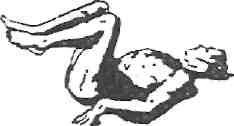
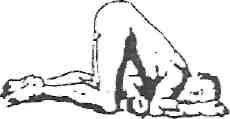
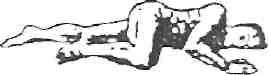
There are three positions suitable for administering an enema. The first (Sima position) and second (knee-elbow position) require assistance from another person. The third position allows self-administration of the enema.
Use of a higher than recommended dose of ENEMA
The medicine is available in single-dose packaging, which excludes the possibility of overdose. However, in patients in whom this medicine should not be used, as well as in particularly sensitive patients, disturbances in blood ion concentrations, metabolic acidosis, and dehydration may occur. Disorders of the circulatory system and respiratory system may also appear. If any of the above symptoms occur, contact a doctor immediately.
Fatal cases associated with disturbances in water and electrolyte balance due to excessive use of this type of product, use in children, or use in patients with constipation have been reported.
Missed dose of ENEMA
Do not use a double dose to make up for a missed dose.
Discontinuation of ENEMA
If you have any further questions about the use of this medicine, consult your doctor, pharmacist, or nurse.
4. Possible adverse effects
Like all medicines, this medicine can cause adverse effects, although not everyone experiences them.
The frequency of occurrence of adverse effects cannot be determined based on the available data.
Metabolism and nutrition disorders
Increased blood phosphate ion concentration (hyperphosphatemia), decreased blood potassium levels (hypokalemia), and accumulation in the blood of excess acidic substances or reduction in alkaline substances (metabolic acidosis).
Transient decrease in calcium ion concentration (hypocalcemia) and transient increase in sodium ion concentration (hypernatremia), potentially leading to dehydration. However, ENEMA has a reduced phosphate content, which lowers the risk of ionic imbalances. Moreover, ENEMA is a medicine used sporadically, and any potential disturbances in water and electrolyte balance are usually transient in nature.
General disorders and administration site conditions
Irritation of the rectal mucosa, chills, blisters, pricking sensation, anal itching, pain.
Gastrointestinal disorders
Nausea, vomiting, abdominal pain, bloating, diarrhoea.
Frequent use may lead to disturbances in the function of the large intestine.
Immune system disorders
Hypersensitivity reactions, e.g. urticaria, itching.
Reporting of adverse effects
If any adverse effects occur, including any not listed in this leaflet, inform your doctor, pharmacist, or nurse. Adverse effects can be reported directly to the Department of Monitoring Adverse Drug Reactions of the Office for Registration of Medicinal Products, Medical Devices and Biocidal Products
Al. Jerozolimskie 181C,
02-222 Warsaw,
Phone: +48 22 49 21 301,
Fax: +48 22 49 21 309,
Website: https://smz.ezdrowie.gov.pl
Adverse effects may also be reported to the marketing authorization holder.
Reporting adverse effects helps to provide more information on the safety of the medicine.
5. How to store ENEMA
Keep the medicine out of the sight and reach of children.
Store below 25°C.
Do not use this medicine after the expiry date stated on the packaging after: Expiry (EXP). The expiry date refers to the last day of the stated month. Lot is the batch number.
Medicines must not be disposed of via wastewater or household waste. Ask your pharmacist how to dispose of medicines no longer required. This will help protect the environment.
6. Contents of the pack and other information
What ENEMA medicinal product contains
- The active substances are: disodium phosphate dodecahydrate (Dinatrii phosphas dodecahydricus) and sodium dihydrogen phosphate monohydrate (Natrii dihydrogenophosphas monohydricus). 1 ml of solution contains 32.2 mg of disodium phosphate and 139 mg of sodium dihydrogen phosphate, calculated as anhydrous substances.
- Other components (excipients) are: methyl parahydroxybenzoate, purified water.
What ENEMA looks like and contents of the pack
ENEMA is a clear, colourless liquid free from mechanical impurities.
During storage, sedimentation at the bottom of the bottle may occur, which upon shaking forms a uniform, colourless suspension with slight opalescence or turbidity, free from mechanical impurities. This does not affect the quality of the medicinal product.
A bottle with a screw cap containing 150 ml of liquid and a replaceable cap with an applicator enabling easy squeezing out of the contents, packed in a cardboard box.
For hospital use:
A bottle containing 150 ml of liquid closed with a screw cap incorporating an applicator enabling easy squeezing out of the contents – packed in collective cardboard cartons of 50 units.
Marketing Authorisation Holder and Manufacturer
Laboratorium Galenowe Olsztyn Sp. z o.o.
Spółdzielcza 25A
11-001 Dywity
Poland
Tel. +48 89 648 00 78
(logo of the Marketing Authorisation Holder)
The patient information leaflet is available in a format suitable for blind and partially sighted persons via a free telephone number 800 706 848.