Encortolon
Poland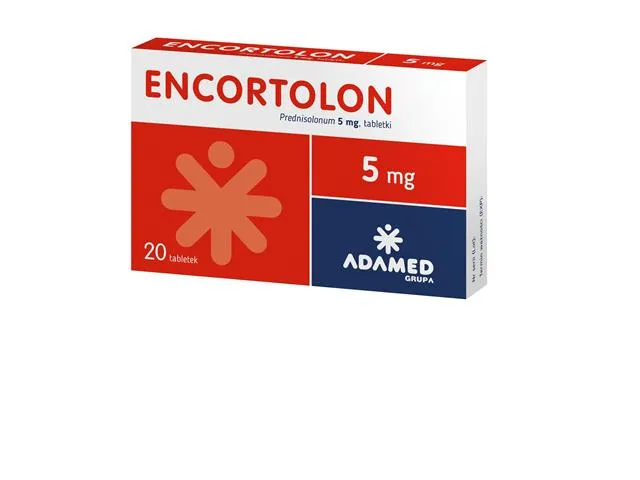
Table of Contents
Package leaflet: Information for the patient
Encortolon, 5 mg, tablets
Prednisolonum
Please read all of this leaflet carefully before taking this medicine, because it contains
important information for you.
- Keep this leaflet, as you may need to read it again.
- If you have any further questions, ask your doctor, pharmacist, or nurse.
- This medicine has been prescribed for a specific individual. Do not pass it on to others. It may harm someone else, even if their symptoms are the same.
- If you experience any adverse effects, including any not listed in this leaflet, tell your doctor, pharmacist, or nurse. See section 4.
Contents of the leaflet:
- What Encortolon is and what it is used for
- Important information before taking Encortolon
- How to take Encortolon
- Possible side effects
- How to store Encortolon
- Contents of the pack and other information
1. What Encortolon is and what it is used for
Prednisolone is a synthetic glucocorticoid with potent anti-inflammatory activity.
It is generally accepted that 5 mg of prednisolone has anti-inflammatory activity equivalent to 4 mg of methylprednisolone or triamcinolone, 0.75 mg of dexamethasone, 0.6 mg of betamethasone, and 20 mg of hydrocortisone.
Prednisolone suppresses the development of inflammatory symptoms without affecting the underlying cause. It inhibits the accumulation of macrophages, leukocytes, and other cells at the site of inflammation. It reduces capillary dilatation and permeability, thereby inhibiting the formation of oedema.
Prednisolone exerts immunosuppressive effects by suppressing cellular immune responses.
Other effects:
It inhibits ACTH secretion by the pituitary gland, leading to reduced production of corticosteroids and androgens in the adrenal cortex. Prednisolone affects water-electrolyte balance. It promotes protein catabolism. It increases blood glucose concentration and insulin resistance. It influences lipid metabolism, increasing plasma free fatty acid levels. Long-term treatment may lead to abnormal fat distribution.
It impairs bone formation, reduces serum calcium levels, may inhibit bone growth in children, and may cause osteoporosis at any age.
Indications for use:
Endocrine disorders
- Primary adrenal insufficiency (Addison's disease) and secondary adrenal insufficiency (hydrocortisone and cortisone are drugs of choice; synthetic analogues may be used with mineralocorticoids)
- Congenital adrenal hyperplasia (adrenogenital syndrome); treatment is used to suppress virilization (appearance of male sexual characteristics in females) caused by excessive androgen production in the adrenal glands due to enzyme deficiency in the synthesis of glucocorticoids and mineralocorticoids, insufficient production of these hormones, and pituitary stimulation of the adrenal cortex. Sodium supplementation is recommended; in some patients, mineralocorticoid supplementation may also be necessary.
- Acute adrenal insufficiency
- Painless thyroiditis
- Hypercalcaemia (elevated serum calcium) associated with neoplastic disease
Severe allergic disorders resistant to other treatments
- Serum sickness
- Drug hypersensitivity reactions
- Perennial or seasonal allergic rhinitis
Collagen diseases during exacerbations or, in certain cases, as maintenance therapy
- Acute rheumatic carditis
- Systemic lupus erythematosus
Dermatological diseases
- Exfoliative dermatitis
- Herpes-like vesicular dermatitis
- Severe seborrhoeic dermatitis
- Severe inflammatory skin diseases
- Severe erythema multiforme (Stevens-Johnson syndrome)
- Contact dermatitis
- Atopic dermatitis
- Fungoid granuloma (mycosis fungoides)
- Pemphigus
- Severe psoriasis
Gastrointestinal diseases – during exacerbations (long-term treatment is not recommended)
- Ulcerative colitis
- Crohn's disease (Crohn-Leśniowski disease)
Haematological disorders
- Acquired haemolytic anaemia (autoimmune)
- Congenital aplastic anaemia
- Anaemia due to selective erythroid hypoplasia
- Secondary thrombocytopenia in adults
- Idiopathic thrombocytopenic purpura (Werlhof's disease) in adults
Neoplastic diseases – with concomitant anti-neoplastic or palliative treatment
- Leukaemias and lymphomas in adults
- Acute or chronic leukaemia
Nephrotic syndrome
- Glucocorticoids are indicated to induce diuresis or achieve remission of proteinuria in idiopathic nephrotic syndrome without uraemia, or to improve renal function in patients with lupus nephritis. In idiopathic nephrotic syndrome, long-term treatment may be necessary to prevent frequent relapses.
Neurological diseases
- Multiple sclerosis during exacerbations
Ophthalmic diseases (severe acute and chronic inflammatory conditions)
- Iritis
- Iridocyclitis
- Chorioretinitis
- Diffuse posterior uveitis
- Optic neuritis
- Sympathetic uveitis
- Anterior segment inflammation
- Allergic conjunctivitis
- Keratitis (not associated with herpes simplex virus infection or fungal infection)
- Allergic marginal corneal ulceration
Respiratory diseases
- Berylliosis
- Löffler's syndrome unresponsive to other treatments
- Aspiration pneumonitis
- Symptomatic sarcoidosis
- Bronchial asthma
- Fulminant or disseminated pulmonary tuberculosis (with concomitant antituberculous treatment)
Rheumatic diseases (as adjunctive treatment during exacerbations)
- Ankylosing spondylitis
- Psoriatic arthritis
- Rheumatoid arthritis
- Juvenile rheumatoid arthritis (in cases resistant to other treatments)
Non-rheumatic musculoskeletal disorders
- Acute gouty arthritis
- Traumatic inflammation of bones and joints
- Synovitis in patients with bone and joint inflammation
- Acute and subacute tenosynovitis
Other
- Tuberculous meningitis with subarachnoid block (concomitant antituberculous treatment)
- Trichinosis with myocardial or nervous system involvement
2. Important information before using Encortolon
When not to take Encortolon:
- if the patient is allergic to prednisolone or any of the other ingredients of this medicine (listed in section 6)
- if the patient has systemic fungal infections (see warning regarding amphotericin B)
- if the patient has ocular infections – Herpes simplex infection due to the risk of corneal perforation
Warnings and precautions
Before starting treatment with Encortolon, consult your doctor or pharmacist if:
The patient suffers from scleroderma (an autoimmune disorder also known as systemic sclerosis), because doses of at least 15 mg per day may increase the risk of a serious complication called scleroderma renal crisis. Symptoms of scleroderma renal crisis include elevated blood pressure and reduced urine output. The treating physician may recommend regular monitoring of blood pressure and urine excretion.
Patients treated with prednisolone should strictly follow the doctor's instructions.
Discontinuation of treatment after long-term use may cause symptoms of glucocorticosteroid withdrawal syndrome, such as: fever, muscle and joint pain, malaise. These symptoms may occur even if adrenal insufficiency is not diagnosed.
Prednisolone has a stronger effect in patients with hypothyroidism or liver cirrhosis.
Prednisolone should be used at the lowest effective dose. If dose reduction is possible, it should be done gradually.
Caution should be exercised when treating patients with blood prothrombin deficiency who are also receiving aspirin together with prednisolone.
The patient should inform the doctor if suffering from ulcerative colitis, diverticulosis, peptic ulcer of the stomach and duodenum, renal failure, hypertension, osteoporosis, myasthenia gravis, diabetes, liver failure, glaucoma, or fungal or viral infections.
In fungal infections treated with amphotericin B, prednisolone may sometimes be used to reduce its adverse effects; however, in such cases it may cause congestive heart failure, cardiac enlargement, and severe hypokalemia.
In patients treated with glucocorticosteroids, increased stress may necessitate an increased dose of a fast-acting glucocorticosteroid.
Sudden discontinuation of treatment may lead to adrenal insufficiency; therefore, the dose of prednisolone should be reduced gradually.
Prednisolone may mask signs of infection, reduce resistance to infection, and make localization of infection more difficult.
Long-term use of prednisolone may cause cataracts, glaucoma with possible damage to the optic nerves, and increase the risk of secondary fungal or viral infections.
If the patient experiences blurred vision or other visual disturbances, medical advice should be sought.
High doses of prednisolone may cause increased arterial pressure, water and sodium retention, and increased potassium excretion. Dietary sodium restriction and potassium supplementation may be necessary. Prednisolone also increases calcium excretion.
Patients treated with prednisolone should not receive live viral vaccines.
Administration of inactivated viral or bacterial vaccines may not produce the expected antibody response.
Psychiatric disorders such as euphoria, insomnia, sudden mood swings, personality changes, severe depression, and psychotic symptoms may occur during prednisolone treatment. Pre-existing emotional instability or psychotic tendencies may worsen during therapy.
In patients treated with high doses of prednisolone, symptoms of peritonitis may be mild or absent in case of gastrointestinal perforation.
Children and adolescents
Infants and children undergoing long-term treatment should be monitored for the risk of growth and developmental disorders.
Use of Encortolon in patients with impaired kidney and/or liver function
Use with caution in patients with liver or kidney impairment.
Use of Encortolon in elderly patients
No data available.
Encortolon with other medicines
Inform your doctor or pharmacist about all medicines currently or recently taken, as well as any medicines planned for future use.
Prednisolone reduces the effect of non-steroidal anti-inflammatory drugs (NSAIDs). Concurrent use of prednisolone, NSAIDs, or alcohol increases the risk of gastrointestinal ulceration and bleeding.
Some medicines may enhance the effect of Encortolon, and the doctor may wish to closely monitor the patient taking such medicines (including certain HIV medications: ritonavir, cobicistat).
Concomitant use of prednisolone, amphotericin B, and carbonic anhydrase inhibitors may lead to hypokalemia (decreased blood potassium levels), cardiac muscle hypertrophy, and congestive heart failure.
Concomitant use of prednisolone and paracetamol increases serum sodium concentration (hypernatremia), edema, calcium excretion, risk of hypocalcemia and osteoporosis, and risk of liver damage.
Concomitant use of anabolic steroids, androgens, and prednisolone may cause edema and acne.
Concomitant use of prednisolone and cholinolytic agents, mainly atropine, may increase intraocular pressure.
Concomitant use of prednisolone with anticoagulants, coumarin derivatives, indandione derivatives, heparin, streptokinase, or urokinase increases the risk of gastrointestinal ulceration and bleeding, and may decrease or, in some patients, increase the effectiveness of these drugs.
Tricyclic antidepressants may exacerbate psychiatric disturbances associated with prednisolone use.
Prednisolone reduces the antidiabetic effect of insulin and oral antidiabetic agents.
Concomitant use of prednisolone with antithyroid drugs or thyroid hormones may alter their effects on thyroid function. Dose adjustment or discontinuation of antithyroid drugs or thyroid hormones may be necessary.
Oral contraceptives containing estrogens enhance the effects of prednisolone.
Prednisolone increases the risk of cardiac arrhythmias and toxicity with cardiac glycosides (digitalis glycosides).
Prednisolone reduces the effect of diuretics and exacerbates diuretic-induced hypokalemia (reduced blood potassium levels).
Prednisolone may increase the requirement for folic acid.
Concomitant use of prednisolone and immunosuppressive agents increases the risk of infection, lymphoma development, and other lymphoproliferative disorders.
Prednisolone reduces plasma concentrations of isoniazid.
Prednisolone accelerates mexiletine metabolism and reduces its plasma concentration.
Hypocalcemia associated with prednisolone and non-depolarizing neuromuscular blocking agents may intensify neuromuscular blockade, leading to prolonged respiratory depression and paralysis.
Prednisolone increases salicylate excretion and reduces their plasma concentration, increasing the risk of gastrointestinal ulceration and bleeding.
Prednisolone enhances sodium retention in the body, causing edema and elevated arterial pressure. Sodium restriction in the diet may be necessary. Glucocorticosteroid supplementation sometimes requires additional sodium administration.
Ephedrine may accelerate glucocorticosteroid metabolism.
Prednisolone enhances the hyperglycemic effect of asparaginase.
Concomitant administration of vaccines containing live viruses and immunosuppressive doses of glucocorticosteroids may allow viral replication and lead to viral diseases.
Antibody production in response to vaccination may be reduced.
Concomitant use of prednisolone with other vaccines increases the risk of neurological complications and reduces antibody production.
Encortolon with food and drink
The medicine should be taken during meals.
Tablets should not be divided.
Pregnancy and breastfeeding
If the patient is pregnant or breastfeeding, suspects she may be pregnant, or plans to have a child, she should consult her doctor or pharmacist before using this medicine.
There are no adequately sized, controlled studies in humans. In animal studies, corticosteroids have been associated with increased incidence of cleft palate, miscarriages, placental insufficiency, and fetal developmental retardation. General use of corticosteroids in women of reproductive age and during pregnancy is acceptable only when the benefit outweighs the potential risk to the fetus.
Treatment with doses up to 5 mg is considered unlikely to cause adverse effects in the child. However, higher doses may cause growth retardation or suppression of endogenous adrenal cortex hormone secretion in the child.
Prednisolone is excreted in breast milk and may cause adverse effects in the infant. If long-term treatment is necessary during breastfeeding, discontinuation of breastfeeding is recommended.
Driving and operating machinery
Some adverse effects (seizures, dizziness and headache, blurred or double vision, psychiatric disturbances) may impair the ability to drive, operate machinery, or perform tasks requiring psychomotor skills. In such cases, these activities should not be performed.
Encortolon contains lactose. If the patient has previously been diagnosed with intolerance to certain sugars, the patient should consult a doctor before taking this medicine.
3. How to use Encortolon
This medicine should always be taken according to the doctor's instructions. If in doubt, consult the doctor or pharmacist.
The doctor determines the dose individually depending on the type of disease and response to treatment. After achieving the desired effect, doses should be gradually reduced to the lowest effective dose. Even before planned discontinuation of the medicine, the dose should be gradually reduced.
Administration in accordance with the circadian rhythm is recommended, usually once daily in the morning hours. However, in some cases more frequent administration of prednisolone may be necessary.
Typical doses:
Adults: usually 5 mg to 60 mg per day, up to a maximum of 250 mg per day.
Multiple sclerosis during exacerbation periods: 200 mg per day for 7 days, followed by 80 mg per day for 1 month.
Use in children
Usually 0.14 mg to 2 mg per kg body weight per day, divided into three or four doses.
Taking more than the recommended dose of Encortolon
Even very high doses of corticosteroids do not usually cause symptoms of acute overdose. Long-term use of corticosteroids may cause numerous disturbances characteristic of excessive adrenal cortex hormone activity, including psychiatric disorders, abnormal fat deposition, fluid retention, weight gain, hirsutism, acne, striae, elevated blood pressure, immune disturbances, osteoporosis, and peptic ulcer.
In acute overdose, gastric emptying by emesis or lavage is recommended. There is no specific antidote. Treatment of overdose consists of supportive care to maintain vital functions.
If a larger than recommended dose of the medicine is taken, seek immediate medical advice from a doctor or pharmacist.
Missing a dose of Encortolon
If a dose is missed, take the medicine as soon as possible. If the next dose is approaching, skip the missed dose.
Do not take a double dose to make up for a missed dose.
Stopping treatment with Encortolon
Stopping treatment after long-term use may cause symptoms of glucocorticosteroid withdrawal syndrome, such as: fever, muscle and joint pain, malaise.
If you have any further questions about using this medicine, consult your doctor, pharmacist, or nurse.
4. Possible adverse effects
Like any medicine, this medicine can cause adverse effects, although not everyone will experience them.
Short-term use of prednisolone, as with other corticosteroids, only rarely causes adverse effects. The risk of the adverse effects listed below primarily concerns patients receiving long-term prednisolone treatment; however, not all patients will experience these effects.
Adverse effects of unknown frequency (frequency cannot be determined based on available data):
- Scleroderma renal crisis in patients with systemic sclerosis (an autoimmune disorder). Symptoms of scleroderma renal crisis include elevated blood pressure and reduced urine production.
- Secondary adrenal and pituitary insufficiency (in patients treated with doses exceeding 5 mg of prednisolone per day), particularly during stressful situations such as illness, trauma, or surgical procedures, Cushing's syndrome, growth suppression in children, menstrual cycle disturbances, impaired carbohydrate tolerance, unmasking of diabetes mellitus, increased insulin requirement and need for antidiabetic medications in patients with overt diabetes, excessive body hair growth.
- Negative nitrogen balance, increased blood and urine glucose levels, weight gain, increased appetite.
- Symptoms of schizophrenia, mania, or delirium, which may occur within the first weeks of treatment. These symptoms are dose-dependent. Women and patients with systemic lupus erythematosus are most susceptible to developing such symptoms.
- Increased intracranial pressure with papilledema (pseudotumor cerebri—most commonly in children, usually after too rapid dose reduction), seizures, dizziness, and headache.
- Posterior subcapsular cataracts, increased intraocular pressure, glaucoma, exophthalmos.
- Thromboembolic events.
- Gastric and intestinal ulceration and its consequences: perforations, hemorrhages; perforation of the large or small intestine, particularly in patients with inflammatory bowel disease; pancreatitis; abdominal distension; erosive esophagitis, digestive disturbances, nausea, increased appetite.
- Skin striae, acne, impaired wound healing, petechiae and hemorrhagic effusions, erythema, excessive sweating; allergic dermatitis; urticaria; angioedema.
- Muscle weakness, steroid myopathy, loss of muscle mass, osteoporosis, vertebral compression fractures, avascular necrosis of the femoral and humeral heads, pathological fractures of long bones.
- Blurred vision.
- Bradycardia.
Other adverse effects:
Unknown (frequency cannot be determined based on available data):
Anaphylactic reactions and hypersensitivity, malaise, sleep disturbances, disturbances of water-electrolyte balance (sodium and fluid retention, congestive heart failure, potassium loss, hypokalemic alkalosis, hypertension).
In some individuals, other adverse effects may occur during treatment with Encortolon.
Reporting of adverse effects
If any adverse effects occur, including any not listed in this leaflet, patients should inform their doctor, pharmacist, or nurse.
Adverse effects can be reported directly to the Department of Monitoring Adverse Drug Reactions at the Office for Registration of Medicinal Products, Medical Devices and Biocidal Products:
Al. Jerozolimskie 181C, 02-222 Warsaw
Tel: 22 49-21-301
Fax: 22 49-21-309
Website: https://smz.ezdrowie.gov.pl
Adverse effects can also be reported to the marketing authorization holder.
Reporting adverse effects helps to collect further information on the safety of the medicine.
5. How to store Encortolon
Keep this medicine out of sight and reach of children.
Do not use this medicine after the expiry date stated on the packaging. The expiry date refers to the last day of the specified month.
Store below 25°C. Keep in the original packaging to protect from light and moisture.
Medicines must not be disposed of via wastewater or household waste. Ask your pharmacist how to dispose of medicines no longer required. This will help protect the environment.
6. Contents of the pack and other information
What Encortolon contains
- The active substance in this medicinal product is prednisolone. Each tablet contains 5 mg of prednisolone.
- The other excipients are: monohydrate lactose, potato starch, gelatin, magnesium stearate.
What Encortolon looks like and contents of the pack
White or almost white, round, biconvex tablets, embossed on one side with an imprint.
The tablets are packed in amber glass bottles closed with white polyethylene caps, placed in a cardboard box, or in PVC/Aluminum blisters in a cardboard box.
The pack contains 20 tablets.
Marketing Authorisation Holder:
Adamed Pharma S.A.
Pieńków, ul. M. Adamkiewicza 6A
05-152 Czosnów
Manufacturer:
Adamed Pharma S.A.
Pieńków, ul. M. Adamkiewicza 6A
05-152 Czosnów