Coloclear
Poland
Table of Contents
Package leaflet: Information for the user
Coloclear, 1500 mg, tablets
Monosodium dihydrogen phosphate monohydrate + Disodium phosphate anhydrous
Please read all of this leaflet carefully before taking this medicine, because it contains
important information for the patient.
- Keep this leaflet, as you may need to read it again.
- If you have any questions, please consult your doctor or pharmacist.
- This medicine has been prescribed for a specific individual. Do not pass it on to others. The medicine may harm someone else, even if their symptoms are the same.
- If the patient experiences any adverse reactions, including any adverse reactions not listed in this leaflet, inform the doctor or pharmacist. See section 4.
Table of contents of the leaflet
- What Coloclear is and what it is used for
- Important information before taking Coloclear
- How to take Coloclear
- Possible side effects
- How to store Coloclear
- Contents of the pack and other information
1. What Coloclear is and what it is used for
Coloclear contains the active substances: monosodium dihydrogen phosphate monohydrate and disodium phosphate anhydrous, which belong to a group of medicines known as bowel cleansing agents (very strong laxatives). It works by retaining a large amount of water in the intestine, resulting in diarrhoea.
Coloclear tablets are used to cleanse the bowel before certain diagnostic procedures, such as colonoscopy.
Coloclear is intended for use in adults aged 18 years and over.
2. Important information before taking Coloclear
When not to take Coloclear:
- if the patient is allergic to sodium phosphates or any of the other ingredients of this medicine (listed in section 6),
- if the patient has kidney failure or kidney damage caused by the formation of phosphate crystals (phosphate nephropathy),
- if the patient has a parathyroid disease called primary hyperparathyroidism,
- if the patient has heart disease, heart failure or severe chest pain (angina),
- in case of fluid accumulation in the abdominal cavity (ascites),
- if intestinal disorders are present, such as obstruction, chronic severe constipation or difficulty in bowel emptying,
- if the patient has inflammatory bowel disease, enlarged colon (megacolon) or intestinal perforation,
- if the patient has undergone a surgical procedure creating a gastric bypass,
- in case of intestinal motility weakness syndrome (occurring in hypothyroidism, scleroderma),
- if the patient is under 18 or over 75 years of age.
During treatment with this medicine, other laxatives must not be used, especially those containing sodium phosphate.
Warnings and precautions
Before starting treatment with Coloclear, discuss this with your doctor or pharmacist.
Before starting to take this medicine, tell your doctor about:
- any heart conditions, such as arrhythmia, cardiomyopathy, recent heart attack, or heart surgery such as coronary artery bypass grafting,
- current or past kidney problems,
- current or past stomach or intestinal disorders,
- current or past electrolyte imbalances in the blood, such as high or low levels of sodium, phosphate, calcium or potassium,
- current or past seizures,
- hypothyroidism,
- low blood pressure,
- advanced age or frailty,
- diabetes,
- high blood pressure,
- presence of dehydration or inability to drink large amounts of fluid,
- syndrome of inappropriate antidiuretic hormone secretion (SIADH),
- recent cessation of alcohol consumption after previous alcohol abuse,
- use of benzodiazepines (e.g. diazepam, drugs used to relieve anxiety),
- use of diuretics (water tablets),
- use of calcium channel blockers or angiotensin-converting enzyme inhibitors (ACE inhibitors) (medicines used to treat angina, heart disease or high blood pressure),
- use of angiotensin receptor blockers (such as losartan, used to treat high blood pressure),
- use of NSAIDs (medicines used to relieve pain, e.g. ibuprofen),
- use of tricyclic antidepressants (medicines used to treat depression).
Your doctor may order blood tests before and after taking the medicine to check the levels of salts (electrolytes) in your body.
Other precautions:
Coloclear may cause excessive fluid loss due to diarrhoea. It is important to drink the recommended amount of clear fluids or water to replace the large volume of fluid lost during bowel evacuation. However, drinking too much fluid may lead to overhydration (also known as water intoxication – see section 3).
Inform your doctor if, after using Coloclear, the patient experiences severe or persistent abdominal pain and/or rectal bleeding. It should be emphasized that the use of Coloclear is associated with rare cases of intestinal inflammation (colitis).
Children and adolescents
Coloclear must not be given to children and adolescents under 18 years of age.
REMEMBER to stay close to a toilet during treatment with Coloclear, as frequent watery bowel movements are expected. The effect of the medicine usually occurs between 30 minutes and 6 hours after taking the tablets. If no bowel movement occurs within 6 hours, stop taking the medicine and contact your doctor immediately.
Coloclear and other medicines
Tell your doctor or pharmacist about all medicines you are currently taking or have recently taken, including medicines you plan to take, even those available without a prescription.
Treatment with Coloclear may still be permitted, and your doctor will decide on the appropriate course of action.
In particular, inform your doctor if you are taking any of the following medicines, as their effects may be altered:
- calcium channel blockers or ACE inhibitors (medicines used to treat angina, heart disease or high blood pressure),
- diuretics (water tablets),
- medicines containing lithium (used to treat psychiatric disorders),
- medicines containing aluminium, calcium or magnesium salts (may reduce absorption of phosphate salts),
- medicines containing vitamin D (may increase phosphate absorption),
- medicines such as oral contraceptives, antibiotics, antidiabetic medicines, antiepileptic medicines (their action may be delayed or inhibited),
- NSAIDs (medicines used to relieve pain, e.g. ibuprofen),
- tricyclic antidepressants (medicines used to treat depression),
- benzodiazepines (e.g. diazepam, medicines used to relieve anxiety),
- parathyroid hormone (used in the treatment of osteoporosis),
- angiotensin receptor blockers (such as losartan, used to treat high blood pressure),
- medicines that may affect heart rhythm.
During treatment with Coloclear, DO NOT take other laxatives, rectal medicines or other medicines containing sodium phosphate.
Patients should not repeat the use of this bowel cleansing agent within at least 7 days.
Undigested or partially digested Coloclear tablets or undigested tablets of other medicines may be visible in watery stools.
Coloclear with food and drink
See section 3 of this leaflet.
Pregnancy, breastfeeding and fertility
Before taking any medicine, consult your doctor or pharmacist.
Women who are pregnant, suspect they may be pregnant, or are planning pregnancy should take Coloclear only on the advice of a doctor. Breastfeeding women should not continue breastfeeding during treatment with Coloclear and should not resume breastfeeding until at least 24 hours after the last dose.
Driving and using machines
This medicine may cause dizziness. If this occurs, do not drive or operate machinery until the sensation passes.
Coloclear contains sodium
This medicine contains 10,016 mg of sodium (the main component of table/food salt) per treatment course. This corresponds to 500% of the recommended maximum daily sodium intake for an adult. The treatment course consists of 32 Coloclear tablets. This should be taken into account in patients on a sodium-controlled diet.
3. How to take Coloclear
This medicine should always be taken exactly as prescribed by your doctor. If in doubt, consult your doctor or pharmacist.
The tablets should be taken orally as follows.
Adults (aged over 18 years):
The recommended dose is 32 tablets. The tablets are usually taken as follows:
On the evening before the colonoscopy procedure, take 4 tablets, each followed by 250 ml of water (or another clear fluid), every 15 minutes, until a total of 20 tablets have been taken.
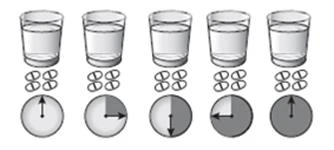
On the day of colonoscopy (starting 3–5 hours before the procedure), take 4 tablets, each followed by at least one glass (250 ml) of water (or another clear fluid), every 15 minutes, until a total of 12 tablets have been taken.
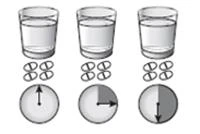
Coloclear must not be taken with food. On the day before colonoscopy, the patient may have a light, low-fibre breakfast (coffee or tea with or without sugar, toast, butter or a butter substitute, honey, fruit jam without fruit pieces) before 12:00. After 12:00, before taking Coloclear and during its administration, only clear fluids should be consumed, such as water, clear carbonated drinks (with or without bicarbonates), light broth, diluted fruit juice without pulp, black coffee or weak tea.
Coloclear may lead to dehydration. It is important to take the medicine with the amount of clear fluid specified above and to drink large amounts of clear fluids to replace fluids lost during bowel evacuation. However, drinking too much fluid may lead to overhydration (also known as water intoxication).
Subjective and objective symptoms of water intoxication may include: nausea and vomiting, headache, blurred vision, seizures, slowed breathing, changes in personality and behaviour (hallucinations, confusion or disorientation). Untreated overhydration may lead to low blood sodium levels (hyponatremia). This may cause more severe symptoms such as muscle weakness, muscle cramps, seizures and loss of consciousness. If any of these symptoms occur, do not drink more fluids and contact your doctor or pharmacist immediately.
Below is a table where you can mark the tablets taken, which will help ensure all tablets are taken at the correct times. Enter the date of treatment start and the time of each tablet intake. After swallowing each dose, mark the corresponding box. Before starting Coloclear, ensure you have a clock or watch nearby.
First dosing schedule
Start date Date Time Dose Mark
Dose 1. Time : 4 tablets
start
Dose 2. + 15 minutes : 4 tablets
Dose 3. + 30 minutes : 4 tablets
Dose 4. + 45 minutes : 4 tablets
Dose 5. + 1 hour : 4 tablets
Total: 20 tablets
Second dosing schedule
Start date Date Time Dose Mark
Dose 1. Time : 4 tablets
start
Dose 2. + 15 minutes : 4 tablets
Dose 3. + 30 minutes : 4 tablets
Total: 12 tablets
If the examination is scheduled for early morning hours, all tablets may be taken on the evening before the procedure. Tablet intake should begin at least 4 hours before bedtime. For example, if planning to go to bed at 23:00, the first dose should be taken at 18:30. Thus, at 18:30, take 4 tablets with 250 ml of water (or another clear fluid), repeating every 15 minutes until a total of 20 tablets have been taken. After completing Dose 5, wait 3 hours, then begin the second dosing schedule. In this example, the next 4 tablets should be taken at 22:30 with 250 ml of water (or another clear fluid), repeating every 15 minutes until a total of 12 tablets have been taken. The last dose will be taken at 23:00.
REMEMBER to stay close to a toilet during treatment with Coloclear, as frequent watery bowel movements are expected. The effect of the medicine usually occurs between 30 minutes and 6 hours after taking the tablets. If no bowel movement occurs within 6 hours, stop taking the medicine and contact your doctor immediately.
Taking more than the recommended dose of Coloclear
If more than the recommended dose of Coloclear has been taken, contact your doctor immediately.
Missed dose of Coloclear
Do not take a double dose next time, but take the next dose as soon as you remember, then continue taking tablets every 15 minutes until the treatment is completed.
Stopping treatment with Coloclear
Bowel movements may continue for several hours after the last dose of Coloclear.
If you have any further questions about the use of this medicine, consult your doctor or pharmacist.
4. Possible adverse reactions
Like any medicine, this medicine can cause adverse reactions, although not everyone will experience them.
Any medicine may cause allergic reactions; however, severe allergic reactions are rare. If any of the following symptoms occur after taking this medicine, contact a doctor immediately:
- skin rash or itching,
- feeling of tightness or swelling of the throat, lips, and face,
- tingling of the lips and tongue,
- seizure or loss of consciousness,
- irregular heartbeat, convulsions, or muscle spasms,
- difficulty breathing,
- chest pain.
A doctor should be consulted immediately if any of the following conditions occur:
- kidney failure and/or other kidney disorders (symptoms may include weight gain, swelling around the ankles, hands, or feet, presence of blood or protein in the urine, increased need to urinate, weakness, muscle cramps),
- changes in blood electrolyte levels (symptoms may include fatigue, thirst, nausea, tingling sensation, weakness, irregular heartbeat).
In addition, the following adverse reactions have been reported:
Very common: (may affect more than 1 in 10 people)
- bloating, abdominal pain, and nausea
- chills, fatigue
Common: (may affect up to 1 in 10 people)
- headache, dizziness, vomiting
- ulceration of the distal part of the intestine (in the anal area). Resolves after discontinuation of treatment.
- superficial gastric erosions causing mild pain or discomfort in this area. Resolves after discontinuation of treatment.
Uncommon: (may affect up to 1 in 100 people)
- dehydration
Rare: (may affect up to 1 in 1,000 people)
- decreased magnesium levels in blood
Very rare: (may affect up to 1 in 10,000 people)
- low blood pressure,
- kidney failure and/or other kidney disorders,
- electrolyte disturbances.
Reporting of adverse reactions
If any adverse reactions occur, including any adverse reactions not listed in this leaflet, inform a doctor or pharmacist. Adverse reactions can be reported directly to:
Department of Monitoring of Adverse Drug Reactions, Office for Registration of Medicinal Products, Medical Devices and Biocidal Products
Al. Jerozolimskie 181C
02-222 Warsaw
Tel.: +48 22 49 21 301
Fax: +48 22 49 21 309
Website: https://smz.ezdrowie.gov.pl
Reporting adverse reactions helps to provide more information on the safety of the medicine.
5. How to store the medicine Coloclear
Keep this medicine out of sight and reach of children.
Do not use this medicine after the expiry date stated on the bottle and packaging following the EXP symbol. The expiry date refers to the last day of the specified month.
Store in a tightly closed container to protect from moisture.
Medicines must not be disposed of via wastewater or household waste. Ask your pharmacist how to dispose of medicines you no longer use. This will help protect the environment.
6. Contents of the pack and other information
What Coloclear contains
The active substances in Coloclear are: 1102 mg of monosodium dihydrogen phosphate monohydrate and 398 mg of disodium phosphate anhydrous.
Other ingredients: macrogol 8000 and magnesium stearate.
What Coloclear looks like and contents of the pack
Coloclear is a round tablet, white or broken white in colour, with the imprint "SLX" on the left side and "102" on the right side of the break line. The reverse side of the tablet is unmarked.
Coloclear is available in bottles containing 32 tablets. The bottle contains all the tablets required for a complete dose. The bottle also contains two moisture-absorbing agents which must not be swallowed.
Marketing Authorisation Holder and Manufacturer
Laboratoires MAYOLY SPINDLER
6, Avenue de l’Europe – BP 51
78401 CHATOU CEDEX
FRANCE
Manufacturer
Laboratoires Galeniques Vernin
20, rue Louis-Charles Vernin
77190 Dammarie-les-Lys,
France
This medicinal product is authorised in the European Economic Area and the United Kingdom (Northern Ireland) under the following names:
| Belgium | Colowash |
| Ireland | Coloprep |
| Spain | Mayprep |
| Germany, Poland, Portugal, United Kingdom (Northern Ireland) | Coloclear |