Carboplatin pfizer
Poland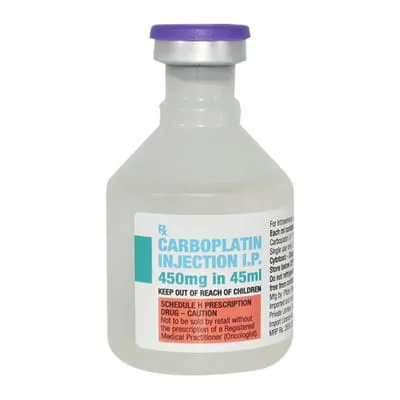
Table of Contents
- Package leaflet: Information for the patient
- 1. What Carboplatin Pfizer is and what it is used for
- 2. Important information before using Carboplatin Pfizer
- 3. How to use Carboplatin Pfizer
- 4. Possible adverse reactions
- 5. How to store Carboplatin Pfizer
- 6. Contents of the pack and other information
- Information intended exclusively for healthcare professionals:
Package leaflet: Information for the patient
Carboplatin Pfizer, 10 mg/ml, injection solution
Carboplatinum
Please read the entire leaflet carefully before using this medicine, as it contains
important information for the patient.
- Keep this leaflet so that you can read it again if necessary.
- If you have any questions, please consult your doctor or pharmacist.
- This medicine has been prescribed for a specific individual. Do not share it with others. This medicine may harm another person, even if their symptoms are the same.
- If you experience any adverse reactions, including any not listed in this leaflet, inform your doctor or pharmacist. See section 4.
Table of contents of the leaflet
- What Carboplatin Pfizer is and what it is used for
- Important information before using Carboplatin Pfizer
- How to use Carboplatin Pfizer
- Possible side effects
- How to store Carboplatin Pfizer
- Contents of the package and other information
1. What Carboplatin Pfizer is and what it is used for
Carboplatin Pfizer is a medicine with proven antineoplastic activity.
Carboplatin Pfizer is indicated for the treatment of:
- advanced ovarian cancer (including second-line treatment in patients previously treated with regimens containing cisplatin),
- small cell lung cancer.
2. Important information before using Carboplatin Pfizer
When not to use Carboplatin Pfizer
- if the patient is allergic to carboplatin or any of the other ingredients of this medicine (listed in section 6), or to other platinum-containing compounds,
- in patients with severe renal impairment diagnosed prior to starting therapy,
- in patients with severe myelosuppression (reduction in bone marrow cells),
- during concomitant administration with yellow fever vaccine,
- in patients with clinically significant bleeding,
- in women during pregnancy and breastfeeding.
Warnings and precautions
Treatment with Carboplatin Pfizer should be carried out in specialized centers equipped appropriately for the treatment and prevention of potential complications. The medicine should be administered only under the continuous supervision of physicians experienced in chemotherapy, and only when the expected benefits of treatment outweigh the risks.
- Leukopenia (reduced white blood cell count), neutropenia (reduced neutrophil count), and thrombocytopenia (reduced platelet count) may occur during treatment. Your doctor will order regular blood counts. Usually, subsequent treatment cycles should not be repeated until white blood cell, neutrophil, and platelet counts have returned to normal values. Treatment should not be repeated earlier than
4 weeks after the previous treatment cycle and (or) until the neutrophil count is at least
2,000 cells/mm³ and the platelet count is at least 100,000 cells/mm³.
- Anemia is common. The myelosuppressive effect of the drug is more pronounced in patients previously treated with chemotherapy (especially cisplatin) and (or) those with impaired renal function.
- During treatment with carboplatin, medications may be given to help reduce the risk of a potentially life-threatening complication known as tumor lysis syndrome, caused by biochemical disturbances in the blood due to the breakdown of dying cancer cells releasing their contents into the bloodstream.
- Carboplatin is primarily excreted in urine. Patients receiving Carboplatin Pfizer should have their kidney function monitored. Although the drug may have a toxic effect on the kidneys, dose reduction is usually not required. In contrast to cisplatin therapy, hydration before and after treatment is not routinely required; however, some patients may experience a decrease in creatinine clearance.
- Renal function disturbances after administration of Carboplatin Pfizer occur more frequently in patients with pre-existing kidney damage due to prior chemotherapy. In patients with impaired renal function, the drug's effect on the hematopoietic system is more pronounced and prolonged compared to patients with normal renal function.
- During and after completion of treatment with Carboplatin Pfizer, your doctor may recommend regular neurological examinations, especially in patients previously treated with cisplatin and in patients over 65 years of age. Administration of Carboplatin Pfizer at doses higher than recommended in patients with impaired renal function may rarely lead to visual disturbances, including complete loss of vision. Usually, vision fully recovers or recovers significantly within several weeks after discontinuation of the drug.
- Hearing disturbances have been reported during treatment with Carboplatin Pfizer. Significant hearing loss may require dose modification or discontinuation of the drug. Your doctor will order hearing tests before starting treatment, during treatment, or if hearing deterioration occurs.
- Animal studies have shown that Carboplatin Pfizer causes changes in genetic material structure and has teratogenic effects (causing fetal developmental abnormalities). Carcinogenic effects of carboplatin have not been confirmed; however, compounds with a similar mechanism of action to carboplatin have demonstrated such effects.
- Allergic reactions to Carboplatin Pfizer have been reported, requiring discontinuation of the drug and administration of appropriate symptomatic treatment.
- Carboplatin Pfizer may cause vomiting. The frequency and severity of vomiting can be reduced by using antiemetic drugs, or by administering Carboplatin Pfizer as a continuous intravenous infusion over 24 hours, or by giving the drug intravenously in divided doses over 5 consecutive days instead of a single intravenous infusion.
- If the patient experiences headache, altered consciousness, seizures, or visual disturbances (from blurred vision to loss of vision), they should inform their doctor immediately.
- If the patient develops severe fatigue with reduced red blood cell count and shortness of breath (hemolytic anemia), which may be associated with low platelet count, abnormal bruising (thrombocytopenia), and kidney disease with very low or no urine output (symptoms of hemolytic-uremic syndrome), they should inform their doctor immediately.
- If the patient develops fever (temperature ≥38°C) or chills, which may be signs of infection, they should inform their doctor immediately. The patient is at risk of developing bloodstream infection.
- In elderly patients, reduced kidney function is common; therefore, the doctor will take this into account when determining the dose.
- During treatment with Carboplatin Pfizer, live vaccines should not be administered. Vaccines containing killed or inactivated microorganisms may be given; however, the immune response to them may be reduced.
Carboplatin Pfizer and other medicines
Inform your doctor about all medicines the patient is currently taking or has recently taken, as well as any medicines the patient plans to take.
Concomitant use of Carboplatin Pfizer with other drugs that suppress bone marrow function may necessitate dose adjustments to minimize cumulative toxic effects.
If oral anticoagulants are used together with anticancer drugs, the doctor will order frequent monitoring of the INR value.
Inform the doctor if the patient is taking any of the following medicines:
- yellow fever vaccine
- live attenuated vaccines
- phenytoin, fosphenytoin (used to treat seizures)
- cyclosporine, tacrolimus, sirolimus
- aminoglycoside antibiotics, e.g., streptomycin, gentamicin, neomycin, kanamycin (used to treat infections)
- loop diuretics, e.g., furosemide.
Pregnancy, breastfeeding, and effects on fertility
If the patient is pregnant or breastfeeding, suspects she may be pregnant, or is planning to have a child, she should consult her doctor or nurse before using this medicine.
Pregnancy
Carboplatin Pfizer must not be used in pregnant women due to the risk of fetal harm.
Use of this medicine during pregnancy or if pregnancy occurs during treatment may pose risks to the fetus.
Women of childbearing potential
Women of childbearing potential should always use an effective method of contraception during treatment with Carboplatin Pfizer and for at least seven months after the last dose.
Contraception in men
Men should always use an effective method of contraception during treatment and for at least four months after completion of treatment. Men should also seek advice regarding sperm banking before starting therapy due to the possibility of irreversible infertility.
Discuss with your doctor appropriate contraceptive methods suitable for the patient/patient's partner.
Breastfeeding
Breastfeeding must be avoided during treatment with Carboplatin Pfizer and for at least one month after the last dose.
Fertility
Carboplatin Pfizer may affect fertility in both men and women. Before starting treatment, both men and women should seek advice regarding fertility preservation options.
Female patients receiving anticancer treatment may experience amenorrhea (absence of menstruation), and male patients may develop azoospermia (absence of sperm in semen).
Driving and operating machinery
There are no available data on the effect of Carboplatin Pfizer on the ability to drive and operate machinery. However, this medicine may cause nausea, vomiting, visual disturbances, and ototoxicity, which may affect the ability to drive and operate machinery.
3. How to use Carboplatin Pfizer
This medicine should always be used exactly as directed by the doctor. If in doubt, consult the doctor or pharmacist.
Carboplatin Pfizer may be administered as monotherapy (as the sole medicinal agent) or in combination with other antineoplastic agents. This medicine is intended for intravenous use only.
The recommended dose in previously untreated adult patients with normal renal function is 400 mg/m² administered as a single intravenous infusion lasting from 15 to 60 minutes. Subsequent treatment cycles should be administered four weeks after the previous cycle and (or) until the neutrophil count is at least 2,000 cells/mm³ and the platelet count is at least 100,000 cells/mm³.
In patients with risk factors such as prior myelotoxic therapy, radiotherapy, advanced age, or poor performance status, the physician may recommend reducing the initial dose by 20–25%.
Dosing should be adjusted based on weekly blood test results, which allow determination of the time of maximal myelosuppression (reduction in bone marrow cells).
Patients with renal impairment
Since Carboplatin Pfizer is eliminated via the kidneys and may have harmful effects on renal function, optimal dosing should be determined based on frequent monitoring of hematological parameters and renal function. Recommended dosing in patients with impaired renal function depends on creatinine clearance and should be calculated using the Calvert formula.
Patients with bone marrow impairment
To adjust the dose of the medicine, it is recommended to monitor the nadir hematological parameters during carboplatin treatment. In patients who experience moderate or severe hematological toxicity (i.e., platelet count and neutrophil count fall below 50,000/mm³ and 500/mm³, respectively), the physician may consider reducing the dose by 25% or discontinuing treatment.
Combination therapy
Carboplatin Pfizer may be used in combination with other antineoplastic agents, with dosing depending on the chosen treatment regimen. The physician determines the dose based on the treatment protocol and blood laboratory test results.
Elderly patients
In patients aged over 65 years, the physician will adjust the dose of Carboplatin Pfizer according to the patient's overall condition.
Children and adolescents
There is insufficient data available to recommend dosing in children and adolescents.
Use of a higher than recommended dose of Carboplatin Pfizer
This medicine is administered under strict medical supervision, so overdose is unlikely. However, if an overdose is suspected, consult a doctor or nurse immediately. Expected complications following overdose include bone marrow suppression and disturbances in liver, kidney, and hearing function. Administration of Carboplatin Pfizer at doses higher than recommended has been associated with loss of vision.
Missed dose of Carboplatin Pfizer
Since the medicine is administered under strict medical supervision, missing a dose is unlikely. However, if a dose is missed, always inform the doctor or nurse.
Discontinuation of Carboplatin Pfizer treatment
The decision to discontinue treatment lies with the doctor. Do not stop treatment without consulting the doctor.
If you have any further questions about the use of this medicine, consult your doctor, pharmacist, or nurse.
4. Possible adverse reactions
Like all medicines, this medicine can cause adverse reactions, although not everyone will experience them.
If any of the following adverse reactions occur, contact your doctor immediately:
- unusual bruising, bleeding, or signs of infection such as sore throat and high fever;
- severe allergic reaction – sudden itchy rash (urticaria), redness of the skin (erythema), swelling of the hands, feet, ankles, face, lips, mouth or throat (which may cause difficulty in swallowing or breathing). A feeling of faintness and chest pain may also occur, which could be symptoms of a potentially serious allergic reaction called Kounis syndrome;
- mucositis/oral inflammation (e.g. ulceration of the lips or inside the mouth).
These are serious adverse reactions and may require urgent medical attention.
Adverse reactions include:
Very common (may affect more than 1 in 10 people):
- thrombocytopenia (reduced number of platelets in the blood)
- neutropenia (reduced number of granulocytes in the blood)
- leukopenia (reduced number of white blood cells in the blood)
- anemia
- subclinical reduction in hearing acuity at high frequencies (4000–8000 Hz)
- vomiting
- nausea
- abdominal pain and cramps
- pain
- decreased creatinine clearance
- increased blood urea concentration
- increased blood alkaline phosphatase activity
- increased blood aspartate aminotransferase activity
- abnormal liver function test results
- decreased blood sodium concentration
- decreased blood potassium concentration
- decreased blood calcium concentration
- decreased blood magnesium concentration.
Common (may affect up to 1 in 10 people):
- infections (leading to death in <1% of cases)
- hemorrhage (leading to death in <1% of cases)
- hypersensitivity
- pseudoanaphylactic reactions
- peripheral neuropathy (inflammation of peripheral nerves)
- paresthesia (sensory disturbances)
- diminished tendon reflexes
- sensory disturbances
- taste disturbances
- visual disturbances
- rare cases of vision loss
- tinnitus
- hearing loss
- cardiovascular disorders (leading to death in <1% of cases)
- respiratory disorders
- interstitial lung disease
- bronchospasm
- diarrhea
- constipation
- mucositis
- esophagitis
- hepatic function disorders
- alopecia
- skin disorders
- musculoskeletal disorders
- muscle and joint pain
- urogenital disorders
- asthenia (weakness)
- fever
- chills
- increased blood bilirubin concentration
- increased blood creatinine concentration
- increased blood uric acid concentration.
Uncommon (may affect up to 1 in 100 people):
- transient vision loss
- injection site reactions (redness, swelling, and pain)
- flu-like syndrome.
Very rare (may affect up to 1 in 10,000 people):
- sepsis (severe systemic response to infection)
- cortical blindness (impaired ability to recognize objects due to damage to the visual cortex)
- cardiac arrhythmias
- acute renal failure.
Frequency not known (cannot be estimated from available data):
- pneumonia
- secondary malignancies related to treatment
- bone marrow suppression
- febrile neutropenia
- hemolytic-uremic syndrome
- hemolytic anemia (sometimes fatal)
- dehydration
- anorexia
- hyponatremia (reduced blood sodium concentration)
- muscle cramps, muscle weakness, confusion, vision loss or visual disturbances, irregular heartbeat, renal failure, or abnormal blood test results (symptoms of tumor lysis syndrome, which may result from rapid breakdown of tumor cells) (see section 2)
- stroke (leading to death in <1% of cases)
- syndrome including headache, altered consciousness, seizures, and visual disturbances ranging from blurred vision to vision loss (symptoms of a rare neurological disorder – reversible posterior leukoencephalopathy syndrome)
- heart failure (leading to death in <1% of cases)
- ischemic cardiac disorders (e.g. myocardial infarction, cardiac arrest, angina pectoris, myocardial ischemia)
- chest pain, which may be a symptom of potentially severe allergic coronary vasospasm causing angina or myocardial infarction (Kounis syndrome)
- embolism (leading to death in <1% of cases)
- arterial hypertension
- hypotension
- oral mucositis
- pancreatitis
- urticaria
- rash
- erythema
- pruritus
- necrosis at injection site
- reaction at injection site
- extravasation at injection site
- erythema at injection site
- malaise.
Reporting of adverse reactions
If any adverse reactions occur, including any not listed in this leaflet, inform your doctor, pharmacist, or nurse. Adverse reactions can be reported directly to the Department of Monitoring Adverse Drug Reactions of the Office for Registration of Medicinal Products, Medical Devices and Biocidal Products
Al. Jerozolimskie 181C
02-222 Warsaw
Phone: +48 22 49 21 301
Fax: +48 22 49 21 309
Website: https://smz.ezdrowie.gov.pl
Adverse reactions can also be reported to the marketing authorization holder or its representative.
Reporting adverse reactions helps provide more information on the safety of this medicine.
5. How to store Carboplatin Pfizer
Keep this medicine out of the sight and reach of children.
Do not use this medicine after the expiry date stated on the packaging after: EXP.
The expiry date refers to the last day of the stated month.
Store below 25°C and protect from light.
Medicines should not be disposed of via wastewater or household waste. Ask your pharmacist how to dispose of medicines no longer in use. This will help protect the environment.
6. Contents of the pack and other information
What Carboplatin Pfizer contains
- The active substance is carboplatin. 1 ml of solution contains 10 mg of carboplatin (Carboplatinum). One 5 ml vial contains 50 mg of carboplatin. One 15 ml vial contains 150 mg of carboplatin. One 45 ml vial contains 450 mg of carboplatin.
- The other ingredient is: water for injections.
What Carboplatin Pfizer looks like and contents of the pack
Carboplatin Pfizer is a clear, colourless or pale yellow solution free from visible particles.
Packaging:
Type I glass vials, closed with a chlorobutyl rubber stopper and aluminium flip-off cap,
packaged in a cardboard box.
Pack contents: 1 vial containing 5 ml, 15 ml, or 45 ml of solution.
Marketing Authorisation Holder:
Pfizer Europe MA EEIG, Boulevard de la Plaine 17, 1050 Bruxelles, Belgium
Importer:
Pfizer Service Company BV, Hoge Wei 10, 1930 Zaventem, Belgium
For further information, contact the representative of the Marketing Authorisation Holder:
Pfizer Polska Sp. z o.o.
tel. 22 335 61 00
Information intended exclusively for healthcare professionals:
Method of administration
After dilution, the medicinal product may be stored for up to 8 hours at a temperature below 25°C
or for up to 24 hours in a refrigerator.
Special precautions for prolonged intravenous infusion
Carboplatin Pfizer diluted in 0.9% sodium chloride solution and stored at 25°C undergoes approximately 5% degradation over 24 hours compared to the initial concentration.
Furthermore, 0.9% sodium chloride solutions are considered unsuitable for carboplatin infusion, not only due to loss of active substance but also due to the potential conversion into cisplatin, which may increase toxicity.
Therefore, it is recommended not to dilute carboplatin in 0.9% sodium chloride solution for prolonged intravenous infusion.
Carboplatin Pfizer is a cytotoxic agent; appropriate safety measures should therefore be observed during handling and administration.
Carboplatin Pfizer 10 mg/ml injection solution may be diluted immediately before administration in water for injections, 0.9% sodium chloride solution, or 5% glucose solution to prepare a final solution for short-term intravenous infusion with concentrations as low as 0.5 mg/ml. To minimize the risk of microbiological contamination, further dilution should be performed immediately before use, and the infusion should be started as soon as possible after preparation. The infusion should be completed within 24 hours of solution preparation, and any remaining solution must be discarded.
As with all antineoplastic agents, Carboplatin Pfizer should be prepared for administration only by trained personnel in a designated area (preferably within a biological safety cabinet with laminar airflow, specifically designed for handling cytotoxic drugs).
Personnel should wear protective gloves. In case of contact with skin or mucous membranes, the affected area should be immediately rinsed thoroughly with large amounts of soap and water.
Pregnant healthcare workers should avoid any contact with cytotoxic agents such as carboplatin.
Use of syringes with Luer-Lock connectors is recommended. Large-bore needles are preferred to minimize pressure differences and prevent gas bubble formation.
All equipment used in the preparation of Carboplatin Pfizer solutions or in handling human excreta should be disposed of in polyethylene bags with double closure and incinerated at 1100°C.
Carboplatin Pfizer reacts with aluminium, resulting in the formation of a black precipitate. Therefore, needles, syringes, cannulae, and other components of intravenous infusion sets containing aluminium must not be used for administering carboplatin.
Procedure in case of accidental spillage
In the event of a spill, access to the affected area must be restricted. Personnel should wear two pairs of gloves (latex), respiratory masks, protective gowns, and safety goggles. Spread of the spilled liquid should be contained using absorbent material such as paper, sawdust, or absorbent granules (e.g. animal bedding). Alternatively, 3-molar sulfuric acid, 0.3-molar potassium permanganate (2:1), or 5% sodium hypochlorite may be used. The used absorbent material and all other contaminated waste should be collected, placed in plastic containers, tightly sealed, and properly labeled.
Waste containing cytotoxic agents is classified as hazardous or toxic and must be clearly labeled with the following statement: “WASTE CONTAINS CYTOSTATIC AGENTS. INCINERATE AT 1100°C”. Such waste must be incinerated at 1100°C for at least one second. The contaminated area should be cleaned thoroughly using large amounts of water.