Benalapril 5
Poland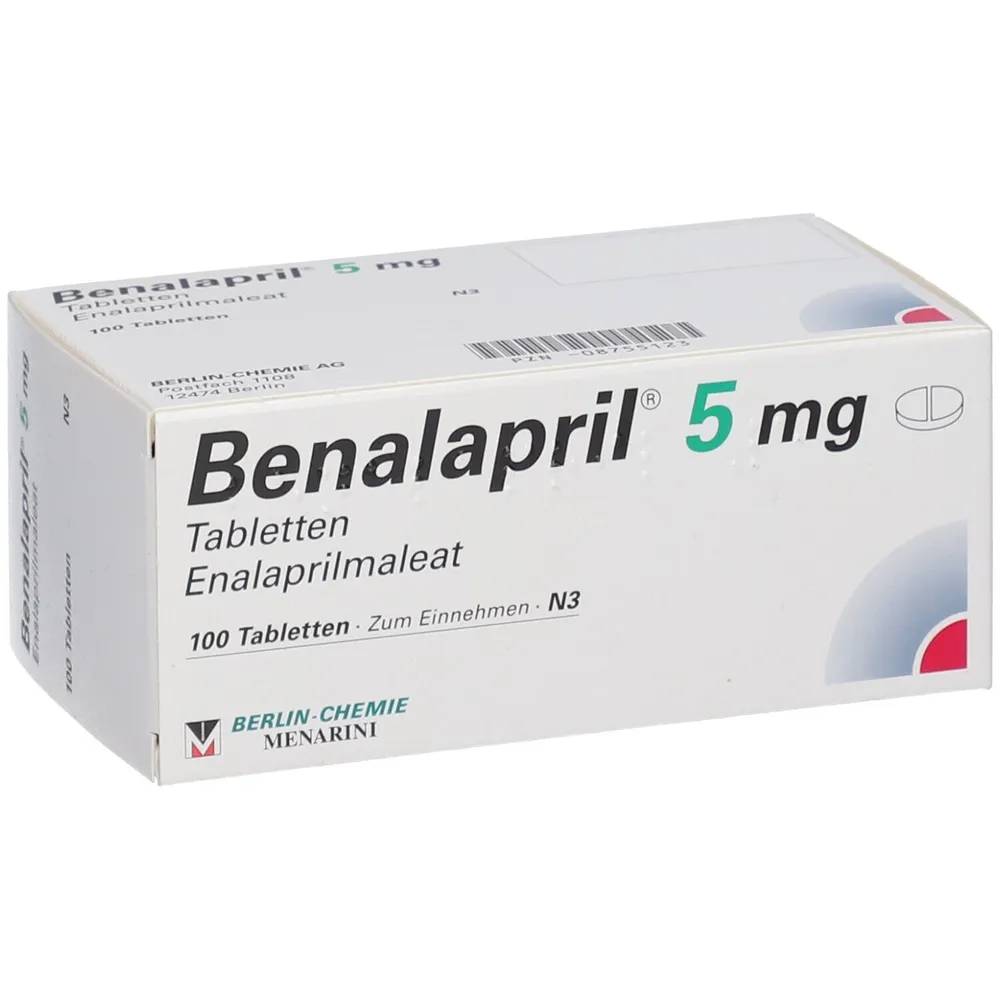
Table of Contents
Package leaflet: Information for the patient
Benalapril 5, 5 mg, tablets
Enalapril maleate
Please read the entire leaflet carefully before using the medicine, as it contains
important information for the patient.
- Keep this leaflet, as you may need to read it again.
- If you have any questions, please consult your doctor or pharmacist.
- This medicine has been prescribed for a specific individual. Do not pass it on to others. This medicine may harm others, even if their symptoms are the same as yours.
- If you experience any adverse reactions, including any not listed in this leaflet, inform your doctor or pharmacist. See section 4.
Table of contents
- What Benalapril 5 is and what it is used for
- Important information before taking Benalapril 5
- How to take Benalapril 5
- Possible side effects
- How to store Benalapril 5
- Contents of the pack and other information
1. What Benalapril 5 is and what it is used for
Benalapril 5 contains the active substance enalapril maleate. It belongs to a group of medicines called ACE inhibitors (angiotensin-converting enzyme inhibitors).
Benalapril 5 is used:
- for the treatment of high blood pressure (hypertension);
- for the treatment of heart failure (weakened heart function). The medicine may reduce the need for hospitalization and may prolong life in some patients;
- to prevent symptoms of heart failure. These symptoms include: shortness of breath, feeling tired after only a small amount of physical activity, such as walking, or swelling around the ankles and feet.
This medicine works by widening the patient's blood vessels. This leads to a reduction in blood pressure. The effect of the medicine usually begins within one hour after taking it and lasts for at least 24 hours. In some patients, the desired blood pressure control is achieved after several weeks of treatment.
2. Important information before using Benalapril 5
When not to use Benalapril 5
if the patient is allergic to enalapril maleate or any of the other ingredients
of this medicine (listed in section 6);
if the patient has ever had an allergic reaction to medicines similar to this one,
called ACE inhibitors;
if the patient has ever experienced swelling of the face, lips, mouth, tongue or throat,
making swallowing or breathing difficult (angioedema), due to unknown causes or
hereditary angioedema;
if the patient has diabetes or kidney problems and is being treated with a blood pressure-lowering
medicine containing aliskiren;
after the third month of pregnancy (it is also best to avoid using Benalapril 5 in early
pregnancy – see Pregnancy section);
if the patient has taken or is currently taking sacubitril with valsartan, a medicine used to treat
a certain type of chronic (long-term) heart failure in adults, because the risk of angioedema (rapid swelling of tissues under the skin, such as in the throat) increases.
Do not take this medicine if any of the above conditions apply to the patient. If in doubt, discuss this with a doctor or pharmacist before using this medicine.
Warnings and precautions
Before starting Benalapril 5, discuss it with your doctor or pharmacist.
Tell your doctor
- if you have heart disease
- if you have blood vessel disorders in the brain
- if you have blood disorders such as low or absent white blood cells (neutropenia/agranulocytosis), low platelet count (thrombocytopenia), or reduced red blood cells (anaemia)
- if you have liver disease
- if you have kidney disease (including post-kidney transplant status). These may lead to a significant increase in serum potassium levels. Your doctor may adjust the dose of Benalapril 5 or monitor serum potassium levels.
- if you are undergoing dialysis
- if you have recently had severe vomiting or diarrhoea
- if you are on a low-salt diet, taking potassium supplements, potassium-sparing medicines, or potassium-containing salt substitutes
- if you are over 70 years of age
- if you have diabetes. Blood glucose levels should be monitored, as they may decrease, especially during the first month of treatment. Serum potassium levels may increase. Concurrent use of Benalapril 5 with glucose-lowering medicines containing metformin may increase the risk of lactic acidosis (possibly due to impaired kidney function). Therefore, metformin should be used cautiously in high-risk patients, and kidney function must be closely monitored.
- if you develop a persistent, dry cough
- if you have ever had an allergic reaction causing swelling of the face, lips, tongue or throat that made swallowing or breathing difficult. Be aware that black patients have an increased risk of this type of reaction to ACE inhibitors.
- if you have low blood pressure (which may cause fainting or dizziness, especially when standing)
- if you have collagen diseases (e.g. systemic lupus erythematosus, rheumatoid arthritis, scleroderma), are undergoing immunosuppressive therapy, are taking medicines containing allopurinol (used in gout), propranolol (used for heart rhythm disorders), or lithium (used in certain types of depression), or if you have several of these risk factors simultaneously
- if you are taking any of the following medicines, the risk of angioedema may increase:
- Racecadotril, a medicine used to treat diarrhoea
- Medicines used to prevent organ transplant rejection and to treat cancer (e.g. temsirolimus, sirolimus, everolimus)
- Vildagliptin, a medicine used to treat diabetes
- Alteplase (a medicine used to dissolve blood clots)
- if you are taking any of the following medicines used to treat high blood pressure:
- An angiotensin II receptor antagonist (AIIRA), also known as a sartan – for example, valsartan, telmisartan, irbesartan, especially if the patient has kidney problems related to diabetes.
- Aliskiren.
Your doctor may recommend regular monitoring of kidney function, blood pressure, and blood electrolyte levels (e.g. potassium).
See also the section "When not to use Benalapril 5".
Inform your doctor if you are pregnant, suspect you may be pregnant, or are planning pregnancy. Use of this medicine is not recommended during early pregnancy and must not be used after the third month of pregnancy, as it may seriously harm the unborn child (see Pregnancy section).
Be aware that this medicine is less effective in lowering blood pressure in black patients than in patients of other races.
If in doubt whether any of the above conditions apply to you, consult your doctor or pharmacist before starting Benalapril 5.
Planned procedures
If any of the following procedures are planned, inform your doctor that you are taking Benalapril 5:
- any surgical procedure or administration of general anaesthesia (including during dental procedures),
- treatment involving removal of cholesterol from the blood, known as LDL apheresis,
- desensitisation treatment to reduce allergic reactions to bee or wasp stings. If any of the above apply, inform your doctor or dentist before the procedure.
Children and adolescents
There is limited data on the use of enalapril maleate in children with high blood pressure. There is no data on the use of enalapril in children for other indications. Data on efficacy and tolerability of enalapril are available only for treatment of children over 6 years of age with hypertension. Therefore, Benalapril 5 is recommended for use in children only for the treatment of hypertension.
Benalapril 5 should not be given to newborns, children, or adolescents with kidney disease.
Benalapril 5 and other medicines
Tell your doctor or pharmacist about all medicines you are currently taking, have recently taken, or plan to take. Benalapril 5 may affect the action of other medicines, and other medicines may affect the action of Benalapril 5.
Your doctor may need to adjust the dose and/or take other precautions.
In particular, inform your doctor or pharmacist if you are taking:
- sacubitril with valsartan, a medicine used to treat a certain type of chronic (long-term) heart failure in adults, which must not be used together with Benalapril 5 (see section "When not to use Benalapril 5")
- racecadotril, a medicine used to treat diarrhoea
- medicines used to prevent organ transplant rejection and to treat cancer (e.g. temsirolimus, sirolimus, everolimus and other mTOR inhibitors). See section "Warnings and precautions"
- potassium supplements (including salt substitutes), potassium-sparing diuretics (e.g. spironolactone, eplerenone, triamterene or amiloride), and other medicines that increase blood potassium levels (e.g. trimethoprim and co-trimoxazole, used for bacterial infections; cyclosporine, an immunosuppressive medicine used to prevent organ transplant rejection; and heparin, a medicine used to thin the blood to prevent clots)
- vildagliptin, a medicine used to treat diabetes
- medicines used to dissolve blood clots (thrombolytics). See section "Warnings and precautions"
- other blood pressure-lowering medicines such as beta-blockers or other medicines that increase urine output (diuretics). If you are taking angiotensin II receptor antagonists (AIIRAs) or aliskiren, see also sections "When not to use Benalapril 5" and "Warnings and precautions".
- nitroglycerin and other nitrates (medicines used to treat chest pain or tightness, known as angina)
- antidiabetic medicines, including oral antidiabetic medicines such as metformin (see section "Warnings and precautions") and insulin
- lithium (a medicine used to treat a certain type of depression)
- antidepressants known as tricyclic antidepressants
- medicines used for mental disorders, known as antipsychotics
- some cough and cold medicines and weight-loss medicines containing substances called sympathomimetics
- some painkillers and medicines used for joint inflammation, including gold salts
- non-steroidal anti-inflammatory drugs, including COX-2 inhibitors (medicines that reduce inflammation and are used to relieve pain)
- aspirin (acetylsalicylic acid)
- alcohol
If in doubt whether any of the above conditions apply to you, discuss this with your doctor or pharmacist before starting Benalapril 5.
Benalapril 5 with food, drink and alcohol
Benalapril 5 can be taken with or without food. Most people take Benalapril 5 with water.
Alcohol enhances the antihypertensive effect of ACE inhibitors.
Pregnancy and breastfeeding
If you are pregnant or breastfeeding, suspect you may be pregnant, or are planning to have a child, you should consult your doctor or pharmacist before using this medicine.
Pregnancy
Inform your doctor if you suspect (or are planning) pregnancy. Your doctor will usually advise stopping Benalapril 5 before planned pregnancy or immediately after pregnancy is confirmed, and will recommend another medicine instead of Benalapril 5. Use of this medicine is not recommended during early pregnancy and must not be used after the third month of pregnancy, as it may seriously harm the unborn child.
Breastfeeding
Inform your doctor if you are breastfeeding or plan to breastfeed. Breastfeeding is not recommended for newborns (first few weeks after birth), especially premature infants, while taking this medicine. For older infants, your doctor will advise on the benefits and risks of using Benalapril 5 during breastfeeding compared to other treatment options.
Driving and operating machinery
While taking this medicine, dizziness or drowsiness may occur. In such cases, do not drive, use tools or operate machinery.
Benalapril 5 contains lactose
Benalapril 5 contains lactose, a type of sugar. If you have been previously diagnosed with intolerance to certain sugars, consult your doctor before taking this medicine.
Benalapril 5 contains sodium
The medicine contains less than 1 mmol (23 mg) of sodium per tablet, meaning the medicine is considered "sodium-free".
3. How to take Benalapril 5
This medicine should always be taken as directed by your doctor or pharmacist. If you have any doubts,
you should consult your doctor or pharmacist.
- It is very important to continue taking this medicine for as long as your doctor recommends.
- Do not take more tablets than prescribed.
The tablet should be swallowed whole (do not chew or crush), with an adequate amount of liquid
(e.g. a glass of water). Benalapril 5 may be taken with or without food. The daily dose is usually taken in the morning; however, if necessary, it may be divided and taken in the morning and evening.
Dividing the tablet
- The tablet may be divided into two equal doses. Place the tablet on a flat, hard surface with the break line facing upwards. Then break the tablet along the break line as shown in the illustrations (1 and 2) by pressing down on both sides of the tablet with two index fingers.
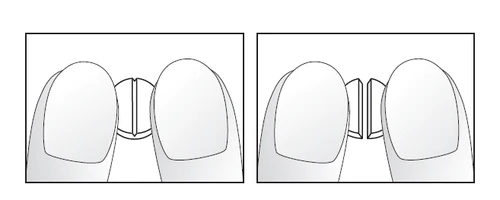
Fig. 1 and 2: Dividing Benalapril 5 tablets
Hypertension
- The usual initial dose ranges from 5 mg of enalapril maleate to 20 mg of enalapril maleate once daily.
- Some patients may require a lower initial dose.
- The usual maintenance dose is 20 mg of enalapril maleate once daily.
- The maximum maintenance dose is 40 mg of enalapril maleate once daily.
Heart failure
- The usual initial dose is 2.5 mg of enalapril maleate once daily.
- Your doctor will gradually increase the dose until the optimal dose for you is reached.
- The usual maintenance dose is 20 mg of enalapril maleate per day, given as a single dose or divided into two doses.
- The maximum maintenance dose is 40 mg of enalapril maleate per day, given in two divided doses.
Patients with renal impairment
The dose will be adjusted depending on the patient's kidney function:
- moderate renal impairment - 5 mg to 10 mg of enalapril maleate per day
- severe renal impairment - 2.5 mg of enalapril maleate per day
- in patients undergoing dialysis - 2.5 mg of enalapril maleate per day on dialysis days. Dosing on non-dialysis days should be adjusted according to blood pressure values.
Elderly patients
Your doctor will determine the appropriate dose based on kidney function.
Use in children and adolescents
Experience with the use of Benalapril 5 in children with high blood pressure is limited. If a child is able to swallow the tablet, the doctor will adjust the dose based on the child's body weight and blood pressure.
The usual initial dose is:
- body weight from 20 kg to 50 kg - 2.5 mg of enalapril maleate per day.
- body weight above 50 kg - 5 mg of enalapril maleate per day.
The dose may be adjusted according to the child's needs:
- maximum dose for children with body weight from 20 kg to 50 kg is 20 mg of enalapril maleate per day.
- maximum dose for children with body weight above 50 kg is 40 mg of enalapril maleate per day.
The use of this medicine is not recommended in neonates (during the first weeks after birth) or in
children with renal impairment.
Taking more than the recommended dose of Benalapril 5
If you take more than the recommended dose of Benalapril 5, contact your doctor immediately or go to the nearest hospital. Take the medicine packaging with you.
The following symptoms may occur: dizziness or lightheadedness caused by sudden or excessive lowering of blood pressure.
Missed dose of Benalapril 5
- If you forget to take a dose, skip that dose.
- Take the next dose as scheduled.
- Do not take a double dose to make up for a missed dose. Stopping Benalapril 5 Do not stop taking this medicine without first consulting your doctor. If you have any further doubts about using this medicine, consult your doctor or pharmacist.
4. Possible adverse effects
Like all medicines, this medicine can cause adverse effects, although not everyone will experience them.
The following adverse effects may occur after using this medicine:
Treatment with Benalapril 5 must be discontinued and immediate medical advice sought if
the patient notices any of the following symptoms:
- swelling of the face, lips, tongue or throat, causing difficulty in breathing or swallowing
- swelling of the hands, feet or around the ankles
- raised, red skin rash (urticaria).
It should be noted that black patients are more likely to experience such reactions.
If any of the above symptoms occur, treatment with Benalapril 5 must be stopped immediately and medical advice sought without delay.
At the beginning of treatment, fainting or dizziness may occur. In such cases, lying down may be helpful. These symptoms are caused by a drop in blood pressure and should gradually subside as treatment continues. In case of any doubts, consult your doctor.
Other adverse effects include:
Very common (may affect at least 1 in 10 people)
- dizziness, feeling weak or nauseous
- blurred vision
- cough
Common (may affect less than 1 in 10 people)
- low blood pressure, heart rhythm disturbances, rapid heartbeat, angina or chest pain
- headache, fainting
- taste disturbances, shortness of breath
- diarrhoea or abdominal pain, rash
- fatigue (tiredness), depression
- allergic reactions with swelling of limbs, face, lips, tongue or throat, causing difficulty in swallowing or breathing
- increased blood potassium levels, increased blood creatinine levels (detected in blood tests)
Uncommon (may affect less than 1 in 100 people)
- sudden drop in blood pressure when changing from lying to standing position (orthostatic hypotension)
- rapid or irregular heartbeat (palpitations)
- heart attack (possibly due to excessive lowering of blood pressure in certain high-risk patients, including those with impaired blood flow to the heart or brain)
- anaemia (including aplastic or haemolytic)
- stroke (possibly due to excessive lowering of blood pressure in high-risk patients)
- confusion, insomnia or excessive drowsiness, nervousness
- skin tingling or numbness
- labyrinthine dizziness
- ringing in the ears (tinnitus)
- nasal congestion, sore throat or hoarseness
- spasmodic narrowing of the bronchi (bronchospasm)/ asthma
- slow intestinal peristalsis (including intestinal obstruction), pancreatitis
- vomiting, indigestion, constipation, loss of appetite (anorexia), stomach irritation, dryness of the oral mucosa, gastric ulceration (peptic ulcer)
- increased sweating
- kidney function disorders, kidney failure
- itching or urticaria
- hair loss
- muscle cramps, sudden flushing (especially of the face), general malaise, high temperature (fever), impotence
- increased protein in urine (detected in urine test)
- decreased blood glucose and sodium levels, increased blood urea levels (detected in blood tests)
Rare (may affect less than 1 in 1000 people)
- Raynaud's phenomenon, in which hands and feet may become very cold and pale due to reduced blood flow
- blood count changes such as reduced numbers of white and red blood cells, reduced haemoglobin concentration, reduced haematocrit value, reduced platelet count
- bone marrow suppression, swelling of lymph nodes
- autoimmune diseases
- unusual dreams or sleep disturbances
- abnormalities in lung tissue (lung infiltrates)
- inflammation of the nasal mucosa
- lung inflammation causing breathing difficulties (allergic alveolitis/ eosinophilic pneumonia)
- inflammation of cheeks, gums, tongue, lips, throat
- reduced urine output
- skin rash resembling target-like lesions (erythema multiforme)
- Stevens-Johnson syndrome and toxic epidermal necrolysis, severe skin disease with redness and skin peeling, formation of blisters or painful erosions, or separation of the outer skin layer from deeper layers, exfoliative dermatitis/ erythrodermia (severe skin rash with peeling or flaking of the skin), bullous eruption (small fluid-filled blisters on the skin)
- liver disorders, such as impaired liver function, liver failure, hepatitis, jaundice (yellowing of the skin or eyes), elevated liver enzymes or bilirubin levels (detected in blood tests)
- breast enlargement in men
Very rare (may affect less than 1 in 10,000 people)
- intestinal angioedema (intestinal swelling)
Frequency not known (cannot be estimated from available data)
- syndrome of inappropriate antidiuretic hormone secretion (SIADH), resulting in low blood sodium levels (symptoms such as fatigue, headache, nausea, vomiting).
- a syndrome of symptoms which may be accompanied by one or more of the following adverse effects: fever, serositis, vasculitis, muscle and joint pain/ myalgia and arthritis, and changes in certain laboratory test results (positive antinuclear antibody titre - ANA, elevated ESR, eosinophilia and leukocytosis). Skin rash, photosensitivity or other skin reactions may also occur.
- excessive lactic acidosis (lactic acidosis) when used concomitantly with metformin. Symptoms of lactic acidosis include vomiting, abdominal pain (abdominal discomfort) with muscle cramps, general malaise accompanied by severe fatigue and breathing difficulties. Other symptoms include decreased body temperature and slowed heart rate (see also section 2. "Important information before taking Benalapril 5").
Reporting of adverse effects
If any adverse effects occur, including any not listed in this leaflet, inform your doctor, pharmacist or nurse.
Adverse effects can be reported directly to the Department of Monitoring Adverse Drug Reactions, Office for Registration of Medicinal Products, Medical Devices and Biocidal Products
Al. Jerozolimskie 181C
02-222 Warsaw
Tel.: + 48 22 49 21 301
Fax: + 48 22 49 21 309
Website: https://smz.ezdrowie.gov.pl
Adverse effects can also be reported to the marketing authorization holder.
Reporting adverse effects helps to provide more information on the safety of the medicine.
5. How to store Benalapril 5
Keep this medicine out of the sight and reach of children.
Do not use this medicine after the expiry date stated on the blisters and the outer carton
following the abbreviation "EXP". The expiry date refers to the last day of the stated month.
Do not store above 25°C. Store in the original packaging to protect from moisture.
Medicines must not be disposed of via wastewater or household waste. Ask your pharmacist how to
dispose of medicines no longer required. Proper disposal will help protect the environment.
6. Contents of the pack and other information
What Benalapril 5 contains
Active substance: each tablet contains 5 mg of enalapril maleate.
Other ingredients: gelatin, lactose monohydrate, magnesium stearate, magnesium carbonate,
colloidal anhydrous silica, sodium carboxymethyl starch (type A).
What Benalapril 5 looks like and contents of the pack
Almost white tablets, slightly convex on both sides, with bevelled edges and a division line on one side.
Packaging containing 30 tablets.
Marketing Authorisation Holder and Manufacturer
Marketing Authorisation Holder
BERLIN-CHEMIE AG
Glienicker Weg 125
12489 Berlin, Germany
Manufacturer
BERLIN-CHEMIE AG
Glienicker Weg 125
12489 Berlin, Germany
Menarini - Von Heyden GmbH
Leipziger Strasse 7-13
01097 Dresden
Germany
For further information about this medicinal product, please contact the Marketing Authorisation Holder's representative:
Berlin-Chemie/Menarini Polska Sp. z o.o.
Tel: + 48 22566 21 00
Fax: + 48 22 566 21 01