Amaryl 3
Poland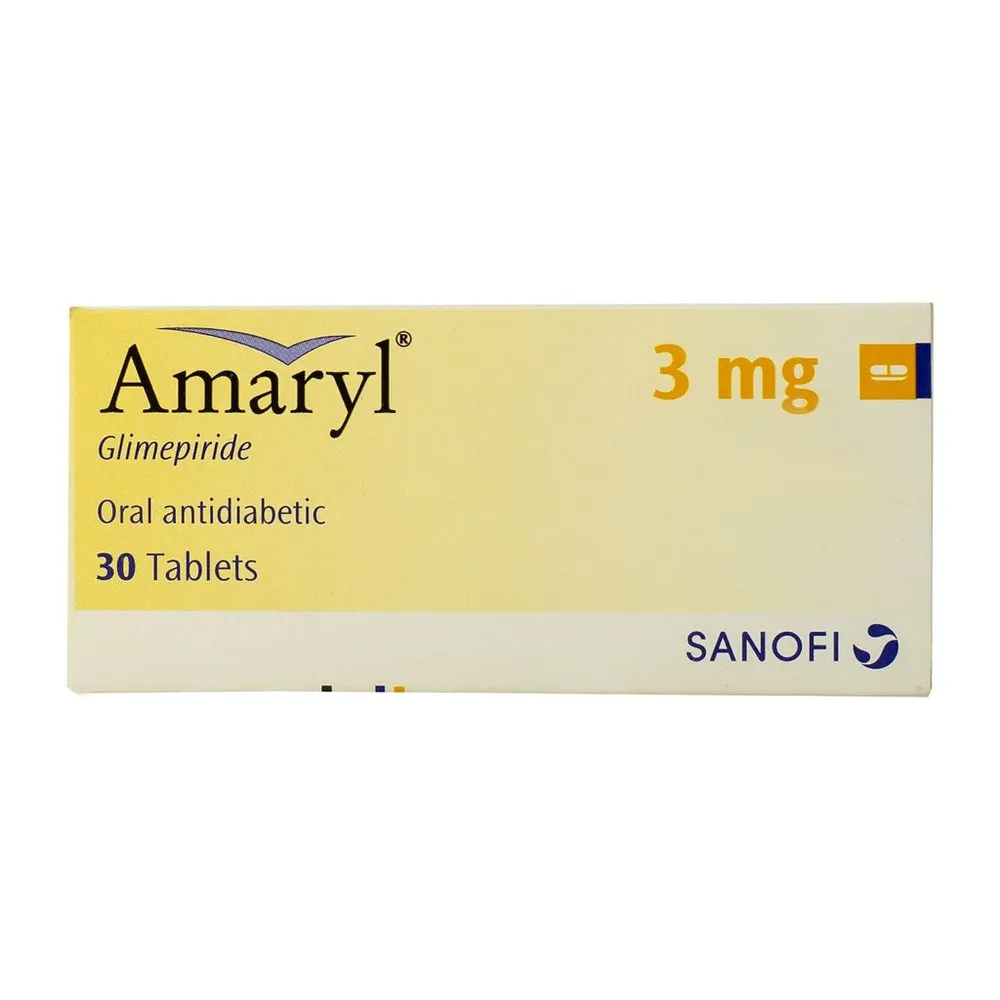
Table of Contents
Package leaflet: Information for the patient
Warning! Keep the leaflet. Information on the immediate packaging in a foreign language.
Amaryl 3, 3 mg, tablets
Glimepiride
Please read the entire leaflet carefully before using this medicine, as it contains
important information for the patient.
- Keep this leaflet, as you may need to read it again.
- If you have any questions, consult your doctor or pharmacist.
- This medicine has been prescribed for a specific individual. Do not pass it on to others. It may harm them, even if their symptoms are the same.
- If you experience any adverse reactions, including any not listed in this leaflet, inform your doctor, pharmacist, or nurse. See section 4.
Table of contents
- What Amaryl 3 is and what it is used for
- Important information before taking Amaryl 3
- How to take Amaryl 3
- Possible side effects
- How to store Amaryl 3
- Contents of the pack and other information
1. What Amaryl 3 is and what it is used for
Amaryl 3 is an oral antidiabetic medicine that lowers blood glucose (sugar) levels. It belongs to a group of medicines that lower blood glucose levels known as sulfonylurea derivatives. Amaryl 3 works by increasing the amount of insulin released by the pancreas. Insulin reduces blood glucose levels.
For what purpose is Amaryl 3 used:
- Amaryl 3 is used to treat type 2 diabetes when blood glucose levels cannot be controlled by diet, physical exercise, and weight reduction alone.
2. Important information before using Amaryl 3
When not to use Amaryl 3:
- if the patient is allergic to glimepiride or to other sulfonylurea derivatives (medicines used to reduce blood glucose levels, e.g. glibenclamide) or sulfonamides (medicines used for bacterial infections, e.g. sulfamethoxazole), or to any of the other ingredients of this medicine (listed in section 6),
- if the patient has insulin-dependent diabetes (type 1 diabetes),
- if the patient has diabetic ketoacidosis (a complication of diabetes causing increased acidity in the body; symptoms may include fatigue, nausea, frequent urination, and muscle stiffness),
- if the patient has diabetic coma,
- if the patient has severe kidney function impairment,
- if the patient has severe liver function impairment.
Do not use Amaryl 3 if any of the above conditions apply.
If in doubt, consult a doctor or pharmacist before using Amaryl 3.
Warnings and precautions
Before starting treatment with Amaryl 3, discuss it with your doctor or pharmacist.
Consult your doctor or pharmacist before using Amaryl 3 if:
- the patient has experienced trauma, surgery, infection with fever, or any other stressful condition; inform the doctor, as temporary changes in treatment may be necessary,
- the patient has impaired liver or kidney function.
If in doubt, consult a doctor or pharmacist before using Amaryl 3.
In patients with glucose-6-phosphate dehydrogenase deficiency, haemoglobin levels may decrease and red blood cells may break down (haemolytic anaemia).
Information on the use of Amaryl 3 in patients under 18 years of age is limited. Use in this patient group is not recommended.
Important information about hypoglycaemia (low blood sugar)
Hypoglycaemia (low blood sugar) may occur during treatment with Amaryl 3. Below are additional details about hypoglycaemia, its symptoms, and treatment.
The following factors may increase the risk of hypoglycaemia:
- reluctance (more common in elderly patients) or inability to cooperate,
- malnutrition, irregular meals, or skipping meals,
- changes in diet,
- taking a higher dose of Amaryl 3 than necessary (overdose),
- kidney function impairment,
- severe liver function impairment,
- certain conditions caused by hormonal disorders (e.g. thyroid, pituitary, or adrenal cortex dysfunction),
- alcohol consumption, especially when meals are skipped,
- concomitant use of certain other medicines (see “Amaryl 3 and other medicines”),
- unusually high physical exertion, especially if meals are insufficient or contain fewer carbohydrates than usual,
- treatment with Amaryl 3 without any medical indication.
Symptoms of hypoglycaemia include:
- uncontrollable hunger, headache, nausea, vomiting, fatigue, drowsiness, sleep disturbances, restlessness, aggression, difficulty concentrating, impaired alertness and reaction time, depression, disorientation, speech and vision disturbances, aphasia (speech impairment), tremor, weakness, sensory disturbances, dizziness, feeling helpless,
- also possible: sweating, moist skin, anxiety, rapid heartbeat, elevated blood pressure, palpitations, sudden severe chest pain radiating to adjacent body parts (angina pectoris or irregular heartbeat).
If blood glucose levels continue to fall, symptoms may progress to confusion (delirium), seizures, loss of consciousness, shallow breathing, slowed heart rate, and may lead to unconsciousness or coma.
Low blood sugar may produce symptoms similar to stroke.
Treatment of hypoglycaemia
In many cases, symptoms of low blood glucose resolve quickly after consuming certain types of sugar, such as sugar cubes, sweet fruit juice, or sweetened tea.
Always carry sugar (e.g. sugar cubes) with you.
Note that artificial sweeteners are not effective in treating hypoglycaemia (low blood sugar). Contact a doctor or go to hospital if symptoms of hypoglycaemia do not resolve after sugar intake.
Laboratory tests
Blood or urine glucose levels should be monitored regularly. Your doctor may also perform regular blood tests to monitor liver function and blood cell counts.
Amaryl 3 and other medicines
Inform your doctor or pharmacist about all medicines currently used, recently used, or planned for use.
Your doctor may adjust the dose of Amaryl 3 if you are taking other medicines that may weaken or enhance its effect on blood glucose levels.
The following medicines may enhance the effect of Amaryl 3 on blood glucose levels, potentially leading to hypoglycaemia (low blood sugar):
- other antidiabetic medicines (e.g. insulin or metformin),
- medicines used to treat pain and inflammation (phenylbutazone, azapropazone, oxyphenbutazone, drugs with action similar to acetylsalicylic acid),
- medicines used to treat urinary tract infections (including certain long-acting sulfonamides),
- medicines used to treat bacterial and fungal infections (tetracyclines, chloramphenicol, fluconazole, miconazole, quinolone antibiotics, clarithromycin),
- anticoagulant medicines (coumarin derivatives, e.g. warfarin),
- anabolic steroids used to increase muscle mass,
- medicines used as testosterone replacement therapy,
- medicines used to treat depression (fluoxetine, MAO inhibitors),
- lipid-lowering medicines (fibrates),
- blood pressure-lowering medicines (ACE inhibitors),
- antiarrhythmic medicines used to prevent heart rhythm disorders (disopyramide),
- medicines used to treat gout (allopurinol, probenecid, sulfinpyrazone),
- medicines used to treat cancer (cyclophosphamide, ifosfamide, trofosfamide),
- medicines used to reduce body weight (fenfluramine),
- medicines used to improve circulation, administered intravenously in high doses (pentoxifylline),
- medicines used to treat nasal allergies, e.g. hay fever (tritoqualine),
- medicines known as sympatholytics, used to treat high blood pressure, heart failure, or symptoms of prostate disease,
- fenyramidol,
- guanethidine.
The following medicines may reduce the effect of Amaryl 3 on blood glucose levels, potentially leading to hyperglycaemia (high blood sugar):
- medicines containing female sex hormones (oestrogens, progestagens),
- medicines promoting urine production (diuretics), saluretics,
- thyroid-stimulating medicines (e.g. levothyroxine),
- medicines used to treat allergies and inflammation (glucocorticoids),
- medicines used to treat severe mental disorders (chlorpromazine and phenothiazine derivatives),
- medicines used for rapid heartbeat, asthma, nasal congestion, cough, colds, weight reduction, or in life-threatening emergencies (adrenaline and sympathomimetics),
- medicines used to treat high cholesterol (nicotinic acid and its derivatives),
- long-term use of medicines for constipation (laxatives),
- medicines used to treat epilepsy (phenytoin),
- medicines used to treat anxiety and sleep disorders (barbiturates),
- medicines used to treat increased intraocular pressure (acetazolamide),
- medicines used to treat high blood pressure and low blood sugar (diazoxide),
- medicines used to treat infections, tuberculosis (rifampicin),
- medicines used to treat life-threatening very low blood sugar (glucagon).
The following medicines may either increase or decrease the effect of Amaryl 3 on blood glucose levels:
- medicines used to treat stomach ulcers (H-receptor antagonists),
- medicines used to treat high blood pressure or heart failure, e.g. beta-blockers, clonidine, and reserpine. These medicines may also mask symptoms of hypoglycaemia; therefore, caution is required when using them.
Amaryl 3 may increase or decrease the effect of the following medicines:
- anticoagulant medicines (coumarin derivatives, e.g. warfarin).
Colesevelam (a bile acid sequestrant) binds to Amaryl 3 and reduces its gastrointestinal absorption. This interaction has not been observed when Amaryl 3 is administered at least 4 hours before colesevelam. Therefore, Amaryl 3 should be taken at least 4 hours before colesevelam.
Amaryl 3 with food, drink, and alcohol
Alcohol consumption may unpredictably enhance or weaken the effect of Amaryl 3.
Pregnancy, breastfeeding, and effects on fertility
Do not use Amaryl 3 during pregnancy or while breastfeeding. If the patient is pregnant, suspects she may be pregnant, is breastfeeding, or plans to become pregnant, she should consult a doctor or pharmacist before using this medicine.
Amaryl 3 may pass into breast milk.
There is no data available on effects on fertility.
Driving and operating machinery
The ability to concentrate or react quickly may be impaired due to low blood glucose (hypoglycaemia) or high blood glucose (hyperglycaemia). Be aware that this may pose a risk to yourself or others (e.g. when driving or operating machinery). Patients should consult their doctor whether they can drive or operate machinery if:
- they frequently experience hypoglycaemia,
- warning symptoms of hypoglycaemia are weakened or absent.
Amaryl 3 contains lactose monohydrate
If the patient has previously been diagnosed with intolerance to certain sugars, they should consult a doctor before taking this medicine.
Amaryl 3 contains sodium
This medicine contains less than 1 mmol (23 mg) of sodium per tablet, meaning it is considered "sodium-free".
3. How to take Amaryl 3
This medicine should always be taken exactly as directed by the physician. In case of doubt, consult
your doctor or pharmacist.
Administration of the medicine
The medicine should be taken orally, just before or during the first meal of the day (usually
breakfast) or another main meal. The medicine should be taken as directed by the physician. If
you are taking Amaryl 3, you must follow the recommended diet.
The tablet should be swallowed whole, without chewing or crushing, with a drink.
Recommended dose
The dose of Amaryl 3 depends on the patient's condition and the results of blood and urine glucose
tests, and is determined by the physician. Do not take more tablets than recommended by the
physician.
- The initial dose is one Amaryl tablet - 1 mg once daily.
- The physician may increase the dose after 1-2 weeks of treatment, if necessary.
- The maximum recommended dose is 6 mg of Amaryl per day.
- The physician may recommend concomitant use of glimepiride with metformin or glimepiride with insulin. In such cases, the physician will prescribe appropriate, individually adjusted doses of glimepiride with metformin or insulin.
- If there are changes in body weight, lifestyle, or if the patient is under stress, inform the physician so that the dose of the medicine can be adjusted if necessary.
- If the patient feels that the effect of the medicine is too weak or too strong, do not change the dose independently; contact the physician.
Taking more than the recommended dose of Amaryl 3
Taking too many Amaryl 3 tablets or taking an additional dose is dangerous for the patient, as there is a risk of hypoglycaemia (symptoms of hypoglycaemia, see section 2. "Warnings and precautions"). In such a case, consume an adequate amount of sugar immediately (e.g. sugar cubes, sweet juice, sweetened tea) and contact a doctor as quickly as possible. In the treatment of hypoglycaemia in children who have accidentally taken the medicine, the amount of sugar administered must be controlled to avoid the risk of hyperglycaemia. Food and drinks must not be given to unconscious persons.
In cases of prolonged hypoglycaemia, it is very important that the patient remains under medical supervision until the danger has passed. Hospitalisation may be necessary as a precaution. Show the doctor the packaging or remaining tablets so that he or she knows which medicine has been taken.
Severe cases of hypoglycaemia with loss of consciousness and severe neurological disturbances require immediate medical assistance, usually in a hospital. Ensure that a previously informed person is always nearby to call a doctor in case of emergency.
Missed dose of Amaryl 3
Do not take a double dose to make up for a missed dose.
Stopping treatment with Amaryl 3
After stopping treatment with Amaryl 3, the achieved reduction in blood glucose concentration will not be maintained and the disease may worsen. Continue taking Amaryl 3 for as long as directed by your doctor.
If you have any further doubts regarding the use of this medicine, consult your doctor or pharmacist.
4. Possible adverse effects
Like all medicines, this medicine can cause adverse effects, although not everyone will experience them.
You should contact your doctor immediately if any of the following symptoms occur:
- Allergic reactions (including inflammation of blood vessels, often with rash), which may progress to severe reactions with breathing difficulties, low blood pressure, and even shock.
- Liver function disorders, including yellowing of the skin and eyes (jaundice), impaired bile flow (cholestasis), liver inflammation or liver failure.
- Skin allergy (hypersensitivity), manifesting as itching, rash, urticaria, or photosensitivity. Some mild allergic reactions may progress to severe reactions with difficulty swallowing and breathing, or swelling of the lips, throat, or tongue.
- Severe hypoglycaemia, loss of consciousness, seizures, or coma.
The following adverse effects have been reported in some patients treated with Amaryl 3:
Rare (may occur in no more than 1 in 1,000 patients)
- Lower than normal blood glucose levels (hypoglycaemia, see section 2. "Important information before taking Amaryl 3", subsection "Warnings and precautions").
- Decrease in blood cells, such as:
- platelets, increasing the risk of bleeding or bruising (thrombocytopenia),
- white blood cells, increasing the likelihood of infections (leukopenia, granulocytopenia, agranulocytosis),
- red blood cells, which may cause paleness, weakness, or shortness of breath (erythropenia, haemolytic anaemia),
- platelets, white blood cells, and red blood cells, leading to deficiency of these blood components (pancytopenia). These disorders usually resolve after discontinuation of Amaryl 3.
Very rare (may occur in no more than 1 in 10,000 patients)
- Allergic reactions (including vasculitis, often with rash), which may progress to severe reactions with breathing difficulties, low blood pressure, and even shock.
- Impaired liver function, including yellowing of the skin and eyes (jaundice), disturbances in bile flow (cholestasis), liver inflammation or liver failure.
- Nausea, vomiting, diarrhoea, bloating, abdominal discomfort, and abdominal pain.
Frequency unknown (frequency cannot be estimated from available data)
- Taste disturbances.
- Hair loss (alopecia).
- Marked reduction in platelet count (below 10,000/microlitre) and cases of thrombocytopenic purpura.
- Visual disturbances, particularly at the beginning of treatment. These are caused by changes in blood glucose levels and should resolve quickly.
- Increased liver enzyme activity (in blood tests).
- Allergic reactions to sulfonylurea derivatives, sulfonamides, or related drugs may occur.
- Skin allergy (hypersensitivity) with itching, rash, or urticaria. Some mild allergic reactions may progress to severe reactions with difficulty swallowing and breathing, or swelling of the lips, throat, or tongue.
- The active substance in Amaryl 3 – glimepiride – like all sulfonylurea derivatives, may cause weight gain and hypersensitivity to sulfonylurea derivatives, sulfonamides, or related drugs.
- Decreased sodium levels in blood (in blood tests), allergic vasculitis, photosensitivity.
Reporting of adverse effects
If any adverse effects occur, including any adverse effects not listed in this leaflet, inform your doctor, pharmacist, or nurse. Adverse effects can be reported directly to the Department of Monitoring Adverse Drug Reactions of the Office for Registration of Medicinal Products, Medical Devices and Biocidal Products:
Al. Jerozolimskie 181 C, 02-222 Warsaw,
tel.: + 48 22 49 21 301, fax: + 48 22 49 21 309, website: https://smz.ezdrowie.gov.pl
Reporting adverse effects helps to provide more information on the safety of this medicine.
5. How to store Amaryl 3
Keep this medicine out of sight and reach of children.
Do not use this medicine after the expiry date stated on the packaging. The expiry date refers to the last day of the month indicated.
Store below 30°C. Keep in the original packaging to protect from moisture.
Do not use Amaryl 3 if signs of deterioration are visible.
Medicines must not be disposed of via wastewater or household waste. Ask your pharmacist how to dispose of medicines no longer required. These measures will help protect the environment.
6. Contents of the pack and other information
What Amaryl 3 contains
- The active substance is glimepiride. Each tablet contains 3 mg of glimepiride.
- The other ingredients are: monohydrate lactose, sodium carboxymethyl starch (type A), magnesium stearate, microcrystalline cellulose, povidone 25 000.
- The tablets also contain a colouring agent: yellow iron oxide (E 172).
What Amaryl 3 looks like and contents of the pack
Amaryl 3 tablets are elongated and scored on both sides. The tablets can be divided into two equal doses along the break line.
Amaryl 3 tablets are light yellow.
The pack contains 30 tablets in blisters, placed in a cardboard box.
For more detailed information, please contact the responsible party or the parallel importer.
Responsible party in the Czech Republic, country of export:
sanofi-aventis, s.r.o.
Evropská 846/176a, 160 00 Prague, Czech Republic
Manufacturer:
Sanofi S.p.A.
Strada Statale 17, Km 22, 67019 Scoppito (L’Aquila), Italy
Sanofi Winthrop Industrie
30-36 avenue Gustave Eiffel, 37100 Tours, France
Sanofi-Aventis Deutschland GmbH
Industriepark Höchst-Brüningstraße 50, 65926 Frankfurt am Main, Germany
Sanofi-Aventis Private Co. Ltd
Budapest Logistics and Distribution Platform Bdg. DC5, Campona utca 1, 1225 Budapest, Hungary
Parallel importer:
Delfarma Sp. z o.o.
ul. Św. Teresy od Dzieciątka Jezus 111, 91-222 Łódź
Repackaged in:
Delfarma Sp. z o.o.
ul. Św. Teresy od Dzieciątka Jezus 111, 91-222 Łódź
Marketing authorisation number in the Czech Republic, country of export: 18/234/97-C
Parallel import authorisation number: 73/22