Zolpidem Aurobindo
Italy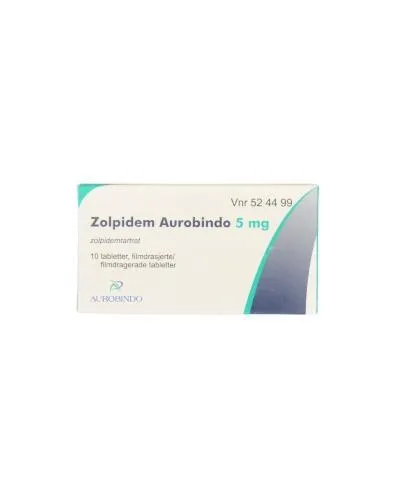
Table of Contents
- Package leaflet: Information for the user
- Zolpidem Aurobindo 10 mg film-coated tablets
- 1. What Zolpidem Aurobindo is and what it is used for
- 2. What you need to know before taking Zolpidem Aurobindo
- 3. How to take Zolpidem Aurobindo
- 4. Possible side effects
- 5. How to store Zolpidem Aurobindo
- 6. Package contents and other information
Package leaflet: Information for the user
Zolpidem Aurobindo 10 mg film-coated tablets
Equivalent medicine
Please read all of this leaflet carefully before you take this medicine because it contains
important information for you.
- Keep this leaflet. You may need to read it again.
- If you have any questions, ask your doctor or pharmacist.
- This medicine has been prescribed for you only. Do not give it to other people, even if their symptoms are the same as yours, as it may be harmful.
- If you experience any adverse reaction, including those not listed in this leaflet, contact your doctor or pharmacist. See section 4.
Contents of this leaflet:
- What Zolpidem Aurobindo is and what it is used for
- What you need to know before taking Zolpidem Aurobindo
- How to take Zolpidem Aurobindo
- Possible side effects
- How to store Zolpidem Aurobindo
- Contents of the pack and other information
1. What Zolpidem Aurobindo is and what it is used for
Zolpidem belongs to a group of medicines known as benzodiazepine-like agents.
Zolpidem Aurobindo tablets are sleeping pills (hypnotics) that work by acting on the brain
to cause drowsiness. They can be used for the short-term treatment of severe, disabling, or highly distressing insomnia.
Insomnia is a difficulty in falling asleep or sleeping properly.
2. What you need to know before taking Zolpidem Aurobindo
Do not take Zolpidem Aurobindo:
- if you are allergic to zolpidem tartrate or to any of the other ingredients of this medicine (listed in section 6). The allergic reaction may include rash, itching, difficulty breathing, or swelling of the face, lips, throat, or tongue;
- if you have severe liver problems;
- if you suffer from sleep apnoea (a condition in which you stop breathing for brief periods while sleeping);
- if you have severe muscle weakness (myasthenia gravis);
- if you have acute and severe respiratory problems;
- if you are under 18 years of age.
Warnings and precautions
Talk to your doctor or pharmacist before taking Zolpidem Aurobindo:
- if you are elderly or frail. If you get up at night, be careful. Zolpidem Aurobindo can relax your muscles. This, together with the sedative effect, increases the risk of falls and consequently hip fractures;
- if you have kidney or liver problems;
- if you have previously had breathing problems. While taking Zolpidem Aurobindo, your breathing may become weaker;
- if you have previously had a mental illness, anxiety, or a psychotic disorder. Zolpidem may unmask or worsen symptoms;
- if you suffer or have previously suffered from depression (feeling sad);
- if you have, or have previously had, a tendency to abuse alcohol or drugs. The risk of dependence on Zolpidem Aurobindo (physical or mental effects caused by a compulsion to continue taking the medicine) increases in these patients, and increases with dose and duration of treatment.
Children and adolescents
Do not give this medicine to children and adolescents under 18 years of age.
Additional considerations
- Tolerance – if after a few weeks you notice that the tablets are not working as well as at the beginning of treatment, you should see your doctor. A dose adjustment may be necessary.
- Dependence – when taking this type of medicine, there is a risk of dependence, which increases with dose and duration of treatment. The risk is higher if you have a history of drug, alcohol, or drug abuse. However, dependence may also occur at normally used doses for treatment, or even if you do not have risk factors such as a history of alcohol or drug abuse.
- Discontinuation – treatment should be gradually discontinued. Upon discontinuation, a brief withdrawal syndrome may occur, in which the symptoms that led to treatment with Zolpidem Aurobindo reappear in a more severe form. This may be accompanied by other reactions including mood changes, anxiety, and restlessness.
- Amnesia – Zolpidem Aurobindo may cause memory loss. To reduce this risk, ensure you can have 7–8 hours of uninterrupted sleep.
- Psychiatric and "paradoxical" reactions – Zolpidem Aurobindo may cause undesirable behavioural effects such as restlessness, agitation, irritability, aggression, delirium (false beliefs), rage, nightmares, hallucinations, psychosis (hallucinations: seeing, hearing, or feeling things that do not exist), inappropriate behaviour, and increased insomnia.
- Sleep-walking and other associated behaviours – Zolpidem Aurobindo may cause sleep-related activities of which you have no memory upon waking. These activities include sleep-walking, sleep-driving, preparing or eating food, making phone calls, or having sexual intercourse. Alcohol, certain medicines used to treat depression or anxiety, or taking zolpidem at doses exceeding the maximum recommended dose, may increase the risk of these adverse effects.
- Next-day psychomotor impairment (see also "Driving and use of machinery") – the day after taking Zolpidem Aurobindo, the risk of psychomotor impairment, including impaired driving ability, may be increased if:
- you take this medicine less than 8 hours before performing activities requiring your attention;
- you take a higher dose than recommended;
- you take zolpidem while already taking another medicine that depresses the central nervous system or other medicines that increase zolpidem levels in the blood, or while drinking alcohol, or while taking other illegal substances. Take a single dose immediately before going to bed. Do not take another dose during the same night.
Other medicines and Zolpidem Aurobindo
Tell your doctor or pharmacist if you are taking, have recently taken, or might take any other medicines. Zolpidem Aurobindo may affect the action and/or the side effects of other medicines. If you are undergoing surgery under general anaesthesia, inform your doctor about the medicines you are taking.
The following medicines may increase the sedative effect of Zolpidem Aurobindo:
- antipsychotics (used to treat mental illnesses, e.g. chlorpromazine);
- antidepressants (used to treat depression);
- other sleeping pills;
- other tranquillisers or medicines used to treat anxiety;
- narcotics (strong painkillers) such as codeine, morphine. This may increase feelings of euphoria, which in turn increases the risk of physical or psychological dependence;
- antiepileptics (used to treat epilepsy);
- anaesthetics (used during surgery);
- muscle relaxants;
- antihistamines (used for allergies) that cause drowsiness;
- medicines that inhibit liver enzymes. Ask your doctor or pharmacist which medicines have this effect (e.g. ketoconazole, a medicine used to treat fungal infections).
Zolpidem Aurobindo may cause an increased effect of medicines that relax muscles.
Rifampicin, a medicine used to treat tuberculosis, may cause an increased effect of Zolpidem Aurobindo.
When taking zolpidem together with the following medicines, drowsiness and next-day psychomotor impairment effects, including impaired ability to drive, may increase:
- Medicines for certain mental health conditions (antipsychotics).
- Medicines for sleep problems (hypnotics).
- Medicines to calm or reduce anxiety.
- Medicines for depression.
- Medicines for moderate to severe pain (narcotic analgesics).
- Medicines for epilepsy.
- Medicines used for anaesthesia.
- Medicines for hay fever, rashes, or other allergies that may cause drowsiness (sedating antihistamines).
Concomitant use of Zolpidem Aurobindo and opioids (strong painkillers, substitution therapy medicines, or cough medicines) increases the risk of drowsiness, breathing difficulties (respiratory depression), and coma, potentially endangering the patient's life. For this reason, concomitant use should only be considered when no alternative therapies are available.
However, if your doctor prescribes Zolpidem Aurobindo together with opioids, the dose and duration of concomitant treatment must be limited by your doctor.
Inform your doctor about all opioid medicines you are taking, and strictly follow your doctor's recommendations. It may be helpful to inform friends and family to watch for the signs and symptoms listed above. Contact your doctor if you experience these symptoms.
When taking zolpidem with antidepressants including bupropion, desipramine, fluoxetine, sertraline, and venlafaxine, you may see things that do not exist (hallucinations).
Taking zolpidem with fluvoxamine or ciprofloxacin is not recommended.
Zolpidem Aurobindo and alcohol
You must not consume alcohol while taking Zolpidem Aurobindo, as the sedative effect may be increased.
Pregnancy and breastfeeding
If you are pregnant, think you may be pregnant, are planning to become pregnant, or are breastfeeding, consult your doctor or pharmacist before taking this medicine.
Zolpidem Aurobindo must not be taken during pregnancy, especially during the first three months.
If, for absolute medical necessity, you take Zolpidem Aurobindo towards the end of pregnancy or during childbirth, your baby may experience low body temperature, weak muscles, and breathing difficulties, and may suffer withdrawal symptoms after birth due to physical dependence.
Do not breastfeed your baby, as a small amount of zolpidem may pass into breast milk.
Driving and use of machinery
Zolpidem Aurobindo impairs the ability to drive vehicles and operate machinery, with effects such as "sleep-driving". You should be aware that the day after taking Zolpidem Aurobindo (as with other hypnotic medicines):
- you may feel sleepy, dizzy, or confused;
- your ability to make quick decisions may be slowed;
- your vision may be blurred or double;
- you may be less alert.
To minimise the effects listed above, an interval of at least 8 hours between taking zolpidem and driving, operating machinery, or working at heights is recommended.
Do not drink alcohol or take other psychoactive substances while taking Zolpidem Aurobindo, as this may increase the effects listed above.
Zolpidem Aurobindo contains lactose
Zolpidem Aurobindo contains lactose. If your doctor has informed you that you have an intolerance to certain sugars, consult your doctor before taking this medicine.
3. How to take Zolpidem Aurobindo
Take this medicine exactly as directed by your doctor or pharmacist. If you have any doubts, consult your doctor or pharmacist.
Zolpidem Aurobindo is a medicine for oral administration.
Zolpidem Aurobindo acts rapidly and should be taken immediately before going to bed or when you are already in bed.
Adults: The recommended dose for 24 hours is 10 mg of Zolpidem Aurobindo. Some patients may be prescribed a lower dose.
Zolpidem Aurobindo should be taken:
- as a single dose,
- just before going to sleep.
Ensure you have a rest period of at least 8 hours after taking this medicine before carrying out activities requiring attention.
Do not exceed 10 mg within 24 hours.
Elderly patients (over 65 years) or debilitated patients: The recommended dose is 5 mg. The recommended dose must not be exceeded.
Patients with liver problems: The usual starting dose is 5 mg. Your doctor may decide to increase this dose to 10 mg if such an increase is considered safe.
Do not take Zolpidem Aurobindo if you have severe liver problems.
Use in children and adolescents: Zolpidem Aurobindo is not intended for patients under 18 years of age. If after a few weeks you notice that the tablets are not working as well as they did at the beginning of treatment, you should see your doctor, as the dose may need to be adjusted.
Duration of treatment
The treatment duration should be as short as possible and usually lasts from a few days to 2 weeks. The maximum treatment period, including the gradual discontinuation process, is 4 weeks.
Your doctor will choose a gradual discontinuation regimen according to your individual needs. In some cases, it may be necessary to take Zolpidem Aurobindo for longer than 4 weeks.
If you take more Zolpidem Aurobindo than you should
If you (or someone else) swallow many tablets at the same time, or if you think a child has taken the tablets, contact your doctor or the nearest hospital immediately. Take the packaging and any remaining tablets with you. Do not go for medical help alone. If an excessive dose has been taken, you may rapidly develop severe drowsiness; very high doses may lead to coma or even death.
If you forget to take Zolpidem Aurobindo
If you forget to take a dose just before going to bed but remember during the night, take the missed dose only if you can have 7–8 hours of uninterrupted sleep. If this is not possible, take the next dose before going to bed the following evening. Do not take a double dose to make up for the missed dose. If you are concerned, ask your pharmacist or doctor for advice.
If you stop taking Zolpidem Aurobindo
Treatment should be stopped gradually; otherwise, the symptoms for which you are being treated may return more intensely (rebound insomnia). Anxiety, restlessness, and mood changes may also occur. These effects will disappear over time.
If you have developed physical dependence on Zolpidem Aurobindo, abruptly stopping treatment will lead to adverse effects such as headache, muscle pain, anxiety, tension, restlessness, confusion, irritability, and drowsiness. In severe cases, adverse effects such as hypersensitivity to light, noise, and physical contact, abnormally acute hearing and painful sensitivity to sounds, hallucinations, numbness and tingling of the extremities, derealization (feeling that the world around you is not real), depersonalization (feeling that your mind is separated from your body), or epileptic seizures (violent fits or tremors) may occur. These symptoms may also appear between doses, particularly at high doses.
If you have any doubts about the use of this medicine, consult your doctor or pharmacist.
4. Possible side effects
Like all medicines, this medicine can cause side effects, although not everybody gets them.
If you experience any of the following effects, stop taking Zolpidem Aurobindo and contact your doctor immediately or go to the nearest hospital emergency department:
- allergic reactions such as skin rashes or itching, accompanied by swelling of the face, lips, throat or tongue, and difficulty breathing or swallowing (angioedema). These side effects are serious, but their frequency is unknown (cannot be estimated from the available data). Medical assistance is required.
Inform your doctor or pharmacist if any of the following side effects occur or worsen:
Common side effects (may affect up to 1 in 10 people):
- hallucinations, agitation, nightmares;
- drowsiness, headache, dizziness, increased insomnia, amnesia (which may be associated with inappropriate behaviour);
- sensation of spinning;
- daytime drowsiness, blunted emotions, reduced alertness, confusion, double vision;
- diarrhoea, nausea, vomiting;
- skin reactions;
- fatigue;
- abdominal pain.
The risk of amnesia is higher at higher doses. If you ensure you can have 7–8 hours of uninterrupted sleep, the risk of amnesia is reduced.
Uncommon side effects (may affect up to 1 in 100 people):
- irritability;
- muscle weakness, coordination disorders.
Rare side effects (may affect up to 1 in 1,000 people):
- decreased libido;
- paradoxical reactions (restlessness, agitation, irritability, aggression, delirium (false beliefs), rage, nightmares, hallucinations, psychosis, inappropriate behaviour and other behavioural effects). These effects are more likely to occur if you are elderly.
Frequency not known (frequency cannot be estimated from the available data):
- depressed level of consciousness;
- restlessness, aggression, delirium (false beliefs), rage, psychosis, hallucinations (seeing, hearing or feeling things that do not exist), inappropriate behaviour;
- depression (feeling sad);
- physical dependence: use (even at therapeutic doses) may lead to physical dependence; sudden discontinuation of treatment may cause withdrawal symptoms and problems may recur;
- psychological dependence: occurs when you feel unable to sleep without taking Zolpidem Aurobindo;
- sleepwalking;
- increased levels of certain liver enzymes (detected by your doctor through blood tests);
- skin rash, itching, urticaria;
- excessive sweating;
- changes in walking pattern;
- need to take increasingly higher doses of a medicine to achieve the same effect;
- falls, particularly in the elderly.
Reporting of side effects
If you experience any side effect, including those not listed in this leaflet, talk to your doctor or pharmacist. You can also report side effects directly via the national reporting system at http://www.agenziafarmaco.gov.it/content/come-segnalare-una-sospetta-reazione-avversa. By reporting side effects, you can help provide more information on the safety of this medicine.
5. How to store Zolpidem Aurobindo
Keep this medicine out of the sight and reach of children.
This medicine does not require any special storage conditions.
Do not use this medicine after the expiry date stated on the label, on the blister, and on the
packaging after EXP. The expiry date refers to the last day of that month.
Do not dispose of medicines via wastewater or household waste. Ask your pharmacist how to
dispose of medicines you no longer use. This will help protect the environment.
6. Package contents and other information
What Zolpidem Aurobindo contains
- The active substance is zolpidem tartrate. Each film-coated tablet contains 10 mg of zolpidem tartrate.
- The other components are: Tablet core: monohydrate lactose, microcrystalline cellulose, sodium starch glycolate (type A), magnesium stearate. Coating: hypromellose, macrogol, titanium dioxide (E171).
Description of the appearance of Zolpidem Aurobindo and contents of the pack
Film-coated tablet.
Zolpidem Aurobindo 10 mg film-coated tablets
White to off-white, oval, biconvex, film-coated tablets, with "E" engraved on one side and "80" with a break line between "8" and "0" on the other side.
The tablet can be divided into two equal doses.
Blister
Packs: 7, 10, 14, 20, 30 and 500 film-coated tablets.
High-density polyethylene (HDPE) bottles
Packs: 30, 100 and 500 film-coated tablets.
Not all pack sizes may be marketed.
Marketing Authorization Holder and Manufacturer
Aurobindo Pharma (Italia) S.r.l.
Via San Giuseppe 102
21047 Saronno (VA)
Manufacturers
APL Swift Services (Malta) Limited
HF26, Hal Far Industrial Estate, Hal Far,
Birzebbugia, BBG 3000
Malta
Milpharm Limited
Ares Block, Odyssey Business Park, West End Road,
Ruislip HA4 6QD
United Kingdom
This medicinal product is authorized in the European Economic Area countries under the following names:
Cyprus Zolpidem Aurobindo 5 mg/10 mg film-coated tablets
Denmark Zolpidem “Aurobindo”
Italy Zolpidem Aurobindo
Malta Zolpidem Aurobindo 5 mg/ 10 mg film-coated tablets
Norway Zolpidem Aurobindo 5 mg / 10 mg tabletter, filmdrasjerte
Portugal Zolpidem Aurobindo
Poland Zolpidem Vitama
Romania Zolpidem Aurobindo 5 mg/10 mg film-coated tablets
Spain Zolpidem Aurobindo 10 mg film-coated tablets EFG
Sweden Zolpidem Aurobindo 5 mg/ 10 mg filmdragerade tabletter