Zoladex
Italy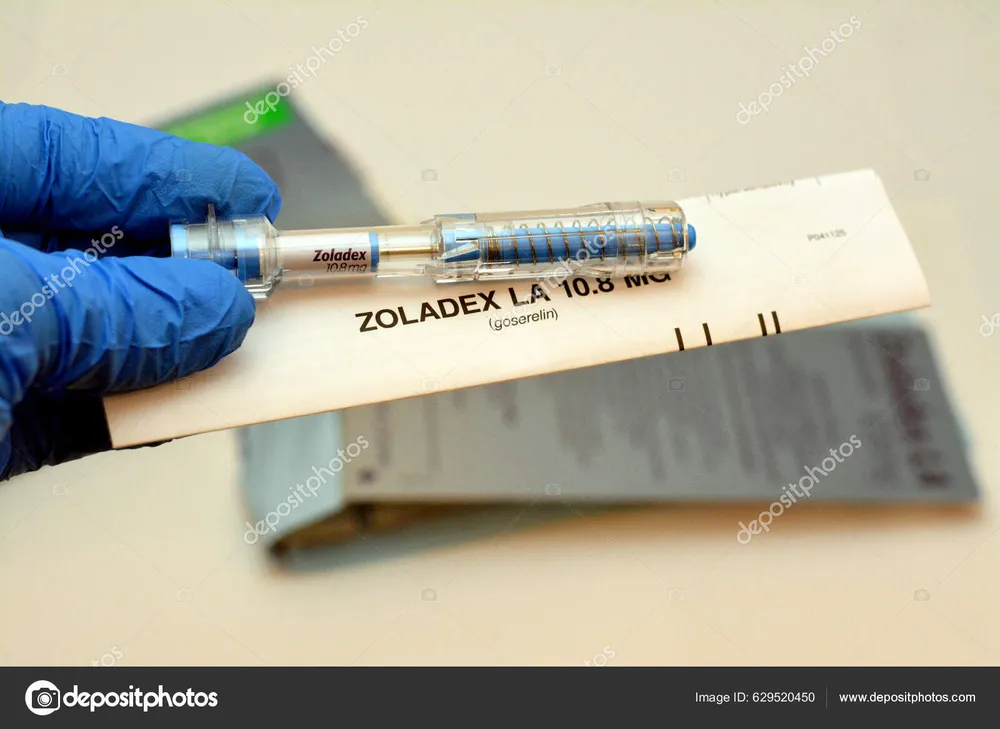
Table of Contents
- Package leaflet: Information for the patient
- ZOLADEX 10.8 mg prolonged-release implant for subcutaneous use
- 1. What ZOLADEX is and what it is used for
- 2. What you should know before being given ZOLADEX
- 3. How ZOLADEX will be administered to you
- 4. Possible side effects
- 5. How to store ZOLADEX
- 6. Package contents and other information
- Patient information leaflet
- ZOLADEX 3.6 mg prolonged-release implant for subcutaneous use
- 1. What ZOLADEX is and what it is used for
- 2. What you should know before being administered ZOLADEX
- 3. How ZOLADEX will be administered to you
- 4. Possible side effects
- 5. How to store ZOLADEX
- 6. Package contents and other information
Package leaflet: Information for the patient
ZOLADEX 10.8 mg prolonged-release implant for subcutaneous use
goserelin
Please read all of this leaflet carefully before taking this medicine because it contains important information for you.
- Keep this leaflet. You may need to read it again.
- If you have any questions, ask your doctor or pharmacist.
- This medicine has been prescribed for you only. Do not give it to other people, even if their symptoms are the same as yours, as it could be harmful.
- If you experience any side effects, including those not listed in this leaflet, tell your doctor or pharmacist. See section 4.
Contents of this leaflet:
- What ZOLADEX is and what it is used for
- What you need to know before being given ZOLADEX
- How ZOLADEX will be administered to you
- Possible side effects
- How to store ZOLADEX
- Contents of the pack and other information
Many of the informations contained in this leaflet apply to both men and women.
- When information applies only to men, it is preceded by the heading Information for men
- When information applies only to women, it is preceded by the heading Information for women
1. What ZOLADEX is and what it is used for
ZOLADEX contains goserelin, which belongs to the class of drugs known as gonadotropin-releasing hormone analogues.
Use of ZOLADEX in men
ZOLADEX 10.8 mg is indicated for
- the treatment of prostate cancer (a gland in men that plays an important role in the production of seminal fluid), which requires reduction of the amount of a hormone produced by the body called testosterone.
Use of ZOLADEX in women
ZOLADEX 10.8 mg is indicated for:
- the treatment of a condition called endometriosis, in which cells normally found only in the lining of the uterus are present in other parts of the body (usually in nearby organs).
- the treatment of benign growths in the uterus called uterine fibroids.
Talk to your doctor if you do not feel better or if you feel worse.
2. What you should know before being given ZOLADEX
You must not be given ZOLADEX
- if you are allergic to goserelin or to any of the other ingredients of this medicine (listed in section 6).
- if you are pregnant or breastfeeding (see section Pregnancy and breastfeeding).
Warnings and precautions
Talk to your doctor before you are given ZOLADEX.
Talk to your doctor if you have any of the following conditions:
- any heart or blood vessel disorder, including problems with heart rhythm (arrhythmias), or if you are being treated with medicines for these conditions. The risk of heart rhythm problems may increase with the use of ZOLADEX.
- if you have experienced allergic reactions during previous treatment with ZOLADEX or if you are taking other medicines.
- if you have any disease causing weakening of bone tissue. Medicines such as ZOLADEX 10.8 mg may cause a reduction in bone calcium (bone thinning).
- if you are taking ZOLADEX and develop depression. Cases of depression, which may be severe, have been reported in patients taking ZOLADEX. Your doctor may ask you to have regular check-ups.
- if you experience high blood pressure (hypertension). Your doctor may ask you to have regular check-ups. Following administration of ZOLADEX, injection site reactions (including damage to abdominal blood vessels) have been reported. In very rare cases, these have led to severe bleeding. Contact your doctor immediately if you experience any of the following symptoms:
- abdominal pain
- hard abdomen (abdominal distension)
- shortness of breath
- dizziness
- low blood pressure and/or any change in level of consciousness.
ZOLADEX 10.8 mg must be administered according to medical prescription and treatment must not be discontinued unless decided by your doctor.
If hospitalization becomes necessary, inform medical staff that you are currently being treated with ZOLADEX 10.8 mg.
Information for men
Before starting therapy, you should inform your doctor if you
- have difficulty urinating or suffer from back pain.
Your doctor may consider initially prescribing an antiandrogen medicine to prevent possible consequences of an initial rise in testosterone levels at the beginning of therapy.
The use of medicines such as ZOLADEX (luteinizing hormone-releasing hormone agonists - LHRH agonists), which block testosterone production, may cause a reduction in bone mineral density leading to bone thinning.
Clinical studies in men suggest that the use of bisphosphonates (medicines that increase bone density) in combination with LHRH agonists may reduce bone thinning.
Particular caution is required if you have risk factors for osteoporosis, a condition in which the skeleton undergoes bone mass loss (e.g. chronic alcohol abuse, smoking, long-term treatment with anticonvulsant medicines or corticosteroid hormones used to reduce inflammation or treat certain allergic reactions), or if there is a family history of osteoporosis.
Reduced ability to metabolize sugars has been observed in men treated with medicines such as ZOLADEX 10.8 mg (LHRH agonists). This may manifest as diabetes or increased blood sugar levels in patients with pre-existing diabetes mellitus. Monitoring of blood sugar levels (glycaemia) should therefore be considered.
Information for women
Withdrawal bleeding
During the initial phase of treatment with ZOLADEX, some women may experience vaginal bleeding of variable duration and intensity. If vaginal bleeding occurs, it usually appears within the first month of starting therapy. This bleeding is likely due to the reduction in oestrogen hormone levels and is expected to stop spontaneously. If bleeding persists, the cause should be investigated.
For athletes: using this medicine without therapeutic need constitutes doping and may lead to a positive result in anti-doping tests.
Children
ZOLADEX 10.8 mg is not indicated in children, as safety and efficacy have not been established in this patient group.
Other medicines and ZOLADEX
Inform your doctor or pharmacist if you are taking, have recently taken, or might take any other medicines.
ZOLADEX may interfere with certain medicines used to treat heart rhythm problems (e.g. quinidine, procainamide, amiodarone and sotalol) or may increase the risk of heart rhythm problems when used together with certain other medicines (e.g. methadone (used to relieve pain and in drug detoxification programmes), moxifloxacin (an antibiotic), antipsychotics (used for severe mental illnesses)).
Pregnancy, breastfeeding and fertility
Pregnancy
ZOLADEX 10.8 mg must not be used during pregnancy, as there is a theoretical risk of miscarriage or fetal abnormalities.
Before treatment, women of childbearing potential must be carefully tested to exclude existing pregnancy. During treatment, non-hormonal contraceptive methods such as condoms and diaphragms must be used. These methods should be continued until menstrual cycles resume (see also the warning regarding resumption of menstruation).
Breastfeeding
ZOLADEX must not be used during breastfeeding.
Driving and using machines
ZOLADEX 10.8 mg does not affect the ability to drive or use machinery.
3. How ZOLADEX will be administered to you
This medicine will be administered to you strictly according to your doctor's instructions. If you have any doubts, consult your doctor.
The recommended dose is one subcutaneous injection of ZOLADEX 10.8 mg into the abdominal area every 12 weeks, under the supervision of a doctor.
Dosage adjustment is not required in patients with renal and/or hepatic impairment.
Improvement in your health condition should not lead to discontinuation of treatment, unless instructed by your doctor.
Use in children
ZOLADEX is not indicated for use in children.
If you take more ZOLADEX than you should
If you accidentally take an excessive dose of ZOLADEX, inform your doctor immediately or go to the nearest hospital.
Experience with overdosage in humans is limited. In cases where ZOLADEX has been inadvertently re-administered earlier than scheduled or at higher doses, no clinically significant adverse effects have been observed.
If you stop treatment with ZOLADEX
If you have any doubts about using this medicine, consult your doctor or pharmacist.
4. Possible side effects
Like all medicines, this medicine can cause side effects, although not everyone experiences them.
In a small number of cases, the use of Zoladex has been associated with changes in blood cell counts, liver dysfunction (hepatic dysfunction), pulmonary embolism (blockage of the pulmonary artery, the main blood vessel carrying blood to the lungs), and inflammation of the lungs (interstitial pneumonia) characterized by fever, cough, shortness of breath, and an increase in a type of blood cell called white blood cells.
The following frequency categories for drug-related side effects have been determined based on reports from clinical trials conducted with ZOLADEX and post-marketing data.
In this section, side effects are categorized by frequency:
Very common (may affect more than 1 in 10 people)
- decreased sexual desire (this side effect rarely requires discontinuation of therapy)
- hot flushes (this side effect rarely requires discontinuation of therapy and may occasionally persist for some time (even months) after stopping ZOLADEX)
- hyperhidrosis (increased sweating) (this side effect rarely requires discontinuation of therapy and may occasionally persist for some time (even months) after stopping ZOLADEX)
Common (may affect up to 1 in 10 people)
- mood changes
- depression
- numbness
- abnormal blood pressure (this effect may present as either low or high blood pressure, usually transient and resolving during continued treatment or after stopping ZOLADEX. Such changes have rarely required medical intervention, including discontinuation of ZOLADEX therapy)
- skin rash (generally mild in nature, and improvement often occurs without interrupting therapy)
- decreased bone density
- weight gain
Uncommon (may affect up to 1 in 100 people)
- drug allergy
Rare (may affect up to 1 in 1,000 people)
- allergic reaction
Very rare (may affect up to 1 in 10,000 people)
- pituitary haemorrhage (a gland located at the base of the brain)
- psychiatric disorders which may include hallucinations
- disturbances in thought and perception
Not known (frequency cannot be estimated from available data)
- Changes in ECG trace (QT prolongation)
Information for men
Very common (may affect more than 1 in 10 people)
- erectile dysfunction
Common (may affect up to 1 in 10 people)
- reduced ability to metabolize sugars
- compression of nerves within the spinal cord
- heart disease (heart failure)
- myocardial infarction
- bone pain (initially occurs in patients with prostate cancer and can be treated symptomatically)
- breast enlargement (gynaecomastia)
- injection site reactions
Uncommon (may affect up to 1 in 100 people)
- joint pain (arthralgia)
- ureteric obstruction (the duct carrying urine from the kidneys to the bladder)
- breast tenderness
Not known (frequency cannot be estimated from available data)
- alopecia (loss of hair and body hair)
Information for women
Very common (may affect more than 1 in 10 people)
- acne (in most cases reported within one month after starting ZOLADEX treatment)
- vaginal dryness
- breast enlargement
- injection site reactions
Common (may affect up to 1 in 10 people)
- alopecia (hair loss) (usually mild, but occasionally may be severe)
- headache
- joint pain
- tumour enlargement
- tumour pain
Rare (may affect up to 1 in 1,000 people)
- ovarian cysts
Not known (frequency cannot be estimated from available data)
- worsening of benign uterine growths (uterine fibroids)
A small number of cases of hypercalcaemia have been reported in women treated for endometriosis and/or uterine fibroids. If symptoms suggestive of hypercalcaemia (e.g. thirst) occur, hypercalcaemia should be ruled out by diagnosis.
The possible side effects listed above should not cause alarm, as they may not occur at all.
Reporting of side effects
If you experience any side effect, including those not listed in this leaflet, talk to your doctor or pharmacist. You may also report side effects directly via the website: http://www.agenziafarmaco.gov.it/it/responsabili.
By reporting side effects, you can help provide more information on the safety of this medicine.
5. How to store ZOLADEX
Do not store above 25°C.
The syringe must be kept in its sealed pouch and original packaging.
Keep this medicine out of the sight and reach of children.
Do not use this medicine after the expiry date stated on the carton after EXP. The expiry date refers to the last day of that month.
Do not dispose of any medicine via wastewater or household waste. Ask your pharmacist how to dispose of medicines no longer required. This will help protect the environment.
6. Package contents and other information
What ZOLADEX contains
- The active substance is goserelin.
- The other component is the lactide/glycolide copolymer.
Description of the appearance of ZOLADEX and contents of the pack
ZOLADEX 10.8 mg is a prolonged-release implant for subcutaneous use (a solid cylindrical-shaped implant).
It is available in packs containing one ready-to-use, single-dose, pre-filled syringe.
Marketing Authorization Holder
AstraZeneca S.p.A.
Palazzo Ferraris
Via Ludovico il Moro 6/C
Basiglio (MI) 20080
Italy
Manufacturer
AstraZeneca UK Ltd
Macclesfield
Cheshire (United Kingdom)
Patient information leaflet
ZOLADEX 3.6 mg prolonged-release implant for subcutaneous use
goserelin
Please read this leaflet carefully before using this medicine as it contains important information for you.
- Keep this leaflet. You may need to read it again.
- If you have any questions, ask your doctor or pharmacist.
- This medicine has been prescribed for you only. Do not give it to other people, even if they have the same symptoms as you, because it could be harmful.
- If you experience any side effect, including those not listed in this leaflet, contact your doctor or pharmacist. See section 4.
Contents of this leaflet:
- What ZOLADEX is and what it is used for
- What you need to know before being administered ZOLADEX
- How ZOLADEX will be administered to you
- Possible side effects
- How to store ZOLADEX
- Contents of the pack and other information
Many of the pieces of information in this leaflet apply to both men and women.
- When information applies only to men, it is preceded by the heading Information for men
- When information applies only to women, it is preceded by the heading Information for women
1. What ZOLADEX is and what it is used for
ZOLADEX contains goserelin, which belongs to the class of drugs known as gonadotropin-releasing hormone (GnRH) analogues.
Use of ZOLADEX in men
ZOLADEX 3.6 mg is indicated for
- the treatment of prostate cancer (a gland in men that plays an important role in the production of seminal fluid) requiring reduction of the amount of a hormone produced by the body called testosterone.
Use of ZOLADEX in women
ZOLADEX 3.6 mg is indicated for:
- the treatment of breast cancer in premenopausal and perimenopausal women in whom hormonal treatment is indicated
- the treatment of a condition called endometriosis, in which cells normally found only in the lining of the uterus are present elsewhere in the body (usually in nearby organs)
- the treatment of benign uterine growths called uterine fibroids
- thinning the lining of the uterus prior to undergoing surgical intervention
- the treatment of female infertility in combination with other medicinal products (gonadotropins such as HMG, HCG, FSH) to control the release of eggs from the ovaries.
The duration of treatment may vary depending on the specific indication (see section How ZOLADEX will be administered to you).
Talk to your doctor if you do not feel better or if you feel worse.
2. What you should know before being administered ZOLADEX
ZOLADEX will NOT be administered to you if:
- you are allergic to goserelin or any of the other ingredients of this medicine (listed in section 6)
- you are pregnant or breastfeeding (see section Pregnancy and breastfeeding).
Warnings and precautions
Talk to your doctor before you are administered ZOLADEX.
Talk to your doctor if you have any of the following conditions:
- any heart or blood vessel disorder, including heart rhythm problems (arrhythmias), or if you are being treated with medicines for these conditions. The risk of heart rhythm problems may increase with the use of ZOLADEX;
- if you have experienced allergic reactions during previous treatment with ZOLADEX or if you are taking other medicines;
- if you have any disease causing weakening of bone tissue. Medicines such as ZOLADEX 3.6 mg may cause a reduction in bone calcium (thinning of the bones);
- if you develop depression while taking ZOLADEX. Cases of depression, which may be severe, have been reported in patients taking ZOLADEX. Your doctor may ask you to have frequent check-ups;
- if you experience increased blood pressure (hypertension). Your doctor may ask you to have frequent check-ups.
Following administration of ZOLADEX, cases of injury at the injection site (including damage to abdominal blood vessels) have been reported. In very rare cases, these have led to severe bleeding.
Contact your doctor immediately if you experience any of the following symptoms:
- abdominal pain
- hard abdomen (abdominal distension)
- shortness of breath
- dizziness
- low blood pressure and/or any change in level of consciousness.
ZOLADEX 3.6 mg must be administered under medical prescription and treatment must not be stopped unless decided by your doctor.
If hospitalization becomes necessary, inform medical staff about ongoing treatment with ZOLADEX 3.6 mg.
Information for men
Before starting therapy, you should inform your doctor if you:
- have difficulty urinating or suffer from back pain.
Your doctor may consider starting treatment with an antiandrogen medicine to prevent possible consequences of an initial rise in testosterone at the beginning of therapy.
The use of medicines such as ZOLADEX (luteinizing hormone-releasing hormone agonists – LHRH), which block testosterone production, may cause a reduction in bone mineral density leading to thinning of the bones.
In men, clinical studies suggest that the use of bisphosphonates (medicines that increase bone density) in combination with LHRH agonists may reduce bone thinning.
Particular caution is necessary in the presence of risk factors for osteoporosis, a condition in which the skeleton is prone to loss of bone mass (e.g. chronic alcohol abuse, smokers, long-term therapy with medicines for seizures or corticosteroid hormones used to reduce inflammation or treat certain allergic reactions), or if there is a family history of osteoporosis.
A reduced ability to metabolize sugars has been observed in men treated with medicines such as ZOLADEX 3.6 mg (LHRH agonists). This may manifest as diabetes or increased blood sugar levels in patients with pre-existing diabetes mellitus. Monitoring of blood sugar levels (glycaemia) should therefore be considered.
Information for women
Women of childbearing potential must use non-hormonal contraceptive methods such as condoms or diaphragm during treatment with ZOLADEX and until menstrual cycles resume after stopping ZOLADEX treatment.
Breast cancer
Reduction in bone mineral density
The use of medicines such as ZOLADEX (LHRH agonists) may cause a reduction in bone mineral density. In most women, currently available data suggest that recovery of bone mineral density occurs after stopping therapy.
Benign diseases (endometriosis, fibroids, surgery, infertility treatment)
Loss of bone mineral density
In most women, currently available data suggest that recovery of bone loss occurs after stopping therapy.
In the treatment of endometriosis (when cells normally found only in the lining of the uterus are located elsewhere in the body, usually in nearby organs), adding hormone replacement therapy to ZOLADEX has been shown to reduce loss of bone mineral density and symptoms such as hot flushes and sweating.
Withdrawal bleeding
During the initial phase of treatment with ZOLADEX, some women may experience vaginal bleeding of variable duration and intensity. If vaginal bleeding occurs, it usually appears within the first month of starting therapy. This bleeding is likely due to the decrease in estrogen hormone levels and is expected to stop spontaneously. If bleeding persists, the cause should be investigated.
Infertility treatment
Implant injection of ZOLADEX 3.6 mg must only be performed within an assisted reproduction programme and under the close supervision of a specialist in this field.
For athletes: using this medicine without therapeutic need constitutes doping and may result in a positive anti-doping test.
Children
ZOLADEX 3.6 mg is not indicated in children, as safety and efficacy have not been established in this patient group.
Other medicines and ZOLADEX
Inform your doctor or pharmacist if you are taking, have recently taken, or might take any other medicines.
ZOLADEX may interfere with certain medicines used to treat heart rhythm problems (e.g. quinidine, procainamide, amiodarone and sotalol), or may increase the risk of heart rhythm problems when used with certain other medicines, for example methadone (used to relieve pain and in drug detoxification programmes), moxifloxacin (an antibiotic), antipsychotics (used for severe mental illnesses).
Pregnancy, breastfeeding and fertility
Pregnancy
ZOLADEX 3.6 mg must not be used during pregnancy, as there is a theoretical risk of miscarriage or fetal abnormalities.
Before treatment, women who are potentially fertile must be carefully tested to exclude existing pregnancy. During treatment, non-hormonal contraceptive methods such as condoms and diaphragm must be used. These methods should be continued until menstrual cycles resume (see also the warning regarding resumption of menstruation).
Before using ZOLADEX 3.6 mg for assisted fertilization treatment, an existing pregnancy must be ruled out. When ZOLADEX is used in these cases, there are no clinical data suggesting a causal link between the use of ZOLADEX and abnormalities in egg cell development, pregnancy or childbirth.
Breastfeeding
ZOLADEX must not be used during breastfeeding.
Driving and using machines
ZOLADEX 3.6 mg does not affect the ability to drive or use machinery.
3. How ZOLADEX will be administered to you
This medicine will always be administered to you exactly as instructed by your doctor. If you have any doubts, consult your doctor.
The recommended dose is one subcutaneous injection of ZOLADEX 3.6 mg in the abdominal area every 28 days, under medical supervision.
No dosage adjustment is necessary in elderly patients or in those with renal and/or hepatic impairment.
Improvement in your health condition must not lead to discontinuation of treatment unless specifically instructed by your doctor.
Information for women
The duration of treatment may vary depending on the indication:
- for endometriosis, it is 6 months,
- for uterine fibroids, it is 3–6 months,
- for pre-surgical treatment prior to procedures such as removal of the endometrial lining (endometrial ablation), removal of uterine septa (a malformation dividing the uterus into two cavities), hysteroscopy (direct visual examination of the uterine wall, the endometrium), or removal of fibroids (myomectomy) and hysterectomy in patients experiencing uterine bleeding between menstrual periods (metrorrhagia), the duration of treatment is 1–3 months. There are no clinical data available on the treatment of benign gynecological conditions with ZOLADEX 3.6 mg for periods exceeding six months.
Use in children
ZOLADEX is not indicated for use in children.
If you take more ZOLADEX than you should
In case of accidental overdose, contact your doctor immediately or go to the nearest hospital.
Experience with overdose in humans is limited. In cases where ZOLADEX has been inadvertently re-administered earlier than scheduled or at higher doses, no clinically significant adverse effects have been observed.
If you stop treatment with ZOLADEX
If you have any doubts about using this medicine, consult your doctor or pharmacist.
4. Possible side effects
Like all medicines, this medicine can cause side effects, although not everyone experiences them.
In a small number of cases, the use of Zoladex has been associated with changes in blood cell counts, liver dysfunction (hepatic dysfunction), pulmonary embolism (blockage of the pulmonary artery, the main blood vessel carrying blood to the lungs), and inflammation of the lungs (interstitial pneumonia), characterized by fever, cough, shortness of breath, and an increase in a type of blood cell called white blood cells.
The following frequency categories for drug-related side effects have been determined based on reports from clinical trials conducted with ZOLADEX and post-marketing data.
In this section, side effects are categorized by frequency:
Very common (may affect more than 1 in 10 people)
- Decreased sexual desire (this side effect rarely requires discontinuation of therapy)
- Hot flushes (this side effect rarely requires discontinuation of therapy and may occasionally persist for some time (even months) after stopping ZOLADEX)
- Hyperhidrosis (increased sweating) (this side effect rarely requires discontinuation of therapy and may occasionally persist for some time (even months) after stopping ZOLADEX)
Common (may affect up to 1 in 10 people)
- Mood changes
- Depression
- Numbness
- Abnormal blood pressure (this effect may present as either low or high blood pressure; changes are generally transient and resolve during continued treatment or after stopping ZOLADEX. Such changes have rarely required medical intervention, including discontinuation of ZOLADEX treatment)
- Skin rash (usually mild in nature; often resolves without interrupting therapy)
- Reduced bone density
- Weight gain
Uncommon (may affect up to 1 in 100 people)
- Drug allergy
Rare (may affect up to 1 in 1,000 people)
- Allergic reaction
Very rare (may affect up to 1 in 10,000 people)
- Pituitary gland tumour (a gland located at the base of the brain)
- Pituitary haemorrhage
- Mental disturbances which may include hallucinations
- Thought and perception disorders
Not known (frequency cannot be estimated from available data)
- Changes in ECG pattern (QT prolongation)
Information for men
Very common (may affect more than 1 in 10 people)
- Erectile dysfunction
Common (may affect up to 1 in 10 people)
- Reduced ability to metabolize sugars
- Compression of nerves within the spinal cord
- Heart disease (heart failure)
- Myocardial infarction
- Bone pain (typically occurs initially in patients with prostate cancer and can be treated symptomatically)
- Breast enlargement (gynaecomastia)
- Reactions at the injection site
Uncommon (may affect up to 1 in 100 people)
- Joint pain (arthralgia)
- Ureteric obstruction (blockage of the tube carrying urine from the kidneys to the bladder)
- Breast tenderness
Not known (frequency cannot be estimated from available data)
- Alopecia (loss of hair and body hair)
Information for women
Very common (may affect more than 1 in 10 people)
- Acne (in most cases reported within one month after starting ZOLADEX treatment)
- Dryness of genital areas
- Breast enlargement
- Reactions at the injection site
Common (may affect up to 1 in 10 people)
- Alopecia (hair loss) (usually mild, but occasionally may be severe)
- Headache
- Joint pain
- Tumour enlargement
- Tumour pain
Uncommon (may affect up to 1 in 100 people)
- Increased calcium levels in the blood
Rare (may affect up to 1 in 1,000 people)
- Ovarian cysts
- Drug-induced ovarian hyperstimulation syndrome (a condition caused by medications that stimulate the ovary to release egg cells)
Not known (frequency cannot be estimated from available data)
- Worsening of benign growths in the uterus (uterine fibroids)
In addition, in women treated for benign gynaecological conditions, the following adverse reactions have been reported: changes in body hair, alopecia (hair loss), dry skin, increased cholesterol levels in the blood, inflammation of the vagina (vaginitis), vaginal discharge, nervousness, sleep disturbances, fatigue, swelling due to fluid retention in the arms and legs (peripheral oedema), muscle pain (myalgia), leg cramps, nausea, vomiting, diarrhoea, constipation, abdominal pain, and voice changes.
The possible side effects listed above should not alarm you, as they may not occur.
Reporting of side effects
If you experience any side effect, including those not listed in this leaflet, talk to your doctor or pharmacist. You can also report side effects directly via the website: http://www.agenziafarmaco.gov.it/it/responsabili.
By reporting side effects, you can help provide more information on the safety of this medicine.
5. How to store ZOLADEX
Do not store above 25°C.
The syringe must be kept in its sealed pouch and original packaging.
Keep this medicine out of the sight and reach of children.
Do not use this medicine after the expiry date stated on the carton after "Exp". The expiry date refers to the last day of that month.
Do not dispose of any medicine via wastewater or household waste. Ask your pharmacist how to dispose of medicines no longer required. This will help protect the environment.
6. Package contents and other information
What ZOLADEX contains
- The active substance is goserelin
- The other component is the copolymer lactide/glycolide
Description of the appearance of ZOLADEX and contents of the pack
ZOLADEX 3.6 mg is a prolonged-release implant for subcutaneous use (a solid cylindrical-shaped implant).
It is available in packs containing one pre-filled, single-dose, ready-to-use syringe.
Marketing Authorisation Holder
AstraZeneca S.p.A.
Palazzo Ferraris
Via Ludovico il Moro 6/C
Basiglio (MI) 20080
Italy
Manufacturer
AstraZeneca UK Ltd.
Silk Road Business Park
Macclesfield
Cheshire (United Kingdom)
SK10 2NA