Zebinix
Italy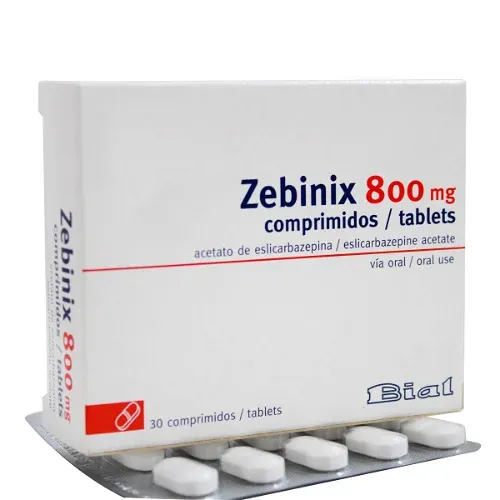
Table of Contents
- Package leaflet: Information for the user
- Zebinix 200 mg tablets
- 1. What Zebinix is and what it is used for
- 2. What you need to know before taking Zebinix
- 3. How to take Zebinix
- 4. Possible side effects
- 5. How to store Zebinix
- 6. Package contents and other information
- Package leaflet: information for the user
- Zebinix 400 mg tablets
- 1. What Zebinix is and what it is used for
- 2. What you need to know before taking Zebinix
- 3. How to take Zebinix
- 4. Possible side effects
- 5. How to store Zebinix
- 6. Package contents and other information
- Package leaflet: information for the user
- Zebinix 600 mg tablets
- 1. What Zebinix is and what it is used for
- 2. What you need to know before taking Zebinix
- 3. How to take Zebinix
- 4. Possible side effects
- 5. How to store Zebinix
- 6. Package contents and other information
- Package leaflet: information for the user
- Zebinix 800 mg tablets
- 1. What Zebinix is and what it is used for
- 2. What you should know before taking Zebinix
- 3. How to take Zebinix
- 4. Possible side effects
- 5. How to store Zebinex
- 6. Package contents and other information
- Package leaflet: Information for the user
- Zebinix 50 mg/mL oral suspension
- 1. What Zebinix is and what it is used for
- 2. What you need to know before taking Zebinix
- 3. How to take Zebinix
- 4. Possible side effects
- 5. How to store Zebinex
- 6. Package contents and other information
Package leaflet: Information for the user
Zebinix 200 mg tablets
Eslicarbazepine acetate
Please read all of this leaflet carefully before you or your child takes this medicine because it contains important information for you.
- Keep this leaflet. You may need to read it again.
- If you have any questions, ask your doctor or pharmacist.
- This medicine has been prescribed for you only. Do not give it to others, even if their symptoms are the same as yours, as it may be harmful.
- If you experience any side effects, including those not listed in this leaflet, tell your doctor or pharmacist. See section 4.
Contents of this leaflet
- What Zebinix is and what it is used for
- What you need to know before taking Zebinix
- How to take Zebinix
- Possible side effects
- How to store Zebinix
- Contents of the pack and other information
1. What Zebinix is and what it is used for
Zebinix contains the active substance eslicarbazepine acetate.
Zebinix belongs to a group of medicines called antiepileptics, which are used to treat epilepsy,
a condition characterized by repeated seizures or epileptic attacks.
Zebinix is used:
- as monotherapy in adult patients with newly diagnosed epilepsy
- in combination with other antiepileptic medicines (adjunctive therapy) in adults, adolescents, and children over 6 years of age who experience seizures affecting one part of the brain (partial seizures). These seizures may, but do not necessarily, be followed by a seizure affecting the entire brain (secondary generalization)
Zebinix has been prescribed for you to reduce the number of seizures.
2. What you need to know before taking Zebinix
Do not take Zebinix:
- if you are allergic to eslicarbazepine acetate, to other carboxamide derivatives (e.g. carbamazepine or oxcarbazepine, medicines used to treat epilepsy), or to any of the other ingredients of this medicine (listed in section 6).
- if you suffer from a certain type of heart rhythm disorder (second- or third-degree atrioventricular (AV) block).
Warnings and precautions
Talk to your doctor or pharmacist before taking Zebinix.
Contact your doctor immediately:
- if you develop blisters or peeling of the skin and/or mucous membranes, a skin rash, difficulty swallowing or breathing, or swelling of the lips, face, eyelids, throat or tongue. These may be signs of an allergic reaction.
- if you experience confusion, worsening of seizures, or reduced level of consciousness. These may be signs of low sodium levels in the blood.
Inform your doctor:
- if you have kidney problems. Your doctor may need to adjust your dose. Zebinix is not recommended in patients with severe kidney disease.
- if you have liver problems. Zebinix is not recommended in patients with severe liver problems.
- if you are taking medicines that may cause an abnormality in the ECG (electrocardiogram) known as PR interval prolongation. If you are unsure whether any of your medicines may cause this effect, discuss it with your doctor.
- if you suffer from heart disease such as heart failure or heart attack, or have any heart rhythm disorder.
- if you suffer from seizures that begin with a generalized electrical discharge affecting both sides of the brain.
A small number of people taking antiepileptic medicines have had suicidal thoughts or thoughts of harming themselves. If at any time while taking Zebinix you experience such thoughts, contact your doctor immediately.
Zebinix may cause dizziness and/or drowsiness, especially at the beginning of treatment. When taking Zebinix, take particular care to avoid accidental injury, such as falls.
Take special care with Zebinix:
Since marketing authorization, serious and potentially life-threatening skin reactions have been reported in patients treated with Zebinix, including Stevens-Johnson syndrome/toxic epidermal necrolysis and drug reaction with eosinophilia and systemic symptoms (DRESS).
If you develop a severe skin rash or other skin symptoms (see section 4), stop taking Zebinix and contact your doctor immediately or seek medical help.
In patients of Chinese Han or Thai origin, the risk of severe skin reactions associated with carbamazepine or chemically related compounds can be predicted by blood testing. Your doctor will advise you whether blood tests are necessary before starting Zebinix.
Children
Zebinix must not be given to children aged 6 years or younger.
Other medicines and Zebinix
Tell your doctor or pharmacist if you are taking, have recently taken, or might take any other medicines. This is because some medicines may interfere with the way Zebinix works, or Zebinix may interfere with the effects of other medicines. Inform your doctor if you are taking:
- phenytoin (a medicine used to treat epilepsy), as dose adjustment may be necessary.
- carbamazepine (a medicine used to treat epilepsy), as dose adjustment may be necessary and the following side effects of Zebinix may occur more frequently: double vision, abnormal coordination, and dizziness.
- hormonal contraceptives (such as the pill), as Zebinix may reduce their effectiveness.
- simvastatin (a medicine used to lower cholesterol levels), as dose adjustment may be necessary.
- rosuvastatin, a medicine used to lower cholesterol levels.
- the anticoagulant warfarin.
- antidepressants containing monoamine oxidase inhibitors (MAOIs).
- do not take oxcarbazepine (a medicine used to treat epilepsy) with Zebinix, as it is not known whether it is safe to take these medicines together.
See section ‘Pregnancy and breastfeeding’ for advice on contraception.
Pregnancy and breastfeeding
It is not recommended to take Zebinix during pregnancy, as the effects of Zebinix on pregnancy and the unborn child are unknown.
If you are planning a pregnancy, talk to your doctor before stopping contraception and before becoming pregnant. Your doctor may decide to change your treatment.
Data on the use of eslicarbazepine acetate in pregnant women are limited.
Research has shown an increased risk of congenital malformations and neurological developmental problems (brain development) in children of women taking antiepileptic medicines, particularly when more than one antiepileptic medicine is taken at the same time.
If you are pregnant or think you may be pregnant, inform your doctor immediately. Do not stop taking this medicine without discussing it with your doctor. Stopping the medicine without medical advice may lead to seizures, which could be dangerous for you and your unborn child. Your doctor may decide to modify your treatment.
If you are a woman of childbearing potential and are not planning a pregnancy, use effective contraception during treatment with Zebinix. Zebinix may reduce the effectiveness of hormonal contraceptives, such as the oral contraceptive pill (birth control pill), making them less effective in preventing pregnancy. Therefore, it is recommended to use other safe and effective forms of contraception during treatment with Zebinix. Talk to your doctor, who will discuss with you the most appropriate contraceptive methods to use during treatment with Zebinix. If you stop treatment with Zebinix, continue using effective contraception until the end of the ongoing menstrual cycle.
If you take Zebinix during pregnancy, your baby may also be at risk of bleeding problems immediately after birth. Your doctor may administer a medicine to you and your baby to prevent these problems.
Do not breast-feed during treatment with Zebinix. It is not known whether this medicine passes into breast milk.
Driving and using machines
Zebinix may cause dizziness or drowsiness and may affect your vision, especially at the beginning of treatment. In such cases, do not drive and do not operate tools or machinery.
3. How to take Zebinix
Take this medicine exactly as your doctor has told you. If you are unsure, consult your doctor or pharmacist.
Adults
Starting dose
400 mg once daily for one or two weeks before increasing to the maintenance dose. Your doctor will decide whether you should take this dose for one or two weeks.
Maintenance dose
The usual maintenance dose is 800 mg once daily.
Depending on your response to Zebinix, the dose may be increased up to 1,200 mg once daily. If you are taking Zebinix alone, your doctor may consider whether you could benefit from a dose of 1,600 mg once daily.
Patients with kidney problems
If you have kidney problems, you will usually be given a lower dose of Zebinix. Your doctor will determine the appropriate dose for you. Zebinix is not recommended if you have severe kidney problems.
Elderly (over 65 years of age)
If you are elderly and taking Zebinix alone, the 1,600 mg dose is not suitable for you.
Children over 6 years of age
Starting dose
The initial dose is 10 mg per kg of body weight once daily for one or two weeks, before increasing to the maintenance dose.
Maintenance dose
Depending on your response to Zebinix, the dose may be increased by 10 mg per kg of body weight at intervals of one or two weeks, up to a maximum of 30 mg per kg of body weight. The maximum dose is 1,200 mg once daily.
Children weighing ≥60 kg
Children weighing 60 kg or more should take the same dose as adults.
Other formulations of the medicine, such as oral suspension, may be more suitable for children. Consult your doctor or pharmacist.
Method and route of administration
Zebinix is for oral use. Swallow the tablet with a glass of water.
Zebinix tablets may be taken with or without food.
If you have difficulty swallowing the tablet whole, you may crush it, mix it with a small amount of water or apple puree, and take the entire dose immediately.
The tablet may be divided into equal doses.
If you take more Zebinix than you should
If you accidentally take more Zebinix than prescribed, you may be at risk of having more seizures, or you may experience an irregular or faster heartbeat. Contact your doctor or go to hospital immediately if you experience any of these symptoms.
Take the medicine package with you so the doctor knows what you have taken.
If you forget to take Zebinix
If you forget to take a tablet, take it as soon as you remember and then continue as usual.
Do not take a double dose to make up for the forgotten dose.
If you stop taking Zebinix
Do not stop taking the tablets suddenly, as you may be at risk of having more seizures. Your doctor will decide how long you should take Zebinix. If your doctor decides to discontinue treatment with Zebinix, the dose will usually be reduced gradually. It is important to complete treatment as directed by your doctor, otherwise your symptoms may worsen.
If you have any doubts about how to use this medicine, consult your doctor or pharmacist.
4. Possible side effects
Like all medicines, this medicine can cause side effects, although not everyone gets them.
The following side effects can be very serious. If you experience any of these symptoms, stop taking Zebinix and consult a doctor or go to hospital immediately: you may need urgent medical treatment.
- Blisters or peeling of the skin and/or mucous membranes, skin rash, difficulty swallowing or breathing, swelling of the lips, face, eyelids, throat or tongue. These may be signs of an allergic reaction.
Very common side effects (may affect more than 1 in 10 people) are:
- dizziness or drowsiness
Common side effects (may affect up to 1 in 10 people) are:
- sensation of unsteadiness, spinning or floating
- nausea or vomiting
- headache
- diarrhoea
- double or blurred vision
- difficulty concentrating
- feeling of low energy or fatigue
- tremor
- skin rash
- blood tests showing low sodium levels
- decreased appetite
- difficulty sleeping
- lack of coordination in movements (ataxia)
- weight gain
Uncommon side effects (may affect up to 1 in 100 people) are:
- clumsiness
- allergy
- constipation
- epileptic seizures
- underactive thyroid gland. Symptoms include reduced levels of thyroid hormone (seen in blood tests), intolerance to cold, enlarged tongue, brittle nails or hair, and low body temperature
- liver problems (such as increased liver enzymes)
- high blood pressure or severe increase in blood pressure
- low blood pressure or drop in blood pressure when standing up
- blood tests showing low levels of salt (including chloride) or reduced number of red blood cells
- dehydration
- abnormal eye movements, blurred vision or red eye
- falls
- burn
- poor memory or forgetfulness
- crying, feeling depressed, nervousness or confusion, lack of interest or emotions
- inability to speak or write or to understand spoken or written language
- agitation
- attention deficit/hyperactivity disorder
- irritability
- mood changes or hallucinations
- difficulty speaking
- nosebleeds
- chest pain
- tingling and/or numbness in any part of the body
- migraine
- burning sensation
- abnormal sense of touch
- disturbances of the sense of smell
- ringing in the ears
- hearing difficulties
- swelling of arms or legs
- heartburn, stomach discomfort, abdominal pain, stomach bloating, mouth discomfort or dry mouth
- dark stools (presence of blood in stools)
- inflamed gums or toothache
- sweating or dry skin
- itching
- skin changes (e.g. redness of the skin)
- hair loss
- urinary tract infection
- general feeling of malaise or chills
- weight loss
- muscle pain, limb pain, muscle weakness
- bone metabolism disorders
- increased bone proteins
- hot flushes, cold limbs
- slower or irregular heartbeat
- extreme drowsiness
- sedation
- movement-related neurological disorders involving muscle contractions causing twisting and repetitive movements or abnormal postures. Symptoms include tremor, pain, cramps
- drug toxicity
- anxiety
Side effects with unknown frequency (frequency cannot be estimated from the available data) are:
- reduction in platelets, increasing the risk of bleeding or bruising;
- severe back pain and stomach pain (caused by inflammation of the pancreas);
- reduction in white blood cells, increasing the likelihood of infections;
- red target-shaped spots or circular patches, often with blisters in the centre, on the trunk, skin peeling, mouth, throat, nose, genital or eye ulcers (lesions), red and swollen eyes, possibly preceded by fever and/or flu-like symptoms (Stevens-Johnson syndrome/toxic epidermal necrolysis);
- initially flu-like symptoms, facial rash followed by spreading to other parts of the body, high body temperature, increased liver enzymes, blood abnormalities (eosinophilia), swollen lymph nodes and involvement of other organs (drug reaction with eosinophilia and systemic symptoms, also known as DRESS or drug hypersensitivity syndrome);
- severe allergic reaction causing swelling of the face, throat, hands, feet, ankles or lower legs;
- hives (itchy skin rash);
- lethargy, confusion, muscle twitching or significant worsening of seizures (possible symptoms of low sodium levels in the blood due to inappropriate ADH secretion).
Use of Zebinix is associated with an abnormality in the ECG (electrocardiogram) called PR interval prolongation. Side effects related to this ECG abnormality (e.g. fainting or slowed heartbeat) may occur.
Cases of bone disorders including osteopenia and osteoporosis (thinning of the bones) and fractures have been reported with structurally related antiepileptic medicines such as carbamazepine and oxcarbazepine.
Consult your doctor or pharmacist if you are on long-term antiepileptic therapy, if you have a history of osteoporosis, or if you are taking steroids.
Reporting of side effects
If you experience any side effect, including those not listed in this leaflet, talk to your doctor or pharmacist. You can also report side effects directly via the national reporting system listed in Annex V.
By reporting side effects, you can help provide more information on the safety of this medicine.
5. How to store Zebinix
Keep this medicine out of the sight and reach of children.
Do not use this medicine after the expiry date which is stated on the blister, the bottle, and the
carton after Exp. The expiry date refers to the last day of that month.
This medicine does not require any special storage conditions.
Do not dispose of any medicine via wastewater or household waste. Ask your pharmacist how to
dispose of medicines no longer required. This will help protect the environment.
6. Package contents and other information
What Zebinix contains
- The active substance is eslicarbazepine acetate. Each tablet contains 200 mg of eslicarbazepine acetate.
- The other components are povidone K29/32, sodium croscarmellose, and magnesium stearate.
Description of the appearance of Zebinix and pack contents
The 200 mg Zebinix tablets are white and oblong. One side is marked with the characters
'ESL 200', and on the other side there is a score line. The tablet is 11 mm long. The tablet can be divided into equal doses.
The tablets are packed in blisters within cardboard boxes containing 20 or 60 tablets, and in HDPE bottles with child-resistant closures within cardboard boxes containing 60 tablets.
Not all pack sizes may be marketed.
Marketing Authorisation Holder and Manufacturer
BIAL - Portela & Cª, S.A., Av. da Siderurgia Nacional
4745-457 S. Mamede do Coronado
Portugal
Tel: +351 22 986 61 00
Fax: +351 22 986 61 99
E-mail: [email protected]
For further information about this medicinal product, please contact the local representative of the Marketing Authorisation Holder:
België/Belgique/Belgien Luxembourg/Luxemburg
BIAL-Portela & Cª., S.A. BIAL-Portela & Cª., S.A.
Tél/Tel: +351 22 986 61 00 Tél/Tel: +351 22 986 61 00
(Portugal) (Portugal)
България Magyarország
BIAL-Portela & Cª., S.A. BIAL-Portela & Cª., S.A.
Teл.: +351 22 986 61 00 Tel.: +351 22 986 61 00
(Португалия) (Portugália)
Česká republika Malta
BIAL-Portela & Cª., S.A. BIAL-Portela & Cª., S.A.
Tel: +351 22 986 61 00 Tel: +351 22 986 61 00
(Portugal) (Il-Portugall)
Danmark Nederland
Nordicinfu Care AB BIAL-Portela & Cª., S.A.
Tlf: +45 (0) 70 28 10 24 Tél/Tel: +351 22 986 61 00
(Portugal)
Deutschland Norge
BIAL-Portela & Cª., S.A. Nordicinfu Care AB
Tel: +351 22 986 61 00 Tlf: +47 (0) 22 20 60 00
(Portugal)
Eesti Österreich
BIAL-Portela & Cª., S.A. BIAL-Portela & Cª., S.A.
Tel: +351 22 986 61 00 Tel: +351 22 986 61 00
(Portugal) (Portugal)
Ελλάδα Polska
ΑΡΡΙΑΝΙ ΦΑΡΜΑΚΕΥΤΙΚΗ Α.Ε. BIAL-Portela & Cª., S.A.
Τηλ: +30 210 668 3000 Tel.: +351 22 986 61 00
(Portugália)
España Portugal
Laboratorios BIAL, S.A. BIAL-Portela & Cª., S.A.
Tel: +34 91 562 41 96 Tel.: +351 22 986 61 00
France România
BIAL-Portela & Cª., S.A. BIAL-Portela & Cª., S.A.
Tél: +351 22 986 61 00 Tel: +351 22 986 61 00
(Portugal) (Portugalia)
Hrvatska Slovenija
BIAL-Portela & Cª., S.A. BIAL-Portela & Cª., S.A.
Tel: +351 22 986 61 00 Tel: +351 22 986 61 00
(Portugal) (Portugalska)
Ireland Slovenská republika
BIAL-Portela & Cª., S.A. BIAL-Portela & Cª., S.A.
Tel: +351 22 986 61 00 Tel: +351 22 986 61 00
(Portugal) (Portugalsko)
Ísland Suomi/Finland
Nordicinfu Care AB Nordicinfu Care AB
Sími: +46 (0) 8 601 24 40 Puh/Tel: +358 (0) 207 348 760
Italia Sverige
BIAL-Portela & Cª., S.A. Nordicinfu Care AB
Tel: +351 22 986 61 00 Tel: +46 (0) 8 601 24 40
(Portugal)
Κύπρος United Kingdom
BIAL-Portela & Cª., S.A. BIAL-Portela & Cª., S.A.
Τηλ: +351 22 986 61 00 Tel: +351 22 986 61 00
(Πορτογαλία) (Portugal)
Latvija
BIAL-Portela & Cª., S.A.
Tel: +351 22 986 61 00
(Portugāle)
Lietuva
BIAL-Portela & Cª., S.A.
Tel: +351 22 986 61 00
(Portugalija)
More detailed information on this medicinal product is available on the European Medicines Agency website: http://www.ema.europa.eu.
Package leaflet: information for the user
Zebinix 400 mg tablets
Eslicarbazepine acetate
Please read this leaflet carefully before you or your child takes this medicine because
it contains important information for you.
- Keep this leaflet. You may need to read it again.
- If you have any questions, ask your doctor or pharmacist.
- This medicine has been prescribed for you only. Do not give it to other people, even if they have the same symptoms as yours, because it could be harmful.
- If you experience any side effects, including those not listed in this leaflet, contact your doctor or pharmacist. See section 4.
Contents of this leaflet
- What Zebinix is and what it is used for
- What you need to know before taking Zebinix
- How to take Zebinix
- Possible side effects
- How to store Zebinix
- Contents of the pack and other information
1. What Zebinix is and what it is used for
Zebinix contains the active substance eslicarbazepine acetate.
Zebinix belongs to a group of medicines called antiepileptics, which are used to treat epilepsy,
a condition characterized by repeated seizures or epileptic fits.
Zebinix is used:
- as monotherapy in adult patients with newly diagnosed epilepsy
- in combination with other antiepileptic medicines (add-on therapy) in adults, adolescents, and children over 6 years of age who experience seizures affecting one part of the brain (partial seizures). These seizures may, but not necessarily, be followed by a seizure affecting the entire brain (secondary generalization)
Zebinix has been prescribed for you to reduce the number of seizures.
2. What you need to know before taking Zebinix
Do not take Zebinix:
- if you are allergic to eslicarbazepine acetate, to other carboxamide derivatives (e.g. carbamazepine or oxcarbazepine, medicines used to treat epilepsy), or to any of the other ingredients of this medicine (listed in section 6).
- if you suffer from a certain type of heart rhythm disorder (second- or third-degree atrioventricular (AV) block).
Warnings and precautions
Talk to your doctor or pharmacist before taking Zebinix.
Contact your doctor immediately:
- if you develop blisters or skin and/or mucosal peeling, rash, difficulty swallowing or breathing, or swelling of the lips, face, eyelids, throat, or tongue. These may be signs of an allergic reaction.
- if you experience confusion, worsening of seizures, or reduced level of consciousness, which could be signs of low sodium levels in the blood.
Inform your doctor:
- if you have kidney problems. Your doctor may need to adjust your dose. Zebinix is not recommended in patients with severe renal disease.
- if you have liver problems. Zebinix is not recommended in patients with severe liver problems.
- if you are taking medicines that may cause an abnormality in the electrocardiogram (ECG) known as PR interval prolongation. If you are unsure whether any of your medicines may cause this effect, discuss it with your doctor.
- if you have a heart condition such as heart failure or myocardial infarction, or any heart rhythm disorder.
- if you suffer from seizures that begin with a widespread electrical discharge affecting both sides of the brain.
A small number of people treated with antiepileptic medicines have had suicidal thoughts or thoughts of self-harm (hurting themselves).
If at any time while taking Zebinix you experience such thoughts, contact your doctor immediately.
Zebinix may cause dizziness and/or drowsiness, especially at the beginning of treatment. When taking Zebinix, take particular care to avoid accidental injury, such as falls.
Special caution with Zebinix:
After marketing, serious and potentially life-threatening skin reactions have been reported in patients treated with Zebinix, including Stevens-Johnson syndrome/toxic epidermal necrolysis and drug reaction with eosinophilia and systemic symptoms (DRESS).
If you develop a severe skin rash or other skin symptoms (see section 4), stop taking Zebinix and contact your doctor immediately or seek medical help.
In patients of Han Chinese or Thai origin, the risk of serious skin reactions associated with carbamazepine or chemically related compounds can be predicted by testing a blood sample from these patients. Your doctor will advise you whether blood testing is necessary before starting Zebinix.
Children
Zebinix must not be given to children aged 6 years or younger.
Other medicines and Zebinix
Inform your doctor or pharmacist if you are taking, have recently taken, or might take any other medicines. This is because some medicines may interfere with how Zebinix works, or Zebinix may interfere with their effects. Inform your doctor if you are taking:
- phenytoin (a medicine used to treat epilepsy), as dose adjustment may be necessary.
- carbamazepine (a medicine used to treat epilepsy), as dose adjustment may be necessary, and the following side effects of Zebinix may occur more frequently: double vision, abnormal coordination, and dizziness.
- hormonal contraceptives (such as the pill), as Zebinix may reduce their effectiveness.
- simvastatin (a medicine used to lower cholesterol levels), as dose adjustment may be necessary.
- rosuvastatin, a medicine used to lower cholesterol levels.
- the anticoagulant warfarin.
- antidepressants containing monoamine oxidase inhibitors (MAOIs).
- do not take oxcarbazepine (a medicine used to treat epilepsy) with Zebinix, as it is not known whether it is safe to take these medicines together.
See section 'Pregnancy and breastfeeding' for advice on contraception.
Pregnancy and breastfeeding
It is not recommended to take Zebinix during pregnancy, as the effects of Zebinix on pregnancy and the unborn child are unknown.
If you are planning a pregnancy, speak to your doctor before stopping contraception and before becoming pregnant. Your doctor may decide to change your treatment.
Data on the use of eslicarbazepine acetate in pregnant women are limited.
Research has shown an increased risk of congenital malformations and neurological developmental problems (brain development) in children of women taking antiepileptic medicines, particularly when more than one antiepileptic medicine is taken at the same time.
If you are pregnant or think you might be pregnant, inform your doctor immediately. Do not stop taking this medicine without discussing it with your doctor. If you stop taking the medicine without consulting your doctor, you may experience seizures, which could be dangerous for you and your unborn child. Your doctor may decide to change your treatment.
If you are a woman of childbearing age and are not planning a pregnancy, use effective contraception during treatment with Zebinix. Zebinix may reduce the effectiveness of hormonal contraceptives, such as the oral contraceptive pill (birth control pill), making them less effective in preventing pregnancy. Therefore, it is recommended to use other safe and effective forms of contraception during treatment with Zebinix. Talk to your doctor, who will discuss with you the most appropriate contraceptive methods to use during treatment with Zebinix. If you stop treatment with Zebinix, continue using effective contraception until the end of the current menstrual cycle.
If you take Zebinix during pregnancy, your baby may also be at risk of bleeding problems shortly after birth. Your doctor may give you and your baby a medicine to prevent these problems.
Do not breastfeed while taking Zebinix. It is not known whether this medicine passes into breast milk.
Driving and using machines
Zebinix may cause dizziness or drowsiness and may affect your vision, especially at the beginning of treatment. In such cases, do not drive and do not operate tools or machines.
3. How to take Zebinix
Take this medicine exactly as your doctor has told you. If you are unsure, consult your doctor or pharmacist.
Adults
Starting dose
400 mg once daily for one or two weeks, before increasing to the maintenance dose. Your doctor will decide whether you should take this dose for one or two weeks.
Maintenance dose
The usual maintenance dose is 800 mg once daily.
Depending on your response to Zebinix, the dose may be increased up to 1,200 mg once daily. If you are taking Zebinix as monotherapy, your doctor may consider whether you could benefit from a dose of 1,600 mg once daily.
Patients with renal impairment
If you have kidney problems, you will usually be given a lower dose of Zebinix. Your doctor will determine the appropriate dose for you. Zebinix is not recommended if you have severe renal impairment.
Elderly (over 65 years of age)
If you are elderly and taking Zebinix as monotherapy, the 1,600 mg dose is not suitable for you.
Children over 6 years of age
Starting dose
The initial dose is 10 mg per kg of body weight once daily for one or two weeks, before increasing to the maintenance dose.
Maintenance dose
Depending on your response to Zebinix, the dose may be increased by 10 mg per kg of body weight at intervals of one or two weeks, up to a maximum of 30 mg per kg of body weight. The maximum dose is 1,200 mg once daily.
Children weighing ≥60 kg
Children weighing 60 kg or more should take the same dose as adults.
Other formulations of the medicine, such as oral suspension, may be more suitable for children. Consult your doctor or pharmacist.
Method and route of administration
Zebinix is for oral use. Swallow the tablet with a glass of water.
Zebinix tablets may be taken with or without food.
If you have difficulty swallowing the tablet whole, you may crush it, mix it with a small amount of water or apple puree, and take the entire dose immediately.
The break line on the tablet is intended to facilitate splitting the tablet if you have difficulty swallowing it whole.
If you take more Zebinix than you should
If you accidentally take more Zebinix than you should, you may be at risk of having more seizures; you may also experience an irregular or faster heartbeat. Contact your doctor or go to hospital immediately if you experience any of these symptoms.
Take the medicine pack with you so the doctor knows what you have taken.
If you forget to take Zebinix
If you forget to take a tablet, take it as soon as you remember, and then continue as usual.
Do not take a double dose to make up for a forgotten dose.
If you stop taking Zebinix
Do not stop taking the tablets suddenly. You may be at risk of having more seizures. Your doctor will decide how long you should take Zebinix. If your doctor decides to discontinue treatment with Zebinix, the dose will usually be reduced gradually. It is important to complete treatment according to your doctor's instructions, otherwise your symptoms may worsen.
If you have any doubts about how to use this medicine, consult your doctor or pharmacist.
4. Possible side effects
Like all medicines, this medicine can cause side effects, although not everybody gets them.
The following side effects can be very serious. If you experience any of these, stop taking Zebinix and consult a doctor or go to hospital immediately: you may need urgent medical treatment.
- Blisters or peeling of the skin and/or mucous membranes, skin rash, difficulty swallowing or breathing, swelling of the lips, face, eyelids, throat or tongue. These may be signs of an allergic reaction.
Very common side effects (may affect more than 1 in 10 people) are:
- dizziness or drowsiness
Common side effects (may affect up to 1 in 10 people) are:
- sensation of unsteadiness, spinning or floating
- nausea or vomiting
- headache
- diarrhoea
- double or blurred vision
- difficulty concentrating
- feeling of low energy or fatigue
- tremor
- skin rash
- blood tests showing low sodium levels
- decreased appetite
- difficulty sleeping
- difficulty in coordinating movements (ataxia)
- weight gain
Uncommon side effects (may affect up to 1 in 100 people) are:
- clumsiness
- allergy
- constipation
- epileptic seizures
- underactive thyroid gland. Symptoms include reduced thyroid hormone levels (seen in blood tests), cold intolerance, enlarged tongue, thin and brittle nails or hair, and low body temperature
- liver problems (such as increased liver enzymes)
- high blood pressure or severe increase in blood pressure
- low blood pressure or drop in blood pressure upon standing
- blood tests showing low levels of salt (including chloride) or reduced number of red blood cells
- dehydration
- eye movement disorders, blurred vision, or red eye
- falls
- burns
- poor memory or forgetfulness
- crying, feeling depressed, nervousness or confusion, lack of interest or emotions
- inability to speak or write or to understand spoken or written language
- agitation
- attention deficit/hyperactivity disorder
- irritability
- mood changes or hallucinations
- difficulty speaking
- nosebleeds
- chest pain
- tingling and/or numbness in any part of the body
- migraine
- burning sensation
- abnormal sense of touch
- disturbances of the sense of smell
- ringing in the ears
- hearing difficulties
- swelling of the arms or legs
- heartburn, stomach discomfort, abdominal pain, bloating, stomach discomfort or dry mouth
- dark stools (presence of blood in stools)
- inflamed gums or toothache
- sweating or dry skin
- itching
- skin disorders (e.g. red skin)
- hair loss
- urinary tract infection
- general malaise or chills
- weight loss
- muscle pain, limb pain, muscle weakness
- bone metabolism disorders
- increased bone proteins
- hot flushes, cold limbs
- slow or irregular heartbeat
- extreme drowsiness
- sedation
- movement-related neurological disorders involving muscle contractions causing twisting movements, repetitive movements or abnormal postures. Symptoms include tremor, pain, cramps
- drug toxicity
- anxiety
Side effects of unknown frequency (frequency cannot be estimated from the available data) are:
- reduced platelet count, increasing the risk of bleeding or bruising;
- severe back pain and stomach pain (caused by inflammation of the pancreas);
- reduced white blood cell count, increasing the risk of infections;
- red, target-shaped spots or circular patches, often with blisters in the centre, on the trunk, skin peeling, mouth, throat, nose, genital or eye ulcers (lesions), red and swollen eyes, possibly preceded by fever and/or flu-like symptoms (Stevens-Johnson syndrome/toxic epidermal necrolysis);
- initially flu-like symptoms, facial rash spreading to other parts of the body, high body temperature, increased liver enzymes, blood abnormalities (eosinophilia), swollen lymph nodes and involvement of other organs (drug reaction with eosinophilia and systemic symptoms, also known as DRESS or drug hypersensitivity syndrome);
- severe allergic reaction causing swelling of the face, throat, hands, feet, ankles or lower legs;
- urticaria (itchy skin rash);
- lethargy, confusion, muscle twitching or marked worsening of seizures (possible symptoms of low blood sodium levels due to inappropriate ADH secretion).
The use of Zebinix is associated with an ECG (electrocardiogram) abnormality called PR interval prolongation. Side effects related to this ECG abnormality may occur (e.g. fainting or slowed heart rate).
Cases of bone disorders including osteopenia and osteoporosis (thinning of the bones) and fractures have been reported with structurally related antiepileptic medicines such as carbamazepine and oxcarbazepine.
Consult your doctor or pharmacist if you are on long-term anti-epileptic treatment, if you have a history of osteoporosis, or if you are taking steroids.
Reporting of side effects
If you experience any side effect, including those not listed in this leaflet, talk to your doctor or pharmacist. You can also report side effects directly via the national reporting system referred to in Annex V.
By reporting side effects, you can help provide more information on the safety of this medicine.
5. How to store Zebinix
Keep this medicine out of the sight and reach of children.
Do not use this medicine after the expiry date stated on the blister pack and carton after
Exp. The expiry date refers to the last day of that month.
This medicine does not require any special storage conditions.
Do not dispose of medicines via wastewater or household waste. Ask your pharmacist how to
dispose of medicines you no longer use. This will help protect the environment.
6. Package contents and other information
What Zebinix contains
- The active substance is eslicarbazepine acetate. Each tablet contains 400 mg of eslicarbazepine acetate.
- The other components are povidone K29/32, sodium croscarmellose, and magnesium stearate.
Description of the appearance of Zebinix and contents of the pack
The Zebinix 400 mg tablets are round, white, and biconvex. On one side, the inscription 'ESL 400' is printed, and on the other side there is a score line. The diameter is 11 mm.
The tablets are packed in blisters within cardboard boxes containing 7, 14, or 28 tablets.
Not all pack sizes may be marketed.
Marketing Authorization Holder and Manufacturer
BIAL - Portela & Cª, S.A., Av. da Siderurgia Nacional
4745-457 S. Mamede do Coronado
Portugal
Tel: +351 22 986 61 00
Fax: +351 22 986 61 99
E-mail: [email protected]
For further information about this medicinal product, please contact the local representative of the Marketing Authorization Holder:
België/Belgique/Belgien
BIAL-Portela & Cª., S.A.
Tél/Tel: +351 22 986 61 00
(Portugal)
България
BIAL-Portela & Cª., S.A.
Teл.: +351 22 986 61 00
(Португалия)
Česká republika
BIAL-Portela & Cª., S.A.
Tel: +351 22 986 61 00
(Portogallo)
Danmark
Nordicinfu Care AB
Tlf: +45 (0) 70 28 10 24
(Portugal)
Deutschland
BIAL-Portela & Cª., S.A.
Tel: +351 22 986 61 00
(Portugal)
Eesti
BIAL-Portela & Cª., S.A.
Tel: +351 22 986 61 00
(Portugal)
Ελλάδα
ΑΡΡΙΑΝΙ ΦΑΡΜΑΚΕΥΤΙΚΗ Α.Ε.
Τηλ: +30 210 668 3000
(Portugália)
España
Laboratorios BIAL, S.A.
Tel: +34 91 562 41 96
France
BIAL-Portela & Cª., S.A.
Tél: +351 22 986 61 00
(Portugal)
Hrvatska
BIAL-Portela & Cª., S.A.
Tel: +351 22 986 61 00
(Portugal)
Ireland
BIAL-Portela & Cª., S.A.
Tel: +351 22 986 61 00
(Portugal)
Ísland
Nordicinfu Care AB
Sími: +46 (0) 8 601 24 40
Italia
BIAL-Portela & Cª., S.A.
Tel: +351 22 986 61 00
(Portogallo)
Κύπρος
BIAL-Portela & Cª., S.A.
Τηλ: +351 22 986 61 00
(Πορτογαλία)
Latvija
BIAL-Portela & Cª., S.A.
Tel: +351 22 986 61 00
(Portugāle)
Lietuva
BIAL-Portela & Cª., S.A.
Tel: +351 22 986 61 00
(Portugalija)
Luxembourg/Luxemburg
BIAL-Portela & Cª., S.A.
Tél/Tel: +351 22 986 61 00
(Portugal)
Magyarország
BIAL-Portela & Cª., S.A.
Tel.: +351 22 986 61 00
(Portugália)
Malta
BIAL-Portela & Cª., S.A.
Tel: +351 22 986 61 00
(Il-Portugall)
Nederland
BIAL-Portela & Cª., S.A.
Tél/Tel: +351 22 986 61 00
(Portugal)
Norge
Nordicinfu Care AB
Tlf: +47 (0) 22 20 60 00
Österreich
BIAL-Portela & Cª., S.A.
Tel: +351 22 986 61 00
(Portugal)
Polska
BIAL-Portela & Cª., S.A.
Tel.: +351 22 986 61 00
(Portugália)
Portugal
BIAL-Portela & Cª., S.A.
Tel.: +351 22 986 61 00
România
BIAL-Portela & Cª., S.A.
Tel: +351 22 986 61 00
(Portugalia)
Slovenija
BIAL-Portela & Cª., S.A.
Tel: +351 22 986 61 00
(Portugalska)
Slovenská republika
BIAL-Portela & Cª., S.A.
Tel: +351 22 986 61 00
(Portugalsko)
Suomi/Finland
Nordicinfu Care AB
Puh/Tel: +358 (0) 207 348 760
Sverige
Nordicinfu Care AB
Tel: +46 (0) 8 601 24 40
Svizzera
BIAL-Portela & Cª., S.A.
Tel: +351 22 986 61 00
(Portogallo)
United Kingdom
BIAL-Portela & Cª., S.A.
Tel: +351 22 986 61 00
(Portugal)
More detailed information on this medicinal product is available on the European Medicines Agency website: http://www.ema.europa.eu.
Package leaflet: information for the user
Zebinix 600 mg tablets
Eslicarbazepine acetate
Please read this leaflet carefully before you or your child takes this medicine because
it contains important information for you.
- Keep this leaflet. You may need to read it again.
- If you have any questions, ask your doctor or pharmacist.
- This medicine has been prescribed for you only. Do not give it to other people, even if their symptoms are the same as yours, as it could be harmful.
- If any adverse reaction occurs, including those not listed in this leaflet, consult your doctor or pharmacist. See section 4.
Contents of this leaflet
- What Zebinix is and what it is used for
- What you need to know before taking Zebinix
- How to take Zebinix
- Possible side effects
- How to store Zebinix
- Contents of the pack and other information
1. What Zebinix is and what it is used for
Zebinix contains the active substance eslicarbazepine acetate.
Zebinix belongs to a group of medicines called antiepileptic drugs, which are used to treat epilepsy,
a condition characterized by recurrent seizures or epileptic fits.
Zebinix is used:
- as monotherapy in adult patients with newly diagnosed epilepsy
- in combination with other antiepileptic medicines (adjunctive therapy) in adults, adolescents, and children over 6 years of age who have seizures affecting one part of the brain (partial seizures). These seizures may, but not necessarily, be followed by a seizure affecting the entire brain (secondary generalization)
Zebinix has been prescribed for you to help reduce the number of seizures.
2. What you need to know before taking Zebinix
Do not take Zebinix:
- if you are allergic to eslicarbazepine acetate, to other carboxamide derivatives (e.g. carbamazepine or oxcarbazepine, medicines used to treat epilepsy), or to any of the other ingredients of this medicine (listed in section 6).
- if you have a certain type of heart rhythm disorder (second- or third-degree atrioventricular (AV) block).
Warnings and precautions
Talk to your doctor or pharmacist before taking Zebinix.
Contact your doctor immediately:
- if you develop blisters or peeling of the skin and/or mucous membranes, a rash, difficulty swallowing or breathing, or swelling of the lips, face, eyelids, throat or tongue. These may be signs of an allergic reaction.
- if you experience confusion, worsening of seizures, or reduced level of consciousness, which may be signs of low sodium levels in the blood.
Inform your doctor:
- if you have kidney problems. Your doctor may need to adjust your dose. Zebinix is not recommended in patients with severe kidney disease.
- if you have liver problems. Zebinix is not recommended in patients with severe liver problems.
- if you are taking medicines that may cause an abnormality on the ECG (electrocardiogram) known as PR interval prolongation. If you are unsure whether your medicines may cause this effect, discuss it with your doctor.
- if you have a heart condition such as heart failure or a heart attack, or any heart rhythm disorder.
- if you have seizures that begin with a generalized electrical discharge affecting both sides of the brain.
A small number of people treated with antiepileptic medicines have had suicidal thoughts or thoughts about harming themselves. If at any time while taking Zebinix you have such thoughts, contact your doctor immediately.
Zebinix may cause dizziness and/or drowsiness, especially at the beginning of treatment. When taking Zebinix, take particular care to avoid accidental injury, such as falls.
Special caution with Zebinix:
Since marketing authorization, serious and potentially fatal skin reactions have been reported in patients treated with Zebinix, including Stevens-Johnson syndrome/toxic epidermal necrolysis and drug reaction with eosinophilia and systemic symptoms (DRESS).
If you develop a severe skin rash or other skin symptoms (see section 4), stop taking Zebinix and contact your doctor immediately or seek medical help.
In patients of Chinese Han or Thai origin, the risk of serious skin reactions associated with carbamazepine or chemically related compounds can be predicted by testing a blood sample from these patients. Your doctor will advise you whether blood testing is necessary before starting Zebinix.
Children
Zebinix must not be given to children aged 6 years or younger.
Other medicines and Zebinix
Tell your doctor or pharmacist if you are taking, have recently taken, or might take any other medicines. This is because some medicines may interfere with how Zebinix works, or Zebinix may interfere with how other medicines work. Inform your doctor if you are taking:
- phenytoin (a medicine used to treat epilepsy), as dose adjustment may be necessary.
- carbamazepine (a medicine used to treat epilepsy), as dose adjustment may be necessary, and the following side effects of Zebinix may occur more frequently: double vision, abnormal coordination, and dizziness.
- hormonal contraceptives (such as the pill), as Zebinix may reduce their effectiveness.
- simvastatin (a medicine used to lower cholesterol levels), as dose adjustment may be necessary.
- rosuvastatin, a medicine used to lower cholesterol levels.
- the anticoagulant warfarin.
- antidepressants containing monoamine oxidase inhibitors (MAOIs).
- do not take oxcarbazepine (a medicine used to treat epilepsy) with Zebinix, as it is not known whether it is safe to take these medicines together.
See section ‘Pregnancy and breastfeeding’ for advice on contraception.
Pregnancy and breastfeeding
It is not recommended to take Zebinix during pregnancy, as the effects of Zebinix on pregnancy and the unborn child are unknown.
If you are planning a pregnancy, talk to your doctor before stopping contraception and before becoming pregnant. Your doctor may decide to change your treatment.
Data on the use of eslicarbazepine acetate in pregnant women are limited.
Research has shown an increased risk of congenital malformations and neurological developmental problems (brain development) in children of women taking antiepileptic medicines, particularly when more than one antiepileptic medicine is taken at the same time.
If you are pregnant or think you may be pregnant, inform your doctor immediately. Do not stop taking this medicine without discussing it with your doctor. Stopping the medicine without medical advice may lead to seizures, which could be dangerous for you and your unborn child. Your doctor may decide to change your treatment.
If you are a woman of childbearing potential and not planning a pregnancy, use effective contraception during treatment with Zebinix. Zebinix may affect how hormonal contraceptives work, such as the oral contraceptive pill (birth control pill), and make them less effective in preventing pregnancy. Therefore, it is recommended to use other safe and effective forms of contraception during treatment with Zebinix. Talk to your doctor, who will discuss with you the most appropriate contraceptive methods to use during treatment with Zebinix. If you stop treatment with Zebinix, continue using effective contraception until the end of the ongoing menstrual cycle.
If you take Zebinix during pregnancy, your baby may also be at risk of bleeding problems shortly after birth. Your doctor may give you and your baby a medicine to prevent these problems.
Do not breast-feed during treatment with Zebinix. It is not known whether this medicine passes into breast milk.
Driving and using machines
Zebinix may cause dizziness or drowsiness and may affect your vision, especially at the beginning of treatment. If this occurs, do not drive and do not operate tools or machinery.
3. How to take Zebinix
Take this medicine exactly as your doctor has told you. If you are unsure, consult your doctor or pharmacist.
Adults
Starting dose
400 mg once daily for one or two weeks before increasing to the maintenance dose. Your doctor will decide whether you should take this dose for one or two weeks.
Maintenance dose
The usual maintenance dose is 800 mg once daily.
Depending on your response to Zebinix, the dose may be increased up to 1,200 mg once daily. If you are taking Zebinix as monotherapy, your doctor may consider whether you could benefit from a dose of 1,600 mg once daily.
Patients with kidney problems
If you have kidney problems, you will usually be given a lower dose of Zebinix. Your doctor will determine the appropriate dose for you. Zebinix is not recommended if you have severe kidney problems.
Elderly (over 65 years of age)
If you are elderly and taking Zebinix as monotherapy, the 1,600 mg dose is not suitable for you.
Children over 6 years of age
Starting dose
The initial dose is 10 mg per kg of body weight once daily for one or two weeks, before increasing to the maintenance dose.
Maintenance dose
Depending on your response to Zebinix, the dose may be increased by 10 mg per kg of body weight at intervals of one or two weeks, up to a maximum of 30 mg per kg of body weight. The maximum dose is 1,200 mg once daily.
Children weighing ≥60 kg
Children weighing 60 kg or more should take the same dose as adults.
Other dosage forms of the medicine, such as oral suspension, may be more suitable for children. Consult your doctor or pharmacist.
Method and route of administration
Zebinix is for oral use. Swallow the tablet with a glass of water.
Zebinix tablets may be taken with or without food.
If you have difficulty swallowing the tablet whole, you may crush it, mix it with a small amount of water or apple puree, and take the entire dose immediately.
The tablet may be divided into equal parts.
If you take more Zebinix than you should
If you accidentally take more Zebinix than prescribed, you may be at risk of having more seizures; you may also experience an irregular or faster heartbeat. Contact your doctor or go to hospital immediately if you experience any of the symptoms listed above.
Take the medicine package with you so the doctor knows what you have taken.
If you forget to take Zebinix
If you forget to take a tablet, take it as soon as you remember, then continue as usual.
Do not take a double dose to make up for the forgotten dose.
If you stop taking Zebinix
Do not stop taking the tablets suddenly, as you may be at risk of having more seizures. Your doctor will decide how long you should take Zebinix. If your doctor decides to discontinue treatment with Zebinix, your dose will usually be reduced gradually. It is important to complete treatment according to your doctor's instructions, otherwise your symptoms may worsen.
If you have any doubts about how to use this medicine, consult your doctor or pharmacist.
4. Possible side effects
Like all medicines, this medicine can cause side effects, although not everybody will experience them.
The following side effects can be very serious. If you experience any of these, stop taking Zebinix and consult a doctor or go to hospital immediately: you may require urgent medical treatment.
- Blisters or peeling of the skin and/or mucous membranes, skin rash, difficulty swallowing or breathing, swelling of the lips, face, eyelids, throat or tongue. These may be signs of an allergic reaction.
Very common side effects (may affect more than 1 in 10 people) are:
- dizziness or drowsiness
Common side effects (may affect up to 1 in 10 people) are:
- sensation of unsteadiness, spinning or floating
- nausea or vomiting
- headache
- diarrhoea
- double or blurred vision
- difficulty concentrating
- feeling of low energy or fatigue
- tremor
- skin rash
- blood tests showing low sodium levels
- decreased appetite
- difficulty sleeping
- lack of coordination in movements (ataxia)
- weight gain
Uncommon side effects (may affect up to 1 in 100 people) are:
- clumsiness
- allergy
- constipation
- epileptic seizures
- underactive thyroid gland. Symptoms include reduced levels of thyroid hormone (seen in blood tests), intolerance to cold, enlarged tongue, thin and brittle nails or hair, and low body temperature
- liver problems (such as increased liver enzymes)
- high blood pressure or severe increase in blood pressure
- low blood pressure or a drop in blood pressure upon standing
- blood tests showing low levels of salt (including chloride) or reduced number of red blood cells
- dehydration
- eye movement disorders, blurred vision or red eye
- falls
- burn
- poor memory or forgetfulness
- crying, feeling depressed, nervousness or confusion, lack of interest or emotions
- inability to speak or write or to understand spoken or written language
- agitation
- attention deficit/hyperactivity disorder
- irritability
- mood changes or hallucinations
- difficulty speaking
- nosebleeds
- chest pain
- tingling and/or numbness in any part of the body
- migraine
- burning sensation
- abnormal sense of touch
- disturbances in the sense of smell
- ringing in the ears
- hearing difficulties
- swelling in the arms or legs
- heartburn, stomach discomfort, abdominal pain, stomach bloating and mouth discomfort or dry mouth
- dark stools (presence of blood in stools)
- inflamed gums or toothache
- sweating or dry skin
- itching
- skin disorders (e.g. red skin)
- hair loss
- urinary tract infection
- general feeling of being unwell or chills
- weight loss
- muscle pain, limb pain, muscle weakness
- bone metabolism disorders
- increased bone proteins
- hot flushes, cold limbs
- slower or irregular heartbeat
- extreme drowsiness
- sedation
- neurological movement disorders involving muscle contractions causing twisting movements, repetitive movements or abnormal postures. Symptoms include tremor, pain, cramps
- drug toxicity
- anxiety
Unknown frequency side effects (frequency cannot be estimated from the available data) are:
- reduced platelet count, increasing the risk of bleeding or bruising;
- severe back pain and stomach pain (caused by inflammation of the pancreas);
- reduced white blood cell count, increasing the likelihood of infections;
- red, target-shaped spots or circular patches, often with blisters in the centre, on the trunk, skin peeling, mouth, throat, nose, genital or eye ulcers (lesions), red and swollen eyes, possibly preceded by fever and/or flu-like symptoms (Stevens-Johnson syndrome/toxic epidermal necrolysis);
- initially flu-like symptoms, facial rash spreading later to other parts of the body, high body temperature, increased liver enzymes, blood abnormalities (eosinophilia), swollen lymph nodes and involvement of other organs (drug reaction with eosinophilia and systemic symptoms, also known as DRESS or drug hypersensitivity syndrome);
- severe allergic reaction causing swelling of the face, throat, hands, feet, ankles or lower legs;
- hives (itchy skin rash);
- lethargy, confusion, muscle twitching or significant worsening of seizures (possible symptoms of low sodium levels in the blood due to inappropriate ADH secretion).
Use of Zebinix is associated with an ECG (electrocardiogram) abnormality called PR interval prolongation. Side effects related to this ECG abnormality may occur (e.g. fainting or slowed heartbeat).
Cases of bone disorders including osteopenia and osteoporosis (thinning of the bones) and fractures have been reported with structurally related antiepileptic medicines such as carbamazepine and oxcarbazepine.
Consult your doctor or pharmacist if you are on long-term anti-epileptic therapy, have a history of osteoporosis, or are taking steroids.
Reporting of side effects
If you experience any side effect, including those not listed in this leaflet, talk to your doctor or pharmacist. You can also report side effects directly via the national reporting system listed in Annex V.
By reporting side effects, you can help provide more information on the safety of this medicine.
5. How to store Zebinix
Keep this medicine out of the sight and reach of children.
Do not use this medicine after the expiry date stated on the blister, on the bottle, and on the
carton after "Exp." The expiry date refers to the last day of that month.
This medicine does not require any special storage conditions.
Do not dispose of medicines via wastewater or household waste. Ask your pharmacist how
to dispose of medicines you no longer use. This will help protect the environment.
6. Package contents and other information
What Zebinix contains
- The active substance is eslicarbazepine acetate. Each tablet contains 600 mg of eslicarbazepine acetate.
- The other ingredients are povidone K29/32, sodium croscarmellose, and magnesium stearate.
Description of the appearance of Zebinix and contents of the pack
Zebinix 600 mg tablets are white and oblong. One side is marked with the imprint 'ESL 600' and the other side has a score line; the tablet measures 17.3 mm in length. The tablet can be divided into two equal doses.
The tablets are packed in blisters within cardboard boxes containing 30 or 60 tablets, and in HDPE bottles with child-resistant closures within cardboard boxes containing 90 tablets.
Not all pack sizes may be marketed.
Marketing Authorization Holder and Manufacturer
BIAL - Portela & Cª, S.A.
Av. da Siderurgia Nacional
4745-457 S. Mamede do Coronado
Portugal
Tel: +351 22 986 61 00
Fax: +351 22 986 61 99
Email: [email protected]
For further information about this medicinal product, please contact the local representative of the Marketing Authorization Holder:
België/Belgique/Belgien Luxembourg/Luxemburg
BIAL-Portela & Cª., S.A. BIAL-Portela & Cª., S.A.
Tél/Tel: +351 22 986 61 00 Tél/Tel: +351 22 986 61 00
(Portugal) (Portugal)
България Magyarország
BIAL-Portela & Cª., S.A. BIAL-Portela & Cª., S.A.
Teл.: +351 22 986 61 00 Tel.: +351 22 986 61 00
(Португалия) (Portugália)
Česká republika Malta
BIAL-Portela & Cª., S.A. BIAL-Portela & Cª., S.A.
Tel: +351 22 986 61 00 Tel: +351 22 986 61 00
(Portogallo) (Il-Portugall)
Danmark Nederland
Nordicinfu Care AB BIAL-Portela & Cª., S.A.
Tlf: +45 (0) 70 28 10 24 Tél/Tel: +351 22 986 61 00
(Portugal)
Deutschland Norge
BIAL-Portela & Cª., S.A. Nordicinfu Care AB
Tel: +351 22 986 61 00 Tlf: +47 (0) 22 20 60 00
(Portugal)
Eesti Österreich
BIAL-Portela & Cª., S.A. BIAL-Portela & Cª., S.A.
Tel: +351 22 986 61 00 Tel: +351 22 986 61 00
(Portugal) (Portugal)
Ελλάδα Polska
ARRIANI PHARMACEUTICALS S.A. BIAL-Portela & Cª., S.A.
Tel: +30 210 668 3000 Tel: +351 22 986 61 00
(Portugália)
España Portugal
Laboratorios BIAL, S.A. BIAL-Portela & Cª., S.A.
Tel: +34 91 562 41 96 Tel: +351 22 986 61 00
France România
BIAL-Portela & Cª., S.A. BIAL-Portela & Cª., S.A.
Tél: +351 22 986 61 00 Tel: +351 22 986 61 00
(Portugal) (Portugalia)
Hrvatska Slovenija
BIAL-Portela & Cª., S.A. BIAL-Portela & Cª., S.A.
Tel: +351 22 986 61 00 Tel: +351 22 986 61 00
(Portugal) (Portugalska)
Ireland Slovenská republika
BIAL-Portela & Cª., S.A. BIAL-Portela & Cª., S.A.
Tel: +351 22 986 61 00 Tel: +351 22 986 61 00
(Portugal) (Portugalsko)
Ísland Suomi/Finland
Nordicinfu Care AB Nordicinfu Care AB
Sími: +46 (0) 8 601 24 40 Puh/Tel: +358 (0) 207 348 760
Italia Sverige
BIAL-Portela & Cª., S.A. Nordicinfu Care AB
Tel: +351 22 986 61 00 Tel: +46 (0) 8 601 24 40
(Portogallo)
Κύπρος United Kingdom
BIAL-Portela & Cª., S.A. BIAL-Portela & Cª., S.A.
Tel: +351 22 986 61 00 Tel: +351 22 986 61 00
(Πορτογαλία) (Portugal)
Latvija
BIAL-Portela & Cª., S.A.
Tel: +351 22 986 61 00
(Portugāle)
Lietuva
BIAL-Portela & Cª., S.A.
Tel: +351 22 986 61 00
(Portugalija)
More detailed information on this medicinal product is available on the European Medicines Agency website: http://www.ema.europa.eu.
Package leaflet: information for the user
Zebinix 800 mg tablets
Eslicarbazepine acetate
Please read this leaflet carefully before you or your child takes this medicine because
it contains important information for you.
- Keep this leaflet. You may need to read it again.
- If you have any questions, ask your doctor or pharmacist.
- This medicine has been prescribed for you only. Do not give it to other people, even if their symptoms are the same as yours, because it could be harmful.
- If you experience any side effect, including those not listed in this leaflet, contact your doctor or pharmacist. See section 4.
Contents of this leaflet
- What Zebinix is and what it is used for
- What you need to know before taking Zebinix
- How to take Zebinix
- Possible side effects
- How to store Zebinix
- Contents of the pack and other information
1. What Zebinix is and what it is used for
Zebinix contains the active substance eslicarbazepine acetate.
Zebinix belongs to a group of medicines called antiepileptics, used to treat epilepsy,
a condition characterized by repeated seizures or epileptic fits.
Zebinix is used:
- as monotherapy in adult patients with newly diagnosed epilepsy
- in combination with other antiepileptic medicines (adjunctive therapy) in adults, adolescents, and children over 6 years of age who have seizures affecting one part of the brain (partial seizures). These seizures may, but do not necessarily, progress to involve the entire brain (secondary generalization)
Zebinix has been prescribed for you by your doctor to reduce the number of seizures.
2. What you should know before taking Zebinix
Do not take Zebinix:
- if you are allergic to eslicarbazepine acetate, to other carboxamide derivatives (e.g. carbamazepine or oxcarbazepine, medicines used to treat epilepsy), or to any of the other ingredients of this medicine (listed in section 6).
- if you have a certain type of heart rhythm disorder (second- or third-degree atrioventricular (AV) block).
Warnings and precautions
Talk to your doctor or pharmacist before taking Zebinix.
Contact your doctor immediately:
- if you develop blisters or peeling of the skin and/or mucous membranes, a rash, difficulty swallowing or breathing, or swelling of the lips, face, eyelids, throat, or tongue. These may be signs of an allergic reaction.
- if you experience confusion, worsening of seizures, or reduced level of consciousness, which may be signs of low sodium levels in the blood.
Inform your doctor:
- if you have kidney problems. Your doctor may need to adjust your dose. Zebinix is not recommended in patients with severe renal disease.
- if you have liver problems. Zebinix is not recommended in patients with severe liver problems.
- if you are taking medicines that may cause an abnormality in the ECG (electrocardiogram) called PR interval prolongation. If you are unsure whether your medicines may cause this effect, discuss it with your doctor.
- if you have a heart condition such as heart failure or heart attack, or any heart rhythm disorder.
- if you have seizures that begin with a generalized electrical discharge affecting both sides of the brain.
A small number of people treated with antiepileptic medicines have had thoughts of harming themselves or of suicide. If at any time while taking Zebinix you experience such thoughts, contact your doctor immediately.
Zebinix may cause dizziness and/or drowsiness, especially at the beginning of treatment. When taking Zebinix, take particular care to avoid accidental injury, such as falls.
Exercise special caution with Zebinix:
After marketing, serious and potentially fatal skin reactions have been reported in patients treated with Zebinix, including Stevens-Johnson syndrome/toxic epidermal necrolysis and drug reaction with eosinophilia and systemic symptoms (DRESS).
If you develop a severe skin rash or other skin symptoms (see section 4), stop taking Zebinix and contact your doctor immediately or seek medical help.
In patients of Han Chinese or Thai origin, the risk of serious skin reactions associated with carbamazepine or chemically related compounds may be predicted by blood testing. Your doctor will advise you whether blood tests are needed before starting Zebinix.
Children
Zebinix must not be given to children aged 6 years or younger.
Other medicines and Zebinix
Inform your doctor or pharmacist if you are taking, have recently taken, or might take any other medicines. This is because some medicines may interfere with the action of Zebinix or Zebinix may interfere with their effect. Inform your doctor if you are taking:
- phenytoin (a medicine used to treat epilepsy), as dose adjustment may be necessary.
- carbamazepine (a medicine used to treat epilepsy), as dose adjustment may be necessary and the following side effects of Zebinix may occur more frequently: double vision, abnormal coordination, and dizziness.
- hormonal contraceptives (such as the pill), as Zebinix may reduce their effectiveness.
- simvastatin (a medicine used to lower cholesterol levels), as dose adjustment may be necessary.
- rosuvastatin, a medicine used to lower cholesterol levels.
- the anticoagulant warfarin.
- antidepressants based on monoamine oxidase inhibitors (MAOIs).
- do not take oxcarbazepine (a medicine used to treat epilepsy) with Zebinix, as it is not known whether it is safe to take these medicines together.
See section 'Pregnancy and breastfeeding' for advice on contraception.
Pregnancy and breastfeeding
It is not recommended to take Zebinix during pregnancy, as the effects of Zebinix on pregnancy and the unborn child are unknown.
If you are planning a pregnancy, talk to your doctor before stopping contraception and before becoming pregnant. Your doctor may decide to change your treatment.
Data on the use of eslicarbazepine acetate in pregnant women are limited.
Research has shown an increased risk of congenital malformations and neurological development problems (brain development) in children of women taking antiepileptic medicines, particularly when more than one antiepileptic medicine is taken at the same time.
If you are pregnant or think you might be pregnant, inform your doctor immediately. Do not stop taking the medicine without discussing it with your doctor. Stopping the medicine without medical advice may lead to seizures, which could be dangerous for you and your unborn child. Your doctor may decide to modify your treatment.
If you are a woman of childbearing age and are not planning a pregnancy, use effective contraception during treatment with Zebinix. Zebinix may affect how hormonal contraceptives work, such as the oral contraceptive pill ("birth control pill"), making them less effective in preventing pregnancy. Therefore, it is recommended to use other reliable and effective forms of contraception during treatment with Zebinix. Talk to your doctor, who will discuss with you the most appropriate contraceptive methods to use during treatment with Zebinix. If you stop treatment with Zebinix, continue using effective contraception until the end of the ongoing menstrual cycle.
If you take Zebinix during pregnancy, your baby also has a risk of bleeding problems shortly after birth. Your doctor may give you and your baby a medicine to prevent these problems.
Do not breast-feed during treatment with Zebinix. It is not known whether this medicine passes into breast milk.
Driving and using machines
Zebinix may cause dizziness or drowsiness and may affect your vision, especially at the beginning of treatment. In such cases, do not drive and do not operate tools or machines.
3. How to take Zebinix
Take this medicine exactly as your doctor has told you. If you are unsure, consult your doctor or pharmacist.
Adults
Starting dose
400 mg once daily for one or two weeks before increasing to the maintenance dose. Your doctor will decide whether you should take this dose for one or two weeks.
Maintenance dose
The usual maintenance dose is 800 mg once daily.
Depending on your response to Zebinix, the dose may be increased up to 1,200 mg once daily. If you are taking Zebinix alone, your doctor may consider whether you could benefit from a dose of 1,600 mg once daily.
Patients with kidney problems
If you have kidney problems, you will usually receive a lower dose of Zebinix. Your doctor will determine the appropriate dose for you. Zebinix is not recommended if you have severe kidney problems.
Elderly (over 65 years of age)
If you are elderly and taking Zebinix alone, the 1,600 mg dose is not suitable for you.
Children over 6 years of age
Starting dose
The initial dose is 10 mg per kg of body weight once daily for one or two weeks before increasing to the maintenance dose.
Maintenance dose
Depending on the response to Zebinix, the dose may be increased by 10 mg per kg of body weight at intervals of one or two weeks, up to a maximum of 30 mg per kg of body weight. The maximum dose is 1,200 mg once daily.
Children weighing ≥60 kg
Children weighing 60 kg or more should take the same dose as adults.
Other formulations of the medicine, such as oral suspension, may be more suitable for children. Consult your doctor or pharmacist.
Instructions for administration
Zebinix is for oral use. Swallow the tablet with a glass of water.
Zebinix tablets may be taken with or without food.
If you have difficulty swallowing the tablet whole, you may crush it, mix it with a small amount of water or applesauce, and take the entire dose immediately.
The tablet may be divided into equal parts.
If you take more Zebinix than you should
If you accidentally take more Zebinix than prescribed, you may be at risk of having more seizures, or you may experience an irregular or rapid heartbeat. Contact your doctor or go to the hospital immediately if you experience any of these symptoms.
Take the medicine package with you so that the doctor knows what you have taken.
If you forget to take Zebinix
If you forget to take a tablet, take it as soon as you remember, then continue as usual.
Do not take a double dose to make up for the forgotten dose.
If you stop taking Zebinix
Do not stop taking the tablets suddenly, as you may have an increased risk of seizures. Your doctor will decide how long you should continue taking Zebinix. If your doctor decides to discontinue treatment with Zebinix, the dose will usually be reduced gradually. It is important to follow your doctor’s instructions when stopping treatment, otherwise your symptoms may worsen.
If you have any questions about how to use this medicine, ask your doctor or pharmacist.
4. Possible side effects
Like all medicines, this medicine can cause side effects, although not everyone gets them.
The following side effects can be very serious. If you experience any of these symptoms, stop taking Zebinix and consult a doctor immediately or go to hospital straight away: you may need urgent medical treatment.
- Blisters or peeling of the skin and/or mucous membranes, rash, difficulty swallowing or breathing, swelling of the lips, face, eyelids, throat or tongue. These may be signs of an allergic reaction.
Very common side effects (may affect more than 1 in 10 people) are:
- dizziness or drowsiness
Common side effects (may affect up to 1 in 10 people) are:
- sensation of unsteadiness, spinning or floating
- nausea or vomiting
- headache
- diarrhoea
- double or blurred vision
- difficulty concentrating
- feeling of low energy or fatigue
- tremor
- rash
- blood tests showing low sodium levels
- decreased appetite
- difficulty sleeping
- problems with movement coordination (ataxia)
- weight gain
Uncommon side effects (may affect up to 1 in 100 people) are:
- clumsiness
- allergy
- constipation
- epileptic seizures
- underactive thyroid gland. Symptoms include reduced thyroid hormone levels (seen in blood tests), cold intolerance, enlarged tongue, brittle nails or hair, and low body temperature
- liver problems (such as increased liver enzymes)
- high blood pressure or severe increase in blood pressure
- low blood pressure or drop in blood pressure when standing up
- blood tests showing low levels of salt (including chloride) or reduced number of red blood cells
- dehydration
- eye movement abnormalities, blurred vision, or red eye
- falls
- burn
- poor memory or forgetfulness
- crying, feeling depressed, nervousness or confusion, lack of interest or emotions
- inability to speak or write or to understand spoken or written language
- agitation
- attention deficit/hyperactivity disorder
- irritability
- mood changes or hallucinations
- difficulty speaking
- nosebleeds
- chest pain
- tingling and/or numbness in any part of the body
- migraine
- burning sensation
- abnormal sense of touch
- disturbances of the sense of smell
- ringing in the ears
- hearing difficulties
- swelling of arms or legs
- heartburn, stomach discomfort, abdominal pain, stomach bloating, mouth discomfort or dry mouth
- dark stools (presence of blood in stools)
- inflamed gums or toothache
- sweating or dry skin
- itching
- skin changes (e.g. redness of the skin)
- hair loss
- urinary tract infection
- general feeling of being unwell or chills
- weight loss
- muscle pain, limb pain, muscle weakness
- bone metabolism disorders
- increased bone proteins
- hot flushes, cold limbs
- slower or irregular heartbeat
- extreme drowsiness
- sedation
- movement-related neurological disorders involving muscle contractions causing twisting movements, repetitive motions, or abnormal postures. Symptoms include tremor, pain, cramps
- drug toxicity
- anxiety
Side effects with unknown frequency (frequency cannot be estimated from the available data) are:
- reduced platelet count, increasing the risk of bleeding or bruising;
- severe back pain and stomach pain (caused by inflammation of the pancreas);
- reduced white blood cell count, increasing the likelihood of infections;
- red target-like spots or circular patches, often with blisters in the centre, on the trunk, skin peeling, mouth, throat, nose, genital or eye ulcers (lesions), red and swollen eyes, possibly preceded by fever and/or flu-like symptoms (Stevens-Johnson syndrome/toxic epidermal necrolysis);
- initially flu-like symptoms, facial rash spreading to other parts of the body, high body temperature, increased liver enzymes, blood abnormalities (eosinophilia), swollen lymph nodes, and involvement of other organs (drug reaction with eosinophilia and systemic symptoms, also known as DRESS or drug hypersensitivity syndrome);
- severe allergic reaction causing swelling of the face, throat, hands, feet, ankles, or lower legs;
- hives (itchy rash);
- lethargy, confusion, muscle twitching, or marked worsening of seizures (possible symptoms of low sodium levels in the blood due to inappropriate ADH secretion).
Use of Zebinix is associated with an ECG (electrocardiogram) abnormality called PR interval prolongation. Side effects related to this ECG abnormality may occur (e.g. fainting or slowed heartbeat).
Cases of bone disorders including osteopenia and osteoporosis (thinning of the bones) and fractures have been reported with structurally related antiepileptic medicines such as carbamazepine and oxcarbazepine.
Consult your doctor or pharmacist if you are on long-term anti-epileptic therapy, if you have a history of osteoporosis, or if you are taking steroids.
Reporting of side effects
If you experience any side effect, including those not listed in this leaflet, talk to your doctor or pharmacist. You can also report side effects directly via the national reporting system listed in Annex V.
Reporting side effects helps provide more information on the safety of this medicine.
5. How to store Zebinex
Keep this medicine out of the sight and reach of children.
Do not use this medicine after the expiry date which is stated on the blister, container, and carton after Exp. The expiry date refers to the last day of that month.
This medicine does not require any special storage conditions.
Do not dispose of medicines via wastewater or household waste. Ask your pharmacist how to dispose of medicines you no longer use. This will help protect the environment.
6. Package contents and other information
What Zebinix contains
- The active substance is eslicarbazepine acetate. Each tablet contains 800 mg of eslicarbazepine acetate.
- The other components are povidone K29/32, sodium croscarmellose, and magnesium stearate.
Description of the appearance of Zebinix and contents of the pack
Zebinix 800 mg tablets are white and oblong. One side is marked with the code 'ESL 800', and the other side has a score line. The tablet is 19 mm long. The tablet can be divided into two equal doses.
The tablets are packed in blisters within cardboard boxes containing 20 or 30, 60 or 90 tablets, or in multiple packs containing 180 (2x90) tablets, and in HDPE bottles with child-resistant closures inside cardboard boxes containing 90 tablets.
Not all pack sizes may be marketed.
Marketing Authorisation Holder and Manufacturer
BIAL - Portela & Cª , S.A., À Av. da Siderurgia Nacional
4745-457 S. Mamede do Coronado
Portugal
Tel: +351 22 986 61 00
Fax: +351 22 986 61 99
Email: [email protected]
For further information about this medicinal product, please contact the local representative of the Marketing Authorisation Holder in your country:
België/Belgique/Belgien Luxembourg/Luxemburg
BIAL-Portela & Cª., S.A. BIAL-Portela & Cª., S.A.
Tél/Tel: + 351 22 986 61 00 Tél/Tel: + 351 22 986 61 00
(Portugal) (Portugal)
България Magyarország
BIAL-Portela & Cª., S.A. BIAL-Portela & Cª., S.A.
Teл.: + 351 22 986 61 00 Tel.: + 351 22 986 61 00
(Португалия) (Portugália)
Česká republika Malta
BIAL-Portela & Cª., S.A. BIAL-Portela & Cª., S.A.
Tel: + 351 22 986 61 00 Tel: + 351 22 986 61 00
(Portugal) (Il-Portugall)
Danmark Nederland
Nordicinfu Care AB BIAL-Portela & Cª., S.A.
Tlf: +45 (0) 70 28 10 24 Tél/Tel: + 351 22 986 61 00
(Portugal)
Deutschland Norge
BIAL-Portela & Cª., S.A. Nordicinfu Care AB
Tel: + 351 22 986 61 00 Tlf: +47 (0) 22 20 60 00
(Portugal)
Eesti Österreich
BIAL-Portela & Cª., S.A. BIAL-Portela & Cª., S.A.
Tel: +351 22 986 61 00 Tel: + 351 22 986 61 00
(Portugal) (Portugal)
Ελλάδα Polska
ΑΡΡΙΑΝΙ ΦΑΡΜΑΚΕΥΤΙΚΗ Α.Ε. BIAL-Portela & Cª, S.A.
Τηλ: + 30 210 668 3000 Tel.: + 351 22 986 61 00
(Portugália)
España Portugal
Laboratorios BIAL, S.A. BIAL-Portela & Cª., S.A.
Tel: + 34 91 562 41 96 Tel.: + 351 22 986 61 00
France România
BIAL-Portela & Cª., S.A. BIAL-Portela & Cª, S.A.
Tél: + 351 22 986 61 00 Tel: + 351 22 986 61 00
(Portugal) (Portugalia)
Hrvatska Slovenija
BIAL-Portela & Cª, S.A. BIAL-Portela & Cª, S.A.
Tel: + 351 22 986 61 00 Tel: + 351 22 986 61 00
(Portugal) (Portugalska)
Ireland Slovenská republika
BIAL-Portela & Cª., S.A. BIAL-Portela & Cª., S.A.
Tel: + 351 22 986 61 00 Tel: + 351 22 986 61 00
(Portugal) (Portugalsko)
Ísland Suomi/Finland
Nordicinfu Care AB Nordicinfu Care AB
Sími: +46 (0) 8 601 24 40 Puh/Tel: +358 (0) 207 348 760
Italia Sverige
BIAL-Portela & Cª., S.A. Nordicinfu Care AB
Tel: + 351 22 986 61 00 Tel: +46 (0) 8 601 24 40
(Portugal)
Κύπρος United Kingdom
BIAL-Portela & Cª, S.A. BIAL-Portela & Cª., S.A.
Τηλ: + 351 22 986 61 00 Tel: + 351 22 986 61 00
(Πορτογαλία) (Portugal)
Latvija
BIAL-Portela & Cª, S.A.
Tel: + 351 22 986 61 00
(Portugāle)
Lietuva
BIAL-Portela & Cª, S.A.
Tel: + 351 22 986 61 00
(Portugalija)
More detailed information on this medicinal product is available on the European Medicines Agency website: http://www.ema.europa.eu.
Package leaflet: Information for the user
Zebinix 50 mg/mL oral suspension
Eslicarbazepine acetate
Please read this leaflet carefully before you or your child takes this medicine because
it contains important information for you.
- Keep this leaflet. You may need to read it again.
- If you have any questions, ask your doctor or pharmacist.
- This medicine has been prescribed for you only. Do not give it to others, even if their symptoms are the same as yours, as it may be harmful.
- If you experience any side effects, including those not listed in this leaflet, contact your doctor or pharmacist. See section 4.
Contents of this leaflet
- What Zebinix is and what it is used for
- What you need to know before taking Zebinix
- How to take Zebinix
- Possible side effects
- How to store Zebinix
- Contents of the pack and other information
1. What Zebinix is and what it is used for
Zebinix contains the active substance eslicarbazepine acetate.
Zebinix belongs to a group of medicines called antiepileptics, which are used to treat epilepsy,
a condition characterized by repeated seizures or epileptic fits.
Zebinix is used:
- as monotherapy in adult patients with newly diagnosed epilepsy
- in combination with other antiepileptic medicines (adjunctive therapy) in adult, adolescent and pediatric patients over 6 years of age who have seizures affecting one part of the brain (partial seizures). These seizures may, but do not necessarily, be followed by a seizure affecting the entire brain (secondary generalization)
Your doctor has prescribed Zebinix to reduce the number of your seizures.
2. What you need to know before taking Zebinix
Do not take Zebinix:
- if you are allergic to eslicarbazepine acetate, to other carboxamide derivatives (e.g. carbamazepine or oxcarbazepine, medicines used to treat epilepsy), or to any of the other ingredients of this medicine (listed in section 6).
- if you have a certain type of heart rhythm disorder (second- or third-degree atrioventricular (AV) block).
Warnings and precautions
Talk to your doctor or pharmacist before taking Zebinix.
Contact your doctor immediately:
- if you develop blisters or peeling of the skin and/or mucous membranes, a rash, difficulty swallowing or breathing, or swelling of the lips, face, eyelids, throat or tongue. These may be signs of an allergic reaction.
- if you experience confusion, worsening of seizures, or reduced level of consciousness, which may be signs of low sodium levels in the blood.
Inform your doctor:
- if you have kidney problems. Your doctor may need to adjust your dose. Zebinix is not recommended in patients with severe kidney disease.
- if you have liver problems. Zebinix is not recommended in patients with severe liver problems.
- if you are taking medicines that may cause an abnormality in the electrocardiogram (ECG) called PR interval prolongation. If you are unsure whether your current medicines may cause this effect, discuss it with your doctor.
- if you have a heart condition such as heart failure or heart attack, or if you have any heart rhythm disorders.
- if you have seizures that begin with a generalized electrical discharge affecting both sides of the brain.
A small number of people taking antiepileptic medicines have had suicidal thoughts or thoughts about harming themselves. If at any time during treatment with Zebinix you experience such thoughts, contact your doctor immediately.
Zebinix may cause dizziness and/or drowsiness, especially at the beginning of treatment. When taking Zebinix, take particular care to avoid accidental injury, such as falls.
Take special care with Zebinix:
After marketing, serious and potentially fatal skin reactions have been reported in patients treated with Zebinix, including Stevens-Johnson syndrome/toxic epidermal necrolysis and drug reaction with eosinophilia and systemic symptoms (DRESS).
If you develop a severe skin rash or other skin symptoms (see section 4), stop taking Zebinix and contact your doctor immediately or seek medical help.
In patients of Han Chinese or Thai origin, the risk of serious skin reactions associated with carbamazepine or chemically related compounds can be predicted by blood testing. Your doctor will advise you whether blood tests are necessary before starting Zebinix.
Children
Zebinix must not be given to children aged 6 years or younger.
Other medicines and Zebinix
Tell your doctor or pharmacist if you are taking, have recently taken, or might take any other medicines. This is because some medicines may interfere with how Zebinix works, or Zebinix may interfere with their effects. Inform your doctor if you are taking:
- phenytoin (a medicine used to treat epilepsy), as dose adjustment may be needed.
- carbamazepine (a medicine used to treat epilepsy), as dose adjustment may be needed and the following side effects of Zebinix may occur more frequently: double vision, abnormal coordination, and dizziness.
- hormonal contraceptives (such as the pill), as Zebinix may make them less effective.
- simvastatin (a medicine used to lower cholesterol levels), as dose adjustment may be needed.
- rosuvastatin, a medicine used to lower cholesterol levels.
- the anticoagulant warfarin.
- antidepressants containing monoamine oxidase inhibitors (MAOIs).
- do not take oxcarbazepine (a medicine used to treat epilepsy) with Zebinix, as it is not known whether it is safe to take these medicines together.
See section 'Pregnancy and breastfeeding' for advice on contraception.
Pregnancy and breastfeeding
It is advised not to take Zebinix during pregnancy, as the effects of Zebinix on pregnancy and the unborn child are unknown.
If you are planning a pregnancy, speak to your doctor before stopping contraception and before becoming pregnant. Your doctor may decide to change your treatment.
Data on the use of eslicarbazepine acetate in pregnant women are limited.
Research has shown an increased risk of congenital malformations and neurodevelopmental problems (brain development) in children of women taking antiepileptic medicines, particularly when more than one antiepileptic medicine is taken at the same time.
If you are pregnant or think you may be pregnant, inform your doctor immediately. Do not stop taking the medicine without discussing it with your doctor. Stopping the medicine without medical advice may lead to seizures, which could be dangerous for you and your unborn child. Your doctor may decide to change your treatment.
If you are a woman of childbearing potential and are not planning a pregnancy, use effective contraception during treatment with Zebinix. Zebinix may reduce the effectiveness of hormonal contraceptives, such as the oral contraceptive pill (birth control pill), making them less effective in preventing pregnancy. Therefore, it is recommended to use other reliable and effective forms of contraception during treatment with Zebinix. Talk to your doctor, who will discuss with you the most suitable contraceptive methods to use during treatment with Zebinix. If you stop treatment with Zebinix, continue using effective contraception until the end of your current menstrual cycle.
If you take Zebinix during pregnancy, your baby may also be at risk of bleeding problems shortly after birth. Your doctor may give you and your baby a medicine to prevent these problems.
Do not breastfeed during treatment with Zebinix. It is not known whether this medicine passes into breast milk.
Driving and using machines
Zebinix may cause dizziness or drowsiness and may affect your vision, especially at the beginning of treatment. In such cases, do not drive and do not operate tools or machinery.
Zebinix oral suspension contains methyl parahydroxybenzoate (E218) and sulphites
Zebinix oral suspension contains methyl parahydroxybenzoate (E218), which may cause allergic reactions (including delayed reactions), and sulphites, which rarely may cause severe hypersensitivity reactions and bronchospasm.
3. How to take Zebinix
Take this medicine exactly as prescribed by your doctor. If you are unsure, consult your doctor or pharmacist.
Adults
Dose at the start of treatment
400 mg once daily for one or two weeks, before increasing to the maintenance dose. Your doctor will decide whether this starting dose should be taken for one or two weeks.
Maintenance dose
The usual maintenance dose is 800 mg once daily.
Depending on your response to Zebinix, the dose may be increased up to 1,200 mg once daily. If you are taking Zebinix as monotherapy, your doctor may consider whether you could benefit from a dose of 1,600 mg once daily.
Patients with renal impairment
If you have kidney problems, you will usually be given a lower dose of Zebinix. Your doctor will determine the appropriate dose for you. Zebinix is not recommended if you have severe renal impairment.
Elderly (over 65 years of age)
If you are elderly and taking Zebinix as monotherapy, the 1,600 mg dose is not suitable for you.
Children over 6 years of age
Dose at the start of treatment
The initial dose is 10 mg per kg of body weight once daily for one or two weeks, before increasing to the maintenance dose.
Maintenance dose
Depending on your response to Zebinix, the dose may be increased by 10 mg per kg of body weight at intervals of one or two weeks, up to a maximum of 30 mg per kg of body weight. The maximum dose is 1,200 mg once daily.
Children weighing ≥60 kg
Children weighing 60 kg or more should receive the same dose as adults.
Other formulations of the medicine, such as oral suspension, may be more suitable for children. Consult your doctor or pharmacist.
Instructions for use
Method and route of administration
Zebinix is for oral use.
The Zebinix oral suspension can be taken with or without food.
Shake well before use.
Always use the oral dosing syringe provided to take the medicine.
Instructions for use:
Step 1. Remove the bottle, oral dosing syringe and bottle adapter from the box.
Step 2. Shake the bottle for at least 10 seconds and remove the child-resistant cap by pressing down and turning anticlockwise (to the left).
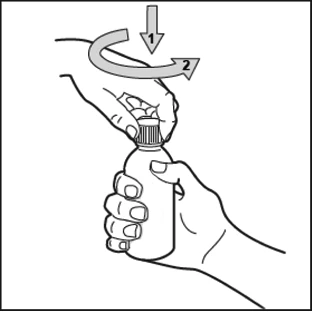
Step 3. Insert the adapter into the neck of the bottle. You may need to apply slight pressure to secure it. Once inserted, the adapter should not be removed from the bottle. The bottle can be closed by leaving the adapter in place.
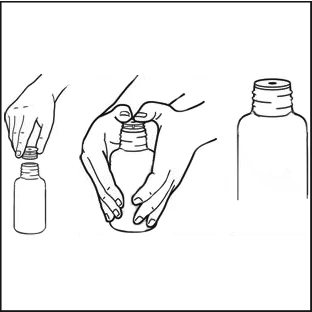
Step 4. To make dosing easier, move the plunger of the oral dosing syringe to mark the required volume. Insert the tip of the oral dosing syringe into the opening of the adapter, keeping the bottle upright. Push the plunger fully in. This creates pressure inside the bottle, which helps the suspension flow from the bottle into the oral dosing syringe.
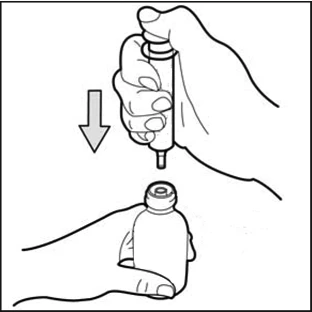
Step 5. Hold the oral dosing syringe steady and turn the bottle upside down.
Gently pull back the plunger of the oral dosing syringe until the prescribed volume is reached.
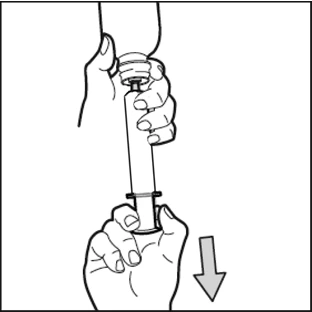
Step 6. If air bubbles are visible in the oral dosing syringe, push the plunger upwards slightly to completely remove the larger air bubbles. Then pull the plunger down again to the dose prescribed by your doctor.
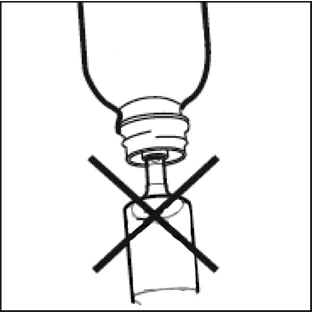
Step 7. Return the bottle to an upright position and remove the oral dosing syringe. Be careful not to push the plunger while removing the syringe from the bottle.
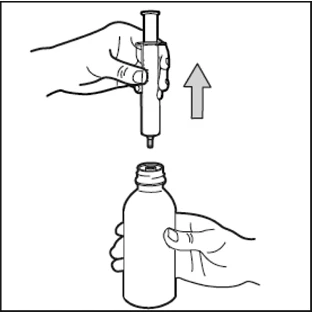
Step 8. Close the bottle by replacing the cap and turning it clockwise (to the right).
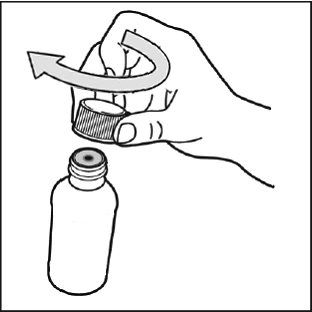
Step 9. Place the oral dosing syringe into the mouth, directing it towards the inside of the cheek. Slowly press the plunger to release Zebinix into the mouth.
Step 10. After each use, rinse the empty oral dosing syringe in a glass of clean water. Repeat this cleaning procedure three times.
Store the bottle and oral dosing syringe together in the box until next use.
If you take more Zebinix than you should
If you accidentally take more Zebinix than prescribed, you may be at risk of having more seizures, or you may experience an irregular or faster heartbeat. Contact your doctor or go to hospital immediately if you experience any of these symptoms.
Take the medicine packaging with you so the doctor knows what you have taken.
If you forget to take Zebinix
If you forget to take a dose, take it as soon as you remember, and then continue as usual. Do not take a double dose to make up for the missed dose.
If you stop taking Zebinix
Do not stop taking the oral suspension suddenly, as you may be at risk of having more seizures. Your doctor will decide how long you should continue taking Zebinix. If your doctor decides to discontinue treatment with Zebinix, the dose will usually be gradually reduced. It is important to follow your doctor’s instructions when stopping treatment; otherwise, your symptoms may worsen.
If you have any doubts about how to use this medicine, consult your doctor or pharmacist.
4. Possible side effects
Like all medicines, this medicine can cause side effects, although not everybody gets them.
The following side effects can be very serious. If you experience any of these symptoms, stop taking Zebinix and consult a doctor immediately or go to hospital: you may need urgent medical treatment.
- Blisters or peeling of the skin and/or mucous membranes, rash, difficulty swallowing or breathing, swelling of the lips, face, eyelids, throat or tongue. These may be signs of an allergic reaction.
Very common side effects (may affect more than 1 in 10 people) are:
- dizziness or drowsiness
Common side effects (may affect up to 1 in 10 people) are:
- sensation of unsteadiness, spinning or floating
- nausea or vomiting
- headache
- diarrhoea
- double or blurred vision
- difficulty concentrating
- feeling of low energy or fatigue
- tremor
- skin rash
- blood tests showing low sodium levels
- decreased appetite
- difficulty sleeping
- coordination problems (ataxia)
- weight gain
Uncommon side effects (may affect up to 1 in 100 people) are:
- clumsiness
- allergy
- constipation
- seizures
- underactive thyroid gland. Symptoms include reduced thyroid hormone levels (seen in blood tests), cold intolerance, enlarged tongue, brittle nails or hair, and low body temperature
- liver problems (such as increased liver enzymes)
- high blood pressure or severe increase in blood pressure
- low blood pressure or drop in blood pressure upon standing
- blood tests showing low levels of salt (including chloride) or reduced number of red blood cells
- dehydration
- abnormal eye movements, blurred vision or red eye
- falls
- burn
- poor memory or forgetfulness
- crying, depression, nervousness or confusion, lack of interest or emotions
- inability to speak or write or to understand spoken or written language
- agitation
- attention deficit/hyperactivity disorder
- irritability
- mood changes or hallucinations
- difficulty speaking
- nosebleeds
- chest pain
- tingling and/or numbness in any part of the body
- migraine
- burning sensation
- abnormal sense of touch
- disturbances of the sense of smell
- ringing in the ears
- hearing difficulties
- swelling of arms or legs
- heartburn, stomach discomfort, abdominal pain, bloating, dry mouth or mouth discomfort
- dark stools (presence of blood in stools)
- inflamed gums or toothache
- sweating or dry skin
- itching
- skin changes (e.g. redness of the skin)
- hair loss
- urinary tract infection
- general feeling of being unwell or chills
- weight loss
- muscle pain, limb pain, muscle weakness
- bone metabolism disorders
- increased bone proteins
- hot flushes, cold extremities
- slow or irregular heartbeat
- extreme drowsiness
- sedation
- movement-related neurological disorders involving muscle contractions causing twisting movements, repetitive movements or abnormal postures. Symptoms include tremor, pain, cramps
- drug toxicity
- anxiety
Side effects of unknown frequency (frequency cannot be estimated from available data) are:
- reduction in platelets, increasing the risk of bleeding or bruising;
- severe back pain and stomach ache (caused by inflammation of the pancreas);
- reduction in white blood cells, increasing the likelihood of infections;
- red, target-shaped spots or circular patches, often with blisters in the center, on the trunk, skin peeling, mouth, throat, nose, genital or eye ulcers (lesions), red and swollen eyes, possibly preceded by fever and/or flu-like symptoms (Stevens-Johnson syndrome/toxic epidermal necrolysis);
- initially flu-like symptoms, facial rash spreading to other parts of the body, high body temperature, increased liver enzymes, blood abnormalities (eosinophilia), swollen lymph nodes and involvement of other organs (drug reaction with eosinophilia and systemic symptoms, also known as DRESS or drug hypersensitivity syndrome);
- severe allergic reaction causing swelling of the face, throat, hands, feet, ankles or lower legs;
- hives (itchy skin rash);
- lethargy, confusion, muscle contractions or significant worsening of seizures (possible symptoms of low sodium levels in the blood due to inappropriate ADH secretion).
The use of Zebinix is associated with an ECG (electrocardiogram) abnormality called PR interval prolongation. Side effects related to this ECG abnormality may occur (e.g. fainting or slow heartbeat).
Cases of bone disorders, including osteopenia and osteoporosis (thinning of the bones) and fractures, have been reported with structurally related antiepileptic medicines such as carbamazepine and oxcarbazepine.
Consult your doctor or pharmacist if you are on long-term anti-epileptic therapy, if you have a history of osteoporosis, or if you are taking steroids.
Reporting of side effects
If you experience any side effect, including those not listed in this leaflet, talk to your doctor or pharmacist. You can also report side effects directly via the national reporting system listed in Annex V.
By reporting side effects, you can help provide more information on the safety of this medicine.
5. How to store Zebinex
Keep this medicine out of the sight and reach of children.
Do not use this medicine after the expiry date stated on the bottle and the outer carton after
Exp. The expiry date refers to the last day of that month.
After opening, the bottle must not be used for longer than 2 months.
This medicine requires no special storage conditions.
Do not dispose of medicines via wastewater or household waste. Ask your pharmacist how to
dispose of medicines you no longer use. This will help protect the environment.
6. Package contents and other information
What Zebinix contains
- The active substance is eslicarbazepine acetate. Each mL of oral suspension contains 50 mg of eslicarbazepine acetate.
- The other components are xanthan gum (E415), macrogol-100 stearate, methyl parahydroxybenzoate (E218), sodium saccharin (E954), artificial tutti-frutti flavour (containing maltodextrin, propylene glycol, natural and artificial flavours, and acacia gum (E414)), flavour-masking agent (containing propylene glycol, water, and natural and artificial flavours), purified water.
Description of the appearance of Zebinix and contents of the pack
Zebinix 50 mg/mL is an oral suspension, white to off-white in colour.
The oral suspension is supplied in amber glass bottles with child-resistant closures made of HDPE, containing 200 mL of oral suspension, packed in a cardboard box. Each cardboard box contains a 10 mL polypropylene oral syringe with graduated markings corresponding to 0.2 mL increments, and a rapid-fit bottle adapter.
Marketing Authorisation Holder and Manufacturer
BIAL - Portela & Cª, S.A.
Av. da Siderurgia Nacional
4745-457 S. Mamede do Coronado
Portugal
Tel: +351 22 986 61 00
Fax: +351 22 986 61 99
E-mail: [email protected]
For further information about this medicinal product, please contact the local representative of the Marketing Authorisation Holder:
België/Belgique/Belgien Luxembourg/Luxemburg
BIAL-Portela & Cª., S.A. BIAL-Portela & Cª., S.A.
Tél/Tel: +351 22 986 61 00 Tél/Tel: +351 22 986 61 00
(Portugal) (Portugal)
България Magyarország
BIAL-Portela & Cª., S.A. BIAL-Portela & Cª., S.A.
Teл.: +351 22 986 61 00 Tel.: +351 22 986 61 00
(Португалия) (Portugália)
Česká republika Malta
BIAL-Portela & Cª., S.A. BIAL-Portela & Cª., S.A.
Tel: +351 22 986 61 00 Tel: +351 22 986 61 00
(Portugal) (Il-Portugall)
Danmark Nederland
Nordicinfu Care AB BIAL-Portela & Cª., S.A.
Tlf: +45 (0) 70 28 10 24 Tél/Tel: +351 22 986 61 00
(Portugal)
Deutschland Norge
BIAL-Portela & Cª., S.A. Nordicinfu Care AB
Tel: +351 22 986 61 00 Tlf: +47 (0) 22 20 60 00
(Portugal)
Eesti Österreich
BIAL-Portela & Cª., S.A. BIAL-Portela & Cª., S.A.
Tel: +351 22 986 61 00 Tel: +351 22 986 61 00
(Portugal) (Portugal)
Ελλάδα Polska
ΑΡΡΙΑΝΙ ΦΑΡΜΑΚΕΥΤΙΚΗ Α.Ε. BIAL-Portela & Cª., S.A.
Τηλ: +30 210 668 3000 Tel.: +351 22 986 61 00
(Portugal)
España Portugal
Laboratorios BIAL, S.A. BIAL-Portela & Cª., S.A.
Tel: +34 91 562 41 96 Tel.: +351 22 986 61 00
France România
BIAL-Portela & Cª., S.A. BIAL-Portela & Cª., S.A.
Tél: +351 22 986 61 00 Tel: +351 22 986 61 00
(Portugal) (Portugalia)
Hrvatska Slovenija
BIAL-Portela & Cª., S.A. BIAL-Portela & Cª., S.A.
Tel: +351 22 986 61 00 Tel: +351 22 986 61 00
(Portugal) (Portugalska)
Ireland Slovenská republika
BIAL-Portela & Cª., S.A. BIAL-Portela & Cª., S.A.
Tel: +351 22 986 61 00 Tel: +351 22 986 61 00
(Portugal) (Portugalsko)
Ísland Suomi/Finland
Nordicinfu Care AB Nordicinfu Care AB
Sími: +46 (0) 8 601 24 40 Puh/Tel: +358 (0) 207 348 760
Italia Sverige
BIAL-Portela & Cª., S.A. Nordicinfu Care AB
Tel: +351 22 986 61 00 Tel: +46 (0) 8 601 24 40
(Portugal)
Κύπρος United Kingdom
BIAL-Portela & Cª., S.A. BIAL-Portela & Cª., S.A.
Τηλ: +351 22 986 61 00 Tel: +351 22 986 61 00
(Portugal) (Portugal)
Latvija
BIAL-Portela & Cª., S.A.
Tel: +351 22 986 61 00
(Portugāle)
Lietuva
BIAL-Portela & Cª., S.A.
Tel: +351 22 986 61 00
(Portugalija)
More detailed information on this medicinal product is available on the website of the European Medicines Agency: http://www.ema.europa.eu.
Annex IV
Scientific conclusions and grounds for the variation of the terms of the marketing authorisation
Scientific conclusions
Taking into account the assessment by the Pharmacovigilance Risk Assessment Committee (PRAC) of the Periodic Safety Update Report (PSUR) for eslicarbazepine acetate, the scientific conclusions of the Committee for Human Medicinal Products (CHMP) are as follows:
Syndrome similar to SIADH
Based on available data regarding SIADH or SIADH-like syndrome – two cases with probable association and 13 cases with possible causal association with ESL have been observed – the PRAC considers that the product information should be updated accordingly. The proposed wording is consistent with the product information for other substances in the dibenzazepine family, namely carbamazepine and oxcarbazepine.
Drug-related hepatic disorders
Based on available data on drug-related hepatic disorders, six cases of increased gamma-glutamyltransferase (GGT) with possible association with ESL according to RUCAM have been observed. Evidence regarding more severe drug-induced liver injury (DILI), i.e. acute hepatitis or hepatocellular damage, was insufficient to establish a causal relationship. Only one case of more severe DILI (acute hepatitis) was observed, with positive de-challenge signs for ESL (possible according to RUCAM). Since transaminase elevations may be accompanied by increased GGT, it is recommended to use the more general term "increased liver enzymes".
Use during pregnancy and in women of childbearing potential
Based on available data on use during pregnancy and in women of childbearing potential, the PRAC recommends updating the text in section 4.6. Currently, there is no statement regarding whether or not ESL should be used during pregnancy. Furthermore, the information provided should be amended to align with the product information for other antiepileptic drugs, which have recently been updated to reflect information on risks associated with use during pregnancy, the need for effective contraceptive measures, advice to women of childbearing potential, and possible interactions with hormonal contraceptives, thus providing a similar level of information.
The CHMP agrees with the scientific conclusions of the PRAC.
Grounds for the variation of the terms of the marketing authorisation
Based on the scientific conclusions for eslicarbazepine acetate, the CHMP considers that the benefit-risk balance of the medicinal product containing eslicarbazepine acetate remains unchanged, subject to the proposed amendments to the product information.
The CHMP recommends the variation of the terms of the marketing authorisation.