Xeljanz
Italy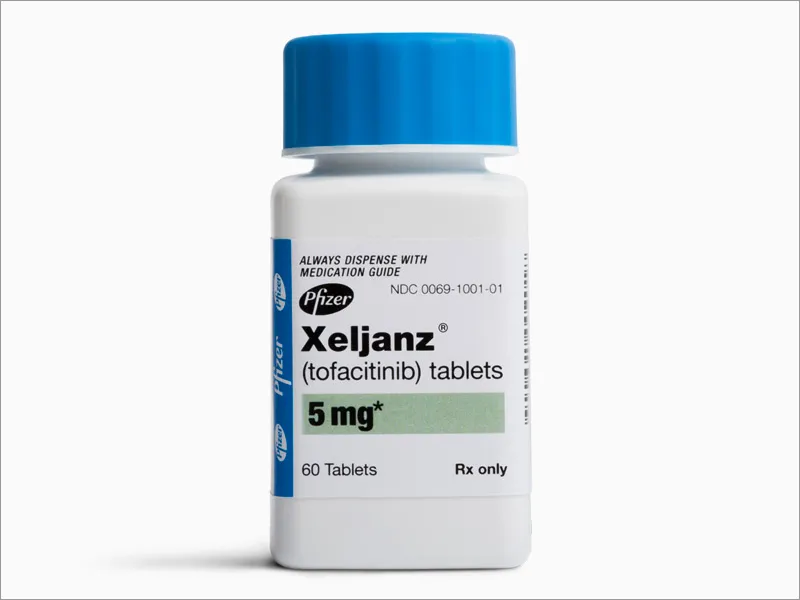
Table of Contents
- Patient Information Leaflet
- XELJANZ 5 mg film-coated tablets, 10 mg film-coated tablets
- 1. What XELJANZ is and what it is used for
- 2. What you need to know before taking XELJANZ
- 3. How to take XELJANZ
- 4. Possible side effects
- 5. How to store XELJANZ
- 6. Package contents and other information
- Package leaflet: Information for the patient
- XELJANZ 11 mg prolonged-release tablets
- 1. What XELJANZ is and what it is used for
- 2. What you need to know before taking XELJANZ
- 3. How to take XELJANZ
- 4. Possible side effects
- 5. How to store XELJANZ
- 6. Package contents and other information
- Package leaflet: Information for the patient
- XELJANZ 1 mg/mL oral solution
- 1. What XELJANZ is and what it is used for
- 2. What you need to know before taking XELJANZ
- 3. How to take XELJANZ
- 4. Possible side effects
- 5. How to store XELJANZ
- 6. Package contents and other information
- 7. Instructions for Use of XELJANZ Oral Solution
Patient Information Leaflet
XELJANZ 5 mg film-coated tablets, 10 mg film-coated tablets
tofacitinib
Please read this leaflet carefully before taking this medicine because it contains important information for you.
- Keep this leaflet. You may need to read it again.
- If you have any questions, ask your doctor or pharmacist.
- This medicine has been prescribed for you only. Do not give it to others, even if their symptoms are the same as yours, as it could be harmful.
- If you experience any side effects, including those not listed in this leaflet, contact your doctor or pharmacist. See section 4.
In addition to this leaflet, your doctor will also provide you with a Patient Alert Card containing important safety information you should be aware of before starting and while taking XELJANZ. Keep this Patient Alert Card with you.
Contents of this leaflet
- What XELJANZ is and what it is used for
- What you need to know before taking XELJANZ
- How to take XELJANZ
- Possible side effects
- How to store XELJANZ
- Contents of the pack and other information
1. What XELJANZ is and what it is used for
XELJANZ is a medicine that contains the active substance tofacitinib.
XELJANZ is used to treat the following inflammatory conditions:
- rheumatoid arthritis
- psoriatic arthritis
- ulcerative colitis
- ankylosing spondylitis
- polyarticular juvenile idiopathic arthritis and juvenile psoriatic arthritis
Rheumatoid arthritis
XELJANZ is used to treat adult patients with moderate to severe rheumatoid arthritis, a long-term disease that mainly causes pain and swelling in the joints.
XELJANZ is used in combination with methotrexate when previous treatment for rheumatoid arthritis has not been sufficient or was not well tolerated. XELJANZ may also be taken alone when treatment with methotrexate is not tolerated or is contraindicated.
XELJANZ has been shown to reduce joint pain and swelling and improve the ability to perform daily activities, whether given alone or in combination with methotrexate.
Psoriatic arthritis
XELJANZ is used to treat adult patients with a condition called psoriatic arthritis. This is an inflammatory joint disease, often accompanied by psoriasis.
If you have active psoriatic arthritis, you will usually first be treated with another medicine. If you do not respond adequately or are intolerant to that medicine, XELJANZ may be prescribed to reduce the signs and symptoms of active psoriatic arthritis and improve your ability to perform daily activities.
XELJANZ is used in combination with methotrexate for the treatment of adult patients with active psoriatic arthritis.
Ankylosing spondylitis
XELJANZ is used to treat a condition called ankylosing spondylitis. This is an inflammatory disease of the spine.
If you suffer from ankylosing spondylitis, you may first be given other medicines. If you do not respond adequately to these medicines, XELJANZ may be prescribed. XELJANZ can help reduce back pain and improve physical condition. These effects may make everyday activities easier and thereby improve quality of life.
Ulcerative colitis
Ulcerative colitis is an inflammatory disease of the colon. XELJANZ is used in adults to reduce the signs and symptoms of ulcerative colitis in cases where you have not responded well or have shown intolerance to previous treatment for ulcerative colitis.
Polyarticular juvenile idiopathic arthritis and juvenile psoriatic arthritis
XELJANZ is used to treat active polyarticular juvenile idiopathic arthritis, a long-term disease that mainly causes pain and swelling in the joints, in patients aged 2 years and older.
XELJANZ is also used to treat juvenile psoriatic arthritis, an inflammatory joint condition often accompanied by psoriasis, in patients aged 2 years and older.
XELJANZ may be used together with methotrexate when previous treatment for polyarticular juvenile idiopathic arthritis or juvenile psoriatic arthritis has not been sufficient or was not well tolerated. XELJANZ may also be taken alone when treatment with methotrexate is not tolerated or is contraindicated.
2. What you need to know before taking XELJANZ
Do not take XELJANZ
- if you are allergic to tofacitinib or any of the other ingredients of this medicine (listed in section 6)
- if you have a severe infection, such as blood infection or active tuberculosis
- if you have been told you have serious liver problems, including cirrhosis (scarring of the liver)
- if you are pregnant or breastfeeding
If you are unsure about any of the information above, contact your doctor.
Warnings and precautions
Talk to your doctor or pharmacist before taking XELJANZ:
- if you think you have an infection or have symptoms of an infection such as fever, sweating, chills, muscle aches, cough, shortness of breath, production of mucus or changes in mucus, weight loss, warm, red or painful skin or sores on the body, difficulty or pain when swallowing, diarrhoea or stomach ache, burning when urinating or more frequent urination than normal, feeling excessively tired
- if you have any condition that increases your risk of infection (for example, diabetes, HIV/AIDS or a weakened immune system)
- if you have any type of infection , are being treated for any infection, or have infections that keep recurring. Inform your doctor immediately if you feel unwell. XELJANZ may reduce your body's ability to respond to infections and may worsen an existing infection or increase the risk of acquiring a new infection
- if you have or have a history of tuberculosis or have been in close contact with someone who has tuberculosis. Your doctor will perform tests for tuberculosis before starting XELJANZ and may repeat the test during treatment
- if you have chronic lung disease
- if you have liver problems
- if you have or have had hepatitis B or hepatitis C (viruses that affect the liver). The virus may become active while you are taking XELJANZ. Your doctor may perform blood tests for hepatitis before starting treatment with XELJANZ and while you are taking XELJANZ
- if you are 65 years of age or older , if you have previously had cancer , if you currently smoke or have smoked in the past . XELJANZ may increase the risk of certain cancers. Blood cancer, lung cancer and other tumours (for example, of the breast, skin, prostate and pancreas) have been reported in patients treated with XELJANZ. If you develop cancer while taking XELJANZ, your doctor will assess whether to discontinue treatment with XELJANZ
- if you are at known risk of fractures , for example, if you are 65 years of age or older, are a woman, or take corticosteroids (for example, prednisone)
- cases of non-melanoma skin cancer have been observed in patients taking XELJANZ. While taking XELJANZ, your doctor may recommend regular dermatological examinations. If new skin lesions appear during or after treatment or if existing lesions change in appearance, inform your doctor.
- if you have had diverticulitis (a type of inflammation of the large intestine) or ulcers in the stomach or intestine (see section 4)
- if you have kidney problems
- if you intend to be vaccinated , inform your doctor. Some types of vaccines should not be administered while taking XELJANZ. Before starting XELJANZ, you should be up to date with all recommended vaccinations. Your doctor will decide whether you should receive the herpes zoster vaccination
- if you have heart problems, high blood pressure, high cholesterol, if you currently smoke or have smoked in the past
There have been reports of patients treated with XELJANZ who developed blood clots
in the lungs or veins. Your doctor will assess your risk of developing blood clots in the lungs or
veins and determine whether XELJANZ is suitable for you. If you have previously developed blood
clots in the lungs or veins or are at higher risk of developing them (for example: you are severely
overweight, have cancer, heart problems, diabetes, have had a heart attack (within the last 3 months),
have recently undergone major surgery, use hormonal contraceptives/hormone replacement therapy,
have a blood clotting disorder diagnosed in you or a close family member), if you are elderly, or if you
currently smoke or have smoked in the past, your doctor may decide that XELJANZ is not suitable
for you.
Contact your doctor immediately:
- If, while taking XELJANZ, you experience sudden shortness of breath or difficulty breathing, chest pain or pain in the upper back, swelling of one leg or arm, pain or tenderness in the legs, or redness or colour change in one leg or arm , as these may be signs of a blood clot in the lungs or veins.
- If you experience sudden acute changes in vision (blurred vision, partial or complete loss of vision), as this could be a sign of blood clots in the eyes.
- If you develop signs and symptoms of a heart attack , including severe chest pain or tightness (which may extend to arms, jaw, neck, back), shortness of breath, cold sweat, mild mental confusion or sudden dizziness. Cases have been reported in patients
treated with XELJANZ who experienced heart problems, including heart attack. Your doctor
will assess your risk of developing heart problems and determine whether XELJANZ is suitable for you.
- If you, your partner or caregiver notice a new onset or worsening of neurological symptoms including generalised muscle weakness, vision disturbances, changes in thinking, memory and orientation leading to confusion and changes in personality, contact your doctor immediately as these could be symptoms of a very rare and serious brain infection called progressive multifocal leukoencephalopathy (PML).
Additional monitoring tests
Your doctor must perform blood tests before you start taking XELJANZ, after 4-8
weeks of treatment and subsequently every 3 months, to determine whether your white blood
cell count (neutrophils or lymphocytes) or red blood cell count is low (anaemia).
You must not take XELJANZ if your white blood cell count (neutrophils or lymphocytes) or red blood cell
count is too low. If necessary, your doctor may interrupt treatment with XELJANZ to reduce the
risk of infections (when white blood cell count is too low) or anaemia (when red blood cell count is too low).
Your doctor may also perform other tests, for example, to monitor cholesterol levels in the blood
or to monitor your liver health. Your doctor should check cholesterol levels 8 weeks
after starting treatment with XELJANZ. Your doctor must perform liver function tests periodically.
Elderly patients
There is a higher incidence of infections, some of which may be serious, in patients aged
65 years or older. Inform your doctor as soon as you notice signs or symptoms of infections.
Patients aged 65 years or older may be at increased risk of infections, heart attack and certain types of cancer. Your doctor may decide that XELJANZ is not suitable for you.
Asian patients
There is a higher incidence of herpes zoster in Japanese and Korean patients. Inform your doctor if
you notice painful blisters on the skin.
You may also be at higher risk of certain lung problems. Inform your doctor if you notice breathing difficulties.
Children and adolescents
The safety and benefits of XELJANZ in children have not yet been established in patients under 2 years of age.
Other medicines and XELJANZ
Inform your doctor or pharmacist if you are taking, have recently taken or might take
any other medicines.
Inform your doctor if you have diabetes or are taking medicines for the treatment of diabetes . The
doctor may decide whether you need to reduce the dose of antidiabetic medicines while taking
tofacitinib.
Some medicines must not be taken with XELJANZ . If taken with XELJANZ, they may
alter the concentration of XELJANZ in the body and the dose of XELJANZ may need to be adjusted.
You must inform your doctor if you are taking medicines containing any of the following
active substances:
antibiotics such as rifampicin, used to treat bacterial infections
fluconazole, ketoconazole, used to treat fungal infections
XELJANZ is not recommended for use with medicines that suppress the immune system,
including so-called targeted biological therapies (antibodies), such as tumour necrosis factor inhibitors, interleukin-17, interleukin-12/interleukin-23, anti-integrins, and strong chemical immunosuppressants including azathioprine, mercaptopurine, cyclosporine and tacrolimus.
Taking XELJANZ with these medicines may increase the risk of adverse effects, including infection.
Serious infections and fractures may occur more frequently in people also taking corticosteroids
(e.g., prednisone).
Pregnancy and breastfeeding
If you are a woman of childbearing potential, you must use an effective method of contraception during treatment
with XELJANZ and for at least 4 weeks after the last dose.
If you are pregnant, suspect you are pregnant, plan to become pregnant, or are breastfeeding, consult your doctor before taking this medicine. XELJANZ must not be
used during pregnancy. Inform your doctor immediately if you become pregnant while
taking XELJANZ.
If you are taking XELJANZ and breastfeeding, you must stop breastfeeding until you
consult your doctor regarding discontinuation of XELJANZ treatment.
Driving and using machines
XELJANZ has no effect or negligible effect on the ability to drive vehicles and use machines.
XELJANZ contains lactose
If your doctor has informed you that you have an intolerance to certain sugars, contact your doctor before
taking this medicine.
XELJANZ contains Sodium
This medicine contains less than 1 mmol (23 mg) of sodium per tablet. Therefore, it can be considered essentially “sodium-free”.
3. How to take XELJANZ
This medicine is prescribed and monitored by a specialist doctor who is experienced in managing your condition.
Always take this medicine exactly as your doctor has instructed; do not exceed the recommended dose. If you have any doubts, consult your doctor or pharmacist.
Rheumatoid arthritis
- The recommended dose is 5 mg taken twice daily.
Psoriatic arthritis
- The recommended dose is 5 mg taken twice daily.
If you have rheumatoid arthritis or psoriatic arthritis, your doctor may switch you from treatment with XELJANZ 5 mg film-coated tablets twice daily to XELJANZ 11 mg extended-release tablets once daily, or vice versa. You may start taking XELJANZ extended-release tablets once daily or XELJANZ film-coated tablets twice daily the day after your last dose of the other treatment. Unless directed by your doctor, do not switch from XELJANZ film-coated tablets to XELJANZ extended-release tablets.
Ankylosing spondylitis
- The recommended dose is 5 mg taken twice daily.
- Your doctor may decide to discontinue XELJANZ if it has not shown effect in you within 16 weeks.
Ulcerative colitis
- The recommended dose is 10 mg taken twice daily for 8 weeks, followed by 5 mg twice daily.
- Your doctor may decide to extend the initial 10 mg twice daily treatment for an additional 8 weeks (16 weeks in total), followed by 5 mg twice daily.
- Your doctor may decide to discontinue XELJANZ if it has not shown effect in you within 16 weeks.
- For patients who have previously taken biologic medicines to treat ulcerative colitis (such as those that block tumour necrosis factor activity in the body) and these medicines were ineffective, your doctor may decide to increase the dose of XELJANZ to 10 mg twice daily if you do not respond adequately to 5 mg twice daily. Your doctor will assess the potential risks, including the risk of developing blood clots in the lungs or veins, and the potential benefits for you. Your doctor will inform you if this applies to you.
- If treatment is stopped, your doctor may decide to restart it.
Use in children and adolescents
Juvenile polyarticular idiopathic arthritis and juvenile psoriatic arthritis
- The recommended dose is 5 mg twice daily for patients ≥40 kg.
Try to take the tablet at the same time each day (one tablet in the morning and one tablet in the evening).
Tofacitinib tablets may be crushed and taken with water.
Your doctor may reduce your dose if you have liver or kidney problems, or if you are prescribed certain other medicines. Your doctor may also temporarily or permanently stop treatment if your blood tests show low levels of white or red blood cells.
XELJANZ is for oral use. You may take XELJANZ with or without food.
If you take more XELJANZ than you should
If you take more tablets than you should, inform your doctor or pharmacist immediately.
If you forget to take XELJANZ
Do not take a double dose to make up for the forgotten tablet. Take the next tablet at your usual time and continue as before.
If you stop taking XELJANZ
Do not stop taking XELJANZ without speaking to your doctor.
If you have any questions about how to use this medicine, ask your doctor or pharmacist.
4. Possible side effects
Like all medicines, this medicine can cause side effects, although not everyone gets them.
Some may be serious and require medical treatment.
Side effects in patients with polyarticular juvenile idiopathic arthritis and juvenile psoriatic arthritis
have been consistent with those observed in adult patients with rheumatoid arthritis, except for certain
infections (influenza, pharyngitis, sinusitis, viral infection) and gastrointestinal or general disorders
(abdominal pain, nausea, vomiting, fever, headache, cough), which are more common in the paediatric
population with juvenile idiopathic arthritis.
Possible serious side effects
In rare cases, infection may be potentially life-threatening. Cases of lung cancer, blood cell cancer, and
heart attack have also been reported.
If you notice any of the following side effects, you must inform your doctor immediately.
Signs of serious infections (common) include
- fever or chills
- cough
- blisters on the skin
- stomach ache
- persistent headaches
Signs of stomach or intestinal ulcers or perforations (uncommon) include
- fever
- stomach or abdominal pain
- blood in the stool
- unexplained changes in bowel habits
Perforations of the stomach and intestine occur more frequently in people who are also taking
non-steroidal anti-inflammatory drugs or corticosteroids (e.g., prednisone).
Signs of allergic reactions (frequency not known) include
- chest tightness
- shortness of breath
- severe dizziness or lightheadedness
- swelling of lips, tongue or throat
- hives (itching or skin rash)
Signs of blood clots in the lungs, veins or eyes (uncommon: venous thromboembolism) include
- sudden shortness of breath or difficulty breathing
- chest pain or pain in the upper back
- swelling of one leg or arm
- pain or tenderness in the legs
- redness or change in skin colour of one leg or arm
- sudden changes in vision
Signs of a heart attack (uncommon) include
- severe chest pain or tightness (which may spread to arms, jaw, neck, back)
- shortness of breath
- cold sweats
- mild confusion or sudden dizziness
Other side effects observed with XELJANZ are listed below.
Common (may affect up to 1 in 10 people): lung infection (pneumonia and bronchitis),
herpes zoster, infections of the nose, throat or trachea (nasopharyngitis), influenza, sinusitis,
urinary bladder infections (cystitis), sore throat (pharyngitis), increased muscle enzymes in the blood
(indicative of muscle problems), stomach ache (abdominal discomfort) (which may be due to inflammation
of the stomach lining), vomiting, diarrhoea, feeling unwell (nausea), indigestion, low white blood cell
count, low red blood cell count (anaemia), swelling of hands and feet, headache, high blood pressure
(hypertension), cough, skin rash, acne.
Uncommon (may affect up to 1 in 100 people): lung cancer, tuberculosis, kidney infection, skin
infection, herpes simplex or cold sores (oral herpes), increased serum creatinine (a possible sign of
kidney problems), increased cholesterol (including increased LDL), fever, fatigue (tiredness), weight
gain, dehydration, muscle strain, tendinitis, joint swelling, joint sprain, sensory disturbances,
insomnia, sinus congestion, shortness of breath or difficulty breathing, skin redness, itching, fatty
liver, painful inflammation of small pouches in the intestinal lining (diverticulitis), viral infections,
viral infections affecting the intestine, certain types of skin tumours (non-melanoma types).
Rare (may affect up to 1 in 1,000 people): blood infection (sepsis), lymphoma (blood cell cancer),
disseminated tuberculosis involving bones and other organs, other unusual infections, joint infection,
increased liver enzymes in the blood (indicative of liver problems), muscle and joint pain.
Very rare (may affect up to 1 in 10,000 people): tuberculosis involving the brain and spinal cord,
meningitis, infection of soft tissues and fascia.
In general, fewer side effects have been observed when XELJANZ was used alone compared to when used
in combination with methotrexate for the treatment of rheumatoid arthritis.
Reporting of side effects
If you experience any side effect, including those not listed in this leaflet, talk to your doctor or
pharmacist. You can also report side effects directly via the national reporting system listed in
Annex V. By reporting side effects, you can help provide more information on the safety of this
medicine.
5. How to store XELJANZ
Keep this medicine out of the sight and reach of children.
Do not use this medicine after the expiry date stated on the blister, bottle, or carton. The expiry date refers to the last day of that month.
This medicine does not require any special storage temperature conditions.
Store in the original packaging to protect the medicine from moisture.
Do not use this medicine if you notice that the tablets show visible signs of deterioration (for example, if they are broken or discoloured).
Do not dispose of any medicine via wastewater or household waste. Ask your pharmacist how to dispose of medicines you no longer use. This will help protect the environment.
6. Package contents and other information
What XELJANZ contains
XELJANZ 5 mg film-coated tablet
- The active substance is tofacitinib.
- Each 5 mg film-coated tablet contains 5 mg of tofacitinib (as tofacitinib citrate).
- The other components are microcrystalline cellulose, lactose monohydrate (see section 2 “XELJANZ contains lactose”), sodium croscarmellose (see section 2 “XELJANZ contains sodium”), magnesium stearate, hypromellose (E464), titanium dioxide (E171), macrogol, and triacetin.
XELJANZ 10 mg film-coated tablet
- The active substance is tofacitinib.
- Each 10 mg film-coated tablet contains 10 mg of tofacitinib (as tofacitinib citrate). The other ingredients are microcrystalline cellulose, lactose monohydrate (see section 2 “XELJANZ contains lactose”), sodium croscarmellose (see section 2 “XELJANZ contains sodium”), magnesium stearate, hypromellose (E464), titanium dioxide (E171), macrogol, triacetin, FD&C Blue No.1/Indigo Carmine, indigo carmine (E132), and FD&C Blue No.2/Bright Blue FCF (E133).
Description of the appearance of XELJANZ and pack contents
XELJANZ 5 mg film-coated tablet
XELJANZ 5 mg film-coated tablet is white and round.
The tablets are available in blisters containing 14 tablets. Each pack contains 56, 112 or 182 tablets, and each bottle contains 60 or 180 tablets.
XELJANZ 10 mg film-coated tablet
XELJANZ 10 mg film-coated tablet is blue and round.
The tablets are available in blisters containing 14 tablets. Each pack contains 56, 112 or 182 tablets, and each bottle contains 60 or 180 tablets.
Not all pack sizes may be marketed.
Marketing Authorization Holder
Pfizer Europe MA EEIG
Boulevard de la Plaine 17
1050 Brussels
Belgium
Manufacturer
Pfizer Manufacturing Deutschland GmbH
Mooswaldallee 1
79108 Freiburg im Breisgau
Germany
For further information about this medicinal product, please contact the local representative of the Marketing Authorization Holder:
België/Belgique/Belgien Lietuva
Luxembourg/Luxemburg
Pfizer NV/SA Pfizer Luxembourg SARL filialas Lietuvoje
Tél/Tel: +32 (0)2 554 62 11 Tel. +3705 2514000
България Magyarország
Пфайзер Люксембург САРЛ, Клон България Pfizer Kft.
Тел.: +359 2 970 4333 Tel.: +36 1 488 37 00
Česká republika Malta
Pfizer, spol. s r.o. Vivian Corporation Ltd.
Tel: +420 283 004 111 Tel: +35621 344610
Danmark Nederland
Pfizer ApS Pfizer bv
Tlf.: +45 44 20 11 00 Tel: +31 (0)10 406 43 01
Deutschland Norge
Pfizer Pharma GmbH Pfizer AS
Tel: +49 (0)30 550055-51000 Tlf: +47 67 52 61 00
Eesti Österreich
Pfizer Luxembourg SARL Eesti filiaal Pfizer Corporation Austria Ges.m.b.H.
Tel: +372 666 7500 Tel: +43 (0)1 521 15-0
Ελλάδα Polska
PFIZER ΕΛΛΑΣ A.E. Pfizer Polska Sp. z o.o.
Τηλ.: +30 210 67 85 800 Tel.: +48 22 335 61 00
España Portugal
Pfizer, S.L. Laboratórios Pfizer, Lda.
Tel: +34 91 490 99 00 Tel: +351 21 423 5500
France România
Pfizer Pfizer Romania S.R.L.
Tél: +33 (0)1 58 07 34 40 Tel: +40 21 207 28 00
Hrvatska Slovenija
Pfizer Croatia d.o.o. Pfizer Luxembourg SARL
Tel: +385 1 3908 777 Pfizer, podružnica za svetovanje s področja farmacevtske dejavnosti, Ljubljana
Tel.: +386 (0) 1 52 11 400
Ireland Slovenská republika
Pfizer Healthcare Ireland Pfizer Luxembourg SARL, organizačná zložka
Tel: 1800 633 363 (toll free) Tel: +421-2-3355 5500
+44 (0)1304 616161
Ísland Suomi/Finland
Icepharma hf. Pfizer Oy
Sími: +354 540 8000 Puh/Tel: +358 (0)9 430 040
Italia Sverige
Pfizer S.r.l. Pfizer AB
Tel: +39 06 33 18 21 Tel: +46 (0)8 550 520 00
Κύπρος United Kingdom (Northern Ireland)
PFIZER ΕΛΛΑΣ Α.Ε. (CYPRUS BRANCH) Pfizer Limited
Τηλ: +357 22 817690 Tel: +44 (0)1304 616161
Latvija
Pfizer Luxembourg SARL filiāle Latvijā
Tel.: +371 670 35 775
Other sources of information
More detailed information on this medicinal product is available on the website of the European Medicines Agency: https://www.ema.europa.eu.
Package leaflet: Information for the patient
XELJANZ 11 mg prolonged-release tablets
tofacitinib
Please read this leaflet carefully before taking this medicine because it contains
important information for you.
- Keep this leaflet. You may need to read it again.
- If you have any questions, ask your doctor or pharmacist.
- This medicine has been prescribed for you only. Do not give it to other people, even if their symptoms are the same as yours, because it could be harmful.
- If you experience any side effect, including those not listed in this leaflet, tell your doctor or pharmacist. See section 4.
In addition to this leaflet, your doctor will also provide you with a Patient Alert Card containing important safety information you should be aware of before starting and during treatment with XELJANZ. Keep this Patient Alert Card with you.
Contents of this leaflet
- What XELJANZ is and what it is used for
- What you need to know before taking XELJANZ
- How to take XELJANZ
- Possible side effects
- How to store XELJANZ
- Contents of the pack and other information
1. What XELJANZ is and what it is used for
XELJANZ is a medicine that contains the active substance tofacitinib.
XELJANZ is used to treat the following inflammatory conditions:
- rheumatoid arthritis
- psoriatic arthritis
- ankylosing spondylitis
Rheumatoid arthritis
XELJANZ is used to treat adult patients with moderate to severe rheumatoid arthritis, a long-term disease that mainly causes pain and swelling in the joints.
XELJANZ is used in combination with methotrexate when previous treatment for rheumatoid arthritis has not been sufficient or has not been well tolerated. XELJANZ may also be taken alone in cases where treatment with methotrexate is not tolerated or is contraindicated.
XELJANZ has been shown to reduce joint pain and swelling and improve the ability to perform daily activities, whether given alone or in combination with methotrexate.
Psoriatic arthritis
XELJANZ is used to treat adult patients with a condition called psoriatic arthritis. This is an inflammatory joint disease, often associated with psoriasis.
If you have active psoriatic arthritis, you will usually be treated first with another medicine for psoriatic arthritis. If you do not respond adequately or are intolerant to that medicine, XELJANZ may be prescribed to reduce the signs and symptoms of active psoriatic arthritis and improve your ability to carry out daily activities.
XELJANZ is used in combination with methotrexate for the treatment of adult patients with active psoriatic arthritis.
Ankylosing spondylitis
XELJANZ is used to treat a condition called ankylosing spondylitis. This is an inflammatory disease of the spine.
If you have ankylosing spondylitis, you may first be treated with other medicines. If you do not respond adequately to these medicines, XELJANZ may be prescribed. XELJANZ can help reduce back pain and improve physical function. These effects may make everyday activities easier and thus improve quality of life.
2. What you need to know before taking XELJANZ
Do not take XELJANZ
- if you are allergic to tofacitinib or to any of the other ingredients of this medicine (listed in section 6)
- if you have a severe infection, such as blood infection or active tuberculosis
- if you have been told you have serious liver problems, including cirrhosis (scarring of the liver)
- if you are pregnant or breastfeeding
If you are unsure about any of the information above, contact your doctor.
Warnings and precautions
Talk to your doctor or pharmacist before taking XELJANZ:
- if you think you have an infection or have symptoms of an infection such as fever, sweating, chills, muscle aches, cough, shortness of breath, mucus production or changes in mucus, weight loss, warm, red or painful skin, sores on the body, difficulty or pain when swallowing, diarrhoea or stomach pain, burning when urinating or more frequent urination than normal, feeling excessively tired
- if you have any condition that increases your risk of infection (for example, diabetes, HIV/AIDS or a weakened immune system)
- if you have any type of infection , are being treated for any infection, or have infections that keep recurring. Inform your doctor immediately if you feel unwell. XELJANZ may reduce your body's ability to respond to infections and may worsen an existing infection or increase the risk of getting a new infection
- if you have or have a history of tuberculosis or have been in close contact with someone who has tuberculosis. Your doctor will perform tests for tuberculosis before starting XELJANZ and may repeat them during treatment
- if you have chronic lung disease
- if you have liver problems
- if you have or have had hepatitis B or hepatitis C (viruses that affect the liver). The virus may become active while you are taking XELJANZ. Your doctor may perform blood tests for hepatitis before starting XELJANZ and while you are taking it
- if you are 65 years of age or older , if you have had cancer in the past, or if you currently smoke or have smoked in the past . XELJANZ may increase the risk of certain cancers. Cases of blood cancer, lung cancer, and other tumours (e.g., breast, skin, prostate, and pancreas) have been reported in patients treated with XELJANZ. If you develop cancer while taking XELJANZ, your doctor will assess whether to discontinue treatment with XELJANZ
- if you are at known risk of fractures , for example, if you are 65 years or older, are female, or take corticosteroids (e.g., prednisone)
- cases of non-melanoma skin cancer have been observed in patients taking XELJANZ. While taking XELJANZ, your doctor may recommend regular dermatological examinations. If new skin lesions appear during or after treatment, or if existing lesions change in appearance, inform your doctor
- if you have had diverticulitis (a type of inflammation of the large intestine) or stomach or intestinal ulcers (see section 4)
- if you have kidney problems
- if you intend to be vaccinated , inform your doctor. Some types of vaccines should not be administered while taking XELJANZ. Before starting XELJANZ, you should be up to date with all recommended vaccinations. Your doctor will decide whether you should receive the herpes zoster vaccine
- if you have heart problems, high blood pressure, high cholesterol, or if you currently smoke or have smoked in the past
- if you have narrowing of the digestive tract, inform your doctor, as rare cases of gastrointestinal obstruction have been reported in patients taking other medicines in the form of prolonged-release tablets similar to XELJANZ
- when taking XELJANZ 11 mg prolonged-release tablets, you may see in your stool something that looks like a tablet. This is the empty shell of the prolonged-release tablet after the medicine has been absorbed by your body. This is normal and should not cause concern
There have been reports of patients treated with XELJANZ who developed blood clots in the lungs or veins. Your doctor will assess your risk of developing blood clots in the lungs or veins and determine whether XELJANZ is suitable for you. If you have previously developed blood clots in the lungs or veins or are at higher risk of developing them (e.g., if you are severely overweight, have cancer, heart problems, diabetes, have had a heart attack (within the past 3 months), have recently undergone major surgery, use hormonal contraceptives/hormone replacement therapy, if you or your close relatives have been diagnosed with a clotting disorder), if you are elderly, or if you currently smoke or have smoked in the past, your doctor may decide that XELJANZ is not suitable for you.
Contact your doctor immediately:
- If, while taking XELJANZ, you experience sudden shortness of breath or difficulty breathing, chest pain or pain in the upper back, swelling of one leg or arm, pain or tenderness in the legs, or redness or colour change in one leg or arm , as these may be signs of a blood clot in the lungs or veins.
- If you experience sudden acute changes in vision (blurred vision, partial or complete loss of vision), as this could be a sign of blood clots in the eyes.
- If you develop signs and symptoms of a heart attack , including severe chest pain or tightness (which may extend to arms, jaw, neck, back), shortness of breath, cold sweat, mild mental confusion, or sudden dizziness. Cases of heart problems, including heart attack, have been reported in patients treated with XELJANZ. Your doctor will assess your risk of developing heart problems and determine whether XELJANZ is suitable for you.
- If you, your partner, or your caregiver notice new onset or worsening neurological symptoms such as generalized muscle weakness, vision disturbances, or changes in thinking, memory, and orientation leading to confusion and personality changes, contact your doctor immediately, as these could be symptoms of a very rare and serious brain infection called progressive multifocal leukoencephalopathy (PML).
Additional monitoring tests
Your doctor must perform blood tests before you start taking XELJANZ, after 4–8 weeks of treatment, and then every 3 months thereafter, to determine whether your white blood cell count (neutrophils or lymphocytes) or red blood cell count is low (anaemia).
You must not take XELJANZ if your white blood cell count (neutrophils or lymphocytes) or red blood cell count is too low. If necessary, your doctor may interrupt treatment with XELJANZ to reduce the risk of infections (when white blood cell count is too low) or anaemia (when red blood cell count is too low).
Your doctor may also perform other tests, for example, to monitor cholesterol levels in the blood or to monitor your liver health. Your doctor should check cholesterol levels 8 weeks after starting XELJANZ treatment. Your doctor must perform periodic checks of liver function.
Elderly patients
There is a higher incidence of infections, some of which may be serious, in patients aged 65 years or older. Inform your doctor as soon as you notice signs or symptoms of infections.
Patients aged 65 years or older may be at increased risk of infections, heart attack, and certain types of cancer. Your doctor may decide that XELJANZ is not suitable for you.
Asian patients
There is a higher incidence of herpes zoster in Japanese and Korean patients. Inform your doctor if you notice painful blisters on the skin.
You may also be at higher risk of certain lung problems. Inform your doctor if you experience breathing difficulties.
Children and adolescents
XELJANZ is not recommended for use in children or adolescents under 18 years of age. The safety and benefits of XELJANZ in children or adolescents have not yet been established.
Other medicines and XELJANZ
Inform your doctor or pharmacist if you are taking, have recently taken, or might take any other medicines.
Inform your doctor if you have diabetes or are taking medicines for the treatment of diabetes . Your doctor may decide whether you need to reduce the dose of your antidiabetic medicines while taking tofacitinib.
Some medicines must not be taken with XELJANZ . If taken with XELJANZ, they may alter the concentration of XELJANZ in the body, and the dose of XELJANZ may need to be adjusted. You must inform your doctor if you are taking medicines containing any of the following active substances:
antibiotics such as rifampicin, used to treat bacterial infections
fluconazole, ketoconazole, used to treat fungal infections
XELJANZ is not recommended for use with medicines that suppress the immune system, including so-called targeted biologic therapies (antibodies), such as tumour necrosis factor inhibitors, interleukin-17, interleukin-12/interleukin-23, anti-integrins, and strong chemical immunosuppressants including azathioprine, mercaptopurine, cyclosporine, and tacrolimus.
Taking XELJANZ with these medicines may increase the risk of adverse effects, including infection.
Serious infections and fractures may occur more frequently in people who are also taking corticosteroids (e.g., prednisone).
Pregnancy and breastfeeding
If you are a woman of childbearing potential, you must use an effective method of contraception during treatment with XELJANZ and for at least 4 weeks after the last dose.
If you are pregnant, suspect you may be pregnant, plan to become pregnant, or are breastfeeding, ask your doctor for advice before taking this medicine. XELJANZ must not be used during pregnancy. Inform your doctor immediately if you become pregnant while taking XELJANZ.
If you are taking XELJANZ and breastfeeding, you must stop breastfeeding until you have consulted your doctor regarding discontinuation of XELJANZ treatment.
Driving and using machines
XELJANZ has no or negligible influence on the ability to drive and use machines.
XELJANZ 11 mg prolonged-release tablet contains sorbitol
This medicine contains approximately 152 mg of sorbitol in each prolonged-release tablet.
3. How to take XELJANZ
This medicine is prescribed and monitored by a specialist doctor who knows how to treat your condition.
Always take this medicine exactly as instructed by your doctor; do not exceed the recommended dose. If you have any doubts, consult your doctor or pharmacist.
Rheumatoid arthritis, psoriatic arthritis, and ankylosing spondylitis
The recommended dose is one 11 mg prolonged-release tablet taken once daily.
Try to take the tablet (one 11 mg prolonged-release tablet) at the same time every day, for example in the morning or in the evening.
Swallow the XELJANZ 11 mg prolonged-release tablet whole to ensure the full dose is properly administered. Do not crush, split, or chew the tablets.
Your doctor may reduce your dose if you have liver or kidney problems, or if you are prescribed certain other medicines. Your doctor may also temporarily or permanently stop treatment if your blood tests show low levels of white or red blood cells.
If you have rheumatoid arthritis, psoriatic arthritis, or ankylosing spondylitis, your doctor may switch your treatment from XELJANZ 5 mg film-coated tablets twice daily to XELJANZ 11 mg prolonged-release tablets once daily, or vice versa. You may start taking XELJANZ prolonged-release tablets once daily or XELJANZ film-coated tablets twice daily on the day following the last dose of either tablet.
Unless specifically instructed by your doctor, do not switch between XELJANZ 5 mg film-coated tablets and XELJANZ prolonged-release tablets on your own.
XELJANZ is for oral use. You may take XELJANZ with or without food.
Ankylosing spondylitis
- Your doctor may decide to discontinue XELJANZ if it has not produced any effect in you within 16 weeks.
If you take more XELJANZ than you should
If you take more prolonged-release tablets than you should, inform your doctor or pharmacist immediately.
If you forget to take XELJANZ
Do not take a double dose to make up for the missed 11 mg prolonged-release tablet. Take the next prolonged-release tablet at your usual time and continue as before.
If you stop taking XELJANZ
Do not stop taking XELJANZ without first talking to your doctor.
If you have any further questions about the use of this medicine, ask your doctor or pharmacist.
4. Possible side effects
Like all medicines, this medicine can cause side effects, although not everyone gets them.
Some may be serious and require medical treatment.
Possible serious side effects
In rare cases, infection may be potentially fatal. Lung cancer, blood cell cancer (leukaemia), and heart attack have also been reported.
If you experience any of the following side effects, you must inform your doctor immediately.
Signs of serious infections (common) include
- fever or chills
- cough
- blisters on the skin
- stomach pain
- persistent headache
Signs of stomach or intestinal ulcers or perforations (uncommon) include
- fever
- stomach or abdominal pain
- blood in the stools
- unexplained changes in bowel habits
Perforations of the stomach and intestine occur more frequently in people who are also taking non-steroidal anti-inflammatory drugs or corticosteroids (e.g. prednisone).
Signs of allergic reactions (frequency not known) include
- chest tightness
- shortness of breath
- severe dizziness or lightheadedness
- swelling of lips, tongue or throat
- hives (itching or skin rash)
Signs of blood clots in the lungs, veins or eyes (uncommon: venous thromboembolism) include
- sudden shortness of breath or difficulty breathing
- chest pain or pain in the upper back
- swelling of one leg or arm
- pain or tenderness in the legs
- redness or discolouration of a leg or arm
- sudden changes in vision
Signs of a heart attack (uncommon) include
- severe chest pain or tightness (which may spread to arms, jaw, neck, back)
- shortness of breath
- cold sweating
- mild confusion or sudden dizziness
Other side effects observed with XELJANZ are listed below.
Common (may affect up to 1 in 10 people): lung infection (pneumonia and bronchitis), herpes zoster, infections of the nose, throat or windpipe (nasopharyngitis), influenza, sinusitis, urinary bladder infections (cystitis), sore throat (pharyngitis), increased muscle enzymes in the blood (a sign of muscle problems), stomach ache (abdominal pain) (which may be caused by inflammation of the stomach lining), vomiting, diarrhoea, feeling unwell (nausea), indigestion, low white blood cell count, low red blood cell count (anaemia), swelling of hands and feet, headache, high blood pressure (hypertension), cough, skin rash, acne.
Uncommon (may affect up to 1 in 100 people): lung cancer, tuberculosis, kidney infection, skin infection, herpes simplex or cold sores (oral herpes), increased serum creatinine (a possible sign of kidney problems), increased cholesterol (including increased LDL), fever, fatigue (tiredness), weight gain, dehydration, muscle strain, tendinitis, joint swelling, joint sprain, altered sensation, insomnia, sinus congestion, shortness of breath or difficulty breathing, skin redness, itching, fatty liver, painful inflammation of small pouches in the lining of the intestine (diverticulitis), viral infections, viral infections affecting the intestine, certain types of skin tumours (non-melanoma types).
Rare (may affect up to 1 in 1,000 people): blood infection (sepsis), lymphoma (blood cell cancer), disseminated tuberculosis involving bones and other organs, other unusual infections, joint infection, increased liver enzymes in the blood (a sign of liver problems), muscle and joint pain.
Very rare (may affect up to 1 in 10,000 people): tuberculosis involving the brain and spinal cord, meningitis, infection of soft tissues and fascia.
In general, a lower number of side effects has been observed when XELJANZ was used alone compared to when used in combination with methotrexate for the treatment of rheumatoid arthritis.
Reporting of side effects
If you experience any side effect, including those not listed in this leaflet, talk to your doctor or pharmacist. You can also report side effects directly via the national reporting system listed in Annex V. By reporting side effects, you can help provide more information on the safety of this medicine.
5. How to store XELJANZ
Keep this medicine out of the sight and reach of children.
Do not use this medicine after the expiry date stated on the blister, bottle, or carton. The expiry date refers to the last day of that month.
This medicine does not require any special storage temperature conditions.
Store in the original packaging to protect the medicine from moisture.
Do not use this medicine if you notice that the tablets show visible signs of deterioration (for example, they are broken or discoloured).
Do not dispose of any medicine via wastewater or household waste. Ask your pharmacist how to dispose of medicines you no longer use. This will help protect the environment.
6. Package contents and other information
What XELJANZ contains
- The active substance is tofacitinib.
- Each 11 mg extended-release tablet contains 11 mg of tofacitinib (as tofacitinib citrate).
- The other ingredients are sorbitol (E420) (see section 2 “XELJANZ 11 mg extended-release contains sorbitol”), hydroxyethylcellulose, copovidone, magnesium stearate, cellulose acetate, hydroxypropylcellulose (E463), hypromellose (E464), titanium dioxide (E171), triacetin, red iron oxide (E172), shellac (E904), ammonium hydroxide (E527), propylene glycol (E1520) and black iron oxide (E172).
Description of the appearance of XELJANZ and pack contents
XELJANZ 11 mg extended-release tablet is pink and oval-shaped.
The tablets are available in blisters containing 7 tablets. Each pack contains 28 or
91 tablets.
The tablets are also available in bottles with silica gel desiccant containing 30 or
90 tablets.
Not all pack sizes may be marketed.
Marketing Authorisation Holder
Pfizer Europe MA EEIG
Boulevard de la Plaine 17
1050 Brussels
Belgium
Manufacturer
Pfizer Manufacturing Deutschland GmbH
Mooswaldallee 1
79108 Freiburg im Breisgau
Germany
For further information on this medicinal product, please contact the local representative of the Marketing Authorisation Holder:
België/Belgique/Belgien
Luxembourg/Luxemburg
Pfizer NV/SA
Tél/Tel: +32 (0)2 554 62 11
Lietuva
Pfizer Luxembourg SARL filialas Lietuvoje
Tel. +3705 2514000
България
Пфайзер Люксембург САРЛ, Клон България
Тел.: +359 2 970 4333
Magyarország
Pfizer Kft.
Tel.: +36 1 488 37 00
Česká republika
Pfizer, spol. s r.o.
Tel: +420 283 004 111
Malta
Vivian Corporation Ltd.
Tel: +35621 344610
Danmark
Pfizer ApS
Tlf.: +45 44 20 11 00
Nederland
Pfizer bv
Tel: +31 (0)10 406 43 01
Deutschland
Pfizer Pharma GmbH
Tel: +49 (0)30 550055-51000
Norge
Pfizer AS
Tlf: +47 67 52 61 00
Eesti
Pfizer Luxembourg SARL Eesti filiaal
Tel: +372 666 7500
Österreich
Pfizer Corporation Austria Ges.m.b.H.
Tel: +43 (0)1 521 15-0
Ελλάδα
PFIZER ΕΛΛΑΣ A.E.
Τηλ.: +30 210 67 85 800
Polska
Pfizer Polska Sp. z o.o.
Tel.: +48 22 335 61 00
España
Pfizer, S.L.
Tel: +34 91 490 99 00
Portugal
Laboratórios Pfizer, Lda.
Tel: +351 21 423 5500
France
Pfizer
Tél: +33 (0)1 58 07 34 40
România
Pfizer Romania S.R.L.
Tel: +40 21 207 28 00
Hrvatska
Pfizer Croatia d.o.o.
Tel: +385 1 3908 777
Slovenija
Pfizer Luxembourg SARL
Pfizer, podružnica za svetovanje s področja farmacevtske dejavnosti, Ljubljana
Tel.: +386 (0) 1 52 11 400
Ireland
Pfizer Healthcare Ireland
Tel: 1800 633 363 (toll free)
+44 (0)1304 616161
Ísland
Icepharma hf.
Sími: +354 540 8000
Suomi/Finland
Pfizer Oy
Puh/Tel: +358 (0)9 430 040
Italia
Pfizer S.r.l.
Tel: +39 06 33 18 21
Sverige
Pfizer AB
Tel: +46 (0)8 550 520 00
Κύπρος
PFIZER ΕΛΛΑΣ Α.Ε. (CYPRUS BRANCH)
Τηλ: +357 22 817690
United Kingdom (Northern Ireland)
Pfizer Limited
Tel: +44 (0)1304 616161
Latvija
Pfizer Luxembourg SARL filiāle Latvijā
Tel.: +371 670 35 775
Other sources of information
More detailed information on this medicinal product is available on the website of the European Medicines Agency: https://www.ema.europa.eu.
Package leaflet: Information for the patient
XELJANZ 1 mg/mL oral solution
tofacitinib
Please read this leaflet carefully before taking this medicine because it contains
important information for you.
- Keep this leaflet. You may need to read it again.
- If you have any questions, ask your doctor or pharmacist.
- This medicine has been prescribed for you only. Do not give it to others, even if their symptoms are the same as yours, as it could be harmful.
- If you experience any adverse reactions, including those not listed in this leaflet, consult your doctor or pharmacist. See section 4.
In addition to this leaflet, your doctor will also provide you with a Patient Alert Card containing important safety information you should be aware of before starting and during treatment with XELJANZ. Keep this Patient Alert Card with you.
Contents of this leaflet
- What XELJANZ is and what it is used for
- What you need to know before taking XELJANZ
- How to take XELJANZ
- Possible side effects
- How to store XELJANZ
- Contents of the pack and other information
- Instructions for using XELJANZ oral solution
1. What XELJANZ is and what it is used for
XELJANZ 1 mg/mL oral solution is a medicine containing the active substance tofacitinib.
XELJANZ 1 mg/mL oral solution is used to treat active polyarticular juvenile idiopathic arthritis, a long-term disease that mainly causes joint pain and swelling, in patients aged 2 years and older.
XELJANZ 1 mg/mL oral solution is also used to treat juvenile psoriatic arthritis, an inflammatory joint condition often associated with psoriasis, in patients aged 2 years and older.
XELJANZ 1 mg/mL oral solution can be used in combination with methotrexate when previous treatment for polyarticular juvenile idiopathic arthritis or juvenile psoriatic arthritis has been insufficient or not well tolerated. XELJANZ 1 mg/mL oral solution may also be taken alone when treatment with methotrexate is not tolerated or is not recommended.
2. What you need to know before taking XELJANZ
Do not take XELJANZ
- if you are allergic to tofacitinib or any of the other ingredients of this medicine (listed in section 6)
- if you have a severe infection, such as blood infection or active tuberculosis
- if you have been told you have serious liver problems, including cirrhosis (scarring of the liver)
- if you are pregnant or breastfeeding
If you are unsure about any of the information above, contact your doctor.
Warnings and precautions
Talk to your doctor or pharmacist before taking XELJANZ:
- if you think you have an infection or have symptoms of an infection such as fever, sweating, chills, muscle aches, cough, shortness of breath, production of mucus or changes in mucus, weight loss, warm, red or painful skin or sores on the body, difficulty or pain when swallowing, diarrhoea or stomach ache, burning when urinating or urinating more frequently than normal, feeling excessively tired
- if you have any condition that increases your risk of infection (e.g., diabetes, HIV/AIDS or a weakened immune system)
- if you have any type of infection, are being treated for any infection, or have infections that keep recurring. Inform your doctor immediately if you feel unwell. XELJANZ may reduce your body’s ability to respond to infections and may worsen an existing infection or increase your risk of developing a new infection
- if you have or have a history of tuberculosis or have been in close contact with someone who has tuberculosis. Your doctor will perform tests for tuberculosis before starting XELJANZ and may repeat them during treatment
- if you have a chronic lung disease
- if you have liver problems
- if you have or have had hepatitis B or hepatitis C (viruses that affect the liver). The virus may become active while you are taking XELJANZ. Your doctor may perform blood tests for hepatitis before starting treatment with XELJANZ and while you are taking XELJANZ
- if you have or have had cancer in the past, or if you currently smoke or have smoked in the past. XELJANZ may increase the risk of certain cancers. Blood cancer, lung cancer, and other cancers (e.g., of the breast, skin, prostate, and pancreas) have been reported in patients treated with XELJANZ. If you develop cancer while taking XELJANZ, your doctor will assess whether to discontinue treatment with XELJANZ
- if you are at known risk of fractures, for example, if you are 65 years of age or older, are a woman, or take corticosteroids (e.g., prednisone)
- cases of non-melanoma skin cancer have been observed in patients taking XELJANZ. While taking XELJANZ, your doctor may recommend regular dermatological examinations. If new skin lesions appear during or after treatment or if existing lesions change in appearance, inform your doctor.
- if you have had diverticulitis (a type of inflammation of the large intestine) or ulcers in the stomach or intestine (see section 4)
- if you have kidney problems
- if you intend to be vaccinated, inform your doctor. Some types of vaccines should not be administered while taking XELJANZ. Before starting XELJANZ, you should be up to date with all recommended vaccinations. Your doctor will decide whether you should receive the herpes zoster vaccination
- if you have heart problems, high blood pressure, high cholesterol, or if you currently smoke or have smoked in the past
There have been reports of patients treated with XELJANZ developing blood clots in the lungs or veins. Your doctor will assess your risk of developing blood clots in the lungs or veins and determine whether XELJANZ is suitable for you. If you have previously developed blood clots in the lungs or veins or are at increased risk of developing them (e.g., if you are severely overweight, have cancer, heart problems, diabetes, have had a heart attack (within the past 3 months), have recently undergone major surgery, use hormonal contraceptives/hormone replacement therapy, if you or your close relatives have been diagnosed with a clotting disorder), or if you currently smoke or have smoked in the past, your doctor may decide that XELJANZ is not suitable for you.
Contact your doctor immediately:
-
If, while taking XELJANZ, you experience shortness of breath or sudden difficulty breathing, chest pain or pain in the upper back, swelling of one leg or arm, pain or tenderness in the legs, or redness or colour change in one leg or arm, as these may be signs of a blood clot in the lungs or veins. If you experience acute changes in vision (blurred vision, partial or complete loss of vision), as this could be a sign of blood clots in the eyes.
-
If you develop signs and symptoms of a heart attack, including severe chest pain or tightness (which may extend to arms, jaw, neck, back), shortness of breath, cold sweat, mild mental confusion or sudden dizziness. Cases of heart problems, including heart attack, have been reported in patients treated with XELJANZ. Your doctor will assess your risk of developing heart problems and determine whether XELJANZ is suitable for you.
-
If you, your partner, or your caregiver notice new onset or worsening neurological symptoms such as general muscle weakness, vision disturbances, changes in thinking, memory, and orientation leading to confusion, and personality changes, contact your doctor immediately, as these may be symptoms of a very rare and serious brain infection called progressive multifocal leukoencephalopathy (PML).
Additional monitoring tests
Your doctor must perform blood tests before you start taking XELJANZ, after 4–8 weeks of treatment, and subsequently every 3 months, to determine whether your white blood cell count (neutrophils or lymphocytes) or red blood cell count is low (anaemia).
You must not take XELJANZ if your white blood cell count (neutrophils or lymphocytes) or red blood cell count is too low. If necessary, your doctor may temporarily discontinue treatment with XELJANZ to reduce the risk of infections (when white blood cell count is too low) or anaemia (when red blood cell count is too low).
Your doctor may also perform other tests, for example, to monitor cholesterol levels in the blood or to monitor your liver health. Your doctor should check cholesterol levels 8 weeks after starting treatment with XELJANZ. Your doctor must periodically monitor your liver function.
Elderly
The safety and efficacy of tofacitinib 1 mg/mL oral solution in elderly patients have not been established.
Asian patients
There is a higher incidence of herpes zoster in Japanese and Korean patients. Inform your doctor if you notice painful blisters on the skin.
You may also be at higher risk of certain lung problems. Inform your doctor if you notice breathing difficulties.
Children and adolescents
This medicine must not be given to patients under 2 years of age.
This medicine contains propylene glycol and must be used with caution in patients aged 2 years and older and only under medical advice (see “XELJANZ contains propylene glycol”).
Other medicines and XELJANZ
Inform your doctor or pharmacist if you are taking, have recently taken, or might take any other medicines.
Inform your doctor if you have diabetes or are taking medicines for the treatment of diabetes. Your doctor may decide whether you need to reduce the dose of your antidiabetic medicines while taking tofacitinib.
Some medicines must not be taken with XELJANZ. If taken with XELJANZ, they may alter the concentration of XELJANZ in the body, and the dose of XELJANZ may need to be adjusted. You must inform your doctor if you are taking medicines containing any of the following active substances:
antibiotics such as rifampicin, used to treat bacterial infections
fluconazole, ketoconazole, used to treat fungal infections
XELJANZ is not recommended for use with medicines that suppress the immune system, including biological therapies known as targeted therapies (antibodies), such as tumour necrosis factor inhibitors, interleukin-17, interleukin-12/interleukin-23, anti-integrins, and strong chemical immunosuppressants including azathioprine, mercaptopurine, cyclosporine, and tacrolimus.
Taking XELJANZ with these medicines may increase the risk of adverse effects, including infection.
Serious infections and fractures may occur more frequently in people who are also taking corticosteroids (e.g., prednisone).
Pregnancy and breastfeeding
If you are a woman of childbearing age, you must use an effective method of contraception during treatment with XELJANZ and for at least 4 weeks after the last dose.
If you are pregnant, suspect you are pregnant, plan to become pregnant, or are breastfeeding, consult your doctor before taking this medicine. XELJANZ must not be used during pregnancy. Inform your doctor immediately if you become pregnant while taking XELJANZ.
If you are taking XELJANZ and breastfeeding, you must stop breastfeeding until you have consulted your doctor regarding discontinuation of treatment with XELJANZ.
Driving and using machines
XELJANZ does not affect or affects negligibly the ability to drive and use machines.
XELJANZ contains propylene glycol
This medicine contains 2.39 mg of propylene glycol in each mL of oral solution.
XELJANZ contains sodium benzoate
This medicine contains 0.9 mg of sodium benzoate in each mL of oral solution.
XELJANZ contains sodium
This medicine contains less than 1 mmol (23 mg) of sodium per mL, i.e., it can be considered essentially “sodium-free”.
3. How to take XELJANZ
This medicine is prescribed and monitored by a specialist doctor who knows how to treat your condition.
Take this medicine exactly as instructed by your doctor; the recommended dose must not be exceeded. If you have any doubts, consult your doctor or pharmacist.
The recommended dose in patients aged 2 years and older is based on the following weight categories (see Table 1).
Table 1. XELJANZ dosage for patients with polyarticular juvenile idiopathic arthritis and juvenile PsA aged 2 years and older:
| Body weight (kg) | Dosage |
| 10 - < 20 | 3.2 mg (3.2 mL oral solution) twice daily |
| 20 - < 40 | 4 mg (4 mL oral solution) twice daily |
| ≥40 | 5 mg (5 mL oral solution or 5 mg film-coated tablet) twice daily |
The doctor may reduce the dose if you have liver or kidney problems, or if you are prescribed specific medicines. The doctor may also temporarily or permanently discontinue treatment if your blood tests show a low white or red blood cell count.
If you have juvenile idiopathic polyarticular arthritis or juvenile psoriatic arthritis, your doctor may switch you from XELJANZ 5 mL oral solution twice daily to XELJANZ 5 mg film-coated tablets twice daily.
XELJANZ is for oral use. You may take XELJANZ with or without food.
Try to take XELJANZ at the same time each day (one dose in the morning and one in the evening).
If you take more XELJANZ than you should
If you take more XELJANZ 1 mg/mL oral solution than you should, inform your doctor or pharmacist immediately.
If you forget to take XELJANZ
Do not take a double dose to make up for the forgotten dose. Take the next dose at the usual time and continue as before.
If you stop taking XELJANZ
Do not stop taking XELJANZ without talking to your doctor.
If you have any doubts about how to use this medicine, consult your doctor or pharmacist.
4. Possible side effects
Like all medicines, this medicine can cause side effects, although not everyone experiences them.
Some may be serious and require medical treatment.
Side effects in patients with polyarticular juvenile idiopathic arthritis and juvenile psoriatic arthritis
have been consistent with those observed in adult patients with rheumatoid arthritis, except for some
infections (influenza, pharyngitis, sinusitis, viral infection) and gastrointestinal or general disorders
(abdominal pain, nausea, vomiting, fever, headache, cough), which are more common in the pediatric
population with juvenile idiopathic arthritis.
Possible serious side effects
In rare cases, infection may be potentially fatal. Cases of lung cancer, blood cell cancer (leukemia),
and heart attack have also been reported.
If you notice any of the following serious side effects, you must inform your doctor immediately.
Signs of serious infections (common) include
- fever or chills
- cough
- blisters on the skin
- stomach ache
- persistent headache
Signs of stomach ulcers or perforations (uncommon) include
- fever
- stomach or abdominal pain
- blood in the stool
- unexplained changes in bowel habits
Perforations of the stomach and intestine occur more frequently in people who are also taking
non-steroidal anti-inflammatory drugs or corticosteroids (e.g., prednisone).
Signs of allergic reactions (frequency not known) include
- chest tightness
- wheezing
- severe dizziness or mild confusion
- swelling of lips, tongue, or throat
- hives (itching or skin rash)
Signs of blood clots in the lungs, veins, or eyes (uncommon: venous thromboembolism) include
- sudden shortness of breath or difficulty breathing
- chest pain or pain in the upper back
- swelling of one leg or arm
- pain or tenderness in the legs
- redness or discoloration of one leg or arm
- sudden changes in vision
Signs of a heart attack (uncommon) include
- severe chest pain or tightness (which may spread to arms, jaw, neck, back)
- shortness of breath
- cold sweating
- mild mental fogginess or sudden dizziness
Other side effects observed with XELJANZ are listed below.
Common (may affect up to 1 in 10 people): lung infection (pneumonia and bronchitis),
shingles (herpes zoster), infections of the nose, throat, or trachea (nasopharyngitis), influenza,
sinusitis, urinary bladder infections (cystitis), sore throat (pharyngitis), increased muscle enzymes
in blood (a sign of muscle problems), stomach ache (abdominal discomfort) (which may be caused by
inflammation of the stomach lining), vomiting, diarrhoea, nausea, indigestion, low white blood cell
count, low red blood cell count (anaemia), swelling of hands and feet, headache, high blood pressure
(hypertension), cough, rash, acne.
Uncommon (may affect up to 1 in 100 people): lung cancer, tuberculosis, kidney infection, skin
infection, herpes simplex or cold sores (oral herpes), increased serum creatinine (a possible sign of
kidney problems), increased cholesterol (including increased LDL), fever, fatigue (tiredness), weight
gain, dehydration, muscle strain, tendinitis, joint swelling, joint sprain, sensory disturbances, insomnia,
sinus congestion, shortness of breath or difficulty breathing, skin redness, itching, fatty liver, painful
inflammation of small pouches in the intestinal lining (diverticulitis), viral infections, viral infections
affecting the intestine, certain types of skin tumours (non-melanoma types).
Rare (may affect up to 1 in 1,000 people): blood infection (sepsis), lymphoma (blood cell cancer),
disseminated tuberculosis involving bones and other organs, other unusual infections, joint infection,
increased liver enzymes in blood (a sign of liver problems), muscle and joint pain.
Very rare (may affect up to 1 in 10,000 people): tuberculosis involving the brain and spinal cord,
meningitis, infection of soft tissues and fascia.
In general, fewer side effects have been observed when XELJANZ was used alone compared to when
used in combination with methotrexate for the treatment of rheumatoid arthritis.
Reporting of side effects
If you experience any side effect, including those not listed in this leaflet, talk to your doctor or
pharmacist. You can also report side effects directly via the national reporting system listed in
Annex V. By reporting side effects, you can help provide more information on the safety of this
medicine.
5. How to store XELJANZ
Keep this medicine out of the sight and reach of children.
Do not use this medicine after the expiry date stated on the carton or bottle. The expiry date refers to the last day of that month.
This medicine does not require any special storage temperature.
Store in the original bottle and packaging to protect the medicine from light.
Discard after 60 days from first opening.
Do not use this medicine if you notice that the solution shows any visible signs of deterioration.
Do not dispose of any medicine via wastewater or household waste. Ask your pharmacist how to dispose of medicines you no longer use. This will help protect the environment.
6. Package contents and other information
What XELJANZ contains
- The active substance is tofacitinib.
- 1 mL contains 1 mg of tofacitinib (as tofacitinib citrate).
- The other components are grape flavour [containing propylene glycol (E1520) (see section 2 “XELJANZ contains propylene glycol”), glycerine (E422) and natural flavours], hydrochloric acid, lactic acid (E270), purified water, sodium benzoate (E211) (see section 2 “XELJANZ contains sodium benzoate” and “XELJANZ contains sodium”), sucralose (E955) and xylitol (E967).
Description of the appearance of XELJANZ and contents of the pack
XELJANZ 1 mg/mL oral solution is a clear, colourless solution.
1 mg/mL oral solution is available in white HDPE bottles of 250 mL containing 240 mL of solution. Each pack contains one HDPE bottle, a press-fit bottle adapter, and an oral dosing syringe with graduations at 3.2 mL, 4 mL and 5 mL.
Marketing Authorisation Holder
Pfizer Europe MA EEIG
Boulevard de la Plaine 17
1050 Brussels
Belgium
Manufacturer
Pfizer Service Company BV
Hoge Wei 10
1930 Zaventem
Belgium
For further information about this medicinal product, contact the local representative of the Marketing Authorisation Holder:
België/Belgique/Belgien Lietuva
Luxembourg/Luxemburg
Pfizer NV/SA Pfizer Luxembourg SARL filialas Lietuvoje
Tél/Tel: +32 (0)2 554 62 11 Tel. +3705 2514000
България Magyarország
Пфайзер Люксембург САРЛ, Клон България Pfizer Kft.
Тел.: +359 2 970 4333 Tel.: +36 1 488 37 00
Česká republika Malta
Pfizer, spol. s r.o. Vivian Corporation Ltd.
Tel: +420 283 004 111 Tel: +35621 344610
Danmark Nederland
Pfizer ApS Pfizer bv
Tlf.: +45 44 20 11 00 Tel: +31 (0)10 406 43 01
Deutschland Norge
Pfizer Pharma GmbH Pfizer AS
Tel: +49 (0)30 550055-51000 Tlf: +47 67 52 61 00
Eesti Österreich
Pfizer Luxembourg SARL Eesti filiaal Pfizer Corporation Austria Ges.m.b.H.
Tel: +372 666 7500 Tel: +43 (0)1 521 15-0
Ελλάδα Polska
PFIZER ΕΛΛΑΣ A.E. Pfizer Polska Sp. z o.o.
Τηλ.: +30 210 67 85 800 Tel.: +48 22 335 61 00
España Portugal
Pfizer, S.L. Laboratórios Pfizer, Lda.
Tel: +34 91 490 99 00 Tel: +351 21 423 5500
France România
Pfizer Pfizer Romania S.R.L.
Tél: +33 (0)1 58 07 34 40 Tel: +40 21 207 28 00
Hrvatska Slovenija
Pfizer Croatia d.o.o. Pfizer Luxembourg SARL
Tel: +385 1 3908 777 Pfizer, podružnica za svetovanje s področja farmacevtske dejavnosti, Ljubljana
Tel.: +386 (0) 1 52 11 400
Ireland Slovenská republika
Pfizer Healthcare Ireland Pfizer Luxembourg SARL, organizačná zložka
Tel: 1800 633 363 (toll free) Tel: +421-2-3355 5500
+44 (0)1304 616161
Ísland Suomi/Finland
Icepharma hf. Pfizer Oy
Sími: +354 540 8000 Puh/Tel: +358 (0)9 430 040
Italia Sverige
Pfizer S.r.l. Pfizer AB
Tel: +39 06 33 18 21 Tel: +46 (0)8 550 520 00
Κύπρος United Kingdom (Northern Ireland)
PFIZER ΕΛΛΑΣ Α.Ε. (CYPRUS BRANCH) Pfizer Limited
Τηλ: +357 22 817690 Tel: +44 (0)1304 616161
Latvija
Pfizer Luxembourg SARL filiāle Latvijā
Tel.: +371 670 35 775
Other sources of information
More detailed information on this medicinal product is available on the European Medicines Agency website: https://www.ema.europa.eu.
For the “Instructions for use of XELJANZ oral solution”, see section 7.
7. Instructions for Use of XELJANZ Oral Solution
Read these Instructions for Use before you start taking XELJANZ oral solution,
as they may contain new information.
Important information about the dosage of XELJANZ oral solution
To measure and administer the prescribed dose, always use the oral dosing syringe supplied with
XELJANZ oral solution. If you have any doubts, ask your doctor or pharmacist to show you how to measure the prescribed dose.
How should I store XELJANZ?
Keep this medicine out of the sight and reach of children.
Discard any remaining XELJANZ oral solution after 60 days.
To help you remember when to dispose of the XELJANZ bottle, write the date of first use on the carton and record it below as well:
Date of first use ____/____/____.
Each carton of XELJANZ oral solution contains
- 1 press-fit bottle adapter
- 1 bottle of XELJANZ oral solution
- 1 oral dosing syringe
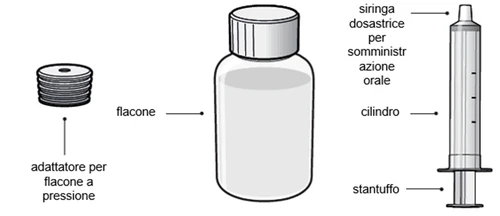
Before each use:
Wash your hands with soap and water and remove the items from the carton, placing them on a
clean, flat surface.
Step 1. Remove the bottle from the carton
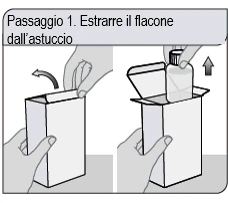
Remove the bottle of XELJANZ oral solution from the carton.
Step 2. Open the bottle
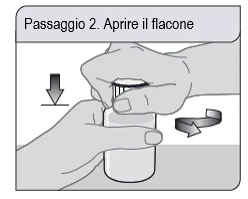
Open the bottle. Remove the seal from the top of the bottle (only the first time).
Do not discard the child-resistant cap.
Note: it is not necessary to shake the bottle before use.
Step 3. Insert the press-fit bottle adapter
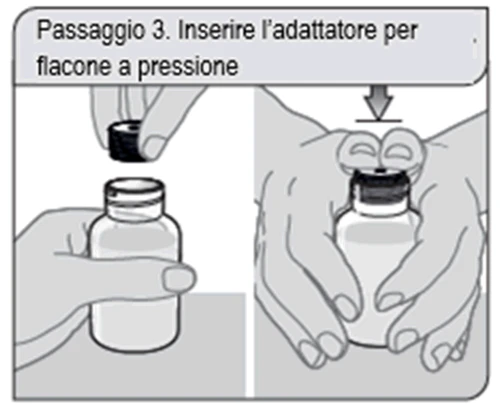
Remove the press-fit bottle adapter and the oral dosing syringe from the plastic packaging. With the bottle on a flat surface, press the ribbed end of the press-fit bottle adapter firmly into the neck of the bottle using your thumbs, holding it securely.
Note: do not remove the press-fit bottle adapter from the bottle once it has been inserted.
Step 4. Remove air from the oral dosing syringe
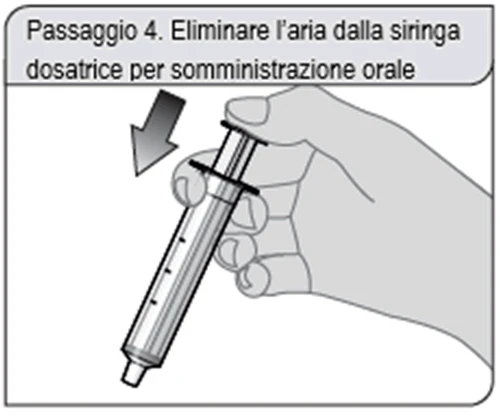
Push the plunger of the oral dosing syringe all the way to the tip of the syringe barrel to remove excess air.
Step 5. Insert the oral dosing syringe
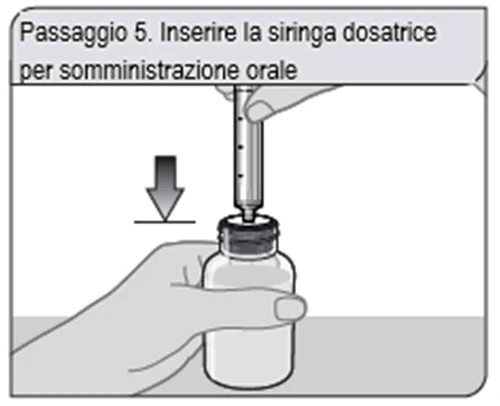
Insert the oral dosing syringe vertically into the bottle through the opening of the press-fit bottle adapter until it is securely in place.
Step 6. Draw the dose from the bottle
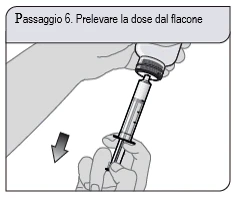
With the oral dosing syringe in place, turn the bottle upside down. Pull back the plunger.
If you see air bubbles in the oral dosing syringe, push the plunger completely down to return the oral solution back into the bottle. Then, draw the prescribed dose of oral solution again.
Step 7. Remove the oral dosing syringe
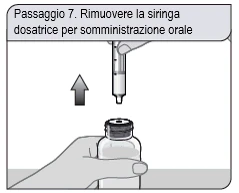
Turn the bottle upright and place it on a flat surface. Remove the oral dosing syringe from the bottle adapter and bottle by pulling the barrel of the oral dosing syringe upward.
Step 8. Check the measured dose
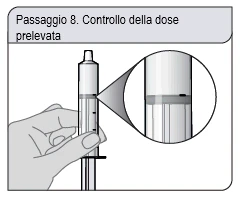
Check that you have drawn the correct dose into the oral dosing syringe.
If the dose is incorrect, firmly insert the tip of the oral dosing syringe into the bottle adapter. Push the plunger fully to return the oral solution to the bottle. Repeat steps 6 and 7.
Step 9. Administer the XELJANZ dose
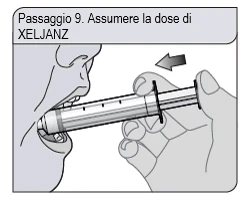
Place the tip of the oral dosing syringe into the patient’s mouth, toward the cheek.
Slowly push the plunger all the way down to administer all the medicine in the oral dosing syringe. Make sure the patient has time to swallow the medicine.
Step 10. Close the bottle
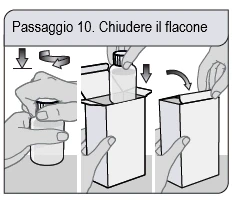
Close the bottle tightly by turning the child-resistant cap clockwise, leaving the press-fit bottle adapter in place.
Return the bottle to the carton and close the carton to protect XELJANZ oral solution from light.
Step 11. Clean the oral dosing syringe
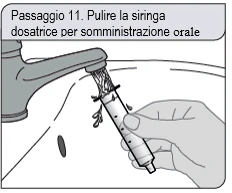
Remove the plunger from the barrel by pulling them apart in opposite directions.
Rinse both parts with water after each use.
Allow to air dry; then return the oral dosing syringe together with the oral solution to the carton.
Store the oral dosing syringe with XELJANZ oral solution.
Do not discard the oral dosing syringe.