Xarenel
ItalyTable of Contents
- Patient Information Leaflet
- XARENEL 100,000 IU/ml injectable solution, 300,000 IU/ml injectable solution
- 1. What XARENEL is and what it is used for
- 2. What you should know before taking XARENEL
- 3. How to take XARENEL
- 4. Possible side effects
- 5. How to store XARENEL
- 6. Package contents and other information
- Patient Information Leaflet
- XARENEL 50,000 IU/2.5 ml oral solution in single-dose container
- 1. What XARENEL is and what it is used for
- 2. What you need to know before taking XARENEL
- 3. How to take XARENEL
- 4. Possible side effects
- 5. How to store XARENEL
- 6. Contents of the package and other information
- Package leaflet: information for the patient
- XARENEL 25,000 IU/2.5 ml oral solution in single-dose container
- 1. What XARENEL is and what it is used for
- 2. What you need to know before taking XARENEL
- 3. How to take XARENEL
- 4. Possible side effects
- 5. How to store XARENEL
- 6. Package contents and other information
- Package leaflet: Information for the patient
- XARENEL 10,000 IU/mL oral drops, solution
- 1. What XARENEL is and what it is used for
- 2. What you need to know before taking XARENEL
- 3. How to take XARENEL
- 4. Possible side effects
- 5. How to store XARENEL
- 6. Package contents and other information
- XARENEL 100,000 IU/2.5 ml oral solution in single-dose container
- 1. What XARENEL is and what it is used for
- 2. What you should know before taking XARENEL
- 3. How to take XARENEL
- 4. Possible side effects
- 5. How to store XARENEL
- 6. Pack contents and other information
- Patient Information Leaflet
- XARENEL 2,000 U.I. hard capsules, 6,000 U.I. hard capsules
- 1. What XARENEL is and what it is used for
- 2. What you need to know before taking XARENEL
- 3. How to take XARENEL
- 4. Possible side effects
- 5. How to store XARENEL
- 6. Package contents and other information
- Package leaflet: Information for the patient
- XARENEL 1,000 U.I. hard capsules
- 1. What XARENEL is and what it is used for
- 2. What you should know before taking XARENEL
- 3. How to take XARENEL
- 4. Possible side effects
- 5. How to store XARENEL
- 6. Package contents and other information
- Patient information leaflet
- XARENEL 25,000 IU hard capsules
- 1. What Xarenel is and what it is used for
- 2. What you need to know before taking Xarenel
- 3. How to take Xarenel
- 4. Possible side effects
- 5. How to store Xarenel
- 6. Contents of the pack and other information
- Patient information leaflet
- XARENEL 50,000 IU hard capsules, 100,000 IU hard capsules
- 1. What Xarenel is and what it is used for
- 2. What you need to know before taking Xarenel
- 3. How to take Xarenel
- 4. Possible side effects
- 5. How to store Xarenel
- 6. Package contents and other information
Patient Information Leaflet
XARENEL 100,000 IU/ml injectable solution, 300,000 IU/ml injectable solution
cholecalciferol (vitamin D)
Please read all of this leaflet carefully before taking this medicine because it contains important information for you.
- Keep this leaflet. You may need to read it again.
- If you have any questions, ask your doctor or pharmacist.
- This medicine has been prescribed for you only. Do not give it to other people, even if they have the same symptoms as you, because it could be harmful.
- If you experience any side effects, including those not listed in this leaflet, contact your doctor or pharmacist. See section 4.
Contents of this leaflet:
- What XARENEL is and what it is used for
- What you need to know before taking XARENEL
- How to take XARENEL
- Possible side effects
- How to store XARENEL
- Contents of the pack and other information
1. What XARENEL is and what it is used for
XARENEL contains colecalciferol, better known as vitamin D.
XARENEL 100,000 IU and 300,000 IU is indicated for the treatment of vitamin D deficiency in adults (over 18 years of age).
2. What you should know before taking XARENEL
Do not take XARENEL
- If you are allergic to cholecalciferol (vitamin D) or to any of the other ingredients of this medicine (listed in section 6).
- If you have high levels of calcium in your blood (hypercalcemia) or in your urine (hypercalciuria).
- If you have kidney stones (nephrolithiasis) or calcium deposits in the kidneys (nephrocalcinosis).
- If you have severe kidney disease (severe renal failure) (see section “Warnings and precautions”).
- If you have high levels of vitamin D (hypervitaminosis D).
Warnings and precautions
Talk to your doctor or pharmacist before taking XARENEL.
Your doctor may prescribe periodic blood and urine tests to monitor vitamin D, calcium, and phosphate levels in the following cases:
- If you are to be treated with XARENEL for a long time and at high doses.
- If you are elderly and already taking medicines to treat certain heart conditions (cardiac glycosides) or medicines that reduce blood pressure by increasing urine production (diuretics).
- If you have sarcoidosis, an inflammatory disease that may affect the whole body and causes the formation of nodules.
- If you have primary hyperparathyroidism, a condition caused by excessive secretion of parathyroid hormone from one or more parathyroid glands.
- If you have kidney problems.
If your levels of vitamin D, calcium, or phosphate are elevated, your doctor will reduce the dose or discontinue treatment with XARENEL.
Inform your doctor if you are taking vitamin D from other sources, either medicinal or dietary (see section “XARENEL with food, drink, and alcohol”).
You must not take XARENEL if you have significantly reduced kidney function (see “Do not take XARENEL”). In case of mild to moderate reduction in kidney function (mild or moderate renal insufficiency), if your doctor considers treatment with XARENEL absolutely necessary, periodic blood tests to monitor calcium and phosphate levels will be required. If your calcium and phosphate levels are elevated, your doctor will reduce the dose or discontinue treatment with XARENEL.
Inform your doctor in the following cases, as dose adjustments may be needed compared to those indicated in section 3, “How to take XARENEL”:
- If you are on long-term treatment with medicines such as antiepileptics (used to treat epilepsy), corticosteroids (used to treat inflammation), lipid-lowering agents, or orlistat (used to treat obesity) (see section “Other medicines and XARENEL”).
- If you are taking antacids containing aluminium, medicines used to treat excessive stomach acid that may rise into the oesophagus (see section “Other medicines and XARENEL”).
- If you are taking laxatives (such as paraffin oil) (see section “Other medicines and XARENEL”).
- If you are obese.
- If you have intestinal malabsorption (e.g., Crohn’s disease, chronic inflammatory bowel disease, coeliac disease, mucoviscidosis or cystic fibrosis) or have undergone bariatric surgery.
- If you have liver disease (hepatic insufficiency).
Children and adolescents
At these dosages, XARENEL is not recommended for children and adolescents aged 0 to 18 years.
Other medicines and XARENEL
Inform your doctor or pharmacist if you are taking, have recently taken, or might take any other medicines.
In particular, if you are taking any of the following medicines, inform your doctor, who will monitor you closely and carefully consider whether additional tests are needed:
- Digitalis and other cardiac glycosides, medicines used to treat certain heart conditions.
- Warfarin, a medicine used to prolong blood clotting time and reduce the risk of blood clots.
- Magnesium-containing preparations.
- Thiazide diuretics, medicines used to treat high blood pressure by increasing urine production.
Additionally, inform your doctor if you are taking any of the following medicines, as they may reduce the effect of XARENEL:
- Antiepileptics, such as barbiturates, carbamazepine, phenytoin, medicines used to treat epilepsy.
- Corticosteroids, medicines used to treat inflammation.
- Certain antibiotics such as rifampicin and isoniazid, used to treat infections.
- Antacids containing aluminium, medicines used to treat excessive stomach acid; concomitant use with vitamin D may increase the risk of aluminium toxicity and should therefore be avoided.
- Lipid-lowering agents (hypolipidemics) such as colestipol and cholestyramine.
- Medicines used to treat obesity such as orlistat.
- Laxatives such as paraffin oil.
- Actinomycin, a cytotoxic agent belonging to the group of actinomycins, antibiotics produced by various species of Streptomyces bacteria.
- Antifungal imidazole agents, which inhibit the growth of fungal organisms (e.g. ketoconazole).
XARENEL with food, drink, and alcohol
Inform your doctor if you are taking other products containing vitamin D, vitamin D-fortified foods, or vitamin D-enriched milk, so that the total intake of vitamin D can be considered and excessive dosing avoided.
Long-term consumption of large amounts of alcohol (chronic alcoholism) reduces vitamin D stores in the liver.
Pregnancy, breastfeeding, and fertility
If you are pregnant, think you may be pregnant, or are planning to become pregnant, or if you are breastfeeding, consult your doctor or pharmacist before taking this medicine.
Pregnancy
XARENEL 100,000 IU and XARENEL 300,000 IU are not recommended during pregnancy. However, since vitamin D deficiency is harmful to both mother and foetus, your doctor may prescribe vitamin D during pregnancy at lower doses when necessary.
Breastfeeding
XARENEL 100,000 IU and XARENEL 300,000 IU are not recommended during breastfeeding. When necessary, your doctor will prescribe vitamin D at lower doses.
This does not replace the need for vitamin D supplementation in the newborn. Vitamin D and its metabolites are excreted in breast milk: your doctor will take this into account when prescribing vitamin D for a breastfed infant.
Fertility
There are no data on the effects of vitamin D on fertility.
Driving and using machines
There are no data on the effects of XARENEL on the ability to drive.
However, it should be noted that drowsiness may occur as a rare side effect of treatment with XARENEL.
3. How to take XARENEL
Take this medicine exactly as directed by your doctor or pharmacist. If you
have any doubts, consult your doctor or pharmacist.
The dosage and duration of treatment will be determined by your doctor according to your health condition.
Do not exceed the doses indicated by your doctor.
This medicine must be administered by intramuscular injection (intramuscular use).
Intramuscular therapy is indicated in malabsorption syndromes.
Adults and Elderly
Treatment:
XARENEL 100,000 IU
1 vial (equivalent to 100,000 IU of vitamin D) per month for 3 months. Your doctor will determine the appropriate dose for you and may subsequently prescribe a lower dose.
XARENEL 300,000 IU
1 vial (equivalent to 300,000 IU of vitamin D). Your doctor will determine the appropriate dose for you and may subsequently prescribe a lower dose.
Use in children and adolescents
The use of XARENEL at these dosages is not recommended in neonates, children, and adolescents under 18 years of age.
Pregnant women
The use of XARENEL at these dosages is not recommended during pregnancy.
Instructions for use
The vials in the package are equipped with a pre-break ring. Follow the instructions below for opening:
BEFORE OPENING: it is recommended to use finger protection devices (e.g. a clean cloth, a cotton pad).
INSTRUCTIONS FOR OPENING
a. hold the lower part of the vial with one hand;
b. place the other hand on the upper part of the vial, positioning the thumb above the white ring;
c. while keeping the lower body of the vial steady with one hand, apply pressure with the other hand by bending downward and simultaneously rotating the upper part of the vial.
AFTER OPENING: to avoid the risk of cuts, do not touch the sharp edges or any sharp points created by breaking the vial.
If you take more XARENEL than you should
In case of accidental ingestion/overdose of XARENEL, contact your doctor immediately or go to the nearest hospital.
In case of overdose, increased levels of calcium in blood and urine may occur, with the following symptoms: nausea, vomiting, thirst, excessive thirst (polydipsia), increased urine production (polyuria), constipation, and dehydration.
Chronic excessive dosing may lead to calcium salt deposits in blood vessels and organs.
If you forget to take XARENEL
Do not take a double dose to make up for the missed dose.
If you stop XARENEL treatment
If you have any doubts about using this medicine, consult your doctor or pharmacist.
4. Possible side effects
Like all medicines, this medicine can cause side effects, although not everybody gets them.
The possible side effects are listed below, by frequency:
Uncommon (may affect up to 1 in 100 people)
- Increased levels of calcium in the blood (hypercalcemia) and in the urine (hypercalciuria)
- Headache (cephalalgia)
- Stomach ache (abdominal pain)
- Nausea
- Diarrhoea
- Vomiting
- Skin rash
- Itching
Rare (may affect up to 1 in 1,000 people)
- Allergic reactions (hypersensitivity)
- Decreased appetite
- Intense thirst (polydipsia)
- Drowsiness
- Confusion
- Constipation (stipsis)
- Passing wind (flatulence)
- Dry mouth
- Altered taste (dysgeusia)
- Hives
- Increased urine output (polyuria)
- Weakness (asthenia)
- Dizziness
- Cardiac arrhythmia
Very rare (may affect up to 1 in 10,000 people)
- Kidney disease (renal failure)
Not known (frequency cannot be estimated from the available data)
- Thirst
- Excessive deposition of calcium in the kidneys (nephrocalcinosis).
Reporting of side effects
If you experience any side effects, including those not listed in this leaflet, talk to your doctor or pharmacist.
You can also report side effects directly via the national reporting system at https://www.aifa.gov.it/content/segnalazioni-reazioni-avverse.
By reporting side effects, you can help provide more information on the safety of this medicine.
5. How to store XARENEL
Keep this medicine out of the sight and reach of children.
Do not use this medicine after the expiry date which is stated on the packaging after "Exp".
The expiry date refers to the last day of that month.
Do not dispose of medicines via wastewater or household waste. Ask your pharmacist how to
dispose of medicines you no longer use. This will help protect the environment.
Store below 30°C. Do not freeze.
Keep in the original packaging to protect from light.
6. Package contents and other information
What XARENEL contains
XARENEL 100,000 IU/ml solution for injection
- The active substance is colecalciferol (vitamin D) (one vial contains 2.5 mg equivalent to 100,000 IU).
- The other component is refined olive oil for injectable use.
XARENEL 300,000 IU/ml solution for injection
- The active substance is colecalciferol (vitamin D) (one vial contains 7.5 mg equivalent to 300,000 IU).
- The other component is refined olive oil for injectable use.
Description of the appearance of XARENEL and contents of the pack
XARENEL 100,000 IU/ml and 300,000 IU/ml solution for injection is a solution contained in amber glass vials with a break-off ring.
XARENEL 100,000 IU/ml solution for injection
Available in packs of 1, 3 or 6 vials of 100,000 IU/ml.
XARENEL 300,000 IU/ml solution for injection
Available in packs of 1 or 2 vials of 300,000 IU/ml.
Not all pack sizes may be marketed.
Marketing Authorization Holder
Italfarmaco S.p.A. - Viale F. Testi, 330 - 20126 Milan - Italy
Manufacturer
ABIOGEN PHARMA S.p.A. - Via Meucci, 36 – Ospedaletto - Pisa
November 2024
Patient Information Leaflet
XARENEL 50,000 IU/2.5 ml oral solution in single-dose container
colecalciferol (vitamin D )
Please read this leaflet carefully before taking this medicine because it contains
important information for you.
- Keep this leaflet. You may need to read it again.
- If you have any questions, ask your doctor or pharmacist.
- This medicine has been prescribed for you only. Do not give it to others, even if their symptoms are the same as yours, as it may be harmful.
- If you experience any side effects, including those not listed in this leaflet, contact your doctor or pharmacist. See section 4.
Contents of this leaflet:
- What XARENEL is and what it is used for
- What you need to know before taking XARENEL
- How to take XARENEL
- Possible side effects
- How to store XARENEL
- Contents of the pack and other information
1. What XARENEL is and what it is used for
XARENEL contains colecalciferol, better known as vitamin D.
XARENEL 50,000 IU/2.5 ml oral solution in single-dose container is indicated for the treatment of vitamin D deficiency in adults (age over 18 years).
2. What you need to know before taking XARENEL
Do not take XARENEL
- if you are allergic to colecalciferol (vitamin D) or to any of the other ingredients of this medicine (listed in section 6),
- if you have high levels of calcium in your blood (hypercalcemia) or in your urine (hypercalciuria),
- if you have kidney stones (nephrolithiasis) or calcium deposits in the kidneys (nephrocalcinosis),
- if you have severe kidney disease (severe renal failure) (see section “Warnings and precautions”),
- if you have high levels of vitamin D (hypervitaminosis D).
Warnings and precautions
Talk to your doctor or pharmacist before taking XARENEL.
Your doctor may prescribe periodic blood or urine tests to monitor your vitamin D, calcium, and phosphate levels in the following cases:
- if you are to be treated with XARENEL for a long time and at high doses;
- if you are elderly and are already being treated with medicines for certain heart conditions (cardiac glycosides) or medicines that lower blood pressure by increasing urine production (diuretics);
- if you have sarcoidosis, an inflammatory disease that may affect the entire body and leads to nodule formation; if you have primary hyperparathyroidism, a condition caused by excessive secretion of parathyroid hormone from one or more parathyroid glands;
- if you have kidney problems.
If your levels of vitamin D, calcium, or phosphate are elevated, your doctor will reduce the dose or stop treatment with XARENEL.
Inform your doctor if you are taking vitamin D from other sources, including medicines or foods (see section “XARENEL with food, beverages and alcohol”).
Do not take XARENEL if you have significantly reduced kidney function (see “Do not take XARENEL”). If you have mild to moderate reduction in kidney function (mild or moderate renal insufficiency), and your doctor considers treatment with XARENEL absolutely necessary, periodic blood tests to monitor calcium and phosphate levels will be required. If your calcium and phosphate levels are elevated, your doctor will reduce the dose or discontinue treatment with XARENEL.
Inform your doctor in the following cases, as dose adjustments from those indicated in section 3 “How to take XARENEL” may be necessary:
- if you are on long-term treatment with medicines such as antiepileptics (used to treat epilepsy), corticosteroids (used to treat inflammation), lipid-lowering agents, or orlistat (used to treat obesity) (see section “Other medicines and XARENEL”);
- if you are taking antacids containing aluminium, medicines used to treat excessive stomach acid that may rise into the oesophagus (see section “Other medicines and XARENEL”);
- if you are taking laxatives (such as paraffin oil) (see section “Other medicines and XARENEL”);
- if you are obese;
- if you have intestinal malabsorption (e.g. Crohn’s disease, chronic inflammatory bowel disease, coeliac disease, mucoviscidosis or cystic fibrosis) or have undergone bariatric surgery;
- if you have liver disease (hepatic insufficiency).
Children and adolescents
At this dosage, XARENEL oral solution in single-dose container is not recommended for children and adolescents aged 0 to 18 years.
Other medicines and XARENEL
Tell your doctor or pharmacist if you are taking, have recently taken or might take any other medicines.
In particular, if you are taking any of the following medicines, inform your doctor, who will monitor you closely and carefully assess whether additional tests are needed:
- digitalis and other cardiac glycosides, medicines used to treat certain heart conditions;
- warfarin, a medicine used to prolong blood clotting time and reduce the risk of blood clots;
- magnesium-containing preparations;
- thiazide diuretics, medicines used to treat high blood pressure by increasing urine production.
Additionally, inform your doctor if you are taking any of the following medicines, as they may reduce the effectiveness of XARENEL:
- antiepileptics, such as barbiturates, carbamazepine, phenytoin, medicines used to treat epilepsy;
- corticosteroids, medicines used to treat inflammation;
- certain antibiotics such as rifampicin and isoniazid, used to treat infections;
- aluminium-containing antacids, medicines used to treat excessive stomach acid; concomitant use with vitamin D may increase the risk of aluminium toxicity and should therefore be avoided;
- lipid-lowering agents (hypolipidemics) such as colestipol and cholestyramine;
- medicines used to treat obesity such as orlistat;
- laxatives such as paraffin oil;
- actinomycin, a cytotoxic agent belonging to the actinomycin group, antibiotics produced by various types of Streptomyces bacteria;
- antifungal imidazole agents, which inhibit the growth of fungal organisms (e.g. ketoconazole).
XARENEL with food, beverages and alcohol
Inform your doctor if you are taking other products containing vitamin D, vitamin D-fortified foods, or vitamin D-enriched milk, so that the total daily intake of vitamin D can be monitored and excessive dosing avoided.
Long-term consumption of large amounts of alcohol (chronic alcoholism) reduces vitamin D stores in the liver.
Pregnancy, breastfeeding and fertility
If you are pregnant, think you may be pregnant, are planning to become pregnant, or are breastfeeding, consult your doctor or pharmacist before taking this medicine.
Pregnancy
Xarenel 50,000 IU/2.5 ml oral solution in single-dose container is not recommended during pregnancy.
However, since vitamin D deficiency is harmful to both mother and foetus, your doctor may prescribe vitamin D during pregnancy at lower doses when necessary.
Breastfeeding
XARENEL 50,000 IU/2.5 ml oral solution in single-dose container is not recommended during breastfeeding.
When necessary, your doctor may prescribe vitamin D at lower doses during breastfeeding.
This does not replace vitamin D supplementation in the newborn. Vitamin D and its metabolites are excreted in breast milk; your doctor will take this into account when prescribing vitamin D for a breastfed infant.
Fertility
There are no data on the effects of vitamin D on fertility.
Driving and use of machines
There are no data on the effects of XARENEL on the ability to drive.
However, drowsiness may occur as a side effect of treatment with XARENEL, although this is rare, and should be taken into account.
3. How to take XARENEL
Take this medicine exactly as directed by your doctor or pharmacist. If
you have any doubts, consult your doctor or pharmacist.
The dosage and duration of treatment will be determined by your doctor according to your health status.
Do not exceed the doses indicated by your doctor.
The doses must be taken orally. It is recommended to take XARENEL during meals.
Adults and Elderly
Treatment:
1 single-dose container (equivalent to 50,000 IU of vitamin D) once a week for a maximum of
6 weeks. Your doctor will determine the appropriate dose for you and may subsequently prescribe a lower dose.
Use in children and adolescents
The use of XARENEL 50,000 IU/2.5 ml oral solution in single-dose containers is not recommended
in neonates, children, and adolescents under 18 years of age.
Pregnant women
The use of XARENEL 50,000 IU/2.5 ml oral solution in single-dose containers is not recommended
during pregnancy.
If you take more XARENEL than you should
In case of accidental ingestion/overdose of XARENEL, contact your doctor immediately or go to the nearest hospital.
In case of overdose, increased levels of calcium in blood and urine may occur, with the following symptoms: nausea, vomiting, thirst, excessive thirst (polydipsia), increased urination (polyuria), constipation, and dehydration.
Chronic excessive dosing may lead to calcium salt deposits in blood vessels and organs.
If you forget to take XARENEL
Do not take a double dose to make up for the missed dose.
If you stop treatment with XARENEL
If you have any questions about the use of this medicine, consult your doctor or pharmacist.
4. Possible side effects
Like all medicines, this medicine can cause side effects, although not everybody gets them.
The possible side effects are listed below, classified by frequency:
Uncommon (may affect up to 1 in 100 people)
- increased levels of calcium in the blood (hypercalcaemia) and in the urine (hypercalciuria)
- headache (cephalalgia)
- stomach ache (abdominal pain)
- nausea
- diarrhoea
- vomiting
- skin rash
- itching (pruritus)
Rare (may affect up to 1 in 1,000 people)
- allergic reactions (hypersensitivity)
- reduced appetite
- intense thirst (polydipsia)
- drowsiness
- confusion
- constipation (stipsis)
- passing gas (flatulence)
- dry mouth
- taste disturbance (dysgeusia)
- hives (urticaria)
- increased urine production (polyuria)
- weakness (asthenia)
- dizziness
- cardiac arrhythmia
Very rare (may affect up to 1 in 10,000 people)
- kidney disease (renal failure)
Not known (frequency cannot be estimated from the available data)
- thirst
- excessive deposition of calcium in the kidneys (nephrocalcinosis)
Reporting of side effects
If you experience any side effects, including those not listed in this leaflet, talk to your doctor or pharmacist.
You can also report side effects directly via the national reporting system at https://www.aifa.gov.it/content/segnalazioni-reazioni-avverse.
By reporting side effects, you can help provide more information on the safety of this medicine.
5. How to store XARENEL
Keep this medicine out of the sight and reach of children.
Do not use this medicine after the expiry date which is stated on the packaging after "Exp".
The expiry date refers to the last day of that month.
Do not dispose of any medicine via wastewater or household waste. Ask your pharmacist how to
dispose of medicines you no longer use. This will help protect the environment.
Store at a temperature not exceeding 25°C. Do not freeze.
Keep in the original packaging to protect the medicine from light.
6. Contents of the package and other information
What XARENEL contains
In a single-dose container:
- The active substance is colecalciferol (vitamin D ) 1.25 mg, equivalent to 50,000 IU.
- The other component is refined olive oil.
Description of the appearance of XARENEL and contents of the pack
XARENEL 50,000 IU/2.5 ml oral solution in single-dose container is a solution contained in an amber glass vial, closed with a polypylene cap.
It is available in packs containing 1, 2, 3, 4 or 6 single-dose containers of 2.5 ml.
Not all pack sizes may be marketed.
Marketing Authorization Holder
Italfarmaco S.p.A. - Viale F. Testi, 330 - 20126 Milan - Italy
Manufacturer
ABIOGEN PHARMA S.p.A. - Via Meucci, 36 – Ospedaletto - Pisa
March 2026
Package leaflet: information for the patient
XARENEL 25,000 IU/2.5 ml oral solution in single-dose container
colecalciferol (vitamin D )
Please read this leaflet carefully before taking this medicine because it contains
important information for you.
- Keep this leaflet. You may need to read it again.
- If you have any questions, consult your doctor or pharmacist.
- This medicine has been prescribed for you only. Do not give it to others, even if their symptoms are the same as yours, as it could be harmful.
- If you experience any side effects, including those not listed in this leaflet, contact your doctor or pharmacist. See section 4.
Contents of this leaflet:
- What XARENEL is and what it is used for
- What you need to know before taking XARENEL
- How to take XARENEL
- Possible side effects
- How to store XARENEL
- Contents of the pack and other information
1. What XARENEL is and what it is used for
XARENEL contains cholecalciferol, better known as vitamin D.
XARENEL 25,000 IU/2.5 ml oral solution in single-dose container is indicated for:
- prevention of vitamin D deficiency in adults, solely in cases where therapeutic adherence cannot be achieved with daily administration of low doses of cholecalciferol;
- treatment of vitamin D deficiency in adults (age over 18 years).
2. What you need to know before taking XARENEL
Do not take XARENEL
- if you are allergic to colecalciferol (vitamin D) or to any of the other ingredients of this medicine (listed in section 6).
- if you have high levels of calcium in your blood (hypercalcemia) or in your urine (hypercalciuria).
- if you have kidney stones (nephrolithiasis) or calcium deposits in the kidneys (nephrocalcinosis).
- if you have severe kidney disease (severe renal failure) (see section “Warnings and precautions”).
- if you have high levels of vitamin D (hypervitaminosis D).
Warnings and precautions
Talk to your doctor or pharmacist before taking XARENEL.
Your doctor may recommend taking XARENEL 25,000 IU/2.5 ml oral solution in single-dose container for the prevention of vitamin D deficiency in the following cases:
- elderly people,
- insufficient sun exposure,
- special diets or eating patterns (e.g. low in calcium, vegetarian, etc.),
- dark skin pigmentation,
- extensive skin diseases, infectious diseases (such as tuberculosis, leprosy),
- liver diseases (hepatic insufficiency),
- gastrointestinal disorders (intestinal malabsorption, cystic fibrosis or mucoviscidosis),
- treatment with antiepileptic drugs or long-term therapy with certain anti-inflammatory medicines.
Your doctor may prescribe periodic blood and urine tests to monitor your vitamin D, calcium, and phosphate levels in the following cases:
- if you need to take XARENEL for a long time and at high doses,
- if you are elderly and already taking medicines to treat certain heart conditions (cardiac glycosides) or medicines that lower blood pressure by increasing urine production (diuretics),
- if you have sarcoidosis, an inflammatory disease that can affect the entire body and leads to nodule formation,
- if you have primary hyperparathyroidism, a condition caused by excessive secretion of parathyroid hormone from one or more parathyroid glands,
- if you have kidney problems.
If your levels of vitamin D, calcium, or phosphate are elevated, your doctor will reduce the dose or stop treatment with XARENEL.
Inform your doctor if you are taking vitamin D from other sources, either medicinal or dietary (see section “XARENEL with food, beverages and alcohol”).
You must not take XARENEL if you have significant reduction in kidney function (see “Do not take XARENEL”). If you have mild to moderate reduction in kidney function (mild or moderate renal insufficiency), and your doctor considers treatment with XARENEL absolutely necessary, regular blood tests to monitor calcium and phosphate levels will be required. If your calcium and phosphate levels are elevated, your doctor will reduce the dose or discontinue treatment with XARENEL.
Inform your doctor in the following cases, as dose adjustments from those indicated in section 3 “How to take XARENEL” may be necessary:
- if you are on long-term treatment with medicines such as antiepileptics (used to treat epilepsy), corticosteroids (used to treat inflammation), lipid-lowering agents, or orlistat (used to treat obesity) (see section “Other medicines and XARENEL”);
- if you are taking aluminium-containing antacids, medicines used to treat excessive stomach acid which may rise into the oesophagus (see section “Other medicines and XARENEL”);
- if you are taking laxatives (such as paraffin oil) (see section “Other medicines and XARENEL”);
- if you are obese;
- if you have intestinal malabsorption (e.g., Crohn’s disease, chronic inflammatory bowel disease, coeliac disease, cystic fibrosis or mucoviscidosis) or have undergone bariatric surgery;
- if you have liver disease (hepatic insufficiency).
Children and adolescents
XARENEL 25,000 IU/2.5 ml oral solution in single-dose container is not recommended in children and adolescents aged 0 to 18 years.
Other medicines and XARENEL
Tell your doctor or pharmacist if you are taking, have recently taken, or might take any other medicines.
In particular, if you are taking the following medicines, inform your doctor, who will monitor you closely and carefully assess whether additional tests are needed:
- digitalis and other cardiac glycosides, medicines used to treat certain heart conditions;
- warfarin, a medicine used to prolong blood clotting time and reduce the risk of blood clots;
- magnesium-containing preparations;
- thiazide diuretics, medicines used to treat high blood pressure by increasing urine production.
Additionally, inform your doctor if you are taking any of the following medicines, as they may reduce the effect of XARENEL:
- antiepileptics, such as barbiturates, carbamazepine, phenytoin, medicines used to treat epilepsy;
- corticosteroids, medicines used to treat inflammation;
- certain antibiotics such as rifampicin and isoniazid, used to treat infections;
- aluminium-containing antacids, medicines used to treat excessive stomach acid; concomitant use with vitamin D may increase the risk of aluminium toxicity and should therefore be avoided;
- lipid-lowering medicines (hypolipidemics) such as colestipol and cholestyramine;
- medicines used to treat obesity such as orlistat;
- laxatives such as paraffin oil;
- actinomycin, a cytotoxic agent belonging to the group of actinomycins, antibiotics produced by various species of Streptomyces bacteria;
- antifungal imidazole agents, which inhibit the growth of fungal organisms (e.g. ketoconazole).
XARENEL with food, beverages and alcohol
Inform your doctor if you are taking other products containing vitamin D, vitamin D-fortified foods, or if you consume vitamin D-enriched milk, so that your total vitamin D intake can be taken into account and excessive dosing avoided.
Long-term consumption of large amounts of alcohol (chronic alcoholism) reduces vitamin D stores in the liver.
Pregnancy, breastfeeding and fertility
If you are pregnant, think you may be pregnant, are planning to become pregnant, or are breastfeeding, consult your doctor or pharmacist before taking this medicine.
Pregnancy
XARENEL 25,000 IU/2.5 ml oral solution in single-dose container is not recommended during pregnancy.
However, since vitamin D deficiency is harmful to both mother and foetus, your doctor may prescribe vitamin D during pregnancy at lower doses when necessary.
Breastfeeding
XARENEL 25,000 IU/2.5 ml oral solution in single-dose container is not recommended during breastfeeding.
When necessary, your doctor may prescribe vitamin D during breastfeeding at lower doses.
This does not replace vitamin D supplementation in the newborn. Vitamin D and its metabolites are present in breast milk: your doctor will take this into account when prescribing vitamin D for a breastfed infant.
Fertility
There are no data on the effects of vitamin D on fertility.
Driving and using machines
There are no data on the effects of XARENEL on the ability to drive.
However, you should be aware that drowsiness may occur as a side effect of treatment with XARENEL, although this is rare.
3. How to take XARENEL
Take this medicine exactly as directed by your doctor or pharmacist. If
you have any doubts, consult your doctor or pharmacist.
The dosage and duration of treatment will be determined by your doctor based on your health condition.
Do not exceed the doses indicated by your doctor.
The doses must be taken orally. It is recommended to take XARENEL during meals.
Adults and Elderly
Prevention: 1 single-dose container (equivalent to 25,000 IU of vitamin D) once a month.
Treatment: 1 single-dose container (equivalent to 25,000 IU of vitamin D) once a week for
8–12 weeks. Your doctor will determine the appropriate dose for you and may subsequently prescribe a lower dose.
Use in children and adolescents
The use of XARENEL 25,000 IU/2.5 ml oral solution in single-dose containers is not recommended
in neonates, children, and adolescents under 18 years of age.
Pregnant women
The use of XARENEL 25,000 IU/2.5 ml oral solution in single-dose containers is not recommended
during pregnancy.
If you take more XARENEL than you should
In case of accidental ingestion or overdose of XARENEL, inform your doctor immediately or go to the nearest hospital.
In case of overdose, increased levels of calcium in blood and urine may occur, with the following symptoms: nausea, vomiting, thirst, excessive thirst (polydipsia), increased urination (polyuria), constipation, and dehydration.
Chronic excessive dosing may lead to calcium salt deposits in blood vessels and organs.
If you forget to take XARENEL
Do not take a double dose to make up for the missed dose.
If you stop taking XARENEL
If you have any questions about using this medicine, consult your doctor or pharmacist.
4. Possible side effects
Like all medicines, this medicine can cause side effects, although not everybody will experience them.
The possible side effects are listed below, according to frequency:
Uncommon (may affect up to 1 in 100 people)
- Increased levels of calcium in the blood (hypercalcaemia) and in the urine (hypercalciuria)
- Headache (cephalalgia)
- Stomach pain (abdominal pain)
- Nausea
- Diarrhoea
- Vomiting
- Skin rash
- Itching (pruritus)
Rare (may affect up to 1 in 1,000 people)
- Allergic reactions (hypersensitivity)
- Decreased appetite
- Excessive thirst (polydipsia)
- Drowsiness
- Confusional state
- Constipation (stipsis)
- Passage of gas (flatulence)
- Dry mouth
- Taste disturbances (dysgeusia)
- Urticaria
- Increased urine output (polyuria)
- Weakness (asthenia)
- Dizziness
- Cardiac arrhythmia
Very rare (may affect up to 1 in 10,000 people)
- Kidney disease (renal failure)
Not known (frequency cannot be estimated from the available data)
- Thirst
- Excessive deposition of calcium in the kidneys (nephrocalcinosis)
Reporting of side effects
If you experience any side effect, including those not listed in this leaflet, talk to your doctor or pharmacist.
You can also report side effects directly via the national reporting system at https://www.aifa.gov.it/content/segnalazioni-reazioni-avverse.
By reporting side effects, you can help provide more information on the safety of this medicine.
5. How to store XARENEL
Keep this medicine out of the sight and reach of children.
Do not use this medicine after the expiry date which is stated on the packaging after Exp.
The expiry date refers to the last day of that month.
Do not dispose of any medicine via wastewater or household waste. Ask your pharmacist how to
dispose of medicines you no longer use. This will help protect the environment.
Store at a temperature not exceeding 25°C. Do not freeze.
Store in the original packaging to protect the medicine from light.
6. Package contents and other information
What XARENEL contains
In a single-dose container:
- The active substance is colecalciferol (vitamin D ) 0.625 mg, equivalent to 25,000 IU.
- The other component is refined olive oil.
Description of the appearance of XARENEL and contents of the pack
XARENEL 25,000 IU/2.5 ml oral solution in single-dose container is presented as a solution contained in an amber glass container, closed with a cap made of polypropylene.
It is available in packs containing 1, 2, 3, 4, 6, 8, 10 or 12 single-dose containers of 2.5 ml.
Not all pack sizes may be marketed.
Marketing Authorization Holder
Italfarmaco S.p.A. - Viale F. Testi, 330 - 20126 Milan - Italy
Manufacturer
ABIOGEN PHARMA S.p.A. - Via Meucci, 36 – Ospedaletto - Pisa
March 2026
Package leaflet: Information for the patient
XARENEL 10,000 IU/mL oral drops, solution
colecalciferol (vitamin D )
Please read this leaflet carefully before taking this medicine because it contains
important information for you.
- Keep this leaflet. You may need to read it again.
- If you have any questions, consult your doctor or pharmacist.
- This medicine has been prescribed for you only. Do not give it to other people, even if their symptoms are the same as yours, as it may be harmful.
- If you experience any side effects, including those not listed in this leaflet, consult your doctor or pharmacist. See section 4.
Contents of this leaflet:
- What XARENEL is and what it is used for
- What you need to know before taking XARENEL
- How to take XARENEL
- Possible side effects
- How to store XARENEL
- Contents of the pack and other information
1. What XARENEL is and what it is used for
XARENEL contains colecalciferol, better known as vitamin D.
XARENEL 10,000 IU/ml oral drops, solution is indicated for the prevention and treatment of
vitamin D deficiency.
2. What you need to know before taking XARENEL
Do not take XARENEL
- if you are allergic to cholecalciferol (vitamin D3) or to any of the other ingredients of this medicine (listed in section 6).
- if you have high levels of calcium in your blood (hypercalcemia) or in your urine (hypercalciuria).
- if you have kidney stones (nephrolithiasis) or calcium deposits in the kidneys (nephrocalcinosis).
- if you have severe kidney disease (severe renal failure) (see section “Warnings and precautions”).
- if you have high levels of vitamin D (hypervitaminosis D).
Warnings and precautions
Talk to your doctor or pharmacist before taking XARENEL.
Your doctor may recommend taking XARENEL as prevention of vitamin D deficiency:
- in newborns (especially if premature) and infants,
- during the last trimester of pregnancy,
- in breastfeeding women at the end of winter and in spring,
- in the elderly,
- in case of insufficient sun exposure, particularly in children and adolescents,
- in case of special diets or eating patterns (e.g. low in calcium, vegetarian, etc.),
- in case of dark skin pigmentation,
- in case of extensive skin diseases or infectious diseases (such as tuberculosis, leprosy),
- in case of gastrointestinal disorders (intestinal malabsorption, cystic fibrosis or mucoviscidosis),
- in case of liver diseases (hepatic insufficiency),
- in patients being treated with antiepileptic drugs or long-term treatment with certain anti-inflammatory medicines.
Your doctor may prescribe periodic blood tests to monitor your vitamin D levels or calcium levels in blood and urine in the following cases:
- if you need to take XARENEL for a long time and at high doses,
- if you are elderly and already receiving treatment with medicines for certain heart conditions (cardiac glycosides) or with medicines that reduce blood pressure by increasing urine production (diuretics),
- if you have sarcoidosis, an inflammatory disease that can affect the whole body and leads to the formation of nodules,
- if you have primary hyperparathyroidism, a condition caused by excessive secretion of parathyroid hormone from one or more parathyroid glands,
- if you have kidney problems.
If your levels of vitamin D, calcium, or phosphate are elevated, your doctor will reduce the dose or stop treatment with XARENEL.
Inform your doctor if you are taking vitamin D from other sources, either medicinal or dietary (see section “XARENEL with food, beverages, and alcohol”).
You must not take XARENEL if you have significant reduction in kidney function (see “Do not take XARENEL”). In case of mild to moderate reduction in kidney function (mild or moderate renal insufficiency), if your doctor considers treatment with XARENEL absolutely necessary, periodic blood tests to monitor calcium and phosphate levels will be required. If your calcium and phosphate levels are elevated, your doctor will reduce the dose or discontinue treatment with XARENEL.
Inform your doctor in the following cases, as dose adjustments may be needed compared to those indicated in section 3 “How to take XARENEL”:
- if you are on long-term treatment with medicines such as antiepileptics (used to treat epilepsy), corticosteroids (used to treat inflammation), lipid-lowering agents, or orlistat (used to treat obesity) (see section “Other medicines and XARENEL”);
- if you are taking antacids containing aluminium, medicines used to treat excessive stomach acid that may rise into the oesophagus (see section “Other medicines and XARENEL”);
- if you are taking laxatives (such as paraffin oil) (see section “Other medicines and XARENEL”);
- if you are obese;
- if you have intestinal malabsorption (e.g. Crohn’s disease, chronic inflammatory bowel disease, celiac disease, cystic fibrosis or mucoviscidosis) or have undergone bariatric surgery;
- if you have liver disease (hepatic insufficiency).
Other medicines and XARENEL
Tell your doctor or pharmacist if you are taking, have recently taken, or might take any other medicines.
In particular, if you are taking the following medicines, inform your doctor, who will monitor you closely and carefully evaluate whether additional tests are needed:
- digitalis and other cardiac glycosides, medicines used to treat certain heart conditions;
- warfarin, a medicine used to prolong blood clotting time and reduce the risk of blood clots;
- magnesium-containing preparations;
- thiazide diuretics, medicines used to treat high blood pressure by increasing urine production.
Additionally, inform your doctor if you are taking any of the following medicines, as they may reduce the effectiveness of XARENEL:
- antiepileptics, such as barbiturates, carbamazepine, phenytoin, medicines used to treat epilepsy;
- corticosteroids, medicines used to treat inflammation;
- certain antibiotics such as rifampicin and isoniazid, used to treat infections;
- aluminium-containing antacids, medicines used to treat excessive stomach acid; concomitant use with vitamin D may increase the risk of aluminium toxicity and should therefore be avoided;
- lipid-lowering agents (hypolipidemic agents) such as colestipol and cholestyramine;
- medicines used to treat obesity, such as orlistat;
- laxatives such as paraffin oil;
- actinomycin, a cytotoxic agent belonging to the group of actinomycins, antibiotics produced by various types of bacteria of the genus Streptomyces;
- azole antifungal agents, which inhibit the growth of fungal organisms (e.g. ketoconazole).
XARENEL with food, beverages, and alcohol
Inform your doctor if you are taking other products containing vitamin D, vitamin D-fortified foods, or using vitamin D-enriched milk, so that the total daily intake of vitamin D can be taken into account and excessive dosing avoided.
Long-term consumption of large amounts of alcohol (chronic alcoholism) reduces vitamin D stores in the liver.
Pregnancy and breastfeeding
If you are pregnant, think you may be pregnant, planning a pregnancy, or breastfeeding, consult your doctor or pharmacist before taking this medicine.
Pregnancy
If necessary, your doctor may prescribe low-dose vitamin D during the last trimester of pregnancy.
XARENEL 10,000 IU/ml oral drops, solution can be taken during the last trimester of pregnancy (see section 3 “How to take XARENEL”).
Breastfeeding
If necessary, your doctor may prescribe this medicine during breastfeeding. This does not replace vitamin D supplementation in the newborn.
Vitamin D and its metabolites are present in breast milk: your doctor will take this into account when prescribing vitamin D to a breastfed infant.
Fertility
There are no data on the effects of vitamin D on fertility.
Driving and using machines
There are no data on the effects of XARENEL on the ability to drive.
However, it should be noted that drowsiness may occur as a side effect of treatment with XARENEL, although this is rare.
3. How to take XARENEL
Take this medicine exactly as directed by your doctor or pharmacist. If
you have any doubts, consult your doctor or pharmacist.
The dosage and duration of treatment will be determined by your doctor according to your health condition.
Do not exceed the doses indicated by your doctor.
The doses must be taken orally. It is recommended to take XARENEL during meals.
Use in children and adolescents
Newborns (0–1 year)
Prevention: 1–2 drops (equivalent to 250–500 IU of vitamin D) daily.
Treatment: Your doctor will determine the appropriate dose and may subsequently prescribe a lower dose. The daily dose must not exceed 4 drops (equivalent to 1,000 IU of vitamin D).
Children (1–11 years)
Prevention: 1–2 drops (equivalent to 250–500 IU of vitamin D) daily. From the second year of life, in the presence of multiple risk factors for vitamin D deficiency and according to the doctor’s judgment, the dosage may be increased up to 3 drops daily (equivalent to 750 IU of vitamin D).
Treatment: Your doctor will determine the appropriate dose and may subsequently prescribe a lower dose. The daily dose must not exceed 8 drops (equivalent to 2,000 IU of vitamin D).
Adolescents (12–17 years)
Prevention: 2–4 drops daily (equivalent to 500–1,000 IU of vitamin D).
Treatment: 4–16 drops daily (equivalent to 1,000–4,000 IU of vitamin D). Your doctor will determine the appropriate dose and may subsequently prescribe a lower dose. The daily dose must not exceed 16 drops (equivalent to 4,000 IU of vitamin D).
Pregnant women
The recommended dose is 3–4 drops daily (equivalent to 750–1,000 IU of vitamin D) during the third trimester. However, in women considered to be vitamin D deficient, a higher dose may be required (up to 2,000 IU daily – 8 drops).
Adults and elderly
Prevention: The recommended dose is 3–4 drops daily (equivalent to 750–1,000 IU of vitamin D). In the presence of multiple risk factors for vitamin D deficiency, according to the doctor’s judgment, the dosage may be increased up to 8 drops daily (equivalent to 2,000 IU of vitamin D).
Treatment: 4 drops (equivalent to 1,000 IU of vitamin D) daily. Your doctor will determine the appropriate dose and may subsequently prescribe a lower dose. Higher doses should be adjusted according to the desired serum levels of 25-hydroxycholecalciferol (25(OH)D), the severity of the disease, and the patient’s response to treatment. The daily dose must not exceed 16 drops (equivalent to 4,000 IU of vitamin D).
Instructions for use of the bottle with separate dropper
The package contains 1 bottle and 1 dropper. The bottle is equipped with a child-resistant cap. The dropper is provided with a plastic cover. For use, follow the instructions below:
a. Open the bottle by removing the cap as follows: press down and simultaneously unscrew (see Figure 1);
b. Unscrew the plastic cover from the tip of the dropper (see Figure 2);
c. Insert the dropper into the bottle to draw up the liquid. Dispense the number of drops prescribed by your doctor into a spoon and take them;
d. Close the bottle with its cap (see Figure 3).
e. Screw the plastic cover back onto the tip of the dropper;
f. Store the bottle and dropper in the original packaging.
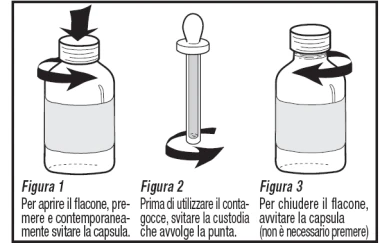
Instructions for use of the dropper bottle
The package contains 1 dropper bottle, closed with a child-resistant cap. For use, follow the instructions below:
a. Open the dropper bottle by removing the cap as follows: press down and simultaneously unscrew;
b. Invert the dropper bottle and, keeping it in a vertical position, dispense the number of drops prescribed by your doctor into a spoon and take them;
c. Close the dropper bottle;
d. Store the dropper bottle in the original packaging.
If you take more XARENEL than you should
In case of accidental ingestion/overdose of XARENEL, contact your doctor immediately or go to the nearest hospital.
In case of overdose, elevated levels of calcium in the blood and urine may occur, with the following symptoms: nausea, vomiting, thirst, excessive thirst (polydipsia), increased urination (polyuria), constipation, and dehydration.
Chronic excessive dosing may lead to calcium salt deposits in blood vessels and organs.
Excessive intake of vitamin D during the first 6 months of pregnancy may cause serious harm to the fetus and newborn (see section “Pregnancy, breastfeeding and fertility”).
If you forget to take XARENEL
Do not take a double dose to make up for the missed dose.
If you stop taking XARENEL
If you have any doubts about using this medicine, consult your doctor or pharmacist.
4. Possible side effects
Like all medicines, this medicine can cause side effects, although not everybody gets them.
The possible side effects are listed below, by frequency:
Uncommon (may affect up to 1 in 100 people)
- increased levels of calcium in the blood (hypercalcaemia) and in the urine (hypercalciuria)
- headache (cephalalgia)
- stomach ache (abdominal pain)
- nausea
- diarrhoea
- vomiting
- skin rash
- itching (pruritus)
Rare (may affect up to 1 in 1,000 people)
- allergic reactions (hypersensitivity)
- reduced appetite
- excessive thirst (polydipsia)
- drowsiness
- confusion
- constipation (stipsis)
- passing gas (flatulence)
- dry mouth
- altered taste (dysgeusia)
- hives (urticaria)
- increased urine output (polyuria)
- weakness (asthenia)
- dizziness
- cardiac arrhythmia
Very rare (may affect up to 1 in 10,000 people)
- kidney disease (renal failure)
Not known (frequency cannot be estimated from the available data)
- thirst
- excessive deposition of calcium in the kidneys (nephrocalcinosis)
Reporting of side effects
If you get any side effects, including ones not listed in this leaflet, talk to your doctor or pharmacist.
You can also report side effects directly via the national reporting system at https://www.aifa.gov.it/content/segnalazioni-reazioni-avverse.
By reporting side effects, you can help provide more information on the safety of this medicine.
5. How to store XARENEL
Keep this medicine out of the sight and reach of children.
Do not use this medicine after the expiry date stated on the pack after "Exp".
The expiry date refers to the last day of that month.
Do not dispose of any medicine via wastewater or household waste. Ask your pharmacist how to
dispose of medicines you no longer use. This will help protect the environment.
Store below 25°C. Do not freeze.
Keep in the original packaging to protect the medicine from light.
The shelf life after first opening of the bottle is 5 months (record the date of first opening in the designated space on the carton).
After this period, any remaining medicine must be discarded.
6. Package contents and other information
What XARENEL contains
The active substance is colecalciferol (vitamin D ) 2.5 mg, equivalent to 100,000 IU.
Each drop contains: 250 IU of vitamin D .
The other component is refined olive oil.
Description of the appearance of XARENEL and contents of the pack
XARENEL 10,000 IU/ml oral drops, solution is presented as a solution contained in an amber glass bottle with a capacity of 10 ml.
It is available in packaging containing 1 bottle closed with a child-resistant cap and 1 separate dropper, or 1 dropper bottle closed with a child-resistant cap.
Marketing Authorization Holder
Italfarmaco S.p.A. - Viale F. Testi, 330 - 20126 Milan - Italy
Manufacturer
ABIOGEN PHARMA S.p.A. - Via Meucci, 36 – Ospedaletto - Pisa
November 2024
Patient Information Leaflet: information for the patient
XARENEL 100,000 IU/2.5 ml oral solution in single-dose container
colecalciferol (vitamin D )
Please read this leaflet carefully before taking this medicine because it contains
important information for you.
- Keep this leaflet. You may need to read it again.
- If you have any questions, ask your doctor or pharmacist.
- This medicine has been prescribed for you only. Do not give it to other people, even if their symptoms are the same as yours, as it may be harmful.
- If you experience any adverse reaction, including those not listed in this leaflet, contact your doctor or pharmacist. See section 4.
Contents of this leaflet:
- What XARENEL is and what it is used for
- What you need to know before taking XARENEL
- How to take XARENEL
- Possible side effects
- How to store XARENEL
- Contents of the pack and other information
1. What XARENEL is and what it is used for
XARENEL 100,000 IU oral solution/2.5 ml in a single-dose container contains colecalciferol,
better known as vitamin D.
XARENEL 100,000 IU oral solution/2.5 ml in a single-dose container is indicated for the treatment
of vitamin D deficiency in adults (over 18 years of age).
2. What you should know before taking XARENEL
Do not take XARENEL
- if you are allergic to cholecalciferol (vitamin D) or to any of the other ingredients of this medicine (listed in section 6).
- If you have high levels of calcium in your blood (hypercalcemia) or in your urine (hypercalciuria).
- If you have kidney stones (nephrolithiasis) or calcium deposits in the kidneys (nephrocalcinosis).
- If you have severe kidney disease (severe renal failure) (see section “Warnings and precautions”).
- If you have high levels of vitamin D in your blood (hypervitaminosis D).
Warnings and precautions
Talk to your doctor or pharmacist before taking XARENEL 100,000 IU/2.5 ml oral solution
in single-dose container.
Your doctor may prescribe periodic blood and urine tests to monitor your vitamin D, calcium, and phosphate levels in the following cases:
- if you need long-term treatment with XARENEL at high doses;
- if you are elderly and are already being treated with medicines for certain heart conditions (cardiac glycosides) or medicines that lower blood pressure by increasing urine production (diuretics);
- if you suffer from sarcoidosis, an inflammatory disease that may affect the entire body and leads to nodule formation;
- if you have primary hyperparathyroidism, a condition caused by excessive secretion of parathyroid hormone from one or more parathyroid glands;
- if you have kidney problems.
If your vitamin D, calcium, or phosphate levels are elevated, your doctor will reduce the dose or discontinue treatment with XARENEL.
Inform your doctor if you are taking vitamin D from other sources, including medicines or food
(see section “XARENEL with food, drink, and alcohol”).
You must not take XARENEL if you have significantly reduced kidney function
(see “Do not take XARENEL”). In case of mild to moderate reduction in kidney function (mild or moderate renal insufficiency), if your doctor considers treatment with XARENEL absolutely necessary, periodic blood tests to monitor calcium and phosphate levels will be required. If your calcium and phosphate levels are elevated, your doctor will reduce the dose or discontinue treatment with XARENEL.
Inform your doctor in the following cases, as dose adjustments from those indicated in section 3 “How to take XARENEL” may be necessary:
- if you are on long-term treatment with medicines such as antiepileptics (used to treat epilepsy), corticosteroids (used to treat inflammation), lipid-lowering agents, or orlistat (used to treat obesity) (see section “Other medicines and XARENEL”);
- if you are taking antacids containing aluminium, medicines used to treat excessive stomach acid that may rise into the oesophagus (see section “Other medicines and XARENEL”);
- if you are taking laxatives (such as paraffin oil) (see section “Other medicines and XARENEL”);
- if you are obese;
- if you have intestinal malabsorption (e.g., Crohn’s disease, chronic inflammatory bowel disease, coeliac disease, mucoviscidosis or cystic fibrosis) or have undergone bariatric surgery;
- if you have liver disease (hepatic insufficiency).
Children and adolescents
XARENEL 100,000 IU oral solution in single-dose container is not recommended for children and adolescents aged 0 to 18 years.
Other medicines and XARENEL
Inform your doctor or pharmacist if you are taking, have recently taken, or might take any other medicines.
In particular, if you are taking the following medicines, inform your doctor, who will monitor you closely and carefully assess whether additional tests are needed:
- digitalis and other cardiac glycosides, medicines used to treat certain heart disorders;
- warfarin, a medicine used to prolong blood clotting time, thereby reducing the risk of blood clots;
- magnesium-containing preparations;
- thiazide diuretics, medicines used to treat high blood pressure by increasing urine production.
Additionally, inform your doctor if you are taking any of the following medicines, as they may reduce the effect of XARENEL:
- antiepileptics, such as barbiturates, carbamazepine, phenytoin, medicines used to treat epilepsy;
- corticosteroids, medicines used to treat inflammation;
- certain antibiotics such as rifampicin and isoniazid, used to treat infections;
- antacids containing aluminium, medicines used to treat excessive stomach acid; concomitant use with vitamin D may increase the risk of aluminium toxicity and should therefore be avoided;
- lipid-lowering agents (hypolipidemics) such as colestipol and cholestyramine;
- medicines used to treat obesity, such as orlistat;
- laxatives such as paraffin oil;
- actinomycin, a cytotoxic agent belonging to the group of actinomycins, antibiotics produced by various types of Streptomyces bacteria;
- antifungal imidazole agents, which inhibit the growth of fungal organisms (e.g., ketoconazole).
XARENEL with food, drink, and alcohol
Inform your doctor if you are taking other products containing vitamin D, vitamin D-fortified foods, or vitamin D-enriched milk, so that the total daily intake of vitamin D can be monitored and excessive dosing avoided.
Long-term consumption of large amounts of alcohol (chronic alcoholism) reduces vitamin D stores in the liver.
Pregnancy, breastfeeding, and fertility
If you are pregnant, suspect you may be pregnant, planning to become pregnant, or breastfeeding, consult your doctor or pharmacist before taking this medicine.
Pregnancy
XARENEL 100,000 IU/2.5 ml oral solution is not recommended during pregnancy.
However, since vitamin D deficiency is harmful to both mother and fetus, your doctor may prescribe vitamin D during pregnancy at lower doses when necessary.
Breastfeeding
XARENEL 100,000 IU/2.5 ml oral solution is not recommended during breastfeeding.
When necessary, your doctor may prescribe vitamin D at lower doses during breastfeeding.
This does not replace the need for vitamin D supplementation in the newborn. Vitamin D and its metabolites are present in breast milk: your doctor will take this into account when prescribing vitamin D for a breastfed infant.
Fertility
There are no data on the effects of vitamin D on fertility.
Driving and using machines
There are no data on the effects of XARENEL on the ability to drive.
However, drowsiness may occur as a side effect of treatment with XARENEL, although this is rare, and should be taken into account.
3. How to take XARENEL
Take this medicine exactly as instructed by your doctor or pharmacist. If you have any doubts, consult your doctor or pharmacist.
The dosage and duration of treatment will be determined by your doctor according to your health condition.
Do not exceed the doses indicated by your doctor.
The doses must be taken orally. It is recommended to take XARENEL during meals. The single-dose container must be used for a single administration, making sure to take the entire dose.
Adults
Treatment: The recommended dose is 1 single-dose container (equivalent to 100,000 IU vitamin D) every 2 weeks for 6 weeks (for a maximum of three administrations). Your doctor will determine the appropriate dose for you and may subsequently prescribe a lower dose.
Use in children and adolescents
XARENEL 100,000 IU/2.5 ml oral solution in single-dose container is not recommended for neonates, children, and adolescents (˂ 18 years of age).
Pregnant women
The use of XARENEL 100,000 IU/2.5 ml oral solution is not recommended during pregnancy.
If you take more XARENEL than you should
If you accidentally ingest or take an excessive dose of XARENEL, contact your doctor immediately or go to the nearest hospital.
In case of overdose, increased levels of calcium in the blood and urine may occur, with the following symptoms: nausea, vomiting, thirst, intense thirst (polydipsia), increased urination (polyuria), constipation, and dehydration.
Chronic excessive dosing may lead to calcium salt deposits in blood vessels and organs.
If you forget to take XARENEL
Do not take a double dose to make up for the missed dose.
If you stop treatment with XARENEL
If you have any questions about the use of this medicine, consult your doctor or pharmacist.
4. Possible side effects
Like all medicines, this medicine can cause side effects, although not everyone gets them.
The possible side effects are listed below, classified by frequency:
uncommon (may affect up to 1 in 100 people)
- increased levels of calcium in the blood (hypercalcaemia) and in the urine (hypercalciuria)
- headache (cephalalgia)
- stomach pain (abdominal pain)
- nausea
- diarrhoea
- vomiting
- skin rash
- itching (pruritus)
rare (may affect up to 1 in 1,000 people)
- allergic reactions (hypersensitivity)
- loss of appetite
- excessive thirst (polydipsia)
- drowsiness
- confusion
- constipation (stipsis)
- passing gas (flatulence)
- dry mouth
- altered taste (dysgeusia)
- hives (urticaria)
- increased urine production (polyuria)
- weakness (asthenia)
- dizziness
- cardiac arrhythmia
very rare (may affect up to 1 in 10,000 people)
- kidney disease (renal failure)
not known (frequency cannot be estimated from the available data)
- thirst
- excessive deposition of calcium in the kidneys (nephrocalcinosis)
Reporting of side effects
If you experience any side effects, including those not listed in this leaflet, talk to your doctor or pharmacist.
You can also report side effects directly via the national reporting system at https://www.aifa.gov.it/content/segnalazioni-reazioni-avverse.
By reporting side effects, you can help provide more information on the safety of this medicine.
5. How to store XARENEL
Keep this medicine out of the sight and reach of children.
Do not use this medicine after the expiry date which is stated on the pack after Exp.
The expiry date refers to the last day of that month.
Do not dispose of any medicine via wastewater or household waste. Ask your pharmacist how to
dispose of medicines you no longer use. This will help protect the environment.
Store below 25°C. Do not freeze.
Keep in the original packaging to protect the medicine from light.
6. Pack contents and other information
What XARENEL contains
In a single-dose container:
- The active substance is colecalciferol (vitamin D): one 2.5 ml single-dose container of solution contains 2.5 mg (equivalent to 100,000 IU) of colecalciferol.
- The other component is refined olive oil.
Description of the appearance of XARENEL and pack contents
XARENEL 100,000 IU/2.5 ml oral solution in single-dose container is a clear, colourless or yellowish-green transparent solution contained in an amber glass bottle closed with a polypropylene cap.
It is available in packs containing 1, 2 or 4 single-dose containers of 2.5 ml.
Not all pack sizes may be marketed.
Marketing Authorization Holder
Italfarmaco S.p.A. - Viale F. Testi, 330 - 20126 Milan - Italy
Manufacturer
ABIOGEN PHARMA S.p.A. - Via Meucci, 36 – Ospedaletto – Pisa, Italy
November 2024
Patient Information Leaflet
XARENEL 2,000 U.I. hard capsules, 6,000 U.I. hard capsules
Colecalciferol (vitamin D )
Please read this entire leaflet carefully before taking this medicine, because it contains
important information for you.
- Keep this leaflet. You may need to read it again.
- If you have any questions, ask your doctor or pharmacist.
- This medicine has been prescribed for you only. Do not give it to others, even if their symptoms are the same as yours, as it may be harmful.
- If you experience any side effect, including those not listed in this leaflet, contact your doctor or pharmacist. See section 4.
Contents of this leaflet:
- What XARENEL is and what it is used for
- What you need to know before taking XARENEL
- How to take XARENEL
- Possible side effects
- How to store XARENEL
- Contents of the pack and other information
1. What XARENEL is and what it is used for
XARENEL contains colecalciferol, better known as vitamin D.
XARENEL 2,000 IU hard capsules and 6,000 IU hard capsules are indicated for the prevention and treatment of vitamin D deficiency in adults and adolescents over 12 years of age.
2. What you need to know before taking XARENEL
Do not take XARENEL
- If you are allergic to cholecalciferol (vitamin D) or to any of the other ingredients of this medicine (listed in section 6).
- If you have high levels of calcium in your blood (hypercalcemia) or in your urine (hypercalciuria).
- If you have kidney stones (nephrolithiasis) or calcium deposits in the kidneys (nephrocalcinosis).
- If you have severe kidney disease (severe renal failure) (see section “Warnings and precautions”).
- If you have high levels of vitamin D (hypervitaminosis D).
Warnings and precautions
Talk to your doctor or pharmacist before taking XARENEL.
Your doctor may recommend taking XARENEL as prevention of vitamin D deficiency:
- during the last trimester of pregnancy,
- during breastfeeding,
- if you are elderly,
- if you have insufficient or ineffective sun exposure,
- if you follow special diets or eating regimens (e.g. low in calcium, vegetarian, etc.),
- if you have dark skin pigmentation,
- if you have extensive skin diseases or infectious diseases (such as tuberculosis, leprosy),
- if you have digestive disorders or liver disease (hepatic insufficiency),
- if you are being treated with antiepileptic drugs or long-term therapy with certain anti-inflammatory drugs,
- if you suffer from gastrointestinal disorders (intestinal malabsorption, cystic fibrosis or mucoviscidosis).
Your doctor may prescribe periodic blood tests to monitor your vitamin D levels or calcium levels in blood and urine in the following cases:
- if you need to take XARENEL for a long time and at high doses;
- if you are elderly and already taking medicines to treat certain heart conditions (cardiac glycosides) or medicines that reduce blood pressure by increasing urine production (diuretics);
- if you have sarcoidosis, an inflammatory disease that can affect the entire body and leads to nodule formation;
- if you have primary hyperparathyroidism, a condition caused by excessive secretion of parathyroid hormone from one or more parathyroid glands;
- if you have kidney problems.
If your vitamin D, calcium, or phosphate levels are elevated, your doctor will reduce the dose or discontinue treatment with XARENEL.
Inform your doctor if you are taking vitamin D from other sources, either medicinal or dietary (see section “XARENEL with food, beverages and alcohol”).
You must not take XARENEL if you have significant reduction in kidney function (see “Do not take XARENEL”). In case of mild to moderate reduction in kidney function (mild or moderate renal insufficiency), if your doctor considers treatment with XARENEL absolutely necessary, periodic blood tests to monitor calcium and phosphate levels will be required. If your calcium and phosphate levels are elevated, your doctor will reduce the dose or discontinue treatment with XARENEL.
Inform your doctor in the following cases, as dose adjustments may be needed compared to those indicated in section 3. “How to take XARENEL”:
- if you are on long-term therapy with medicines such as antiepileptics (used to treat epilepsy), corticosteroids (used to treat inflammation), lipid-lowering drugs, orlistat (used to treat obesity) (see section “Other medicines and XARENEL”);
- if you are taking antacids containing aluminium, medicines used to treat excessive stomach acid that may rise into the oesophagus (see section “Other medicines and XARENEL”);
- if you are taking laxatives (such as liquid paraffin) (see section “Other medicines and XARENEL”);
- if you are obese;
- if you suffer from intestinal malabsorption (e.g. Crohn’s disease, chronic inflammatory bowel disease, coeliac disease, cystic fibrosis or mucoviscidosis) or have undergone bariatric surgery;
- if you have liver disease (hepatic insufficiency).
Children
XARENEL hard capsules are not recommended for children aged between 0 and 12 years due to the pharmaceutical form and difficulty in swallowing.
For children aged between 0 and 12 years, other formulations of XARENEL should be used.
Other medicines and XARENEL
Tell your doctor or pharmacist if you are taking, have recently taken, or might take any other medicines.
In particular, if you are taking the following medicines, inform your doctor, who will closely monitor you and carefully assess whether additional tests are needed:
- digitalis and other cardiac glycosides, medicines used to treat certain heart conditions;
- warfarin, a medicine used to prolong blood clotting time and reduce the risk of blood clots;
- magnesium-containing preparations;
- thiazide diuretics, medicines used to treat high blood pressure by increasing urine production.
Additionally, inform your doctor if you are taking any of the following medicines, as they may reduce the effect of XARENEL:
- antiepileptics, such as barbiturates, carbamazepine, phenytoin, medicines used to treat epilepsy;
- corticosteroids, medicines used to treat inflammation;
- some antibiotics such as rifampicin and isoniazid, used to treat infections;
- aluminium-containing antacids, medicines used to treat excessive stomach acid; concomitant use with vitamin D may increase the risk of aluminium toxicity and should therefore be avoided;
- lipid-lowering agents (hypolipidemics) such as colestipol and cholestyramine;
- medicines used to treat obesity, such as orlistat;
- laxatives such as liquid paraffin;
- actinomycin, a cytotoxic agent belonging to the actinomycin group, antibiotics produced by various types of Streptomyces bacteria;
- antifungal imidazole agents, capable of inhibiting fungal growth (e.g. ketoconazole).
XARENEL with food, beverages and alcohol
Inform your doctor if you are taking other products containing vitamin D, vitamin D-fortified foods, or using vitamin D-enriched milk, so that the total vitamin D intake can be considered and excessive dosing avoided.
Long-term consumption of large amounts of alcohol (chronic alcoholism) reduces vitamin D stores in the liver.
Pregnancy, breastfeeding and fertility
If you are pregnant, think you may be pregnant, planning to become pregnant, or breastfeeding, consult your doctor or pharmacist before taking this medicine.
Pregnancy
If necessary, your doctor will prescribe vitamin D during the last trimester of pregnancy.
XARENEL 2,000 IU hard capsules and XARENEL 6,000 IU hard capsules may be taken during the last trimester of pregnancy (see section 3. “How to take XARENEL”).
Breastfeeding
If necessary, you may take vitamin D while breastfeeding. This does not replace vitamin D supplementation in the newborn. Vitamin D and its metabolites are present in breast milk: your doctor will take this into account when prescribing vitamin D for a breastfed infant.
Fertility
There are no data on the effects of vitamin D on fertility.
Driving and using machines
There are no data on the effects of XARENEL on the ability to drive.
However, you should be aware that drowsiness may occur as a side effect of treatment with XARENEL, although this is rare.
3. How to take XARENEL
Take this medicine exactly as directed by your doctor or pharmacist. If you have any doubts, consult your doctor or pharmacist.
The doses and duration of treatment will be determined by your doctor according to your health condition. If you have kidney or liver disease, skin disorders, gastrointestinal disorders, or other conditions, as judged by your doctor, a dose adjustment may be necessary compared to those indicated below.
Adults
Prevention:
The recommended dose is as follows:
- Hard capsules 2,000 U.I.: 1 capsule on alternate days.
- Hard capsules 6,000 U.I.: 1 capsule every 6–8 days. In the presence of multiple risk factors for vitamin D deficiency, as judged by the physician, the dosage may be increased up to:
- Hard capsules 2,000 U.I.: 1 capsule daily.
- Hard capsules 6,000 U.I.: 1 capsule every 3 days.
Treatment:
The recommended daily doses range between 1,000 and 4,000 U.I. These doses should be adjusted according to the desired serum levels of 25-hydroxycholecalciferol (25 (OH) D), the severity of the disease, and the patient's response to treatment. Your doctor will determine the appropriate dose and may subsequently prescribe a lower maintenance dose.
The recommended dosing regimen is as follows:
- Hard capsules 2,000 U.I.: from 1 capsule on alternate days up to a maximum of 2 capsules daily.
- Hard capsules 6,000 U.I.: from 1 capsule every 6 days up to a maximum of 2 capsules every 3 days.
Pregnant women (third trimester)
The recommended dosage, adjusted at the physician’s discretion, is as follows:
- Hard capsules 2,000 U.I.: 1 capsule on alternate days. However, in women considered to be vitamin D deficient, a higher dose may be required (up to 1 capsule daily).
- Hard capsules 6,000 U.I.: 1 capsule every 6–8 days. However, in women considered to be vitamin D deficient, a higher dose may be required (up to 1 capsule every 3 days).
Use in children and adolescents
Children (0–12 years)
For children aged 0 to 12 years, it is advisable to use other formulations of XARENEL.
Adolescents (>12 years)
Prevention:
The recommended dosing regimen is as follows:
- Hard capsules 2,000 U.I.: from 1 capsule every 4 days to 1 capsule every 2 days.
- Hard capsules 6,000 U.I.: from 1 capsule every 12 days to 1 capsule every 6 days.
Treatment:
The recommended daily doses range between 1,000 and 4,000 U.I. These doses should be adjusted according to the desired serum levels of 25-hydroxycholecalciferol (25 (OH) D), the severity of the disease, and the patient's response to treatment. Your doctor will determine the appropriate dose and may subsequently prescribe a lower maintenance dose. The recommended dosing regimen is as follows:
- Hard capsules 2,000 U.I.: from 1 capsule on alternate days up to a maximum of 2 capsules daily.
- Hard capsules 6,000 U.I.: from 1 capsule every 6 days up to a maximum of 2 capsules every 3 days.
Instructions for use
XARENEL hard capsules are for oral use.
Take XARENEL during meals.
Swallow the capsule whole; do not chew or open it.
If you take more XARENEL than you should
In case of accidental ingestion or overdose, contact your doctor immediately or go to the nearest hospital.
In case of overdose, elevated levels of calcium in the blood and urine may occur, with symptoms such as: nausea, vomiting, thirst, excessive thirst (polydipsia), increased urination (polyuria), constipation, and dehydration.
Chronic excessive dosing may lead to calcium salt deposits in blood vessels and organs.
If you are pregnant, taking an excessive dose of vitamin D may cause serious harm to the newborn (see section “Pregnancy, breastfeeding and fertility”).
If you forget to take XARENEL
Do not take a double dose to make up for the missed dose.
If you stop taking XARENEL
If you have any doubts about using this medicine, consult your doctor or pharmacist.
4. Possible side effects
Like all medicines, this medicine can cause side effects, although not everyone experiences them.
The possible side effects are listed below, grouped by frequency:
Uncommon (may affect up to 1 in 100 people)
- increased levels of calcium in the blood (hypercalcemia) and in the urine (hypercalciuria)
- headache (cephalalgia)
- stomach pain (abdominal pain)
- nausea
- diarrhoea
- vomiting
- skin rash
- itching (pruritus)
Rare (may affect up to 1 in 1,000 people)
- allergic reactions (hypersensitivity)
- decreased appetite
- excessive thirst (polydipsia)
- drowsiness
- confusion
- constipation (stipsis)
- passing gas (flatulence)
- dry mouth
- altered taste (dysgeusia)
- hives (urticaria)
- increased urine production (polyuria)
- weakness (asthenia)
- dizziness
- cardiac arrhythmia
Very rare (may affect up to 1 in 10,000 people)
- kidney disease (renal failure)
Not known (frequency cannot be estimated from the available data)
- thirst
- excessive calcium deposition in the kidneys (nephrocalcinosis)
Reporting of side effects
If you experience any side effect, including those not listed in this leaflet, consult your doctor or pharmacist.
You may also report side effects directly through the national reporting system at https://www.aifa.gov.it/content/segnalazioni-reazioni-avverse.
By reporting side effects, you can help provide more information on the safety of this medicine.
5. How to store XARENEL
Keep this medicine out of the sight and reach of children.
Do not use this medicine after the expiry date stated on the pack after EXP.
The expiry date refers to the last day of that month.
Do not dispose of any medicine via wastewater or household waste. Ask your pharmacist how to
dispose of medicines you no longer use. This will help protect the environment.
XARENEL 2,000 I.U. hard capsules
Do not store above 25°C.
Do not freeze.
Keep in the original packaging to protect the medicine from light.
XARENEL 6,000 I.U. hard capsules
Do not store above 25°C.
Do not freeze.
Keep in the original packaging to protect the medicine from light.
6. Package contents and other information
What XARENEL contains
XARENEL 2,000 IU hard capsules
- The active substance is colecalciferol (vitamin D) 0.050 mg, equivalent to 2,000 IU.
- The other components are: gelatin, titanium dioxide (E171), refined olive oil.
XARENEL 6,000 IU hard capsules
- The active substance is colecalciferol (vitamin D) 0.150 mg, equivalent to 6,000 IU.
- The other components are: gelatin, titanium dioxide (E171), yellow iron oxide (E172), refined olive oil.
Description of the appearance of XARENEL and package contents
XARENEL 2,000 IU hard capsules:
They are presented as hard capsules with a transparent body and white cap, with a white sealing band.
Available in pack sizes of 30 capsules (3 white opaque blisters containing 10 capsules each).
XARENEL 6,000 IU hard capsules:
They are presented as hard capsules with a transparent body and white cap, with a yellow sealing band.
Available in pack sizes of 4 capsules (1 white opaque blister containing 4 capsules) or 12 capsules (3 white opaque blisters containing 4 capsules each).
Not all pack sizes may be marketed.
Marketing Authorization Holder
Italfarmaco S.p.A. - Viale Fulvio Testi, 330 – 20126 – Milan, Italy
Manufacturer
Abiogen Pharma S.p.A. - Via Meucci, 36 – Ospedaletto – Pisa, Italy
November 2024
Package leaflet: Information for the patient
XARENEL 1,000 U.I. hard capsules
Colecalciferol (vitamin D )
Please read this leaflet carefully before taking this medicine because it contains
important information for you.
- Keep this leaflet. You may need to read it again.
- If you have any questions, consult your doctor or pharmacist.
- This medicine has been prescribed for you only. Do not give it to others, even if their symptoms are the same as yours, as it could be harmful.
- If any adverse reaction occurs, including those not listed in this leaflet, consult your doctor or pharmacist. See section 4.
Contents of this leaflet:
- What XARENEL is and what it is used for
- What you need to know before taking XARENEL
- How to take XARENEL
- Possible side effects
- How to store XARENEL
- Contents of the pack and other information
1. What XARENEL is and what it is used for
XARENEL contains colecalciferol, better known as vitamin D.
XARENEL 1,000 IU hard capsules are indicated for the prevention and treatment of
vitamin D deficiency in adults and adolescents over 12 years of age.
2. What you should know before taking XARENEL
Do not take XARENEL
- If you are allergic to colecalciferol (vitamin D) or to any of the other ingredients of this medicine (listed in section 6).
- If you have high levels of calcium in your blood (hypercalcemia) or in your urine (hypercalciuria).
- If you have kidney stones (nephrolithiasis) or calcium deposits in the kidneys (nephrocalcinosis).
- If you have severe kidney disease (severe renal failure) (see section "Warnings and precautions").
- If you have high levels of vitamin D (hypervitaminosis D).
Warnings and precautions
Talk to your doctor or pharmacist before taking XARENEL.
Your doctor may recommend taking XARENEL for prevention of vitamin D deficiency:
- during the last trimester of pregnancy,
- during breastfeeding,
- if you are elderly,
- if you have insufficient or ineffective sun exposure,
- if you follow special diets or eating regimens (e.g. low-calcium diet, vegetarian diet, etc.),
- if you have dark skin pigmentation,
- if you have extensive skin diseases or infectious diseases (such as tuberculosis, leprosy),
- if you have digestive disorders or liver disease (hepatic insufficiency),
- if you are being treated with antiepileptic drugs or long-term therapy with certain anti-inflammatory drugs,
- if you suffer from gastrointestinal disorders (intestinal malabsorption, mucoviscidosis or cystic fibrosis).
Your doctor may prescribe periodic blood tests to monitor your vitamin D levels or calcium levels in blood and urine in the following cases:
- if you need to take XARENEL for a long time and at high doses;
- if you are elderly and already receiving treatment with medicines for certain heart conditions (cardiac glycosides) or medicines that lower blood pressure by increasing urine production (diuretics);
- if you suffer from sarcoidosis, an inflammatory disease that may affect the entire body and leads to nodule formation;
- if you have primary hyperparathyroidism, a condition caused by excessive secretion of parathyroid hormone from one or more parathyroid glands;
- if you have kidney problems.
If your levels of vitamin D, calcium, or phosphate are elevated, your doctor will reduce the dose or discontinue treatment with XARENEL.
Inform your doctor if you are taking vitamin D from other sources, either medicinal or dietary (see section “XARENEL with food, beverages, and alcohol”).
You must not take XARENEL if you have significant reduction in kidney function (see “Do not take XARENEL”). If you have mild to moderate reduction in kidney function (mild or moderate renal insufficiency), and your doctor considers treatment with XARENEL absolutely necessary, periodic blood tests to monitor calcium and phosphate levels will be required. If your calcium and phosphate levels are elevated, your doctor will reduce the dose or discontinue treatment with XARENEL.
Inform your doctor in the following cases, as dosage adjustments from those indicated in section 3 “How to take XARENEL” may be necessary:
- if you are on long-term treatment with medications such as antiepileptics (used to treat epilepsy), corticosteroids (used to treat inflammation), lipid-lowering agents, or orlistat (used to treat obesity) (see section “Other medicines and XARENEL”);
- if you are taking antacids containing aluminium, medicines used to treat excess stomach acid that may also rise into the oesophagus (see section “Other medicines and XARENEL”);
- if you are taking laxatives (such as paraffin oil) (see section “Other medicines and XARENEL”);
- if you are obese;
- if you suffer from intestinal malabsorption (e.g. Crohn’s disease, chronic inflammatory bowel disease, coeliac disease, mucoviscidosis or cystic fibrosis) or have undergone bariatric surgery;
- if you have liver disease (hepatic insufficiency).
Children
XARENEL hard capsules are not recommended for children aged 0 to 12 years due to the pharmaceutical form and difficulty in swallowing.
For children aged 0 to 12 years, other formulations of XARENEL should be used.
Other medicines and XARENEL
Tell your doctor or pharmacist if you are taking, have recently taken, or might take any other medicines.
In particular, if you are taking any of the following medicines, inform your doctor, who will keep you under close monitoring and carefully assess whether additional tests are needed:
- digitalis and other cardiac glycosides, medicines used to treat certain heart conditions;
- warfarin, a medicine used to prolong blood clotting time and reduce the risk of blood clots;
- magnesium-containing preparations;
- thiazide diuretics, medicines used to treat high blood pressure by increasing urine production.
Additionally, inform your doctor if you are taking any of the following medicines, as they may reduce the effect of XARENEL:
- antiepileptics, such as barbiturates, carbamazepine, phenytoin, medicines used to treat epilepsy;
- corticosteroids, medicines used to treat inflammation;
- certain antibiotics such as rifampicin and isoniazid, used to treat infections;
- aluminium-containing antacids, medicines used to treat excessive stomach acid; concomitant use with vitamin D may increase the risk of aluminium toxicity and should therefore be avoided;
- lipid-lowering agents (hypolipidemics) such as colestipol and cholestyramine;
- medicines used to treat obesity, such as orlistat;
- laxatives such as paraffin oil;
- actinomycin, a cytotoxic agent belonging to the actinomycin group, antibiotics produced by various strains of Streptomyces bacteria;
- antifungal imidazole agents, capable of inhibiting fungal growth (e.g. ketoconazole).
XARENEL with food, beverages, and alcohol
Inform your doctor if you are taking other products containing vitamin D, vitamin D-fortified foods, or using vitamin D-enriched milk, so that the total intake of vitamin D can be taken into account and excessive dosing avoided.
Long-term consumption of large amounts of alcohol (chronic alcoholism) reduces vitamin D stores in the liver.
Pregnancy, breastfeeding, and fertility
If you are pregnant, suspect you may be pregnant, planning pregnancy, or breastfeeding, consult your doctor or pharmacist before taking this medicine.
Pregnancy
If necessary, your doctor will prescribe vitamin D at low doses during the last trimester of pregnancy.
XARENEL 1,000 IU hard capsules may be taken during the last trimester of pregnancy (see section 3 “How to take XARENEL”).
Breastfeeding
If necessary, you may take vitamin D during breastfeeding. However, this does not replace the need for vitamin D supplementation in the newborn. Vitamin D and its metabolites are present in breast milk: your doctor will take this into account when prescribing vitamin D for a breastfed infant.
Fertility
There are no data on the effects of vitamin D on fertility.
Driving and use of machinery
There are no data on the effects of XARENEL on the ability to drive.
However, you should be aware that drowsiness may occur as a rare side effect of treatment with XARENEL.
3. How to take XARENEL
Take this medicine exactly as directed by your doctor or pharmacist. If you have any doubts, consult your doctor or pharmacist.
The dosage and duration of treatment will be determined by your doctor according to your health condition. If you have kidney or liver disease, skin disorders, gastrointestinal disorders, or other conditions, as judged by your doctor, an adjustment of the dosage may be necessary compared to the doses indicated below.
Adults
Prevention:
The recommended dose is as follows:
- 1 hard capsule per day (equivalent to 1,000 IU).
In the presence of multiple risk factors for vitamin D deficiency, as judged by the physician, the dosage may be increased up to:
- 2 hard capsules per day (equivalent to 2,000 IU).
Treatment:
The recommended daily doses range between 1,000 and 4,000 IU. These doses should be adjusted according to the desired serum levels of 25-hydroxycholecalciferol (25 (OH) D), the severity of the disease, and the patient's response to treatment. Your doctor will determine the appropriate dose and may later prescribe a lower maintenance dose.
The recommended dosage is as follows:
- from 1 hard capsule (equivalent to 1,000 IU) up to a maximum of 4 hard capsules per day (equivalent to 4,000 IU).
Pregnant women (third trimester)
The recommended dosage is as follows, to be adjusted according to medical judgment:
- 1 capsule per day (equivalent to 1,000 IU). However, in women considered to be deficient in vitamin D, a higher dose may be required (up to 2 hard capsules per day, equivalent to 2,000 IU).
Use in children and adolescents
Children (0–12 years)
For children aged 0 to 12 years, it is advisable to use other formulations of XARENEL.
Adolescents (>12 years)
Prevention:
The recommended dosage is as follows:
from 1 hard capsule (equivalent to 1,000 IU) on alternate days to 1 capsule per day.
Treatment:
The recommended daily doses range between 1,000 and 4,000 IU. These doses should be adjusted according to the desired serum levels of 25-hydroxycholecalciferol (25 (OH) D), the severity of the disease, and the patient's response to treatment. Your doctor will determine the appropriate dose and may later prescribe a lower maintenance dose.
The recommended dosage is as follows:
- from 1 hard capsule (equivalent to 1,000 IU) up to a maximum of 4 hard capsules per day (equivalent to 4,000 IU).
Instructions for use
XARENEL hard capsules are for oral use.
Take XARENEL during meals.
Swallow the capsule whole; do not chew or open it.
If you take more XARENEL than you should
In case of accidental ingestion or overdose of XARENEL, contact your doctor immediately or go to the nearest hospital.
In case of overdose, elevated levels of calcium in the blood and urine may occur, with symptoms including: nausea, vomiting, thirst, excessive thirst (polydipsia), increased urination (polyuria), constipation, and dehydration.
Chronic excessive dosing may lead to calcium salt deposits in blood vessels and organs.
If you are pregnant, taking an excessive dose of vitamin D may cause serious harm to the newborn (see section “Pregnancy, breastfeeding and fertility”).
If you forget to take XARENEL
Do not take a double dose to make up for the missed dose.
If you stop taking XARENEL
If you have any doubts about using this medicine, consult your doctor or pharmacist.
4. Possible side effects
Like all medicines, this medicine can cause side effects, although not everybody will experience them.
The possible side effects are listed below, according to frequency:
Uncommon (may affect up to 1 in 100 people)
- Increased levels of calcium in the blood (hypercalcaemia) and in the urine (hypercalciuria)
- Headache (cephalaea)
- Stomach ache (abdominal pain)
- Nausea
- Diarrhoea
- Vomiting
- Rash
- Itching (pruritus)
Rare (may affect up to 1 in 1,000 people)
- Allergic reactions (hypersensitivity)
- Decreased appetite
- Intense thirst (polydipsia)
- Drowsiness
- Confusional state
- Constipation (stipsis)
- Gas release (flatulence)
- Dry mouth
- Taste disturbance (dysgeusia)
- Urticaria
- Increased urine output (polyuria)
- Weakness (asthenia)
- Dizziness
- Cardiac arrhythmia
Very rare (may affect up to 1 in 10,000 people)
- Kidney disease (renal failure)
Not known (frequency cannot be estimated from the available data)
- Thirst
- Excessive deposition of calcium in the kidneys (nephrocalcinosis)
Reporting of side effects
If you experience any side effect, including those not listed in this leaflet, talk to your doctor or pharmacist.
You can also report side effects directly via the national reporting system at the following website: https://www.aifa.gov.it/content/segnalazioni-reazioni-avverse.
By reporting side effects, you can help provide more information on the safety of this medicine.
5. How to store XARENEL
Keep this medicine out of the sight and reach of children.
Do not use this medicine after the expiry date which is stated on the packaging after Exp.
The expiry date refers to the last day of that month.
Do not throw away any medicine via wastewater or household waste. Ask your pharmacist how to
dispose of medicines you no longer use. This will help protect the environment.
Do not store above 25°C.
Do not freeze.
Store in the original packaging to protect the medicine from light.
6. Package contents and other information
What XARENEL contains
- The active substance is colecalciferol (vitamin D) 0.025 mg, equivalent to 1,000 I.U.
- The other components are: gelatin, titanium dioxide (E171), red iron oxide (E172), refined olive oil.
Description of the appearance of XARENEL and the pack contents
XARENEL is presented as hard capsules with a transparent body and white cap, with a pink sealing band.
It is available in packs of 30 capsules (3 blisters made of opaque white material, each containing 10 capsules).
Not all pack sizes may be marketed.
Marketing Authorization Holder
Italfarmaco S.p.A. - Viale Fulvio Testi, 330 – 20126 – Milan, Italy
Manufacturer
Abiogen Pharma S.p.A. - Via Meucci, 36 – Ospedaletto – Pisa, Italy
November 2024
Patient information leaflet
XARENEL 25,000 IU hard capsules
colecalciferol (vitamin D)
Please read this leaflet carefully before taking this medicine because it contains
important information for you.
- Keep this leaflet. You may need to read it again.
- If you have any questions, consult your doctor or pharmacist.
- This medicine has been prescribed for you only. Do not give it to other people, even if their symptoms are the same as yours, as it may be harmful.
- If you experience any side effects, including those not listed in this leaflet, contact your doctor or pharmacist. See section 4.
Contents of this leaflet:
- What Xarenel is and what it is used for
- What you need to know before taking Xarenel
- How to take Xarenel
- Possible side effects
- How to store Xarenel
- Contents of the pack and other information
1. What Xarenel is and what it is used for
Xarenel contains colecalciferol, better known as vitamin D.
Xarenel 25,000 IU hard capsules are indicated for:
- the prevention of vitamin D deficiency in adults, only in cases where therapeutic adherence cannot be achieved with daily administration of low doses of colecalciferol;
- the treatment of vitamin D deficiency in adults (over 18 years of age).
2. What you need to know before taking Xarenel
Do not take Xarenel
- if you are allergic to colecalciferol (vitamin D) or to any of the other ingredients of this medicine (listed in section 6);
- if you have high levels of calcium in your blood (hypercalcaemia) or in your urine (hypercalciuria);
- if you have kidney stones (nephrolithiasis) or calcium deposits in the kidneys (nephrocalcinosis);
- if you have severe kidney disease (severe renal failure) (see section "Warnings and precautions");
- if you have high levels of vitamin D (hypervitaminosis D).
Warnings and precautions
Talk to your doctor or pharmacist before taking Xarenel.
Your doctor may recommend taking Xarenel 25,000 IU hard capsules as prevention of vitamin D
deficiency in the following cases:
- elderly people,
- insufficient sun exposure,
- special diets or eating patterns (e.g. low in calcium, vegetarian diet, etc.),
- dark skin pigmentation,
- extensive skin diseases, infectious diseases (such as tuberculosis, leprosy),
- liver diseases (hepatic insufficiency),
- gastrointestinal disorders (intestinal malabsorption, cystic fibrosis or mucoviscidosis),
- treatment with antiepileptic drugs or long-term therapy with certain anti-inflammatory medicines.
Your doctor may prescribe periodic tests to monitor vitamin D levels in your blood, or calcium levels in your blood and urine in the following cases:
- if you need to take Xarenel for a long time and at high doses;
- if you are elderly and already taking medicines to treat certain heart conditions (cardiac glycosides) or medicines that reduce blood pressure by increasing urine production (diuretics);
- if you have sarcoidosis, an inflammatory disease that may affect the entire body and leads to nodule formation;
- if you have primary hyperparathyroidism, a condition caused by excessive secretion of parathyroid hormone from one or more parathyroid glands;
- if you have kidney problems.
If your levels of vitamin D, calcium, or phosphate are elevated, your doctor will reduce the dose or stop treatment with XARENEL.
Inform your doctor if you are taking vitamin D from other sources, either medicinal or dietary (see section “XARENEL with food, drinks and alcohol”).
You must not take XARENEL if you have significant reduction in kidney function (see “Do not take XARENEL”). If you have mild to moderate reduction in kidney function (mild or moderate renal insufficiency), and your doctor considers treatment with XARENEL absolutely necessary, periodic tests will be required to monitor calcium and phosphate levels in your blood. If your calcium and phosphate levels are elevated, your doctor will reduce the dose or stop treatment with XARENEL.
Inform your doctor in the following cases, as dose adjustments from those indicated in section 3 “How to take Xarenel” may be necessary:
- if you are on long-term treatment with medicines such as antiepileptics (used to treat epilepsy), corticosteroids (used to treat inflammation), lipid-lowering medicines, or orlistat (used to treat obesity) (see section “Other medicines and XARENEL”);
- if you are taking antacids containing aluminium, medicines used to treat excess stomach acid that may rise into the oesophagus (see section “Other medicines and XARENEL”);
- if you are taking laxatives (such as paraffin oil) (see section “Other medicines and XARENEL”);
- if you are obese;
- if you have intestinal malabsorption (e.g. Crohn’s disease, chronic inflammatory bowel disease, coeliac disease, cystic fibrosis or mucoviscidosis) or have undergone bariatric surgery;
- if you have liver disease (hepatic insufficiency).
Children and adolescents
Xarenel 25,000 IU hard capsules is not recommended for children and adolescents aged 0 to 18 years.
Other medicines and Xarenel
Tell your doctor or pharmacist if you are taking, have recently taken, or might take any other medicines.
In particular, if you are taking the following medicines, inform your doctor, who will keep you under close monitoring and carefully evaluate whether additional tests are needed:
- digitalis and other cardiac glycosides, medicines used to treat certain heart conditions;
- warfarin, a medicine used to prolong blood clotting time and reduce the risk of blood clots;
- magnesium-containing preparations;
- thiazide diuretics, medicines used to treat high blood pressure by increasing urine production.
Also, inform your doctor if you are taking any of the following medicines, as they may reduce the effect of XARENEL:
- antiepileptics, such as barbiturates, carbamazepine, phenytoin, medicines used to treat epilepsy;
- corticosteroids, medicines used to treat inflammation;
- certain antibiotics such as rifampicin and isoniazid, used to treat infections;
- antacids containing aluminium, medicines used to treat excess stomach acid; concomitant use with vitamin D may increase the risk of aluminium toxicity and should therefore be avoided;
- lipid-lowering medicines (hypolipidaemics) such as colestipol and cholestyramine;
- medicines used to treat obesity, such as orlistat;
- laxatives such as paraffin oil;
- actinomycin, a cytotoxic agent belonging to the group of actinomycins, antibiotics produced by various types of Streptomyces bacteria;
- antifungal imidazole agents, capable of inhibiting fungal growth (e.g. ketoconazole).
XARENEL with food, drinks and alcohol
Inform your doctor if you are taking other products already containing vitamin D, vitamin D-fortified foods, or using vitamin D-enriched milk, so that the total intake of vitamin D can be taken into account to avoid excessive dosing.
Long-term consumption of large amounts of alcohol (chronic alcoholism) reduces vitamin D stores in the liver.
Pregnancy, breastfeeding and fertility
If you are pregnant, think you may be pregnant, are planning to become pregnant, or are breastfeeding, consult your doctor or pharmacist before taking this medicine.
Pregnancy
Xarenel 25,000 IU hard capsules is not recommended during pregnancy.
However, since vitamin D deficiency is harmful to both mother and foetus, your doctor may prescribe vitamin D during pregnancy at lower doses when necessary.
Breastfeeding
Xarenel 25,000 IU hard capsules is not recommended during breastfeeding.
When necessary, your doctor may prescribe vitamin D at lower doses during breastfeeding.
This does not replace vitamin D supplementation in the newborn. Vitamin D and its metabolites are excreted in breast milk: your doctor will take this into account when prescribing vitamin D to a breastfed infant.
Fertility
There are no data on the effects of vitamin D on fertility.
Driving and using machines
There are no data on the effects of XARENEL on the ability to drive.
However, you should be aware that drowsiness may occur as a side effect of treatment with XARENEL, although this is rare.
3. How to take Xarenel
Take this medicine exactly as instructed by your doctor or pharmacist. If
you have any doubts, consult your doctor or pharmacist.
The doses and duration of treatment will be determined by your doctor according to your health status. If you suffer
from kidney or liver disease, skin disorders, gastrointestinal disorders, or in other cases, at the doctor's discretion,
a dosage adjustment may be necessary compared to those indicated below.
The recommended dose is:
Adults and Elderly
Prevention: 1 capsule (equivalent to 25,000 I.U. of vitamin D3) once a month.
Treatment: 1 capsule (equivalent to 25,000 I.U. of vitamin D3) once a week for 8-12 weeks.
Your doctor will determine the appropriate dose for you and may subsequently prescribe a lower dose.
Pregnant and breastfeeding women
The use of Xarenel 25,000 I.U. hard capsules is not recommended during pregnancy and breastfeeding.
Use in children and adolescents
The use of Xarenel 25,000 I.U. hard capsules is not recommended in neonates, children and adolescents under 18 years of age.
Instructions for use
Xarenel capsules are for oral use.
Take Xarenel during meals.
Swallow the hard capsule whole; do not chew or open it.
If you take more Xarenel than you should
In case of accidental ingestion or overdose of Xarenel, contact your doctor immediately or go to the nearest hospital.
In case of overdose, increased levels of calcium in blood and urine may occur, with the following symptoms: nausea, vomiting, thirst, excessive thirst (polydipsia), increased urination (polyuria), constipation, and dehydration.
Chronic excessive dosing may lead to calcium salt deposits in blood vessels and organs.
If you forget to take Xarenel
Do not take a double dose to make up for the missed dose.
If you stop treatment with Xarenel
If you have any questions about the use of this medicine, consult your doctor or pharmacist.
4. Possible side effects
Like all medicines, this medicine can cause side effects, although not everybody will experience them.
The possible side effects are listed below, by frequency:
Uncommon (may affect up to 1 in 100 people)
- increased levels of calcium in the blood (hypercalcemia) and in the urine (hypercalciuria)
- headache (cephalalgia)
- stomach ache (abdominal pain)
- nausea
- diarrhoea
- vomiting
- rash
- itching (pruritus)
Rare (may affect up to 1 in 1,000 people)
- allergic reactions (hypersensitivity)
- loss of appetite
- excessive thirst (polydipsia)
- drowsiness
- confusion
- constipation (stipsis)
- passing wind (flatulence)
- dry mouth
- altered taste (dysgeusia)
- hives (urticaria)
- increased urine production (polyuria)
- weakness (asthenia)
- dizziness
- cardiac arrhythmia
Very rare (may affect up to 1 in 10,000 people)
- kidney disease (renal failure)
Not known (frequency cannot be estimated from the available data)
- thirst
- excessive calcium deposition in the kidneys (nephrocalcinosis)
Reporting of side effects
If you experience any side effects, including those not listed in this leaflet, talk to your doctor or pharmacist. You can also report side effects directly via the national reporting system at https://www.aifa.gov.it/content/segnalazioni-reazioni-avverse.
By reporting side effects, you can help provide more information on the safety of this medicine.
5. How to store Xarenel
Keep this medicine out of the sight and reach of children.
Do not use this medicine after the expiry date stated on the packaging after Exp.
The expiry date refers to the last day of that month.
Do not dispose of any medicine via wastewater or household waste. Ask your pharmacist how to
dispose of medicines you no longer use. This will help protect the environment.
Do not store above 25°C.
Keep in the original packaging to protect the medicine from light.
Do not freeze.
6. Contents of the pack and other information
What Xarenel contains
The active substance is colecalciferol (vitamin D) 0.625 mg, equivalent to 25,000 IU.
The other components are: gelatin, titanium dioxide (E171), yellow iron oxide (E172), black iron oxide (E172), refined olive oil.
Description of the appearance of Xarenel and contents of the pack
Xarenel 25,000 IU hard capsules are presented as hard capsules with a transparent body and white cap, with a green sealing band.
Available in packs of 1, 2, 4, 8 or 12 capsules in blisters.
It is possible that not all pack sizes are marketed.
Marketing Authorization Holder
Italfarmaco S.p.A., Viale Fulvio Testi-330, 20126 Milan, Italy
Manufacturer
ABIOGEN PHARMA S.p.A., Via Meucci, 36 – Ospedaletto – Pisa, Italy
November 2024
Patient information leaflet
XARENEL 50,000 IU hard capsules, 100,000 IU hard capsules
colecalciferol (vitamin D )
Please read this leaflet carefully before taking this medicine because it contains important information for you.
- Keep this leaflet. You may need to read it again.
- If you have any questions, ask your doctor or pharmacist.
- This medicine has been prescribed for you only. Do not give it to others, even if their symptoms are the same as yours, as it may be harmful.
- If you experience any side effects, including those not listed in this leaflet, consult your doctor or pharmacist. See section 4.
Contents of this leaflet:
- What Xarenel is and what it is used for
- What you need to know before taking Xarenel
- How to take Xarenel
- Possible side effects
- How to store Xarenel
- Contents of the pack and other information
1. What Xarenel is and what it is used for
Xarenel contains colecalciferol, better known as vitamin D.
Xarenel 50,000 IU hard capsules and 100,000 IU hard capsules are indicated for the treatment of vitamin D deficiency in adults (over 18 years of age).
2. What you need to know before taking Xarenel
Do not take Xarenel
- if you are allergic to colecalciferol (vitamina D) or to any of the other ingredients of this medicine (listed in section 6);
- if you have high levels of calcium in your blood (hypercalcemia) or in your urine (hypercalciuria);
- if you have kidney stones (nephrolithiasis) or calcium deposits in the kidneys (nephrocalcinosis);
- if you have severe kidney disease (severe renal failure) (see section “Warnings and precautions”);
- if you have high levels of vitamin D (hypervitaminosis D).
Warnings and precautions
Talk to your doctor or pharmacist before taking Xarenel.
Your doctor may prescribe periodic blood or urine tests to monitor your vitamin D, calcium, and phosphate levels in the following cases:
- if you are to be treated with Xarenel for a long time and at high doses;
- if you are elderly and already receiving treatment with medicines for certain heart conditions (cardiac glycosides) or with medicines that reduce blood pressure by increasing urine production (diuretics);
- if you have sarcoidosis, an inflammatory disease that can affect the whole body and leads to the formation of nodules;
- if you have primary hyperparathyroidism, a condition caused by excessive secretion of parathyroid hormone from one or more parathyroid glands;
- if you have kidney problems.
If your levels of vitamin D, calcium, or phosphate are elevated, your doctor will reduce the dose or discontinue treatment with XARENEL.
Inform your doctor if you are taking vitamin D from other sources, either medicinal or dietary (see section “XARENEL with food, beverages, and alcohol”).
Do not take XARENEL if you have significantly reduced kidney function (see “Do not take XARENEL”). If you have mild to moderate reduction in kidney function (mild or moderate renal insufficiency), and your doctor considers treatment with XARENEL absolutely necessary, periodic blood tests to monitor calcium and phosphate levels will be required. If your calcium and phosphate levels are elevated, your doctor will reduce the dose or discontinue treatment with XARENEL.
Inform your doctor in the following cases, as dose adjustments from those indicated in section 3 “How to take Xarenel” may be necessary:
- if you are on long-term treatment with medicines such as antiepileptics (used to treat epilepsy), corticosteroids (used to treat inflammation), lipid-lowering agents, or orlistat (used to treat obesity) (see section “Other medicines and XARENEL”);
- if you are taking antacids containing aluminium, medicines used to treat excessive stomach acid that may rise into the oesophagus (see section “Other medicines and XARENEL”);
- if you are taking laxatives (such as paraffin oil) (see section “Other medicines and XARENEL”);
- if you are obese;
- if you have intestinal malabsorption (e.g., Crohn’s disease, chronic inflammatory bowel disease, coeliac disease, mucoviscidosis or cystic fibrosis) or have undergone bariatric surgery;
- if you have liver disease (hepatic insufficiency).
Children and adolescents
At these dosages, Xarenel is not recommended for children and adolescents aged 0 to 18 years.
Other medicines and Xarenel
Tell your doctor or pharmacist if you are taking, have recently taken, or might take any other medicines.
In particular, if you are taking any of the following medicines, inform your doctor, who will monitor you closely and carefully assess whether additional tests are needed:
- digitalis and other cardiac glycosides, medicines used to treat certain heart conditions;
- warfarin, a medicine used to prolong blood clotting time and reduce the risk of blood clots;
- magnesium-containing preparations;
- thiazide diuretics, medicines used to treat high blood pressure by increasing urine production.
Additionally, inform your doctor if you are taking any of the following medicines, as they may reduce the effectiveness of XARENEL:
- antiepileptics, such as barbiturates, carbamazepine, phenytoin, medicines used to treat epilepsy;
- corticosteroids, medicines used to treat inflammation;
- certain antibiotics such as rifampicin and isoniazid, used to treat infections;
- antacids containing aluminium, medicines used to treat excessive stomach acid; concomitant use with vitamin D may increase the risk of aluminium toxicity and should therefore be avoided;
- lipid-lowering agents (hypolipidemics) such as colestipol and cholestyramine;
- medicines used to treat obesity, such as orlistat;
- laxatives such as paraffin oil;
- actinomycin, a cytotoxic agent belonging to the actinomycin group, antibiotics produced by various types of Streptomyces bacteria;
- antifungal imidazole agents, which inhibit the growth of fungal organisms (e.g., ketoconazole).
XARENEL with food, beverages, and alcohol
Inform your doctor if you are taking other products containing vitamin D, vitamin D-fortified foods, or using vitamin D-enriched milk, so that the total daily intake of vitamin D can be monitored and excessive doses avoided.
Long-term consumption of large amounts of alcohol (chronic alcoholism) reduces vitamin D stores in the liver.
Pregnancy, breastfeeding, and fertility
If you are pregnant, think you may be pregnant, are planning to become pregnant, or are breastfeeding, consult your doctor or pharmacist before taking this medicine.
Pregnancy
Xarenel 50,000 IU hard capsules and 100,000 IU hard capsules are not recommended during pregnancy.
However, since vitamin D deficiency is harmful to both mother and foetus, your doctor may prescribe vitamin D during pregnancy at lower doses when necessary.
Breastfeeding
Xarenel 50,000 IU hard capsules and 100,000 IU hard capsules are not recommended during breastfeeding.
When necessary, your doctor may prescribe vitamin D at lower doses during breastfeeding.
This does not replace the need for vitamin D supplementation in the newborn. Vitamin D and its metabolites are excreted in breast milk: your doctor will take this into account when prescribing vitamin D for a breastfed infant.
Fertility
There are no data on the effects of vitamin D on fertility.
Driving and using machines
There are no data on the effects of XARENEL on the ability to drive.
However, it should be noted that drowsiness may occur as a rare side effect of treatment with XARENEL.
3. How to take Xarenel
Take this medicine exactly as directed by your doctor or pharmacist. If
you have any doubts, consult your doctor or pharmacist.
The dosage and duration of treatment will be determined by your doctor according to your health condition. If you suffer
from kidney or liver disease, skin disorders, gastrointestinal disorders, or in other cases, as judged by your doctor,
a dosage adjustment may be necessary compared to the doses indicated below.
The recommended dose is:
Adults and Elderly
Xarenel 50,000 IU hard capsules
1 capsule (equivalent to 50,000 IU of vitamin D) once weekly for up to 6 weeks. Your
doctor will determine the appropriate dose for you and may subsequently prescribe a lower dose.
Xarenel 100,000 IU hard capsules
1 capsule (equivalent to 100,000 IU of vitamin D) monthly for up to 3 months. Your
doctor will determine the appropriate dose for you and may subsequently prescribe a lower dose.
Pregnant and breastfeeding women
The use of Xarenel at these dosages is not recommended during pregnancy and while breastfeeding.
Use in children and adolescents
The use of Xarenel at these dosages is not recommended in newborns, children, and adolescents under
18 years of age.
Instructions for use
Xarenel capsules are for oral use.
Take Xarenel during meals.
Swallow the hard capsule whole; do not chew or open it.
If you take more Xarenel than you should
In case of accidental ingestion or overdose of Xarenel, contact your doctor immediately or go to the nearest hospital.
In case of overdose, increased levels of calcium in the blood and urine may occur, with the following symptoms:
nausea, vomiting, thirst, excessive thirst (polydipsia), increased urination (polyuria), constipation, and dehydration.
Chronic excessive dosing may lead to calcium salt deposits in blood vessels and organs.
If you forget to take Xarenel
Do not take a double dose to make up for the missed dose.
If you stop taking Xarenel
If you have any doubts about the use of this medicine, consult your doctor or pharmacist.
4. Possible side effects
Like all medicines, this medicine can cause side effects, although not everybody gets them.
The possible side effects listed below are categorized by frequency:
Uncommon (may affect up to 1 in 100 people)
- Increased levels of calcium in the blood (hypercalcemia) and in the urine (hypercalciuria)
- Headache (cephalalgia)
- Stomach pain (abdominal pain)
- Nausea
- Diarrhoea
- Vomiting
- Skin rash
- Itching (pruritus)
Rare (may affect up to 1 in 1,000 people)
- Allergic reactions (hypersensitivity)
- Loss of appetite
- Excessive thirst (polydipsia)
- Drowsiness
- Confusion
- Constipation (stipsis)
- Passing gas (flatulence)
- Dry mouth
- Taste disturbances (dysgeusia)
- Hives (urticaria)
- Increased urination (polyuria)
- Weakness (asthenia)
- Dizziness
- Cardiac arrhythmia
Very rare (may affect up to 1 in 10,000 people)
- Kidney disease (renal failure)
Not known (frequency cannot be estimated from the available data)
- Thirst
- Excessive deposition of calcium in the kidneys (nephrocalcinosis)
Reporting of side effects
If you experience any side effect, including those not listed in this leaflet, talk to your doctor or pharmacist.
You can also report side effects directly via the national reporting system at https://www.aifa.gov.it/content/segnalazioni-reazioni-avverse.
By reporting side effects, you can help provide more information on the safety of this medicine.
5. How to store Xarenel
Keep this medicine out of the sight and reach of children.
Do not use this medicine after the expiry date which is stated on the packaging after Exp.
The expiry date refers to the last day of that month.
Do not dispose of any medicine via wastewater or household waste. Ask your pharmacist how to
dispose of medicines you no longer use. This will help protect the environment.
Do not store above 25°C.
Store in the original packaging to protect the medicine from light.
Do not freeze.
6. Package contents and other information
What Xarenel contains
Xarenel 50,000 IU hard capsules
- The active substance is colecalciferol (vitamin D) 1.25 mg, equivalent to 50,000 IU.
- The other components are: gelatin, titanium dioxide (E171), red iron oxide (E172), refined olive oil.
Xarenel 100,000 IU hard capsules
- The active substance is colecalciferol (vitamin D) 2.5 mg, equivalent to 100,000 IU.
- The other components are: gelatin, titanium dioxide (E171), red iron oxide (E172), black iron oxide (E172), refined olive oil.
Description of the appearance of Xarenel and the contents of the pack
Xarenel 50,000 IU hard capsules
Xarenel is presented as hard capsules with a transparent body and white cap, with a red sealing band.
Available in packs containing 1 capsule, 2 capsules, 4 capsules or 6 capsules in blister packs.
Xarenel 100,000 IU hard capsules
Xarenel is presented as hard capsules with a transparent body and white cap, with a brown sealing band.
Available in packs containing 1 capsule, 2 capsules or 3 capsules in blister packs.
Not all pack sizes may be marketed.
Marketing Authorization Holder
Italfarmaco S.p.A., Viale Fulvio Testi - 330, 20126 Milan, Italy
Manufacturer
ABIOGEN PHARMA S.p.A. - Via Meucci, 36 – Ospedaletto – Pisa, Italy