Veclam
ItalyTable of Contents
- Package leaflet: Information for the patient
- VECLAM 500 mg/10 ml powder and solvent for concentrate for solution for infusion
- 1. What VECLAM is and what it is used for
- 2. What you need to know before taking VECLAM
- 3. How to take VECLAM
- 4. Possible side effects
- 5. How to store VECLAM
- 6. Package Contents and Other Information
- Patient information leaflet
- VECLAM 250 mg film-coated tablets
- 1. What VECLAM is and what it is used for
- 2. What you should know before taking VECLAM
- 3. How to take VECLAM
- 4. Possible side effects
- 5. How to store VECLAM
- 6. Package contents and other information
- Patient information leaflet: information for the patient
- VECLAM 250 mg granules for oral suspension
- 1. What VECLAM is and what it is used for
- 2. What you need to know before taking VECLAM
- 3. How to take VECLAM
- 4. Possible side effects
- 5. How to store VECLAM
- 6. Contents of the pack and other information
- Patient information leaflet: information for the patient
- VECLAM 250 mg/5 ml granules for oral suspension
- 1. What VECLAM is and what it is used for
- 2. What you should know before giving VECLAM to your child
- 3. How to administer VECLAM
- 4. Possible side effects
- 5. How to store VECLAM
- 6. Package contents and other information
- Patient Information Leaflet
- VECLAM 250mg/5ml granules for oral suspension
- 1. What VECLAM is and what it is used for
- 2. What you should know before giving VECLAM to your child
- 3. How to administer VECLAM
- 4. Possible side effects
- 5. How to store VECLAM
- 6. Contents of the pack and other information
- Patient Information Leaflet
- VECLAM 500 mg film-coated tablets
- 1. What VECLAM is and what it is used for
- 2. What you need to know before taking VECLAM
- 3. How to take VECLAM
- 4. Possible side effects
- 5. How to store VECLAM
- 6. Package contents and other information
- Patient Information Leaflet
- VECLAM RM 500 mg modified-release tablets
- 1. What VECLAM RM is and what it is used for
- 2. What you need to know before taking VECLAM RM
- 3. How to take VECLAM RM
- Package leaflet: information for the patient
- VECLAM 125 mg/5 ml granules for oral suspension
- 1. What VECLAM is and what it is used for
- 2. What you should know before giving VECLAM to your child
- 3. How to administer VECLAM
- 4. Possible side effects
- 5. How to store VECLAM
- 6. Package contents and other information
- Patient information leaflet
- VECLAM 125 mg/5 ml granules for oral suspension
- 1. What VECLAM is and what it is used for
- 2. What you need to know before giving VECLAM to your child
- 3. How to administer VECLAM
- 4. Possible side effects
- 5. How to store VECLAM
- 6. Pack contents and other information
- 4. Possible side effects
- 5. How to store VECLAM RM
- 6. Package contents and other information
Package leaflet: Information for the patient
VECLAM 500 mg/10 ml powder and solvent for concentrate for solution for infusion
Clarithromycin
Please read all of this leaflet carefully before taking this medicine because it contains
important information for you.
Keep this leaflet. You may need to read it again.
If you have any questions, ask your doctor or pharmacist.
If you get any side effects, talk to your doctor or pharmacist. This includes any side effects not listed in this leaflet. See section 4.
Contents of this leaflet:
- What VECLAM is and what it is used for
- What you need to know before you use VECLAM
- How to use VECLAM
- Possible side effects
- How to store VECLAM
- Contents of the pack and other information
1. What VECLAM is and what it is used for
VECLAM contains clarithromycin, an active substance belonging to a group of medicines called macrolide antibiotics. Antibiotics are medicines that block the growth of bacteria causing infections.
VECLAM is indicated in adults and adolescents over 12 years of age for the treatment of:
- respiratory tract infections, such as bronchitis and pneumonia;
- throat infections (tonsillitis, pharyngitis) and sinus infections;
- skin and soft tissue infections, for example impetigo, folliculitis, erysipelas, furunculosis and infected wounds. VECLAM is used whenever an intravenous antibiotic (administered via an injection into a vein) is required, for example to treat severe infections or as an alternative to oral therapy when the patient is unable to swallow.
2. What you need to know before taking VECLAM
Do not take VECLAM if:
- you are allergic to clarithromycin, to other types of macrolide antibiotics such as erythromycin or azithromycin, or to any of the other ingredients of this medicine (listed in section 6);
- you are taking ergotamine or dihydroergotamine, medicines used for migraine headaches. Combining these medicines with VECLAM may cause serious adverse effects. Please consult your doctor, who will advise you on alternative medicines;
- you are taking a medicine containing lomitapide;
- you are taking astemizole or terfenadine (widely used medicines for hay fever or allergies), or cisapride or domperidone (medicines used for stomach disorders), or pimozide (a medicine used for mental health conditions). Combining these medicines with VECLAM may cause serious disturbances in heart rhythm. Please consult your doctor, who will advise you on alternative medicines;
- you are taking ticagrelor (a medicine used to make blood less sticky), ivabradine, or ranolazine (a medicine used for heart diseases). Please consult your doctor, who will advise you on alternative medicines;
- you are taking midazolam (a medicine used as an anaesthetic) or colchicine (a medicine used in gout). Combining these medicines with VECLAM may cause serious adverse effects. Please consult your doctor, who will advise you on alternative medicines;
- you are taking lovastatin or simvastatin (a type of statin), medicines used to lower cholesterol levels in the blood. Combining these medicines with VECLAM may cause serious muscle problems. Please consult your doctor, who will advise you on alternative medicines;
- you have or have had the following heart problems: QT interval prolongation or ventricular cardiac arrhythmia;
- you have low levels of potassium or magnesium in the blood (hypokalaemia or hypomagnesaemia);
- you have severe liver problems associated with kidney problems. VECLAM is not suitable for children under 12 years of age.
Warnings and precautions
Talk to your doctor before taking VECLAM if:
- you are elderly (over 65 years of age);
- you have liver or kidney problems;
- you have a fungal infection (e.g., oral thrush) or know you are at risk of this condition;
- you have heart diseases, for example, severe heart failure or problems with heart blood vessels (coronary artery disease);
- you have heart rhythm problems or a slow heart rate (bradycardia);
- you are taking other medicines that may cause ear damage (ototoxic). In such cases, your doctor may prescribe tests to monitor vestibular and hearing functions;
- you are pregnant or breastfeeding.
Other medicines and VECLAM
Tell your doctor or pharmacist if you are taking, have recently taken, or might take any other medicines, including those without a prescription.
VECLAM must not be taken with ergot alkaloids, astemizole, terfenadine, cisapride, domperidone, pimozide, ticagrelor, ranolazine, colchicine, certain medicines for high cholesterol, or medicines known to cause serious disturbances in heart rhythm (see section “Do not take VECLAM if”).
Do not take VECLAM if you are also taking midazolam, a medicine used as an anaesthetic.
It is particularly important that you inform your doctor if you are taking:
- medicines for heart problems, such as digoxin;
- medicines used for heart rhythm (antiarrhythmics), such as quinidine, disopyramide;
- calcium channel blockers, such as verapamil, amlodipine, diltiazem, used for high blood pressure;
- medicines that thin the blood (anticoagulants) taken by mouth, such as warfarin or any other anticoagulant, for example dabigatran, rivaroxaban, apixaban, edoxaban, cilostazol;
- medicines for epilepsy (phenytoin, carbamazepine, phenobarbital, valproate);
- St. John’s wort, used for depression or anxiety;
- medicines used for HIV infection, such as efavirenz, etravirine, nevirapine, ritonavir, zidovudine;
- rifampicin, rifabutin, and rifapentine, medicines used for bacterial infections;
- itraconazole and fluconazole, medicines used for fungal infections;
- zidovudine and saquinavir, antiviral medicines;
- triazolobenzodiazepines, such as alprazolam, triazolam, medicines used for anxiety;
- atypical antipsychotics, such as quetiapine, medicines used for schizophrenia or other mental disorders;
- sirolimus, tacrolimus, and ciclosporin, medicines used to suppress the immune system;
- medicines used to lower blood sugar levels (oral hypoglycaemic agents/insulin), such as nateglinide and repaglinide;
- other types of statins (other than lovastatin or simvastatin), medicines used to reduce cholesterol levels in the blood;
- omeprazole, a medicine used for certain stomach disorders, such as ulcers;
- theophylline, a medicine that helps breathing;
- methylprednisolone, a corticosteroid;
- ibrutinib or vinblastine, medicines used for cancer treatment;
- tolterodine, a medicine used for urinary incontinence;
- medicines that cause an alteration in the electrocardiogram known as long QT syndrome or torsades de pointes;
- ergot alkaloids, used, for example, for headaches;
- medicines used for erectile dysfunction, such as sildenafil, tadalafil, and vardenafil;
- hydroxychloroquine or chloroquine (used to treat conditions including rheumatoid arthritis or for the treatment or prevention of malaria). Taking these medicines together with clarithromycin may increase the risk of abnormal heart rhythms and other heart-related adverse effects;
- corticosteroids, administered orally, by injection, or by inhalation (used to help suppress the body’s immune system – this is useful in treating a wide range of conditions).
Pregnancy and breastfeeding
If you are pregnant, think you might be pregnant, are planning to become pregnant, or are breastfeeding, consult your doctor before taking this medicine, as the safety of VECLAM during pregnancy and breastfeeding is not known.
Driving and using machines
VECLAM may cause dizziness, vertigo, confusion, and disorientation, which may impair your ability to drive or operate machinery.
VECLAM contains sodium.
This medicine contains less than 1 mmol (23 mg) of sodium per dose, i.e., essentially ‘sodium-free’.
3. How to take VECLAM
The recommended dose of VECLAM for adults and adolescents over 12 years of age is 4–8 mg per day per kilogram of body weight, divided into two doses, for 6–14 days.
Your doctor will calculate the correct dose for you.
The maximum dose is 1 g per day.
Method of administration
VECLAM will be administered slowly through a needle into a vein.
VECLAM is prepared by the doctor or nurse by dissolving the powder contained in the vial with the solvent provided in the ampoule, which consists of water for injections. Saline solutions must not be used as solvent.
The resulting solution must be diluted with at least 250 ml of one of the following infusion solutions before administration, to achieve a final concentration of approximately 2 mg/ml:
- 5% glucose in Ringer's Lactate solution;
- 5% glucose;
- Lactated Ringer's;
- 5% glucose in 0.3% sodium chloride;
- Normosol-M in 5% glucose;
- Normosol-R in 5% glucose;
- 5% glucose in 0.45% sodium chloride;
- 0.9% sodium chloride.
Patients with severe renal impairment
If you have severe kidney problems (creatinine clearance value less than 30 ml/min), your doctor will prescribe a lower dose of VECLAM than that indicated above.
Children under 12 years of age
VECLAM is not suitable for children under 12 years of age.
In such cases, use VECLAM 125 mg/5 ml granules for oral suspension or VECLAM 250 mg/5 ml granules for oral suspension in a bottle equipped with a dosing spoon or dosing syringe.
If you use more VECLAM than you should
VECLAM is administered by a doctor, so overdose is unlikely. However, if high doses are administered, you might experience stomach or intestinal problems.
If you have any doubts about the use of this medicine, consult your doctor or pharmacist.
4. Possible side effects
Like all medicines, this medicine can cause side effects, although not everyone gets them.
Stop taking VECLAM immediately and contact your doctor if you experience any of the
following conditions:
- severe allergic reactions: swelling (angioedema) of the face, eyes, lips, tongue and throat, breathing difficulties, increased heart rate with possible sudden drop in blood pressure (anaphylactic or anaphylactoid reactions);
- severe skin rashes with redness, blistering and peeling, mouth, lip and skin ulcerations (Stevens-Johnson syndrome, toxic epidermal necrolysis);
- skin rash with fever and abnormalities in blood or lungs or heart or liver (DRESS syndrome);
- weight loss, yellowing of the eyes or skin (jaundice), dark urine, pale stools, itching or abdominal pain (possible signs of liver failure);
- severe or prolonged diarrhoea, blood in diarrhoeic stools, even up to 2 months after the last dose (possible signs of pseudomembranous colitis caused by a bacterium called Clostridioides difficile). Contact your doctor immediately if you develop a severe skin reaction: red, scaly rash with formation of pustules and blisters (exanthematous pustulosis). The frequency of this reaction is unknown (cannot be estimated from available data). Contact your doctor if during treatment with VECLAM you notice: Very common side effects (may affect more than 1 in 10 people)
- inflammation of the vein where the medicine was administered. Common side effects (may affect up to 1 in 10 people)
- difficulty sleeping (insomnia);
- changes in taste sensation, headache;
- dilation of blood vessels;
- diarrhoea, vomiting, nausea, indigestion, abdominal pain;
- abnormalities in liver function tests;
- excessive sweating;
- appearance of skin rash;
- pain or inflammation at the site where the medicine was administered. Uncommon side effects (may affect up to 1 in 100 people)
- cellulitis, Candida infections, vaginal infections;
- reduction in the number of white blood cells in the blood (which may increase the likelihood of infections);
- anorexia, decreased appetite;
- anxiety, dizziness, vertigo, drowsiness, tremor, loss of consciousness, movement disorders of muscles (dyskinesia);
- ringing in the ears (tinnitus), hearing disturbances;
- electrocardiogram abnormalities (prolongation of QT interval), cardiac arrest, heart rhythm disturbances such as atrial fibrillation, extrasystoles, sensation of "pounding heart";
- lung problems such as asthma or pulmonary embolism;
- inflammation of the mouth, tongue or oesophagus, dry mouth, stomach inflammation (gastritis), difficulty passing stools (constipation), belching, intestinal gas (flatulence);
- itching, urticaria, blistering skin lesions (bullous dermatitis);
- muscle stiffness;
- feeling of lack of strength (asthenia);
- blood test abnormalities: abnormal albumin/globulin ratio, increased transaminases (alanine aminotransferase and aspartate aminotransferase), increased creatinine or urea. Other side effects
- skin infection (erysipelas);
- reduced platelet levels in the blood (increasing the risk of bruising or bleeding);
- decreased number of certain types of white blood cells called granulocytes (agranulocytosis);
- changes in perception of reality (psychotic disorder) or of oneself (depersonalization), confusion, depression, disorientation, hallucinations (seeing non-existent things), abnormal dreams, mania, seizures, disturbances in smell (ageusia, parosmia, anosmia), numbness or a "tingling" sensation (paraesthesia);
- hearing loss;
- heart rhythm disturbances called torsade de pointes, ventricular tachycardia, ventricular fibrillation;
- bleeding;
- inflammation of the pancreas;
- changes in the colour of the tongue or teeth;
- acne;
- muscle disorders (myopathy) such as loss of muscle tissue (rhabdomyolysis);
- abnormal urine colour, kidney problems such as inflammation or kidney failure;
- abnormalities in certain laboratory tests such as: increased international normalized ratio, prolonged prothrombin time.
Reporting of side effects
If you experience any side effect, including those not listed in this leaflet, talk to your doctor or pharmacist. You can also report side effects directly via the national reporting system at https://www.aifa.gov.it/content/segnalazioni-reazioni-avverse. By reporting side effects, you can help provide more information on the safety of this medicine.
5. How to store VECLAM
Keep this medicine out of the sight and reach of children.
This medicine does not require any special storage conditions.
Once reconstituted, the medicine must be used immediately or, at the latest, within 24 hours if stored at a temperature between 2-8°C.
Do not use this medicine after the expiry date stated on the packaging. The expiry date refers to the last day of that month.
Do not dispose of any medicine via wastewater or household waste. Ask your pharmacist how to dispose of medicines no longer in use. This will help protect the environment.
6. Package Contents and Other Information
What VECLAM contains
The active substance is: clarithromycin.
Each vial of powder contains: lactobionate clarithromycin 739.5 mg equivalent to
clarithromycin 500 mg.
The other components are:
- in the vial: lactobionic acid, sodium hydroxide as pH adjuster;
- in the ampoule: water for injections.
Description of the appearance of VECLAM and contents of the pack
This medicine is available in a pack containing 1 glass vial with powder and
1 glass ampoule with solvent.
Marketing Authorization Holder
MALESCI Istituto Farmacobiologico S.p.A. Via Lungo l’Ema, 7 - Bagno a Ripoli (FI)
Manufacturer
Delpharm Saint Remy- St. Remy – FRANCE
AbbVie S.r.l. – S.R. 148 Pontina km 52 snc - Campoverde di Aprilia (LT)
A. Menarini Manufacturing Logistics and Services s.r.l. - Via Sette Santi, 3 – Florence
Patient information leaflet
VECLAM 250 mg film-coated tablets
Clarithromycin
Please read this leaflet carefully before taking this medicine because it contains
important information for you.
Keep this leaflet. You may need to read it again.
If you have any questions, ask your doctor or pharmacist.
This medicine has been prescribed for you only. Do not give it to other people, even if their
symptoms are the same as yours, as it could be harmful.
If you experience any side effect, including those not listed in this leaflet,
contact your doctor or pharmacist. See section 4.
Contents of this leaflet:
- What VECLAM is and what it is used for
- What you need to know before taking VECLAM
- How to take VECLAM
- Possible side effects
- How to store VECLAM
- Contents of the pack and other information
1. What VECLAM is and what it is used for
VECLAM contains clarithromycin, an active substance belonging to a group of medicines called macrolide antibiotics. Antibiotics are medicines that block the growth of bacteria causing infections.
VECLAM is indicated in adults and adolescents over 12 years of age for the treatment of:
- respiratory tract infections, such as bronchitis and pneumonia;
- throat infections (tonsillitis, pharyngitis) and infections of the paranasal sinuses;
- skin and soft tissue infections, for example impetigo, folliculitis, erysipelas, furunculosis and infected wounds;
- infections of the mouth and teeth.
2. What you should know before taking VECLAM
Do not take VECLAM if:
- you are allergic to clarithromycin, to other types of macrolide antibiotics such as erythromycin or azithromycin, or to any of the other ingredients of this medicine (listed in section 6);
- you are taking ergotamine or dihydroergotamine, medicines used for migraine headaches. Combining these medicines with VECLAM may cause serious adverse effects. Consult your doctor, who will advise you on alternative treatments;
- you are taking a medicine containing lomitapide;
- you are taking astemizole or terfenadine (medicines widely used for hay fever or allergies) or cisapride or domperidone (medicines used for stomach disorders) or pimozide (a medicine used for mental health conditions). Combining these medicines with VECLAM may cause serious disturbances in heart rhythm. Consult your doctor, who will advise you on alternative treatments;
- you are taking ticagrelor (a medicine used to make blood less sticky), ivabradine or ranolazine (a medicine used for heart diseases). Consult your doctor, who will advise you on alternative treatments;
- you are taking midazolam (a medicine used as an anaesthetic) or colchicine (a medicine used in gout). Combining these medicines with VECLAM may cause serious adverse effects. Consult your doctor, who will advise you on alternative treatments;
- you are taking lovastatin or simvastatin (a type of statin), medicines used to reduce cholesterol levels in the blood. Combining these medicines with VECLAM may cause serious muscle problems. Consult your doctor, who will advise you on alternative treatments;
- you have or have had the following heart problems: QT interval prolongation or ventricular cardiac arrhythmia;
- you have low levels of potassium or magnesium in the blood (hypokalaemia or hypomagnesaemia);
- you have severe liver problems associated with kidney problems.
Warnings and precautions
Talk to your doctor before taking VECLAM if:
- you are elderly (over 65 years of age);
- you have liver or kidney problems;
- you have a fungal infection (e.g., oral thrush) or know you are at risk of this condition;
- you have heart diseases, for example, severe heart failure or problems with the blood vessels of the heart (coronary artery disease);
- you have heart rhythm problems or a slow heart rate (bradycardia);
- you are taking other medicines that may cause ear damage (ototoxic). In such cases, your doctor may prescribe tests to monitor vestibular and auditory function;
- you are pregnant or breastfeeding.
Other medicines and VECLAM
Tell your doctor or pharmacist if you are taking, have recently taken, or might take any other medicines, including those not requiring a prescription.
VECLAM must not be taken with ergot alkaloids, astemizole, terfenadine, cisapride, domperidone, pimozide, ticagrelor, ranolazine, colchicine, certain medicines for high cholesterol, or medicines known to cause serious disturbances in heart rhythm (see section "Do not take VECLAM if").
Do not take VECLAM if you are also taking midazolam, a medicine used as an anaesthetic.
It is particularly important that you inform your doctor if you are taking:
- medicines for heart problems, such as digoxin;
- medicines used for heart rhythm (antiarrhythmics), such as quinidine, disopyramide;
- calcium channel blockers, such as verapamil, amlodipine, diltiazem, used for high blood pressure;
- oral anticoagulant medicines (blood thinners), such as warfarin or any other anticoagulant, e.g., dabigatran, rivaroxaban, apixaban, edoxaban, cilostazol;
- medicines for epilepsy (phenytoin, carbamazepine, phenobarbital, valproate);
- St. John’s wort, used for depression or anxiety;
- medicines used for HIV infection, such as efavirenz, etravirine, nevirapine, ritonavir, zidovudine;
- rifampicin, rifabutin and rifapentine, medicines used for bacterial infections;
- itraconazole and fluconazole, medicines used for fungal infections;
- zidovudine and saquinavir, antiviral medicines;
- triazolobenzodiazepines, such as alprazolam, triazolam, medicines used for anxiety;
- atypical antipsychotics, such as quetiapine, medicines used for schizophrenia or other mental disorders;
- sirolimus, tacrolimus and ciclosporin, medicines used to suppress the immune system;
- medicines used to lower blood sugar levels (oral hypoglycaemics/insulin), such as nateglinide and repaglinide;
- other types of statins (other than lovastatin or simvastatin), medicines used to reduce cholesterol levels in the blood;
- omeprazole, a medicine used for certain stomach disorders, e.g., ulcers;
- theophylline, a medicine that helps breathing;
- methylprednisolone, a corticosteroid;
- ibrutinib or vinblastine, medicines used for cancer treatment;
- tolterodine, a medicine used for urinary incontinence;
- medicines that cause an electrocardiogram abnormality called long QT syndrome or torsades de pointes;
- ergot alkaloids, used, for example, for migraine headaches;
- medicines used for erectile dysfunction, such as sildenafil, tadalafil and vardenafil;
- hydroxychloroquine or chloroquine (used for treating conditions including rheumatoid arthritis or for the treatment or prevention of malaria). Taking these medicines together with clarithromycin may increase the risk of abnormal heart rhythms and other adverse effects affecting the heart;
- corticosteroids, administered orally, by injection or by inhalation (used to help suppress the body's immune system – this is useful in treating a wide range of conditions).
Pregnancy and breastfeeding
If you are pregnant, suspect you may be pregnant, planning to become pregnant, or are breastfeeding, consult your doctor before taking this medicine, as the safety of VECLAM during pregnancy and breastfeeding is not known.
Driving and using machines
VECLAM may cause dizziness, vertigo, confusion and disorientation, which may impair your ability to drive or operate machinery.
VECLAM 250 mg film-coated tablets contain 7 mg of sodium (the main component of table salt) per tablet. This corresponds to 0.35% of the maximum daily dietary intake recommended for an adult.
3. How to take VECLAM
Take this medicine exactly as directed by your doctor. If you have any doubts, consult your doctor or pharmacist.
Respiratory tract infections, throat or sinus infections, skin or tissue infections
The recommended dose of VECLAM for adults and adolescents over 12 years of age is 1 tablet, twice daily (every 12 hours), for 5–14 days.
In case of severe infections, your doctor may increase the dose up to 2 tablets, twice daily (every 12 hours).
Mouth and dental infections
The recommended dose of VECLAM for adults and adolescents over 12 years of age is 1 tablet, twice daily (every 12 hours), for 5 days.
Method of administration
VECLAM must be taken by mouth (oral use).
Patients with severe kidney problems
If you have severe kidney problems (creatinine clearance value less than 30 ml/min), your doctor will prescribe a lower dose than those stated above.
Children
VECLAM 250 mg film-coated tablets are not recommended for children under 12 years of age. In such cases, use VECLAM 125 mg/5 ml oral granules for oral suspension or VECLAM 250 mg/5 ml oral granules for oral suspension in a bottle supplied with a dosing spoon or oral dosing syringe.
If you take more VECLAM than you should, you may experience stomach or intestinal problems.
If you take high doses of VECLAM, or if a child accidentally swallows some tablets, contact your doctor immediately or go to the nearest hospital.
If you forget to take VECLAM
If you forget to take your dose at the scheduled time, take it as soon as possible. However, if it is almost time for your next dose, skip the missed dose. Do not take a double dose to make up for the forgotten dose.
If you stop taking VECLAM
It is important that you continue taking this medicine for the full duration prescribed by your doctor. Do not stop treatment just because you feel better, as your symptoms may return or worsen.
If you have any questions about the use of this medicine, consult your doctor or pharmacist.
4. Possible side effects
Like all medicines, this medicine can cause side effects, although not everybody gets them.
Stop taking VECLAM immediately and contact your doctor if you experience any of the following:
- severe allergic reactions: swelling (angioedema) of the face, eyes, lips, tongue and throat, breathing difficulties, increased heart rate with possible sudden drop in blood pressure (anaphylactic reactions);
- severe skin rashes with redness, blistering and peeling, mouth ulcers, and sores of the lips and skin (Stevens-Johnson syndrome, toxic epidermal necrolysis);
- skin rash with fever and abnormalities in blood, lungs, heart or liver (DRESS syndrome);
- weight loss, yellowing of the eyes or skin (jaundice), dark urine, pale stools, itching or abdominal pain (possible signs of liver problems such as hepatitis, cholestasis, liver failure);
- severe or prolonged diarrhoea, presence of blood in diarrhoeal stools, even up to 2 months after the last dose (possible signs of pseudomembranous colitis caused by a bacterium called Clostridioides difficile).
Contact your doctor immediately if you notice a severe skin reaction: red, scaly rash with pustules and blisters (exanthematous pustulosis). The frequency of this reaction is unknown (cannot be estimated from the available data).
Contact your doctor if, during treatment with VECLAM, you notice the onset of:
Common side effects (may affect up to 1 in 10 people)
- difficulty falling asleep (insomnia);
- changes in taste sensation, headache;
- diarrhoea, vomiting, nausea, indigestion, abdominal pain;
- abnormalities in liver function tests;
- excessive sweating;
- skin rash.
Uncommon side effects (may affect up to 1 in 100 people)
- Candida infections, vaginal infections;
- reduced number of white blood cells in the blood or reduced number of certain types of white blood cells called neutrophils (which may increase the risk of infections);
- increased number of certain types of white blood cells called eosinophils (eosinophilia);
- anorexia, decreased appetite;
- anxiety, dizziness, vertigo, drowsiness, tremor;
- ringing in the ears (tinnitus), hearing disturbances;
- changes in electrocardiogram (prolongation of QT interval), sensation of "pounding heartbeat";
- inflammation of the mouth or tongue, dry mouth, inflammation of the stomach (gastritis), abdominal bloating, difficulty passing stools (constipation), belching, presence of gas in the intestine (flatulence);
- itching, urticaria;
- malaise, feeling of lack of strength (asthenia), fatigue, chest pain, chills;
- abnormalities in blood tests: increased blood alkaline phosphatase, increased blood lactate dehydrogenase, increased transaminases (alanine aminotransferase and aspartate aminotransferase), increased gamma-glutamyltransferase.
Other side effects
- skin infection (erysipelas);
- reduced levels of platelets in the blood (increasing the risk of bruising or bleeding);
- decreased number of certain types of white blood cells called granulocytes (agranulocytosis);
- changes in perception of reality (psychotic disorder) or of self (depersonalization), confusion, depression, disorientation, hallucinations (seeing unreal things), abnormal dreams, mania, seizures, disturbances in smell (ageusia, parosmia, anosmia), numbness or a "tingling" sensation (paraesthesia);
- loss of hearing;
- changes in heart rhythm (torsades de pointes, ventricular tachycardia, ventricular fibrillation);
- bleeding;
- inflammation of the pancreas;
- change in the colour of the tongue or teeth;
- acne;
- muscle disorders (myopathy) such as loss of muscle tissue (rhabdomyolysis);
- abnormal urine colour, kidney problems such as inflammation or kidney failure;
- abnormalities in certain laboratory tests such as: increased international normalized ratio (INR), prolonged prothrombin time.
Reporting of side effects
If you experience any side effect, including those not listed in this leaflet, talk to your doctor or pharmacist.
You can also report side effects directly via the national reporting system at the website: https://www.aifa.gov.it/content/segnalazioni-reazioni-avverse.
By reporting side effects, you can help provide more information on the safety of this medicine.
5. How to store VECLAM
Keep this medicine out of the sight and reach of children.
This medicine does not require any special storage conditions.
Do not use this medicine after the expiry date stated on the packaging. The expiry date refers to the last day of that month.
Do not dispose of medicines via wastewater or household waste. Ask your pharmacist how to dispose of medicines you no longer use. This will help protect the environment.
6. Package contents and other information
What VECLAM contains
The active substance is: clarithromycin.
Each film-coated tablet contains: 250 mg of clarithromycin.
The other components are: croscarmellose sodium, pregelatinized starch, microcrystalline cellulose, quinoline yellow (E-104 aluminium lake), silicon dioxide, povidone K 29-32, stearic acid, magnesium stearate, talc, hypromellose, propylene glycol, sorbitan monoleate, vanillin, titanium dioxide, hydroxypropyl-cellulose, sorbic acid.
Description of the appearance of VECLAM and contents of the pack
This medicine is available in a pack containing 12 film-coated tablets in PVC/PVDC-Al blisters.
Marketing Authorization Holder
MALESCI Istituto Farmacobiologico S.p.A., Via Lungo l’Ema, 7 - Bagno a Ripoli (FI)
Manufacturer
A. Menarini Manufacturing Logistics and Services s.r.l. – Via Campo di Pile - L’Aquila
Patient information leaflet: information for the patient
VECLAM 250 mg granules for oral suspension
Clarithromycin
Please read this leaflet carefully before taking this medicine because it contains
important information for you.
Keep this leaflet. You may need to read it again.
If you have any questions, ask your doctor or pharmacist.
This medicine has been prescribed for you only. Do not give it to others, even if their
symptoms are the same as yours, as it may be harmful.
If you experience any adverse reaction, including those not listed in this leaflet,
contact your doctor or pharmacist. See section 4.
Contents of this leaflet:
- What VECLAM is and what it is used for
- What you need to know before taking VECLAM
- How to take VECLAM
- Possible side effects
- How to store VECLAM
- Contents of the pack and other information
1. What VECLAM is and what it is used for
VECLAM contains clarithromycin, an active substance belonging to a group of medicines called macrolide antibiotics. Antibiotics are medicines that block the growth of bacteria causing infections.
VECLAM is indicated in adults and adolescents over 12 years of age for the treatment of:
- respiratory tract infections, such as bronchitis and pneumonia;
- throat infections (tonsillitis, pharyngitis) and infections of the paranasal sinuses;
- skin and soft tissue infections, for example impetigo, folliculitis, erysipelas, furunculosis and infected wounds;
- infections of the mouth and teeth;
- infections due to certain bacteria called Mycobacterium;
- Helicobacter pylori infections (a bacterium associated with stomach or duodenal ulcers).
2. What you need to know before taking VECLAM
Do not take VECLAM if:
- you are allergic to clarithromycin, to other macrolide antibiotics such as erythromycin or azithromycin, or to any of the other ingredients of this medicine (listed in section 6);
- you are taking ergotamine or dihydroergotamine, medicines used for migraine headaches. Combining these medicines with VECLAM may cause serious adverse effects. Consult your doctor, who will advise you on alternative treatments;
- you are taking a medicine containing lomitapide;
- you are taking astemizole or terfenadine (medicines widely used for hay fever or allergies), or cisapride or domperidone (medicines used for stomach disorders), or pimozide (a medicine used for mental health conditions). Combining these medicines with VECLAM may cause serious disturbances in heart rhythm. Consult your doctor, who will advise you on alternative treatments;
- you are taking ticagrelor (a medicine used to make blood less sticky), ivabradine, or ranolazine (a medicine used for heart conditions). Consult your doctor, who will advise you on alternative treatments;
- you are taking midazolam (a medicine used as an anaesthetic) or colchicine (a medicine used for gout). Combining these medicines with VECLAM may cause serious adverse effects. Consult your doctor, who will advise you on alternative treatments;
- you are taking lovastatin or simvastatin (a type of statin), medicines used to reduce cholesterol levels in the blood. Combining these medicines with VECLAM may cause serious muscle problems. Consult your doctor, who will advise you on alternative treatments;
- you have or have had the following heart problems: QT interval prolongation or ventricular cardiac arrhythmia;
- you have low levels of potassium or magnesium in the blood (hypokalaemia or hypomagnesaemia);
- you have severe liver problems associated with kidney problems.
Warnings and precautions
Talk to your doctor before taking VECLAM if:
- you are elderly (over 65 years of age);
- you have liver or kidney problems;
- you have a fungal infection (e.g. oral thrush) or know you are at risk of this condition;
- you have heart diseases, for example, severe heart failure or problems with the heart's blood vessels (coronary artery disease);
- you have heart rhythm problems or a slow heart rate (bradycardia);
- you are taking other medicines that may cause ear damage (ototoxic). In such cases, your doctor may prescribe tests to monitor vestibular and hearing function;
- you are pregnant or breastfeeding.
Other medicines and VECLAM
Tell your doctor or pharmacist if you are taking, have recently taken, or might take any other medicines, including those not requiring a prescription.
VECLAM must not be taken with ergot alkaloids, astemizole, terfenadine, cisapride, domperidone, pimozide, ticagrelor, ranolazina, colchicine, certain medicines for high cholesterol, and medicines known to cause serious disturbances in heart rhythm (see section "Do not take VECLAM if").
Do not take VECLAM if you are also taking midazolam, a medicine used as an anaesthetic.
It is particularly important that you inform your doctor if you are taking:
- medicines for heart conditions, such as digoxin;
- medicines used for heart rhythm (antiarrhythmics), such as quinidine, disopyramide;
- calcium channel blockers, such as verapamil, amlodipine, diltiazem, used for high blood pressure;
- oral anticoagulant medicines (blood thinners), such as warfarin or any other anticoagulant, for example dabigatran, rivaroxaban, apixaban, edoxaban, cilostazol;
- medicines for epilepsy (phenytoin, carbamazepine, phenobarbital, valproate);
- St. John’s wort, used for depression or anxiety;
- medicines used for HIV infection, such as efavirenz, etravirine, nevirapine, ritonavir, zidovudine;
- rifampicin, rifabutin, and rifapentine, medicines used for bacterial infections;
- itraconazole and fluconazole, medicines used for fungal infections;
- zidovudine and saquinavir, antiviral medicines;
- triazolobenzodiazepines, such as alprazolam, triazolam, medicines used for anxiety;
- atypical antipsychotics, such as quetiapine, medicines used for schizophrenia or other mental disorders;
- sirolimus, tacrolimus, and cyclosporine, medicines used to suppress the immune system;
- medicines used to lower blood sugar levels (oral hypoglycaemics/insulin), such as nateglinide and repaglinide;
- other types of statins (other than lovastatin or simvastatin), medicines used to reduce cholesterol levels in the blood;
- omeprazole, a medicine used for certain stomach disorders, such as ulcers;
- theophylline, a medicine that helps with breathing;
- methylprednisolone, a corticosteroid;
- ibrutinib or vinblastine, medicines used for cancer treatment;
- tolterodine, a medicine used for urinary incontinence;
- medicines that cause an electrocardiogram alteration called long QT syndrome or torsades de pointes;
- ergot alkaloids, used, for example, for headaches;
- medicines used for erectile dysfunction, such as sildenafil, tadalafil, and vardenafil;
- hydroxychloroquine or chloroquine (used to treat conditions including rheumatoid arthritis or for the treatment or prevention of malaria). Taking these medicines together with clarithromycin may increase the risk of abnormal heart rhythms and other adverse cardiac effects;
- corticosteroids, administered orally, by injection, or by inhalation (used to help suppress the body's immune system—this is useful in treating a wide range of conditions).
Pregnancy and breastfeeding
If you are pregnant, suspect you may be pregnant, planning to become pregnant, or are breastfeeding, consult your doctor before taking this medicine, as the safety of VECLAM during pregnancy and breastfeeding is not known.
Driving and using machines
VECLAM may cause dizziness, vertigo, confusion, and disorientation, which may impair your ability to drive or operate machinery.
VECLAM 250 mg Granules for oral suspension contains:
sucrose. If your doctor has diagnosed you with an intolerance to certain sugars, contact them before taking this medicine;
castor oil. This may cause gastrointestinal disturbances and diarrhoea.
3. How to take VECLAM
Take this medicine exactly as directed by your doctor. If you have any doubts, consult your doctor or pharmacist.
Respiratory infections, throat or sinus infections, skin or soft tissue infections
The recommended dose of VECLAM for adults and adolescents over 12 years of age is 1 sachet, taken twice daily (every 12 hours), for 5–14 days.
In case of severe infections, your doctor may increase the dose up to 2 sachets, twice daily (every 12 hours).
Mouth and dental infections
The recommended dose of VECLAM for adults and adolescents over 12 years of age is 1 sachet, taken twice daily (every 12 hours), for 5 days.
Infections due to Mycobacterium
The recommended dose of VECLAM for adults is 2 sachets, twice daily. In special cases (e.g. patients with AIDS), your doctor may advise you to take additional medicines together with VECLAM.
Infections due to Helicobacter pylori
Your doctor may prescribe one of the following treatment regimens:
- 2 sachets of VECLAM twice daily, omeprazole 20 mg once daily, and amoxicillin 1000 mg twice daily, for 14 days;
- 2 sachets of VECLAM twice daily, lansoprazolo 30 mg twice daily, and amoxicillin 1000 mg twice daily, for 14 days.
Your doctor may use different medicines from those listed above.
Administration instructions
VECLAM is for oral use (to be taken by mouth). Pour the contents of the sachet into a glass of water and mix thoroughly to obtain a homogeneous suspension.
Patients with severe renal impairment
If you have severe kidney problems (creatinine clearance value less than 30 ml/min), your doctor will prescribe a lower dose than those indicated above.
Children
VECLAM 250 mg granules for oral suspension is not recommended for children under 12 years of age. In such cases, use VECLAM 125 mg/5 ml granules for oral suspension or VECLAM 250 mg/5 ml granules for oral suspension in a bottle equipped with a dosing spoon or dosing syringe.
If you take more VECLAM than you should
You may experience stomach or intestinal problems. If you take high doses of VECLAM, or if a child accidentally swallows the contents of several sachets, contact your doctor immediately or go to the nearest hospital.
If you forget to take VECLAM
If you forget to take your dose at the scheduled time, take it as soon as possible. However, if it is almost time for your next dose, skip the missed dose. Do not take a double dose to make up for the forgotten dose.
If you stop taking VECLAM
It is important that you continue taking this medicine for the full duration prescribed by your doctor. Do not stop treatment just because you feel better, as your symptoms may return or worsen.
If you have any questions about the use of this medicine, consult your doctor or pharmacist.
4. Possible side effects
Like all medicines, this medicine can cause side effects, although not everybody gets them.
Stop taking VECLAM immediately and contact your doctor if you experience any of the following:
- severe allergic reactions: swelling (angioedema) of the face, eyes, lips, tongue or throat, difficulty breathing, increased heart rate with possible sudden drop in blood pressure (anaphylactic reactions);
- severe skin rashes with redness, blistering and peeling, mouth, lip and skin ulcers (Stevens-Johnson syndrome, toxic epidermal necrolysis);
- skin rash with fever and blood abnormalities or lung, heart or liver involvement (DRESS syndrome);
- weight loss, yellowing of the eyes or skin (jaundice), dark urine, pale stools, itching or abdominal pain (possible signs of liver failure);
- severe or prolonged diarrhoea, blood in diarrhoeic stools, even up to 2 months after the last dose (possible signs of pseudomembranous colitis caused by a bacterium called Clostridioides difficile).
Contact your doctor immediately if you notice a severe skin reaction: red, scaly rash with pustule and blister formation (exanthematous pustulosis). The frequency of this reaction is not known (cannot be estimated from the available data).
Contact your doctor if, during treatment with VECLAM, you notice any of the following:
Common side effects (may affect up to 1 in 10 people)
- difficulty sleeping (insomnia);
- changes in taste sensation, headache;
- diarrhoea, vomiting, nausea, indigestion, abdominal pain;
- abnormal liver function tests;
- excessive sweating;
- skin rash. Uncommon side effects (may affect up to 1 in 100 people)
- infections, for example Candida infections or vaginal infections;
- reduced number of white blood cells in the blood (which may increase the risk of infections);
- increased platelet count (thrombocytosis);
- anorexia, decreased appetite;
- anxiety, nervousness, dizziness, vertigo, drowsiness, tremor;
- ringing in the ears (tinnitus), hearing disturbances;
- electrocardiogram abnormalities (QT interval prolongation), sensation of "pounding heart";
- inflammation of the mouth or tongue, dry mouth, stomach inflammation (gastritis), difficulty passing stools (constipation), belching, presence of gas in the intestine (flatulence);
- itching, hives, appearance of spots and papules on the skin (maculopapular exanthema);
- muscle contractions;
- fever, feeling of weakness (asthenia);
- blood test abnormalities: increased transaminases (alanine aminotransferase and aspartate aminotransferase). Other side effects
- skin infection (erysipelas);
- reduced platelet levels in the blood (increasing the risk of bruising or bleeding);
- decreased number of certain types of white blood cells called granulocytes (agranulocytosis);
- changes in perception of reality (psychotic disorder) or of self (depersonalization), confusion, depression, disorientation, hallucinations (seeing unreal things), abnormal dreams, mania, seizures, disturbances in smell (ageusia, parosmia, anosmia), numbness or a "tingling" sensation (paraesthesia);
- hearing loss;
- heart rhythm disturbances (torsades de pointes, ventricular tachycardia, ventricular fibrillation);
- bleeding;
- inflammation of the pancreas;
- change in the colour of the tongue or teeth;
- acne;
- muscle disorders (myopathy) such as loss of muscle tissue (rhabdomyolysis);
- abnormal urine colour, kidney problems such as inflammation or kidney failure;
- abnormalities in certain laboratory tests such as: increased international normalized ratio (INR), prolonged prothrombin time.
Reporting of side effects
If you get any side effect, including those not listed in this leaflet, talk to your doctor or pharmacist.
You can also report side effects directly via the national reporting system at https://www.aifa.gov.it/content/segnalazioni-reazioni-avverse. By reporting side effects, you can help provide more information on the safety of this medicine.
5. How to store VECLAM
Keep this medicine out of the sight and reach of children.
This medicine does not require any special storage conditions.
Do not use this medicine after the expiry date stated on the packaging. The expiry date refers to the last day of that month.
Do not dispose of medicines via wastewater or household waste. Ask your pharmacist how to dispose of medicines you no longer use. This will help protect the environment.
6. Contents of the pack and other information
What VECLAM contains
The active substance is: clarithromycin.
Each sachet contains: 250 mg of clarithromycin.
The other components are: carbomer, povidone K90, hydroxypropyl-methylcellulose phthalate, castor oil,
silicon dioxide, maltodextrin, sucrose, titanium dioxide, modified starch,
Bramble orange flavour, ammonium glycyrrhizinate, acesulfame K.
Description of the appearance of VECLAM and pack contents
This medicine is available in a pack containing 14 sachets, made of Paper/LDPE/Al/LDPE.
Marketing Authorization Holder
MALESCI Istituto Farmacobiologico S.p.A., Via Lungo l’Ema, 7 - Bagno a Ripoli (FI)
Manufacturer
AbbVie S.r.l. – S.R. 148 Pontina km 52 snc - Campoverde di Aprilia (LT)
Patient information leaflet: information for the patient
VECLAM 250 mg/5 ml granules for oral suspension
Clarithromycin
Please read this leaflet carefully before giving this medicine to your child because it contains important information for you.
Keep this leaflet. You may need to read it again.
If you have any questions, ask your doctor or pharmacist.
This medicine has been prescribed for your child only. Do not give it to other people, even if their symptoms are the same, as it could be harmful.
If any adverse reaction occurs, including those not listed in this leaflet, contact your doctor or pharmacist. See section 4.
Contents of this leaflet:
- What VECLAM is and what it is used for
- What you need to know before giving VECLAM to your child
- How to give VECLAM
- Possible side effects
- How to store VECLAM
- Contents of the pack and other information
1. What VECLAM is and what it is used for
VECLAM contains clarithromycin, an active substance belonging to a group of medicines called macrolide antibiotics. Antibiotics are medicines that block the growth of bacteria causing infections.
VECLAM is indicated in children from 6 months to 12 years of age for the treatment of:
- respiratory tract infections, such as bronchitis and pneumonia;
- throat infections (tonsillitis, pharyngitis) and sinus infections;
- skin and soft tissue infections, for example impetigo, folliculitis, erysipelas, furunculosis and infected wounds;
- ear infections, particularly middle ear infection (acute otitis media).
2. What you should know before giving VECLAM to your child
Do not give VECLAM to your child if:
- he/she is allergic to clarithromycin, to other types of macrolide antibiotics such as erythromycin or azithromycin, or to any of the other ingredients of this medicine (listed in section 6);
- he/she is taking ergotamine or dihydroergotamine, medicines used for migraine headaches. Combining these medicines with VECLAM may cause serious side effects. Consult your doctor, who will advise alternative treatments;
- he/she is taking a medicine containing lomitapide;
- he/she is taking astemizole or terfenadine (medicines commonly used for hay fever or allergies) or cisapride or domperidone (medicines used for stomach disorders) or pimozide (a medicine used for mental health conditions). Combining these medicines with VECLAM may cause serious disturbances in heart rhythm. Consult your doctor, who will advise alternative treatments;
- he/she is taking ticagrelor (a medicine used to make blood less sticky), ivabradine or ranolazine (medicines used for heart diseases). Consult your doctor, who will advise alternative treatments;
- he/she is taking midazolam (a medicine used as an anaesthetic) or colchicine (a medicine used for gout). Combining these medicines with VECLAM may cause serious side effects. Consult your doctor, who will advise alternative treatments;
- he/she is taking lovastatin or simvastatin (a type of statin), medicines used to lower blood cholesterol levels. Combining these medicines with VECLAM may cause serious muscle problems. Consult your doctor, who will advise alternative treatments;
- he/she has or has had the following heart problems: QT interval prolongation or ventricular cardiac arrhythmia;
- he/she has low levels of potassium or magnesium in the blood (hypokalaemia or hypomagnesaemia);
- he/she has severe liver problems associated with kidney problems.
Warnings and precautions
Talk to your doctor before giving VECLAM if your child:
- has liver or kidney problems;
- has a fungal infection (e.g. oral thrush) or is known to be at risk of this condition;
- has heart diseases, for example suffers from severe heart failure or has problems with the blood vessels of the heart (coronary artery disease);
- has heart rhythm problems or a slow heart rate (bradycardia);
- is taking other medicines that may cause ear damage (ototoxic). In such cases, your doctor may prescribe tests to monitor vestibular and hearing function;
- is pregnant or breastfeeding.
Other medicines and VECLAM
Tell your doctor or pharmacist if your child is taking, has recently taken, or might take any other medicines, including those not requiring a prescription.
VECLAM must not be taken with ergot alkaloids, astemizole, terfenadine, cisapride, domperidone, pimozide, ticagrelor, ranolazine, colchicine, certain medicines for high cholesterol, or medicines known to cause serious disturbances in heart rhythm (see section “Do not give VECLAM to your child if”).
Do not give VECLAM to your child if he/she is also taking midazolam, a medicine used as an anaesthetic.
It is particularly important that you inform the doctor if your child is taking:
- medicines for heart problems, such as digoxin;
- medicines used for heart rhythm control (antiarrhythmics), such as quinidine, disopyramide;
- calcium channel blockers, such as verapamil, amlodipine, diltiazem, used for high blood pressure;
- oral anticoagulant medicines (blood thinners), such as warfarin or any other anticoagulant, for example dabigatran, rivaroxaban, apixaban, edoxaban, cilostazol;
- medicines for epilepsy (phenytoin, carbamazepine, phenobarbital, valproate);
- St. John’s wort, used for depression or anxiety;
- medicines used for HIV infection, such as efavirenz, etravirine, nevirapine, ritonavir, zidovudine;
- rifampicin, rifabutin and rifapentine, medicines used for bacterial infections;
- itraconazole and fluconazole, medicines used for fungal infections;
- zidovudine and saquinavir, antiviral medicines;
- triazolobenzodiazepines, such as alprazolam, triazolam, medicines used for anxiety;
- atypical antipsychotics, such as quetiapine, medicines used for schizophrenia or other mental disorders;
- sirolimus, tacrolimus and ciclosporin, medicines used to suppress the immune system;
- medicines used to lower blood sugar levels (oral hypoglycaemics/insulin), such as nateglinide and repaglinide;
- other types of statins (other than lovastatin or simvastatin), medicines used to reduce blood cholesterol levels;
- omeprazole, a medicine used for certain stomach disorders, such as ulcers;
- theophylline, a medicine that helps breathing;
- methylprednisolone, a corticosteroid;
- ibrutinib or vinblastine, medicines used for cancer treatment;
- tolterodine, a medicine used for urinary incontinence;
- medicines that cause an electrocardiogram alteration called long QT syndrome or torsades de pointes;
- ergot alkaloids, used, for example, for migraine headaches;
- medicines used for erectile dysfunction, such as sildenafil, tadalafil and vardenafil;
- hydroxychloroquine or chloroquine (used for conditions including rheumatoid arthritis or for treatment or prevention of malaria). Taking these medicines together with clarithromycin may increase the risk of abnormal heart rhythms and other heart-related side effects;
- corticosteroids, administered orally, by injection or by inhalation (used to help suppress the body’s immune system – useful in treating a wide range of conditions).
Pregnancy and breastfeeding
This formulation is specifically intended for paediatric use. However, if you are pregnant, suspect you may be pregnant, plan to become pregnant, or are breastfeeding, consult your doctor before taking this medicine, as the safety of VECLAM during pregnancy and breastfeeding is not known.
Driving and using machines
VECLAM may cause dizziness, vertigo, confusion and disorientation, which may impair the ability to drive or operate machinery.
VECLAM 250mg/5ml Granules for oral suspension contains:
Sucrose. If your doctor has diagnosed your child with an intolerance to certain sugars, contact him/her before administering this medicine;
Castor oil. May cause gastrointestinal disturbances and diarrhoea.
3. How to administer VECLAM
VECLAM 250 mg/5 ml Granules for oral suspension is indicated for children from 6 months to 12 years of age.
Administer this medicine exactly as directed by the doctor, who will determine the correct dose based on the child's body weight. If you have any doubts, consult your doctor or pharmacist.
For the recommended dose of VECLAM for children aged between 6 months and 12 years, refer to the table below. Use the spoon provided inside the package to ensure the correct dosage.
Dose based on body weight
| Weight (Kg) | Dose in ml (twice daily) | Number of teaspoons (twice daily) |
| 11-20 | 2.5 ml | ½ |
| 21-30 | 3.75 ml | ¾ |
| 31-40 | 5 ml | 1 |
The recommended duration of treatment is 5–10 days.
Your doctor may prescribe doses different from those reported in the table.
Method of administration
VECLAM must be taken by mouth (oral use), with or without food (for example, with milk).
This medicine must be reconstituted. To prepare the suspension, follow the instructions below:
- Add water to the granules contained in the bottle up to the red line visible on the bottle.
- Shake well.
- Add more water until the suspension reaches the level of the red line.
It is necessary to shake the bottle well before each use.
Patients with severe renal impairment
If your child has severe kidney problems (creatinine clearance value less than 30 ml/min), your doctor will prescribe a lower dose of VECLAM than that indicated above.
If you give your child more VECLAM than you should, you may notice stomach or intestinal problems.
If high doses of VECLAM have been administered, contact your doctor immediately or go to the nearest hospital.
If you forget to give VECLAM to your child
If you forget to give the dose at the scheduled time, administer it as soon as possible.
However, if it is almost time for the next dose, skip the missed dose. Do not give a double dose to make up for the forgotten dose.
If you stop treatment with VECLAM
It is important that you administer this medicine for the full duration prescribed by the doctor. Do not stop treatment just because your child feels better, as symptoms may recur or worsen.
If you have any doubts about the use of this medicine, consult your doctor or pharmacist.
4. Possible side effects
Like all medicines, this medicine can cause side effects, although not everybody gets them.
Stop administering VECLAM immediately and contact your doctor if you experience any of the following:
- severe allergic reactions: swelling (angioedema) of the face, eyes, lips, tongue, and throat, difficulty breathing, increased heart rate possibly with a sudden drop in blood pressure (anaphylactic reactions);
- severe skin rashes with redness, blistering, and peeling, mouth, lip, and skin ulcerations (Stevens-Johnson syndrome, toxic epidermal necrolysis);
- skin rash with fever and abnormalities in blood, lungs, heart, or liver (DRESS syndrome);
- weight loss, yellowing of the eyes or skin (jaundice), dark urine, pale stools, itching, or abdominal pain (possible signs of liver failure);
- severe or prolonged diarrhoea, presence of blood in diarrhoeal stools, even up to 2 months after the last dose (possible signs of pseudomembranous colitis caused by a bacterium called Clostridioides difficile). Contact your doctor immediately if you notice a severe skin reaction: red, scaly rash with formation of pustules and blisters (exanthematous pustulosis). The frequency of this reaction is unknown (cannot be estimated from the available data).
Contact your doctor if, during treatment with VECLAM, you notice any of the following:
Common side effects (may affect up to 1 in 10 people)
- difficulty falling asleep (insomnia);
- changes in taste sensation, headache;
- diarrhoea, vomiting, nausea, indigestion, abdominal pain;
- abnormalities in liver function tests;
- excessive sweating;
- skin rash. Uncommon side effects (may affect up to 1 in 100 people)
- infections, for example Candida infections or vaginal infections;
- reduced number of white blood cells in the blood (which may increase the risk of infections);
- increased number of platelets (thrombocytosis);
- anorexia, decreased appetite;
- anxiety, nervousness, dizziness, vertigo, drowsiness, tremor;
- ringing in the ears (tinnitus), hearing disturbances;
- changes in electrocardiogram (prolongation of QT interval), sensation of "pounding heart";
- inflammation of the mouth or tongue, dry mouth, stomach inflammation (gastritis), difficulty passing stools (constipation), belching, presence of gas in the intestine (flatulence);
- itching, hives, appearance of spots and papules on the skin (maculopapular exanthema);
- muscle contractions;
- fever, feeling of lack of energy (asthenia);
- changes in blood tests: increased transaminases (alanine aminotransferase and aspartate aminotransferase). Other side effects
- skin infection (erysipelas);
- reduced levels of platelets in the blood (increasing the risk of bruising or bleeding);
- decreased number of certain types of white blood cells called granulocytes (agranulocytosis);
- changes in perception of reality (psychotic disorder) or of self (depersonalization), confusion, depression, disorientation, hallucinations (seeing unreal things), abnormal dreams, mania, seizures, disturbances in smell (ageusia, parosmia, anosmia), numbness or a "tingling" sensation (paraesthesia);
- hearing loss;
- changes in heart rhythm (torsades de pointes, ventricular tachycardia, ventricular fibrillation);
- bleeding;
- inflammation of the pancreas;
- changes in the colour of the tongue or teeth;
- acne;
- muscle disorders (myopathy) such as loss of muscle tissue (rhabdomyolysis);
- abnormal urine colour, kidney problems such as inflammation or kidney failure;
- changes in certain laboratory tests such as: increased international normalized ratio, prolonged prothrombin time.
Reporting of side effects
If you experience any side effect, including those not listed in this leaflet, talk to your doctor or pharmacist.
You can also report side effects directly via the national reporting system at https://www.aifa.gov.it/content/segnalazioni-reazioni-avverse.
By reporting side effects, you can help provide more information on the safety of this medicine.
5. How to store VECLAM
Keep this medicine out of the sight and reach of children.
This medicine does not require any special storage conditions. After reconstitution, the medicine must be used within 14 days and stored at a temperature between 15°C and 30°C.
Do not use this medicine after the expiry date stated on the packaging. The expiry date refers to the last day of that month.
Do not dispose of any medicine via wastewater or household waste. Ask your pharmacist how to dispose of medicines you no longer use. This will help protect the environment.
6. Package contents and other information
What VECLAM contains
The active substance is: clarithromycin.
100 ml of reconstituted suspension contain: 5 g of clarithromycin.
The other components are: carbomer, povidone K90, hypromellose phthalate, castor oil, silicon dioxide, sucrose, xanthan gum, mixed fruit flavor, potassium sorbate, citric acid, titanium dioxide, maltodextrins.
Description of the appearance of VECLAM and contents of the pack
This medicinal product is available in an HDPE bottle of 100 ml, supplied with a dosing spoon.
Marketing Authorization Holder
MALESCI Istituto Farmacobiologico S.p.A., Via Lungo l’Ema, 7 - Bagno a Ripoli (FI)
Manufacturer
AbbVie S.r.l. – S.R. 148 Pontina km 52 snc - Campoverde di Aprilia (LT)
Patient Information Leaflet
VECLAM 250mg/5ml granules for oral suspension
Clarithromycin
Please read this leaflet carefully before giving this medicine to your child, as it contains important information for you.
Keep this leaflet. You may need to read it again.
If you have any doubts, consult your doctor or pharmacist.
This medicine has been prescribed for your child only. Do not give it to others, even if their symptoms are the same, as it could be harmful.
If any adverse reaction occurs, including those not listed in this leaflet, consult your doctor or pharmacist. See section 4.
Contents of this leaflet:
- What VECLAM is and what it is used for
- What you need to know before giving VECLAM to your child
- How to administer VECLAM
- Possible side effects
- How to store VECLAM
- Contents of the pack and other information
1. What VECLAM is and what it is used for
VECLAM contains clarithromycin, an active substance belonging to a group of medicines called macrolide antibiotics. Antibiotics are medicines that inhibit the growth of bacteria causing infections.
VECLAM is indicated in children from 6 months to 12 years of age for the treatment of:
- respiratory tract infections, such as bronchitis and pneumonia;
- throat infections (tonsillitis, pharyngitis) and sinus infections;
- skin and soft tissue infections, for example impetigo, folliculitis, erysipelas, furunculosis, and infected wounds;
- ear infections, particularly middle ear infection (acute otitis media).
2. What you should know before giving VECLAM to your child
Do not give VECLAM to your child if:
- he/she is allergic to clarithromycin, to other types of macrolide antibiotics such as erythromycin or azithromycin, or to any of the other ingredients of this medicine (listed in section 6);
- he/she is taking ergotamine or dihydroergotamine, medicines used for migraine headaches. Combining these medicines with VECLAM may cause serious adverse effects. Consult your doctor, who will advise alternative treatments;
- he/she is taking a medicine containing lomitapide;
- he/she is taking astemizole or terfenadine (widely used medicines for hay fever or allergies) or cisapride or domperidone (medicines used for stomach disorders) or pimozide (a medicine used for mental health problems). Combining these medicines with VECLAM may cause serious disturbances in heart rhythm. Consult your doctor, who will advise alternative treatments;
- he/she is taking ticagrelor (a medicine used to make blood less sticky), ivabradine or ranolazine (medicines used for heart conditions). Consult your doctor, who will advise alternative treatments;
- he/she is taking midazolam (a medicine used as an anaesthetic) or colchicine (a medicine used in gout). Combining these medicines with VECLAM may cause serious adverse effects. Consult your doctor, who will advise alternative treatments;
- he/she is taking lovastatin or simvastatin (a type of statins), medicines used to reduce cholesterol levels in the blood. Combining these medicines with VECLAM may cause serious muscle problems. Consult your doctor, who will advise alternative treatments;
- he/she has or has had the following heart problems: QT interval prolongation or ventricular cardiac arrhythmia;
- he/she has low levels of potassium or magnesium in the blood (hypokalaemia or hypomagnesaemia);
- he/she has severe liver problems associated with kidney problems.
Warnings and precautions
Talk to your doctor before giving VECLAM if your child:
- has liver or kidney problems;
- has a fungal infection (e.g. oral thrush) or is known to be at risk of such condition;
- has heart diseases, for example, suffers from severe heart failure or has problems with heart blood vessels (coronary artery disease);
- has heart rhythm problems or a slow heart rate (bradycardia);
- is taking other medicines that may cause ear damage (ototoxic). In such cases, the doctor may prescribe tests to monitor vestibular and hearing function;
- is pregnant or breastfeeding.
Other medicines and VECLAM
Tell your doctor or pharmacist if your child is taking, has recently taken, or might take any other medicines, including those without a prescription.
VECLAM must not be taken with ergot alkaloids, astemizole, terfenadine, cisapride, domperidone, pimozide, ticagrelor, ranolazina, colchicine, certain medicines for high cholesterol, or medicines known to cause serious disturbances in heart rhythm (see section "Do not give VECLAM to your child if").
Do not give VECLAM to your child if he/she is also taking midazolam, a medicine used as an anaesthetic.
It is particularly important that you inform the doctor if your child is taking:
- medicines for heart problems, such as digoxin;
- medicines used for heart rhythm control (antiarrhythmics), such as quinidine, disopyramide;
- calcium channel blockers, such as verapamil, amlodipine, diltiazem, used for high blood pressure;
- oral anticoagulant medicines (blood thinners), such as warfarin or any other anticoagulant, e.g. dabigatran, rivaroxaban, apixaban, edoxaban, cilostazol;
- medicines for epilepsy (phenytoin, carbamazepine, phenobarbital, valproate);
- St. John’s wort, used for depression or anxiety;
- medicines used for HIV infection, such as efavirenz, etravirine, nevirapine, ritonavir, zidovudine;
- rifampicin, rifabutin and rifapentine, medicines used for bacterial infections;
- itraconazole and fluconazole, medicines used for fungal infections;
- zidovudine and saquinavir, antiviral medicines;
- triazolobenzodiazepines, such as alprazolam, triazolam, medicines used for anxiety;
- atypical antipsychotics, such as quetiapine, medicines used for schizophrenia or other mental disorders;
- sirolimus, tacrolimus and ciclosporin, medicines used to suppress the immune system;
- medicines used to lower blood sugar levels (oral hypoglycaemics/insulin), such as nateglinide and repaglinide;
- other types of statins (other than lovastatin or simvastatin), medicines used to reduce cholesterol levels in the blood;
- omeprazole, a medicine used for certain stomach disorders, such as ulcers;
- theophylline, a medicine that helps breathing;
- methylprednisolone, a corticosteroid;
- ibrutinib or vinblastine, medicines used for cancer treatment;
- tolterodine, a medicine used for urinary incontinence;
- medicines that cause an alteration in the electrocardiogram called long QT syndrome or torsades de pointes;
- ergot alkaloids, used, for example, for migraine headaches;
- medicines used for erectile dysfunction, such as sildenafil, tadalafil and vardenafil;
- hydroxychloroquine or chloroquine (used to treat conditions including rheumatoid arthritis or for the treatment or prevention of malaria). Taking these medicines together with clarithromycin may increase the risk of abnormal heart rhythms and other adverse effects affecting the heart;
- corticosteroids, administered orally, by injection or by inhalation (used to help suppress the body’s immune system – this is useful in treating a wide range of conditions).
Pregnancy and breastfeeding
This formulation is specifically intended for paediatric use; however, if pregnancy is ongoing, suspected, planned, or if you are breastfeeding, consult your doctor before taking this medicine, as the safety of VECLAM during pregnancy and breastfeeding is not known.
Driving and using machines
VECLAM may cause dizziness, vertigo, confusion and disorientation, which may impair the ability to drive vehicles or operate machinery.
VECLAM 250mg/5ml oral suspension granules contains:
Sucrose. If your doctor has diagnosed your child with an intolerance to certain sugars, contact him/her before taking this medicine;
Castor oil. May cause gastrointestinal disturbances and diarrhoea.
3. How to administer VECLAM
Administer this medicine exactly as instructed by the doctor, who will calculate the correct dose based on the child's body weight. If you have any doubts, consult the doctor or pharmacist.
For the recommended dose of VECLAM to be given to children aged between 6 months and 12 years, refer to the table below.
Dose based on body weight
| Weight (Kg) | Dose in mg (twice daily) |
| 4 | 30 |
| 8 | 60 |
| 12 | 90 |
| 16 | 120 |
| 20 | 150 |
| 24 | 180 |
| 28 | 210 |
| 32 | 240 |
| 36 | 270 |
| 40 | 300 |
| 44 | 330 |
| 48 | 360 |
The recommended duration of treatment is 5–10 days.
Your doctor may prescribe doses different from those reported in the table.
Method of administration
VECLAM must be taken orally, with or without food (for example, with milk).
This medicine must be reconstituted. To prepare the suspension, follow the instructions below:
- Add water to the granules contained in the bottle up to the red line visible on the bottle.
- Shake well.
- Add more water until the suspension reaches the level of the red line. The bottle must be shaken well before each use.
Use of the oral dosing syringe:
- Unscrew the cap on the bottle (Fig.1).
- Attach the syringe to the neck of the bottle using the provided adapter (Fig.2).
- Draw up the desired dose by aspirating up to the mark corresponding to the child's weight in kg (Fig.3).
- Remove only the syringe. Leave the adapter attached and screw the cap back onto the neck of the bottle (Fig.4).
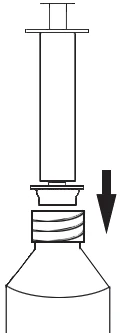
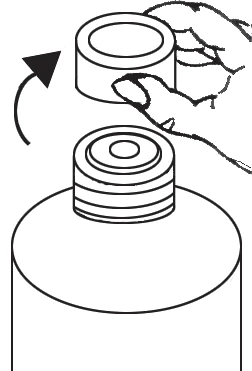
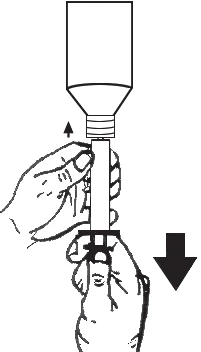
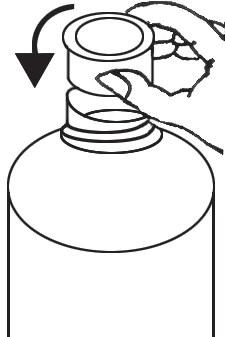
Fig. 1 Fig. 2 Fig. 3 Fig. 4
Patients with severe renal impairment
If your child has severe kidney problems (creatinine clearance value less than 30 ml/min), your doctor will prescribe a lower dose of VECLAM than that indicated above.
If you give your child more VECLAM than you should,
you may notice stomach or intestinal problems.
If high doses of VECLAM have been administered, contact your doctor immediately or go to the nearest hospital.
If you forget to give VECLAM to your child,
if you forget to give the dose at the scheduled time, give it as soon as possible.
However, if it is almost time for the next dose, skip the missed dose. Do not give a double dose to make up for the missed dose.
If you stop treatment with VECLAM
It is important that you continue administering this medicine until the end of the treatment period prescribed by the doctor. Do not stop treatment just because your child feels better, as symptoms may return or worsen.
If you have any doubts about the use of this medicine, consult your doctor or pharmacist.
4. Possible side effects
Like all medicines, this medicine can cause side effects, although not everybody gets them.
Stop administering VECLAM immediately and contact your doctor if you experience any of the following conditions:
- severe allergic reactions: swelling (angioedema) of the face, eyes, lips, tongue, and throat, breathing difficulties, increased heart rate possibly accompanied by a sudden drop in blood pressure (anaphylactic reactions);
- severe skin rashes with redness, blistering, and skin peeling, mouth, lip, and skin ulcerations (Stevens-Johnson syndrome, toxic epidermal necrolysis);
- skin rash with fever and abnormalities in blood, lungs, heart, or liver (DRESS syndrome);
- weight loss, yellowing of the eyes or skin (jaundice), dark urine, pale stools, itching, or abdominal pain (possible signs of liver failure);
- severe or prolonged diarrhoea, presence of blood in diarrhoeal stools, even up to 2 months after the last dose (possible signs of pseudomembranous colitis caused by a bacterium called Clostridioides difficile). Contact your doctor immediately if you notice a severe skin reaction: red, scaly rash with pustules and blisters (exanthematous pustulosis). The frequency of this reaction is unknown (cannot be estimated from the available data). Contact your doctor if, during treatment with VECLAM, you notice the appearance of:
Common side effects (may affect up to 1 in 10 people)
- difficulty falling asleep (insomnia);
- changes in taste sensation, headache;
- diarrhoea, vomiting, nausea, indigestion, abdominal pain;
- changes in liver function tests;
- excessive sweating;
- skin rash.
Uncommon side effects (may affect up to 1 in 100 people)
- infections, for example Candida infections or vaginal infections;
- reduced white blood cell count (which may increase susceptibility to infections);
- increased platelet count (thrombocytosis);
- anorexia, decreased appetite;
- anxiety, nervousness, dizziness, vertigo, drowsiness, tremor;
- ringing in the ears (tinnitus), hearing disturbances;
- changes in electrocardiogram (prolonged QT interval), sensation of "pounding heart";
- inflammation of the mouth or tongue, dry mouth, stomach inflammation (gastritis), difficulty passing stools (constipation), belching, presence of gas in the intestine (flatulence);
- itching, hives, appearance of spots and papules on the skin (maculopapular rash);
- muscle spasms;
- fever, feeling of weakness (asthenia);
- changes in blood tests: increased transaminases (alanine aminotransferase and aspartate aminotransferase).
Other side effects
- skin infection (erysipelas);
- reduced platelet count in blood (increasing the risk of bruising or bleeding);
- decreased number of certain types of white blood cells called granulocytes (agranulocytosis);
- changes in perception of reality (psychotic disorder) or of self (depersonalization), confusion, depression, disorientation, hallucinations (seeing things that are not real), abnormal dreams, mania, seizures, changes in smell sensation (ageusia, parosmia, anosmia), numbness or a "pins and needles" sensation (paraesthesia);
- loss of hearing;
- changes in heart rhythm (torsades de pointes, ventricular tachycardia, ventricular fibrillation);
- bleeding;
- inflammation of the pancreas;
- changes in the colour of the tongue or teeth;
- acne;
- muscle disorders (myopathy) such as loss of muscle tissue (rhabdomyolysis);
- abnormal urine colour, kidney problems such as inflammation or kidney failure;
- changes in certain laboratory tests such as: increased international normalized ratio (INR), prolonged prothrombin time.
Reporting of side effects
If you experience any side effect, including those not listed in this leaflet, talk to your doctor or pharmacist. You can also report side effects directly via the national reporting system at https://www.aifa.gov.it/content/segnalazioni-reazioni-avverse. By reporting side effects, you can help provide more information on the safety of this medicine.
5. How to store VECLAM
Keep this medicine out of the sight and reach of children.
This medicine does not require any special storage conditions. After reconstitution, the medicine must be used within 14 days and stored at a temperature between 15°C and 30°C.
Do not use this medicine after the expiry date stated on the packaging. The expiry date refers to the last day of that month.
Do not dispose of any medicine via wastewater or household waste. Ask your pharmacist how to dispose of medicines you no longer use. This will help protect the environment.
6. Contents of the pack and other information
What VECLAM contains
The active substance is: clarithromycin.
100 ml of reconstituted suspension contain: 5 g of clarithromycin.
The other components are: carbomer, povidone K90, cellulose acetate phthalate, castor oil, silicon dioxide, sucrose, xanthan gum, mixed fruit flavor, potassium sorbate, citric acid, titanium dioxide, maltodextrins.
Description of the appearance of VECLAM and contents of the pack
This medicine is available in a 100 ml HDPE bottle with a dosing syringe.
Marketing Authorization Holder
MALESCI Istituto Farmacobiologico S.p.A. Via Lungo l’Ema, 7 - Bagno a Ripoli (FI)
Manufacturer
AbbVie S.r.l. – S.R. 148 Pontina km 52 snc - Campoverde di Aprilia (LT)
Patient Information Leaflet
VECLAM 500 mg film-coated tablets
Clarithromycin
Please read this leaflet carefully before taking this medicine because it contains important information for you.
Keep this leaflet. You may need to read it again.
If you have any questions, ask your doctor or pharmacist.
This medicine has been prescribed for you only. Do not give it to others, even if their symptoms are the same as yours, as it could be harmful.
If you experience any side effect, including those not listed in this leaflet, contact your doctor or pharmacist. See section 4.
Contents of this leaflet:
- What VECLAM is and what it is used for
- What you need to know before taking VECLAM
- How to take VECLAM
- Possible side effects
- How to store VECLAM
- Contents of the pack and other information
1. What VECLAM is and what it is used for
VECLAM contains clarithromycin, an active substance belonging to a group of medicines called
macrolide antibiotics. Antibiotics are medicines that block the growth of bacteria causing
infections.
VECLAM is indicated in adults and adolescents over 12 years of age for the treatment of:
- respiratory tract infections, such as bronchitis and pneumonia;
- throat infections (tonsillitis, pharyngitis) and infections of the paranasal sinuses;
- skin and soft tissue infections, for example impetigo, folliculitis, erysipelas, furunculosis and infected wounds;
- infections due to certain bacteria called Mycobacterium;
- Helicobacter pylori infection (a bacterium associated with stomach and duodenal ulcers).
2. What you need to know before taking VECLAM
Do not take VECLAM if:
- you are allergic to clarithromycin, to other types of macrolide antibiotics such as erythromycin or azithromycin, or to any of the other ingredients of this medicine (listed in section 6);
- you are taking ergotamine or dihydroergotamine, medicines used for migraine headaches. Combining these medicines with VECLAM may cause serious adverse effects. Consult your doctor, who will advise you on alternative treatments;
- you are taking a medicine containing lomitapide; you are taking astemizole or terfenadine (medicines widely used for hay fever or allergies) or cisapride or domperidone (medicines used for stomach disorders) or pimozide (a medicine used for mental health conditions). Combining these medicines with VECLAM may cause serious disturbances in heart rhythm. Consult your doctor, who will advise you on alternative treatments;
- you are taking ticagrelor (a medicine used to thin the blood), ivabradine or ranolazine (medicines used for heart conditions). Consult your doctor, who will advise you on alternative treatments;
- you are taking midazolam (a medicine used as an anaesthetic) or colchicine (a medicine used in gout). Combining these medicines with VECLAM may cause serious adverse effects. Consult your doctor, who will advise you on alternative treatments;
- you are taking lovastatin or simvastatin (a type of statin), medicines used to reduce cholesterol levels in the blood. Combining these medicines with VECLAM may cause serious muscle problems. Consult your doctor, who will advise you on alternative treatments;
- you have or have had the following heart problems: QT interval prolongation or ventricular cardiac arrhythmia;
- you have low levels of potassium or magnesium in your blood (hypokalaemia or hypomagnesaemia);
- you have severe liver problems associated with kidney problems.
Warnings and precautions
Talk to your doctor before taking VECLAM if:
- you are elderly (over 65 years of age);
- you have liver or kidney problems;
- you have a fungal infection (e.g. thrush) or know you are at risk of this condition;
- you have heart conditions, for example severe heart failure or problems with the blood vessels of the heart (coronary artery disease);
- you have heart rhythm problems or a slow heart rate (bradycardia);
- you are taking other medicines that may cause ear damage (ototoxic). In such cases, your doctor may prescribe tests to monitor vestibular and hearing function;
- you are pregnant or breastfeeding.
Other medicines and VECLAM
Tell your doctor or pharmacist if you are taking, have recently taken, or might take any other medicines, including those not requiring a prescription.
VECLAM must not be taken with ergot alkaloids, astemizole, terfenadine, cisapride, domperidone, pimozide, ticagrelor, ranolazina, colchicine, certain medicines for high cholesterol, or medicines known to cause serious disturbances in heart rhythm (see section "Do not take VECLAM if").
Do not take VECLAM if you are also taking midazolam, a medicine used as an anaesthetic.
It is particularly important that you inform your doctor if you are taking:
- medicines for heart problems, such as digoxin;
- medicines used for heart rhythm (antiarrhythmics), such as quinidine, disopyramide;
- calcium channel blockers, such as verapamil, amlodipine, diltiazem, used for high blood pressure;
- oral anticoagulant medicines (blood thinners), such as warfarin or any other anticoagulant, for example dabigatran, rivaroxaban, apixaban, edoxaban, cilostazol;
- medicines for epilepsy (phenytoin, carbamazepine, phenobarbital, valproate);
- St. John’s wort, used for depression or anxiety;
- medicines used for HIV infection, such as efavirenz, etravirine, nevirapine, ritonavir, zidovudine;
- rifampicin, rifabutin and rifapentine, medicines used for bacterial infections;
- itraconazole and fluconazole, medicines used for fungal infections;
- zidovudine and saquinavir, antiviral medicines;
- triazolobenzodiazepines, such as alprazolam, triazolam, medicines used for anxiety;
- atypical antipsychotics, such as quetiapine, medicines used for schizophrenia or other mental disorders;
- sirolimus, tacrolimus and ciclosporin, medicines used to suppress the immune system;
- medicines used to lower blood sugar levels (oral hypoglycaemics/insulin), such as nateglinide and repaglinide;
- other types of statins (other than lovastatin or simvastatin), medicines used to reduce cholesterol levels in the blood;
- omeprazole, a medicine used for certain stomach disorders, such as ulcers;
- theophylline, a medicine that helps breathing;
- methylprednisolone, a corticosteroid;
- ibrutinib or vinblastine, medicines used for cancer treatment;
- tolterodine, a medicine used for urinary incontinence;
- medicines that cause an electrocardiogram abnormality called long QT syndrome or torsades de pointes;
- ergot alkaloids, used, for example, for migraine headaches;
- medicines used for erectile dysfunction, such as sildenafil, tadalafil and vardenafil;
- hydroxychloroquine or chloroquine (used to treat conditions including rheumatoid arthritis or for the treatment or prevention of malaria). Taking these medicines together with clarithromycin may increase the risk of abnormal heart rhythms and other heart-related adverse effects.
- corticosteroids, administered orally, by injection or by inhalation (used to help suppress the body's immune system – this is useful in treating a wide range of conditions).
Pregnancy and breastfeeding
If you are pregnant, think you might be pregnant, are planning to become pregnant, or are breastfeeding, ask your doctor for advice before taking this medicine, as the safety of VECLAM during pregnancy and breastfeeding is not known.
Driving and using machines
VECLAM may cause dizziness, vertigo, confusion and disorientation, which may impair your ability to drive or operate machinery.
VECLAM 500 mg film-coated tablets contain 13.12 mg of sodium (a main component of table salt) per tablet. This is equivalent to 0.66% of the maximum daily intake recommended in an adult's diet.
3. How to take VECLAM
Take this medicine exactly as prescribed by your doctor. If you have any doubts, consult your doctor or pharmacist.
Respiratory infections, throat or sinus infections, skin or soft tissue infections
The recommended dose of VECLAM for adults and adolescents over 12 years of age is 1 tablet, taken twice daily (every 12 hours), for 5–14 days.
Mycobacterium infections
The recommended dose of VECLAM for adults is 1 tablet twice daily. In special cases (e.g. patients with AIDS), your doctor may advise you to take additional medicines together with VECLAM.
Helicobacter pylori infections
Your doctor may prescribe one of the following treatment regimens:
- 1 tablet of VECLAM twice daily, omeprazole 20 mg once daily, and amoxicillin 1000 mg twice daily, for 14 days;
- 1 tablet of VECLAM twice daily, lansoprazole 30 mg twice daily, and amoxicillin 1000 mg twice daily, for 14 days.
Your doctor may use different medicines than those listed above.
Method of administration
VECLAM is for oral use (by mouth).
Patients with severe renal impairment
If you have severe kidney problems (creatinine clearance value less than 30 ml/min), your doctor will prescribe a lower dose than that stated above.
Children
VECLAM 500 mg film-coated tablets are not recommended for children under 12 years of age. In such cases, use VECLAM 125 mg/5 ml oral granules for oral suspension or VECLAM 250 mg/5 ml oral granules for oral suspension in a bottle with dosing spoon or oral dosing syringe.
If you take more VECLAM than you should
You may experience stomach or intestinal problems. If you take an overdose of VECLAM, or if a child accidentally swallows any tablets, contact your doctor immediately or go to the nearest hospital.
If you forget to take VECLAM
If you miss a dose, take it as soon as possible. However, if it is almost time for your next dose, skip the missed dose. Do not take a double dose to make up for the forgotten dose.
If you stop taking VECLAM
It is important to continue taking this medicine for the full duration of treatment as prescribed by your doctor. Do not stop treatment just because you feel better, as your symptoms may return or worsen.
If you have any questions about the use of this medicine, consult your doctor or pharmacist.
4. Possible side effects
Like all medicines, this medicine can cause side effects, although not everybody will experience them.
Stop taking VECLAM immediately and contact your doctor if you experience any of the following conditions:
- severe allergic reactions: swelling (angioedema) of the face, eyes, lips, tongue and throat, breathing difficulties, increased heart rate with possible sudden drop in blood pressure (anaphylactic reactions);
- severe skin rashes with redness, blistering and skin peeling, mouth ulcers, lips and skin (Stevens-Johnson syndrome, toxic epidermal necrolysis);
- skin rash with fever and abnormalities in blood, lungs, heart or liver (DRESS syndrome);
- weight loss, yellowing of the eyes or skin (jaundice), dark urine, pale stools, itching or abdominal pain (possible signs of liver problems such as hepatitis, cholestasis, liver failure);
- severe or prolonged diarrhoea, presence of blood in diarrhoeic stools, even up to 2 months after the last dose (possible signs of pseudomembranous colitis caused by a bacterium called Clostridioides difficile). Contact your doctor immediately if you experience a severe skin reaction: red, scaly rash with pustule and blister formation (exanthematous pustulosis). The frequency of this reaction is unknown (cannot be estimated based on available data). Contact your doctor if during treatment with VECLAM you notice the appearance of:
Common side effects (may affect up to 1 in 10 people)
- difficulty sleeping (insomnia);
- changes in taste sensation, headache;
- diarrhoea, vomiting, nausea, indigestion, abdominal pain;
- abnormalities in liver function tests;
- excessive sweating;
- appearance of skin rash.
Uncommon side effects (may affect up to 1 in 100 people)
- Candida infections, vaginal infections;
- reduction in the number of white blood cells in the blood or in the number of certain types of white blood cells called neutrophils (which may increase the likelihood of infections);
- increase in the number of certain types of white blood cells called eosinophils (eosinophilia);
- anorexia, decreased appetite;
- anxiety, dizziness, vertigo, drowsiness, tremor;
- ringing in the ears (tinnitus), hearing disturbances;
- changes in electrocardiogram (prolongation of QT interval), sensation of "pounding heart";
- inflammation of the mouth or tongue, dry mouth, inflammation of the stomach (gastritis), abdominal distension, difficulty passing stools (constipation), belching, presence of gas in the intestine (flatulence);
- itching, urticaria;
- malaise, feeling of lack of strength (asthenia), fatigue, chest pain, chills;
- changes in blood tests: increased blood alkaline phosphatase, increased blood lactate dehydrogenase, increased transaminases (alanine aminotransferase and aspartate aminotransferase), increased gamma-glutamyltransferase.
Other side effects
- skin infection (erysipelas);
- reduced platelet levels in the blood (with increased risk of bruising or bleeding);
- decreased number of certain types of white blood cells called granulocytes (agranulocytosis);
- changes in perception of reality (psychotic disorder) or of oneself (depersonalization), confusion, depression, disorientation, hallucinations (seeing unreal things), abnormal dreams, mania, seizures, disturbances in smell (ageusia, parosmia, anosmia), numbness or a "tingling" sensation (paraesthesia);
- hearing loss;
- changes in heart rhythm (torsades de pointes, ventricular tachycardia, ventricular fibrillation);
- bleeding;
- inflammation of the pancreas;
- change in the colour of the tongue or teeth;
- acne;
- muscle disorders (myopathy) such as loss of muscle tissue (rhabdomyolysis);
- abnormal urine colour, kidney problems such as inflammation or kidney failure;
- changes in certain laboratory tests such as: increased international normalized ratio, prolonged prothrombin time.
Reporting of side effects
If you experience any side effect, including those not listed in this leaflet, talk to your doctor or pharmacist. You can also report side effects directly via the national reporting system at https://www.aifa.gov.it/content/segnalazioni-reazioni-avverse. By reporting side effects, you can help provide more information on the safety of this medicine.
5. How to store VECLAM
Keep this medicine out of the sight and reach of children.
This medicine does not require any special storage conditions.
Do not use this medicine after the expiry date stated on the packaging. The expiry date refers to the last day of that month.
Do not dispose of medicines via wastewater or household waste. Ask your pharmacist how to dispose of medicines you no longer use. This will help protect the environment.
6. Package contents and other information
What VECLAM contains
The active substance is: clarithromycin.
Each film-coated tablet contains: 500 mg of clarithromycin.
The other components are: croscarmellose sodium, microcrystalline cellulose, silicon dioxide, povidone
K 29-32, stearic acid, magnesium stearate, talc; coating solution: hypromellose,
hydroxypropylcellulose, propylene glycol, sorbitan oleate, titanium dioxide, sorbic acid, vanillin,
quinoline yellow (E-104 aluminium lake).
Description of the appearance of VECLAM and contents of the pack
This medicine is available in a pack containing 14 film-coated tablets in PVC/PVDC-Al blisters.
Marketing Authorization Holder
MALESCI Istituto Farmacobiologico S.p.A. Via Lungo l’Ema, 7 - Bagno a Ripoli (FI)
Manufacturer
A. Menarini Manufacturing Logistics and Services s.r.l. – Via Campo di Pile - L’Aquila
Patient Information Leaflet
VECLAM RM 500 mg modified-release tablets
Clarithromycin
Please read this leaflet carefully before taking this medicine as it contains
important information for you.
Keep this leaflet. You may need to read it again.
If you have any questions, ask your doctor or pharmacist.
This medicine has been prescribed for you only. Do not give it to other people, even if their
symptoms are the same as yours, as it may be harmful.
If you experience any side effects, including those not listed in this leaflet,
contact your doctor or pharmacist. See section 4.
Contents of this leaflet:
- What VECLAM RM is and what it is used for
- What you need to know before taking VECLAM RM
- How to take VECLAM RM
- Possible side effects
- How to store VECLAM RM
- Contents of the pack and other information
1. What VECLAM RM is and what it is used for
VECLAM RM contains clarithromycin, an active substance belonging to a group of medicines called macrolide antibiotics. Antibiotics are medicines that block the growth of bacteria causing infections.
VECLAM RM is indicated in adults and adolescents over 12 years of age for the treatment of:
- respiratory tract infections, such as bronchitis and pneumonia;
- throat infections (tonsillitis, pharyngitis) and infections of the paranasal sinuses;
- skin and soft tissue infections, for example impetigo, folliculitis, erysipelas, furunculosis and infected wounds.
VECLAM RM is a modified-release tablet medicine; this means that the active substance is slowly released from the tablet. This allows VECLAM RM to be taken only once daily.
2. What you need to know before taking VECLAM RM
Do not take VECLAM RM if:
- you are allergic to clarithromycin, to other types of macrolide antibiotics such as erythromycin or azithromycin, or to any of the other ingredients of this medicine (listed in section 6);
- you are taking ergotamine or dihydroergotamine, medicines used for migraine headaches. Combining these medicines with VECLAM may cause serious adverse effects. Consult your doctor, who will advise you on alternative treatments;
- you are taking a medicine containing lomitapide;
- you are taking astemizole or terfenadine (medicines widely used for hay fever or allergies) or cisapride or domperidone (medicines used for stomach disorders) or pimozide (a medicine used for mental health conditions). Combining these medicines with VECLAM may cause serious disturbances in heart rhythm. Consult your doctor, who will advise you on alternative treatments;
- you are taking ticagrelor (a medicine used to make blood less sticky), ivabradine, or ranolazine (a medicine used for heart conditions). Consult your doctor, who will advise you on alternative treatments;
- you are taking midazolam (a medicine used as an anaesthetic) or colchicine (a medicine used for gout). Combining these medicines with VECLAM may cause serious adverse effects. Consult your doctor, who will advise you on alternative treatments;
- you are taking lovastatin or simvastatin (a type of statin), medicines used to reduce cholesterol levels in the blood. Combining these medicines with VECLAM may cause serious muscle problems. Consult your doctor, who will advise you on alternative treatments;
- you have or have had the following heart problems: QT interval prolongation or ventricular cardiac arrhythmia;
- you have low levels of potassium or magnesium in your blood (hypokalaemia or hypomagnesaemia);
- you have severe liver problems associated with kidney problems;
- you have severe kidney problems.
VECLAM RM is not suitable for children under 12 years of age.
Warnings and precautions
Talk to your doctor before taking VECLAM RM if:
- you are elderly (over 65 years of age);
- you have liver or kidney problems;
- you have a fungal infection (e.g., oral thrush) or know you are at risk of this condition;
- you have heart disease, for example, severe heart failure or problems with the blood vessels of the heart (coronary artery disease);
- you have heart rhythm problems or a slow heart rate (bradycardia);
- you are taking other medicines that may cause ear damage (ototoxic). In such cases, your doctor may prescribe tests to monitor vestibular and auditory function;
- you are pregnant or breastfeeding.
Other medicines and VECLAM RM
Tell your doctor or pharmacist if you are taking, have recently taken, or might take any other medicines, including those not requiring a prescription.
VECLAM RM must not be taken with ergot alkaloids, astemizole, terfenadine, cisapride, domperidone, pimozide, ticagrelor, ranolazine, colchicine, certain medicines for high cholesterol, or medicines known to cause serious disturbances in heart rhythm (see section "Do not take VECLAM RM if").
Do not take VECLAM RM if you are also taking midazolam, a medicine used as an anaesthetic.
It is particularly important that you inform your doctor if you are taking:
- medicines for heart problems, such as digoxin;
- medicines used for heart rhythm (antiarrhythmics), such as quinidine, disopyramide;
- calcium channel blockers, such as verapamil, amlodipine, diltiazem, used for high blood pressure;
- oral anticoagulant medicines (blood thinners), such as warfarin or any other anticoagulant, for example dabigatran, rivaroxaban, apixaban, edoxaban, cilostazol;
- medicines for epilepsy (phenytoin, carbamazepine, phenobarbital, valproate);
- St. John’s wort, used for depression or anxiety;
- medicines used for HIV infection, such as efavirenz, etravirine, nevirapine, ritonavir, zidovudine;
- rifampicin, rifabutin, and rifapentine, medicines used for bacterial infections;
- itraconazole and fluconazole, medicines used for fungal infections;
- zidovudine and saquinavir, antiviral medicines;
- triazolobenzodiazepines, such as alprazolam, triazolam, medicines used for anxiety;
- atypical antipsychotics, such as quetiapine, medicines used for schizophrenia or other mental disorders;
- sirolimus, tacrolimus, and cyclosporine, medicines used to suppress the immune system;
- medicines used to lower blood sugar levels (oral hypoglycaemics/insulin), such as nateglinide and repaglinide;
- other types of statins (other than lovastatin or simvastatin), medicines used to reduce cholesterol levels in the blood;
- omeprazole, a medicine used for certain stomach disorders, such as ulcers;
- theophylline, a medicine that helps breathing;
- methylprednisolone, a corticosteroid;
- ibrutinib or vinblastine, medicines used for cancer treatment;
- tolterodine, a medicine used for urinary incontinence;
- medicines that cause an electrocardiogram abnormality called long QT syndrome or torsades de pointes;
- ergot alkaloids, used, for example, for migraine headaches;
- medicines used for erectile dysfunction, such as sildenafil, tadalafil, and vardenafil;
- hydroxychloroquine or chloroquine (used to treat conditions including rheumatoid arthritis or to treat or prevent malaria). Taking these medicines together with clarithromycin may increase the risk of abnormal heart rhythms and other adverse effects affecting the heart;
- corticosteroids, administered orally, by injection, or by inhalation (used to help suppress the body’s immune system – this is useful in treating a wide range of conditions).
Pregnancy and breastfeeding
If you are pregnant, think you may be pregnant, planning to become pregnant, or breastfeeding, consult your doctor before taking this medicine, as the safety of VECLAM RM during pregnancy and breastfeeding is not known.
Driving and using machines
VECLAM RM may cause dizziness, vertigo, confusion, and disorientation, which may impair your ability to drive or operate machinery.
VECLAM RM contains:
- lactose. If your doctor has diagnosed you with an intolerance to certain sugars, contact them before taking this medicine;
- sodium. This medicine contains 15.3 mg of sodium (the main component of table salt) per tablet. If you take two modified-release tablets once daily, the total sodium intake per dose is 30.6 mg. This is equivalent to 1.5% of the maximum daily sodium intake recommended for an adult.
3. How to take VECLAM RM
Take this medicine exactly as directed by your doctor. If you have any doubts,
consult your doctor or pharmacist.
The recommended dose of VECLAM RM for adults and adolescents over 12 years of age is 1
tablet once daily for 5–14 days.
In case of severe infections, your doctor may increase the dose up to 2 tablets taken once daily.
Method of administration
VECLAM RM should be taken by mouth (oral use) with food. Swallow the tablets whole, without chewing.
Patients with severe renal impairment
VECLAM RM is not suitable for patients with severe kidney problems (creatinine clearance value below 30 ml/min). If necessary, consult your doctor, as specific (lower) dosage regimens are available for such patients.
Children
VECLAM RM is not recommended for children under 12 years of age. In such cases, use
Package leaflet: information for the patient
VECLAM 125 mg/5 ml granules for oral suspension
Clarithromycin
Please read this leaflet carefully before giving this medicine to your child because it contains important information for you.
Keep this leaflet. You may need to read it again.
If you have any questions, consult your doctor or pharmacist.
This medicine has been prescribed for your child only. Do not give it to others, even if their symptoms are the same as your child's, because it could be harmful.
If any adverse reaction occurs, including those not listed in this leaflet, consult your doctor or pharmacist. See section 4.
Contents of this leaflet:
- What VECLAM is and what it is used for
- What you need to know before giving VECLAM to your child
- How to administer VECLAM
- Possible side effects
- How to store VECLAM
- Contents of the pack and other information
1. What VECLAM is and what it is used for
VECLAM contains clarithromycin, an active substance belonging to a group of medicines called macrolide antibiotics. Antibiotics are medicines that block the growth of bacteria causing infections.
VECLAM is indicated in children from 6 months to 12 years of age for the treatment of:
- respiratory tract infections, such as bronchitis and pneumonia;
- throat infections (tonsillitis, pharyngitis) and infections of the paranasal sinuses;
- skin and soft tissue infections, for example impetigo, folliculitis, erysipelas, furunculosis and infected wounds;
- ear infections, particularly middle ear infection (acute otitis media).
2. What you should know before giving VECLAM to your child
Do not give VECLAM to your child if:
- they are allergic to clarithromycin, to other types of macrolide antibiotics such as erythromycin or azithromycin, or to any of the other ingredients of this medicine (listed in section 6);
- they are taking ergotamine or dihydroergotamine, medicines used for migraine headaches. Combining these medicines with VECLAM may cause serious side effects. Consult your doctor, who will recommend alternative treatments;
- they are taking a medicine containing lomitapide;
- they are taking astemizole or terfenadine (medicines widely used for hay fever or allergies) or cisapride or domperidone (medicines used for stomach disorders) or pimozide (a medicine used for mental health conditions). Combining these medicines with VECLAM may cause serious disturbances in heart rhythm. Consult your doctor, who will recommend alternative treatments;
- they are taking ticagrelor (a medicine used to make the blood less sticky), ivabradine, or ranolazine (a medicine used for heart diseases). Consult your doctor, who will recommend alternative treatments;
- they are taking midazolam (a medicine used as an anaesthetic) or colchicine (a medicine used for gout). Combining these medicines with VECLAM may cause serious side effects. Consult your doctor, who will recommend alternative treatments;
- they are taking lovastatin or simvastatin (a type of statin), medicines used to reduce cholesterol levels in the blood. Combining these medicines with VECLAM may cause serious muscle problems. Consult your doctor, who will recommend alternative treatments;
- they have or have had the following heart problems: QT interval prolongation or ventricular cardiac arrhythmia;
- they have low levels of potassium or magnesium in the blood (hypokalaemia or hypomagnesaemia);
- they have severe liver problems associated with kidney problems.
Warnings and precautions
Talk to your doctor before giving VECLAM if your child:
- has liver or kidney problems;
- has a fungal infection (e.g., oral thrush) or is known to be at risk of such condition;
- has heart diseases, for example, suffers from severe heart failure or has problems with the heart's blood vessels (coronary artery disease);
- has heart rhythm problems or a slow heart rate (bradycardia);
- is taking other medicines that may cause ear damage (ototoxic). In such cases, your doctor may prescribe tests to monitor vestibular and hearing function.
- is pregnant or breastfeeding.
Other medicines and VECLAM
Inform your doctor or pharmacist if your child is taking, has recently taken, or might take any other medicines, including those without a prescription.
VECLAM must not be taken with ergot alkaloids, astemizole, terfenadine, cisapride, domperidone, pimozide, ticagrelor, ranolazine, colchicine, certain medicines for high cholesterol, or medicines known to cause serious disturbances in heart rhythm (see section "Do not give VECLAM to your child if").
- Do not give VECLAM to your child if they are taking the following medicines, including midazolam, a medicine used as an anaesthetic. It is particularly important that you inform the doctor if your child is taking:
- medicines for heart problems, such as digoxin;
- medicines used for heart rhythm (antiarrhythmics), such as quinidine, disopyramide;
- calcium channel blockers, such as verapamil, amlodipine, diltiazem, used for high blood pressure;
- blood-thinning medicines (anticoagulants) taken by mouth, such as warfarin or any other anticoagulant, for example dabigatran, rivaroxaban, apixaban, edoxaban, cilostazol;
- medicines for epilepsy (phenytoin, carbamazepine, phenobarbital, valproate);
- St John’s wort, used for depression or anxiety;
- medicines used for HIV infection, such as efavirenz, etravirine, nevirapine, ritonavir, zidovudine;
- rifampicin, rifabutin, and rifapentine, medicines used for bacterial infections;
- itraconazole and fluconazole, medicines used for fungal infections;
- zidovudine and saquinavir, antiviral medicines;
- triazolobenzodiazepines, such as alprazolam, triazolam, medicines used for anxiety;
- atypical antipsychotics, such as quetiapine, medicines used for schizophrenia or other mental disorders;
- sirolimus, tacrolimus, and ciclosporin, medicines used to suppress the immune system;
- medicines used to lower blood sugar levels (oral hypoglycaemics/insulin), such as nateglinide and repaglinide;
- other types of statins (other than lovastatin or simvastatin), medicines used to reduce cholesterol levels in the blood;
- omeprazole, a medicine used for certain stomach disorders, such as ulcers;
- theophylline, a medicine that helps breathing;
- methylprednisolone, a corticosteroid;
- ibrutinib or vinblastine, medicines used for cancer treatment;
- tolterodine, a medicine used for urinary incontinence;
- medicines that cause an alteration in the electrocardiogram called long QT syndrome or torsades de pointes;
- ergot alkaloids, used, for example, for headaches;
- medicines used for erectile dysfunction, such as sildenafil, tadalafil, and vardenafil;
- hydroxychloroquine or chloroquine (used to treat conditions including rheumatoid arthritis or for the treatment or prevention of malaria). Taking these medicines together with clarithromycin may increase the risk of abnormal heart rhythms and other heart-related side effects;
- corticosteroids, administered orally, by injection, or by inhalation (used to help suppress the body’s immune system – useful in treating a wide range of conditions).
Pregnancy and breastfeeding
If your child’s mother is pregnant, suspects she may be pregnant, is planning to become pregnant, or is breastfeeding, consult your doctor before using this medicine, as the safety of VECLAM during pregnancy and breastfeeding is not known.
Driving and using machines
VECLAM may cause dizziness, vertigo, confusion, and disorientation, which may impair the ability to drive or operate machinery.
VECLAM 125 mg/5ml Granules for oral suspension contains:
Sucrose. If your doctor has diagnosed your child with an intolerance to certain sugars, contact them before administering this medicine;
Castor oil. May cause gastrointestinal disturbances and diarrhoea.
3. How to administer VECLAM
VECLAM 125 mg/5 ml Granules for oral suspension is indicated for children from 6 months to 12
years of age.
Administer this medicine exactly as instructed by the doctor, who will calculate the correct dose based on the child's body weight. If you have any doubts, consult the doctor or pharmacist.
For the recommended dose for children aged between 6 months and 12 years, refer to the table below. Use the spoon provided inside the package to ensure the correct dosage.
Dose based on body weight
| Weight (Kg) | Dose in ml (twice daily) | Number of teaspoons (twice daily) |
| 5-10 | 2.5 ml | ½ |
| 11-20 | 5 ml | 1 |
The recommended duration of treatment is 5–10 days.
Your doctor may prescribe doses different from those reported in the table.
Method of administration
VECLAM must be taken by mouth (oral use), with or without food (for example, with milk).
This medicine must be reconstituted. To prepare the suspension, follow the instructions below:
- Add water to the granules contained in the bottle up to the red line shown on the bottle.
- Shake well.
- Add more water until the suspension reaches the level of the red line. It is necessary to shake the bottle well before each use.
Patients with severe renal impairment
If your child has severe kidney problems (creatinine clearance value less than 30 ml/min), your doctor will prescribe a lower dose of VECLAM than that indicated above.
If you give your child more VECLAM than you should, you may notice stomach or intestinal problems.
If high doses of VECLAM have been administered, contact your doctor immediately or go to the nearest hospital.
If you forget to give VECLAM to your child
If you forget to give the dose at the scheduled time, give it as soon as possible. However, if it is almost time for the next dose, skip the missed dose. Do not give a double dose to make up for the forgotten dose.
If you stop treatment with VECLAM
It is important that you administer this medicine for the entire duration prescribed by the doctor. Do not stop treatment just because your child feels better, as symptoms may return or worsen.
If you have any doubts about the use of this medicine, consult your doctor or pharmacist.
4. Possible side effects
Like all medicines, this medicine can cause side effects, although not everyone experiences them.
Immediately stop administering VECLAM and contact your doctor if you experience any of the following conditions:
- severe allergic reactions: swelling (angioedema) of the face, eyes, lips, tongue, and throat, breathing difficulties, increased heart rate possibly with sudden drop in blood pressure (anaphylactic reactions);
- severe skin rashes with redness, blistering, and skin peeling, mouth, lip, and skin ulcers (Stevens-Johnson syndrome, toxic epidermal necrolysis);
- skin rash with fever and abnormalities in blood, lungs, heart, or liver (DRESS syndrome);
- weight loss, yellowing of the eyes or skin (jaundice), dark urine, pale stools, itching, or abdominal pain (possible signs of liver failure);
- severe or prolonged diarrhoea, blood in diarrhoeic stools, even up to 2 months after the last dose (possible signs of pseudomembranous colitis caused by a bacterium called Clostridioides difficile).
Contact your doctor immediately if you notice a severe skin reaction: red, scaly rash with pustules and blisters (exanthematous pustulosis). The frequency of this reaction is unknown (cannot be estimated from available data).
Contact your doctor if, during treatment with VECLAM, you notice the onset of:
Common side effects (may affect up to 1 in 10 people)
- difficulty falling asleep (insomnia);
- changes in taste sensation, headache;
- diarrhoea, vomiting, nausea, indigestion, abdominal pain;
- abnormalities in liver function tests;
- excessive sweating;
- development of skin rash.
Uncommon side effects (may affect up to 1 in 100 people)
- infections, for example Candida infections or vaginal infections;
- reduction in the number of white blood cells in the blood (which may increase the likelihood of infections);
- increase in platelet count (thrombocytosis);
- anorexia, decreased appetite;
- anxiety, nervousness, dizziness, vertigo, drowsiness, tremor;
- ringing in the ears (tinnitus), hearing disturbances;
- changes in electrocardiogram (prolongation of QT interval), sensation of "pounding heart";
- inflammation of the mouth or tongue, dry mouth, inflammation of the stomach (gastritis), difficulty passing stools (constipation), eructation, presence of gas in the intestine (flatulence);
- itching, urticaria, appearance of spots and papules on the skin (maculopapular exanthema);
- muscle spasms;
- fever, feeling of lack of energy (asthenia);
- changes in blood tests: increase in transaminases (alanine aminotransferase and aspartate aminotransferase).
Other side effects
- skin infection (erysipelas);
- reduction in platelet levels in the blood (increasing the risk of bruising or bleeding);
- decrease in the number of certain types of white blood cells called granulocytes (agranulocytosis);
- changes in perception of reality (psychotic disorder) or of oneself (depersonalization), confusion, depression, disorientation, hallucinations (seeing non-existent things), abnormal dreams, mania, seizures, disturbances in smell (ageusia, parosmia, anosmia), numbness or a "tingling" sensation (paraesthesia);
- hearing loss;
- disturbances in heart rhythm (torsades de pointes, ventricular tachycardia, ventricular fibrillation);
- bleeding;
- inflammation of the pancreas;
- change in the colour of the tongue or teeth;
- acne;
- muscle disorders (myopathy) such as loss of muscle tissue (rhabdomyolysis);
- abnormal urine colour, kidney problems such as inflammation or kidney failure;
- changes in certain laboratory tests such as: increase in international normalized ratio, prolonged prothrombin time.
Reporting of side effects
If you experience any side effect, including those not listed in this leaflet, please inform your doctor or pharmacist. You may also report side effects directly via the national reporting system at https://www.aifa.gov.it/content/segnalazioni-reazioni-avverse. By reporting side effects, you can help provide more information on the safety of this medicine.
5. How to store VECLAM
Keep this medicine out of the sight and reach of children.
This medicine does not require any special storage conditions. After reconstitution, the medicine must be used within 14 days and stored at a temperature between 15°C and 30°C.
Do not use this medicine after the expiry date stated on the packaging. The expiry date refers to the last day of that month.
Do not dispose of any medicine via wastewater or household waste. Ask your pharmacist how to dispose of medicines you no longer use. This will help protect the environment.
6. Package contents and other information
What VECLAM contains
The active substance is: clarithromycin.
100 ml of reconstituted suspension contain: 2.5 g of clarithromycin.
The other components are: carbomer, povidone K90, hypromellose phthalate, castor oil, silicon dioxide, sucrose, xanthan gum, mixed fruit flavour, potassium sorbate, citric acid, titanium dioxide, maltodextrins.
Description of the appearance of VECLAM and the contents of the pack
This medicine is available in a 100 ml HDPE bottle with a dosing spoon.
Marketing Authorization Holder
MALESCI Istituto Farmacobiologico S.p.A. Via Lungo l’Ema, 7 - Bagno a Ripoli (FI)
Manufacturer
AbbVie S.r.l. – S.R. 148 Pontina km 52 snc - Campoverde di Aprilia (LT)
Patient information leaflet
VECLAM 125 mg/5 ml granules for oral suspension
Clarithromycin
Please read this leaflet carefully before giving this medicine to your child, as it contains important information for you.
Keep this leaflet. You may need to read it again.
If you have any doubts, consult your doctor or pharmacist.
This medicine has been prescribed for your child only. Do not give it to other people, even if their symptoms are the same, as it may be harmful.
If any adverse reaction occurs, including those not listed in this leaflet, consult your doctor or pharmacist. See section 4.
Contents of this leaflet:
- What VECLAM is and what it is used for
- What you need to know before giving VECLAM to your child
- How to administer VECLAM
- Possible side effects
- How to store VECLAM
- Package contents and other information
1. What VECLAM is and what it is used for
VECLAM contains clarithromycin, an active substance belonging to a group of medicines called macrolide antibiotics. Antibiotics are medicines that block the growth of bacteria causing infections.
VECLAM is indicated in children from 6 months to 12 years of age for the treatment of:
- respiratory tract infections, such as bronchitis and pneumonia;
- throat infections (tonsillitis, pharyngitis) and infections of the paranasal sinuses;
- skin and soft tissue infections, for example impetigo, folliculitis, erysipelas, furunculosis, and infected wounds;
- ear infections, particularly middle ear infection (acute otitis media).
2. What you need to know before giving VECLAM to your child
Do not give VECLAM to your child if:
- he/she is allergic to clarithromycin, to other types of macrolide antibiotics such as erythromycin or azithromycin, or to any of the other ingredients of this medicine (listed in section 6);
- he/she is taking ergotamine or dihydroergotamine, medicines used for migraine headaches. Combining these medicines with VECLAM may cause serious side effects. Consult your doctor, who will advise alternative treatments;
- he/she is taking a medicine containing lomitapide;
- he/she is taking astemizole or terfenadine (commonly used medicines for hay fever or allergies), or cisapride or domperidone (medicines used for stomach disorders), or pimozide (a medicine used for mental health conditions). Combining these medicines with VECLAM may cause serious disturbances in heart rhythm. Consult your doctor, who will advise alternative treatments;
- he/she is taking ticagrelor (a medicine used to make the blood less sticky), ivabradine, or ranolazine (a medicine used for heart conditions). Consult your doctor, who will advise alternative treatments;
- he/she is taking midazolam (a medicine used as an anaesthetic) or colchicine (a medicine used for gout). Combining these medicines with VECLAM may cause serious side effects. Consult your doctor, who will advise alternative treatments;
- he/she is taking lovastatin or simvastatin (a type of statin), medicines used to lower blood cholesterol levels. Combining these medicines with VECLAM may cause serious muscle problems. Consult your doctor, who will advise alternative treatments;
- he/she has or has had the following heart problems: QT interval prolongation or ventricular cardiac arrhythmia;
- he/she has low levels of potassium or magnesium in the blood (hypokalaemia or hypomagnesaemia);
- he/she has severe liver problems associated with kidney problems.
Warnings and precautions
Talk to your doctor before giving VECLAM if your child:
- has liver or kidney problems;
- has a fungal infection (e.g. oral thrush) or is known to be at risk of such infection;
- has heart conditions, for example, suffers from severe heart failure or has problems with the blood vessels of the heart (coronary heart disease);
- has heart rhythm problems or a slow heart rate (bradycardia);
- is taking other medicines that may cause ear damage (ototoxic). In such cases, your doctor may recommend tests to monitor vestibular and hearing function;
- is pregnant or breastfeeding.
Other medicines and VECLAM
Inform your doctor or pharmacist if your child is taking, has recently taken, or might take any other medicines, including those not requiring a prescription.
VECLAM must not be taken together with ergot alkaloids, astemizole, terfenadine, cisapride, domperidone, pimozide, ticagrelor, ranolazina, colchicine, certain medicines for high cholesterol, or medicines known to cause serious disturbances in heart rhythm (see section "Do not give VECLAM to your child if").
Do not give VECLAM to your child if he/she is also taking midazolam, a medicine used as an anaesthetic.
It is particularly important that you inform the doctor if your child is taking:
- medicines for heart problems, such as digoxin;
- medicines used for heart rhythm control (antiarrhythmics), such as quinidine, disopyramide;
- calcium channel blockers, such as verapamil, amlodipine, diltiazem, used for high blood pressure;
- oral anticoagulant medicines (blood thinners), such as warfarin or any other anticoagulant, for example dabigatran, rivaroxaban, apixaban, edoxaban, cilostazol;
- medicines for epilepsy (phenytoin, carbamazepine, phenobarbital, valproate);
- St. John’s wort, used for depression or anxiety;
- medicines used for HIV infection, such as efavirenz, etravirine, nevirapine, ritonavir, zidovudine;
- rifampicin, rifabutin, and rifapentine, medicines used for bacterial infections;
- itraconazole and fluconazole, medicines used for fungal infections;
- zidovudine and saquinavir, antiviral medicines;
- triazolobenzodiazepines, such as alprazolam, triazolam, medicines used for anxiety;
- atypical antipsychotics, such as quetiapine, medicines used for schizophrenia or other mental disorders;
- sirolimus, tacrolimus, and cyclosporine, medicines used to suppress the immune system;
- medicines used to lower blood sugar levels (oral hypoglycaemics/insulin), such as nateglinide and repaglinide;
- other types of statins (other than lovastatin or simvastatin), medicines used to reduce blood cholesterol levels;
- omeprazole, a medicine used for certain stomach disorders, such as ulcers;
- theophylline, a medicine that helps breathing;
- methylprednisolone, a corticosteroid;
- ibrutinib or vinblastine, medicines used for cancer treatment;
- tolterodine, a medicine used for urinary incontinence;
- medicines that cause an electrocardiogram abnormality called long QT syndrome or torsades de pointes;
- ergot alkaloids, used, for example, for migraine headaches;
- medicines used for erectile dysfunction, such as sildenafil, tadalafil, and vardenafil;
- hydroxychloroquine or chloroquine (used to treat conditions including rheumatoid arthritis or for the treatment or prevention of malaria). Taking these medicines together with clarithromycin may increase the risk of abnormal heart rhythms and other heart-related side effects;
- corticosteroids, administered orally, by injection, or by inhalation (used to help suppress the body’s immune system – this is useful in treating a wide range of conditions).
Pregnancy and breastfeeding
This formulation is specifically intended for paediatric use. However, if you are pregnant, suspect you may be pregnant, are planning a pregnancy, or are breastfeeding, consult your doctor before taking this medicine, as the safety of VECLAM during pregnancy and breastfeeding is not known.
Driving and using machines
VECLAM may cause dizziness, vertigo, confusion, and disorientation, which may impair the ability to drive or operate machinery.
VECLAM 125 mg/5 ml oral suspension granules contains:
Sucrose. If your doctor has diagnosed your child with an intolerance to certain sugars, contact him/her before administering this medicine;
Castor oil. May cause gastrointestinal disturbances and diarrhoea.
3. How to administer VECLAM
VECLAM 125 mg/5 ml oral suspension granules is indicated for children from 6 months to 12 years of age.
Administer this medicine exactly as directed by the doctor, who will calculate the correct dose based on the child's body weight. If you have any doubts, consult the doctor or pharmacist.
For the recommended dose for children aged between 6 months and 12 years, refer to the table below.
Dose based on body weight
| Weight (Kg) | Dose in mg (2 times a day) |
| 2 | 15 |
| 4 | 30 |
| 6 | 45 |
| 8 | 60 |
| 10 | 75 |
| 12 | 90 |
| 14 | 105 |
| 16 | 120 |
| 18 | 135 |
| 20 | 150 |
| 22 | 165 |
| 24 | 180 |
The recommended duration of treatment is 5–10 days.
Your doctor may prescribe doses different from those reported in the table.
Method of administration
VECLAM must be taken by mouth (oral use), with or without food (for example, with milk).
This medicine must be reconstituted. To prepare the suspension, follow the instructions below:
- Add water to the granules contained in the bottle up to the red line visible on the bottle.
- Shake well.
- Add more water until the suspension reaches the level of the red line. It is necessary to shake the bottle well before each use.
Use of the oral dosing syringe:
- Unscrew the cap on the bottle (Fig.1).
- Attach the syringe to the neck of the bottle using the provided adapter (Fig.2).
- Draw up the desired dose; aspirate until the mark corresponding to the child's weight in kilograms is reached (Fig.3).
- Remove only the syringe. Leave the adapter in place and screw the cap back onto the neck of the bottle (Fig.4).
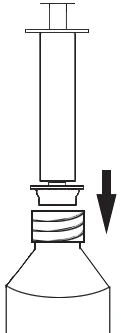
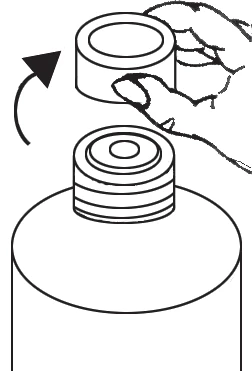
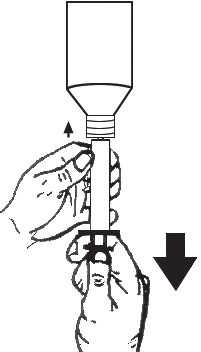
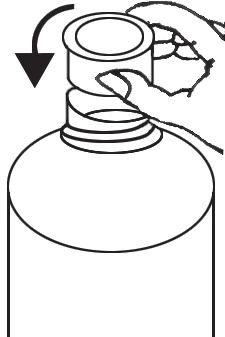
Fig. 1 Fig. 2 Fig. 3 Fig. 4
Patients with severe renal impairment
If your child has severe kidney problems (creatinine clearance value less than 30 ml/min), your doctor will prescribe a lower dose of VECLAM than that indicated above.
If you give your child more VECLAM than you should, you may notice stomach or intestinal problems.
If high doses of VECLAM have been administered, contact your doctor immediately or go to the nearest hospital.
If you forget to give VECLAM to your child
If you forget to give the dose at the scheduled time, give it as soon as possible.
However, if it is almost time for the next dose, skip the missed dose. Do not give a double dose to make up for the forgotten dose.
If you stop treatment with VECLAM
It is important that you administer this medicine for the entire duration prescribed by the doctor. Do not stop treatment just because your child feels better, as symptoms may return or worsen.
If you have any doubts about using this medicine, consult your doctor or pharmacist.
4. Possible side effects
Like all medicines, this medicine can cause side effects, although not everyone gets them.
Immediately stop taking VECLAM and contact your doctor if you experience any of the following:
- severe allergic reactions: swelling (angioedema) of the face, eyes, lips, tongue, and throat, difficulty breathing, increased heart rate with possible sudden drop in blood pressure (anaphylactic reactions);
- severe skin rashes with redness, blistering, and peeling, ulceration of the mouth, lips, and skin (Stevens-Johnson syndrome, toxic epidermal necrolysis);
- skin rash with fever and abnormalities in blood, lungs, heart, or liver (DRESS syndrome);
- weight loss, yellowing of the eyes or skin (jaundice), dark urine, pale stools, itching, or abdominal pain (possible signs of liver failure);
- severe or prolonged diarrhoea, blood in diarrhoeal stools, even up to 2 months after the last dose (possible signs of pseudomembranous colitis caused by a bacterium called Clostridioides difficile). Contact your doctor immediately if you experience a severe skin reaction: red, scaly rash with pustule and blister formation (exanthematous pustulosis). The frequency of this reaction is unknown (cannot be estimated from available data). Contact your doctor if, during treatment with VECLAM, you notice the onset of:
Common side effects (may affect up to 1 in 10 people)
- difficulty falling asleep (insomnia);
- changes in taste perception, headache;
- diarrhoea, vomiting, nausea, indigestion, abdominal pain;
- abnormalities in liver function tests;
- excessive sweating;
- development of skin rash.
Uncommon side effects (may affect up to 1 in 100 people)
- infections, for example Candida infections or vaginal infections;
- reduction in the number of white blood cells in the blood (which may increase the risk of infections);
- increase in platelet count (thrombocytosis);
- anorexia, decreased appetite;
- anxiety, nervousness, dizziness, vertigo, drowsiness, tremor;
- ringing in the ears (tinnitus), hearing disturbances;
- changes in electrocardiogram (prolongation of QT interval), sensation of "pounding heart";
- inflammation of the mouth or tongue, dry mouth, inflammation of the stomach (gastritis), difficulty passing stools (constipation), belching, presence of gas in the intestine (flatulence);
- itching, hives, appearance of spots and papules on the skin (maculopapular rash);
- muscle contractions;
- fever, feeling of weakness (asthenia);
- changes in blood tests: increased transaminases (alanine aminotransferase and aspartate aminotransferase).
Other side effects
- skin infection (erysipelas);
- reduction in platelet levels in the blood (increasing the risk of bruising or bleeding);
- decrease in the number of certain types of white blood cells called granulocytes (agranulocytosis);
- changes in perception of reality (psychotic disorder) or of self (depersonalization), confusion, depression, disorientation, hallucinations (seeing non-existent things), abnormal dreams, mania, seizures, disturbances in smell (ageusia, parosmia, anosmia), numbness or a "tingling" sensation (paraesthesia);
- hearing loss;
- changes in heart rhythm (torsades de pointes, ventricular tachycardia, ventricular fibrillation);
- bleeding;
- inflammation of the pancreas;
- change in the colour of the tongue or teeth;
- acne;
- muscle disorders (myopathy) such as loss of muscle tissue (rhabdomyolysis);
- abnormal urine colour, kidney problems such as inflammation or kidney failure;
- changes in certain laboratory tests such as: increased international normalized ratio (INR), prolonged prothrombin time.
Reporting of side effects
If you experience any side effect, including those not listed in this leaflet, talk to your doctor or pharmacist. You may also report side effects directly via the national reporting system at https://www.aifa.gov.it/content/segnalazioni-reazioni-avverse. By reporting side effects, you can help provide more information on the safety of this medicine.
5. How to store VECLAM
Keep this medicine out of the sight and reach of children.
This medicine does not require any special storage conditions. After reconstitution, the medicine must be used within 14 days and stored at a temperature between 15°C and 30°C.
Do not use this medicine after the expiry date stated on the packaging. The expiry date refers to the last day of that month.
Do not dispose of any medicine via wastewater or household waste. Ask your pharmacist how to dispose of medicines you no longer use. This will help protect the environment.
6. Pack contents and other information
What VECLAM contains
The active substance is: clarithromycin.
100 ml of reconstituted suspension contain: 2.5 g of clarithromycin.
The other components are: carbomer, povidone K90, hypromellose phthalate, castor oil,
silicon dioxide, sucrose, xanthan gum, mixed fruit flavour, potassium sorbate, citric acid,
titanium dioxide, maltodextrins.
Description of the appearance of VECLAM and pack contents
This medicine is available in a 100 ml HDPE bottle equipped with an oral dosing syringe.
Marketing Authorization Holder
MALESCI Istituto Farmacobiologico S.p.A. Via Lungo l’Ema, 7 - Bagno a Ripoli (FI)
Manufacturer
AbbVie S.r.l. – S.R. 148 Pontina km 52 snc - Campoverde di Aprilia (LT)
Granulate for oral suspension or VECLAM 250 mg/5 ml granulate for oral suspension in
bottle equipped with dosing spoon or dosing syringe.
If you take more VECLAM RM than you should
You may experience stomach or intestinal problems.
If you take high doses of VECLAM RM, or if a child accidentally swallows some tablets, contact your doctor immediately or go to the nearest hospital.
If you forget to take VECLAM RM
If you forget to take your dose at the scheduled time, take it as soon as possible.
However, if it is almost time for your next dose, skip the missed dose. Do not take a double dose to make up for the forgotten dose.
If you stop taking VECLAM RM
It is important that you continue taking this medicine for the full duration prescribed by your doctor. Do not stop treatment just because you feel better, as your symptoms may return or worsen.
If you have any questions about the use of this medicine, consult your doctor or pharmacist.
4. Possible side effects
Like all medicines, this medicine can cause side effects, although not everybody gets them.
Stop taking VECLAM RM immediately and contact your doctor if you experience any of the following conditions:
- severe allergic reactions: swelling (angioedema) of the face, eyes, lips, tongue, or throat, difficulty breathing, increased heart rate with possible sudden drop in blood pressure (anaphylactic reactions);
- severe skin rashes with redness, blistering, and skin peeling, mouth ulcers, and lesions of the lips and skin (Stevens-Johnson syndrome, toxic epidermal necrolysis);
- skin rash with fever and abnormalities in blood, lungs, heart, or liver (DRESS syndrome);
- weight loss, yellowing of the eyes or skin (jaundice), dark urine, pale stools, itching, or abdominal pain (possible signs of liver failure);
- severe or prolonged diarrhoea, presence of blood in diarrhoeal stools, even up to 2 months after the last dose (possible signs of pseudomembranous colitis caused by a bacterium called Clostridioides difficile). Contact your doctor immediately if you experience a severe skin reaction: red, scaly rash with pustules and blisters (exanthematous pustulosis). The frequency of this reaction is unknown (cannot be estimated from the available data). Contact your doctor if during treatment with VECLAM RM you notice: Common side effects (may affect up to 1 in 10 people)
- difficulty falling asleep (insomnia);
- changes in taste sensation, headache;
- diarrhoea, vomiting, nausea, indigestion, abdominal pain;
- changes in liver function tests;
- excessive sweating;
- development of skin rash. Uncommon side effects (may affect up to 1 in 100 people)
- Candida infections, vaginal infections;
- reduction in the number of white blood cells in the blood (which may increase the risk of infections);
- anorexia, decreased appetite;
- anxiety, dizziness, vertigo, drowsiness, tremor;
- ringing in the ears (tinnitus), hearing disturbances;
- changes in electrocardiogram (prolongation of QT interval), sensation of palpitations;
- inflammation of the mouth or tongue, dry mouth, inflammation of the stomach (gastritis), difficulty passing stools (constipation), belching, presence of gas in the intestine (flatulence);
- itching, urticaria;
- feeling of lack of energy (asthenia);
- changes in blood tests: increased transaminases (alanine aminotransferase and aspartate aminotransferase). Other side effects
- skin infection (erysipelas);
- reduction in platelet levels in the blood (increasing the risk of bruising or bleeding);
- decrease in the number of certain types of white blood cells called granulocytes (agranulocytosis);
- changes in perception of reality (psychotic disorder) or of self (depersonalization), confusion, depression, disorientation, hallucinations (seeing things that are not real), abnormal dreams, mania, seizures, disturbances in smell (ageusia, parosmia, anosmia), numbness or a "tingling" sensation (paresthesia);
- loss of hearing;
- changes in heart rhythm (torsades de pointes, ventricular tachycardia, ventricular fibrillation);
- bleeding;
- inflammation of the pancreas;
- change in the colour of the tongue or teeth;
- acne;
- muscle disorders (myopathy) such as loss of muscle tissue (rhabdomyolysis);
- abnormal urine colour, kidney problems such as inflammation or kidney failure;
- changes in certain laboratory tests, such as: increased international normalized ratio (INR), prolonged prothrombin time.
Reporting of side effects
If you get any side effects, including ones not listed in this leaflet, talk to your doctor or pharmacist.
You can also report side effects directly via the national reporting system at https://www.aifa.gov.it/content/segnalazioni-reazioni-avverse.
By reporting side effects, you can help provide more information on the safety of this medicine.
5. How to store VECLAM RM
Keep this medicine out of the sight and reach of children.
This medicine requires no special storage conditions.
Do not use this medicine after the expiry date stated on the packaging. The expiry date refers to the last day of that month.
Do not dispose of any medicine via wastewater or household waste. Ask your pharmacist how to dispose of medicines you no longer use. This will help protect the environment.
6. Package contents and other information
What VECLAM RM contains
The active substance is: clarithromycin.
Each modified-release tablet contains: 500 mg of clarithromycin.
The other components are: anhydrous citric acid, sodium alginate, sodium and calcium alginate, lactose,
povidone K30, talc, stearic acid, magnesium stearate, hypromellose, macrogol 400, macrogol
8000, titanium dioxide, sorbic acid, quinoline yellow (E-104 aluminium lake).
Description of the appearance of VECLAM RM and contents of the pack
This medicinal product is available in a pack containing 7 modified-release tablets in
PVC/PVDC-Al blisters.
Marketing Authorization Holder
MALESCI Istituto Farmacobiologico S.p.A., Via Lungo l’Ema, 7 - Bagno a Ripoli (FI)
Manufacturer
A. Menarini Manufacturing Logistics and Services s.r.l. – Via Campo di Pile - L’Aquila