Ursobil
Italy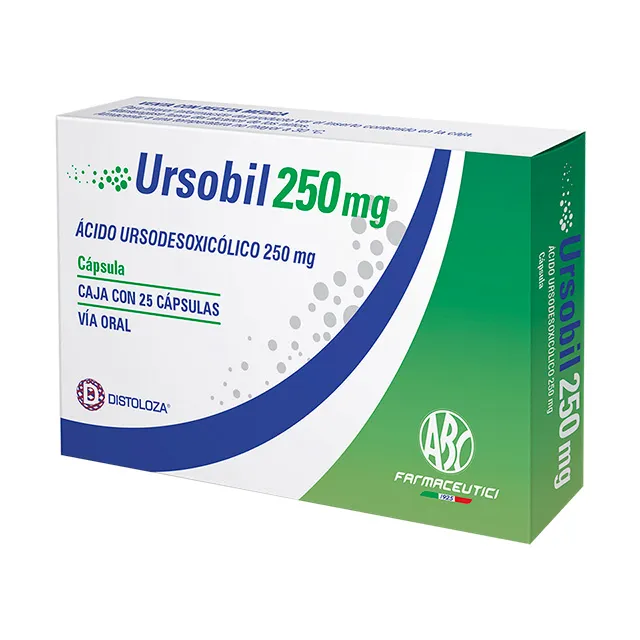
Table of Contents
- Package leaflet: Information for the patient
- URSOBIL 150 mg hard capsules, 250 mg hard capsules
- 1. What URSOBIL is and what it is used for
- 2. What you need to know before taking URSOBIL
- 3. How to take URSOBIL
- 4. Possible side effects
- 5. How to store URSOBIL
- 6. Package contents and other information
- Patient information leaflet
- URSOBIL 300 mg tablets
- 1. What URSOBIL is and what it is used for
- 2. What you need to know before taking URSOBIL
- 3. How to take URSOBIL
- 4. Possible side effects
- 5. How to store URSOBIL
- 6. Package contents and other information
- Package leaflet: Information for the patient
- 1. What URSOBIL is and what it is used for
- 2. What you need to know before taking URSOBIL
- 3. How to take URSOBIL
- 4. Possible side effects
- 5. How to store URSOBIL
- 6. Package contents and other information
Package leaflet: Information for the patient
URSOBIL 150 mg hard capsules, 250 mg hard capsules
Ursodeoxycholic acid
Please read this leaflet carefully before taking this medicine because it contains important information for you.
- Keep this leaflet. You may need to read it again.
- If you have any questions, ask your doctor or pharmacist.
- This medicine has been prescribed for you only. Do not give it to other people, even if their symptoms are the same as yours, as it may be harmful.
- If you experience any side effects, including those not listed in this leaflet, talk to your doctor or pharmacist. See section 4.
Contents of this leaflet:
- What URSOBIL is and what it is used for
- What you need to know before taking URSOBIL
- How to take URSOBIL
- Possible side effects
- How to store URSOBIL
- Contents of the pack and other information
1. What URSOBIL is and what it is used for
URSOBIL is a preparation based on bile acids naturally present in the body, capable of solubilizing cholesterol in bile.
This medicinal product is used to treat disorders in bile production by the liver and to improve cholesterol solubility, both to prevent the formation of gallstones and to facilitate the dissolution of existing ones. This medicine is not effective against all types of gallstones, but only against those not visible on X-rays (radiolucent); in particular, cholesterol gallstones in the gallbladder (with functioning gallbladder) and gallstones in the bile duct.
It is also used to treat digestive problems caused by gallbladder malfunction (biliary dyspepsia).
2. What you need to know before taking URSOBIL
Do not take URSOBIL
- if you are allergic (hypersensitive) to ursodeoxycholic acid, bile acids, or any of the ingredients of this medicine (listed in section 6);
- if you have acute inflammation of the gallbladder (cholecystitis) or bile ducts;
- if you have a blockage of the bile ducts (obstruction of the common or cystic bile duct);
- if you frequently suffer from upper abdominal pain (biliary colic);
- if you have calcified gallstones visible on X-ray;
- if you have impaired gallbladder contractility;
- if you have active stomach or intestinal ulcers (gastric or duodenal ulcer);
- if you have yellowing of the skin (obstructive jaundice);
- if you have severe liver or intestinal disorders that may affect the circulation of bile salts.
Warnings and precautions
Talk to your doctor or pharmacist before taking this medicine.
Treatment with this medicine must be carried out under strict medical supervision.
Before starting long-term therapy, liver function (transaminases and alkaline phosphatase levels) should be checked. During the first 3 months of treatment with this medicine, your doctor will monitor your liver function parameters every 4 weeks. After this period, monitoring will be performed every 3 months. This allows assessment of your response to therapy (in primary biliary cirrhosis) and detection of any potential liver damage.
When treating gallstones, an ultrasound examination of the gallbladder (oral cholecystography) should be performed 6–10 months after starting treatment to evaluate improvement in your condition.
If you experience diarrhea, consult your doctor, who may decide to reduce the dose or discontinue treatment.
This medicine is not suitable for treating all types of gallstones; those most likely to dissolve are small, radiolucent (not visible on X-ray) stones in a functioning gallbladder.
Other medicines and URSOBIL
Inform your doctor or pharmacist if you are taking, have recently taken, or might take any other medicines.
Avoid taking URSOBIL together with the following medicines, as they may reduce its effectiveness:
- bile acid sequestrants used to lower cholesterol levels, such as cholestyramine and colestipol, or antacids containing aluminium hydroxide and/or smectite (aluminium oxide), which reduce its efficacy. If these medicines must be used, they should be taken at least 2 hours before or after URSOBIL;
- cyclosporine, a medicine that suppresses the immune system. In this case, your doctor must monitor its blood levels and adjust the dose accordingly;
- ciprofloxacin and dapsone, antibiotics used to treat infections;
- nitrendipine, a medicine used to lower blood pressure; in this case, a higher dose may be required;
- estrogens and cholesterol-lowering agents such as clofibrate, which may promote gallstone formation;
- medicines that increase biliary cholesterol excretion (oral hormonal contraceptives, some lipid-lowering agents). Women taking URSOBIL for dissolution of cholesterol gallstones should use an effective non-hormonal contraceptive method, since hormonal contraceptives may increase the risk of gallstone formation (see sections “Interactions” and “Pregnancy and breastfeeding”);
- Rosuvastatin (a medicine used to treat hypercholesterolemia);
- Budesonide (an active substance used to treat inflammatory conditions, especially of allergic origin).
Pregnancy and breastfeeding
If you are pregnant, think you may be pregnant, are planning to become pregnant, or are breastfeeding, consult your doctor or pharmacist before taking this medicine.
Do not take this medicine during pregnancy unless absolutely necessary. Before starting treatment, ensure that you are not pregnant.
If you are of childbearing age, you may start treatment only if you are using a reliable contraceptive method (non-hormonal oral contraceptives or those with low estrogen content).
If you are undergoing treatment for gallstone dissolution, use an effective non-hormonal contraceptive method, as hormonal oral contraceptives may increase gallstone formation.
Levels of ursodeoxycholic acid in breast milk are very low, and adverse effects in breastfed infants are unlikely.
Driving and using machines
Ursodeoxycholic acid does not impair, or impairs only negligibly, the ability to drive vehicles or operate machinery.
URSOBIL 150 mg hard capsules contain lactose
This medicine contains lactose, a type of sugar. If your doctor has diagnosed you with an intolerance to certain sugars, contact him or her before taking this medicine.
3. How to take URSOBIL
Take this medicine exactly as directed by your doctor or pharmacist. If you have
any doubts, consult your doctor or pharmacist.
Your doctor will adjust the dosage according to your clinical condition and your tolerance to the
medicine.
Treatment of gallstones: to prevent the formation of gallstones, the recommended daily dose is
5–10 mg/kg (300 and 600 mg) per day, divided into 2–3 doses, for long-term treatment.
Take the medicine during or after meals.
To maintain conditions suitable for dissolving existing gallstones, treatment should last at least 4–6 months, which may be extended up to 12 months. However, treatment should not exceed 2 years.
Treatment of dyspepsia and maintenance therapy: the recommended dose is 300 mg per day,
divided into 2–3 doses.
If you take more URSOBIL than you should
Diarrhea may occur in case of overdose. Generally, other symptoms of overdose are unlikely, since the absorption of ursodeoxycholic acid decreases as the dose increases, and therefore more is excreted in the feces.
Management of overdose includes rehydration and replacement of fluids and electrolytes. In case of poisoning, administer cholestyramine, as it is capable of binding bile acids.
If you accidentally ingest an excessive dose of this medicine, contact your doctor immediately or go to the nearest hospital.
If you forget to take URSOBIL
Do not take a double dose to make up for the missed dose. Take the next dose at the scheduled time.
If you have any doubts about how to use this medicine, consult your doctor or pharmacist.
4. Possible side effects
Like all medicines, this medicine can cause side effects, although not everybody gets them.
The following side effects may occur:
Common (may affect up to 1 in 10 people)
- soft stools or diarrhoea.
Rare (may affect up to 1 in 1,000 people)
- intestinal disturbances, which generally resolve during continued treatment.
Very rare (may affect up to 1 in 10,000 people)
- severe pain in the upper right abdomen;
- calcification of gallstones;
- serious liver problems (hepatic cirrhosis), which partially regresses upon discontinuation of therapy;
- urticaria. Not known: nausea and vomiting
Reporting of side effects
If you experience any side effect, including those not listed in this leaflet, please inform your doctor or
pharmacist. You can also report side effects directly via the national reporting system at the website:
http://www.agenziafarmaco.gov.it/it/responsabili. By reporting side effects, you can help provide more
information on the safety of this medicine.
Long-term, high-dose therapy with Ursodeoxycholic acid (28–30 mg/kg/day) in patients with primary sclerosing cholangitis (off-label use) has been associated with higher rates of serious adverse events.
5. How to store URSOBIL
Keep this medicine out of the sight and reach of children.
Do not use this medicine after the expiry date stated on the packaging after "Expiry".
The expiry date refers to the last day of that month and to the product in its original, unopened packaging,
properly stored.
This medicine does not require any special storage conditions.
Do not dispose of any medicine via wastewater or household waste. Ask your pharmacist how to dispose of medicines you no longer use. This will help protect the environment.
6. Package contents and other information
What URSOBIL contains
URSOBIL 150 mg hard capsules
- The active substance is ursodeoxycholic acid. Each capsule contains 150 mg of ursodeoxycholic acid.
- The other components are: lactose, magnesium stearate, colloidal silicon dioxide, polyvinylpyrrolidone, gelatin, titanium dioxide (E171), yellow iron oxide (E172).
URSOBIL 250 mg hard capsules
- The active substance is ursodeoxycholic acid. Each capsule contains 250 mg of ursodeoxycholic acid.
- The other components are: magnesium stearate, colloidal silicon dioxide, polyvinylpyrrolidone, gelatin, titanium dioxide (E171), yellow iron oxide (E172).
Description of the appearance of URSOBIL and contents of the pack
Pack sizes of 20 and 40 hard capsules of 150 mg.
Pack sizes of 20 and 30 hard capsules of 250 mg.
Marketing Authorization Holder
ABC FARMACEUTICI S.P.A.
Corso Vittorio Emanuele II, 72
10121 Torino
Italy
Exclusive distributor for sales in Italy
SOFAR S.p.A.
Trezzano Rosa (MI)
Italy
Manufacturer
ABC FARMACEUTICI S.P.A.
Canton Moretti n° 29
10090 San Bernardo d’Ivrea
Torino
Italy
Patient information leaflet
URSOBIL 300 mg tablets
Ursodeoxycholic acid
Generic Medicine
Please read this leaflet carefully before taking this medicine because it contains important information for you.
- Keep this leaflet. You may need to read it again.
- If you have any questions, ask your doctor or pharmacist.
- This medicine has been prescribed for you only. Do not give it to other people, even if their symptoms are the same as yours, as it may be harmful.
- If you experience any adverse reactions, including those not listed in this leaflet, contact your doctor or pharmacist. See section 4.
Contents of this leaflet:
- What URSOBIL is and what it is used for
- What you need to know before taking URSOBIL
- How to take URSOBIL
- Possible side effects
- How to store URSOBIL
- Package contents and other information
1. What URSOBIL is and what it is used for
URSOBIL is a preparation based on naturally occurring bile acids present in the body, which are able to solubilize cholesterol in bile.
This medicinal product is used to treat disorders in bile production by the liver and to improve cholesterol solubility, both to prevent gallstone formation and to facilitate the dissolution of existing stones. This medicine is not effective against all types of gallstones, but only against those not visible on X-ray (radiolucent stones); in particular, cholesterol gallstones in a functioning gallbladder and gallstones in the bile duct.
It is also used to treat digestive problems caused by gallbladder dysfunction (biliary dyspepsia).
2. What you need to know before taking URSOBIL
Do not take URSOBIL
- if you are allergic (hypersensitive) to ursodeoxycholic acid, bile acids, or any of the ingredients of this medicine (listed in section 6);
- if you have acute inflammation of the gallbladder (cholecystitis) or bile ducts;
- if you have a blockage of the bile ducts (obstruction of the common bile or cystic duct);
- if you frequently suffer from upper abdominal pain (biliary colic);
- if you have calcified gallstones visible on X-ray;
- if you have impaired gallbladder contractility;
- if you have active stomach or intestinal ulcers (gastric or duodenal ulcer);
- if you have yellowish discoloration of the skin (obstructive jaundice);
- if you have severe liver or intestinal disorders that may affect the circulation of bile salts.
Warnings and precautions
Talk to your doctor or pharmacist before taking this medicine.
Treatment with this medicine must be carried out under strict medical supervision.
Before starting long-term therapy, liver function (transaminases and alkaline phosphatase levels) should be checked. During the first 3 months of treatment with this medicine, your doctor will monitor your liver function parameters every 4 weeks. After this period, monitoring will be performed every 3 months. This allows assessment of your response to therapy (in primary biliary cirrhosis) and detection of potential liver damage.
When treating gallstones, an ultrasound imaging of the gallbladder (oral cholecystography) should be performed 6–10 months after starting treatment to evaluate improvement in your condition.
If you experience diarrhea, consult your doctor, who may decide to reduce the dose or discontinue treatment.
This medicine is not suitable for treating all types of gallstones; those most likely to dissolve are small, radiolucent (not visible on X-ray) stones in a functioning gallbladder.
Other medicines and URSOBIL
Inform your doctor or pharmacist if you are taking, have recently taken, or might take any other medicines.
Avoid taking URSOBIL together with the following medicines, as their efficacy may be reduced:
- bile acid sequestrants used to lower cholesterol levels, such as cholestyramine and colestipol, or antacids containing aluminium hydroxide and/or smectite (aluminium oxide), as they reduce its effectiveness. If these medicines are required, they should be taken 2 hours before or after URSOBIL;
- cyclosporine, a medicine that reduces the activity of the immune system. In this case, your doctor must monitor its blood concentration and adjust the dose accordingly;
- ciprofloxacin and dapsone, antibiotics used to treat infections;
- nitrendipine, a medicine used to lower blood pressure; in this case, a higher dose may be needed;
- estrogens and cholesterol-lowering agents such as clofibrate, which may promote gallstone formation;
- medicines that increase biliary excretion of cholesterol (hormonal contraceptives, some lipid-lowering agents). Women taking URSOBIL for dissolution of cholesterol gallstones should use a non-hormonal effective contraceptive method, since hormonal contraceptives may increase the risk of gallstone formation (see sections “Interactions” and “Pregnancy and breastfeeding”);
- Rosuvastatin (a medicine used to treat hypercholesterolemia);
- Budesonide (an active ingredient used to treat inflammatory conditions, especially of allergic origin).
Pregnancy and breastfeeding
If you are pregnant, think you may be pregnant, planning a pregnancy, or breastfeeding, consult your doctor or pharmacist before taking this medicine.
Do not use this medicine during pregnancy unless absolutely necessary. Before starting treatment, ensure you are not pregnant.
If you are of childbearing age, you may start treatment only if using a reliable contraceptive method (non-hormonal oral contraceptives or those with low estrogen content). If you are undergoing treatment for gallstone dissolution, use an effective non-hormonal contraceptive method, as hormonal oral contraceptives may increase the risk of gallstone formation.
Levels of ursodeoxycholic acid in breast milk are very low, and adverse effects in breastfed infants are unlikely.
Driving and using machines
Ursodeoxycholic acid does not affect, or affects only negligibly, the ability to drive vehicles or operate machinery.
URSOBIL 300 mg tablets contain lactose.
This medicine contains lactose, a type of sugar. If your doctor has diagnosed you with an intolerance to certain sugars, contact them before taking this medicine.
3. How to take URSOBIL
Take this medicine exactly as instructed by your doctor or pharmacist. If you have
any doubts, consult your doctor or pharmacist.
Your doctor will adjust the dosage according to your clinical condition and your tolerance to the
medicine.
Treatment of gallstones: to prevent the formation of gallstones, the recommended daily dose is
between 5–10 mg/kg (300 and 600 mg) per day, divided into 2–3 doses, for a prolonged treatment.
Take the medicine during or after meals.
To maintain suitable conditions for dissolving existing gallstones, treatment should last at least 4–6 months, which may be extended up to 12 months. However, treatment must not exceed 2 years.
Treatment of dyspepsia and maintenance therapy: the recommended dose is 300 mg per day,
divided into 2–3 doses.
If you take more URSOBIL than you should
Diarrhea may occur in case of overdose. Generally, other symptoms of overdose are unlikely, since the absorption of ursodeoxycholic acid decreases as the dose increases, and therefore it is excreted more extensively in the feces.
Management of overdose includes fluid and electrolyte replacement. In case of intoxication, administer cholestyramine, as it is capable of binding bile acids.
If an excessive dose of this medicine is accidentally ingested, contact your doctor immediately or go to the nearest hospital.
If you forget to take URSOBIL
Do not take a double dose to make up for the missed dose. Take the next dose at the scheduled time.
If you have any doubts about how to use this medicine, consult your doctor or pharmacist.
4. Possible side effects
Like all medicines, this medicine can cause side effects, although not everybody gets them.
The following side effects may occur:
Common (may affect up to 1 in 10 people)
- soft stools or diarrhoea.
Uncommon (may affect up to 1 in 1,000 people)
- intestinal disturbances, which generally resolve during continued treatment.
Rare (may affect up to 1 in 10,000 people)
- severe pain in the upper right abdomen;
- calcification of gallstones;
- serious liver problems (hepatic cirrhosis), which partially regresses upon discontinuation of therapy;
- urticaria.
Not known: nausea and vomiting
Reporting of side effects
If you experience any side effect, including those not listed in this leaflet, please inform your doctor or pharmacist. You can also report side effects directly via the national reporting system at the website: http://www.agenziafarmaco.gov.it/it/responsabili. By reporting side effects, you can help provide more information on the safety of this medicine.
Long-term, high-dose therapy with Ursodeoxycholic Acid (28–30 mg/kg/day) in patients with primary sclerosing cholangitis (off-label use) has been associated with higher rates of serious adverse events.
5. How to store URSOBIL
Keep this medicine out of the sight and reach of children.
Do not use this medicine after the expiry date stated on the packaging after "Exp".
The expiry date refers to the last day of that month and to the product in its original, unopened packaging
stored under correct conditions.
This medicine does not require any special storage conditions.
Do not dispose of any medicine via wastewater or household waste. Ask your pharmacist how to dispose of medicines you no longer use. This will help protect the environment.
6. Package contents and other information
What URSOBIL contains
URSOBIL 300 mg tablets
- The active substance is ursodeoxycholic acid. Each tablet contains 300 mg of ursodeoxycholic acid.
- The other components are: lactose, maize starch, polyvinylpyrrolidone, talc, magnesium stearate.
Description of the appearance of URSOBIL and contents of the pack
Carton pack containing 20 or 30 tablets of 300 mg
Marketing Authorization Holder
ABC FARMACEUTICI S.P.A.
Corso Vittorio Emanuele II, 72
10121 Turin
Italy
Exclusive distributor for sales in Italy
SOFAR S.p.A.
Trezzano Rosa (MI)
Italy
Manufacturer
ABC FARMACEUTICI S.P.A.
Canton Moretti n° 29
10090 San Bernardo d’Ivrea
Turin
Italy
Package leaflet: Information for the patient
URSOBIL®
SYRUP
DROPS
Ursodeoxycholic acid
Please read this leaflet carefully before taking this medicine because it contains important information for you.
- Keep this leaflet. You may need to read it again.
- If you have any questions, ask your doctor or pharmacist.
- This medicine has been prescribed for you only. Do not give it to others, even if they have the same symptoms as you, because it could be harmful.
- If you experience any side effect, including those not listed in this leaflet, tell your doctor or pharmacist. See section 4.
Contents of this leaflet:
- What URSOBIL is and what it is used for
- What you need to know before taking URSOBIL
- How to take URSOBIL
- Possible side effects
- How to store URSOBIL
- Contents of the pack and other information
1. What URSOBIL is and what it is used for
URSOBIL is a preparation based on naturally occurring bile acids present in the body, which are able to solubilize cholesterol in bile.
This medicine is used to treat disorders in bile production by the liver and to improve cholesterol solubility, both to prevent gallstone formation and to facilitate the dissolution of existing stones. This medicine is not effective against all types of gallstones, but only against those not visible on X-rays (radiolucent stones); in particular, cholesterol gallstones in a functioning gallbladder and gallstones in the bile duct.
It is also used to treat digestive problems caused by gallbladder dysfunction (biliary dyspepsia).
2. What you need to know before taking URSOBIL
Do not take URSOBIL
- if you are allergic (hypersensitive) to ursodeoxycholic acid, bile acids, or to any of the ingredients of this medicine (listed in section 6);
- if you have acute inflammation of the gallbladder (cholecystitis) or bile ducts;
- if you have a blockage of the bile ducts (obstruction of the common or cystic bile duct);
- if you frequently suffer from upper abdominal pain (biliary colic);
- if you have radiopaque (visible on X-ray) gallstones;
- if you have impaired gallbladder contractility;
- if you have active stomach or intestinal ulcers (gastric or duodenal ulcer);
- if you have yellowish discoloration of the skin (obstructive jaundice);
- if you have severe liver or intestinal disorders that may alter the circulation of bile salts;
- if the patient is a child.
Warnings and precautions
Talk to your doctor or pharmacist before taking this medicine.
Treatment with this medicine must be carried out under strict medical supervision.
Before starting long-term therapy, liver function should be checked (monitoring of transaminases and alkaline phosphatase). During the first 3 months of treatment with this medicine, your doctor will check your liver function parameters every 4 weeks. After this period, checks will be performed every 3 months. This allows assessment of your response to therapy (in primary biliary cirrhosis) and early detection of potential liver damage.
When treating gallstones, an ultrasound imaging of the gallbladder (oral cholecystography) should be performed 6–10 months after starting treatment to evaluate improvement.
If you experience diarrhoea, consult your doctor, who may decide to reduce the dose or discontinue treatment.
This medicine is not suitable for treating all types of gallstones; those most likely to dissolve are small, radiolucent (not visible on X-ray) stones in a functioning gallbladder.
Other medicines and URSOBIL
Tell your doctor or pharmacist if you are taking, have recently taken, or might take any other medicines.
Avoid taking URSOBIL together with the following medicines, as their efficacy may be reduced:
- bile acid sequestrants used to lower cholesterol levels, such as cholestyramine and colestipol, or antacids containing aluminium hydroxide and/or smectite (aluminium oxide), as they reduce its effectiveness. If these medicines are required, they should be taken at least 2 hours before or after URSOBIL;
- cyclosporine, a medicine that suppresses the immune system. In this case, your doctor should monitor its blood concentration and adjust the dose accordingly;
- ciprofloxacin and dapsone, antibiotics used to treat infections;
- nitrendipine, a medicine used to lower blood pressure; in this case, a higher dose may be needed;
- estrogens and cholesterol-lowering agents such as clofibrate, which may promote gallstone formation;
- medicines that increase biliary cholesterol excretion (hormonal contraceptives, some lipid-lowering agents). Women taking URSOBIL for dissolution of cholesterol gallstones should use a non-hormonal, effective contraceptive method, as hormonal contraceptives may increase the risk of gallstone formation (see sections “Interactions” and “Pregnancy and breastfeeding”);
- Rosuvastatin (a medicine used to treat hypercholesterolemia);
- Budesonide (an active ingredient used to treat inflammatory conditions, especially of allergic origin).
Pregnancy and breastfeeding
If you are pregnant, suspect you may be pregnant, planning a pregnancy, or breastfeeding, consult your doctor or pharmacist before taking this medicine.
Do not use this medicine during pregnancy unless absolutely necessary. Before starting treatment, ensure you are not pregnant.
If you are of childbearing age, you may begin treatment only if using a reliable contraceptive method (non-hormonal oral contraceptives or those with low estrogen content).
If you are undergoing treatment for gallstone dissolution, use an effective non-hormonal contraceptive method, as hormonal oral contraceptives may increase the risk of gallstone formation.
Levels of ursodeoxycholic acid in breast milk are very low, and adverse effects in breastfed infants are unlikely.
The use of this medicine is contraindicated during pregnancy due to its alcohol content.
Driving and using machines
Ursodeoxycholic acid does not affect, or affects negligibly, the ability to drive vehicles or operate machinery.
URSOBIL DROPS and SYRUP contain methyl parahydroxybenzoate
These medicines contain methyl parahydroxybenzoate, which may cause allergic reactions (including delayed reactions).
URSOBIL SYRUP contains sorbitol and ethanol (ethyl alcohol)
This medicine contains sorbitol, a type of sugar. If your doctor has diagnosed you with an intolerance to certain sugars, consult him before taking this medicine.
This medicine contains up to 8% v/v ethanol (alcohol), i.e., up to 1.92 g per maximum dose (3 measuring spoons of 8 ml daily), equivalent to 48.4 ml of beer or 20.5 ml of wine per maximum dose.
It may be harmful for alcoholics. This should be considered in pregnant or breastfeeding women, children, and high-risk groups such as patients with liver disease or epilepsy.
URSOBIL DROPS contain lycasin (liquid maltitol)
If your doctor has diagnosed you with an intolerance to certain sugars, consult him before taking this medicine.
3. How to take URSOBIL
Take this medicine exactly as directed by your doctor or pharmacist. If you have
any doubts, consult your doctor or pharmacist.
Your doctor will adjust the dosage according to your clinical condition and your tolerance to the
medicine.
Treatment of gallstones: to prevent stone formation, in long-term use:
Syrup: the recommended daily dose is 15.75 mg/kg, equivalent to 10 mg/kg (2–3 measuring spoons of 8 ml).
Drops: the recommended dose is 15.75 mg/kg, equivalent to 10 mg/kg (25 drops), 2–3 times daily.
Treatment of dyspepsia and maintenance therapy: the recommended dose is 300 mg daily,
divided into 2–3 doses.
To maintain conditions suitable for dissolving existing gallstones, treatment should last at least 4–6 months, possibly extending up to 12 months. However, treatment should not exceed 2 years.
Take the medicine during or after meals.
Use in children
Use of this medicine is not intended for children.
If you take more URSOBIL than you should
In case of overdose, diarrhea may occur. Generally, other overdose symptoms are unlikely because the absorption of ursodeoxycholic acid decreases as the dose increases, and thus more is excreted in the feces.
Treatment of overdose includes fluid and electrolyte replacement. In case of intoxication, administer cholestyramine, as it is capable of binding bile acids.
If an excessive dose of this medicine is accidentally ingested, contact your doctor immediately or go to the nearest hospital.
If you forget to take URSOBIL
Do not take a double dose to make up for the missed dose. Take the next dose at the scheduled time.
If you have any questions about the use of this medicine, consult your doctor or pharmacist.
4. Possible side effects
Like all medicines, this medicine can cause side effects, although not everyone gets them.
The following side effects may occur:
Common (may affect up to 1 in 10 people)
- soft stools or diarrhoea.
Rare (may affect up to 1 in 1,000 people)
- intestinal disturbances, which generally resolve during continued treatment.
Very rare (may affect up to 1 in 10,000 people)
- severe pain in the upper right abdomen;
- calcification of gallstones;
- serious liver problems (hepatic cirrhosis), which partially improves upon discontinuation of therapy;
- urticaria.
Not known: nausea, vomiting
Reporting of side effects
If you experience any side effect, including those not listed in this leaflet, please inform your doctor or pharmacist.
You can also report side effects directly via the national reporting system at the following website: http://www.agenziafarmaco.gov.it/it/responsabili. By reporting side effects, you can help provide more information on the safety of this medicine.
Long-term, high-dose therapy with Ursodeoxycholic Acid (28–30 mg/kg/day) in patients with primary sclerosing cholangitis (off-label use) has been associated with higher rates of serious adverse events.
5. How to store URSOBIL
Keep this medicine out of sight and reach of children.
Do not use this medicine after the expiry date stated on the packaging after "Expiry".
The expiry date refers to the last day of that month and to the product in its original, undamaged packaging,
when properly stored.
This medicine does not require any special storage conditions.
Do not dispose of any medicine via wastewater or household waste. Ask your pharmacist how to dispose of
medicines you no longer use. This will help protect the environment.
6. Package contents and other information
What URSOBIL contains
URSOBIL SYRUP 100 ml solution
- The active substance is ursodeoxycholic acid. 100 ml of solution contain ursodeoxycholic acid sulphate ester, sodium ursulcolic acid salt, 5 g (equivalent to 3.1 g of ursodeoxycholic acid).
- The other components are: sorbitol, ethyl alcohol, sodium dehydroacetate, methyl p-hydroxybenzoate, alpine herbs, purified water.
URSOBIL DROPS 100 ml solution
- The active substance is ursodeoxycholic acid. 100 ml of solution contain ursodeoxycholic acid sulphate ester, sodium ursulcolic acid salt, 40 g (equivalent to 25.40 g of ursodeoxycholic acid).
- The other components are: lycasin, sodium saccharin, sodium dehydroacetate, methyl p-hydroxybenzoate, Dutch cream, purified water.
Description of the appearance of URSOBIL and package contents
URSOBIL SYRUP 100 ml solution
200 ml bottle of solution.
URSOBIL DROPS 100 ml solution
20 ml bottle of solution.
Marketing Authorization Holder
ABC FARMACEUTICI S.p.A.
Corso Vittorio Emanuele II, 72
10121 Turin
Italy
Exclusive distributor for sales in Italy
SOFAR S.p.A.
Trezzano Rosa (MI)
Italy
Manufacturer
ABC Farmaceutici S.p.A.
Canton Moretti, 29
10090 San Bernardo d’Ivrea (TO)
Italy