Travofix
ItalyTable of Contents
- Package leaflet: Information for the user
- TRAVOFIX 40 microgrammi/ml + 5 mg/ml eye drops, solution
- 1. What TRAVOFIX is and what it is used for
- 2. What you need to know before using TRAVOFIX
- 3. How to use TRAVOFIX
- 4. Possible side effects
- 6. Package contents and other information
- Package leaflet: information for the user
- TRAVOFIX 40 micrograms/ml + 5 mg/ml eye drops, solution
- 1. What TRAVOFIX is and what it is used for
- 2. What you need to know before using TRAVOFIX
- 3. How to use TRAVOFIX
- 4. Possible side effects
- 5. How to store TRAVOFIX
- 6. Contents of the pack and other information
Package leaflet: Information for the user
TRAVOFIX 40 microgrammi/ml + 5 mg/ml eye drops, solution
travoprost/timolol
Equivalent medicine
Please read all of this leaflet carefully before you start using this medicine as it contains important information for you.
- Keep this leaflet. You may need to read it again.
- If you have any questions, ask your doctor or pharmacist.
- This medicine has been prescribed for you only. Do not give it to other people, even if they have the same symptoms as yours, because it may be harmful.
- If you experience any side effects, including those not listed in this leaflet, talk to your doctor or pharmacist. See section 4.
Contents of this leaflet
- What TRAVOFIX is and what it is used for
- What you need to know before using TRAVOFIX
- How to use TRAVOFIX
- Possible side effects
- How to store TRAVOFIX
- Contents of the pack and other information
1. What TRAVOFIX is and what it is used for
TRAVOFIX eye drops solution is a combination of two active substances (travoprost and timolol).
Travoprost is a prostaglandin analogue whose mechanism of action consists in increasing the outflow
of fluid from the eye, thereby reducing intraocular pressure. Timolol is a beta-blocker whose mechanism of action
consists in reducing the production of fluid within the eye. The two active substances act
simultaneously to reduce intraocular pressure.
TRAVOFIX eye drops are used to treat elevated intraocular pressure in adults, including the elderly.
Such pressure levels may lead to a condition known as glaucoma.
2. What you need to know before using TRAVOFIX
Do not use TRAVOFIX
- if you are allergic to travoprost, prostaglandins, timolol, beta-blockers, or any of the other ingredients of this medicine (listed in section 6).
- if you have or have previously had respiratory problems such as asthma, severe chronic obstructive bronchitis (a severe lung disease that may cause wheezing, difficulty breathing, and/or long-lasting cough) or other types of breathing problems.
- in case of severe hay fever.
- if you have slow heart rate, heart failure, or a heart rhythm disorder (irregular heartbeat).
- if you have clouding of the transparent surface of the eye. Ask your doctor if you are affected by any of these conditions.
Warnings and precautions
Talk to your doctor before using TRAVOFIX if you suffer or have previously suffered from:
- coronary heart disease (symptoms may include chest pain or tightness, shortness of breath, or suffocation), heart failure, low blood pressure.
- changes in heart rate such as slow heartbeat.
- breathing problems, asthma, or chronic obstructive pulmonary disease.
- circulatory disorders (such as Raynaud's disease or Raynaud's syndrome).
- diabetes (because timolol may mask signs and symptoms of low blood sugar).
- overactive thyroid gland (because timolol may mask signs and symptoms of thyroid disease).
- myasthenia gravis (chronic muscle weakness).
- cataract surgery.
- eye inflammation.
If you need to undergo any type of surgical procedure, inform your doctor that you are using TRAVOFIX, as timolol may alter the effects of certain medicines used during anesthesia.
If you experience any severe allergic reaction (skin rash, eye redness and itching) while using TRAVOFIX, regardless of the cause, treatment with adrenaline may not be sufficiently effective. Therefore, if you receive any other treatment, inform your doctor that you are using TRAVOFIX.
TRAVOFIX may change the color of your iris (the colored part of the eye). This change could be permanent.
TRAVOFIX may increase the length, thickness, color, and/or number of your eyelashes and may cause unusual hair growth on your eyelids.
Travoprost can be absorbed through the skin; therefore, it should not be used by pregnant women or women who intend to become pregnant. If any amount of the medicine comes into contact with the skin, wash it off immediately.
Children
TRAVOFIX must not be used in children and adolescents under 18 years of age.
Other medicines and TRAVOFIX
Tell your doctor or pharmacist if you are taking, have recently taken, or might take any other medicines, including medicines without a prescription.
TRAVOFIX may interact with other medicines you are taking, including other eye drops for glaucoma. Inform your doctor if you are taking or plan to take medicines to lower blood pressure, heart medications including quinidine (used to treat heart problems and some types of malaria), or medicines for diabetes or the antidepressants fluoxetine or paroxetine.
Pregnancy, breastfeeding and fertility
If you are pregnant, think you may be pregnant, planning to become pregnant, or breastfeeding, consult your doctor before taking this medicine.
Do not use TRAVOFIX during pregnancy unless your doctor considers it necessary. If there is a possibility of becoming pregnant, you must use adequate contraception while using this medicine.
Do not use TRAVOFIX while breastfeeding. TRAVOFIX may be excreted in breast milk.
Driving and using machines
You may experience blurred vision for a period of time after using TRAVOFIX. Do not drive or operate machinery until these symptoms have disappeared. TRAVOFIX may also cause hallucinations, dizziness, nervousness, or fatigue in some patients.
Do not drive or operate machinery until such symptoms have subsided.
For those engaged in sports: using the drug without therapeutic need constitutes doping and may result in a positive anti-doping test.
TRAVOFIX contains hydrogenated castor oil which may cause irritation and skin reactions.
TRAVOFIX contains 0.15 mg/ml of benzalkonium chloride.
Benzalkonium chloride is a preservative that can be absorbed by soft contact lenses and may cause a change in their color.
Remove your contact lenses before using this medicine and wait at least 15 minutes before reinserting them.
Benzalkonium chloride may also cause eye irritation, especially if you have dry eye or corneal disorders (damage to the transparent outer layer of the eye). If you experience an unusual sensation in the eye, burning, or pain after using this medicine, speak with your doctor.
3. How to use TRAVOFIX
Use this medicine exactly as directed by your doctor. If you have any doubts, consult your doctor or pharmacist.
The recommended dose is one drop into the affected eye(s) once daily, in the morning or evening.
Take the dose at the same time every day.
Use TRAVOFIX in both eyes only if specifically instructed by your doctor.
TRAVOFIX is for ophthalmic use only, as eye drops.
- Immediately before first use, write the date of opening the bottle in the space provided on the label.
- Make sure you have a mirror available.
- Wash your hands.
- Unscrew the bottle cap.
- Hold the bottle between your thumb and other fingers, with the tip pointing downwards.
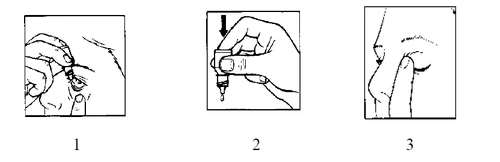
- Tilt your head backwards. Pull down the lower eyelid with a clean finger to create a "pocket" between the eyelid and the eye. The drop should be instilled here (figure 1).
- Hold the tip of the bottle close to the eye. Using a mirror may be helpful.
- Do not touch the eye, eyelid, surrounding areas, or any other surface with the tip of the bottle, as this may contaminate the eye drops.
- Gently press the bottle to release one drop of TRAVOFIX at a time (figure 2). If a drop does not enter the eye, try again.
- After using TRAVOFIX, press gently with one finger against the inner corner of the eye (near the nose) for 2 minutes (figure 3). This helps prevent TRAVOFIX from spreading into the rest of the body.
- If you need to apply the drops to both eyes, repeat the above steps for the other eye.
- Immediately replace and tighten the cap after use.
Use TRAVOFIX for the length of time prescribed by your doctor.
If you use more TRAVOFIX than you should
If you accidentally use too much TRAVOFIX, rinse your eye thoroughly with lukewarm water. Do not use further drops until the next scheduled dose.
If you forget to use TRAVOFIX
If you forget to use TRAVOFIX, simply continue with your next scheduled dose. Do not use a double dose to make up for the missed one. The dose must not exceed one drop per day per affected eye(s).
If you stop using TRAVOFIX
If you stop using TRAVOFIX without consulting your doctor, your intraocular pressure may become uncontrolled, which could lead to loss of vision.
If you are using other eye drops in addition to TRAVOFIX, wait at least 5 minutes between applying TRAVOFIX and the other eye drops.
If you wear soft contact lenses, do not use the eye drops while wearing them. Wait at least 15 minutes after using the drops before reinserting your contact lenses.
If you have any questions about how to use this medicine, consult your doctor or pharmacist.
4. Possible side effects
Like all medicines, this medicine can cause side effects, although not everyone experiences them.
You can generally continue using the drops unless the side effects are severe. If you are concerned, consult your doctor or pharmacist. Do not stop using TRAVOFIX without first discussing it with your doctor.
Very common side effects (may affect more than 1 in 10 people)
Eye effects
Redness.
Common side effects (may affect up to 1 in 10 people)
Eye effects
Inflammation of the eye surface with surface damage, eye pain, blurred vision, visual disturbance, dry eye, eye itching, eye discomfort, signs and symptoms of eye irritation (e.g. burning, stinging).
Uncommon side effects (may affect up to 1 in 100 people)
Eye effects
Inflammation of the eye surface, eyelid inflammation, swollen conjunctiva, increased eyelash growth, iris inflammation, eye inflammation, light sensitivity, reduced vision, tired eyes, eye allergy, eye swelling, increased tear production, eyelid redness, changes in eyelid colour, darkening of the skin (around the eye).
General side effects
Allergy to the active substance, dizziness, headache, increased or decreased blood pressure, shortness of breath, excessive hair growth, nasopharyngeal dripping, skin inflammation and itching, reduced heart rate.
Rare side effects (may affect up to 1 in 1,000 people)
Eye effects
Thinning of the eye surface, inflammation of the eyelid glands, broken blood vessels in the eye, crusting of the eyelid, abnormal eyelash positioning, abnormal eyelash growth.
General side effects
Nervousness, irregular heart rate, hair loss, voice discomfort, breathing difficulties, cough, sore throat, hives, abnormal liver blood tests, skin colour changes, thirst, fatigue, nasal discomfort, coloured urine, pain in hands and feet.
Not known (frequency cannot be estimated from available data)
Eye effects
Drooping eyelid (eye remains half-closed), sunken eyes (eyes appear more deeply set), changes in iris colour (coloured part of the eye).
General side effects
Skin rashes, heart failure, chest pain, stroke, fainting, depression, asthma, increased heart rate, tingling or numbness sensation, palpitations, swelling of the lower limbs, bad taste.
In addition:
TRAVOFIX is a combination of two active substances, travoprost and timolol. Like other medicines administered into the eyes, travoprost and timololo (a beta-blocker) are absorbed into the bloodstream. This may cause side effects similar to those observed with oral or injected beta-blocking medicines. The amount of side effects after eye administration is lower than with oral or injected administration.
The side effects listed below include reactions observed within the class of beta-blockers used to treat eye conditions, or reactions observed with travoprost alone:
Eye effects
Eyelid inflammation, corneal inflammation, detachment of the layer beneath the retina containing blood vessels following filtering surgery which may cause visual disturbances, reduced corneal sensitivity, corneal erosion (damage to the front layer of the eyeball), double vision, eye discharge, swelling around the eye, eyelid itching, outward turning of the eyelid with redness, irritation and excessive tearing, blurred vision (sign of clouding of the eye lenses), swelling of part of the eye (uvea), eyelid eczema, halos around lights, decreased eye sensitivity, pigmentation inside the eye, dilated pupils, changes in eyelash colour, changes in eyelash texture, abnormal visual field.
General side effects
Ear and labyrinth disorders: dizziness with sensation of rotation, ringing in the ears.
Heart and circulation: slowed heart rate, palpitations, oedema (fluid accumulation), changes in heart rhythm or rate, congestive heart failure (heart disease with shortness of breath and swelling of feet and legs due to fluid accumulation), a type of heart rhythm disorder, heart attack, low blood pressure, Raynaud's phenomenon, cold hands and feet, reduced blood supply to the brain.
Respiratory: narrowing of airways in the lungs (mainly in patients with pre-existing disease), runny or blocked nose, sneezing (due to allergy), breathing difficulties, nosebleeds, dry nose.
Nervous system and systemic disorders: difficulty sleeping (insomnia), nightmares, memory loss, hallucinations, loss of strength and energy, anxiety (excessive emotional distress).
Gastrointestinal: taste disturbances, nausea, indigestion, diarrhoea, dry mouth, abdominal pain, vomiting, constipation.
Allergy: worsening of allergic symptoms, generalized allergic reactions including swelling under the skin which may occur in areas such as the face and limbs and which may block airways causing difficulty in swallowing or breathing, localized and generalized skin rash, itching, severe unexpected life-threatening allergic reactions.
Skin: silvery-white rash (psoriasiform erythema) or worsening of psoriasis, skin peeling, abnormal hair structure, skin inflammation with itching and redness, hair colour changes, eyelash loss, itching, abnormal hair growth, skin redness.
Musculoskeletal: increased signs and symptoms of myasthenia gravis (muscle disorder), unusual sensations such as pins and needles, muscle weakness/lassitude, muscle pain not caused by exercise, joint pain.
Renal and urinary disorders: difficulty and pain when urinating, involuntary loss of urine. Reproductive: sexual dysfunction, decreased libido.
Metabolism: low blood sugar levels, increased marker for prostate cancer.
Reporting of side effects
If you experience any side effects, including those not listed in this leaflet, talk to your doctor or pharmacist. You can also report side effects directly via the national reporting system at https://www.aifa.gov.it/content/segnalazioni-reazioni-avverse.
By reporting side effects, you can help provide more information on the safety of this medicine.
- How to store TRAVOFIX
Keep this medicine out of the sight and reach of children. Do not use this medicine after the expiry date stated on the label and carton after “EXP” and “Scad.”. The expiry date refers to the last day of that month. Do not store above 25°C. To prevent the risk of infection, discard the bottle 4 weeks after first opening. Each time you open a new bottle for the first time, write the date of opening in the designated space on the label and carton.
Do not dispose of any medicine via wastewater or household waste. Ask your pharmacist how to dispose of medicines no longer in use. This will help protect the environment.
6. Package contents and other information
What TRAVOFIX contains
- The active substances are travoprost and timolol. Each ml of solution contains 40 micrograms of travoprost and 5 mg of timolol (as timolol maleate).
- The other components are: benzalkonium chloride, mannitol, trometamol, polyoxyl 40 hydrogenated castor oil (Cremophor RH40), boric acid, disodium edetate, water for injections.
Description of the appearance of TRAVOFIX and contents of the pack
Low-density polyethylene bottle with a low-density polyethylene dropper and closed with a cap made of polypropylene.
Pack containing 1 bottle of 2.5 ml.
Marketing Authorization Holder
Doc Generici S.r.l.
Via Turati, 40
20121 Milan
Italy
Manufacturer
Genetic S.p.A.
Contrada Canfora
84084 Fisciano
(SA) Italy
This summary of product characteristics was last approved on
Package leaflet: information for the user
TRAVOFIX 40 micrograms/ml + 5 mg/ml eye drops, solution
travoprost/timolol
Please read this leaflet carefully before using this medicine because it contains important information for you.
- Keep this leaflet. You may need to read it again.
- If you have any questions, consult your doctor or pharmacist.
- This medicine has been prescribed for you only. Do not give it to others, even if their symptoms are the same as yours, as it could be harmful.
- If you experience any side effects, including those not listed in this leaflet, consult your doctor or pharmacist. See section 4.
Contents of this leaflet
- What TRAVOFIX is and what it is used for
- What you need to know before using TRAVOFIX
- How to use TRAVOFIX
- Possible side effects
- How to store TRAVOFIX
- Contents of the pack and other information
1. What TRAVOFIX is and what it is used for
TRAVOFIX eye drops solution is a combination of two active substances (travoprost and timolol).
Travoprost is a prostaglandin analogue that works by increasing the outflow of fluid from the eye, thereby reducing its pressure. Timolol is a beta-blocker that works by reducing the production of fluid within the eye. The two active substances act simultaneously to lower intraocular pressure.
TRAVOFIX eye drops are used to treat elevated intraocular pressure in adults, including the elderly. Such high pressure levels may lead to a condition known as glaucoma.
2. What you need to know before using TRAVOFIX
Do not use TRAVOFIX
- if you are allergic to travoprost, prostaglandins, timolol, beta-blockers, or any of the other ingredients of this medicine (listed in section 6).
- if you have or have previously had respiratory problems such as asthma, severe chronic obstructive bronchitis (a serious lung disease that may cause wheezing, difficulty breathing, and/or long-lasting cough), or other types of breathing disorders.
- if you suffer from severe hay fever.
- if you have a slow heart rate, heart failure, or a heart rhythm disorder (irregular heartbeat).
- if you have clouding of the eye's transparent surface. Ask your doctor whether you are affected by any of these conditions.
Warnings and precautions
Consult your doctor before using TRAVOFIX if you currently have or have previously had
- coronary heart disease (symptoms may include chest pain or tightness, shortness of breath, or suffocation), heart failure, low blood pressure.
- changes in heart rate such as slow heartbeat.
- breathing problems, asthma, or chronic obstructive pulmonary disease.
- circulatory disorders (such as Raynaud's disease or Raynaud's syndrome).
- diabetes (because timolol may mask signs and symptoms of low blood sugar).
- overactive thyroid gland (because timolol may mask signs and symptoms of thyroid disease).
- myasthenia gravis (chronic muscle weakness).
- cataract surgery.
- ocular inflammation.
If you need to undergo any type of surgical procedure, inform your doctor that you are using TRAVOFIX, as timol0l may alter the effects of certain medications used during anesthesia.
If you experience any severe allergic reaction (skin rash, redness and itching of the eye) while using TRAVOFIX, regardless of the cause, treatment with adrenaline may not be sufficiently effective. Therefore, if you receive any other treatment, inform your doctor that you are using TRAVOFIX.
TRAVOFIX may change the color of your iris (the colored part of the eye). This change could be permanent.
TRAVOFIX may increase the length, thickness, color, and/or number of your eyelashes and may cause unusual hair growth on your eyelids.
Travoprost can be absorbed through the skin; therefore, it should not be used by pregnant women or women who intend to become pregnant. If any amount of the medicine comes into contact with the skin, wash immediately.
Children
TRAVOFIX must not be used in children and adolescents under 18 years of age.
Other medicines and TRAVOFIX
Inform your doctor or pharmacist if you are taking, have recently taken, or might take any other medicines, including medicines without a prescription.
TRAVOFIX may interact with other medicines you are taking, including other eye drops for glaucoma treatment. Inform your doctor if you are taking or plan to take medicines to lower blood pressure, heart medications including quinidine (used to treat heart problems and certain types of malaria), or medications for diabetes or the antidepressants fluoxetine or paroxetine.
Pregnancy, breastfeeding and fertility
If you are pregnant, suspect you may be pregnant, planning a pregnancy, or breastfeeding, consult your doctor before taking this medicine.
Do not use TRAVOFIX during pregnancy unless your doctor considers it necessary. If there is a possibility of becoming pregnant, you must use adequate contraception while using this medicine.
Do not use TRAVOFIX while breastfeeding. TRAVOFIX may be excreted in breast milk.
Driving and using machines
You may experience blurred vision for a period after using TRAVOFIX. Do not drive or operate machinery until these symptoms have disappeared. TRAVOFIX may also cause hallucinations, dizziness, nervousness, or fatigue in some patients.
Do not drive or use machinery until such symptoms have subsided.
For those engaged in sports: using the drug without therapeutic need constitutes doping and may result in a positive anti-doping test.
TRAVOFIX contains hydrogenated castor oil, which may cause irritation and skin reactions.
3. How to use TRAVOFIX
Use this medicine exactly as directed by your doctor. If you have any doubts, consult your doctor or pharmacist.
The recommended dose is one drop in the affected eye(s) once daily, in the morning or evening. Take the dose at the same time every day.
Use TRAVOFIX in both eyes only if specifically instructed by your doctor.
TRAVOFIX must be used only as an eye drop.

- First, wash your hands and sit or stand in a comfortable position. Then open the aluminium pouch containing a strip of 5 single-dose containers.
- Remove one single-dose container from the strip by applying slight pressure on the side opposite to the vial's opening (fig. 1).
- Open the single-dose container by turning the cap completely through 360° (fig. 2).
- Tilt your head backwards and gently pull down the lower eyelid with one finger to create a small pocket between your eyelid and the eye.
- Hold the tip of the single-dose container close to the eye without touching it. Gently squeeze the container so that one drop goes into the affected eye(s), as instructed by your doctor (fig. 3).
- After using the product, close your eye and press with one finger on the inner corner of the eye (where the eye meets the nose) for one minute (fig. 4).
- After instilling the drop, discard the used single-dose container even if some solution remains, to avoid contamination of the preservative-free solution.
- Store the remaining containers in the original carton and inside the aluminium pouch. After first opening the aluminium pouch, use the containers within 7 days; any unused containers must be discarded after this period. It is important to continue using the eye drops as prescribed by your doctor.
Use TRAVOFIX for as long as your doctor recommends.
If you use more TRAVOFIX than you should
If you use more TRAVOFIX than recommended, rinse your eye(s) thoroughly with lukewarm water. Do not use further drops until the next scheduled dose.
If you forget to use TRAVOFIX
If you forget to use TRAVOFIX, simply resume treatment with the next scheduled dose. Do not use a double dose to make up for the missed one. The dose must not exceed one drop per day per affected eye(s).
If you stop using TRAVOFIX
If you stop using TRAVOFIX without discussing it with your doctor, your intraocular pressure may become uncontrolled, which could lead to loss of vision.
If you are using other eye drops in addition to TRAVOFIX, wait at least 5 minutes between applying TRAVOFIX and the other eye drops.
If you wear soft contact lenses, do not use the eye drops while wearing them. Wait at least 15 minutes after using the eye drops before reinserting your contact lenses.
If you have any questions about how to use this medicine, consult your doctor or pharmacist.
4. Possible side effects
Like all medicines, this medicine can cause side effects, although not everyone gets them.
You can generally continue using the drops unless the side effects are severe. If you are concerned, speak to your doctor or pharmacist. Do not stop using TRAVOFIX without first discussing it with your doctor.
Very common side effects (may affect more than 1 in 10 people)
Eye effects
Redness of the eye.
Common side effects (may affect up to 1 in 10 people)
Eye effects
Inflammation of the eye surface with damage to the surface, eye pain, blurred vision, abnormal vision, dry eye, itchy eye, eye discomfort, signs and symptoms of eye irritation (e.g. burning, stinging).
Uncommon side effects (may affect up to 1 in 100 people)
Eye effects
Inflammation of the eye surface, inflammation of the eyelids, swollen conjunctiva, increased eyelash growth, inflammation of the iris, eye inflammation, light sensitivity, reduced vision, tired eyes, eye allergy, eye swelling, increased tear production, redness of the eyelid, changes in eyelid colour, darkening of the skin (around the eye).
General side effects
Allergy to the active substance, dizziness, headache, increased or decreased blood pressure, shortness of breath, excessive hair growth, nasopharyngeal drip, skin inflammation and itching, reduced heart rate.
Rare side effects (may affect up to 1 in 1,000 people)
Eye effects
Thinning of the eye surface, inflammation of the eyelid glands, broken blood vessels in the eye, crust formation on the eyelid, abnormal eyelash positioning, abnormal eyelash growth.
General side effects
Nervousness, irregular heartbeat, hair loss, voice disturbances, breathing difficulties, cough, throat irritation, hives, abnormal liver function tests, change in skin colour, thirst, fatigue, discomfort inside the nose, coloured urine, pain in hands and feet.
Not known (frequency cannot be estimated from the available data)
Eye effects
Drooping of the eyelid (eye remains half-closed), sunken eyes (eyes appear more deeply set), changes in iris colour (coloured part of the eye).
General side effects
Skin rashes, heart failure, chest pain, stroke, fainting, depression, asthma, increased heart rate, sensation of numbness or tingling, palpitations, swelling of the lower limbs, bad taste.
In addition:
TRAVOFIX is a combination of two active substances, travoprost and timolol. Like other medicines administered into the eyes, travoprost and timolol (a beta-blocker) are absorbed into the bloodstream. This may cause side effects similar to those seen with oral or injectable beta-blocking medicines. The amount of side effects after ocular administration is lower than with oral or injectable administration.
The side effects listed below include reactions observed for the class of beta-blockers used in the treatment of eye disorders or reactions observed with travoprost alone:
Eye effects
Eyelid inflammation, corneal inflammation, detachment of the layer beneath the retina containing blood vessels following filtering surgery which may cause visual disturbances, reduced corneal sensitivity, corneal erosion (damage to the front layer of the eyeball), double vision, eye discharge, swelling around the eye, eyelid itching, outward turning of the eyelid with redness, irritation and excessive tearing, blurred vision (sign of clouding of the eye lenses), swelling of a part of the eye (uvea), eyelid eczema, halo vision, decreased ocular sensitivity, pigmentation inside the eye, dilated pupils, change in eyelash colour, change in eyelash texture, abnormal visual field.
General side effects
Ear and labyrinth disorders: dizziness with sensation of rotation, ringing in the ears.
Heart and circulation: slowed heart rate, palpitations, oedema (fluid accumulation), changes in heart rhythm or heartbeat speed, congestive heart failure (heart disease with shortness of breath and swelling of feet and legs due to fluid accumulation), a type of heart rhythm disorder, heart attack, low blood pressure, Raynaud's phenomenon, cold hands and feet, reduced blood supply to the brain.
Respiratory: narrowing of the airways in the lungs (mainly in patients with pre-existing lung disease), runny or blocked nose, sneezing (due to allergy), breathing difficulties, nosebleeds, dry nose.
Nervous system and systemic disorders: difficulty sleeping (insomnia), nightmares, memory loss, hallucinations, loss of strength and energy, anxiety (excessive emotional distress).
Gastrointestinal: taste disturbances, nausea, indigestion, diarrhoea, dry mouth, abdominal pain, vomiting, constipation.
Allergy: worsening of allergic symptoms, generalized allergic reactions including swelling under the skin which may occur in areas such as the face and limbs and which may block the airways causing difficulty in swallowing or breathing, localized and generalized skin rash, itching, severe unexpected life-threatening allergic reactions.
Skin: silvery-white rash (psoriasiform erythema) or worsening of psoriasis, skin peeling, abnormal hair structure, skin inflammation with itching and redness, change in hair colour, eyelash loss, itching, abnormal hair growth, skin redness.
Musculoskeletal: worsening of signs and symptoms of myasthenia gravis (a muscle disorder), unusual sensations such as pins and needles, muscle weakness, muscle pain not caused by exercise, joint pain.
Renal and urinary disorders: difficulty and pain when urinating, involuntary loss of urine. Reproductive: sexual dysfunction, decreased libido.
Metabolism: low blood sugar levels, increased marker for prostate cancer.
Reporting of side effects
If you experience any side effects, including those not listed in this leaflet, talk to your doctor or pharmacist. You can also report side effects directly via the national reporting system at https://www.aifa.gov.it/content/segnalazioni-reazioni-avverse.
By reporting side effects, you can help provide more information on the safety of this medicine.
5. How to store TRAVOFIX
Keep this medicine out of the sight and reach of children.
Do not use this medicine after the expiry date stated on the label and the carton after "EXP" and "Scad.". The expiry date refers to the last day of that month.
Do not store above 25°C.
After first opening of the aluminium foil pouch, use the medicine within 7 days; after this period, any remaining containers must be discarded.
The single-dose container must be used immediately after opening; any leftover medicine must be discarded.
Do not dispose of any medicine via wastewater or household waste. Ask your pharmacist how to dispose of medicines you no longer use. This will help protect the environment.
6. Contents of the pack and other information
What TRAVOFIX contains
- The active substances are travoprost and timolol. Each ml of solution contains 40 micrograms of travoprost and 5 mg of timolol (as timolol maleate).
- The other components are: mannitol, trometamol, polyoxyl 40 hydrogenated castor oil (Cremophor RH40), boric acid, edetate disodium, water for injections.
Description of the appearance of TRAVOFIX and contents of the pack
Single-dose container made of polyethylene.
Pack containing 6 strips, each consisting of 5 single-dose containers, placed in PET/Al/PE sachets
(one strip per sachet), for a total of 30 containers of 0.1 ml.
Marketing Authorization Holder
Doc Generici S.r.l.
Via Turati, 40
20121 Milan
Italy
Manufacturer
Genetic S.p.A.
Contrada Canfora
84084 Fisciano
(SA) Italy
This leaflet was last approved in