SolDesam
Italy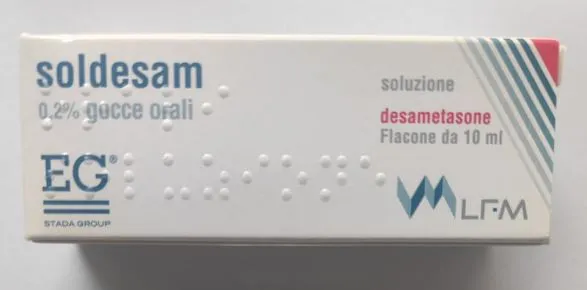
Table of Contents
- Package leaflet: Information for the user
- SOLDESAM
- 1. What SOLDESAM is and what it is used for
- 2. What you should know before using SOLDESAM
- 3. How to use SOLDESAM
- 4. Possible side effects
- 5. How to store SOLDESAM
- 6. Package contents and other information
- The following information is intended exclusively for healthcare professionals:
- Package leaflet: information for the patient
- SOLDESAM 0.2% Oral Drops Solution
- 1. What SOLDESAM is and what it is used for
- 2. What you need to know before taking SOLDESAM
- 3. How to take SOLDESAM
- 4. Possible side effects
- 5. How to store SOLDESAM
- 6. Package contents and other information
- SOLDESAM
- 1. What SOLDESAM is and what it is used for
- 2. What you need to know before using SOLDESAM
- 3. How to use SOLDESAM
- 4. Possible side effects
- 5. How to store SOLDESAM
- 6. Contents of the pack and other information
- The following information is intended exclusively for healthcare professionals:
Package leaflet: Information for the user
SOLDESAM
4 mg/1 ml solution for injection
8 mg/2 ml solution for injection
Dexamethasone
Please read this leaflet carefully before using this medicine because it contains important information for you.
- Keep this leaflet. You may need to read it again.
- If you have any questions, ask your doctor, pharmacist, or nurse.
- This medicine has been prescribed for you only. Do not give it to other people, even if their symptoms are the same as yours, as it may be harmful.
- If you experience any side effect, including those not listed in this leaflet, talk to your doctor, pharmacist, or nurse. See section 4.
Contents of this leaflet:
- What SOLDESAM is and what it is used for
- What you need to know before using SOLDESAM
- How to use SOLDESAM
- Possible side effects
- How to store SOLDESAM
- Contents of the pack and other information
1. What SOLDESAM is and what it is used for
SOLDESAM contains the active substance dexamethasone, which belongs to a group of medicines called corticosteroids. Corticosteroids are hormones that can be used as medicines and perform numerous actions, including controlling inflammation and allergic reactions.
SOLDESAM 4 mg/1 ml injectable solution is used for the treatment of:
- inflammations;
- a degenerative joint disease called degenerative osteoarthritis, and degenerative joint inflammation due to joint injury causing irreversible damage or altering the normal joint function (post-traumatic osteoarthritis);
- chronic joint inflammation (inflammatory arthritis), chronic inflammation affecting multiple joints (chronic progressive polyarthritis), inflammatory disease affecting joints and muscles (ankylosing spondylitis);
- asthma attacks (asthmatic episodes).
SOLDESAM 8 mg/2 ml injectable solution is used for the treatment of:
- fluid accumulation in the brain (cerebral edema);
- brain tumours (as an adjunctive treatment to the primary therapy);
- emergency conditions and various types of shock;
- swelling of the laryngeal mucosa (glottic edema);
- allergic reactions that may occur following blood transfusion (post-transfusion reactions);
- severe allergic reactions (anaphylaxis);
- traumas of various nature (haemorrhagic, surgical, septic, cardiogenic, burn-related).
2. What you should know before using SOLDESAM
Do not use SOLDESAM
- if you are allergic to sodium phosphate dexamethasone or to any of the other ingredients of this medicine (listed in section 6);
- if you have a fungal and/or bacterial infection affecting the whole body (systemic fungal and bacterial infections), unless you are already receiving specific treatment for the infection;
- if you are undergoing local injections in case of bacteria in the blood (bacteraemia), systemic fungal infections, joint instability, or infections at the injection site, for example joint inflammation caused by gonococcal bacteria, a sexually transmitted disease (septic arthritis secondary to gonorrhoea), or a bacterial infection typically affecting the lungs (tuberculosis);
- if you suffer from stomach or intestinal problems (peptic ulcer);
- if you have mental disorders (psychosis);
- if you have a viral eye infection caused by Herpes simplex.
Warnings and precautions
Talk to your doctor, pharmacist, or nurse before using SOLDESAM.
SOLDESAM may worsen a systemic fungal infection unless required to control allergic reactions (drug reactions) due to amphotericin B. On the other hand, concomitant use of amphotericin B and hydrocortisone has been reported to cause weight gain and increased heart tissue volume (congestive cardiac hypertrophy).
The use of this medicine may:
- increase susceptibility to infections and their severity, promote the onset of parasitic infections (latent amoebiasis), mask signs of serious infections, and alter the results of certain tests, giving false negative results for bacterial infections (nitroblue tetrazolium test);
- rarely, cause severe allergic reactions (anaphylactic reactions) that may manifest as throat swelling (glottis edema), skin irritation (urticaria), and breathing difficulties (bronchospasm), especially if you have previously experienced allergic reactions to other medicines. Inform your doctor immediately if you develop any of the above symptoms.
Take this medicine at the lowest dose capable of controlling your symptoms. Dose reduction should be gradual. During treatment with this medicine, your doctor may prescribe medications to prevent stomach damage (anti-acid drugs).
SOLDESAM, when taken at high doses, may cause:
- increased blood pressure;
- disturbances in salt and fluid levels in the body (fluid and salt retention) or increased potassium loss; in such cases, follow a low-salt diet and take potassium supplements. All medicines belonging to the same class as SOLDESAM (corticosteroid medicines) increase calcium excretion. Injection of a corticosteroid into joints (intra-articular injection) may cause both systemic and local effects. Frequent joint injections may lead to severe joint damage. If you have fluid in your joints, undergo tests to rule out infection. Inform your doctor if you experience severe pain with local swelling, limited joint movement, fever, and general malaise. These are signs suggesting joint infection.
Your doctor will prescribe appropriate antibiotic therapy and advise you not to strain the joint even when pain has decreased. Indeed, the joint must be protected as long as the inflammatory process persists.
Avoid injecting corticosteroids into tendons.
Inform your doctor if you are taking other medicines, if you need vaccinations or allergy tests (skin tests) during treatment with SOLDESAM.
Use SOLDESAM with caution and inform your doctor if:
- you are under significant stress;
- you have adrenal gland problems (organs involved in the production of several hormones) due to this medicine (secondary adrenal insufficiency); in such cases, your doctor may gradually reduce your dose. These problems may persist for several months after stopping treatment. If you experience stress or take other anti-inflammatory medicines (steroids) during this period, consult your doctor;
- you have a tumour of the adrenal gland (pheochromocytoma);
- you have an infection typically affecting the lungs (tuberculosis) or an eye infection due to viruses or fungi; in such cases, your doctor will prescribe concomitant therapy against these infections (antimicrobial therapy); if you have tuberculosis, you may use this medicine in combination with anti-tuberculosis drugs, but only in cases of fulminant or disseminated tuberculosis. If you have latent tuberculosis or a positive tuberculin test, you must be closely monitored by your doctor;
- you have never had chickenpox, a highly contagious infectious disease caused by a virus, or herpes zoster (commonly known as shingles, a viral disease affecting the skin and nerves), because these diseases can be very dangerous if they occur during treatment with this medicine. If you or your child have never had these diseases, avoid contact with affected individuals and consult your doctor immediately if exposed. If you or your child develop symptoms of these diseases during treatment with SOLDESAM, seek immediate medical attention. Do not stop treatment with SOLDESAM; your doctor may even increase the dose. If you are currently or have been treated with corticosteroids such as SOLDESAM within the last 3 months, your doctor will administer varicella zoster immune globulin for immunization against chickenpox. This treatment must begin within 10 days of exposure to the chickenpox virus;
- you have never had measles. In case of exposure, consult your doctor immediately, who may prescribe preventive medical treatment with specific antibodies (immunoglobulins);
- you have received high-dose treatment for more than 3 weeks; in this case, dose reduction must be gradual, as you may experience sudden adrenal problems (acute adrenal insufficiency), low blood pressure (hypotension), and risk of death;
- you experience symptoms of tumour lysis syndrome such as muscle cramps, muscle weakness, confusion, vision loss or disturbances, and shortness of breath, especially if you suffer from haematological neoplasms;
- you have persistent intestinal inflammation (non-specific ulcerative colitis with risk of perforation);
- you have a pus-forming infection (abscess) or bacterial infections causing pus (pyogenic infections);
- you have intestinal problems (diverticulitis);
- you have recently undergone surgery for intestinal reconstruction (intestinal anastomosis);
- you suffer from stomach or intestinal disorders associated with lesions (active or latent peptic ulcer);
- you have kidney problems (renal failure);
- you suffer from high blood pressure (hypertension);
- you suffer from bone thinning (osteoporosis);
- you suffer from a disease characterised by severe muscle weakness (myasthenia gravis);
- you suffer from thyroid problems (hypothyroidism) or liver problems (hepatic cirrhosis);
- you are male, as use of this medicine may increase or decrease sperm motility and count;
- you have diarrhoea or have recently travelled to tropical regions, as use of this medicine may trigger an infection (amoebiasis);
- you are elderly, as side effects from corticosteroid use may be more severe, particularly bone thinning (osteoporosis), increased blood pressure (hypertension), low potassium levels (hypokalaemia), increased blood sugar (diabetes), increased susceptibility to infections, and skin thinning. In such cases, consult your doctor, who will monitor you closely.
Mental problems
Use of this medicine may cause psychiatric effects. These reactions cease after reducing or stopping the medicine. If you experience severe sadness (depression), suicidal thoughts, or any other symptoms of mental disorder, consult your doctor.
These disorders may occur during or after dose reduction or discontinuation of therapy.
Inform your doctor before taking this medicine if you or a family member have previously experienced mental disorders (depression, manic-depressive illness, steroid-induced psychosis).
Your doctor will monitor you closely during treatment if:
- you have bone problems (osteoporosis), especially if you are a postmenopausal woman;
- you have high blood pressure (hypertension);
- you suffer from heart problems (congestive heart failure);
- you suffer from severe mood disturbances (especially if you have previously experienced mental disorders affecting behavioural control—psychosis—during steroid therapy);
- you or a family member has high blood sugar levels (diabetes mellitus);
- you have previously had tuberculosis, as corticosteroids such as SOLDESAM may reactivate the disease;
- you or a family member has increased intraocular pressure (glaucoma);
- you have previously experienced muscle problems due to corticosteroid therapy (prior myopathy);
- you suffer from liver problems (hepatic insufficiency);
- you suffer from kidney problems (renal insufficiency);
- you suffer from epilepsy;
- you suffer from stomach and intestinal problems due to lesions (gastrointestinal ulceration);
- you suffer from a condition characterised by frequent headaches often associated with other symptoms such as nausea, vomiting, increased sensitivity to light and sound (migraine);
- you have intestinal infections due to parasites (amoebiasis);
- you have impaired growth (incomplete structural growth);
- you suffer from a condition characterised by excessive levels of glucocorticoid hormones in the blood, known as Cushing's syndrome;
- you suffer from tendon inflammation (tendinitis) or inflammation of the membrane surrounding tendons (tenosynovitis); your doctor will be cautious when injecting into the space between the sheath and the tendon itself, as tendon rupture may occur;
- you or a family member has previously suffered from severe affective disorders (such as depression, mania, manic-depressive illness, or steroid-induced psychosis). Use of this medicine may cause severe psychiatric effects, with symptoms appearing within days or weeks of starting treatment, and the risk is higher if high doses are administered intravenously.
Prolonged use of this medicine may cause clouding of the posterior part of the eye's lens, leading to reduced vision (posterior subcapsular cataract). Additionally, use of the medicine may promote bacterial and fungal eye infections.
Contact your doctor if you experience blurred vision or other visual disturbances.
Always carry a medical card indicating your corticosteroid therapy, your treating physician, the medicine you are taking, the dose, and duration of treatment.
For athletes
Using this medicine without therapeutic need constitutes doping and may result in a positive anti-doping test.
Children and adolescents
SOLDESAM must not be used in premature infants with breathing problems.
If dexamethasone is administered to premature infants, cardiac function and structure must be monitored.
In early infancy, SOLDESAM should be administered only when absolutely necessary and under direct medical supervision.
Growth and development must be monitored in children and adolescents undergoing prolonged treatment with this medicine, as SOLDESAM may cause irreversible growth delay.
Other medicines and SOLDESAM
Inform your doctor or pharmacist if you are using, have recently used, or might use any other medicine.
Use SOLDESAM with caution and inform your doctor if you are taking the following medicines, as specific monitoring may be required:
- medicines used to treat epilepsy (phenytoin, phenobarbital, carbamazepine, primidone);
- ephedrine, a medicine used to relieve nasal congestion (nasal decongestant);
- phenylbutazone, a medicine used to treat inflammation and pain;
- aminoglutethimide, a medicine used to treat a hormonal disorder (Cushing's syndrome) or breast cancer;
- ketoconazole, amphotericin B, medicines used to treat fungal infections;
- macrolide antibiotics, such as erythromycin, used to treat bacterial infections;
- indinavir, a medicine used to treat AIDS;
- hydrocortisone, a medicine used to treat skin allergies;
- medicines used to treat bacterial infections (rifabutin, rifampicin);
- medicines called anticholinesterases, used to treat muscle problems (myasthenia gravis);
- medicines used to thin the blood (coumarin anticoagulants);
- medicines that promote urine elimination (potassium-depleting diuretics and diuretics in general, such as acetazolamide, loop diuretics, thiazide diuretics);
- medicines used to lower blood sugar levels (hypoglycaemics), including insulin;
- medicines used to lower blood pressure (antihypertensives);
- medicines used to treat certain heart conditions (cardiac glycosides);
- carbenoxolone, a medicine for stomach lesions;
- non-steroidal anti-inflammatory medicines (salicylates, phenylbutazone). If you stop SOLDESAM, you may develop salicylate toxicity, used to treat inflammation and pain. Additionally, if you have low prothrombin levels (hypoprothrombinaemia), interactions with salicylates may occur. During treatment with this medicine, do not undergo smallpox vaccination or other types of vaccination (immunisation procedures), especially if you are taking high doses of this medicine, due to possible risks of neurological complications and inadequate immune response (insufficient antibody response).
Pregnancy, breastfeeding, and fertility
If you are pregnant, suspect you may be pregnant, planning a pregnancy, or breastfeeding, consult your doctor or pharmacist before using this medicine.
Pregnancy
Since dexamethasone, the active ingredient in this medicine, crosses the placenta, if you are pregnant or of childbearing age, your doctor will assess whether starting treatment with this medicine is necessary only if the benefits to you outweigh the risks to your baby.
Newborns of mothers who received high doses of corticosteroids during pregnancy must be closely monitored, as they may develop adrenal problems (adrenal insufficiency).
Premature infants of mothers who received SOLDESAM towards the end of pregnancy may have low blood sugar levels after birth.
Breastfeeding
Do not use SOLDESAM if you are breastfeeding, as it passes into breast milk.
Driving and using machines
This medicine does not affect the ability to drive or operate machinery.
SOLDESAM contains sodium
This medicine contains less than 1 mmol (23 mg) of sodium per ml, i.e., it is practically "sodium-free".
SOLDESAM injectable solution contains phenol. It must not be ingested.
3. How to use SOLDESAM
This medicine will be administered to you by a doctor or trained healthcare professional. If you have any doubts, consult your doctor, pharmacist, or nurse.
This medicine can be given as an injection into the muscle (intramuscular route) or as a direct injection into a vein (intravenous route). Do not ingest (see “SOLDESAM injectable solution contains phenol”).
Your doctor will adjust the dose according to your condition and your response to treatment. The usual recommended dose is:
- for SOLDESAM 4 mg/1 ml: one vial per day. Your doctor may decide to repeat the injection if necessary. If you respond well to treatment, your doctor will gradually reduce the dose.
- for SOLDESAM 8 mg/2 ml: 32–96 mg per day, divided into 6–4 daily administrations.
SOLDESAM 4 mg/1 ml may also be administered directly into the membrane lining the joints (intrasynovial route) or into soft tissues. This type of administration must be performed in a completely sterile environment, free from contaminating agents such as bacteria, viruses, fungi, and parasites (aseptic conditions), and must be carried out by trained healthcare professionals.
If you use more SOLDESAM than you should
Overdose of this medicine may cause: severe weight gain (obesity), reduced muscle function (muscle atrophy), thinning of the bones (osteoporosis), excessive hair growth (hirsutism), a skin disorder characterized by red spots and increased tendency to bleeding (purpura), development of pimples and irritation (acne), excitement and agitation (neuropsychiatric symptoms), presence of sugar in the urine and blood (glycosuria, hyperglycemia), decreased potassium levels in the blood (hypokalemia), and Cushing's syndrome, characterized by excessive levels of glucocorticoid hormones in the blood, with symptoms such as facial swelling, fat accumulation especially in the abdomen and neck, excessive hair growth, menstrual disorders, fatigue and irritability, and growth retardation in children (see section “Children and adolescents”).
In case of accidental ingestion or administration of an excessive dose of this medicine, contact your doctor immediately or go to the nearest hospital.
If you forget to use SOLDESAM
Do not take a double dose to make up for the missed dose.
If you stop using SOLDESAM
Do not stop treatment with SOLDESAM injectable solution suddenly or without first discussing it with your doctor. The dose should be gradually reduced before stopping treatment.
Stopping long-term treatment abruptly may cause fever, joint and muscle pain (arthralgia, myalgia), allergic-type cold symptoms (rhinitis), eye inflammation (conjunctivitis), itchy and painful skin nodules, and weight loss.
If you have any questions about how to use this medicine, consult your doctor or pharmacist.
4. Possible side effects
Like all medicines, this medicine can cause side effects, although not everyone gets them.
The following side effects may occur:
Frequency not known (frequency cannot be estimated from the available data):
-
changes in sodium and fluid levels in the body (sodium and water retention), reduced potassium levels and consequent changes in blood acidity (potassium depletion, hypokalemic alkalosis);
-
increased blood sugar levels and possible diabetes (reduced carbohydrate tolerance and onset or unmasking of diabetes mellitus); this condition may increase insulin requirements or the need for oral hypoglycemic agents in diabetic patients;
-
increased protein loss (negative nitrogen balance due to protein catabolism); in case of prolonged treatment, dietary protein intake should be increased;
-
weight gain and increased appetite;
-
increased calcium excretion;
-
changes in fluid and electrolyte levels in the body (disturbance of water-electrolyte balance), which may rarely lead to increased blood pressure (hypertension) and heart problems (congestive heart failure), especially if you are predisposed to these conditions;
-
reduced heart function if you are predisposed to heart disorders (congestive heart failure), heart rhythm disturbances (arrhythmias), circulatory collapse, especially after rapid intravenous administration of a high dose;
-
increased white blood cell count (leukocytosis), lymphatic system disorders (reduction of lymphatic tissue);
-
increased or decreased blood pressure (hypertension, hypotension), inadequate blood flow to major organs (shock), blockage of blood vessels due to blood clots (thromboembolism), collection of blood in tissues or body cavities (hematomas);
-
muscle weakness (muscle asthenia), muscle disorders (steroid myopathy and proximal myopathy), loss of muscle mass, thinning of bones (osteoporosis), vertebral fractures (compression fractures of the vertebrae), death of bone cells (avascular necrosis of the femoral and humeral head), painless joint destruction (reminiscence of Charcot's arthropathy, particularly after repeated intra-articular injections), inhibition of long bone growth (premature epiphyseal closure), bone destruction (avascular osteonecrosis);
-
spontaneous fractures of long bones, tendon rupture, bone fragility;
-
injury, poisoning, and procedural complications such as tendon rupture;
-
development of stomach lesions (gastric ulcer) with possible perforation and bleeding (hemorrhage), intestinal lesions (intestinal perforations), especially if you have intestinal inflammation;
-
inflammation of the pancreas (pancreatitis), abdominal distension, inflammation of the esophagus with lesion formation (ulcerative esophagitis), nausea, malaise, digestive problems (dyspepsia);
-
delayed wound healing, thinning and fragility of the skin, altered results of allergy tests (skin tests), appearance of red spots (petechiae) and bruises (ecchymoses), facial redness (erythema), increased sweating, burning and itching, especially around the anus (after intravenous injection), other skin reactions such as irritation (allergic dermatitis, urticaria), swelling of the face, lips, mouth, tongue, or throat due to fluid accumulation (angioneurotic edema), increased or decreased skin pigmentation (hyperpigmentation or hypopigmentation), increased hair growth (hirsutism), dilation of small blood vessels (telangiectasia), appearance of stretch marks (striae), acne and skin irritation (acne), small collections of non-infected fluid within tissues (sterile abscesses);
-
behavioral disorders such as an unjustified feeling of happiness (euphoria), insomnia, mood and personality changes, suicidal thoughts, severe feelings of sadness (severe depression), mania, delusions, hallucinations, and worsening of schizophrenia, irritability, anxiety, confusion, psychological need to continue using this medicine (psychological dependence), memory problems (amnesia), symptoms of true psychosis. These effects may be more likely if you have previously suffered from mental disorders;
-
seizures, increased pressure in the head (increased intracranial pressure); these effects generally occur after discontinuation of treatment;
-
speech and memory disorders (cognitive dysfunction), worsening of epilepsy;
-
suppression of production of certain hormones (suppression of the hypothalamic-pituitary-adrenal axis), fat deposition around the shoulders, back of the neck, and upper back, and changes in hormone levels (Cushingoid state), altered regulation of hormone production (secondary pituitary-adrenal hyporeactivity), especially under stress (e.g., trauma, surgery, or severe illness);
-
menstrual cycle irregularities, absence of menstruation (amenorrhea);
-
increased levels of certain liver enzymes (in most cases reversible after discontinuation of treatment);
-
clouding of the posterior part of the eye's lens leading to reduced vision (posterior subcapsular cataract), increased pressure inside the eye (increased intraocular pressure), eye disease due to optic nerve problems (glaucoma), prominent protrusion of one or both eyes (exophthalmos), eye swelling (papilledema), corneal problems (corneal or scleral thinning);
-
vision disturbances, vision loss, blurred vision;
-
rarely, vision loss after administration of dexamethasone directly into facial or head lesions;
-
increased susceptibility and severity of infections without symptoms or signs (including opportunistic infections), activation of tuberculosis (onset or unmasking of latent tuberculosis), worsening of eye diseases caused by viruses or fungi, infections caused by a type of fungus (candidiasis);
-
severe allergic reactions (anaphylaxis) or milder ones (hypersensitivity), reduced immune system function, reduced response to vaccinations and allergy tests (skin tests);
-
hiccups;
-
panniculitis.
Additional side effects in children and adolescents
Frequency not known (frequency cannot be estimated from the available data):
- growth suppression in children and adolescents;
- increased intracranial pressure associated with swelling (pseudotumor cerebri); these effects generally resolve after discontinuation of treatment;
- adrenal gland problems (hypoadrenalism) in newborns of mothers who received high doses of corticosteroids during pregnancy;
- thickening of the heart muscle (hypertrophic cardiomyopathy) in premature infants, which generally resolves after treatment discontinuation.
Reporting of side effects
If you experience any side effect, including those not listed in this leaflet, talk to your doctor or pharmacist.
You can also report side effects directly via the national reporting system at www.aifa.gov.it/content/segnalazioni-reazioni-avverse.
By reporting side effects, you can help provide more information on the safety of this medicine.
5. How to store SOLDESAM
Keep this medicine out of the sight and reach of children.
Do not use this medicine after the expiry date stated on the packaging after "Exp.".
The expiry date refers to the last day of that month.
Store the vials in the original packaging to protect the medicine from light.
Do not dispose of any medicine via wastewater or household waste. Ask your pharmacist how to
dispose of medicines you no longer use. This will help protect the environment.
6. Package contents and other information
What SOLDESAM contains
- The active substance is sodium phosphate dexamethasone. One 1 ml vial contains 4 mg of sodium phosphate dexamethasone. One 2 ml vial contains 8 mg of sodium phosphate dexamethasone.
- The other components are: phenol, sodium citrate, citric acid, water for injectable preparations.
Description of the appearance of SOLDESAM and contents of the pack
Pack of 3 or 6 vials.
Not all pack sizes may be marketed.
Marketing Authorization Holder
LABORATORIO FARMACOLOGICO MILANESE s.r.l. - Via Monterosso 273, 21042 Caronno Pertusella (VA) – Italy
Manufacturer
Laboratorio Farmacologico Milanese S.r.l., Via Monterosso 273, 21042 Caronno Pertusella (VA) - Italy
The following information is intended exclusively for healthcare professionals:
Special warnings and precautions for use
Live vaccines must not be administered to subjects with impaired immune response. Antibody response to other vaccines may be reduced.
In patients who have received systemic corticosteroid doses exceeding physiological levels (approximately 1 mg of dexamethasone) for more than 3 weeks, discontinuation of treatment must not be abrupt. Gradual tapering of the dose depends on the risk of disease flare-up, clinical assessment of disease activity during withdrawal, and the potential degree of HPA axis suppression. When the daily dose of 1 mg is reached, dose reduction should proceed more slowly to allow full recovery of HPA axis function.
Abrupt discontinuation of doses up to 6 mg/day of dexamethasone after treatment courses lasting up to 3 weeks is unlikely to cause clinically significant HPA axis suppression; however, there are certain patient groups in whom gradual withdrawal is advisable even after treatment courses of 3 weeks or less. For example, in patients receiving repeated courses of systemic corticosteroids, in patients treated with short-term therapy within one year of discontinuation of chronic therapy, in patients with other disorders causing adrenal insufficiency, in patients treated with daily doses up to 6 mg of dexamethasone, and in patients chronically treated with evening doses.
A sudden drop in corticosteroid dosage following prolonged treatment may result in acute adrenal insufficiency, hypotension, and death. Discontinuation of corticosteroids after chronic therapy may lead to symptoms (steroid withdrawal syndrome), such as fever, myalgia, arthralgia, rhinitis, conjunctivitis, pruritic and painful skin nodules, and weight loss. These symptoms may occur even in patients without signs of adrenal insufficiency.
During chronic treatment, any intercurrent illness, trauma, or surgical intervention requires a temporary increase in dosage; if corticosteroid therapy has been discontinued after prolonged treatment, temporary reinstatement of therapy may be necessary.
Anaphylactic reactions have occasionally been reported in patients treated with systemic corticosteroids. If such reactions occur, the following procedures are recommended: immediate slow intravenous injection of adrenaline, intravenous administration of aminophylline, and, if necessary, artificial respiration.
Corticosteroids must not be used in the management of traumatic brain injury or stroke, as their clinical efficacy is uncertain and they may even be hazardous to the patient.
Corticosteroids may suppress responses to skin tests. Patients undergoing corticosteroid therapy must not be vaccinated against smallpox. Other immunization procedures should not be performed in patients receiving corticosteroids, especially at high doses, due to the risk of neurological complications and inadequate antibody response.
Acetylsalicylic acid should be used with caution during corticosteroid therapy in patients with hypoprothrombinemia. Response to corticosteroids may be increased in patients with hypothyroidism or hepatic cirrhosis.
Local injection of a steroid into infected areas should be avoided. Corticosteroids must not be injected into unstable joints.
When treating tendinitis or tenosynovitis, care should be taken to avoid injecting into the space between the sheath and the tendon itself, as cases of tendon rupture have been reported.
Interactions
Prothrombin time and INR should be monitored frequently to prevent spontaneous bleeding in patients receiving corticosteroids and coumarin anticoagulants concurrently, as corticosteroids may alter the response to these anticoagulants. Some studies have shown that the typical effect of adding corticosteroids is inhibition of response to coumarin compounds, although some conflicting reports have indicated potentiation.
Patients undergoing corticosteroid therapy must not be vaccinated against smallpox.
Other immunization procedures should not be undertaken in patients receiving corticosteroids, especially at high doses, due to possible risks of neurological complications and inadequate antibody response.
Dosage and administration
SOLDESAM 4mg/1ml:
- For intramuscular and intravenous use: dosage should be adjusted according to individual case and therapeutic response. As a guideline, one vial (4 mg) daily, possibly repeated. As soon as a positive response is achieved, the dose should be gradually reduced.
- For intrasynovial or soft tissue injection: must be performed under strict aseptic conditions and with proper injection technique, using the following indicative dosages:
| large joints (knee) in some cases | 2mg 4mg | 0.5ml 1ml |
| small joints (interphalangeal, temporomandibular) | 0.8 - 1 mg | 0.2 - 0.25 ml |
| synovial bursae | 2 - 4 mg | 0.5 - 1 ml |
| tendon sheaths | 0.4 - 1 mg | 0.1 - 0.25 ml |
| for infiltration into soft tissues | 2 - 4 mg | 0.5 - 1 ml |
| calluses | 0.4 - 1 mg | 0.1 - 0.25 ml |
| tendinous cysts | 1 - 2 mg | 0.25 - 0.5 ml |
SOLDESAM 8mg/2ml:
The dosage of SOLDESAM 8mg/2ml should be individualized according to the disease being treated,
its severity, and the patient's therapeutic response. As a general guide for the indicated therapies,
it is recommended to administer 32–96 mg daily, divided into 4–6 doses.
For further information, consult the Summary of Product Characteristics.
Package leaflet: information for the patient
SOLDESAM 0.2% Oral Drops Solution
Dexamethasone
Please read this leaflet carefully before taking this medicine because it contains important information for you.
- Keep this leaflet. You may need to read it again.
- If you have any questions, ask your doctor or pharmacist.
- This medicine has been prescribed for you only. Do not give it to others, even if their symptoms are the same as yours, as it could be harmful.
- If you experience any side effect, including those not listed in this leaflet, contact your doctor, pharmacist, or nurse. See section 4.
Contents of this leaflet:
- What SOLDESAM is and what it is used for
- What you need to know before taking SOLDESAM
- How to take SOLDESAM
- Possible side effects
- How to store SOLDESAM
- Contents of the pack and other information
1. What SOLDESAM is and what it is used for
SOLDESAM contains the active substance dexamethasone, which belongs to a group of medicines called corticosteroids. Corticosteroids are hormones that can be used as medicines and perform numerous functions, including controlling inflammation and allergic reactions.
SOLDESAM is indicated for the treatment of:
- allergies and inflammations;
- a degenerative inflammatory joint disease called "degenerative osteoarthritis" and degenerative joint inflammation due to joint injury resulting in irreversible damage or disruption of normal joint function (post-traumatic osteoarthritis);
- chronic inflammation affecting multiple joints (chronic progressive polyarthritis) and an inflammatory disease affecting muscles and joints (ankylosing spondylitis);
- respiratory disorders causing breathing difficulties, cough, and chest tightness (asthma);
- inflammatory and allergic skin diseases (dermatitis and dermatoses).
This medicine is also indicated in all cases where anti-inflammatory therapy (corticosteroid therapy) is required.
2. What you need to know before taking SOLDESAM
Do not take SOLDESAM
- if you are allergic to dexamethasone sodium phosphate or to any of the other ingredients of this medicine (listed in section 6);
- if you have a fungal or bacterial infection that is widespread throughout the body (systemic fungal or bacterial infections), unless you are already receiving specific treatment for the infection;
- if you are receiving local injections in case of blood infections (bacteremia), fungal infections widespread in the body (systemic fungal infections), joint instability, or infection at the injection site—for example, joint inflammation caused by gonococcal bacteria, a sexually transmitted disease (septic arthritis secondary to gonorrhea), or a bacterial infection typically affecting the lungs (tuberculosis);
- if you suffer from stomach or intestinal problems (peptic ulcer);
- if you suffer from mental disorders (psychosis);
- if you have a viral eye infection caused by Herpes simplex.
Warnings and precautions
Talk to your doctor or pharmacist before taking SOLDESAM.
Take the medicine at the lowest dose capable of controlling your symptoms. Dose reduction should be carried out gradually. During treatment with this medicine, your doctor may prescribe medications to prevent stomach damage (anti-acid medicines).
If you have acute or chronic infections, your doctor will take all appropriate precautions during treatment.
Medicines belonging to the same class as SOLDESAM (corticosteroids) may:
- mask certain signs of infection, and during their use, new infections may occur because they can reduce the body's defenses. In such cases, your doctor will evaluate whether to start appropriate antibiotic therapy;
- alter test results and give false negative results for bacterial infections (nitroblue tetrazolium test);
- activate latent parasitic infections (latent amebiasis), so before starting corticosteroid therapy, the presence of latent or active amebiasis should be ruled out, especially if you have been in tropical regions or have diarrhea;
- worsen systemic fungal infections (systemic fungal infection). Do not use SOLDESAM in the presence of these infections, unless necessary to control an allergic reaction (drug reaction) due to amphotericin B, a medicine used to treat fungal infections. Concurrent use of amphotericin B and hydrocortisone may cause heart problems (congestive cardiac hypertrophy);
- increase calcium loss;
- cause reduced function of the "adrenal glands", organs involved in the production of several hormones (secondary adrenal insufficiency). In this case, your doctor will adjust the dosage; in any stressful situation occurring during this period, your doctor may restart hormone therapy;
- rarely, cause severe allergic reactions (anaphylactic reactions) such as glottis swelling, hives, bronchial constriction with increased breathing difficulty (bronchospasm), especially if you are already allergic to other medicines;
- suppress responses to allergy tests (skin tests).
If you suffer from malignant blood diseases (malignant hematological diseases), using SOLDESAM alone or in combination with other medicines called chemotherapeutic agents may lead to a condition caused by the death of tumor cells, releasing substances into the body that can damage the kidneys (tumor lysis syndrome). In this case, your doctor will closely monitor you.
Injections of corticosteroids into joints may cause pain and fever. If you have fluid in your joints, you should undergo examinations. If you experience increased pain with local swelling, limited movement, fever, and general malaise—symptoms of a possible joint infection (septic arthritis)—contact your doctor.
Administration of SOLDESAM at medium or high doses may cause increased blood pressure, disturbances in salt and fluid levels in the body (fluid and salt retention), or increased potassium loss. In these cases, you should follow a low-salt diet and take potassium supplements.
If you are being treated with corticosteroids such as SOLDESAM and are under particular stress, your doctor may increase the dose of fast-acting corticosteroids.
During treatment with SOLDESAM, chickenpox—a highly contagious infectious disease caused by a virus—can be very dangerous. If you have never had chickenpox or shingles (commonly known as shingles, a viral disease affecting the skin and nerves), avoid contact with people who may be affected, and if exposed, contact your doctor immediately. If you are being treated with corticosteroids such as SOLDESAM or have been treated in the last 3 months, your doctor will administer immunization treatment against chickenpox with specific antibodies (varicella zoster immunoglobulin).
Also avoid contact with people affected by measles virus. In case of exposure, contact your doctor immediately, who may prescribe preventive medical treatment with specific antibodies (immunoglobulins).
Do not receive vaccinations with live vaccines or the smallpox vaccine during treatment with SOLDESAM. In addition, the response to other types of vaccines may be reduced.
Prolonged treatment with corticosteroids such as SOLDESAM may cause reduced secretion by the adrenal glands that produce hormones (adrenal cortical atrophy). This condition may persist for several years after stopping treatment. If you have taken high doses of corticosteroids for more than 3 weeks, treatment must not be stopped abruptly. Furthermore, dose reduction should be gradual, taking into account the risk of worsening of the disease and disease activity during discontinuation of therapy. Rapid reduction of corticosteroid doses taken at high doses and for prolonged periods may cause reduced function of the "adrenal glands", organs involved in the production of several hormones (acute adrenal insufficiency), low blood pressure (hypotension), and death.
If you are taking SOLDESAM, especially at high doses, do not take other medicines that affect the body's defense systems (immunization procedures), due to possible risks of neurological complications or inadequate immune response (antibody response).
During treatment with SOLDESAM, take acetylsalicylic acid with caution if you have low protrombin levels in the blood (hypoprothrombinemia).
Take SOLDESAM with caution and inform your doctor if:
- you suffer from thyroid problems (hypothyroidism) or liver problems (hepatic cirrhosis);
- you have latent tuberculosis or a positive tuberculin test. In these cases, you must be closely monitored by your doctor;
- you have persistent intestinal inflammation (ulcerative colitis) or suffer from stomach or intestinal disorders associated with lesions (active or latent gastric ulcer);
- you have a pus-forming infection (abscess) or bacterial infections causing pus (pyogenic infections);
- you have a bowel problem (diverticulitis) or have recently undergone surgery for bowel reconstruction (intestinal anastomosis);
- you suffer from a disease characterized by severe muscle weakness (myasthenia gravis);
- you are a man, as the use of this medicine may increase or decrease sperm motility and count;
- you suffer from severe thinning of the bones (osteoporosis) or are elderly, as the side effects of corticosteroid use may be more severe, including increased blood pressure (hypertension), decreased potassium levels (hypokalemia), increased blood sugar levels (diabetes), increased susceptibility to infections, and skin thinning. In such cases, your doctor will monitor you closely;
- you experience symptoms of tumor lysis syndrome such as muscle cramps, muscle weakness, confusion, vision loss or disturbances, and shortness of breath, especially if you have hematological neoplasms;
- you have a tumor of the adrenal gland (pheochromocytoma).
Your doctor will closely monitor you during treatment if:
- you suffer from thinning of the bones (osteoporosis), especially if you are a postmenopausal woman;
- you have high blood pressure (hypertension);
- you suffer from heart disorders (congestive heart failure);
- you suffer from severe mood disturbances (especially if you have previously experienced mental illnesses affecting behavioral control and actions—psychosis—following steroid therapy);
- you or a family member has high blood sugar levels (diabetes mellitus);
- you or a family member has increased pressure inside the eyes (glaucoma);
- you have previously experienced muscle problems following corticosteroid therapy (prior myopathy);
- you suffer from liver (hepatic insufficiency) or kidney (renal insufficiency) problems;
- you suffer from epilepsy;
- you suffer from stomach and intestinal problems due to lesions (gastrointestinal ulcerations);
- you suffer from a condition characterized by frequent headaches, often associated with other symptoms such as nausea, vomiting, increased sensitivity to light and sound (migraine);
- you have intestinal parasitic infections (amebiasis);
- you have impaired growth (incomplete structural growth);
- you suffer from a condition characterized by excessive levels of glucocorticoid hormones in the blood, called Cushing's syndrome;
- you suffer from tendon inflammation (tendinitis) or inflammation of the sheath surrounding the tendons (tenosynovitis); your doctor will be cautious when injecting into the space between the sheath and the tendon itself, as rupture may occur.
Prolonged use of this medicine may cause eye problems (lens opacity, posterior subcapsular cataract, infections).
Contact your doctor if you experience blurred vision or other visual disturbances.
You or your caregiver should be informed that during treatment, severe mental disorders may occur, which are more likely with high doses and usually resolve with dose reduction, discontinuation of treatment, or specific therapy. If you experience severe sadness (depression), suicidal thoughts, or any other symptoms of mental disorder, contact your doctor immediately. Always carry your medical card indicating: your corticosteroid therapy, your treating physician, the medicine you are taking, the dose, and duration of treatment.
For those engaged in sports
Using this medicine without therapeutic need constitutes doping and may result in a positive anti-doping test.
Children and adolescents
Children and adolescents undergoing corticosteroid therapy such as SOLDESAM must be closely monitored for growth and development. Indeed, corticosteroids may cause irreversible growth delay.
In early infancy, SOLDESAM should only be administered when absolutely necessary and under direct medical supervision.
SOLDESAM must not be used in premature infants with breathing problems.
Other medicines and SOLDESAM
Inform your doctor or pharmacist if you are taking, have recently taken, or might take any other medicine.
The effects of SOLDESAM may be influenced by or may influence the following medicines:
- barbiturates such as phenytoin, carbamazepine, diphenylhydantoin, phenobarbital, used to treat epilepsy;
- ephedrine, a medicine used to reduce nasal congestion (nasal decongestant);
- phenylbutazone, a medicine used to treat inflammation and pain, and aminoglutethimide, a medicine used to treat a hormonal disorder (Cushing's syndrome) or breast cancer, because the dose of SOLDESAM may need to be increased;
- ketoconazole, used to treat fungal infections, and macrolides such as erythromycin, medicines used to treat bacterial infections;
- indinavir, a medicine used to treat AIDS, and erythromycin, a medicine used to treat bacterial infections;
- amphotericin B, used to treat fungal infections, and hydrocortisone, a medicine used to treat skin allergies;
- medicines called anticholinesterases used to treat muscle disorders (myasthenia gravis), as their effectiveness may be reduced by concomitant use with SOLDESAM;
- medicines used to thin the blood (coumarin anticoagulants);
- medicines that promote urine elimination such as potassium-depleting diuretics and diuretics in general, including loop diuretics, thiazide diuretics;
- medicines used to lower blood sugar levels (hypoglycemics), including insulin;
- medicines used to lower blood pressure (antihypertensives);
- medicines used to treat certain heart conditions (digitalis glycosides);
- acetazolamide, a medicine primarily used for epilepsy and glaucoma treatment;
- carbenoxolone, a medicine for stomach lesions;
- salicylates, used for pain and inflammation;
- acetylsalicylic acid and other non-steroidal anti-inflammatory drugs (NSAIDs), used to treat inflammation and pain.
During treatment with this medicine, do not undergo vaccination against smallpox or other types of vaccinations (immunization procedures), particularly if you are taking high doses of this medicine, due to possible risks of neurological complications and inadequate immune response (antibody response failure).
Pregnancy, breastfeeding, and fertility
If you are pregnant, suspect you may be pregnant, planning a pregnancy, or breastfeeding, consult your doctor or pharmacist before taking this medicine.
Pregnancy
Since dexamethasone, the active ingredient of this medicine, crosses the placenta, if you are pregnant or of childbearing age, your doctor will assess the need to start treatment with this medicine only if the benefits to you outweigh the risks to your baby.
Newborns whose mothers received high doses of corticosteroids during pregnancy must be closely monitored, as they may develop adrenal problems (adrenal insufficiency).
Breastfeeding
Do not take SOLDESAM if you are breastfeeding, as it passes into breast milk.
Driving and using machines
This medicine does not affect the ability to drive vehicles or operate machinery.
Soldesam 0.2% Oral Drops solution contains 1.50 mg of sodium benzoate per ml. Sodium benzoate may increase jaundice (yellowing of the skin and eyes) in newborns up to 4 weeks of age.
This medicine contains 700 mg of propylene glycol per ml, equivalent to 32 drops.
If the child is under 5 years of age, talk to your doctor or pharmacist before administering this medicine, especially if the child is taking other medicines containing propylene glycol or alcohol. If you suffer from liver or kidney disease, or are pregnant or breastfeeding, do not take this medicine unless otherwise recommended by your doctor. Your doctor may perform additional monitoring during treatment.
This medicine contains less than 1 mmol (23 mg) of sodium per ml, i.e., it is essentially ‘sodium-free’.
3. How to take SOLDESAM
Take this medicine exactly as directed by your doctor or pharmacist. If
you have any doubts, consult your doctor or pharmacist.
Your doctor will determine and monitor the dose and duration of treatment according to the condition being treated,
your health status, and your response. If long-term treatment needs to be discontinued, the dose should be reduced gradually (see the section “If
you stop taking SOLDESAM”).
Dilute the drops in water and shake before taking.
Generally, the recommended dose ranges from 2 mg to 5 mg taken in three divided doses per day.
As soon as improvement occurs, the dose should be gradually reduced to the lowest possible dose, which may range from 0.25 mg to 2 mg per day.
1 ml of SOLDESAM, equivalent to 32 drops, corresponds to 2 mg.
If you take more SOLDESAM than you should
Overdose of this medicine may cause: severe weight gain (obesity), reduced muscle function (muscle atrophy), thinning of the bones (osteoporosis), excessive hair growth (hirsutism), skin disease characterized by red spots on the skin and increased tendency to bleeding (purpura), appearance of pimples and irritation (acne), excitement, agitation (neuropsychiatric symptoms), presence of sugar in the urine and blood (glycosuria, hyperglycemia), reduced potassium levels in the blood (hypokalemia), a condition known as Cushing's syndrome, characterized by excessive levels of glucocorticoid hormones in the blood with symptoms such as facial swelling, fat accumulation especially on the abdomen and neck, excessive hair growth, menstrual disorders, fatigue and irritability; growth retardation in children (see the section “Children and adolescents”).
In case of accidental ingestion/overdose of SOLDESAM, contact your doctor immediately or go to the nearest hospital.
If you forget to take SOLDESAM
Do not take a double dose to make up for the missed dose.
If you stop taking SOLDESAM
Do not stop treatment with this medicine abruptly. Stopping after prolonged therapy may cause symptoms such as fever, muscle pain (myalgia), joint pain (arthralgia), cold-like symptoms (rhinitis), red and swollen eyes (conjunctivitis), itchy and painful skin nodules, weight loss.
Before stopping treatment, consult your doctor, who will gradually reduce the dose.
If you have any questions about the use of this medicine, consult your doctor or pharmacist.
4. Possible side effects
Like all medicines, this medicine can cause side effects, although not everyone will experience them.
The following side effects may occur, especially during prolonged therapy:
- Alterations in sodium levels and body fluids (sodium and water retention), reduced levels of potassium in the blood (potassium depletion and consequent alteration of blood acidity (hypokalemic alkalosis)), increased blood sugar levels and possible diabetes (reduced carbohydrate tolerance and unmasking of latent diabetes mellitus); this condition may increase insulin requirements or the need for oral antidiabetic medicines in diabetic patients;
- Increased excretion of proteins (negative nitrogen balance due to protein catabolism); in case of prolonged treatment, dietary protein intake should be increased;
- Weight gain and increased appetite;
- Increased calcium excretion;
- Disturbances in fluid and electrolyte balance (alterations in water-electrolyte equilibrium), which rarely may lead to increased blood pressure (hypertension) and heart problems (congestive heart failure), particularly if you are predisposed to such conditions;
- Reduced heart function if you are predisposed to heart disorders (congestive heart failure), heart rhythm disturbances (arrhythmias), circulatory collapse if a high dose is administered rapidly intravenously;
- Increased white blood cell count (leukocytosis), disorders of the lymphatic system (lymphoid tissue atrophy);
- Increased or decreased blood pressure (hypertension, hypotension), inadequate blood circulation to vital organs (shock), blockage of blood vessels due to blood clots (thromboembolism), accumulation of blood in tissues or body cavities (hematomas);
- Muscle weakness (muscular asthenia), muscle disorders (steroid myopathy and proximal myopathy), loss of muscle mass, thinning of bones (osteoporosis), vertebral fractures (compression fractures of the vertebrae), death of bone cells (avascular necrosis of the femoral and humeral head), painless joint destruction (Charcot arthropathy, particularly after repeated intra-articular injections), inhibition of growth in long bones (premature epiphyseal closure), bone destruction (avascular osteonecrosis);
- Spontaneous fractures of long bones, tendon rupture, bone fragility;
- Tendon injury, poisoning, and complications such as tendon rupture;
- Compression fractures of the vertebrae;
- Development of stomach lesions (gastric ulcer) with possible perforation and bleeding (hemorrhage), intestinal lesions (intestinal perforations), especially if you have intestinal inflammation;
- Inflammation of the pancreas (pancreatitis), abdominal distension, inflammation of the esophagus with ulcer formation (ulcerative esophagitis), nausea, malaise, digestive problems (dyspepsia);
- Delayed wound healing, thinning and fragility of the skin, altered results in allergy tests (skin tests), appearance of red spots (petechiae) and bruising (ecchymoses), facial redness (erythema), increased sweating, burning and itching, especially around the anus (after intravenous injection), other skin reactions such as irritation (allergic dermatitis, urticaria), swelling of the face, lips, mouth, tongue, or throat due to fluid accumulation (angioneurotic edema), increased or decreased skin pigmentation (hyperpigmentation or hypopigmentation), increased hair growth (hirsutism), dilation of small blood vessels (telangiectasia), appearance of stretch marks (striae), acne and skin irritation (acne); small collections of non-infected fluid within tissues (sterile abscesses);
- Behavioral disorders such as unjustified feelings of happiness (euphoria), insomnia, mood and personality changes, suicidal thoughts, severe feelings of sadness (severe depression), mania, delusions, hallucinations, and worsening of schizophrenia, irritability, anxiety, confusion, psychological dependence on continued use of this medicine, memory problems (amnesia), symptoms of true psychosis; these effects are more likely if you have previously suffered from mental disorders;
- Seizures, increased pressure in the head (elevated intracranial pressure); these effects usually occur after discontinuation of treatment;
- Speech and memory disorders (cognitive dysfunction), worsening of epilepsy;
- Suppression of production of certain hormones (suppression of the hypothalamic-pituitary-adrenal axis), fat deposition around the shoulders and back of the neck (buffalo hump), and upper back, and hormonal imbalances (Cushingoid state), altered regulation of hormone production (secondary hypopituitarism-adrenal insufficiency), especially under stress (e.g., trauma, surgery, or severe illness);
- Irregular menstrual cycle, absence of menstruation (amenorrhea);
- Increased levels of liver enzymes (in most cases reversible after discontinuation of treatment);
- Clouding of the posterior part of the eye's lens leading to reduced vision (posterior subcapsular cataract), increased pressure inside the eye (intraocular pressure), eye disease due to optic nerve damage (glaucoma), marked protrusion of one or both eyes (exophthalmos), eye swelling (papilledema), corneal problems (corneal or scleral thinning);
- Visual disturbances, vision loss, blurred vision (frequency "not known" – frequency cannot be estimated from available data);
- Rarely, vision loss after administration of dexamethasone directly into lesions of the face and head;
- Increased susceptibility and severity of infections without symptoms or clinical signs (including opportunistic infections), activation of tuberculosis (unmasking of latent tuberculosis), worsening of eye diseases caused by viruses or fungi, infections caused by a fungal species (candidiasis);
- Severe allergic reactions (anaphylaxis) or less severe (hypersensitivity), reduced function of the body's immune system, reduced response to vaccinations;
- Hiccups (frequency "not known" – frequency cannot be estimated from available data);
- Panniculitis (frequency "not known" – frequency cannot be estimated from available data).
Reporting of side effects
If you experience any side effect, including those not listed in this leaflet, please inform your doctor or pharmacist. You may also report side effects directly via the national reporting system at www.aifa.gov.it/content/segnalazioni-reazioni-avverse.
By reporting side effects, you can help provide more information on the safety of this medicine.
5. How to store SOLDESAM
Keep this medicine out of the sight and reach of children.
Do not use this medicine after the expiry date stated on the packaging after "Exp".
The expiry date refers to the last day of that month.
Store below 30°C.
Storage conditions after opening: after first opening of the bottle, use within 60 days.
After this period, any remaining medicine must be discarded.
Do not dispose of any medicine via wastewater or household waste. Ask your pharmacist how to dispose of medicines you no longer use. This will help protect the environment.
6. Package contents and other information
What SOLDESAM contains
- The active substance is dexamethasone sodium phosphate. 100 ml of solution contain 200 mg of dexamethasone sodium phosphate.
- The other components are sodium benzoate, propylene glycol, disodium dihydrogen phosphate dihydrate, sodium saccharin, hydroxypropyl betacyclodextrin, sodium EDTA, sodium hydroxide, purified water.
Description of the appearance of SOLDESAM and package contents
SOLDESAM is available as oral drops, solution in a pack containing 1 glass bottle of 10 ml or 30 ml with dropper.
It is possible that not all pack sizes are marketed.
Marketing Authorization Holder and Manufacturer
LABORATORIO FARMACOLOGICO MILANESE S.r.l. - Via Monterosso 273, 21042 Caronno Pertusella (VA)
Package leaflet: information for the user
SOLDESAM
4 mg/ml injectable solution
Dexamethasone phosphate
Please read this leaflet carefully before using this medicine because it contains important information for you.
- Keep this leaflet. You may need to read it again.
- If you have any questions, consult your doctor, pharmacist, or nurse.
- This medicine has been prescribed for you only. Do not give it to others, even if their symptoms are the same as yours, as it could be harmful.
- If you experience any adverse reaction, including those not listed in this leaflet, consult your doctor, pharmacist, or nurse. See section 4.
Contents of this leaflet:
- What SOLDESAM is and what it is used for
- What you need to know before using SOLDESAM
- How to use SOLDESAM
- Possible side effects
- How to store SOLDESAM
- Contents of the pack and other information
1. What SOLDESAM is and what it is used for
SOLDESAM contains the active substance dexamethasone phosphate, as sodium dexamethasone phosphate, which belongs to a group of medicines called corticosteroids; dexamethasone is a glucocorticoid (adrenocortical hormone). Corticosteroids are hormones that can be used as medicines and perform numerous actions, including the control of inflammation and allergic reactions. SOLDESAM is used for the treatment of:
- inflammations;
- a degenerative joint disease called degenerative osteoarthritis, and an inflammatory and degenerative joint disease caused by injury resulting in irreversible damage or altered normal joint function (post-traumatic osteoarthritis);
- chronic joint inflammation (inflammatory arthritis), chronic inflammation affecting multiple joints (chronic progressive polyarthritis), inflammatory disease affecting joints and muscles (ankylosing spondylarthritis);
- asthma attacks (asthmatic episodes);
- fluid accumulation in the brain (cerebral edema);
- brain tumours (as an adjunctive treatment to primary therapy);
- emergency conditions and shock;
- swelling of the laryngeal mucosa (glottic edema);
- allergic reactions that may occur following blood transfusion (post-transfusion);
- severe allergic reactions (anaphylaxis);
- traumas of various kinds (haemorrhagic, surgical, septic, cardiogenic, burn-related).
SOLDESAM is indicated for the treatment of coronavirus disease 2019 (COVID-19) in adult and adolescent patients (aged 12 years and older with a body weight of at least 40 kg) who have respiratory difficulties and require oxygen therapy.
2. What you need to know before using SOLDESAM
Do not use SOLDESAM
-
if you are allergic to dexamethasone or to any of the other ingredients of this medicine (listed in section 6);
-
if you have a fungal and/or bacterial infection that is widespread throughout the body (systemic fungal and bacterial infections), except in cases where you are already receiving specific treatment for the infection;
-
if you are undergoing local injections in the presence of bacteria in the blood (bacteremia), systemic fungal infections, joint instability, or infection at the injection site, for example due to
inflammation of the joints caused by the gonorrhea bacterium, a
sexually transmitted disease (septic arthritis secondary to gonorrhea), or a bacterial infection that usually affects the lungs (tuberculosis); -
if you suffer from stomach or intestinal problems (peptic ulcer);
-
if you suffer from mental disorders (psychosis);
-
if you have a viral eye infection caused by Herpes simplex.
Warnings and precautions
Talk to your doctor, pharmacist, or nurse before using SOLDESAM.
Do not stop taking other steroid medicines unless your doctor has told you to do so. SOLDESAM may worsen a fungal infection that is widespread throughout the body (systemic fungal infection); therefore, it should not be used in such infections unless necessary to control an allergic reaction (drug reaction) caused by amphotericin B (a medicine used to treat fungal infections). On the other hand, cases have been reported where the concomitant use of amphotericin B and hydrocortisone, another active ingredient belonging to the corticosteroid group, caused increased body weight and heart tissue volume (congestive cardiac hypertrophy).
The use of this medicine may:
- increase susceptibility to infections and their severity, promote the onset of parasitic infections (latent amebiasis), mask certain signs of serious infections, and alter the results of certain tests, giving false negative results for bacterial infections (nitroblue tetrazolium test);
- rarely, cause severe allergic reactions (anaphylactic reactions) that may manifest as swelling of the throat (glottis edema), skin irritation (urticaria), and breathing difficulties (bronchospasm), especially if you have previously had allergic reactions to other medicines. Inform your doctor immediately if you experience any of the symptoms listed above. Take this medicine at the lowest dose capable of controlling your symptoms. Dose reduction should be gradual. During treatment with this medicine, your doctor may prescribe medicines to prevent stomach damage (anti-acid medicines). SOLDESAM, when taken at high doses, may cause:
- increased blood pressure;
- disturbances in the body's salt and fluid levels (fluid and salt retention) or increased potassium loss; in such cases, follow a low-salt diet and take potassium supplements. All medicines belonging to the same class as SOLDESAM (corticosteroid medicines) increase calcium excretion. Injection of a corticosteroid into the joints (intra-articular injection) may cause both systemic and local effects. Frequent joint injections may cause serious joint damage. If you have fluid in your joints, you should undergo tests to rule out infection. Inform your doctor if you experience a sudden increase in pain with local swelling, limited joint movement, fever, and general malaise. These are signs suggesting joint infection.
Your doctor will initiate appropriate antibiotic therapy and advise you not to strain the joint even after pain has subsided. Indeed, the joint must be protected as long as the inflammatory process persists.
Avoid injecting corticosteroids into tendons.
Inform your doctor if you are being treated with other medicines, if you need to receive vaccinations, or undergo allergy tests (skin tests) during treatment with SOLDESAM.
Use SOLDESAM with caution and inform your doctor if:
- you are under significant stress;
- you have adrenal gland problems (organs involved in the production of several hormones) due to this medicine (secondary adrenal insufficiency); in such cases, your doctor may gradually reduce your dose. These problems may persist for several months after stopping treatment. If during this period you experience stress or take other anti-inflammatory medicines (steroidal), consult your doctor;
- you have a tumor of the adrenal gland (pheochromocytoma);
- you have an infection that usually affects the lungs (tuberculosis) or an eye infection caused by viruses or fungi; in such cases, your doctor will prescribe concomitant antimicrobial therapy; if you have tuberculosis, you may use this medicine in combination with medicines for treating tuberculosis, and only if you have fulminant or disseminated tuberculosis. If you have latent tuberculosis or a positive tuberculin test, you must be closely monitored by your doctor;
- you have never had chickenpox, a highly contagious infectious disease caused by the Herpes zoster virus (commonly known as shingles, a viral disease affecting the skin and nerves), because these diseases can be very dangerous if they occur during treatment with this medicine. If you or your child have never had these diseases, avoid contact with people who may be affected and consult your doctor immediately if exposed. If you or your child develop symptoms of these diseases during treatment with SOLDESAM, consult your doctor immediately. Do not stop treatment with SOLDESAM; your doctor may even increase the dosage. If you are being treated with corticosteroids such as SOLDESAM or have been treated within the last 3 months, your doctor will administer varicella immunization with specific antibodies (varicella zoster immunoglobulin). This treatment must begin within 10 days of exposure to the varicella virus;
- if you have never had measles. In case of exposure, consult your doctor immediately, who may prescribe preventive medical treatment with specific antibodies (immunoglobulins);
- you have undergone treatment with high doses for more than 3 weeks; in this case, dose reduction must be gradual, as you may experience sudden adrenal problems (acute adrenal insufficiency), low blood pressure (hypotension), and risk of death;
- you experience symptoms of tumor lysis syndrome such as muscle cramps, muscle weakness, confusion, vision loss or disturbances, and shortness of breath, if you suffer from hematological neoplasms;
- you have persistent intestinal inflammation (non-specific ulcerative colitis with risk of perforation);
- you have an infection with pus formation (abscess) or bacterial infections causing pus (pyogenic infections);
- you have an intestinal problem (diverticulitis);
- you have recently undergone surgery for intestinal reconstruction (intestinal anastomosis);
- you suffer from stomach or intestinal disorders associated with lesions (active or latent gastric or duodenal ulcer);
- you have kidney problems (renal insufficiency);
- you suffer from high blood pressure (hypertension);
- you suffer from bone thinning (osteoporosis);
- you suffer from a disease characterized by severe muscle weakness (myasthenia gravis);
- you suffer from thyroid problems (hypothyroidism) or liver problems (hepatic cirrhosis);
- you are male, as the use of this medicine may cause increased or decreased sperm motility and count;
- you have diarrhea or have traveled to tropical regions, as the use of this medicine may activate an infection (amebiasis);
- you are elderly, as adverse effects due to corticosteroid use may have more serious consequences, particularly bone thinning (osteoporosis), increased blood pressure (hypertension), decreased potassium levels (hypokalemia), increased blood sugar levels (diabetes), increased susceptibility to infections, and skin thinning. In such cases, consult your doctor, who will monitor you closely.
Mental problems
The use of this medicine may cause psychiatric effects (psychiatric reactions). These reactions cease after reducing or stopping the medicine. In case of severe feelings of sadness (depression), suicidal thoughts, or any other symptom of mental disorder, consult your doctor.
These disorders may occur both during and after reduction or discontinuation of treatment.
Inform your doctor before taking this medicine if you or someone in your family has previously experienced mental disorders (depression, manic-depressive illness, steroid-induced psychosis).
Your doctor will closely monitor you during treatment if:
- you have bone problems (osteoporosis), especially if you are a postmenopausal woman;
- you have high blood pressure (hypertension);
- you suffer from heart problems (congestive heart failure);
- you suffer from severe mood disturbances (especially if you have previously experienced mental illnesses affecting behavioral control and actions - psychosis - following steroid therapy);
- you or someone in your family has high blood sugar levels (diabetes mellitus);
- you have previously had tuberculosis, as corticosteroids such as SOLDESAM may reactivate the disease;
- you or someone in your family has increased pressure inside the eyes (glaucoma);
- you have previously experienced muscle problems following corticosteroid therapy (previous myopathy);
- you suffer from liver problems (hepatic insufficiency);
- you suffer from kidney problems (renal insufficiency);
- you suffer from epilepsy;
- you suffer from stomach and intestinal problems due to lesions (gastrointestinal ulcerations);
- you suffer from a condition characterized by frequent headaches often associated with other symptoms such as nausea, vomiting, increased sensitivity to light and sound (migraine);
- you have intestinal infections due to parasites (amebiasis);
- you have reduced growth (incomplete structural growth);
- you suffer from a condition characterized by excessive levels of glucocorticoid hormones in the blood called Cushing's syndrome;
- you suffer from tendon inflammation (tendinitis) or inflammation of the membrane covering the tendons (tenosynovitis); your doctor will be cautious when injecting into the space between the sheath and the tendon itself, as tendon rupture may occur;
- you or someone in your family has previously suffered from severe affective disorders (such as depression, mania, manic-depressive illness, or steroid-induced psychosis). The use of this medicine may cause severe psychiatric effects, whose symptoms appear within a few days or weeks after starting treatment, and the risk is higher if high doses are administered intravenously.
Prolonged use of this medicine may cause opacity of the posterior part of the eye's lens, leading to reduced vision (posterior subcapsular cataract). In addition, the use of this medicine may promote bacterial and fungal eye infections.
Contact your doctor if you experience blurred vision or other visual disturbances.
Always carry a medical card indicating your corticosteroid therapy, your treating physician, the medicine you are taking, the dose, and the duration of treatment.
For athletes
Using this medicine without therapeutic necessity constitutes doping and may result in a positive anti-doping test.
Children and adolescents
SOLDESAM must not be used in premature infants with breathing problems.
If dexamethasone is administered to premature infants, cardiac function and structure must be monitored.
In early infancy, SOLDESAM should be administered only if absolutely necessary and under direct medical supervision.
Growth and development must be monitored in children and adolescents undergoing prolonged treatment with this medicine, as SOLDESAM may cause irreversible growth delay.
Other medicines and SOLDESAM
Inform your doctor or pharmacist if you are using, have recently used, or might use any other medicine.
Use SOLDESAM with caution and inform your doctor if you are taking the following medicines, as specific monitoring may be required:
- medicines used to treat epilepsy (phenytoin, phenobarbital, carbamazepine, primidone);
- ephedrine, a medicine used to reduce nasal congestion (nasal decongestant);
- phenylbutazone, a medicine used to treat inflammation and pain;
- aminoglutethimide, a medicine used to treat a hormonal disorder (Cushing's syndrome) or breast cancer;
- ketoconazole, amphotericin B, medicines used to treat fungal infections;
- macrolide antibiotics, such as erythromycin, used to treat bacterial infections;
- indinavir, a medicine used to treat AIDS;
- hydrocortisone, a medicine used to treat skin allergies;
- medicines used to treat bacterial infections (rifabutin, rifampicin);
- medicines called anticholinesterases, used to treat muscle problems (myasthenia gravis);
- medicines used to thin the blood (coumarin anticoagulants);
- medicines that promote urine elimination (potassium-depleting diuretics and diuretics in general, such as acetazolamide, loop diuretics, thiazide diuretics);
- medicines used to lower blood sugar levels (hypoglycemics), including insulin;
- medicines used to lower blood pressure (antihypertensives);
- medicines used to treat certain heart problems (cardiac glycosides);
- carbenoxolone, a medicine for stomach lesions;
- non-steroidal anti-inflammatory medicines (salicylates, phenylbutazone). If you discontinue SOLDESAM, you may experience salicylate toxicity, used to treat inflammation and pain. Additionally, if you have low prothrombin levels (hypoprothrombinemia), you may experience an interaction with salicylates.
- medicines used in combination with others to prevent nausea and vomiting caused by chemotherapy (cancer treatment), such as aprepitant.
During treatment with this medicine, do not receive vaccination against smallpox or other types of vaccination (immunization procedures), especially if you are taking high doses of this medicine, due to possible risks of neurological complications and inadequate immune response (insufficient antibody response).
Pregnancy, breastfeeding, and fertility
If you are pregnant, think you may be pregnant, planning a pregnancy, or breastfeeding, consult your doctor or pharmacist before using this medicine.
Pregnancy
Since dexamethasone, the active ingredient in this medicine, crosses the placenta, if you are pregnant or of childbearing age, your doctor will assess whether starting treatment with this medicine is necessary only if the benefits to you outweigh the risks to your baby.
Newborns whose mothers received high doses of corticosteroids during pregnancy must be closely monitored, as they may develop adrenal problems (adrenal insufficiency).
Premature infants born to mothers who received SOLDESAM s.c. near the end of pregnancy may have low blood sugar levels after birth.
Breastfeeding
Do not use SOLDESAM if you are breastfeeding, as it passes into breast milk.
Driving and using machines
This medicine does not affect the ability to drive or use machinery.
SOLDESAM contains sodium and betadexyclodextrin
This medicine contains less than 1 mmol (23 mg) of sodium per dose, i.e., it is essentially "sodium-free".
This medicine contains 14 mg of betadexyclodextrin (e) per ml.
Do not use in children under 2 years of age unless otherwise recommended by a doctor.
3. How to use SOLDESAM
This medicine will be administered to you by a doctor or trained medical personnel. If you have any doubts, please consult your doctor, pharmacist, or nurse.
Use this medicine exactly as prescribed by your doctor.
Your doctor will decide how long you should take dexamethasone.
Your doctor will determine the correct dose for you and how and when the medicine will be administered.
This medicine can be administered by injection into the muscle (intramuscular route), by direct injection into a vein (intravenous route), into a joint (intrasynovial route), or into soft tissues. SOLDESAM may also be administered directly into the membrane lining the joints (intrasynovial route) or into soft tissues. This type of administration must be performed in a completely sterile environment free from contaminating agents such as bacteria, viruses, fungi, and parasites (aseptic conditions) and by trained medical personnel.
The dose depends on the indication, the severity of symptoms, the individual patient's response, and, in the case of joint injection, on the size of the joint itself.
Generally, the recommended dose is:
- 4 mg daily for inflammation; degenerative osteoarthritis and post-traumatic osteoarthritis; inflammatory arthritis; progressive chronic polyarthritis; ankylosing spondyloarthritis; asthma attacks (see section 1. What SOLDESAM is and what it is used for). Your doctor may decide to repeat the injection if necessary. If you respond positively to treatment, your doctor will gradually reduce the dose.
- 32–96 mg daily, divided into 4–6 doses per day, for cerebral oedema; brain tumours (as an adjunctive treatment to primary therapy); emergency and various shock states; glottic oedema; post-transfusion allergic reactions; anaphylaxis; various types of trauma (haemorrhagic, surgical, septic, cardiogenic, burn-related) (see section 1. What SOLDESAM is and what it is used for).
Soldesam should only be used for the shortest duration and at the lowest effective dose necessary to achieve and maintain the desired effect. The duration of use is determined by the indication. In case of prolonged use, dexamethasone must not be stopped abruptly; the dose should instead be gradually reduced according to your doctor's instructions.
For the treatment of Covid-19
Adult patients: intravenous or oral administration of 6 mg once daily is recommended for up to 10 days.
Paediatric population:
In paediatric patients (adolescents aged 12 years and older, with body weight of at least 40 kg), intravenous or oral administration of 6 mg once daily is recommended for up to 10 days.
The 6 mg dose can be obtained by drawing with a graduated syringe:
- from Soldesam 2 ml vials: 1.5 ml of solution, or
- from Soldesam 1 ml vials: the entire content of one vial + 0.5 ml from a second vial.
For this therapeutic indication, in a hospital setting, Soldesam may be administered orally by drawing the required volume from the vials and diluting it in a small amount of water to facilitate ingestion.
Instructions for use and handling
For single use only.
Once the vial has been opened, the medicine must be used immediately. Any unused portion must be discarded.
Visually inspect the vial before use. Only clear solutions free from particles should be used.
This medicine must not be mixed with other medicines except those mentioned below.
Soldesam should preferably be administered by direct intravenous injection or injected into the infusion set. However, injectable solutions are compatible with the following infusion solutions:
- Dextrose (5%)
- Sodium Chloride (0.9%)
- Ringer's acetate solution.
When combining with infusion solutions, refer to the information provided by the respective manufacturers of these solutions, including data on compatibility, contraindications, adverse effects, and interactions. Unused medicine and waste material resulting from this medicine must be disposed of in accordance with local regulations.
If you use more SOLDESAM than you should
Overdose of this medicine may cause: severe weight gain (obesity), reduced muscle function (muscle atrophy), thinning of the bones (osteoporosis), excessive hair growth (hypertrichosis), a skin disorder characterized by red spots and increased tendency to bleeding (purpura), acne and skin irritation, excitement and agitation (neuropsychiatric symptoms), presence of sugar in urine and blood (glycosuria, hyperglycaemia), reduced potassium levels in the blood (hypokalaemia), and Cushing's syndrome, characterized by excessive levels of glucocorticoid hormones in the blood, with symptoms such as facial swelling, fat accumulation especially in the abdomen and neck, excessive hair growth, menstrual disorders, fatigue and irritability, and growth retardation in children (see section “Children and adolescents”).
In case of accidental ingestion or administration of an excessive dose, contact your doctor immediately or go to the nearest hospital.
If you forget to use SOLDESAM
Do not take a double dose to make up for the missed dose.
If you stop using SOLDESAM
Do not stop treatment with SOLDESAM suddenly or without first discussing it with your doctor. The dose must be gradually reduced before treatment is discontinued.
Stopping prolonged treatment abruptly may cause fever, joint and muscle pain (arthralgia, myalgia), allergic-type cold symptoms (rhinitis), eye inflammation (conjunctivitis), itchy and painful skin nodules, and weight loss.
If you have any questions about the use of this medicine, consult your doctor or pharmacist.
4. Possible side effects
Like all medicines, this medicine can cause side effects, although not everybody gets them.
The following side effects may occur:
Frequency not known (frequency cannot be estimated from the available data):
- changes in sodium levels and body fluids (sodium and fluid retention);
- reduction in potassium levels and consequent changes in blood acidity (potassium depletion, hypokalemic alkalosis);
- increased blood sugar levels and possible diabetes (reduced carbohydrate tolerance and unmasking of latent diabetes mellitus), a condition that may increase insulin or oral hypoglycemic agent requirements in diabetic patients;
- increased protein loss (negative nitrogen balance due to protein catabolism); therefore, in case of prolonged treatment, protein intake through diet should be increased;
- weight gain;
- increased appetite;
- increased calcium excretion;
- disturbances in body fluid and electrolyte balance (disturbance of water-electrolyte equilibrium), which may rarely lead to increased blood pressure (hypertension) and heart problems (congestive heart failure), especially if you are predisposed to these conditions;
- reduced heart function if you are predisposed to heart disorders (congestive heart failure);
- heart rhythm disturbances (cardiac arrhythmias);
- circulatory collapse, if a high dose is administered rapidly by intravenous injection;
- increased number of white blood cells (leukocytosis);
- lymphatic system disorders (reduction in lymphatic tissue);
- increased blood pressure (hypertension);
- decreased blood pressure (hypotension);
- inadequate blood flow to major organs (shock);
- blockage of blood vessels due to blood clot (thromboembolism);
- collection of blood in tissue or a body cavity (hematoma);
- muscle weakness (asthenia);
- muscle problems (steroid myopathy and proximal myopathy);
- loss of muscle mass;
- weakening of bones (osteoporosis);
- vertebral fractures (compression fractures of the vertebrae);
- death of bone cells (aseptic necrosis of the femoral and humeral head);
- painless joint destruction (reminiscent of Charcot's arthropathy, particularly after repeated joint injections);
- inhibition of growth in long bones (premature epiphyseal closure);
- bone destruction (osteonecrosis);
- spontaneous fractures of long bones;
- tendon rupture;
- bone fragility;
- injury, poisoning;
- procedural complications such as tendon rupture;
- stomach damage (gastric ulcer) with possible perforation and bleeding (hemorrhage);
- intestinal damage (intestinal perforations), especially if you have intestinal inflammation;
- inflammation of the pancreas (pancreatitis);
- abdominal distension;
- inflammation of the esophagus with lesion formation (ulcerative esophagitis);
- nausea;
- malaise;
- digestive problems (dyspepsia);
- delayed wound healing;
- thinning and fragility of the skin;
- altered results of skin allergy tests;
- appearance of red spots (petechiae);
- bruising (ecchymosis);
- redness of the skin (erythema);
- increased sweating (hyperhidrosis);
- burning and itching, especially around the anus (after intravenous injection);
- skin irritation (allergic dermatitis, urticaria); swelling of the face, lips, mouth, tongue, or throat due to fluid accumulation (angioneurotic edema);
- increased or decreased skin pigmentation (hyperpigmentation or hypopigmentation);
- excessive hair growth (hirsutism);
- dilation of small blood vessels (telangiectasia);
- appearance of stretch marks (striae cutis);
- development of pimples (acne);
- accumulation of non-infectious fluid within tissues (sterile abscess);
- behavioral disturbances such as unjustified feelings of happiness (euphoria);
- insomnia;
- mood and personality changes;
- suicidal thoughts;
- severe feelings of sadness (severe depression);
- mania;
- feelings of disappointment;
- hallucinations;
- worsening of schizophrenia;
- irritability;
- anxiety;
- confusion;
- need to continue using this medicine (psychological dependence);
- memory problems (amnesia);
- psychosis;
- seizures;
- speech and memory disorders (cognitive dysfunction), worsening of epilepsy;
- suppression of hormone production (suppression of the hypothalamic-pituitary-adrenal axis);
- fat deposition around the shoulders, on the back of the neck, upper back, and hormonal imbalances (Cushing's syndrome);
- disturbances in hormone regulation (secondary pituitary-adrenal insufficiency), especially under stress (e.g., trauma, surgery, or severe illness);
- menstrual cycle irregularities;
- absence of menstruation (amenorrhea);
- increased levels of certain liver enzymes (mostly reversible after discontinuation of treatment);
- clouding of the posterior part of the eye's lens leading to reduced vision (posterior subcapsular cataract);
- increased pressure inside the eye (intraocular pressure);
- eye disease due to optic nerve problems (glaucoma);
- prominent protrusion of one or both eyes (exophthalmos);
- eye swelling (papilledema);
- corneal problems (thinning of the cornea);
- scleral problems (thinning of the sclera);
- retinal detachment due to underlying fluid accumulation (chorioretinopathy);
- vision disturbances, vision loss, blurred vision;
- increased susceptibility and severity of infections (including opportunistic infections);
- reactivation of tuberculosis (unmasking of latent tuberculosis);
- worsening of eye diseases caused by viruses or fungi;
- fungal infections (candidiasis);
- allergic reactions (hypersensitivity), including severe allergic reactions (anaphylaxis);
- reduced immune system function, reduced response to vaccinations and allergy tests (skin tests);
- hiccups;
- panniculitis.
Rare frequency:
-
vision loss, following administration of dexamethasone directly into lesions of the face and head.
-
Additional side effects in children and adolescents
Frequency not known (frequency cannot be estimated from the available data): -
growth retardation;
-
increased pressure in the head (intracranial pressure) associated with swelling (pseudotumor cerebri);
-
thickening of the heart muscle (hypertrophic cardiomyopathy) in premature infants.
Reporting of side effects
If you experience any side effect, including those not listed in this leaflet, talk to your doctor or pharmacist.
You can also report side effects directly via the national reporting system at:
https://www.aifa.gov.it/content/segnalazioni-reazioni-avverse
By reporting side effects, you can help provide more information on the safety of this medicine.
5. How to store SOLDESAM
Keep this medicine out of the sight and reach of children.
Do not use this medicine after the expiry date stated on the packaging after "Exp.".
The expiry date refers to the last day of that month.
Store the vials in the original packaging to protect the medicine from light.
Store below 30°C.
Do not dispose of any medicine via wastewater or household waste. Ask your pharmacist how to dispose of medicines you no longer use. This will help protect the environment.
6. Contents of the pack and other information
What SOLDESAM contains
- The active substance is dexamethasone phosphate. 1 vial of 1 ml contains 4.37 mg of sodium dexamethasone phosphate, equivalent to 4.00 mg of dexamethasone phosphate, equivalent to 3.3 mg of dexamethasone. 1 vial of 2 ml contains 8.74 mg of sodium dexamethasone phosphate, equivalent to 8.00 mg of dexamethasone phosphate, equivalent to 6.6 mg of dexamethasone.
- The other components are: sodium citrate, citric acid, hydroxypropyl betacyclodextrin, water for injections.
Description of the appearance of SOLDESAM and contents of the pack
Soldesam is a clear, colourless solution free from visible particles.
Colourless transparent glass vials of type I, 1 ml or 2 ml in size. The vials are marked with a specific colour-coded ring.
Soldesam is available in packs of 3 vials of 1 ml or 2 ml.
It is possible that not all pack sizes are marketed.
Marketing Authorization Holder
LABORATORIO FARMACOLOGICO MILANESE s.r.l. - Via Monterosso 273, 21042 Caronno Pertusella (VA) – Italy
Manufacturer
Laboratorio Farmacologico Milanese S.r.l., via Monterosso 273, 21042 Caronno Pertusella (VA) - Italy
The following information is intended exclusively for healthcare professionals:
Special warnings and precautions for use
Live vaccines must not be administered to individuals with impaired immune response.
Antibody response to other vaccines may be reduced.
In patients who have received systemic corticosteroid doses exceeding physiological levels (approximately 1 mg of dexamethasone) for more than 3 weeks, treatment must not be discontinued abruptly. The gradual reduction of dosage depends on the risk of disease relapse, clinical assessment of disease activity during tapering, and the potential degree of HPA axis suppression. When the daily dose reaches 1 mg, dosage reduction should proceed more slowly to allow full recovery of HPA axis function.
Abrupt discontinuation of doses up to 6 mg/day of dexamethasone after treatment courses lasting up to 3 weeks is unlikely to cause clinically significant HPA axis suppression. However, there are certain patient groups in whom gradual withdrawal is advisable even after treatment courses of 3 weeks or less. For example, in patients receiving repeated courses of systemic corticosteroids, in patients treated with short-term therapy within one year of discontinuation of chronic therapy, in patients with other disorders causing adrenal insufficiency, in patients treated with daily doses up to 6 mg of dexamethasone, and in patients chronically treated with evening doses.
A sudden decrease in corticosteroid dosage after prolonged treatment may cause acute adrenal insufficiency, hypotension, and death. Discontinuation of corticosteroids after chronic therapy may lead to symptoms (steroid withdrawal syndrome) such as fever, myalgia, arthralgia, rhinitis, conjunctivitis, pruritic and painful skin nodules, and weight loss. These symptoms may occur in patients even in the absence of symptoms of adrenal insufficiency.
During chronic treatment, any intercurrent illness, trauma, or surgical procedure requires a temporary increase in dosage; if corticosteroid therapy has been discontinued after prolonged treatment, temporary re-initiation of therapy may be necessary.
Occasionally, cases of anaphylactic reactions have been reported in patients treated with systemic corticosteroids. In the event of such reactions, the following procedures are recommended: immediate and slow intravenous injection of adrenaline, intravenous administration of aminophylline, and, if necessary, artificial respiration.
Corticosteroids must not be used in the management of traumatic brain injury or stroke, as their clinical efficacy is uncertain and they may even be hazardous to the patient.
Corticosteroids may suppress responses to skin tests.
Acetylsalicylic acid should be used with caution in patients with hypoprothrombinemia who are receiving corticosteroid therapy. The response to corticosteroids may be increased in patients with hypothyroidism or hepatic cirrhosis.
Local injection of a steroid into infected areas should be avoided. Corticosteroids must not be injected into unstable joints.
When treating tendinitis or tenosynovitis, care must be taken to avoid injecting into the space between the sheath and the tendon itself, as cases of tendon rupture have been reported.
In the treatment of coronavirus disease 2019 (COVID-19), systemic corticosteroids must not be discontinued in patients already receiving systemic corticosteroids (oral) for other reasons (e.g., patients with chronic obstructive pulmonary disease) who do not require supplemental oxygen.
Interactions
Prothrombin time and INR should be monitored frequently to avoid spontaneous bleeding in patients receiving corticosteroids and coumarin anticoagulants simultaneously, as corticosteroids have in some cases altered the response to these anticoagulants.
Some studies have shown that the usual effect of adding corticosteroids is inhibition of response to coumarin compounds, although there have been some conflicting reports indicating potentiation.
Patients undergoing corticosteroid therapy should not be vaccinated against smallpox.
Other immunization procedures should not be performed in patients receiving corticosteroids, especially at high doses, due to possible risks of neurological complications and inadequate antibody response.
Dosage and method of administration
Dosage
The dosage depends on the severity of the disease symptoms, the individual patient's response, and, in intra-articular use, on the size of the joint.
Emergency pharmacological treatment with glucocorticoids is generally initiated with high doses, usually administered intravenously or intramuscularly. Depending on the therapeutic indication and disease severity, the initial dose is administered for several days. Once the desired initial response is achieved, the appropriate maintenance dose should be determined by gradually reducing the initial dose to the lowest dose sufficient to maintain the desired response. Sudden discontinuation of the drug after more than 10 days of treatment may induce acute adrenal insufficiency; therefore, discontinuation must be gradual (see section 4.4).
Patients should be closely monitored for any signs indicating the need for dose adjustment.
Intramuscular and intravenous route
Dosage should be adjusted according to individual case and therapeutic response: as an indicative guideline, one vial (4 mg) per day, possibly repeated. Once the desired initial response is achieved, gradually reduce the dose.
In cases of: cerebral edema, cerebral neoplasms, emergency conditions, and various types of shock, the dosage of SOLDESAM should be individualized based on the disease being treated, its severity, and the patient's therapeutic response. As an indicative guideline, 32–96 mg per day divided into 4–6 administrations is recommended.
Intrasynovial route
Degenerative and post-traumatic osteoarthritis, inflammatory arthritis, progressive chronic polyarthritis, ankylosing spondylitis
Treatment must be performed under strict aseptic conditions and with proper injection technique using the following indicative dosages:
| large joints (knee) | 2mg | 0.5ml |
| in some cases | 4mg | 1ml |
| small joints (interphalangeal, temporomandibular) | 0.8 - 1 mg | 0.2 - 0.25 ml |
| synovial bursae | 2 - 4 mg | 0.5 - 1 ml |
| tendon sheaths | 0.4 - 1 mg | 0.1 - 0.25 ml |
| for infiltration into soft tissues | 2 - 4 mg | 0.5 - 1 ml |
| calluses | 0.4 - 1 mg | 0.1 - 0.25 ml |
| tendinous cysts | 1 - 2 mg | 0.25 - 0.5 ml |
Treatment of coronavirus disease 2019 (COVID-19)
Adult patients: 6 mg administered intravenously or orally, once daily for up to a maximum of 10 days.
Paediatric population: paediatric patients (adolescents over 12 years of age and weighing at least 40 kg) should be given 6 mg/dose intravenously or orally, once daily, for up to a maximum of 10 days.
The duration of treatment should be guided by the clinical response and individual patient needs.
Elderly patients, patients with renal impairment, or hepatic impairment
No dose adjustment is required.
The 6 mg dose can be obtained by withdrawing, using a graduated syringe:
- from Soldesam 2 ml vials: 1.5 ml of solution, or
- from Soldesam 1 ml vials: the volume of one vial plus 0.5 ml of solution from a second vial.
Oral administration of Soldesam must occur exclusively in a hospital setting.
Method of administration
Parenteral use:
SOLDESAM is administered as a slow intravenous injection or infusion. Depending on the indication, SOLDESAM may be administered via intramuscular or intrasynovial injection.
Soldesam may be administered directly or added to one of the following solutions and administered by infusion (see section 6.6):
- Dextrose 5%
- Sodium chloride 9 mg/ml (0.9%)
- Ringer's acetate solution.
Oral use:
For oral use in the treatment of COVID-19 disease, the content of the vial, once withdrawn with a syringe in the desired volume (ml), may be diluted with a small amount of water to facilitate ingestion.
For further information, consult the Summary of Product Characteristics.